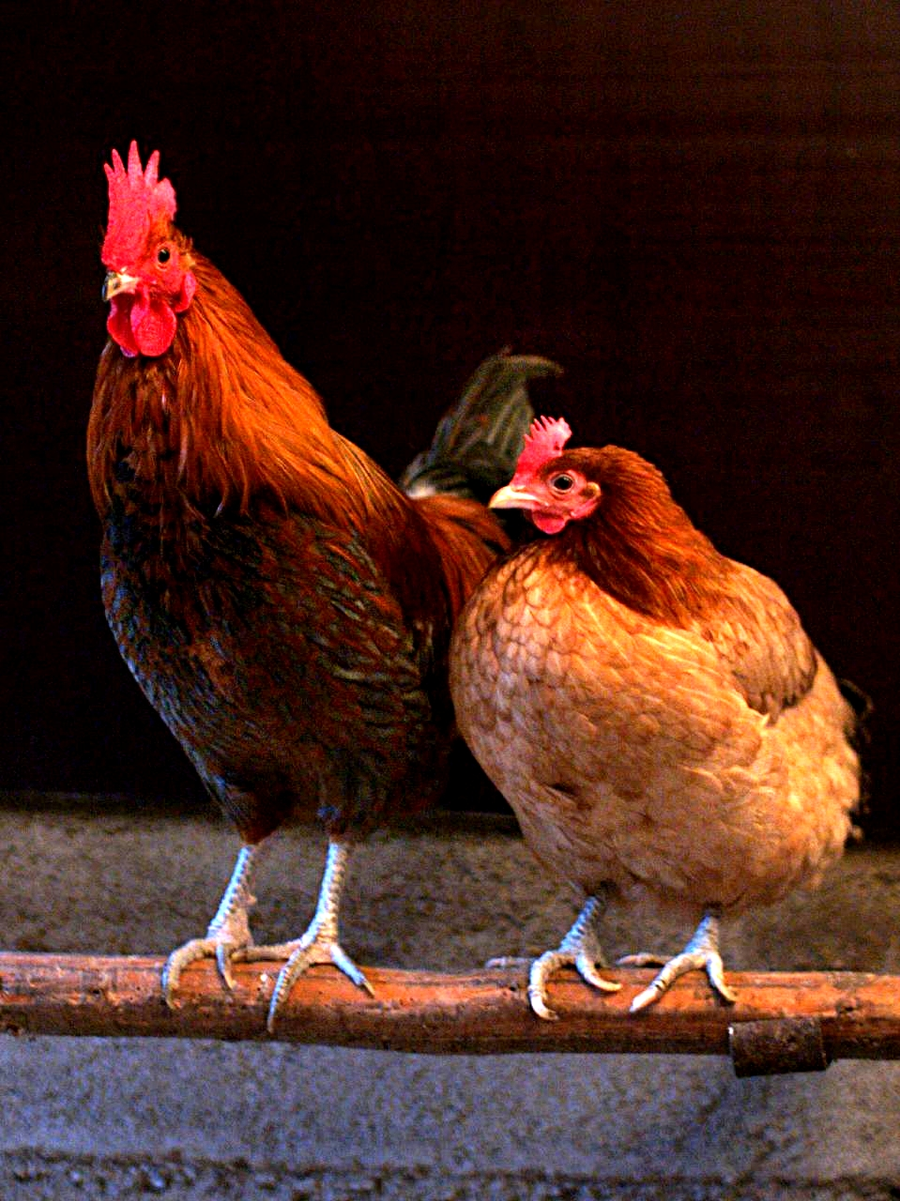
Bird
Chicken
The world's most common bird
Trusted wildlife guides
Sunday, 1 November 2026Browse
Popular groups
Tools
Questions
Reference
Health
Choosing and living with pets
Understand
Help
Read
Play and teach
Bird guide · 142 species profiles
Species guides, bird groups and identification help, with sourced facts and credited photographs.
Birds (class Aves) are warm-blooded vertebrates with feathers, toothless beaks and hard-shelled eggs. Version 15.2 of the IOC World Bird List recognises 11,064 living species in 44 orders and 250 families, and about 60% of them are perching birds. This guide profiles 142 species, from the ostrich to the little penguin, each with its size, diet, range and current IUCN Red List status.
Start with a group, compare its species side by side, then open any profile.
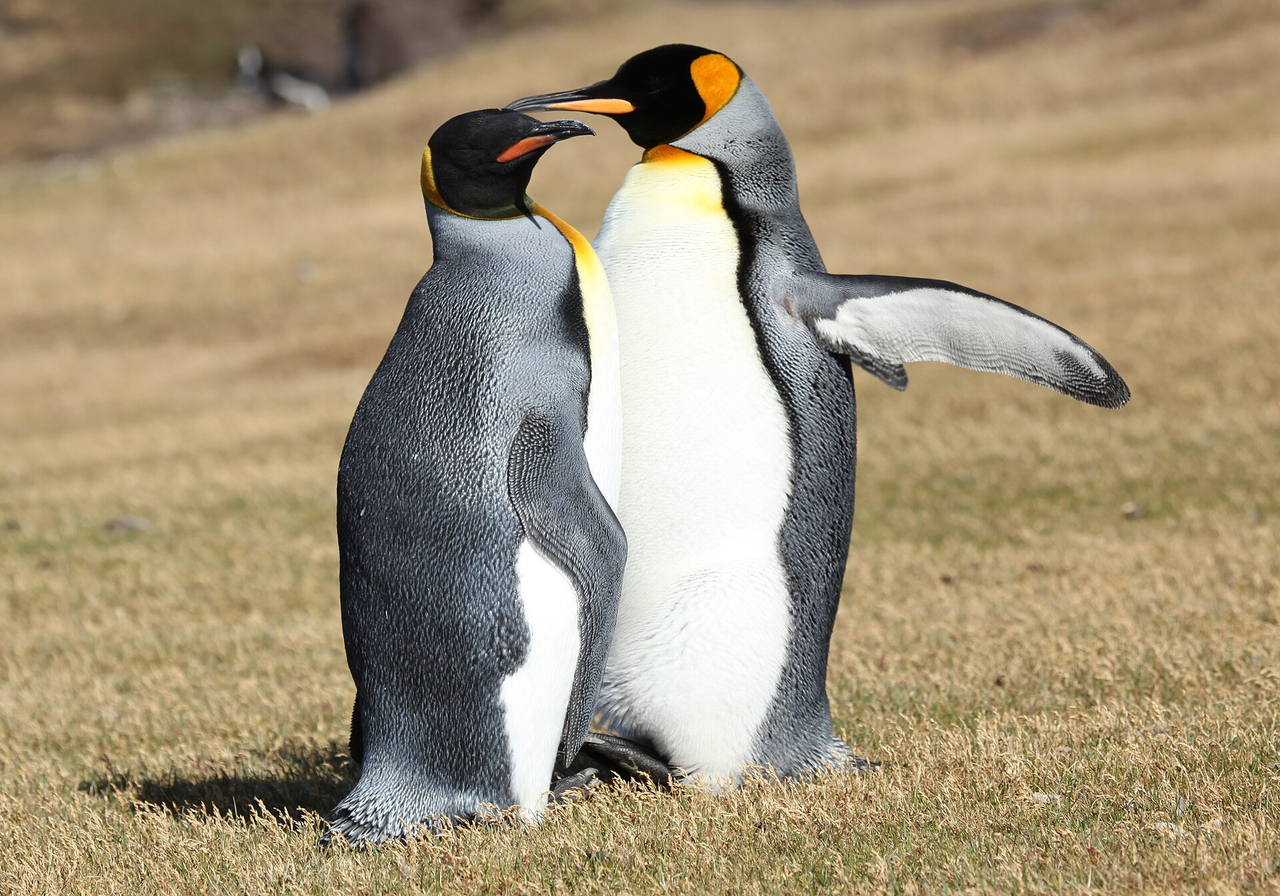
6 species, including the emperor penguin, king penguin, Adélie penguin
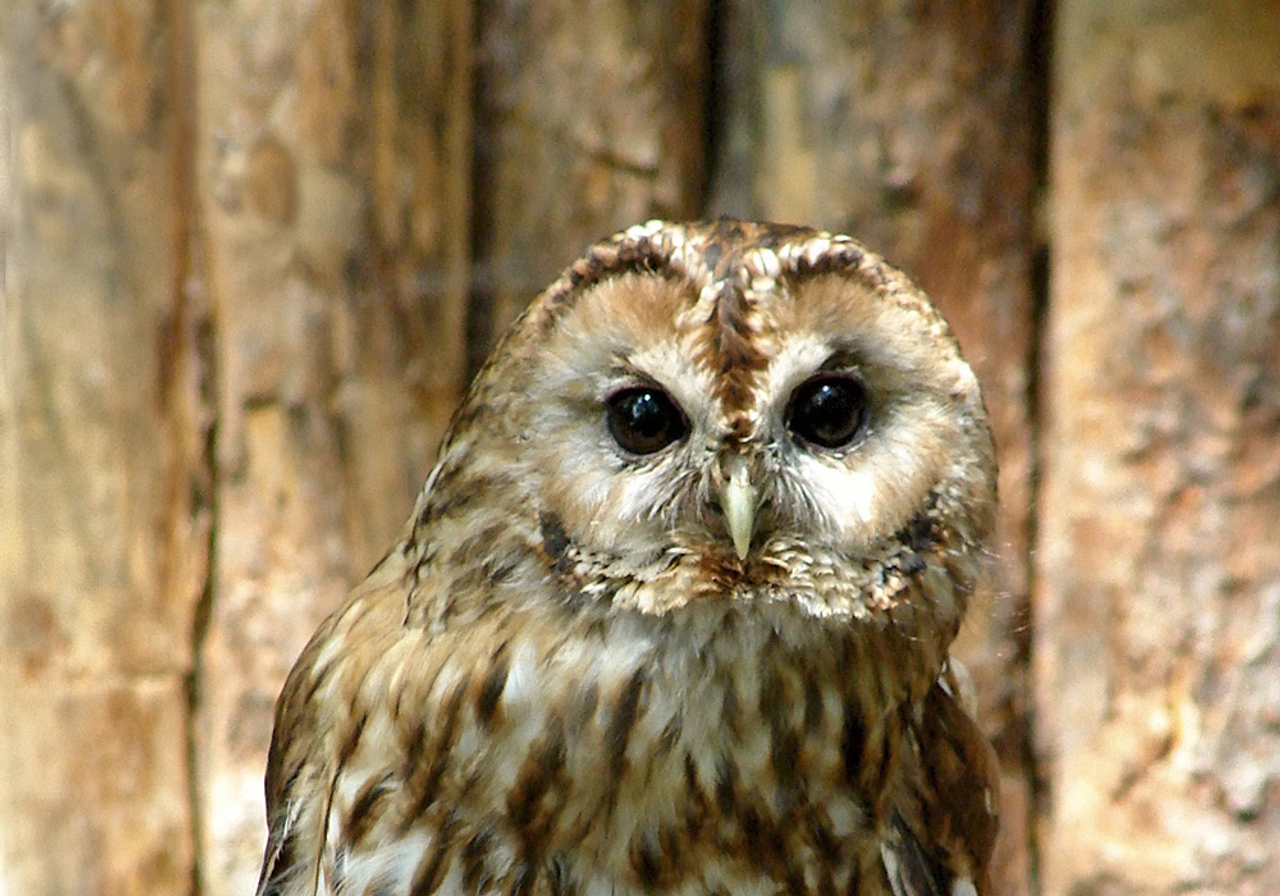
6 species, including the barn owl, tawny owl, Eurasian eagle-owl
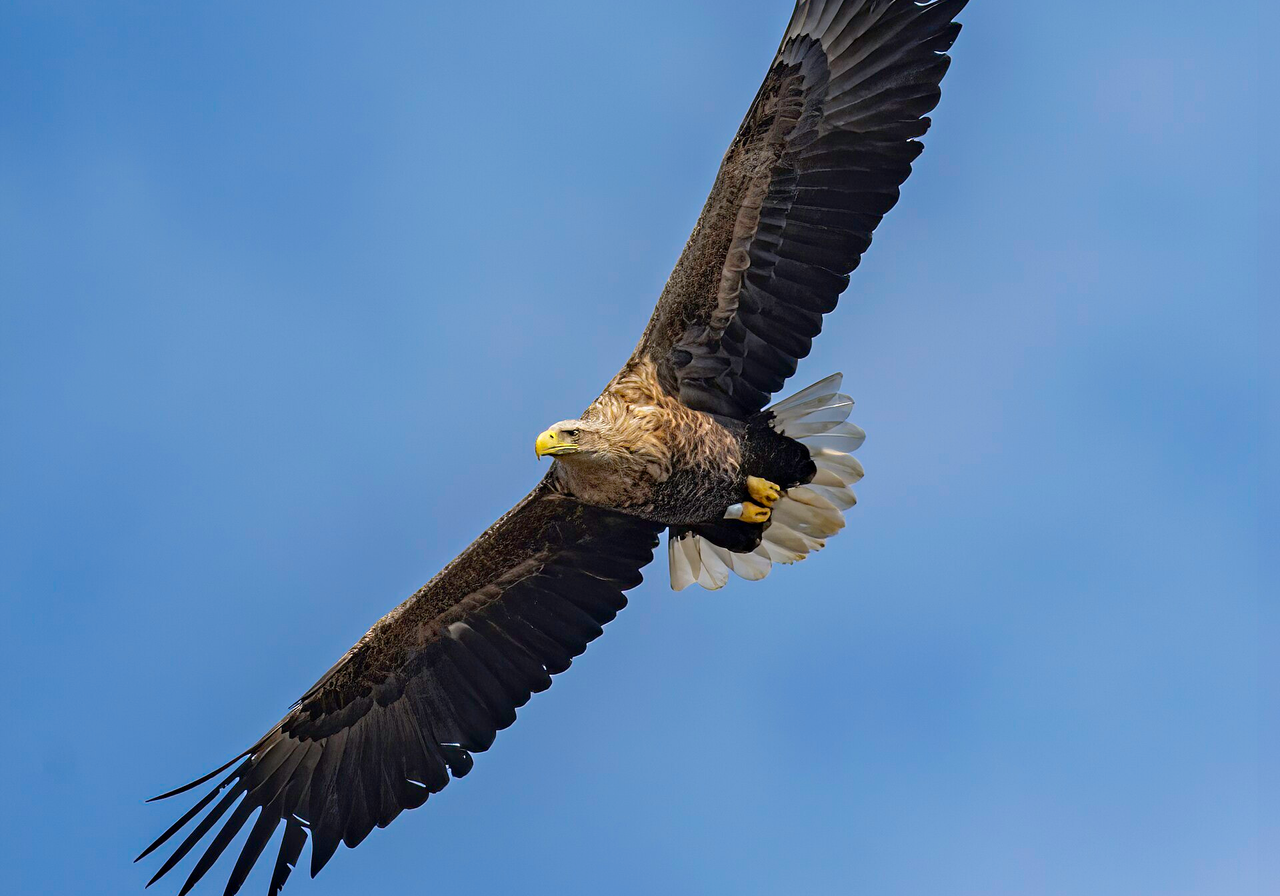
7 species, including the bald eagle, golden eagle, white-tailed eagle
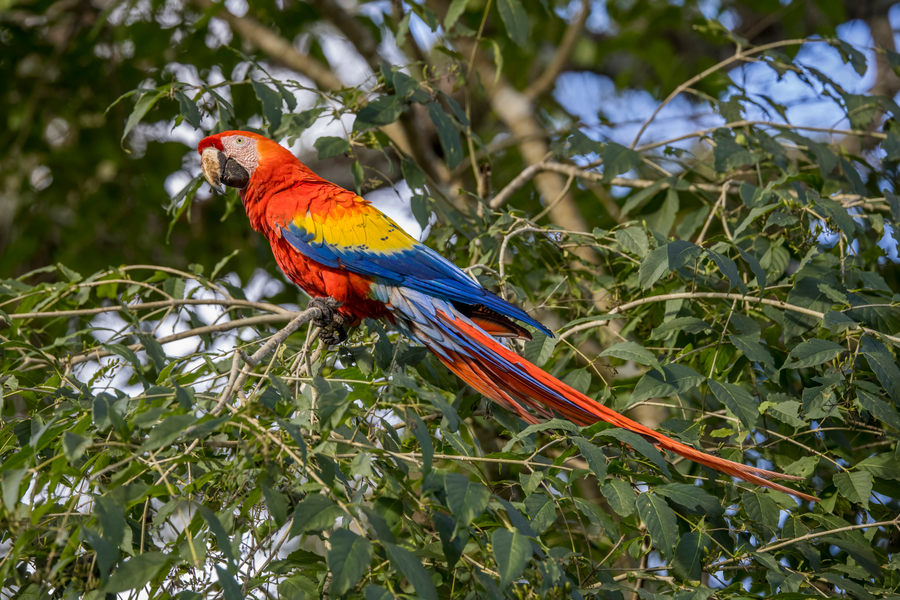
12 species, including the African grey parrot, scarlet macaw, hyacinth macaw
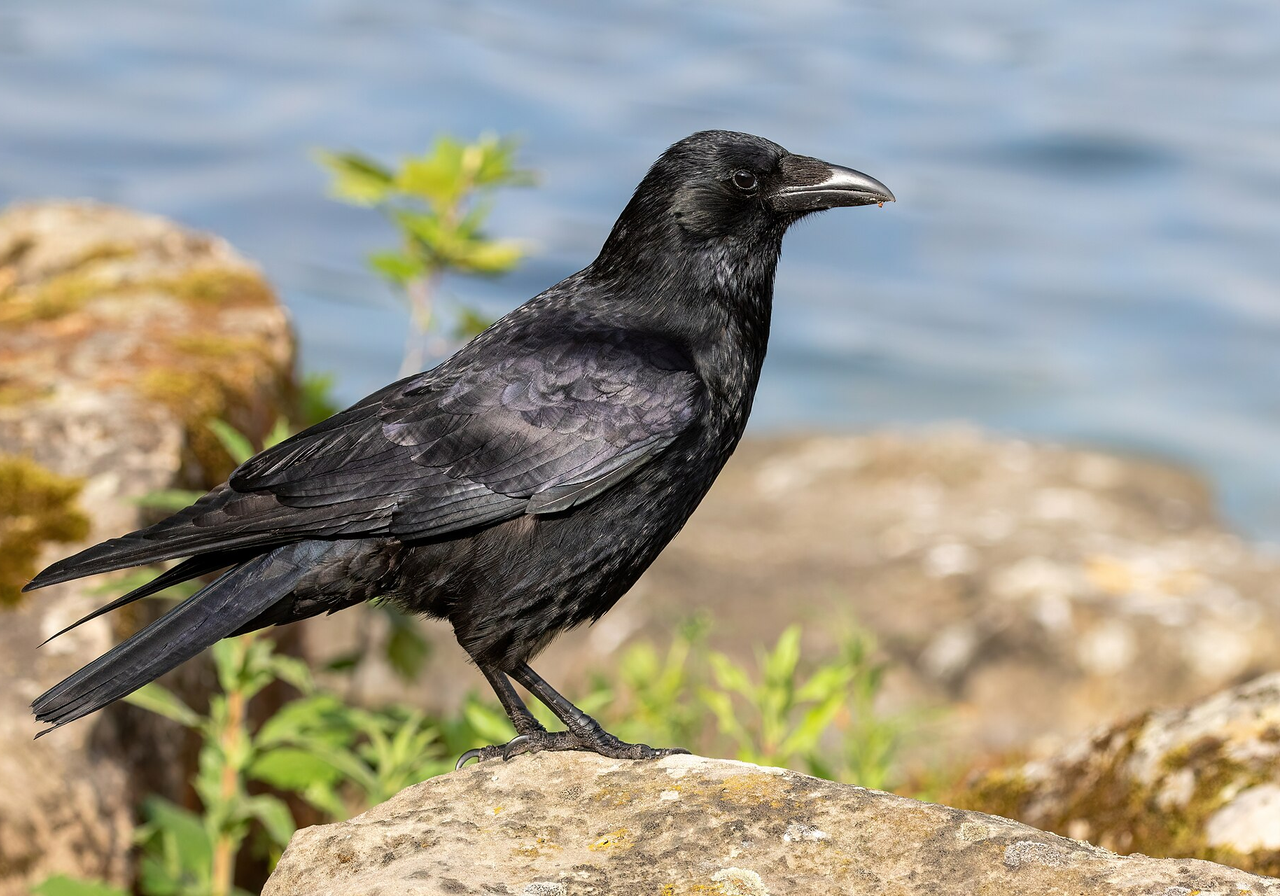
9 species, including the common raven, crow, carrion crow
Bird
The world's most common bird
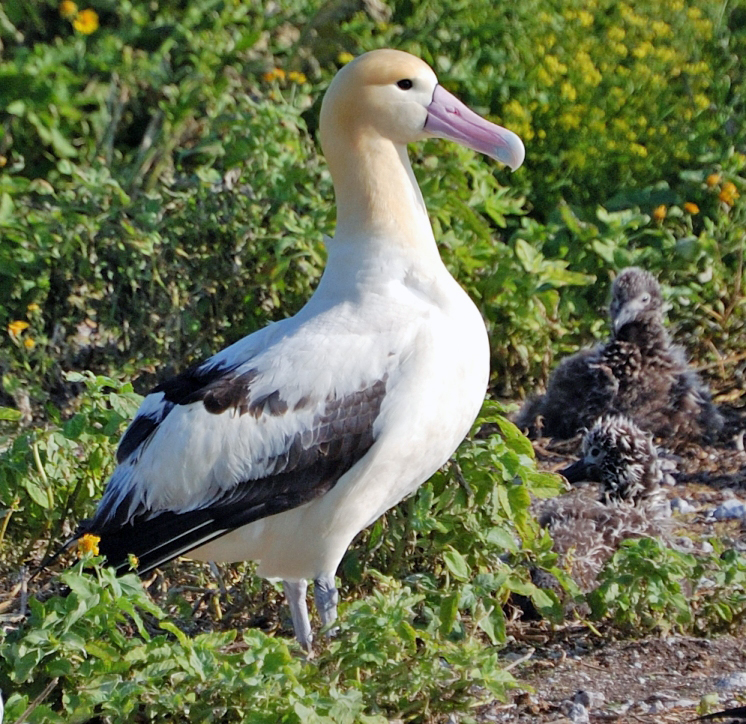
Bird
The widest wingspan on Earth
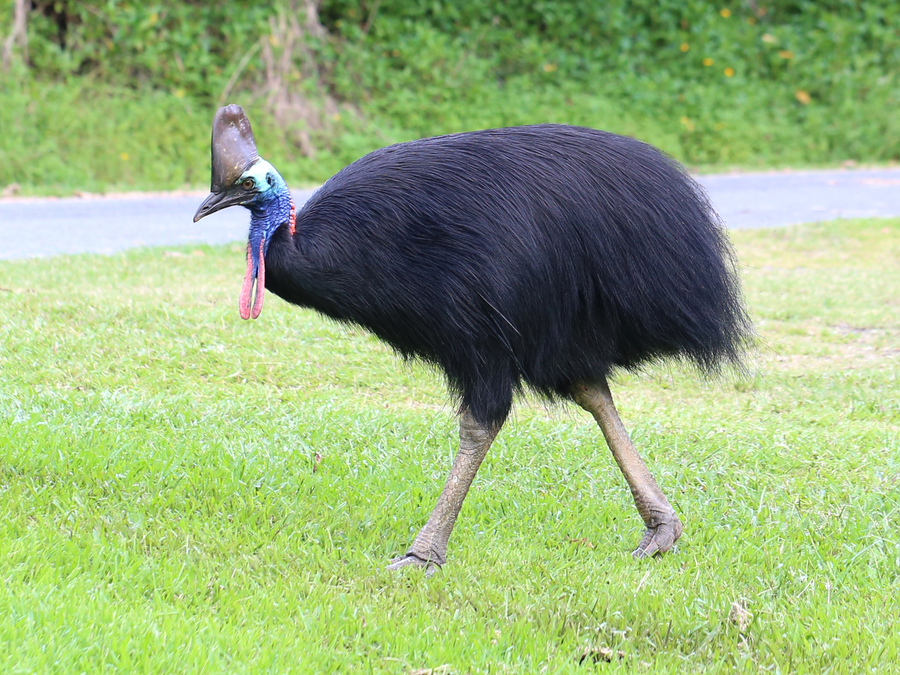
Bird
The world's most dangerous bird
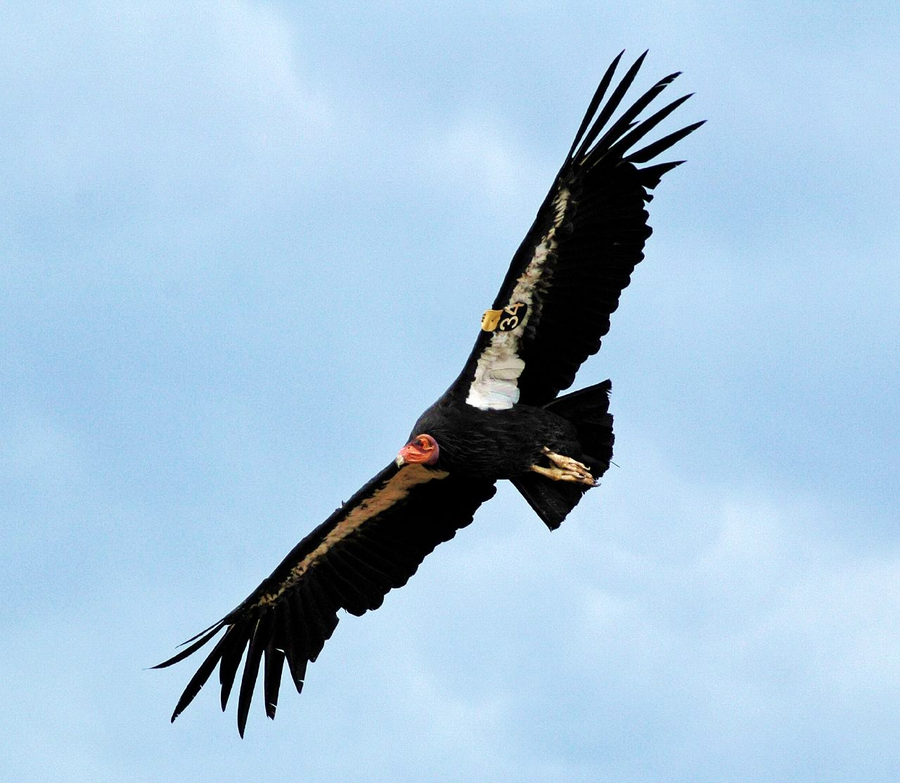
Bird
North America's largest flying land bird
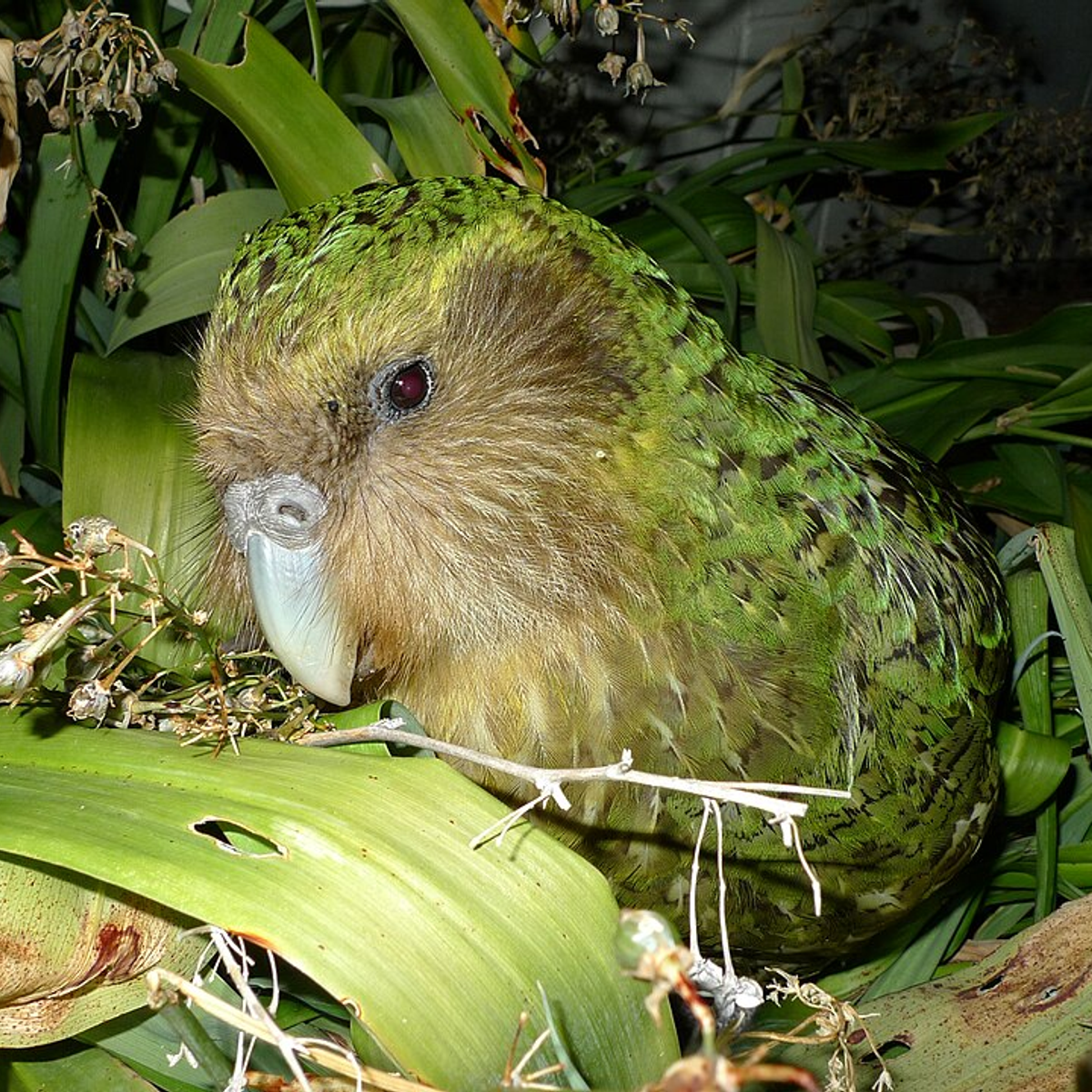
Bird
Flightless nocturnal parrot of New Zealand
Bird
Iconic red-and-blue rainforest parrot
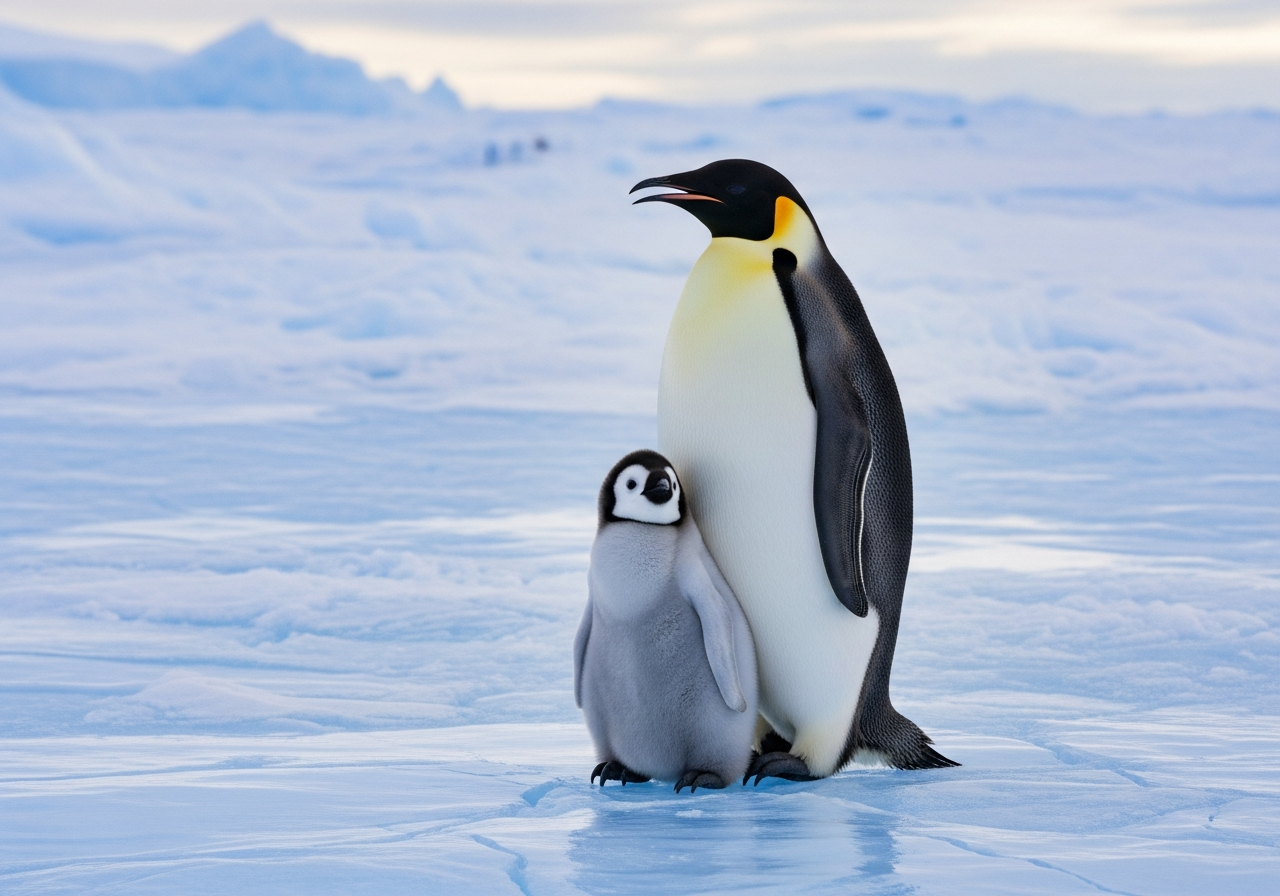
Bird
The largest penguin, built for the Antarctic winter
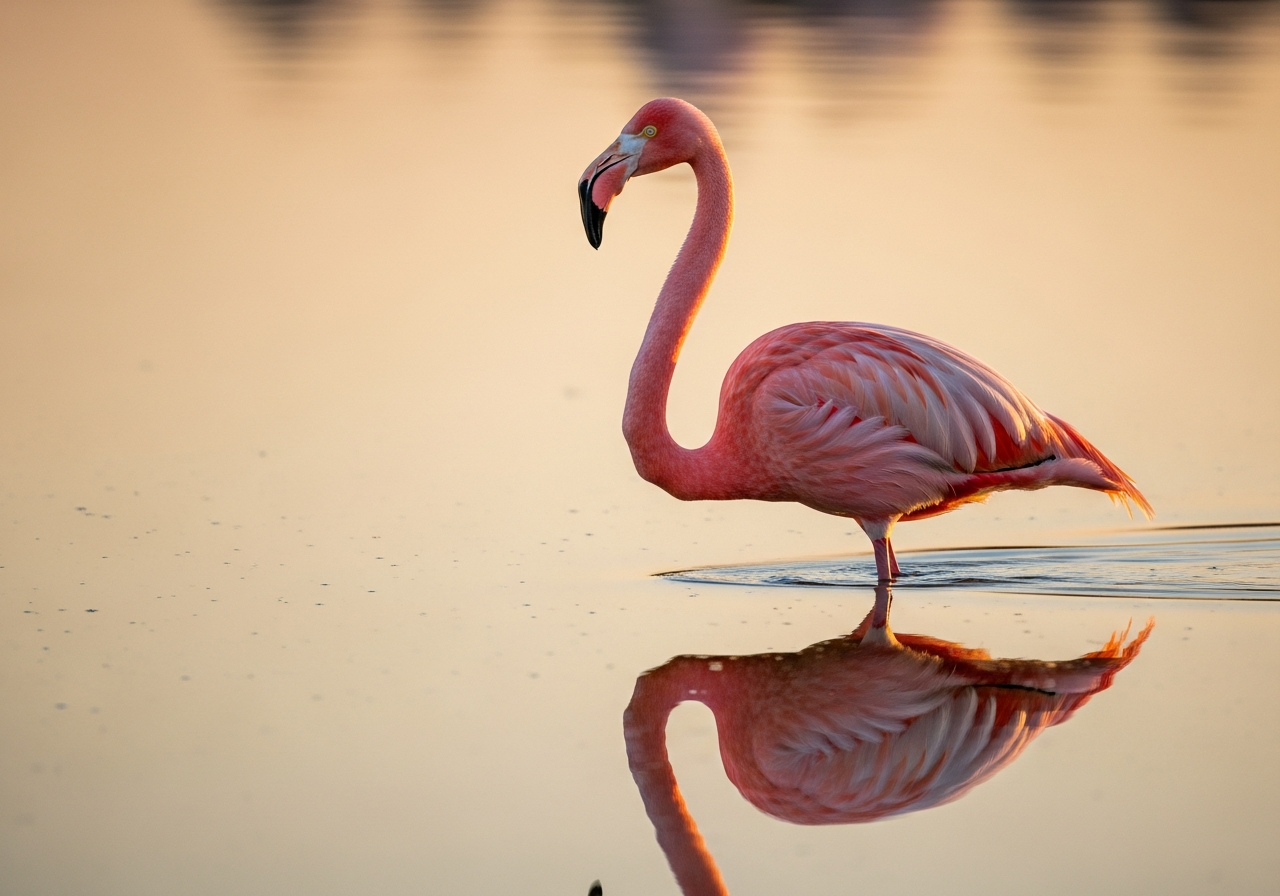
Bird
The pink filter-feeder that stands on one leg
Grouped by taxonomic order, so close relatives sit together. The badge shows each species' IUCN Red List category.
Compare crows and corvids side by side
Species listed as Vulnerable or worse, highest risk first. Figures are the typical adult values on each profile; a dash means no sourced figure.
| Animal | Weight | Length | Top speed | Lifespan | Native to | Status |
|---|---|---|---|---|---|---|
| Spix's Macaw Cyanopsitta spixii | — | — | — | 28 yrs | South America | Extinct in the Wild |
| African Penguin Spheniscus demersus | 3.1 kg | 45 cm | — | 18 yrs | Africa, Oceans | Critically Endangered |
| California Condor Gymnogyps californianus | 10 kg | 1.2 m | 90 km/h | 60 yrs | North America | Critically Endangered |
| Ivory-billed Woodpecker Campephilus principalis | 510 g | 53 cm | — | — | North America | Critically Endangered |
| Kakapo Strigops habroptilus | 3 kg | 60 cm | 5 km/h | 60 yrs | Oceania | Critically Endangered |
| Philippine Eagle Pithecophaga jefferyi | 5.2 kg | — | — | 40 yrs | Asia | Critically Endangered |
| African Grey Parrot Psittacus erithacus | 400 g | 33 cm | 50 km/h | 55 yrs | Africa | Endangered |
| Kea Nestor notabilis | 900 g | 48 cm | 50 km/h | 30 yrs | Oceania | Endangered |
| Secretary Bird Sagittarius serpentarius | 4 kg | 1.3 m | 30 km/h | 15 yrs | Africa | Endangered |
| South Island Takahe Porphyrio hochstetteri | 3 kg | 50 cm | 10 km/h | 20 yrs | Oceania | Endangered |
| Vulture Gyps fulvus | 8 kg | 1 m | 55 km/h | 25 yrs | Africa, Asia, Europe | Endangered |
| Whooping Crane Grus americana | 7 kg | 1.5 m | 70 km/h | 25 yrs | North America | Endangered |
| Andean Condor Vultur gryphus | 12 kg | 1.3 m | 80 km/h | 50 yrs | South America | Vulnerable |
| Atlantic Puffin Fratercula arctica | 400 g | 28 cm | 88 km/h | 20 yrs | North America, Europe, Oceans | Vulnerable |
| Harpy Eagle Harpia harpyja | 4.8 kg | 95 cm | — | 30 yrs | North America, South America | Vulnerable |
| Hyacinth Macaw Anodorhynchus hyacinthinus | 1.5 kg | 1 m | 50 km/h | 50 yrs | South America | Vulnerable |
| Kiwi Apteryx australis | 2.5 kg | 45 cm | 20 km/h | 25 yrs | Oceania | Vulnerable |
| Rhinoceros Hornbill Buceros rhinoceros | 2.5 kg | 1.2 m | 35 km/h | 35 yrs | Asia | Vulnerable |
| Shoebill Balaeniceps rex | 5.5 kg | 1.2 m | 40 km/h | 35 yrs | Africa | Vulnerable |
| Snowy Owl Bubo scandiacus | 2 kg | 66 cm | 80 km/h | 10 yrs | North America, Europe, Asia | Vulnerable |
| Steller's Sea Eagle Haliaeetus pelagicus | 7.8 kg | 90 cm | — | — | Asia | Vulnerable |
| Wandering Albatross Diomedea exulans | 10 kg | 1.3 m | 80 km/h | 50 yrs | Antarctica, Oceania, Oceans, South America | Vulnerable |
Figures are typical adult maxima from each profile; follow a profile for ranges, sources and context.
Regional guides to the birds you are most likely to see, plus calls and birds of prey.
Budgerigars, cockatiels, canaries and lovebirds are the most widely kept pet birds. The top 10 pet bird breeds guide compares temperament, lifespan and care, and each species profile covers the wild bird behind the pet.
Version 15.2 of the IOC World Bird List recognises 11,064 living bird species in 44 orders and 250 families. About 60% of them (6,696) are perching birds, the order Passeriformes. Other checklists give slightly different totals because they split or lump some species differently.
The common ostrich. It can stand about 2.8 m tall and weigh up to 130 kg, and it lays the largest eggs of any living bird.
The peregrine falcon, in its hunting dive (stoop), when it has been measured at about 389 km/h. In level flight, swifts and some ducks are among the fastest birds.
Ostriches, emus, cassowaries, rheas and kiwis (the ratites), all penguins, and a few island birds such as New Zealand's kākāpō and takahē. Penguins use their wings as flippers to 'fly' underwater instead.
Yes. Birds evolved from small feathered theropod dinosaurs, so scientists treat them as the one group of dinosaurs that survived the mass extinction 66 million years ago.