Amphibian
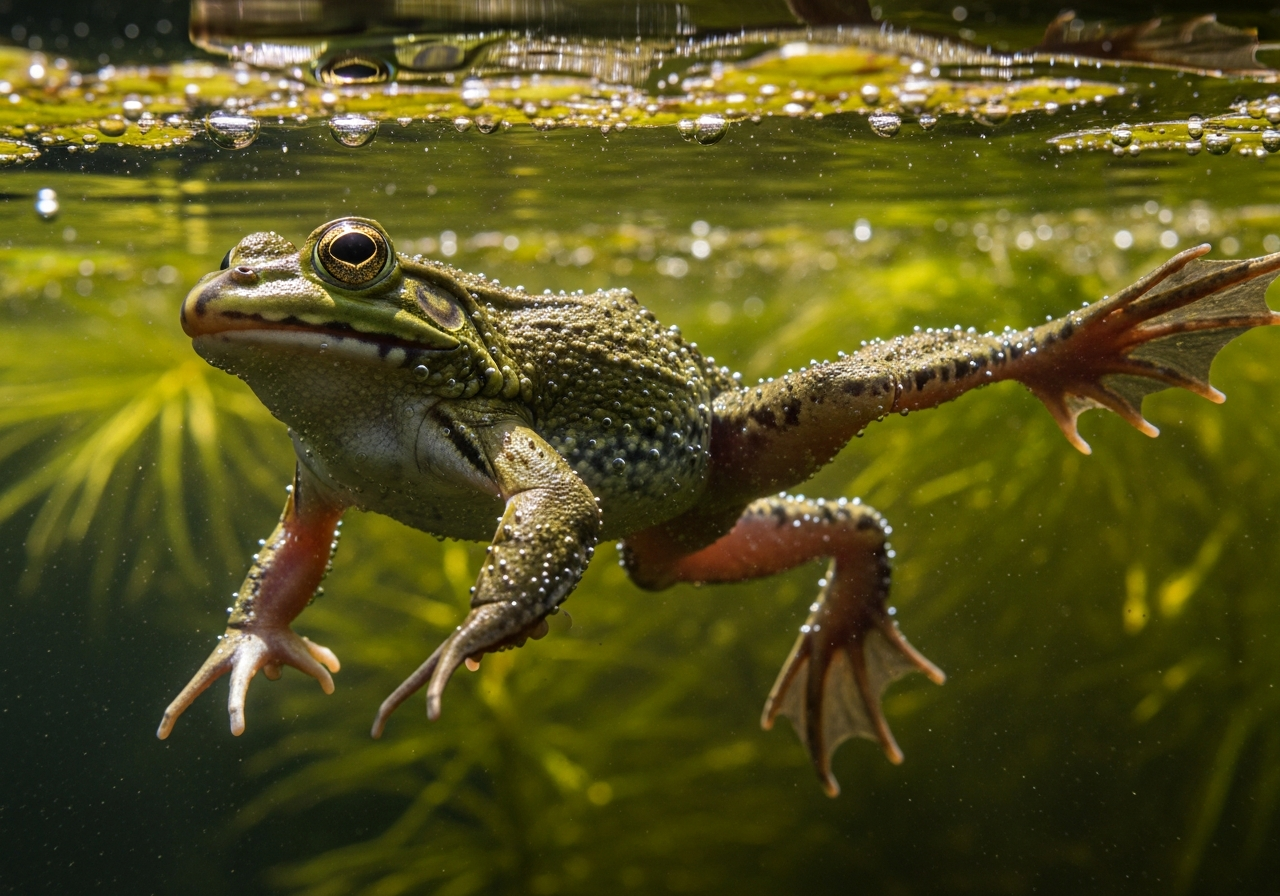
African Clawed Frog
The fully aquatic lab and pet frog
Trusted wildlife guides
Saturday, 19 September 2026Species group · 12 profiles
Twelve frog and toad profiles — from goliath frog to cane toad. Skin, legs, toxins, range and conservation status.
"Toad" is a descriptive habit inside the frog order Anura, not a taxonomic rank equal to frog. Anurans are tailless as adults and typically begin life as gilled tadpoles in freshwater. This guide profiles twelve species: African clawed frog, glass frog, goliath frog, gray tree frog, pacman frog, poison dart frog, red-eyed tree frog, tomato frog, wood frog, cane toad, common toad and fire-bellied toad. Size spans centimetre-scale glass frogs to the goliath frog, which can exceed 3 kg (6.6 lb). Permeable skin makes the group sensitive to pollution. Profiles cover skin toxins where relevant, breeding habitat, geographic range and IUCN conservation status.
Amphibian
The fully aquatic lab and pet frog
Amphibian
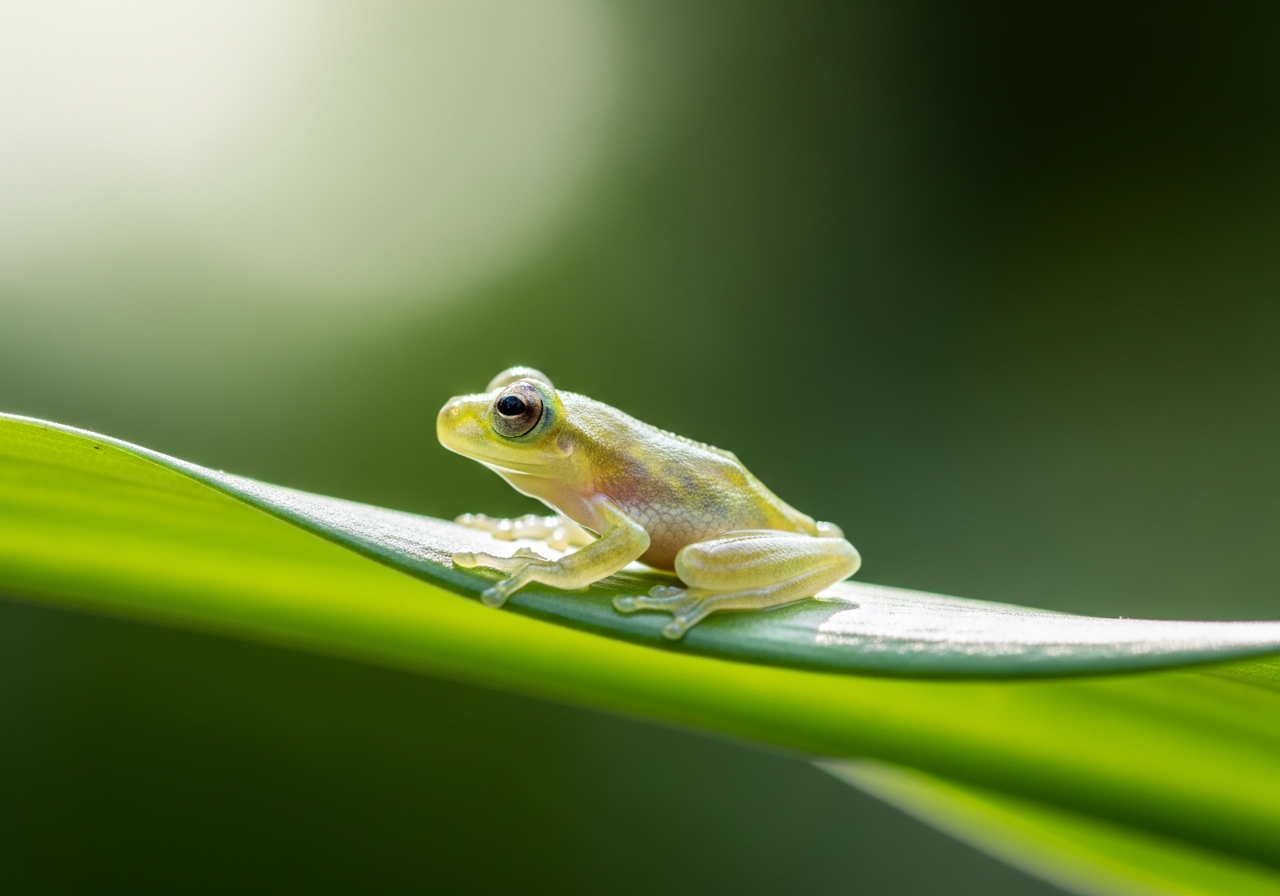
The frog with see-through skin
Amphibian
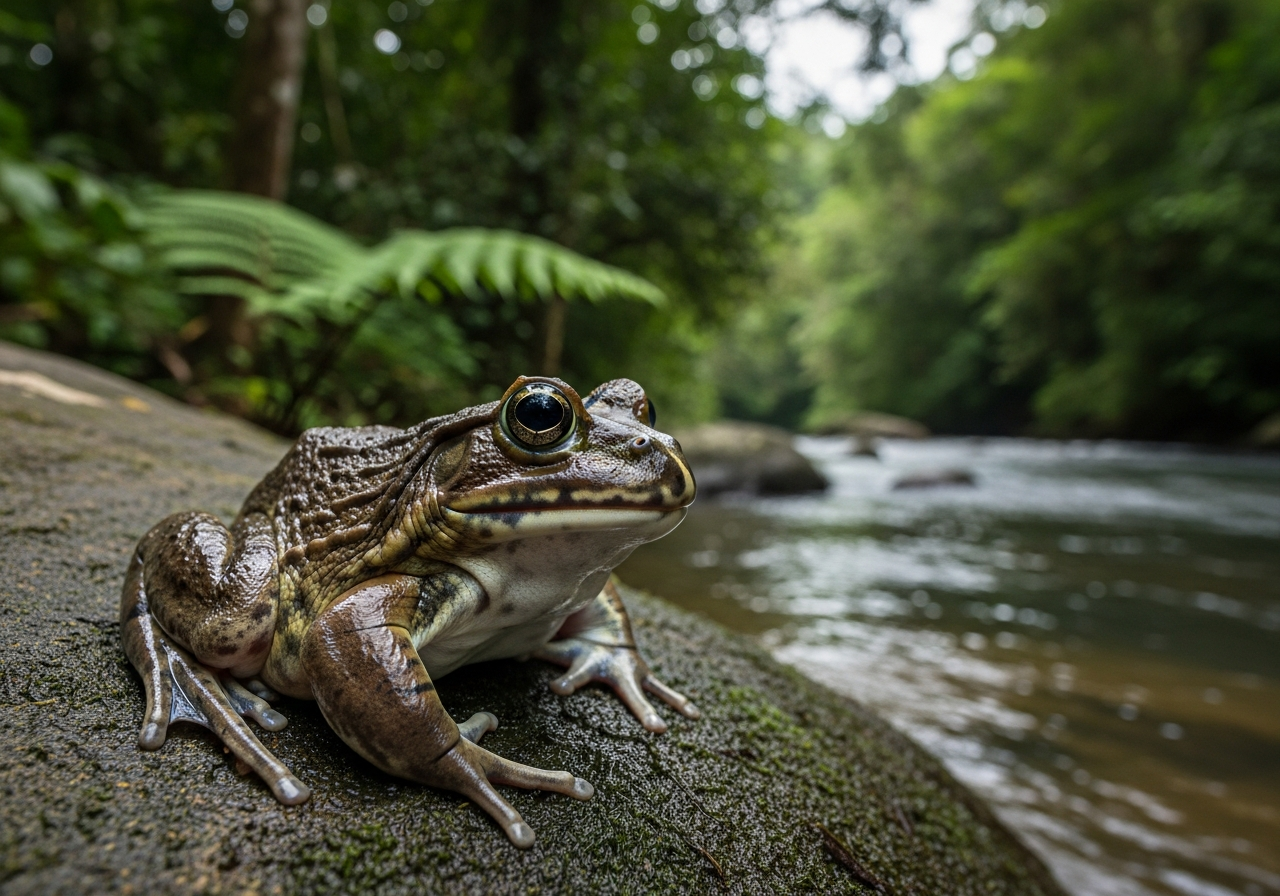
The largest frog on Earth
Amphibian
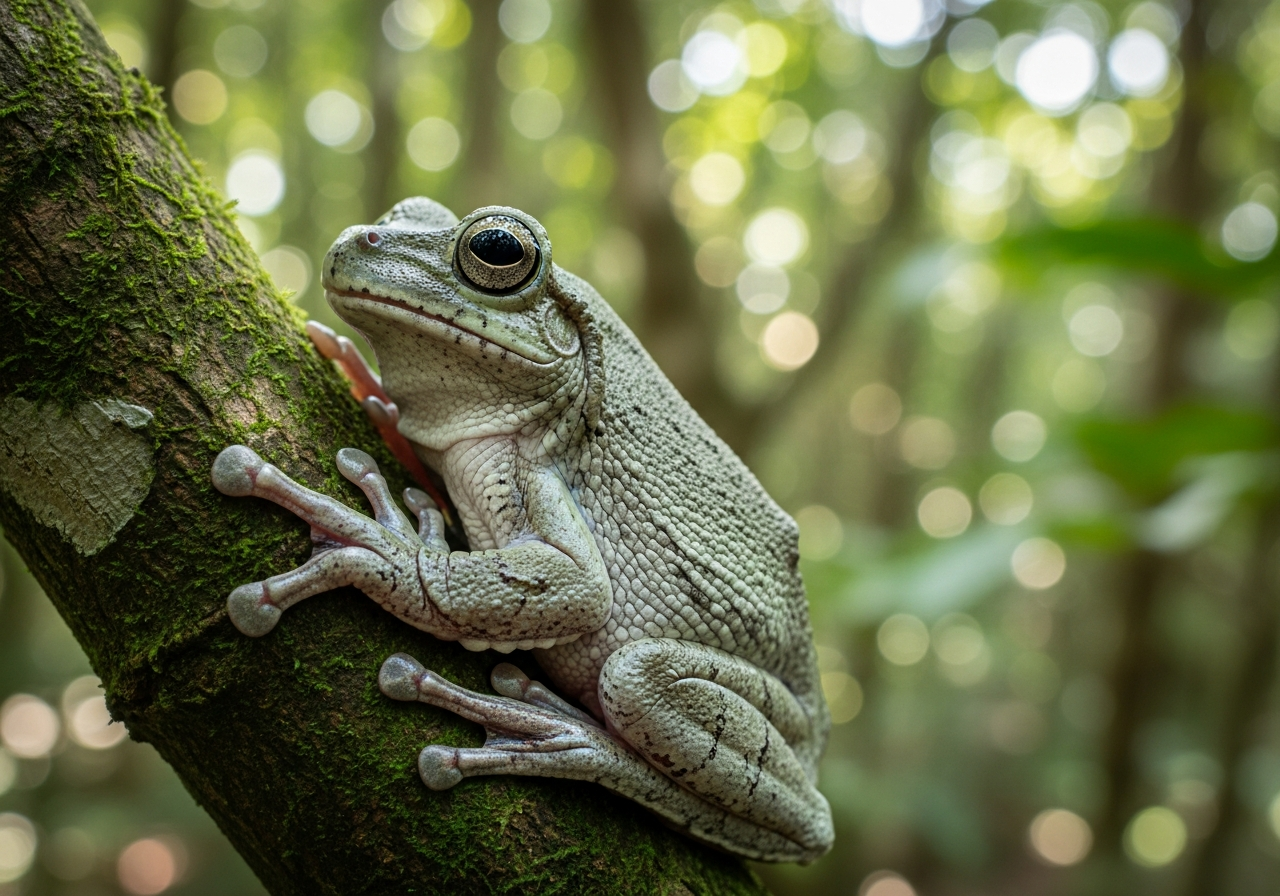
The color-changing tree frog of eastern forests
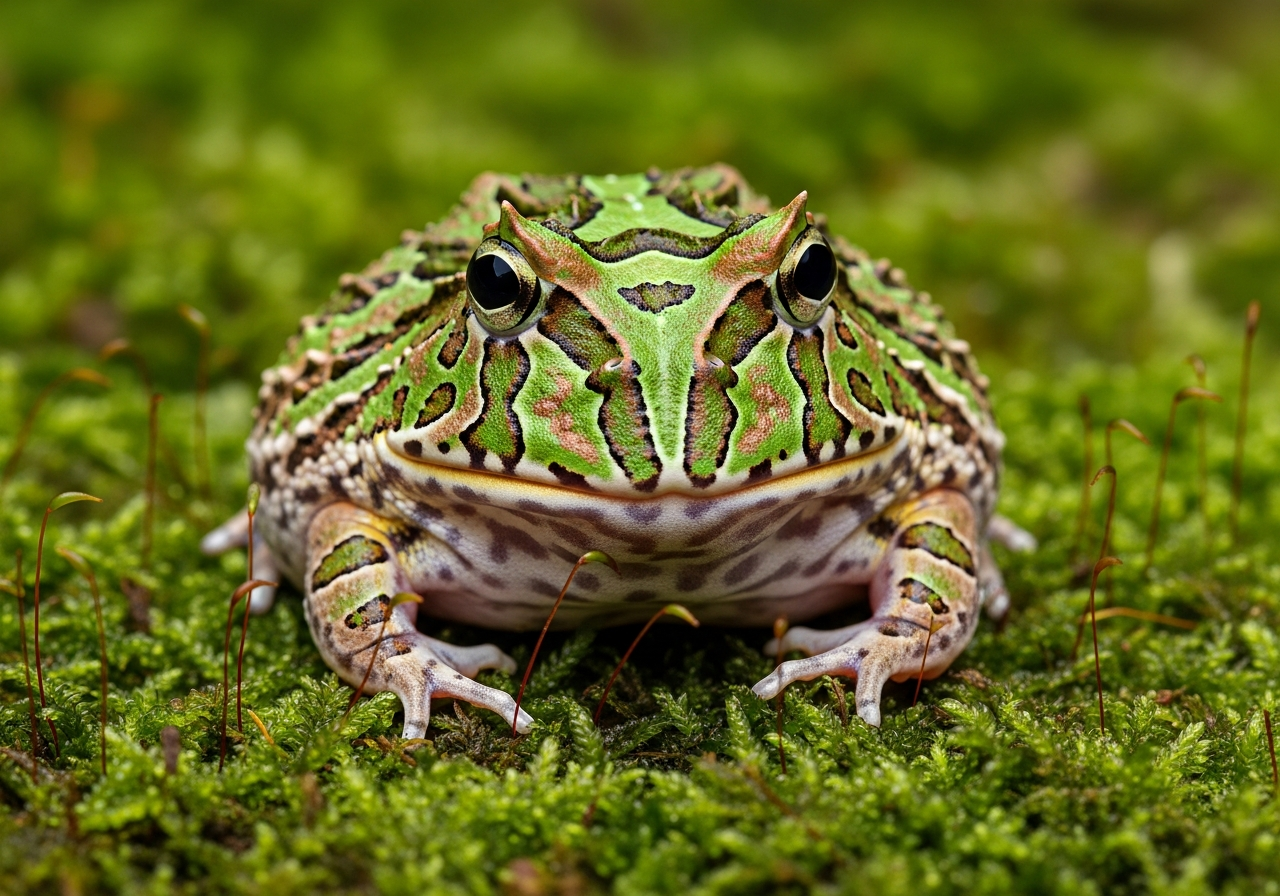
Amphibian
The round, big-mouthed horned frog
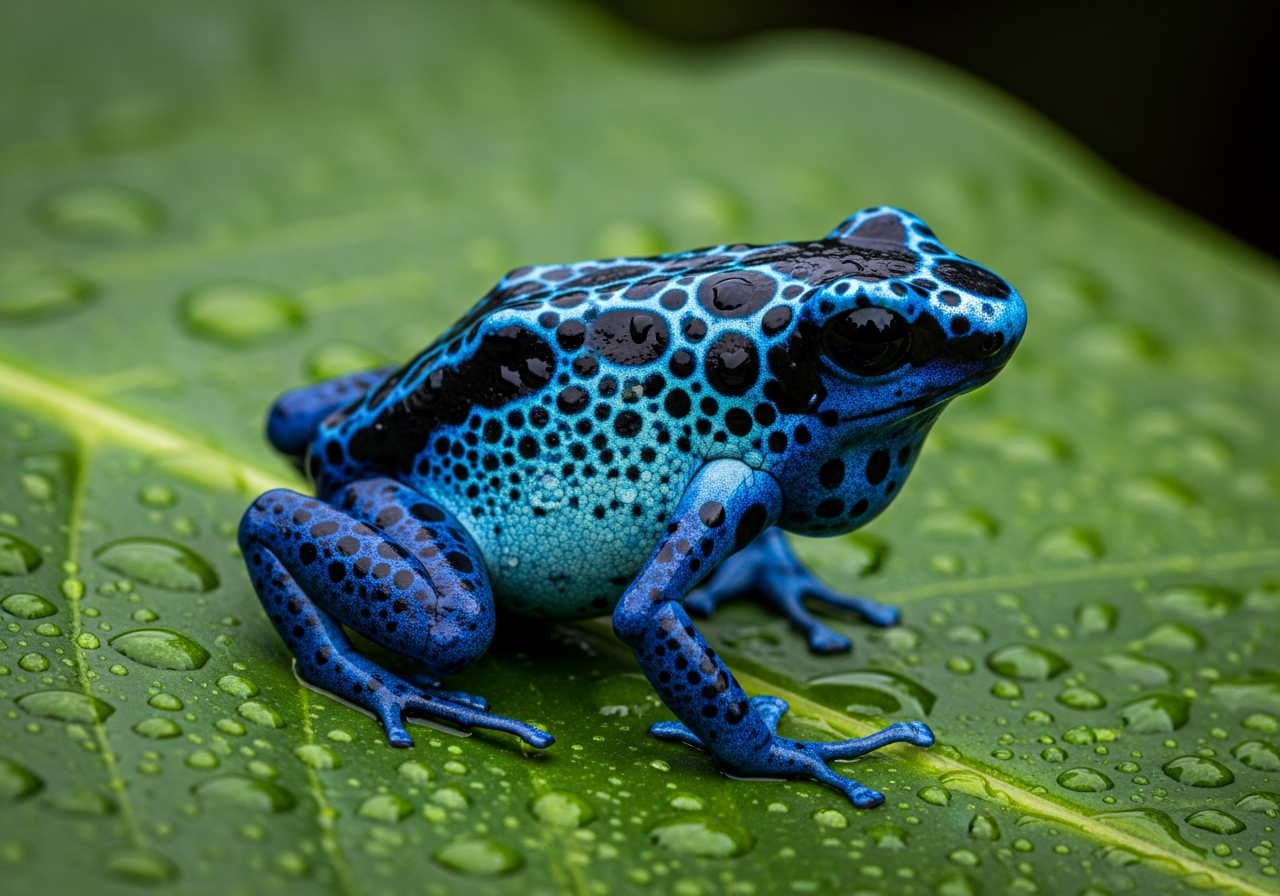
Amphibian
Tiny, brilliantly colored, and among the most toxic animals alive
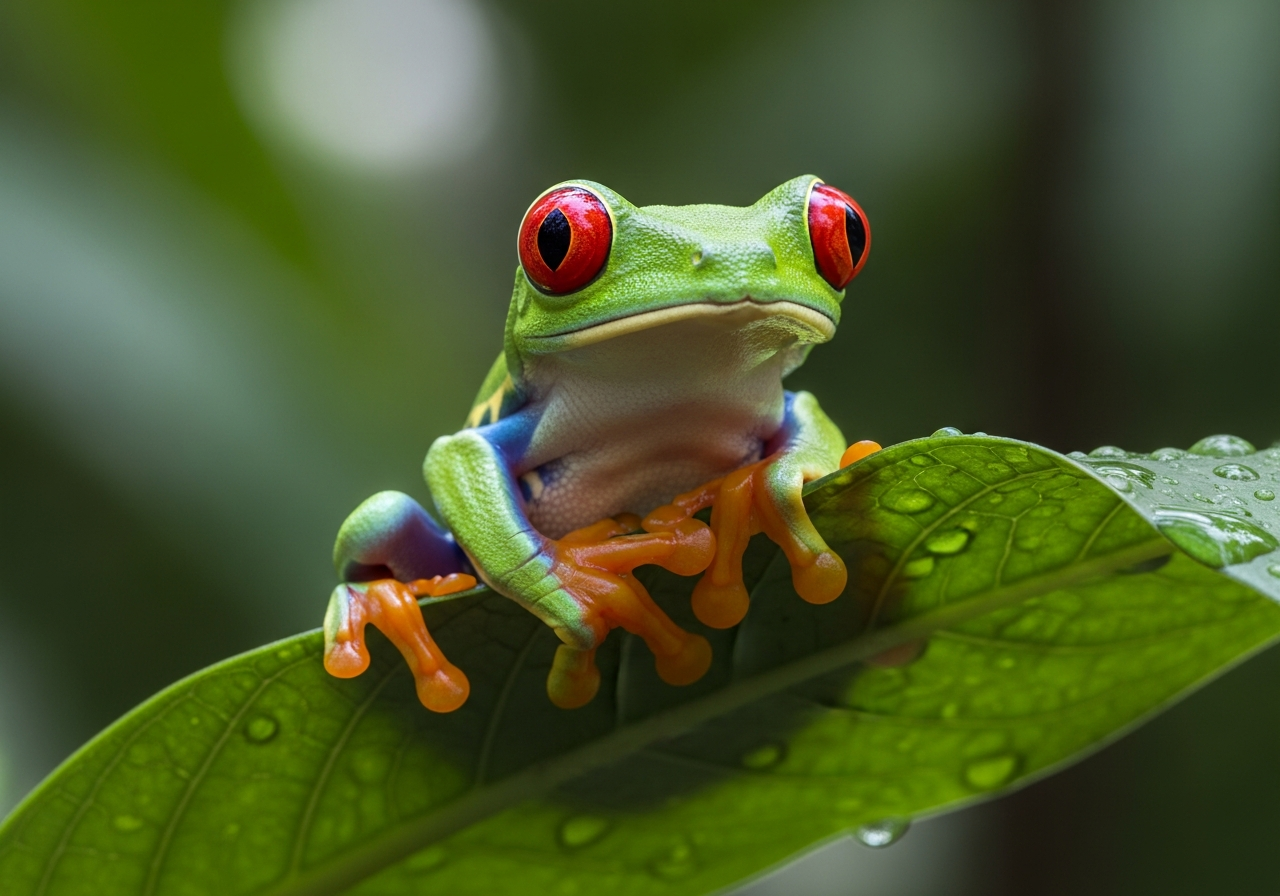
Amphibian
The bright-eyed icon of the rainforest canopy
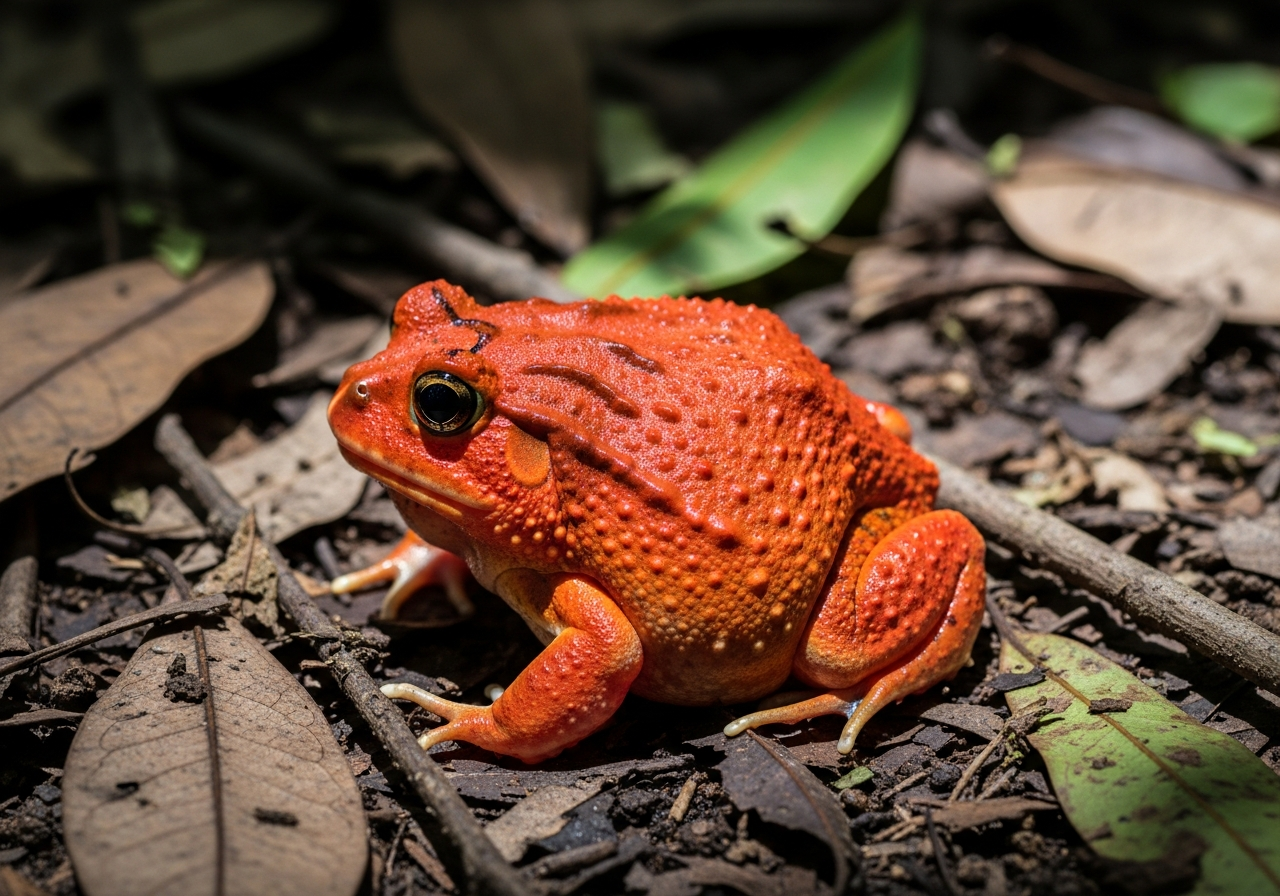
Amphibian
The plump, bright-red frog of Madagascar
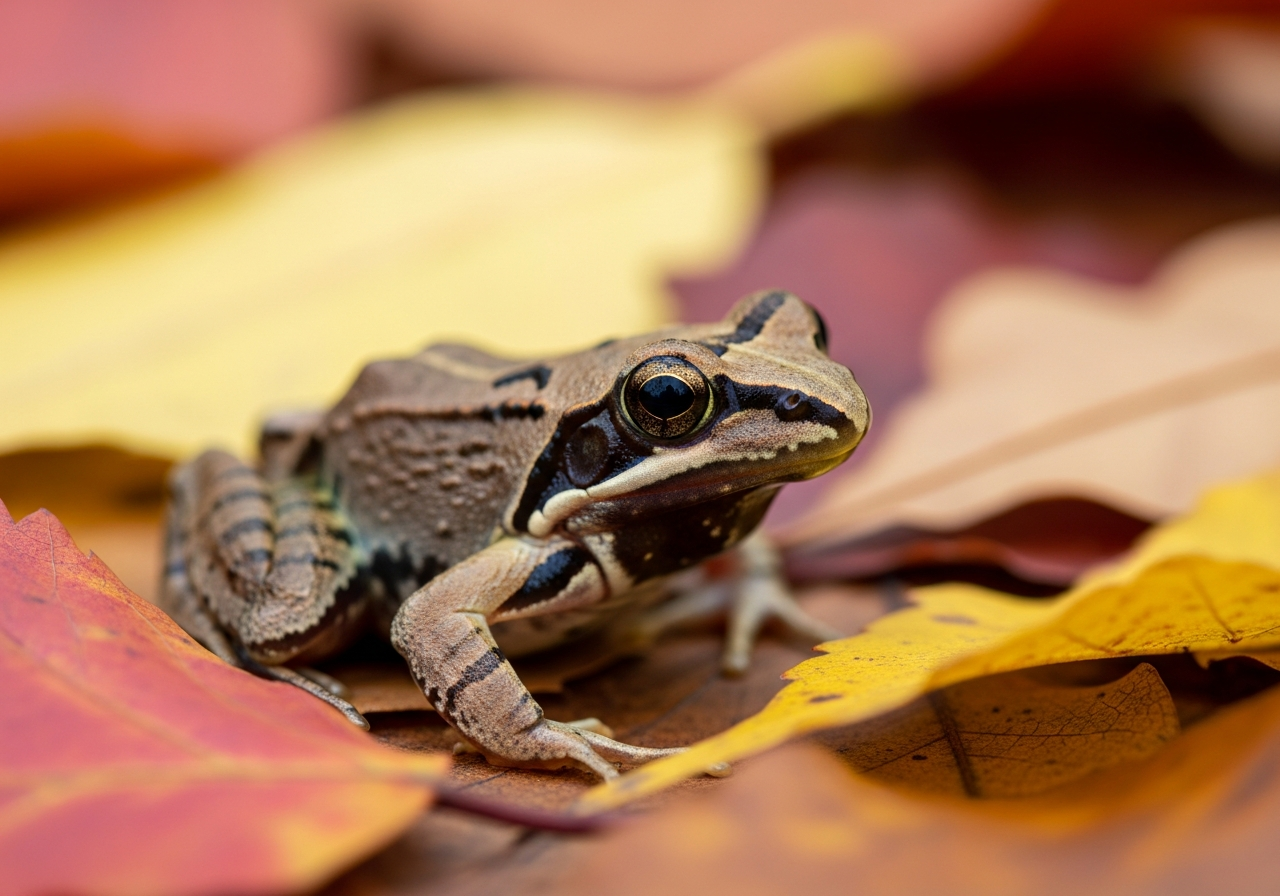
Amphibian
The frog that freezes solid to survive winter
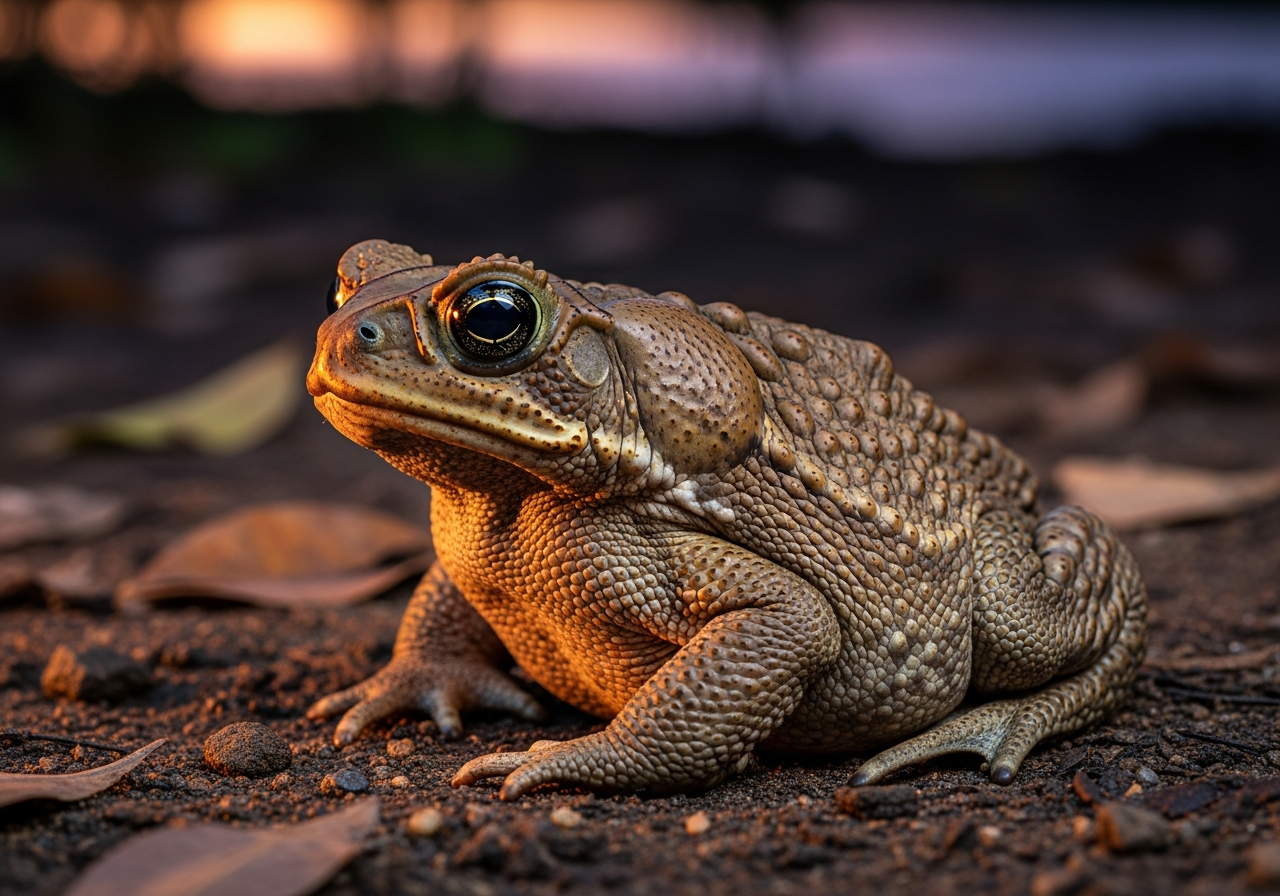
Amphibian
A large, toxic toad turned invasive pest
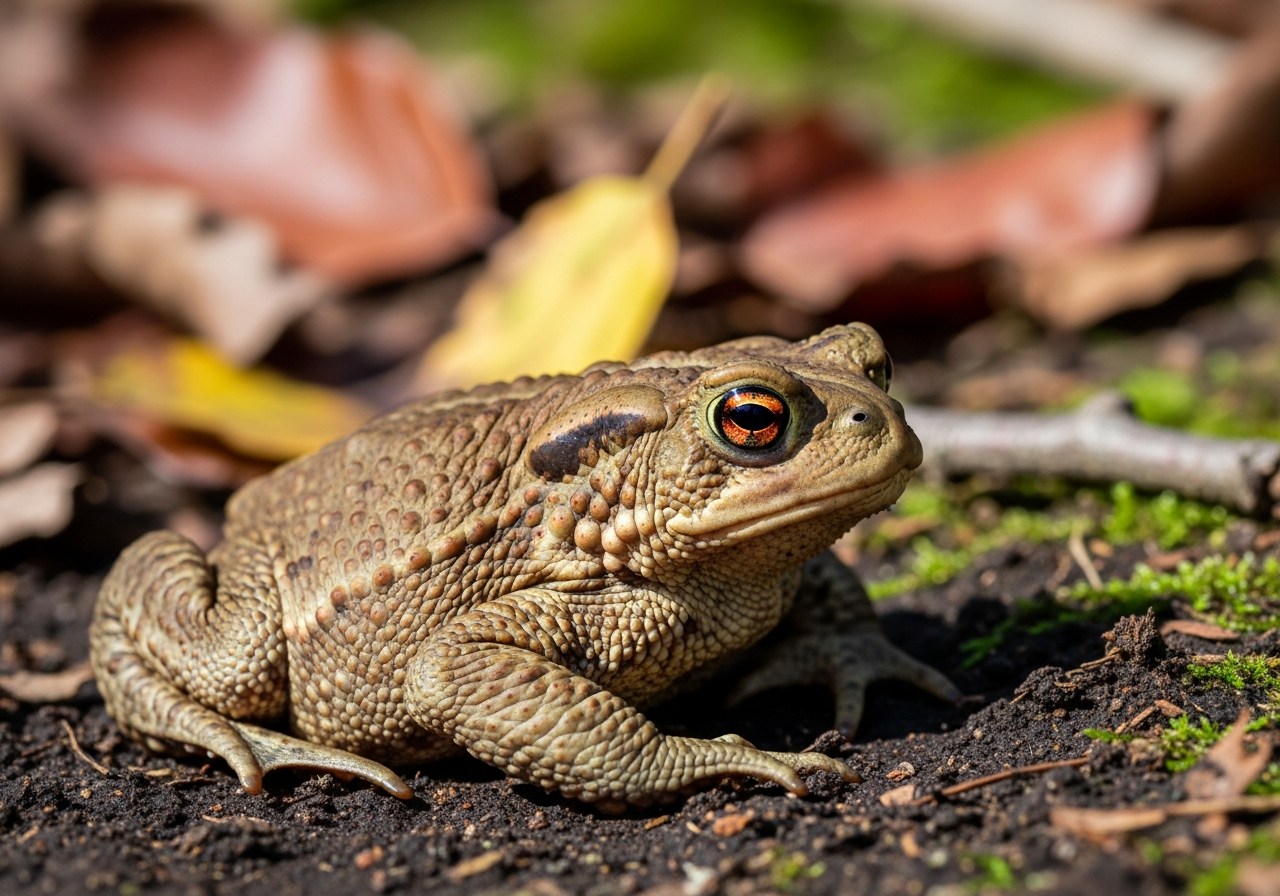
Amphibian
The warty garden toad of Europe
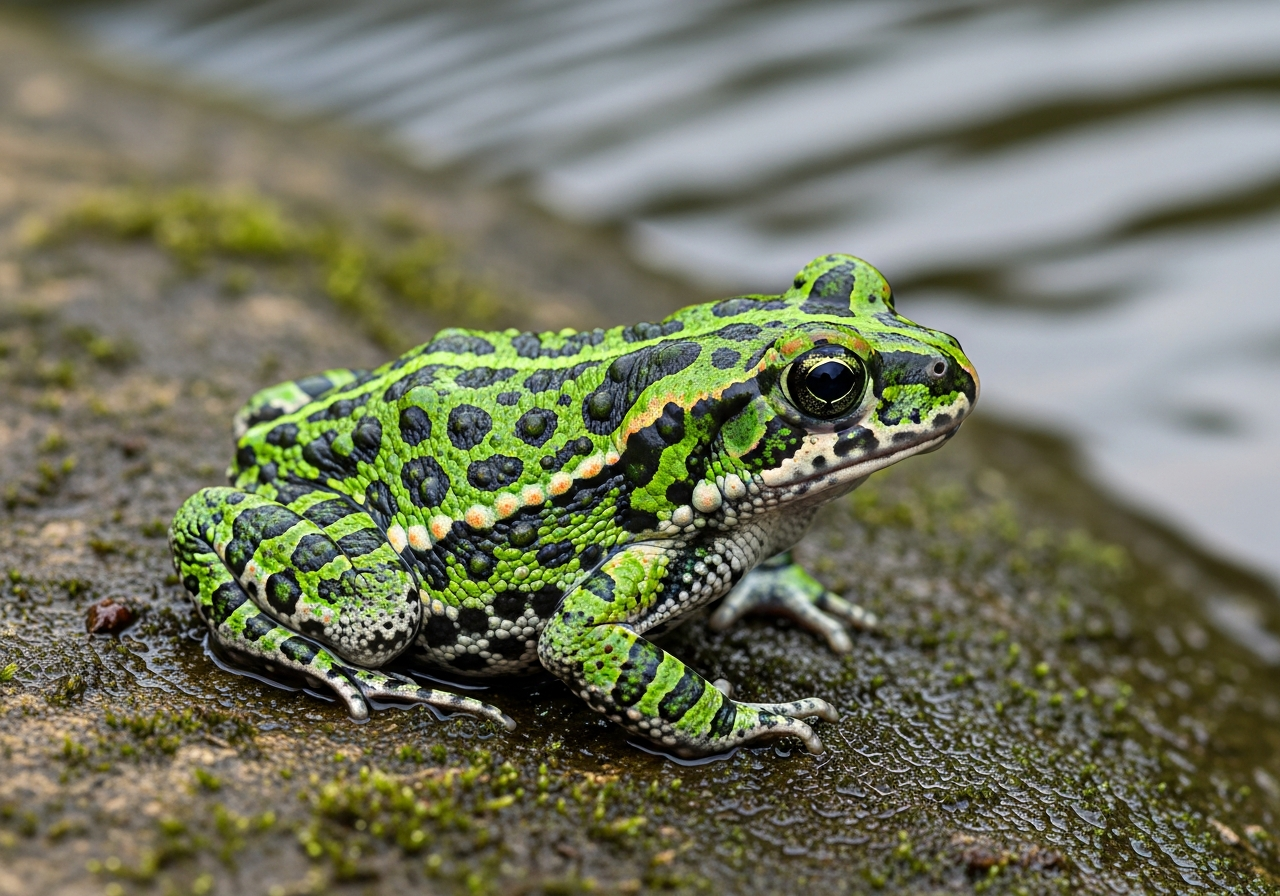
Amphibian
The green toad with a warning-red belly
Every toad is a frog in the broad sense; "toad" usually signals drier, wartier skin and shorter hind legs built for walking rather than long leaps. True frogs and true toads are informal clusters inside Anura, not a clean split of the whole order. Identification therefore leans on skin texture, leg length and life history, not the English common name alone.
Both are anurans. Animals called toads often have thicker, bumpier skin and shorter hind legs; many frogs have smoother skin and longer leaping legs. The labels are vernacular. Common toads and cane toads illustrate the "toad" habit; tree frogs illustrate the climbing frog habit.
Yes in phylogenetic terms: toads sit inside the frog order Anura. Calling an animal a toad describes appearance and ecology more than a separate class of vertebrate. Every species on this hub is an anuran whether its English name says frog or toad.
The goliath frog of West African rivers is the largest living frog, with adults over 30 cm (12 in) in body length and masses above 3 kg (6.6 lb). Most other frogs on this hub weigh grams to a few hundred grams. Habitat loss threatens several large-river populations.
Wild poison dart frogs sequester alkaloid toxins in the skin from their arthropod diet; some species are dangerous if toxins enter the body. Captive-bred frogs fed toxin-free diets are typically far less toxic. Bright colouration advertises chemical defence — a classic aposematic pattern.