Image sourcing: see credits & licences
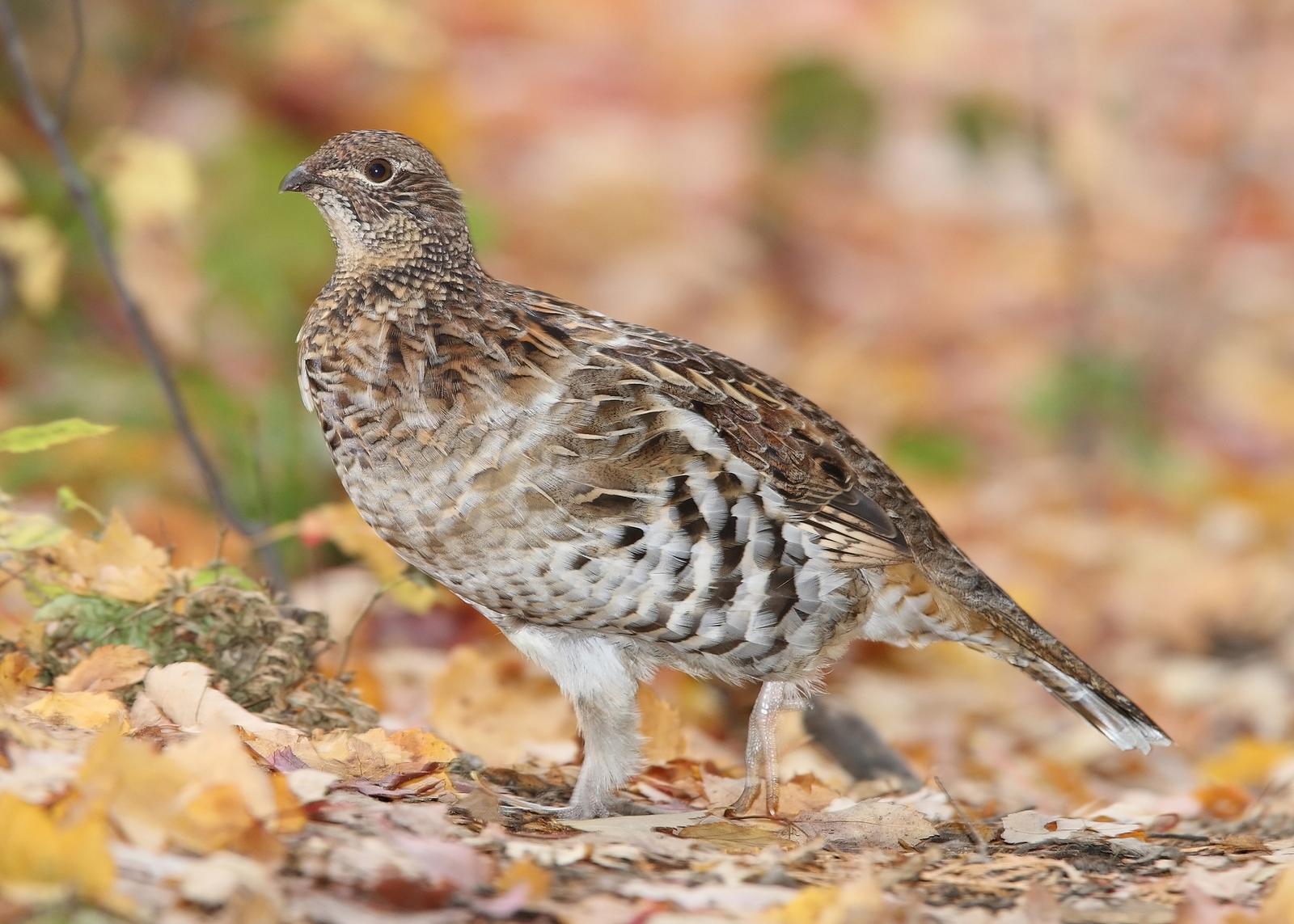
The willow ptarmigan (Lagopus lagopus) is a bird of the family Phasianidae, in the order Galliformes.
Quick answer
The willow ptarmigan (Lagopus lagopus) is an Arctic grouse that turns white in winter and red-brown in summer, living across tundra of North America, Europe, and Asia. Adults weigh about 0.5 kg and are listed Least Concern.
Top questions about the Willow Ptarmigan
Willow Ptarmigan facts at a glance
- Weight 500 g
- Length 40 cm
- Top speed 50 km/h
- Lifespan 8 years
| Scientific name | Lagopus lagopus |
|---|---|
| Diet | Herbivore |
| Habitat | Tundra and willow scrub |
| Lifespan | 5–10 years |
| Weight | 0.4–0.6 kg |
| Top speed | up to 50 km/h |
| Conservation status | Least Concern (IUCN) |
| Kingdom | Animalia |
|---|---|
| Phylum | Chordata |
| Class | Aves |
| Order | Galliformes |
| Family | Phasianidae |
| Genus | Lagopus |
Where it lives
The willow ptarmigan (Lagopus lagopus) is native to Arctic and subarctic tundra of North America, Europe, and Asia. — recorded across North America, Europe, Asia in this guide’s range summary.
For occurrence records, see GBIF species search and sources below.
How big is a willow ptarmigan?
An adult willow ptarmigan measures 40 cm long — about 23% of the height of an average adult person (1.73 m) — and weighs around 500 g, about 1% of an average adult’s body weight (70 kg).
Length vs an average adult’s height (to scale)
What is a group of willow ptarmigans called?
Group name (collective noun)
A group of Willow Ptarmigans is called a covey.
Baby name
A baby Willow Ptarmigan is called a chick.
Explore more animal collective nouns and baby animal names .
Seasonal feather camouflage
Ptarmigan moult into white winter plumage with only a black tail and red eyebrow showing, then shift to barred brown in summer. Feathered feet act like snowshoes on tundra.
Willow buds and berries
Winter diet is willow and birch buds; summer adds leaves, berries, and insects. Males defend territories with bubbling calls and tail displays.
Circumpolar tundra
Breeds across Arctic and subarctic North America, Scandinavia, Scotland, and Siberia. Subspecies include the British red grouse, often treated separately by hunters.
Cold-climate survivor
Least Concern with vast range. Climate warming may push treeline northward, changing willow habitat, but populations remain robust in many regions.
Explore the Willow Ptarmigan
Close relatives
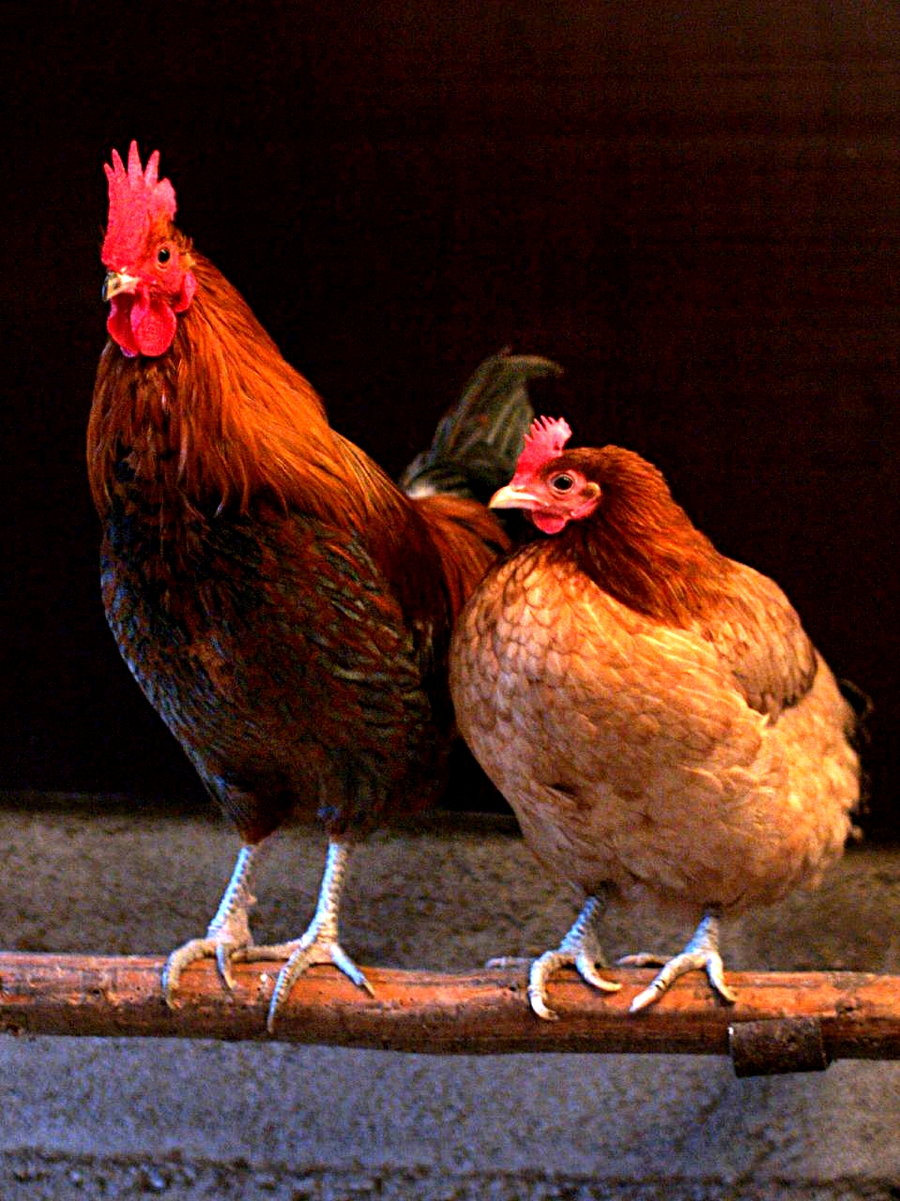
- Chicken Same family
- Rooster Same family
- Common Pheasant Same family
- Peacock Same family
Range & geography
Conservation status of the Willow Ptarmigan
The willow ptarmigan (Lagopus lagopus) is listed as Least Concern on the IUCN Red List. Least Concern (LC) is the IUCN's lowest-risk category, assigned to widespread, abundant species that have been evaluated and found not to be threatened. It does not mean a species faces no pressures — only that it is not currently at risk of extinction.
The willow ptarmigan (Lagopus lagopus) is assessed on the IUCN Red List. Look up on the IUCN Red List .
Frequently asked questions about the Willow Ptarmigan
Why do ptarmigan turn white in winter?
Seasonal camouflage matches snow, hiding them from gyrfalcons, foxes, and other predators.
Do ptarmigan have feathered feet?
Yes — feathered toes improve insulation and traction on snow, like natural snowshoes.
What is the red eyebrow on ptarmigan?
A comb-like patch of red skin above the eye, more prominent in males during display.
Is the red grouse a ptarmigan?
Yes — it is Lagopus lagopus scotica, a non-migratory subspecies of willow ptarmigan in the UK.
What do willow ptarmigan eat in winter?
Mainly willow and birch buds when snow covers other food.
What is a group of willow ptarmigans called?
A group of Willow Ptarmigans is called a covey.
What is a baby willow ptarmigan called?
A baby Willow Ptarmigan is called a chick.
Sources & references
This guide is compiled and reviewed against established zoological and conservation references. Key sources for the Willow Ptarmigan:
-
IUCN Red List of Threatened Species
Conservation status (Least Concern) reflects the IUCN Red List category for Lagopus lagopus.
-
iNaturalist — observations & photos
Search citizen-science observations and community IDs for Lagopus lagopus. Useful for range checks and recent sightings — not a substitute for formal Red List status.
-
GBIF — occurrence data
Global Biodiversity Information Facility species search for Lagopus lagopus. Explore published occurrence records used in range research.
-
eBird — bird observations
Cornell Lab eBird target search for Willow Ptarmigan. Check recent checklists and seasonal abundance where birders report this species.
-
Global Animal Guide editorial standards
How we research, source, review, and update every guide for accuracy.