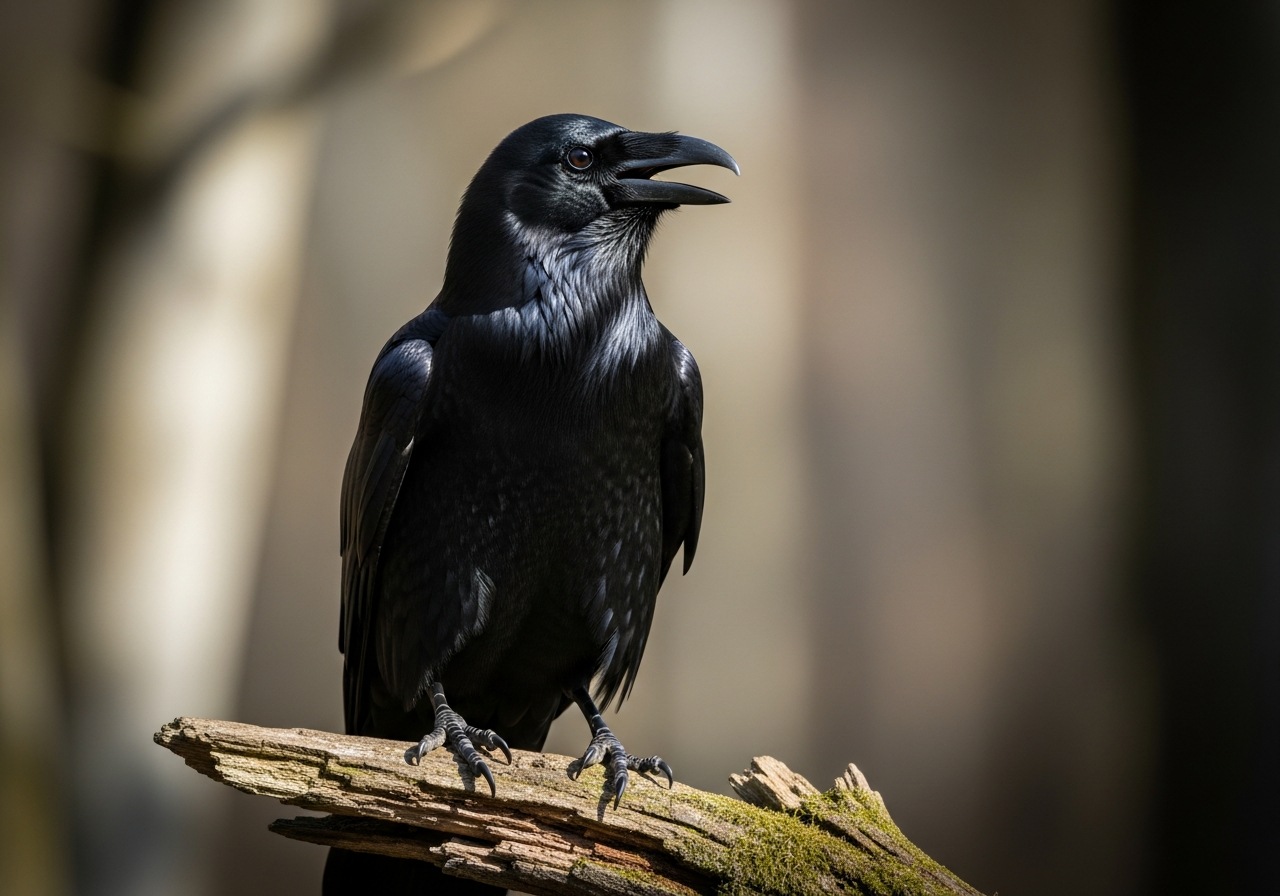
Bird
Common Raven
One of the world's most intelligent birds
Trusted wildlife guides
Sunday, 1 November 2026Browse
Popular groups
Tools
Questions
Reference
Health
Choosing and living with pets
Understand
Help
Read
Play and teach
Species group · 9 profiles
Nine members of the crow family profiled, from the common raven to the jackdaw, rook, magpie and jays. Size, diet, range and IUCN Red List status for each.
Corvids are the crow family, Corvidae: crows, ravens, rooks, jackdaws, magpies and jays. The IOC World Bird List (version 15.2) recognises 138 species, 50 of them in the genus Corvus. They are known for large brains relative to body size, problem-solving and tool use, long-term pair bonds and complex social lives. This hub profiles nine: the common raven, the largest; the American, carrion and hooded crows; the rook and western jackdaw; the Eurasian magpie; and two jays, the Eurasian and the blue jay. Each profile gives size, diet, range and IUCN Red List status, and all nine are listed as Least Concern.
Bird
One of the world's most intelligent birds
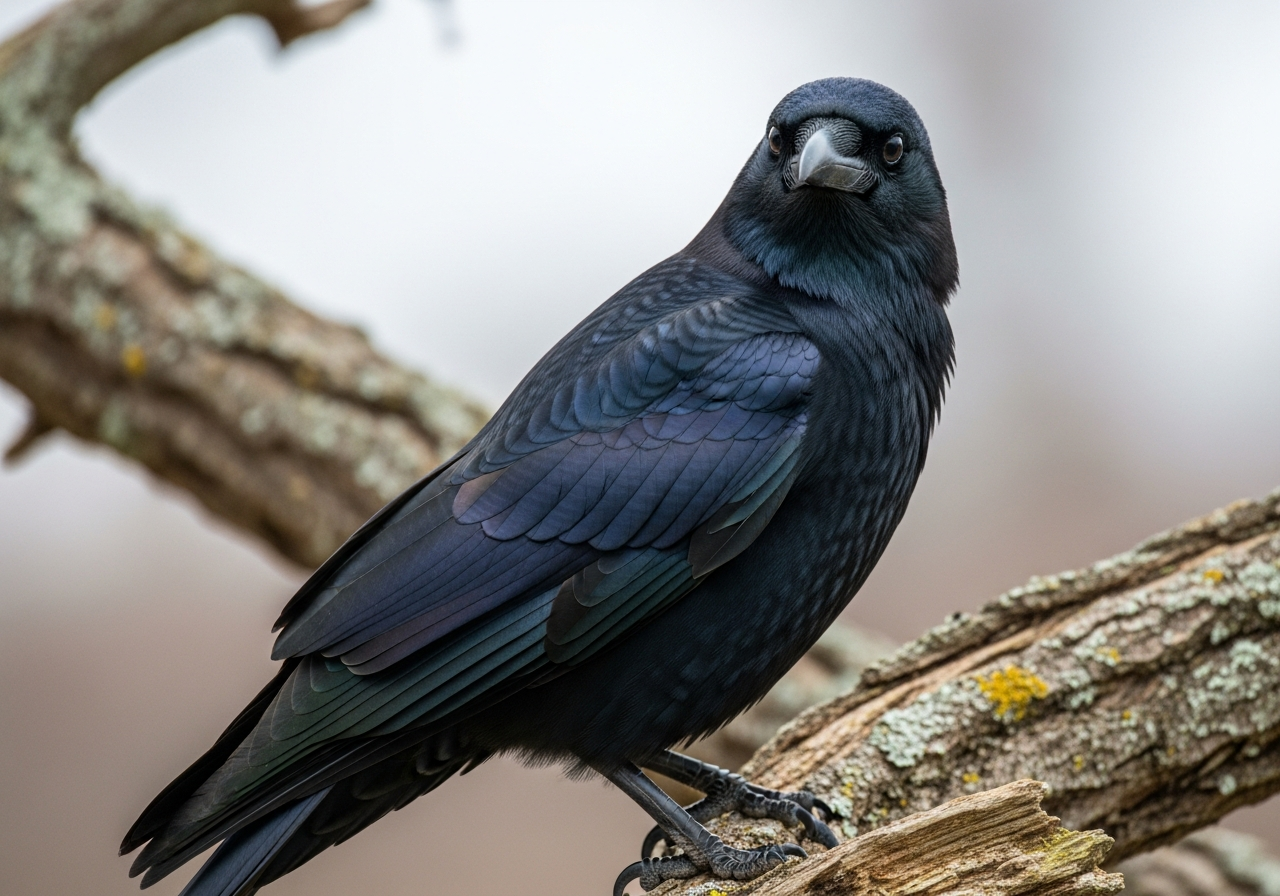
Bird
The glossy black genius of the bird world
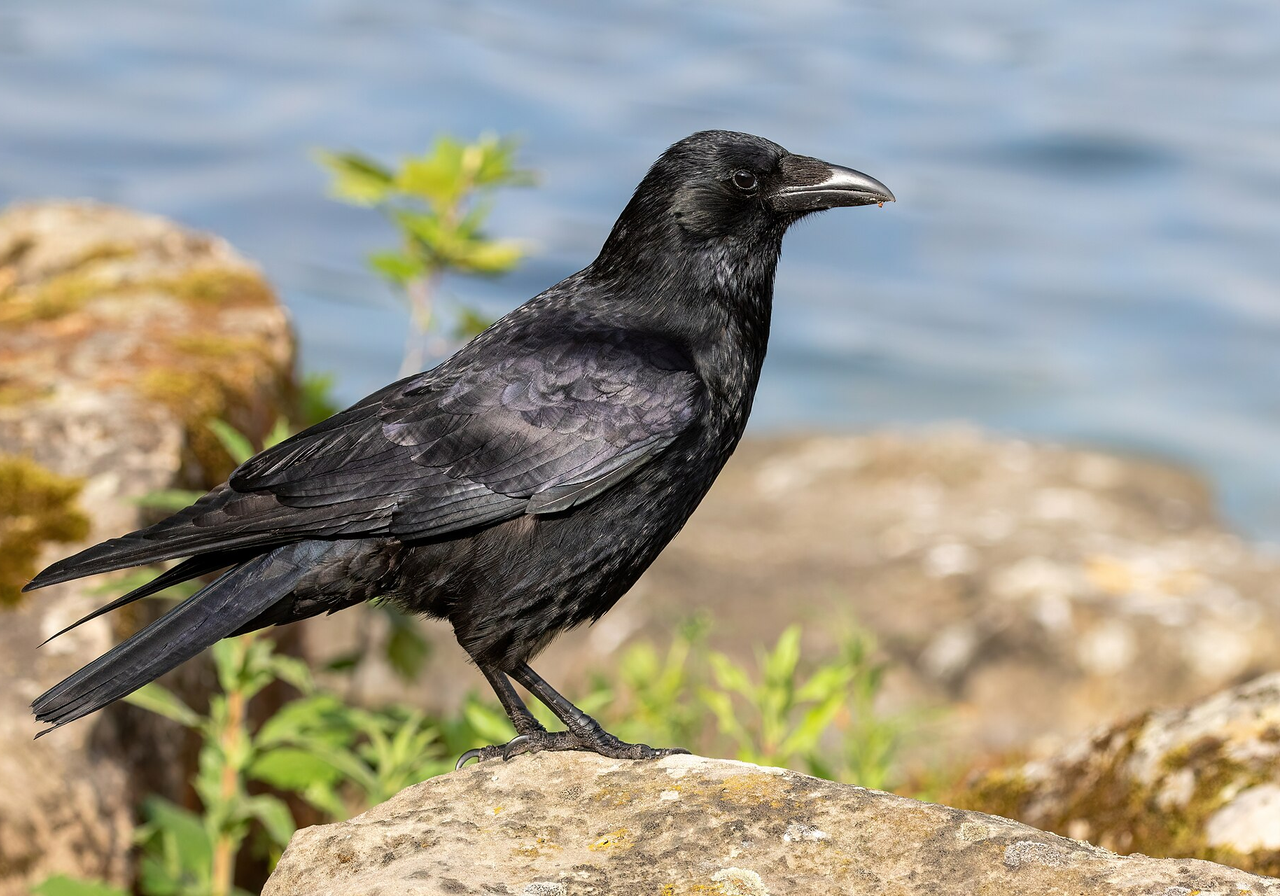
Bird
The all-black crow of western Europe and East Asia
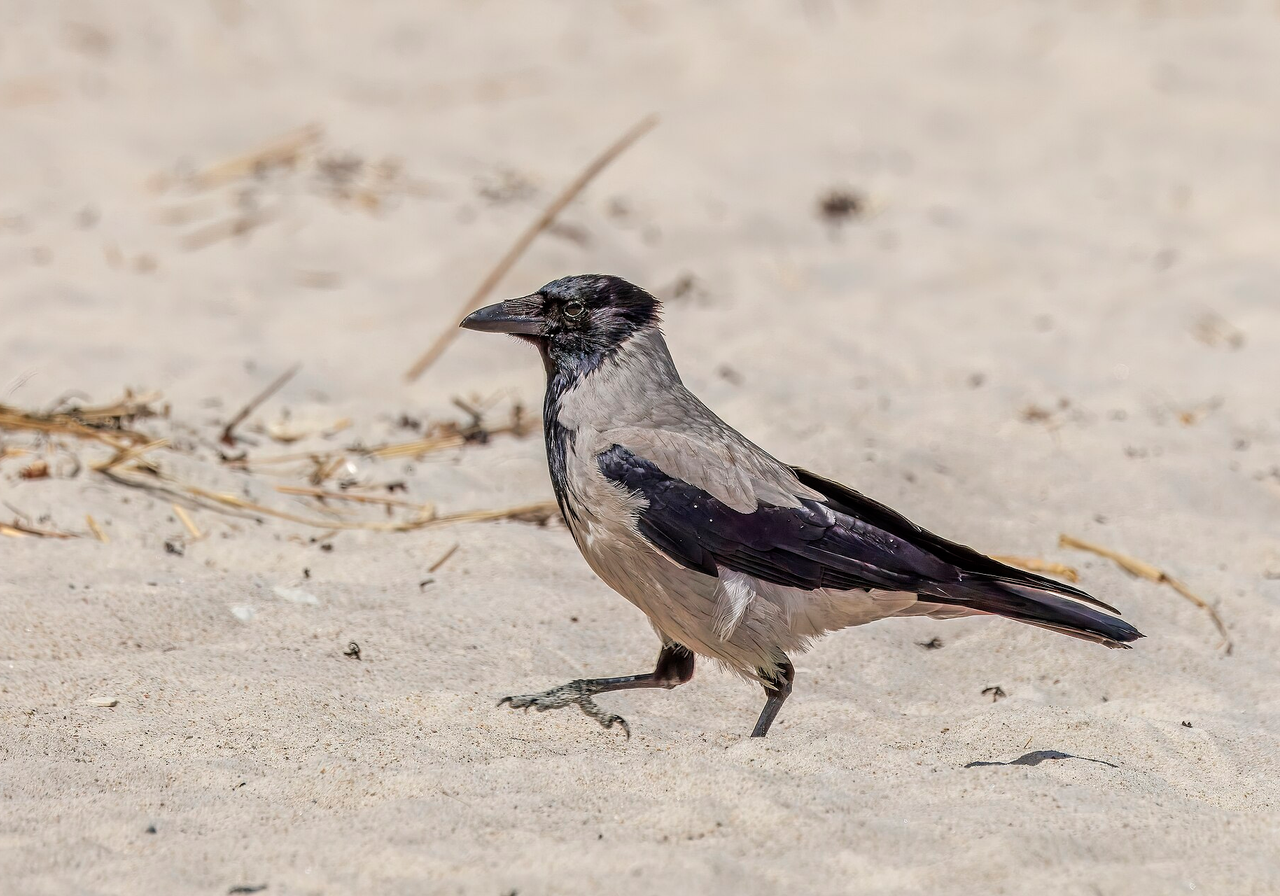
Bird
The grey-and-black crow of northern and eastern Europe
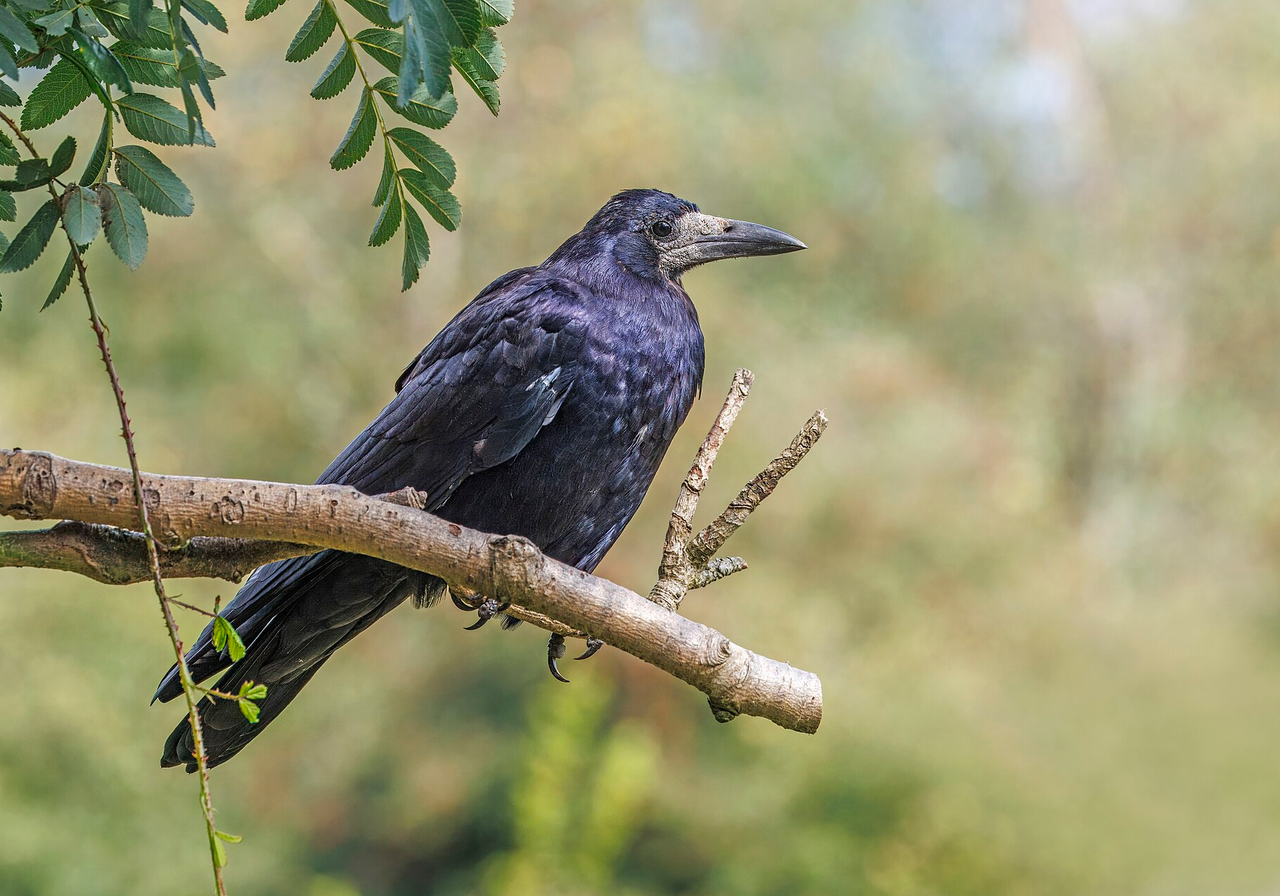
Bird
The sociable crow with a bare grey face
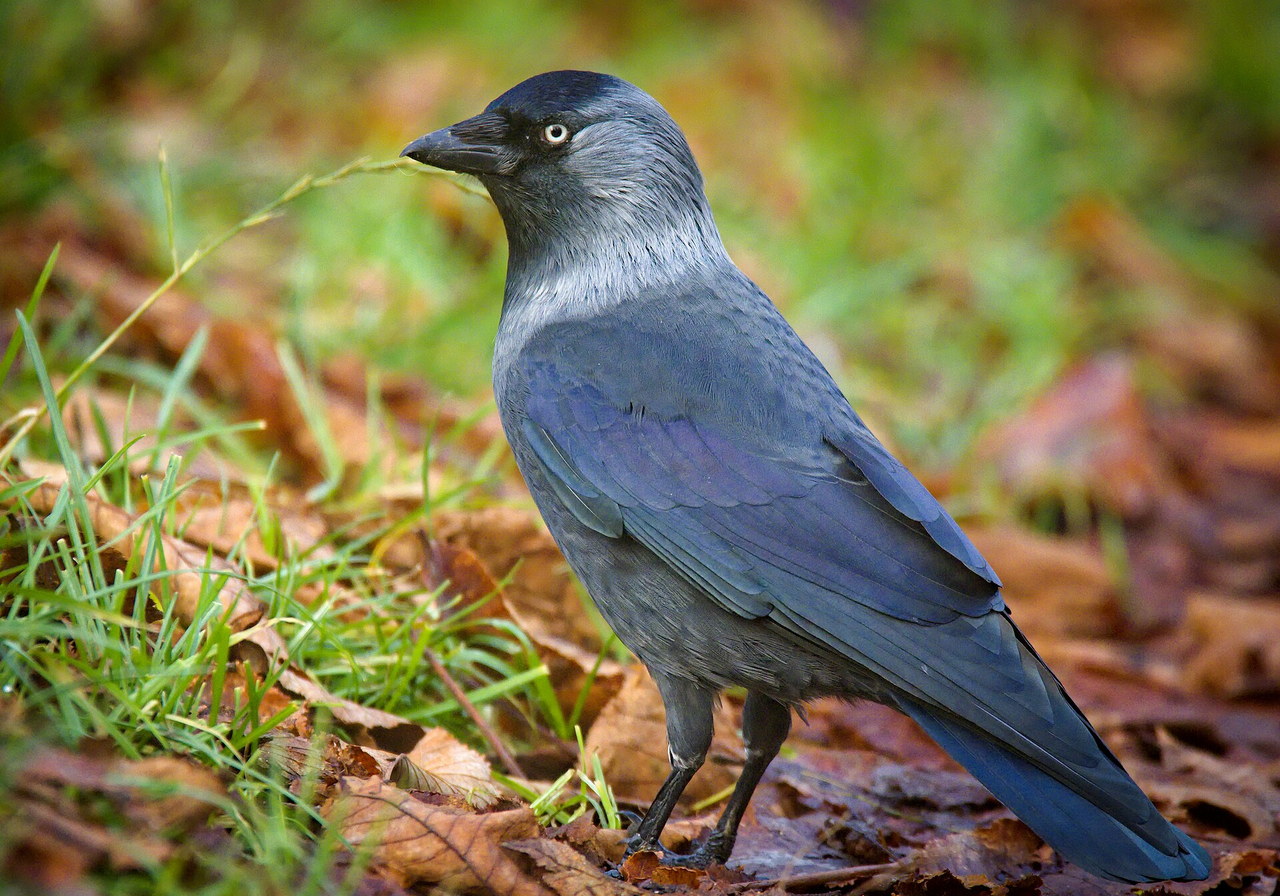
Bird
The small, pale-eyed crow of chimneys and cliffs
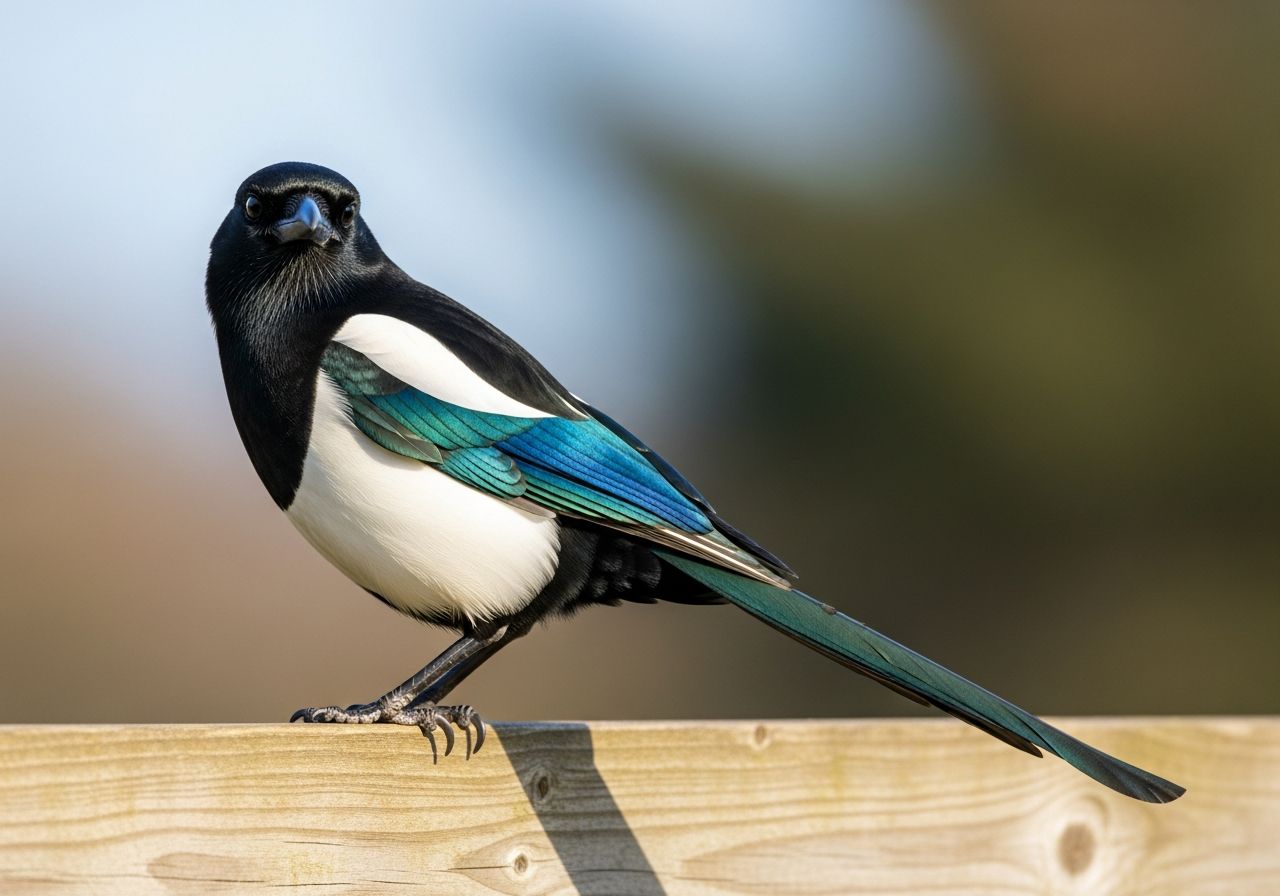
Bird
The bold, brilliant problem-solver of the crow family
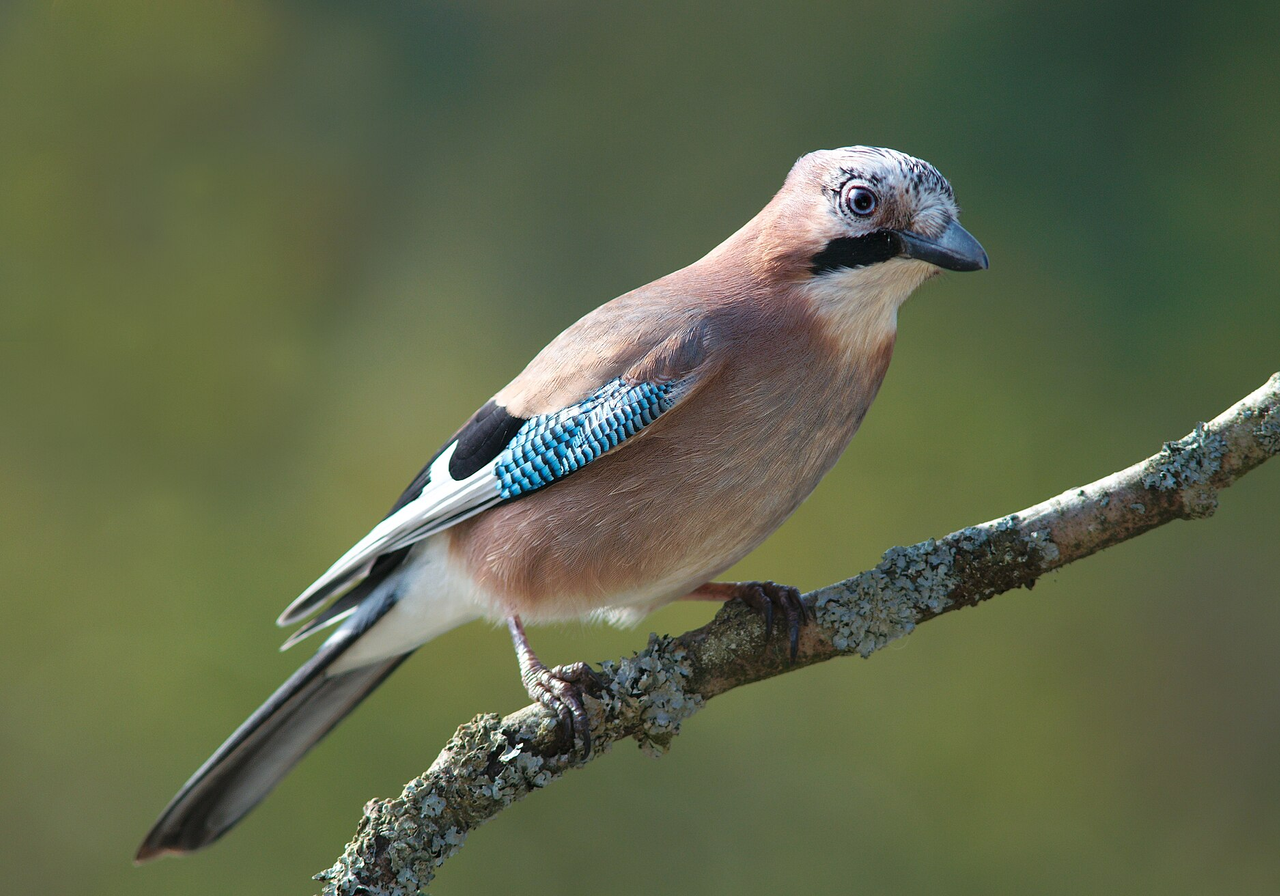
Bird
The colourful crow that plants oak trees
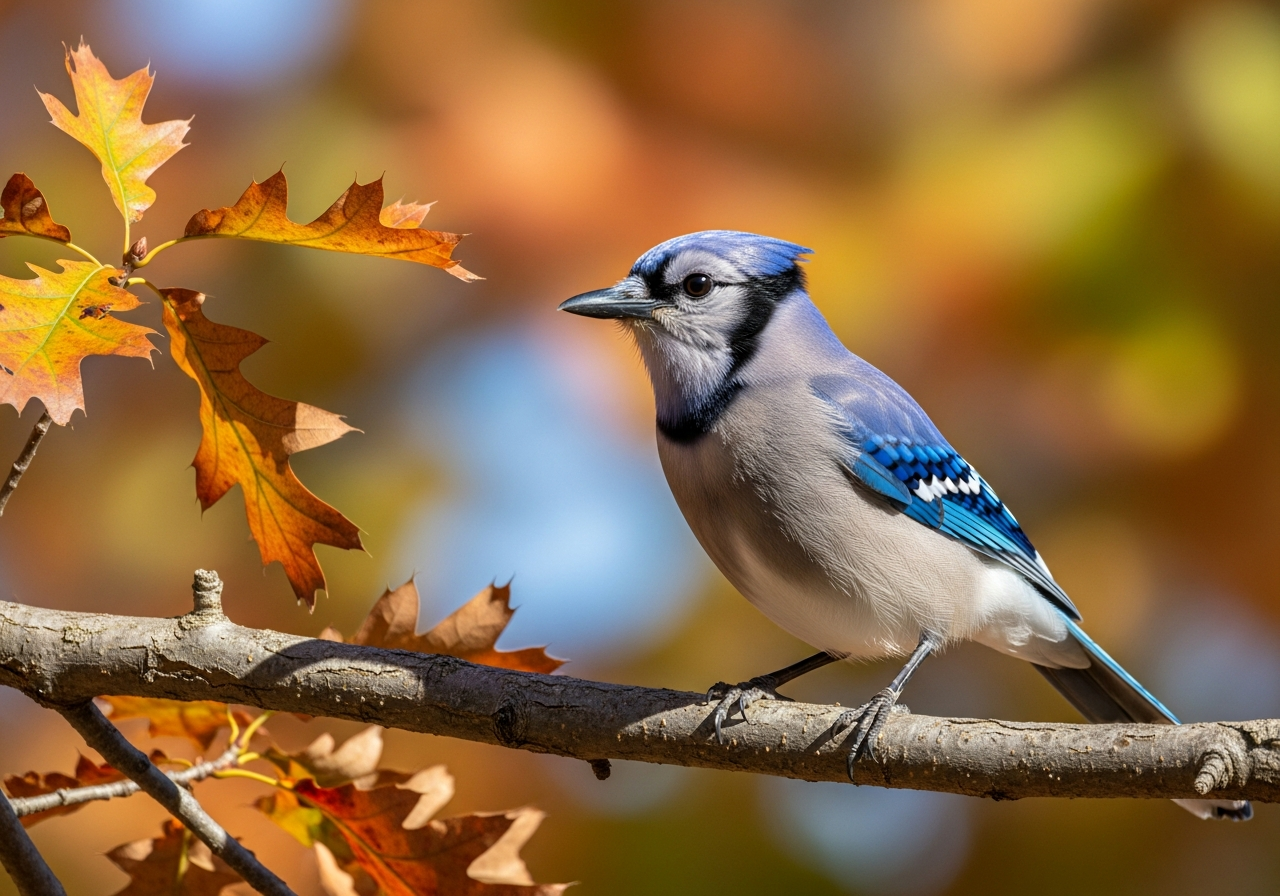
Bird
The bold, noisy blue songbird of North America
Ravens are much bigger than crows, with a heavy bill, shaggy throat and wedge-shaped tail. Rooks have bare grey skin at the bill base, jackdaws are small with a grey nape and pale eyes, and hooded crows are grey and black. The Australian magpie is not a corvid at all: it belongs to the butcherbird family. For a field guide to British species, see the UK crows identification guide.
A member of the crow family, Corvidae, which includes crows, ravens, rooks, jackdaws, magpies, jays, choughs and nutcrackers.
The IOC World Bird List (version 15.2) recognises 138 species in the crow family, of which 50 are in the genus Corvus, the true crows and ravens.
Ravens are larger, with a heavier bill, shaggy throat feathers, a wedge-shaped tail and a deep croaking call. Crows are smaller with a square-ended tail.
Yes. Corvids are among the most intelligent birds: various species cache and remember food, use and make simple tools, and solve multi-step puzzles in experiments.