The black kite (Milvus migrans) is a bird of the family Accipitridae, in the order Accipitriformes.
Quick answer
The black kite (Milvus migrans) is a medium-sized, dark brown bird of prey with a shallowly forked tail, found across Europe, Africa, Asia and Australia. It scavenges around towns, rubbish tips and fires as well as hunting small animals, and is one of the most widespread raptors in the world. It has been recorded living up to 24 years in the wild and is listed as Least Concern.
Top questions about the Black Kite
Black Kite facts at a glance
- Weight 730 g
- Length 60 cm
| Scientific name | Milvus migrans |
|---|---|
| Diet | Carrion, fish, small mammals, insects and human waste |
| Habitat | Open country near water, towns and villages |
| Length | 47–60 cm |
| Weight | Average about 540 g (ADW); 730 g (AVONET) |
| Lifespan | Recorded up to 24 years in the wild |
| Conservation status | Least Concern (IUCN Red List, assessed 2021) |
| Kingdom | Animalia |
|---|---|
| Phylum | Chordata |
| Class | Aves |
| Order | Accipitriformes |
| Family | Accipitridae |
| Genus | Milvus |
Where it lives
The black kite (Milvus migrans) is native to Europe, Africa, southern and eastern Asia and Australia; European birds winter in Africa. — recorded across Europe, Asia, Africa, Oceania in this guide’s range summary.
For occurrence records, see GBIF species search and sources below.
How big is a black kite?
An adult black kite measures 60 cm long — about 35% of the height of an average adult person (1.73 m) — and weighs around 730 g, about 1% of an average adult’s body weight (70 kg).
Length vs an average adult’s height (to scale)
What is a group of black kites called?
Group name (collective noun)
A group of Black Kites is called a kettle.
Baby name
A baby Black Kite is called a chick.
Explore more animal collective nouns and baby animal names .
Identification
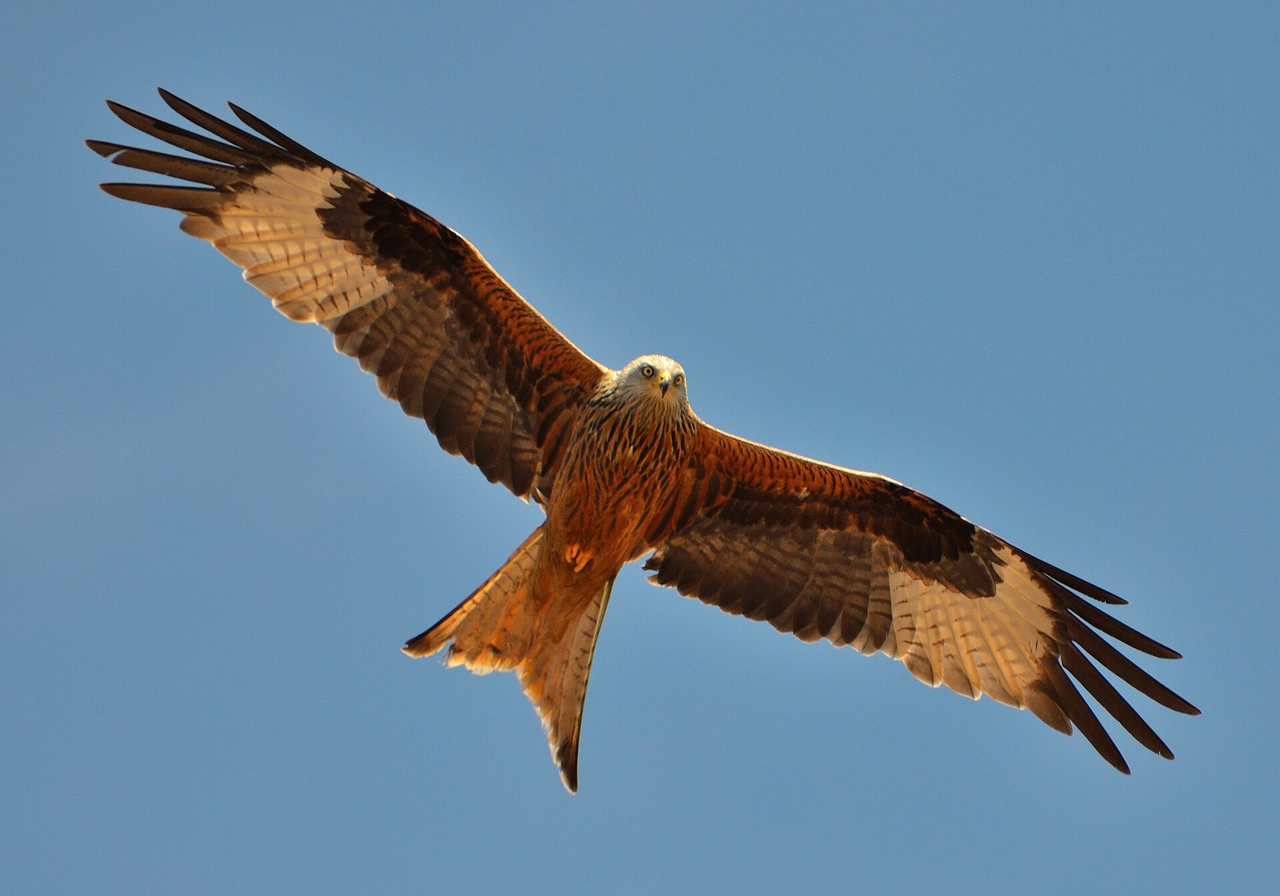
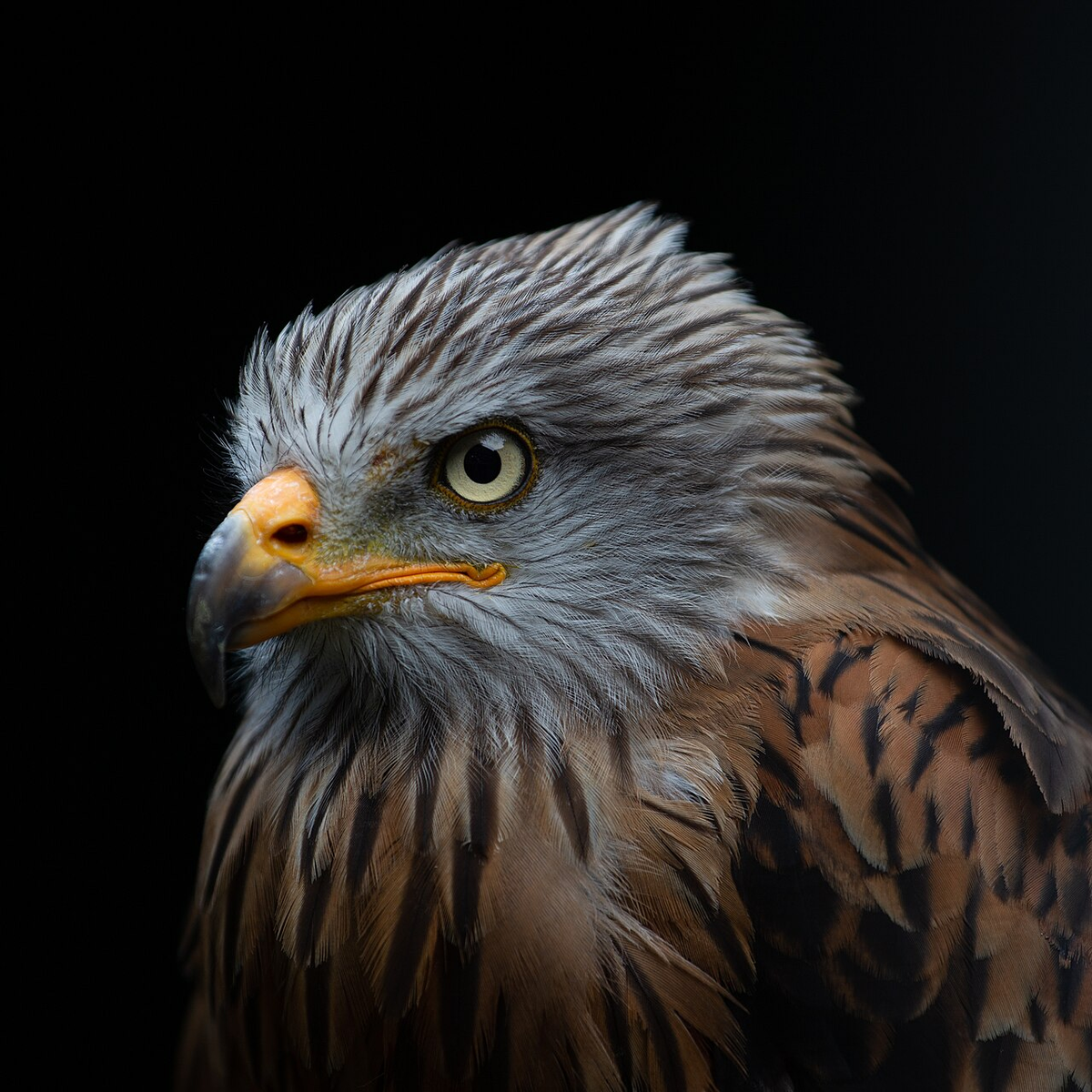
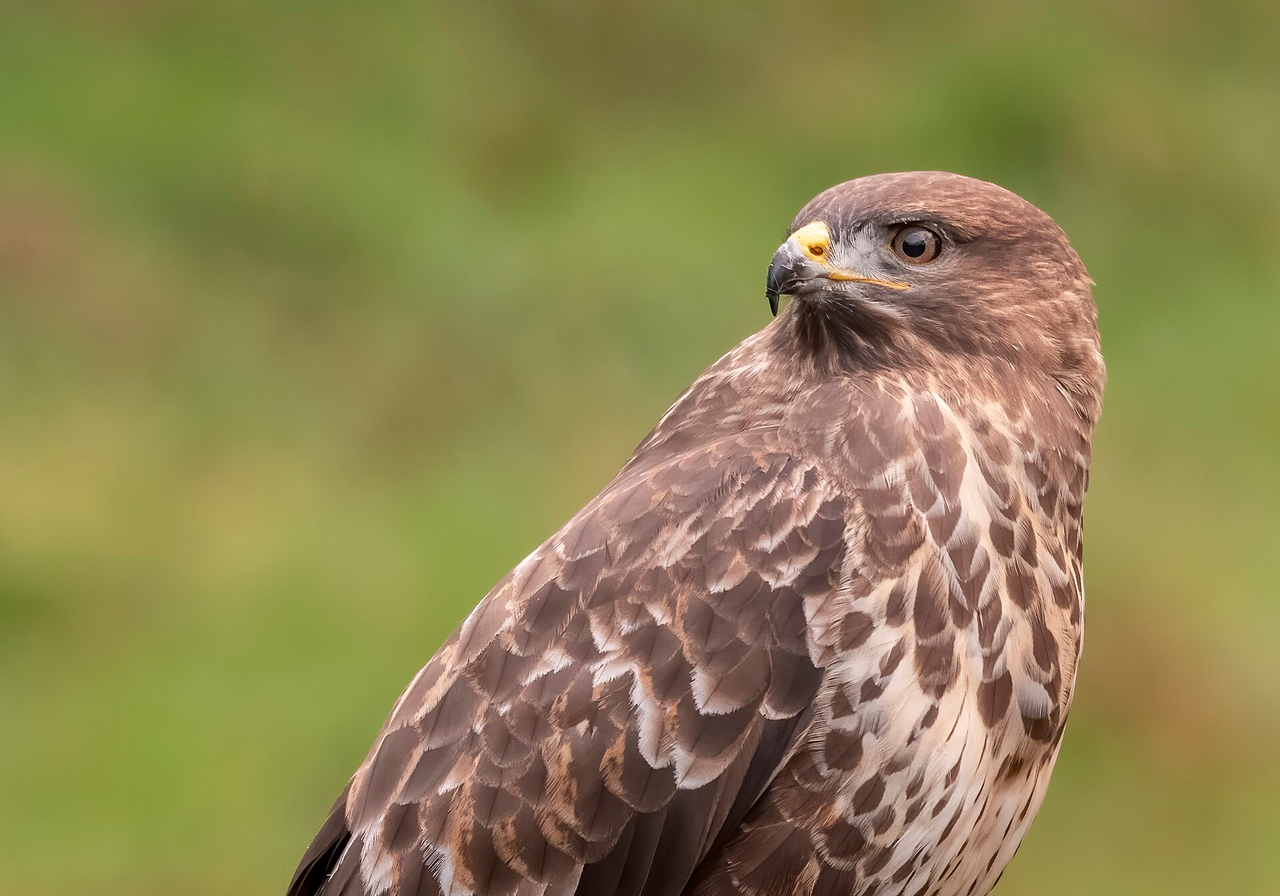
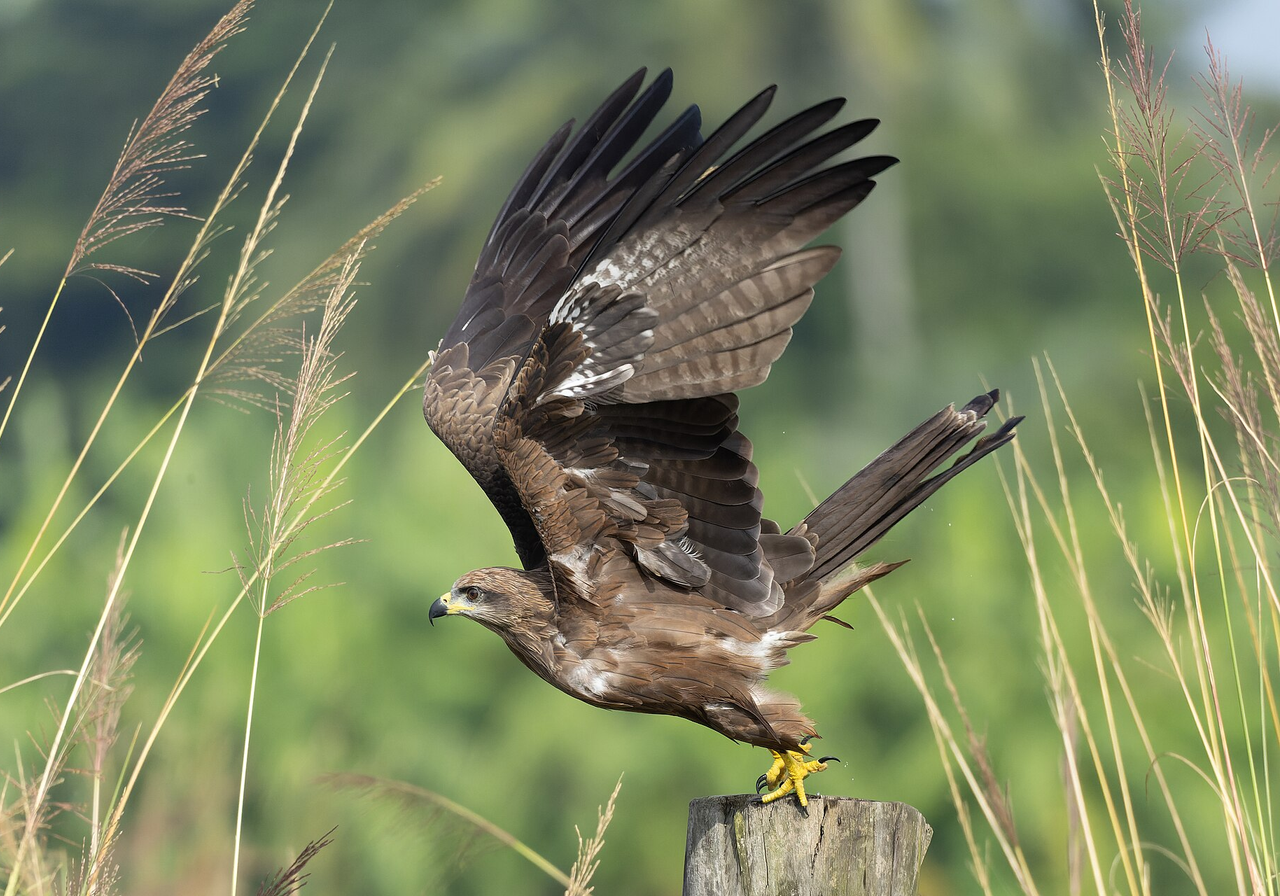
Black kites are dull dark brown with a paler head and a long tail that is only slightly forked, appearing almost straight when spread. They glide on bowed, angled wings, twisting the tail to steer. The red kite is more rufous with a deeply forked tail.
Opportunists
Black kites eat almost anything: dead fish and animals, small mammals, insects, and food scraps in towns and at rubbish dumps. In parts of Asia and Africa they gather in large numbers around markets and slaughterhouses.
Fire hawks
In northern Australia, researchers have documented black kites and other raptors picking up burning sticks and dropping them in unburned grass, spreading fires that flush out prey (Bonta et al. 2017).
Status
BirdLife International lists the black kite as Least Concern (2021), estimating 4 to 5.7 million mature birds and a stable trend. European birds are long-distance migrants that winter in Africa.
Explore the Black Kite
Close relatives
- Red Kite Same genus
- Bald Eagle Same family
- Harpy Eagle Same family
- Northern Goshawk Same family
Range & geography
Did you know? Black Kite facts
- European black kites migrate to Africa for the winter.
- The tail fork is so shallow it can look straight when spread.
Conservation status of the Black Kite
The black kite (Milvus migrans) is listed as Least Concern on the IUCN Red List. Least Concern (LC) is the IUCN's lowest-risk category, assigned to widespread, abundant species that have been evaluated and found not to be threatened. It does not mean a species faces no pressures — only that it is not currently at risk of extinction.
Black Kite (Milvus migrans) was most recently assessed for the IUCN Red List in 2021. Look up on the IUCN Red List .
Frequently asked questions about the Black Kite
What is the difference between a black kite and a red kite?
Black kites are darker brown with a shallow tail fork; red kites are rusty-red with a deeply forked tail and white wing patches.
Where do black kites live?
Across Europe, Africa, Asia and Australia. European populations migrate to Africa for the winter.
Do black kites spread fires?
There are documented reports from northern Australia of black kites carrying burning sticks and starting new fires to flush out prey.
How long do black kites live?
Animal Diversity Web reports wild black kites living up to 24 years.
What is a group of black kites called?
A group of Black Kites is called a kettle.
What is a baby black kite called?
A baby Black Kite is called a chick.
Sources & references
This guide is compiled and reviewed against established zoological and conservation references. Key sources for the Black Kite:
-
IUCN Red List of Threatened Species
Conservation status (Least Concern) reflects the IUCN Red List category for Milvus migrans, most recently assessed in 2021.
-
iNaturalist — observations & photos
Search citizen-science observations and community IDs for Milvus migrans. Useful for range checks and recent sightings — not a substitute for formal Red List status.
-
GBIF — occurrence data
Global Biodiversity Information Facility species search for Milvus migrans. Explore published occurrence records used in range research.
-
eBird — bird observations
Cornell Lab eBird target search for Black Kite. Check recent checklists and seasonal abundance where birders report this species.
- BirdLife International (2026). Species factsheet: Black Kite Milvus migrans. BirdLife DataZone. Checked 1 November 2026.
IUCN Red List category Least Concern (assessed 2021), population estimate and trend.
- Animal Diversity Web: Milvus migrans. University of Michigan Museum of Zoology.
Size, lifespan and behaviour.
- Tobias, J. A. et al. (2022). AVONET: morphological, ecological and geographical data for all birds. Ecology Letters 25: 581–597. doi:10.1111/ele.13898
Average body mass.
- Gill, F., Donsker, D. & Rasmussen, P. (Eds). IOC World Bird List v15.2.
English and scientific name, classification and range.
-
Global Animal Guide editorial standards
How we research, source, review, and update every guide for accuracy.