Bird
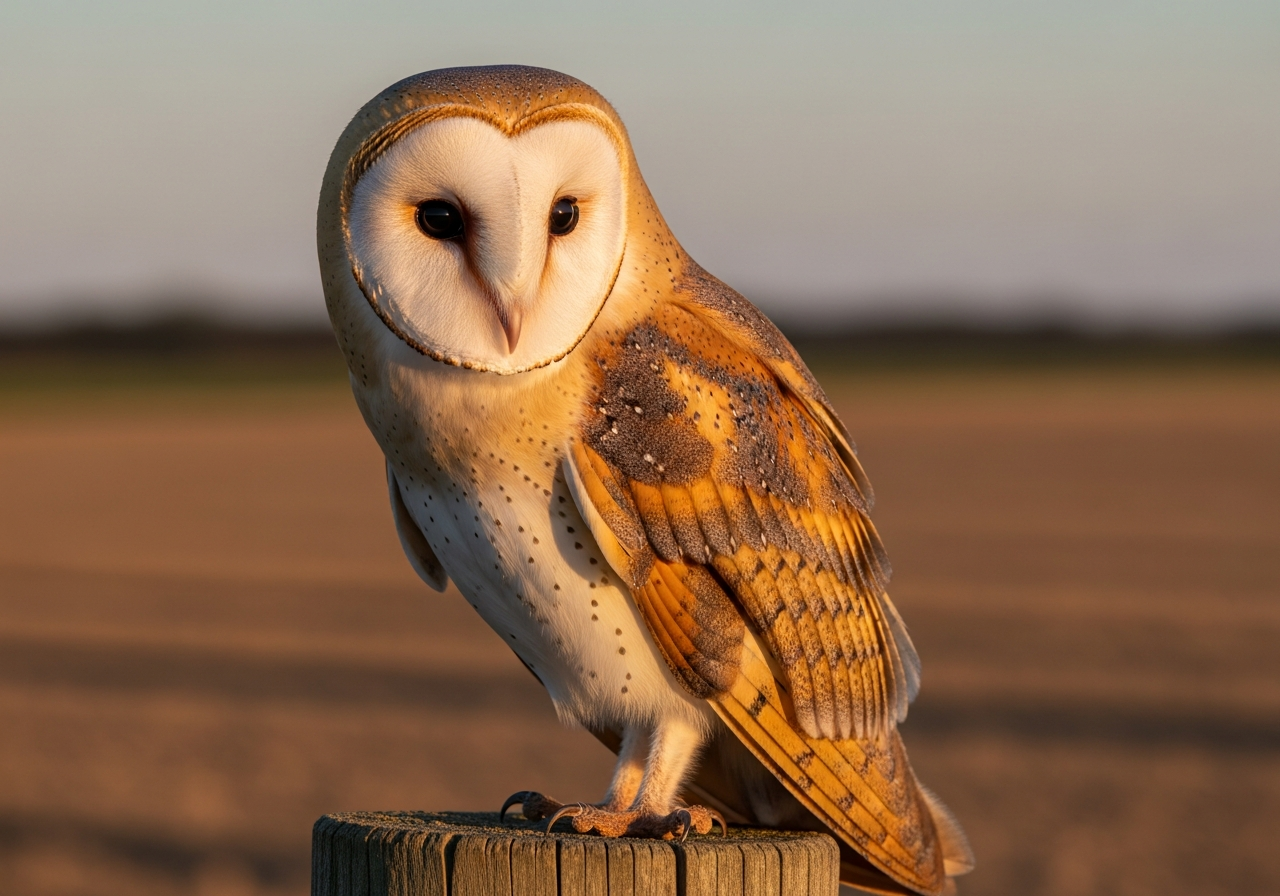
Barn Owl
The ghostly, heart-faced night hunter
Trusted wildlife guides
Sunday, 1 November 2026Browse
Popular groups
Tools
Questions
Reference
Health
Choosing and living with pets
Understand
Help
Read
Play and teach
Species group · 6 profiles
Six owl species profiled, from the burrowing owl to the Eurasian eagle-owl. Size, diet, range, calls and IUCN Red List status for each.
Owls are birds of prey, most of them active at night, with forward-facing eyes, a facial disc that funnels sound to their ears, and soft-edged feathers for near-silent flight. The IOC World Bird List (version 15.2) recognises 251 living species in two families: the barn owls (20 species) and the typical owls (231). This hub profiles six, from the burrowing owl, which nests underground and weighs about 150 g, to the Eurasian eagle-owl, one of the largest owls in the world. Also covered are the barn owl, snowy owl, great horned owl and tawny owl. Each profile gives size, diet, range and IUCN Red List status.
Bird
The ghostly, heart-faced night hunter
Bird
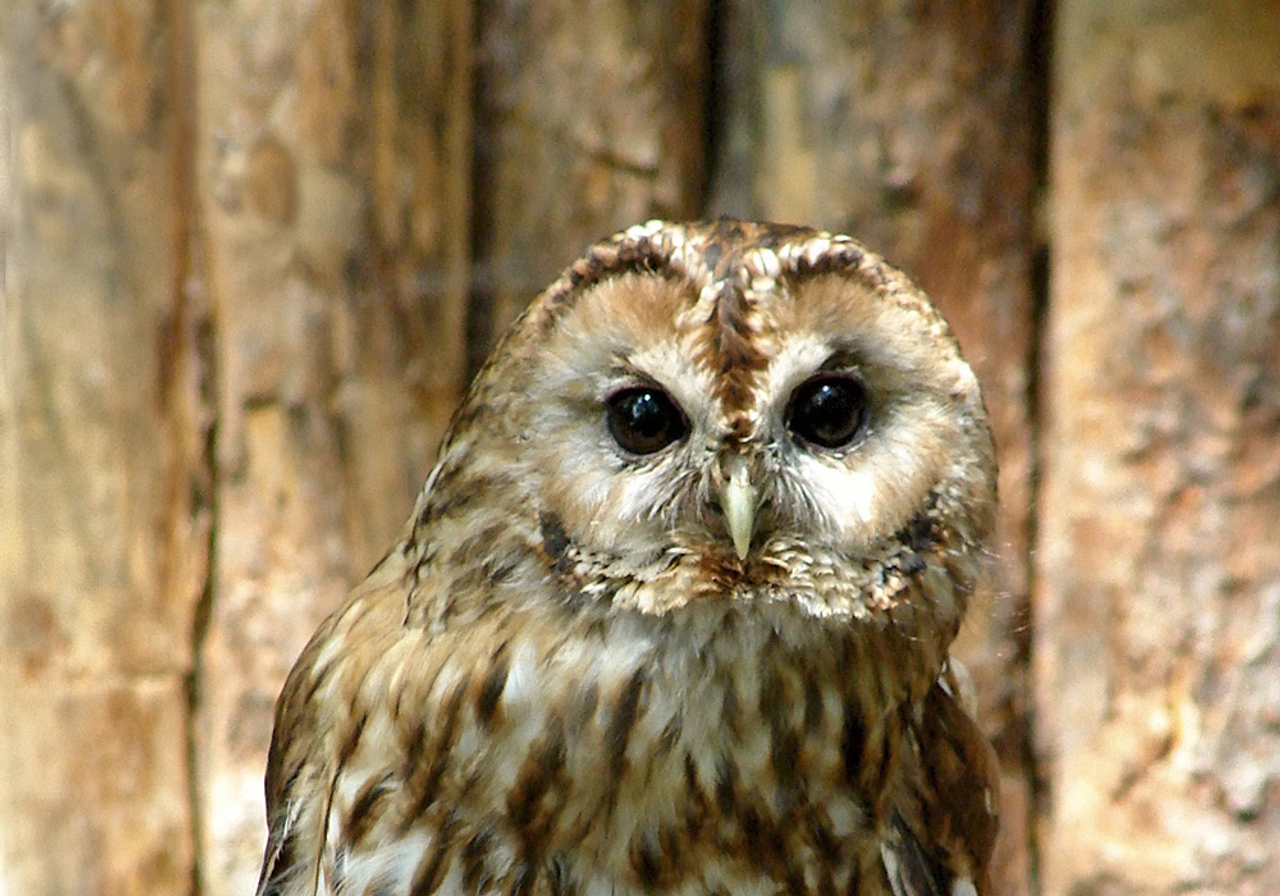
The woodland owl behind 'twit-twoo'
Bird
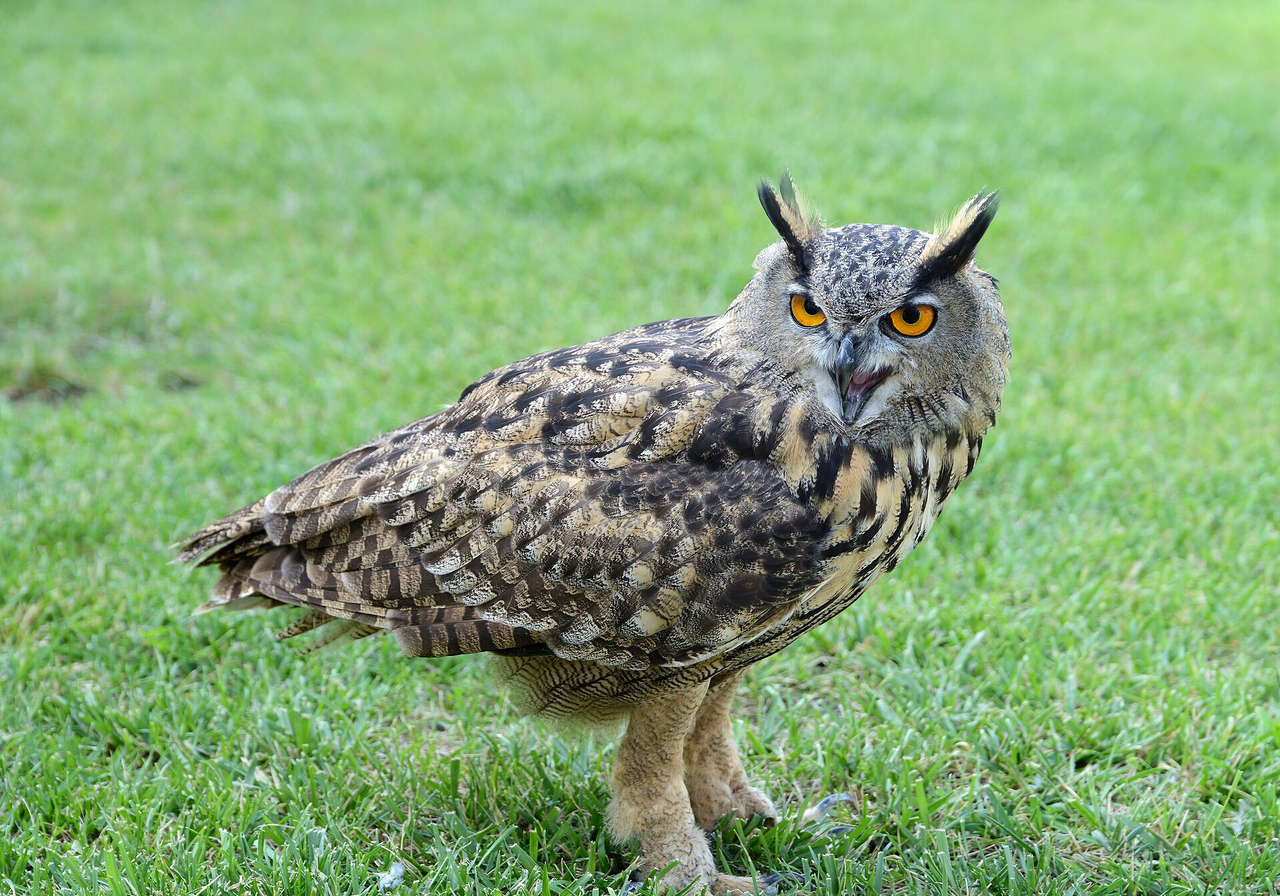
One of the world's largest owls
Bird
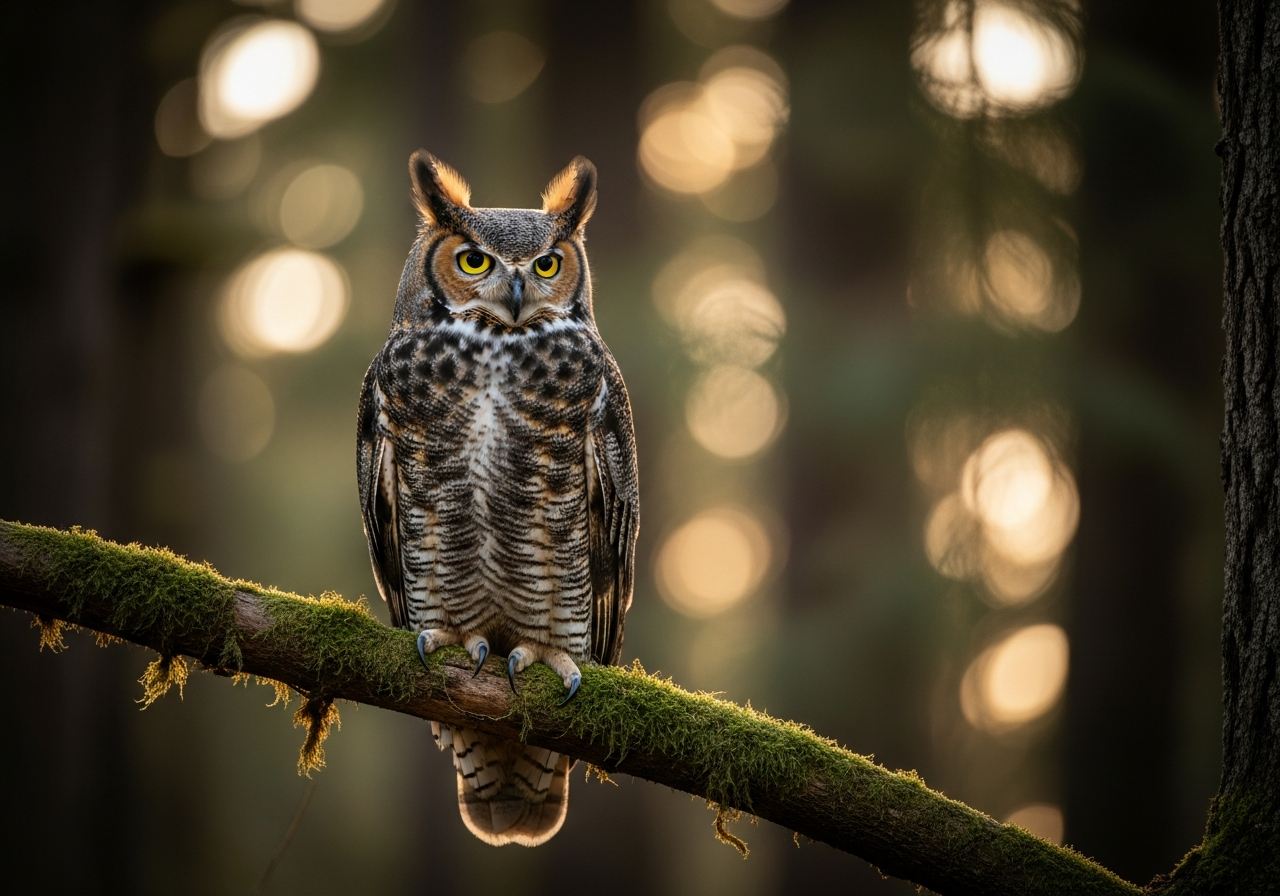
The powerful nocturnal hunter with feathered tufts
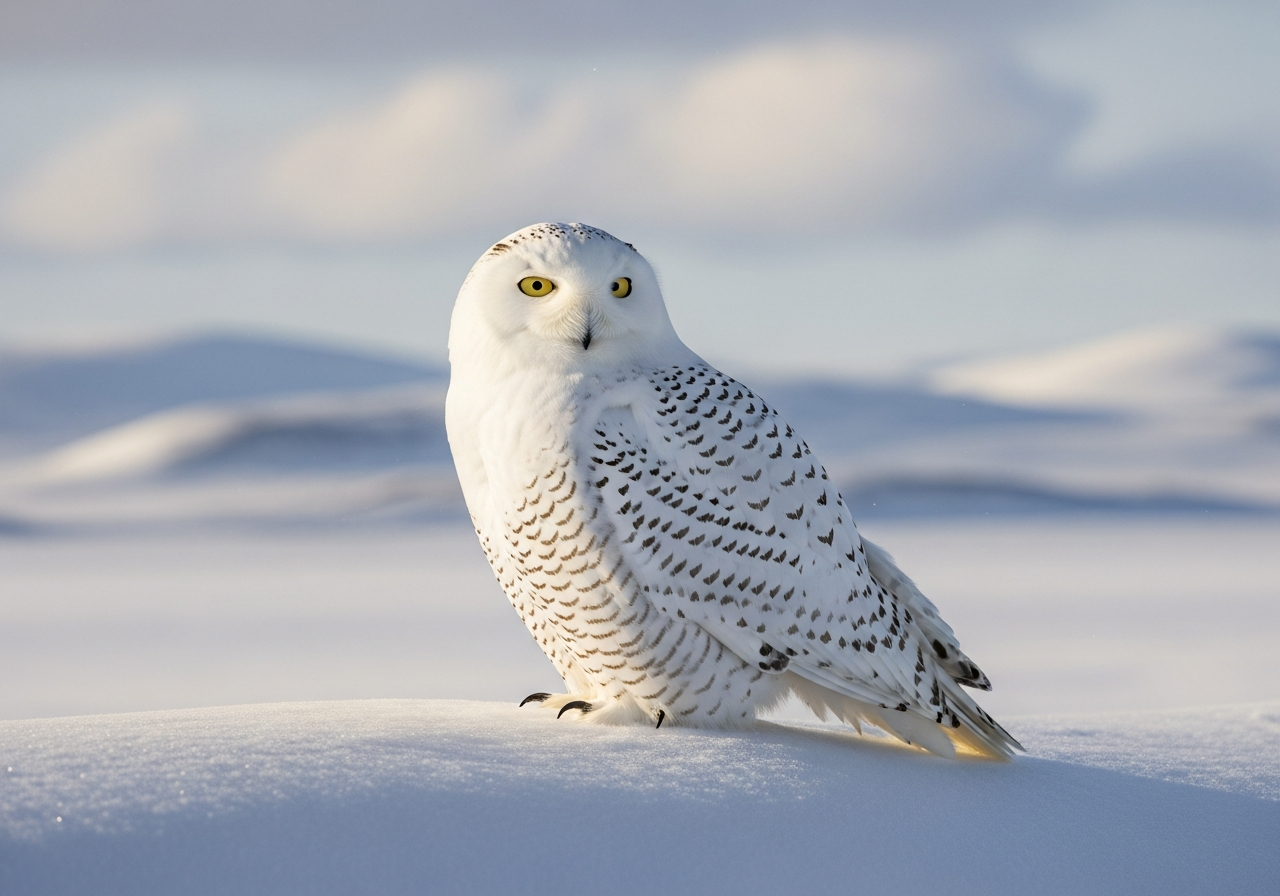
Bird
The white owl of the Arctic tundra
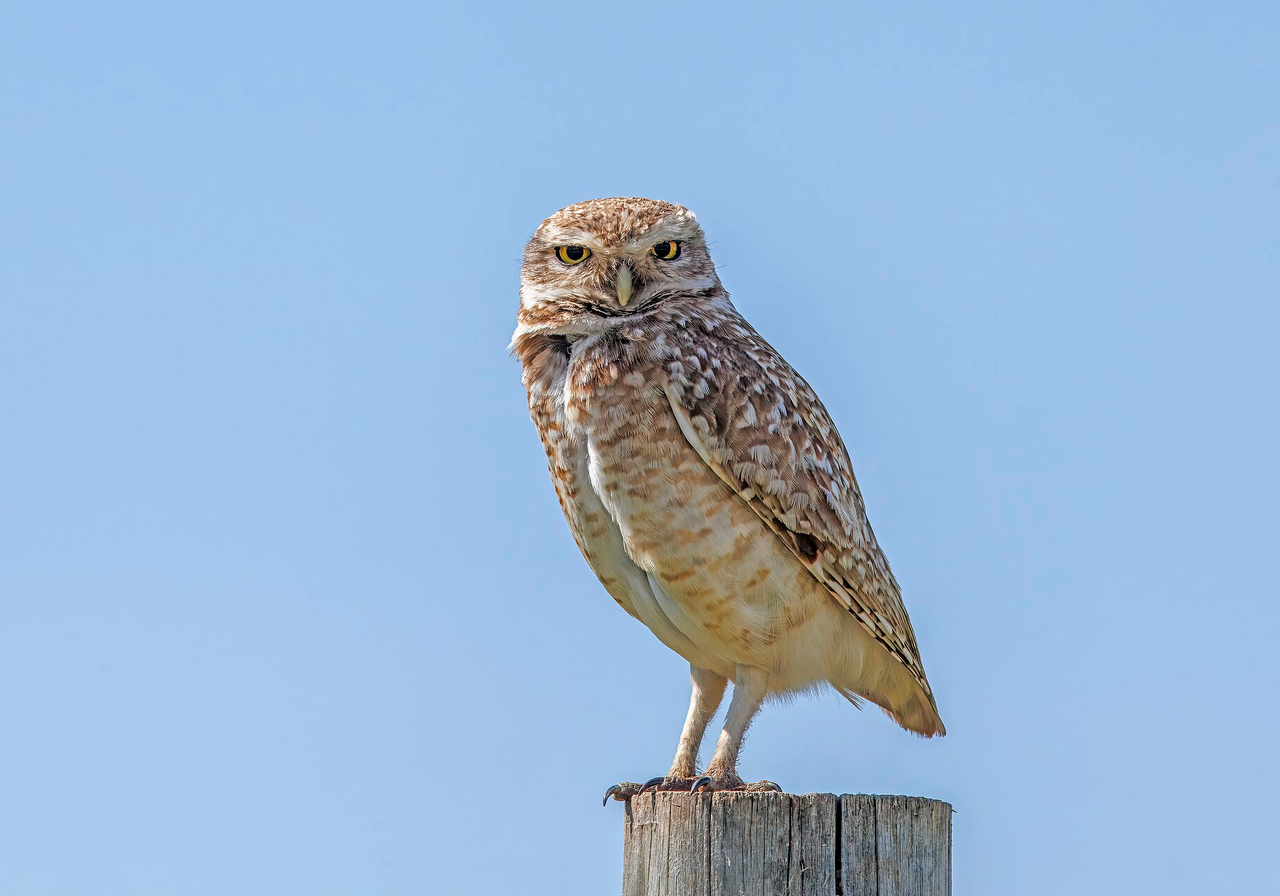
Bird
The long-legged owl that lives underground
Barn owls belong to their own family, Tytonidae, with a heart-shaped face and dark eyes; the other owls here are typical owls, Strigidae. The great horned owl of the Americas, the Eurasian eagle-owl and the snowy owl are close relatives in the genus Bubo. The 'horns' or 'ears' of horned owls are feather tufts, not ears.
The IOC World Bird List (version 15.2) recognises 251 living owl species: 231 typical owls and 20 barn owls.
The Eurasian eagle-owl and Blakiston's fish owl are the largest owls. Eurasian eagle-owls average about 2.7 kg, and big females weigh more.
No, but they can turn them about 270 degrees. Extra neck vertebrae and blood vessels adapted to keep blood flowing to the brain make this possible.
Most hunt at night or at dusk, but some do not. Burrowing owls are often active in daylight, and snowy owls hunt through the round-the-clock daylight of the Arctic summer.