Image sourcing: see credits & licences
The quail (Coturnix coturnix) is a bird of the family Phasianidae, in the order Galliformes.
Quick answer
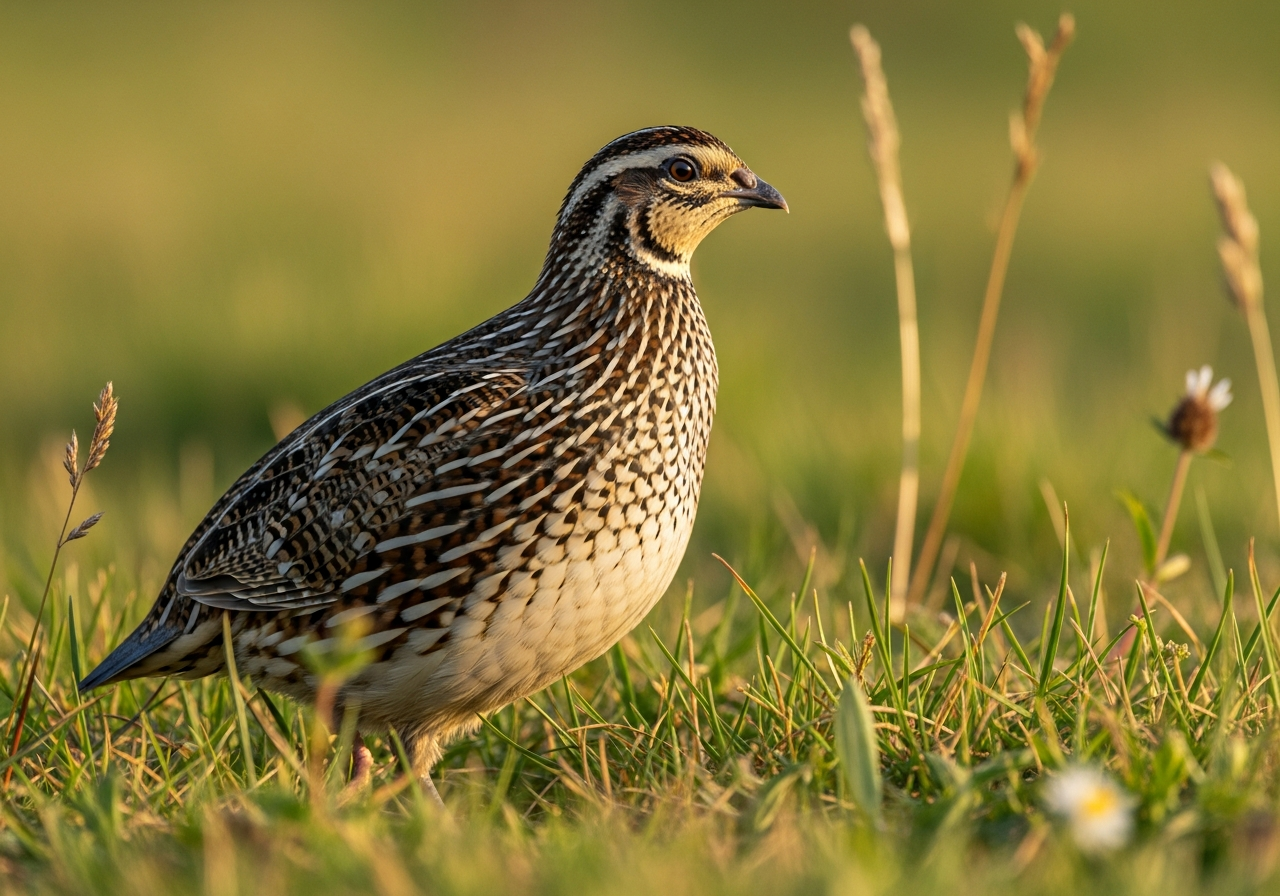
A quail is a small, plump ground-dwelling bird with mottled brown camouflage plumage, found in grasslands and farmland worldwide. The common quail is migratory and famous for its distinctive three-note call. Quails feed on seeds and insects, nest on the ground, and usually live 3 to 5 years.
Top questions about the Quail
Quail facts at a glance
- Weight 100 g
- Length 18 cm
- Top speed 50 km/h
- Lifespan 4 years
| Scientific name | Coturnix coturnix |
|---|---|
| Diet | Omnivore (seeds and insects) |
| Habitat | Grassland, meadows, and farmland |
| Lifespan | 3–5 years |
| Weight | 70–140 g (2.5–5 oz) |
| Top speed | Fast, low, whirring flight |
| Conservation status | Least Concern (IUCN) |
| Kingdom | Animalia |
|---|---|
| Phylum | Chordata |
| Class | Aves |
| Order | Galliformes |
| Family | Phasianidae |
| Genus | Coturnix |
Where it lives
The quail (Coturnix coturnix) is native to Grasslands and farmland across Europe and Asia, migrating to Africa and southern Asia for winter. — recorded across Europe, Asia, Africa in this guide’s range summary.
For occurrence records, see GBIF species search and sources below.
How big is a quail?
An adult quail measures 18 cm long — about 10% of the height of an average adult person (1.73 m) — and weighs around 100 g, a small fraction of an average adult’s body weight (70 kg).
Length vs an average adult’s height (to scale)
What is a group of quails called?
Group name (collective noun)
A group of Quails is called a covey. It is also known as a bevy.
Baby name
A baby Quail is called a chick.
Explore more animal collective nouns and baby animal names .
Calls and breeding
The common quail is heard far more often than seen. Males give a distinctive repeated three-note call to attract mates across fields of tall grass. Females nest in a simple scrape on the ground and can lay large clutches, with chicks able to walk and feed soon after hatching.
Migration and diet
Unusually for such a small game bird, the common quail is a long-distance migrant, traveling between Europe and Asia and wintering in Africa and southern Asia. Quails are omnivores that eat seeds, grain, and insects, foraging by scratching and pecking at the ground.
Quails and people
Quails have been kept and hunted by people for thousands of years, and domesticated quail are raised worldwide for eggs and meat. Wild common quail remain widespread and are listed as Least Concern, though changes in farming affect their numbers.
Dig deeper into the Quail
- How Fast Is A Quail?
Quail top speed is about Fast, low, whirring flight. Sprint vs endurance and what limits pace.
- How Long Do Quails Live?
Quail lifespan is typically 3–5 years. What shortens or extends life, life stages, and status (Least Concern).
- What Do Quails Eat?
What quails eat: Omnivore (seeds and insects), foraging style, and seasonal shifts in Grassland, meadows, and farmland.
- Where Do Quails Live?
Where quails live: Grassland, meadows, and farmland, native range cues, and human overlap. Status Least Concern.
Explore the Quail
Close relatives
- Chicken Same family
- Rooster Same family
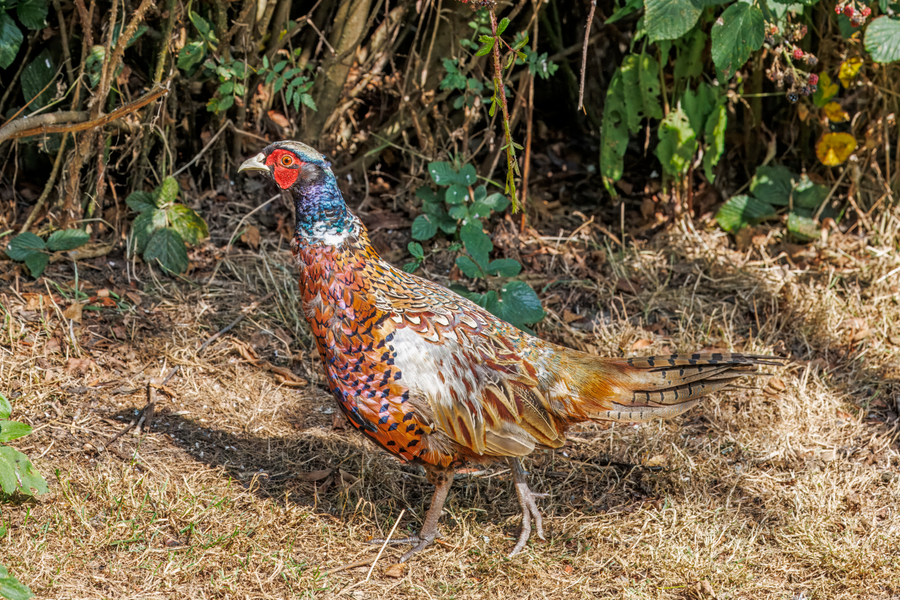
- Common Pheasant Same family
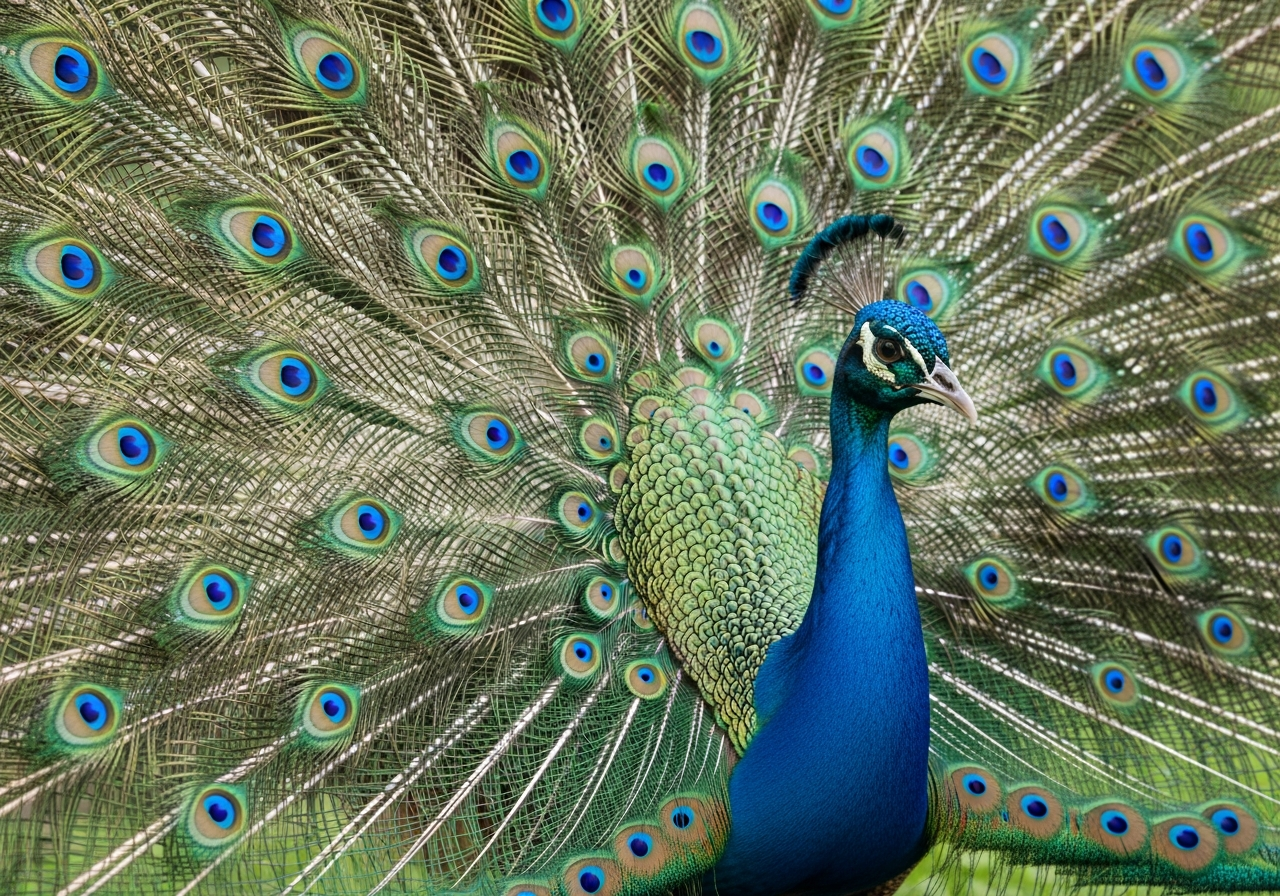
- Peacock Same family
Range & geography
Did you know? Quail facts
- A quail is a small, plump ground-dwelling bird with mottled brown camouflage plumage, found in grasslands and farmland worldwide.
- A quail is a small, plump ground bird with short legs and mottled brown plumage that provides excellent camouflage in grass and crops.
- Yes, but quails prefer to run and hide. When startled they make a fast, low, whirring flight over a short distance before dropping back into cover.
- Quails are omnivores that feed on seeds, grain, and insects, foraging on the ground by pecking and scratching.
- Quails live in grasslands, meadows, and farmland. The common quail breeds across Europe and Asia and migrates to Africa and southern Asia for winter.
- Conservation: Least Concern (IUCN).
Diet & feeding
Quail feeds primarily as a omnivore (seeds and insects). The common quail is heard far more often than seen. Males give a distinctive repeated three-note call to attract mates across fields of tall grass. Females nest in a simple scrape on the ground and can lay large clutches, with chicks able to walk and feed soon af
Adaptations
- Quails are small, rounded birds that spend most of their lives on the ground, relying on streaky brown plumage to vanish into grass and crops. They prefer to run or crouch rather than fly, and when flushed they burst into a fast, low, whirring flight before dropping back into cover.
- The common quail is heard far more often than seen. Males give a distinctive repeated three-note call to attract mates across fields of tall grass. Females nest in a simple scrape on the ground and can lay large clutches, with chicks able to walk and feed soon after hatching.
Behaviour & ecology
- Quails are small, rounded birds that spend most of their lives on the ground, relying on streaky brown plumage to vanish into grass and crops. They prefer to run or crouch rather than fly, and when flushed they burst into a fast, low, whirring flight before dropping back into cover.
- The common quail is heard far more often than seen. Males give a distinctive repeated three-note call to attract mates across fields of tall grass. Females nest in a simple scrape on the ground and can lay large clutches, with chicks able to walk and feed soon after hatching.
- Unusually for such a small game bird, the common quail is a long-distance migrant, traveling between Europe and Asia and wintering in Africa and southern Asia. Quails are omnivores that eat seeds, grain, and insects, foraging by scratching and pecking at the ground.
Communication
- Quail uses calls and visual displays to communicate territory, alarm, and breeding status.
- Vocal repertoires vary by species and are often learned or refined during development.
Habitat & range
Grassland, meadows, and farmland
Ecological role
Quail contributes to seed dispersal, insect control, or nutrient cycling depending on diet and foraging habits.
Conservation status of the Quail
The quail (Coturnix coturnix) is listed as Least Concern on the IUCN Red List. Least Concern (LC) is the IUCN's lowest-risk category, assigned to widespread, abundant species that have been evaluated and found not to be threatened. It does not mean a species faces no pressures — only that it is not currently at risk of extinction.
The quail (Coturnix coturnix) is assessed on the IUCN Red List. Look up on the IUCN Red List .
Frequently asked questions about the Quail
What does a quail look like?
A quail is a small, plump ground bird with short legs and mottled brown plumage that provides excellent camouflage in grass and crops.
Can quails fly?
Yes, but quails prefer to run and hide. When startled they make a fast, low, whirring flight over a short distance before dropping back into cover.
What do quails eat?
Quails are omnivores that feed on seeds, grain, and insects, foraging on the ground by pecking and scratching.
Where do quails live?
Quails live in grasslands, meadows, and farmland. The common quail breeds across Europe and Asia and migrates to Africa and southern Asia for winter.
Are quails endangered?
The common quail is listed as Least Concern and remains widespread, though intensive farming can reduce local populations.
What is a group of quails called?
A group of Quails is called a covey. It is also known as a bevy.
What is a baby quail called?
A baby Quail is called a chick.
Sources & references
This guide is compiled and reviewed against established zoological and conservation references. Key sources for the Quail:
-
IUCN Red List of Threatened Species
Conservation status (Least Concern) reflects the IUCN Red List category for Coturnix coturnix.
-
iNaturalist — observations & photos
Search citizen-science observations and community IDs for Coturnix coturnix. Useful for range checks and recent sightings — not a substitute for formal Red List status.
-
GBIF — occurrence data
Global Biodiversity Information Facility species search for Coturnix coturnix. Explore published occurrence records used in range research.
-
eBird — bird observations
Cornell Lab eBird target search for Quail. Check recent checklists and seasonal abundance where birders report this species.
- IUCN Red List — Coturnix coturnix.
Conservation status (Least Concern) and population trends.
- Animal Diversity Web — Coturnix coturnix. University of Michigan Museum of Zoology.
Life history, morphology, and range.
- Wikipedia — Quail.
General taxonomy and overview (cross-check primary sources).
-
Global Animal Guide editorial standards
How we research, source, review, and update every guide for accuracy.