Image sourcing: see credits & licences
The common chaffinch (Fringilla coelebs) is a bird of the family Fringillidae, in the order Passeriformes.
Quick answer
The common chaffinch (Fringilla coelebs) is a widespread European finch whose males sing a loud descending trill from woodland treetops. Adults weigh about 25 g, visit garden feeders, and are listed Least Concern.
Top questions about the Common Chaffinch
Common Chaffinch facts at a glance
- Weight 25 g
- Length 15 cm
- Top speed 50 km/h
- Lifespan 10 years
| Scientific name | Fringilla coelebs |
|---|---|
| Diet | Omnivore |
| Habitat | Woodland and gardens |
| Lifespan | 8–12 years |
| Weight | 0.02–0.03 kg |
| Top speed | up to 50 km/h |
| Conservation status | Least Concern (IUCN) |
| Kingdom | Animalia |
|---|---|
| Phylum | Chordata |
| Class | Aves |
| Order | Passeriformes |
| Family | Fringillidae |
| Genus | Fringilla |
Where it lives
The common chaffinch (Fringilla coelebs) is native to Woodland and gardens across Europe into western Asia and North Africa. — recorded across Europe, Asia, Africa in this guide’s range summary.
For occurrence records, see GBIF species search and sources below.
How big is a common chaffinch?
An adult common chaffinch measures 15 cm long — about 9% of the height of an average adult person (1.73 m) — and weighs around 25 g, a small fraction of an average adult’s body weight (70 kg).
Length vs an average adult’s height (to scale)
What is a group of common chaffinches called?
Group name (collective noun)
A group of Common Chaffinches is called a charm.
Baby name
A baby Common Chaffinch is called a chick.
Explore more animal collective nouns and baby animal names .
Pink-breasted songster
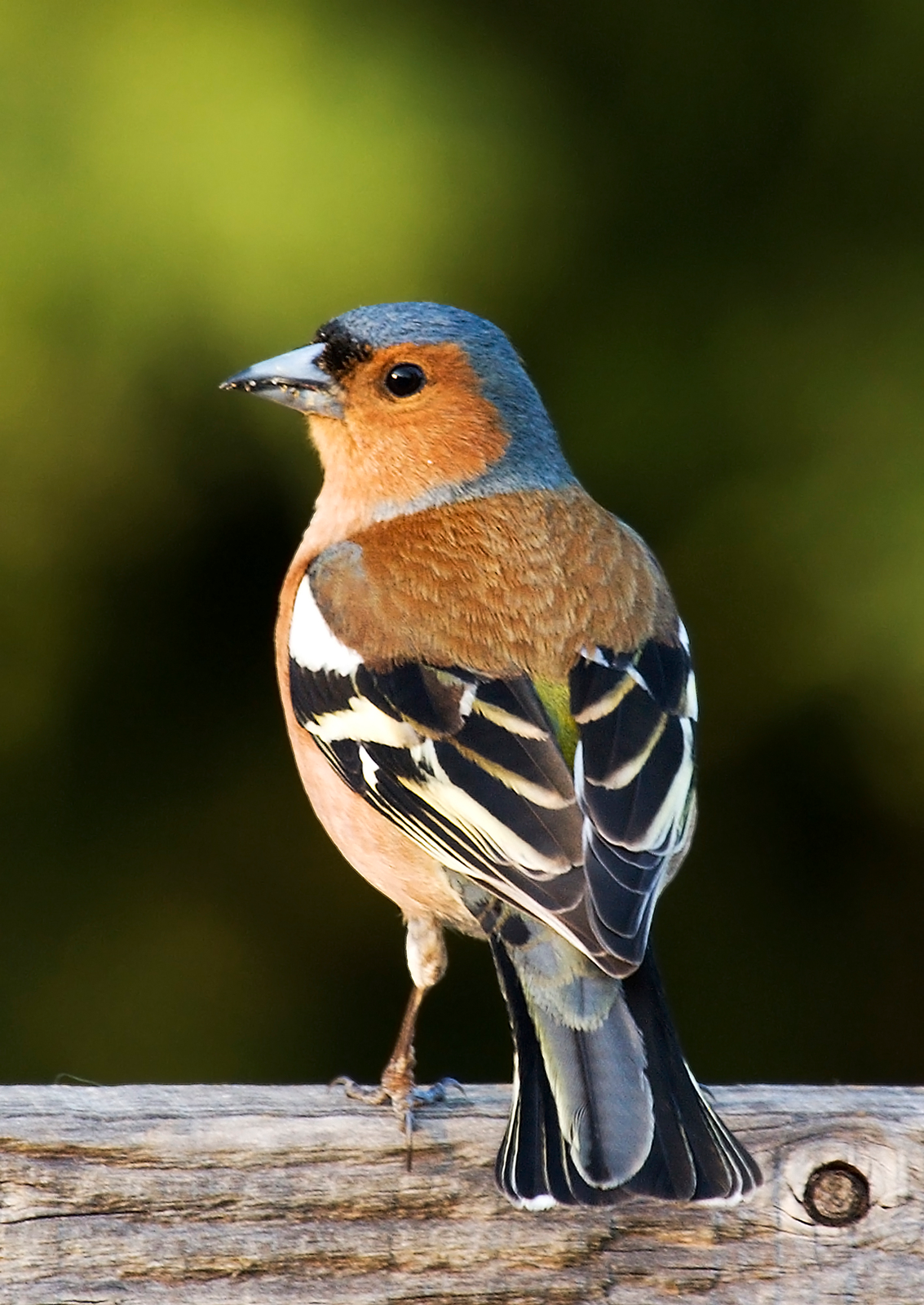
Breeding males show blue-grey caps, pink-orange breasts, and bold white wing bars. The song ends in a characteristic descending flourish that carries through spring woods.
Seeds, buds, and summer insects
Bill shape shifts diet with season — seeds and buds in winter, caterpillars and other insects fed to chicks in summer. Ground feeding is common under trees.
Woods and gardens across Eurasia
Breeds from the UK and Scandinavia east to Siberia and south to North Africa. One of the commonest birds in European gardens and parks.
Abundant backyard bird
Least Concern with huge range and population. Trichomonosis outbreaks have hit UK greenfinch relatives harder, but chaffinches remain numerous.
Explore the Common Chaffinch
Close relatives
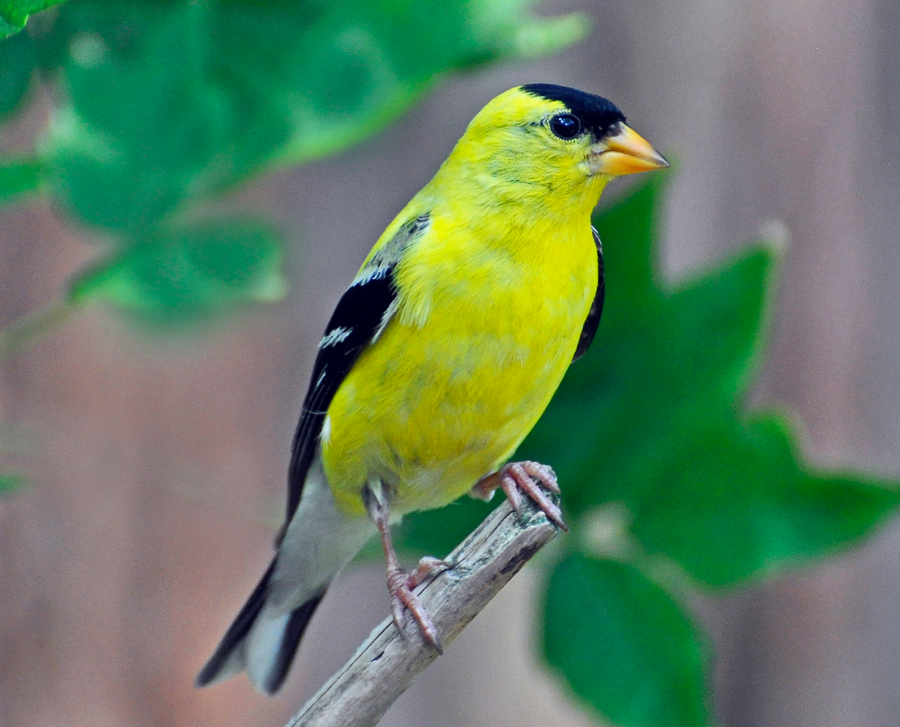
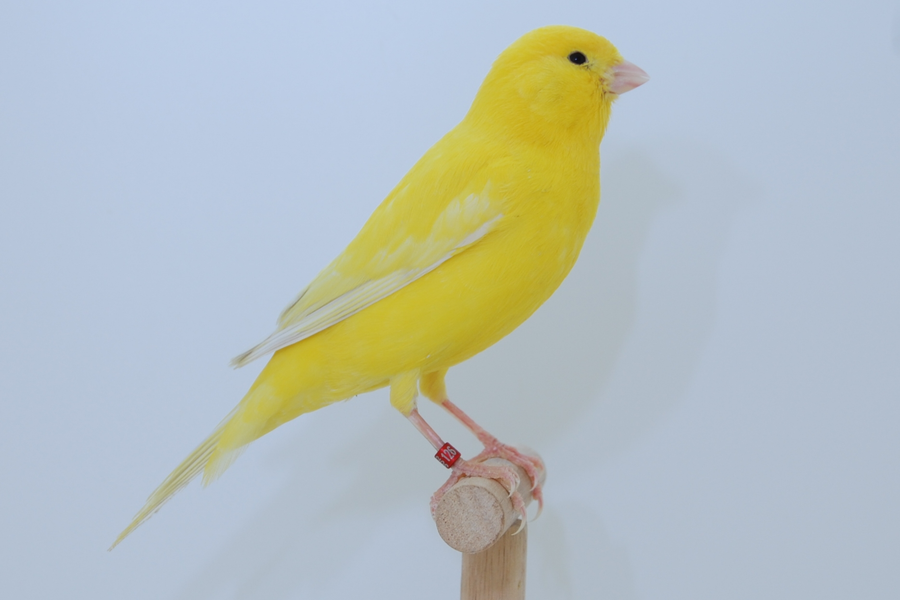
- Canary Same family
- American Goldfinch Same family
- House Sparrow Same order
- Superb Lyrebird Same order
Range & geography
Conservation status of the Common Chaffinch
The common chaffinch (Fringilla coelebs) is listed as Least Concern on the IUCN Red List. Least Concern (LC) is the IUCN's lowest-risk category, assigned to widespread, abundant species that have been evaluated and found not to be threatened. It does not mean a species faces no pressures — only that it is not currently at risk of extinction.
The common chaffinch (Fringilla coelebs) is assessed on the IUCN Red List. Look up on the IUCN Red List .
Frequently asked questions about the Common Chaffinch
What does a chaffinch song sound like?
A repeated metallic phrase ending in a fast descending trill — one of Europe's most familiar spring sounds.
How do you identify a male chaffinch?
Look for pink-orange breast, blue-grey head, and double white wing bars in flight.
Do chaffinches migrate?
Northern populations move south in winter; British and many central European birds are resident.
What do chaffinches eat at feeders?
Sunflower seeds, peanuts, and scattered grain on the ground.
Why is it called chaffinch?
Old English linked it to chaff in grain fields where birds foraged among harvested crops.
What is a group of common chaffinches called?
A group of Common Chaffinches is called a charm.
What is a baby common chaffinch called?
A baby Common Chaffinch is called a chick.
Sources & references
This guide is compiled and reviewed against established zoological and conservation references. Key sources for the Common Chaffinch:
-
IUCN Red List of Threatened Species
Conservation status (Least Concern) reflects the IUCN Red List category for Fringilla coelebs.
-
iNaturalist — observations & photos
Search citizen-science observations and community IDs for Fringilla coelebs. Useful for range checks and recent sightings — not a substitute for formal Red List status.
-
GBIF — occurrence data
Global Biodiversity Information Facility species search for Fringilla coelebs. Explore published occurrence records used in range research.
-
eBird — bird observations
Cornell Lab eBird target search for Common Chaffinch. Check recent checklists and seasonal abundance where birders report this species.
-
Global Animal Guide editorial standards
How we research, source, review, and update every guide for accuracy.