Image sourcing: see credits & licences
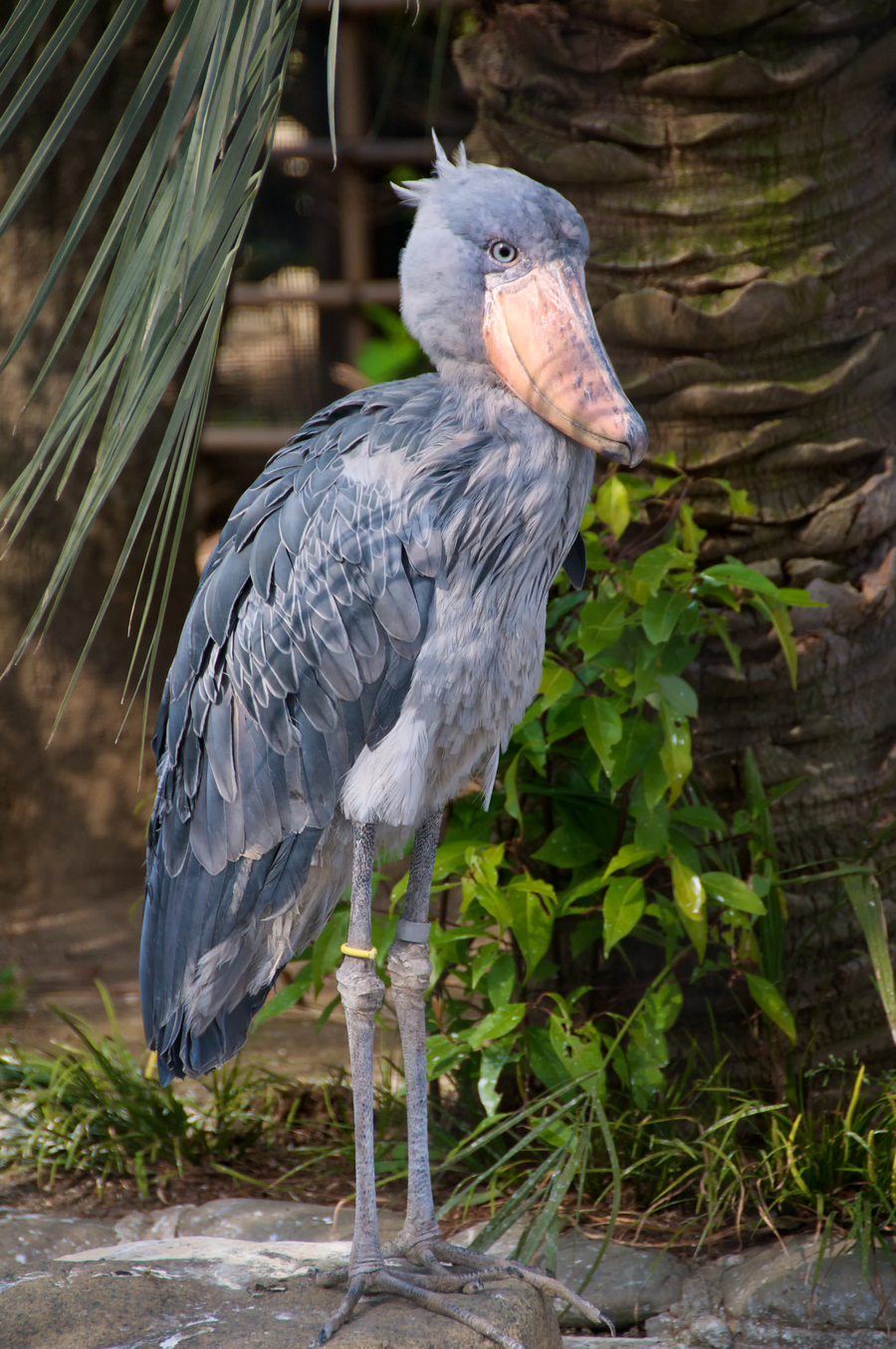
The shoebill (Balaeniceps rex) is a bird of the family Balaenicipitidae, in the order Pelecaniformes.
Quick answer
The shoebill (Balaeniceps rex) is a towering East African wetland bird named for its massive, shoe-shaped bill used to seize lungfish and other large aquatic prey. It stands about 1.2 m tall, weighs around 5.5 kg, and nests in papyrus swamps of South Sudan, Uganda, and Zambia. IUCN lists it Vulnerable because swamp drainage and disturbance shrink suitable habitat.
Top questions about the Shoebill
Also available in Español (Picozapato)
Shoebill facts at a glance
- Weight 5.5 kg
- Length 1.2 m
- Top speed 40 km/h
- Lifespan 35 years
| Scientific name | Balaeniceps rex |
|---|---|
| Diet | Fish (especially lungfish) |
| Habitat | Papyrus swamps and seasonally flooded wetlands |
| Lifespan | Around 35 years in the wild (varies by population and captivity). |
| Weight | About 5.5 kg typical adult mass (sex and region vary). |
| Top speed | Up to roughly 40 km/h when moving at speed. |
| Conservation status | Vulnerable (IUCN) |
| Kingdom | Animalia |
|---|---|
| Phylum | Chordata |
| Class | Aves |
| Order | Pelecaniformes |
| Family | Balaenicipitidae |
| Genus | Balaeniceps |
Where it lives
The shoebill (Balaeniceps rex) is native to Freshwater swamps of East-Central Africa, especially South Sudan, Uganda, and Zambia. — recorded across Africa in this guide’s range summary.
For occurrence records, see GBIF species search and sources below.
How big is a shoebill?
An adult shoebill measures 1.2 m long — about 69% of the height of an average adult person (1.73 m) — and weighs around 5.5 kg, about 8% of an average adult’s body weight (70 kg).
Length vs an average adult’s height (to scale)
What is a group of shoebills called?
Group name (collective noun)
A group of Shoebills is called a fleet.
Baby name
A baby Shoebill is called a chick.
Explore more animal collective nouns and baby animal names .
The shoe-shaped bill
The bill can exceed 20 cm and ends in a sharp hook for gripping slippery fish. Shoebills hunt with statue-still patience, then strike in a sudden lunge. Broad wings and a slow wingbeat suit short flights over dense swamp vegetation.
Lungfish and swamp ambush
Preferred prey includes African lungfish, catfish, frogs, and young crocodiles. Birds often stand motionless in shallow water or on floating vegetation until prey surfaces, then tip forward to clamp it.
Papyrus strongholds
Core range covers freshwater swamps of East-Central Africa — especially South Sudan's Sudd, Uganda's Lake Victoria basin wetlands, and Zambian Bangweulu swamps. They need large, quiet tracts of papyrus and seasonal floodplain.
Vulnerable swamp specialist
Drainage for agriculture, burning of papyrus, and nest disturbance keep the species Vulnerable. Low clutch size (often one chick fledged) means populations recover slowly even where habitat remains.
Explore the Shoebill
Close relatives
- Brown Pelican Same order
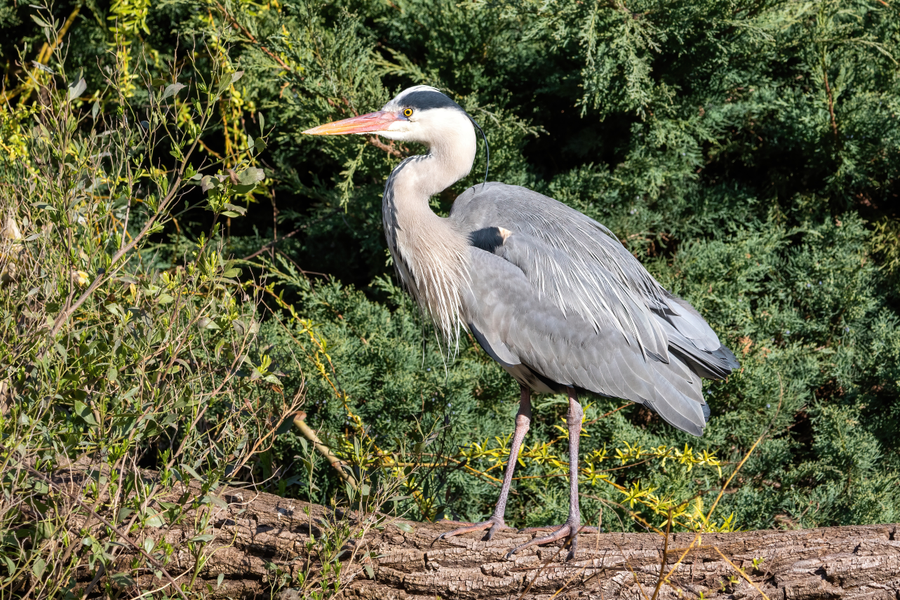
- Grey Heron Same order
- Roseate Spoonbill Same order
- American White Ibis Same order
Collections
Range & geography
Conservation status of the Shoebill
The shoebill (Balaeniceps rex) is listed as Vulnerable on the IUCN Red List. Vulnerable (VU) means a species faces a high risk of extinction in the medium-term future. It is the lowest-risk of the three 'threatened' IUCN categories — one step below Endangered, which is itself below Critically Endangered — and is often an early warning that a population is in trouble.
Main threats to the shoebill
- Wetland drainage and habitat degradation
- Disturbance at nesting sites
- Hunting and egg collection
- Oil exploration in swamp habitats
Shoebill (Balaeniceps rex) was most recently assessed for the IUCN Red List in 2018. Look up on the IUCN Red List .
Frequently asked questions about the Shoebill
Why is the shoebill's bill so large?
The deep, hooked bill lets it seize and crush large, slippery prey such as lungfish in dense swamp vegetation.
Do shoebills eat baby crocodiles?
Yes — they occasionally take young crocodiles along with lungfish, catfish, and frogs.
Are shoebills related to storks?
They look stork-like but sit in their own family, Balaenicipitidae, closer to pelicans in modern classifications.
Where do shoebills live?
Freshwater papyrus swamps in East-Central Africa, notably South Sudan, Uganda, and Zambia.
Why are shoebills Vulnerable?
Their specialised swamp habitat is being drained, burned, and disturbed, and they raise few chicks per year.
What is a group of shoebills called?
A group of Shoebills is called a fleet.
What is a baby shoebill called?
A baby Shoebill is called a chick.
Sources & references
This guide is compiled and reviewed against established zoological and conservation references. Key sources for the Shoebill:
-
IUCN Red List of Threatened Species
Conservation status (Vulnerable) reflects the IUCN Red List category for Balaeniceps rex, most recently assessed in 2018.
-
iNaturalist — observations & photos
Search citizen-science observations and community IDs for Balaeniceps rex. Useful for range checks and recent sightings — not a substitute for formal Red List status.
-
GBIF — occurrence data
Global Biodiversity Information Facility species search for Balaeniceps rex. Explore published occurrence records used in range research.
-
eBird — bird observations
Cornell Lab eBird target search for Shoebill. Check recent checklists and seasonal abundance where birders report this species.
-
Global Animal Guide editorial standards
How we research, source, review, and update every guide for accuracy.