Image sourcing: see credits & licences
The common murre (Uria aalge) is a bird of the family Alcidae, in the order Charadriiformes.
Quick answer
The common murre (Uria aalge) is a black-and-white seabird of North Atlantic and North Pacific cliffs that lays a single pear-shaped egg on bare rock. Adults weigh about 1 kg, dive deep for fish, and are listed Least Concern.
Top questions about the Common Murre
Common Murre facts at a glance
- Weight 1 kg
- Length 40 cm
- Top speed 80 km/h
- Lifespan 22 years
| Scientific name | Uria aalge |
|---|---|
| Diet | Carnivore |
| Habitat | Sea cliffs and open ocean |
| Lifespan | 20–25 years |
| Weight | 0.9–1.1 kg |
| Top speed | up to 80 km/h |
| Conservation status | Least Concern (IUCN) |
| Kingdom | Animalia |
|---|---|
| Phylum | Chordata |
| Class | Aves |
| Order | Charadriiformes |
| Family | Alcidae |
| Genus | Uria |
Where it lives
The common murre (Uria aalge) is native to North Pacific and North Atlantic seabird colonies. — recorded across North America, Europe, Asia in this guide’s range summary.
For occurrence records, see GBIF species search and sources below.
How big is a common murre?
An adult common murre measures 40 cm long — about 23% of the height of an average adult person (1.73 m) — and weighs around 1.0 kg, about 1% of an average adult’s body weight (70 kg).
Length vs an average adult’s height (to scale)
What is a group of common murres called?
Group name (collective noun)
A group of Common Murres is called a colony.
Baby name
A baby Common Murre is called a chick.
Explore more animal collective nouns and baby animal names .
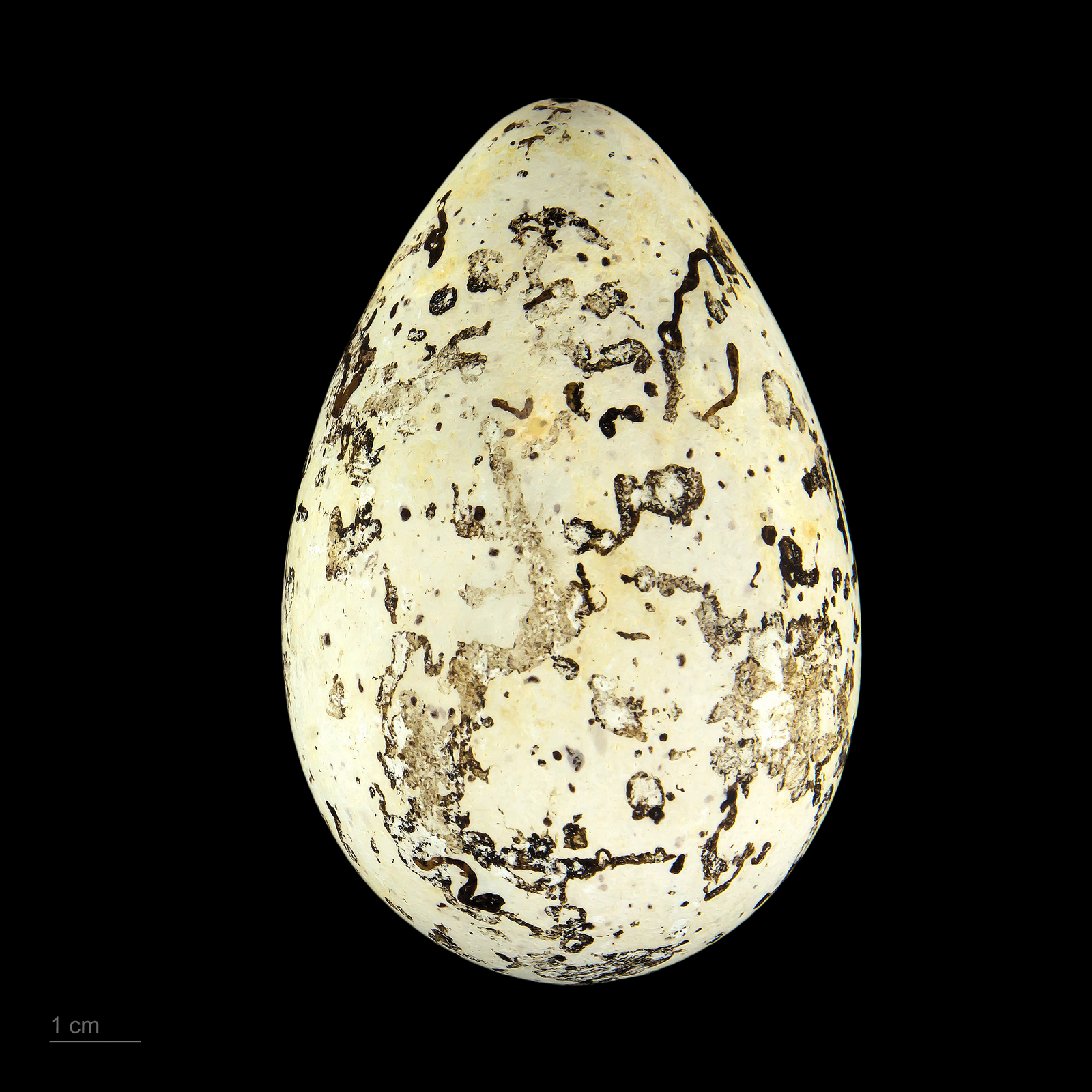
Pear-shaped cliff egg
Murres lay one egg on bare ledges without nests; the pointed shape rolls in a circle rather than off the cliff. Adults stand upright like penguins and use wings to swim underwater.
Deep pursuit of small fish
Sand lance, capelin, herring, and other small fish are caught on dives that can exceed 100 m. Chicks leap to sea before they can fly, led by the male parent.
Crowded seabird cliffs
Colonies pack sea stacks and cliffs from Alaska and California to the UK, Iceland, and Norway. Birds return to the same ledge year after year.
Oil spills and prey shifts
Least Concern globally, but oil spills, gillnet bycatch, and warming seas that shift fish stocks have depressed some regional colonies.
Explore the Common Murre
Close relatives
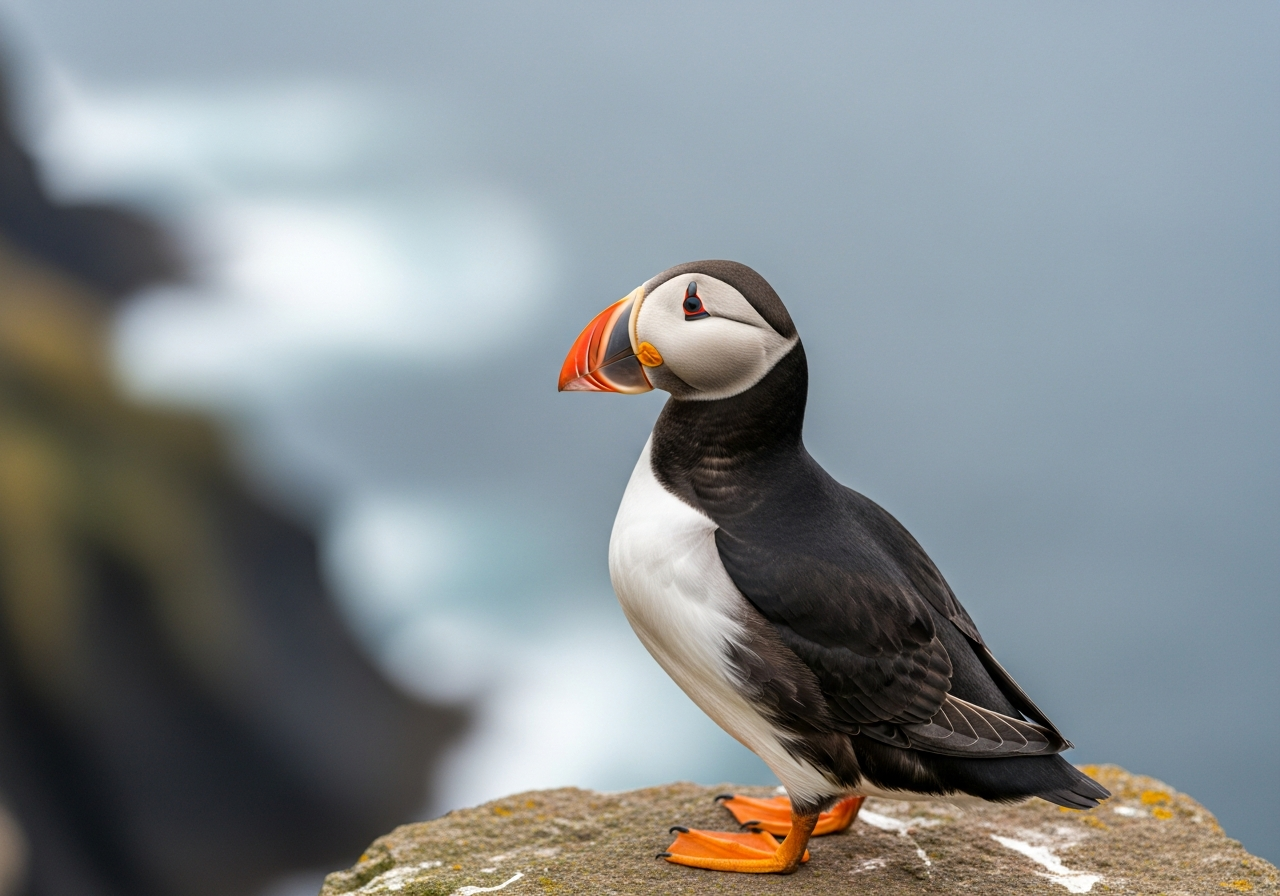
- Atlantic Puffin Same family
- Chicken Same class
- Wandering Albatross Same class
- Southern Cassowary Same class
Range & geography
Conservation status of the Common Murre
The common murre (Uria aalge) is listed as Least Concern on the IUCN Red List. Least Concern (LC) is the IUCN's lowest-risk category, assigned to widespread, abundant species that have been evaluated and found not to be threatened. It does not mean a species faces no pressures — only that it is not currently at risk of extinction.
The common murre (Uria aalge) is assessed on the IUCN Red List. Look up on the IUCN Red List .
Frequently asked questions about the Common Murre
Why are murre eggs pear-shaped?
The asymmetrical shape spins in place on narrow ledges, reducing the chance of rolling off the cliff.
How deep do murres dive?
Routine dives reach 30–60 m; recorded depths exceed 100 m.
Can common murres fly?
Yes, though their small wings are better adapted for underwater swimming than agile flight.
How do murre chicks leave the nest?
They jump from cliffs to the sea at about three weeks old, still flightless, and swim away with the male.
Are murres related to penguins?
No — they are alcids, a northern family of diving seabirds; penguins are southern hemisphere specialists.
What is a group of common murres called?
A group of Common Murres is called a colony.
What is a baby common murre called?
A baby Common Murre is called a chick.
Sources & references
This guide is compiled and reviewed against established zoological and conservation references. Key sources for the Common Murre:
-
IUCN Red List of Threatened Species
Conservation status (Least Concern) reflects the IUCN Red List category for Uria aalge.
-
iNaturalist — observations & photos
Search citizen-science observations and community IDs for Uria aalge. Useful for range checks and recent sightings — not a substitute for formal Red List status.
-
GBIF — occurrence data
Global Biodiversity Information Facility species search for Uria aalge. Explore published occurrence records used in range research.
-
eBird — bird observations
Cornell Lab eBird target search for Common Murre. Check recent checklists and seasonal abundance where birders report this species.
-
Global Animal Guide editorial standards
How we research, source, review, and update every guide for accuracy.