Image sourcing: see credits & licences
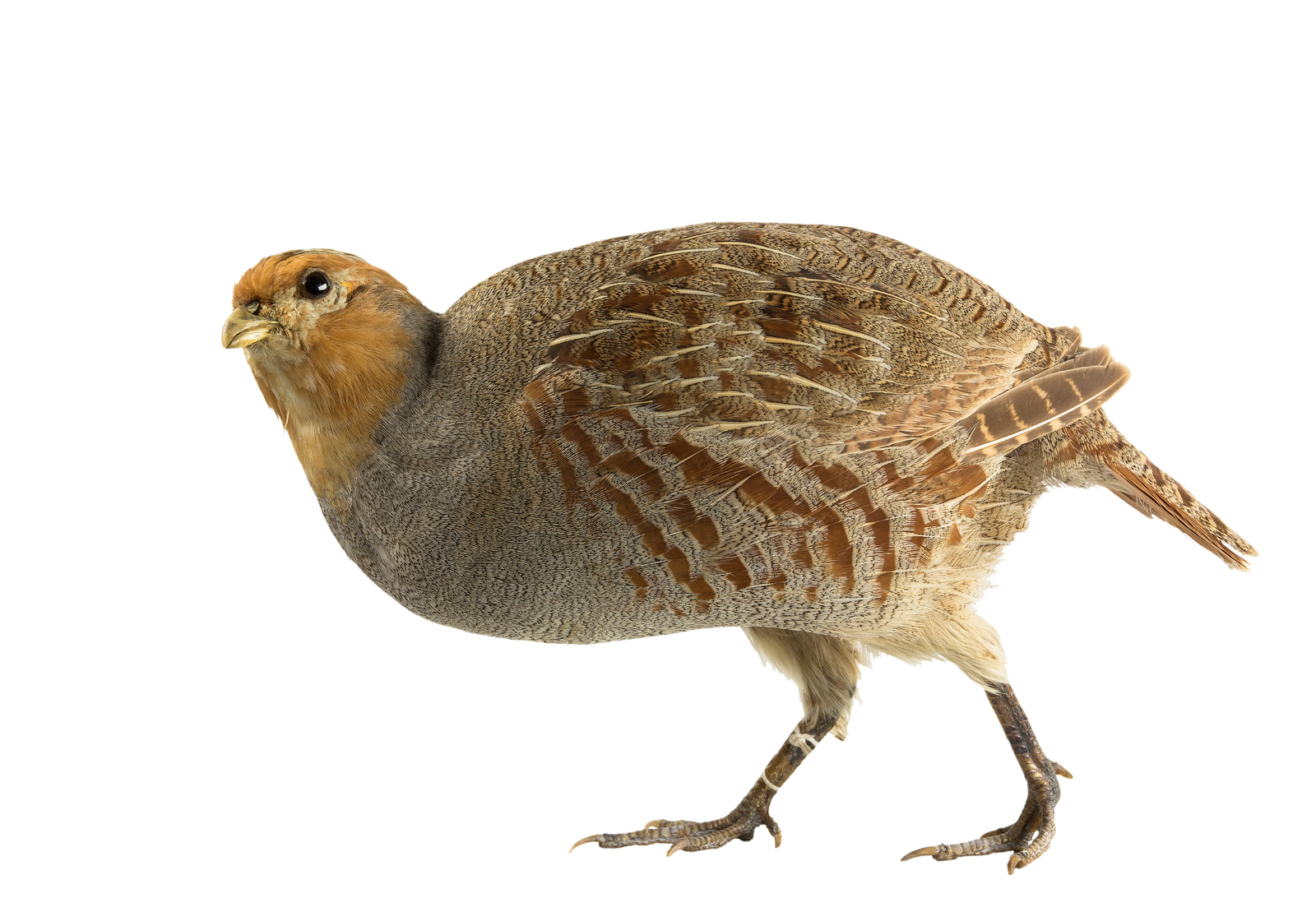
The grey partridge (Perdix perdix) is a bird of the family Phasianidae, in the order Galliformes.
Quick answer
The grey partridge (Perdix perdix) is a rotund farmland gamebird of Europe and western Asia, introduced to North America. Adults weigh about 0.4 kg, raise large broods in cereal fields, and are listed Least Concern.
Top questions about the Grey Partridge
Grey Partridge facts at a glance
- Weight 400 g
- Length 30 cm
- Top speed 45 km/h
- Lifespan 4 years
| Scientific name | Perdix perdix |
|---|---|
| Diet | Omnivore |
| Habitat | Farmland and grassland |
| Lifespan | 3–5 years |
| Weight | 0.35–0.45 kg |
| Top speed | up to 45 km/h |
| Conservation status | Least Concern (IUCN) |
| Kingdom | Animalia |
|---|---|
| Phylum | Chordata |
| Class | Aves |
| Order | Galliformes |
| Family | Phasianidae |
| Genus | Perdix |
Where it lives
The grey partridge (Perdix perdix) is native to Farmland of Europe and western Asia; introduced in North America. — recorded across Europe, Asia in this guide’s range summary.
For occurrence records, see GBIF species search and sources below.
How big is a grey partridge?
An adult grey partridge measures 30 cm long — about 17% of the height of an average adult person (1.73 m) — and weighs around 400 g, about 1% of an average adult’s body weight (70 kg).
Length vs an average adult’s height (to scale)
What is a group of grey partridges called?
Group name (collective noun)
A group of Grey Partridges is called a covey.
Baby name
A baby Grey Partridge is called a chick.
Explore more animal collective nouns and baby animal names .
Farmland covey bird
Grey partridges form coveys in winter and pair in spring. Mottled grey-brown plumage hides birds in stubble; chestnut face patches and horseshoe belly marks aid identification.
Seeds, insects, and chicks
Adults eat seeds and green shoots; chicks need insects for protein. Large broods of 10–20 chicks were once common when insect-rich field margins persisted.
European fields and hedgerows
Native across Europe into western Asia; introduced to the northern US plains and Canada. Needs mixed farming with weeds, insects, and cover strips.
Intensive farming declines
Least Concern globally but numbers crashed in western Europe as pesticides and monocultures removed chick food. Agri-environment schemes aim to restore margins.
Explore the Grey Partridge
Close relatives
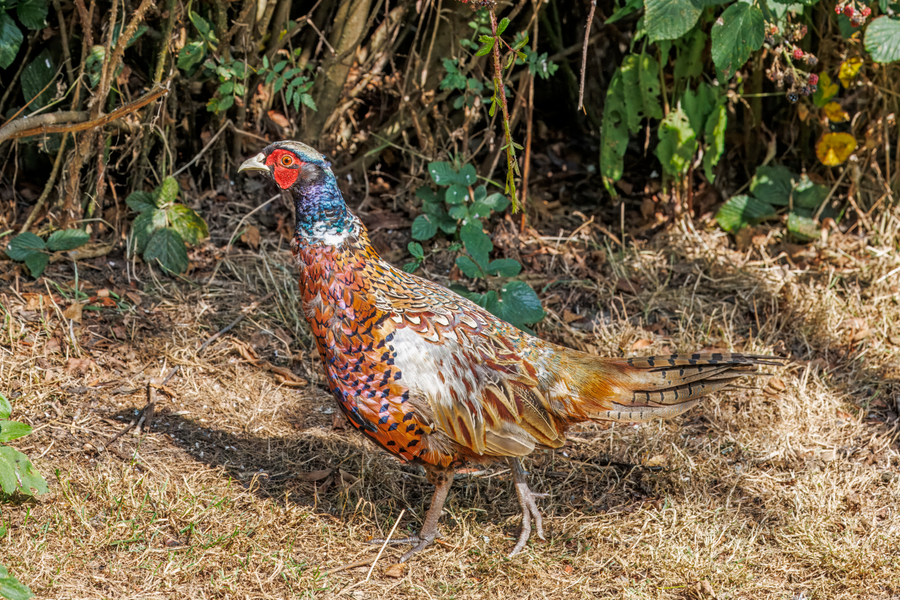
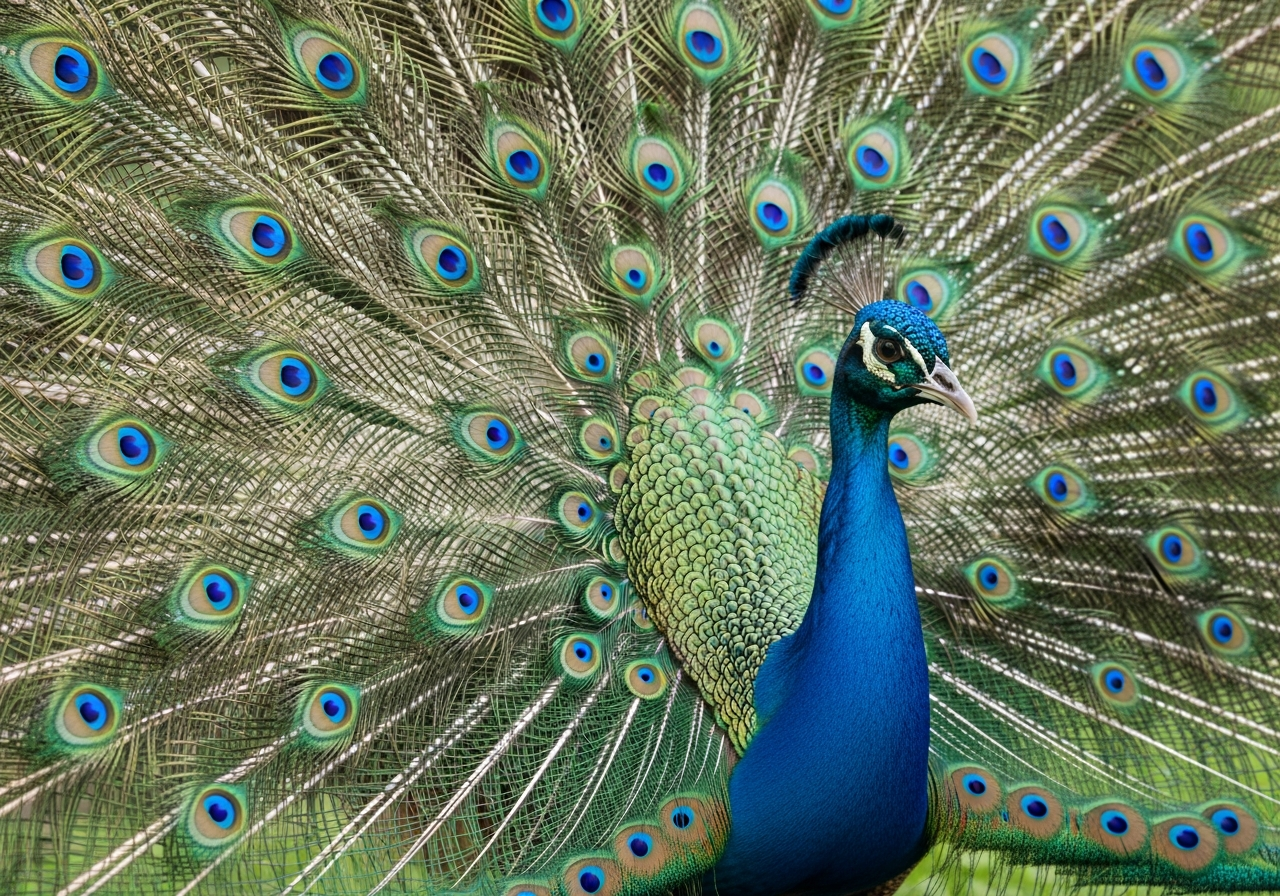
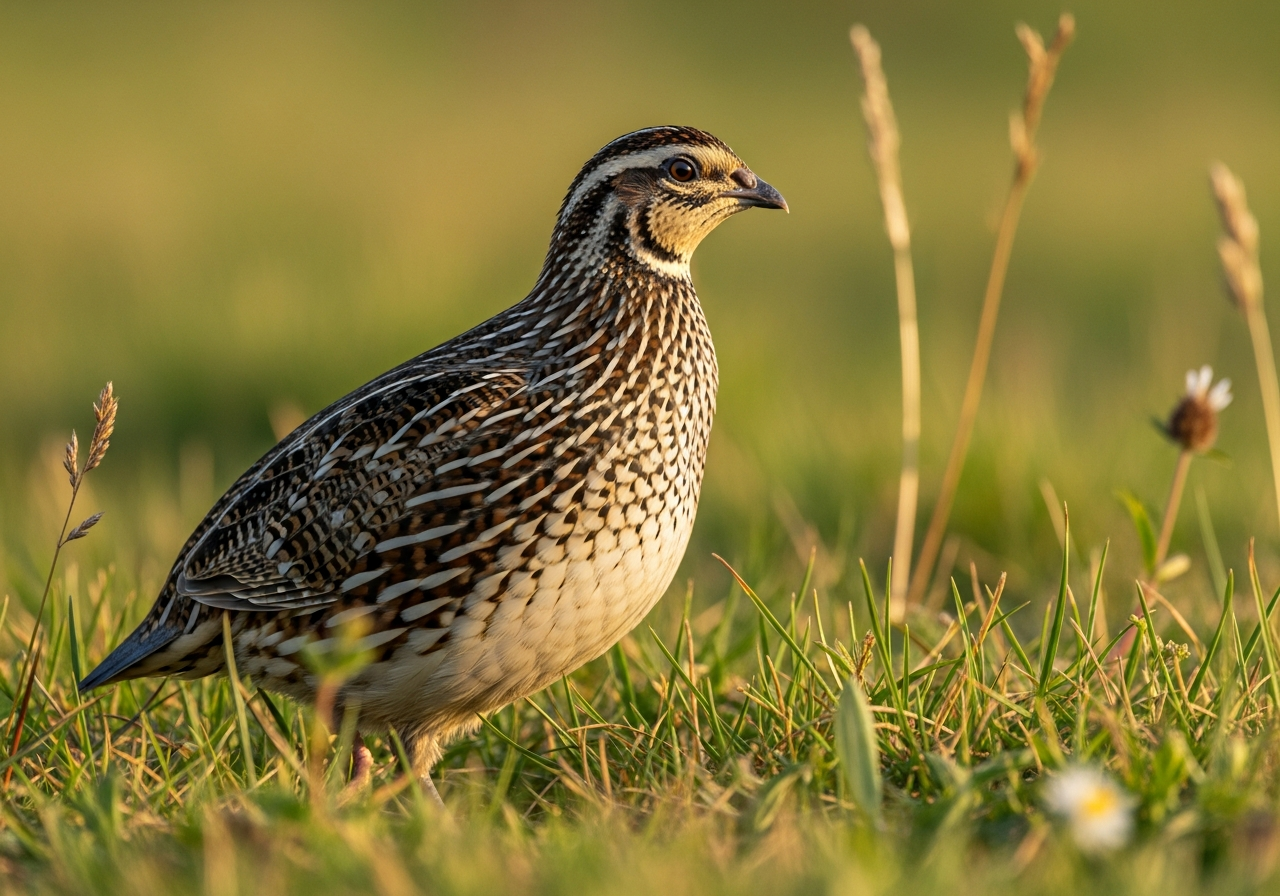
- Chicken Same family
- Rooster Same family
- Common Pheasant Same family
- Peacock Same family
Range & geography
Conservation status of the Grey Partridge
The grey partridge (Perdix perdix) is listed as Least Concern on the IUCN Red List. Least Concern (LC) is the IUCN's lowest-risk category, assigned to widespread, abundant species that have been evaluated and found not to be threatened. It does not mean a species faces no pressures — only that it is not currently at risk of extinction.
The grey partridge (Perdix perdix) is assessed on the IUCN Red List. Look up on the IUCN Red List .
Frequently asked questions about the Grey Partridge
What is a partridge covey?
A family or winter flock — usually a dozen or fewer birds that roost and forage together.
Why did grey partridge numbers fall in the UK?
Herbicides and insect loss on intensive arable farms starved chicks that depend on insects.
Are grey partridges native to North America?
No — they were introduced from Europe for hunting on the northern Great Plains.
How many eggs do grey partridges lay?
Often 15–20 in a ground nest hidden in field margins or hedgerows.
What is the horseshoe mark on a grey partridge?
A dark belly patch shaped like a horseshoe — a key field mark on adults.
What is a group of grey partridges called?
A group of Grey Partridges is called a covey.
What is a baby grey partridge called?
A baby Grey Partridge is called a chick.
Sources & references
This guide is compiled and reviewed against established zoological and conservation references. Key sources for the Grey Partridge:
-
IUCN Red List of Threatened Species
Conservation status (Least Concern) reflects the IUCN Red List category for Perdix perdix.
-
iNaturalist — observations & photos
Search citizen-science observations and community IDs for Perdix perdix. Useful for range checks and recent sightings — not a substitute for formal Red List status.
-
GBIF — occurrence data
Global Biodiversity Information Facility species search for Perdix perdix. Explore published occurrence records used in range research.
-
eBird — bird observations
Cornell Lab eBird target search for Grey Partridge. Check recent checklists and seasonal abundance where birders report this species.
-
Global Animal Guide editorial standards
How we research, source, review, and update every guide for accuracy.