Image sourcing: see credits & licences
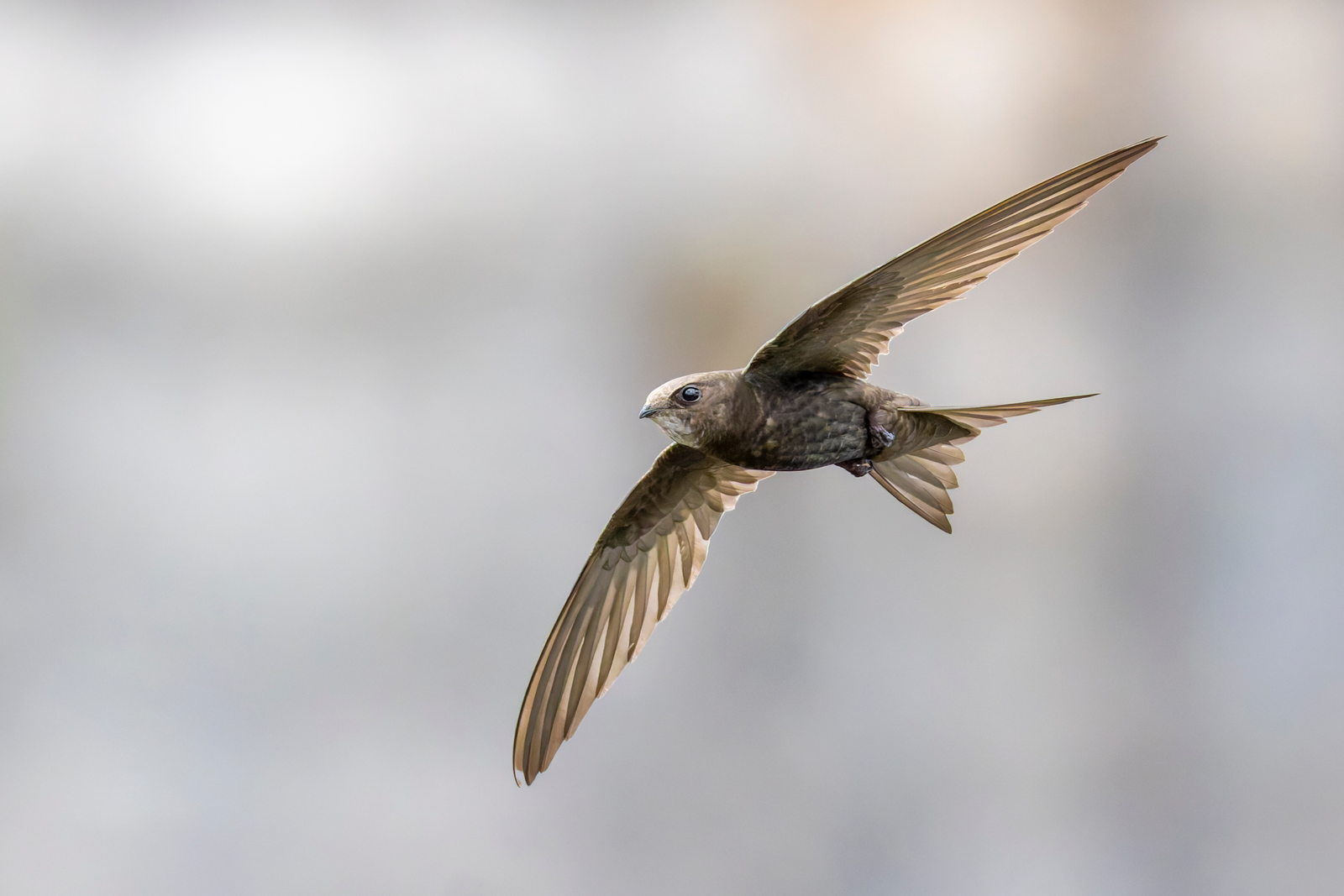
The common swift (Apus apus) is a bird of the family Apodidae, in the order Apodiformes.
Quick answer
The common swift (Apus apus) spends almost its entire life on the wing, breeding across Europe and wintering in Africa. Adults weigh about 45 g, catch insects in flight, and are listed Least Concern.
Top questions about the Common Swift
Common Swift facts at a glance
- Weight 45 g
- Length 17 cm
- Top speed 110 km/h
- Lifespan 18 years
| Scientific name | Apus apus |
|---|---|
| Diet | Insectivore |
| Habitat | Open skies over towns and countryside |
| Lifespan | 15–21 years |
| Weight | 0.04–0.05 kg |
| Top speed | up to 110 km/h |
| Conservation status | Least Concern (IUCN) |
| Kingdom | Animalia |
|---|---|
| Phylum | Chordata |
| Class | Aves |
| Order | Apodiformes |
| Family | Apodidae |
| Genus | Apus |
Where it lives
The common swift (Apus apus) is native to Breeds across Europe and Asia; winters in Africa. — recorded across Europe, Asia, Africa in this guide’s range summary.
For occurrence records, see GBIF species search and sources below.
How big is a common swift?
An adult common swift measures 17 cm long — about 10% of the height of an average adult person (1.73 m) — and weighs around 45 g, a small fraction of an average adult’s body weight (70 kg).
Length vs an average adult’s height (to scale)
What is a group of common swifts called?
Group name (collective noun)
A group of Common Swifts is called a flock.
Baby name
A baby Common Swift is called a chick.
Explore more animal collective nouns and baby animal names .
Life in the air
Swifts eat, mate, and even sleep on the wing. Tiny feet are useless for perching on the ground; they cling to vertical surfaces. Sickled wings and screaming calls define summer evenings over towns.
Aerial insect hawker
Flying ants, aphids, and other airborne insects are caught in wide-gaped mouths. Rain fronts and warm thermals concentrate prey high above cities.
European eaves to African skies
Breeds in roof spaces and cavities from the UK to Russia; winters in sub-Saharan Africa. Arrival in May and departure in August mark the European summer calendar.
Building renovations matter
Least Concern globally, but UK and EU numbers fell as sealed roofs removed nest holes. Swift bricks and retained eaves help urban colonies persist.
Explore the Common Swift
Close relatives
- Ruby-throated Hummingbird Same order
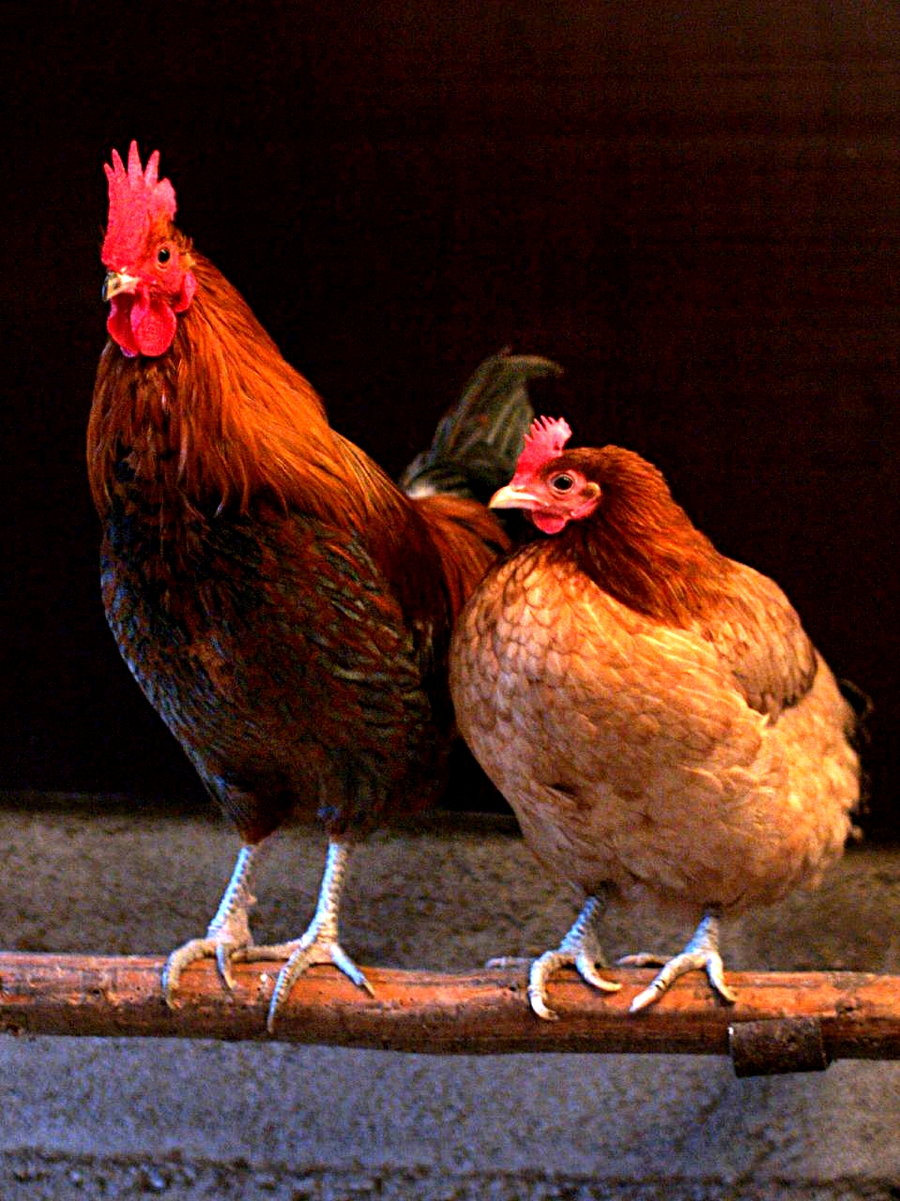
- Chicken Same class
- Wandering Albatross Same class
- Southern Cassowary Same class
Collections
Range & geography
Conservation status of the Common Swift
The common swift (Apus apus) is listed as Least Concern on the IUCN Red List. Least Concern (LC) is the IUCN's lowest-risk category, assigned to widespread, abundant species that have been evaluated and found not to be threatened. It does not mean a species faces no pressures — only that it is not currently at risk of extinction.
The common swift (Apus apus) is assessed on the IUCN Red List. Look up on the IUCN Red List .
Frequently asked questions about the Common Swift
Do swifts ever land?
Only to nest and care for young — otherwise they live continuously in flight, even sleeping on the wing.
Why are swifts called swifts?
Their rapid, direct flight and screaming parties over rooftops feel faster than swallows and martins.
Where do common swifts nest?
In gaps under roof tiles, eaves, and old buildings — never on the ground.
How long do swifts live?
Individuals can exceed 20 years, unusually long for a small bird.
When do swifts leave Europe?
Most depart in August for African wintering grounds, returning the following May.
What is a group of common swifts called?
A group of Common Swifts is called a flock.
What is a baby common swift called?
A baby Common Swift is called a chick.
Sources & references
This guide is compiled and reviewed against established zoological and conservation references. Key sources for the Common Swift:
-
IUCN Red List of Threatened Species
Conservation status (Least Concern) reflects the IUCN Red List category for Apus apus.
-
iNaturalist — observations & photos
Search citizen-science observations and community IDs for Apus apus. Useful for range checks and recent sightings — not a substitute for formal Red List status.
-
GBIF — occurrence data
Global Biodiversity Information Facility species search for Apus apus. Explore published occurrence records used in range research.
-
eBird — bird observations
Cornell Lab eBird target search for Common Swift. Check recent checklists and seasonal abundance where birders report this species.
-
Global Animal Guide editorial standards
How we research, source, review, and update every guide for accuracy.