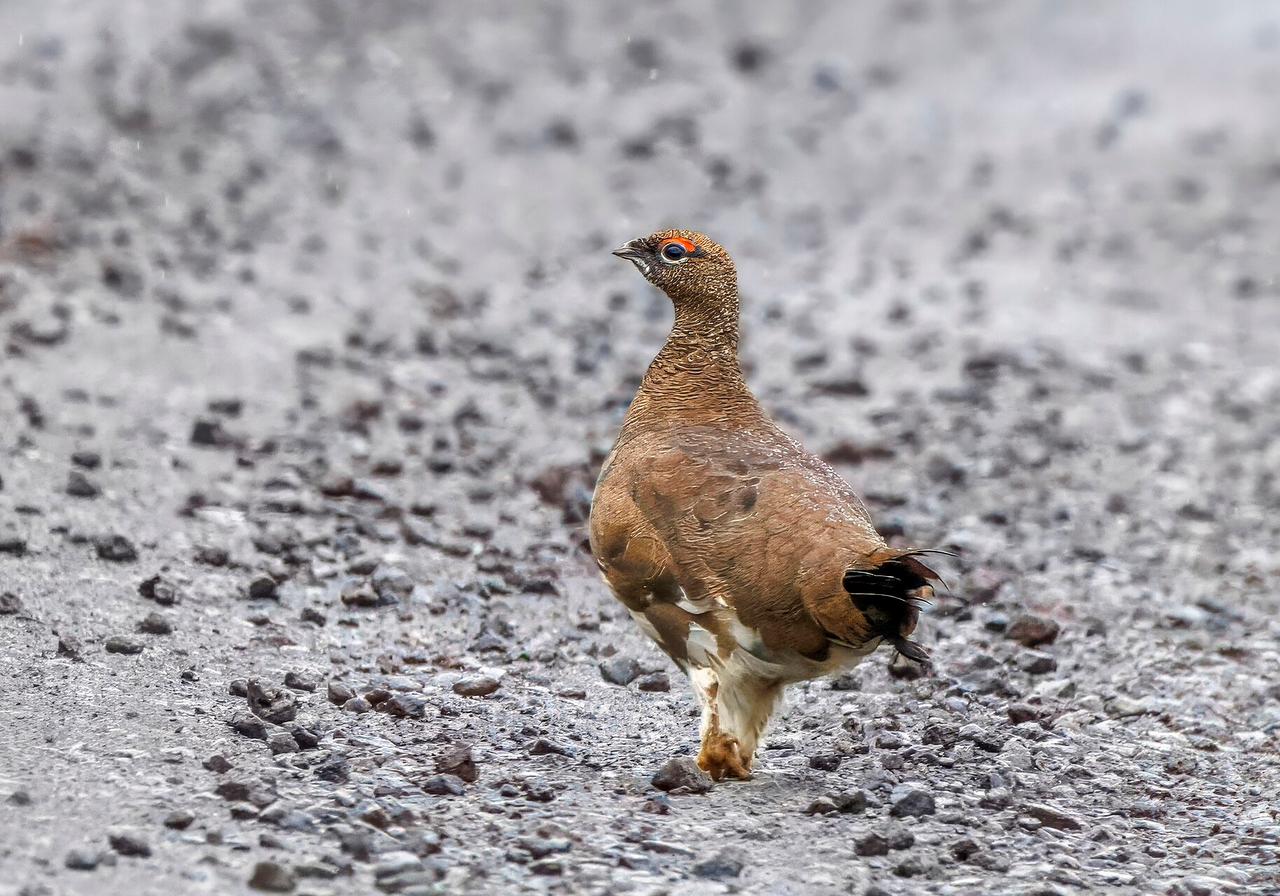
The rock ptarmigan (Lagopus muta) is a bird of the family Phasianidae, in the order Galliformes.
Quick answer
The rock ptarmigan (Lagopus muta) is a small grouse of Arctic tundra and high mountains in North America, Europe and Asia. It changes plumage with the seasons: pure white in winter apart from a black tail, mottled brown and grey in summer. Feathered feet act like snowshoes. BirdLife estimates 11.5 to 14.3 million mature birds and lists it as Least Concern.
Top questions about the Rock Ptarmigan
Rock Ptarmigan facts at a glance
- Weight 540 g
- Length 38 cm
- Lifespan 2 years
| Scientific name | Lagopus muta |
|---|---|
| Diet | Buds, leaves, catkins, berries and seeds; insects for chicks |
| Habitat | Arctic tundra and rocky mountain slopes above the tree line |
| Length | 33–41 cm (13–16 in) |
| Weight | Average about 535 g |
| Lifespan | Typically about 2 years (UK ringing data) |
| Conservation status | Least Concern (IUCN Red List, assessed 2025) |
| Kingdom | Animalia |
|---|---|
| Phylum | Chordata |
| Class | Aves |
| Order | Galliformes |
| Family | Phasianidae |
| Genus | Lagopus |
Where it lives
The rock ptarmigan (Lagopus muta) is native to Arctic tundra of Alaska, Canada, Greenland, Iceland, Scandinavia and Siberia, and high mountains including the Scottish Highlands, Alps, Pyrenees and Japan. — recorded across North America, Europe, Asia in this guide’s range summary.
For occurrence records, see GBIF species search and sources below.
How big is a rock ptarmigan?
An adult rock ptarmigan measures 38 cm long — about 22% of the height of an average adult person (1.73 m) — and weighs around 540 g, about 1% of an average adult’s body weight (70 kg).
Length vs an average adult’s height (to scale)
What is a group of rock ptarmigans called?
Group name (collective noun)
A group of Rock Ptarmigans is called a covey.
Baby name
A baby Rock Ptarmigan is called a chick.
Explore more animal collective nouns and baby animal names .
Three plumages a year
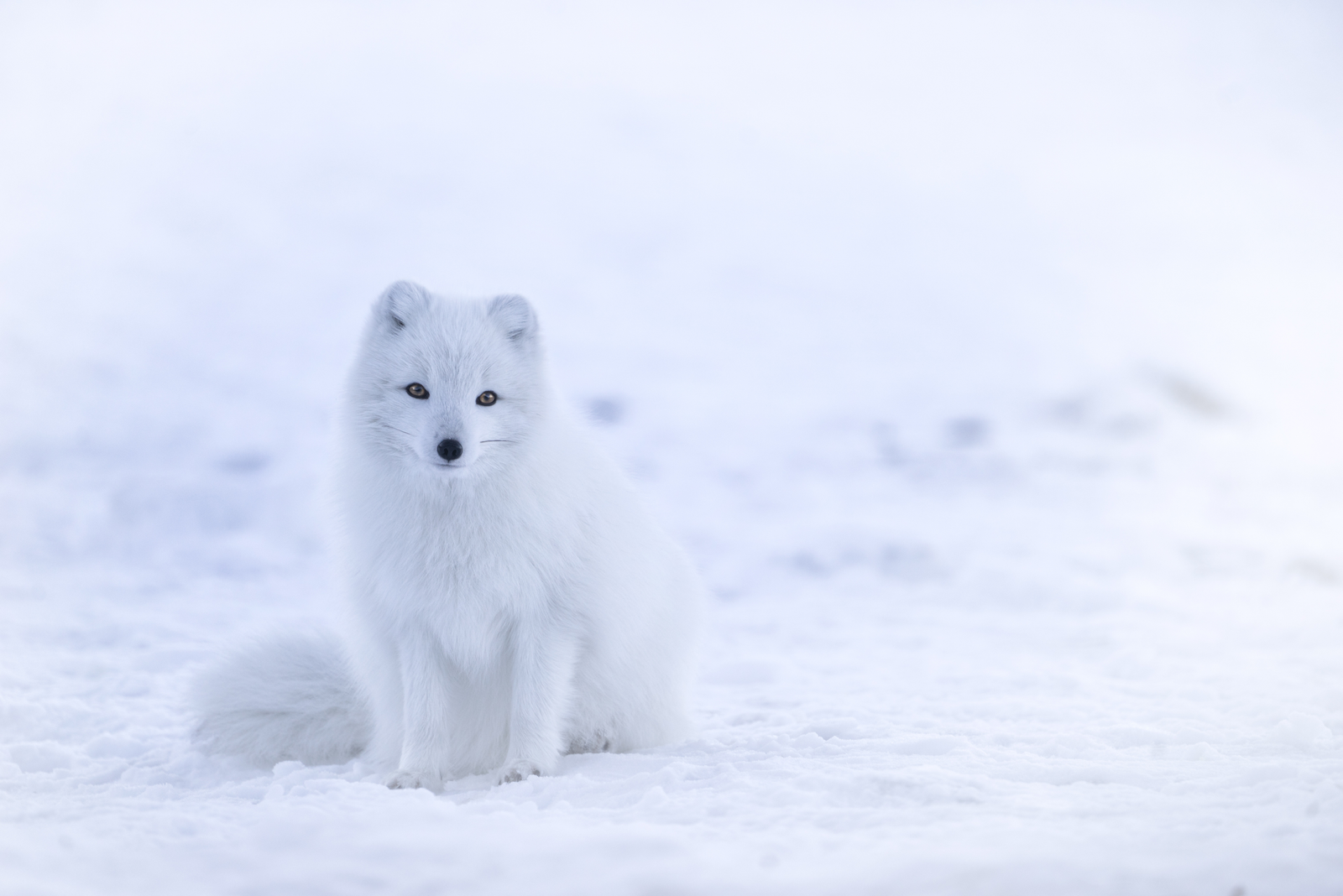
Rock ptarmigan moult several times a year to match their surroundings. In winter both sexes are white except for a black tail; males also have a black stripe from the bill through the eye. In summer they turn mottled brown, grey and black, with females more coarsely barred than males.
Built for cold
Thick feathers cover the legs and toes, spreading the bird's weight on snow and keeping its feet warm. In winter ptarmigan burrow into snow to roost out of the wind, and they feed on buds and twigs of dwarf willow and birch.
Where it lives
The species breeds around the Arctic, in Alaska, northern Canada, Greenland, Iceland, Scandinavia and Siberia, and on high mountains further south, including the Scottish Highlands, the Alps, the Pyrenees and the mountains of Japan.
Status
BirdLife International lists the rock ptarmigan as Least Concern (2025), estimating 11.5 to 14.3 million mature birds; the trend is unknown. Warming that shrinks alpine habitat is a concern for southern mountain populations.
Explore the Rock Ptarmigan
Close relatives
- Willow Ptarmigan Same genus
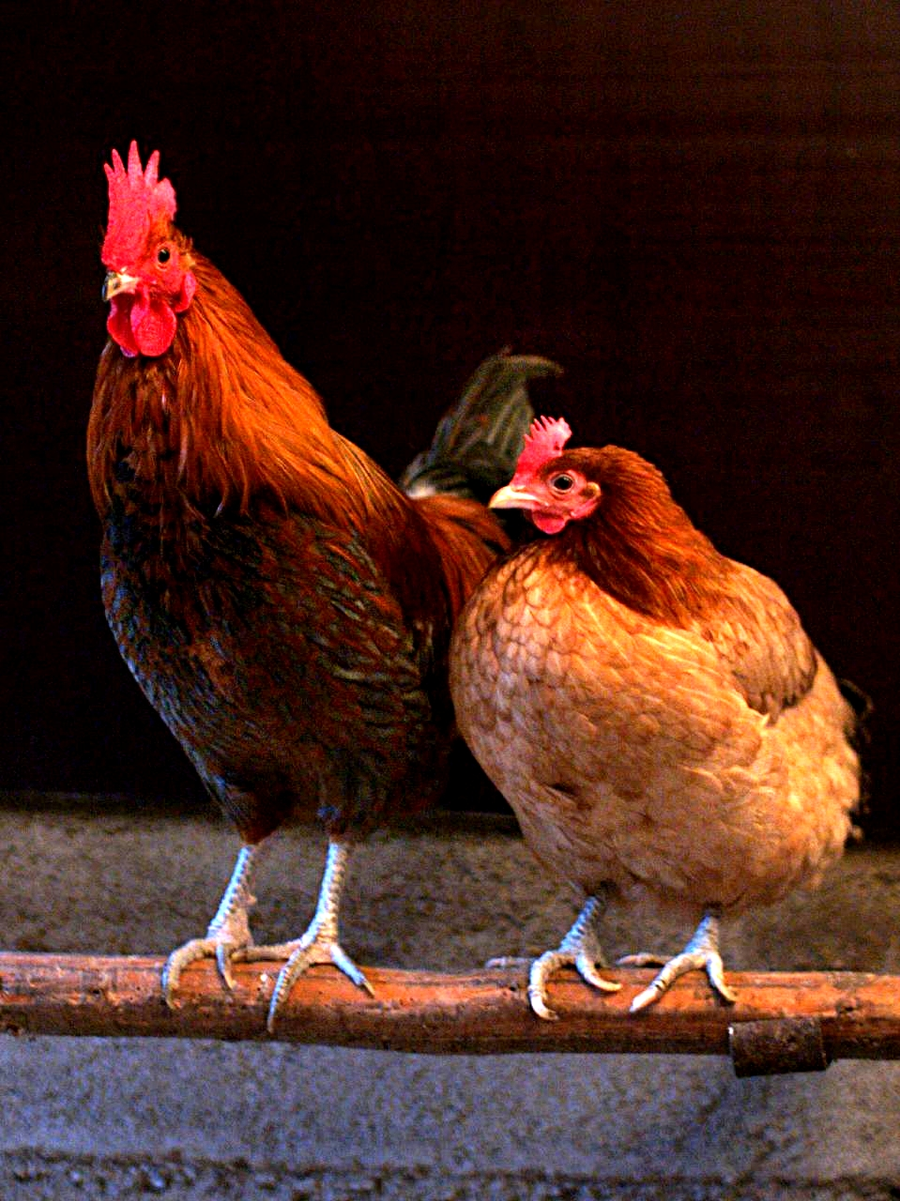
- Chicken Same family
- Rooster Same family
- Common Pheasant Same family
Did you know? Rock Ptarmigan facts
- Feathered toes act like snowshoes.
- In winter they burrow into snow to roost out of the wind.
Conservation status of the Rock Ptarmigan
The rock ptarmigan (Lagopus muta) is listed as Least Concern on the IUCN Red List. Least Concern (LC) is the IUCN's lowest-risk category, assigned to widespread, abundant species that have been evaluated and found not to be threatened. It does not mean a species faces no pressures — only that it is not currently at risk of extinction.
Rock Ptarmigan (Lagopus muta) was most recently assessed for the IUCN Red List in 2025. Look up on the IUCN Red List .
Frequently asked questions about the Rock Ptarmigan
Why do ptarmigan turn white?
For camouflage. White winter plumage hides them on snow, and brown summer plumage blends with rocks and tundra.
What is the difference between rock and willow ptarmigan?
Rock ptarmigan are slightly smaller, with a thinner bill, and winter males have a black stripe through the eye. Willow ptarmigan prefer lower, shrubbier habitats.
Where can you see rock ptarmigan in the UK?
Only on the high tops of the Scottish Highlands, where they are called simply 'ptarmigan'.
How do you pronounce ptarmigan?
TAR-mi-gun. The 'p' is silent; it was added to the Gaelic name 'tàrmachan' in the 17th century.
What is a group of rock ptarmigans called?
A group of Rock Ptarmigans is called a covey.
What is a baby rock ptarmigan called?
A baby Rock Ptarmigan is called a chick.
Sources & references
This guide is compiled and reviewed against established zoological and conservation references. Key sources for the Rock Ptarmigan:
-
IUCN Red List of Threatened Species
Conservation status (Least Concern) reflects the IUCN Red List category for Lagopus muta, most recently assessed in 2025.
-
iNaturalist — observations & photos
Search citizen-science observations and community IDs for Lagopus muta. Useful for range checks and recent sightings — not a substitute for formal Red List status.
-
GBIF — occurrence data
Global Biodiversity Information Facility species search for Lagopus muta. Explore published occurrence records used in range research.
-
eBird — bird observations
Cornell Lab eBird target search for Rock Ptarmigan. Check recent checklists and seasonal abundance where birders report this species.
- BirdLife International (2026). Species factsheet: Rock Ptarmigan Lagopus muta. BirdLife DataZone. Checked 1 November 2026.
IUCN Red List category Least Concern (assessed 2025), population estimate and trend.
- Animal Diversity Web: Lagopus muta. University of Michigan Museum of Zoology.
Size, lifespan and behaviour.
- BTO BirdFacts: Ptarmigan. British Trust for Ornithology.
Typical lifespan, oldest ringed bird and UK body weight.
- Tobias, J. A. et al. (2022). AVONET: morphological, ecological and geographical data for all birds. Ecology Letters 25: 581–597. doi:10.1111/ele.13898
Average body mass.
- Gill, F., Donsker, D. & Rasmussen, P. (Eds). IOC World Bird List v15.2.
English and scientific name, classification and range.
-
Global Animal Guide editorial standards
How we research, source, review, and update every guide for accuracy.