Image sourcing: see credits & licences
The northern harrier (Circus hudsonius) is a bird of the family Accipitridae, in the order Accipitriformes.
Quick answer
The northern harrier (Circus hudsonius) is a slim marsh hawk that hunts low over grasslands with owl-like facial discs and a white rump patch. It breeds in Canada, the United States, and Mexico, weighs about 0.35 kg, and is listed Least Concern — though wetland drainage still shrinks nesting marshes.
Top questions about the Northern Harrier
Northern Harrier facts at a glance
- Weight 350 g
- Length 45 cm
- Top speed 50 km/h
- Lifespan 12 years
| Scientific name | Circus hudsonius |
|---|---|
| Diet | Carnivore |
| Habitat | Marshes and open fields |
| Lifespan | 10–14 years |
| Weight | 0.3–0.5 kg |
| Top speed | up to 50 km/h |
| Conservation status | Least Concern (IUCN) |
| Kingdom | Animalia |
|---|---|
| Phylum | Chordata |
| Class | Aves |
| Order | Accipitriformes |
| Family | Accipitridae |
| Genus | Circus |
Where it lives
The northern harrier (Circus hudsonius) is native to Marshes and grasslands of Canada, the US, and Mexico. — recorded across North America in this guide’s range summary.
For occurrence records, see GBIF species search and sources below.
How big is a northern harrier?
An adult northern harrier measures 45 cm long — about 26% of the height of an average adult person (1.73 m) — and weighs around 350 g, about 1% of an average adult’s body weight (70 kg).
Length vs an average adult’s height (to scale)
What is a group of northern harriers called?
Group name (collective noun)
A group of Northern Harriers is called a kettle.
Baby name
A baby Northern Harrier is called an eyas.
Explore more animal collective nouns and baby animal names .
Owl-faced marsh hawk
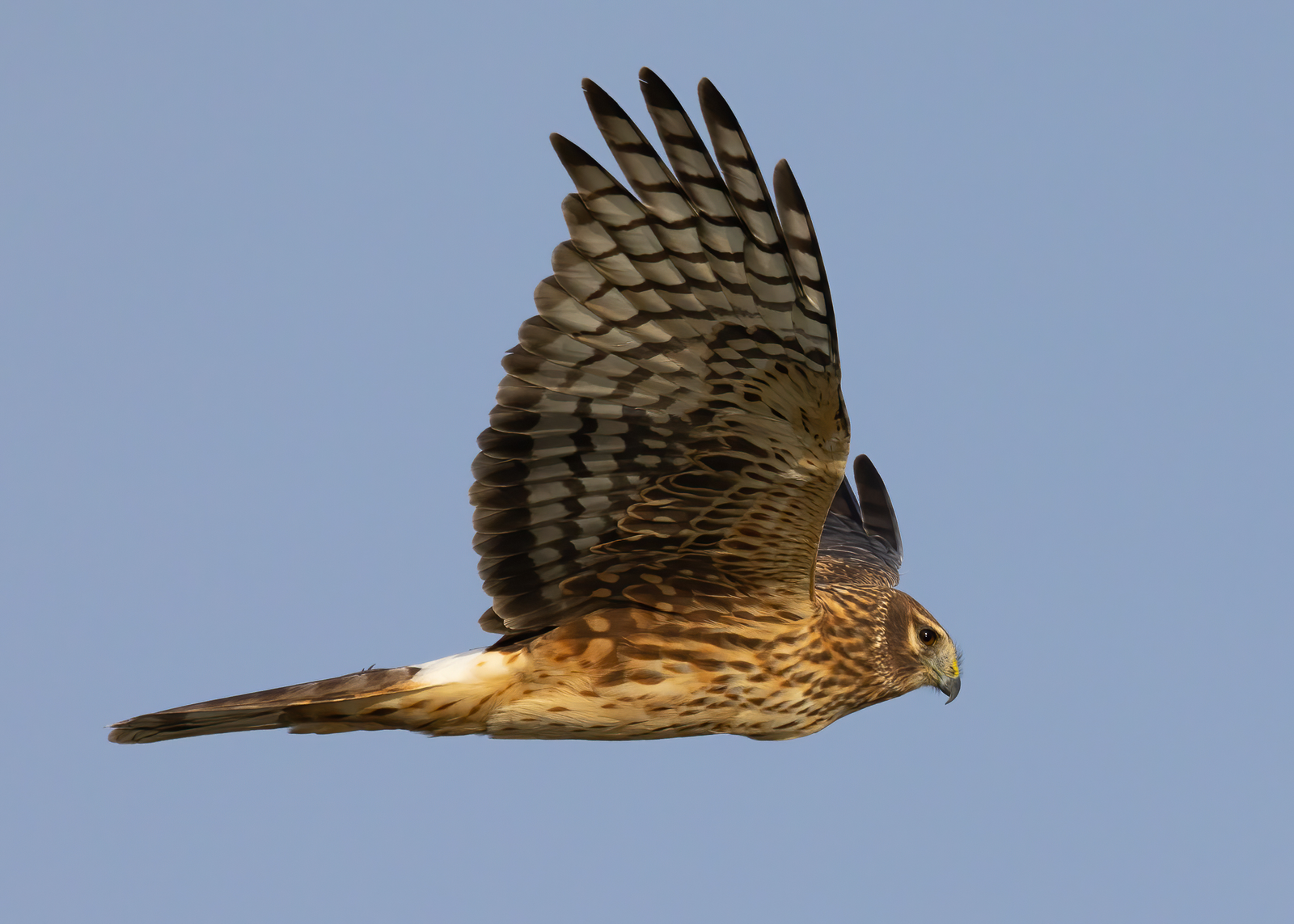
Unlike most hawks, harriers rely on hearing as much as sight. A facial ruff channels sound to asymmetric ears, helping locate voles in dense grass. Males are grey with black wingtips; females and juveniles are brown with the diagnostic white rump.
Low, coursing hunts
Birds quarter marshes and prairies just above the vegetation, pouncing on voles, mice, frogs, and small birds. Ground nests are built in dense wetland grasses, often near water.
North American grasslands
Breeding range spans Canadian prairies, Great Lakes marshes, coastal salt meadows, and Mexican highland wetlands. Northern birds migrate south; some southern populations remain resident where prey stays available.
Wetland loss and rodenticides
Least Concern overall, but drained marshes and intensified agriculture remove nesting cover. Secondary poisoning from rodent baits can kill birds that eat affected prey.
Explore the Northern Harrier
Close relatives
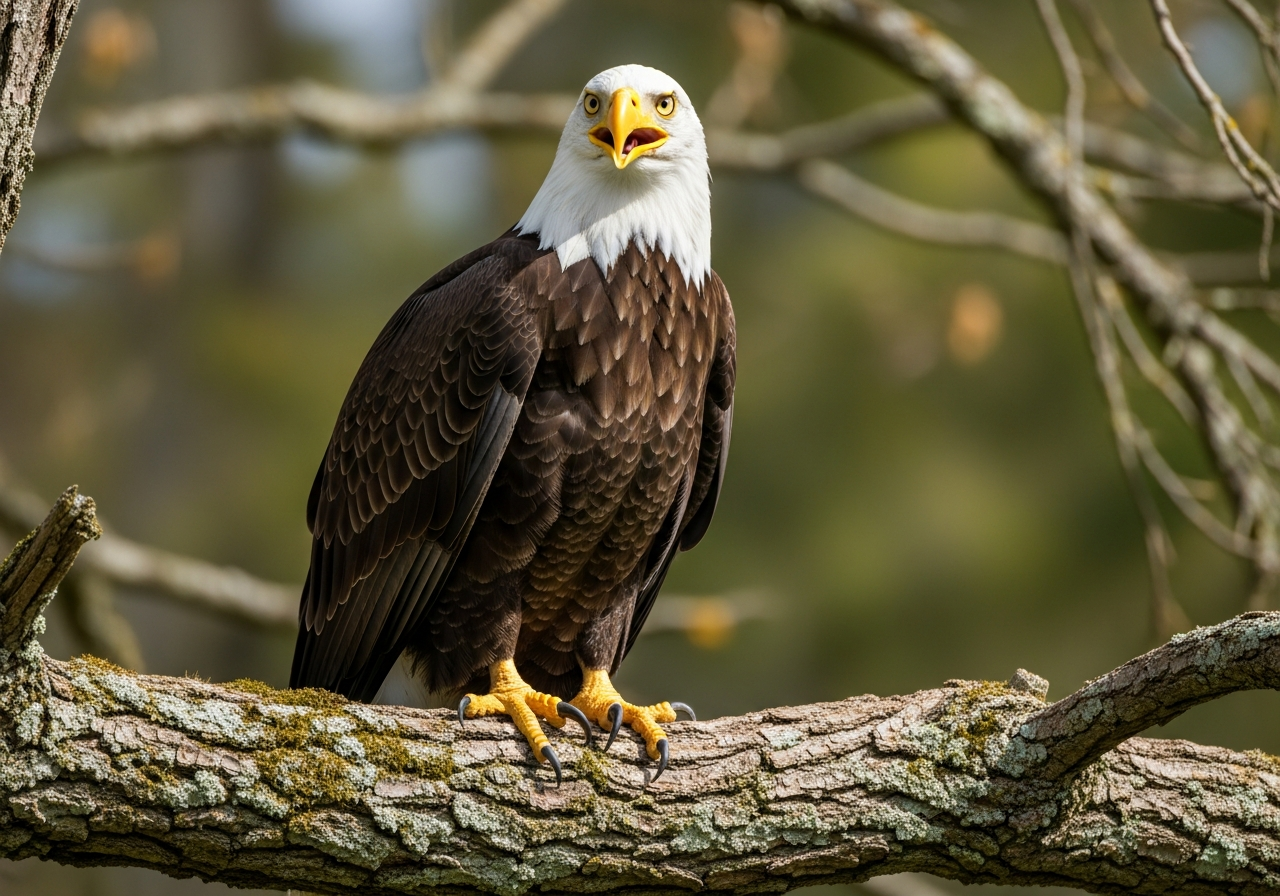
- Bald Eagle Same family
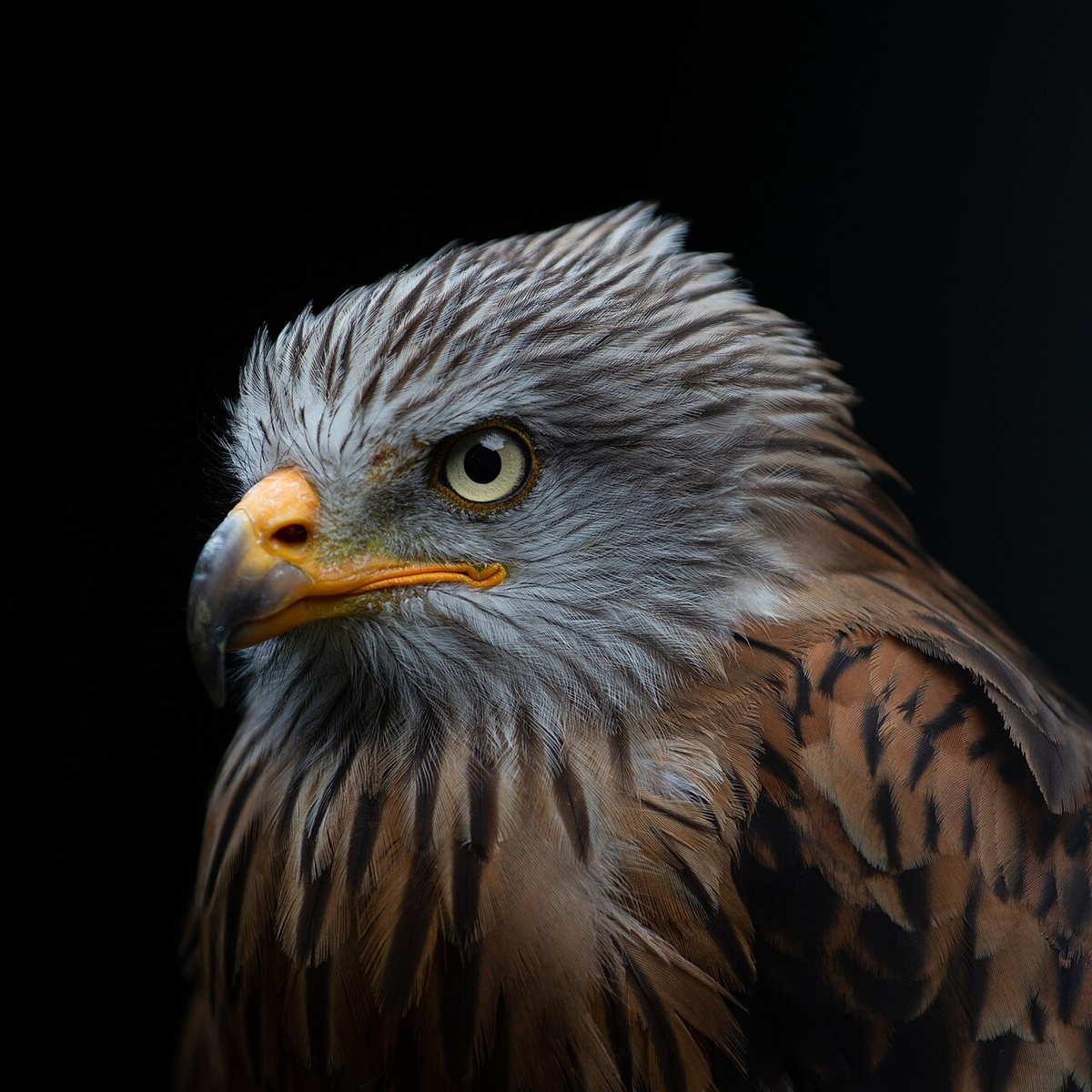
- Northern Goshawk Same family
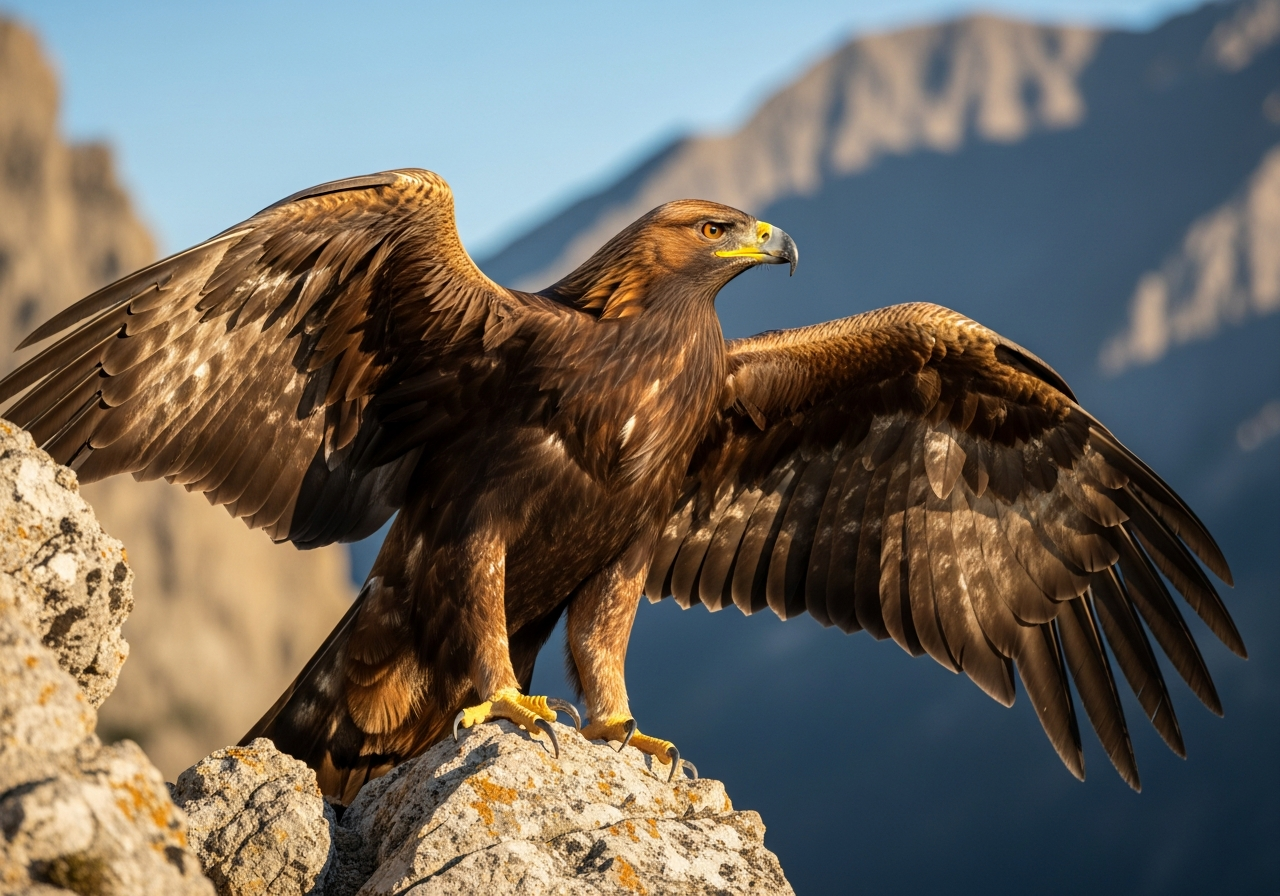
- Golden Eagle Same family
- Red-tailed Hawk Same family
Range & geography
Conservation status of the Northern Harrier
The northern harrier (Circus hudsonius) is listed as Least Concern on the IUCN Red List. Least Concern (LC) is the IUCN's lowest-risk category, assigned to widespread, abundant species that have been evaluated and found not to be threatened. It does not mean a species faces no pressures — only that it is not currently at risk of extinction.
The northern harrier (Circus hudsonius) is assessed on the IUCN Red List. Look up on the IUCN Red List .
Frequently asked questions about the Northern Harrier
Why is the northern harrier called a marsh hawk?
It hunts low over marshes and wet grasslands, coursing back and forth like a dog quartering a field.
Do northern harriers have owl-like hearing?
Yes — a facial disc and offset ear openings help them locate prey by sound in dense cover.
What is the white patch on a harrier's rump?
A bright white rump patch visible in flight helps birders identify both sexes and juveniles at a distance.
Where do northern harriers nest?
On the ground in dense wetland grasses or sedges, often hidden near shallow water.
Do northern harriers migrate?
Northern breeders move south for winter; birds in milder regions may stay year-round.
What is a group of northern harriers called?
A group of Northern Harriers is called a kettle.
What is a baby northern harrier called?
A baby Northern Harrier is called an eyas.
Sources & references
This guide is compiled and reviewed against established zoological and conservation references. Key sources for the Northern Harrier:
-
IUCN Red List of Threatened Species
Conservation status (Least Concern) reflects the IUCN Red List category for Circus hudsonius.
-
iNaturalist — observations & photos
Search citizen-science observations and community IDs for Circus hudsonius. Useful for range checks and recent sightings — not a substitute for formal Red List status.
-
GBIF — occurrence data
Global Biodiversity Information Facility species search for Circus hudsonius. Explore published occurrence records used in range research.
-
eBird — bird observations
Cornell Lab eBird target search for Northern Harrier. Check recent checklists and seasonal abundance where birders report this species.
-
Global Animal Guide editorial standards
How we research, source, review, and update every guide for accuracy.