Image sourcing: see credits & licences
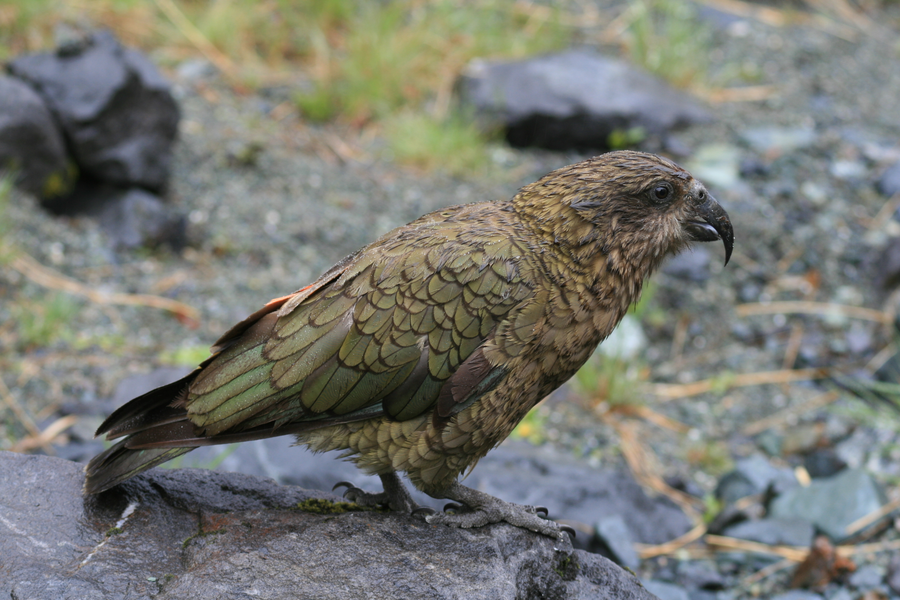
The kea (Nestor notabilis) is a bird of the family Strigopidae, in the order Psittaciformes.
Quick answer
The kea (Nestor notabilis) is an olive-green alpine parrot of New Zealand's South Island, renowned for curiosity, problem-solving, and a taste for fat and carrion as well as plants. Adults weigh about 0.9 kg and are listed Endangered after persecution, lead poisoning, and introduced predators cut highland populations.
Top questions about the Kea
Also available in Español (Kea)
Kea facts at a glance
- Weight 900 g
- Length 48 cm
- Top speed 50 km/h
- Lifespan 30 years
| Scientific name | Nestor notabilis |
|---|---|
| Diet | Omnivore |
| Habitat | Alpine scrub, beech forest, and mountain valleys |
| Lifespan | Around 30 years in the wild (varies by population and captivity). |
| Weight | About 0.9 kg typical adult mass (sex and region vary). |
| Top speed | Up to roughly 50 km/h when moving at speed. |
| Conservation status | Endangered (IUCN) |
| Kingdom | Animalia |
|---|---|
| Phylum | Chordata |
| Class | Aves |
| Order | Psittaciformes |
| Family | Strigopidae |
| Genus | Nestor |
Where it lives
The kea (Nestor notabilis) is native to South Island alpine and forest zones of New Zealand. — recorded across Oceania in this guide’s range summary.
For occurrence records, see GBIF species search and sources below.
How big is a kea?
An adult kea measures 48 cm long — about 28% of the height of an average adult person (1.73 m) — and weighs around 900 g, about 1% of an average adult’s body weight (70 kg).
Length vs an average adult’s height (to scale)
What is a group of keas called?
Group name (collective noun)
A group of Keas is called a colony.
Baby name
A baby Kea is called a chick.
Explore more animal collective nouns and baby animal names .
Mountain genius parrot
Kea are among the world's most inquisitive birds — investigating backpacks, cars, and research puzzles. Olive plumage hides brilliant orange underwings revealed in flight. Powerful bills pry food and tear into carcasses.
Omnivore of the Southern Alps
Diet spans roots, fruits, insects, nestling birds, and carrion; historically they even attacked sheep for fat, fuelling bounty persecution. Supplementary feeding at tourist sites can create conflict.
South Island high country
Alpine scrub, beech forest, and mountain valleys of New Zealand's South Island only — absent from the North Island in the wild. Across its range it is tied to alpine scrub, beech forest, and mountain valleys, and field accounts emphasise this species’ distinctive ecology rather than generic habitat labels.
Endangered after bounty years
Legal protection ended mass shooting, yet lead from ammunition and fittings, stoats, and habitat change keep kea Endangered. Lead-removal projects and stoat control are central to recovery.
Explore the Kea
Close relatives
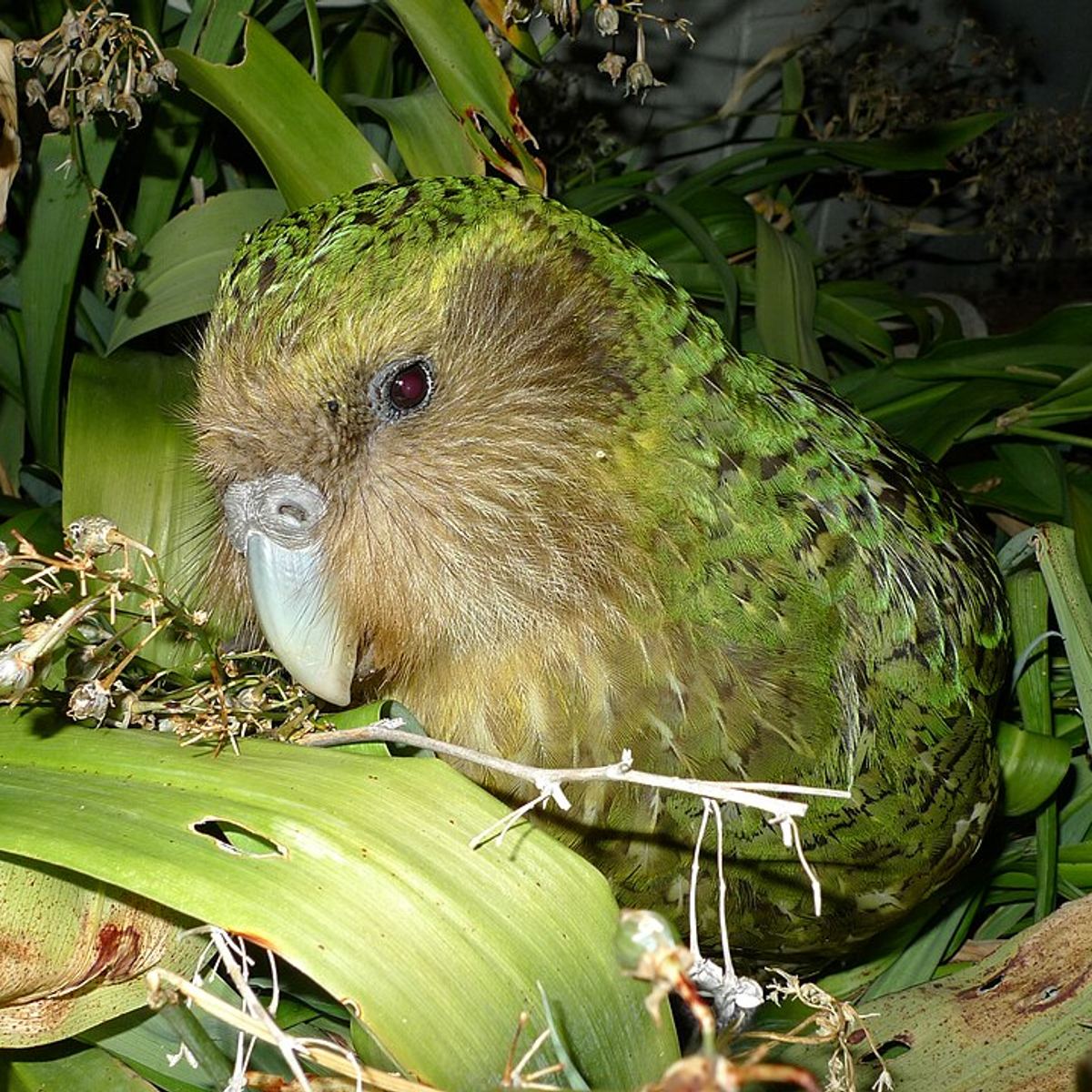
- Kakapo Same family
- Scarlet Macaw Same order
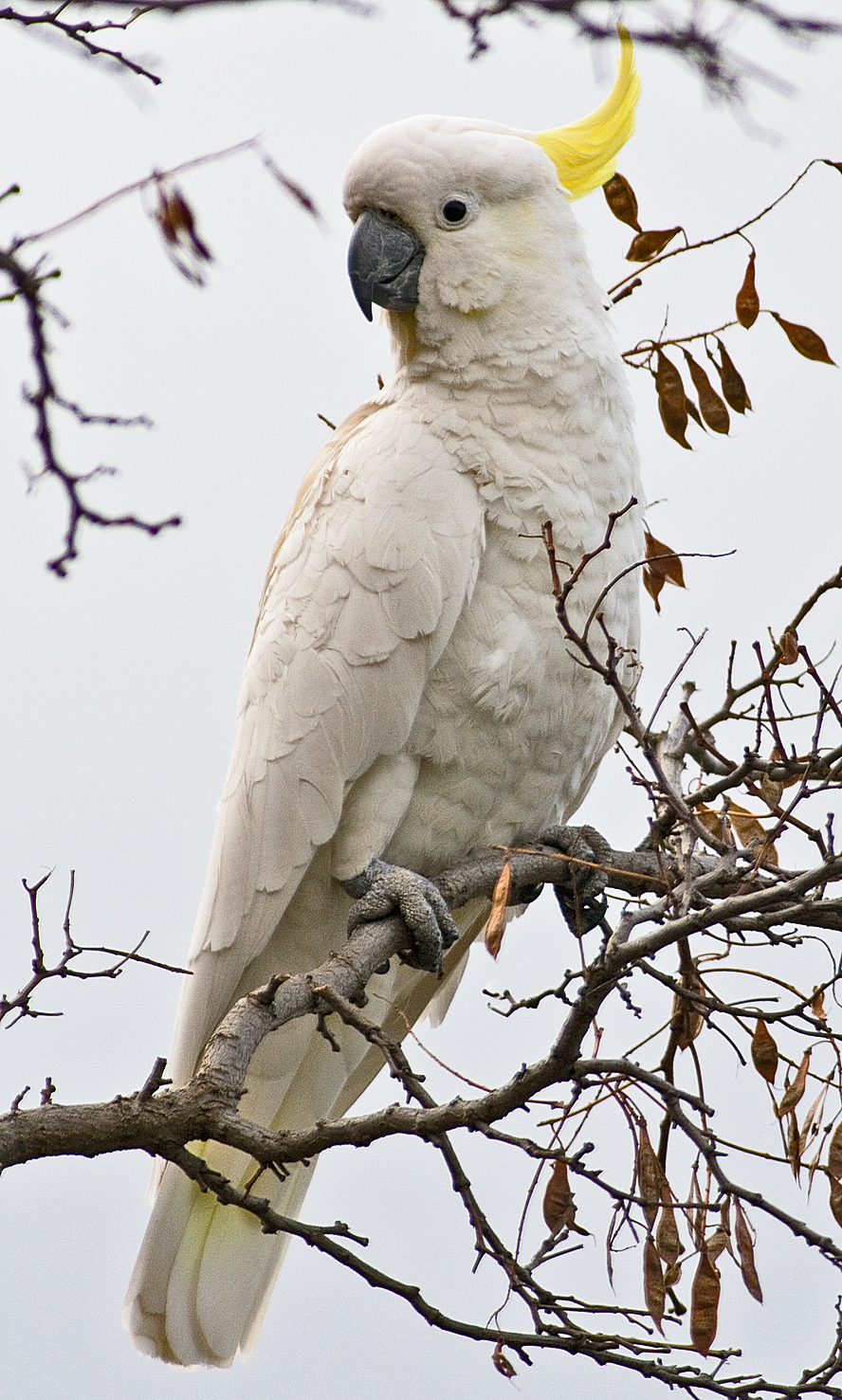
- Sulphur-crested Cockatoo Same order
- Peach-faced Lovebird Same order
Collections
Range & geography
Conservation status of the Kea
The kea (Nestor notabilis) is listed as Endangered on the IUCN Red List. Endangered (EN) means a species faces a very high risk of extinction in the wild. Populations are usually declining sharply due to habitat loss, hunting, disease, or climate pressure. It sits one level below Critically Endangered on the IUCN Red List.
Main threats to the kea
- Lead poisoning from building materials
- Predation by introduced stoats and possums
- Human persecution and vehicle collisions
- Habitat modification in alpine zones
Kea (Nestor notabilis) was most recently assessed for the IUCN Red List in 2017. Look up on the IUCN Red List .
Frequently asked questions about the Kea
Why are kea so curious?
High intelligence and a sparse alpine niche favour exploring novel objects for food and social play — which brings them into contact with people.
Do kea really attack sheep?
Historically some birds wounded sheep to feed on fat; the behaviour is uncommon today but drove nineteenth- and twentieth-century bounty killing.
Are kea Endangered?
Yes — IUCN lists them Endangered for the kea.
Where do kea live?
Only in South Island alpine and forest zones of New Zealand. Native range summary: South Island alpine and forest zones of New Zealand.
Why is lead a problem for kea?
They chew soft metals; ingested lead from flashings, paint, and ammunition fragments causes fatal poisoning.
What is a group of keas called?
A group of Keas is called a colony.
What is a baby kea called?
A baby Kea is called a chick.
Sources & references
This guide is compiled and reviewed against established zoological and conservation references. Key sources for the Kea:
-
IUCN Red List of Threatened Species
Conservation status (Endangered) reflects the IUCN Red List category for Nestor notabilis, most recently assessed in 2017.
-
iNaturalist — observations & photos
Search citizen-science observations and community IDs for Nestor notabilis. Useful for range checks and recent sightings — not a substitute for formal Red List status.
-
GBIF — occurrence data
Global Biodiversity Information Facility species search for Nestor notabilis. Explore published occurrence records used in range research.
-
eBird — bird observations
Cornell Lab eBird target search for Kea. Check recent checklists and seasonal abundance where birders report this species.
-
Global Animal Guide editorial standards
How we research, source, review, and update every guide for accuracy.