Mammal
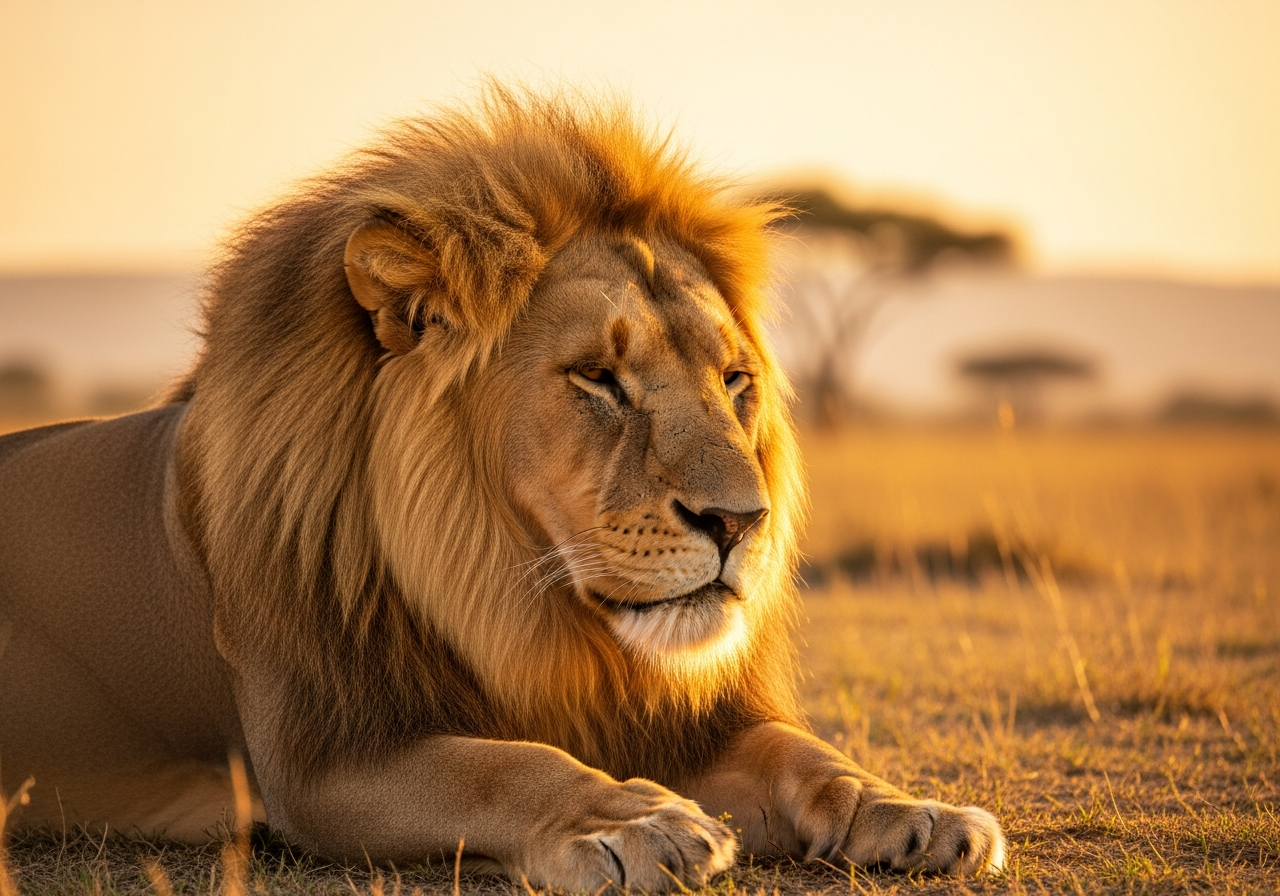
Lion
The social big cat of the African savanna
Trusted wildlife guides · Promotional links support animal rescue
Saturday, 18 July 2026Outside wet tropics, forests still hold most terrestrial biomass. Seasonal leaf fall and snow shape food and shelter. Profiles mentioning forest or woodland (excluding rainforest-only matches when already tagged) appear here.
Temperate, boreal, and dry forests structure life around trees, leaf litter, and seasonal light. Deer, owls, woodpeckers, and woodland foxes use canopy, understorey, and ground layers differently.
Wolf, brown bear, owl, and woodland deer profiles emphasise territory, diet, and seasonal behaviour in tree cover.
Logging, fragmentation, disease, and fire-regime change alter forest wildlife communities worldwide.
Use rainforest for tropical wet forests and urban for edge species living near people.
Ranked by profile popularity. An animal may also appear in other biomes if it uses multiple habitats.
Mammal
The social big cat of the African savanna
Mammal
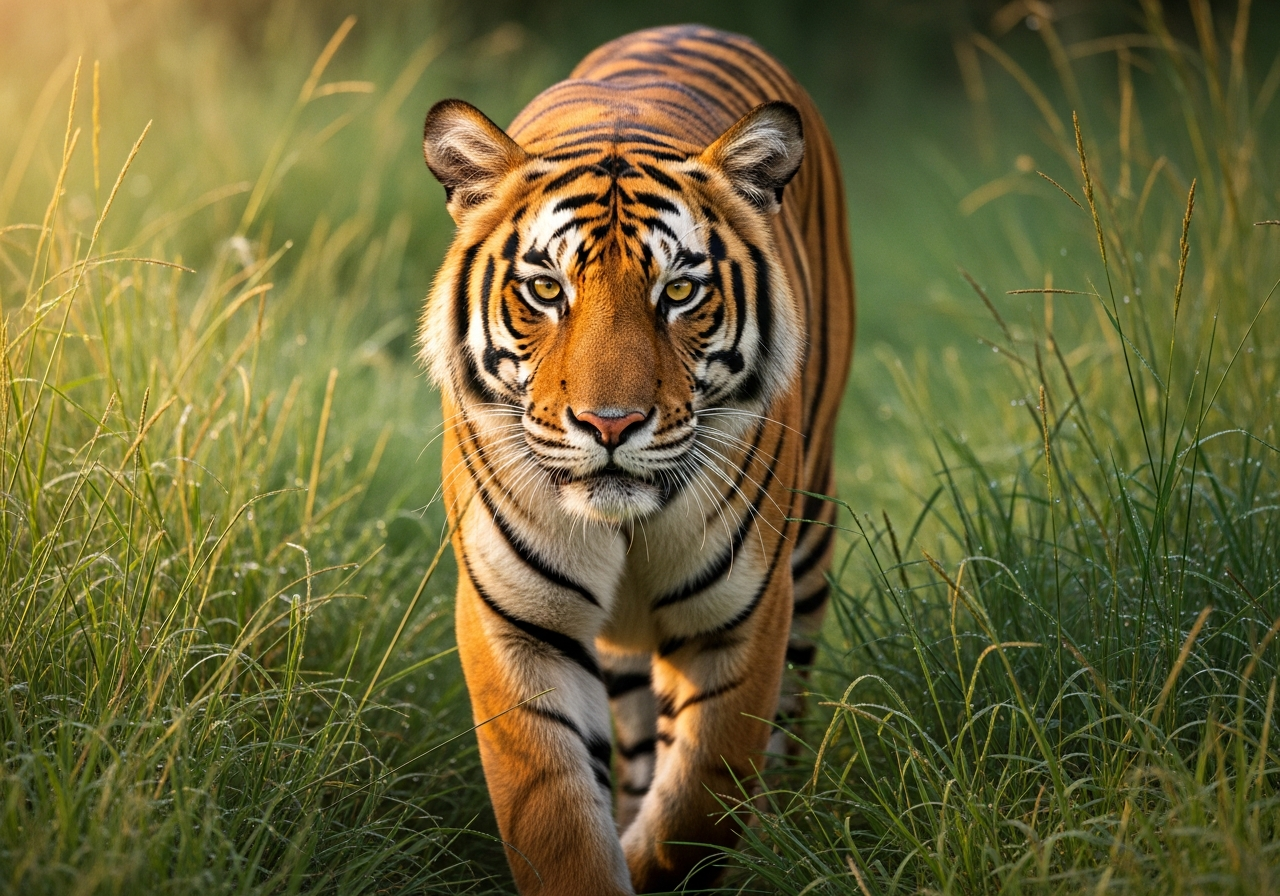
The largest cat species on Earth
Mammal
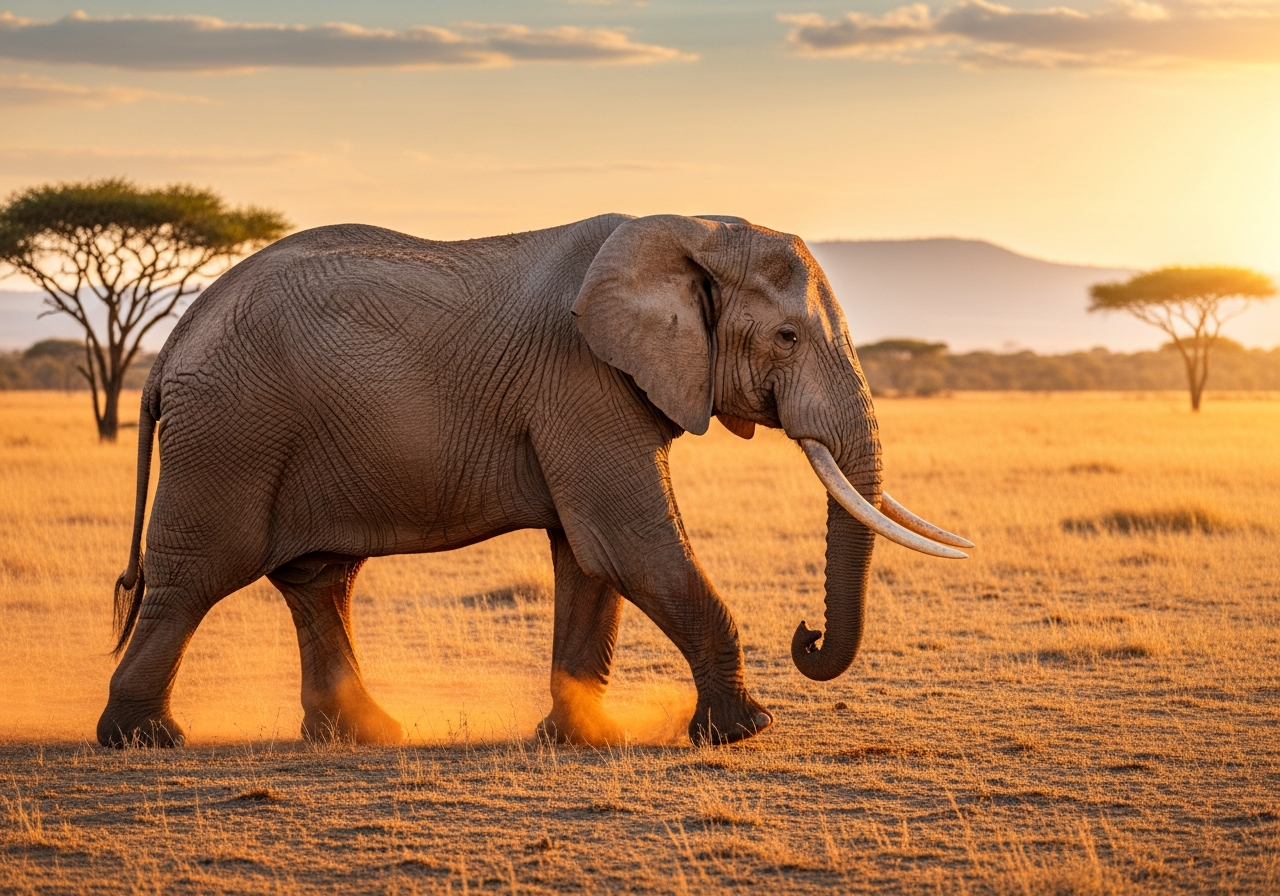
The largest land animal alive today
Bird
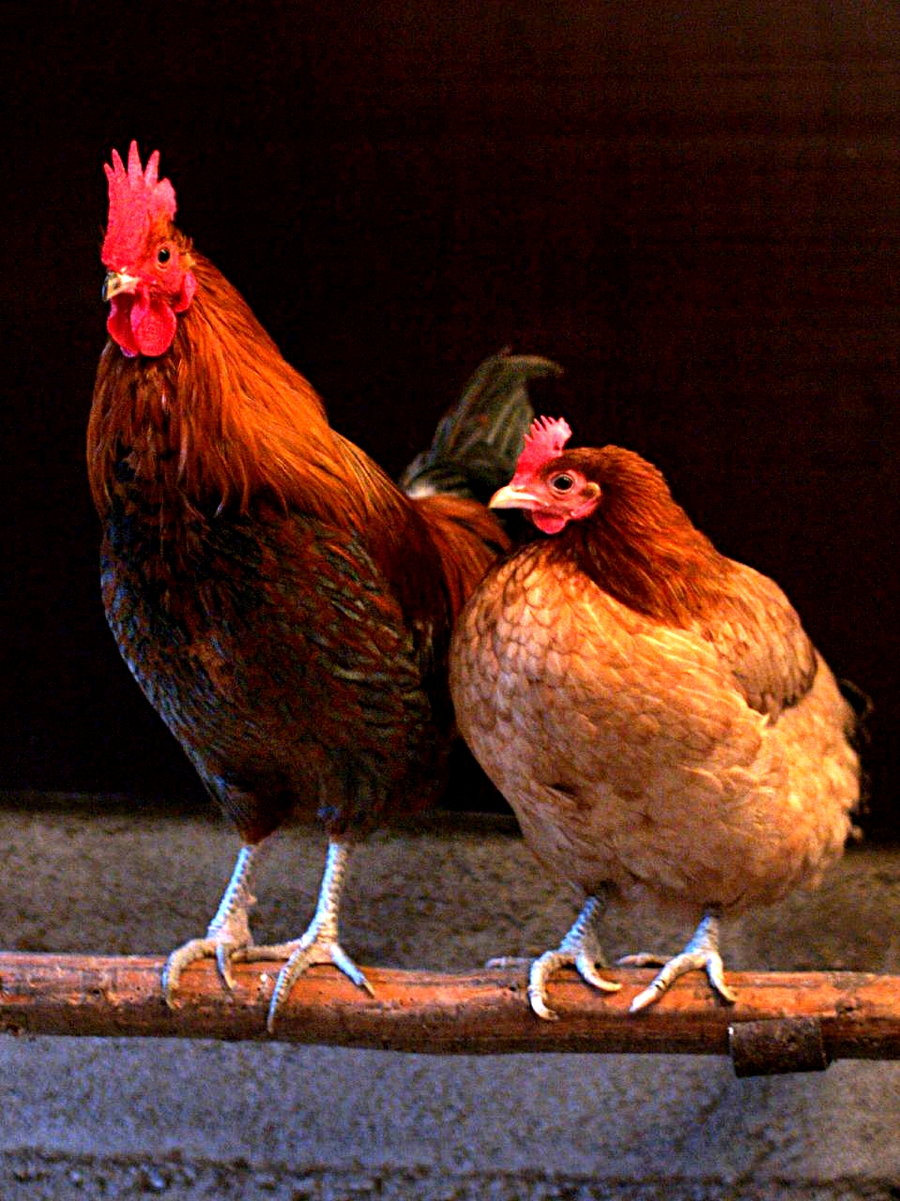
The world's most common bird

Mammal
The bamboo-eating bear of China's mountains
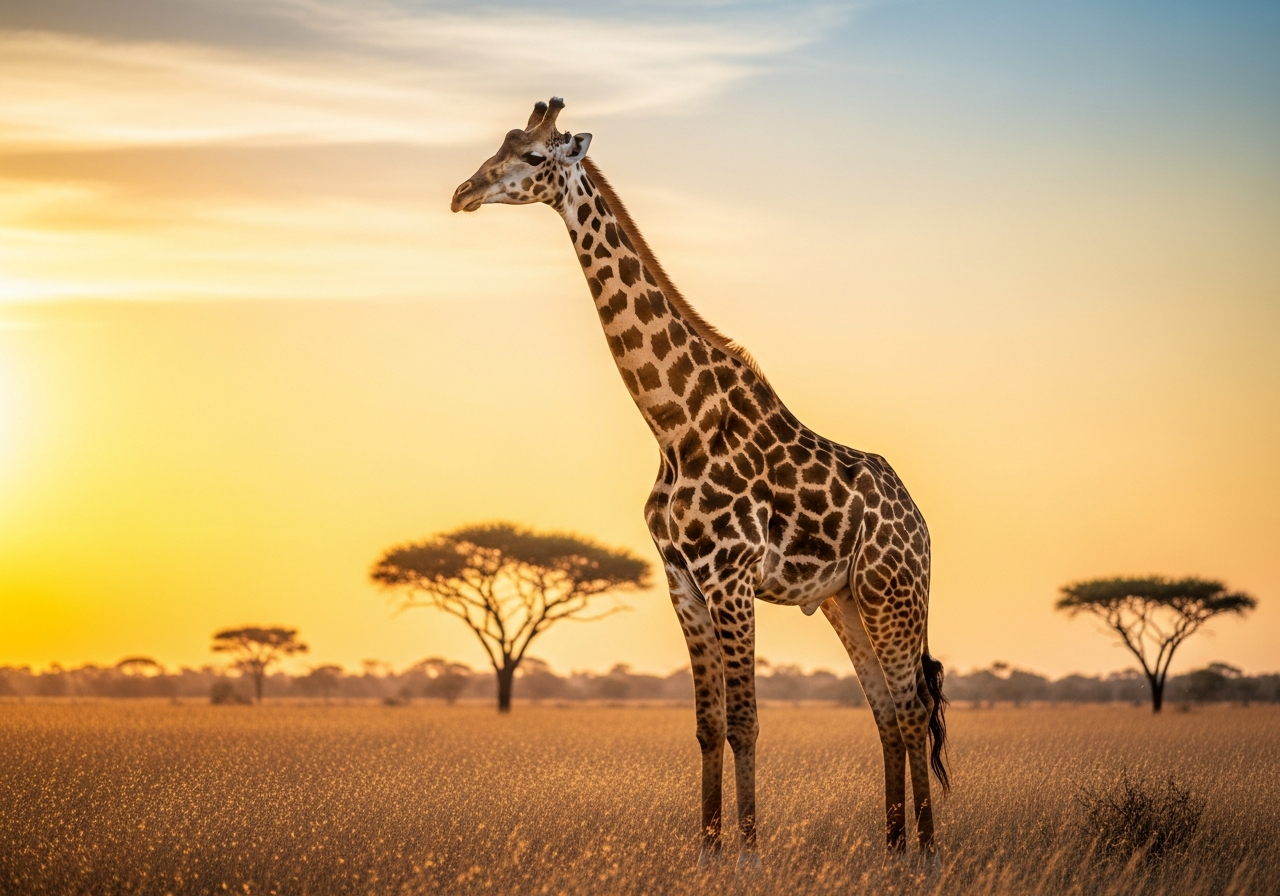
Mammal
The tallest animal on Earth
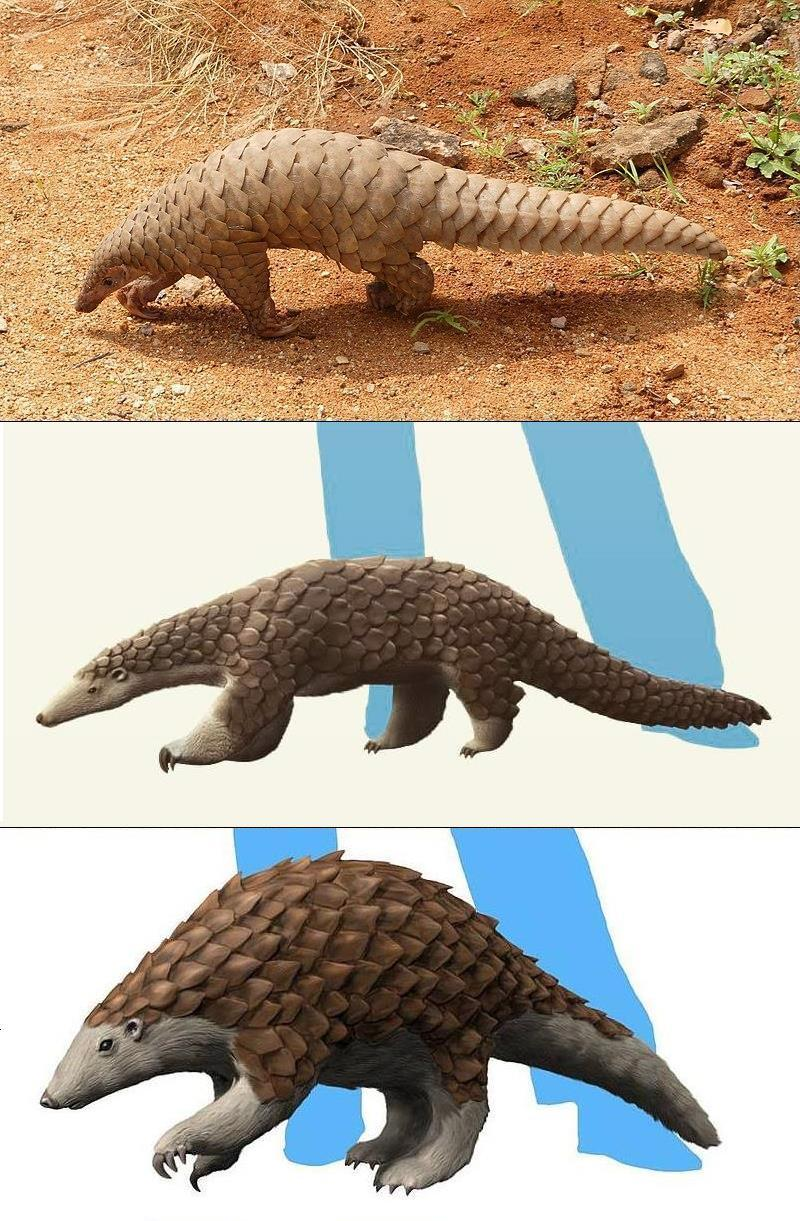
Mammal
The world's only scaly mammal
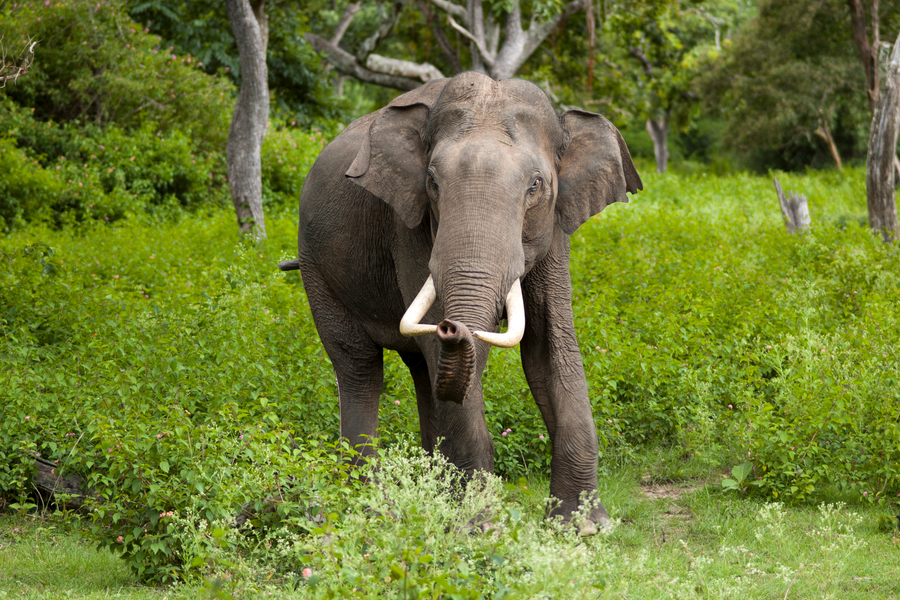
Mammal
The smaller cousin of Africa's giant
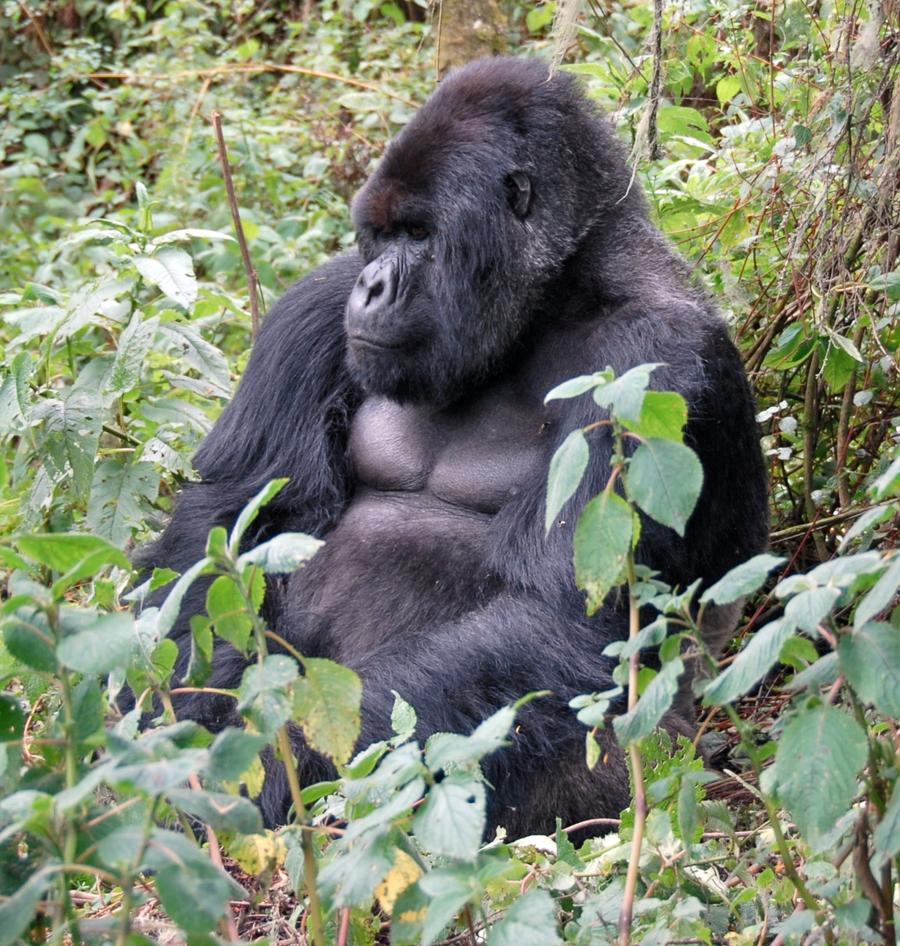
Mammal
The gentle giant of Rwanda's volcanoes
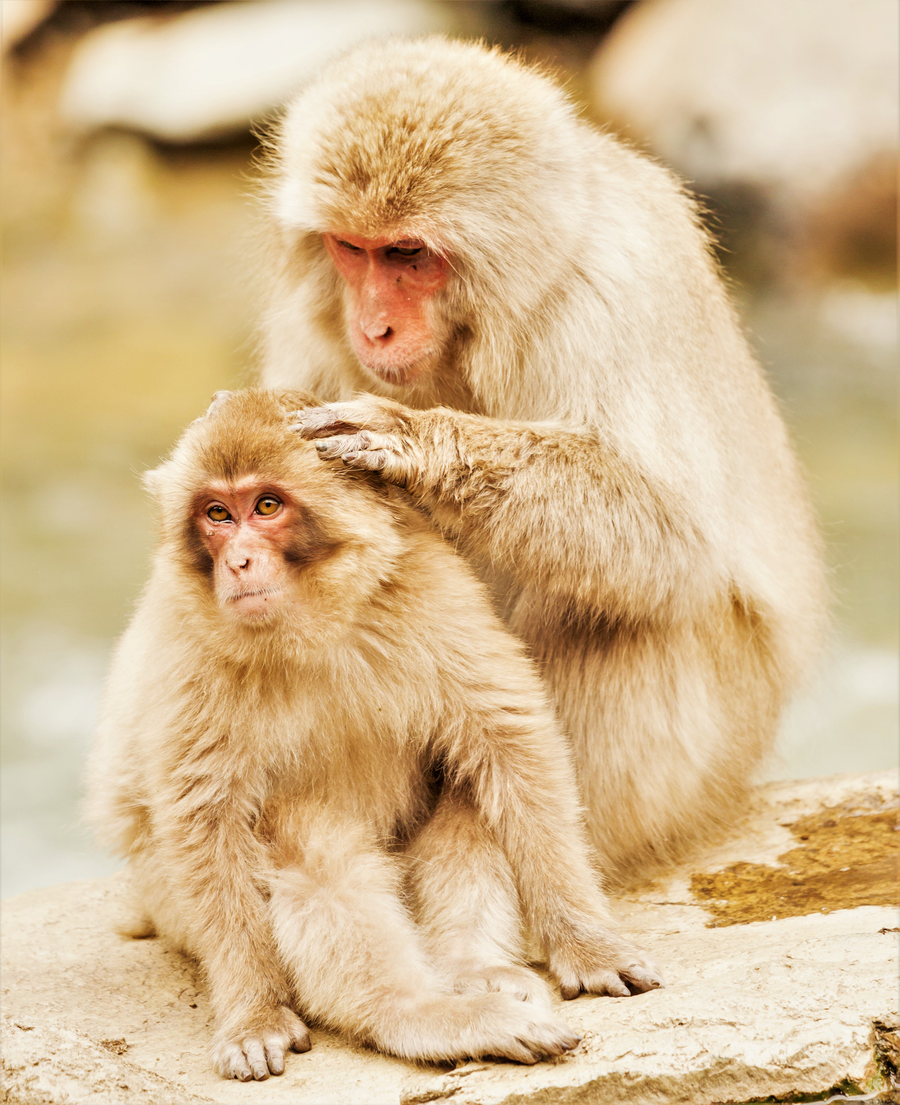
Mammal
The hot-spring snow monkey of Japan
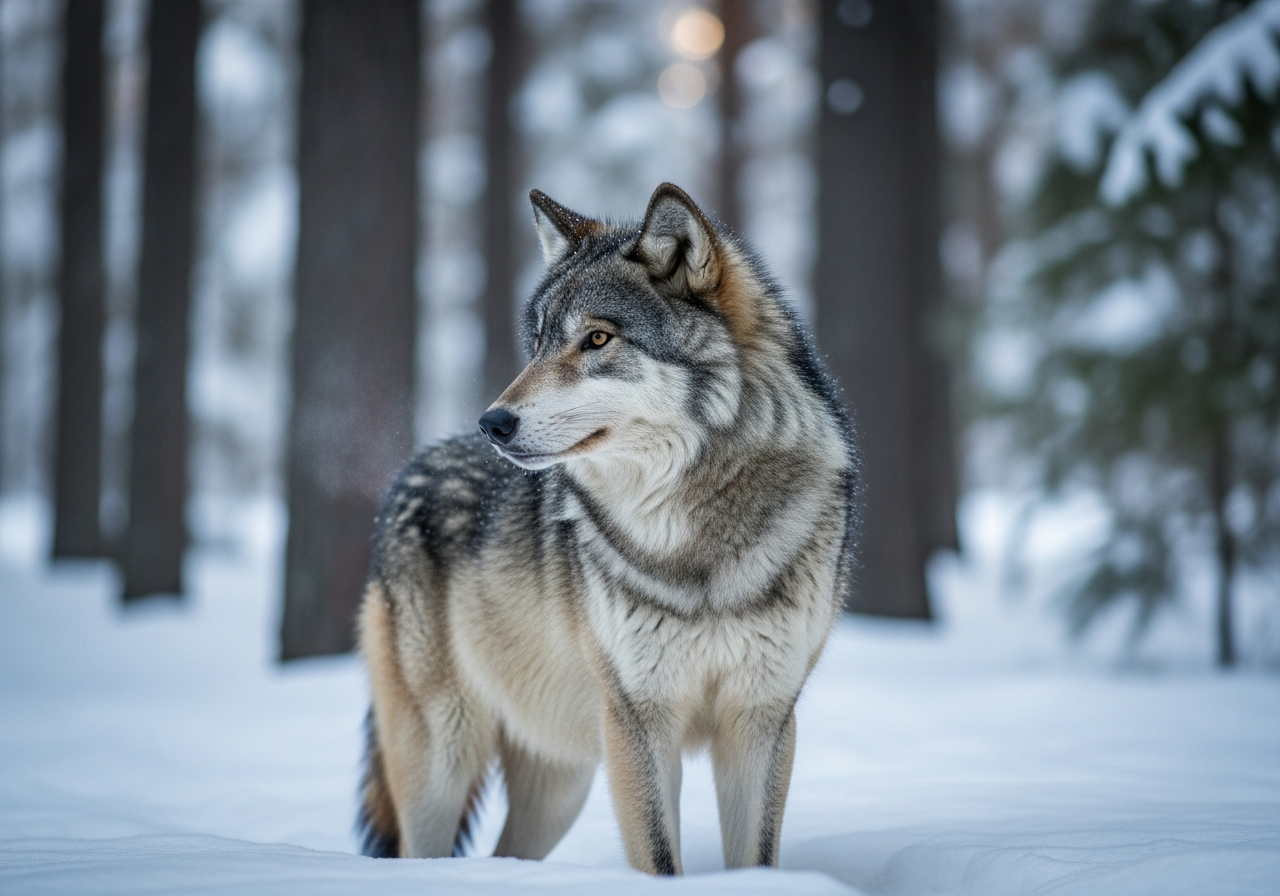
Mammal
The ancestor of the domestic dog
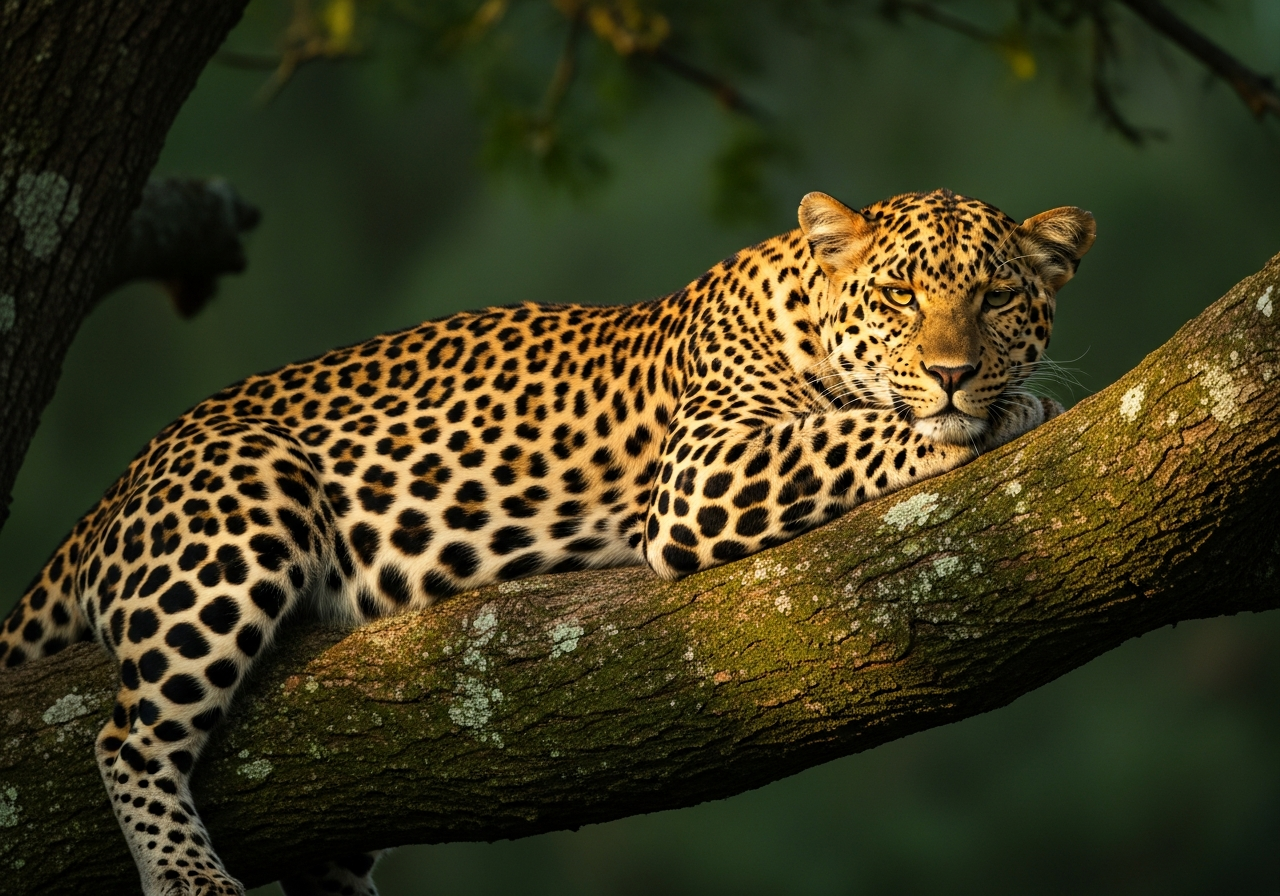
Mammal
The stealthy, tree-climbing big cat
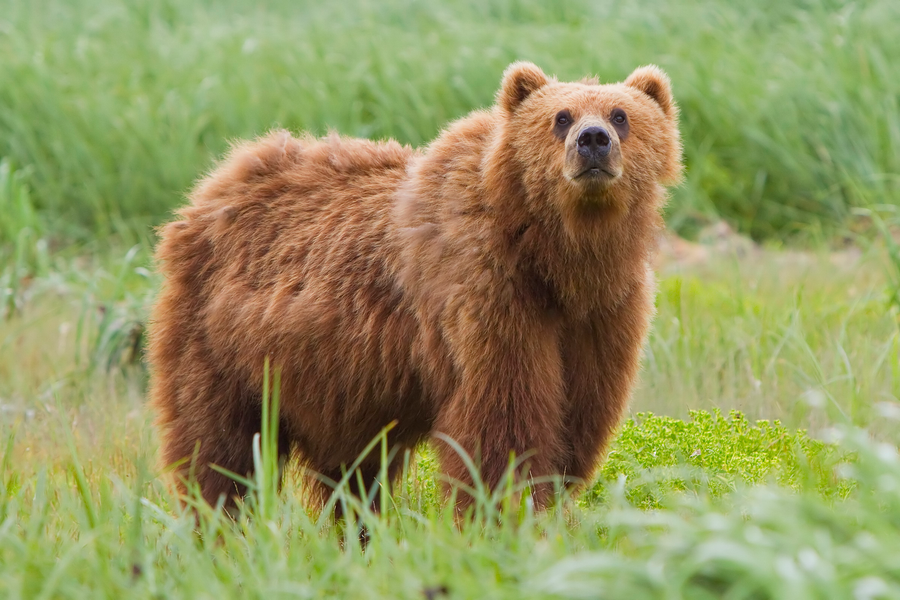
Mammal
The widespread bear of the Northern Hemisphere
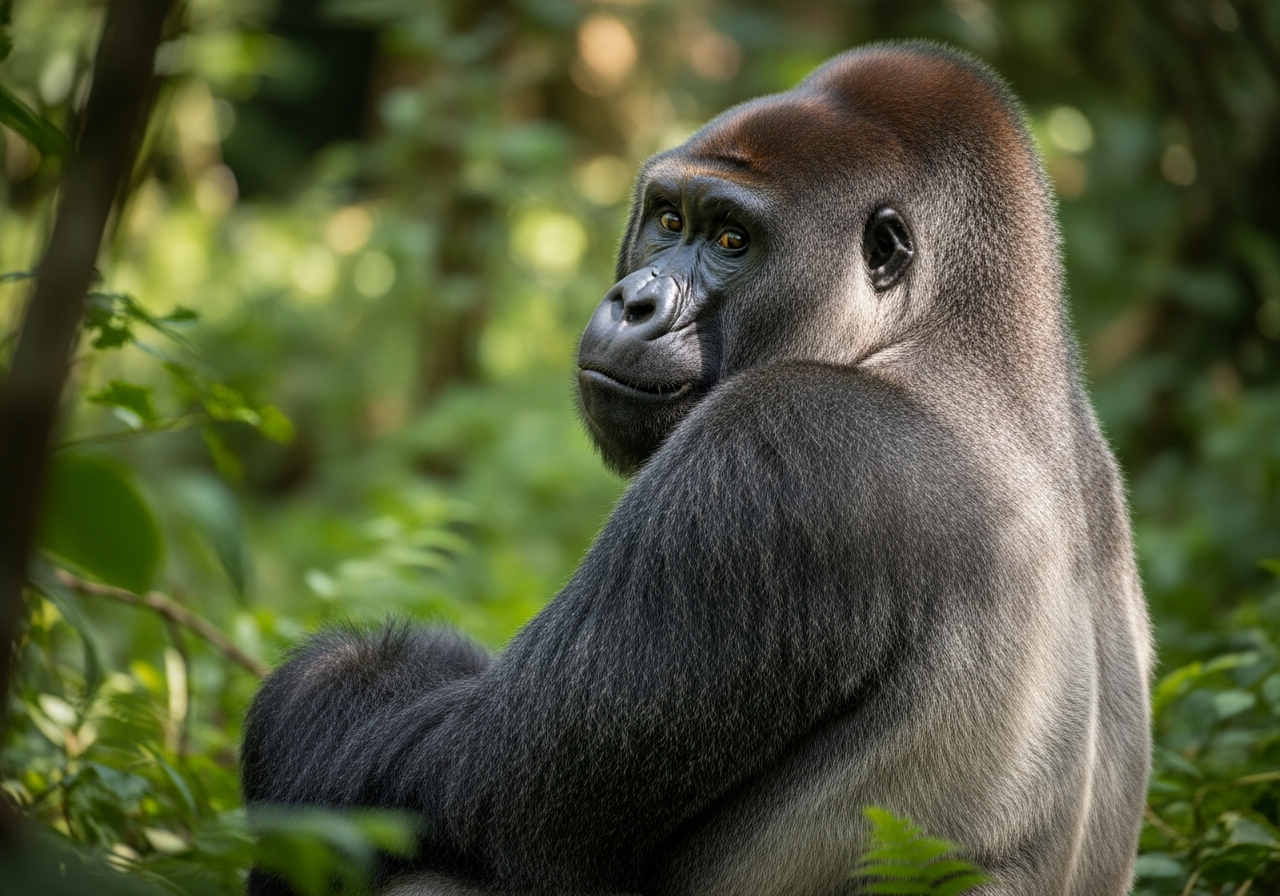
Mammal
The largest living primate
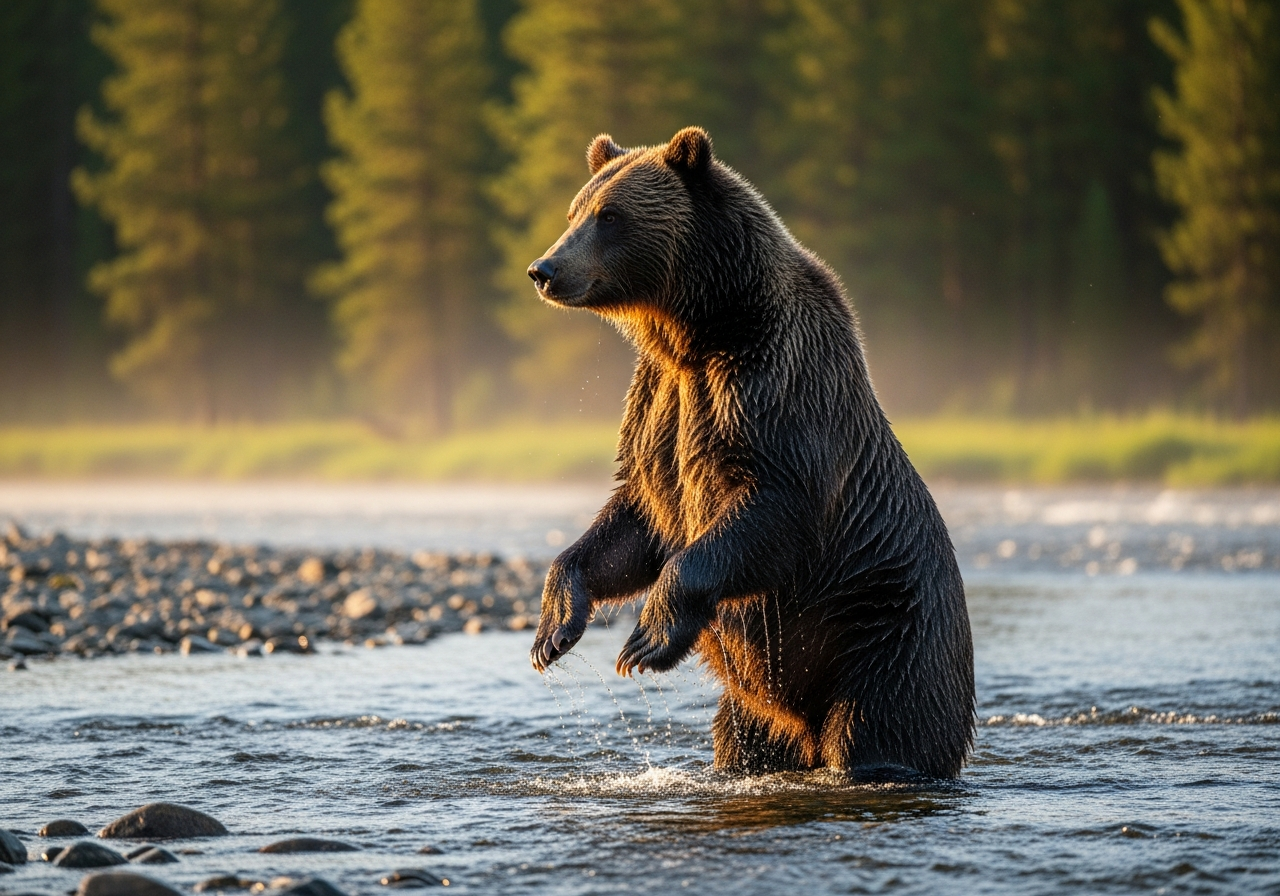
Mammal
North America's iconic brown bear
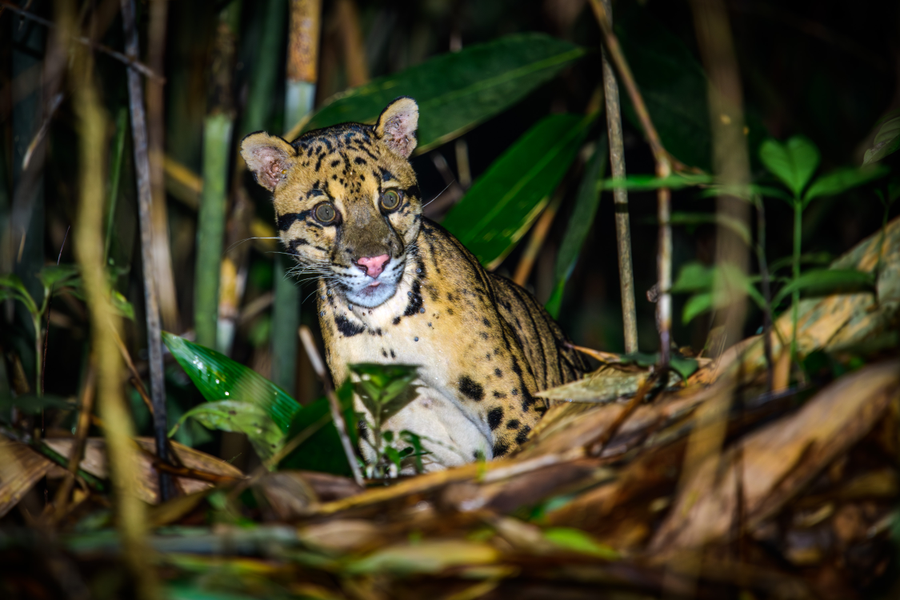
Mammal
The tree-climbing cat of Asian rainforests
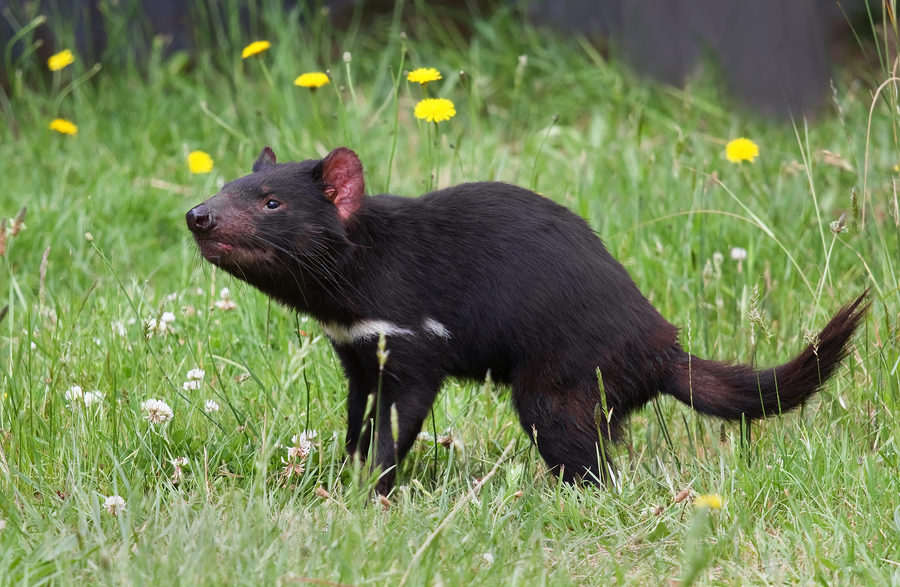
Mammal
Australia's feisty marsupial scavenger
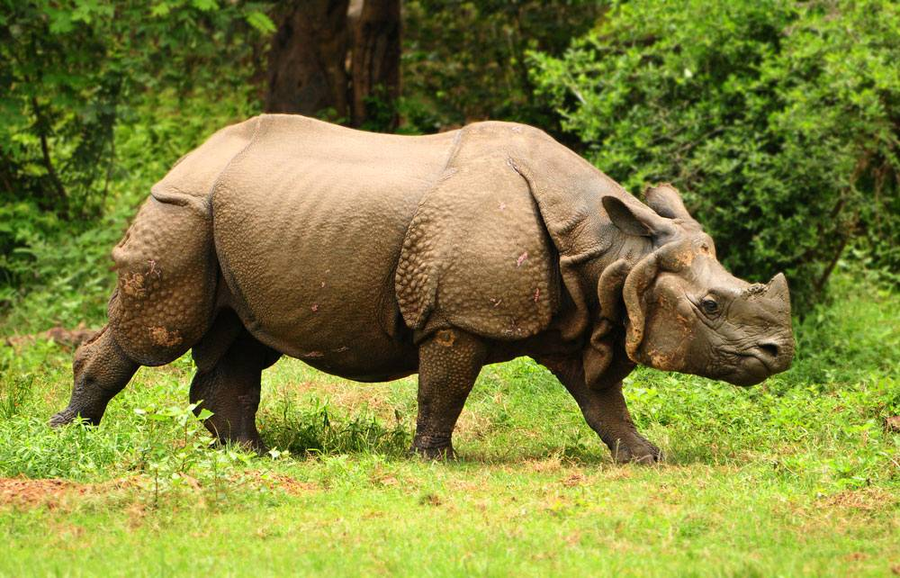
Mammal
The armour-plated one-horned giant
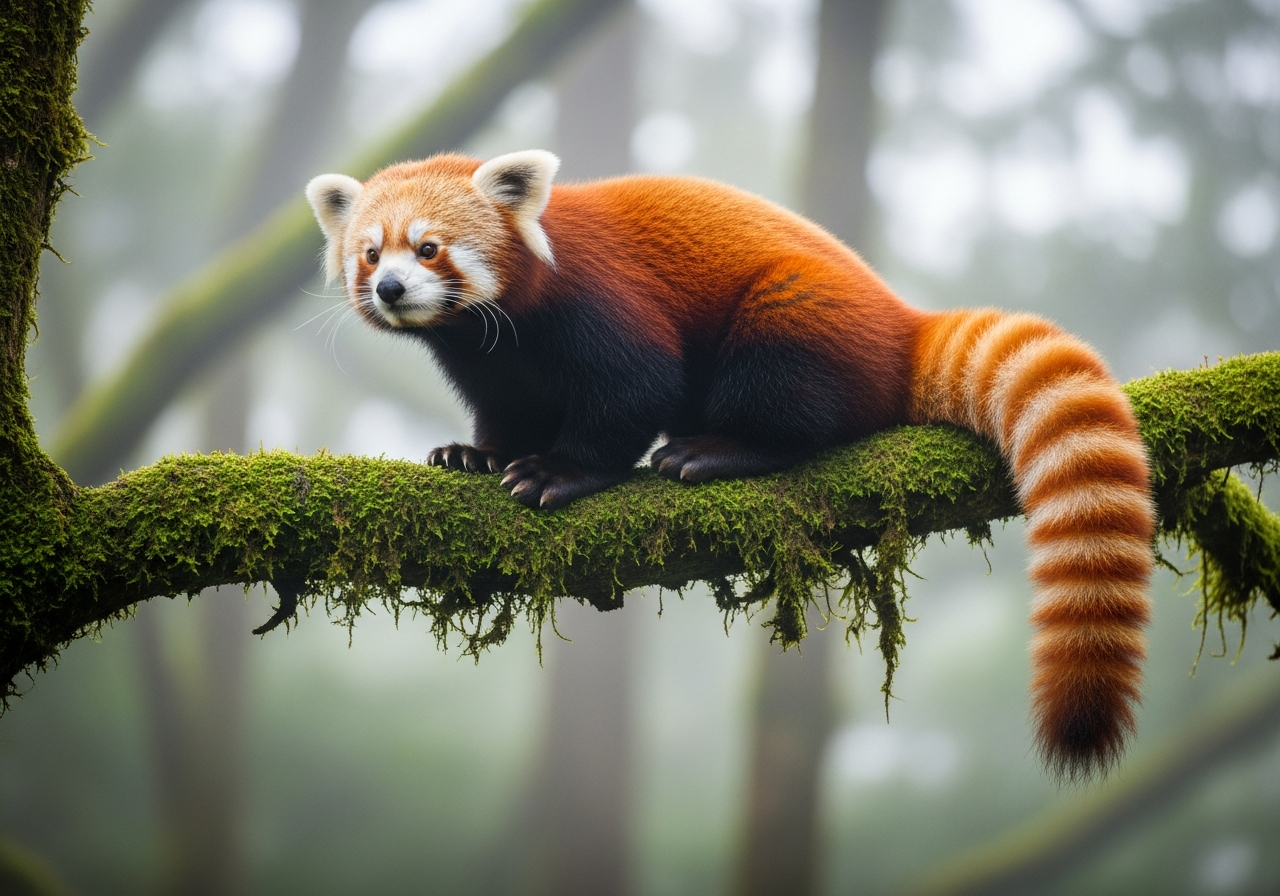
Mammal
The fiery-furred resident of the Himalayas
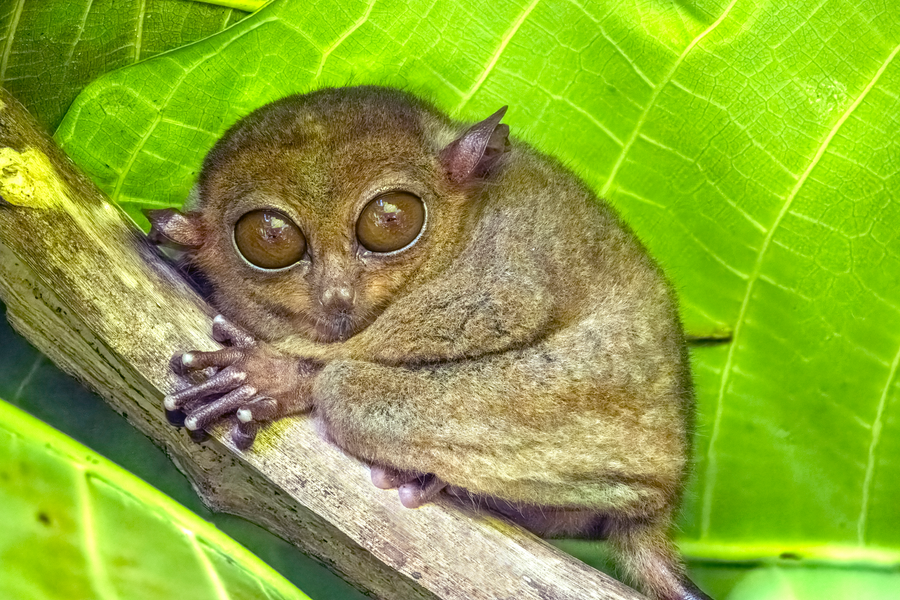
Mammal
The wide-eyed nocturnal primate
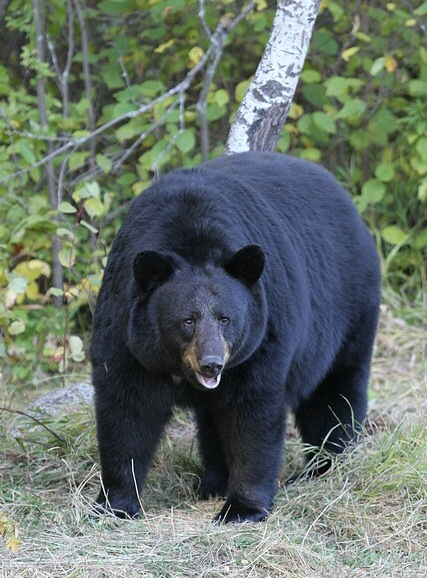
Mammal
North America's adaptable forest bear
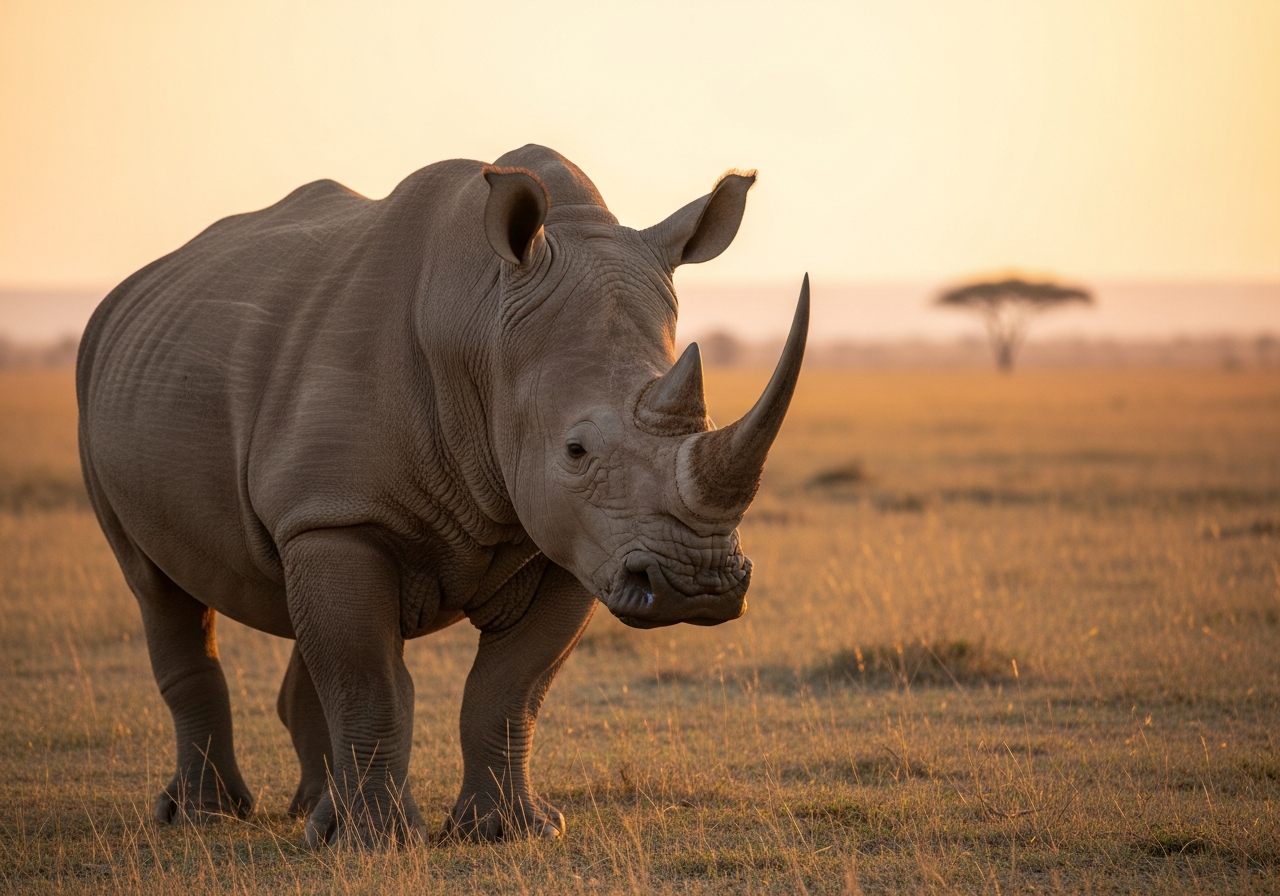
Mammal
The armored giant with a horn of keratin
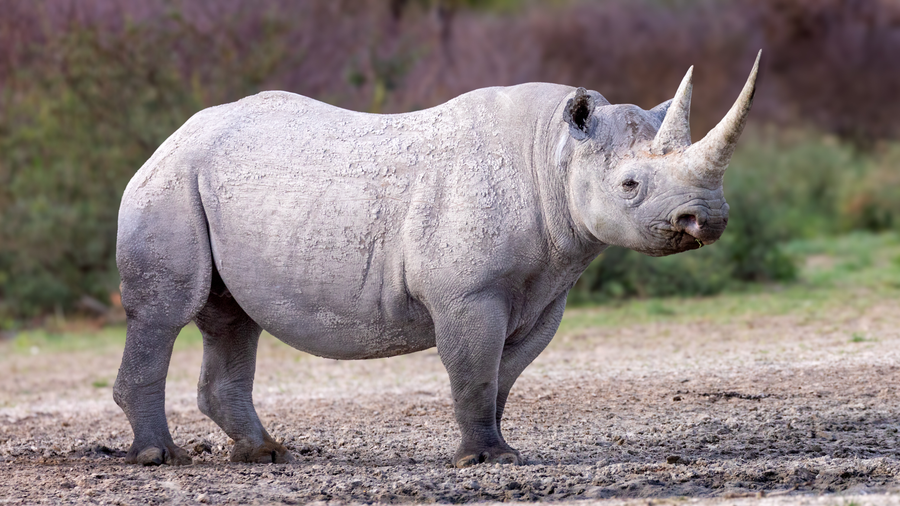
Mammal
Africa's hook-lipped browser in crisis
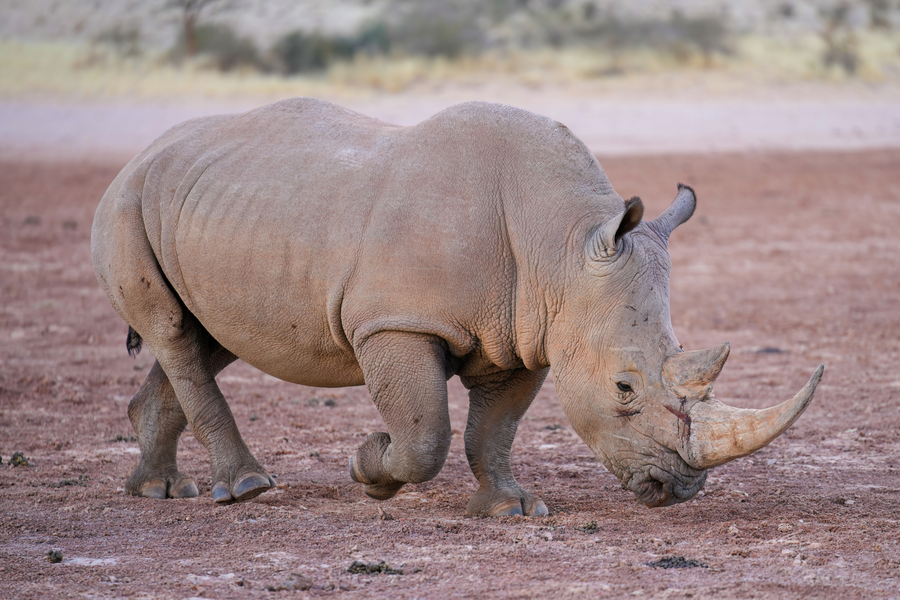
Mammal
The square-lipped giant of African grasslands
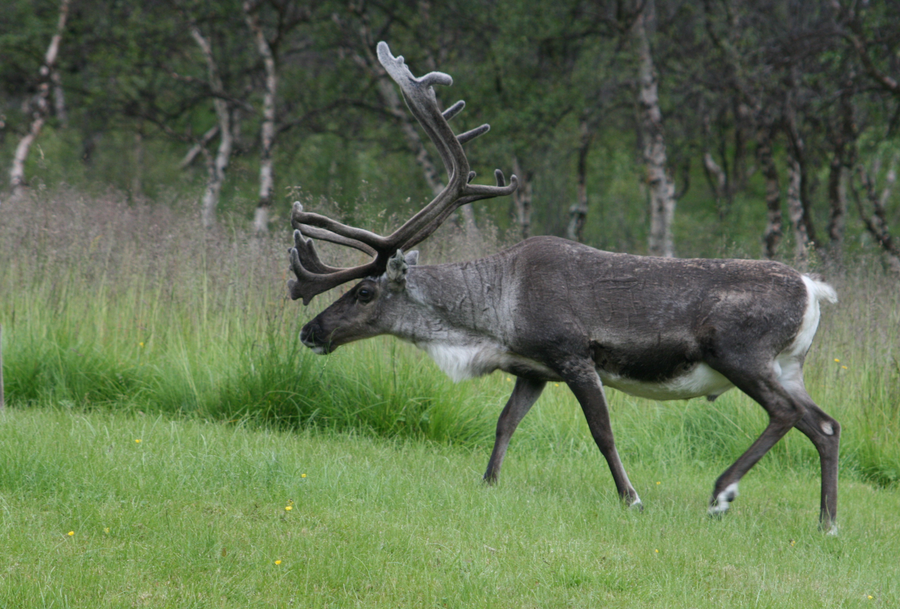
Mammal
The Arctic migrator and both-sex antlered deer
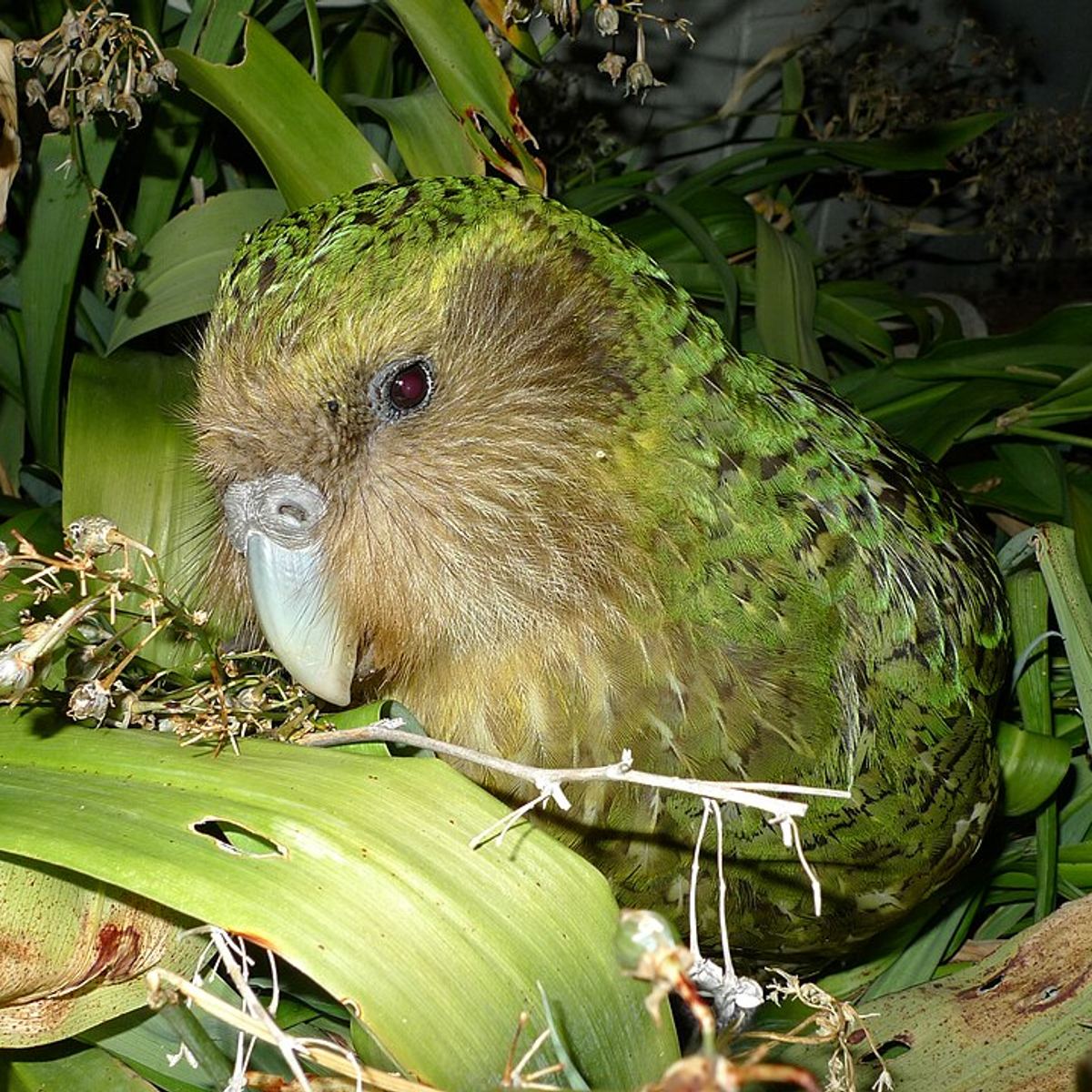
Bird
Flightless nocturnal parrot of New Zealand
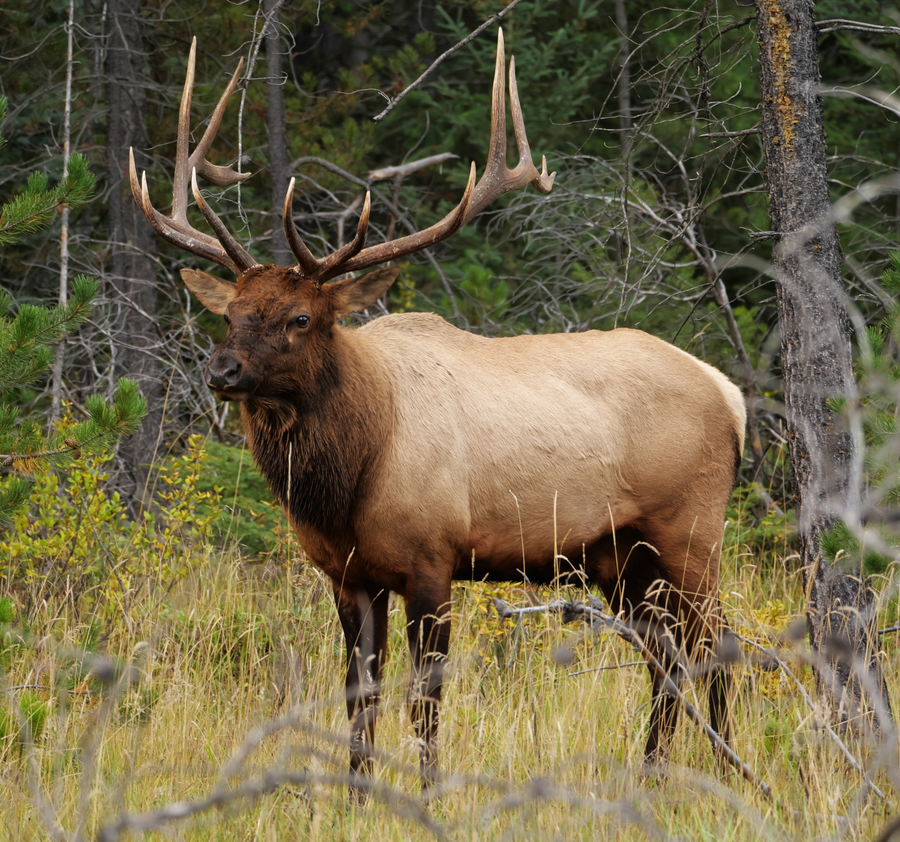
Mammal
The bugling giant of North American meadows
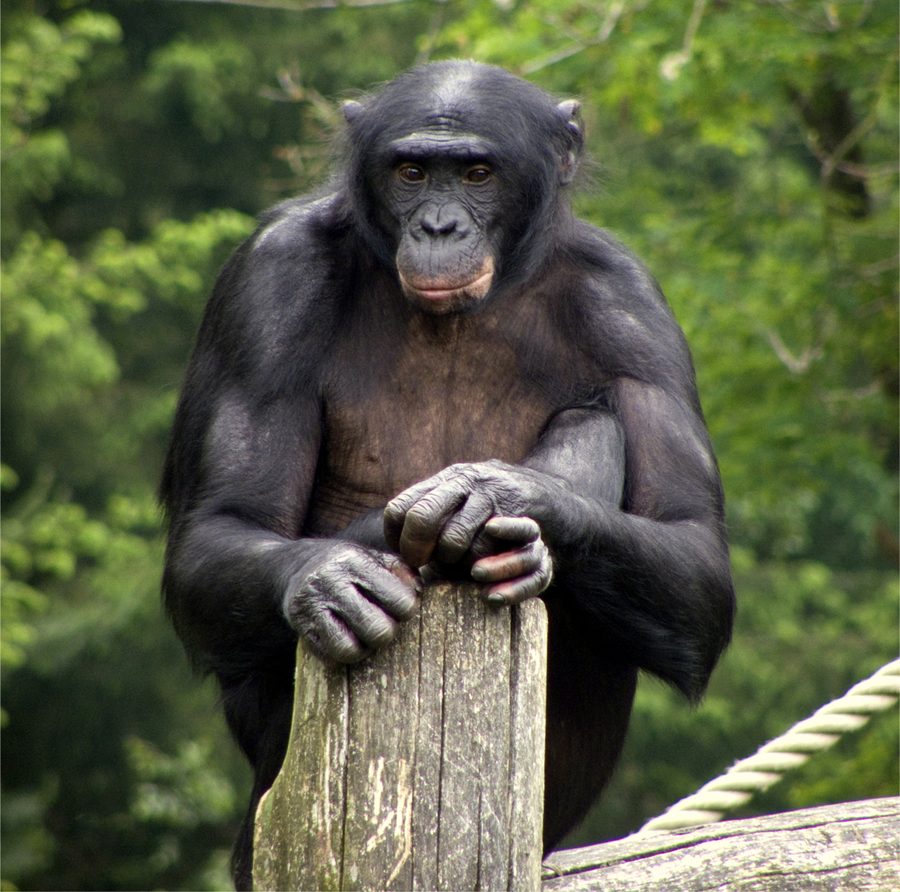
Mammal
The peaceful ape of the Congo Basin
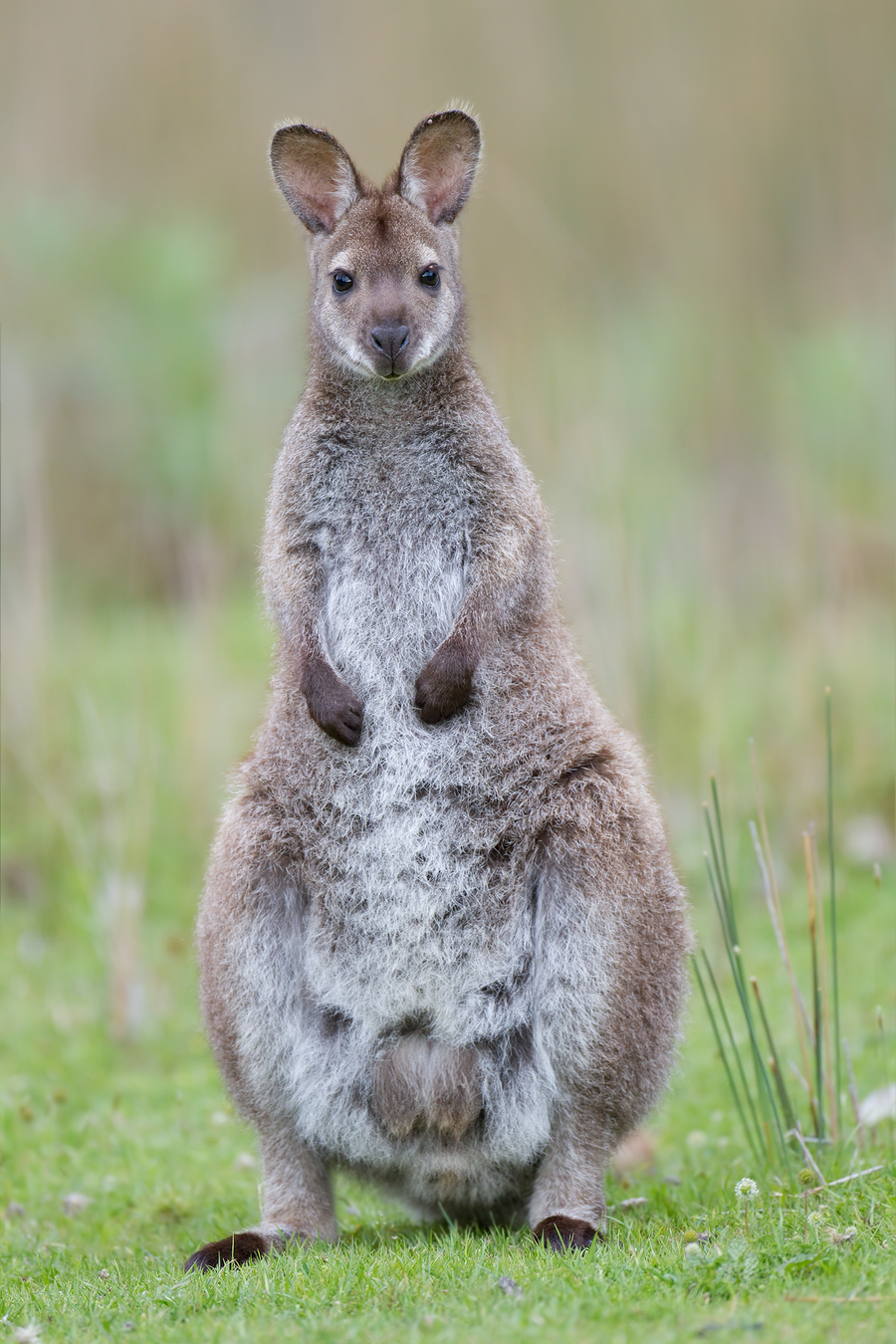
Mammal
The rusty-shouldered grazer of eastern Australia
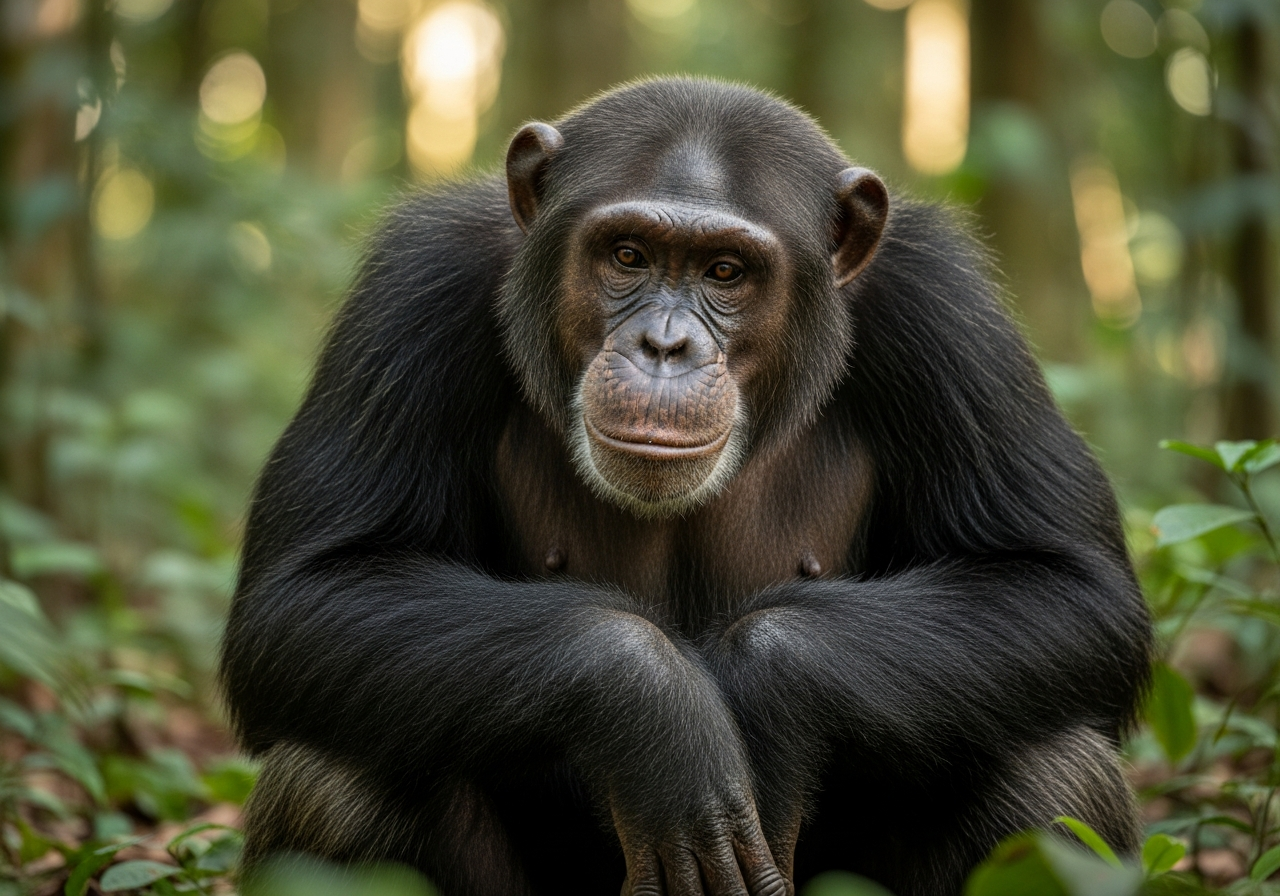
Mammal
Our closest living relative
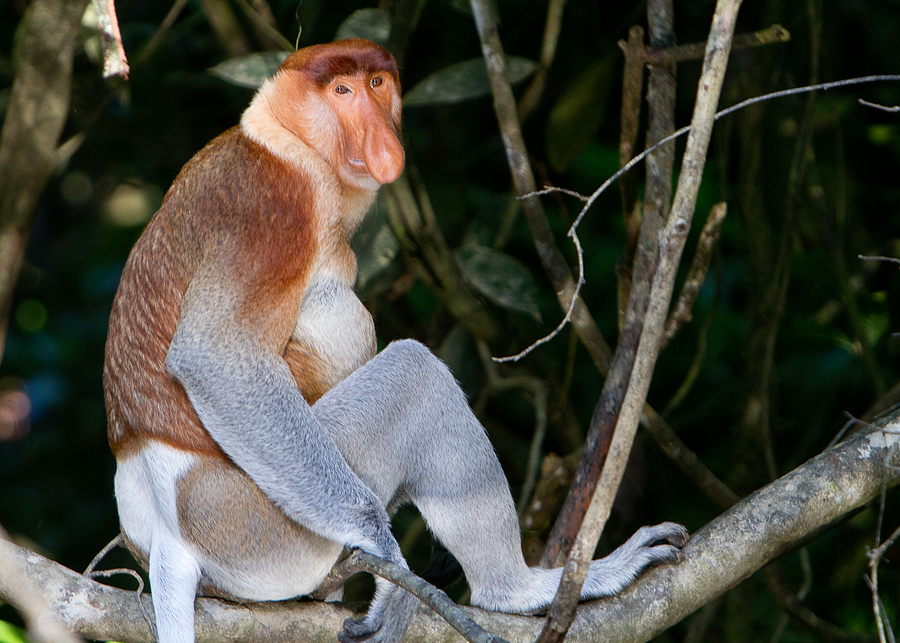
Mammal
Borneo's big-nosed swimmer
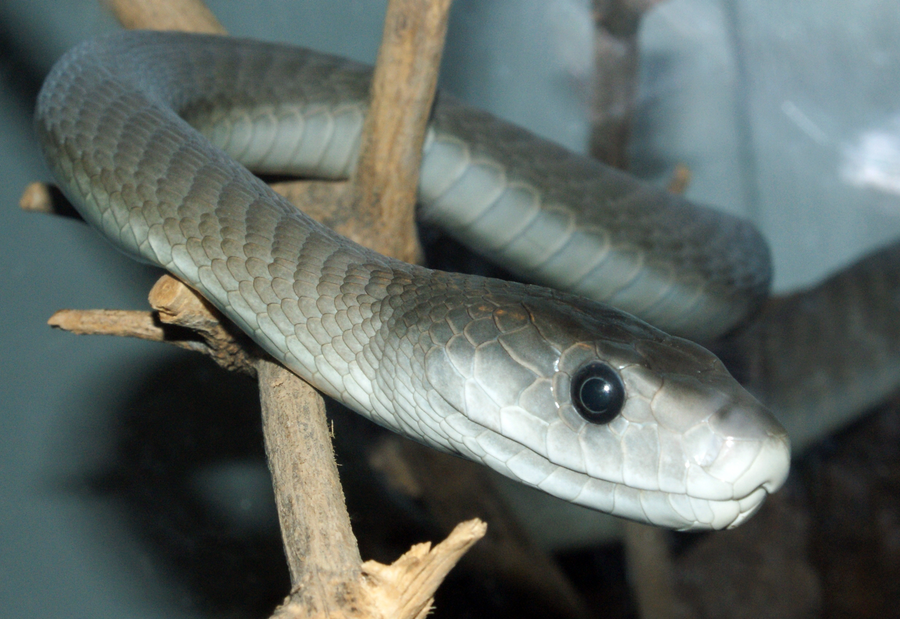
Reptile
Africa's fast and feared elapid snake
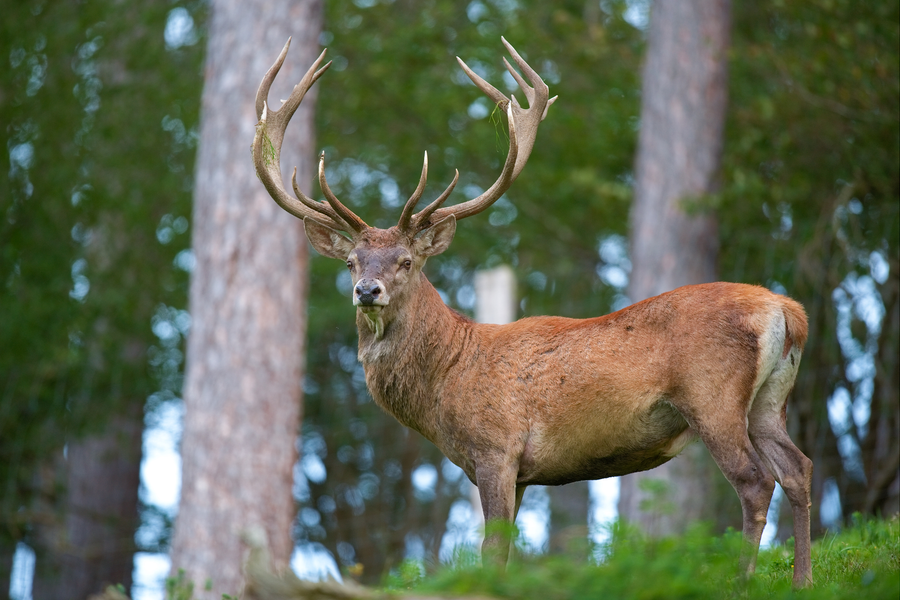
Mammal
The roaring stag of Eurasian woodlands
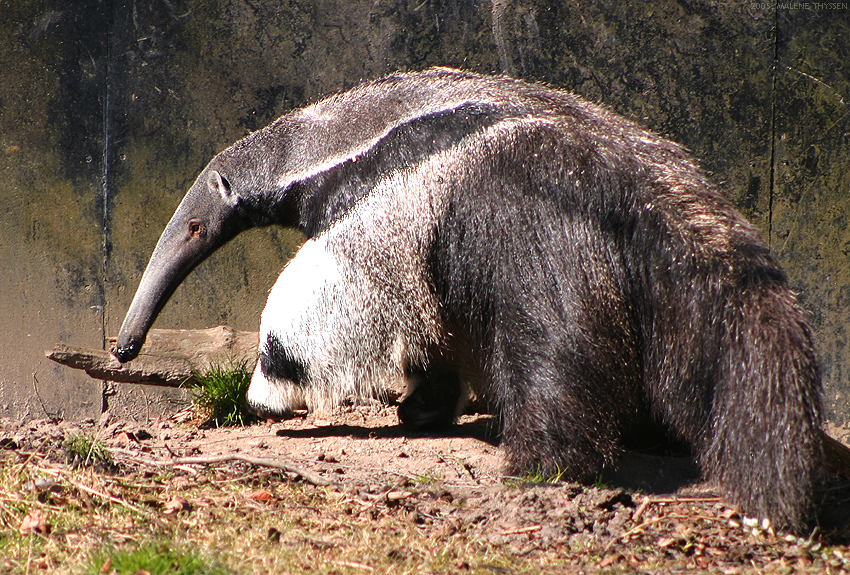
Mammal
South America's two-metre tongue specialist
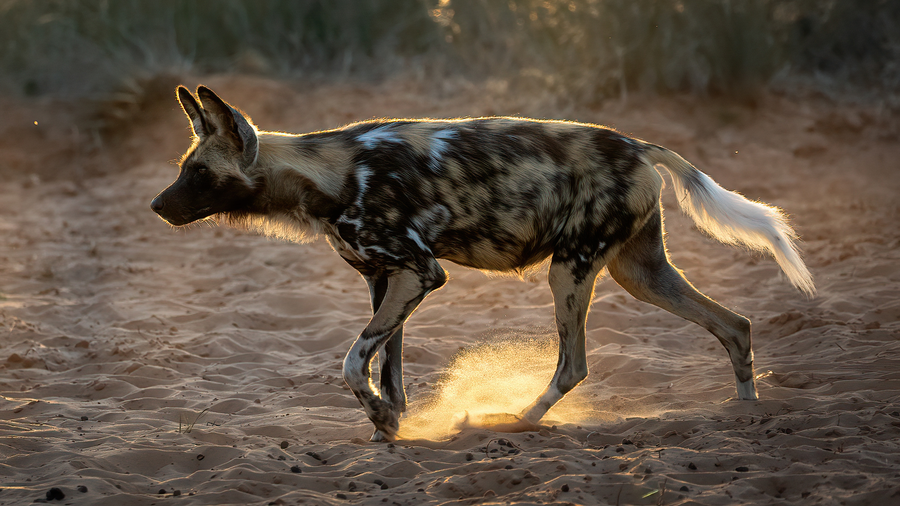
Mammal
Africa's cooperative pack hunter
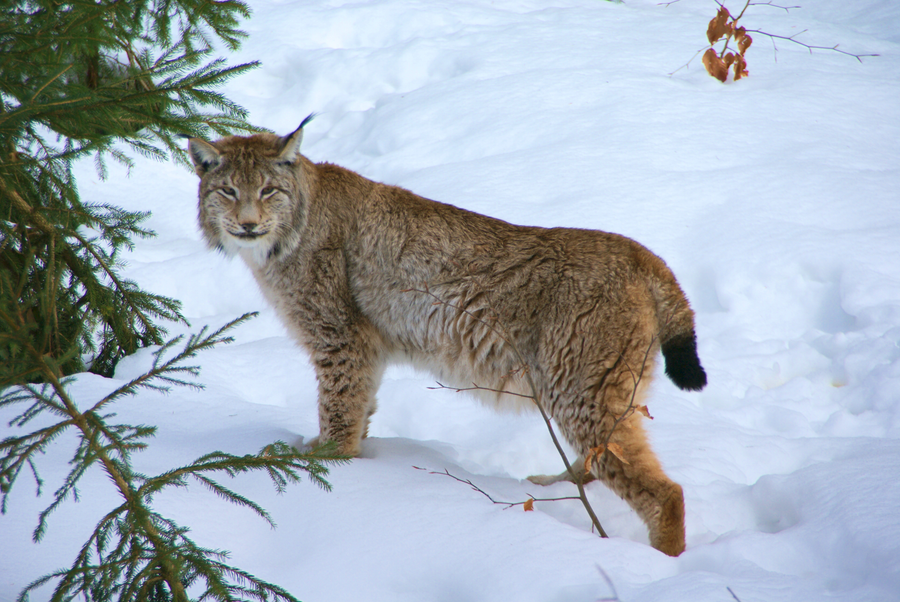
Mammal
The tufted forest hunter of Europe and Asia
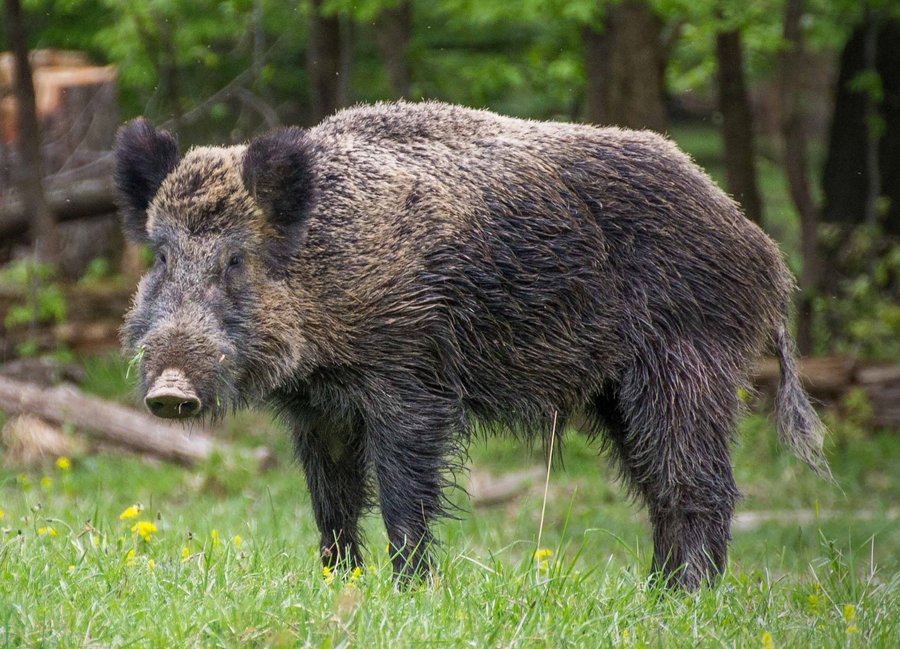
Mammal
The ancestor of the domestic pig
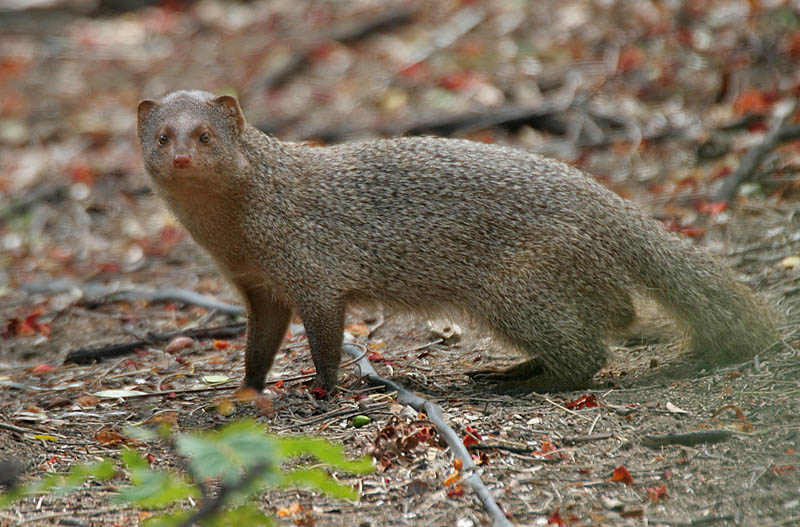
Mammal
The cobra's agile rival
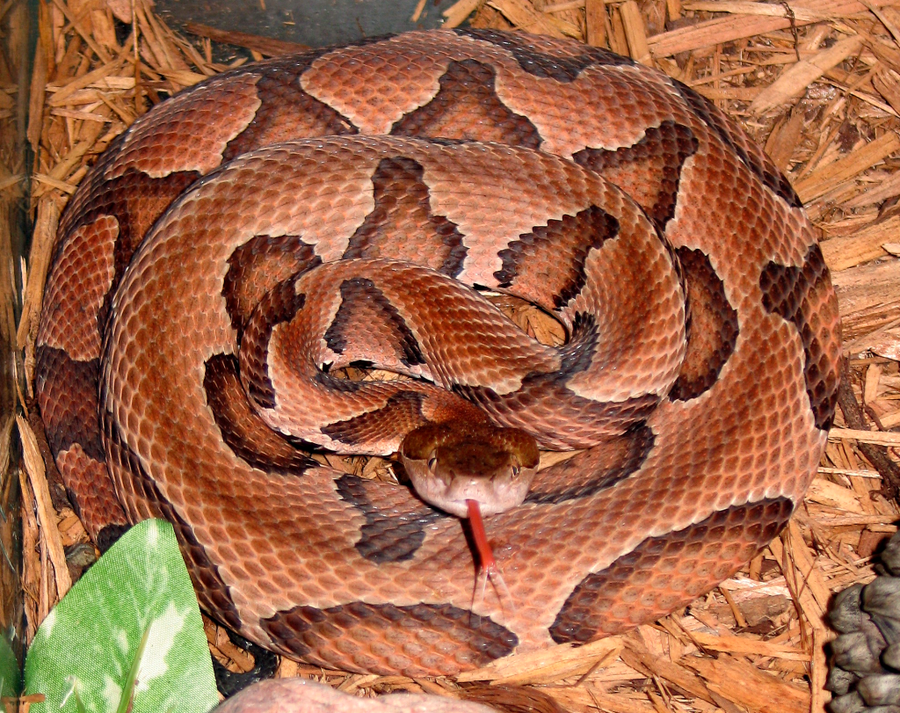
Reptile
Common US pit viper with hourglass bands
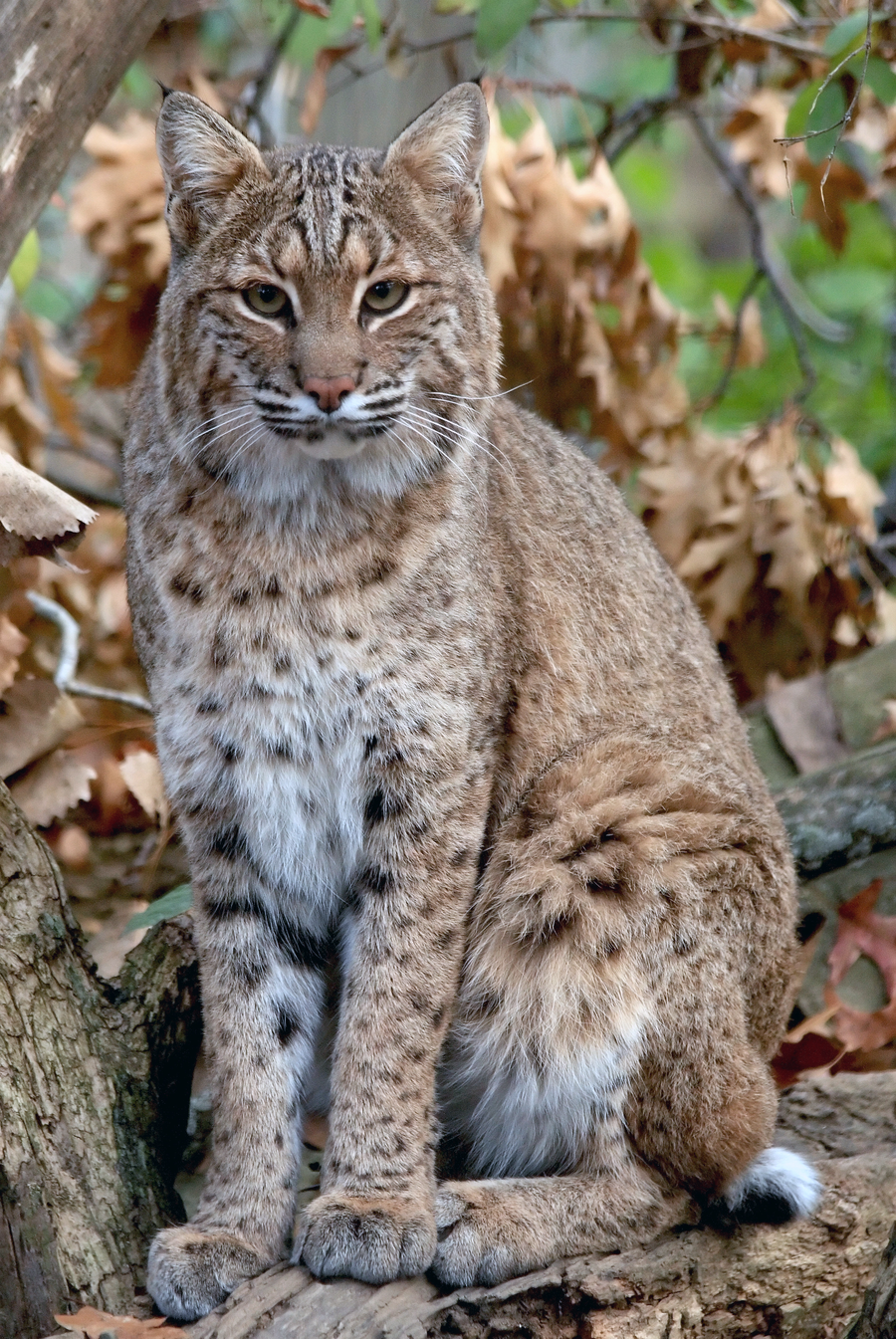
Mammal
North America's adaptable wild cat
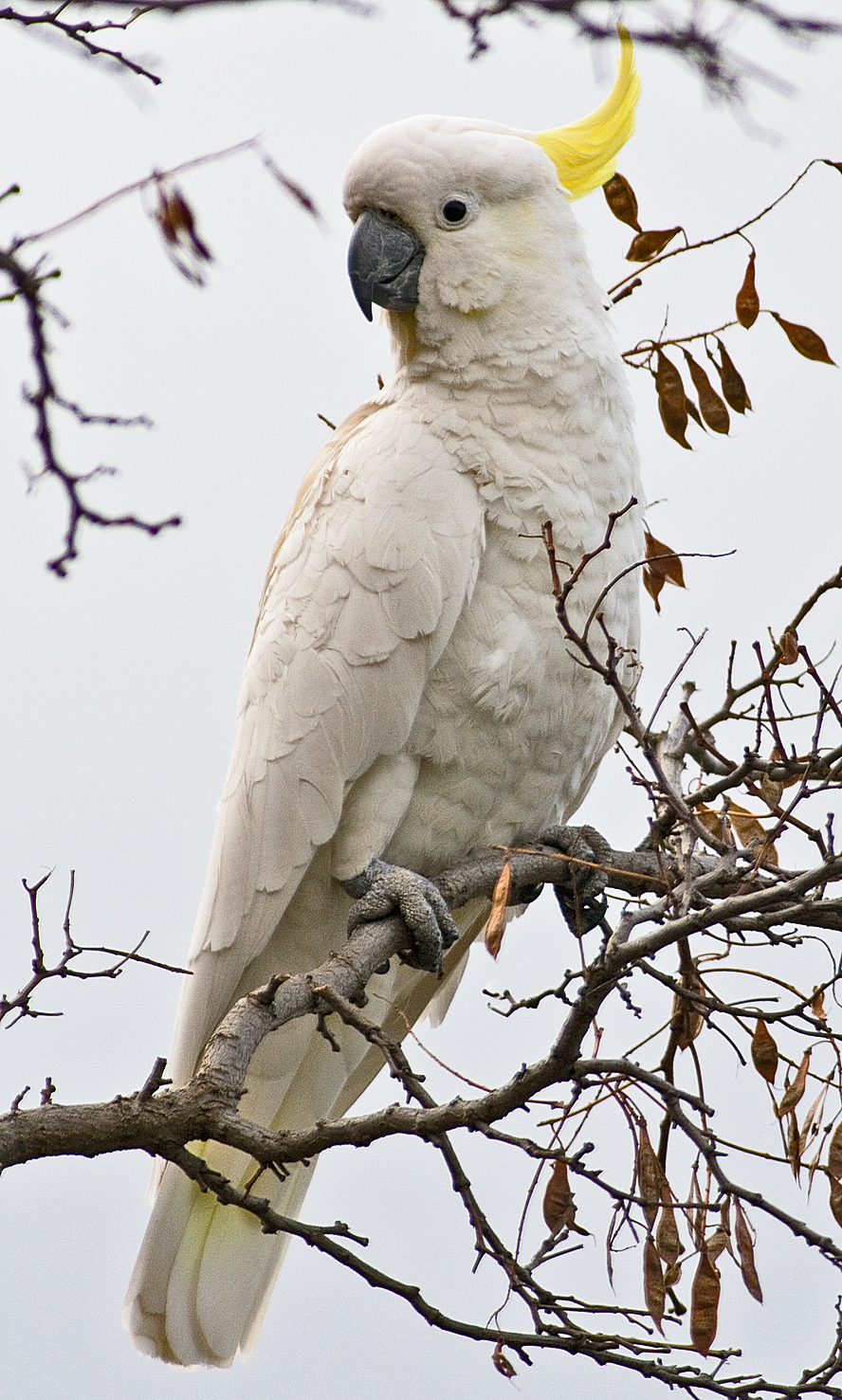
Bird
Australia's loud crested parrot
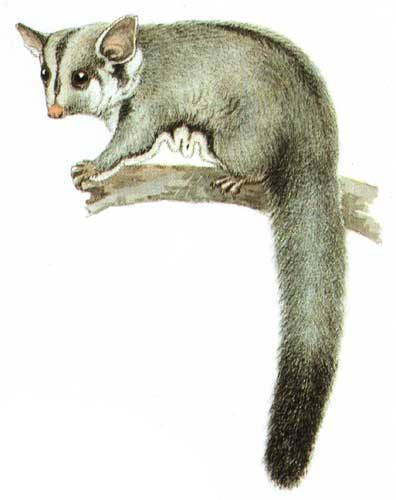
Mammal
Nocturnal gliding marsupial of eucalypt forests
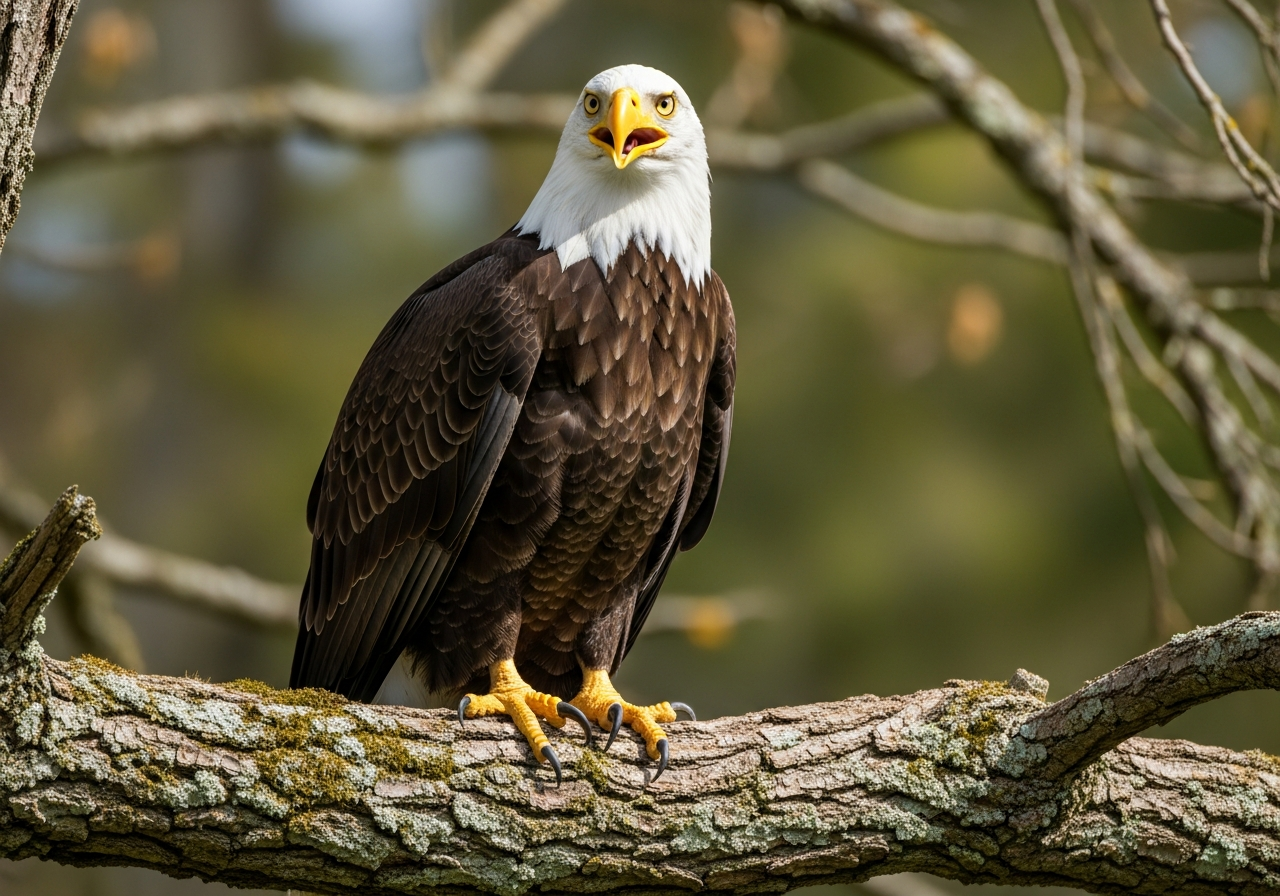
Bird
The fish-hunting raptor and national bird of the United States
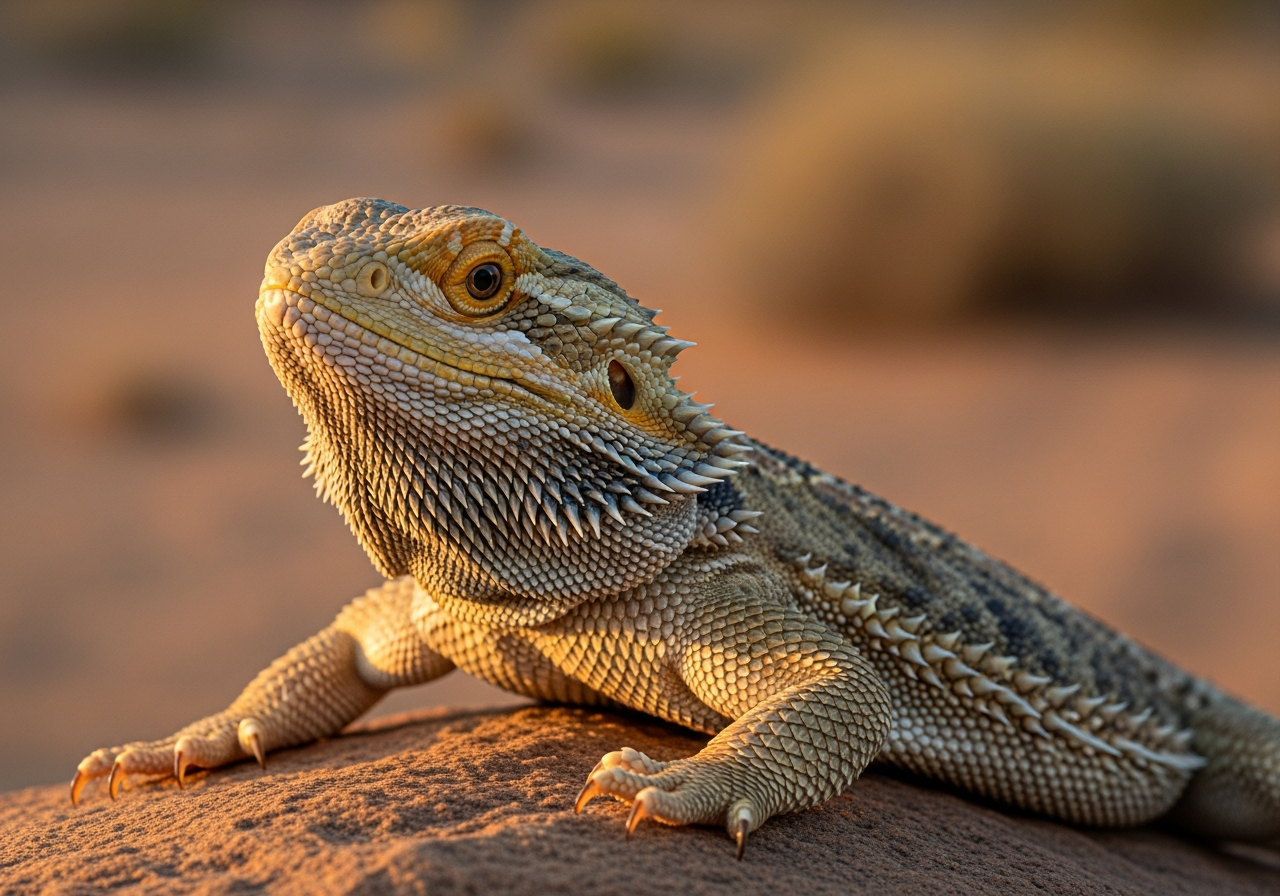
Reptile
The friendly desert lizard and favorite pet reptile
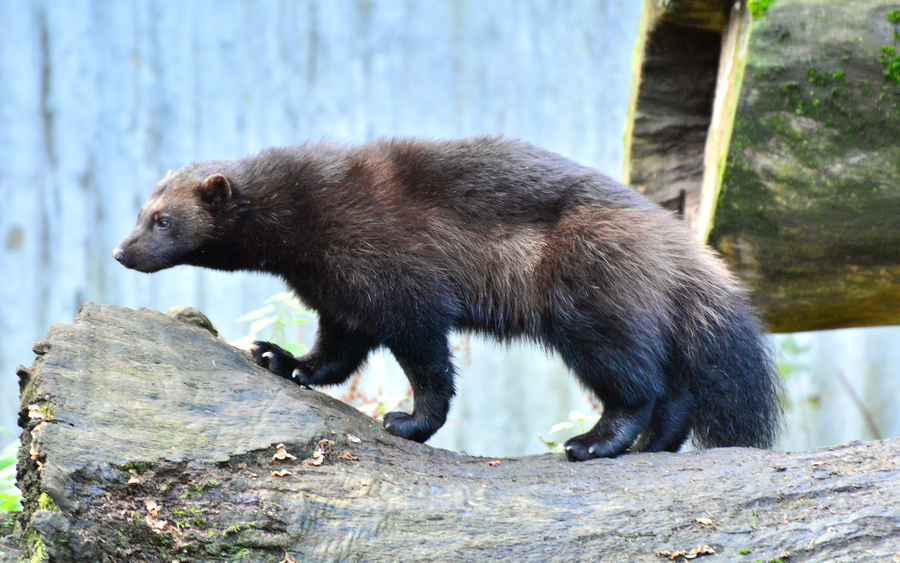
Mammal
The fierce scavenger of the boreal north
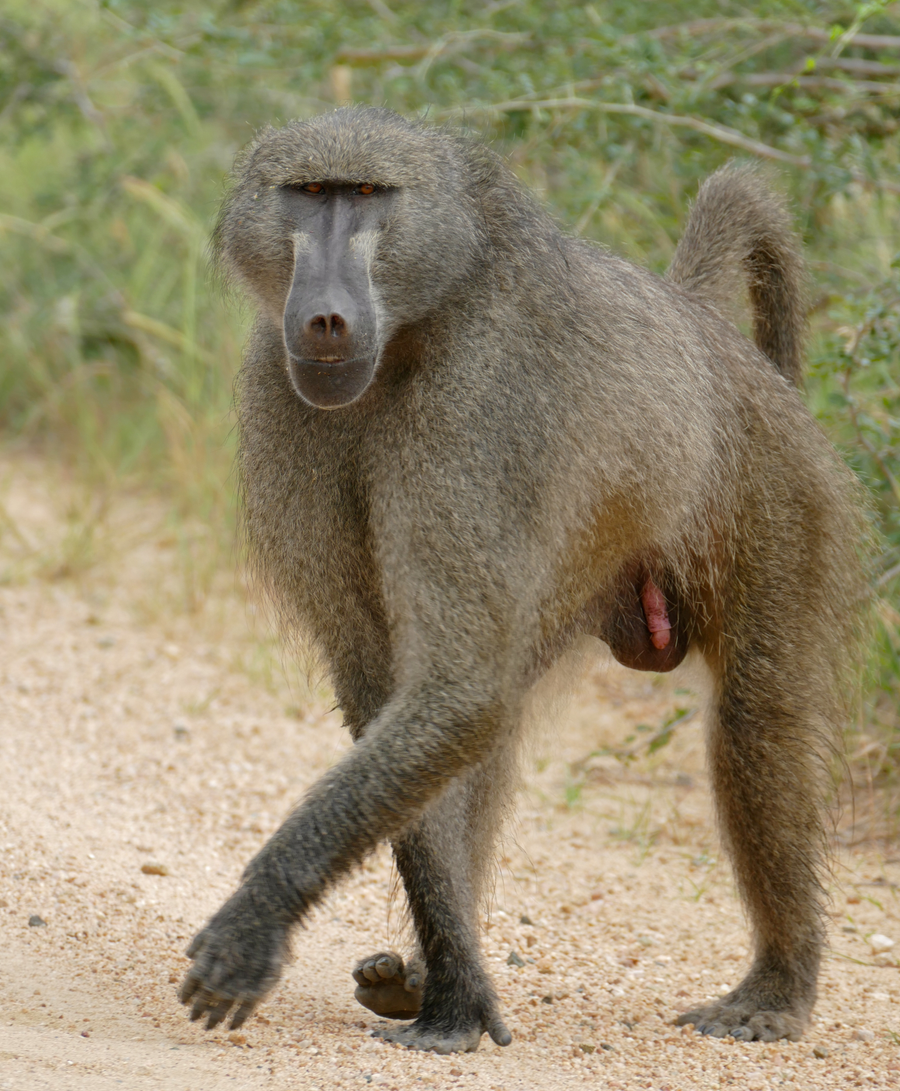
Mammal
Africa's adaptable monkey
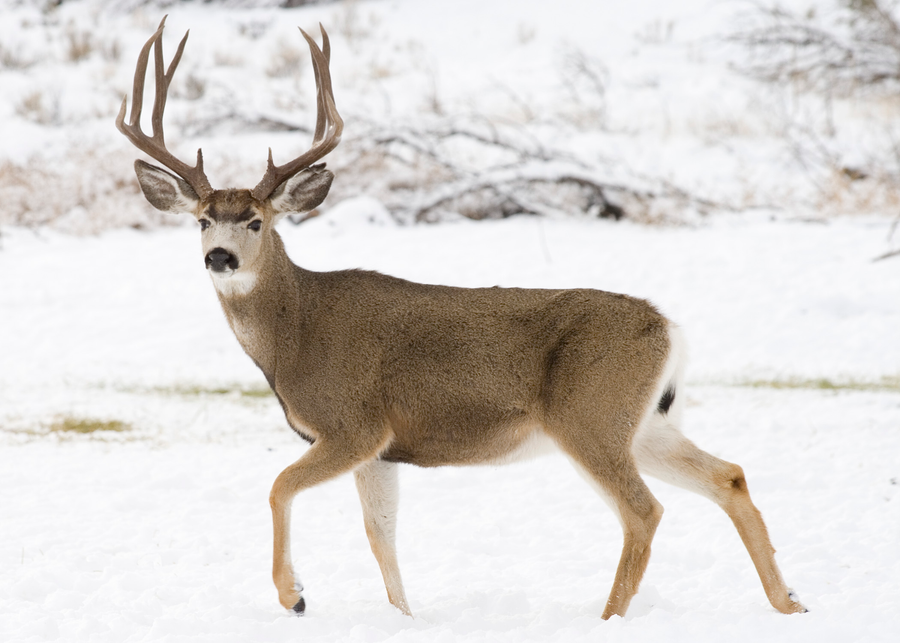
Mammal
The big-eared deer of western North America
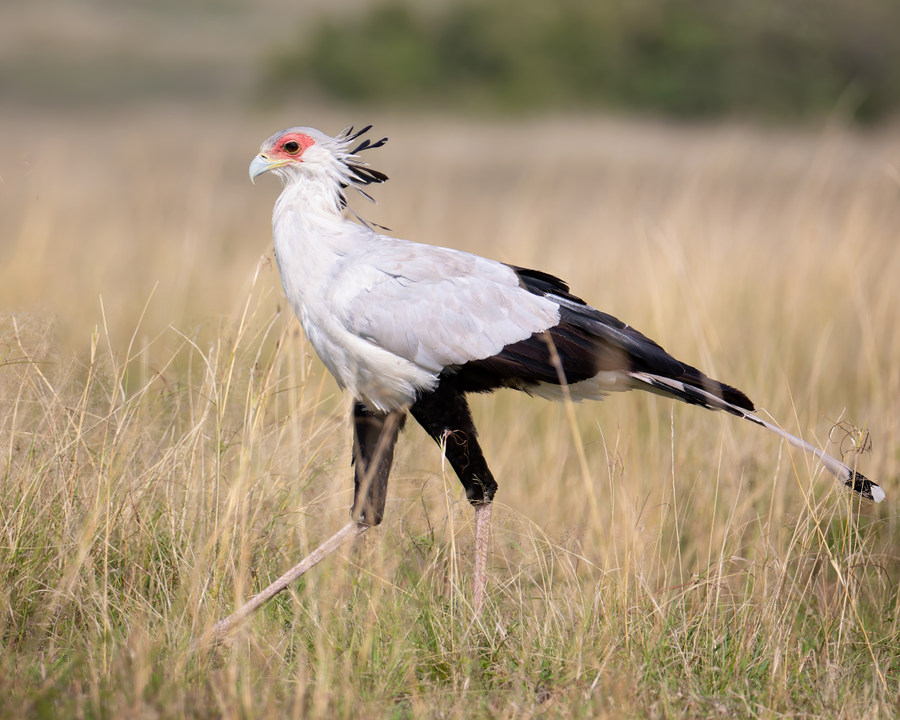
Bird
Long-legged raptor that stamps snakes
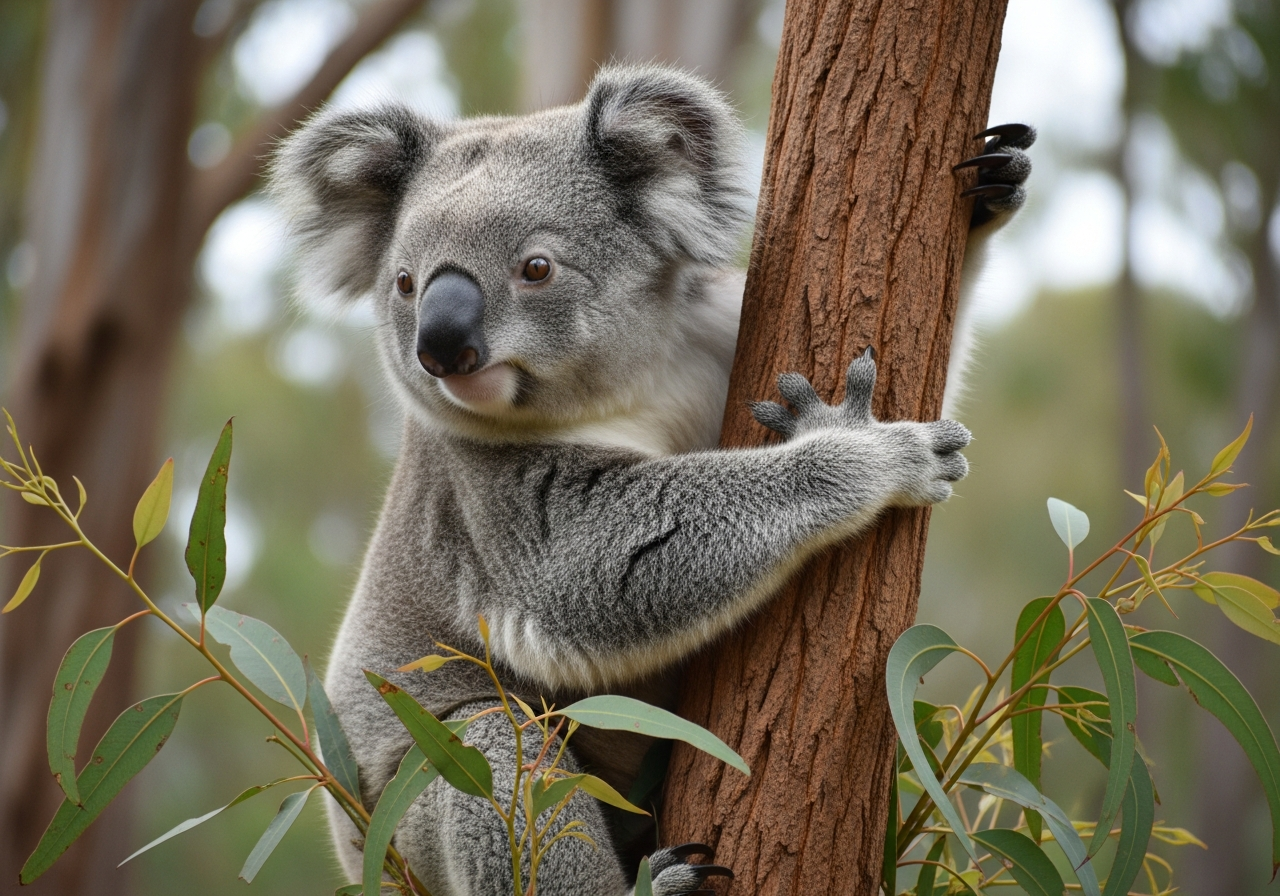
Mammal
Australia's iconic eucalyptus-eating marsupial
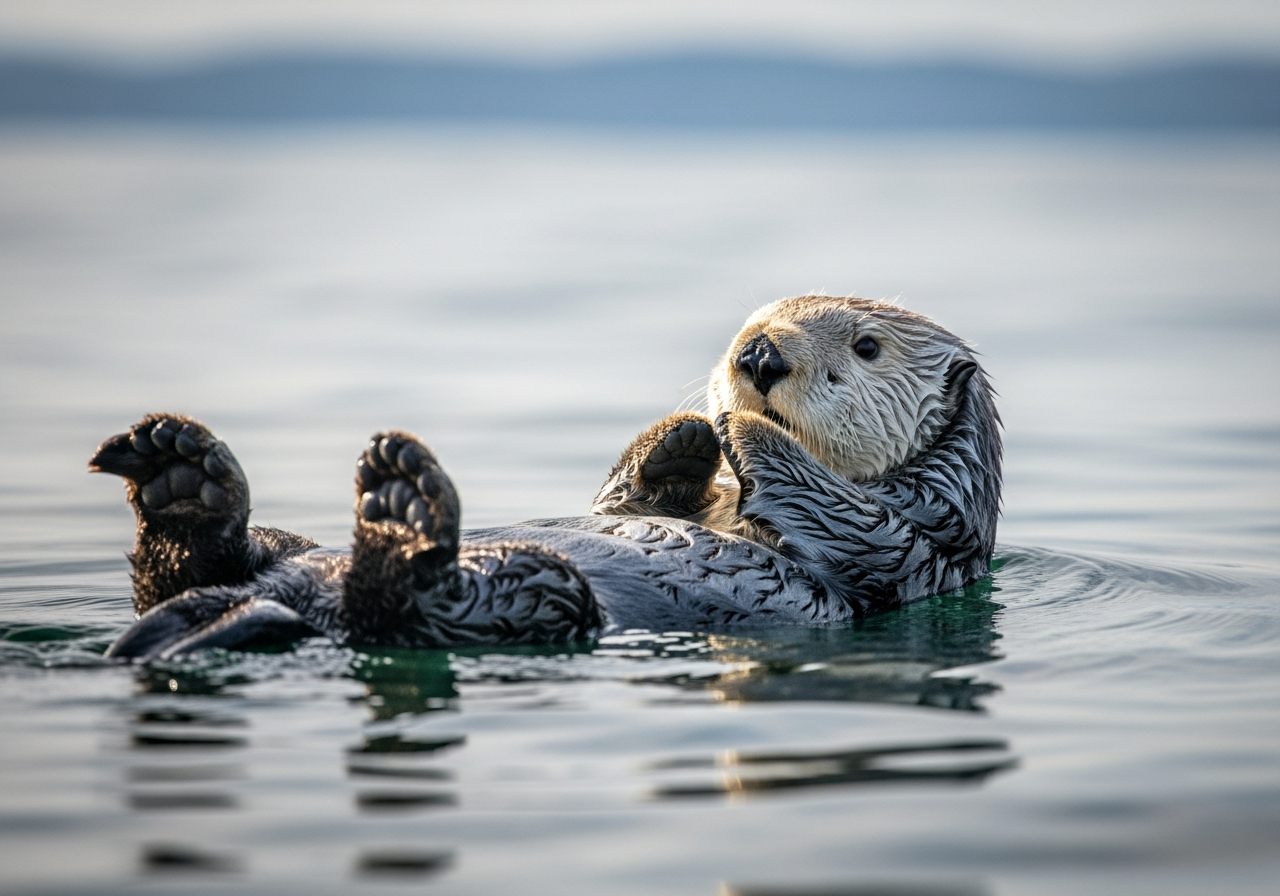
Mammal
The tool-using keystone of the kelp forest
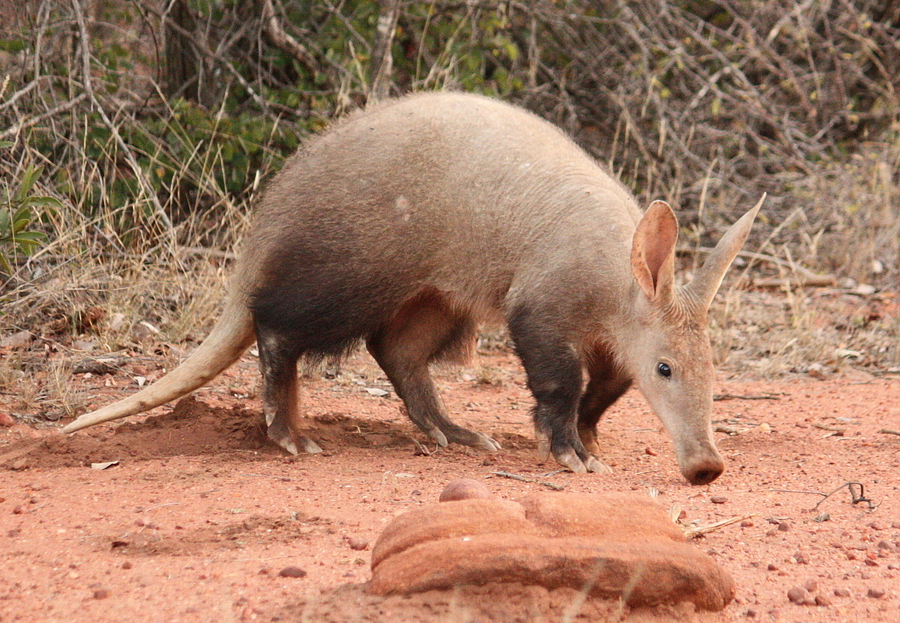
Mammal
Africa's ant-eating oddity
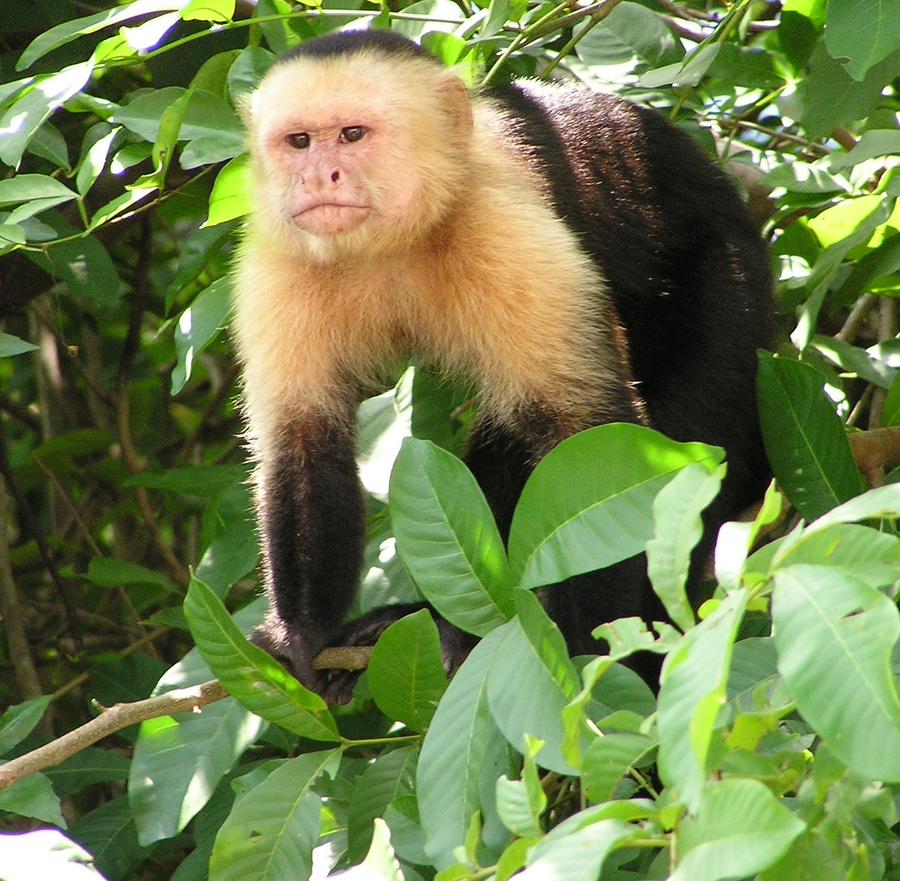
Mammal
The clever New World monkey
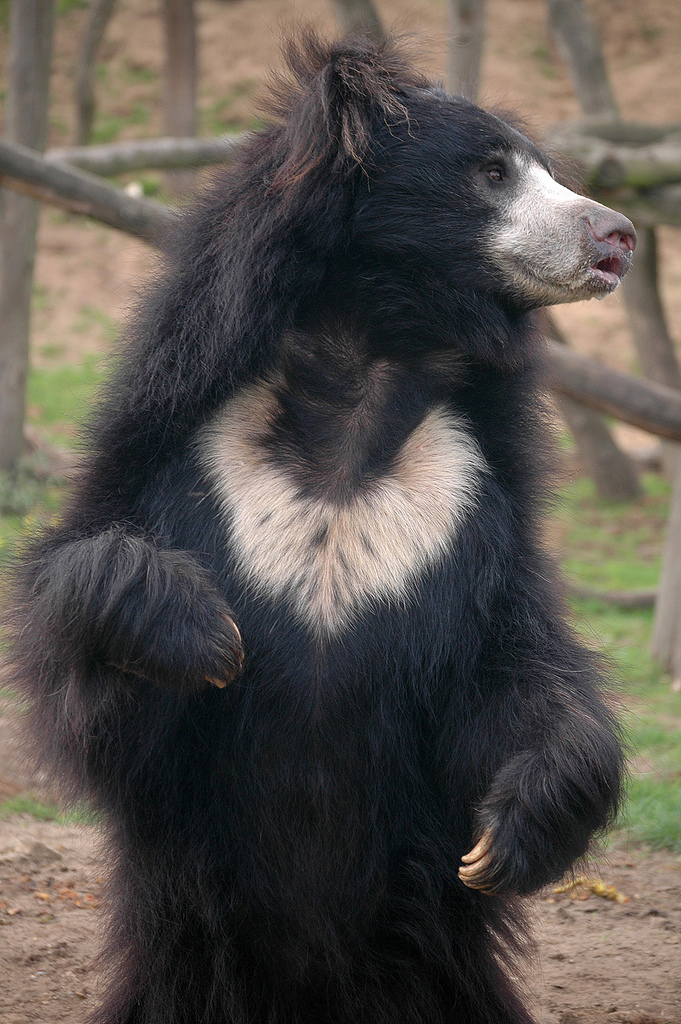
Mammal
India's shaggy insect-eating bear
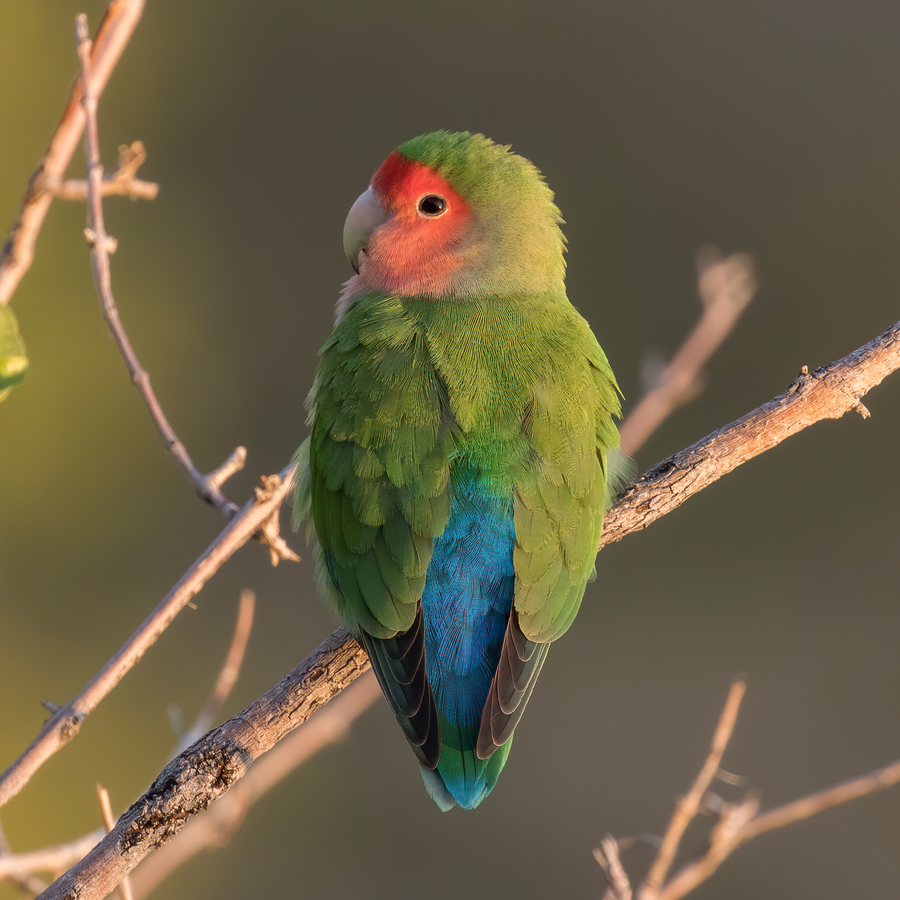
Bird
Africa's pocket parrot that bonds for life
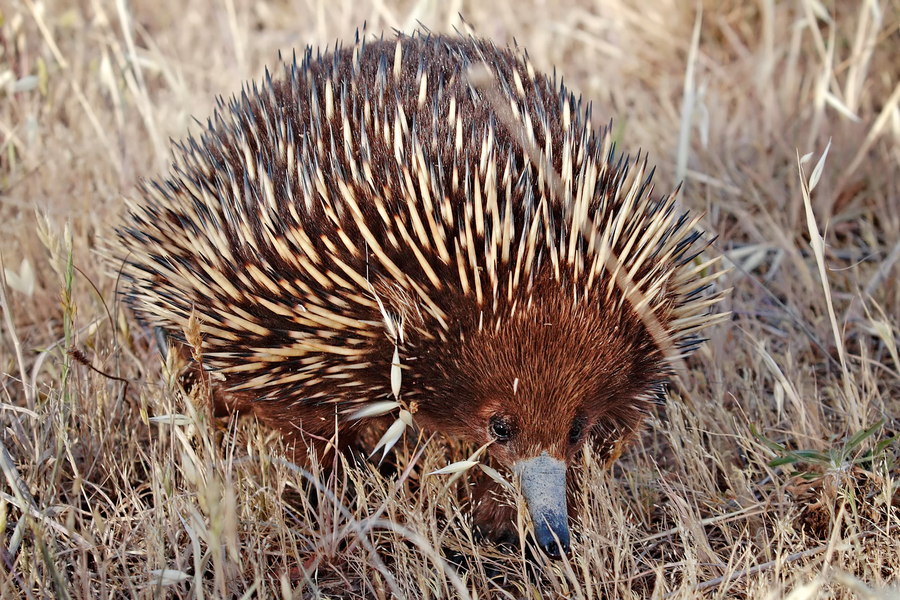
Mammal
Spiny egg-laying anteater of Australia
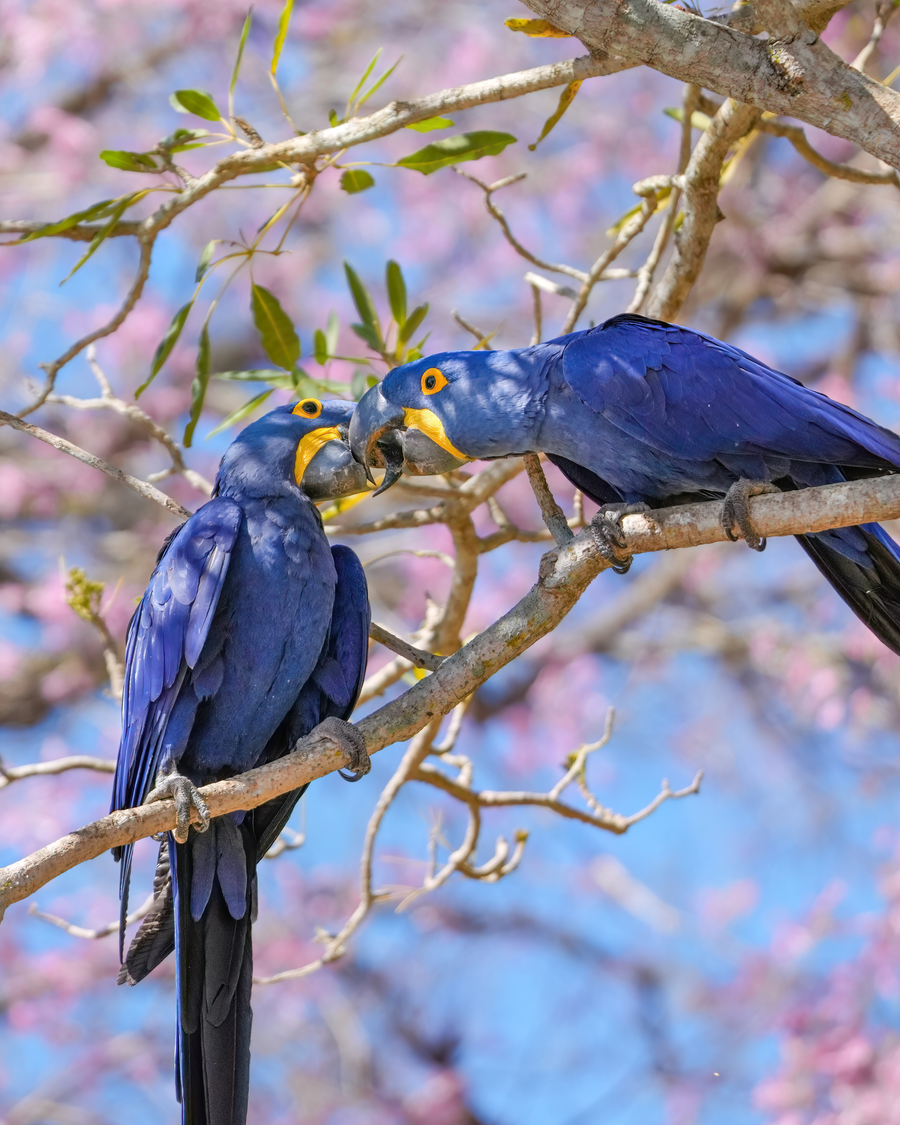
Bird
Largest flying parrot, cobalt blue
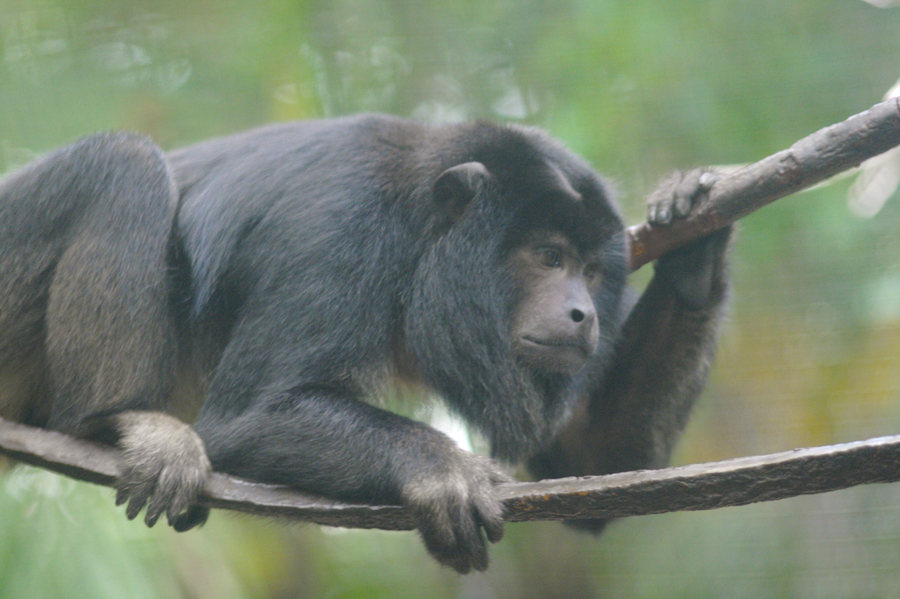
Mammal
The loudest land animal in the Americas
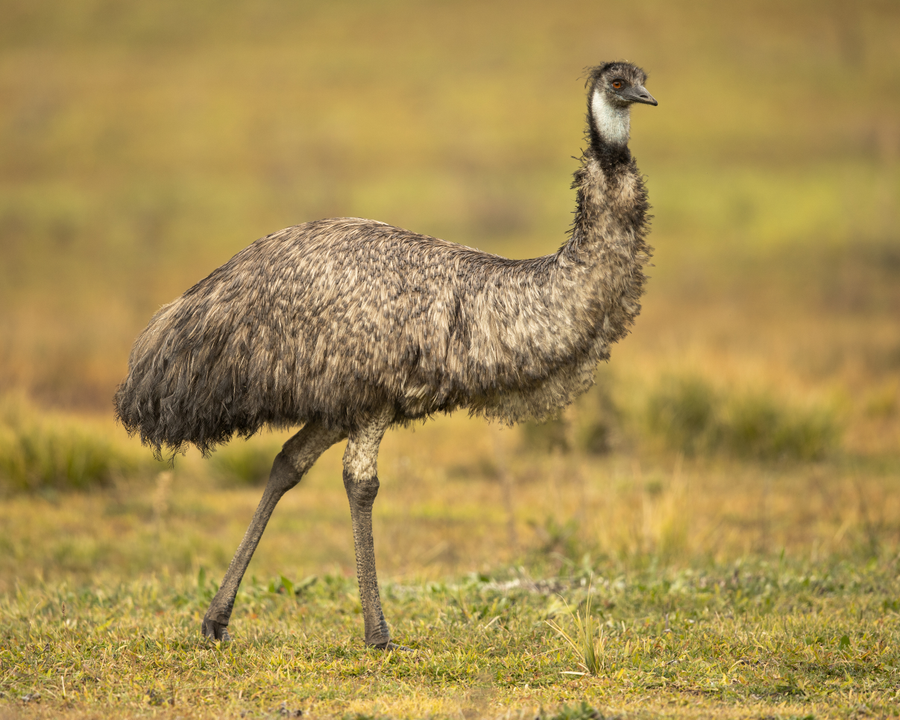
Bird
Australia's flightless giant
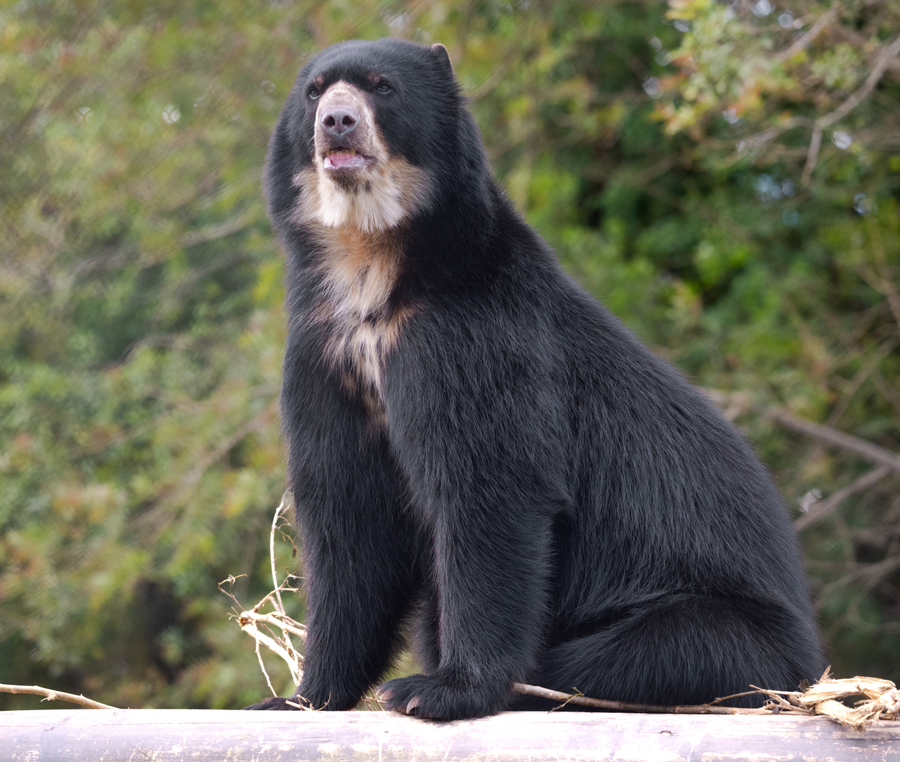
Mammal
The only bear native to South America
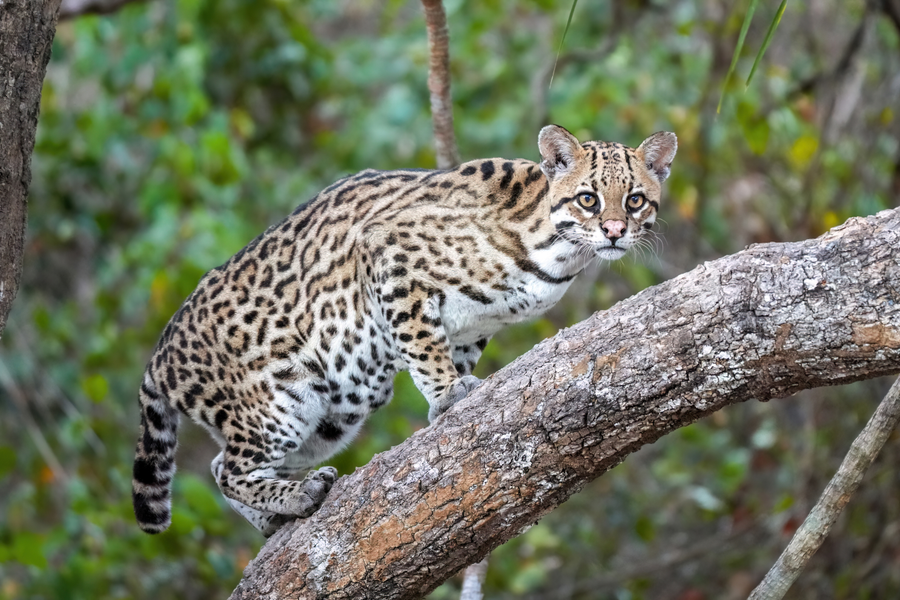
Mammal
The spotted cat of the Americas
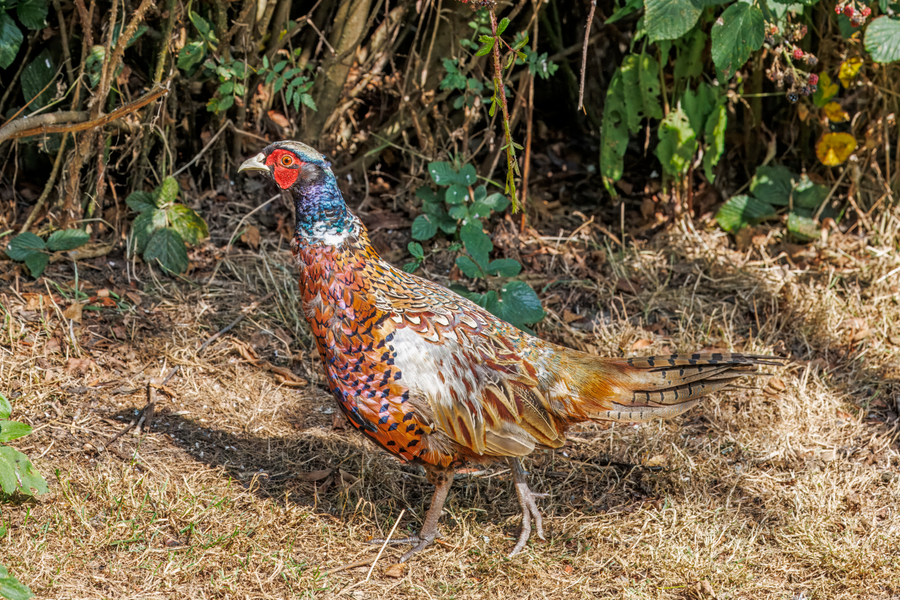
Bird
The ring-necked game bird of field and forest
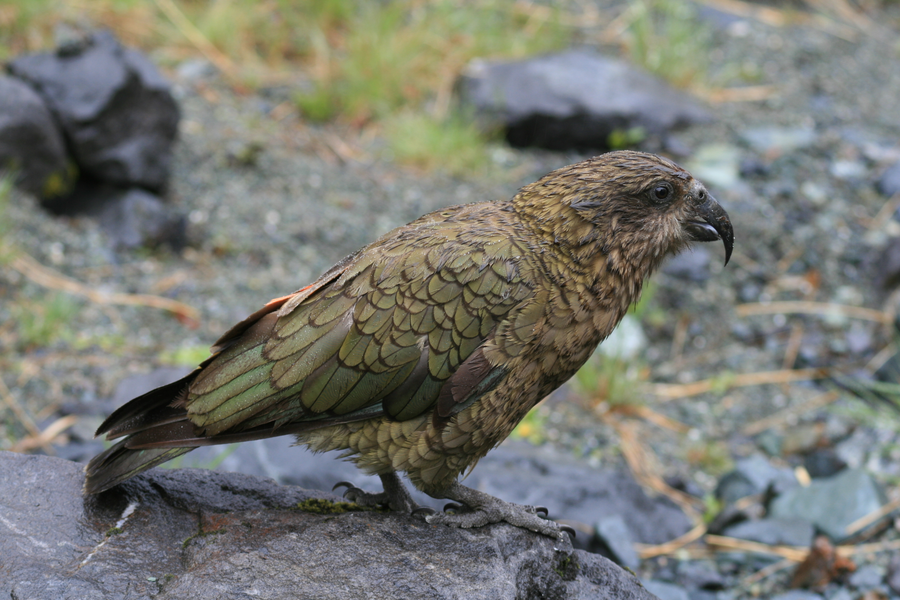
Bird
Alpine parrot renowned for curiosity
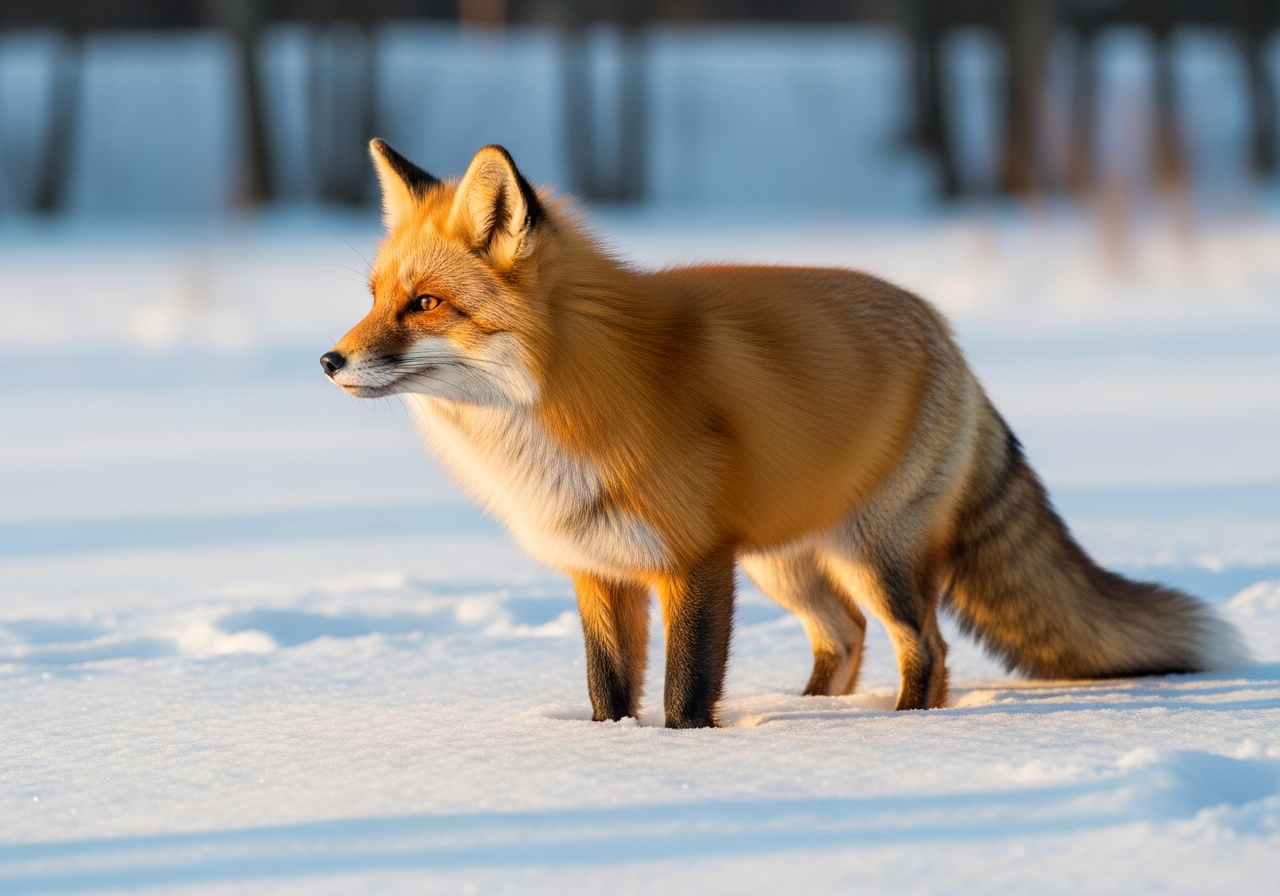
Mammal
The most widespread wild carnivore on Earth
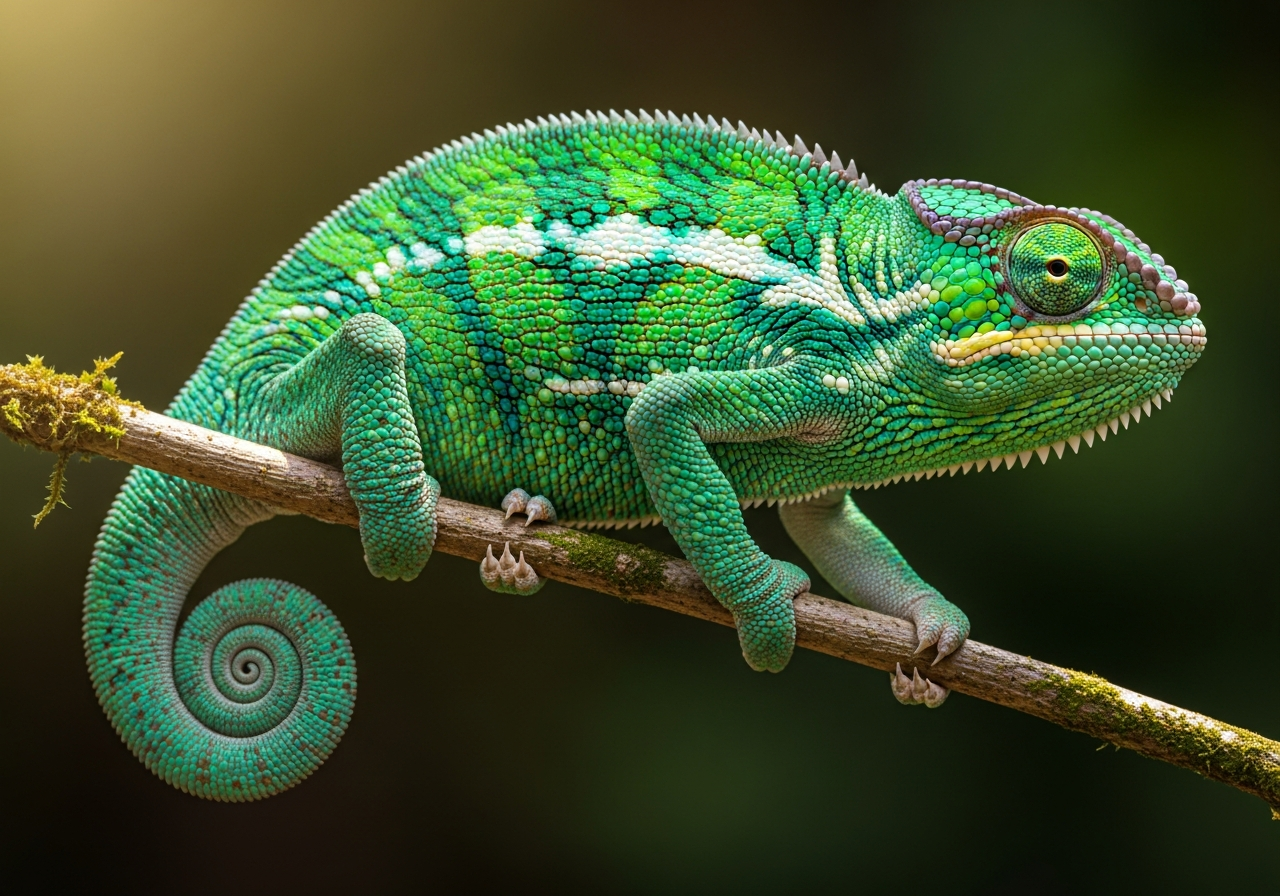
Reptile
The color-changing lizard with 360-degree eyes
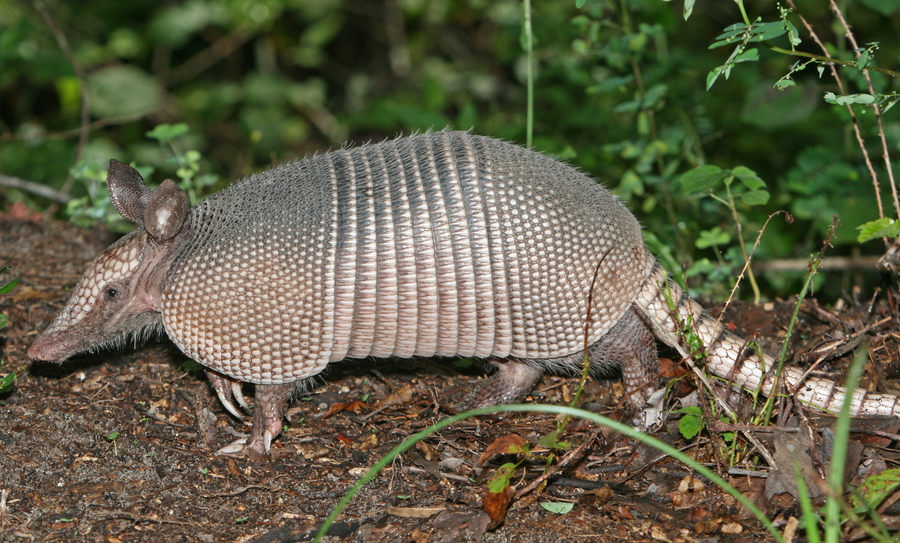
Mammal
North America's armoured digger
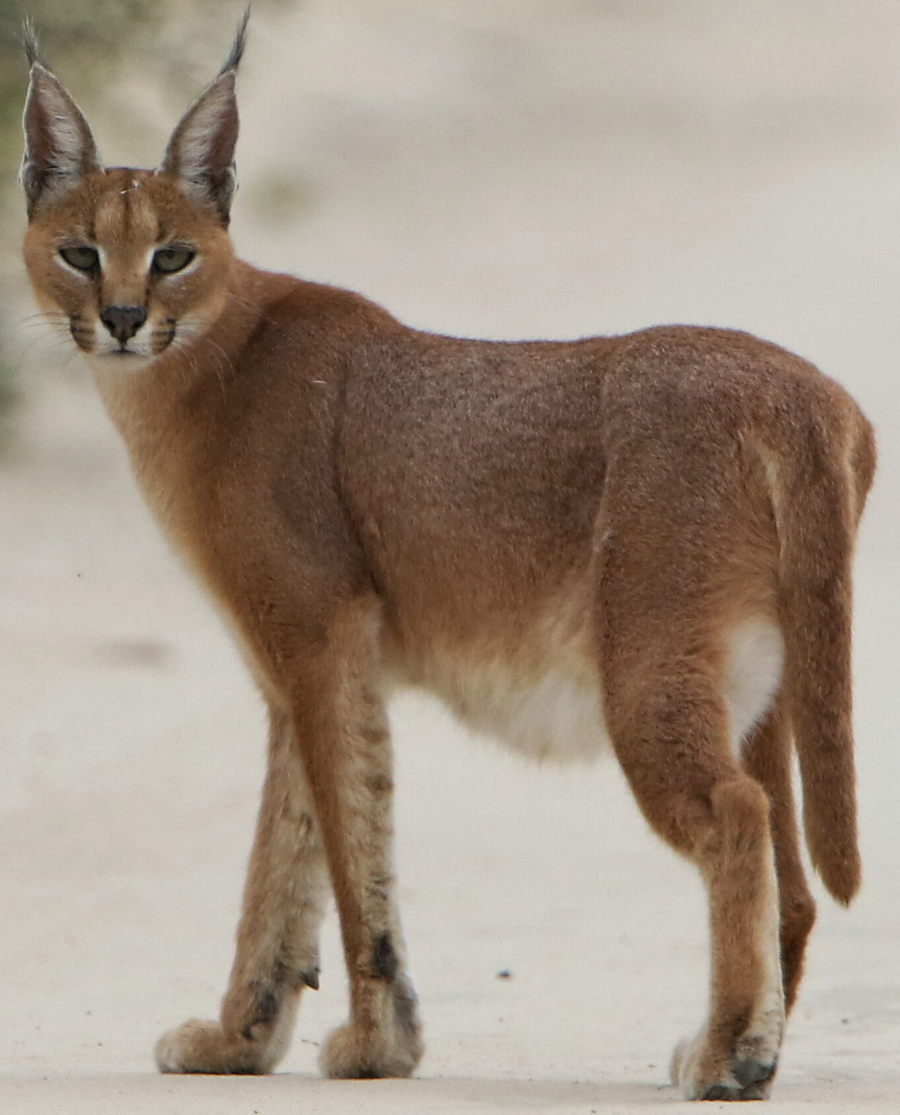
Mammal
The tufted hunter of Africa and Asia
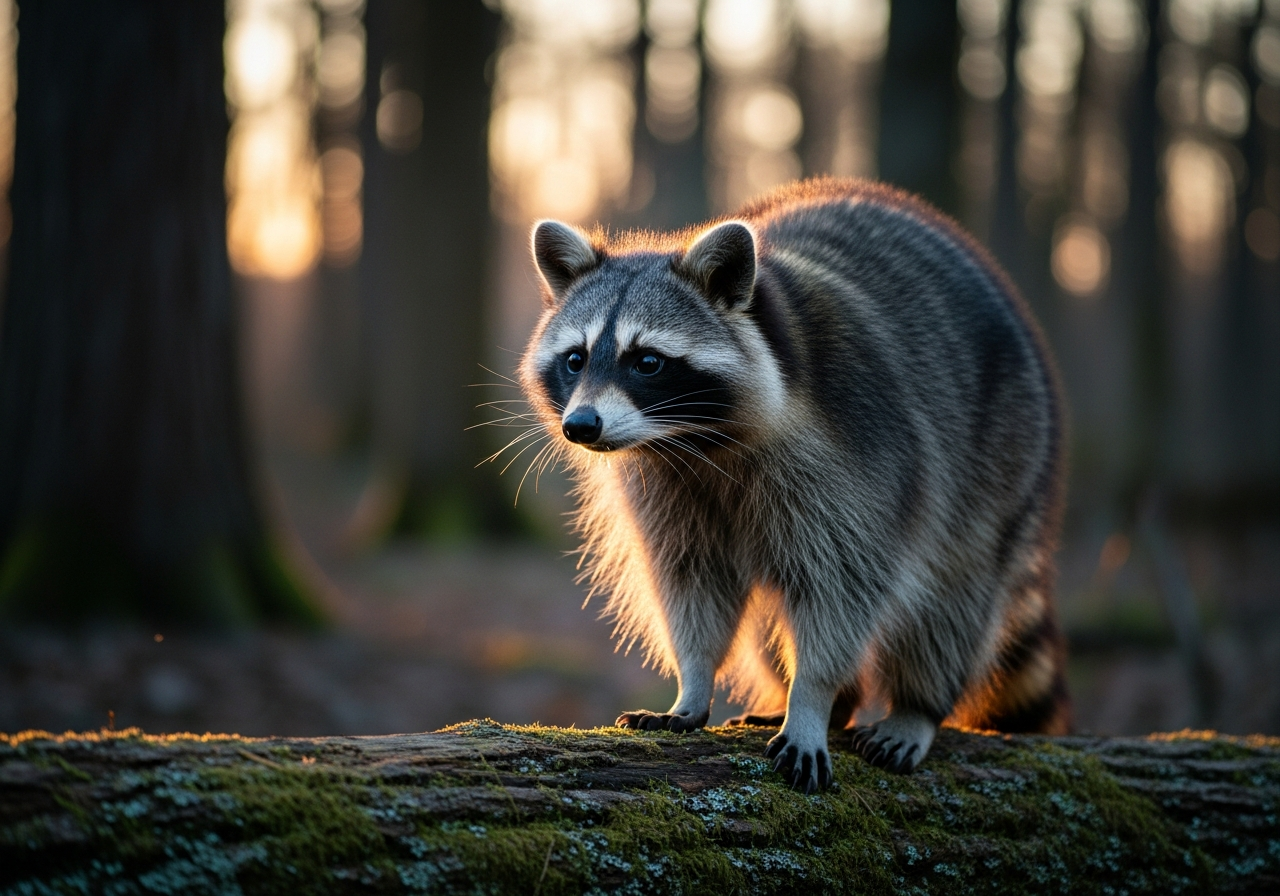
Mammal
The masked, clever-handed night raider
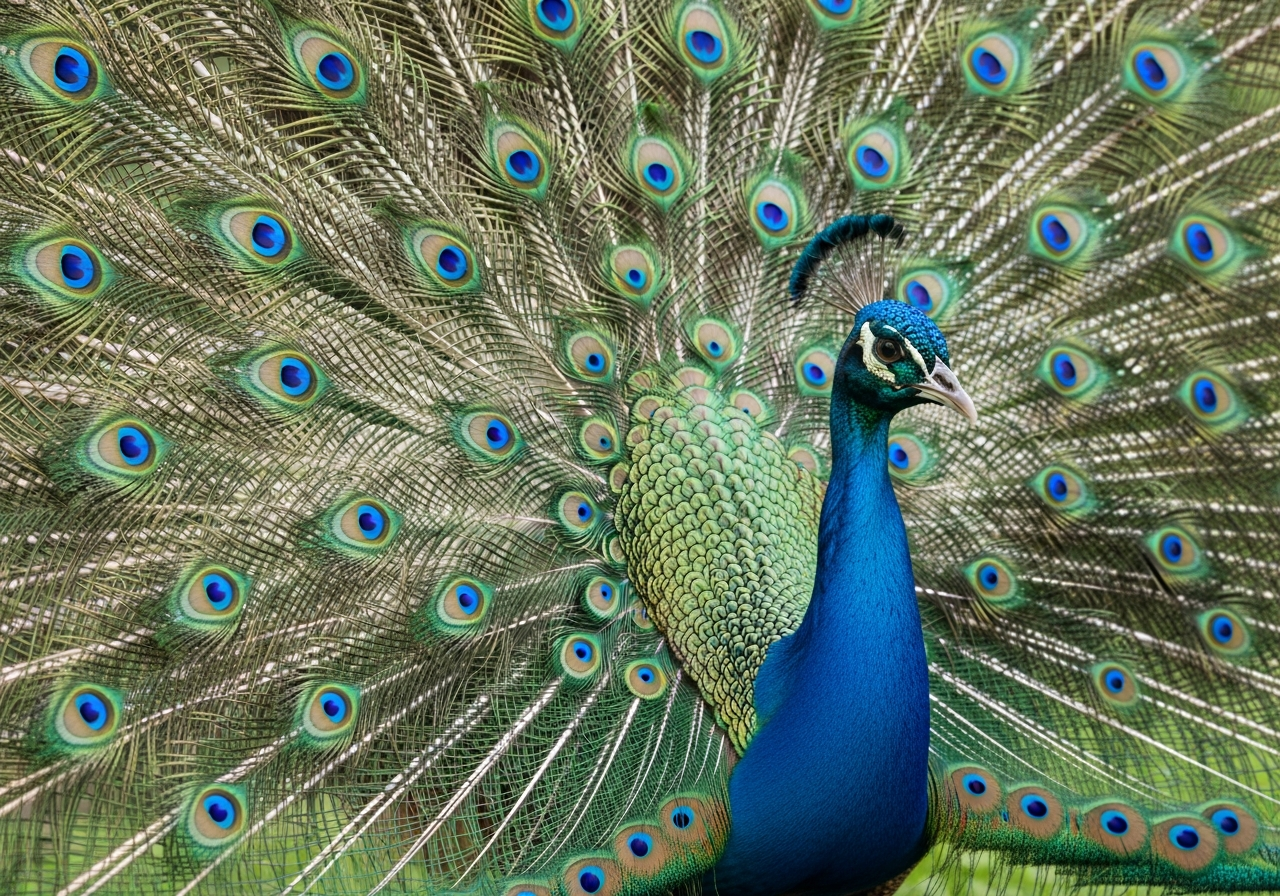
Bird
The dazzling showman of the bird world
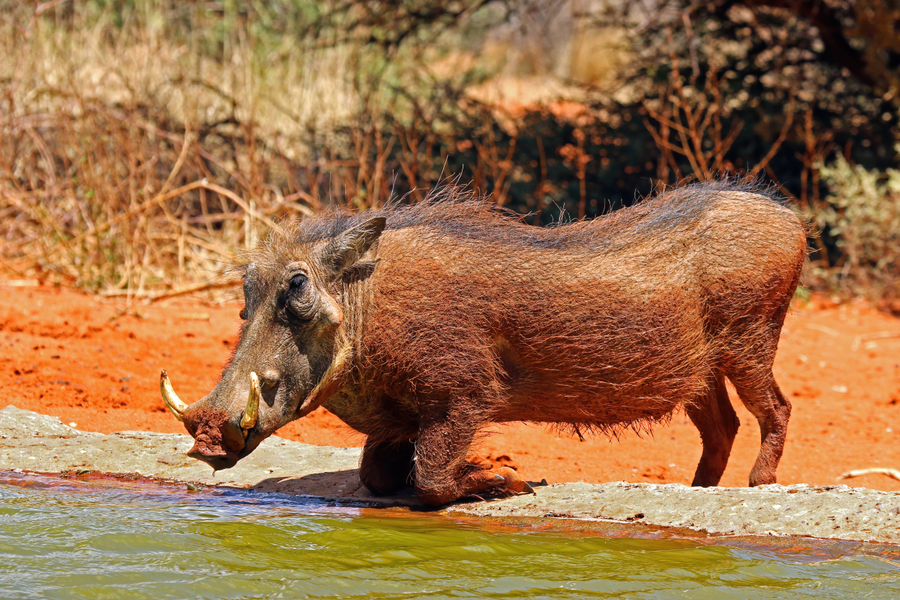
Mammal
Africa's tusked savanna pig
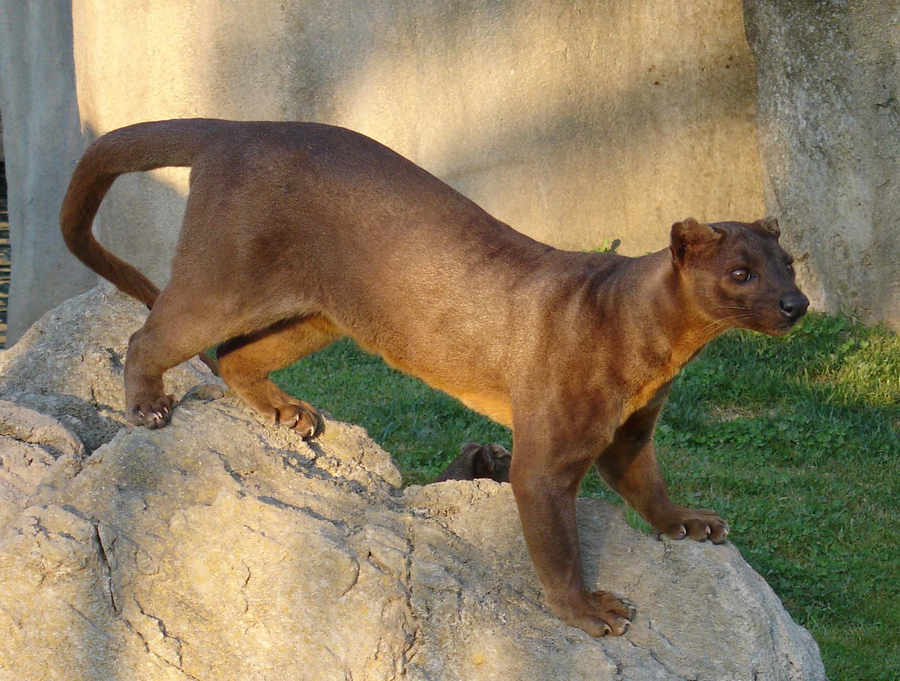
Mammal
Cat-like apex predator of Madagascar
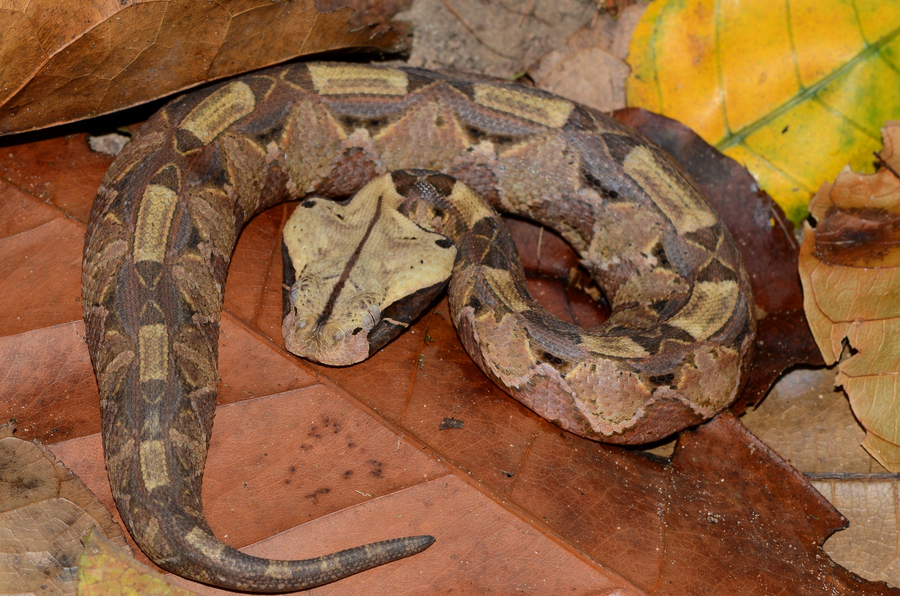
Reptile
Heavy rainforest viper with huge fangs
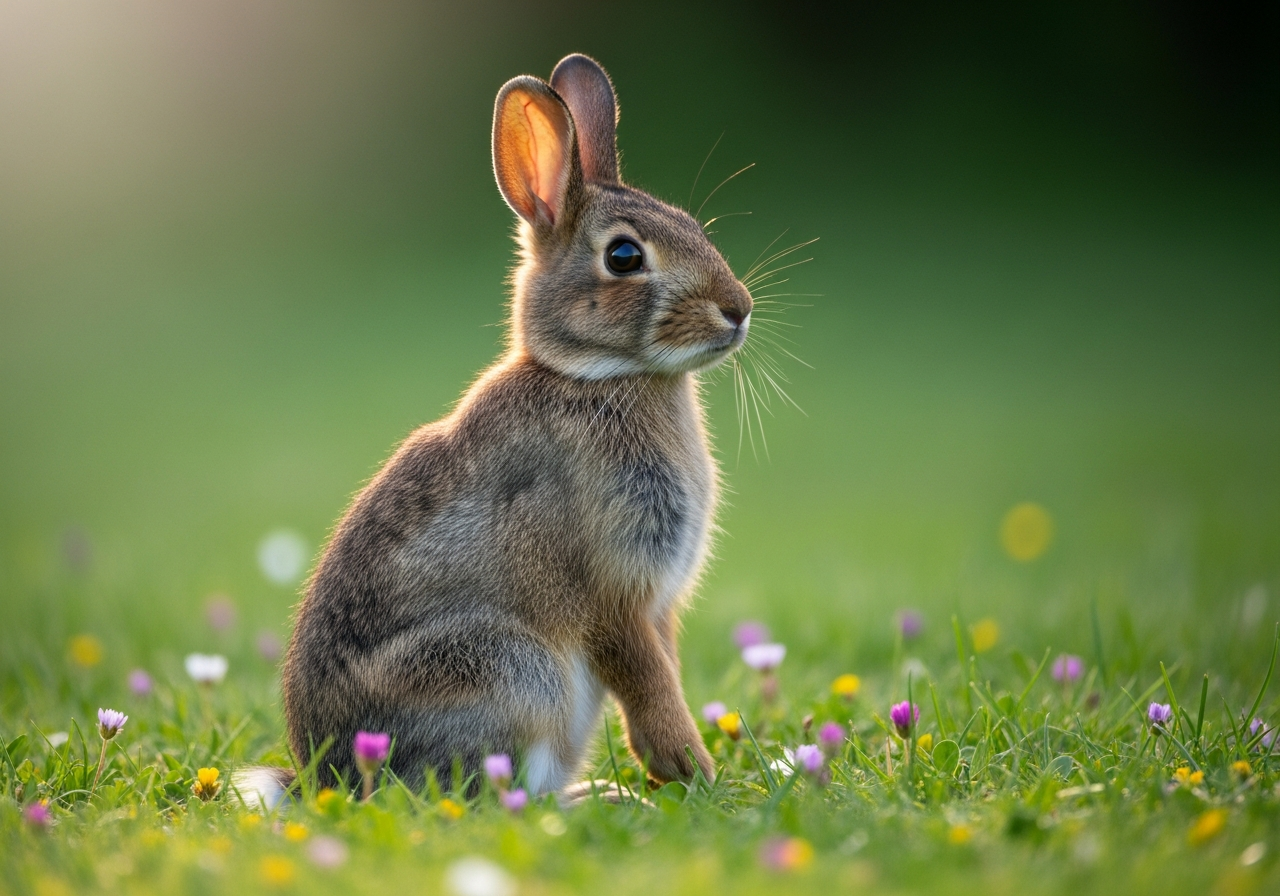
Mammal
The fast-breeding pet and classic prey animal
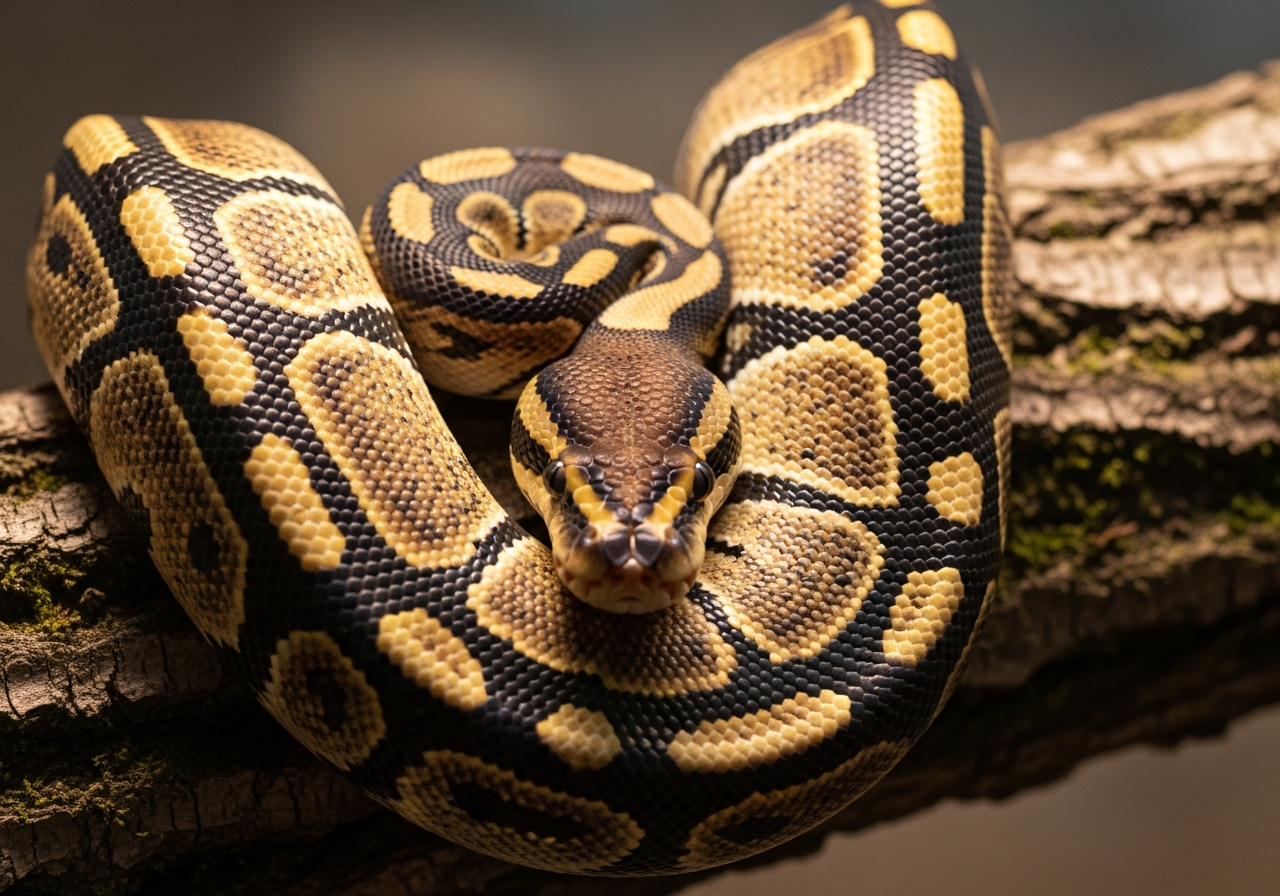
Reptile
The gentle constrictor that curls into a ball
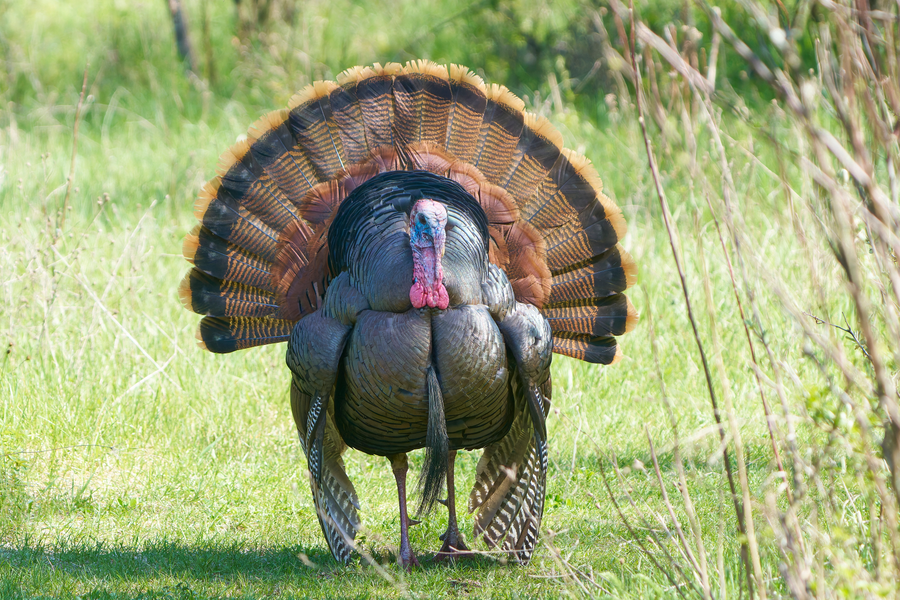
Bird
North America's ground bird
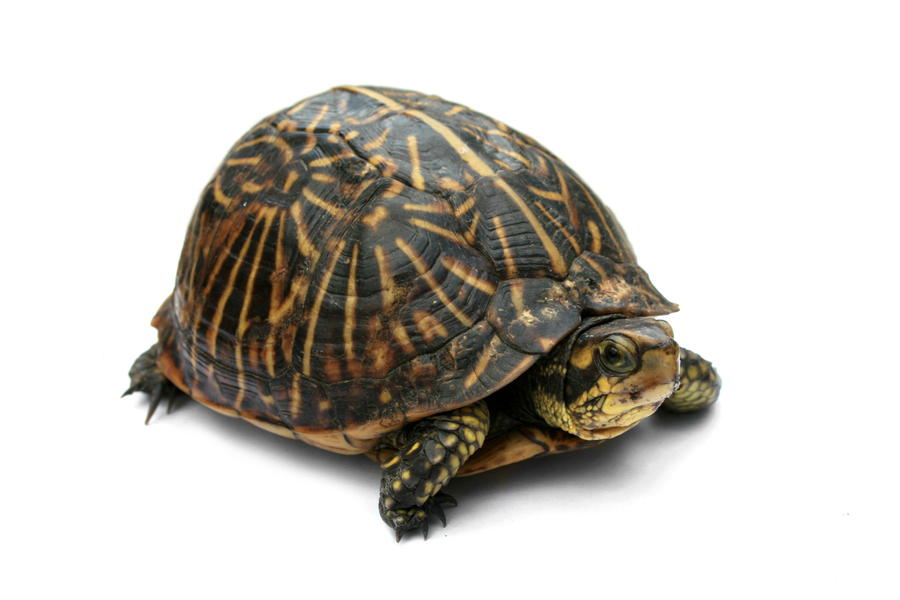
Reptile
North America's hinged turtle
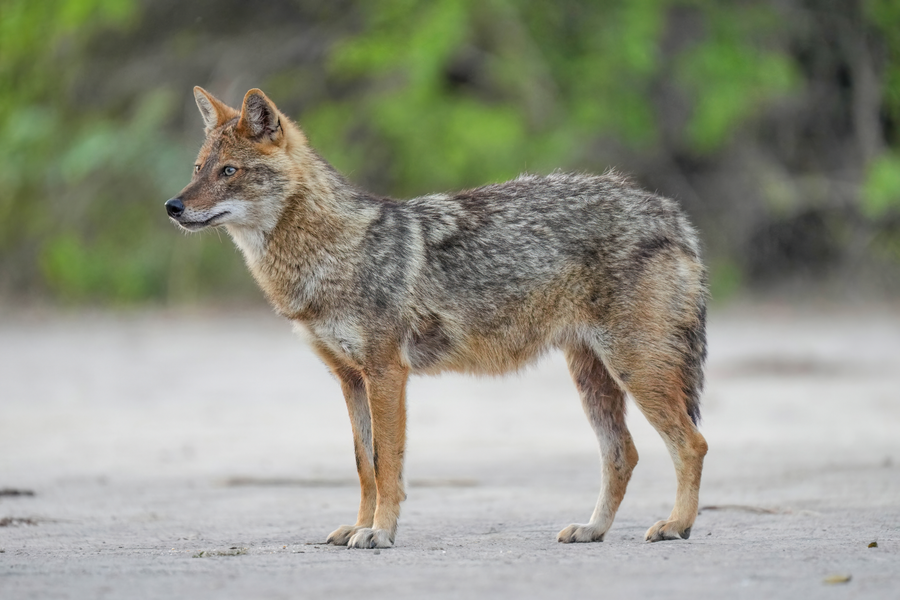
Mammal
The adaptable wild dog of three continents
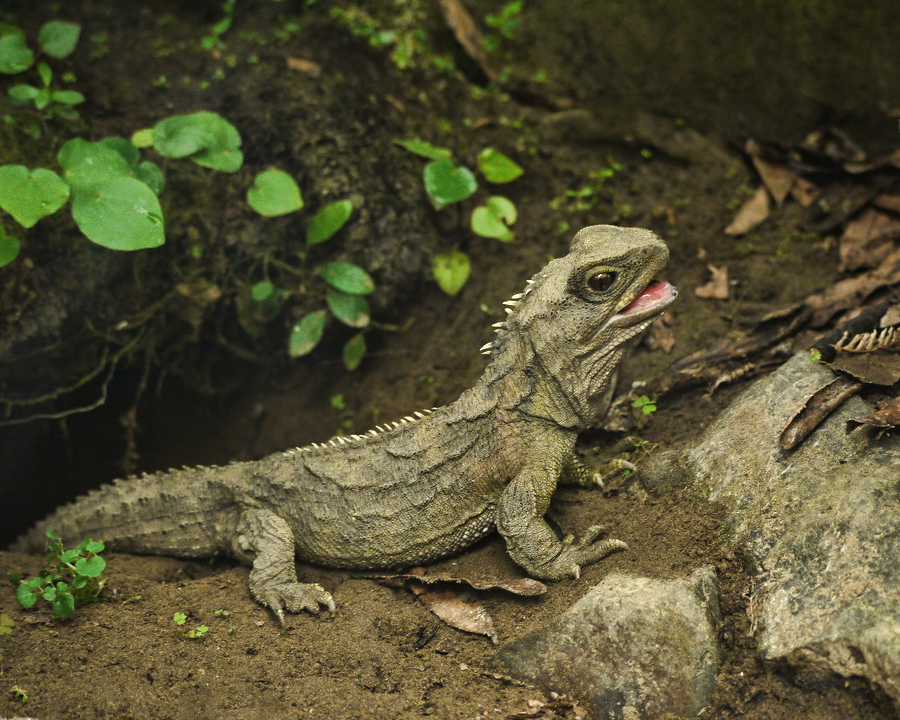
Reptile
Living-fossil reptile unique to New Zealand
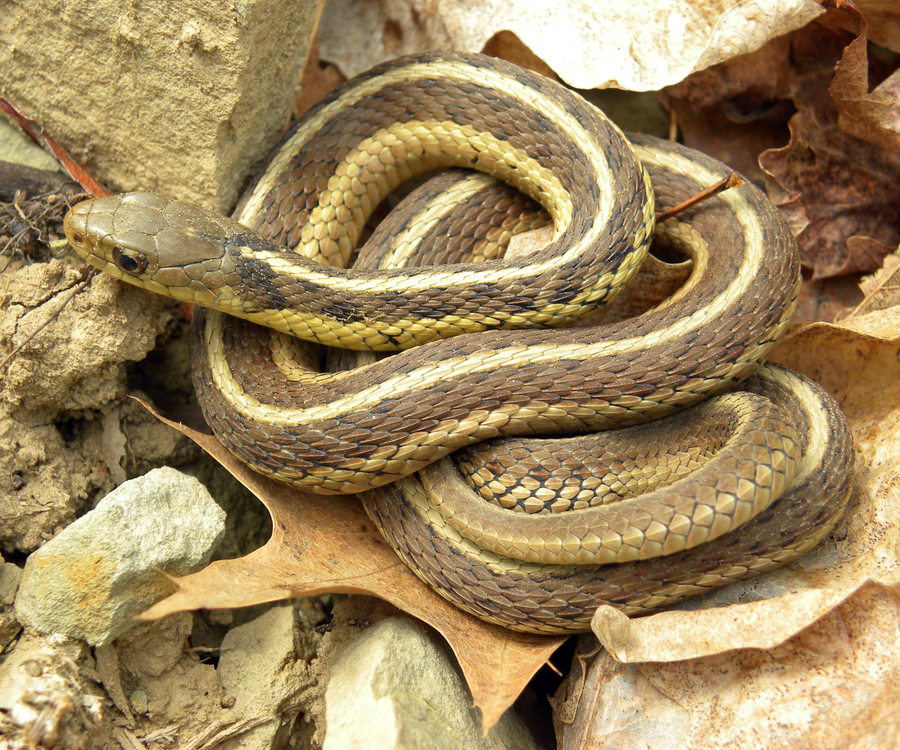
Reptile
Familiar harmless snake of North American yards
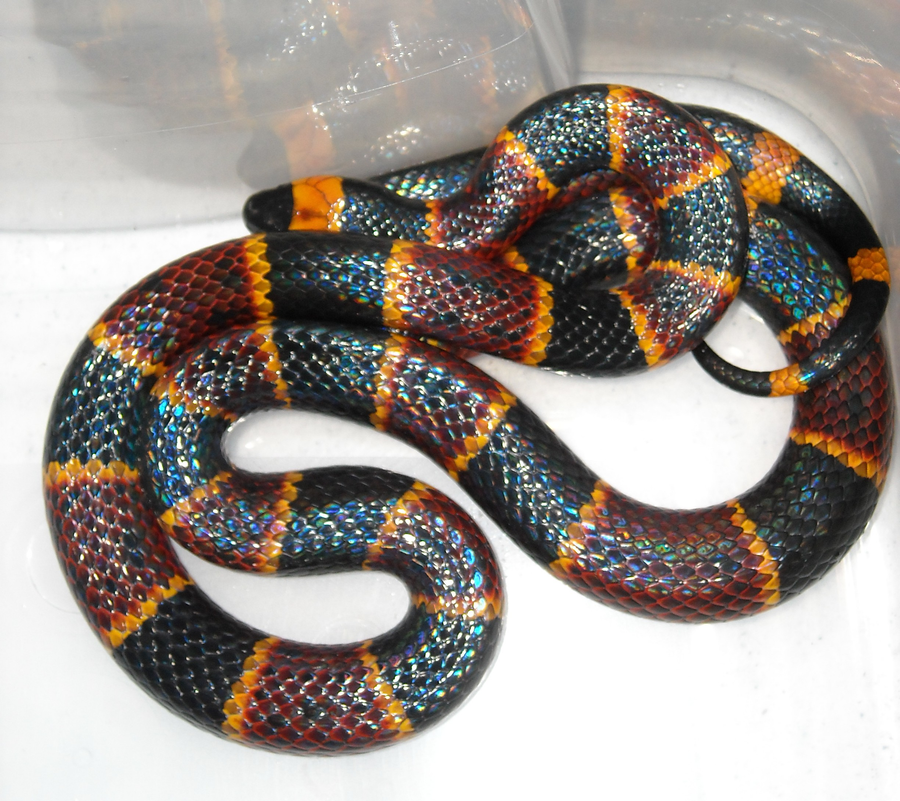
Reptile
Brightly banded venomous elapid of the Southeast
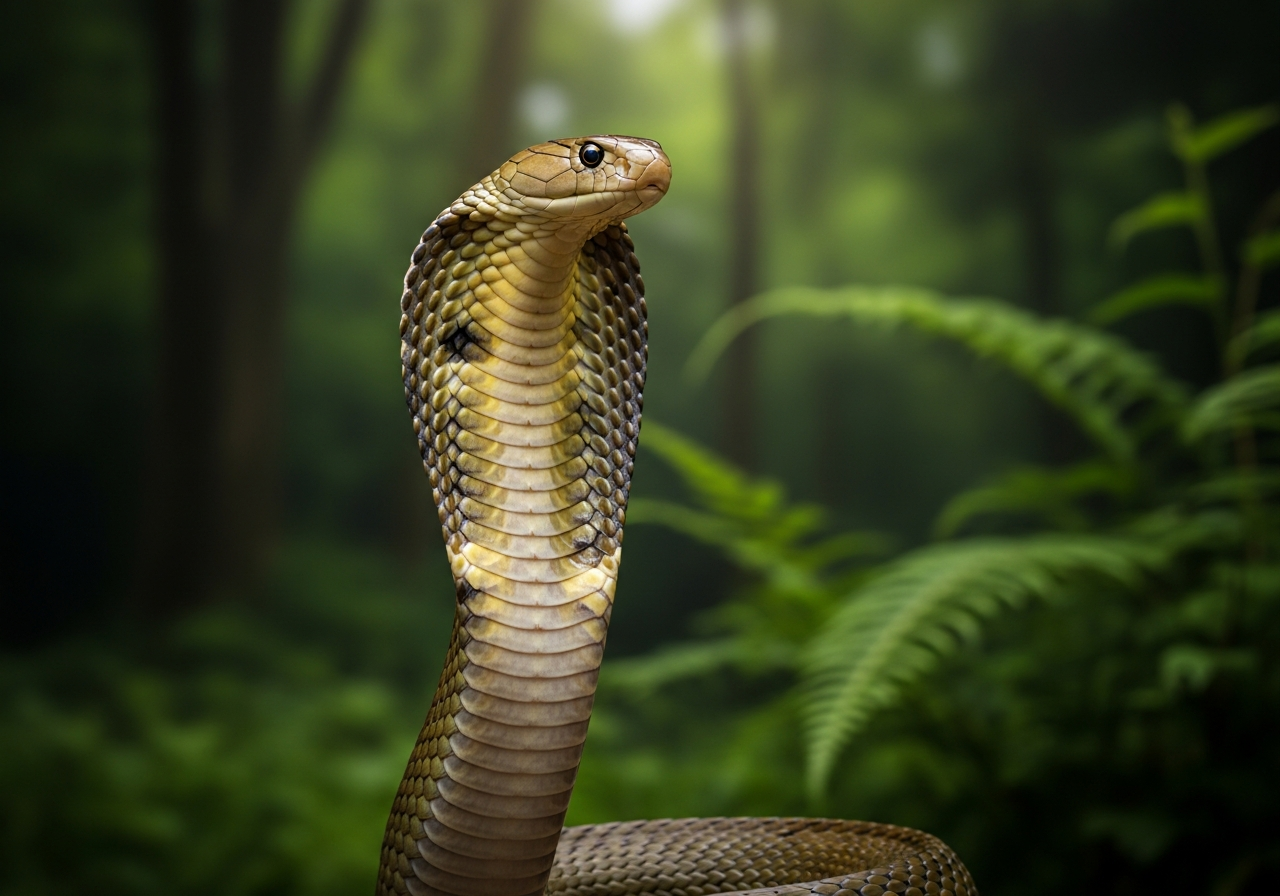
Reptile
The world's longest venomous snake
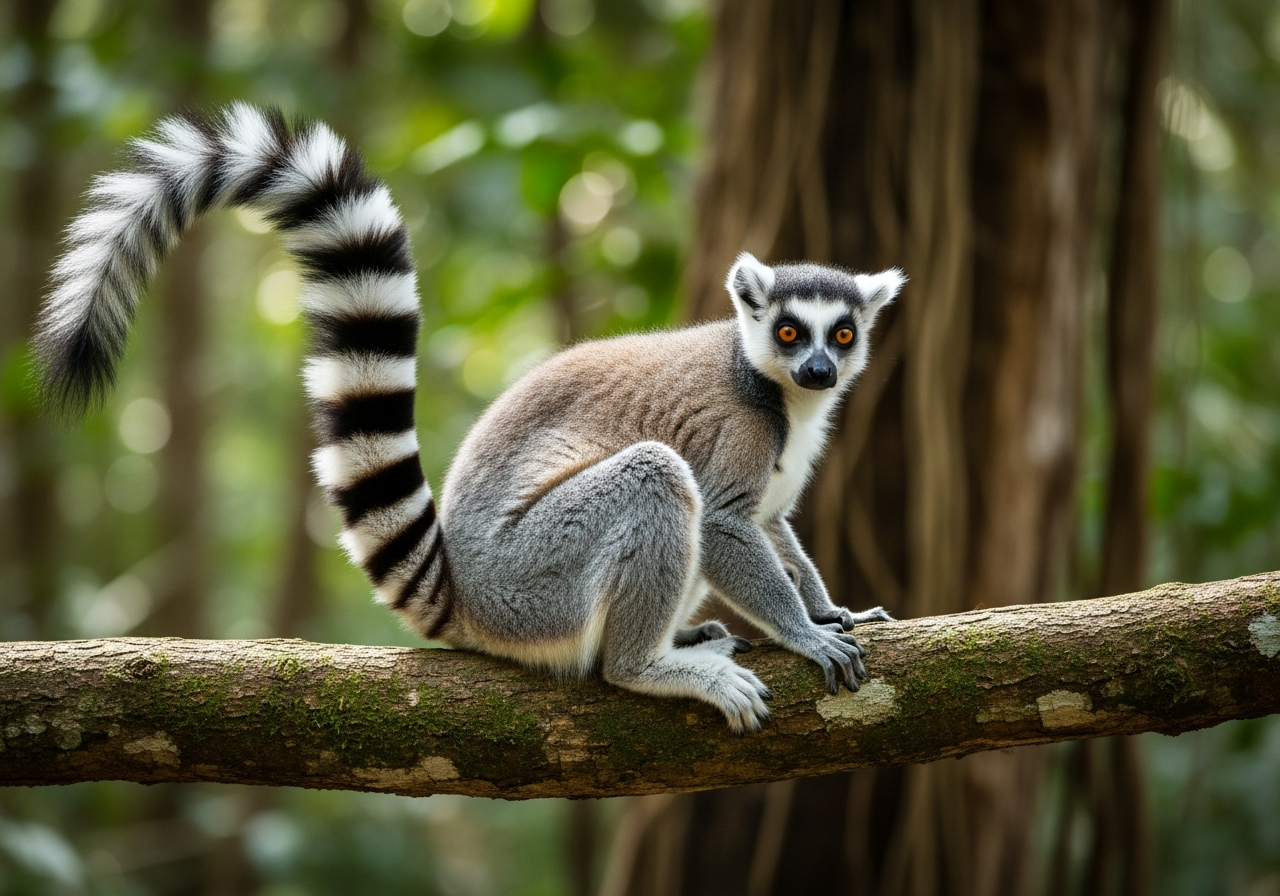
Mammal
Madagascar's striped-tailed, sun-bathing primate
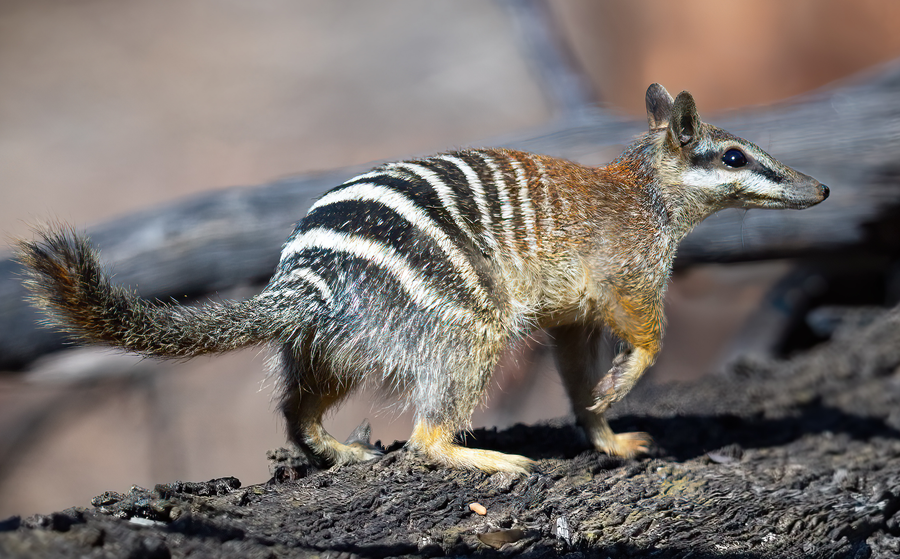
Mammal
Diurnal termite-eating marsupial
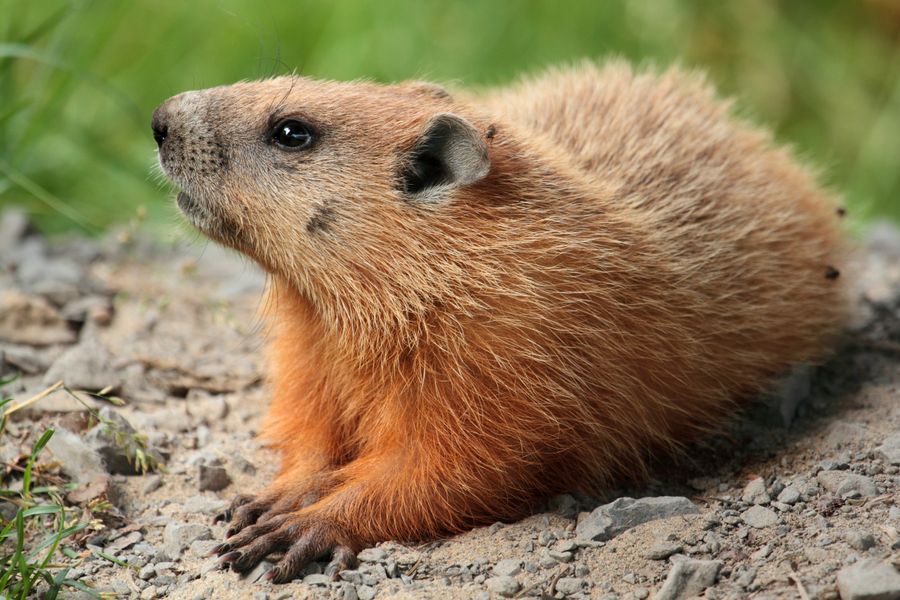
Mammal
North America's weather-watching marmot
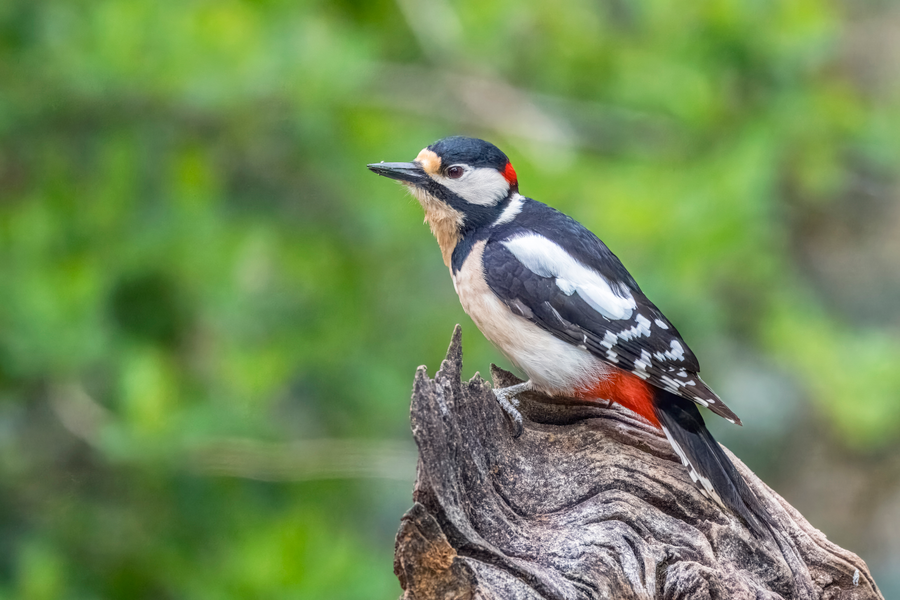
Bird
Europe's drumming carpenter
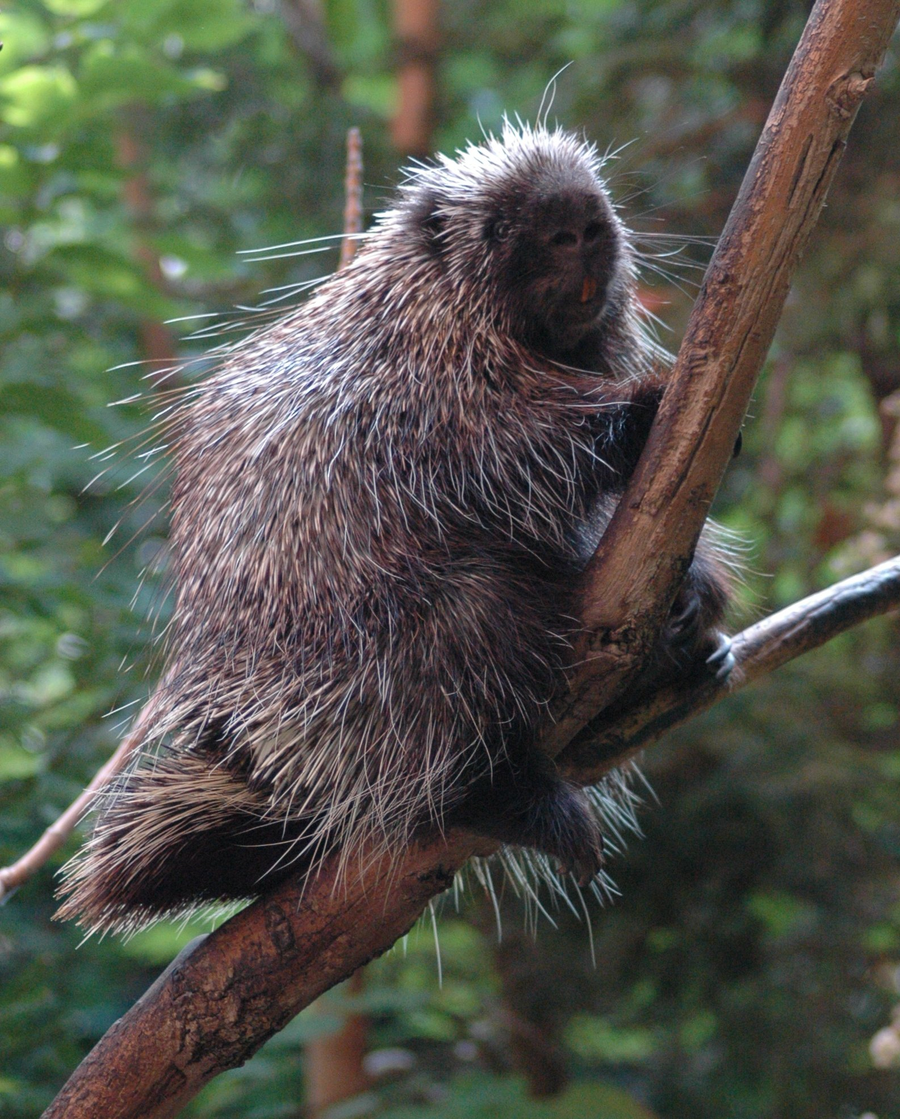
Mammal
The quilled climber of northern forests
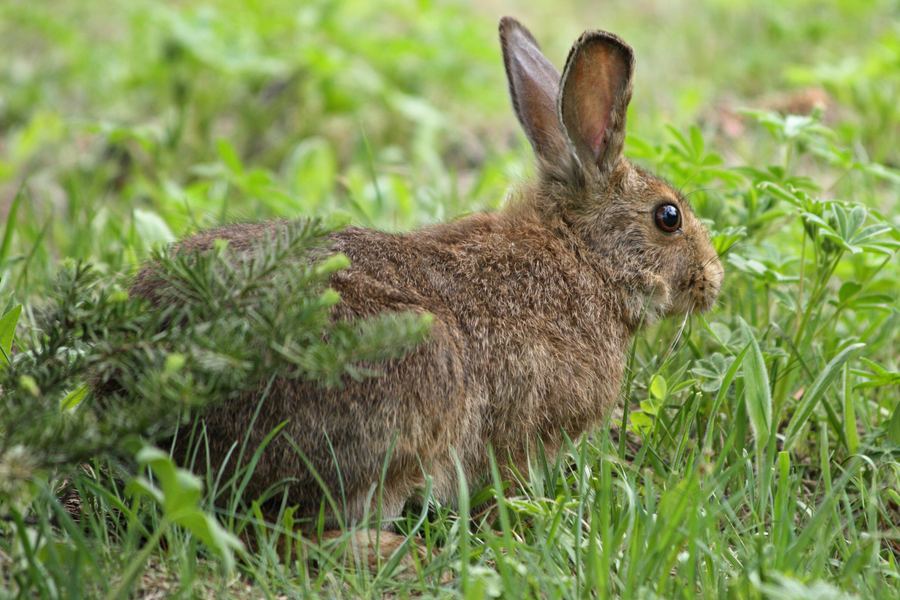
Mammal
Colour-changing hare of northern forests
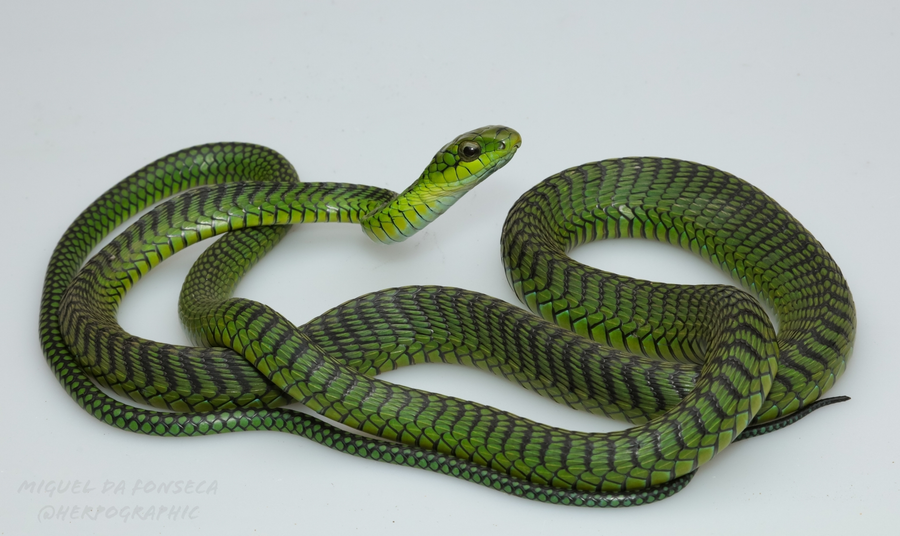
Reptile
Arboreal African snake with potent venom
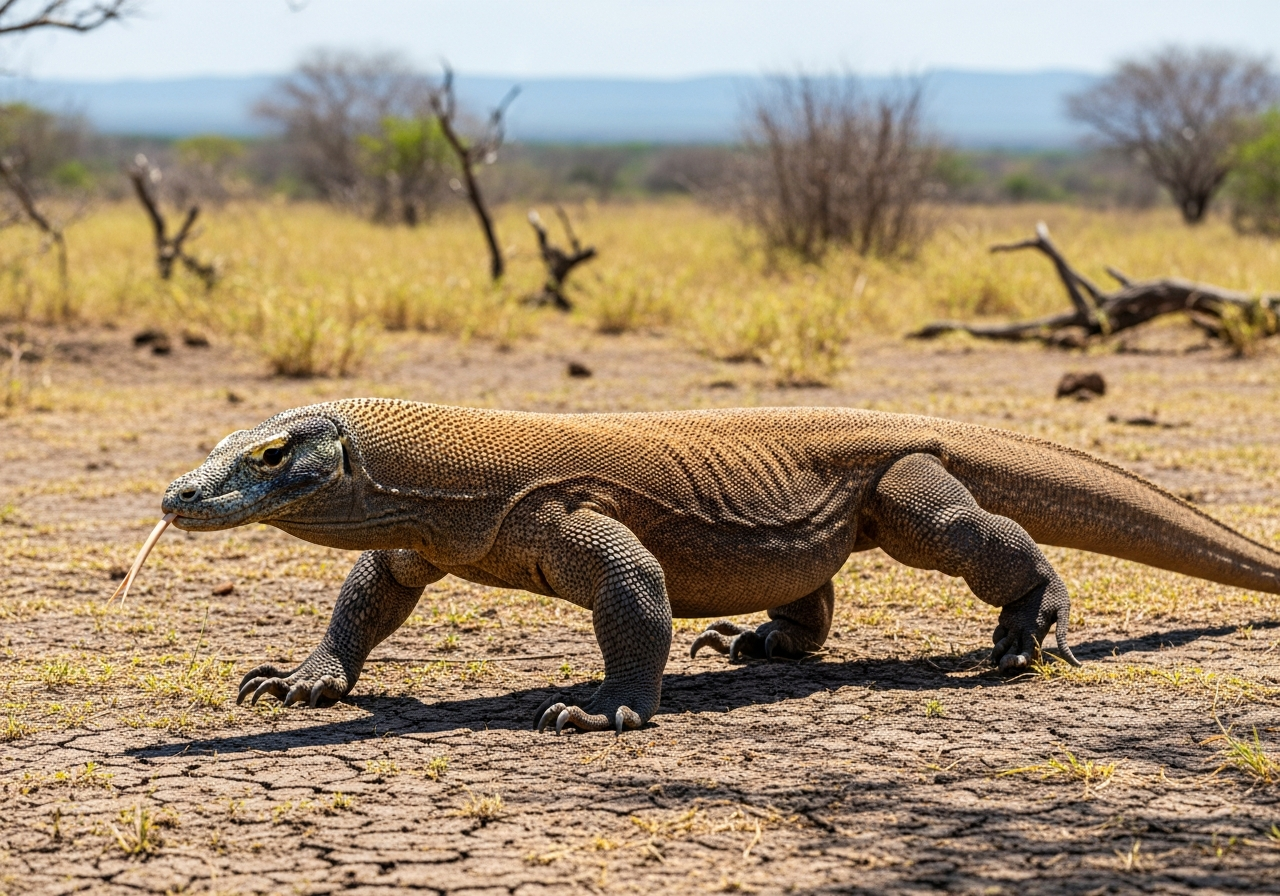
Reptile
The largest lizard on Earth
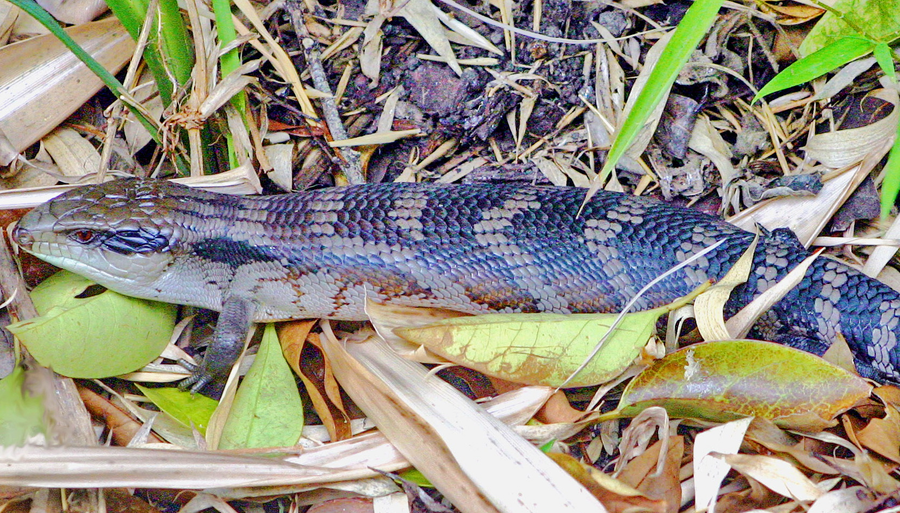
Reptile
Stocky Australian skink with a blue tongue
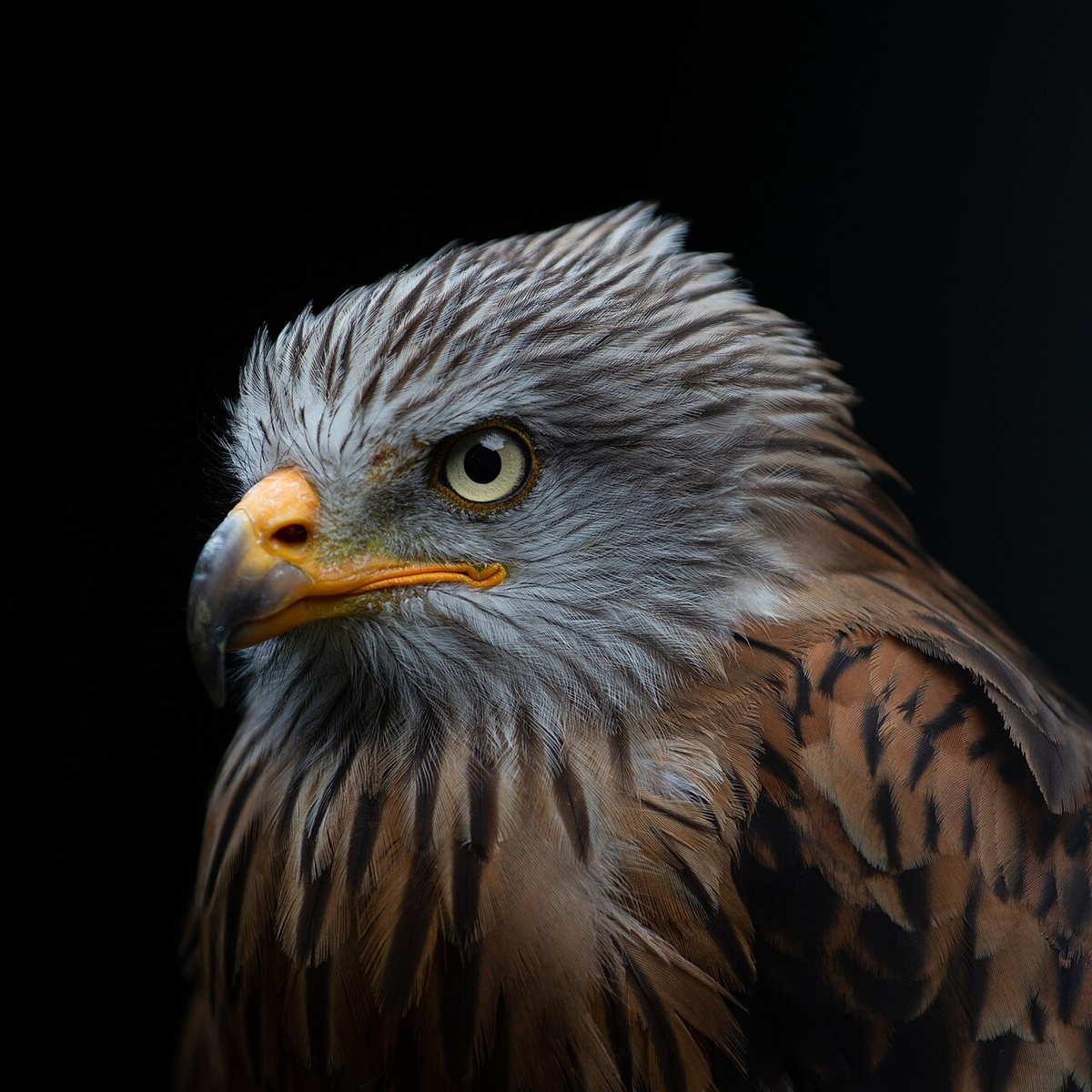
Bird
Powerful forest hawk of the north
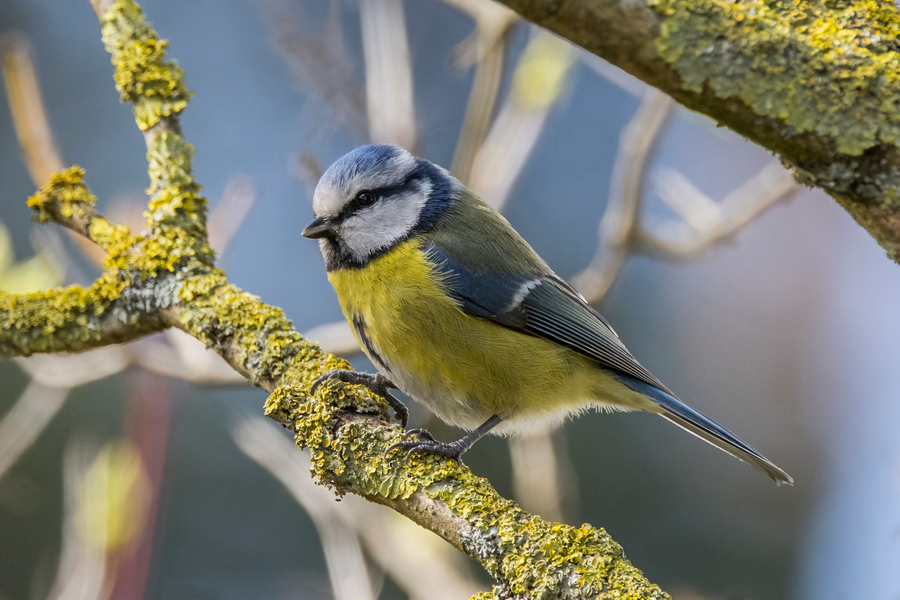
Bird
Acrobatic garden tit of Europe
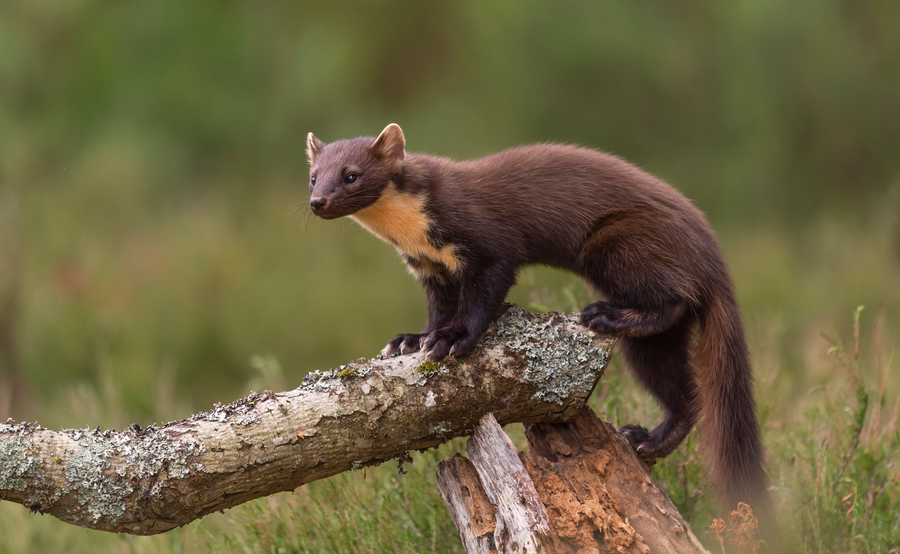
Mammal
The agile forest mustelid
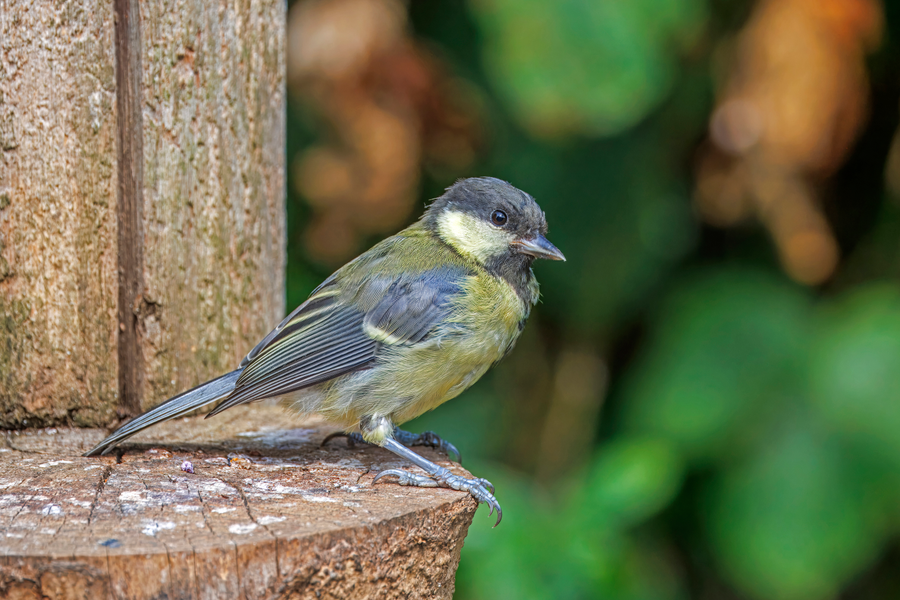
Bird
Bold black-capped tit of Eurasian gardens
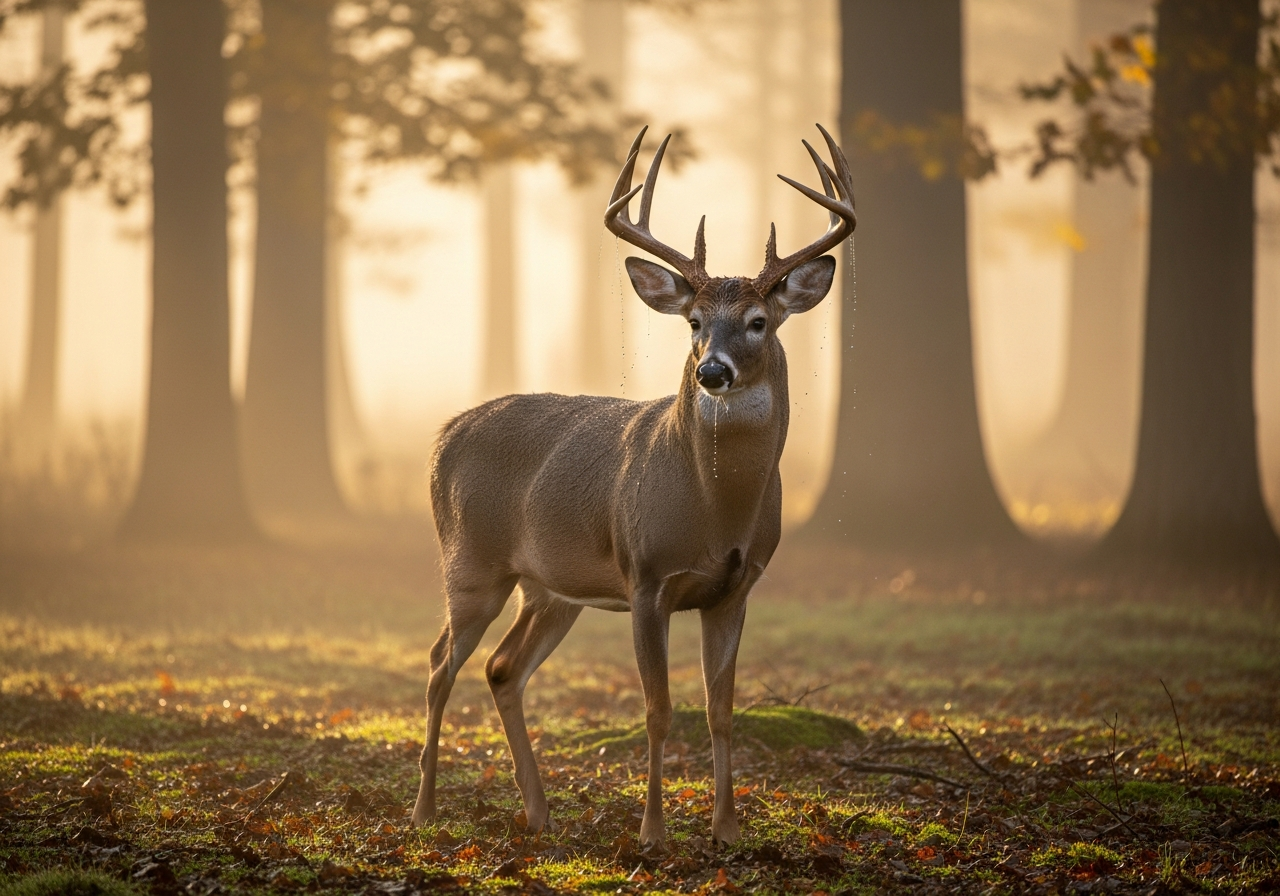
Mammal
The Americas' most familiar deer
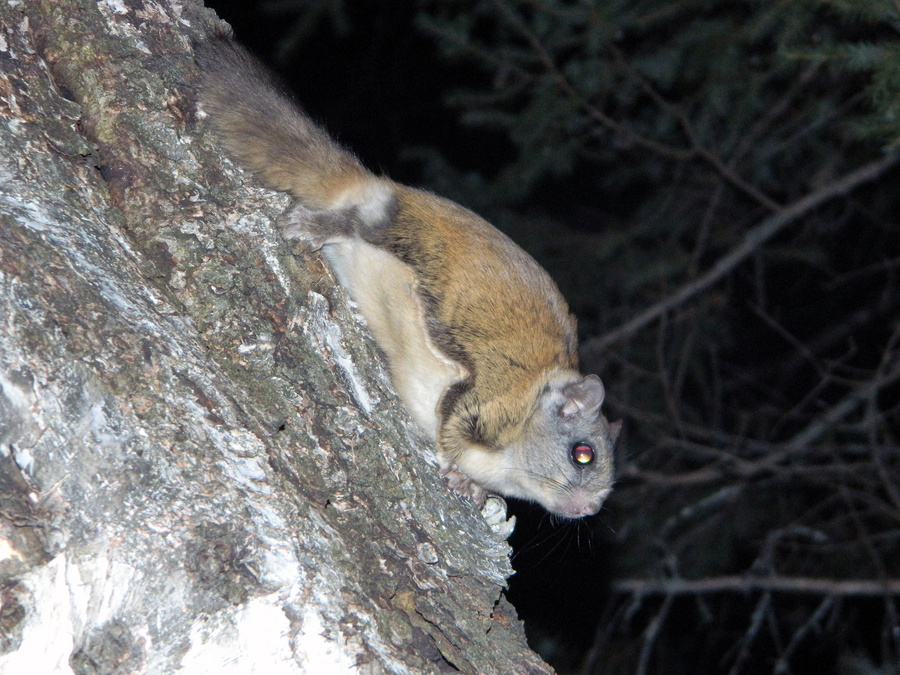
Mammal
North America's gliding rodent
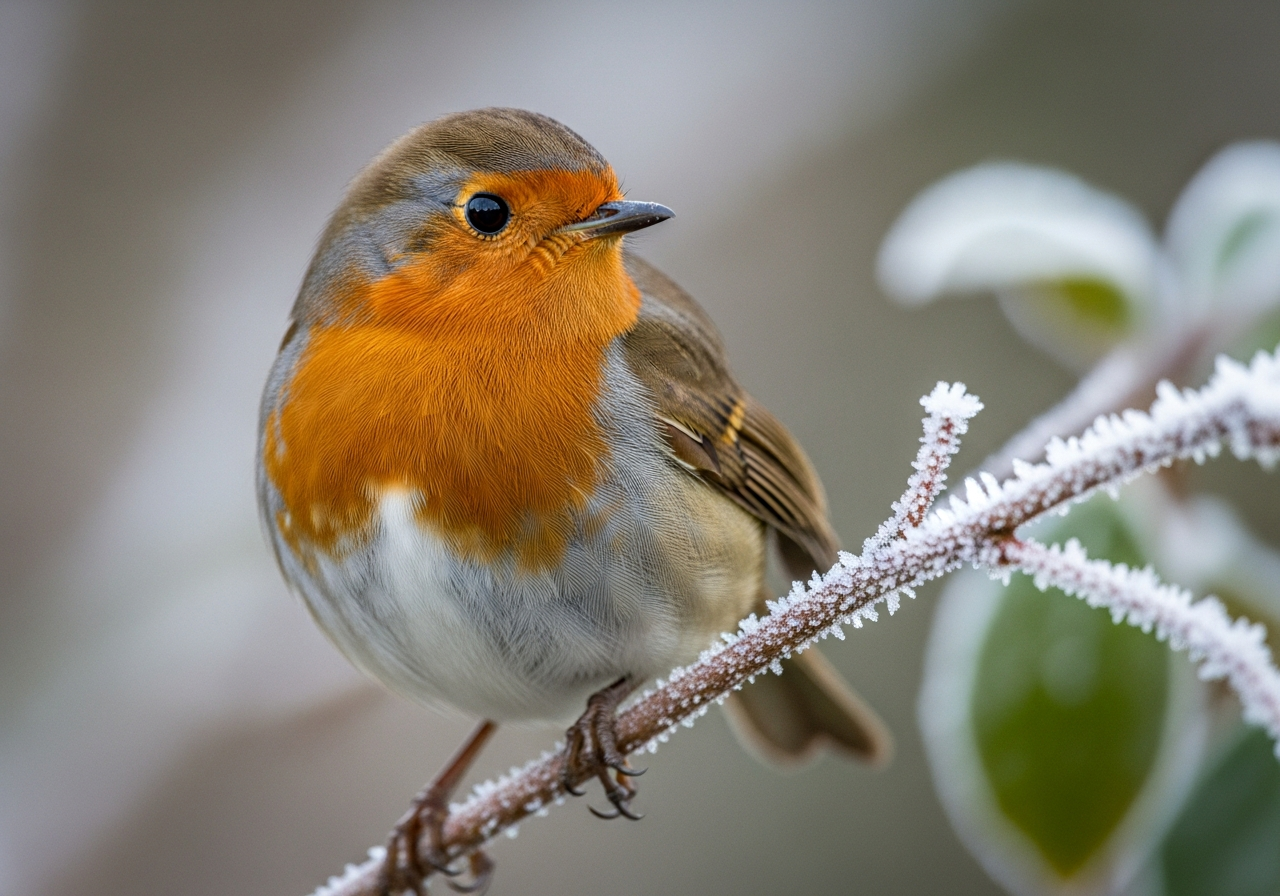
Bird
Britain's beloved red-breasted garden bird
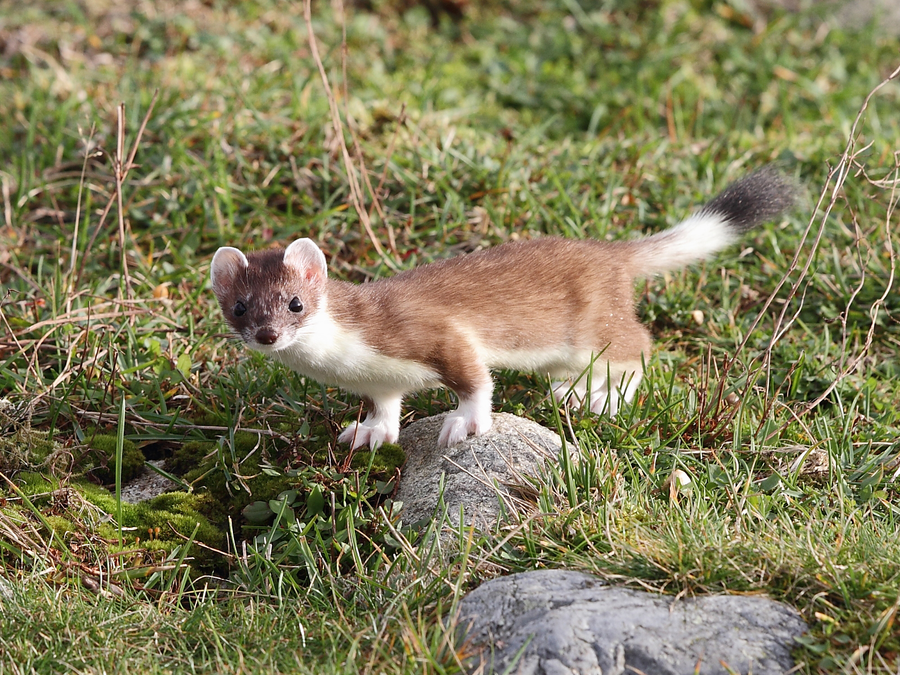
Mammal
The ermine in winter white
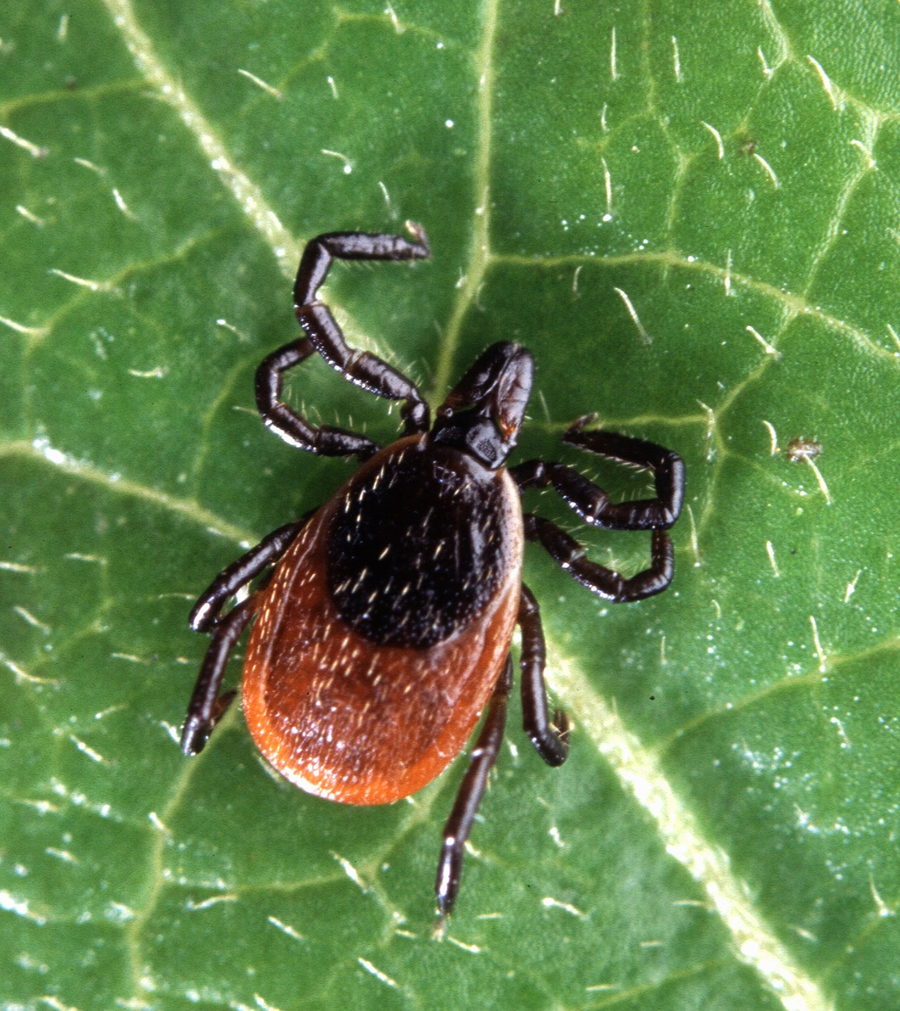
Invertebrate
The Lyme disease vector of eastern forests
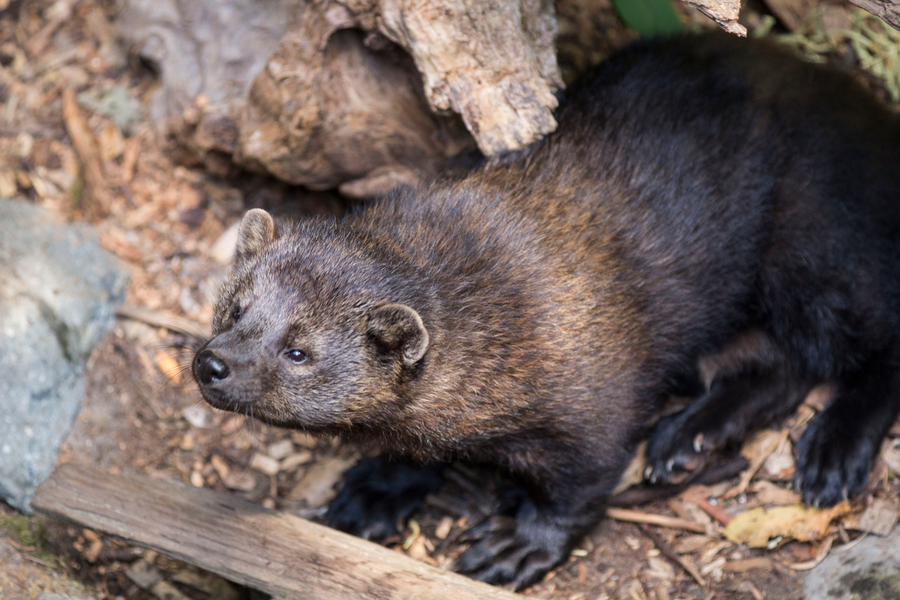
Mammal
Arboreal mustelid that can prey on porcupines
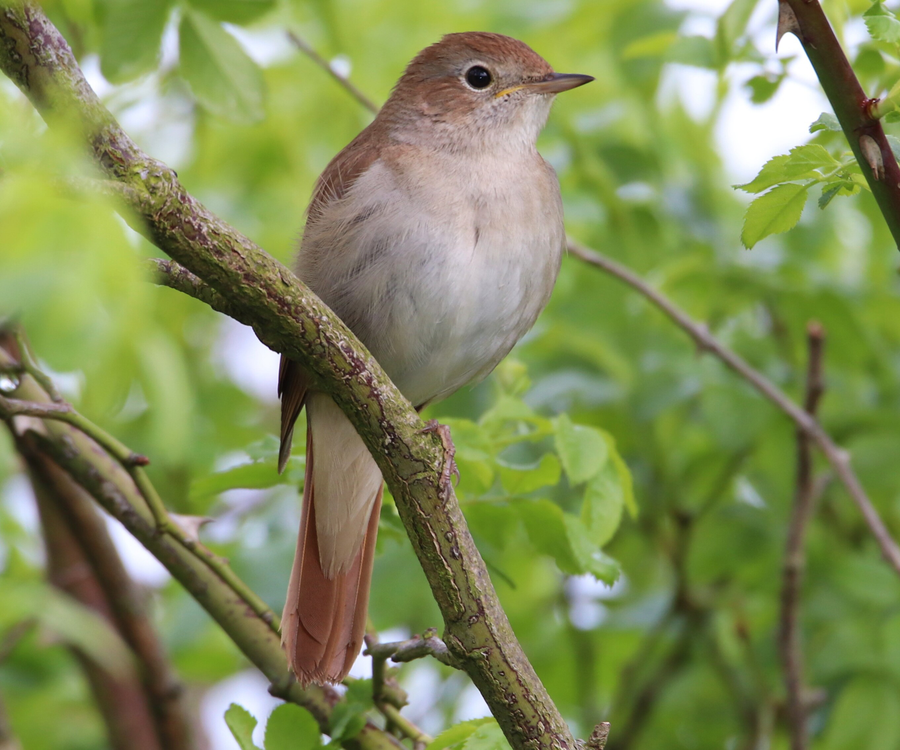
Bird
Famed nocturnal songster of European spring
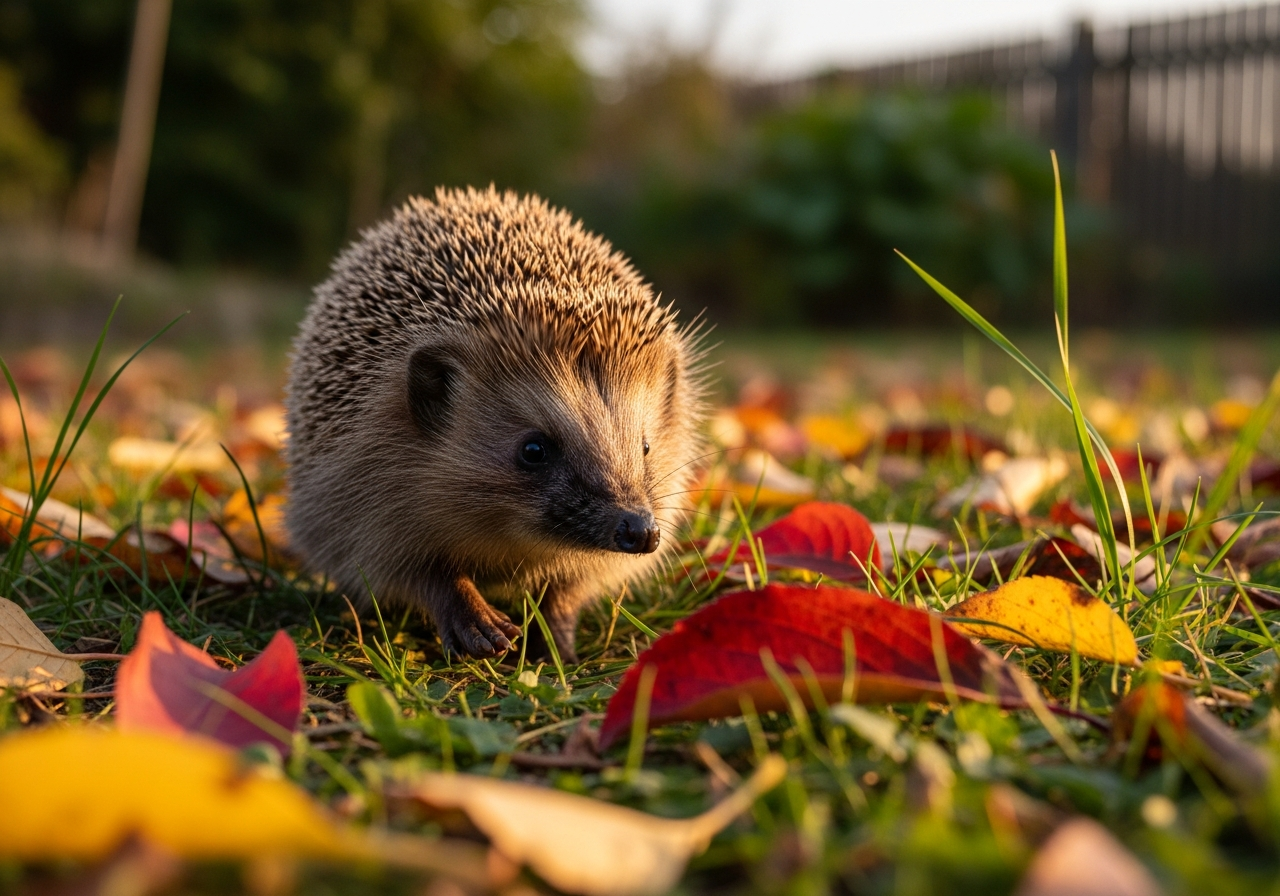
Mammal
The spiny night-time garden visitor
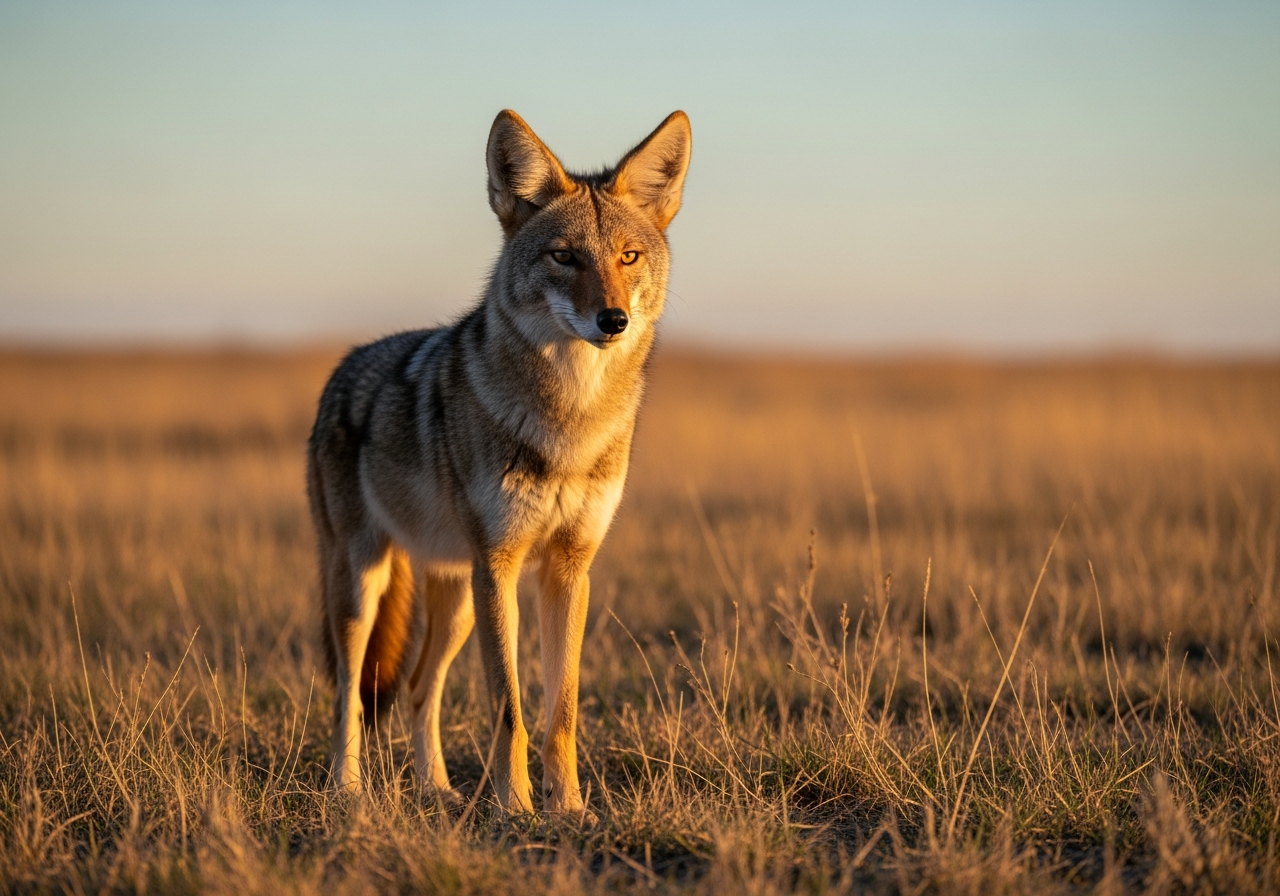
Mammal
North America's adaptable 'song dog'
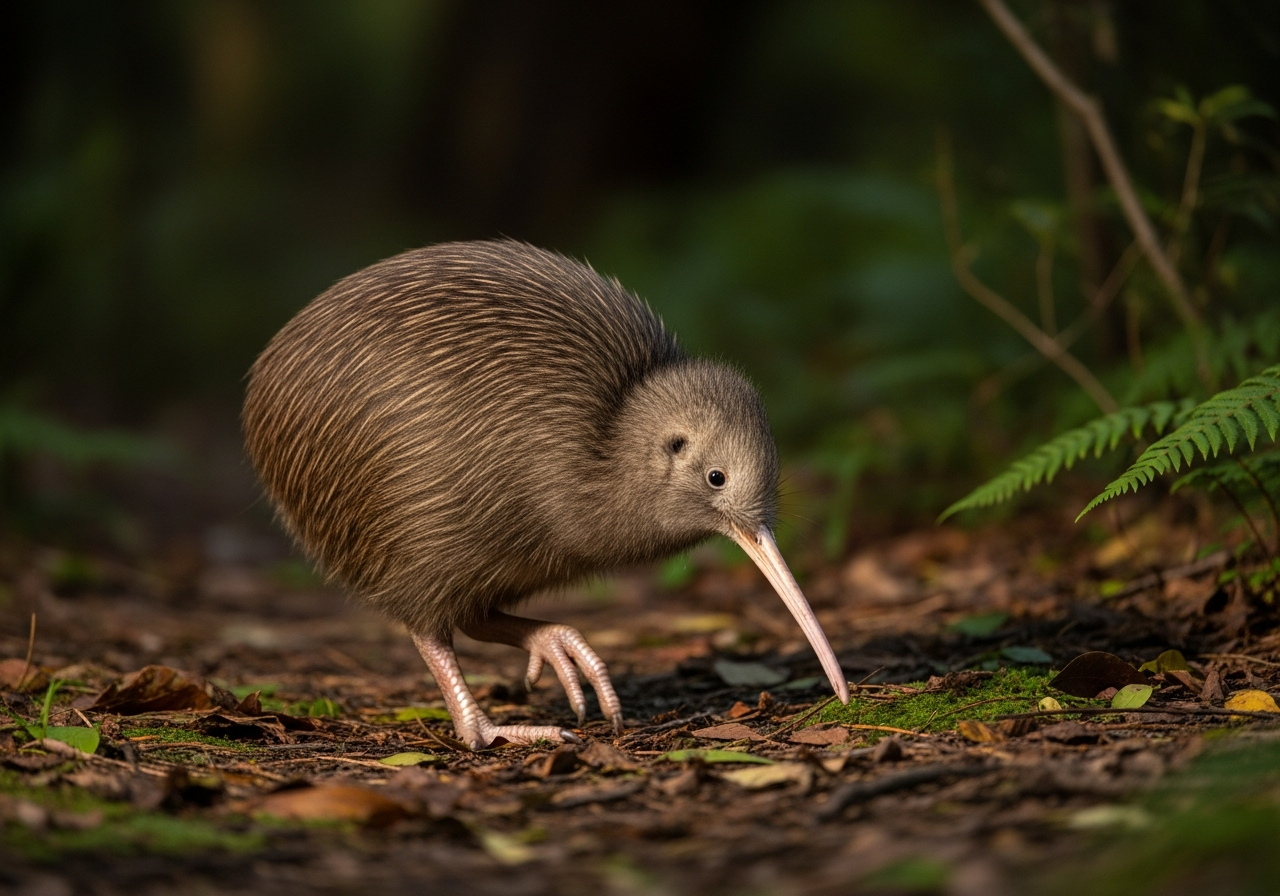
Bird
New Zealand's flightless nocturnal bird with nostrils at the tip of its bill
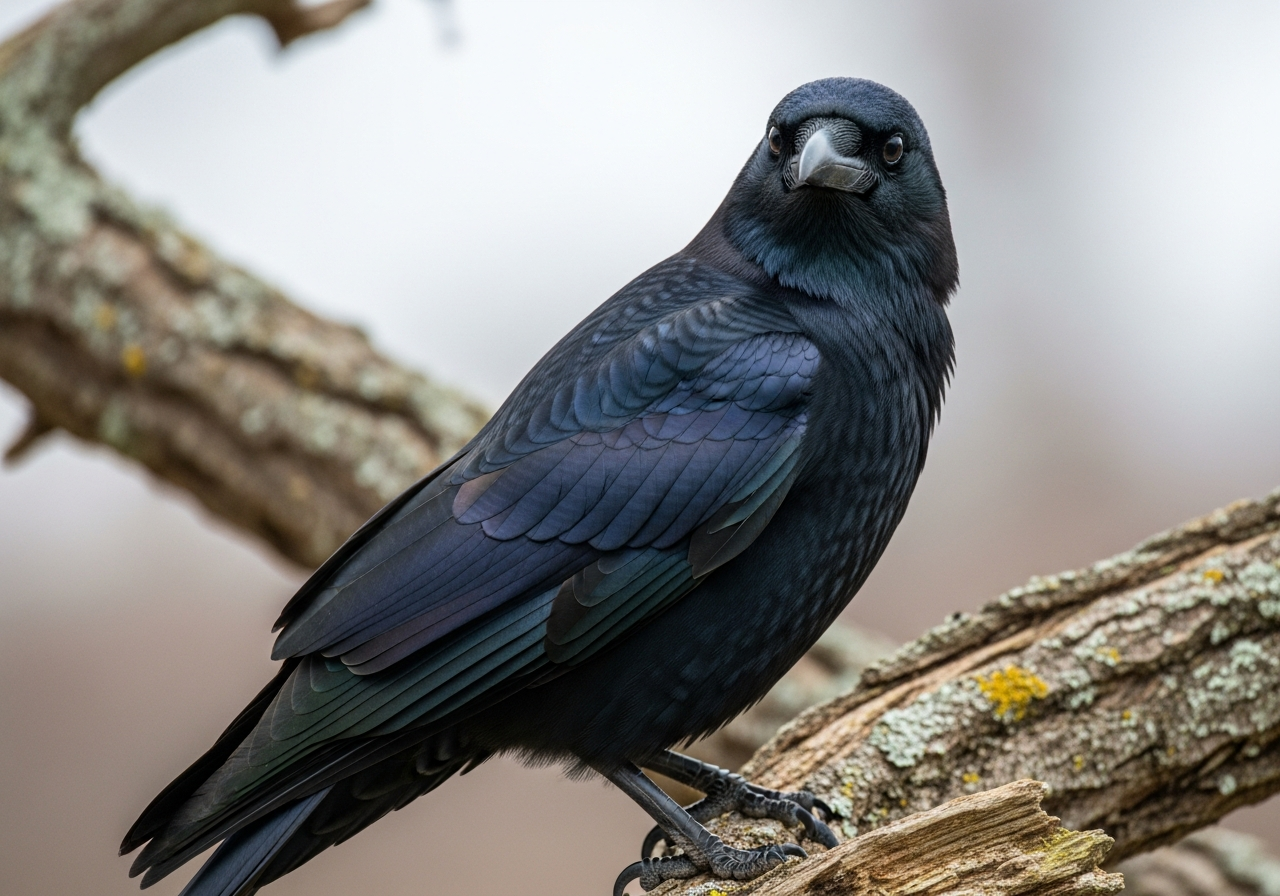
Bird
The glossy black genius of the bird world
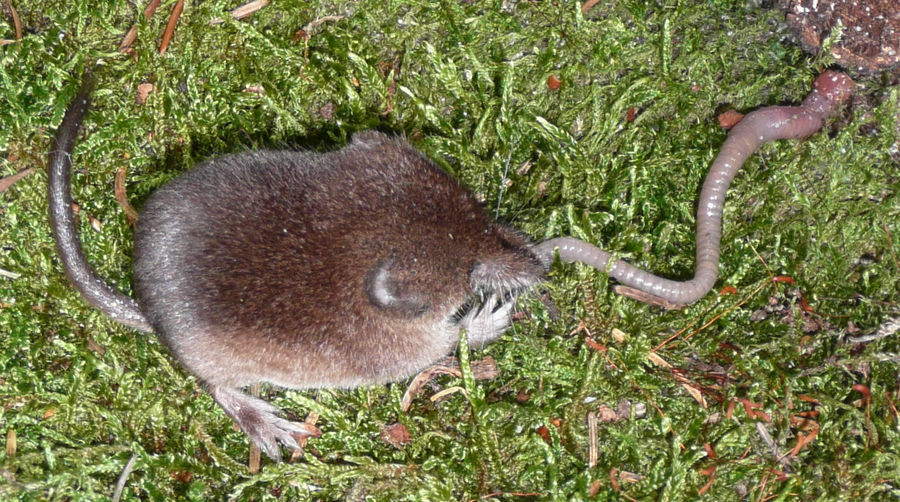
Mammal
The tiny insectivore with a fierce appetite
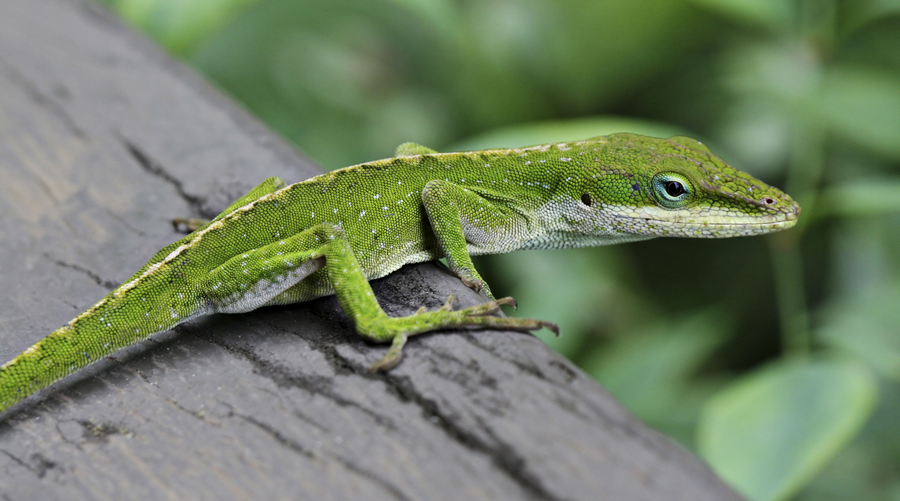
Reptile
Colour-changing lizard of southern US gardens
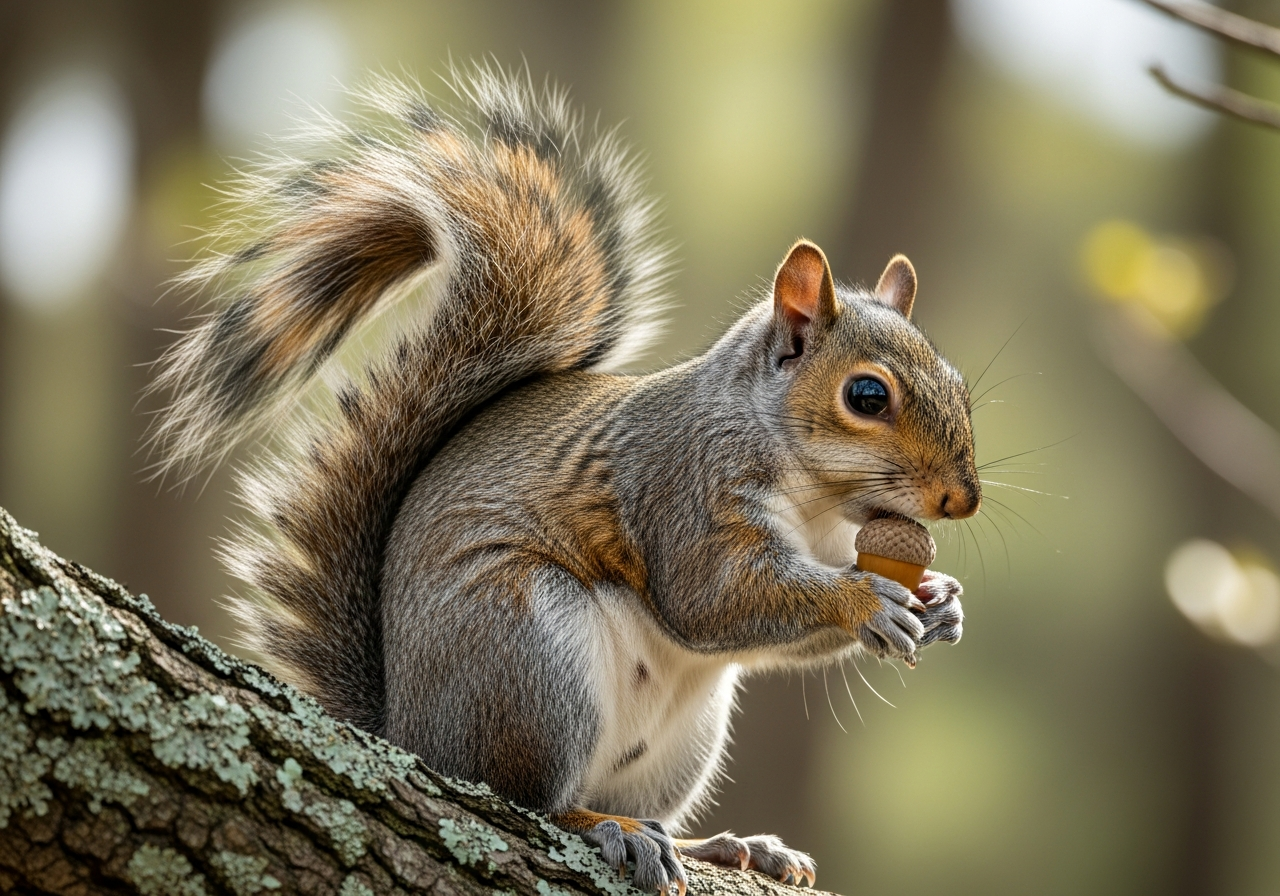
Mammal
The agile, tree-climbing rodent of parks and woods
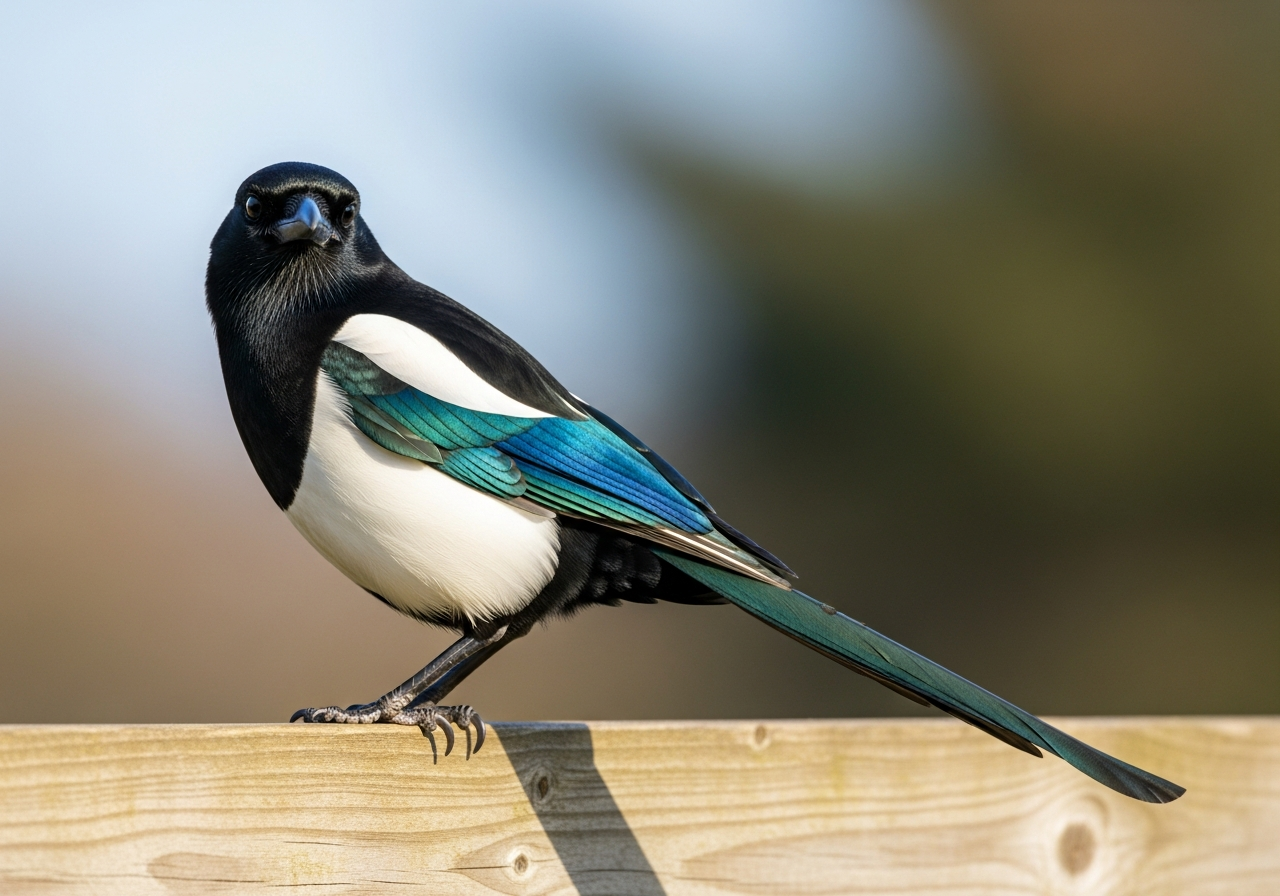
Bird
The bold, brilliant problem-solver of the crow family
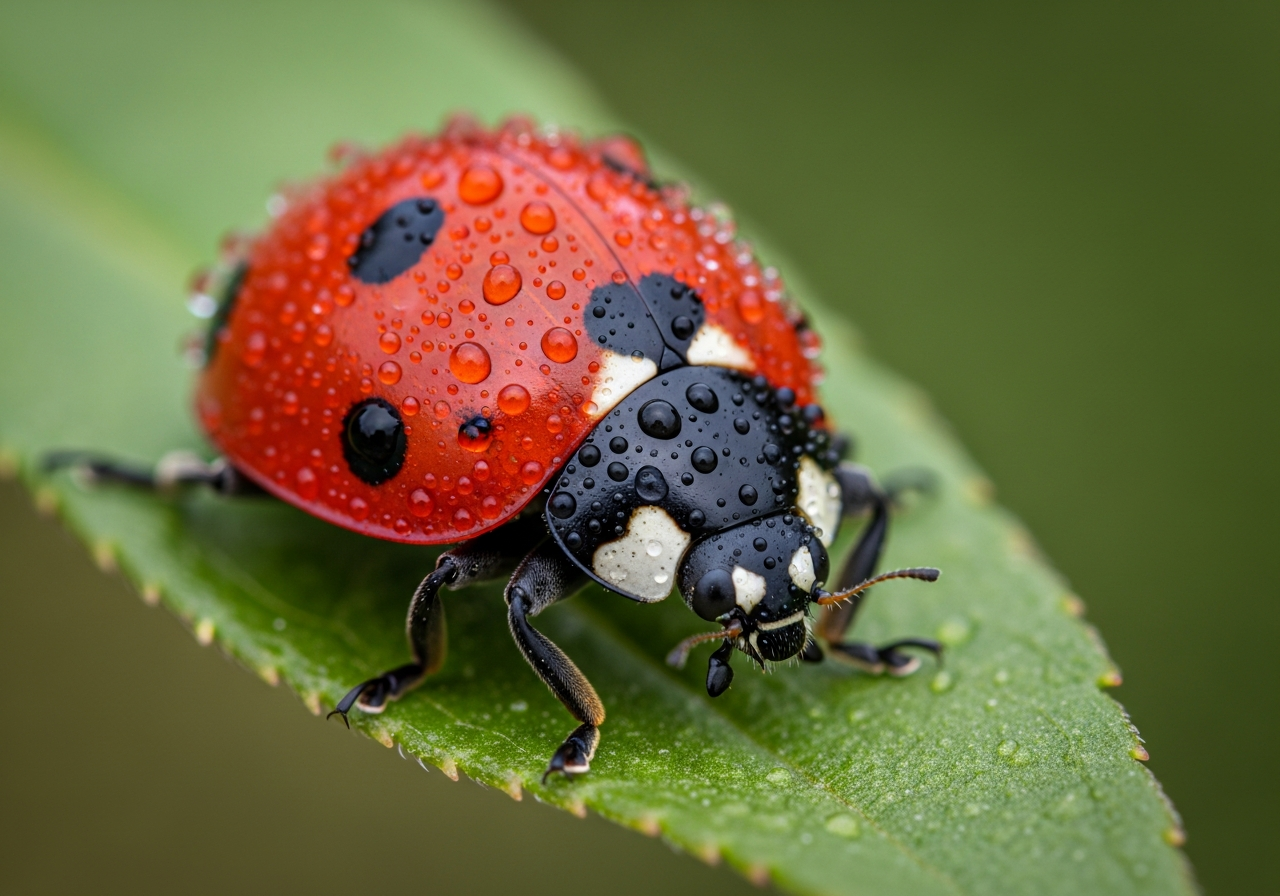
Insect
The spotted beetle gardeners love
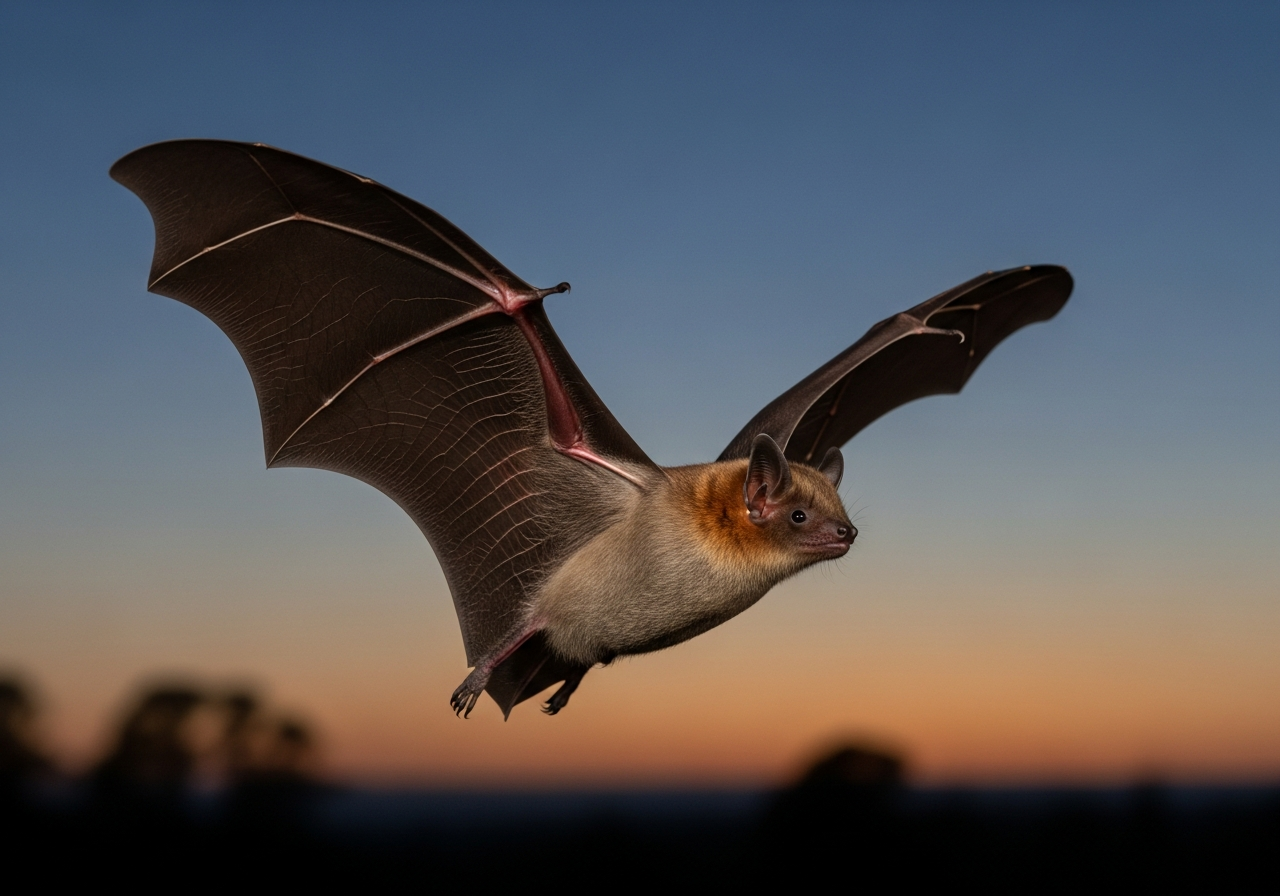
Mammal
The only mammals capable of true flight
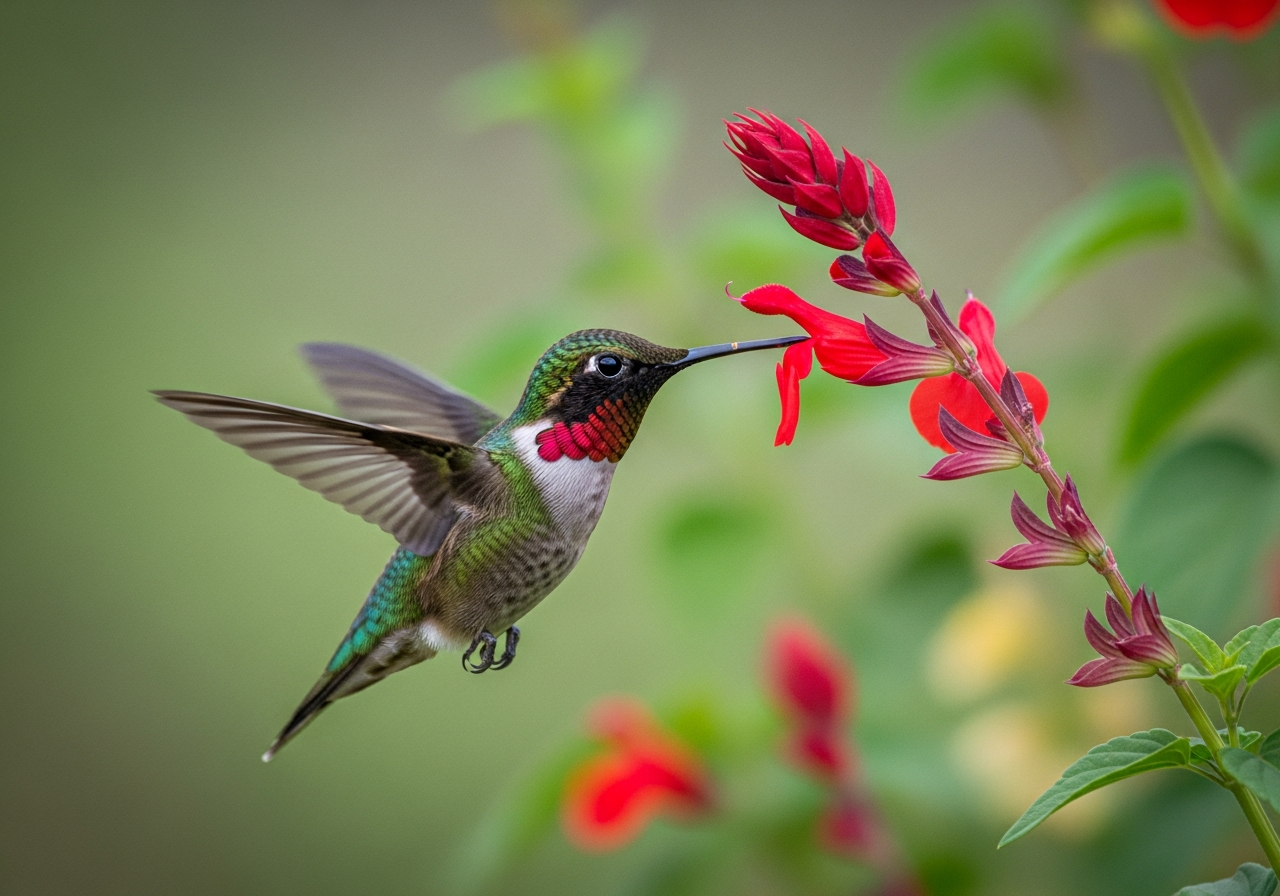
Bird
A tiny hovering bird with a blazing throat
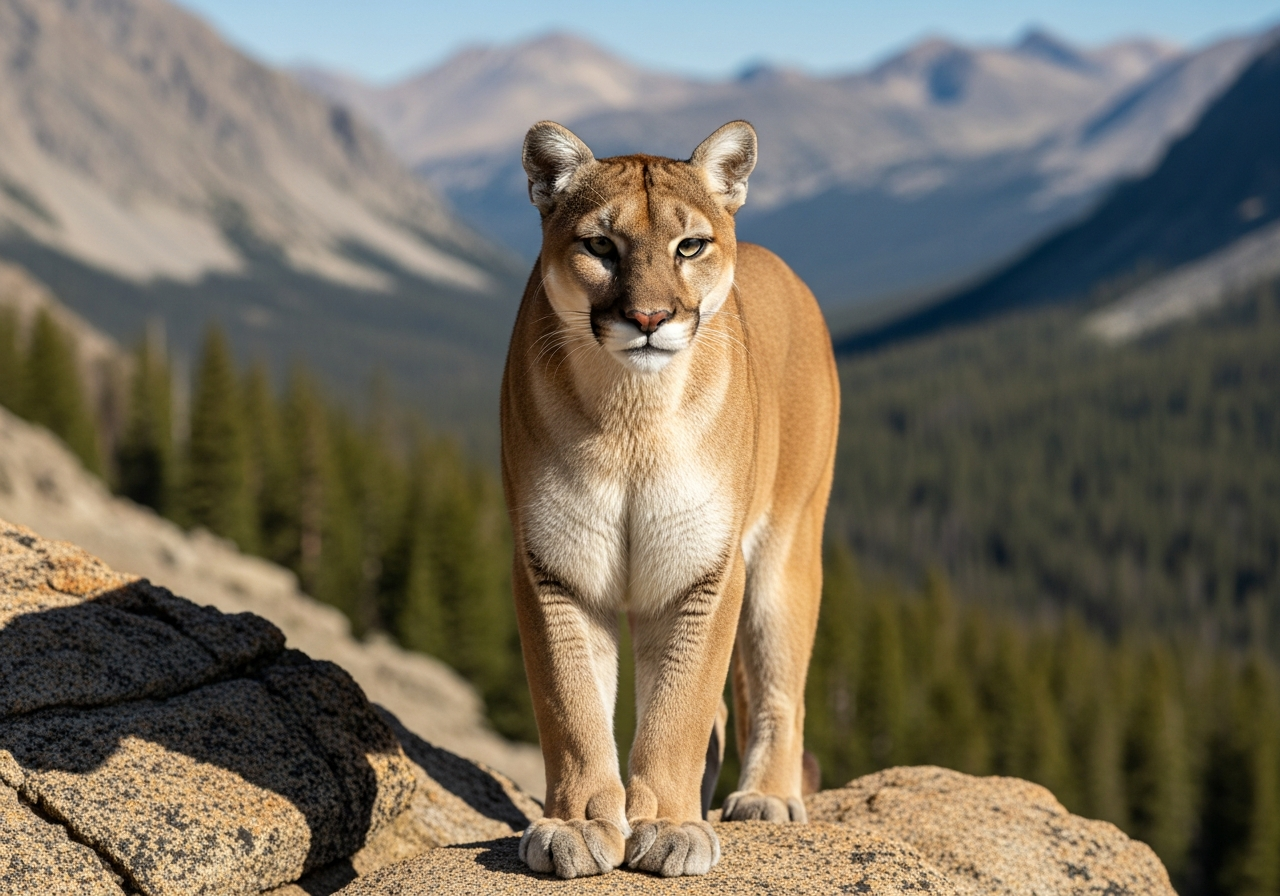
Mammal
The wide-ranging big cat with many names
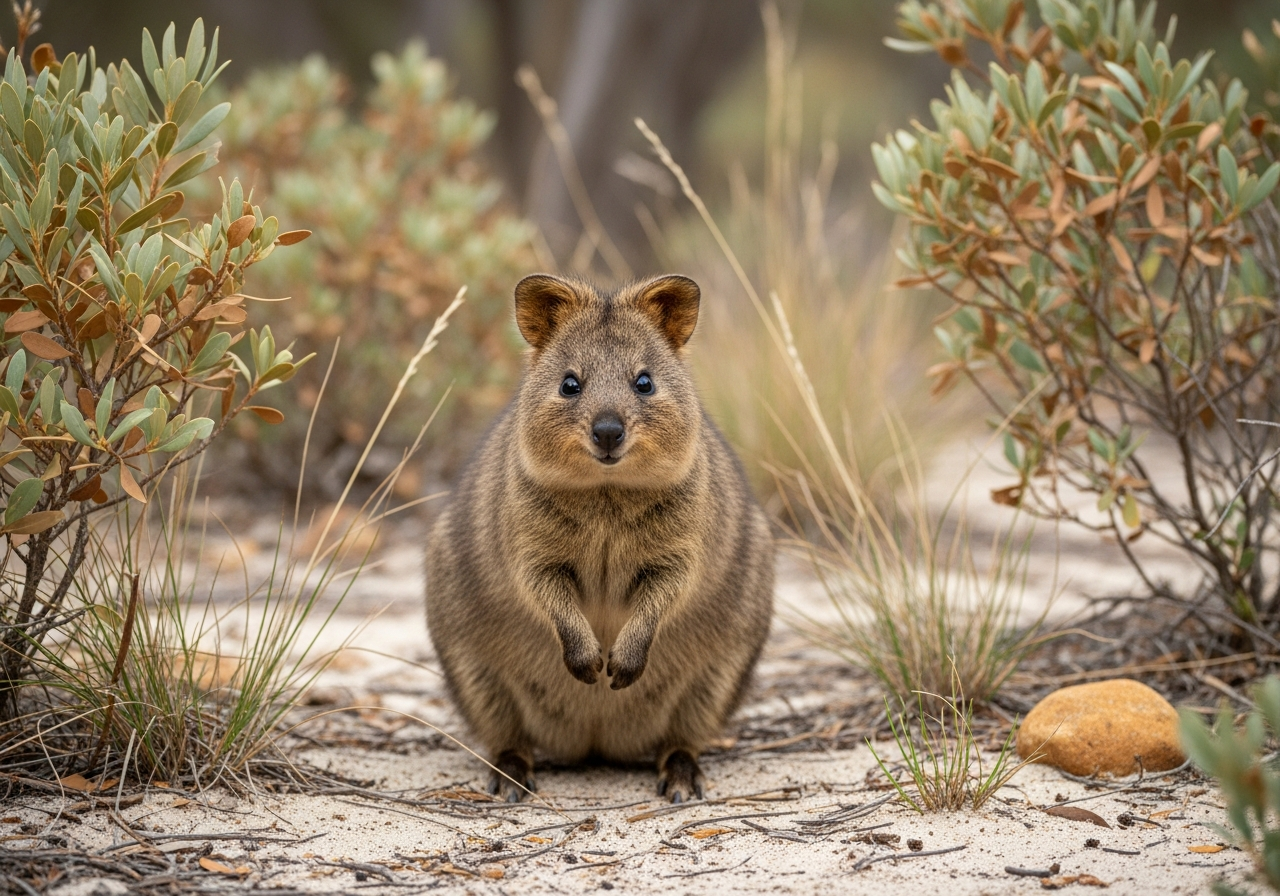
Mammal
The smiling marsupial of Western Australia
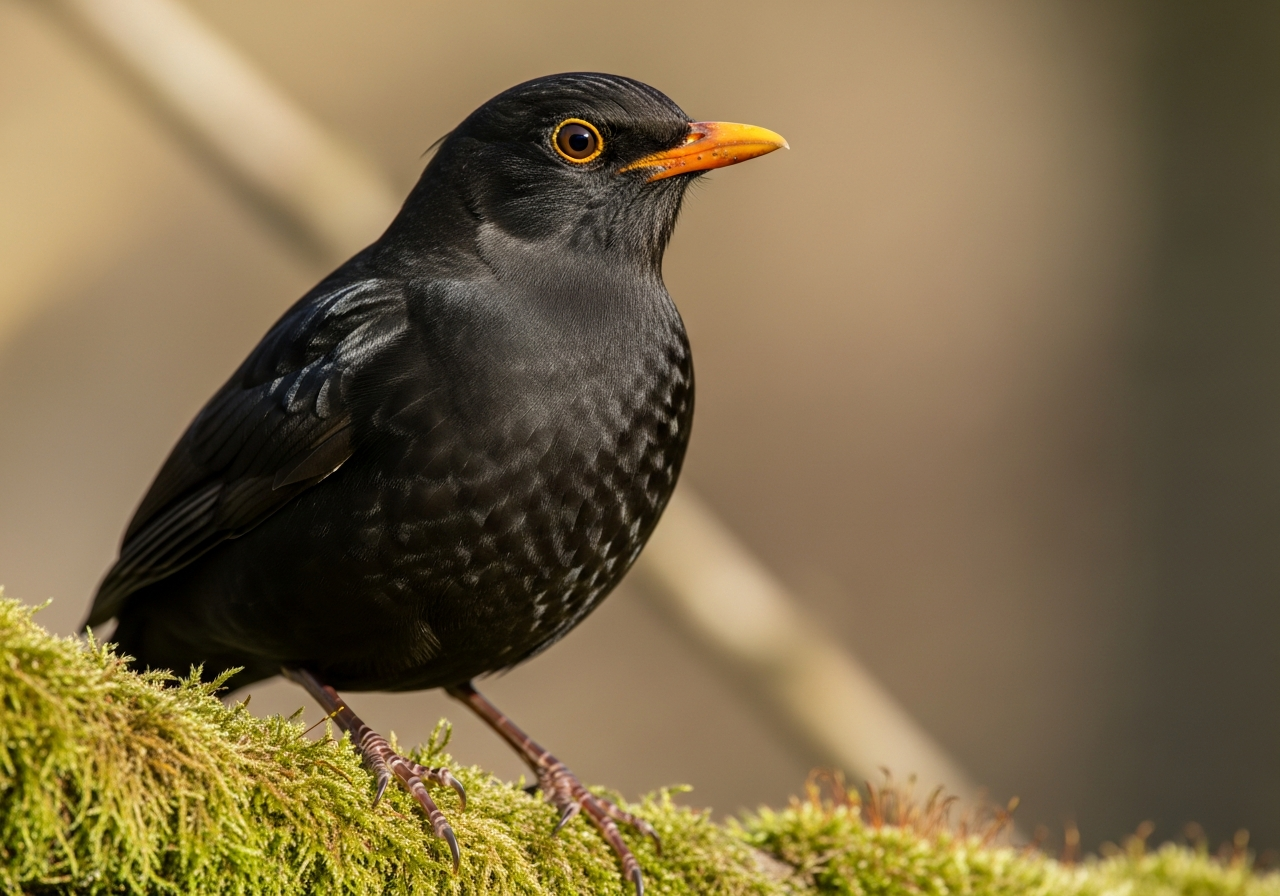
Bird
The glossy garden thrush with a golden song
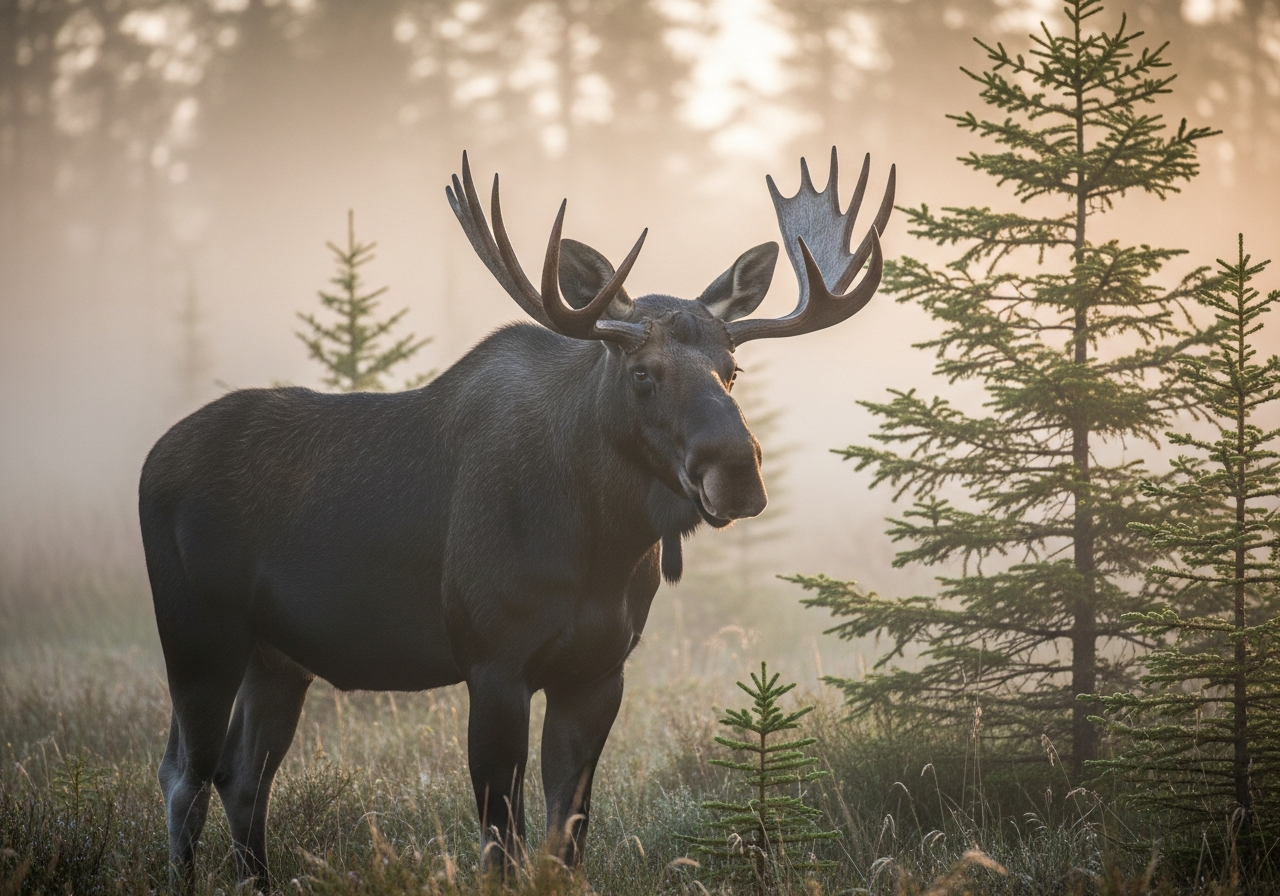
Mammal
The largest member of the deer family
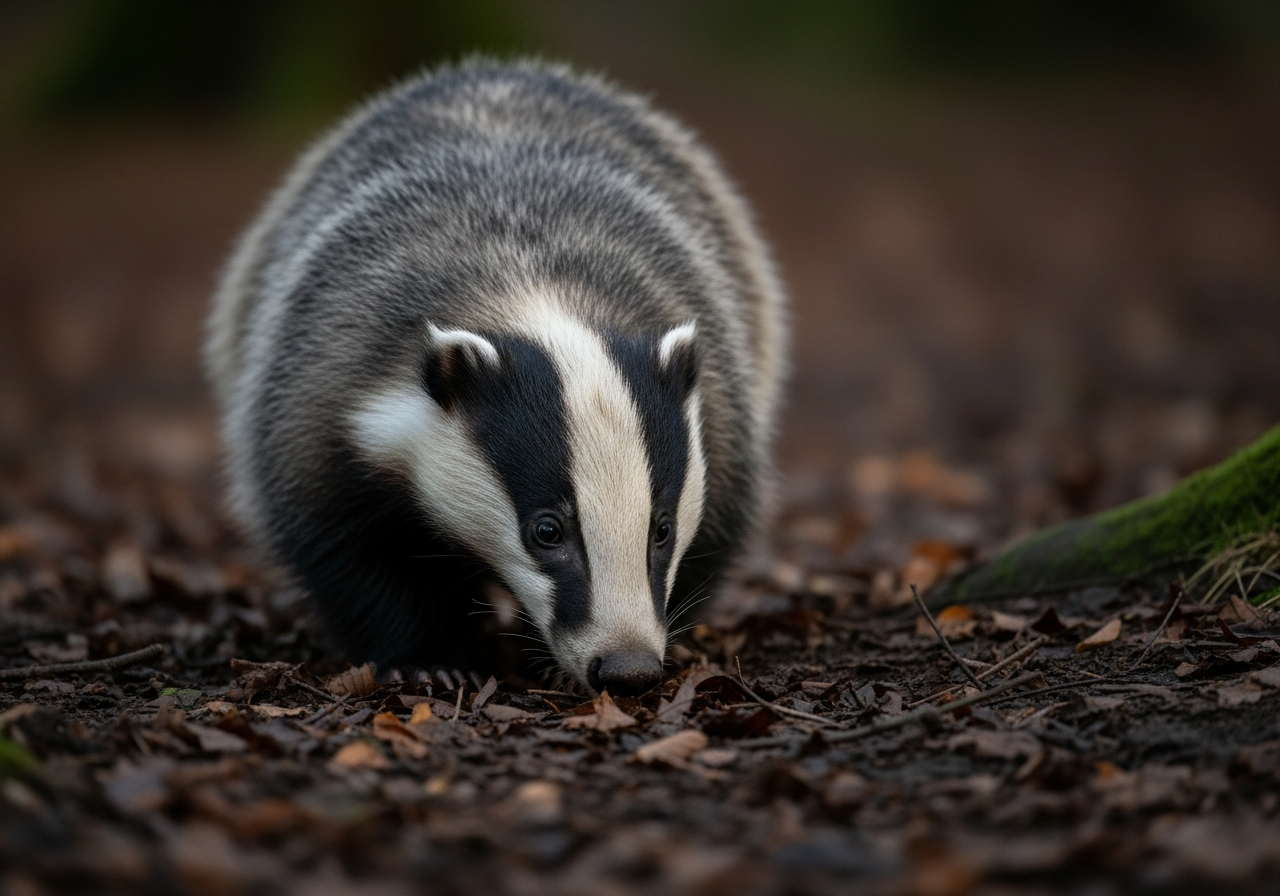
Mammal
The striped night-digger of British woodlands
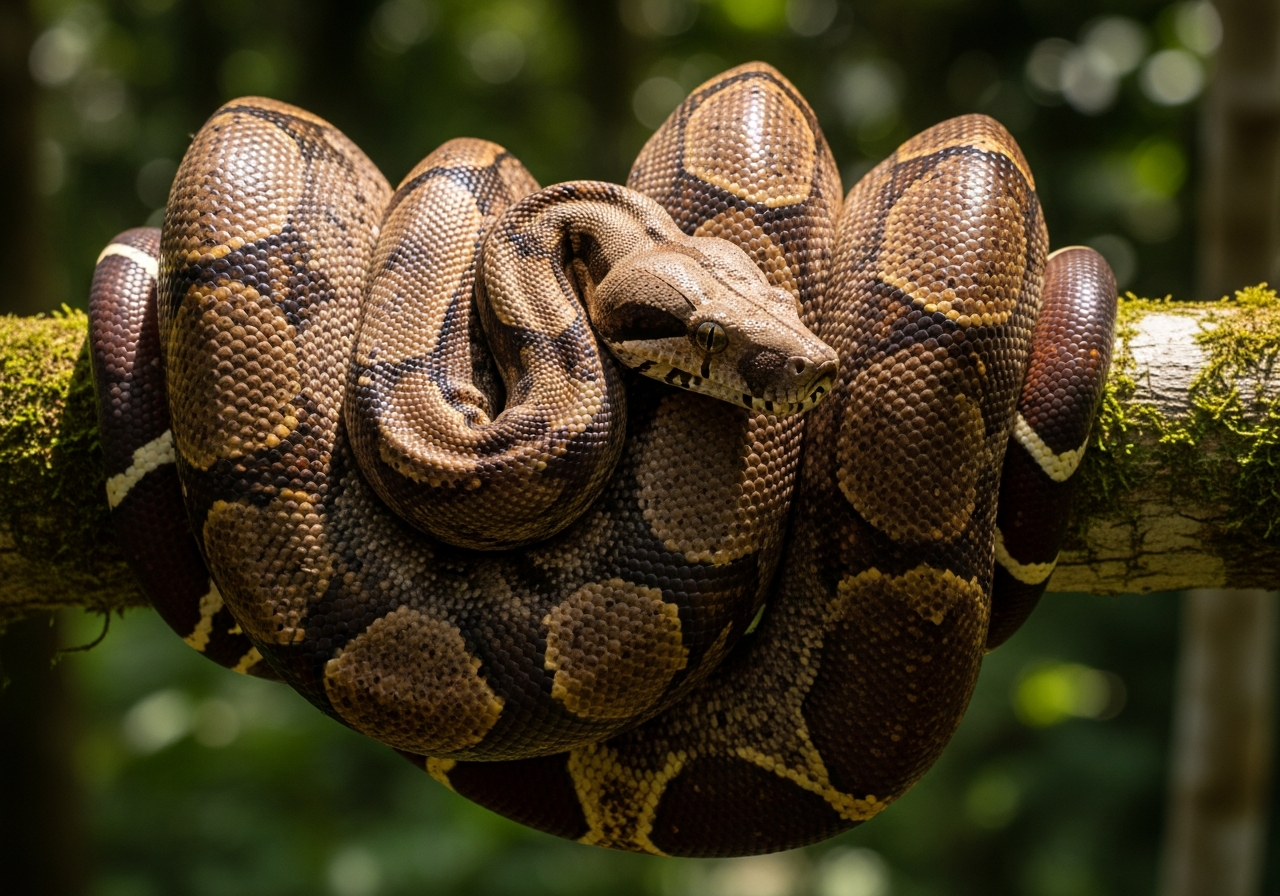
Reptile
The powerful constricting snake of the Americas
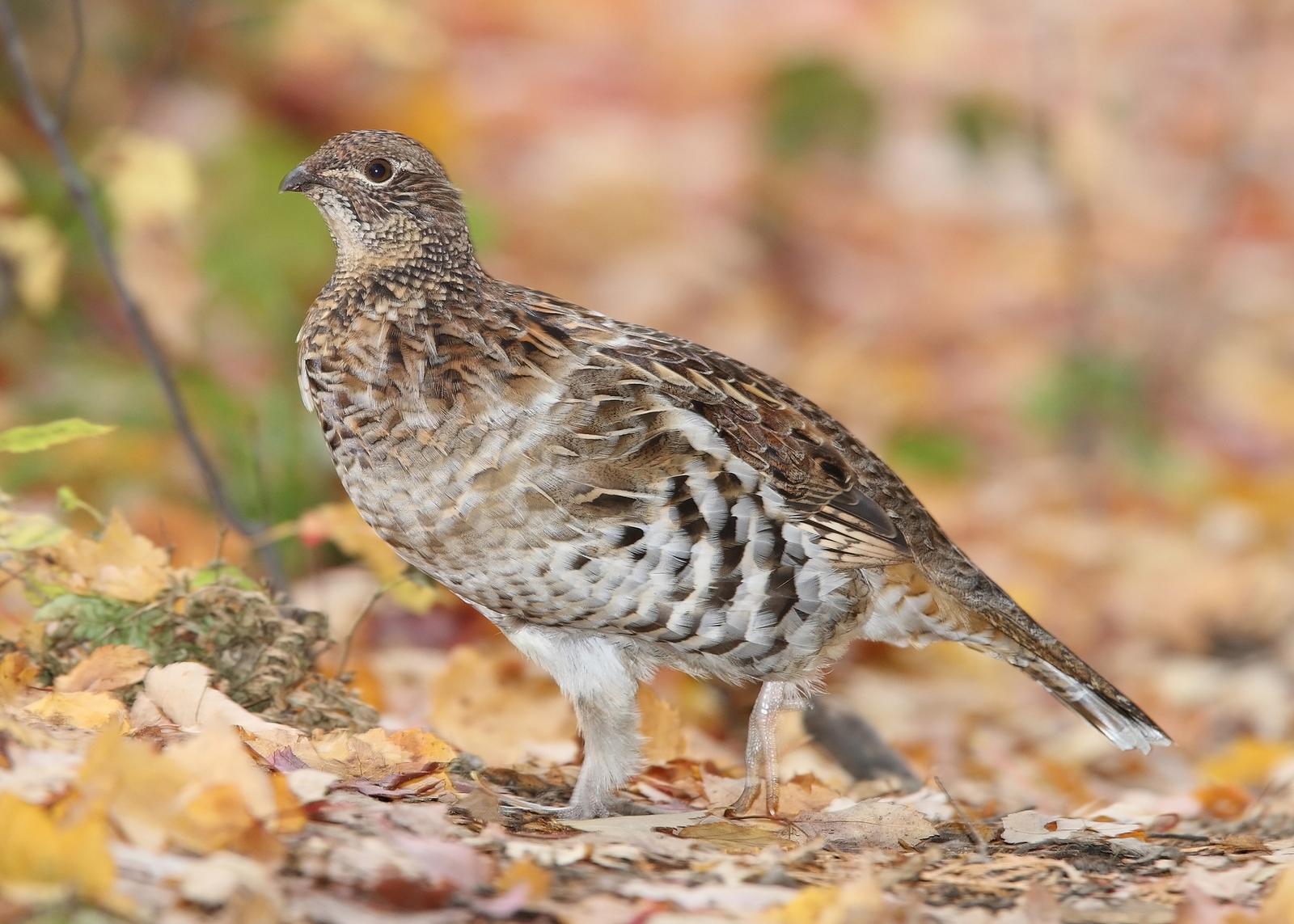
Bird
Drumming phantom of northern woods
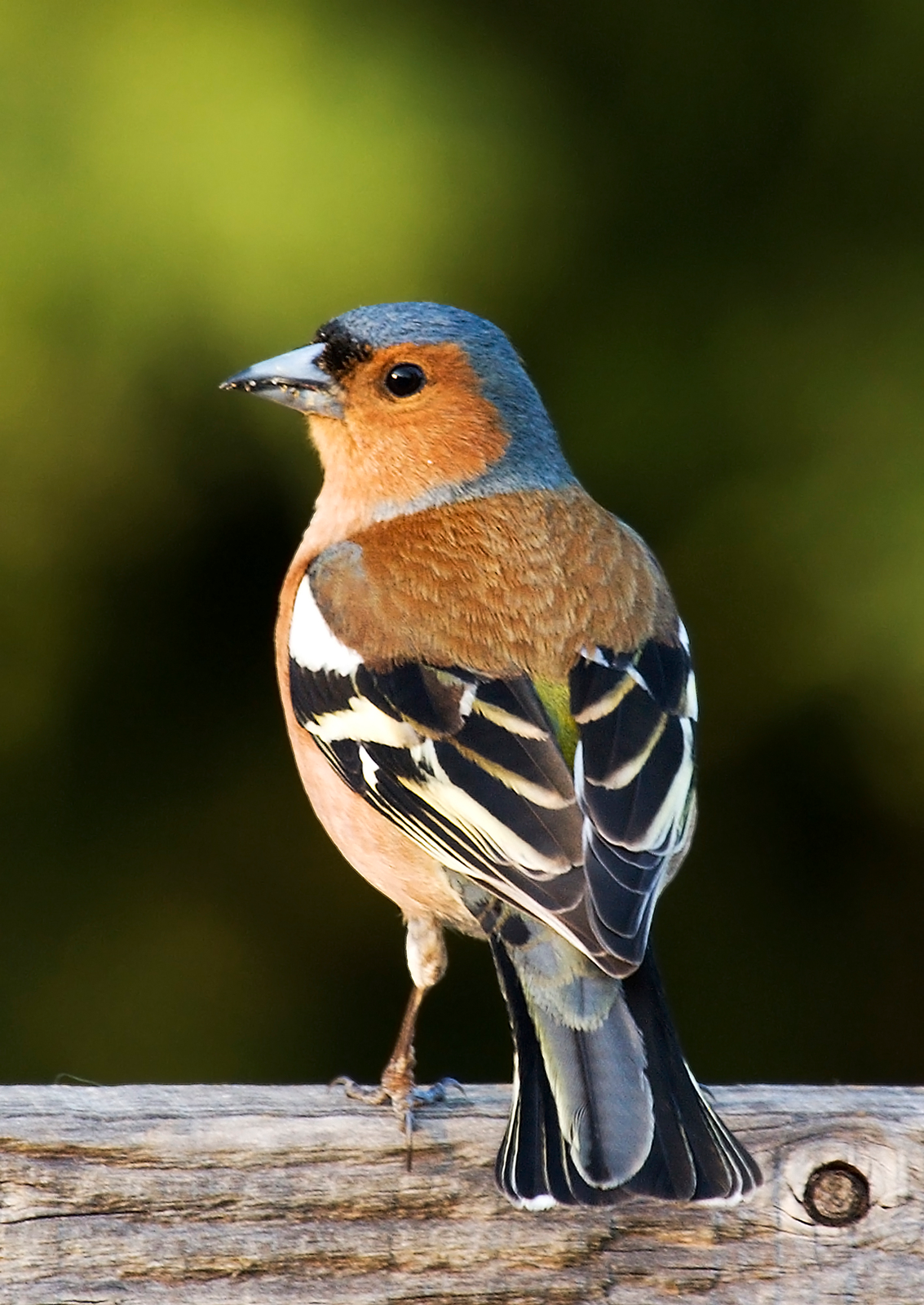
Bird
Pink-breasted songbird of European woods

Mammal
Endangered fruit bat of island canopies
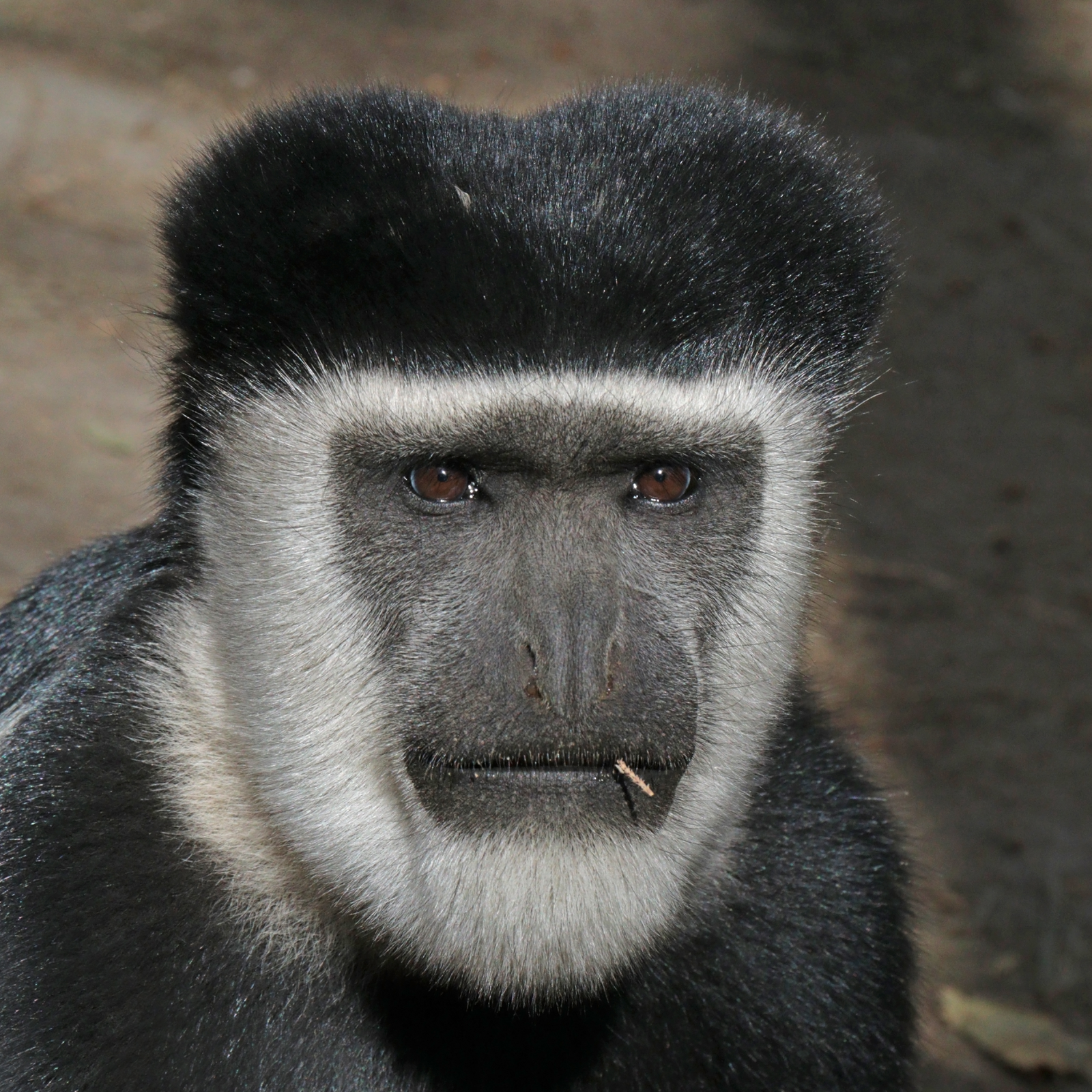
Mammal
Black-and-white leaf monkey of African canopy
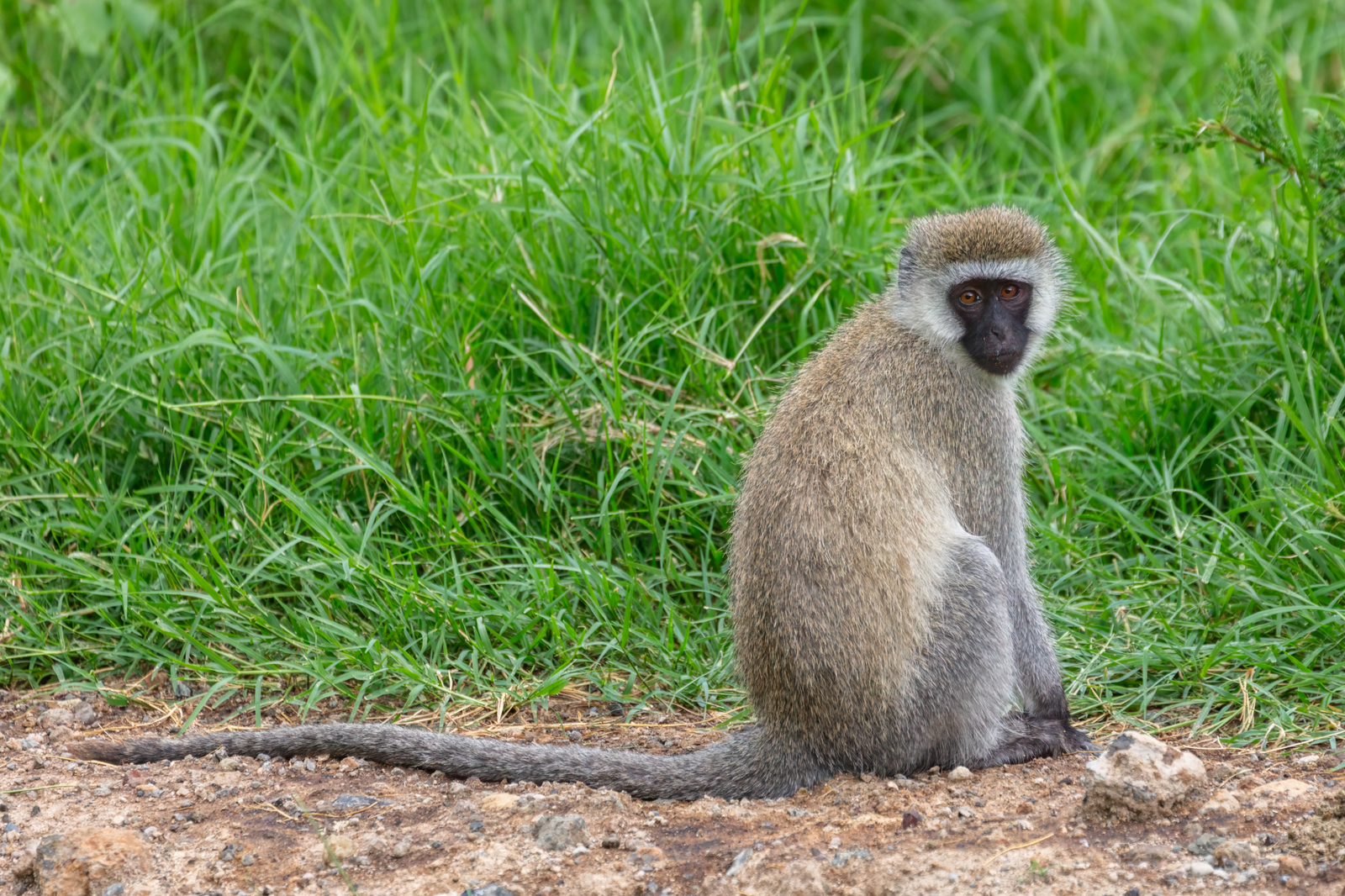
Mammal
Alarm-calling savanna primate of Africa
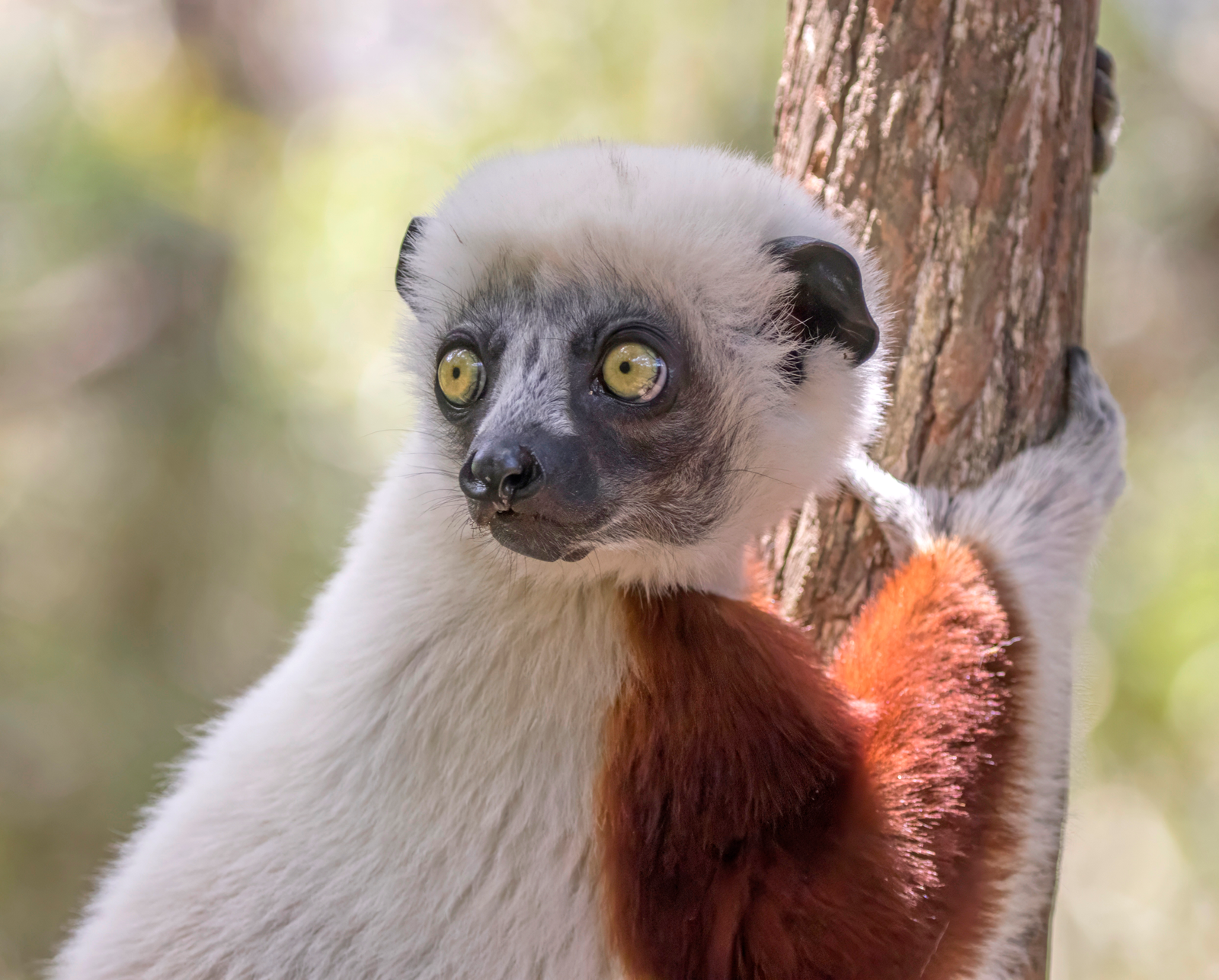
Mammal
Dancing lemur of Madagascar's spiny forest
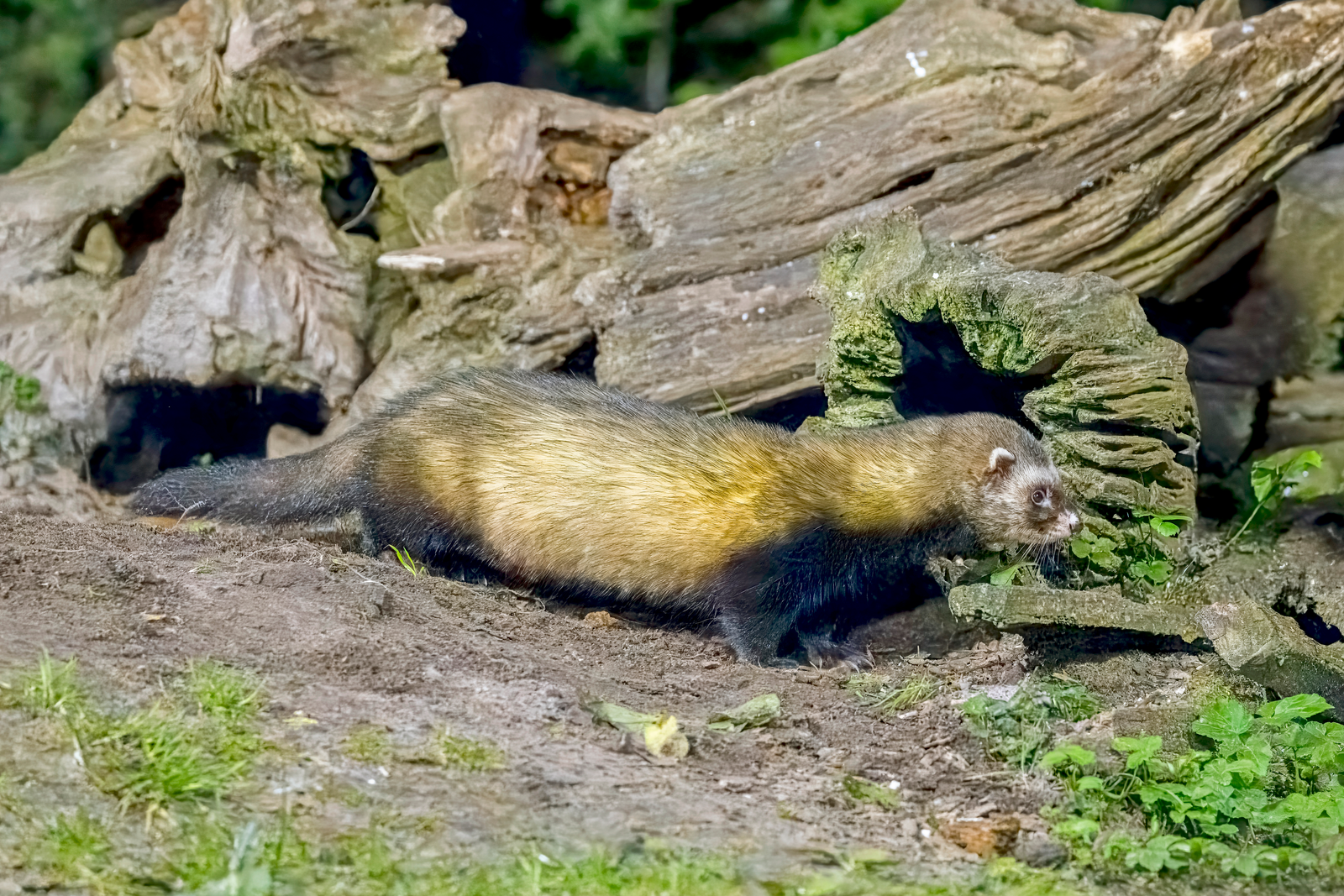
Mammal
Wild ancestor of the domestic ferret
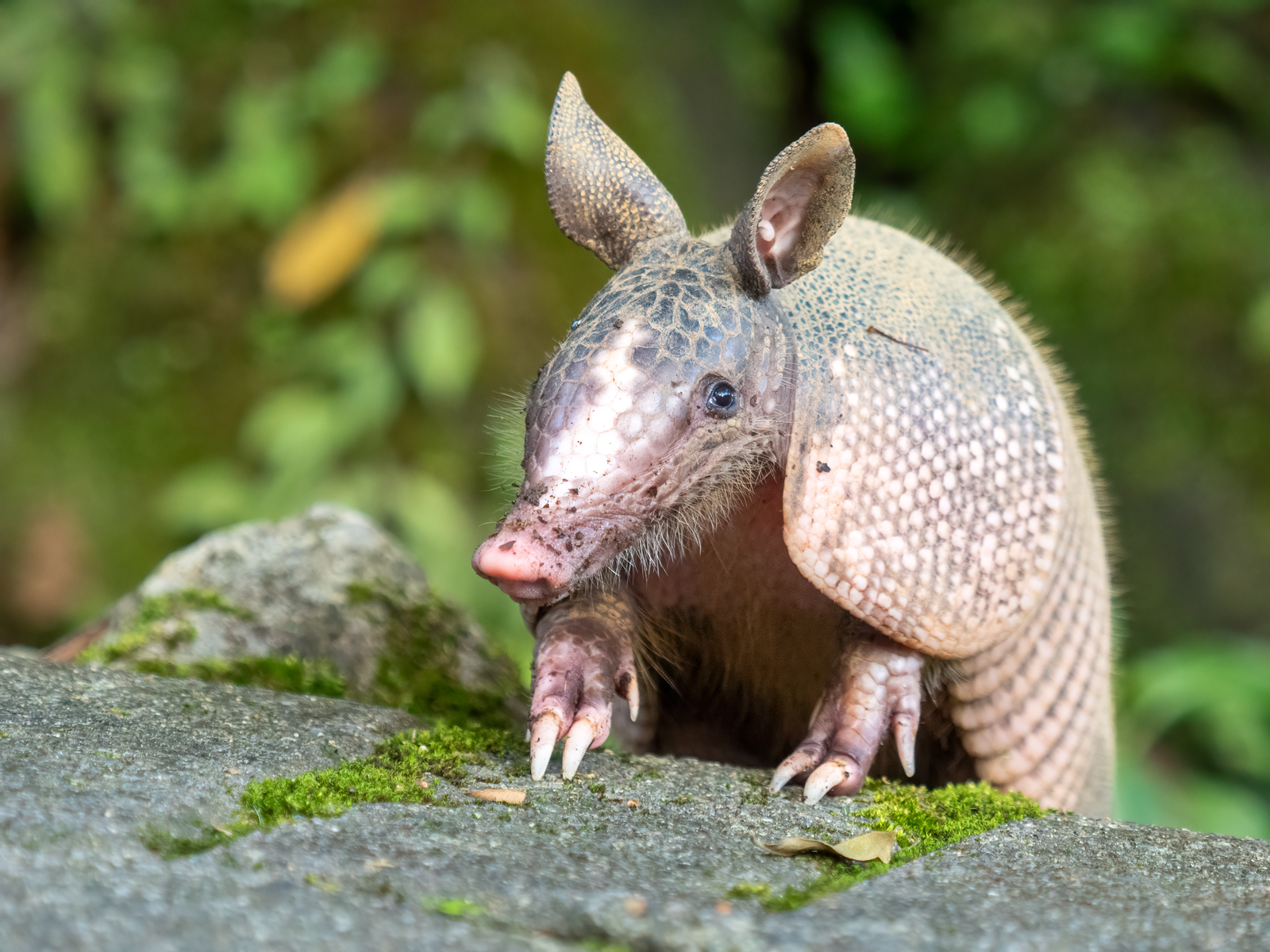
Mammal
Armoured digger marching through the Americas
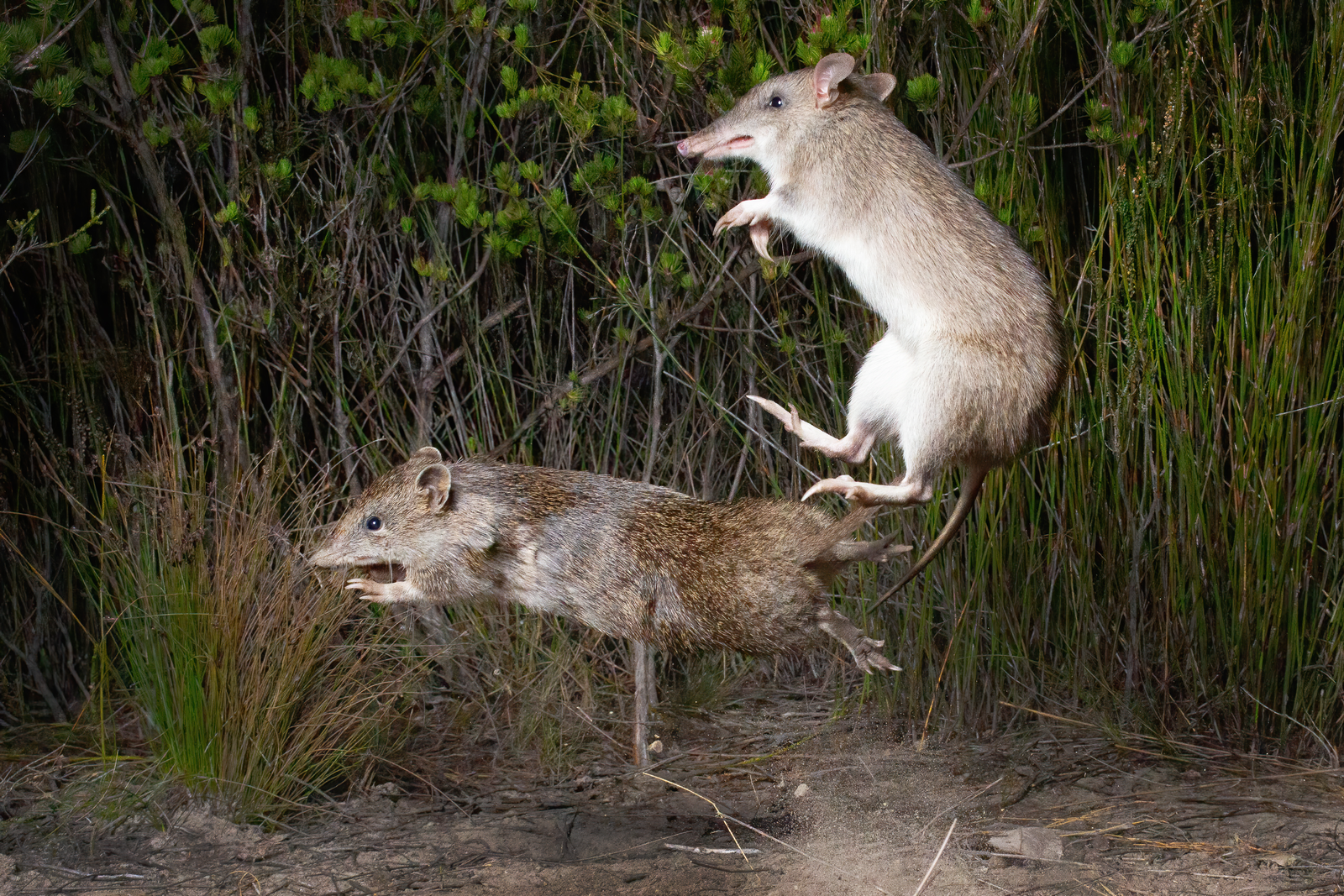
Mammal
Nocturnal digger of Australian leaf litter
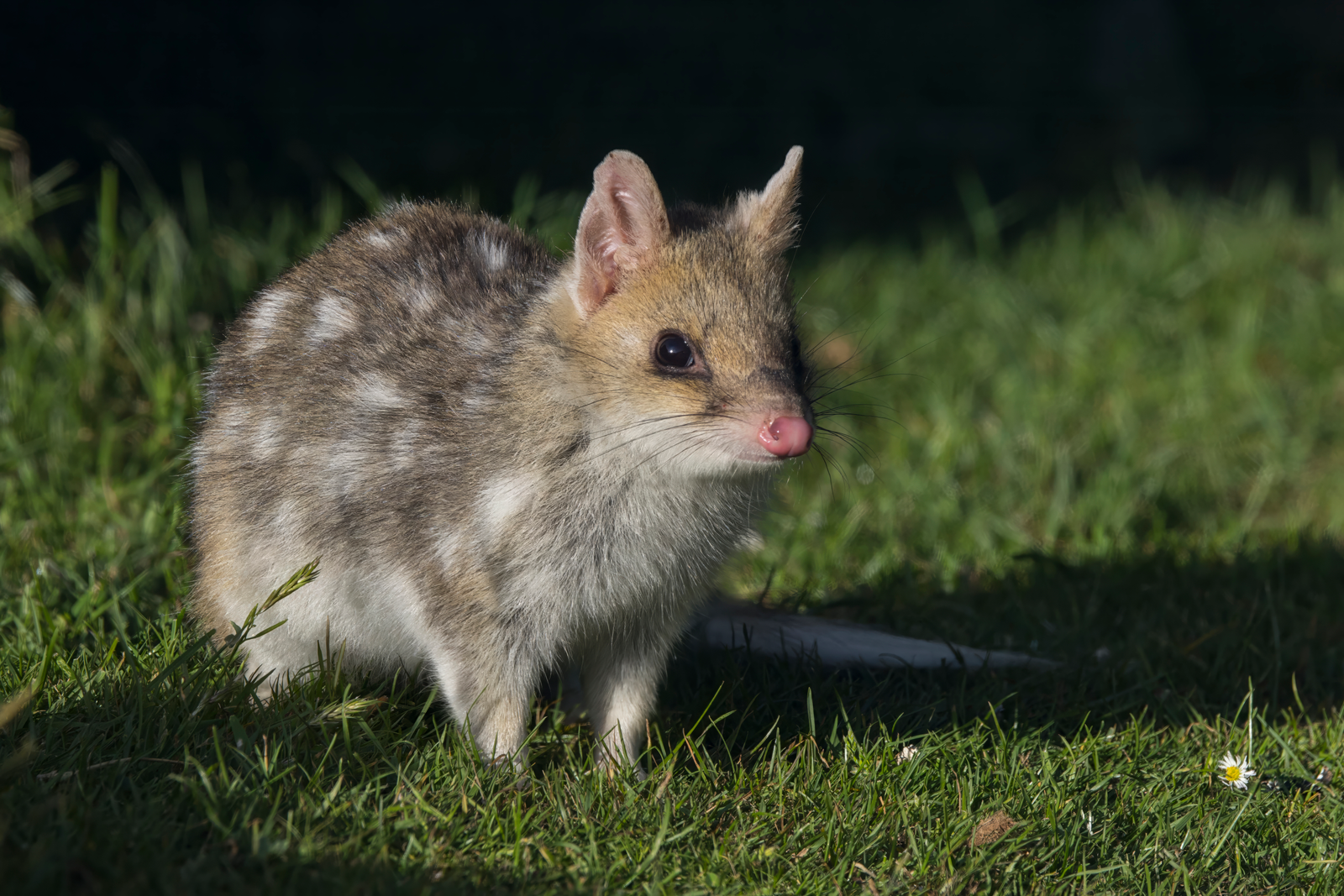
Mammal
Spotted Tasmanian survivor lost from the mainland
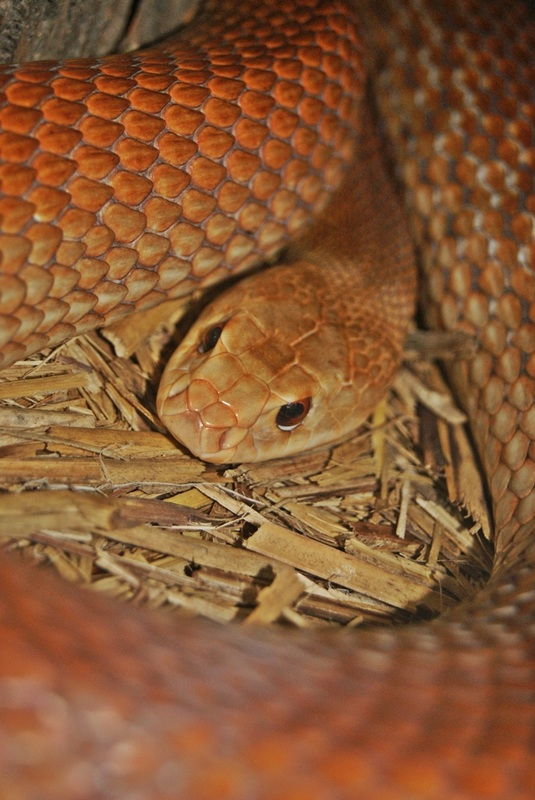
Reptile
Lightning-fast elapid of Australian cane fields
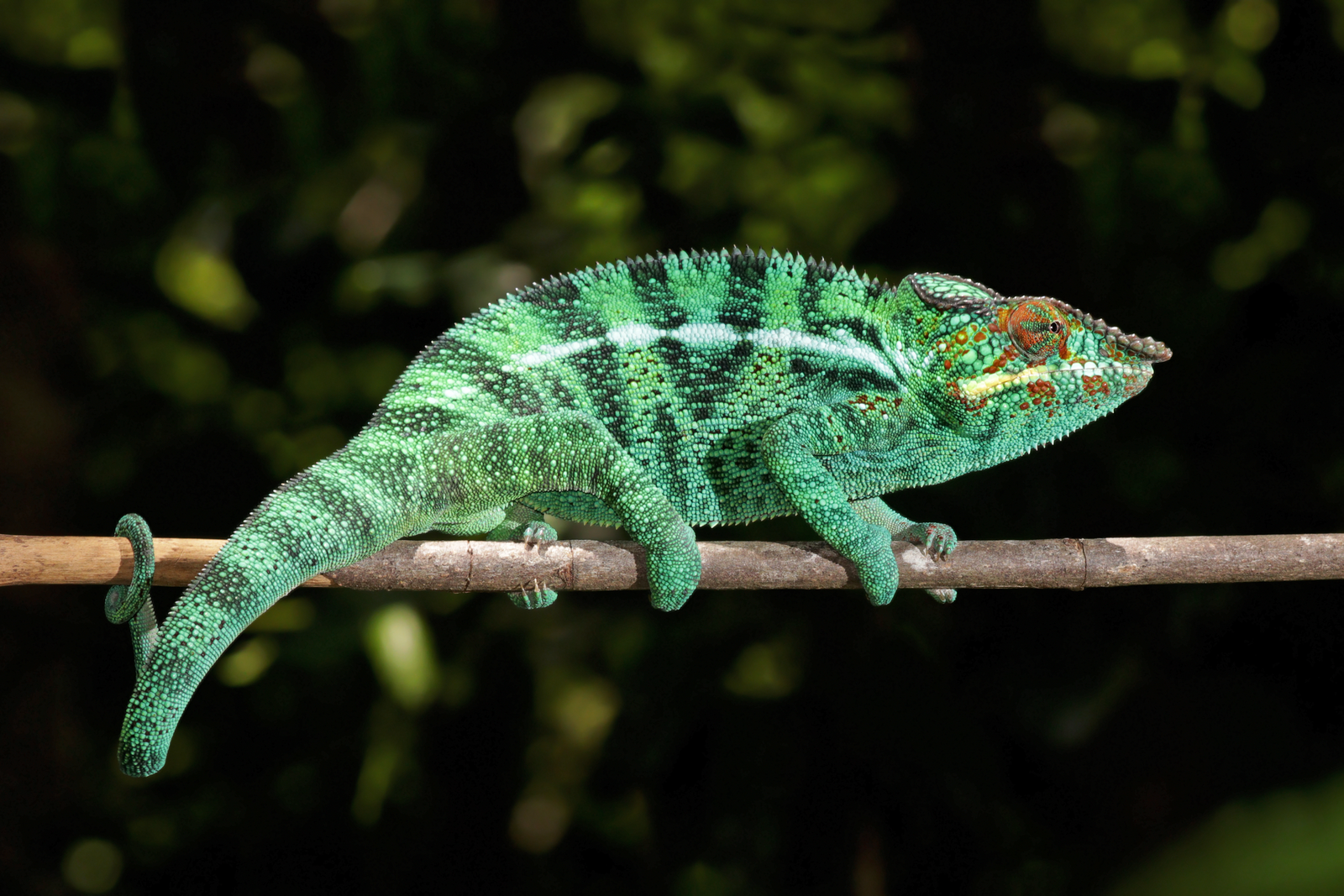
Reptile
Locale-coloured chameleon of Madagascar
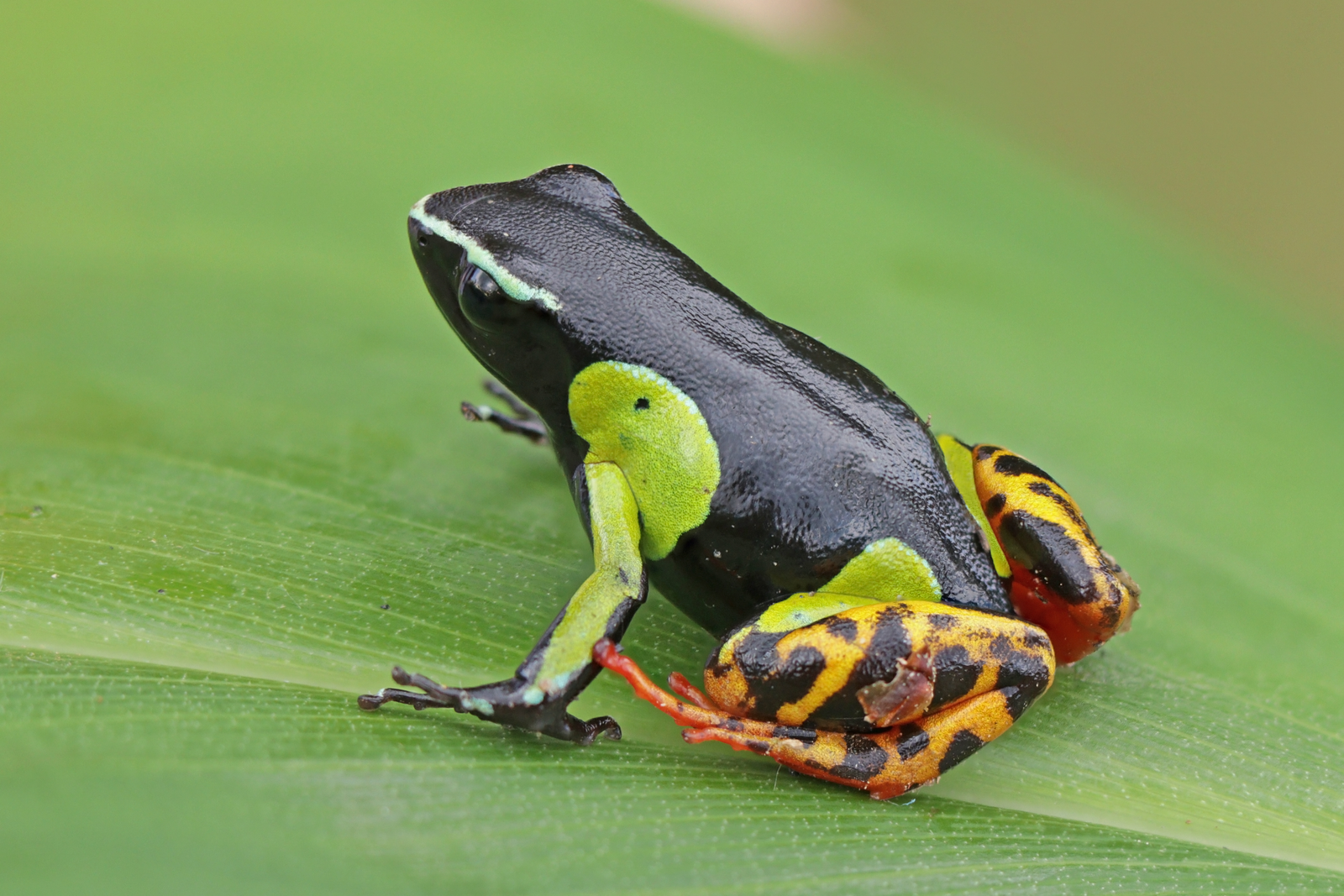
Amphibian
Critically Endangered orange gem of Madagascar
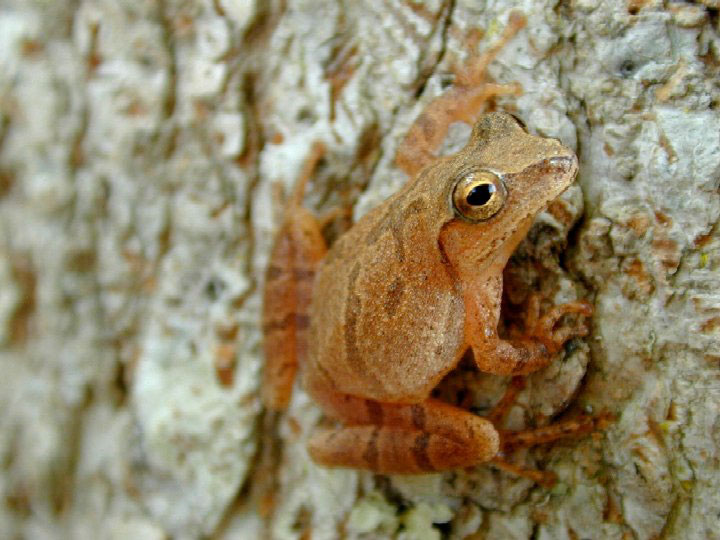
Amphibian
Thumb-sized herald of eastern spring
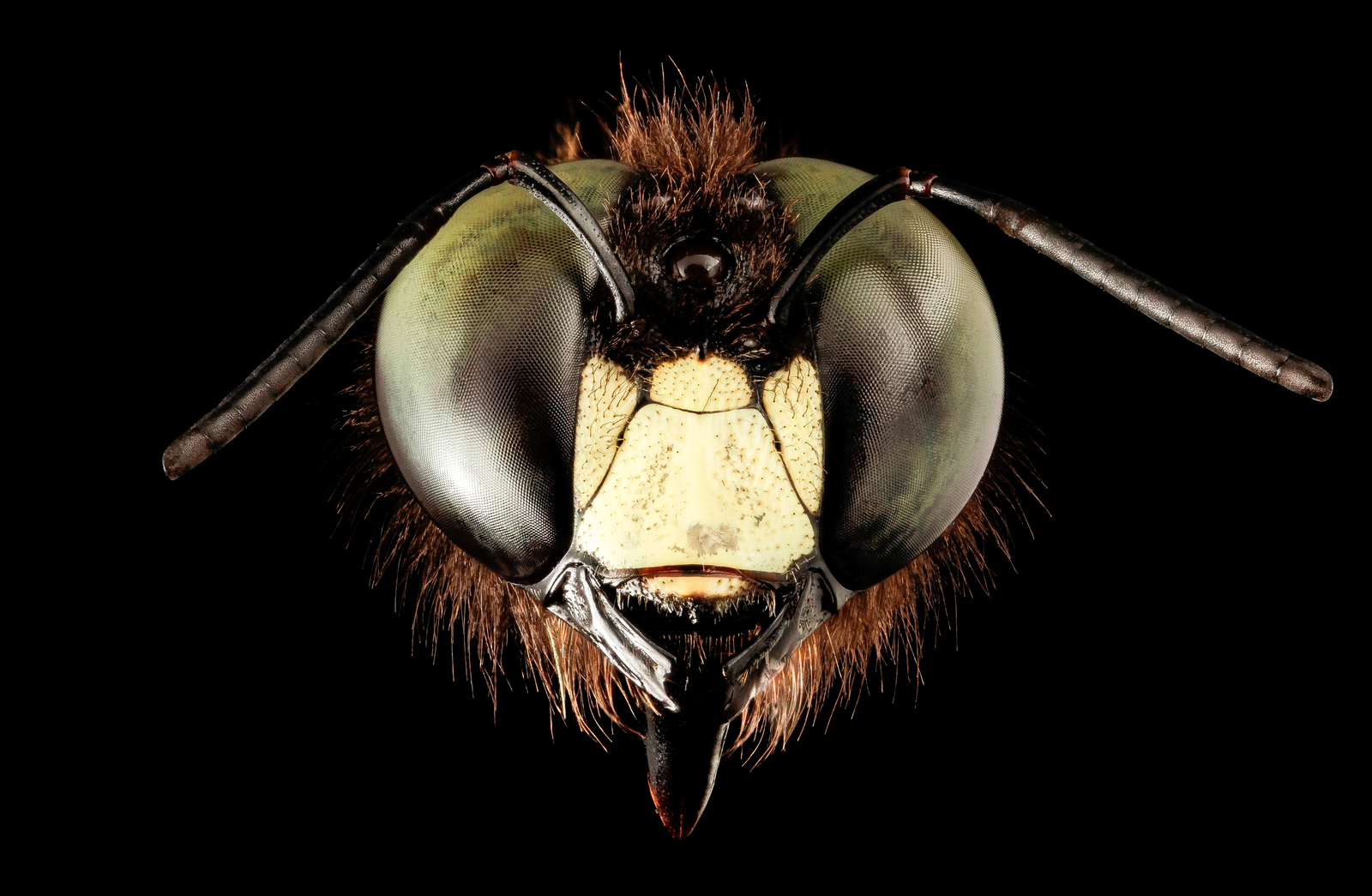
Insect
Wood-boring giant bee of eastern gardens
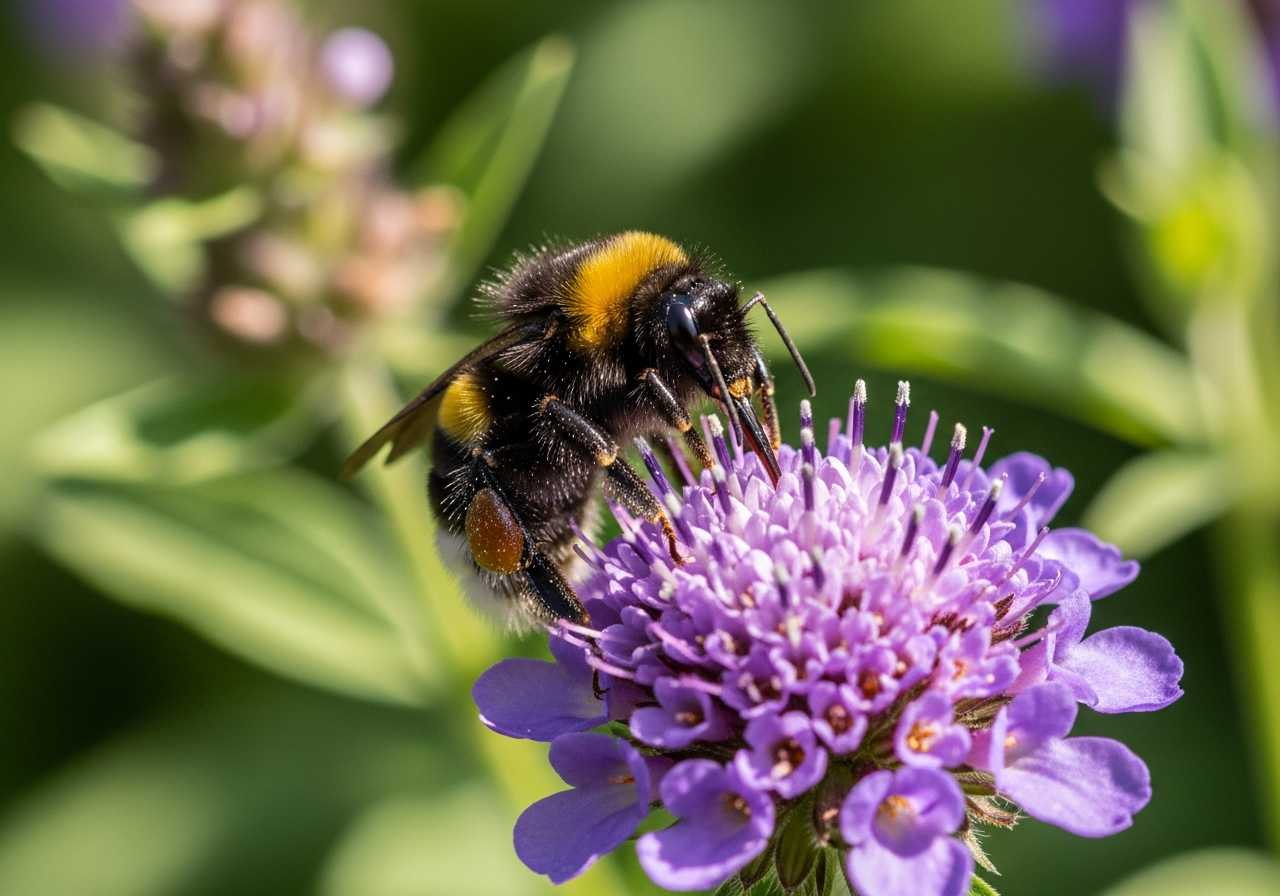
Insect
The fuzzy, hard-working pollinator of meadows and gardens
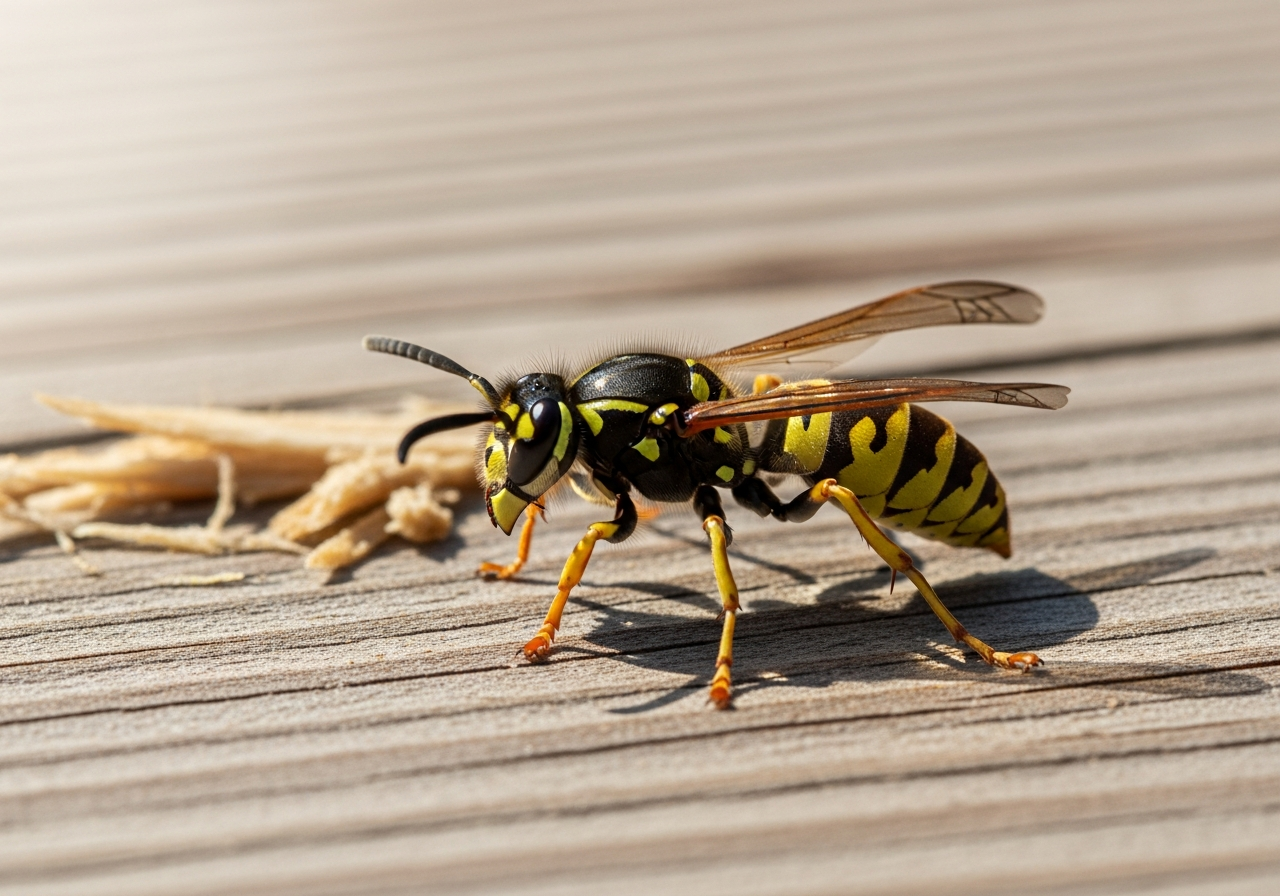
Insect
The yellow-and-black predator and scavenger of summer
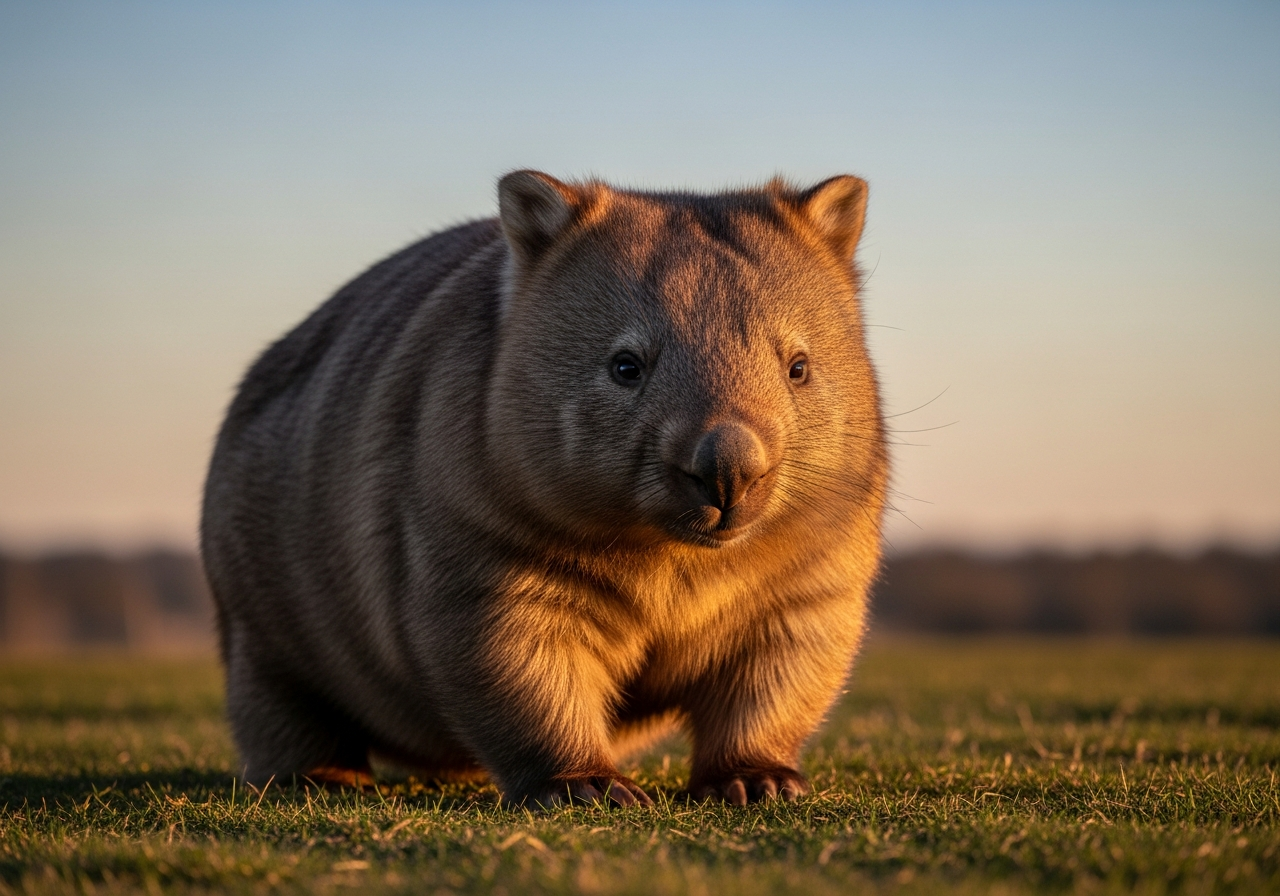
Mammal
The powerful Australian digger famous for cube-shaped droppings
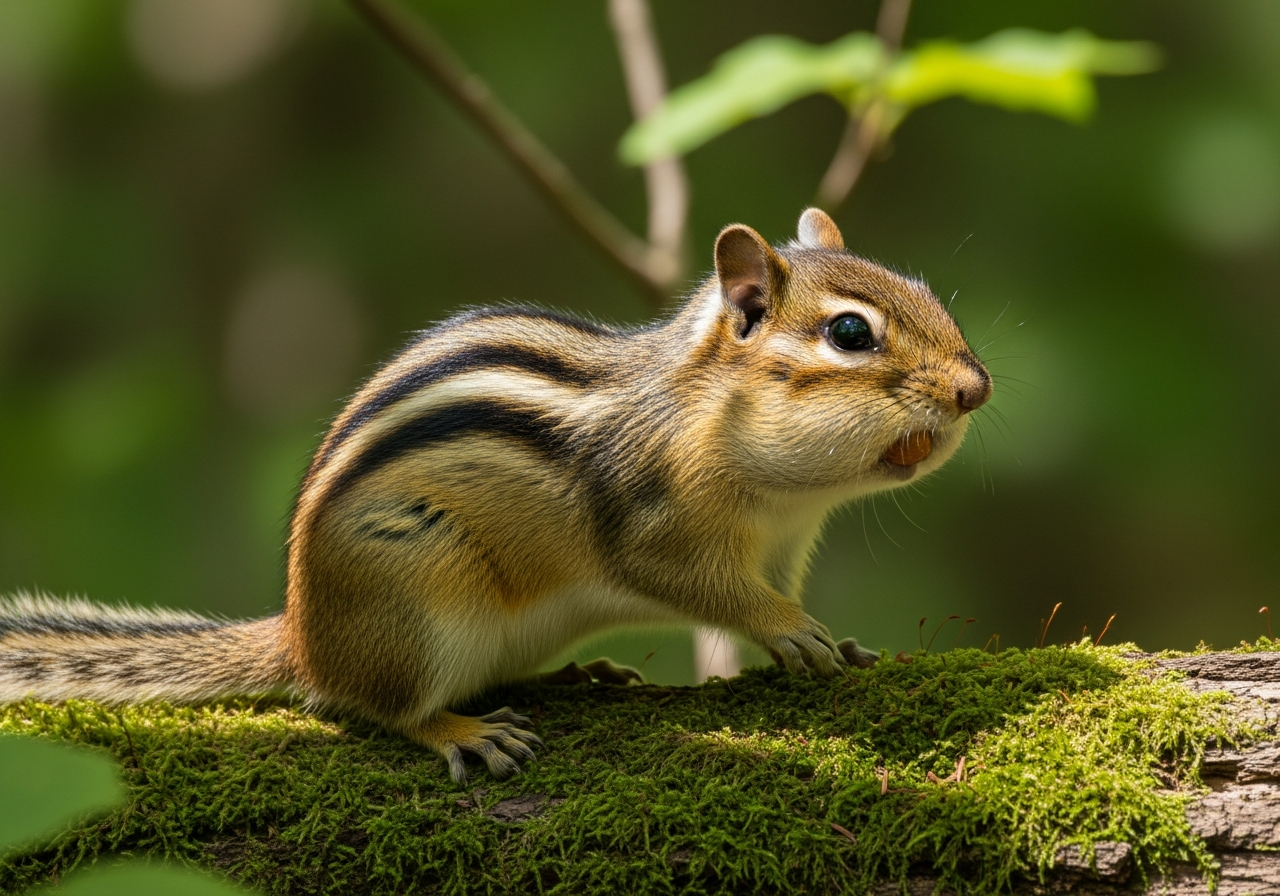
Mammal
The striped, cheek-stuffing squirrel of North America
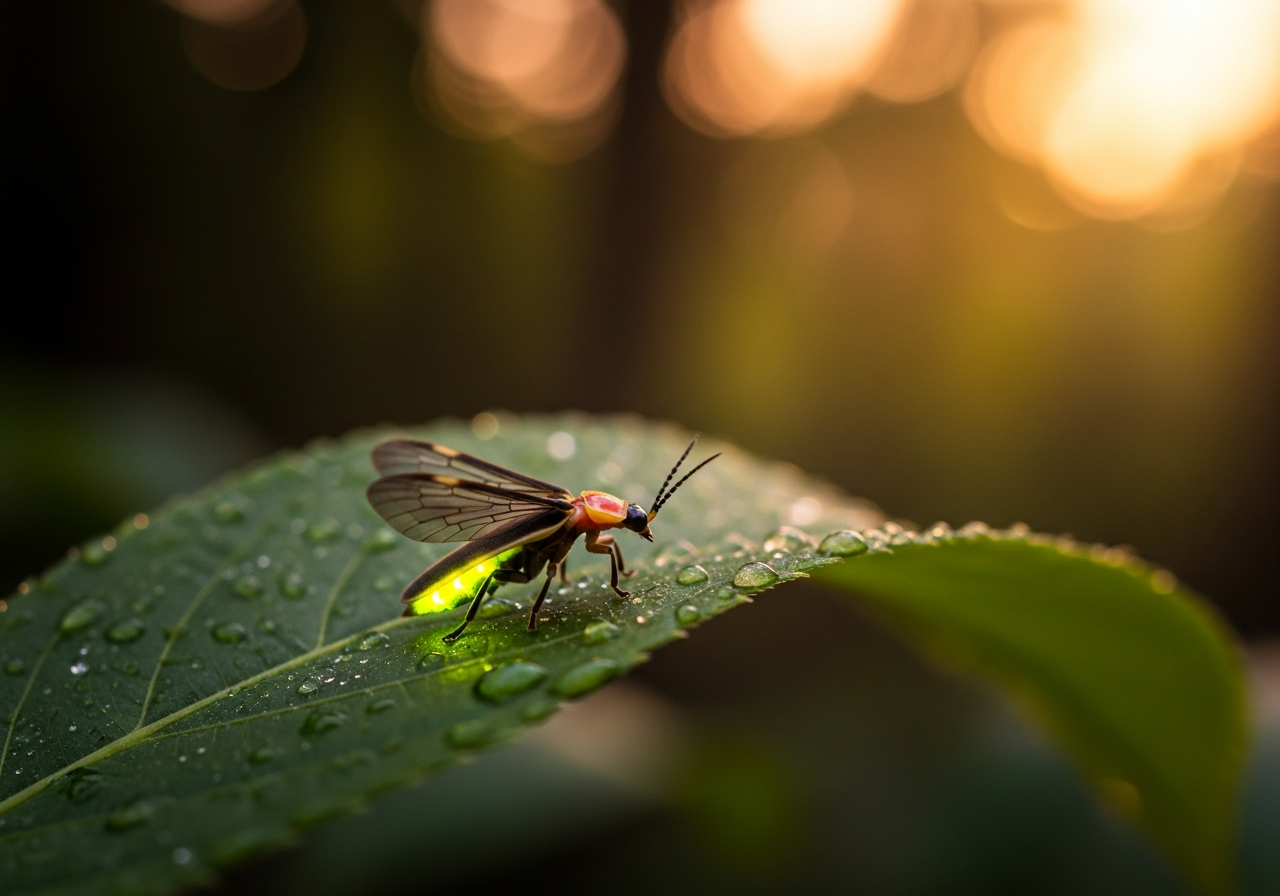
Insect
The glowing beetle of warm summer nights
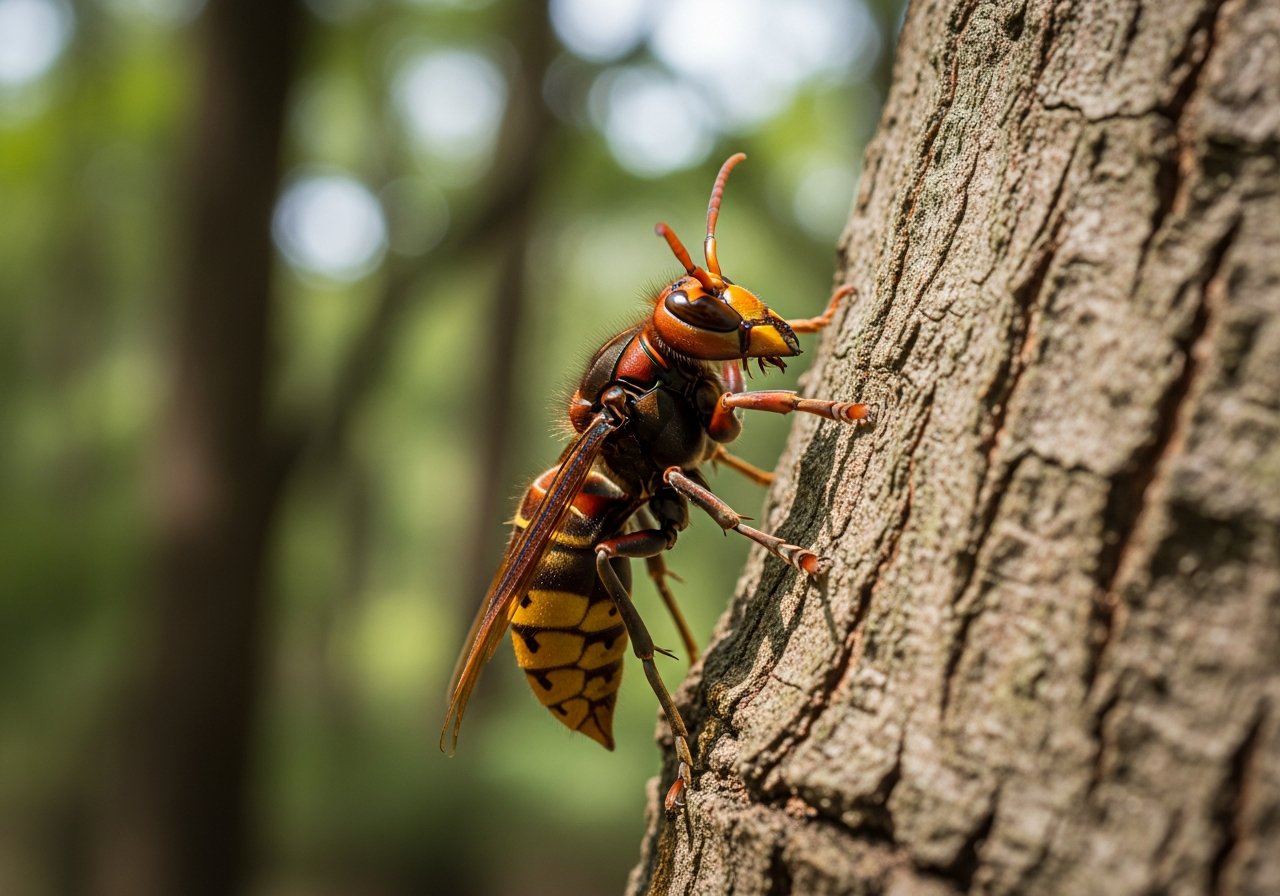
Insect
The world's largest hornet
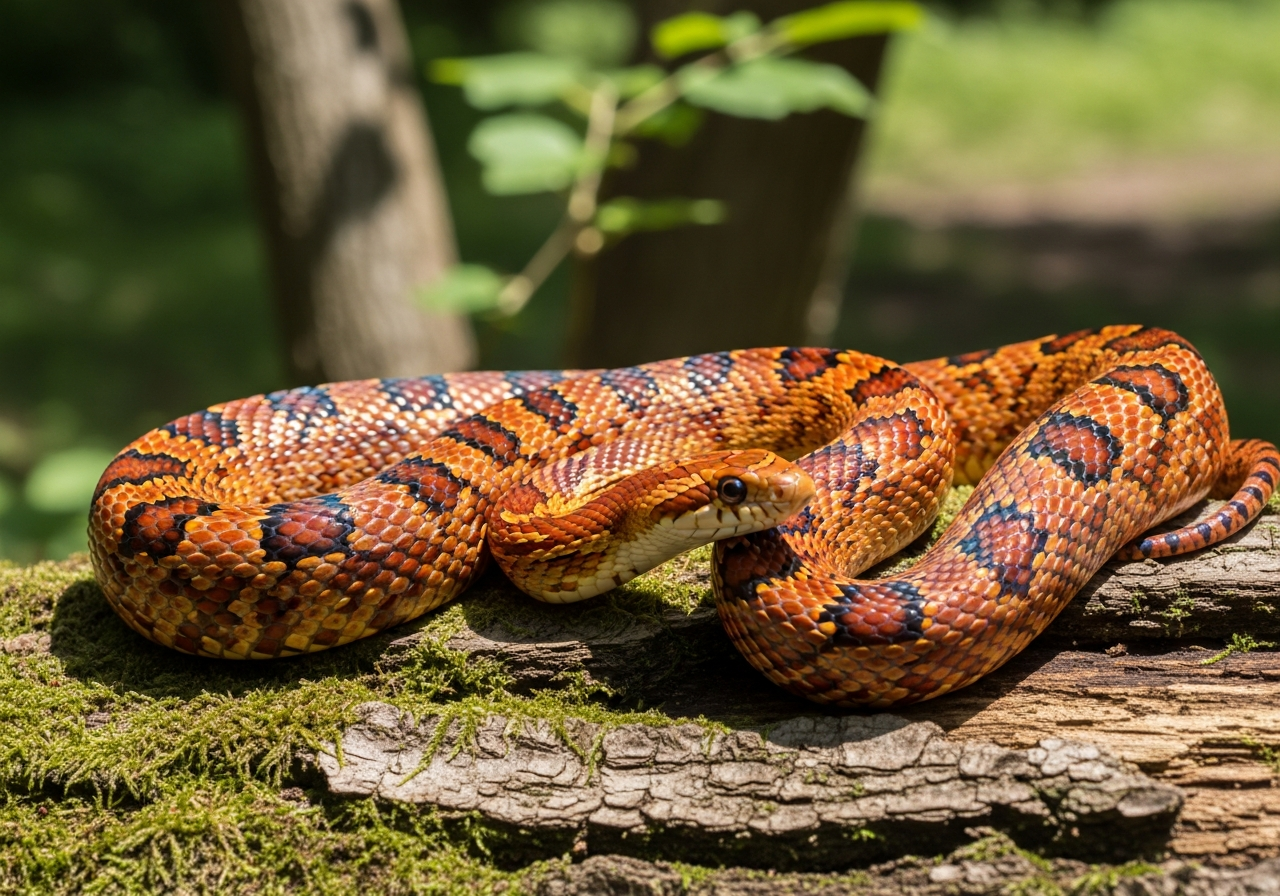
Reptile
The gentle, colorful beginner's pet snake
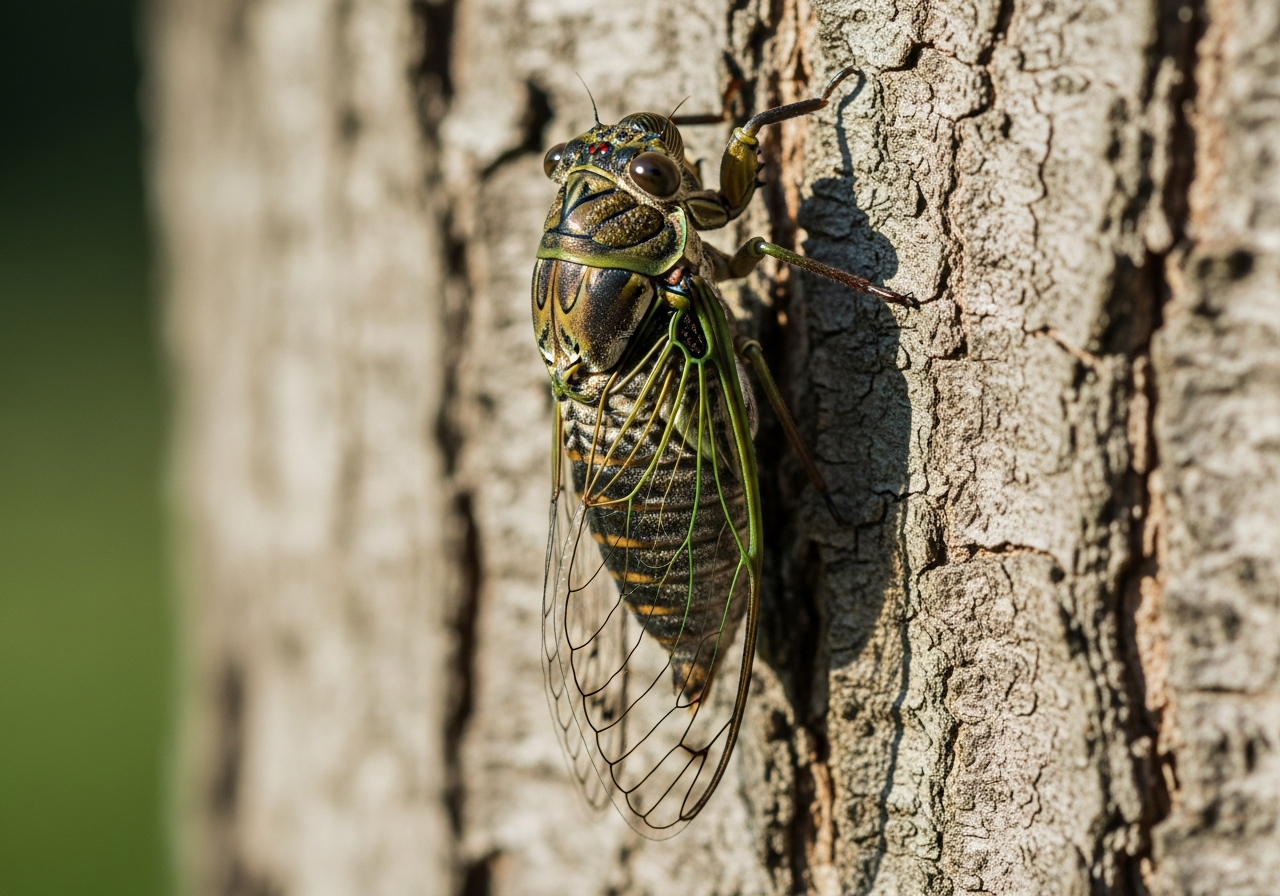
Insect
The loud summer singer with a long underground youth
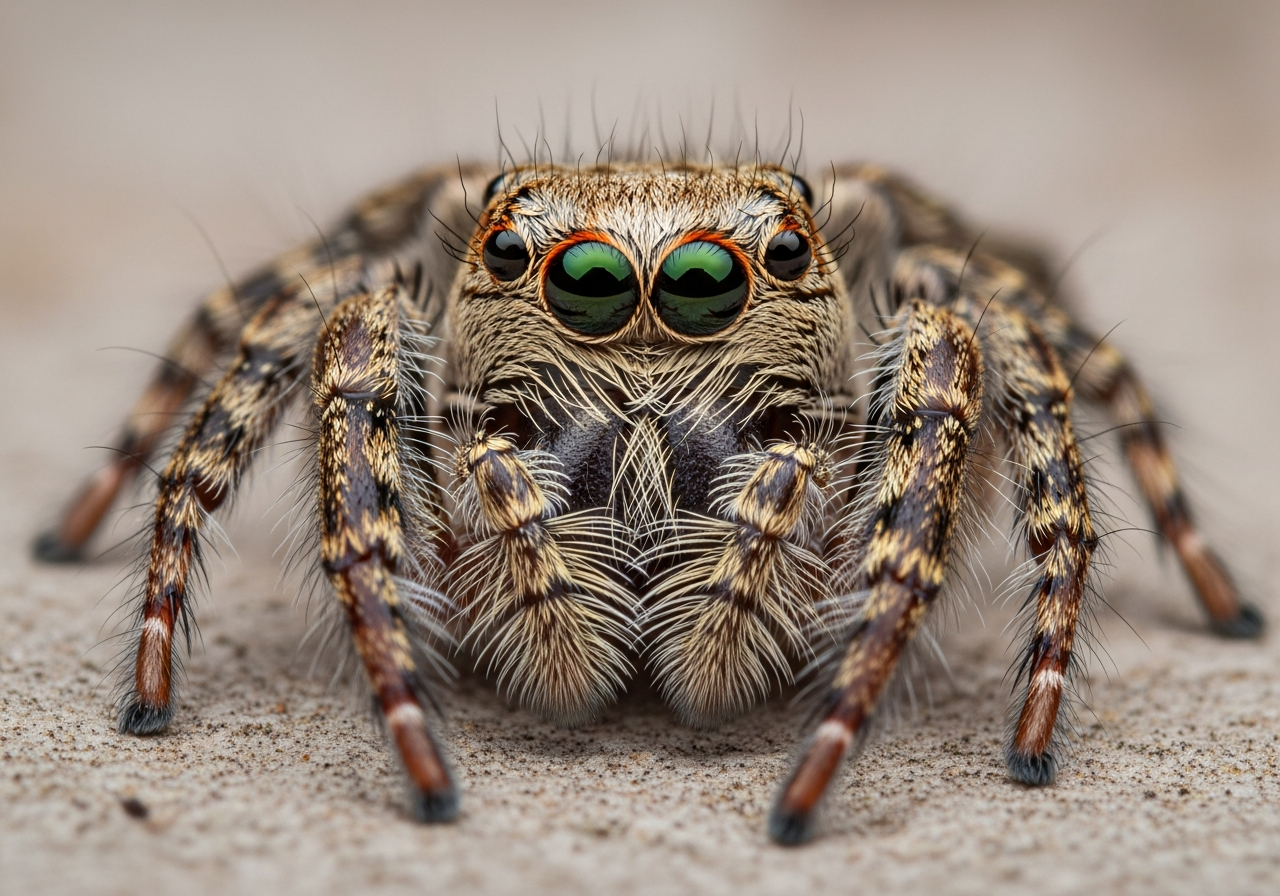
Invertebrate
The big-eyed spider that pounces on its prey
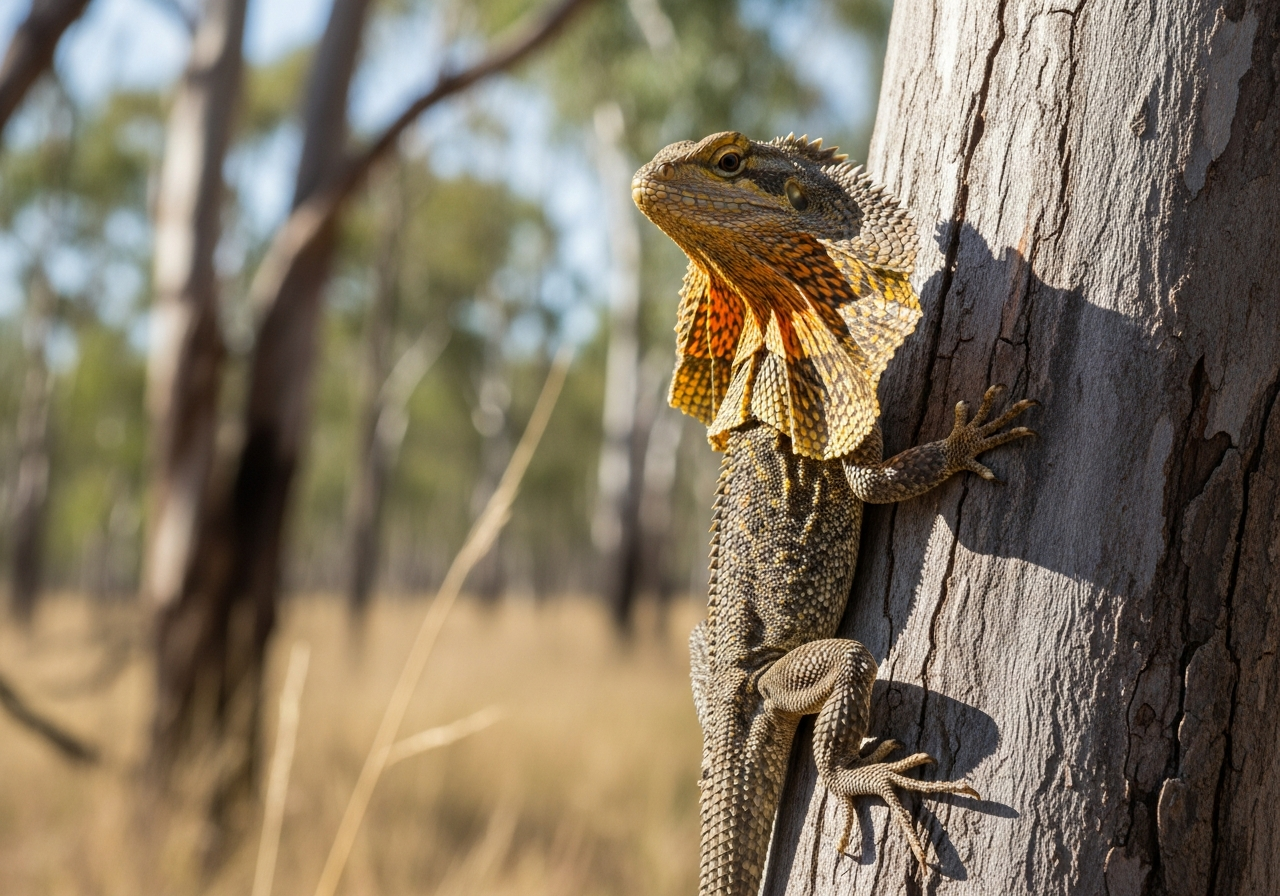
Reptile
The lizard that flares a dramatic neck frill
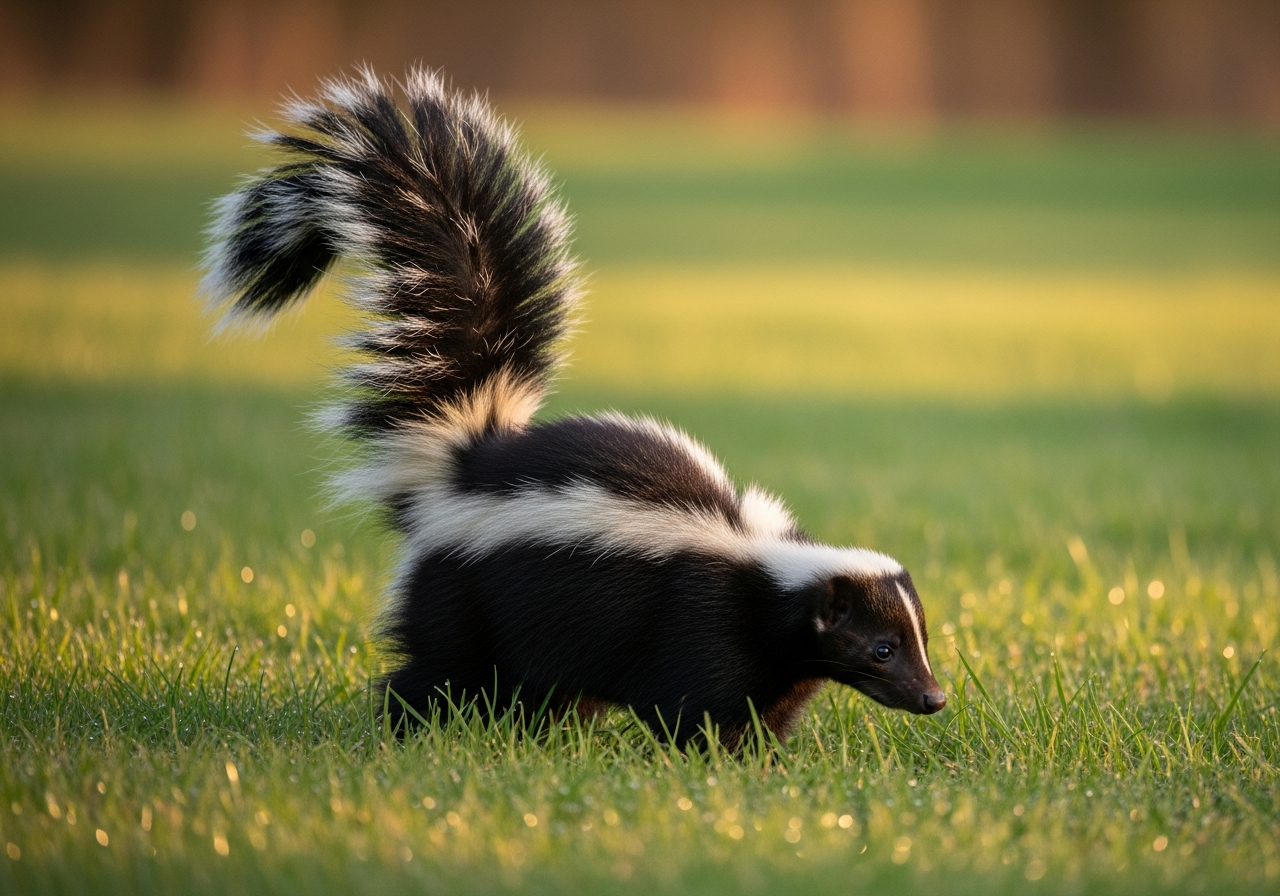
Mammal
The black-and-white mammal with a chemical defence
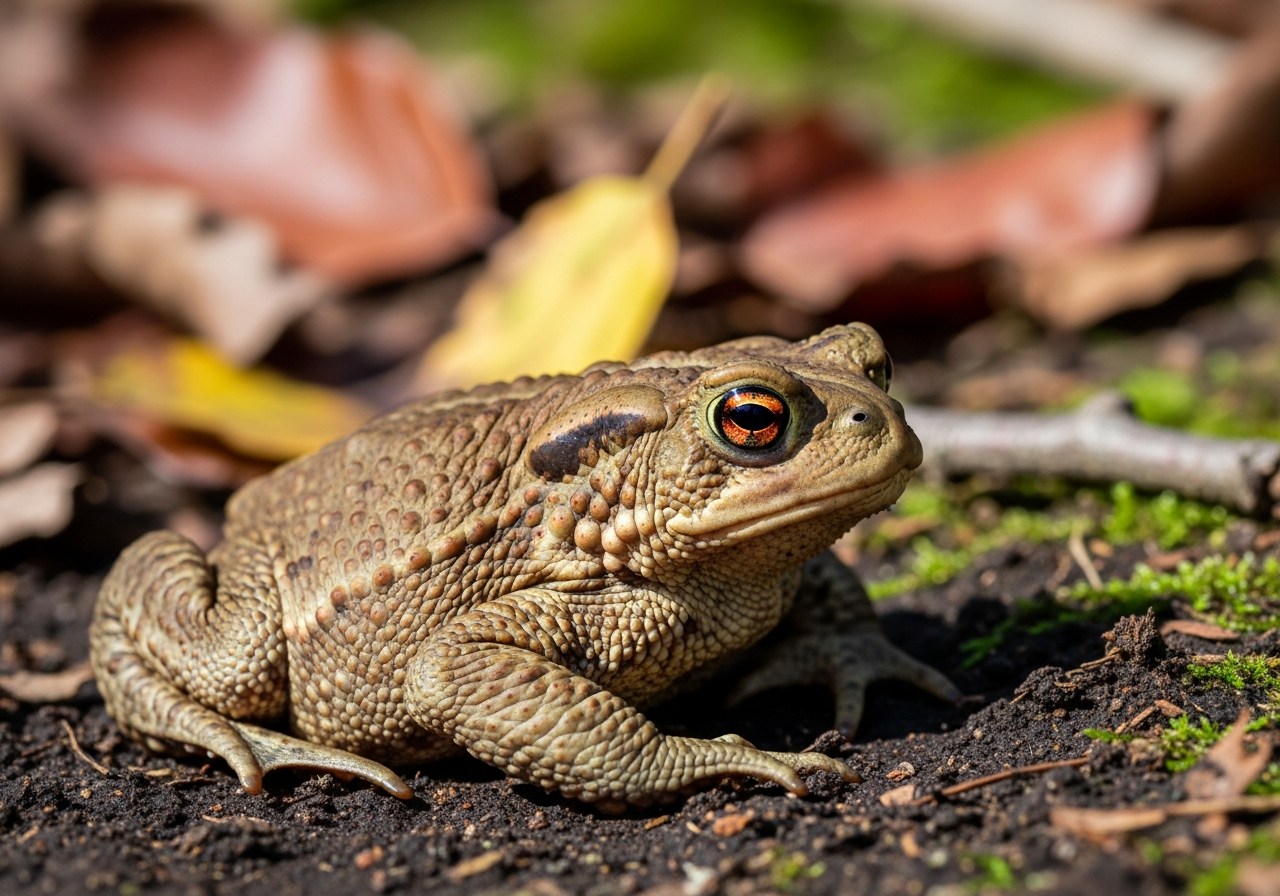
Amphibian
The warty garden toad of Europe
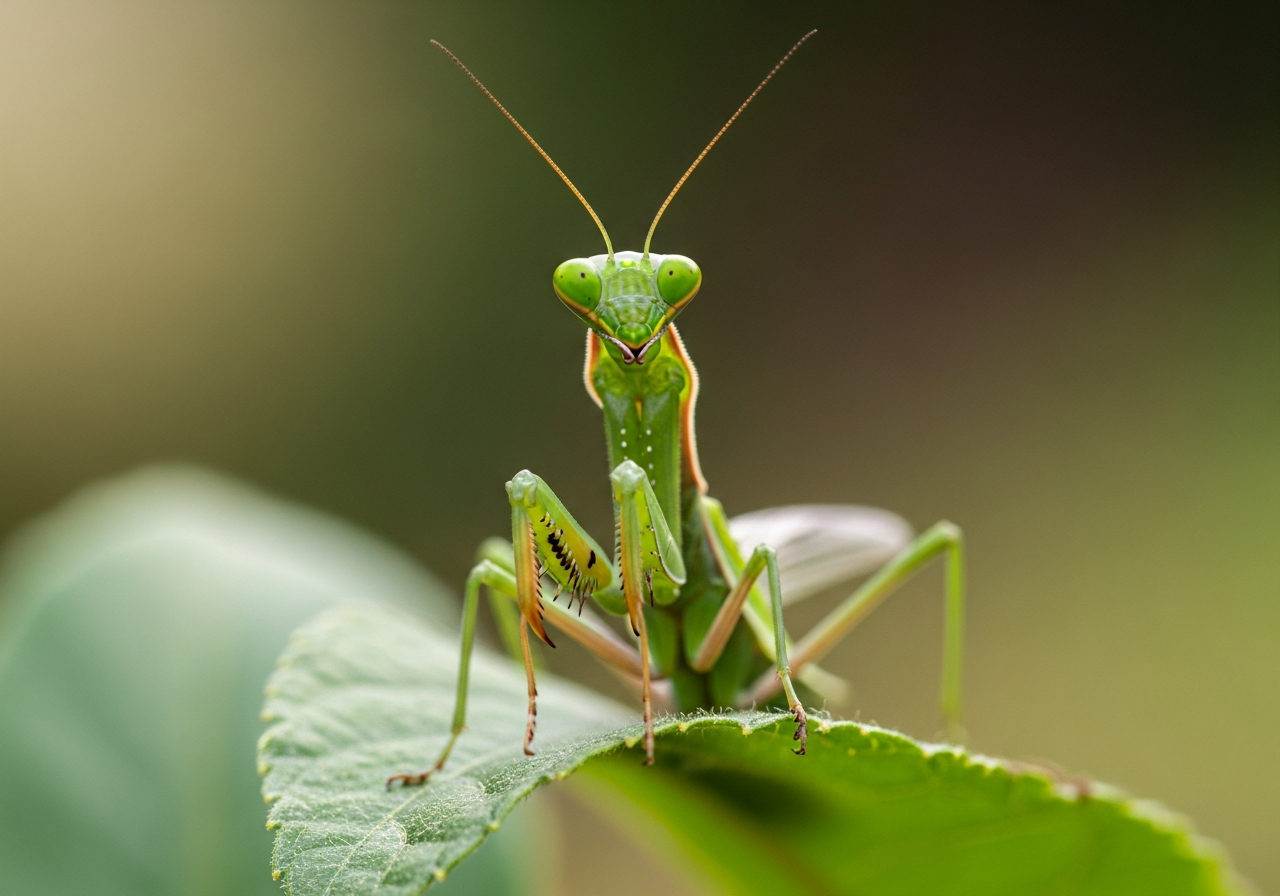
Insect
The patient ambush predator with folded arms
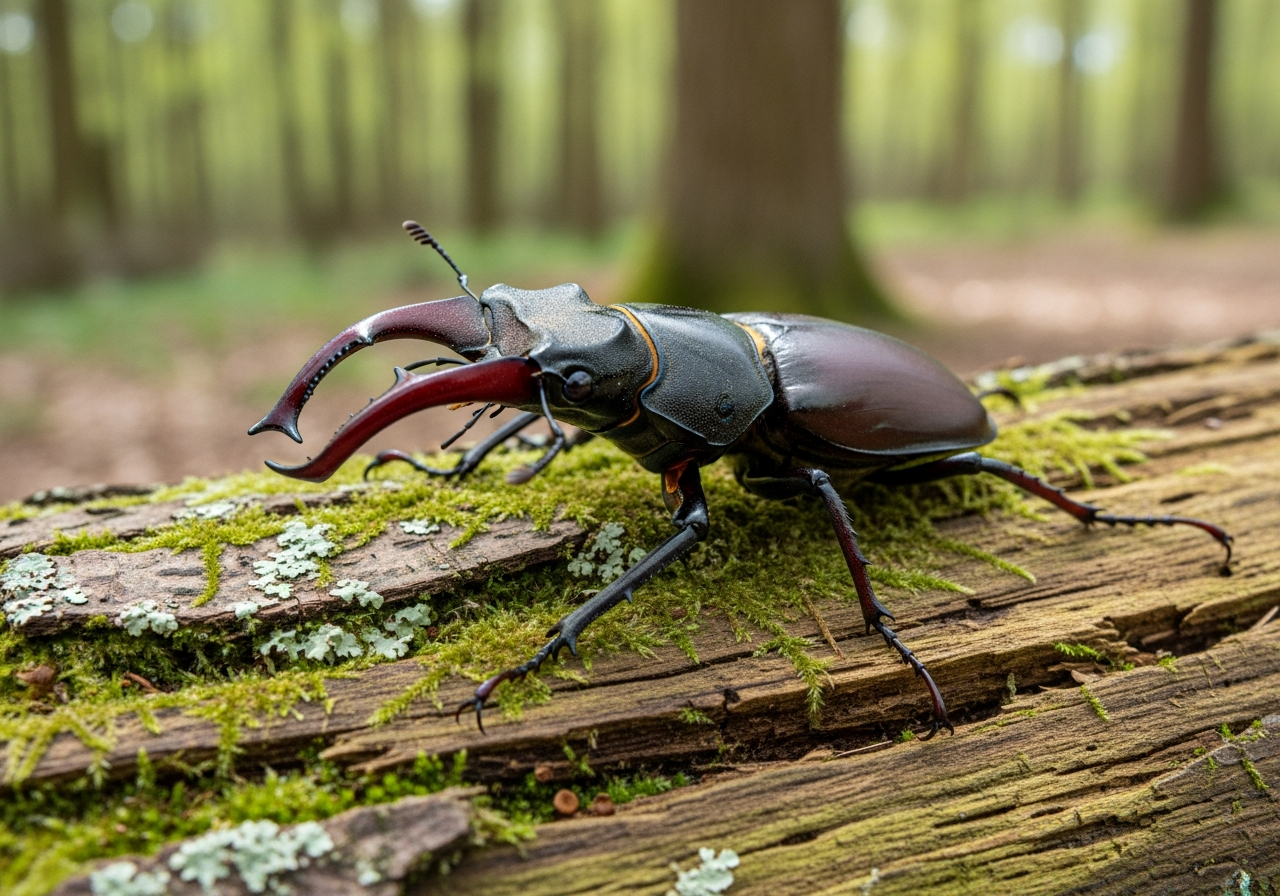
Insect
The large beetle with antler-like jaws
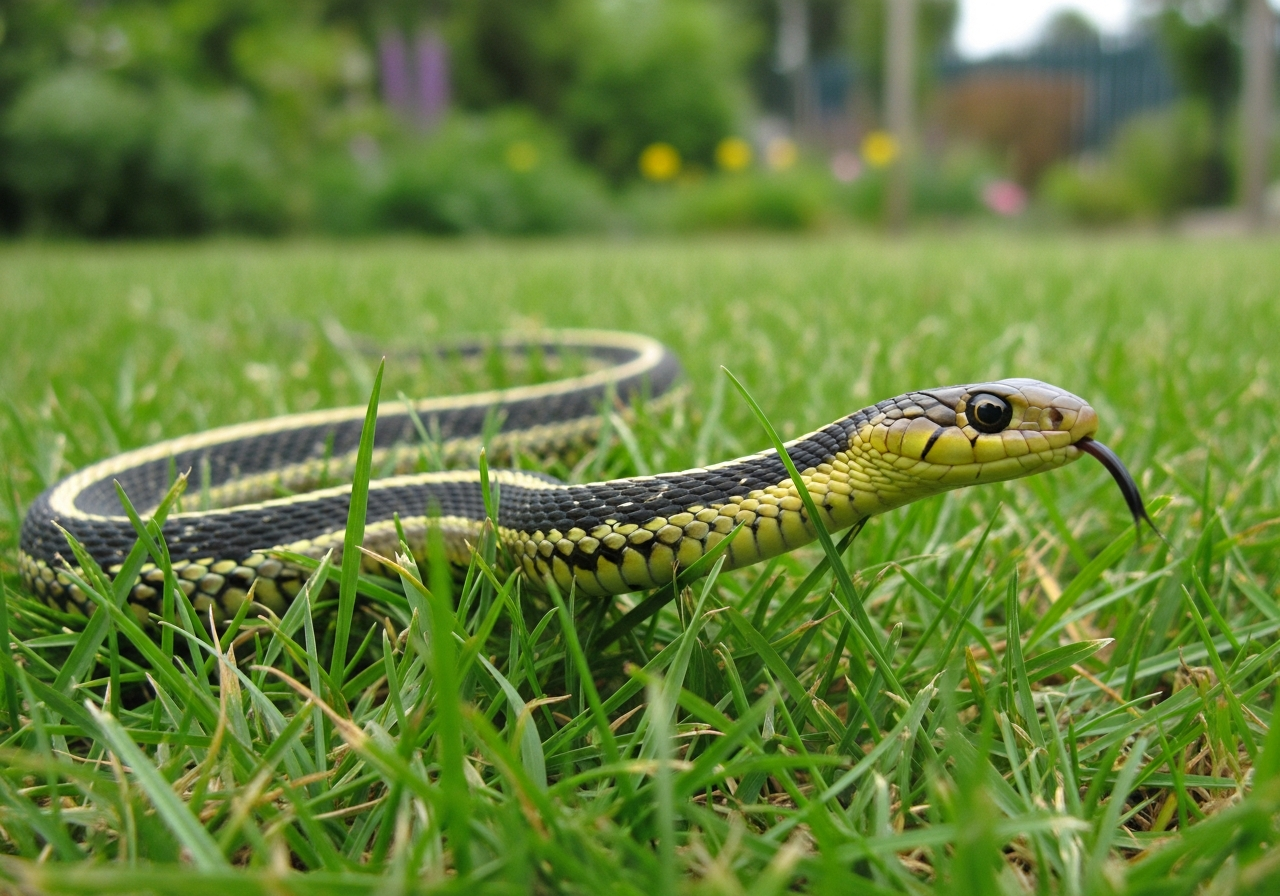
Reptile
One of North America's most common and widespread snakes
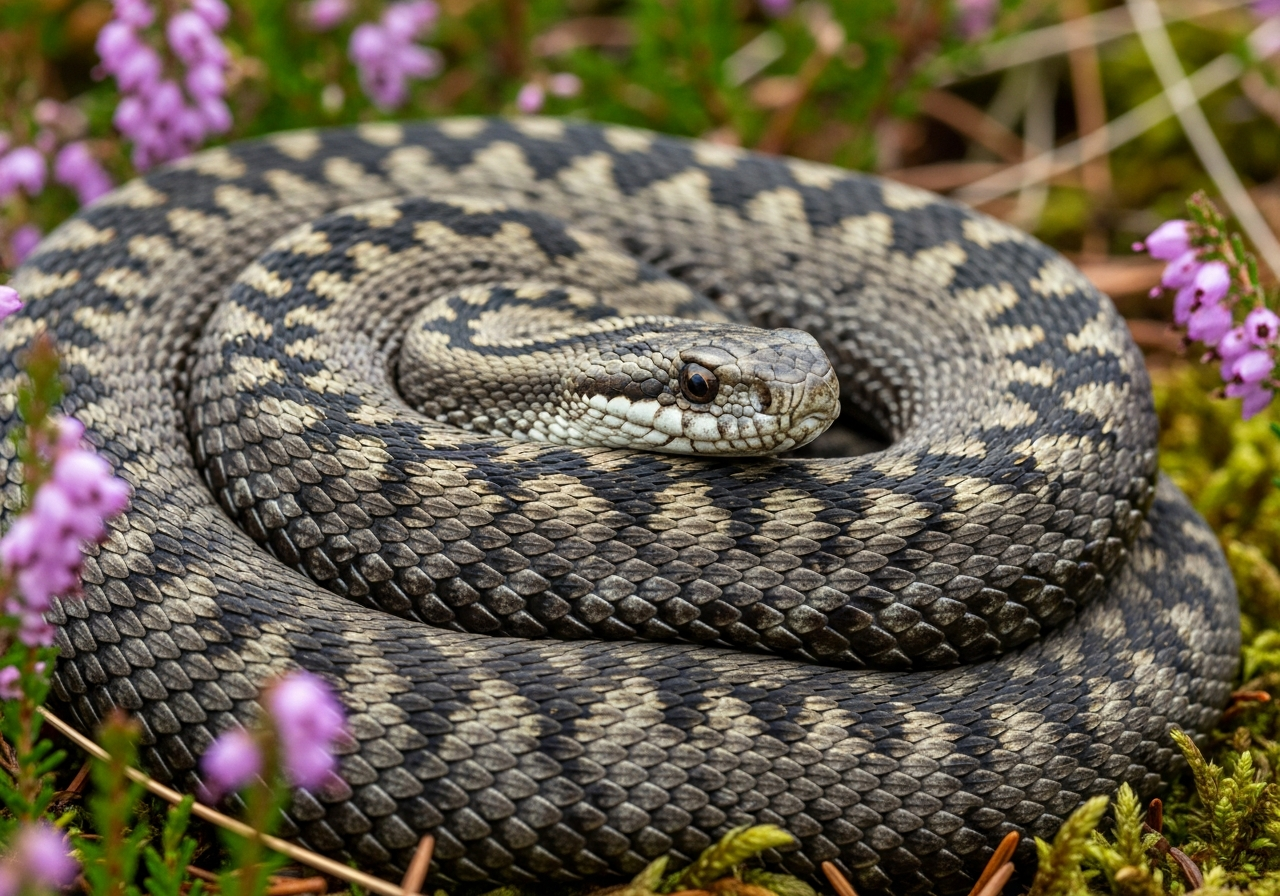
Reptile
Britain's only venomous snake
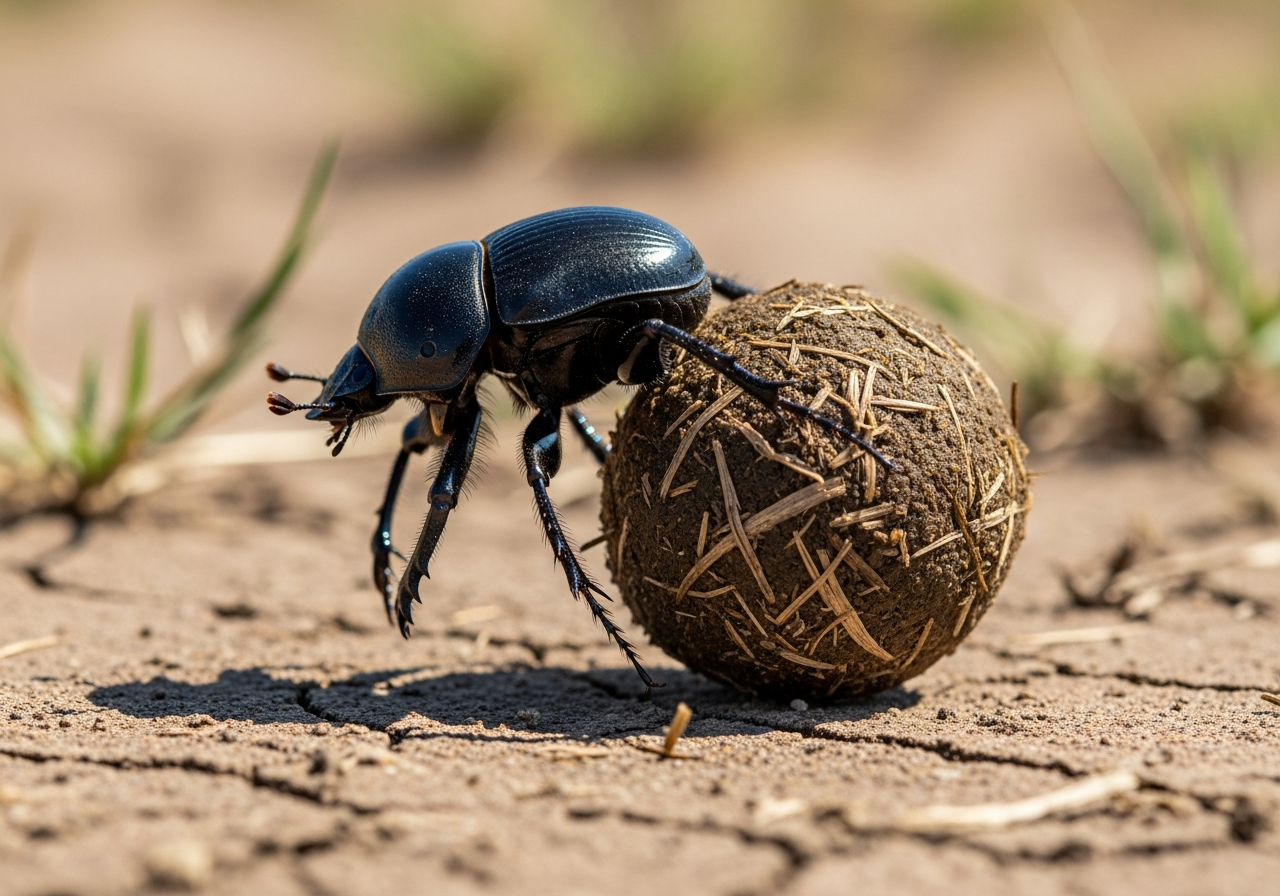
Insect
The strong beetle that rolls balls of dung
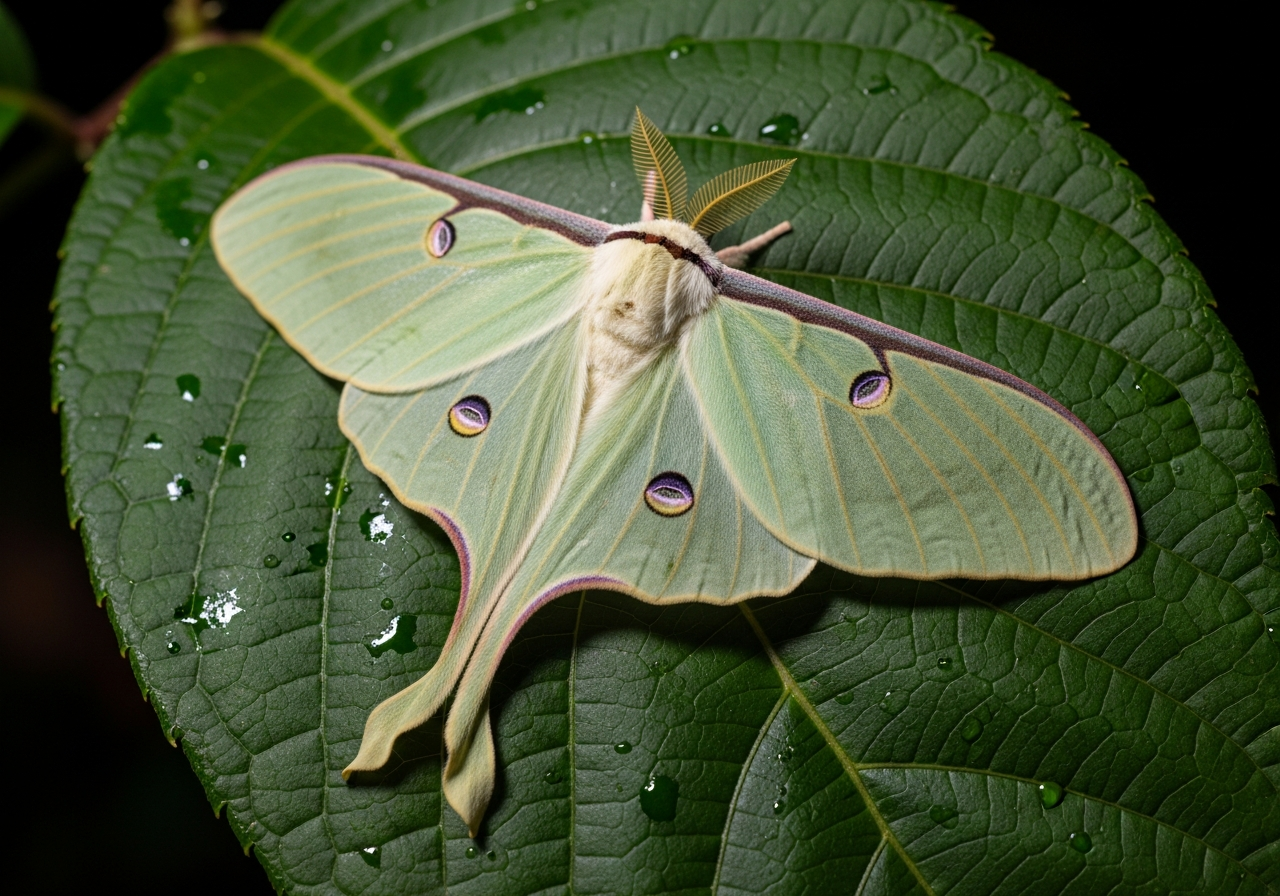
Insect
The large, pale-green silk moth with long tails
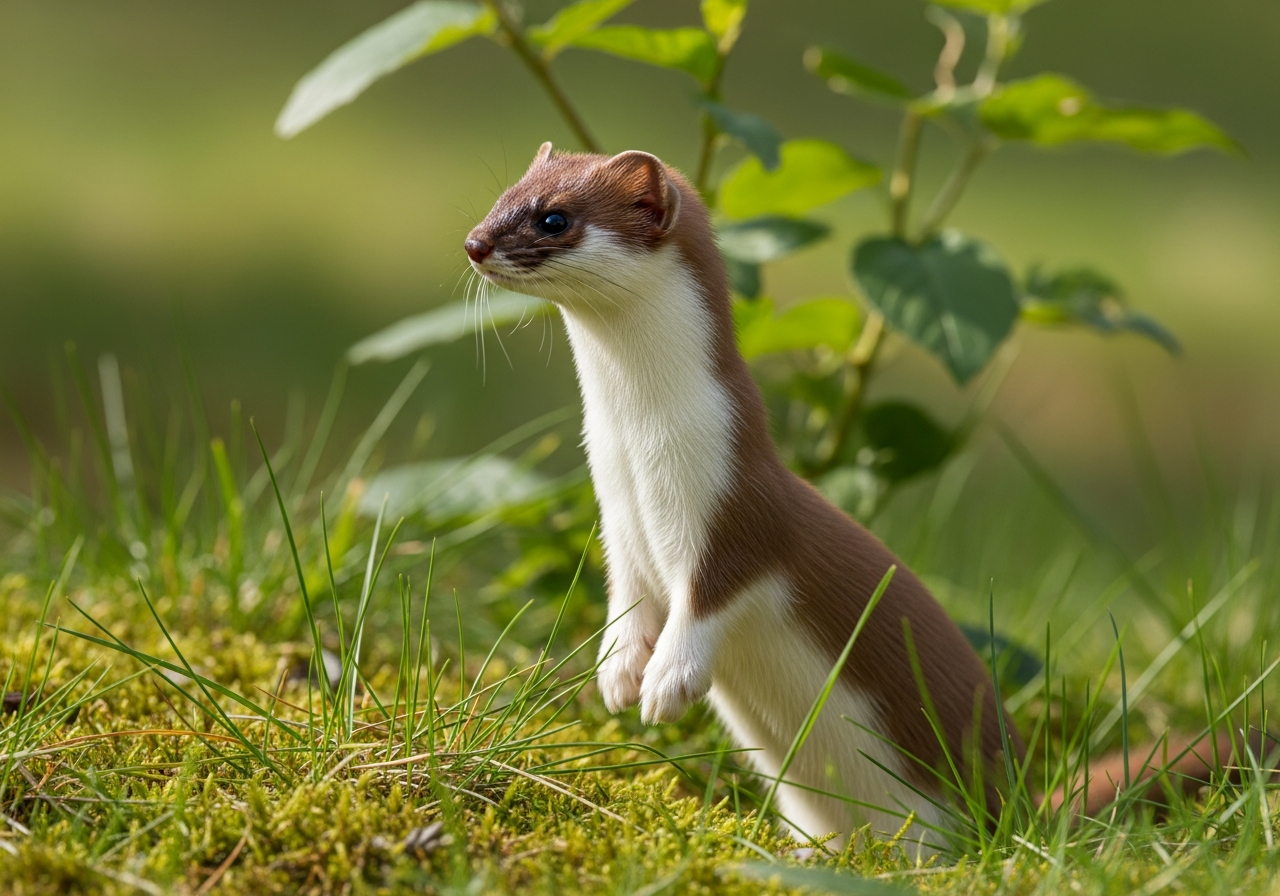
Mammal
Britain's smallest carnivore, built for chasing prey into burrows
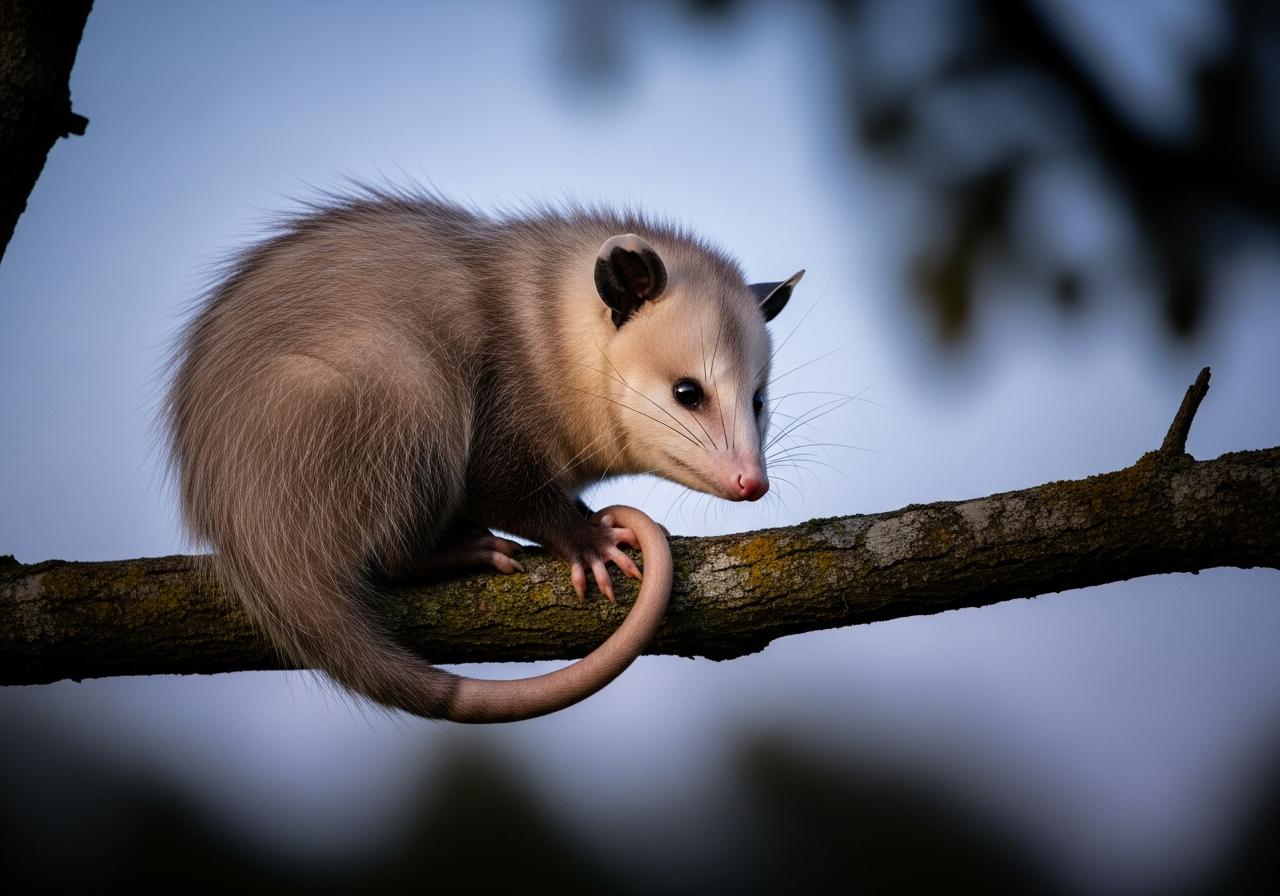
Mammal
North America's only marsupial
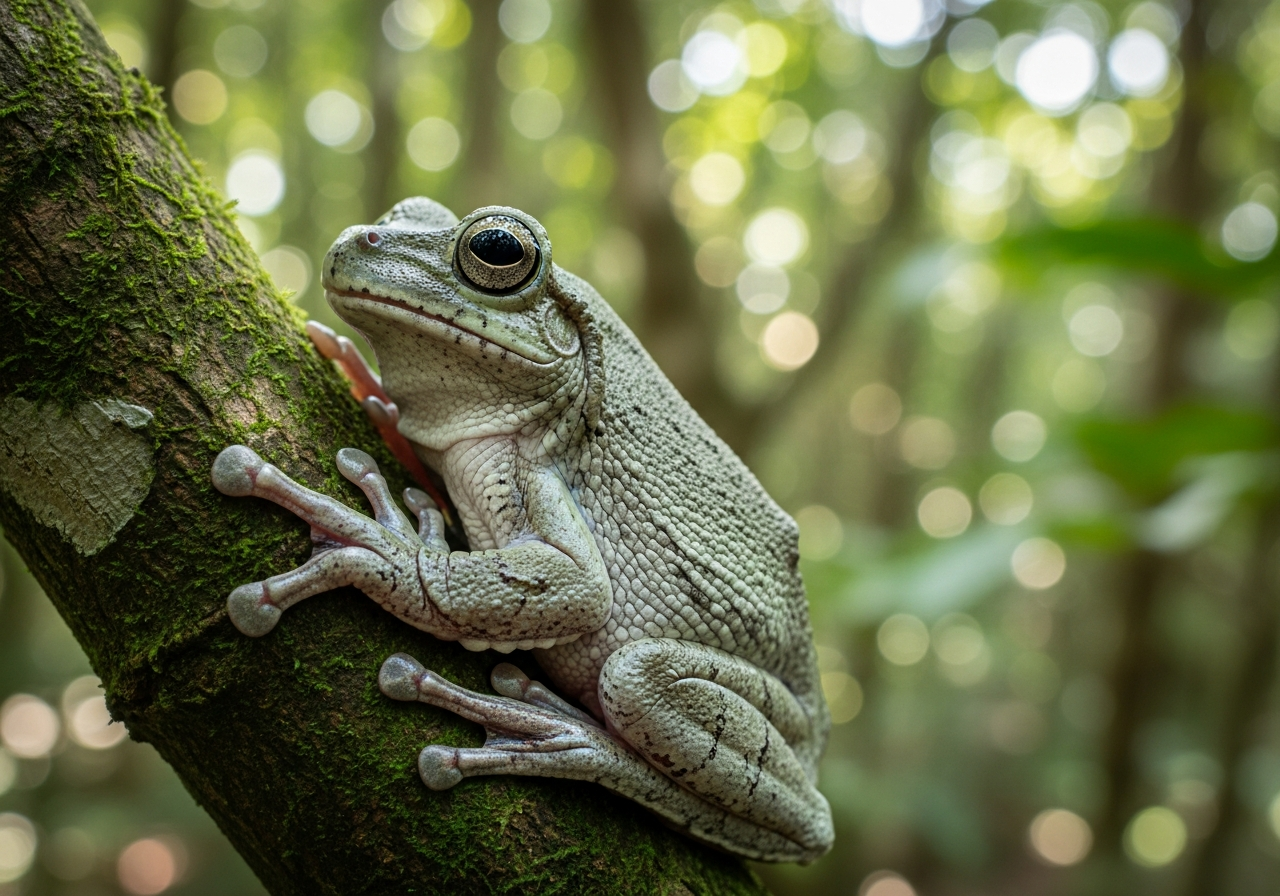
Amphibian
The color-changing tree frog of eastern forests
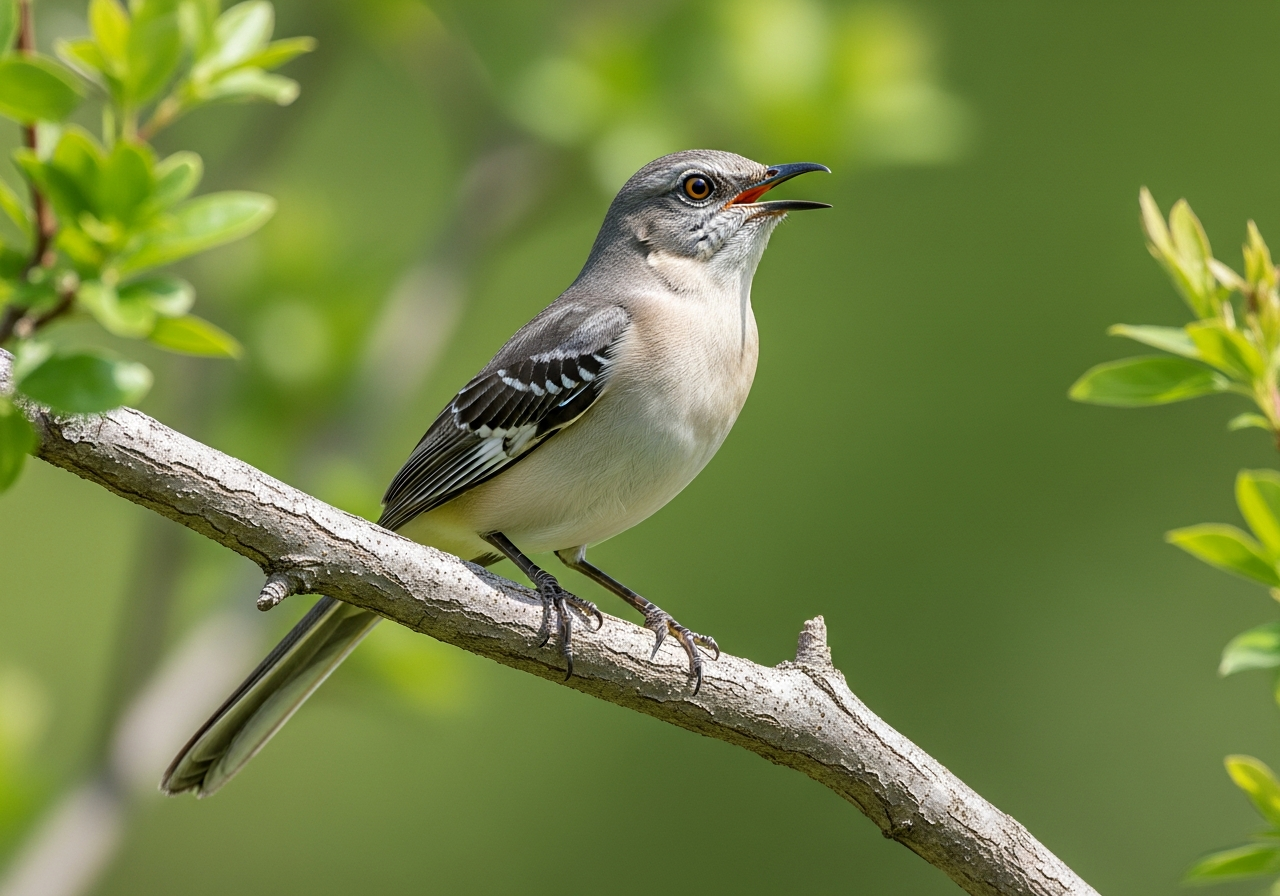
Bird
The bird that learns 200+ songs and sings through the night
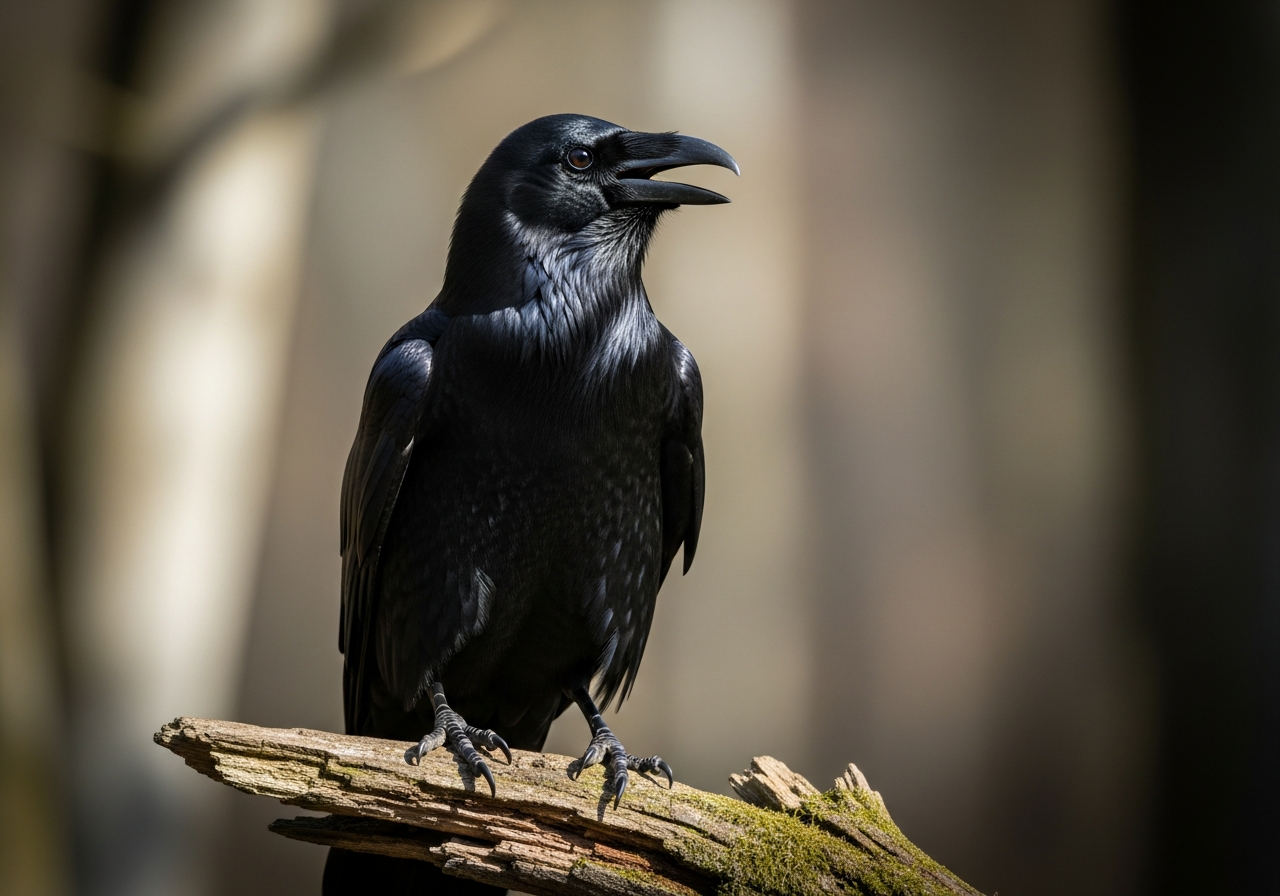
Bird
One of the world's most intelligent birds
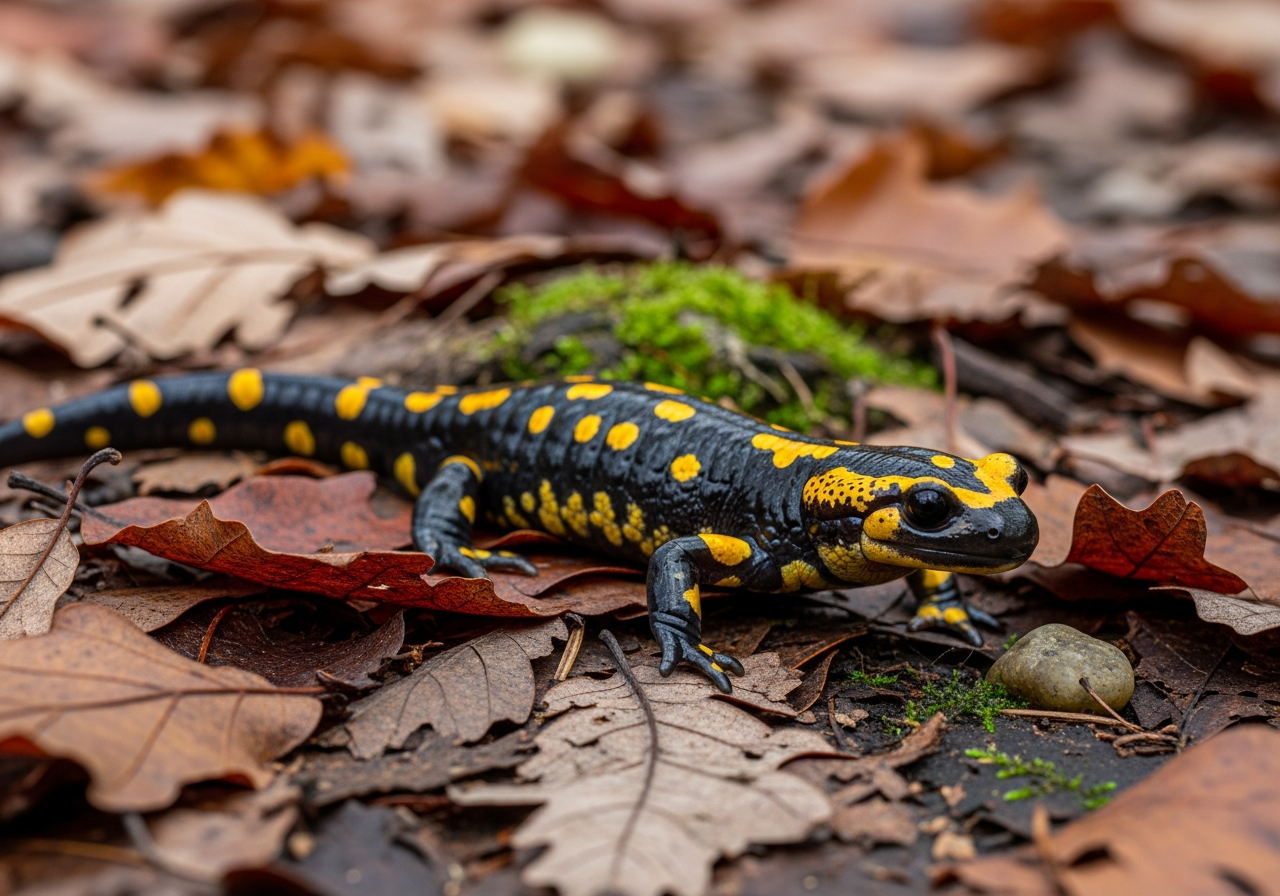
Amphibian
The yellow-spotted salamander of eastern forests
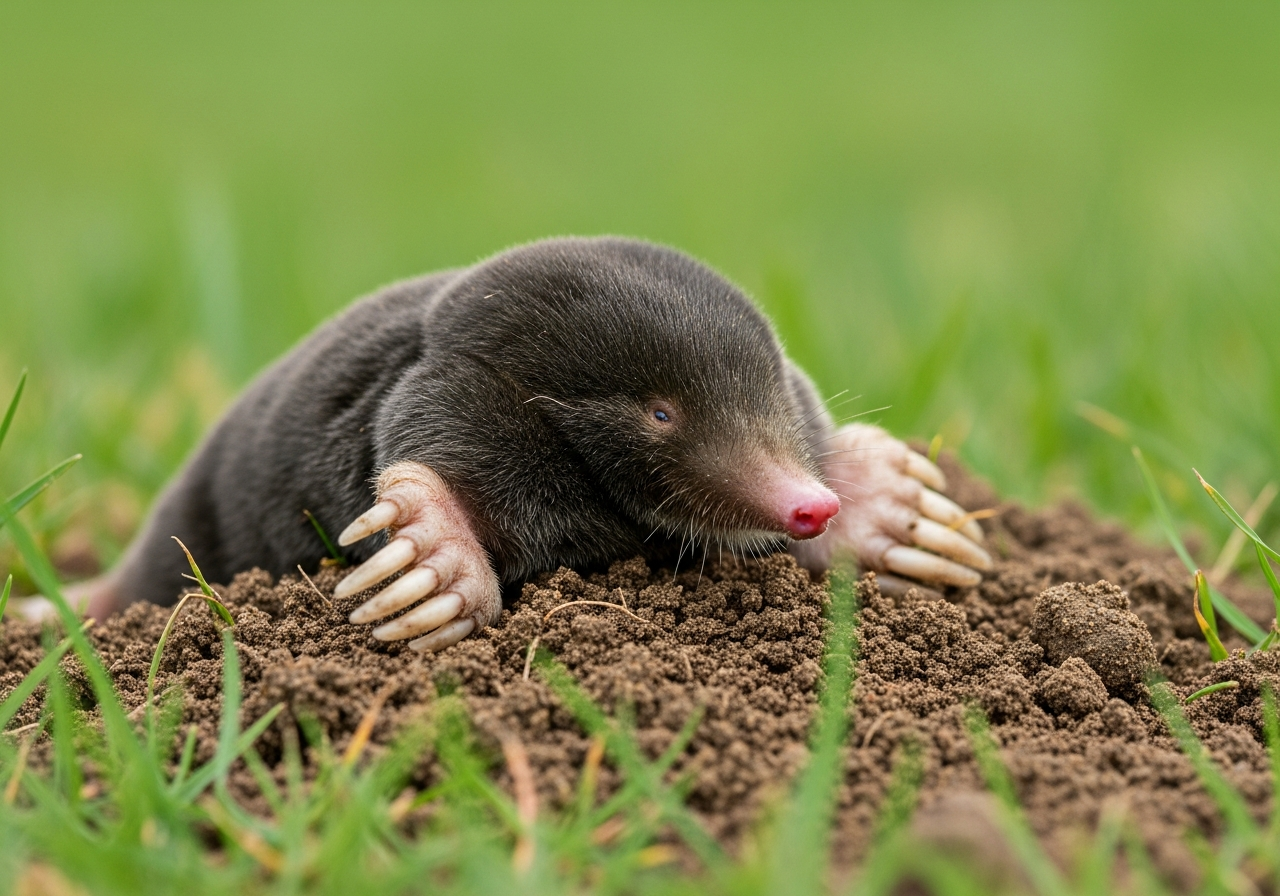
Mammal
The tunnelling insectivore behind every molehill
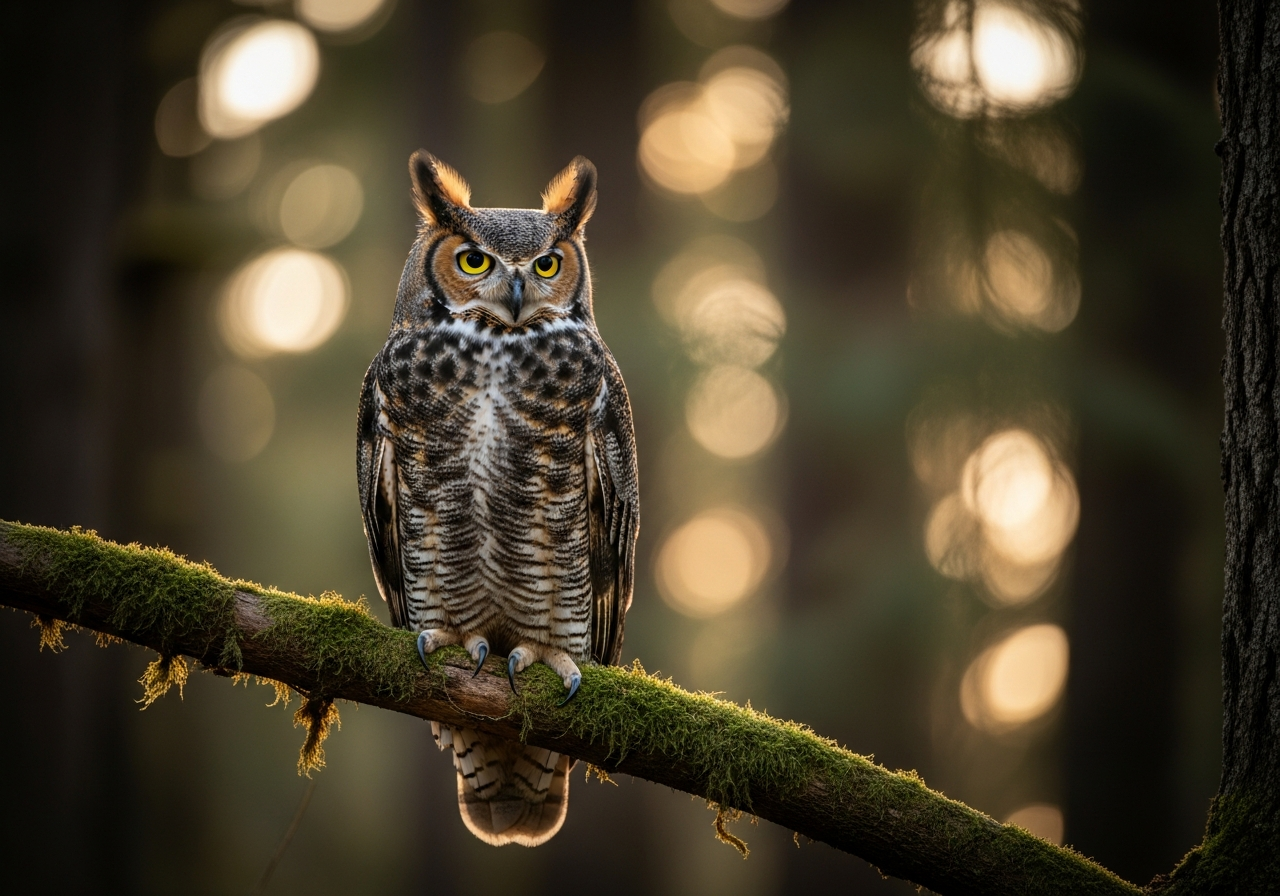
Bird
The powerful nocturnal hunter with feathered tufts
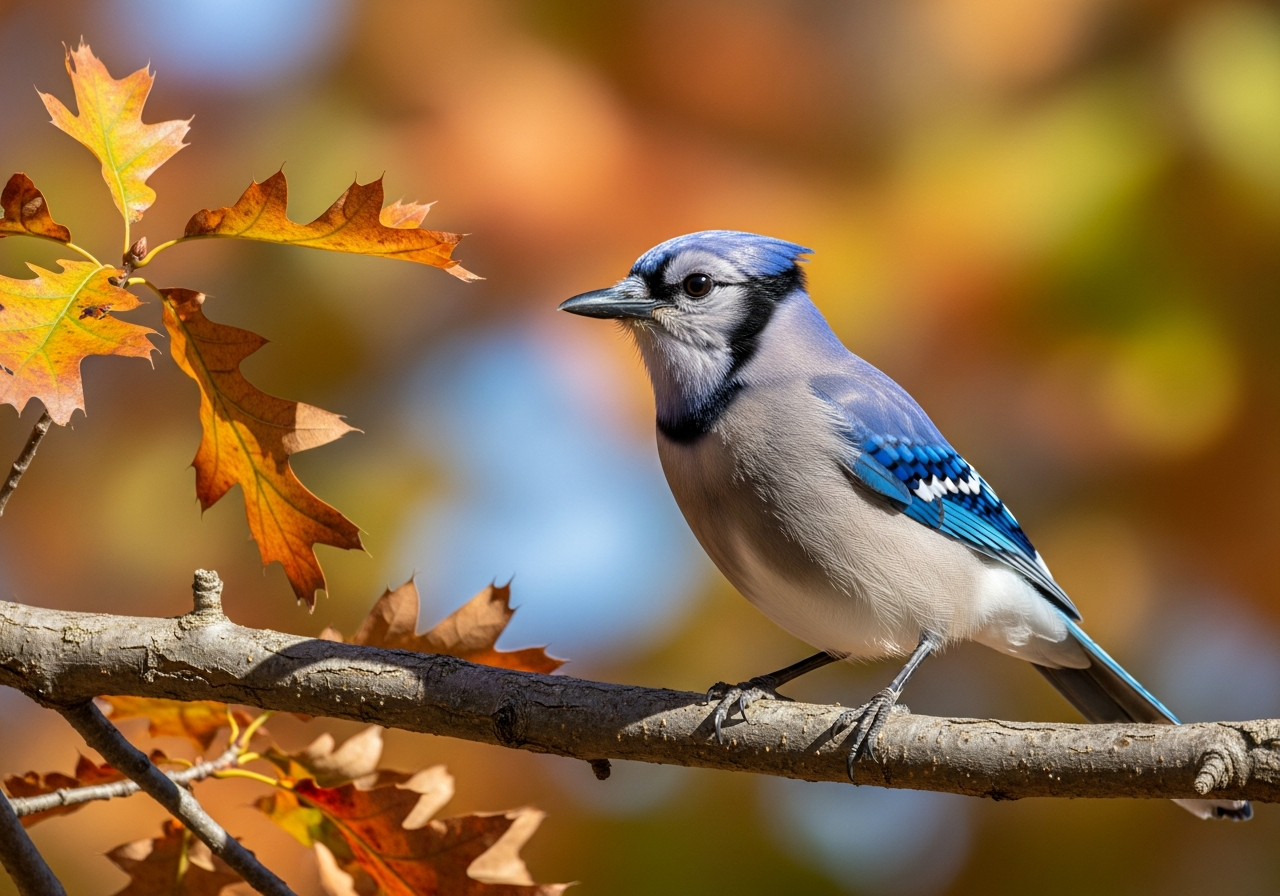
Bird
The bold, noisy blue songbird of North America
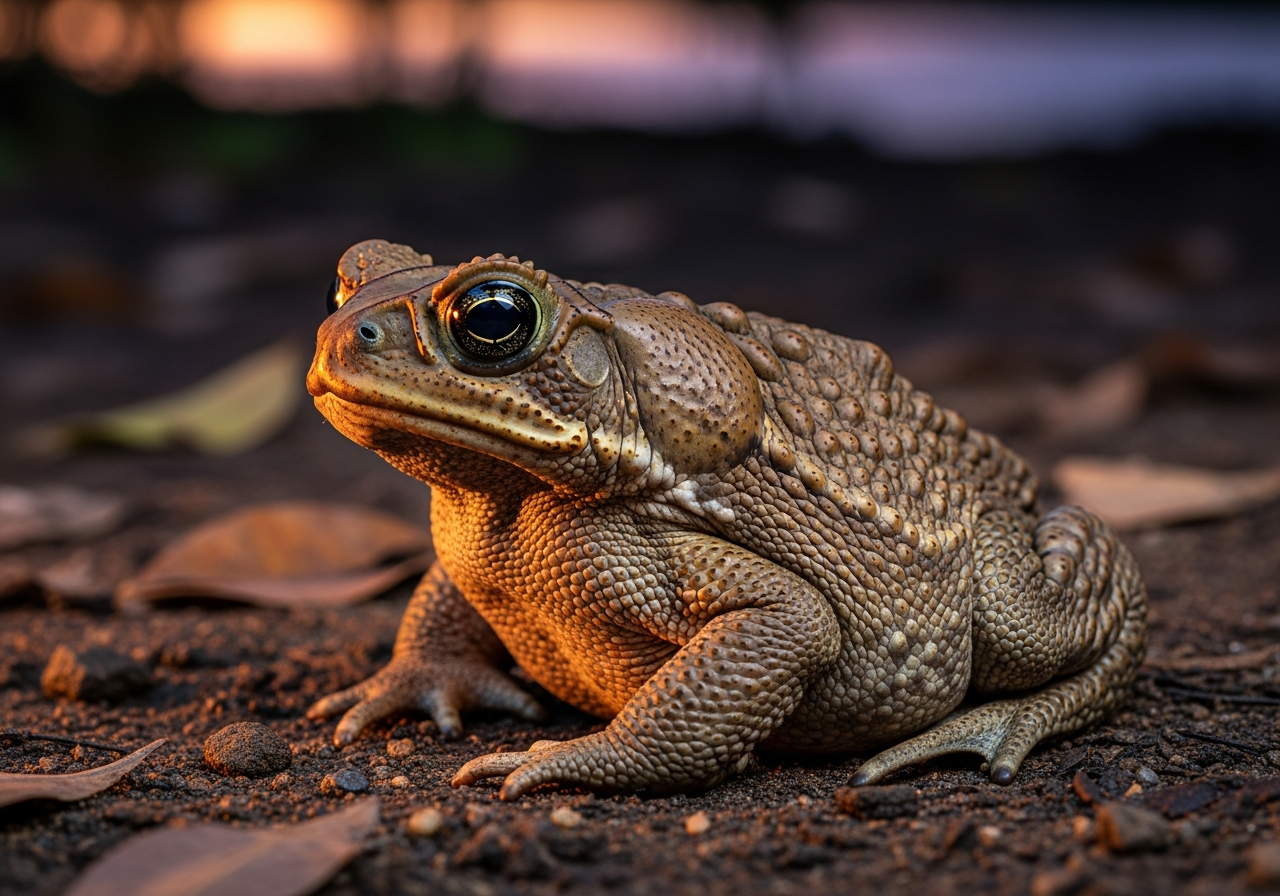
Amphibian
A large, toxic toad turned invasive pest
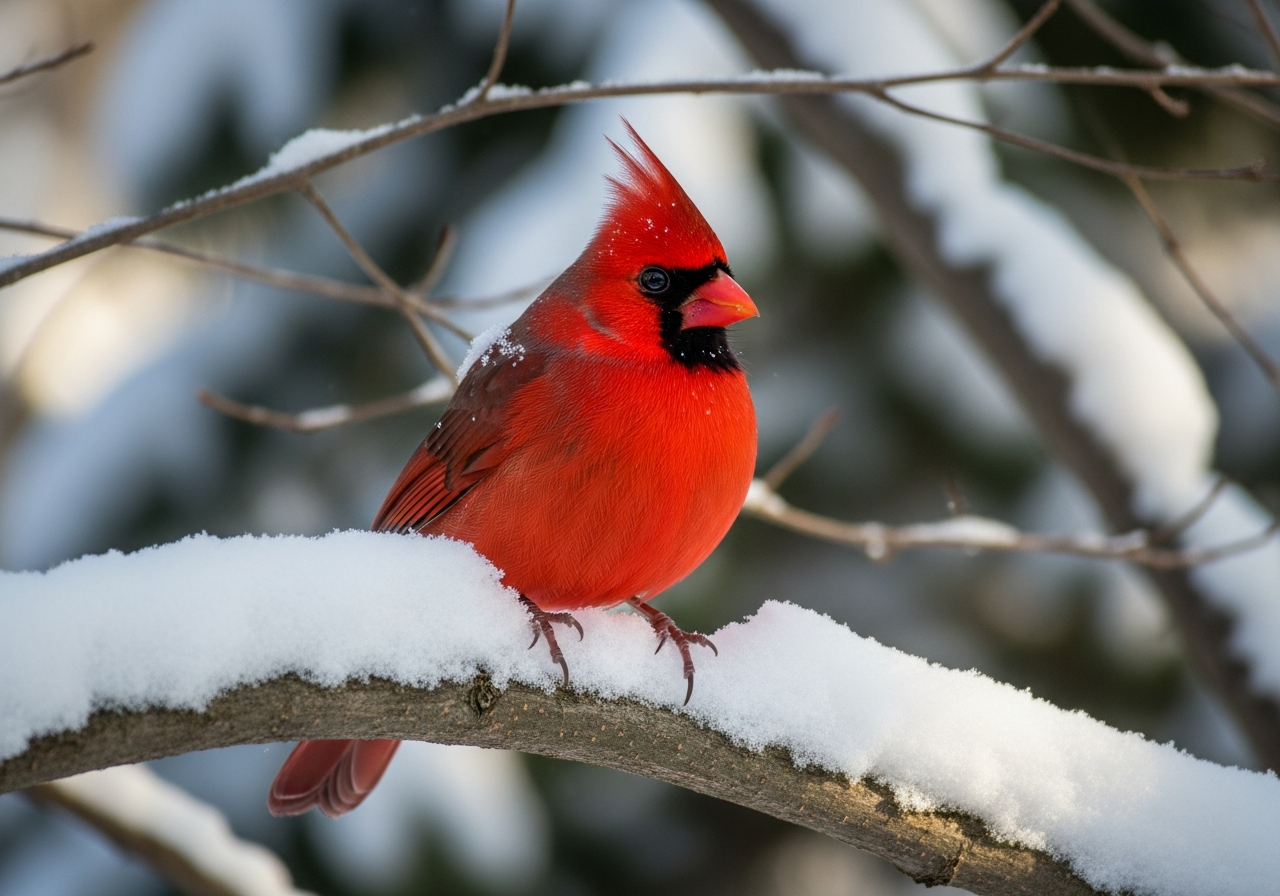
Bird
The bright red songbird of North American gardens
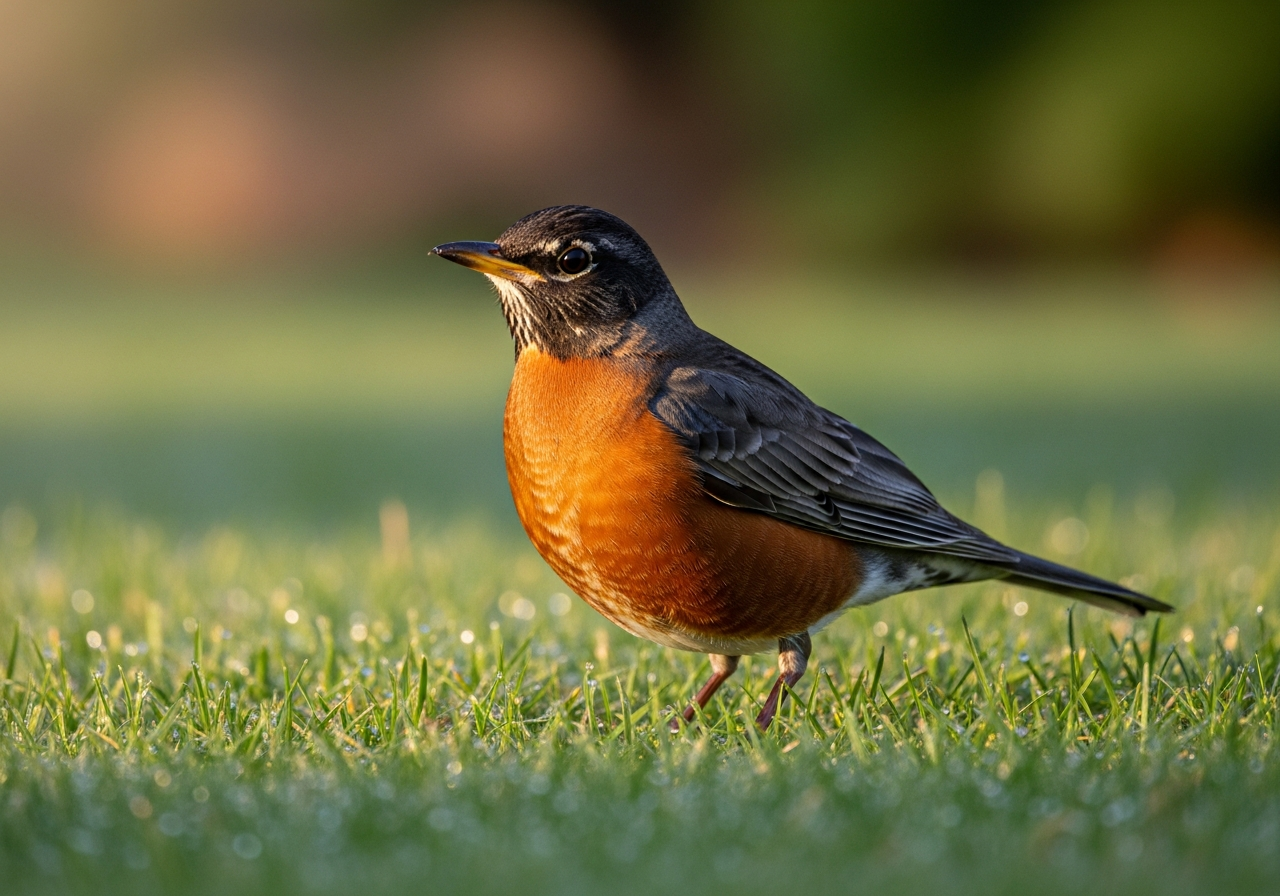
Bird
The orange-breasted herald of spring
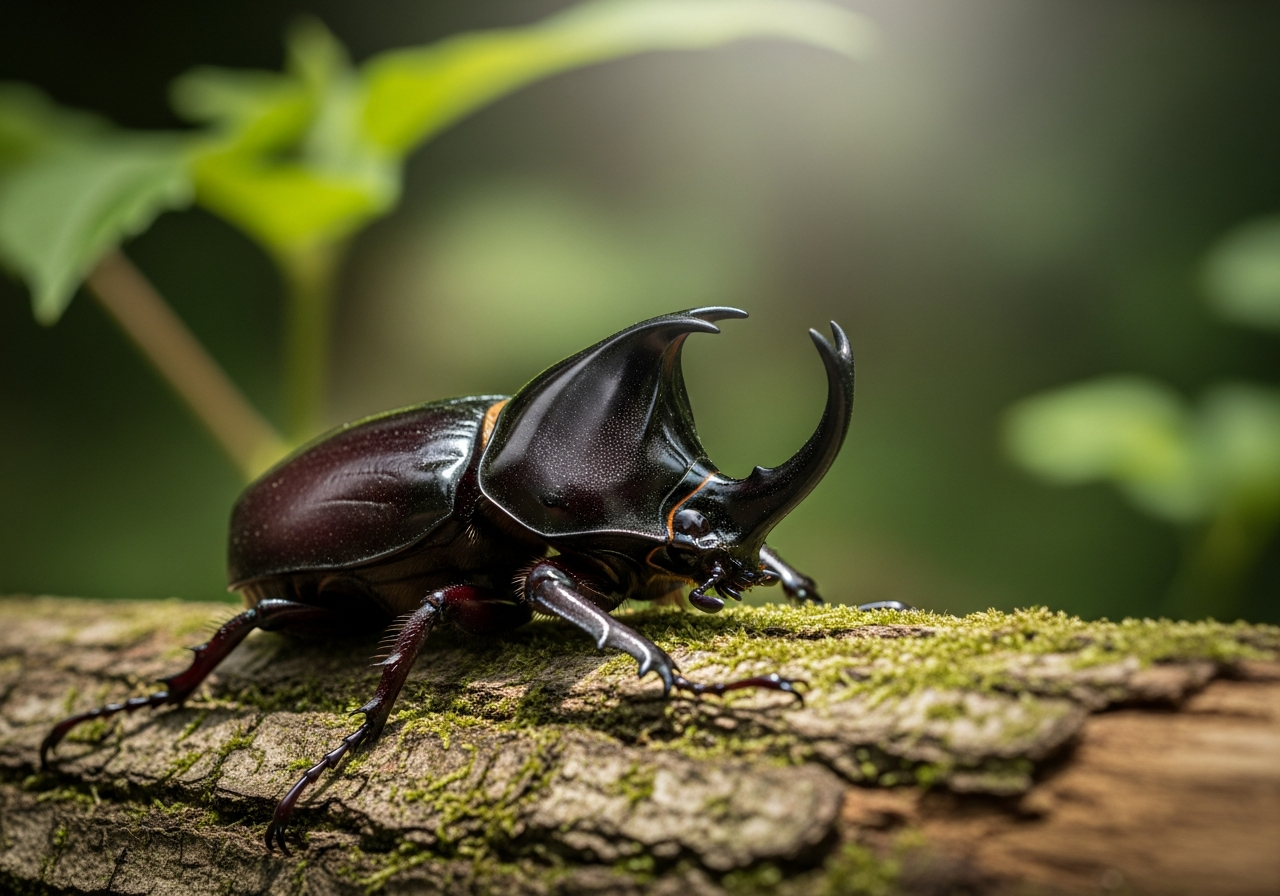
Insect
One of the strongest animals for its size
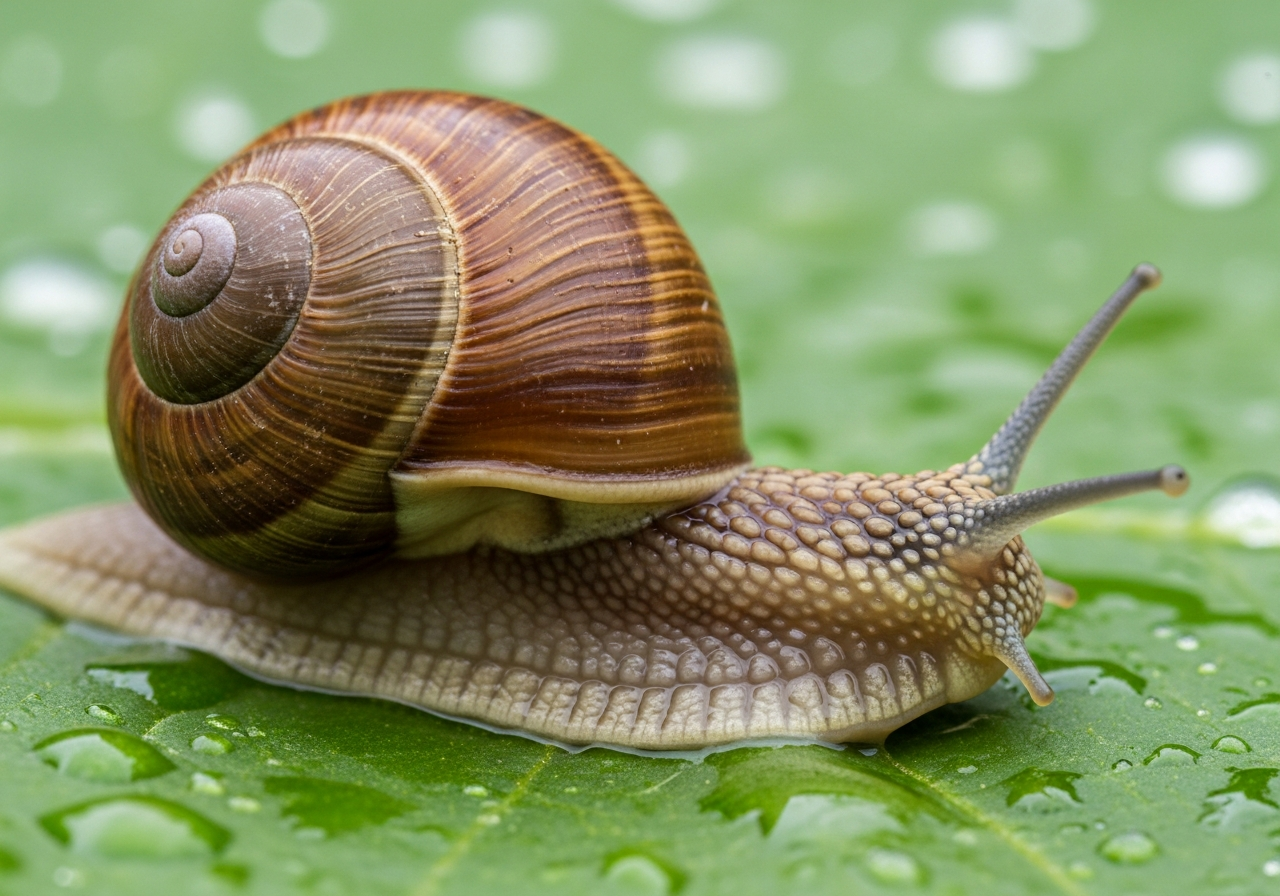
Invertebrate
The slow, shell-carrying garden mollusk
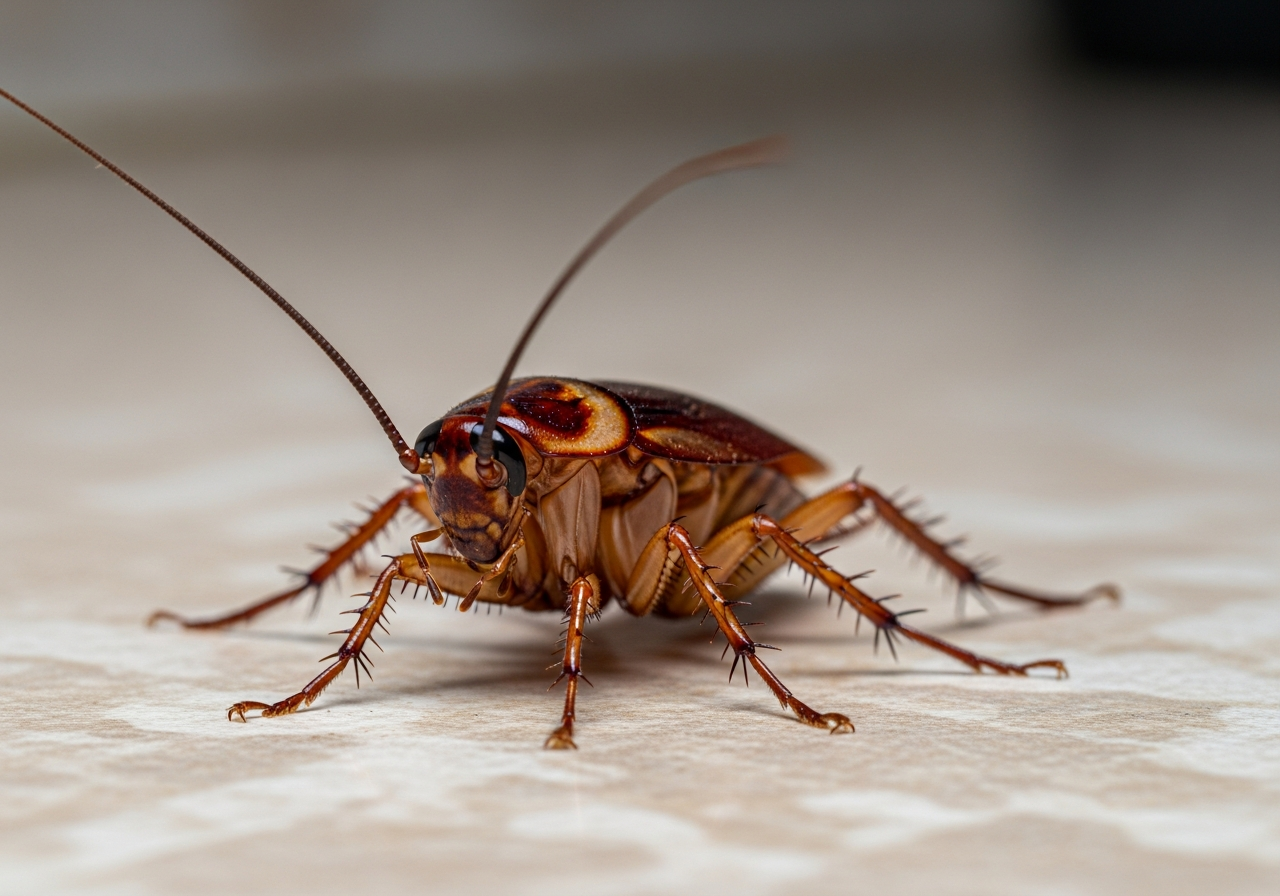
Insect
The hardy survivor that lives almost anywhere
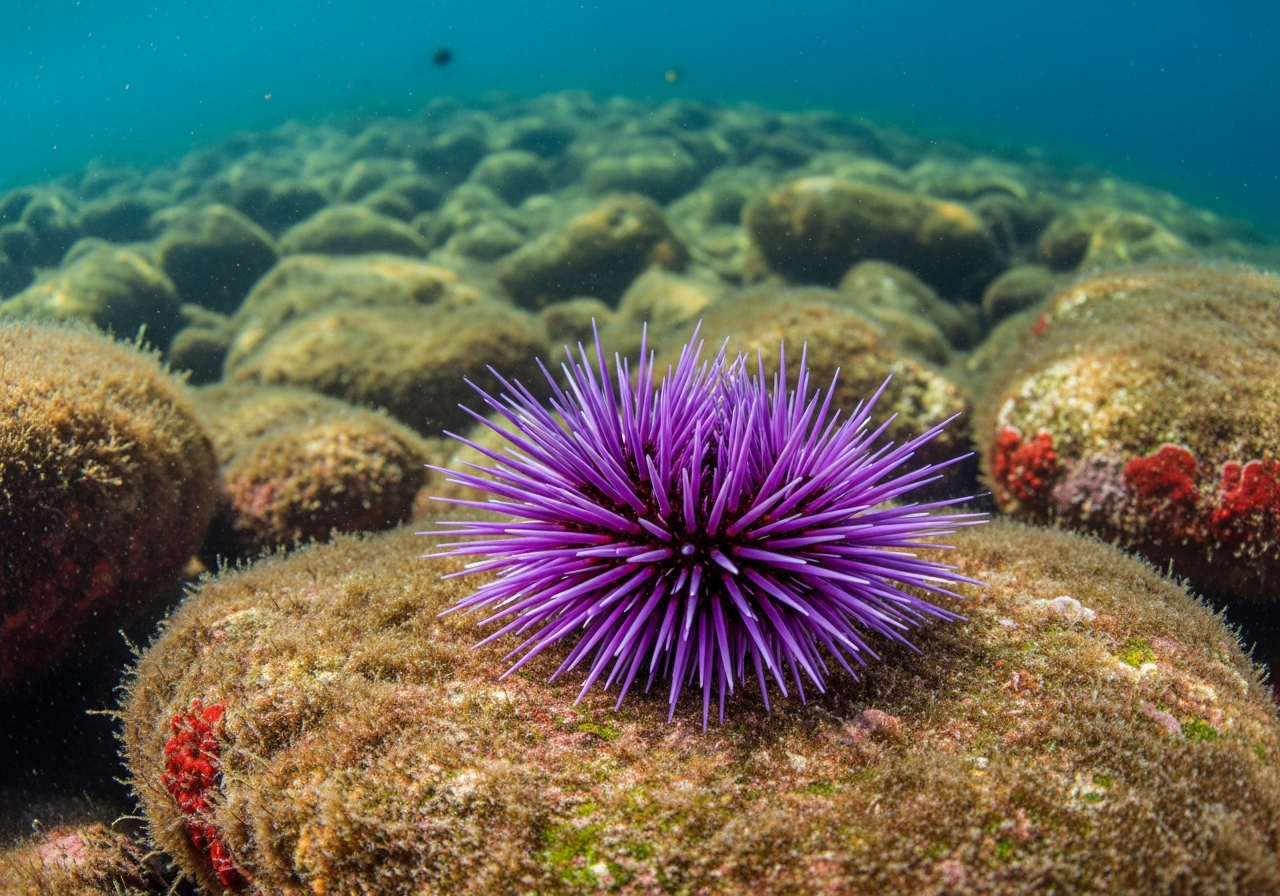
Invertebrate
The spiny ball that grazes the seabed
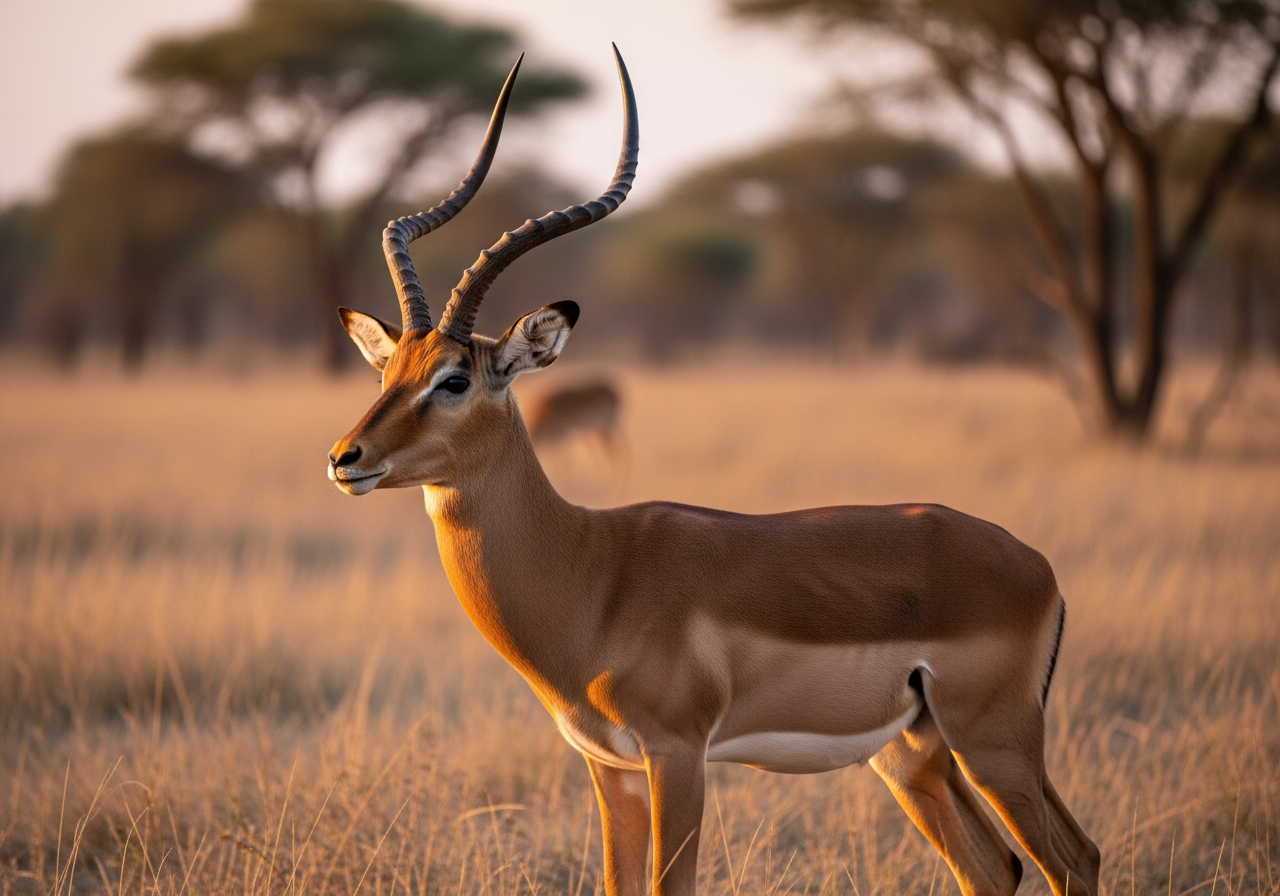
Mammal
The acrobatic leaper of the African savanna
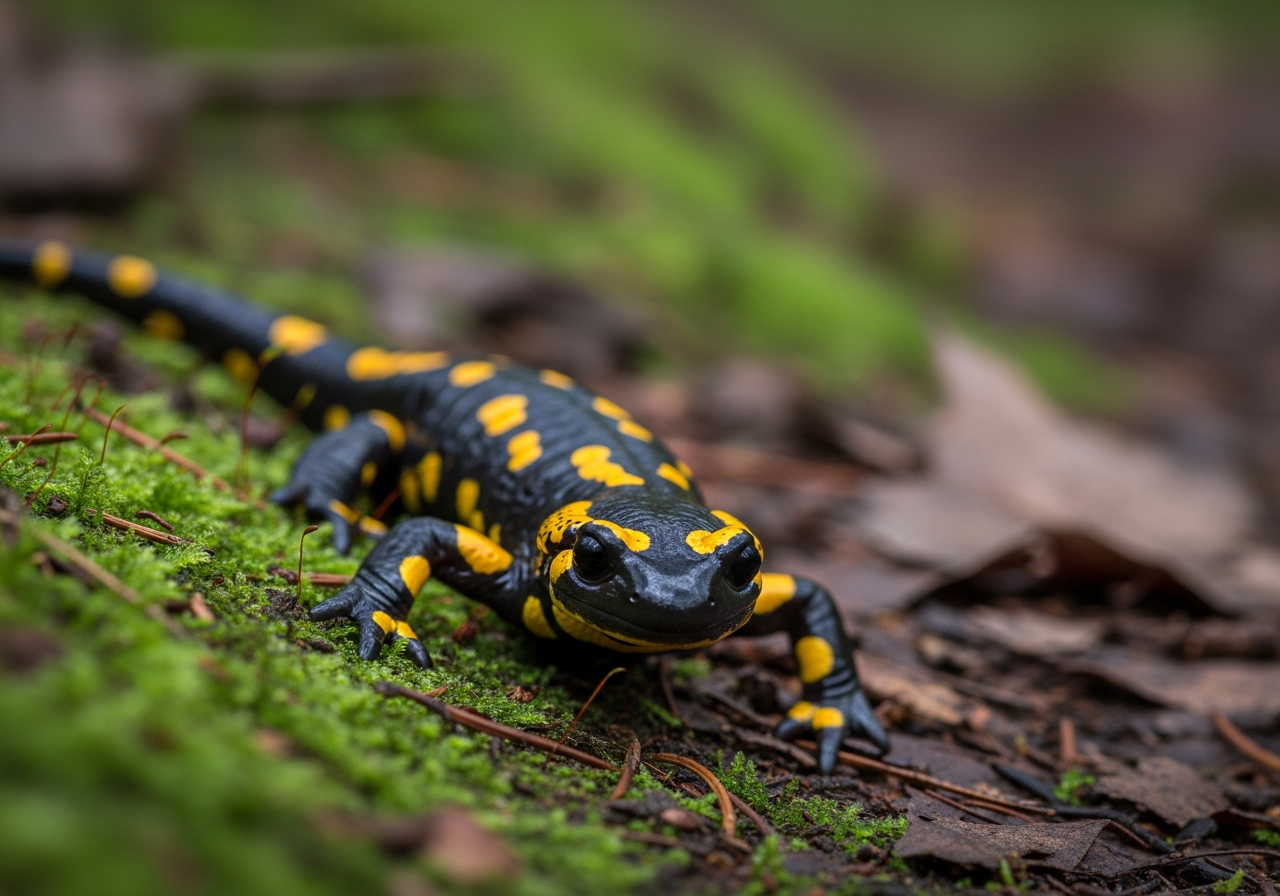
Amphibian
The black-and-yellow salamander of European forests
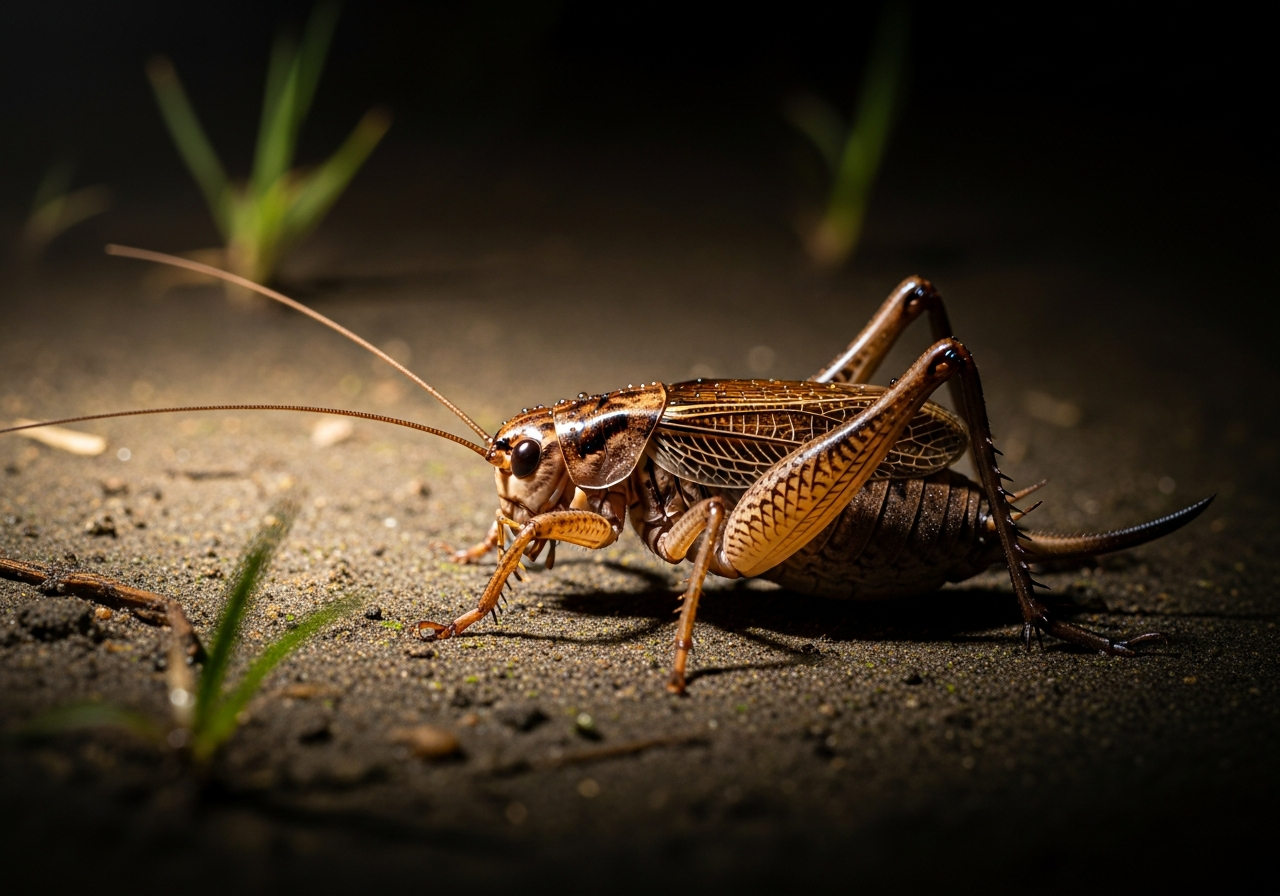
Insect
The chirping insect of warm evenings
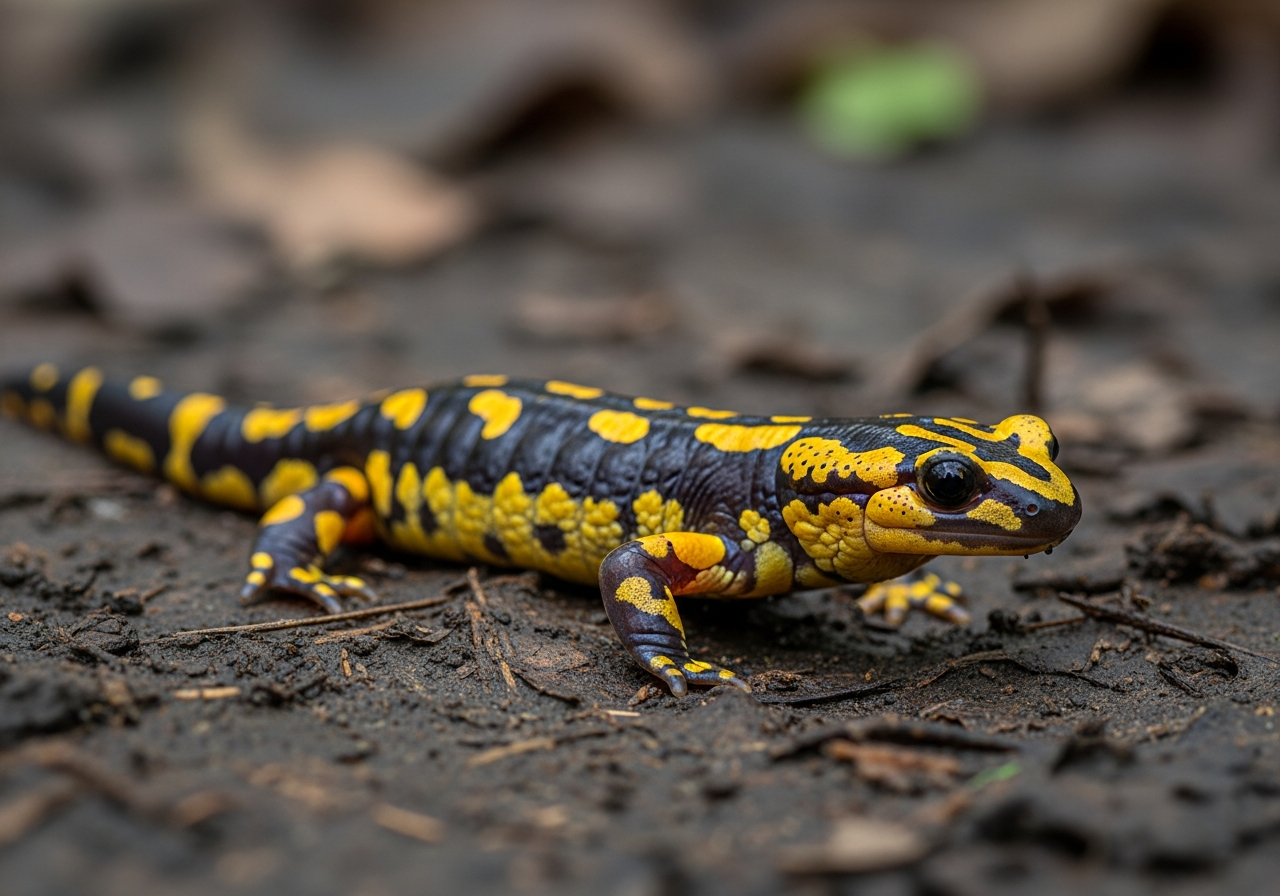
Amphibian
A stout, burrowing salamander of North America
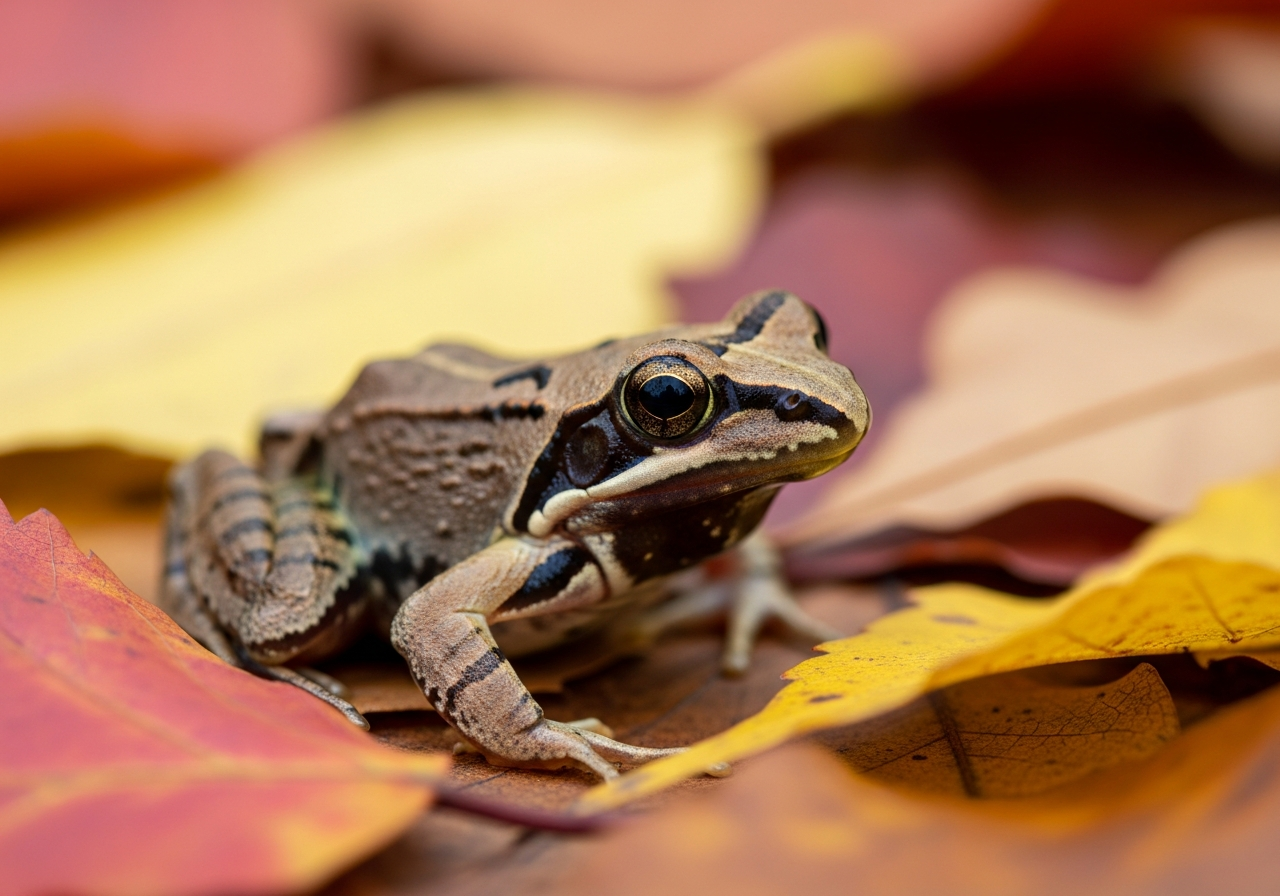
Amphibian
The frog that freezes solid to survive winter
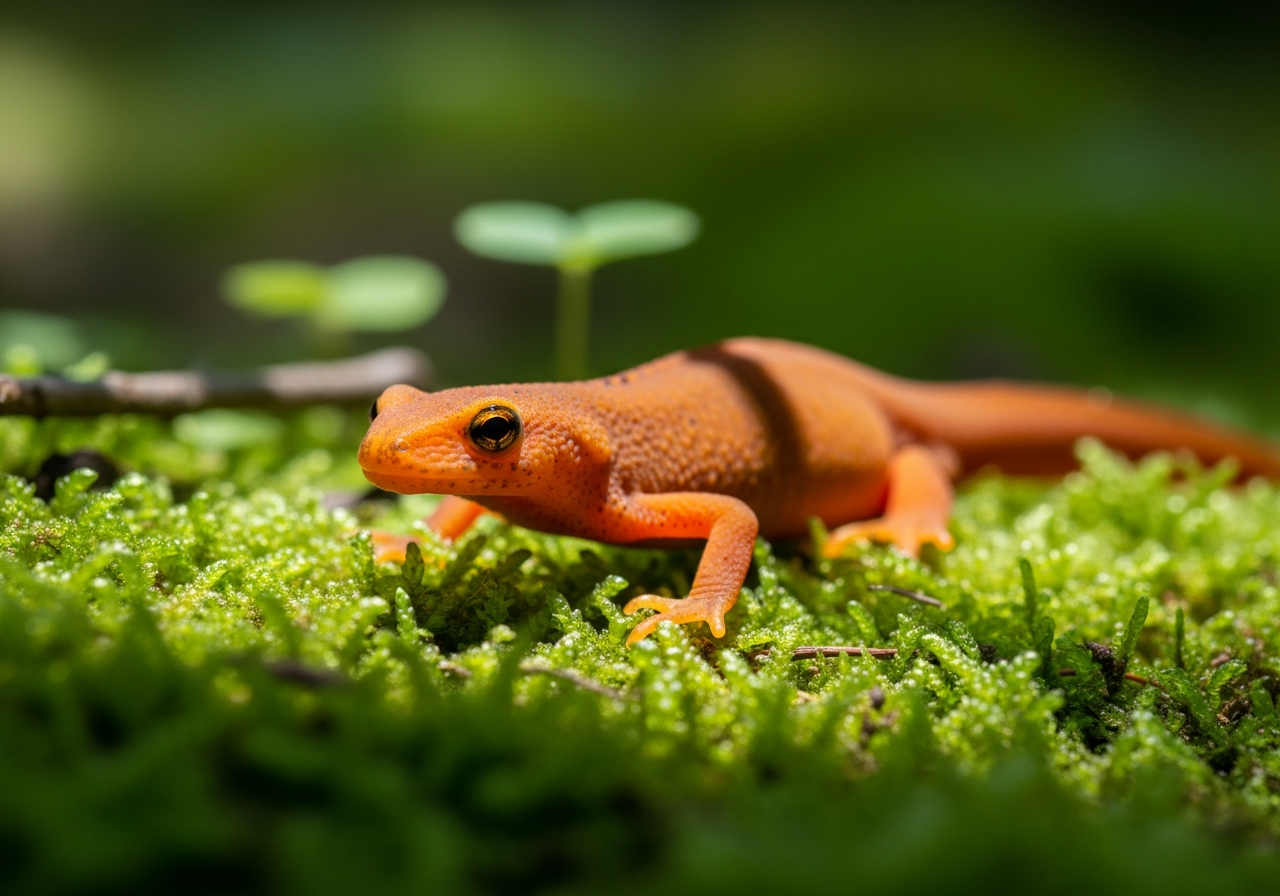
Amphibian
The newt with a bright orange land stage
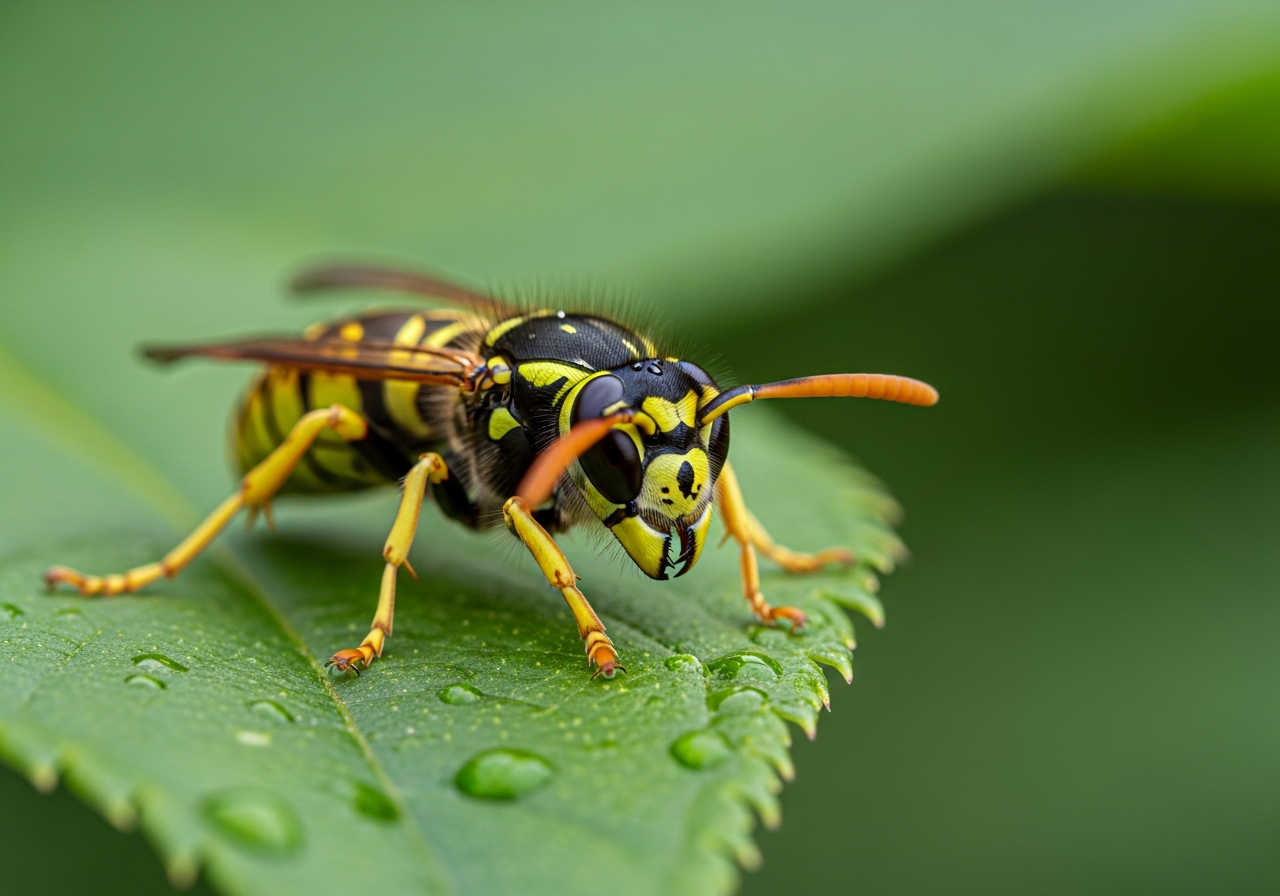
Insect
The bold black-and-yellow social wasp
Forests and woodlands outside the wet tropics — temperate, boreal, and dry forests — structure life around trees, leaf litter, and seasonal light. They shelter mammals, birds, reptiles, and invertebrates that use canopy, understorey, and ground layers differently.
Species lists on this page are drawn from Global Animal Guide profiles whose habitat facts match forest & woodland keywords. Browse the ranked list for answer-first guides covering diet, range, and conservation.
Forest & woodland is defined by climate, vegetation, and water availability that favour particular body plans and behaviours. Compare sibling biome hubs (ocean, forest, desert, and more) to see how the same animal groups specialise differently.