Image sourcing: see credits & licences
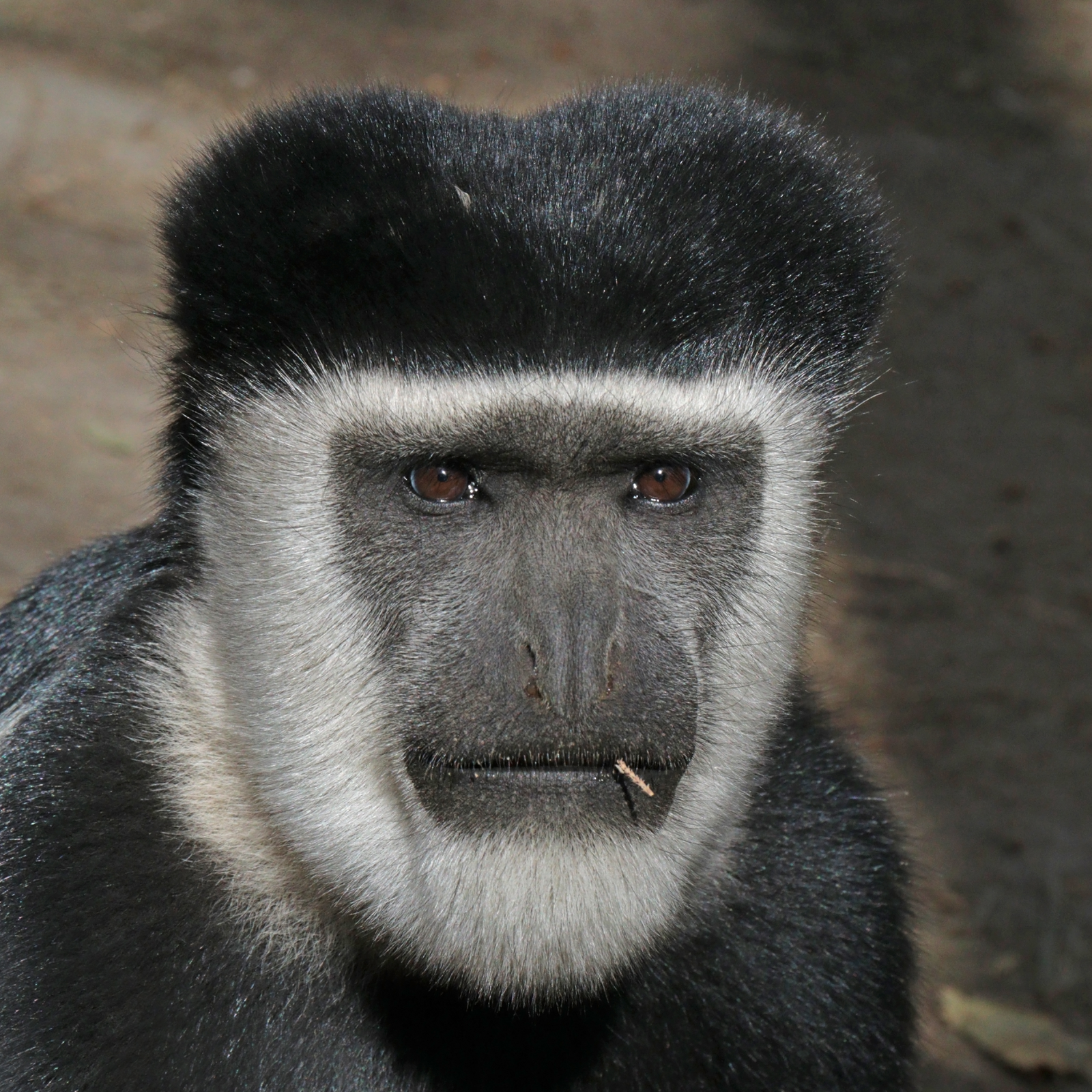
The guereza colobus (Colobus guereza) is a mammal of the family Cercopithecidae, in the order Primates.
Quick answer
The guereza colobus (Colobus guereza) is a black-and-white leaf monkey of Central and East African forests with a flowing white tail fringe. Adults weigh about 9 kg, digest leaves in a complex stomach, and are listed Least Concern.
Top questions about the Guereza Colobus
Guereza Colobus facts at a glance
- Weight 9 kg
- Length 60 cm
- Top speed 30 km/h
- Lifespan 22 years
| Scientific name | Colobus guereza |
|---|---|
| Diet | Herbivore |
| Habitat | Montane and lowland forest |
| Lifespan | 20–25 years |
| Weight | 7–12 kg |
| Top speed | up to 30 km/h |
| Conservation status | Least Concern (IUCN) |
| Kingdom | Animalia |
|---|---|
| Phylum | Chordata |
| Class | Mammalia |
| Order | Primates |
| Family | Cercopithecidae |
| Genus | Colobus |
Where it lives
The guereza colobus (Colobus guereza) is native to Forests of Central and East Africa. — recorded across Africa in this guide’s range summary.
For occurrence records, see GBIF species search and sources below.
How big is a guereza colobus?
An adult guereza colobus measures 60 cm long — about 35% of the height of an average adult person (1.73 m) — and weighs around 9.0 kg, about 13% of an average adult’s body weight (70 kg).
Length vs an average adult’s height (to scale)
What is a group of guereza colobuses called?
Group name (collective noun)
A group of Guereza Colobuses is called a troop.
Baby name
A baby Guereza Colobus is called an infant.
Explore more animal collective nouns and baby animal names .
Leaf-eating forest acrobat
Colobus monkeys have reduced thumbs, long limbs, and multi-chambered stomachs to ferment leaves. A white mantle and tail tuft contrast with black body fur.
Leaves, flowers, and fruit
Mature leaves dominate the diet, supplemented by flowers, bark, and occasional fruit. Slow digestion lets them exploit foliage other primates avoid.
Montane and riverine forest
Forests from Nigeria and Cameroon east to Ethiopia and Tanzania. Groups of 8–15 animals leap confidently between tall trees.
Forest loss at local scales
Least Concern range-wide, but logging and charcoal production fragment habitats. Sacred status in some cultures has protected local populations.
Explore the Guereza Colobus
Close relatives
- Japanese Macaque Same family
- Mandrill Same family
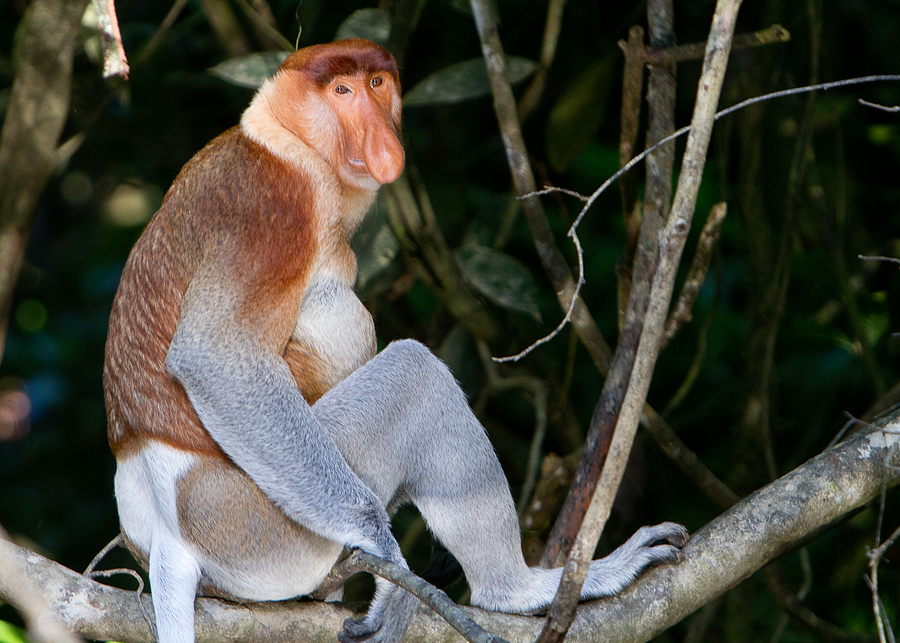
- Proboscis Monkey Same family
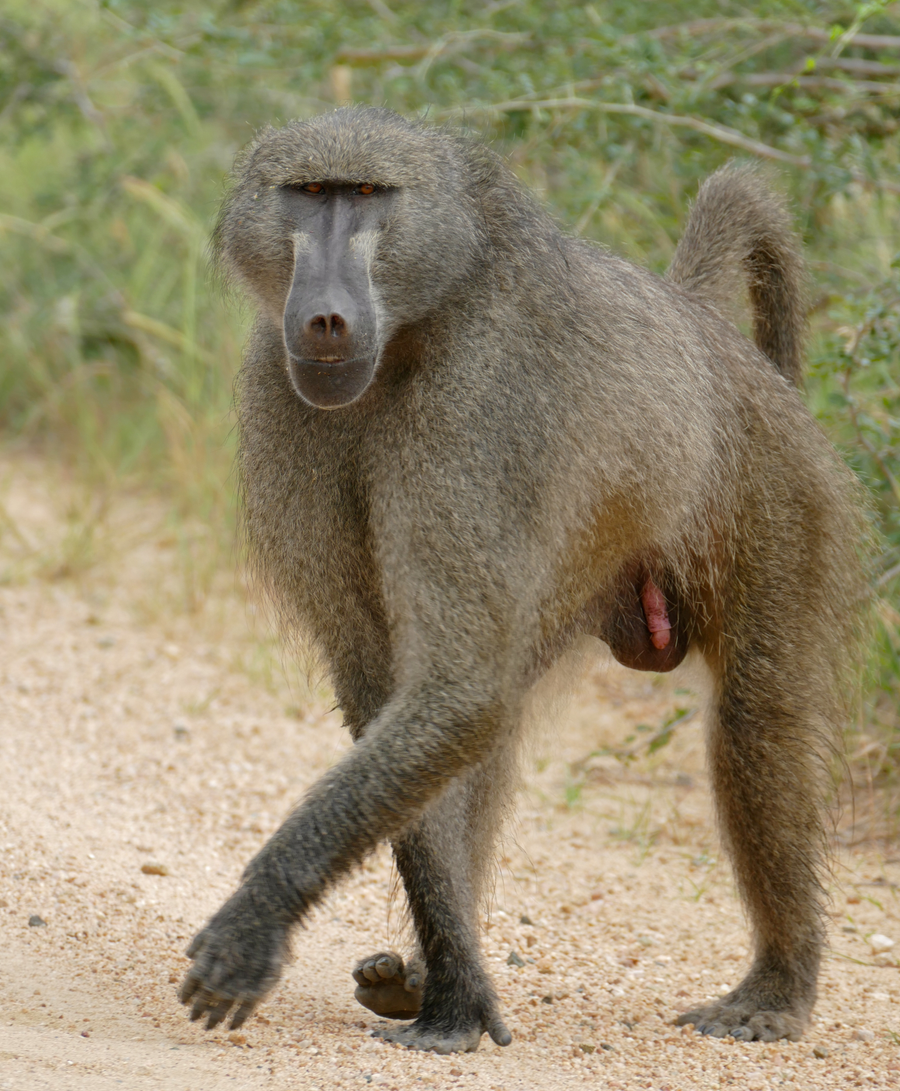
- Olive Baboon Same family
Range & geography
Conservation status of the Guereza Colobus
The guereza colobus (Colobus guereza) is listed as Least Concern on the IUCN Red List. Least Concern (LC) is the IUCN's lowest-risk category, assigned to widespread, abundant species that have been evaluated and found not to be threatened. It does not mean a species faces no pressures — only that it is not currently at risk of extinction.
The guereza colobus (Colobus guereza) is assessed on the IUCN Red List. Look up on the IUCN Red List .
Frequently asked questions about the Guereza Colobus
Why do colobus monkeys lack thumbs?
A reduced thumb acts like a hook for brachiating through branches — an adaptation for canopy travel.
What do guereza colobus eat?
Mostly leaves, plus some flowers, bark, and fruit — they are specialist folivores.
What is the white fur on a colobus?
A mantle around the shoulders and a long tail tuft used in display and species recognition.
Do colobus monkeys live in troops?
Yes — small multi-male groups with females and young share a home range in the canopy.
Are colobus monkeys endangered?
Guereza colobus is Least Concern overall, though habitat loss threatens local groups.
What is a group of guereza colobuses called?
A group of Guereza Colobuses is called a troop.
What is a baby guereza colobus called?
A baby Guereza Colobus is called an infant.
Sources & references
This guide is compiled and reviewed against established zoological and conservation references. Key sources for the Guereza Colobus:
-
IUCN Red List of Threatened Species
Conservation status (Least Concern) reflects the IUCN Red List category for Colobus guereza.
-
iNaturalist — observations & photos
Search citizen-science observations and community IDs for Colobus guereza. Useful for range checks and recent sightings — not a substitute for formal Red List status.
-
GBIF — occurrence data
Global Biodiversity Information Facility species search for Colobus guereza. Explore published occurrence records used in range research.
-
Global Animal Guide editorial standards
How we research, source, review, and update every guide for accuracy.