Image sourcing: see credits & licences
The carpenter bee (Xylocopa virginica) is an insect of the family Apidae, in the order Hymenoptera.
Quick answer
The eastern carpenter bee (Xylocopa virginica) drills nest tunnels in soft wood while pollinating spring flowers across eastern North America. Adults reach 2.5 cm and are Least Concern.
Top questions about the Carpenter Bee
Carpenter Bee facts at a glance
- Weight 2 g
- Length 3 cm
- Top speed 25 km/h
- Lifespan 2 years
| Scientific name | Xylocopa virginica |
|---|---|
| Diet | Herbivore (nectar and pollen) |
| Habitat | Woodland edges and gardens |
| Lifespan | 1–3 years |
| Weight | 0.001–0.002 kg |
| Top speed | up to 25 km/h |
| Conservation status | Least Concern (IUCN) |
| Kingdom | Animalia |
|---|---|
| Phylum | Arthropoda |
| Class | Insecta |
| Order | Hymenoptera |
| Family | Apidae |
| Genus | Xylocopa |
Where it lives
The carpenter bee (Xylocopa virginica) is native to Eastern North America woodlands and gardens. — recorded across North America in this guide’s range summary.
For occurrence records, see GBIF species search and sources below.
How big is a carpenter bee?
An adult carpenter bee measures 3 cm long — about 1% of the height of an average adult person (1.73 m) — and weighs around 2 g, a small fraction of an average adult’s body weight (70 kg).
Length vs an average adult’s height (to scale)
What is a group of carpenter bees called?
Group name (collective noun)
A group of Carpenter Bees is called a colony.
Baby name
A baby Carpenter Bee is called a larva.
Explore more animal collective nouns and baby animal names .
Wood-driller pollinator
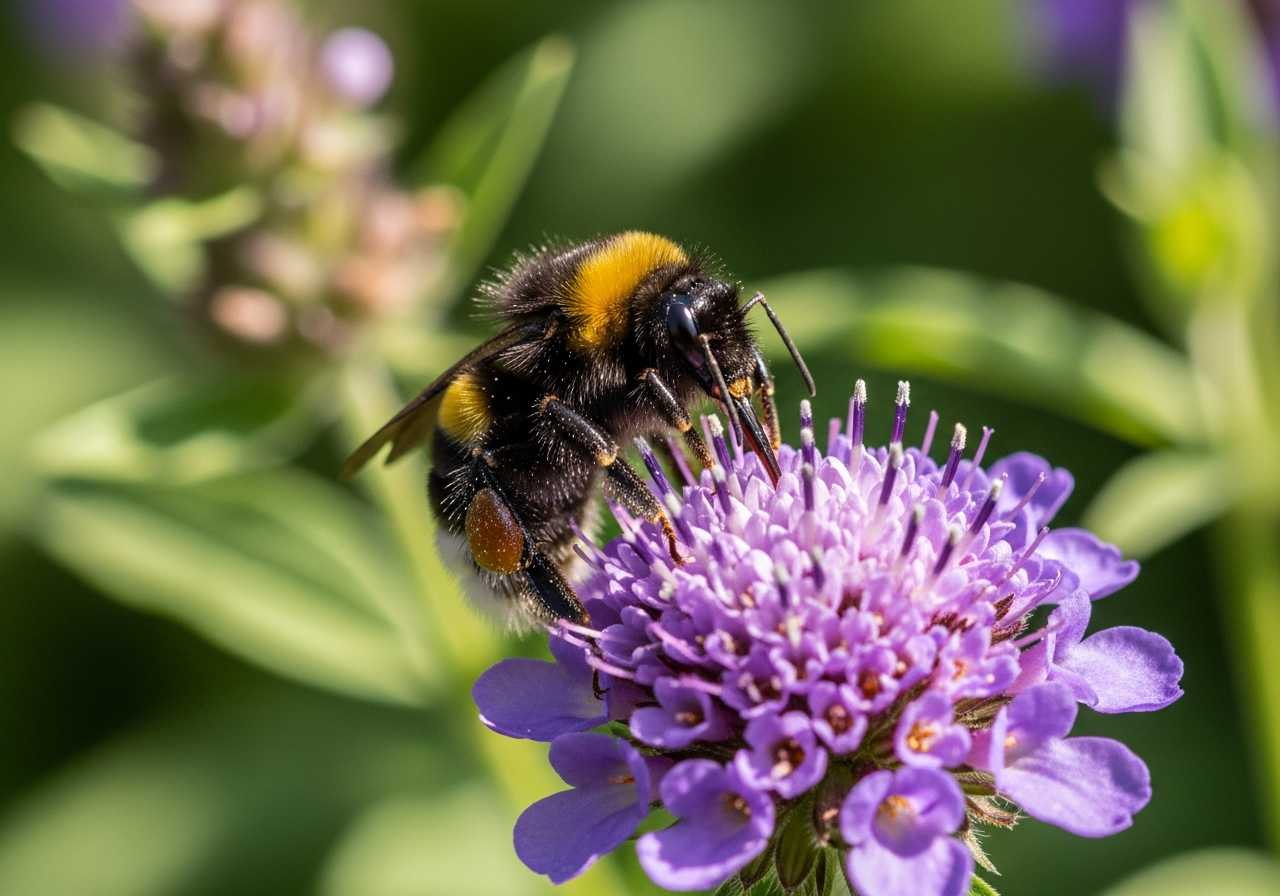
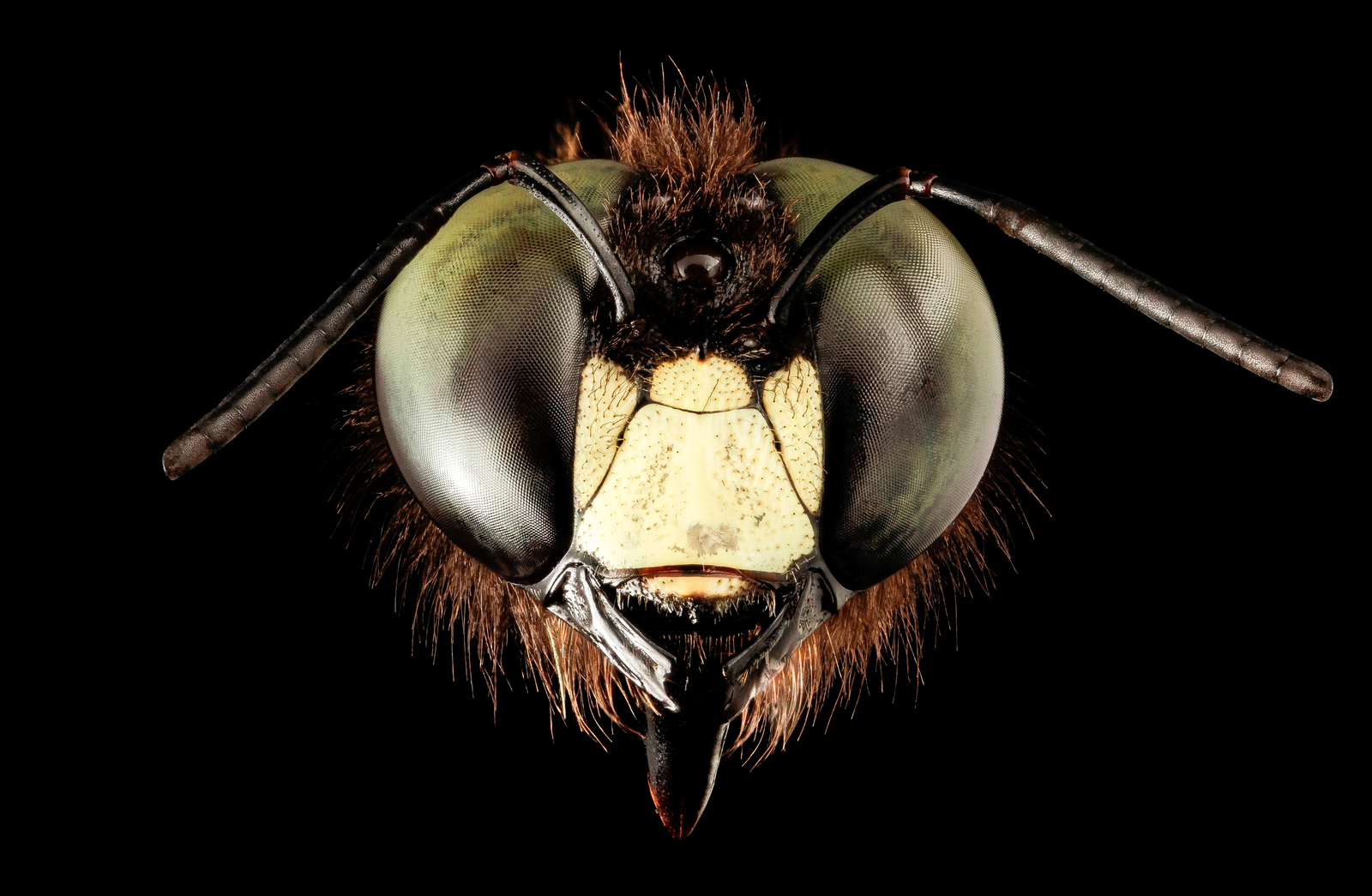
Large bees resemble bumblebees but have shiny hairless abdomens. Females excavate round tunnels in dead wood; males patrol flowers without stinging ability.
Nectar robber and true pollinator
Long tongues reach deep flowers; some visits bypass pollen by piercing petals. Nonetheless they pollinate passionflowers, wisteria, and many garden blooms.
Eastern US woodlands and porches
Forests, gardens, and structural timbers from Texas to New York. Unpainted softwood fascia and deck rails often host nest galleries.
Pest label, pollinator reality
Least Concern and widespread. Structural damage is usually cosmetic; coexistence tips include hardwood trim and bee hotels away from siding.
Explore the Carpenter Bee
Close relatives
- Honey Bee Same family
- Bumblebee Same family
- Leafcutter Ant Same order
- Army Ant Same order
Range & geography
Conservation status of the Carpenter Bee
The carpenter bee (Xylocopa virginica) is listed as Least Concern on the IUCN Red List. Least Concern (LC) is the IUCN's lowest-risk category, assigned to widespread, abundant species that have been evaluated and found not to be threatened. It does not mean a species faces no pressures — only that it is not currently at risk of extinction.
The carpenter bee (Xylocopa virginica) is assessed on the IUCN Red List. Look up on the IUCN Red List .
Frequently asked questions about the Carpenter Bee
Do carpenter bees eat wood?
Females excavate tunnels for nests but do not eat wood — they feed on nectar and pollen.
Can carpenter bees sting?
Females can sting if handled; males are aggressive but lack stingers.
How do carpenter bees differ from bumblebees?
Carpenter bees have shiny, mostly hairless abdomens; bumblebees are fuzzy all over.
Why do carpenter bees hover at people?
Males patrol territories and may fly at intruders without ability to sting.
Are carpenter bees good pollinators?
Yes — despite occasional nectar robbing, they pollinate many spring and summer flowers.
What is a group of carpenter bees called?
A group of Carpenter Bees is called a colony.
What is a baby carpenter bee called?
A baby Carpenter Bee is called a larva.
Sources & references
This guide is compiled and reviewed against established zoological and conservation references. Key sources for the Carpenter Bee:
-
IUCN Red List of Threatened Species
Conservation status (Least Concern) reflects the IUCN Red List category for Xylocopa virginica.
-
iNaturalist — observations & photos
Search citizen-science observations and community IDs for Xylocopa virginica. Useful for range checks and recent sightings — not a substitute for formal Red List status.
-
GBIF — occurrence data
Global Biodiversity Information Facility species search for Xylocopa virginica. Explore published occurrence records used in range research.
-
Global Animal Guide editorial standards
How we research, source, review, and update every guide for accuracy.