Image sourcing: see credits & licences
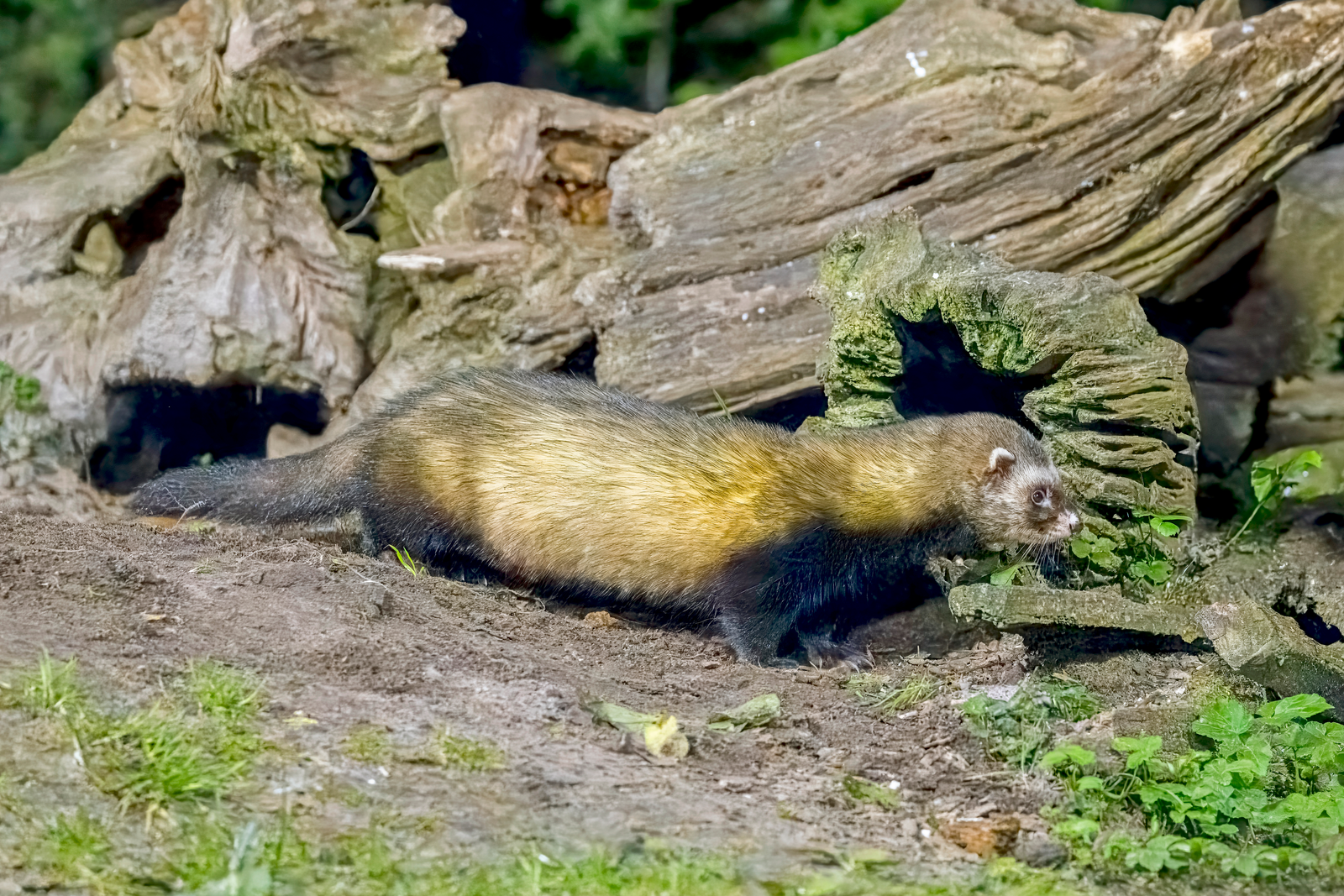
The European polecat (Mustela putorius) is a mammal of the weasel family, Mustelidae, in the order Carnivora.
Quick answer
The European polecat (Mustela putorius) is a dark-masked mustelid ancestor of the domestic ferret, hunting rabbits and rodents across European farmland. Adults weigh about 1 kg and are listed Least Concern.
Top questions about the European Polecat
European Polecat facts at a glance
- Weight 1 kg
- Length 45 cm
- Top speed 20 km/h
- Lifespan 8 years
| Scientific name | Mustela putorius |
|---|---|
| Diet | Carnivore |
| Habitat | Farmland, woodland, and wetlands |
| Lifespan | 5–10 years |
| Weight | 0.7–1.5 kg |
| Top speed | up to 20 km/h |
| Conservation status | Least Concern (IUCN) |
| Kingdom | Animalia |
|---|---|
| Phylum | Chordata |
| Class | Mammalia |
| Order | Carnivora |
| Family | Mustelidae |
| Genus | Mustela |
Where it lives
The european polecat (Mustela putorius) is native to Farmland and woodland of Europe into western Asia. — recorded across Europe, Asia in this guide’s range summary.
For occurrence records, see GBIF species search and sources below.
How big is a european polecat?
An adult european polecat measures 45 cm long — about 26% of the height of an average adult person (1.73 m) — and weighs around 1.0 kg, about 1% of an average adult’s body weight (70 kg).
Length vs an average adult’s height (to scale)
What is a group of european polecats called?
Group name (collective noun)
A group of European Polecats is called a chine.
Baby name
A baby European Polecat is called a kit.
Explore more animal collective nouns and baby animal names .
Bandit-masked mustelid
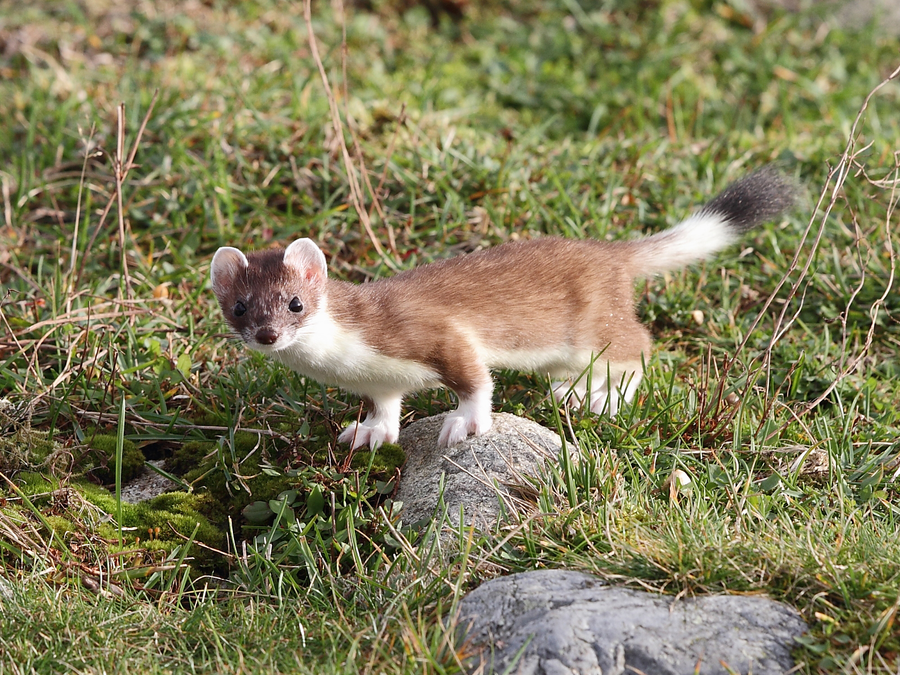
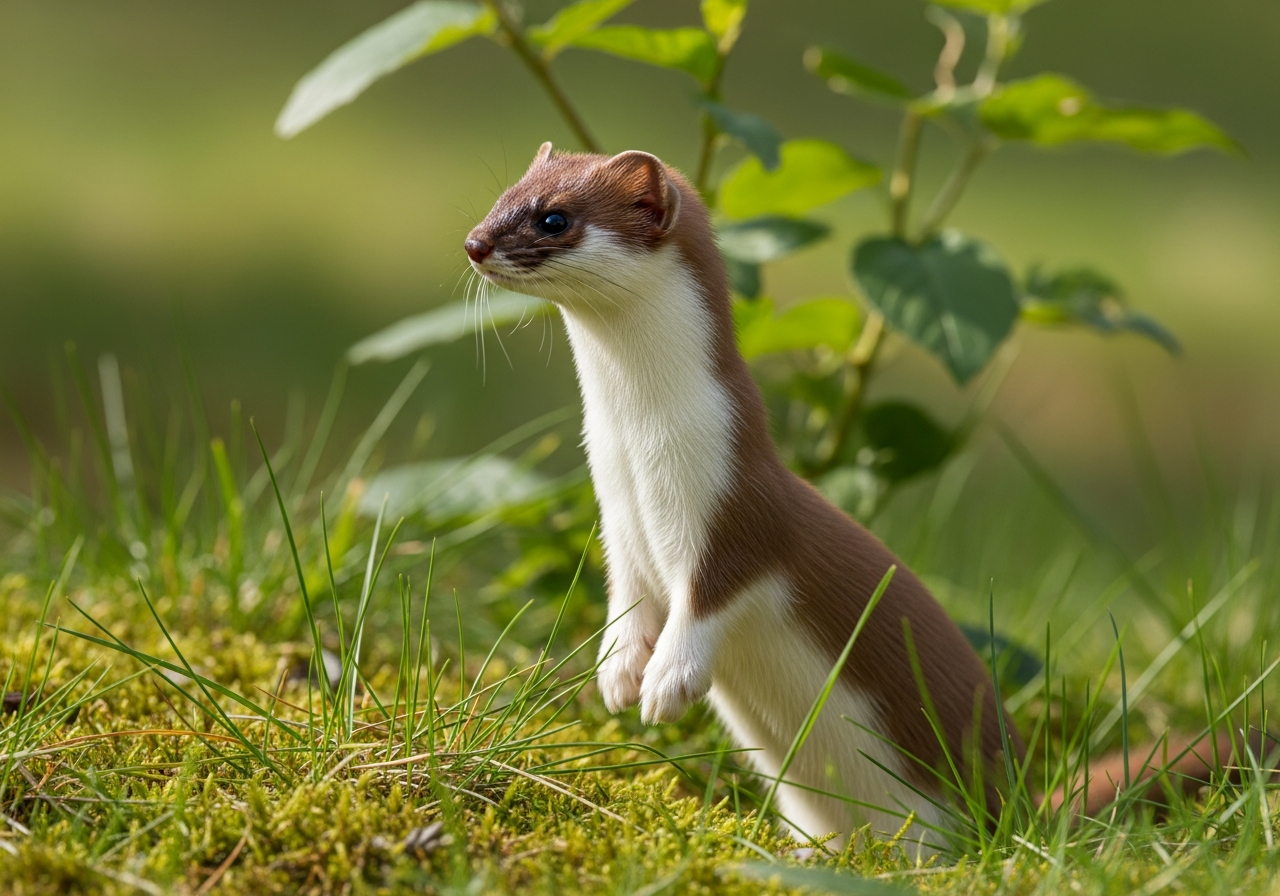
Polecats have dark eye masks, pale muzzles, and rich brown fur. Anal scent glands produce a pungent musk used in defence — the origin of the word 'polecat' as foul-smelling animal.
Rabbits, rats, and frogs
Rabbits are staple prey where abundant; rodents, birds, eggs, and amphibians supplement the diet. They hunt mainly at night in hedgerows and woodland edges.
Farmland mosaics of Europe
Western and central Europe into western Russia. Hedgerows, stone walls, and rough pasture provide cover and prey.
Ferret ancestry and recovery
Least Concern after recovering from persecution and habitat loss. Domestic ferrets derive from polecats; wild populations now expand in some UK counties.
Explore the European Polecat
Close relatives
- Ferret Same genus
- Stoat Same genus
- Weasel Same genus
- Honey Badger Same family
Range & geography
Conservation status of the European Polecat
The european polecat (Mustela putorius) is listed as Least Concern on the IUCN Red List. Least Concern (LC) is the IUCN's lowest-risk category, assigned to widespread, abundant species that have been evaluated and found not to be threatened. It does not mean a species faces no pressures — only that it is not currently at risk of extinction.
The european polecat (Mustela putorius) is assessed on the IUCN Red List. Look up on the IUCN Red List .
Frequently asked questions about the European Polecat
Are polecats the same as ferrets?
Ferrets are domesticated descendants of European polecats, bred for hunting and companionship.
Why do polecats smell bad?
They spray musk from anal glands when threatened — similar to skunks but less potent.
What do European polecats eat?
Mainly rabbits and rodents, plus birds, eggs, and frogs when available.
Where do polecats nest?
In burrows of rabbits or other mammals, dry stone walls, and hollow logs.
Are polecats returning to Britain?
Yes — wild polecats spread west and north after decades of recovery from near extinction.
What is a group of european polecats called?
A group of European Polecats is called a chine.
What is a baby european polecat called?
A baby European Polecat is called a kit.
Sources & references
This guide is compiled and reviewed against established zoological and conservation references. Key sources for the European Polecat:
-
IUCN Red List of Threatened Species
Conservation status (Least Concern) reflects the IUCN Red List category for Mustela putorius.
-
iNaturalist — observations & photos
Search citizen-science observations and community IDs for Mustela putorius. Useful for range checks and recent sightings — not a substitute for formal Red List status.
-
GBIF — occurrence data
Global Biodiversity Information Facility species search for Mustela putorius. Explore published occurrence records used in range research.
-
Global Animal Guide editorial standards
How we research, source, review, and update every guide for accuracy.