Image sourcing: see credits & licences
The quokka (Setonix brachyurus) is a mammal of the kangaroo family, Macropodidae, in the order Diprotodontia.
Quick answer
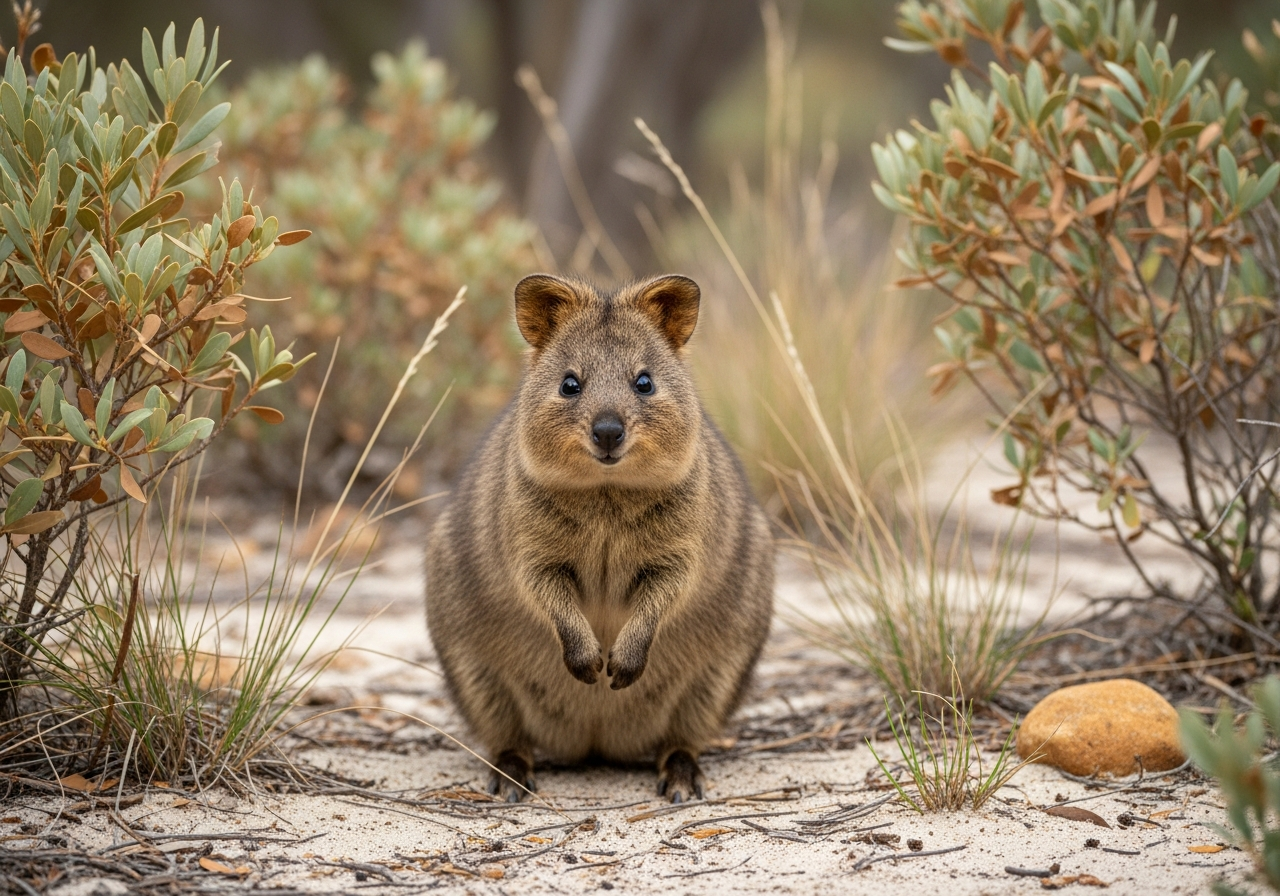
The quokka is a small, cat-sized marsupial from southwestern Australia, famous for a facial shape that makes it look like it is smiling. Quokkas are nocturnal herbivores that carry their young in a pouch, are found mainly on Rottnest Island, and typically live around 10 years.
Top questions about the Quokka
Quokka facts at a glance
- Weight 4 kg
- Length 50 cm
- Top speed 30 km/h
- Lifespan 10 years
| Scientific name | Setonix brachyurus |
|---|---|
| Diet | Herbivore |
| Habitat | Scrub, heath, and forest |
| Lifespan | About 10 years |
| Weight | 2.5–5 kg (5.5–11 lb) |
| Top speed | Around 30 km/h (19 mph) |
| Conservation status | Vulnerable (IUCN) |
| Kingdom | Animalia |
|---|---|
| Phylum | Chordata |
| Class | Mammalia |
| Order | Diprotodontia |
| Family | Macropodidae |
| Genus | Setonix |
Where it lives
The quokka (Setonix brachyurus) is native to Southwestern Australia, especially Rottnest Island near Perth, in scrub, heath, and forest. — recorded across Oceania in this guide’s range summary.
For occurrence records, see GBIF species search and sources below.
How big is a quokka?
An adult quokka measures 50 cm long — about 29% of the height of an average adult person (1.73 m) — and weighs around 4.0 kg, about 6% of an average adult’s body weight (70 kg).
Length vs an average adult’s height (to scale)
What is a group of quokkas called?
Group name (collective noun)
A group of Quokkas is called a colony.
Baby name
A baby Quokka is called a joey.
Explore more animal collective nouns and baby animal names .
The 'world's happiest animal'
The quokka's rounded cheeks and upturned mouth give it a permanently cheerful expression, which has made it a social-media sensation. The look is just anatomy, not emotion, but it has helped turn the quokka into a beloved symbol of Western Australian wildlife.
A pouched herbivore
As a marsupial, the female quokka raises her tiny, underdeveloped young in a forward-opening pouch. Quokkas are herbivores that eat leaves, grasses, and shrubs, and they can survive long dry spells by drawing on fat stored in their tails.
Where quokkas live
Quokkas are found only in a small part of southwestern Australia. The largest and most visible population lives on Rottnest Island near Perth, where the absence of foxes and cats has let them thrive and become remarkably tame.
Conservation and people
On the mainland, quokkas have declined due to habitat loss and introduced predators, and they are listed as Vulnerable. Visitors are asked never to touch or feed them; human food makes them sick, and handling is harmful and, on Rottnest Island, illegal.
Dig deeper into the Quokka
- Are Quokkas Endangered?
Are quokkas endangered? Status Vulnerable, main threats, and what protection means.
- How Long Do Quokkas Live?
Quokka lifespan is typically About 10 years. What shortens or extends life, life stages, and status (Vulnerable).
- Quokka: Key Facts
The quokka is a small, cat-sized marsupial from southwestern Australia, famous for a facial shape that makes it look like it is smiling.
- What Do Quokkas Eat?
What quokkas eat: Herbivore, foraging style, and seasonal shifts in Scrub, heath, and forest.
- Where Do Quokkas Live?
Where quokkas live: Scrub, heath, and forest, native range cues, and human overlap. Status Vulnerable.
Explore the Quokka
Close relatives
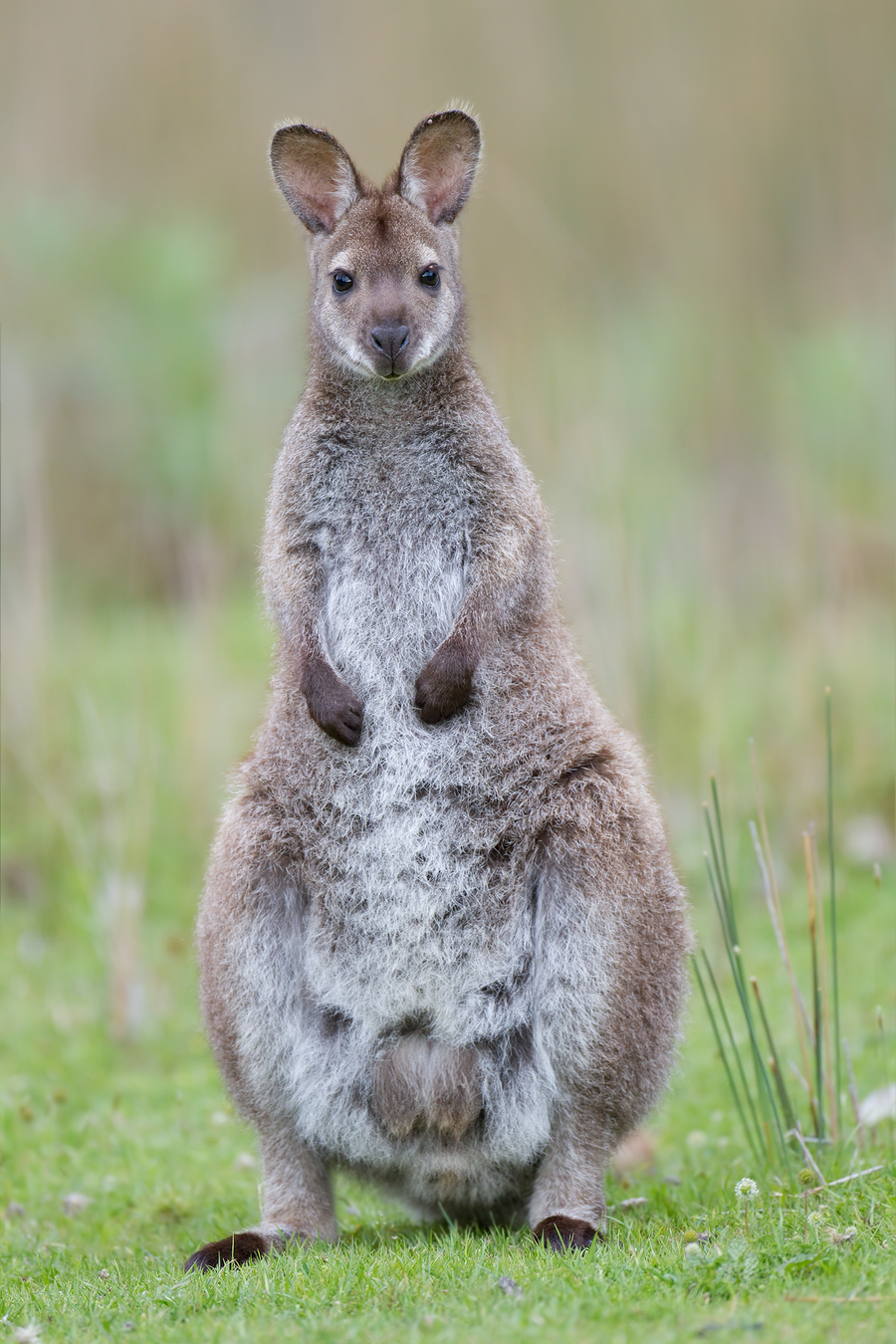
- Red-necked Wallaby Same family
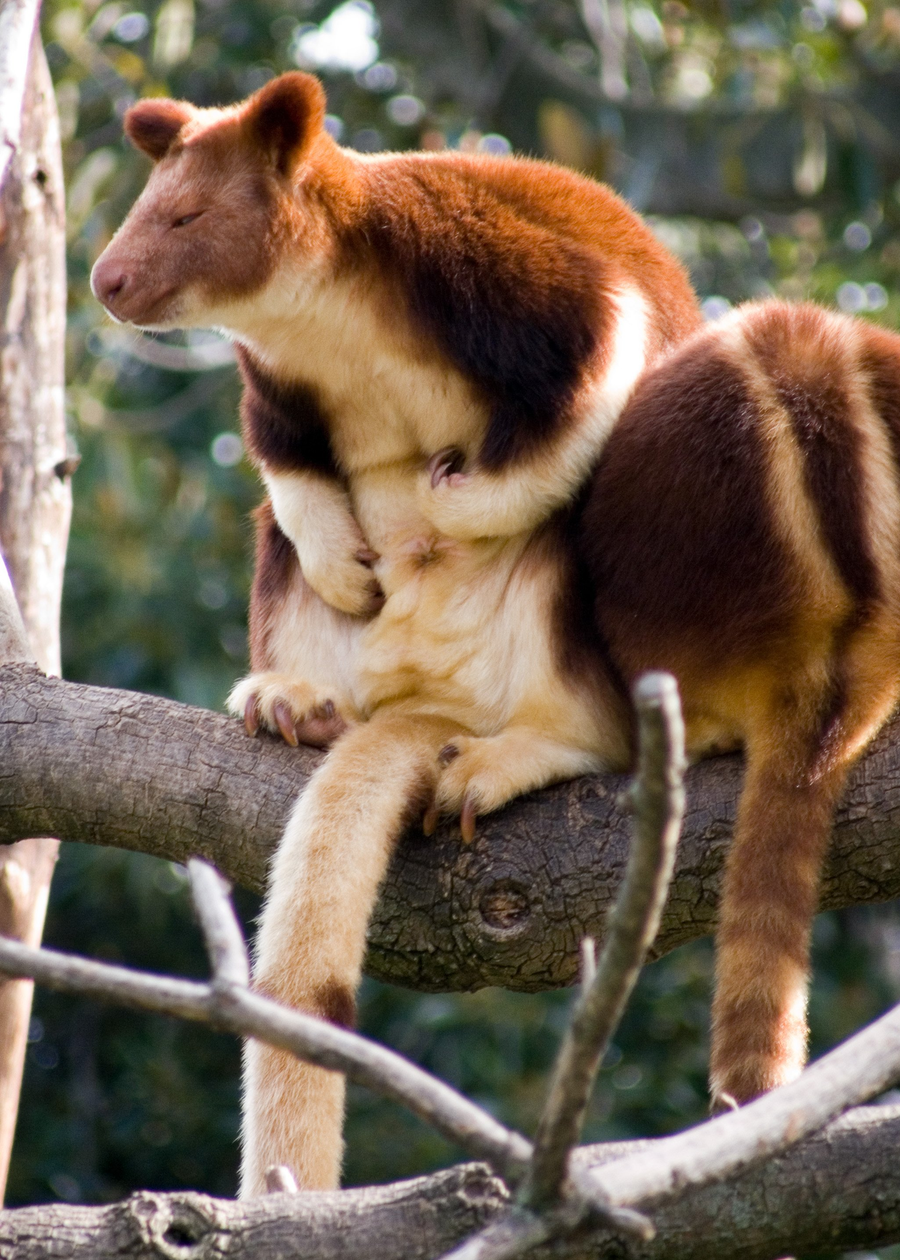
- Goodfellow's Tree-kangaroo Same family
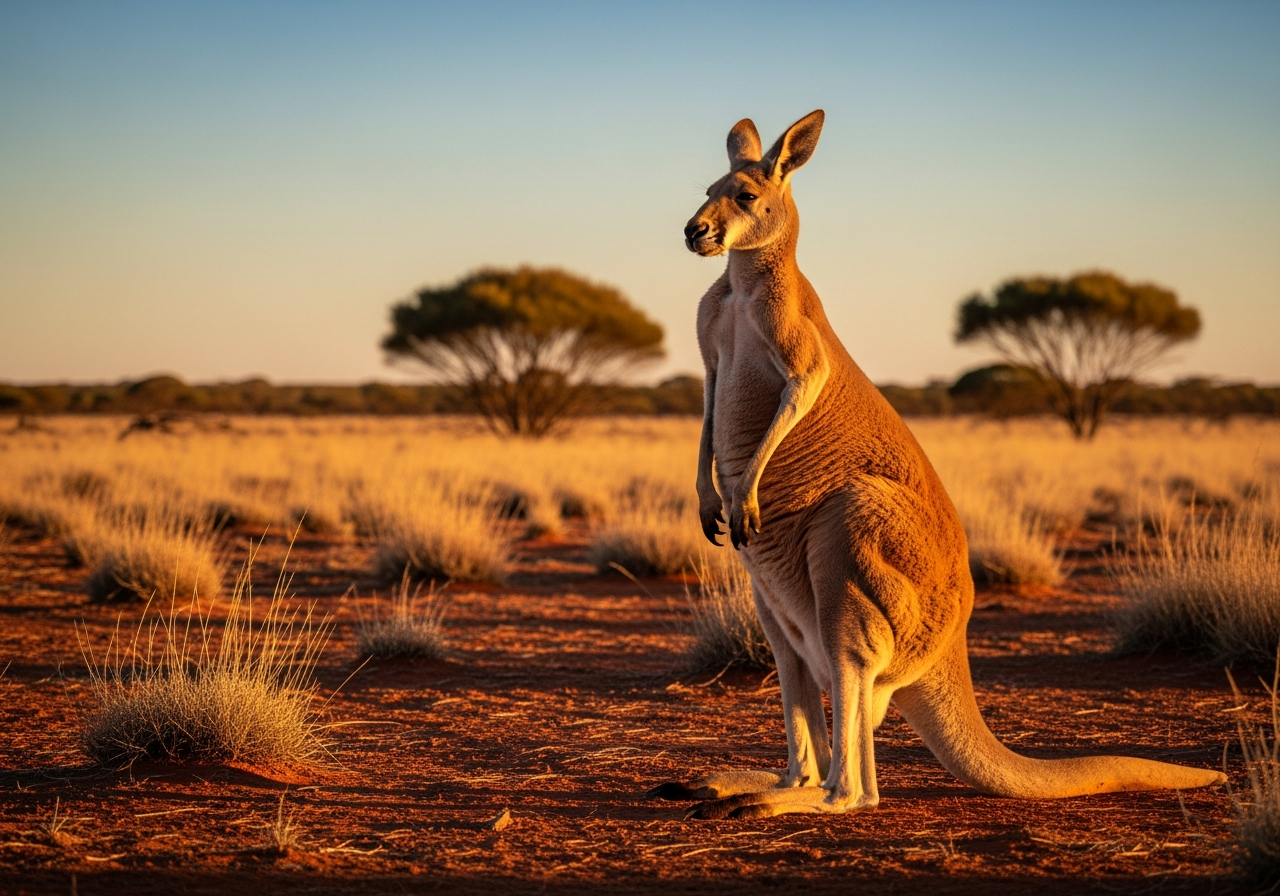
- Red Kangaroo Same family
- Sugar Glider Same order
Collections
Range & geography
Did you know? Quokka facts
- The quokka is a small, cat-sized marsupial from southwestern Australia, famous for a facial shape that makes it look like it is smiling.
- A quokka's smile comes from the natural shape of its rounded face and mouth. It is not an expression of emotion, but it makes them look friendly and cheerful.
- Quokkas live only in southwestern Australia, with the best-known population on Rottnest Island near Perth, where they are abundant and unusually approachable.
- Quokkas are listed as Vulnerable. Island populations are stable, but mainland numbers have fallen due to habitat loss and predators like foxes and cats.
- No. Touching or feeding quokkas is harmful to them and is illegal on Rottnest Island. Human food makes them ill, so they should only ever be observed.
- Conservation: Vulnerable (IUCN).
Diet & feeding
Quokka feeds primarily as a herbivore. As a marsupial, the female quokka raises her tiny, underdeveloped young in a forward-opening pouch. Quokkas are herbivores that eat leaves, grasses, and shrubs, and they can survive long dry spells by drawing on fat stored in their tails.
Adaptations
- The quokka's rounded cheeks and upturned mouth give it a permanently cheerful expression, which has made it a social-media sensation. The look is just anatomy, not emotion, but it has helped turn the quokka into a beloved symbol of Western Australian wildlife.
- As a marsupial, the female quokka raises her tiny, underdeveloped young in a forward-opening pouch. Quokkas are herbivores that eat leaves, grasses, and shrubs, and they can survive long dry spells by drawing on fat stored in their tails.
Behaviour & ecology
- The quokka's rounded cheeks and upturned mouth give it a permanently cheerful expression, which has made it a social-media sensation. The look is just anatomy, not emotion, but it has helped turn the quokka into a beloved symbol of Western Australian wildlife.
- As a marsupial, the female quokka raises her tiny, underdeveloped young in a forward-opening pouch. Quokkas are herbivores that eat leaves, grasses, and shrubs, and they can survive long dry spells by drawing on fat stored in their tails.
- Quokkas are found only in a small part of southwestern Australia. The largest and most visible population lives on Rottnest Island near Perth, where the absence of foxes and cats has let them thrive and become remarkably tame.
Communication
- Quokka uses scent, posture, and vocal signals to mark territory and coordinate social behaviour.
- Communication intensity often peaks during breeding seasons and territorial disputes.
Habitat & range
Scrub, heath, and forest
Ecological role
Quokka shapes vegetation through grazing or browsing and serves as prey for larger predators where ranges overlap.
Conservation status of the Quokka
The quokka (Setonix brachyurus) is listed as Vulnerable on the IUCN Red List. Vulnerable (VU) means a species faces a high risk of extinction in the medium-term future. It is the lowest-risk of the three 'threatened' IUCN categories — one step below Endangered, which is itself below Critically Endangered — and is often an early warning that a population is in trouble.
The quokka (Setonix brachyurus) is assessed on the IUCN Red List. Look up on the IUCN Red List .
Frequently asked questions about the Quokka
Why do quokkas look like they are smiling?
A quokka's smile comes from the natural shape of its rounded face and mouth. It is not an expression of emotion, but it makes them look friendly and cheerful.
Where do quokkas live?
Quokkas live only in southwestern Australia, with the best-known population on Rottnest Island near Perth, where they are abundant and unusually approachable.
Are quokkas endangered?
Quokkas are listed as Vulnerable. Island populations are stable, but mainland numbers have fallen due to habitat loss and predators like foxes and cats.
Can you touch or feed a quokka?
No. Touching or feeding quokkas is harmful to them and is illegal on Rottnest Island. Human food makes them ill, so they should only ever be observed.
What do quokkas eat?
Quokkas are herbivores that eat leaves, grasses, stems, and shrubs, and can store fat in their tails to survive dry periods.
What is a group of quokkas called?
A group of Quokkas is called a colony.
What is a baby quokka called?
A baby Quokka is called a joey.
Sources & references
This guide is compiled and reviewed against established zoological and conservation references. Key sources for the Quokka:
-
IUCN Red List of Threatened Species
Conservation status (Vulnerable) reflects the IUCN Red List category for Setonix brachyurus.
-
iNaturalist — observations & photos
Search citizen-science observations and community IDs for Setonix brachyurus. Useful for range checks and recent sightings — not a substitute for formal Red List status.
-
GBIF — occurrence data
Global Biodiversity Information Facility species search for Setonix brachyurus. Explore published occurrence records used in range research.
- IUCN Red List — Setonix brachyurus.
Conservation status (Vulnerable) and population trends.
- Animal Diversity Web — Setonix brachyurus. University of Michigan Museum of Zoology.
Life history, morphology, and range.
- Wikipedia — Quokka.
General taxonomy and overview (cross-check primary sources).
-
Global Animal Guide editorial standards
How we research, source, review, and update every guide for accuracy.