Image sourcing: see credits & licences
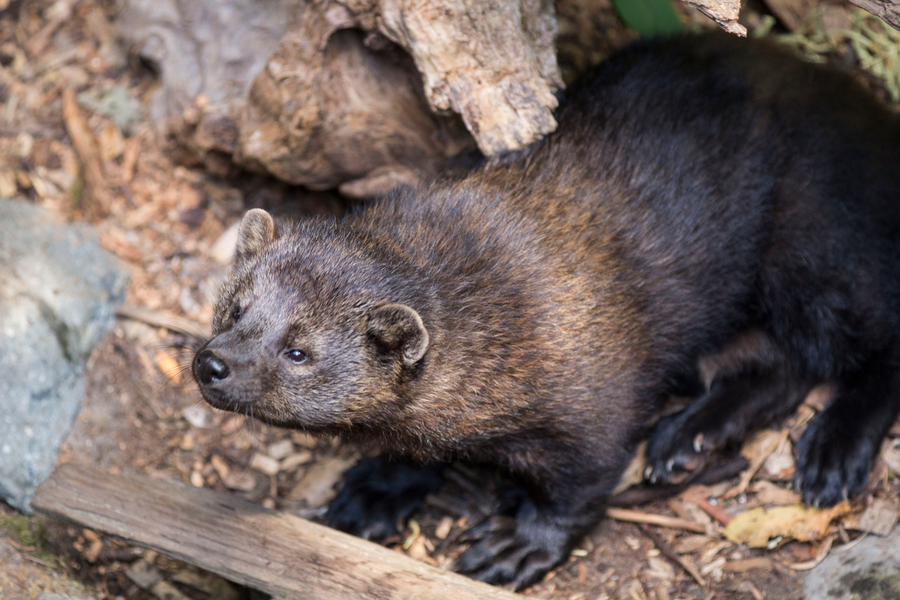
The fisher (Pekania pennanti) is a mammal of the weasel family, Mustelidae, in the order Carnivora.
Quick answer
The fisher (Pekania pennanti) is a large arboreal mustelid of northern forests in Canada and the northern United States, capable of preying on porcupines. Adults weigh about 4 kg, hunt snowshoe hares and squirrels, and are listed Least Concern after recolonisation of New England and parts of the Rockies following earlier overtrapping.
Top questions about the Fisher
Fisher facts at a glance
- Weight 4 kg
- Length 90 cm
- Top speed 25 km/h
- Lifespan 7 years
| Scientific name | Pekania pennanti |
|---|---|
| Diet | Carnivore |
| Habitat | Mature coniferous and mixed forests |
| Lifespan | Around 7 years in the wild (varies by population and captivity). |
| Weight | About 4 kg typical adult mass (sex and region vary). |
| Top speed | Up to roughly 25 km/h when moving at speed. |
| Conservation status | Least Concern (IUCN) |
| Kingdom | Animalia |
|---|---|
| Phylum | Chordata |
| Class | Mammalia |
| Order | Carnivora |
| Family | Mustelidae |
| Genus | Pekania |
Where it lives
The fisher (Pekania pennanti) is native to Northern forests of Canada and the northern United States; recovering in New England and the Rockies. — recorded across North America in this guide’s range summary.
For occurrence records, see GBIF species search and sources below.
How big is a fisher?
An adult fisher measures 90 cm long — about 52% of the height of an average adult person (1.73 m) — and weighs around 4.0 kg, about 6% of an average adult’s body weight (70 kg).
Length vs an average adult’s height (to scale)
What is a group of fishers called?
Group name (collective noun)
A group of Fishers is called a business.
Baby name
A baby Fisher is called a kit.
Explore more animal collective nouns and baby animal names .
Porcupine specialist mustelid
Fishers attack porcupines by circling to bite the face, then flip the prey — a rare skill among carnivores. Long bodies and sharp claws aid tree climbing. Despite the name, they do not specially eat fish.
Hares, squirrels, and carrion
Diet includes snowshoe hares, squirrels, birds, carrion, and fruits. They cache kills and travel large home ranges through mature forest. Across its range it is tied to mature coniferous and mixed forests, and field accounts emphasise this species’ distinctive ecology rather than generic habitat labels.
Northern mixed forests
Mature coniferous and mixed forests of Canada and the northern United States, with recovering populations in New England and portions of the Rockies.
Trapping history and recovery
Overtrapping and deforestation once erased fishers from much of the Northeast; reintroductions and regulated harvest restored Least Concern status in many areas.
Explore the Fisher
Close relatives
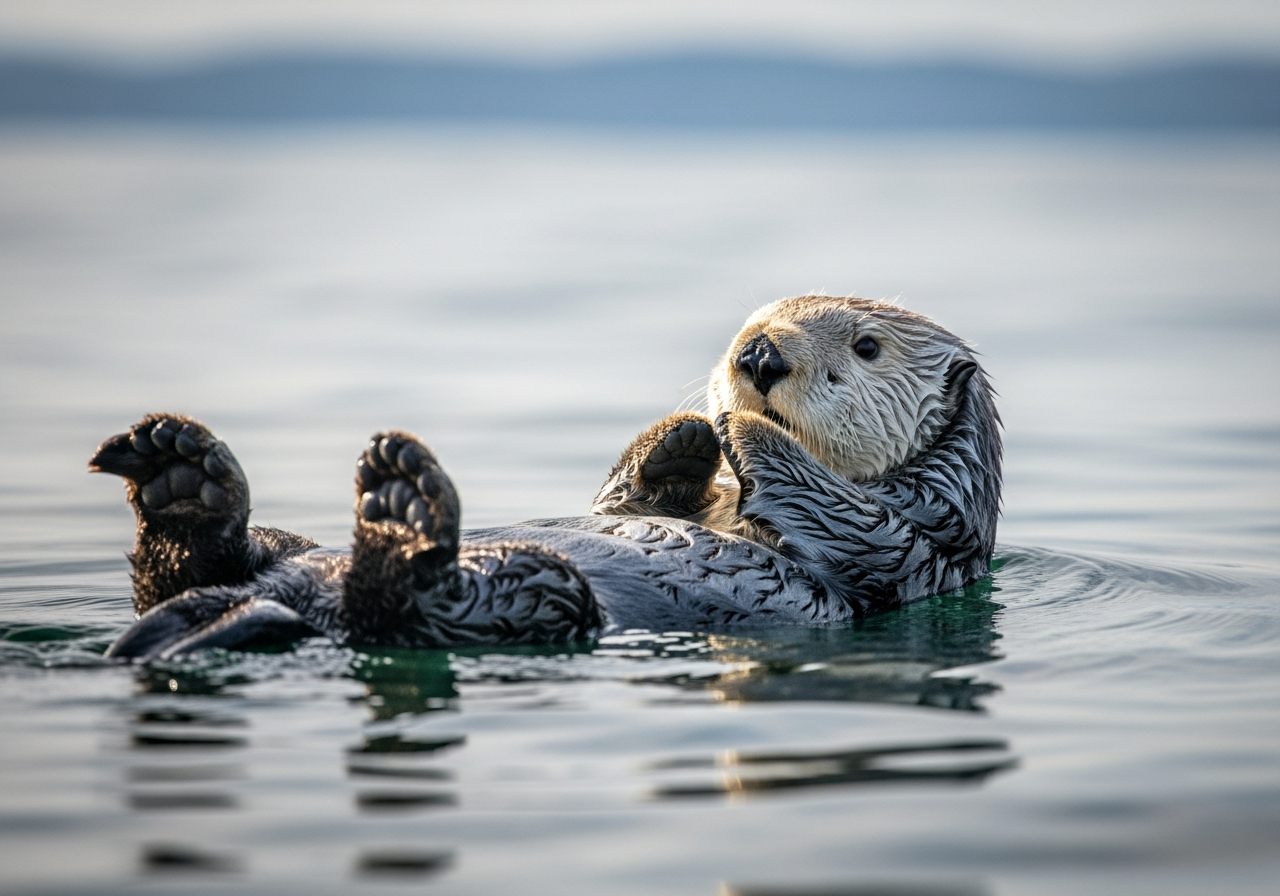
- Honey Badger Same family
- Wolverine Same family
- Sea Otter Same family
- Ferret Same family
Range & geography
Conservation status of the Fisher
The fisher (Pekania pennanti) is listed as Least Concern on the IUCN Red List. Least Concern (LC) is the IUCN's lowest-risk category, assigned to widespread, abundant species that have been evaluated and found not to be threatened. It does not mean a species faces no pressures — only that it is not currently at risk of extinction.
The fisher (Pekania pennanti) is assessed on the IUCN Red List. Look up on the IUCN Red List .
Frequently asked questions about the Fisher
Do fishers eat fish?
Rarely — the name likely comes from the French "fiche" or from "fisher cat" folk names; they are mammal hunters of the forest.
How do fishers kill porcupines?
They repeatedly attack the unprotected face, then flip the porcupine to access the soft belly.
Are fishers related to cats?
No — they are mustelids (weasel family), not felines.
Why were fishers reintroduced?
To restore a native predator and help control porcupine damage after local extinction from trapping.
Where do fishers live?
Northern forests of Canada and the northern United States. Native range summary: Northern forests of Canada and the northern United States; recovering in New England and the Rockies.
What is a group of fishers called?
A group of Fishers is called a business.
What is a baby fisher called?
A baby Fisher is called a kit.
Sources & references
This guide is compiled and reviewed against established zoological and conservation references. Key sources for the Fisher:
-
IUCN Red List of Threatened Species
Conservation status (Least Concern) reflects the IUCN Red List category for Pekania pennanti.
-
iNaturalist — observations & photos
Search citizen-science observations and community IDs for Pekania pennanti. Useful for range checks and recent sightings — not a substitute for formal Red List status.
-
GBIF — occurrence data
Global Biodiversity Information Facility species search for Pekania pennanti. Explore published occurrence records used in range research.
-
Global Animal Guide editorial standards
How we research, source, review, and update every guide for accuracy.