Image sourcing: see credits & licences
The spring peeper (Pseudacris crucifer) is an amphibian of the family Hylidae, in the order Anura.
Quick answer
The spring peeper (Pseudacris crucifer) is a tiny chorus frog whose bell-like peep signals eastern North American spring. Adults weigh about 5 g, breed in woodland ponds, and are listed Least Concern.
Top questions about the Spring Peeper
Spring Peeper facts at a glance
- Weight 5 g
- Length 3 cm
- Top speed 3 km/h
- Lifespan 3 years
| Scientific name | Pseudacris crucifer |
|---|---|
| Diet | Insectivore |
| Habitat | Woodland ponds and wetlands |
| Lifespan | 3–4 years |
| Weight | 0.004–0.006 kg |
| Top speed | up to 3 km/h |
| Conservation status | Least Concern (IUCN) |
| Kingdom | Animalia |
|---|---|
| Phylum | Chordata |
| Class | Amphibia |
| Order | Anura |
| Family | Hylidae |
| Genus | Pseudacris |
Where it lives
The spring peeper (Pseudacris crucifer) is native to Eastern North America woodlands. — recorded across North America in this guide’s range summary.
For occurrence records, see GBIF species search and sources below.
How big is a spring peeper?
An adult spring peeper measures 3 cm long — about 2% of the height of an average adult person (1.73 m) — and weighs around 5 g, a small fraction of an average adult’s body weight (70 kg).
Length vs an average adult’s height (to scale)
What is a group of spring peepers called?
Group name (collective noun)
A group of Spring Peepers is called an army.
Baby name
A baby Spring Peeper is called a tadpole.
Explore more animal collective nouns and baby animal names .
X marks the spring chorus
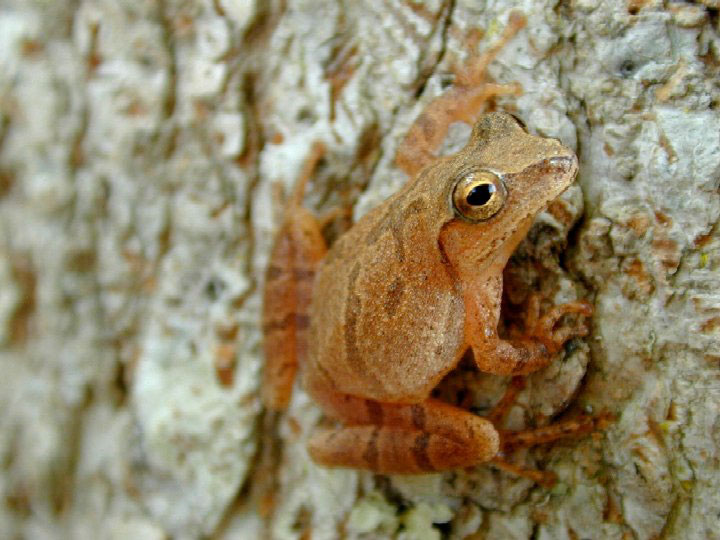
A dark X on the back identifies this fingernail-sized frog. Males inflate vocal sacs to produce piercing peeps that chorus across wet woods in March and April.
Ants, spiders, and pond edges
Tiny insects and spiders are taken near forest floor and shrub layer. Breeding concentrates in temporary and permanent woodland pools.
Eastern US and Canada woodlands
Deciduous forest from the Maritimes and Great Lakes to the Gulf states. Peepers often call from shrubs above pools rather than sitting in water.
Wetland buffers matter
Least Concern and widespread. Filling of vernal pools and suburban drainage reduces breeding sites, but huge populations persist in forested regions.
Explore the Spring Peeper
Close relatives
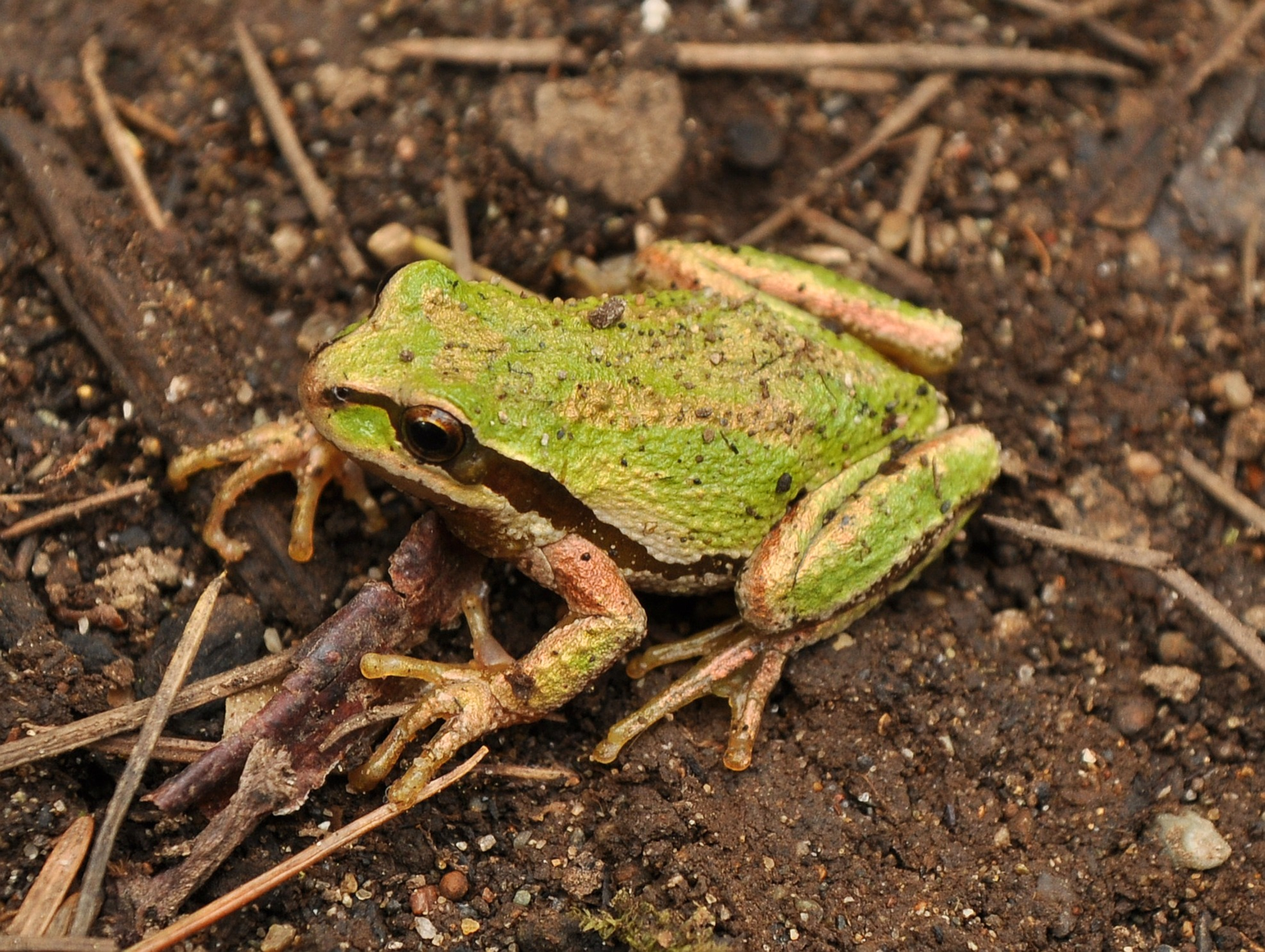
- Pacific Tree Frog Same genus
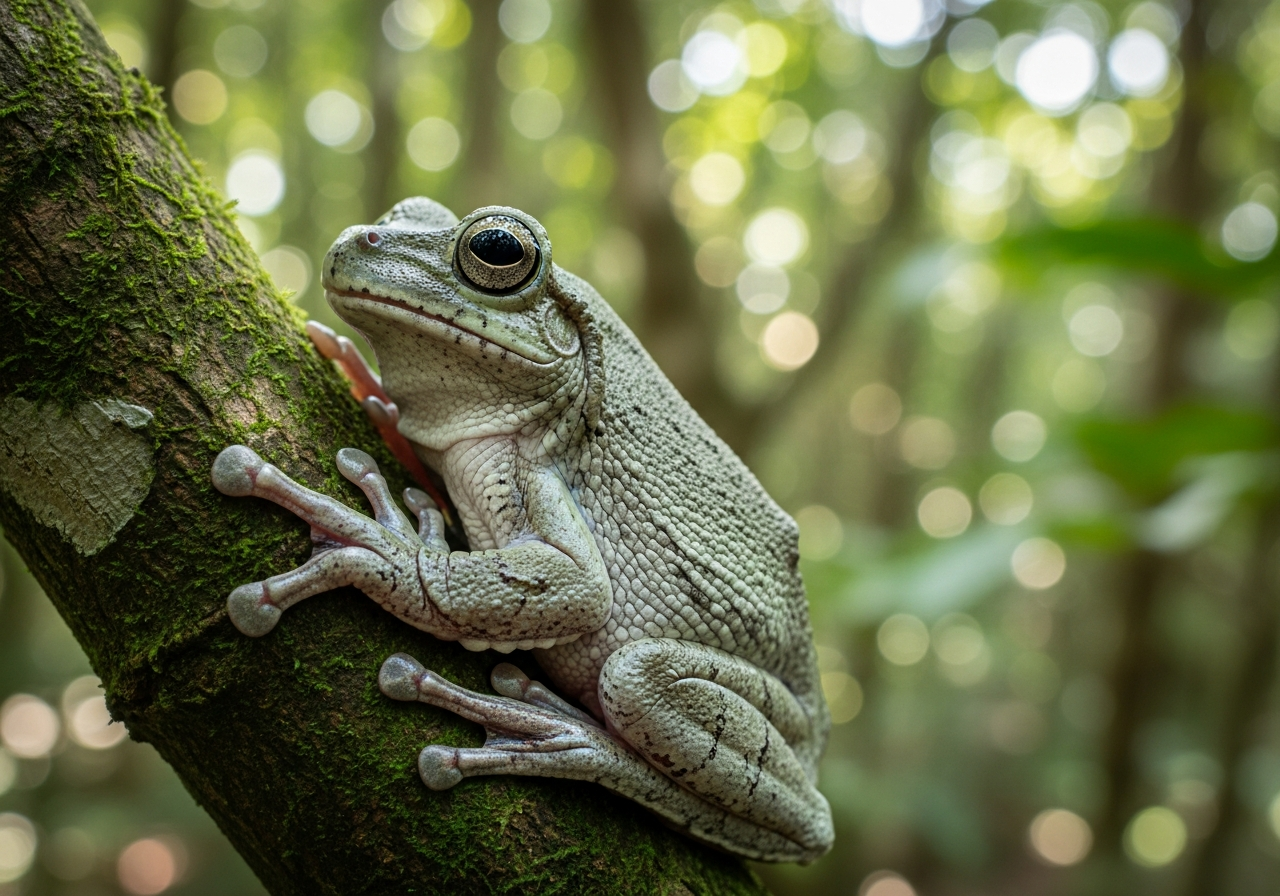
- Gray Tree Frog Same family
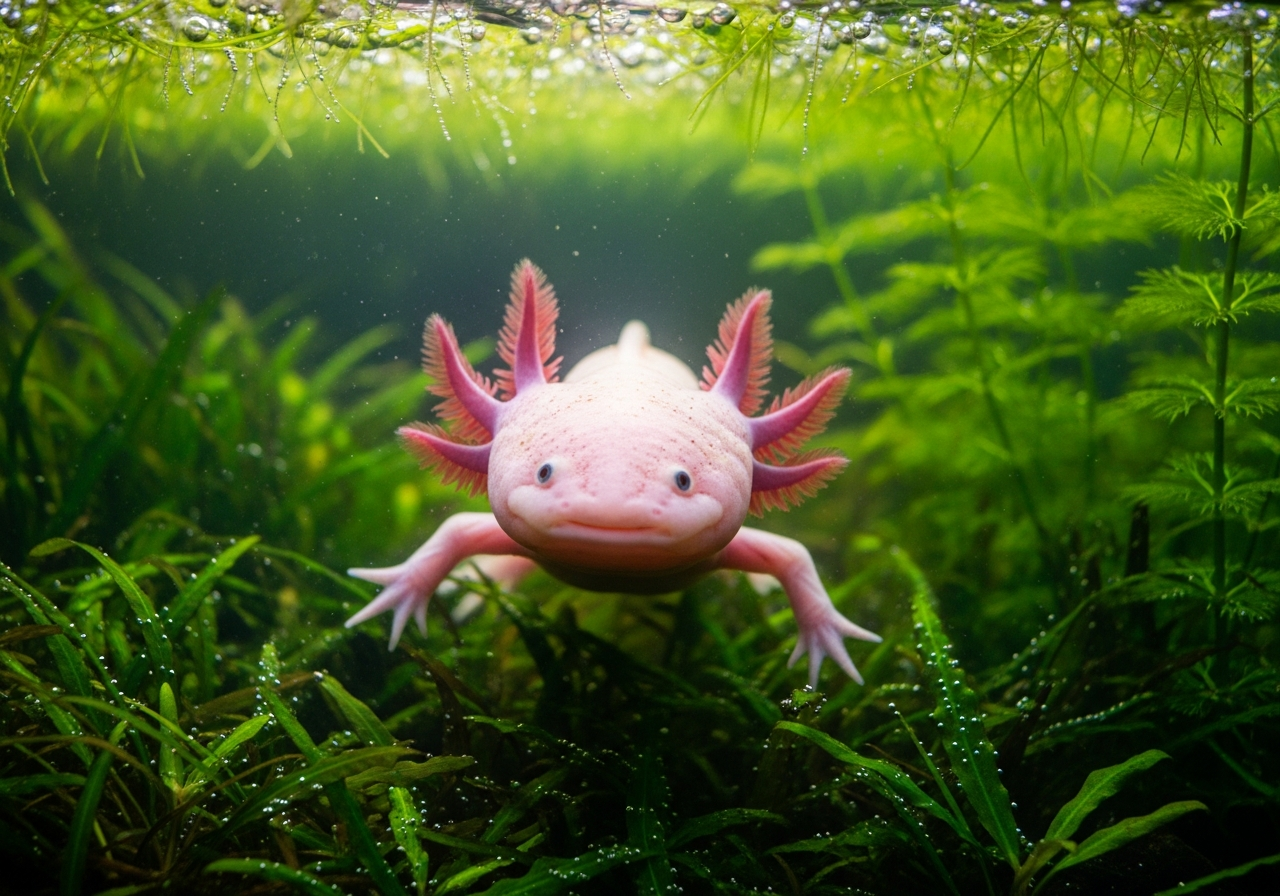
- Poison Dart Frog Same order
- Surinam Toad Same order
Range & geography
Conservation status of the Spring Peeper
The spring peeper (Pseudacris crucifer) is listed as Least Concern on the IUCN Red List. Least Concern (LC) is the IUCN's lowest-risk category, assigned to widespread, abundant species that have been evaluated and found not to be threatened. It does not mean a species faces no pressures — only that it is not currently at risk of extinction.
The spring peeper (Pseudacris crucifer) is assessed on the IUCN Red List. Look up on the IUCN Red List .
Frequently asked questions about the Spring Peeper
Why are they called spring peepers?
Males peep loudly in early spring when ice still edges woodland pools.
How do you identify a spring peeper?
Look for a tan frog with a dark X on the back and loud calls from wetland shrubs.
Are spring peepers tree frogs?
Yes — they are small hylid tree frogs that climb though they breed in ponds.
How loud is a spring peeper?
Individual peeps reach surprising volume for such a tiny frog; choruses carry across wet woods.
Where do spring peepers lay eggs?
In woodland ponds and swamps, attaching eggs to submerged vegetation.
What is a group of spring peepers called?
A group of Spring Peepers is called an army.
What is a baby spring peeper called?
A baby Spring Peeper is called a tadpole.
Sources & references
This guide is compiled and reviewed against established zoological and conservation references. Key sources for the Spring Peeper:
-
IUCN Red List of Threatened Species
Conservation status (Least Concern) reflects the IUCN Red List category for Pseudacris crucifer.
-
iNaturalist — observations & photos
Search citizen-science observations and community IDs for Pseudacris crucifer. Useful for range checks and recent sightings — not a substitute for formal Red List status.
-
GBIF — occurrence data
Global Biodiversity Information Facility species search for Pseudacris crucifer. Explore published occurrence records used in range research.
-
Global Animal Guide editorial standards
How we research, source, review, and update every guide for accuracy.