Image sourcing: see credits & licences
The eastern coral snake (Micrurus fulvius) is a reptile of the family Elapidae, in the order Squamata.
Quick answer
The eastern coral snake (Micrurus fulvius) is a brightly banded elapid of the southeastern United States with potent neurotoxic venom and a secretive, burrowing lifestyle. It eats other snakes and lizards, averages about 0.7 m, and is listed Least Concern, though bites are medical emergencies.
Top questions about the Eastern Coral Snake
Eastern Coral Snake facts at a glance
- Weight 100 g
- Length 70 cm
- Top speed 5 km/h
- Lifespan 10 years
| Scientific name | Micrurus fulvius |
|---|---|
| Diet | Carnivore (snakes and lizards) |
| Habitat | Pine woods, scrub, and sandy coastal habitats |
| Lifespan | Around 10 years in the wild (varies by population and captivity). |
| Weight | About 0.1 kg typical adult mass (sex and region vary). |
| Top speed | Up to roughly 5 km/h when moving at speed. |
| Conservation status | Least Concern (IUCN) |
| Kingdom | Animalia |
|---|---|
| Phylum | Chordata |
| Class | Reptilia |
| Order | Squamata |
| Family | Elapidae |
| Genus | Micrurus |
Where it lives
The eastern coral snake (Micrurus fulvius) is native to Southeastern United States from North Carolina to Florida and west to Texas. — recorded across North America in this guide’s range summary.
For occurrence records, see GBIF species search and sources below.
How big is a eastern coral snake?
An adult eastern coral snake measures 70 cm long — about 40% of the height of an average adult person (1.73 m) — and weighs around 100 g, a small fraction of an average adult’s body weight (70 kg).
Length vs an average adult’s height (to scale)
What is a group of eastern coral snakes called?
Group name (collective noun)
A group of Eastern Coral Snakes is called a bed.
Baby name
A baby Eastern Coral Snake is called a hatchling.
Explore more animal collective nouns and baby animal names .
Red touch yellow — elapid warning
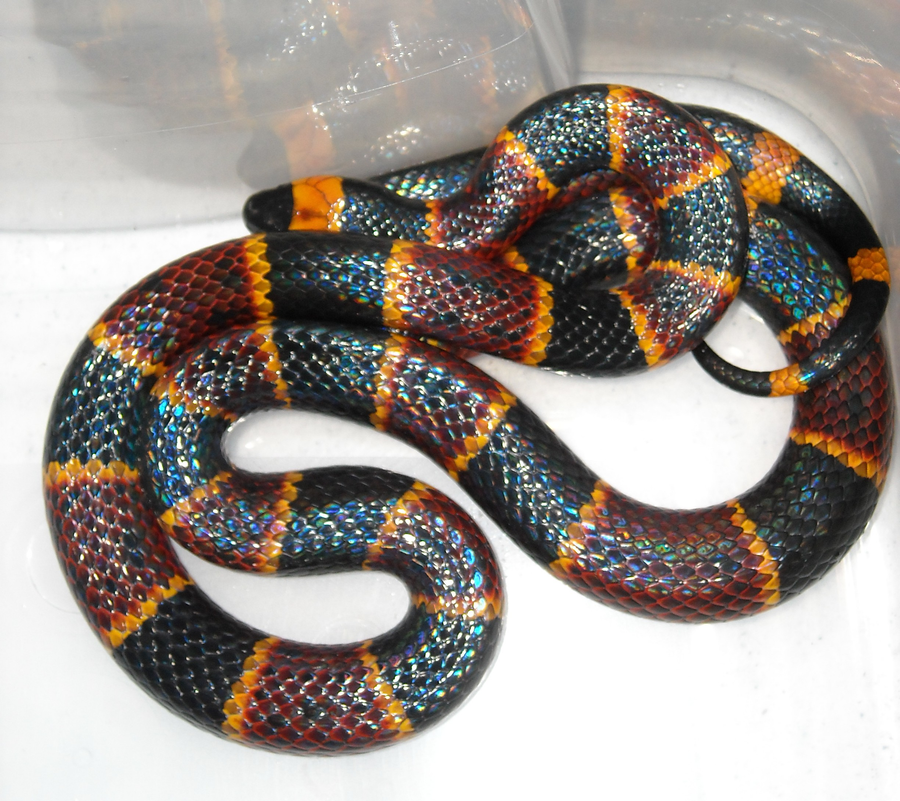
Fixed front fangs and smooth, glossy bands of red, yellow, and black distinguish Micrurus from many harmless mimics. The rhyme "red touch yellow, kill a fellow" applies to this US species (not to all coral snakes worldwide). They are shy and seldom seen above ground.
Snake-eating specialist
Primary prey are small snakes — including other venomous species — plus lizards. Coral snakes track prey into leaf litter and burrows rather than striking large mammals.
Southeast coastal plain
Pine woods, scrub, and sandy coastal habitats from North Carolina through Florida and west to Texas. They favour loose soil for burrowing. Across its range it is tied to pine woods, scrub, and sandy coastal habitats, and field accounts emphasise this species’ distinctive ecology rather than generic habitat labels.
Rare bites, serious venom
Least Concern and infrequently encountered, yet neurotoxic venom can paralyse breathing muscles. Antivenom and hospital care are essential after a confirmed bite; do not wait for symptoms to worsen.
Explore the Eastern Coral Snake
Close relatives
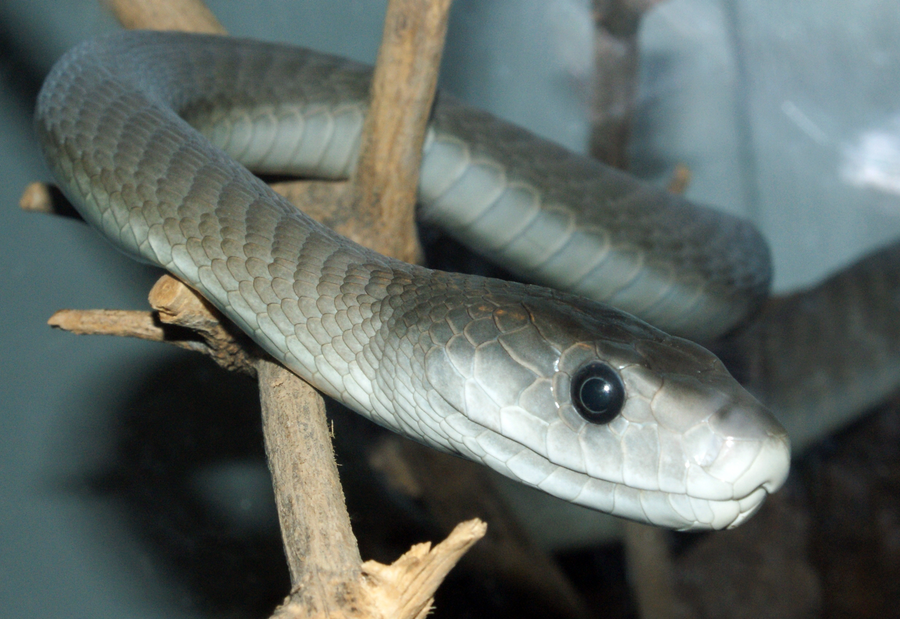
- Black Mamba Same family
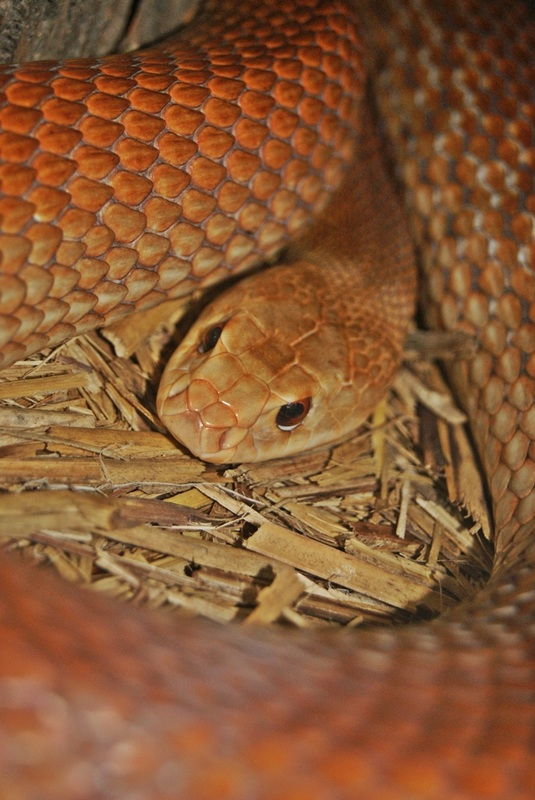
- Inland Taipan Same family
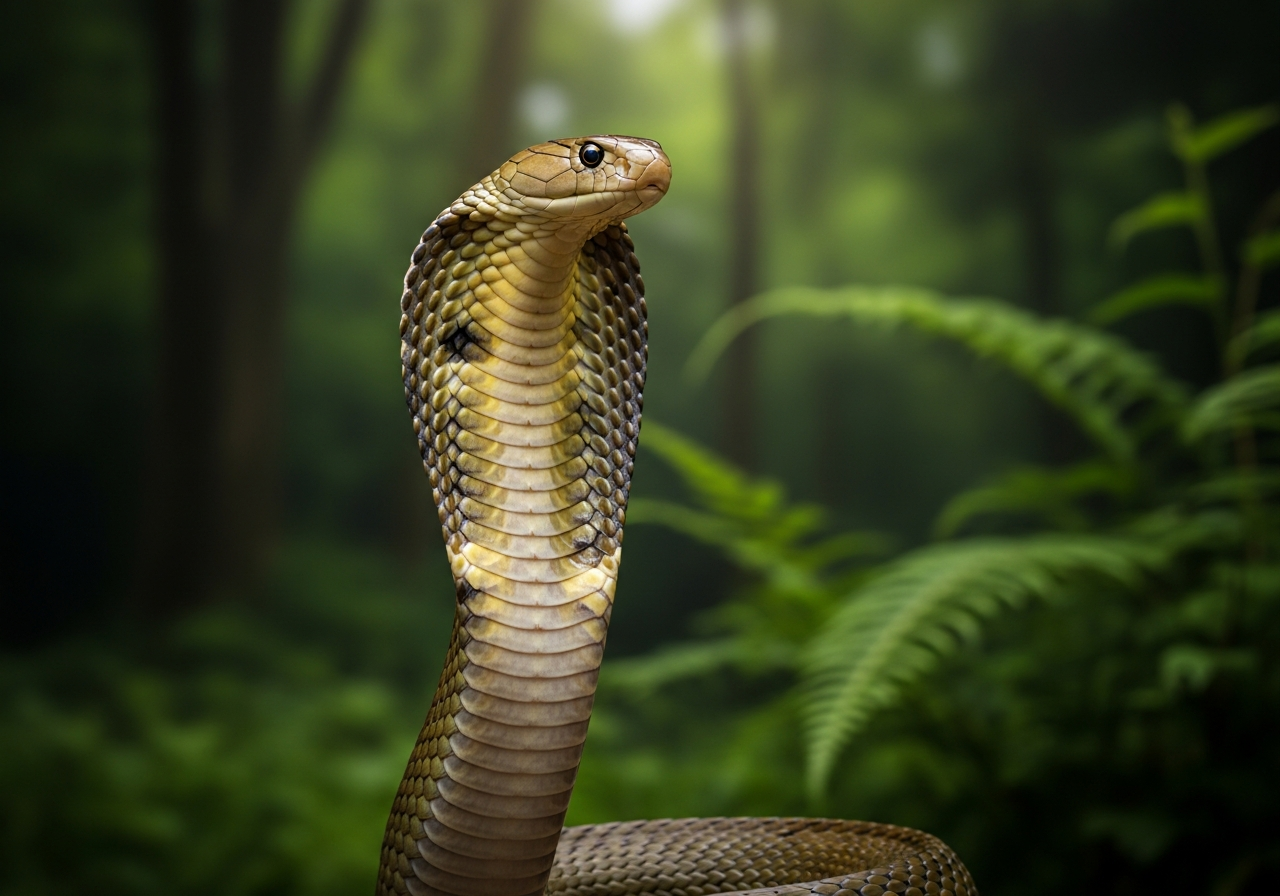
- King Cobra Same family
- Coastal Taipan Same family
Range & geography
Conservation status of the Eastern Coral Snake
The eastern coral snake (Micrurus fulvius) is listed as Least Concern on the IUCN Red List. Least Concern (LC) is the IUCN's lowest-risk category, assigned to widespread, abundant species that have been evaluated and found not to be threatened. It does not mean a species faces no pressures — only that it is not currently at risk of extinction.
The eastern coral snake (Micrurus fulvius) is assessed on the IUCN Red List. Look up on the IUCN Red List .
Frequently asked questions about the Eastern Coral Snake
Is the coral snake rhyme accurate?
In the southeastern United States, "red touch yellow" usually indicates a venomous coral snake, but the rhyme fails for many coral snakes and mimics elsewhere in the Americas.
What do eastern coral snakes eat?
Mostly other snakes and lizards hunted in leaf litter and burrows.
Are coral snake bites common?
No — they are secretive and rarely bite people, but any bite needs urgent medical care.
Do coral snakes rattle?
No. They may hide the head and thrash the tail in leaf litter, but they lack a rattle.
Where do eastern coral snakes live?
Southeastern United States from North Carolina to Florida and west to Texas.
What is a group of eastern coral snakes called?
A group of Eastern Coral Snakes is called a bed.
What is a baby eastern coral snake called?
A baby Eastern Coral Snake is called a hatchling.
Sources & references
This guide is compiled and reviewed against established zoological and conservation references. Key sources for the Eastern Coral Snake:
-
IUCN Red List of Threatened Species
Conservation status (Least Concern) reflects the IUCN Red List category for Micrurus fulvius.
-
iNaturalist — observations & photos
Search citizen-science observations and community IDs for Micrurus fulvius. Useful for range checks and recent sightings — not a substitute for formal Red List status.
-
GBIF — occurrence data
Global Biodiversity Information Facility species search for Micrurus fulvius. Explore published occurrence records used in range research.
-
Global Animal Guide editorial standards
How we research, source, review, and update every guide for accuracy.