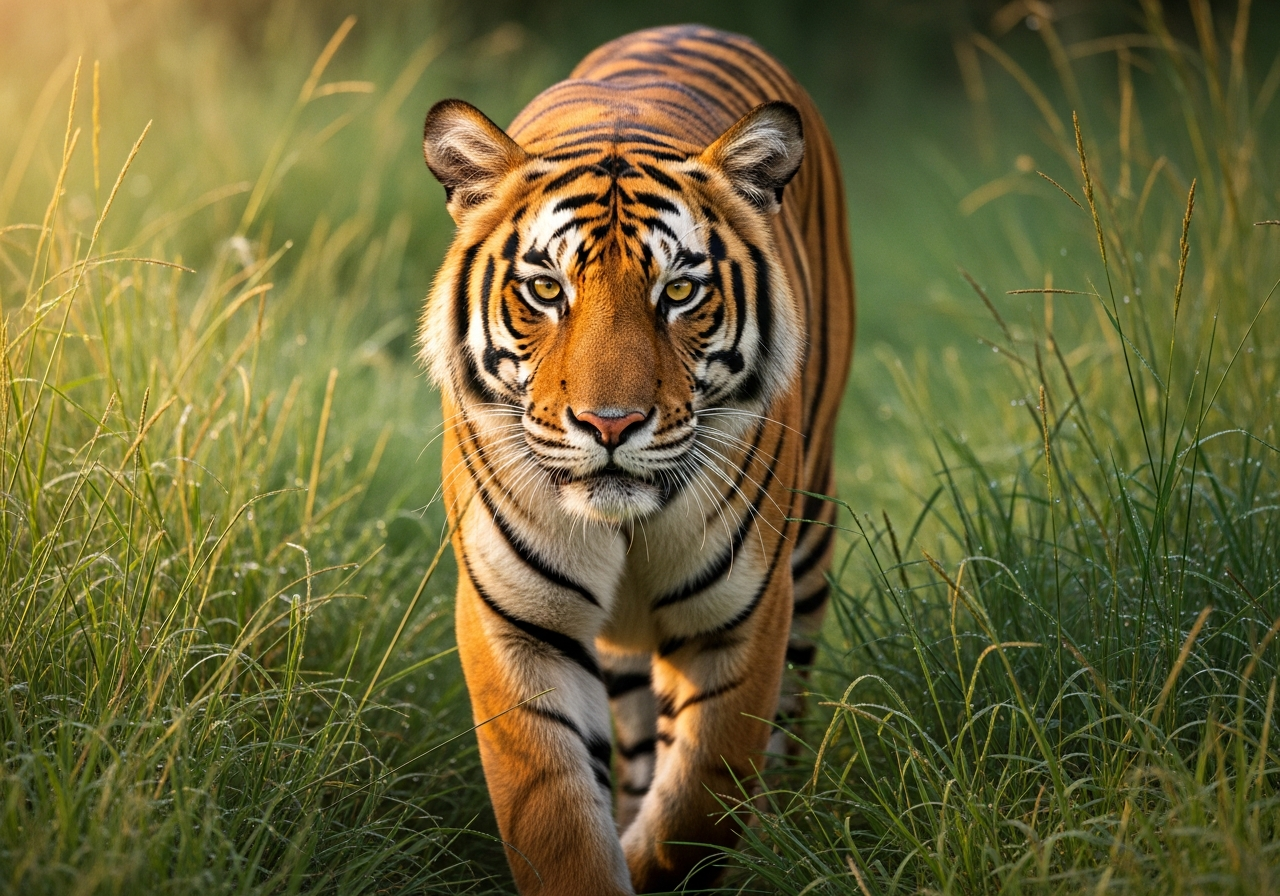
Mammal
Tiger
The largest cat species on Earth
Trusted wildlife guides · Promotional links support animal rescue
Saturday, 18 July 2026Tropical rainforests concentrate biodiversity in a fraction of Earth's land. Humidity, stable warmth, and complex vertical structure create niches from emergent canopy to leaf litter. Profiles here mention rainforest, tropical forest, jungle, or mangrove forest habitats.
Rainforests are warm, wet forests with layered canopies and unmatched species richness. Most animals live in the trees; jaguars, toucans, poison frogs, and countless insects depend on continuous forest cover.
Look for jaguar, toucan, poison dart frog, orangutan, and harpy eagle profiles — each emphasises canopy life, diet specialisation, and forest dependence.
Deforestation for agriculture and logging, fragmentation, hunting, and climate stress are the main pressures on rainforest wildlife worldwide.
Pair this hub with forest & woodland for temperate species, and with Educators packs on habitats and food webs.
Ranked by profile popularity. An animal may also appear in other biomes if it uses multiple habitats.
Mammal
The largest cat species on Earth
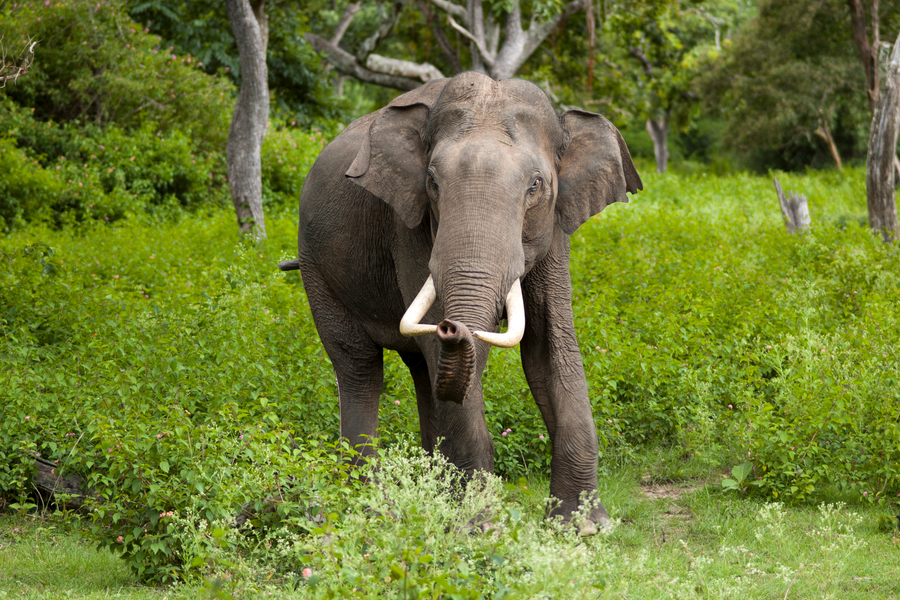
Mammal
The smaller cousin of Africa's giant
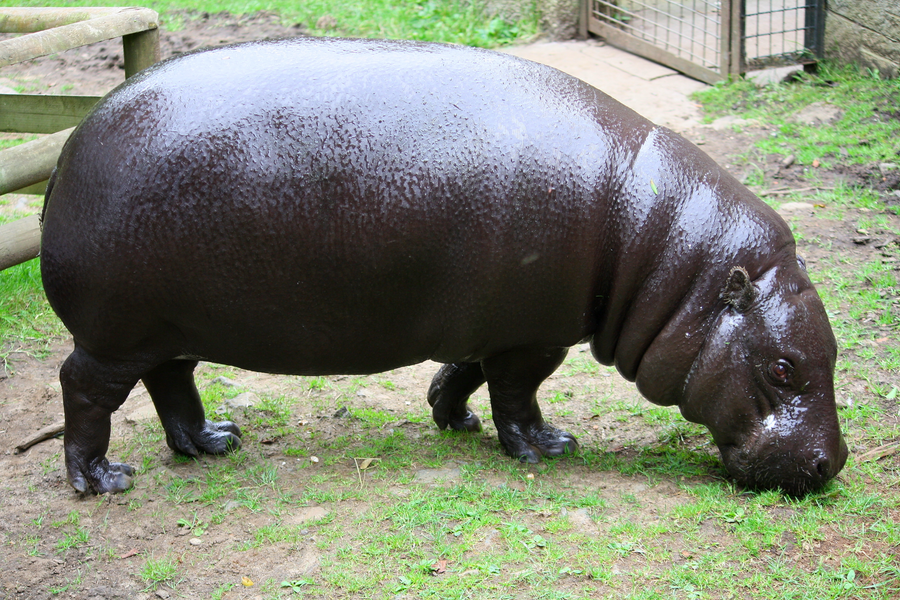
Mammal
The small forest hippo of West Africa
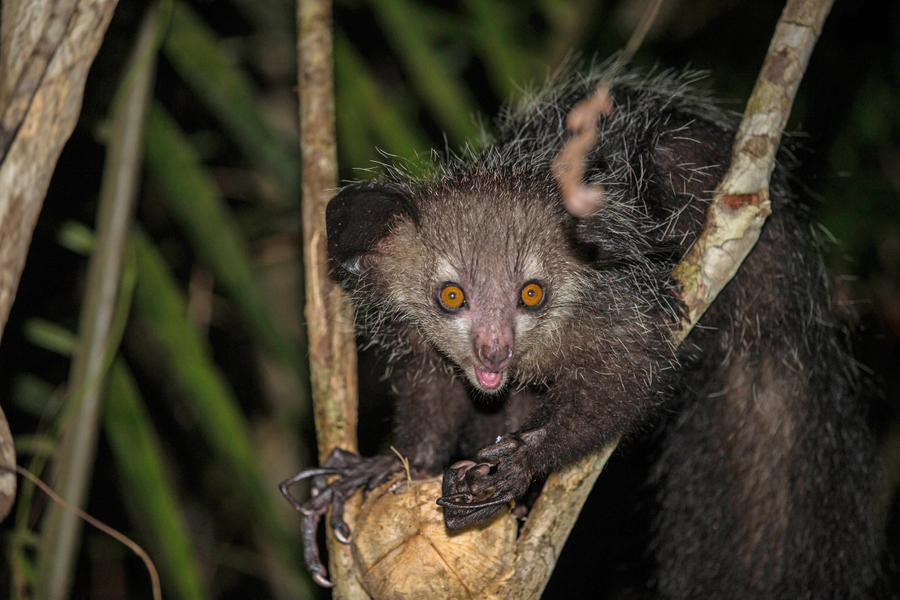
Mammal
Madagascar's nocturnal oddity
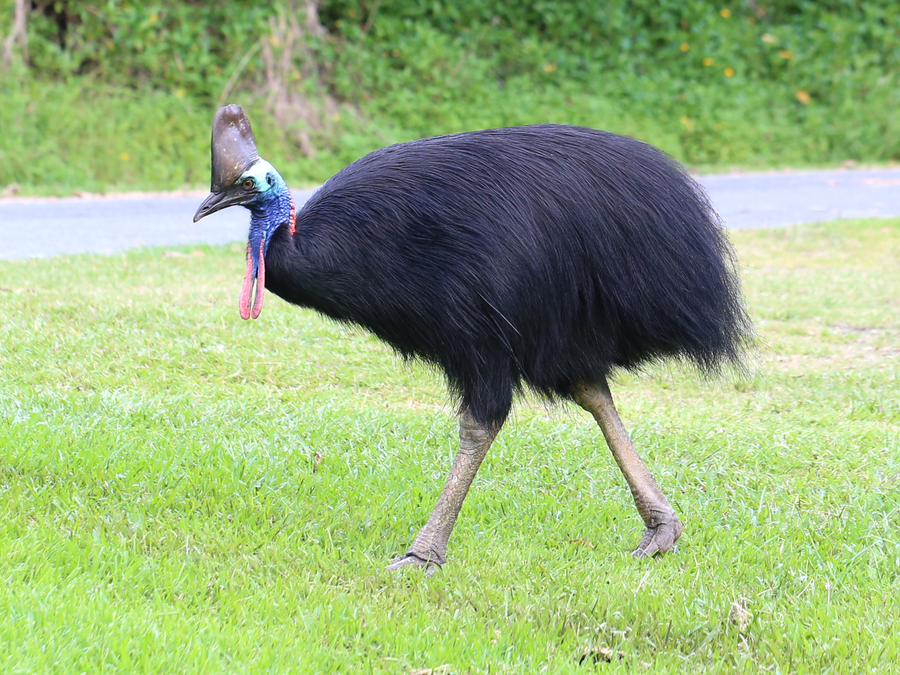
Bird
The world's most dangerous bird
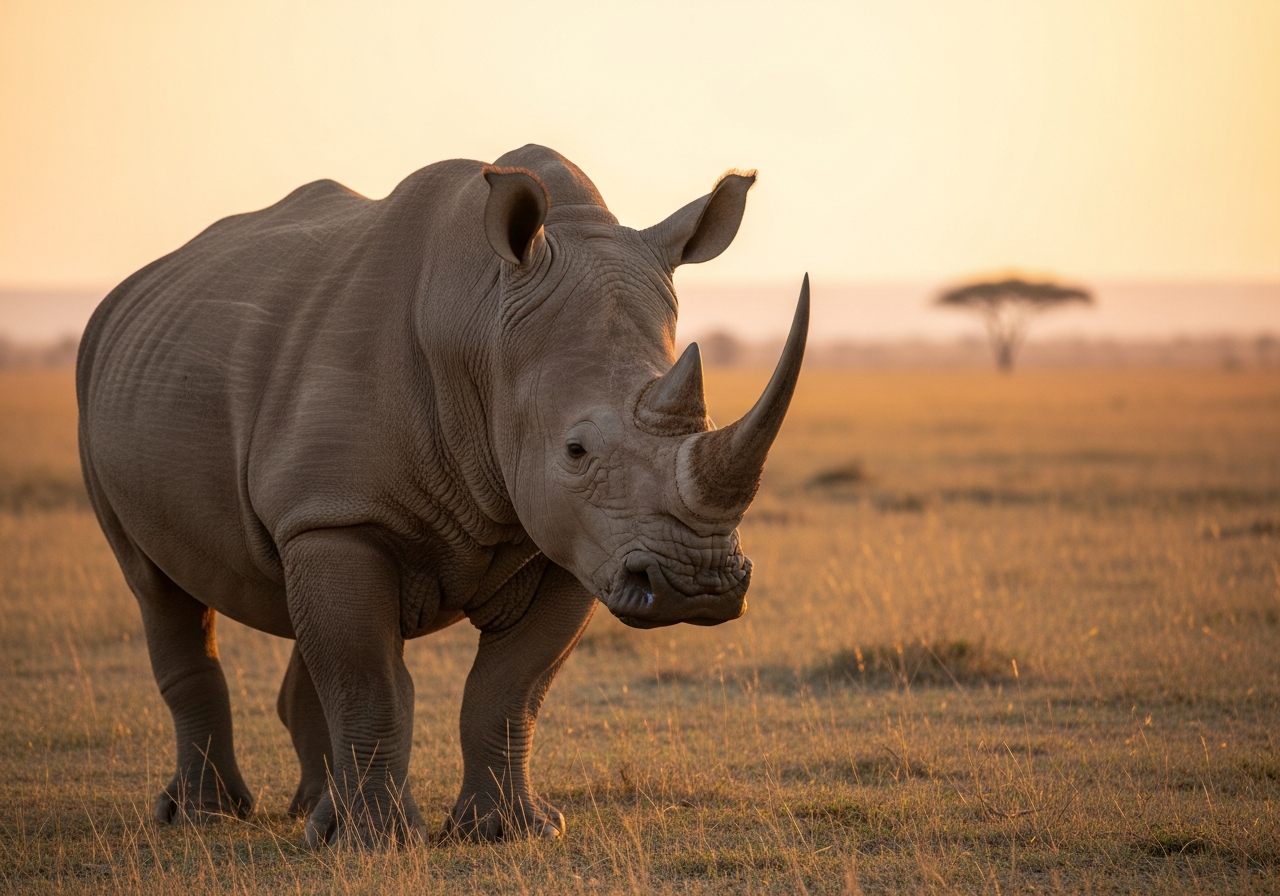
Mammal
The armored giant with a horn of keratin
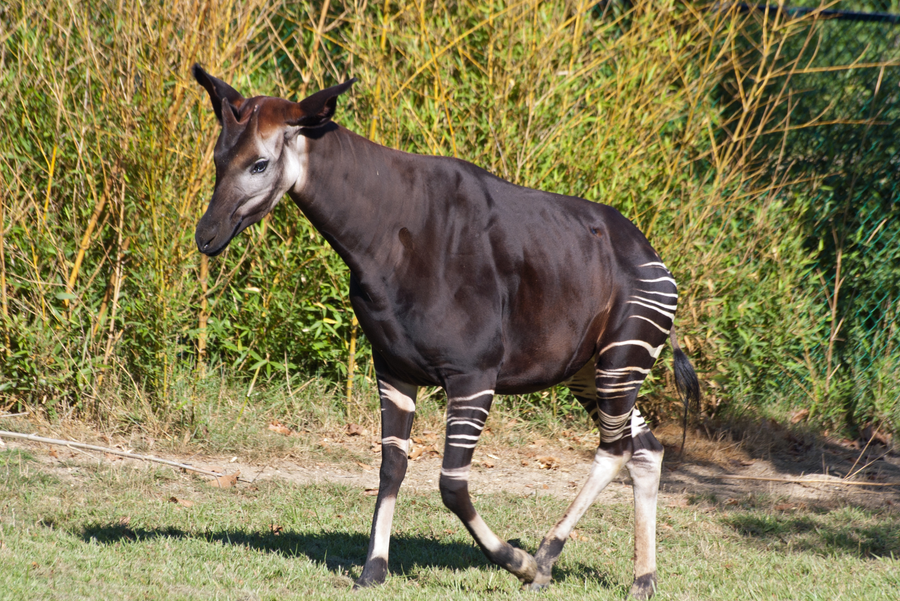
Mammal
The forest giraffe of the Congo
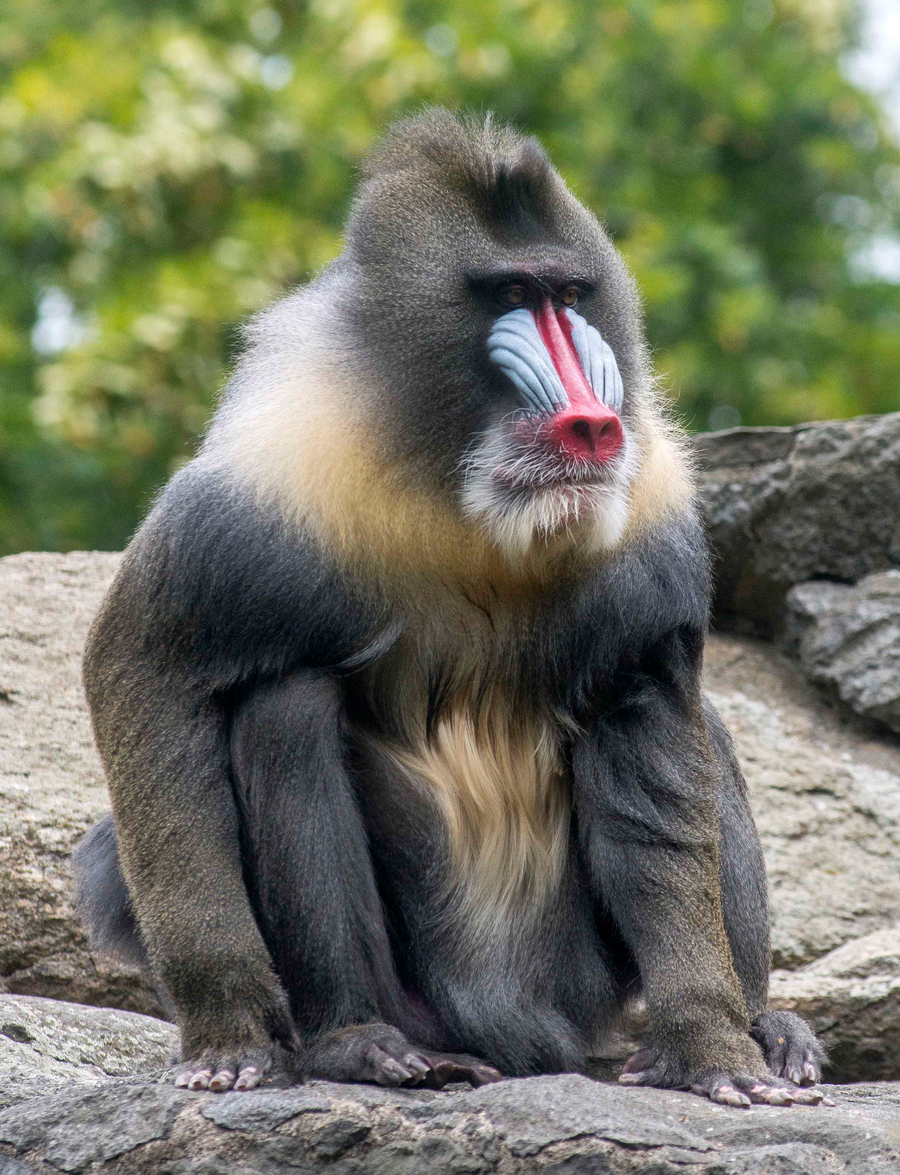
Mammal
The world's most colourful primate
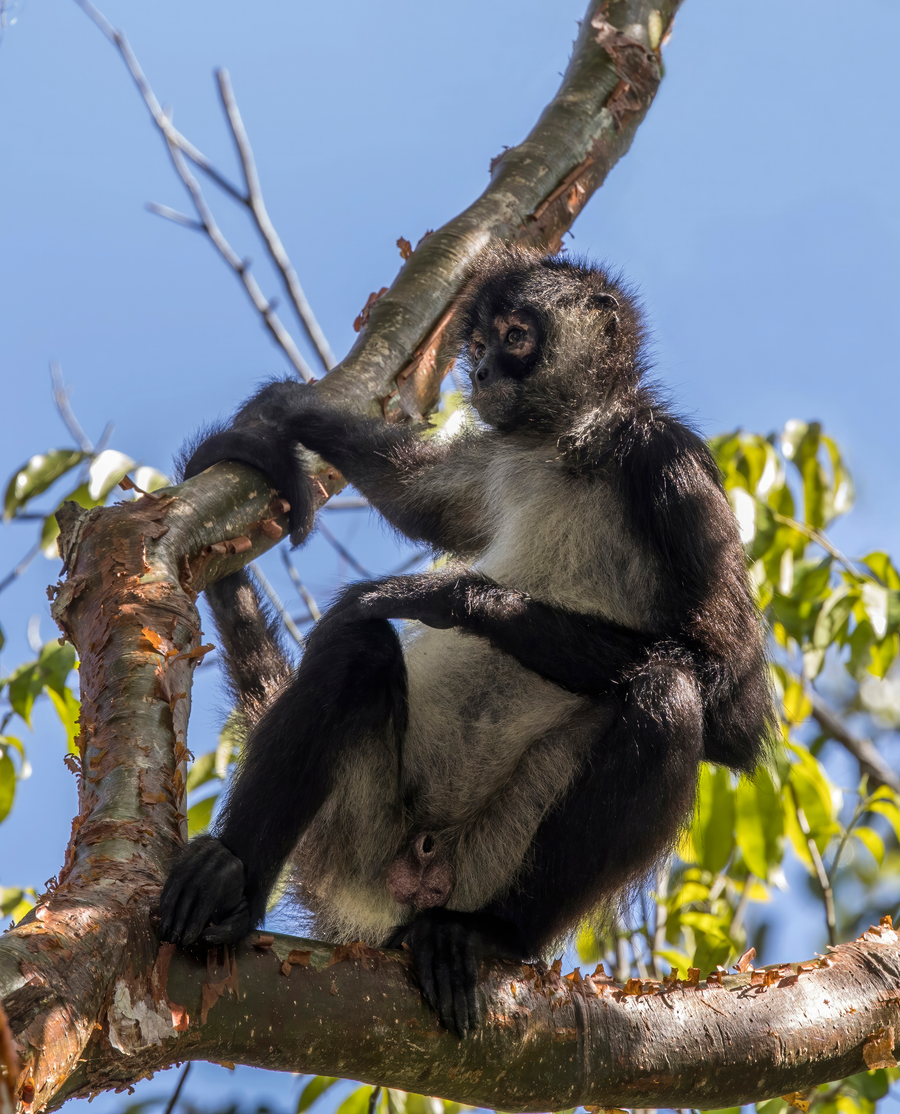
Mammal
The long-limbed acrobat of Central American forests
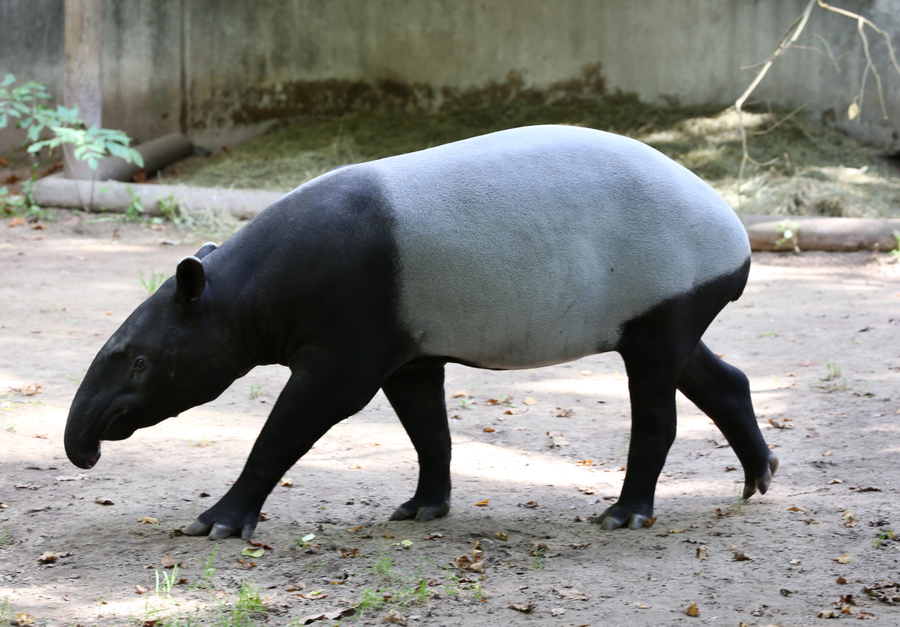
Mammal
The black-and-white gardener of Asian rainforests
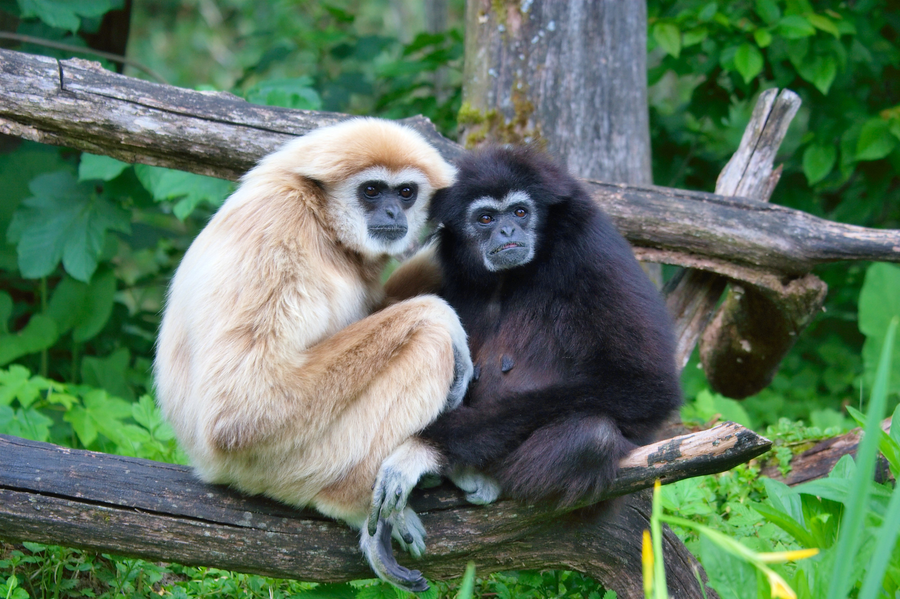
Mammal
The singing ape of the canopy
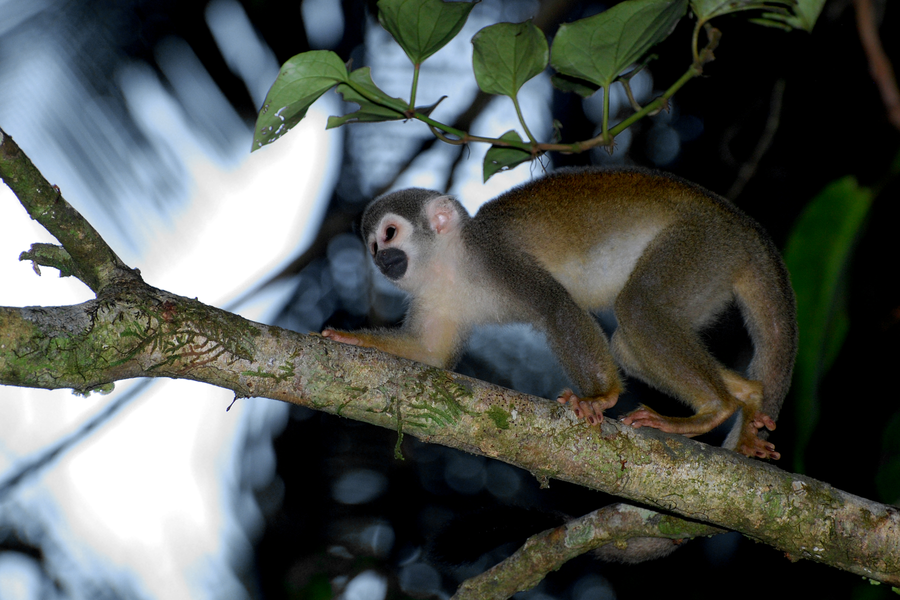
Mammal
The tiny big-brained monkey of the Amazon
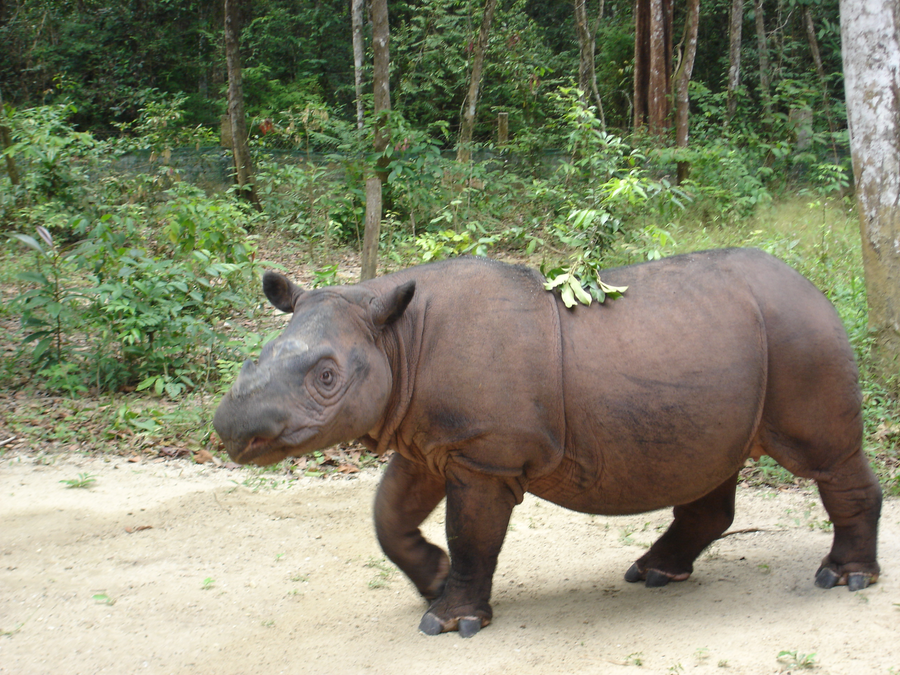
Mammal
The smallest, hairiest — and rarest — rhino
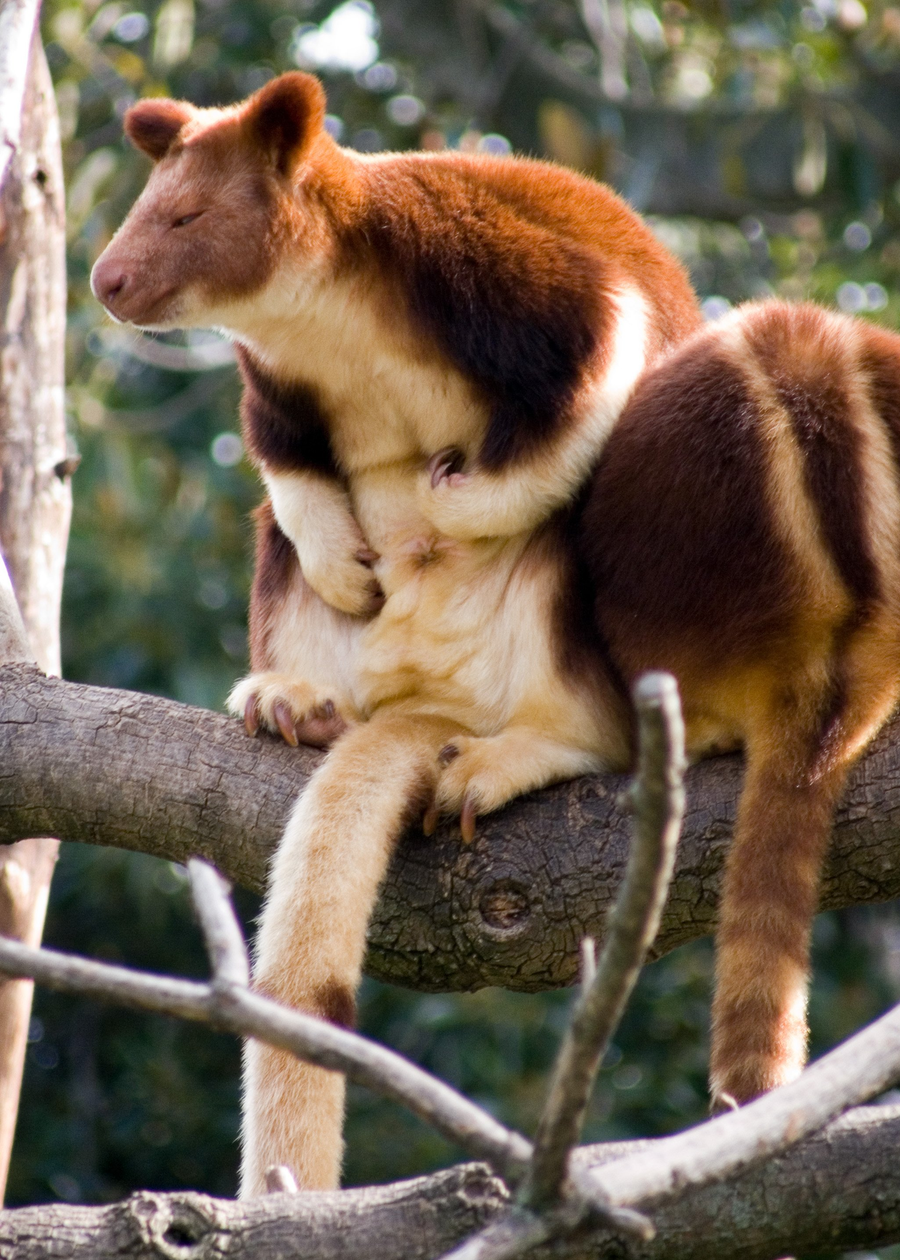
Mammal
The golden-striped kangaroo that lives in trees
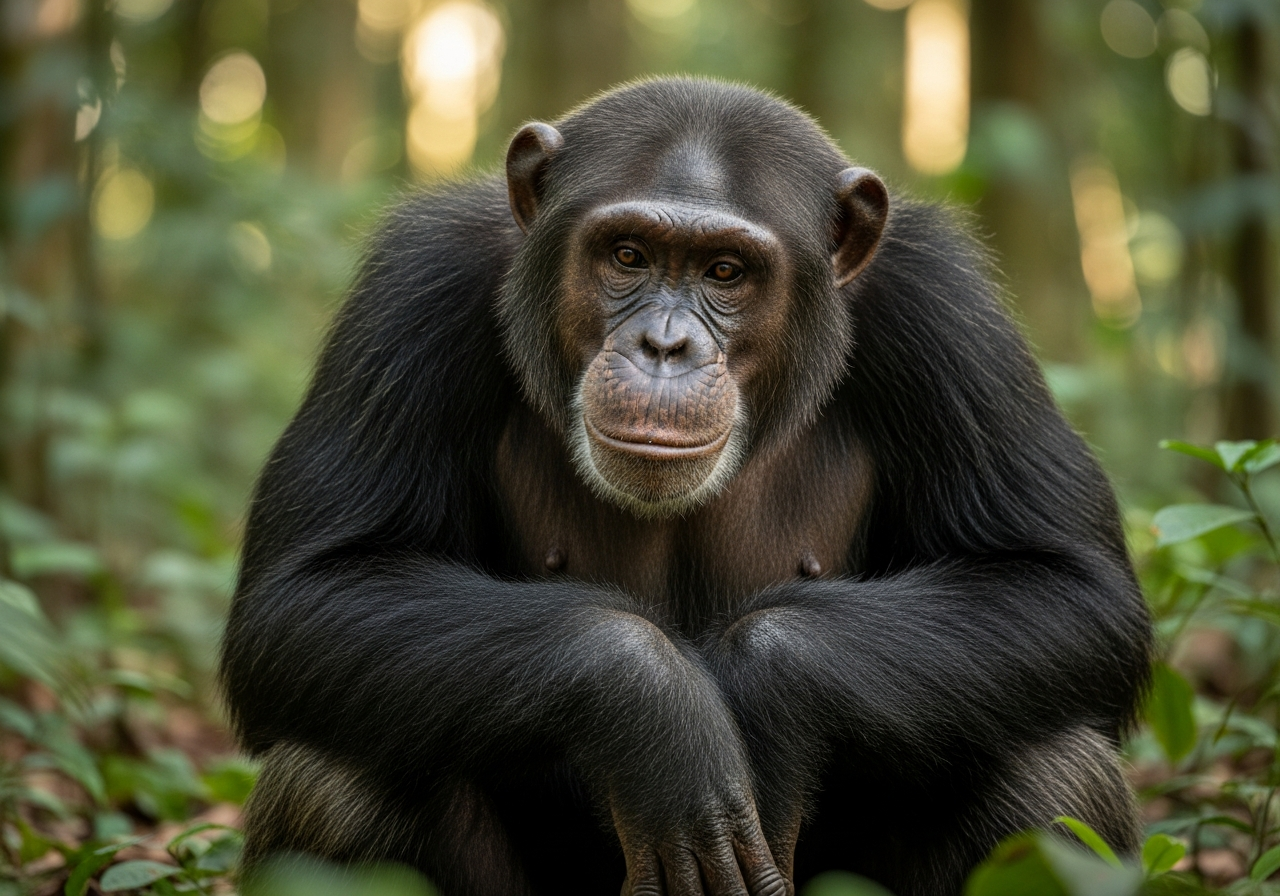
Mammal
Our closest living relative
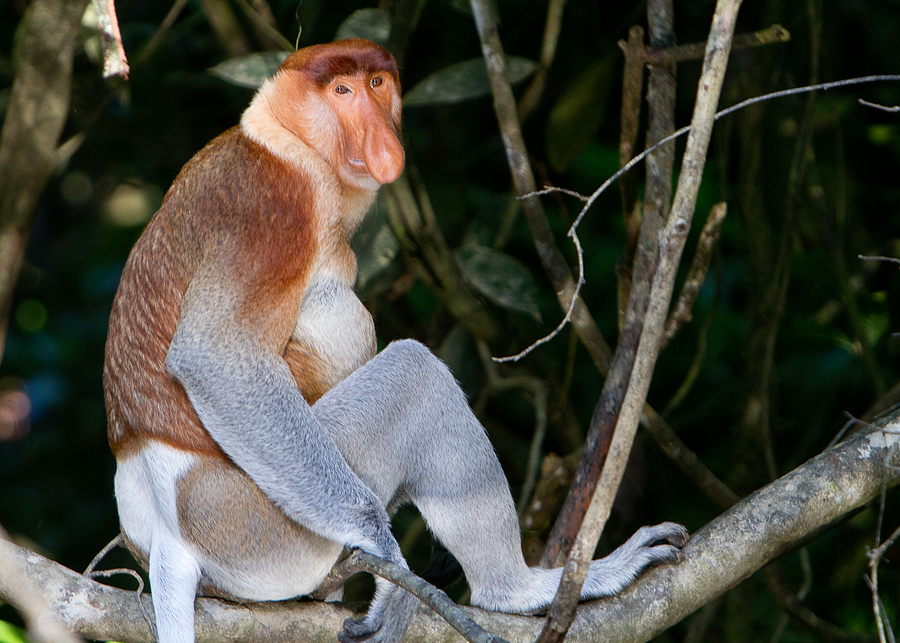
Mammal
Borneo's big-nosed swimmer
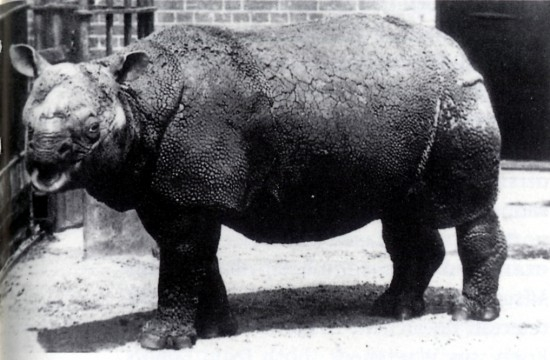
Mammal
The rarest rhino on Earth
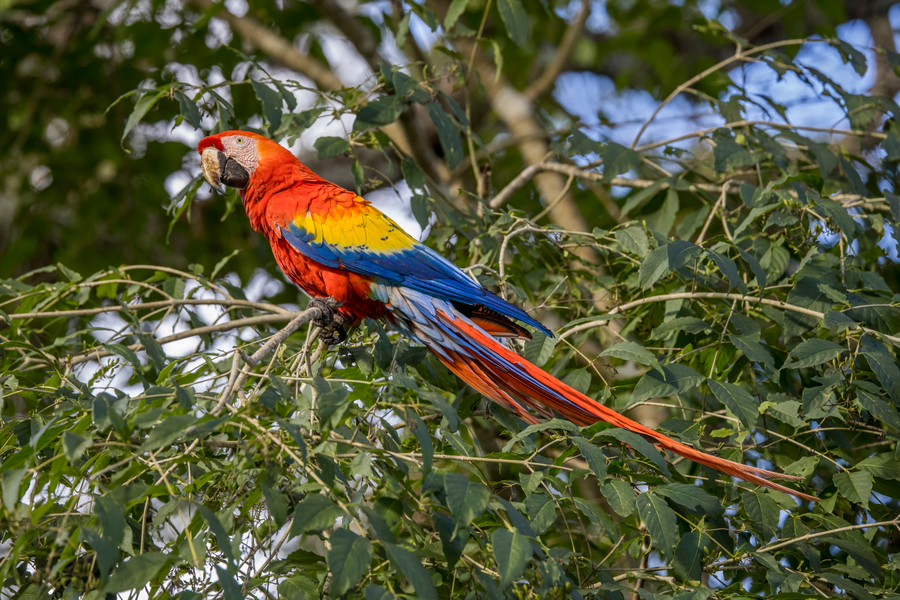
Bird
Iconic red-and-blue rainforest parrot
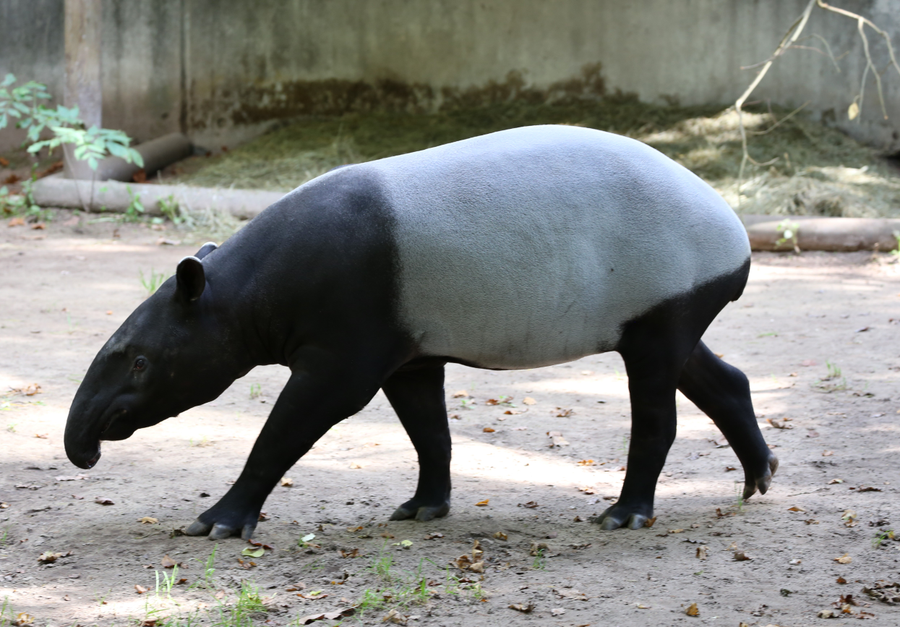
Mammal
The black-and-white forest gardener
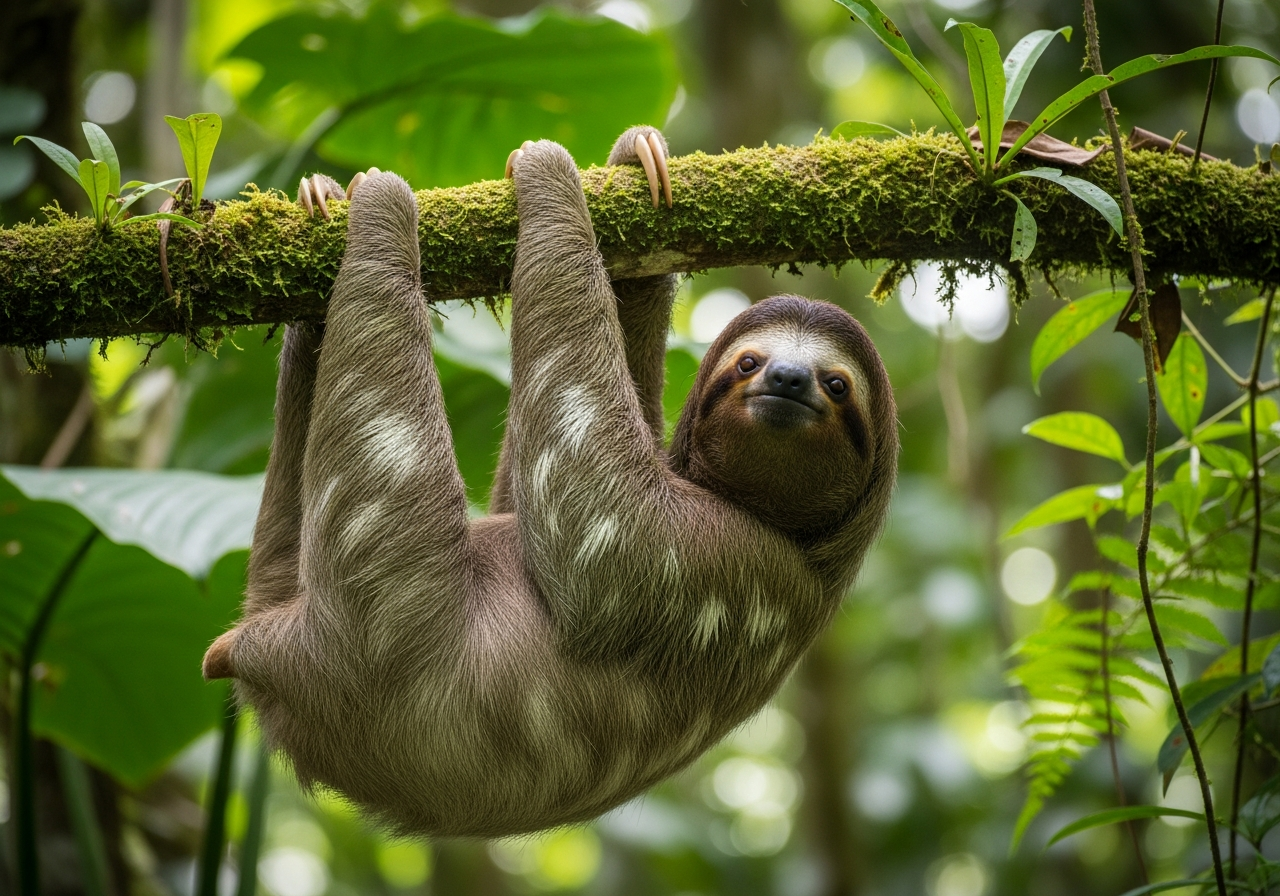
Mammal
The slowest mammal on Earth
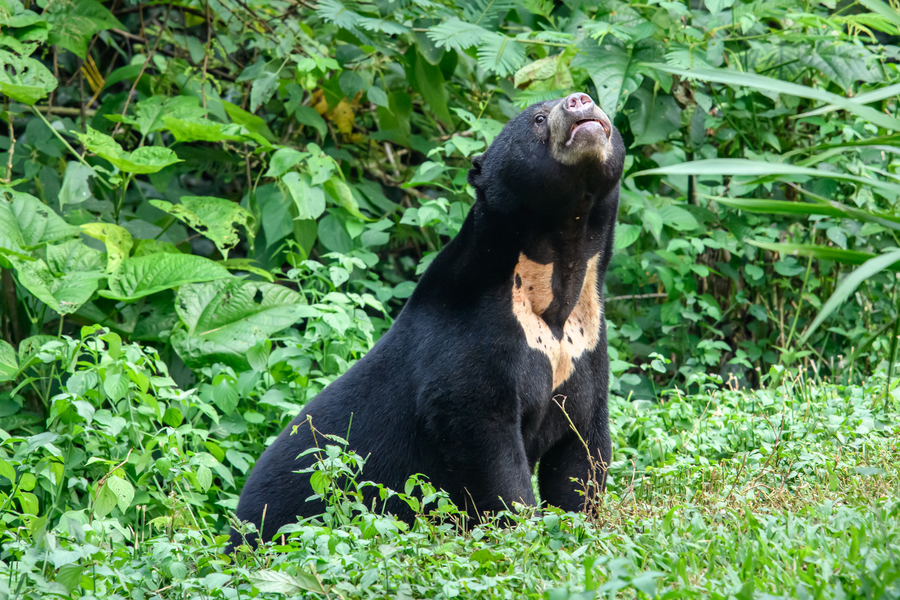
Mammal
The smallest bear of Southeast Asia's rainforests
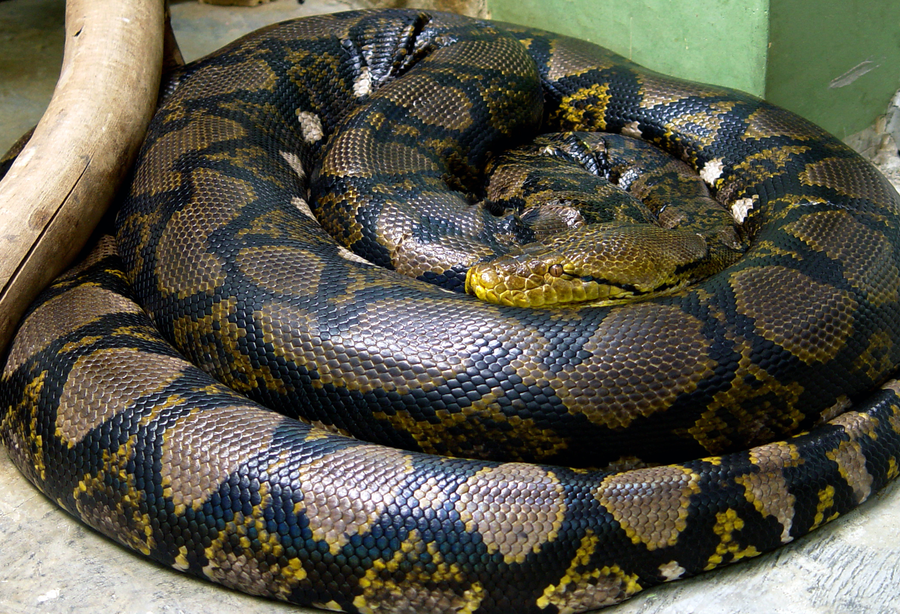
Reptile
World's longest snake
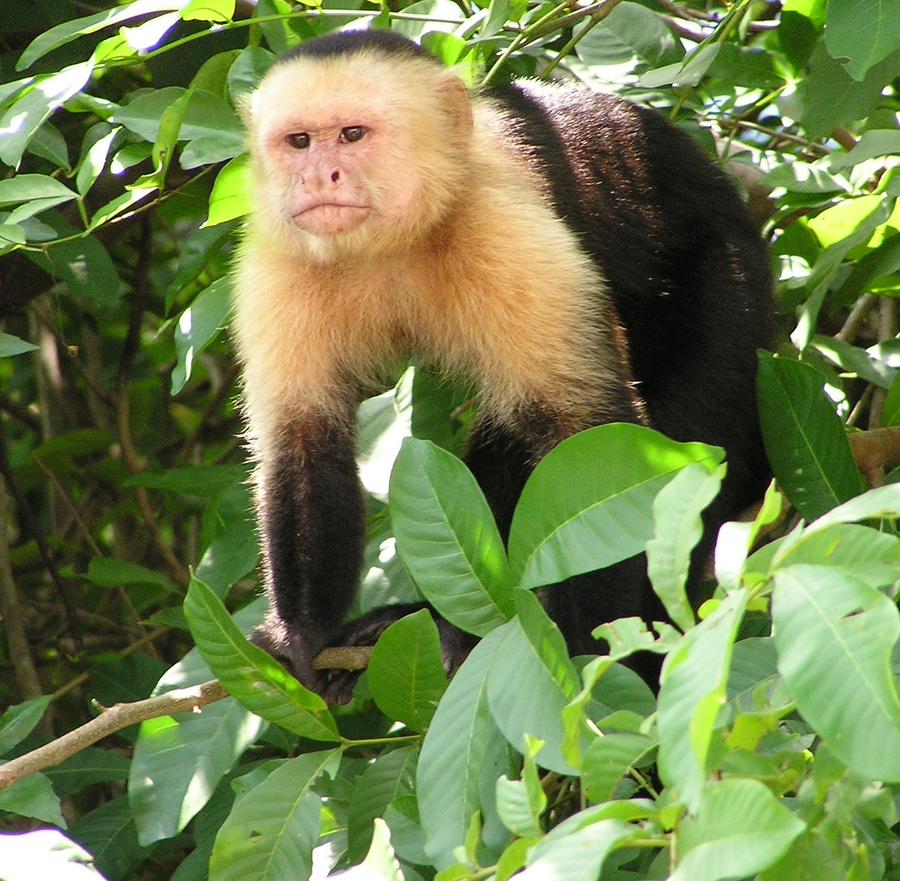
Mammal
The clever New World monkey
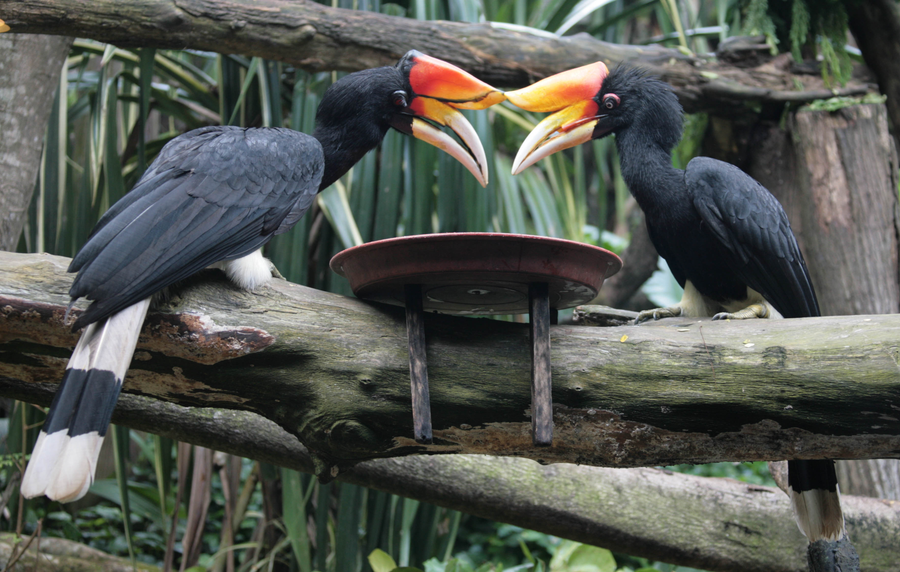
Bird
The thunderbird of Borneo's rainforest
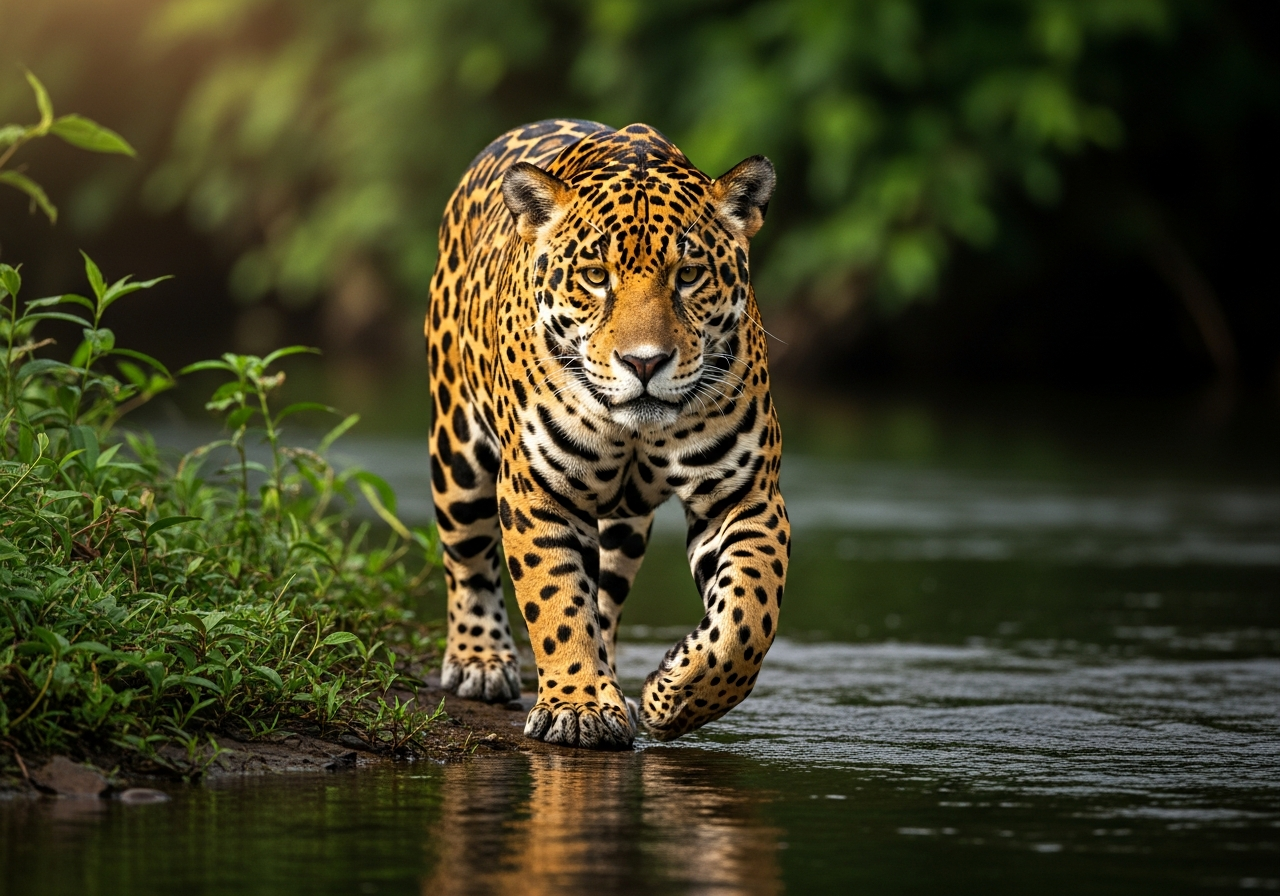
Mammal
The Americas' largest and most powerful cat
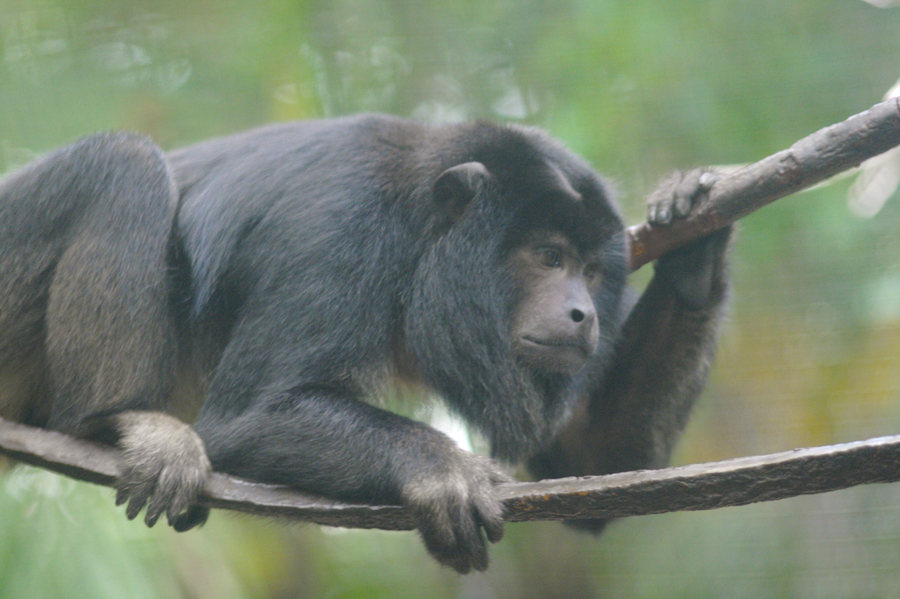
Mammal
The loudest land animal in the Americas
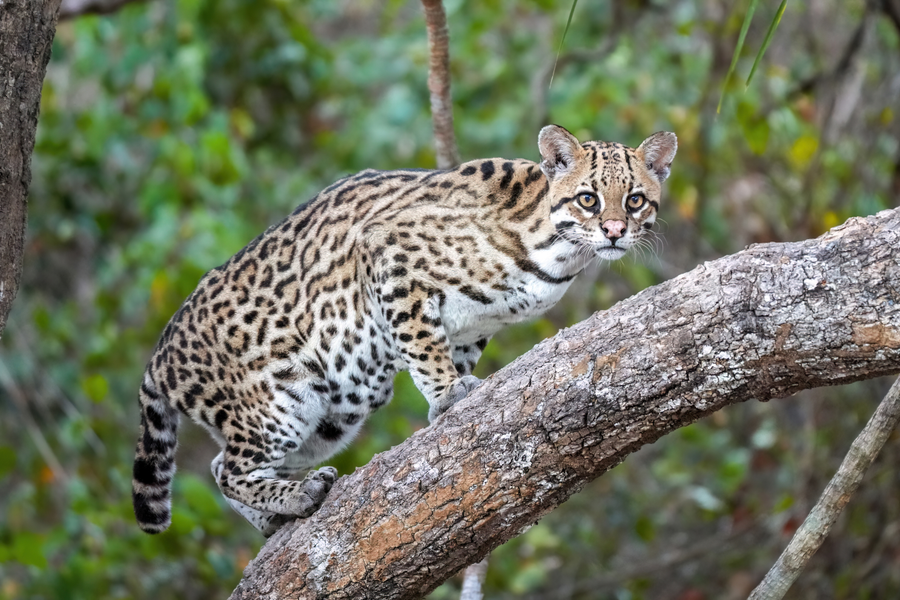
Mammal
The spotted cat of the Americas
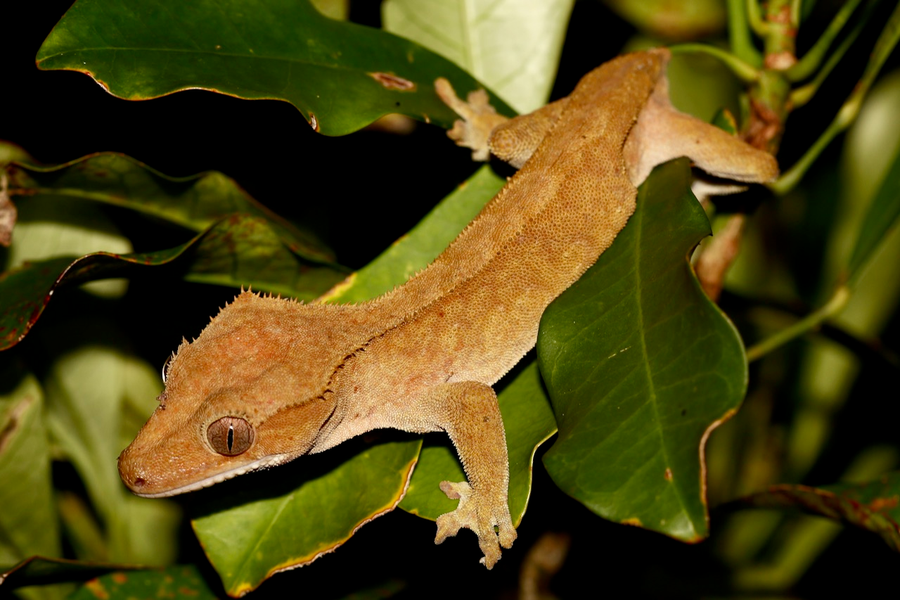
Reptile
Eyelash-crested gecko of New Caledonia
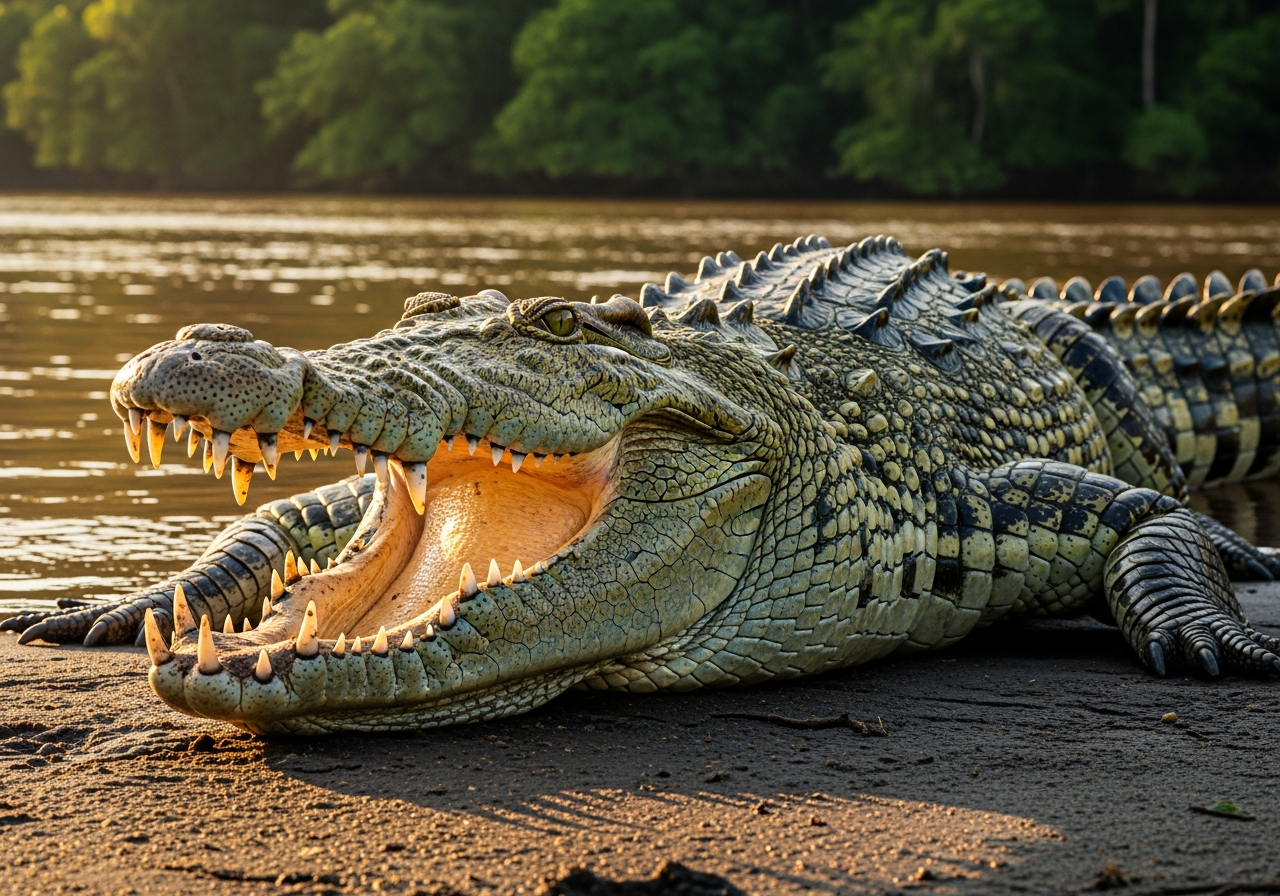
Reptile
The largest living reptile and most powerful bite on Earth
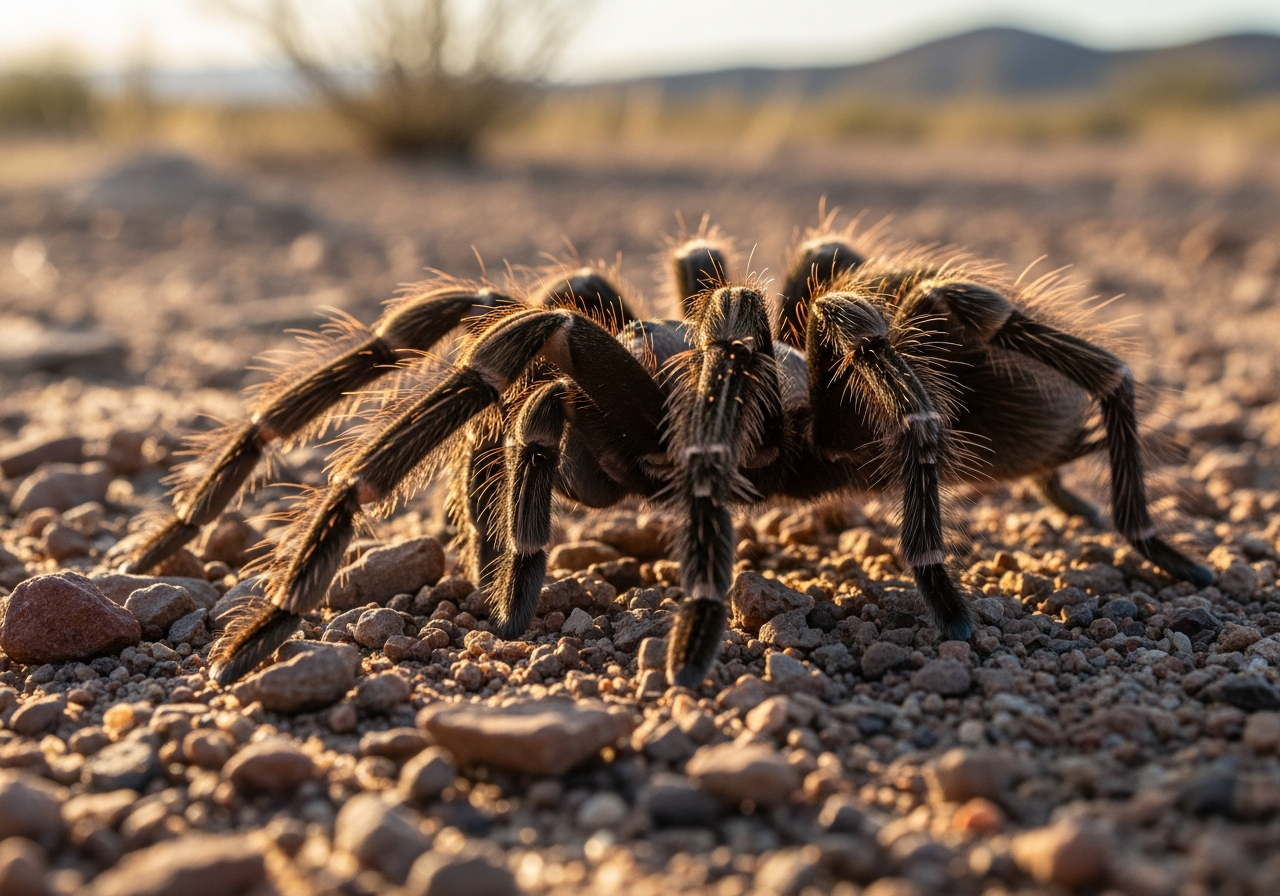
Invertebrate
The large, hairy spider with a gentle reputation
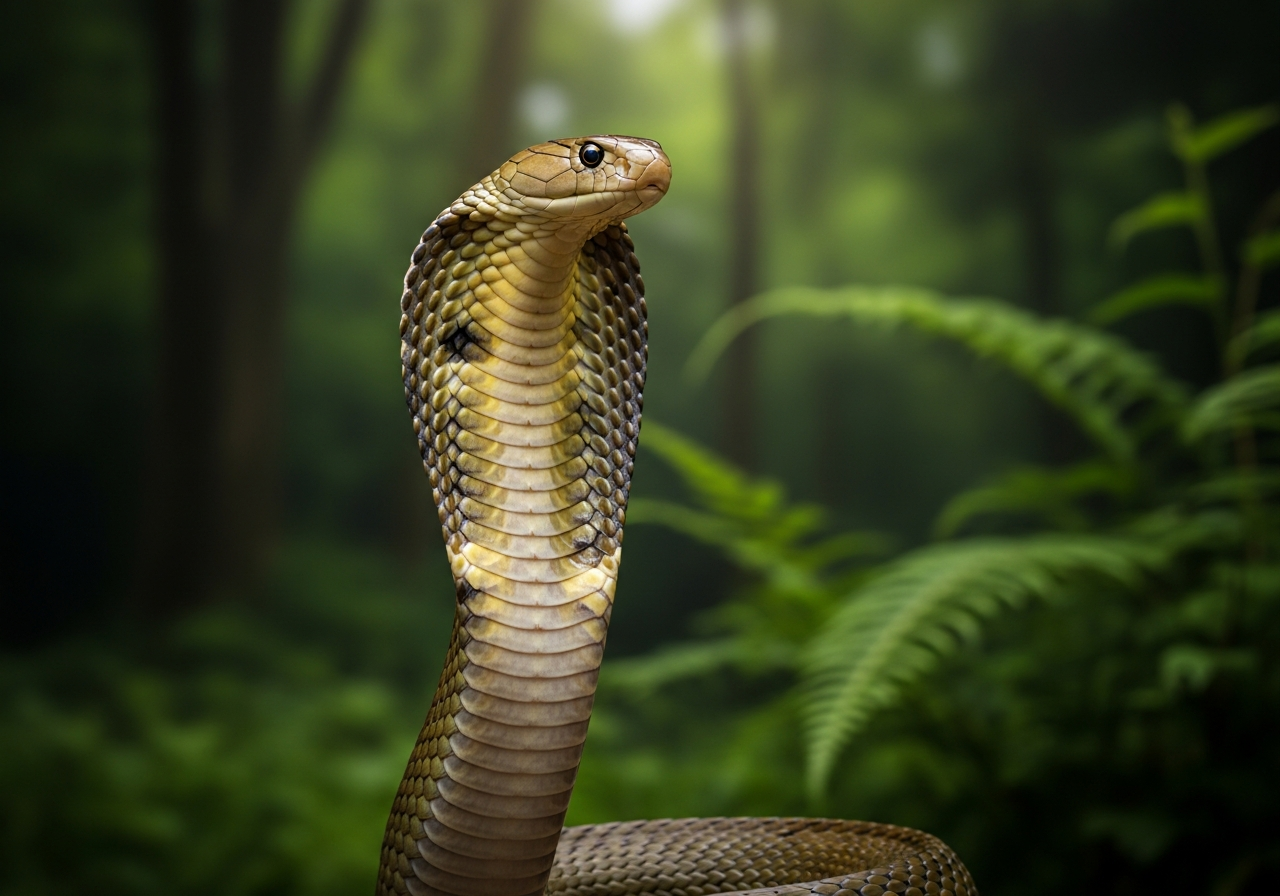
Reptile
The world's longest venomous snake
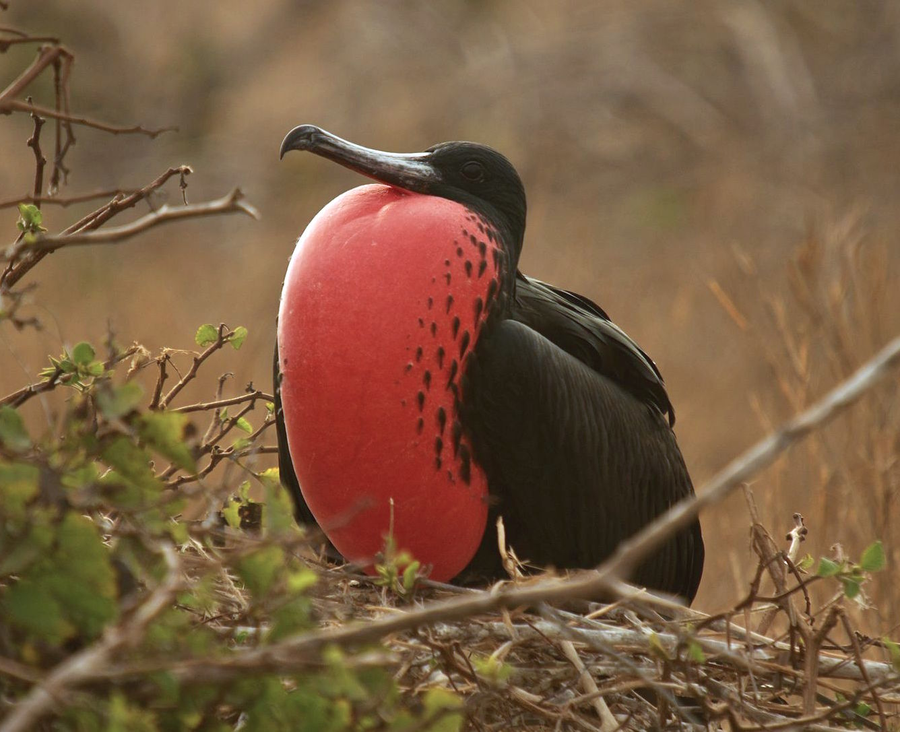
Bird
Aerial pirate with a scarlet throat pouch
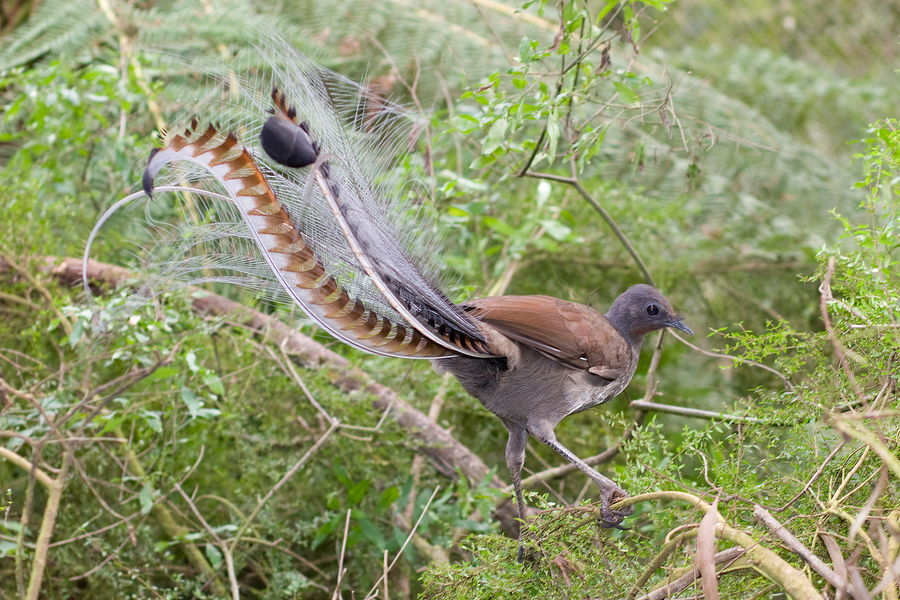
Bird
Master mimic of Australian forests
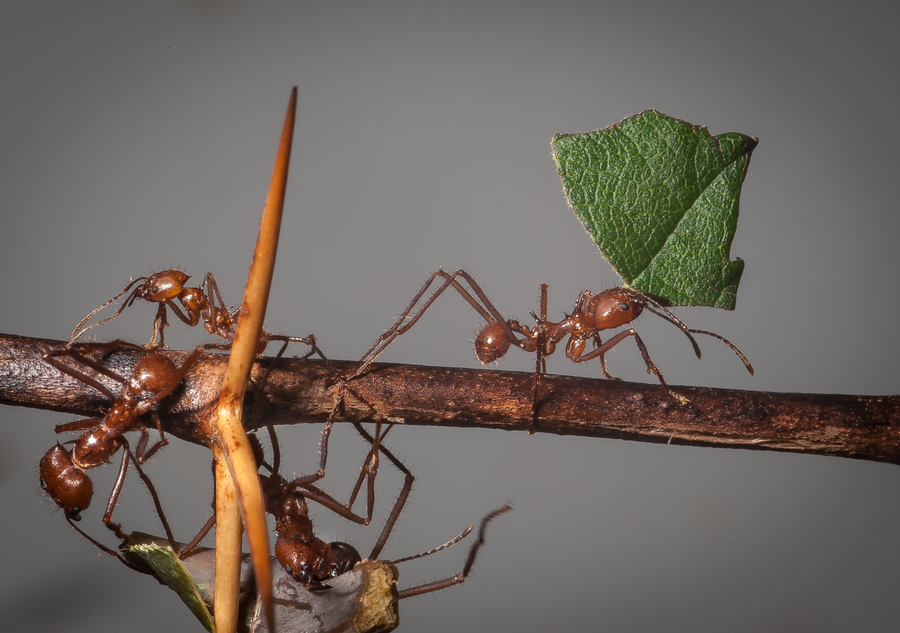
Insect
Ant farmers that cut leaves to grow fungus
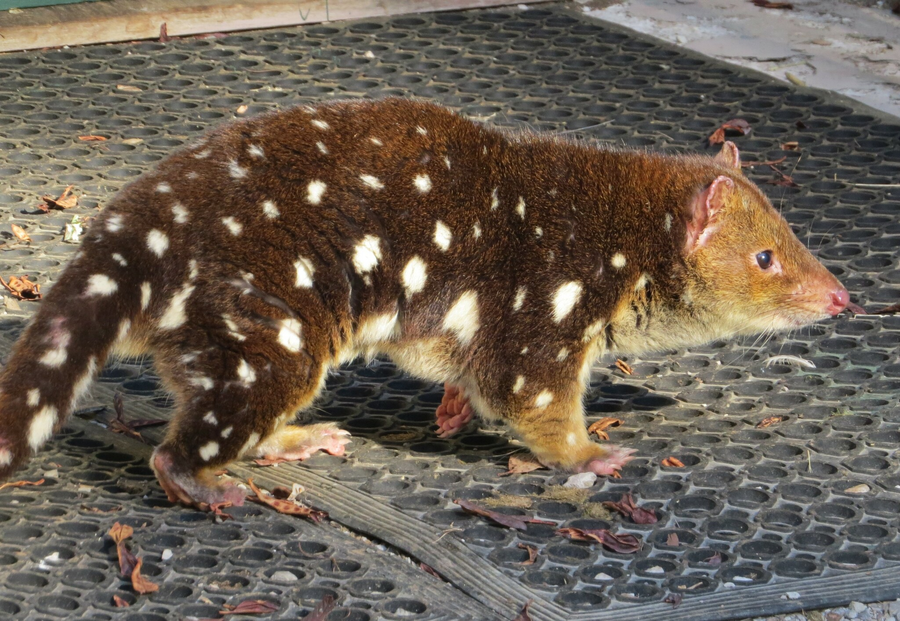
Mammal
Largest mainland Australian marsupial carnivore
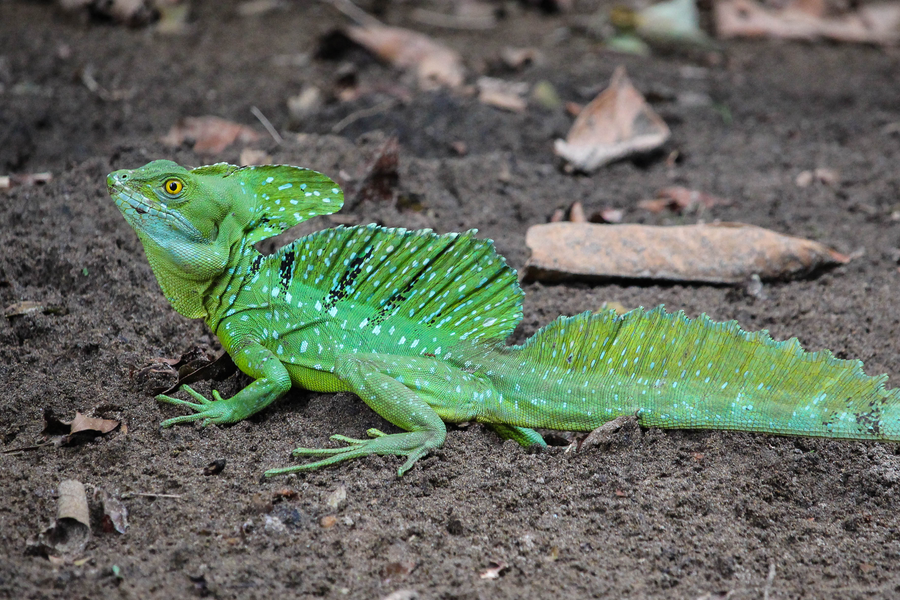
Reptile
Jesus Christ lizard that runs on water
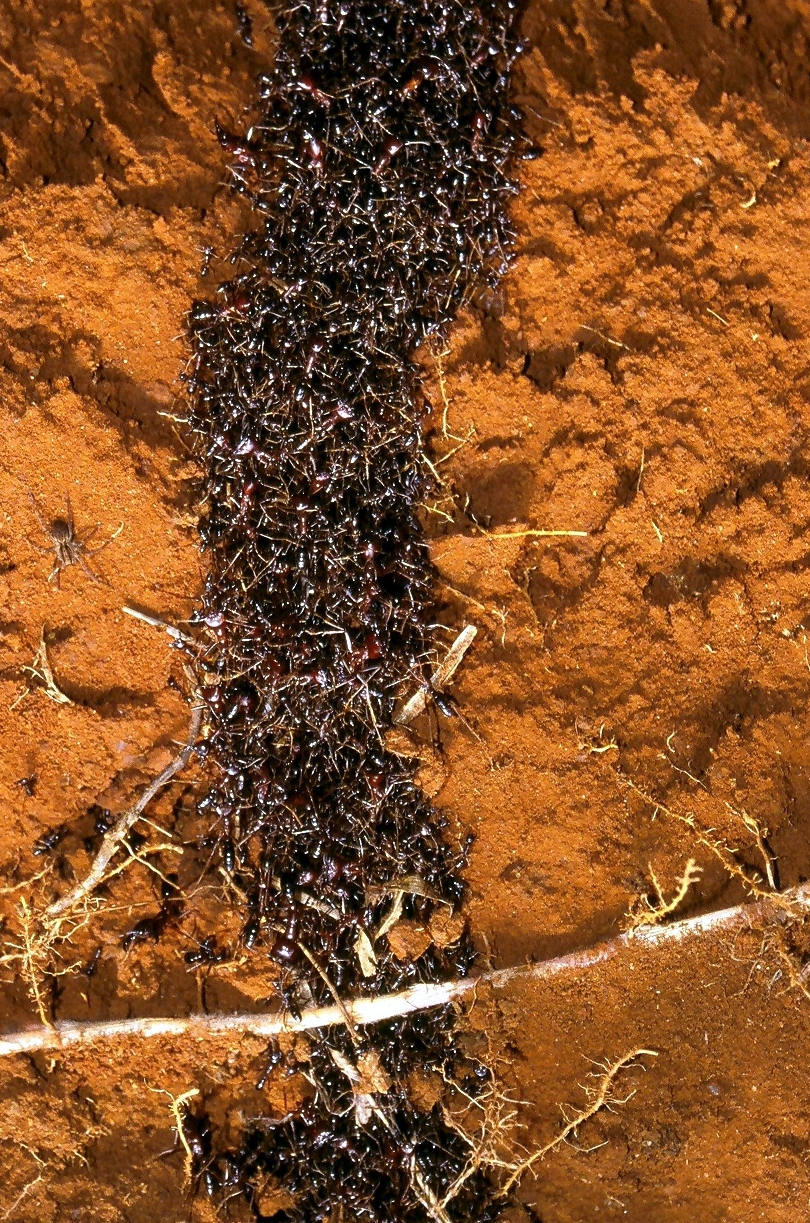
Insect
Nomadic swarm-raiding ants of the Neotropics
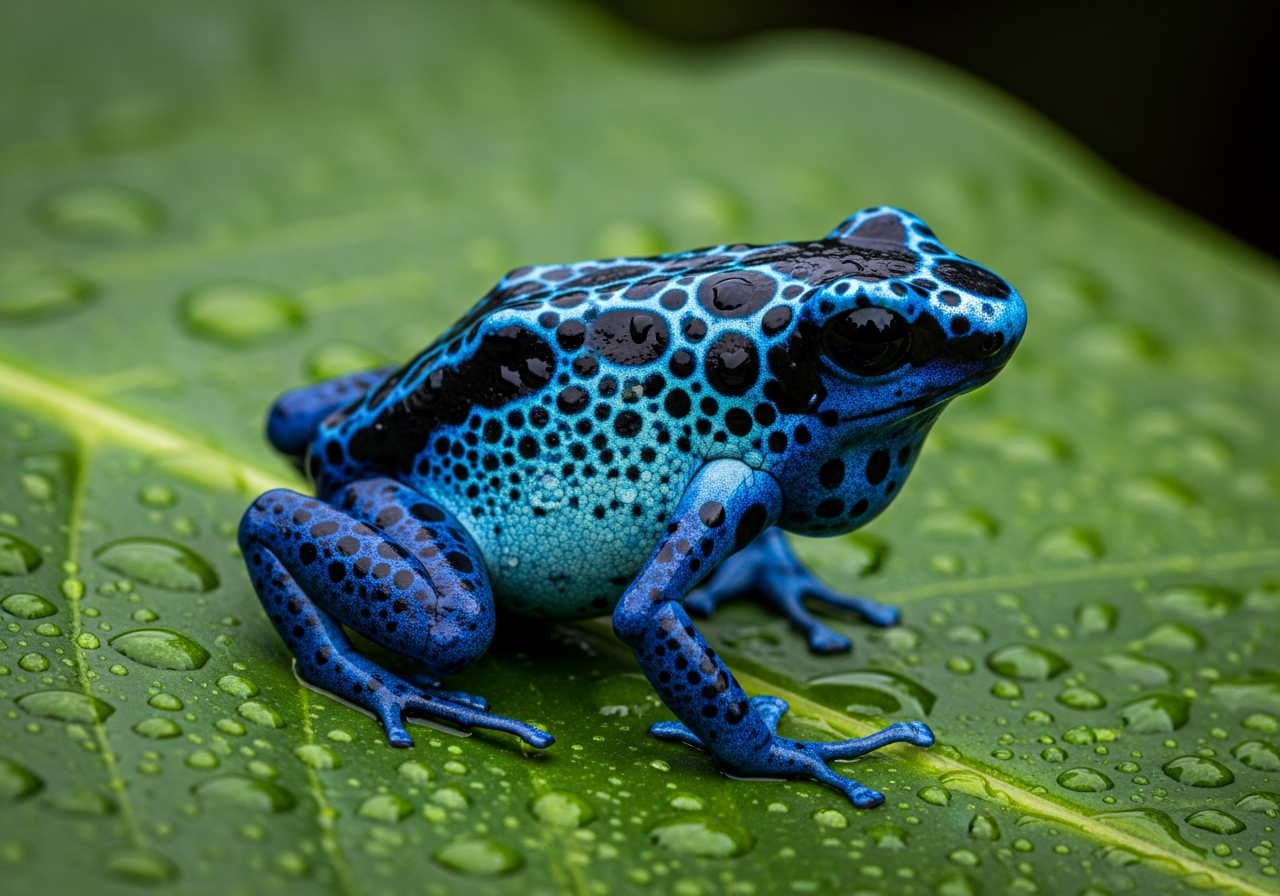
Amphibian
Tiny, brilliantly colored, and among the most toxic animals alive
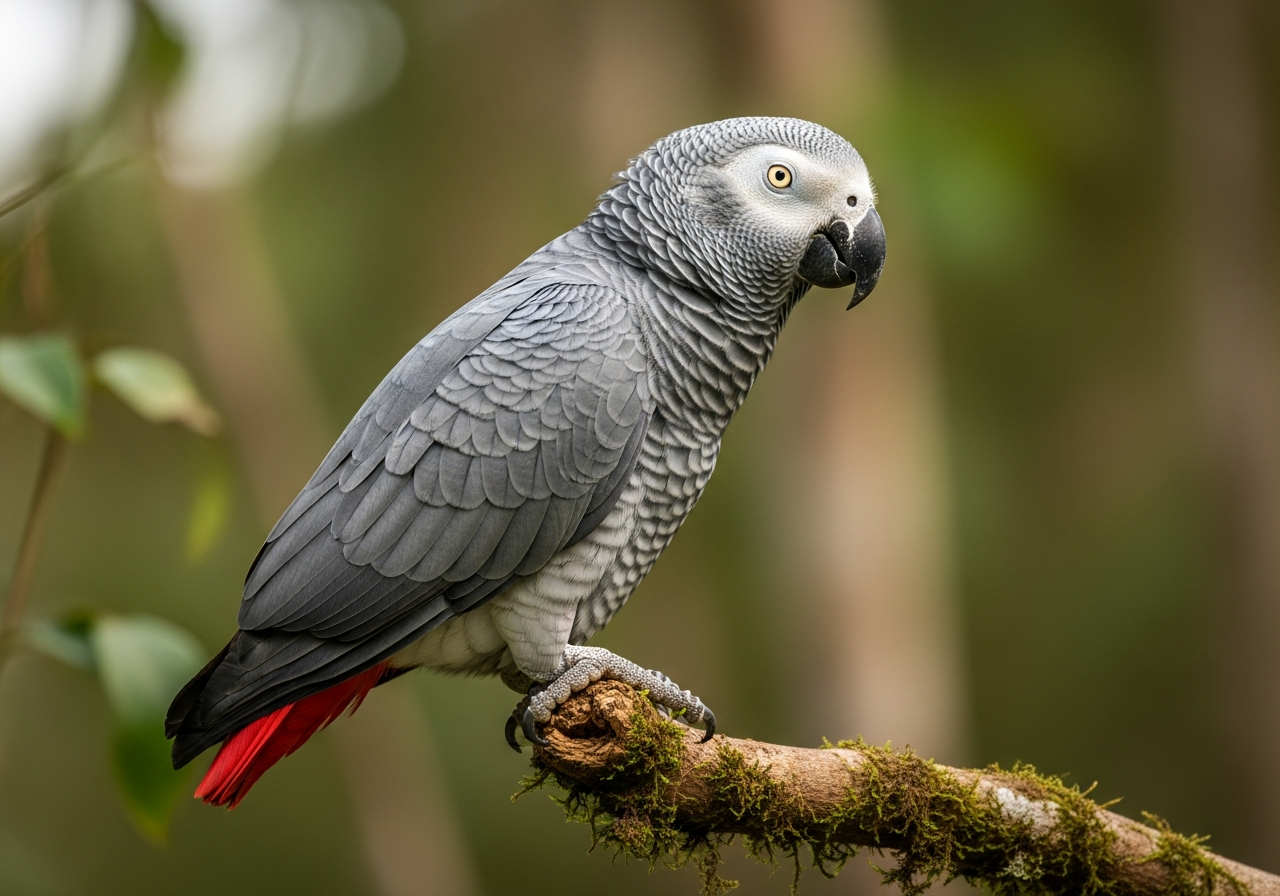
Bird
One of the most intelligent talking birds
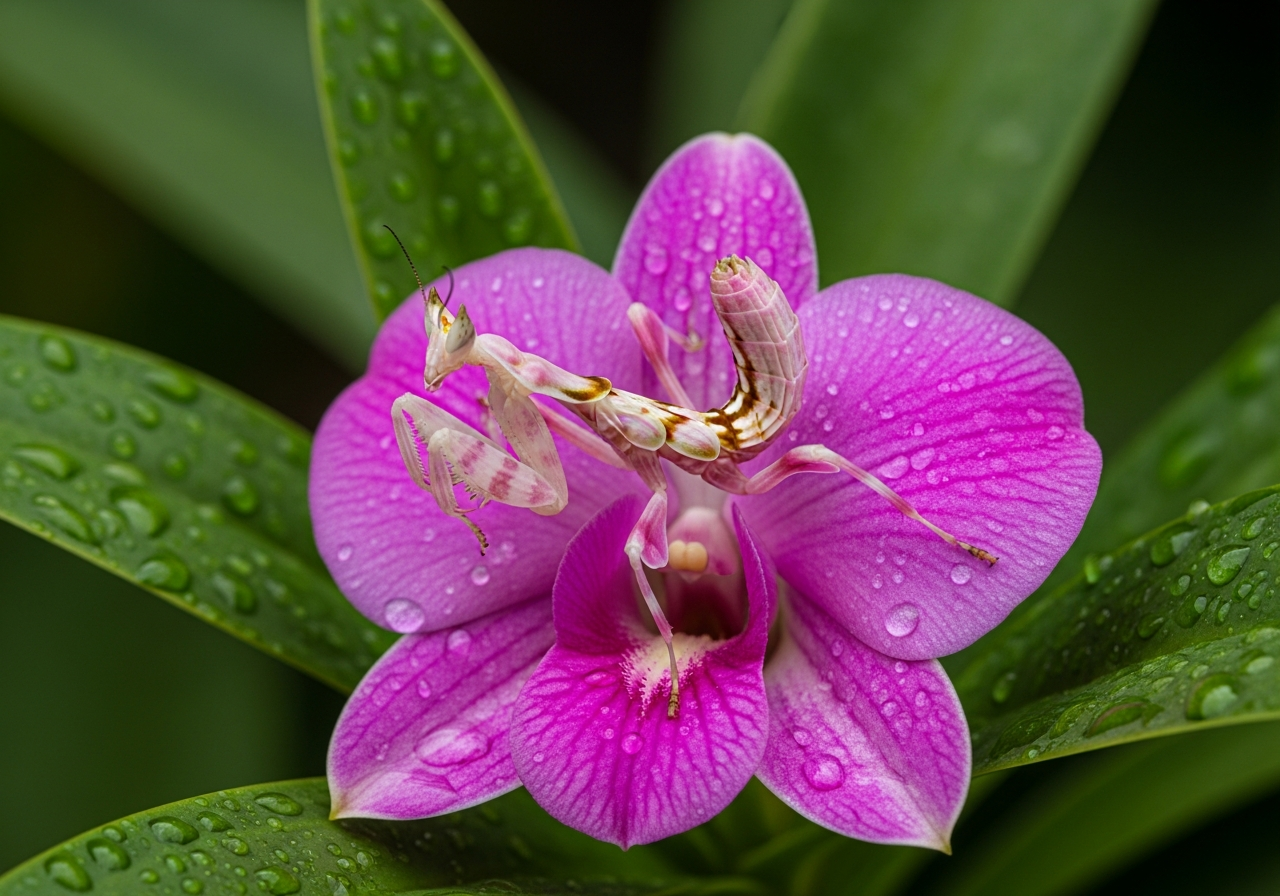
Insect
The Southeast Asian insect that mimics a flower to lure and ambush prey
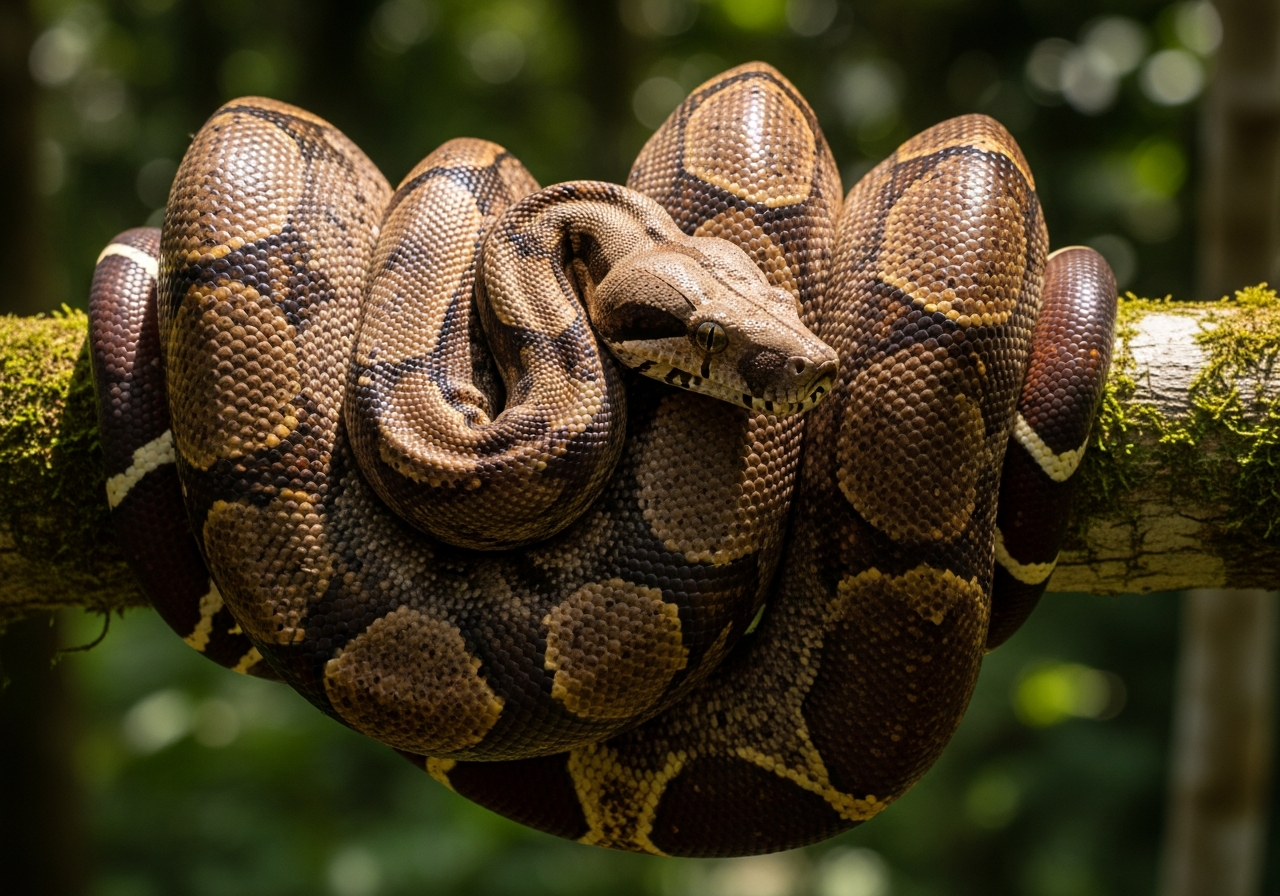
Reptile
The powerful constricting snake of the Americas
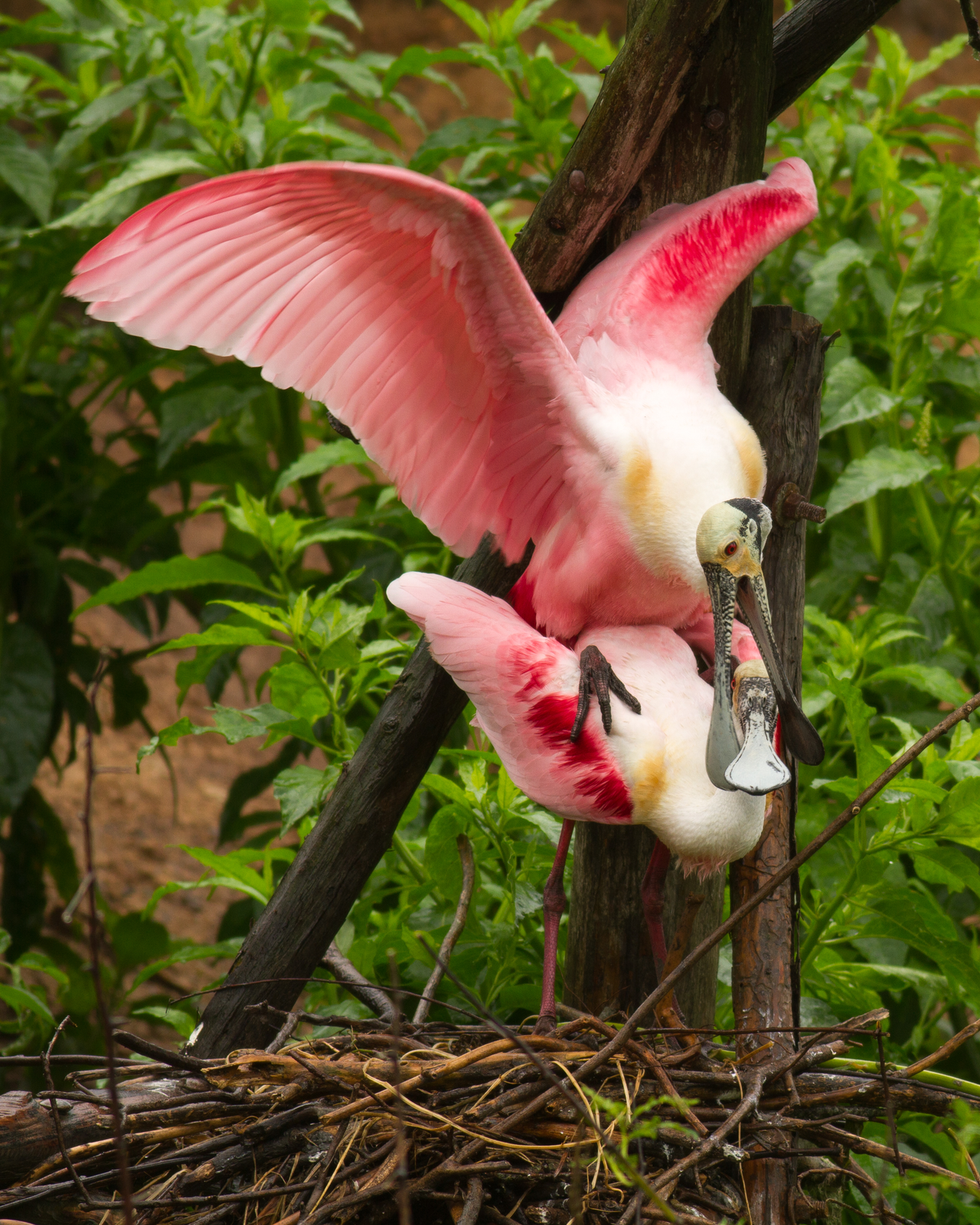
Bird
Pink wader with a sweeping spoon bill
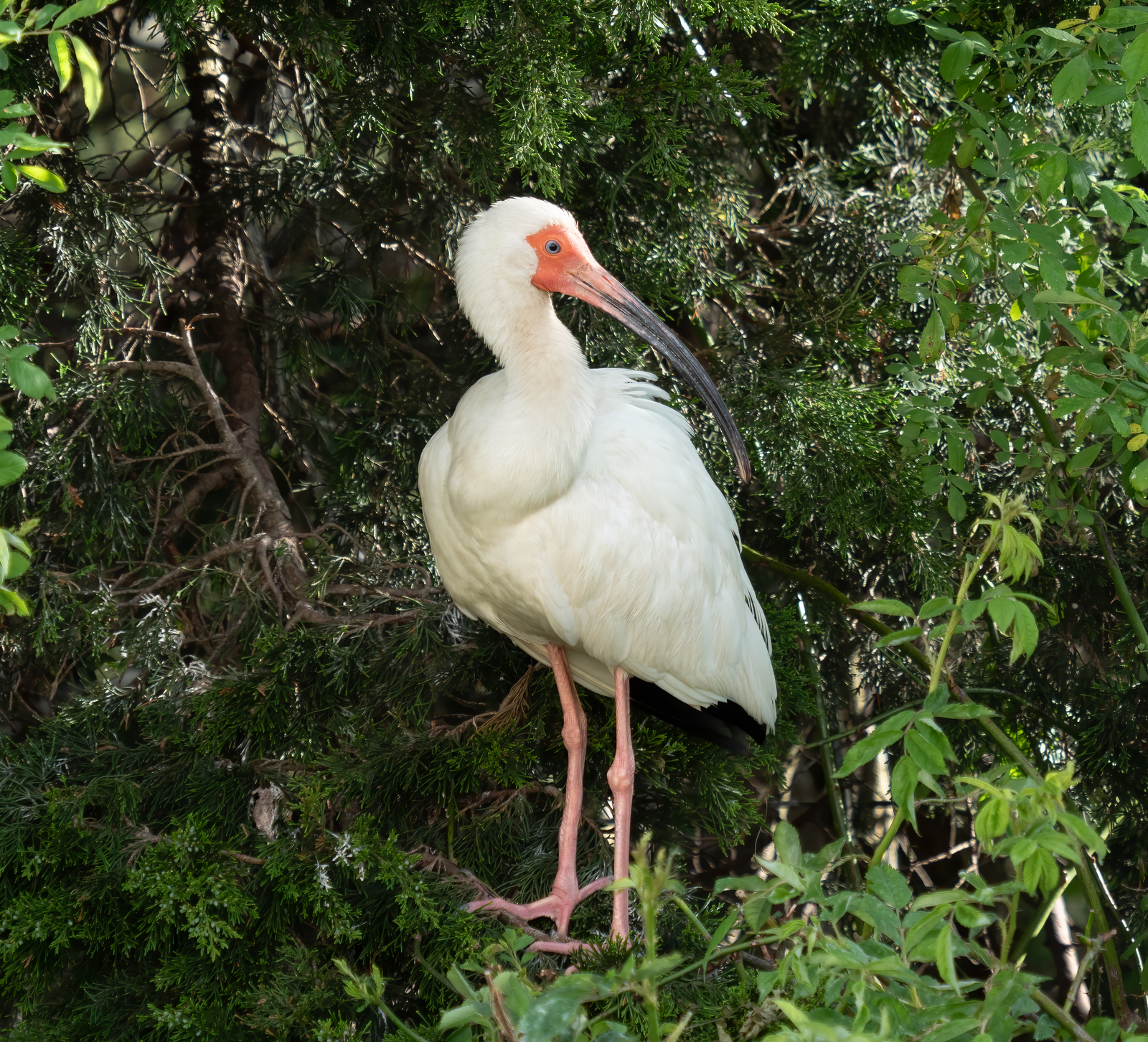
Bird
Red-billed white wader of the Southeast
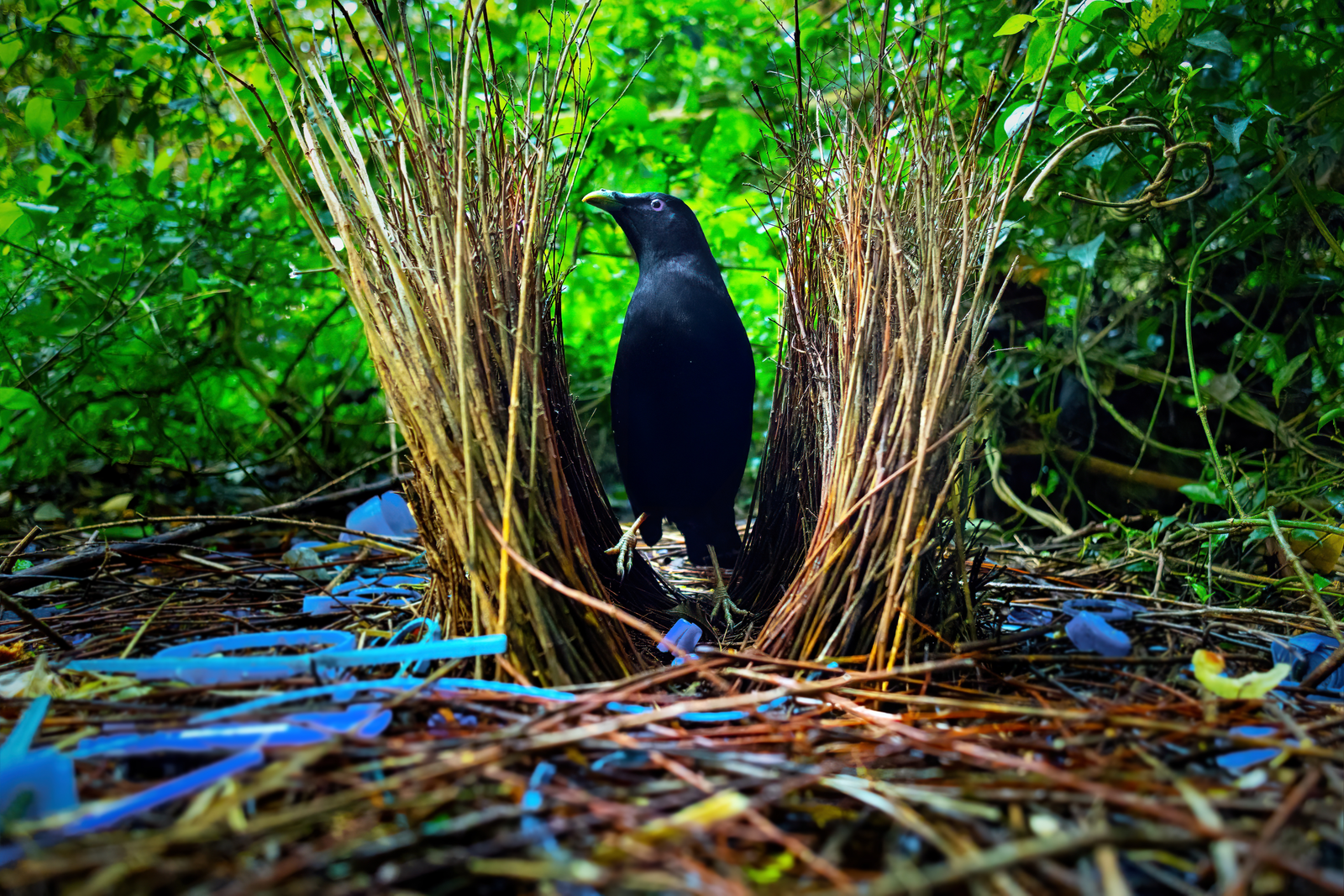
Bird
Blue-black architect of forest bowers

Mammal
Endangered fruit bat of island canopies
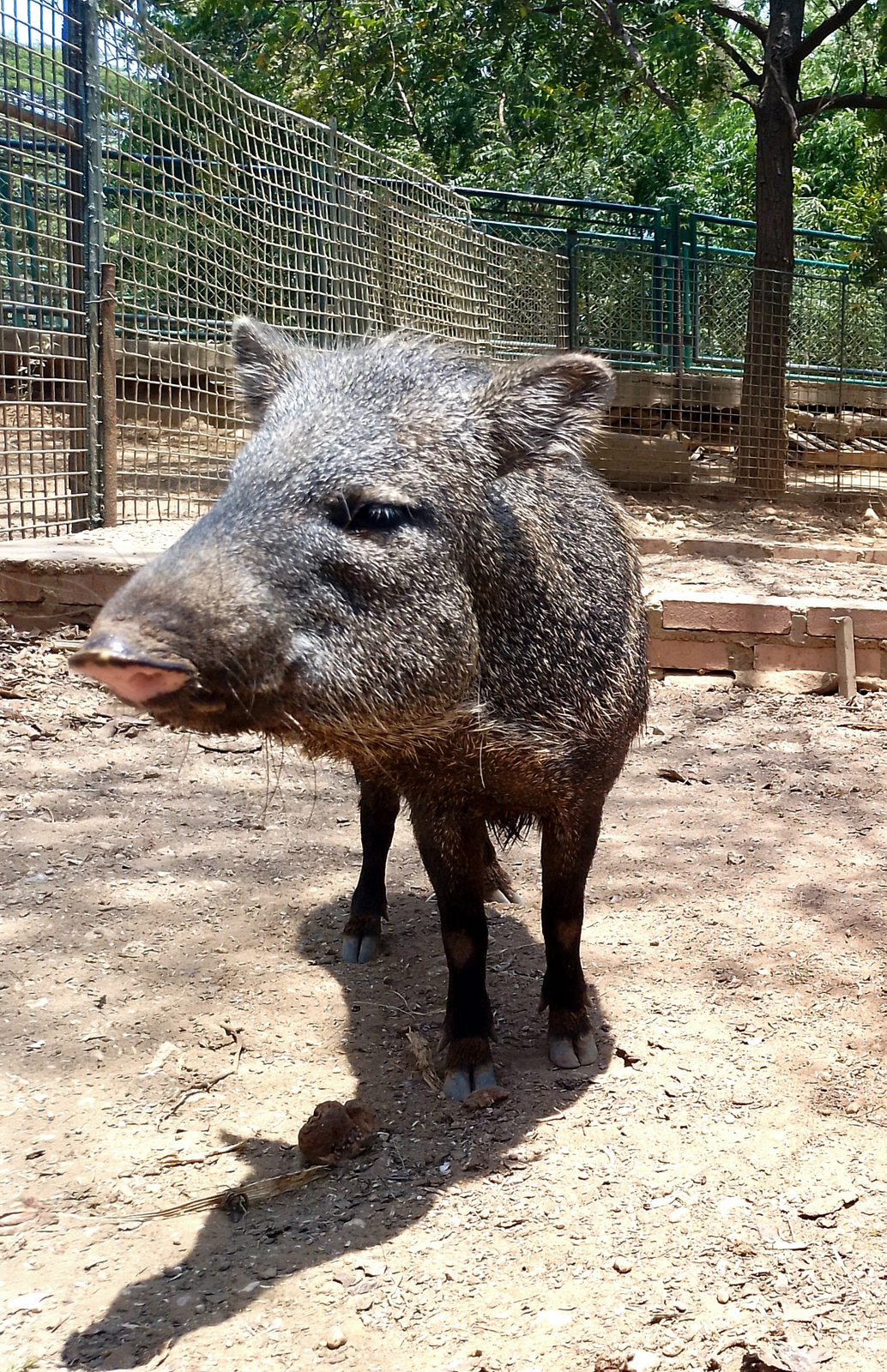
Mammal
Collared herd animal of American scrublands
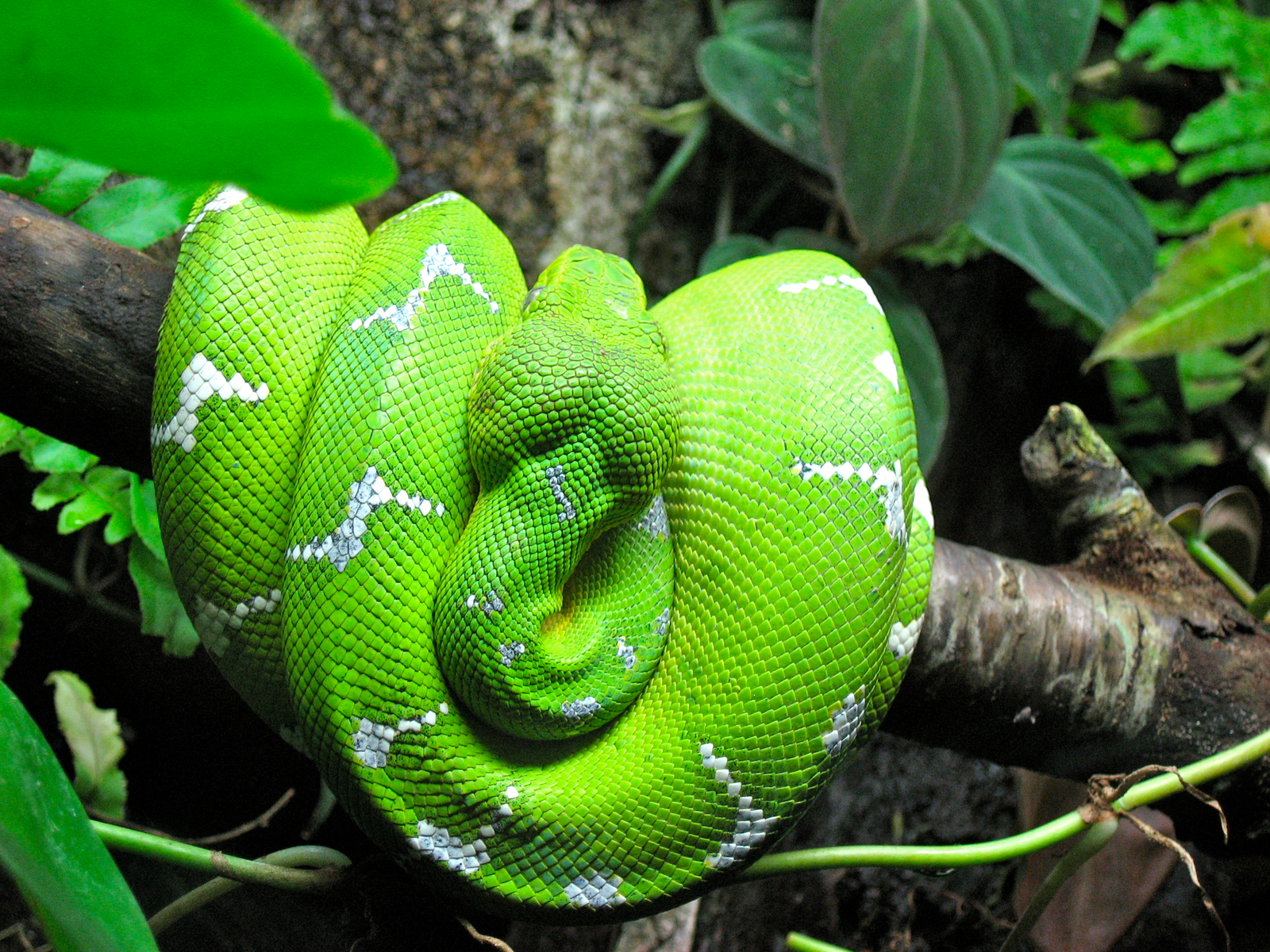
Reptile
Emerald coil of the Amazon canopy
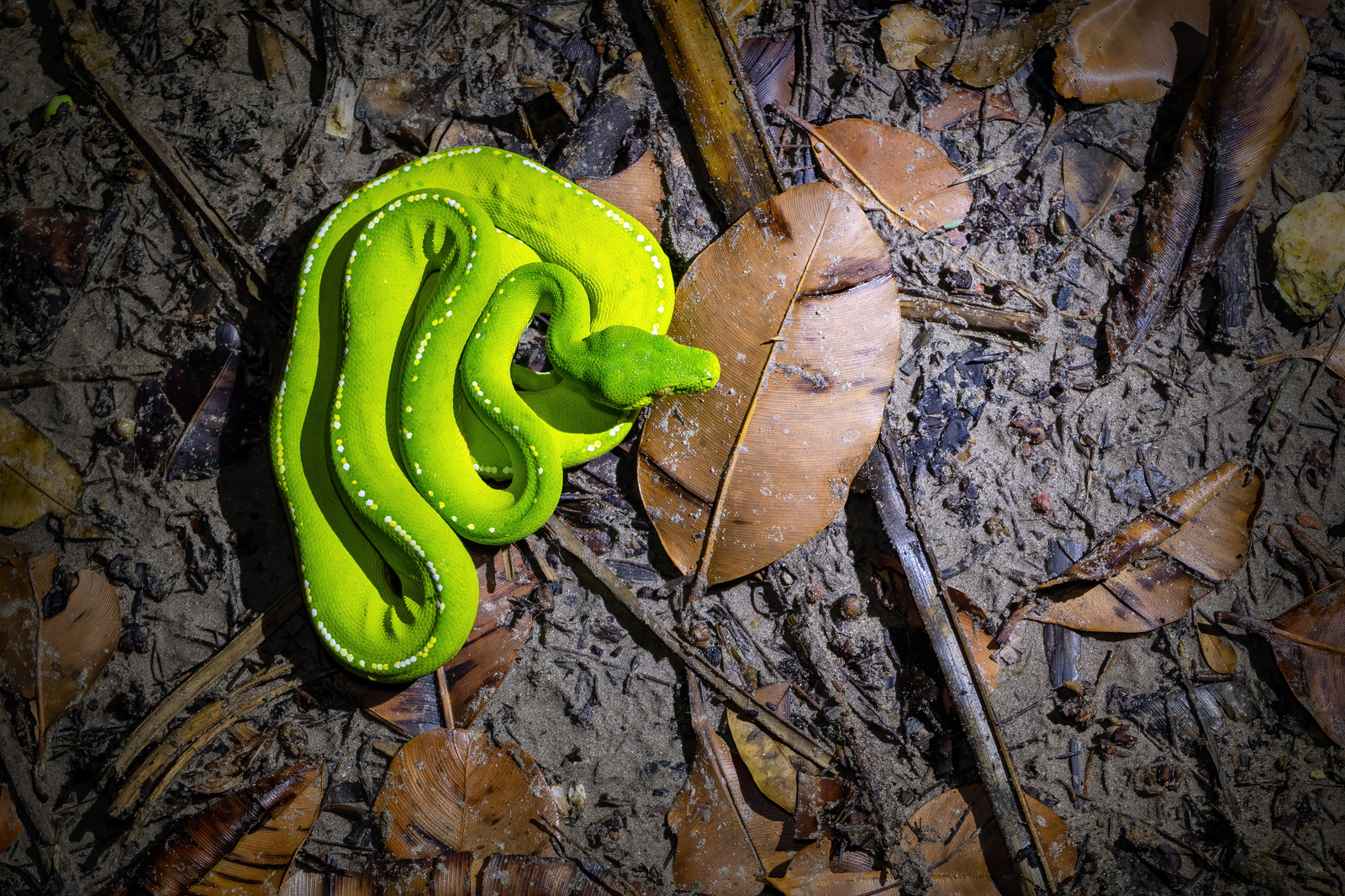
Reptile
Lime-green python of Papuan rainforests
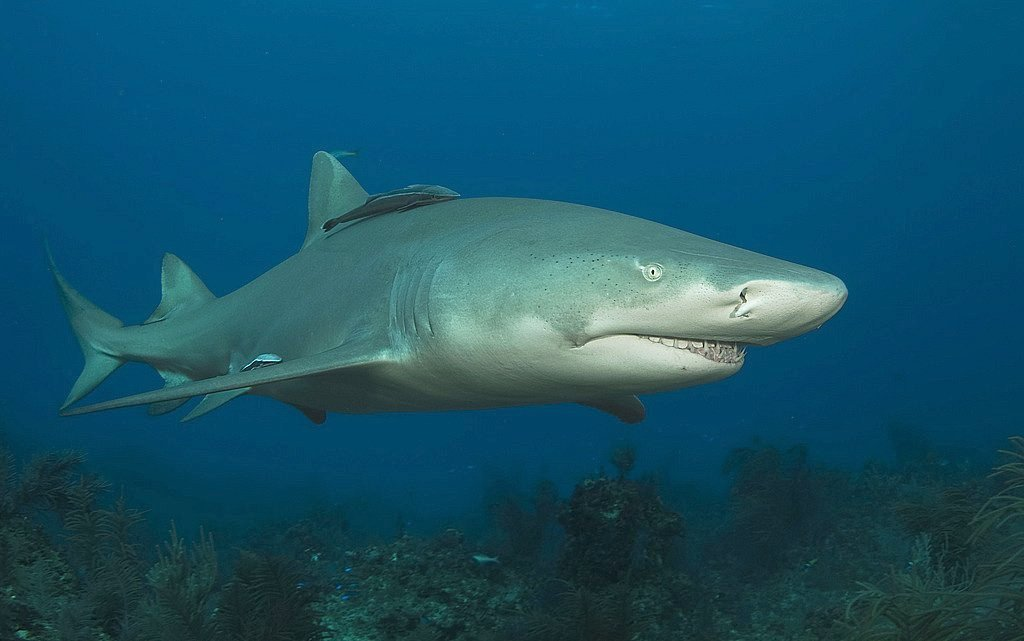
Fish
Yellow coastal shark of mangrove nurseries
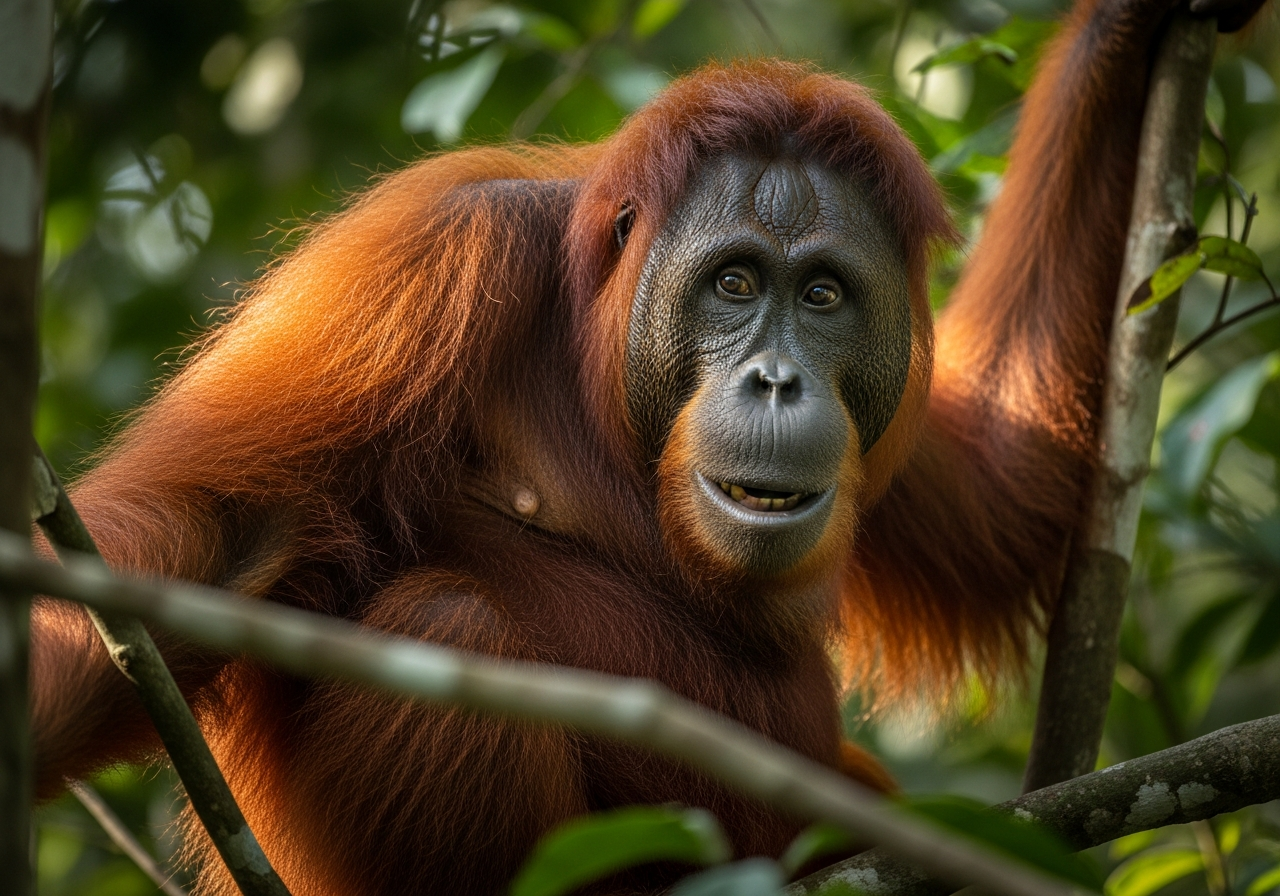
Mammal
The great ape of the Southeast Asian rainforest
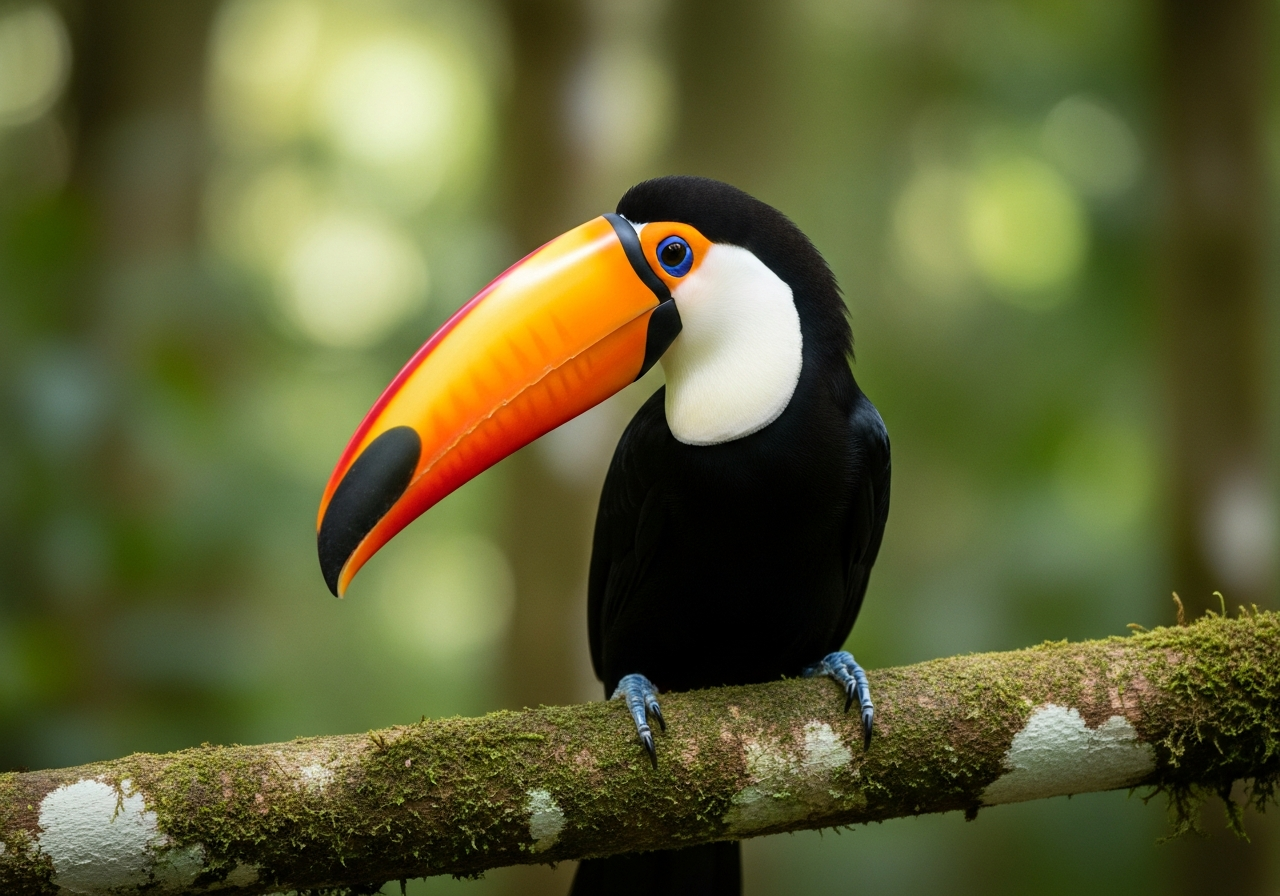
Bird
The rainforest bird with the giant colorful bill
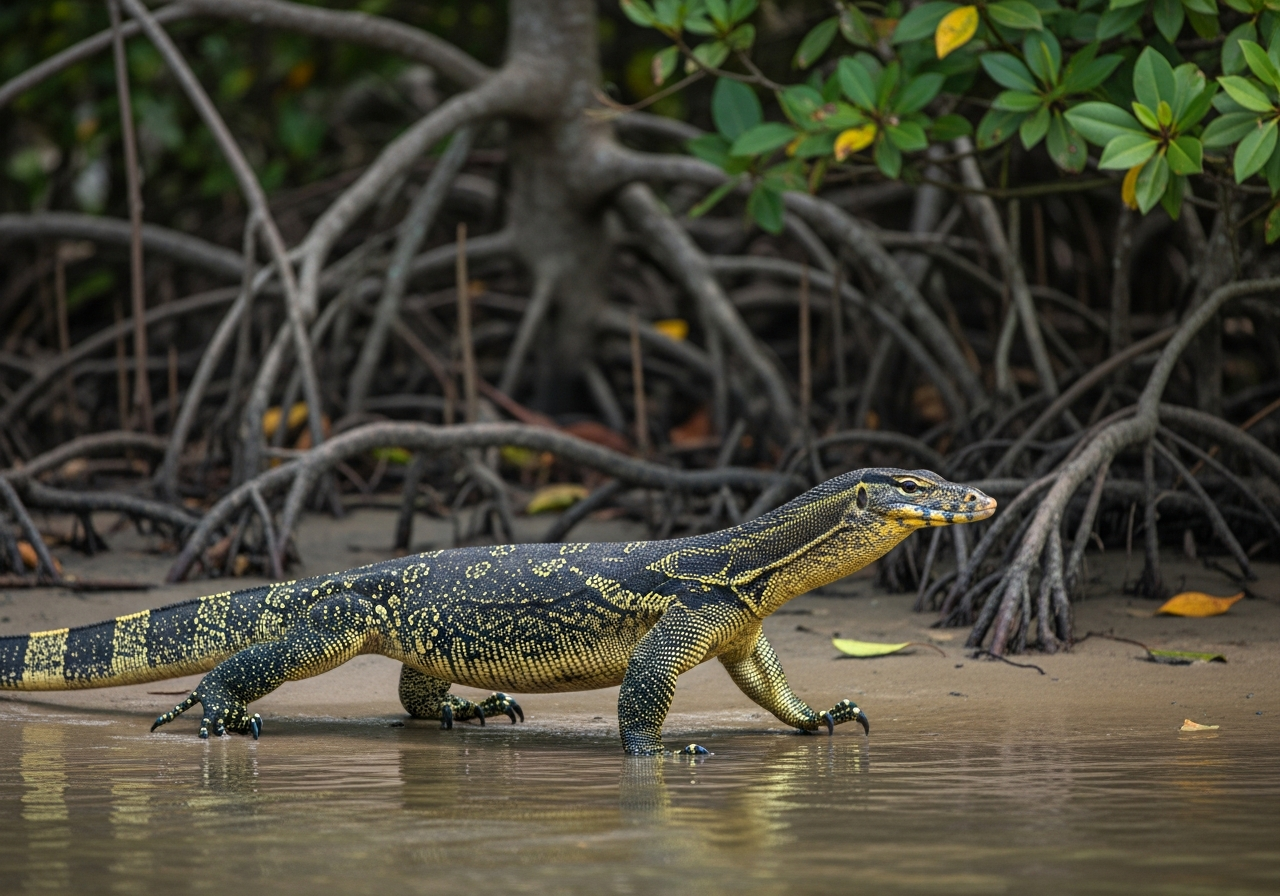
Reptile
One of the largest lizards in the world
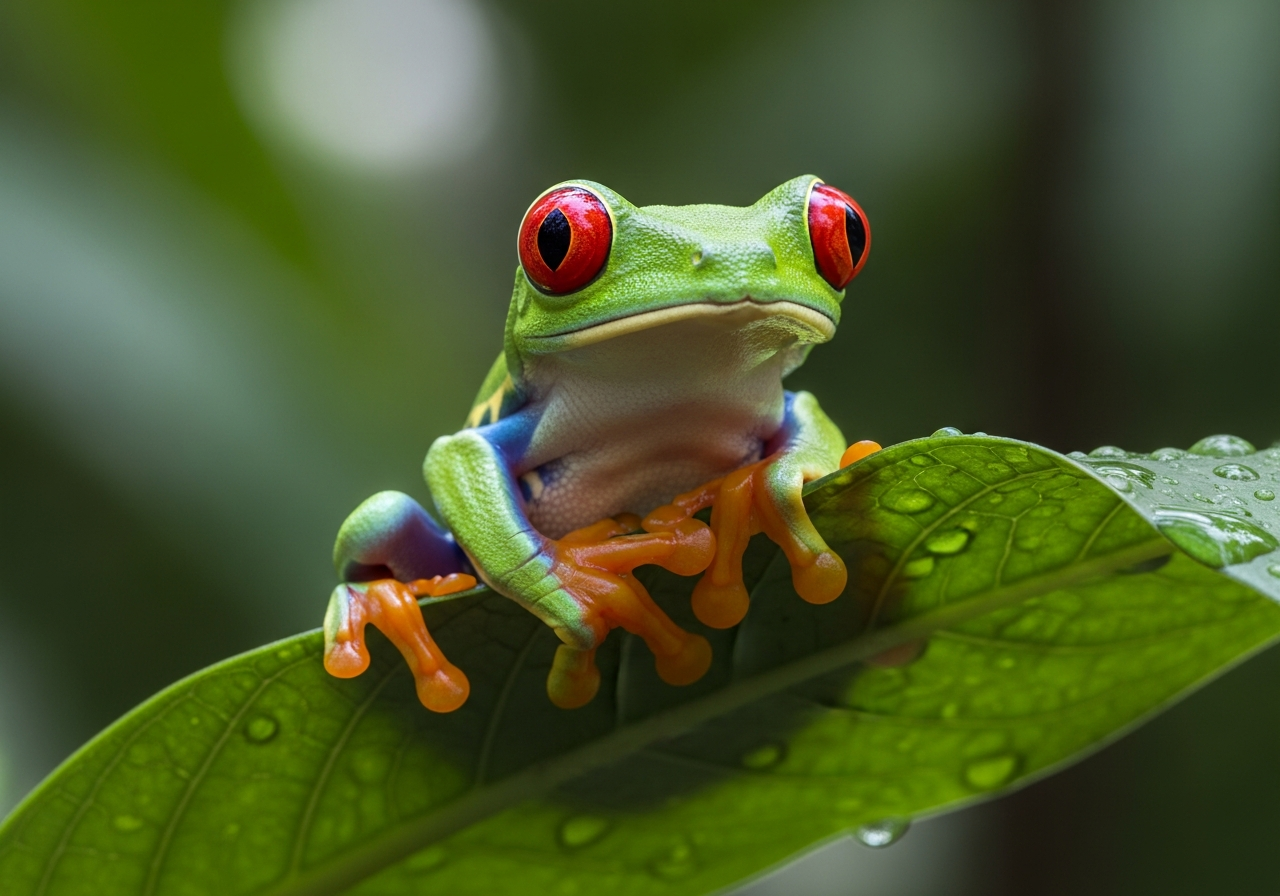
Amphibian
The bright-eyed icon of the rainforest canopy
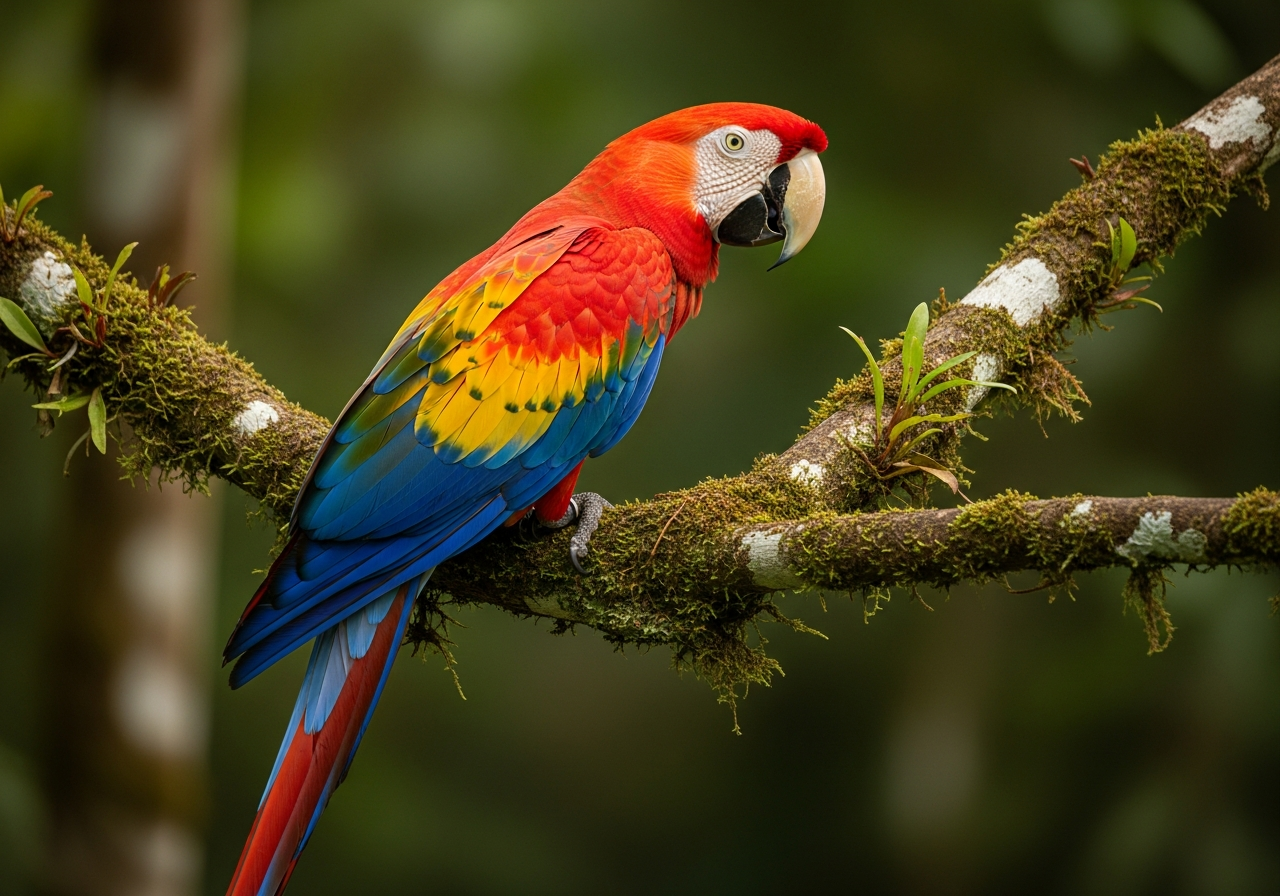
Bird
The brilliant red parrot of the rainforest
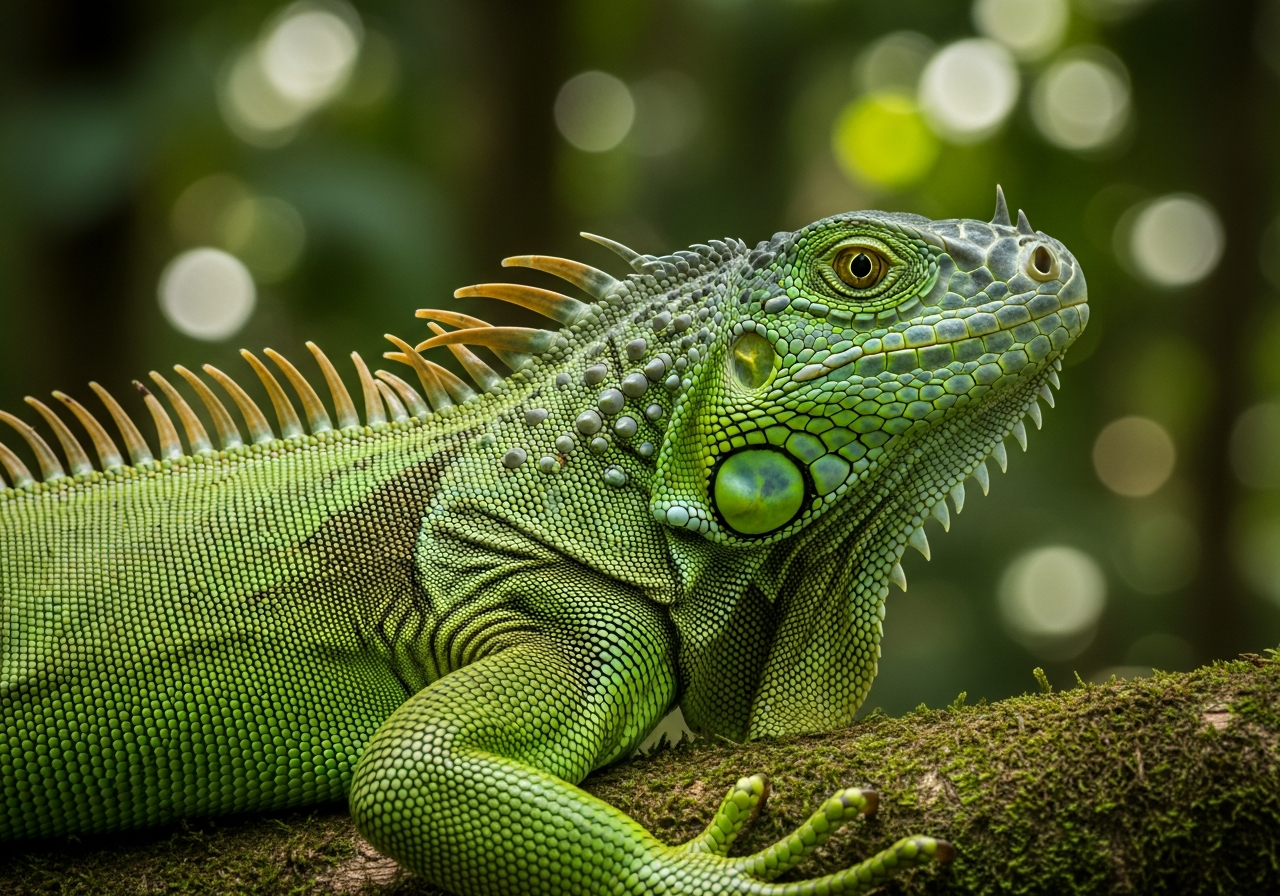
Reptile
The large tree-dwelling lizard of the tropics
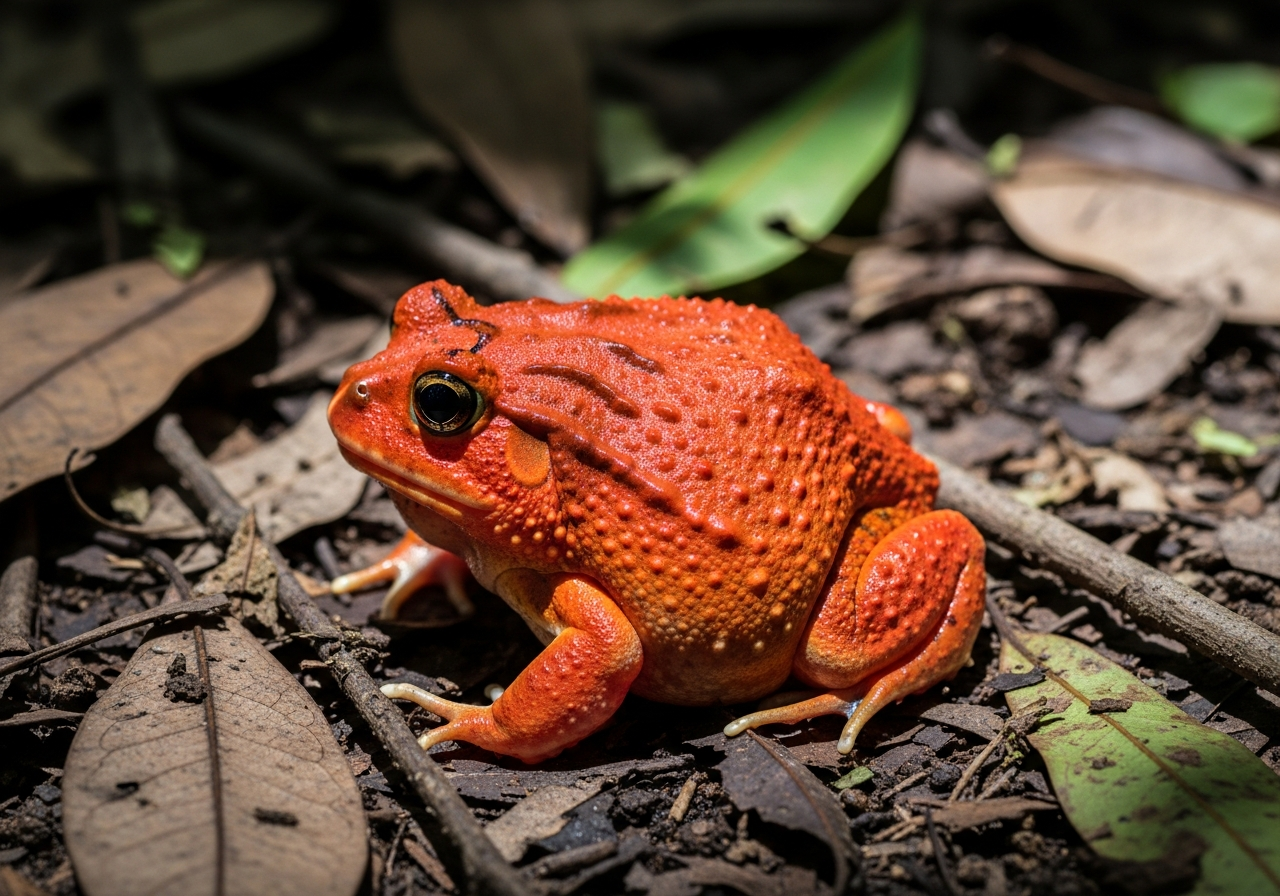
Amphibian
The plump, bright-red frog of Madagascar
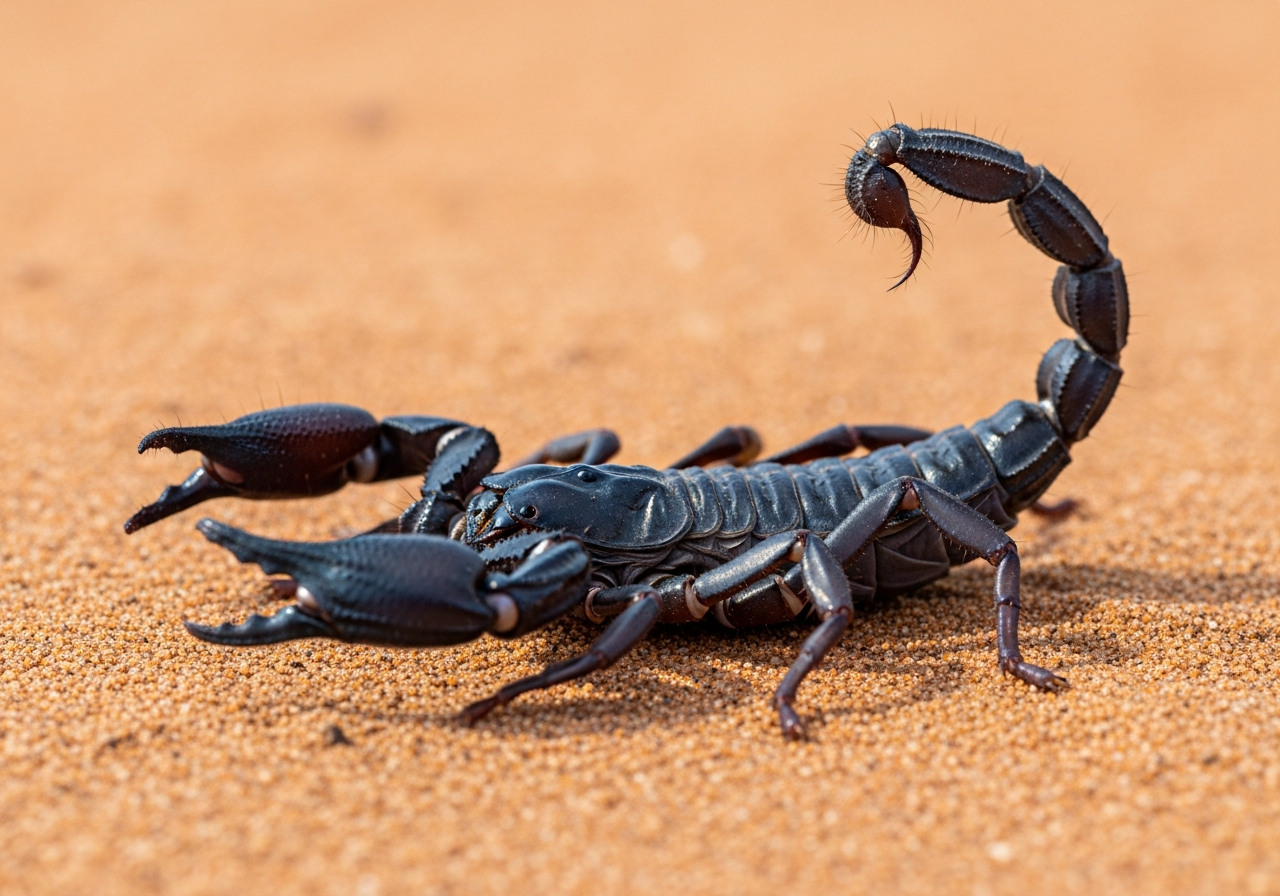
Invertebrate
The large, glowing arachnid with a stinging tail
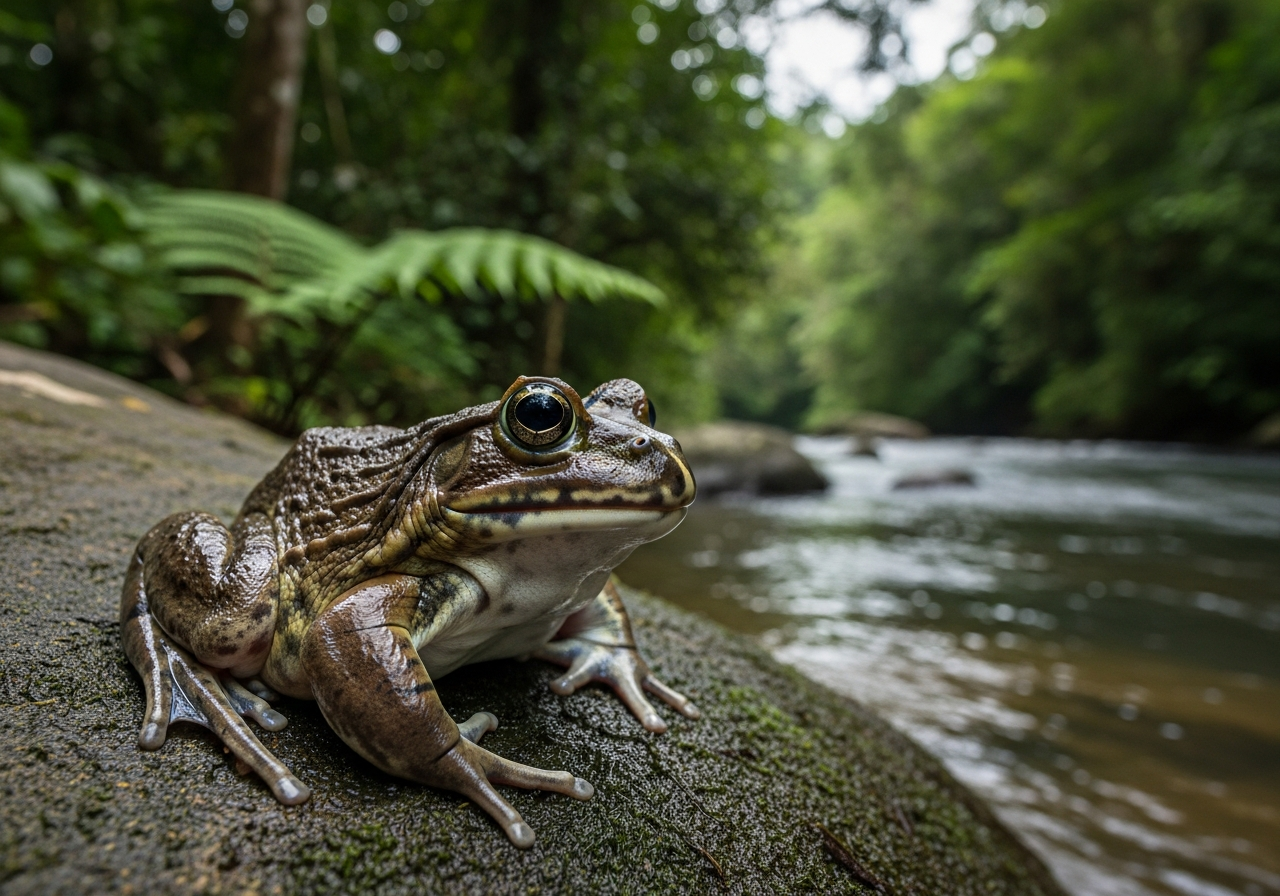
Amphibian
The largest frog on Earth
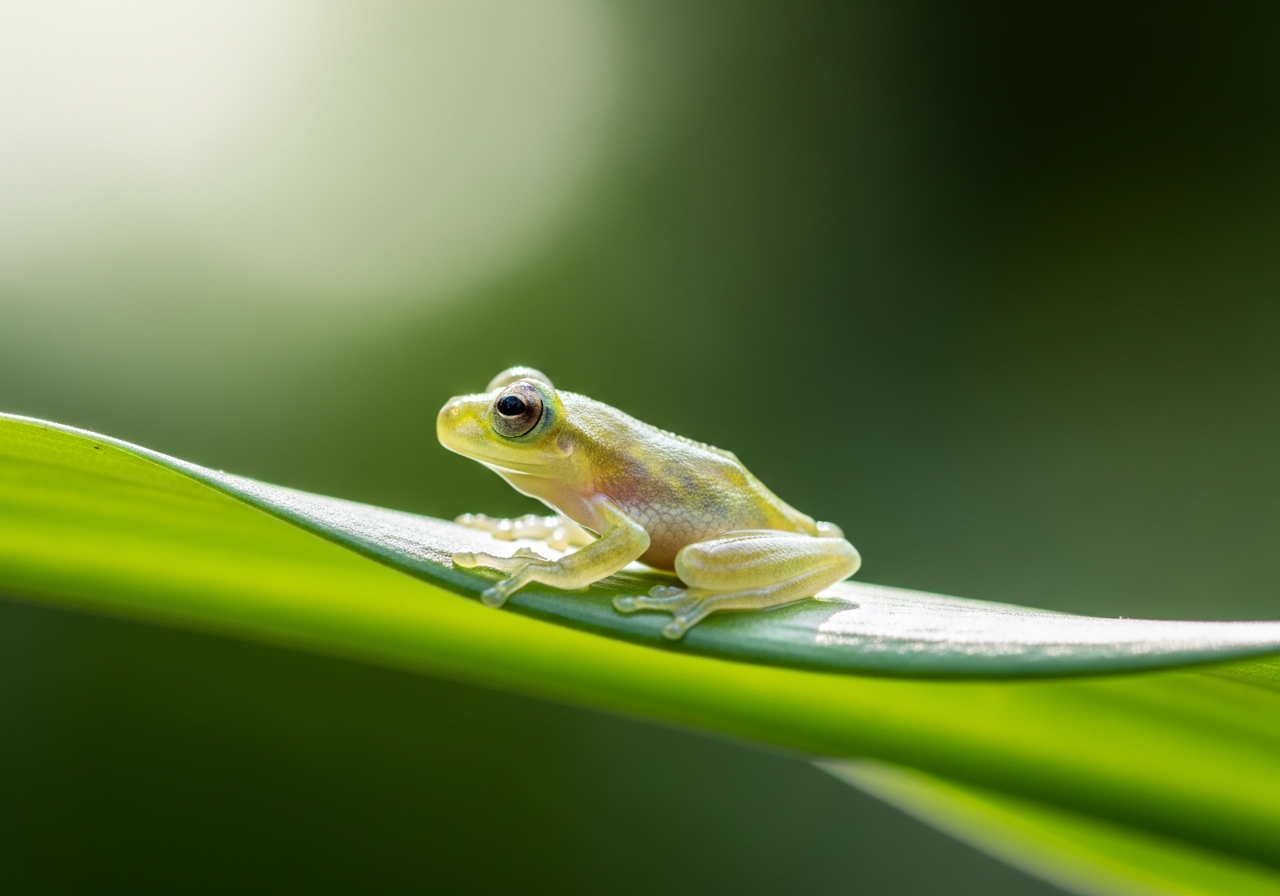
Amphibian
The frog with see-through skin
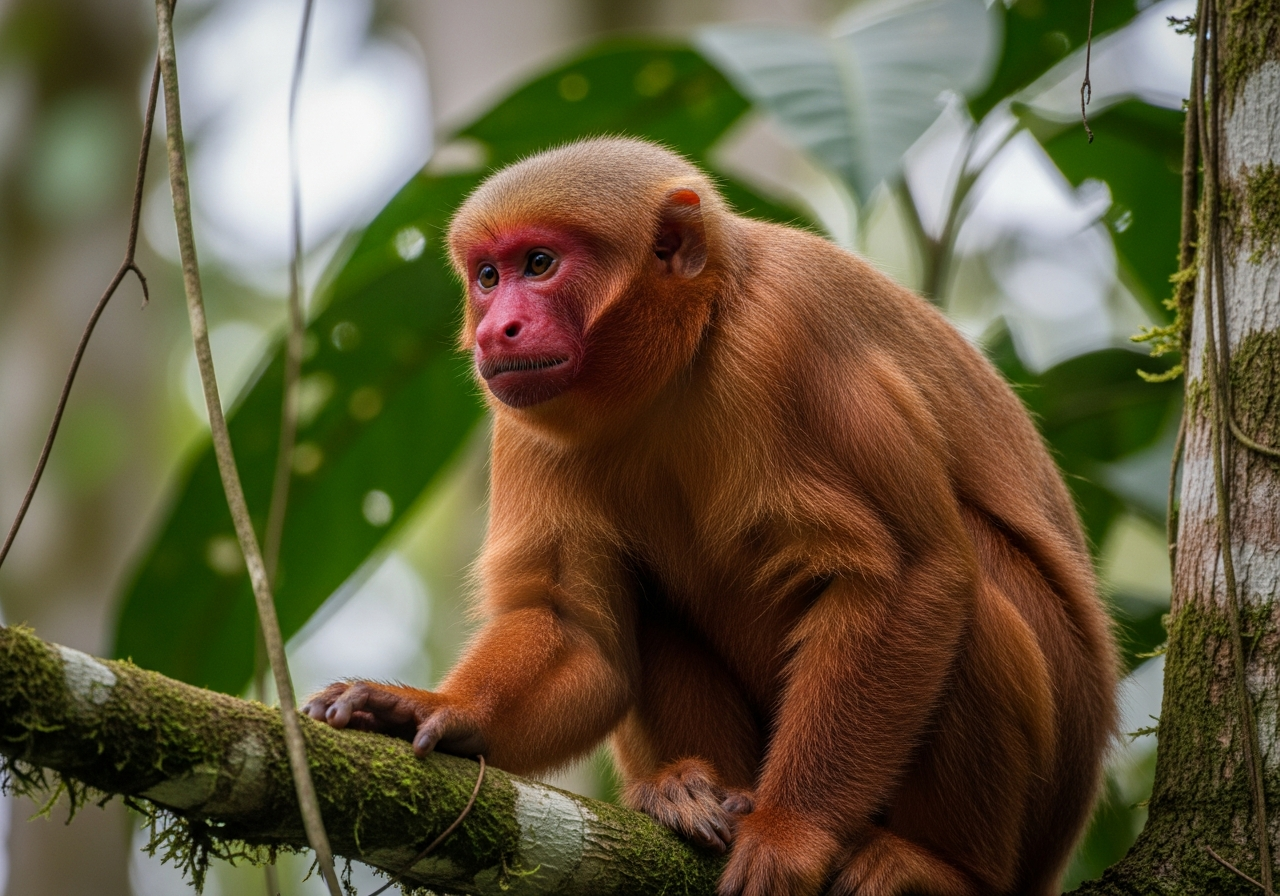
Mammal
The crimson-faced monkey of the flooded Amazon
Rainforests are warm, wet forests with dense canopies and extraordinary species richness. Most animal life lives in the trees; the forest floor is dim and humid. Tropical rainforests hold a disproportionate share of Earth's terrestrial biodiversity and are under intense pressure from deforestation.
Species lists on this page are drawn from Global Animal Guide profiles whose habitat facts match rainforest keywords. Browse the ranked list for answer-first guides covering diet, range, and conservation.
Rainforest is defined by climate, vegetation, and water availability that favour particular body plans and behaviours. Compare sibling biome hubs (ocean, forest, desert, and more) to see how the same animal groups specialise differently.