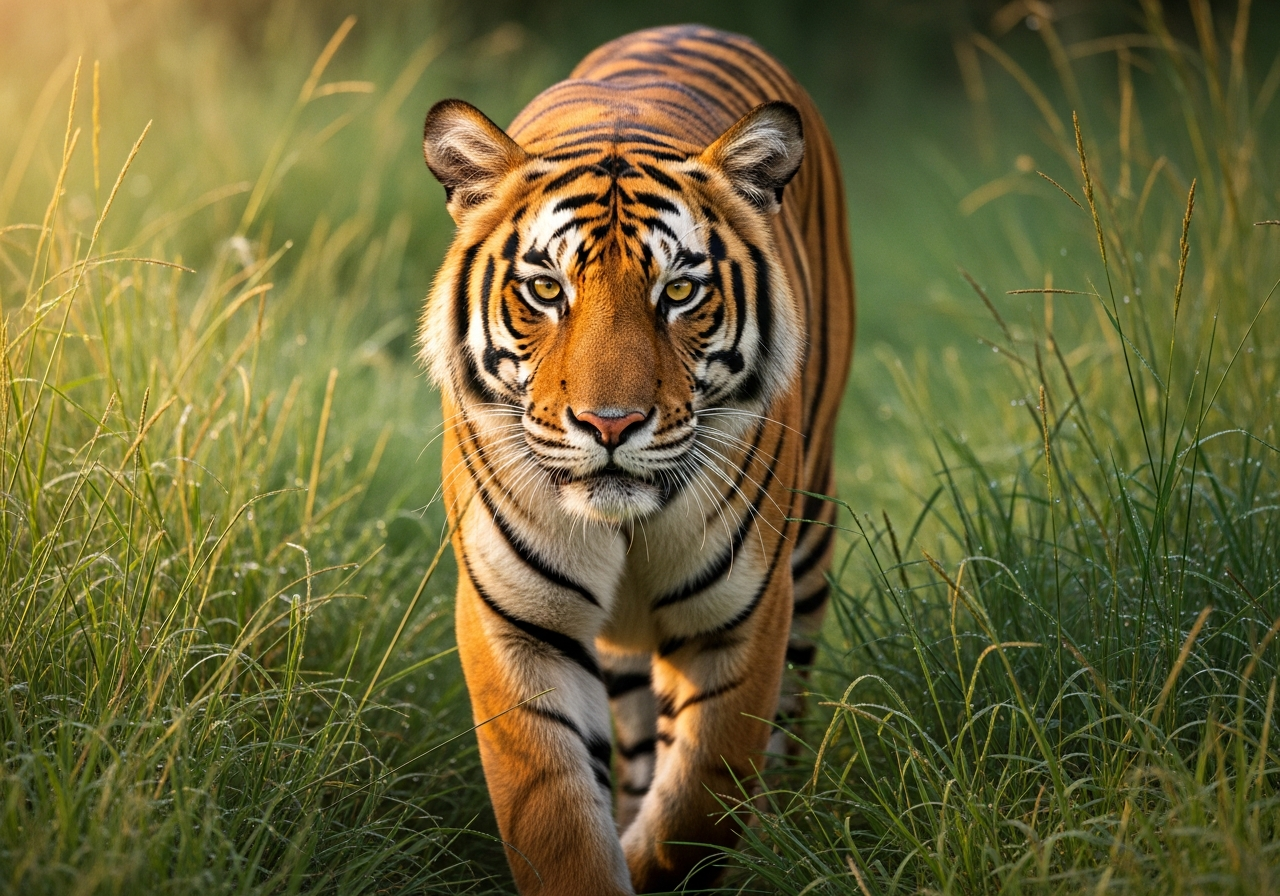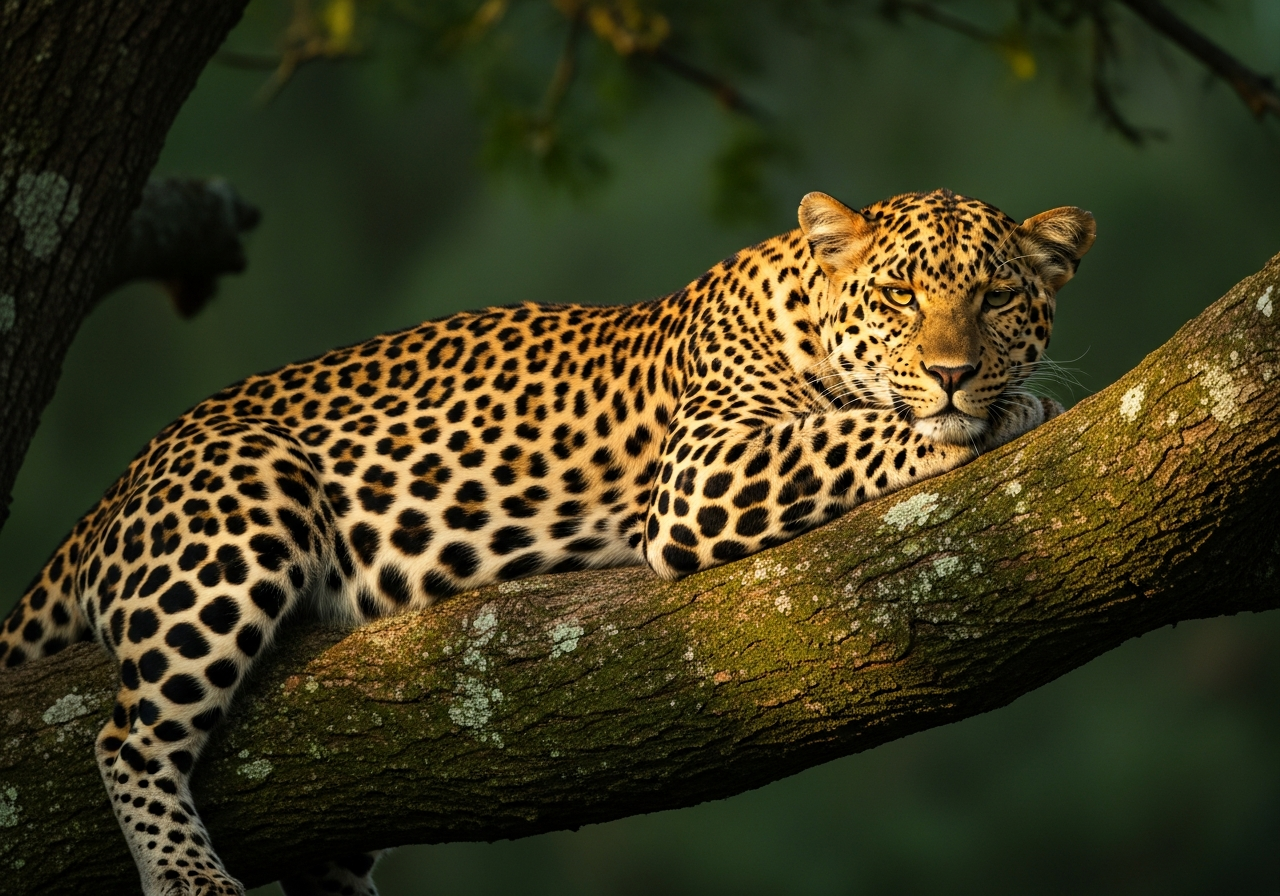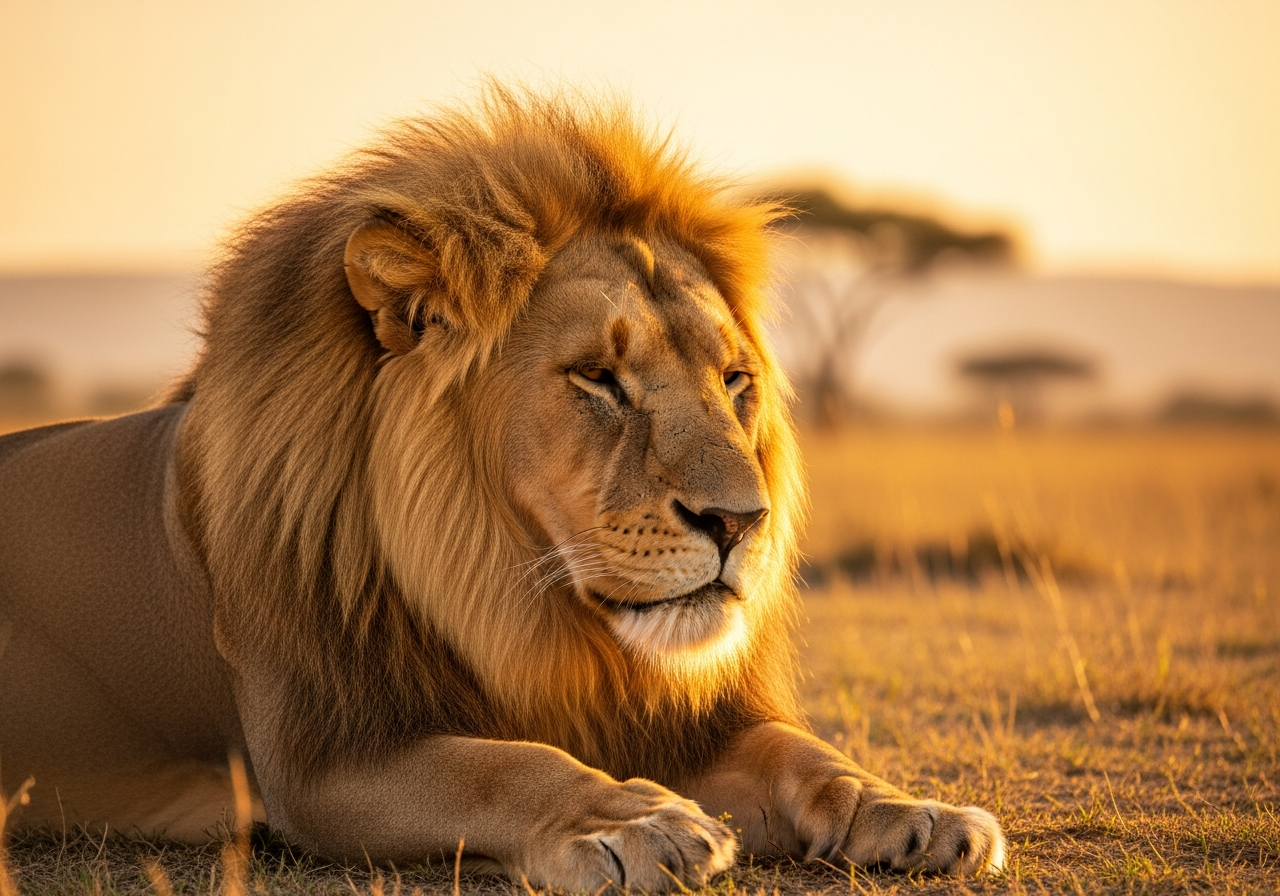
The lion (Panthera leo) is a mammal of the cat family, Felidae, in the order Carnivora.
Quick answer
Lions are large social cats native to sub-Saharan Africa, with a small population in India's Gir Forest. They live in groups called prides, can weigh up to 250 kg (550 lb), and often hunt cooperatively. Wild lions typically live 10 to 14 years.
Top questions about the Lion
Also available in Español (León)
Lion facts at a glance
- Weight 250 kg
- Length 2.5 m
- Top speed 80 km/h
- Lifespan 14 years
| Scientific name | Panthera leo |
|---|---|
| Diet | Carnivore |
| Habitat | Savanna, grassland, open woodland |
| Lifespan | 10–14 years in the wild |
| Weight | 120–250 kg (260–550 lb) |
| Top speed | 80 km/h (50 mph) in short bursts |
| Conservation status | Vulnerable (IUCN) |
| Kingdom | Animalia |
|---|---|
| Phylum | Chordata |
| Class | Mammalia |
| Order | Carnivora |
| Family | Felidae |
| Genus | Panthera |
Where it lives
The lion (Panthera leo) is native to Sub-Saharan Africa, with a small surviving population in India's Gir Forest. — recorded across Africa, Asia in this guide’s range summary.
For occurrence records, see GBIF species search and sources below.
How big is a lion?
An adult lion measures 2.5 m long — about 1.4× the height of an average adult person (1.73 m) — and weighs around 250 kg, about 3.6× an average adult’s body weight (70 kg).
Length vs an average adult’s height (to scale)
What is a group of lions called?
Group name (collective noun)
A group of Lions is called a pride.
Baby name
A baby Lion is called a cub.
Explore more animal collective nouns and baby animal names .
Diet and hunting
As apex predators, lions hunt large herbivores such as zebra, wildebeest, buffalo, and antelope. They may hunt together to surround and ambush prey, although individuals also hunt alone. A single lion can eat up to 40 kg (88 lb) of meat in one sitting.
Habitat and range
Most wild lions live in sub-Saharan Africa across savannas, grasslands, and open woodlands. Asiatic lions live in and around Gir and across parts of the wider Saurashtra landscape in Gujarat, India. Lions avoid dense rainforest and true desert.
Conservation
Lions face habitat loss, conflict with livestock farmers, and declining prey. The species is assessed as Vulnerable globally; local populations face different pressures, so a global category should not be treated as a regional assessment. Protected reserves and community conservation programs are central to their survival.
Communication and roaring
Lions have one of the most far-reaching calls of any land animal. A full roar can be heard up to 8 km (5 miles) away and is used to advertise territory and locate pride members. They also communicate through scent-marking, head-rubbing, and a range of grunts and growls that reinforce the social bonds of the pride.
Reproduction and cubs
Lionesses in a pride often give birth around the same time and raise cubs communally, even nursing one another's young. Cubs arrive after a gestation of about 110 days, weigh roughly 1.5 kg at birth, and are hidden away for the first weeks before joining the pride. When new males take over a pride, they may kill existing cubs to bring the females back into breeding condition.
How to understand a lion pride
A pride is a social group, not a promise that every hunt involves the whole family. Related females form its core; males may associate in coalitions. Lions also hunt alone, and males can catch their own prey. When reading about a lion sighting, distinguish the pride’s territory from the location of one animal. Where prey, cover and people overlap can matter as much as the number of lions present.
Dig deeper into the Lion
- Are Lions Endangered? IUCN Status & Threats
Lions are listed as Vulnerable on the IUCN Red List. Learn population trends, regional differences, and the main threats: habitat loss, conflict, and prey decline.
- Are lions dangerous to humans?
Lions can kill, but most avoid people. Order of ~100–200 deaths a year is a planning range, not a census. IUCN Vulnerable. Stay in the vehicle.
- How Fast Is a Lion? Top Speed & Hunting Bursts
Lions can sprint about 50–80 km/h (30–50 mph) in short bursts when hunting. Learn how speed is used, why endurance is limited, and how lions compare with cheetahs.
- How Long Do Lions Live? Wild vs Captivity
Wild lions often live about 8–12 years; males may die younger due to pride takeovers. Captive lions can reach 15–20+ years with veterinary care.
- Lion reproduction and cubs
An in-depth guide to lion reproduction: mating frequency and oestrus, the 110-day gestation, litter size, communal cub-rearing, infanticide, and why so few cubs survive.
- Lion teeth and bite
A complete guide to lion teeth: how many teeth a lion has, how long its canines grow, how strong its bite is, and how lions use their teeth to kill and feed.
- Types of lions
How many types of lion are there? A clear guide to the two recognised lion subspecies, the Asiatic lion, the extinct Barbary lion, and the truth about white and 'black' lions.
- What Do Lions Eat? Prey, Scavenging & Pride Hunting
Lions are carnivores that hunt medium to large ungulates — zebra, wildebeest, buffalo — and also scavenge. Learn pride hunting roles and diet by region.
- Where Do Lions Live? Range, Habitats & Gir Forest
Lions live mainly in sub-Saharan Africa, with a small Asiatic population in India’s Gir Forest. Learn habitats, historic range loss, and key strongholds.
Explore the Lion
Close relatives
- Tiger Same genus
- Leopard Same genus
- Jaguar Same genus
- Snow Leopard Same genus
Collections
Range & geography
Did you know? Lion facts
- A lion's roar can be heard up to 8 km (5 miles) away and is used to advertise territory and locate pride-mates.
- Lions are the only truly social cat, living in prides of related females, their cubs, and a coalition of males.
- Lionesses do most of the hunting, often in coordinated roles, while males defend the territory.
- Male tenure over a pride averages only about 2–3 years before being displaced by a rival coalition.
- Cubs are vulnerable to infanticide when incoming males take over a pride, which returns females to breeding condition sooner.
- The Asiatic lion survives as a single wild population in and around Gir, India.
- Lions can rest for 16–20 hours a day, conserving energy for short, explosive hunts at dawn and dusk.
Diet & feeding
Lions prefer medium-to-large ungulates in roughly the 190–550 kg range, such as blue wildebeest, plains zebra, and African buffalo (Hayward & Kerley 2005). A single lion can consume up to 40 kg of meat in one sitting, and prides routinely contest carcasses with hyenas and leopards.
Adaptations
- The male's mane signals fighting ability and condition, and may cushion bites to the neck during male–male combat. (West & Packer 2002)
- Powerful forequarters and retractile claws are built for grappling and subduing large prey at close range.
- A reflective tapetum lucidum supports low-light vision for hunting at dusk and night. (Nowak 1999)
- Specialised laryngeal and hyoid anatomy typical of Panthera enables the far-carrying roar. (Schaller 1972)
- Social carnivory lets lions take larger prey and defend kills — an uncommon strategy among cats.
Behaviour & ecology
- Prides defend ranges and repel unfamiliar lions; territory is strongly contested. (Packer et al. 1990)
- Lionesses hunt cooperatively, with coordination increasing on large prey and at night. (Stander 1992)
- Males may commit infanticide after a pride takeover, accelerating females' return to estrus. (Packer & Pusey 1984)
- Activity becomes more nocturnal near human settlement to reduce conflict. (Valeix et al. 2012)
- Females may synchronise breeding and nurse one another's cubs (allo-suckling). (Schaller 1972)
Communication
- Roaring advertises territory and locates pride members over several kilometres. (Schaller 1972)
- Scent-marking by urine spraying, scraping, and communal latrines reinforces boundaries.
- Head-rubbing and social licking strengthen bonds and transfer group scent.
- A graded set of grunts, growls, snarls, and moans coordinates movement and signals mood.
Habitat & range
Lions occupy savanna, grassland, and open woodland across sub-Saharan Africa, plus a single Asiatic population in India's Gir Forest. They avoid dense rainforest and true desert, favouring mosaic landscapes with cover for ambush and access to large herbivore prey.
Ecological role
As an apex predator and keystone species, the lion exerts top-down control on herbivore populations and behaviour, removes vulnerable individuals, and provisions carrion to scavengers — shaping the structure of savanna food webs.
Conservation status of the Lion
The lion (Panthera leo) is listed as Vulnerable on the IUCN Red List. Vulnerable (VU) means a species faces a high risk of extinction in the medium-term future. It is the lowest-risk of the three 'threatened' IUCN categories — one step below Endangered, which is itself below Critically Endangered — and is often an early warning that a population is in trouble.
Main threats to the lion
- Habitat loss and fragmentation
- Human–wildlife conflict and retaliatory killing
- Prey depletion
- Poaching for the illegal wildlife trade
Lion (Panthera leo) was most recently assessed for the IUCN Red List in 2023. View the full IUCN assessment .
Frequently asked questions about the Lion
How much does a lion weigh?
Adult males typically weigh 150 to 250 kg (330 to 550 lb) and females 120 to 180 kg (260 to 400 lb), making the lion the second-largest cat after the tiger.
What is a group of lions called?
A group of lions is called a pride. A typical pride contains several related females, their cubs, and a coalition of one to four adult males.
How long do lions live?
Wild lions live about 10 to 14 years. Females tend to live longer than males, who often die earlier due to injuries from territorial fights. In captivity, lions can reach 20 years or more.
What do lions eat?
Lions are carnivores that eat large hoofed mammals such as zebra, wildebeest, antelope, and buffalo. They hunt cooperatively in prides and can consume up to 40 kg of meat in a single meal.
How fast can a lion run?
A lion can sprint up to 80 km/h (50 mph), but only over short distances. They rely on stealth and ambush rather than sustained chases because they tire quickly.
Are lions endangered?
Lions are classified as Vulnerable by the IUCN, meaning they face a high risk of extinction in the wild. The Asiatic population is concentrated in Gujarat, India; consult dated regional assessments rather than treating it as the entire species.
Why do male lions have manes?
A male lion's mane signals age, health, and dominance to rivals and potential mates. Darker, fuller manes are linked to higher testosterone and tend to attract more females and intimidate competing males.
Do lions live in groups?
Yes. Lions are the only big cats that live in social groups called prides, which typically include several related females, their cubs, and a coalition of one to four adult males.
Are lions the only cats that cooperate?
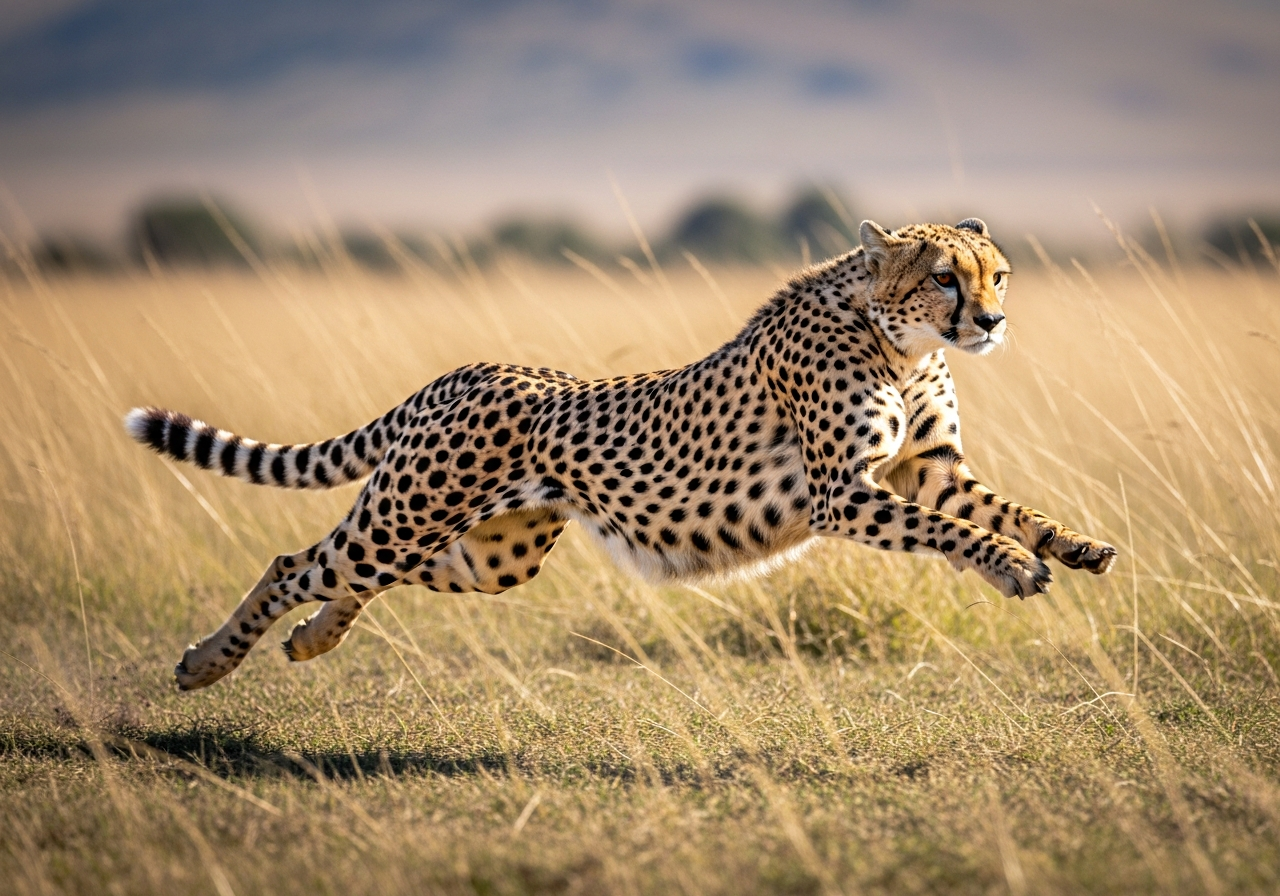
Lions are unusual for their enduring prides, but cooperation is not exclusive to lions. Male cheetahs can form coalitions. “Social” describes several behaviours, including living together, defending space and hunting; it does not mean every individual participates in every hunt.
What is a baby lion called?
A baby Lion is called a cub.
Sources & references
This guide is compiled and reviewed against established zoological and conservation references. Key sources for the Lion:
-
IUCN Red List of Threatened Species
Conservation status (Vulnerable) reflects the IUCN Red List category for Panthera leo, most recently assessed in 2023.
-
iNaturalist — observations & photos
Search citizen-science observations and community IDs for Panthera leo. Useful for range checks and recent sightings — not a substitute for formal Red List status.
-
GBIF — occurrence data
Global Biodiversity Information Facility species search for Panthera leo. Explore published occurrence records used in range research.
- Nicholson, S., Bauer, H., Strampelli, P. et al. (2024). Panthera leo (amended version of 2023 assessment). The IUCN Red List of Threatened Species 2024: e.T15951A259030422.
Current global assessment: Vulnerable, population decreasing.
- Schaller, G. B. (1972). The Serengeti Lion: A Study of Predator–Prey Relations. University of Chicago Press.
Foundational field study of lion behaviour and ecology.
- Nowak, R. M. (1999). Walker's Mammals of the World (6th ed.). Johns Hopkins University Press.
Morphology, measurements, and life history.
- Hayward, M. W. & Kerley, G. I. H. (2005). Prey preferences of the lion (Panthera leo). Journal of Zoology.
Preferred prey-size class.
-
Global Animal Guide editorial standards
How we research, source, review, and update every guide for accuracy.
Want to help directly? Learn how to symbolically adopt a lion and support its conservation.