Image sourcing: see credits & licences
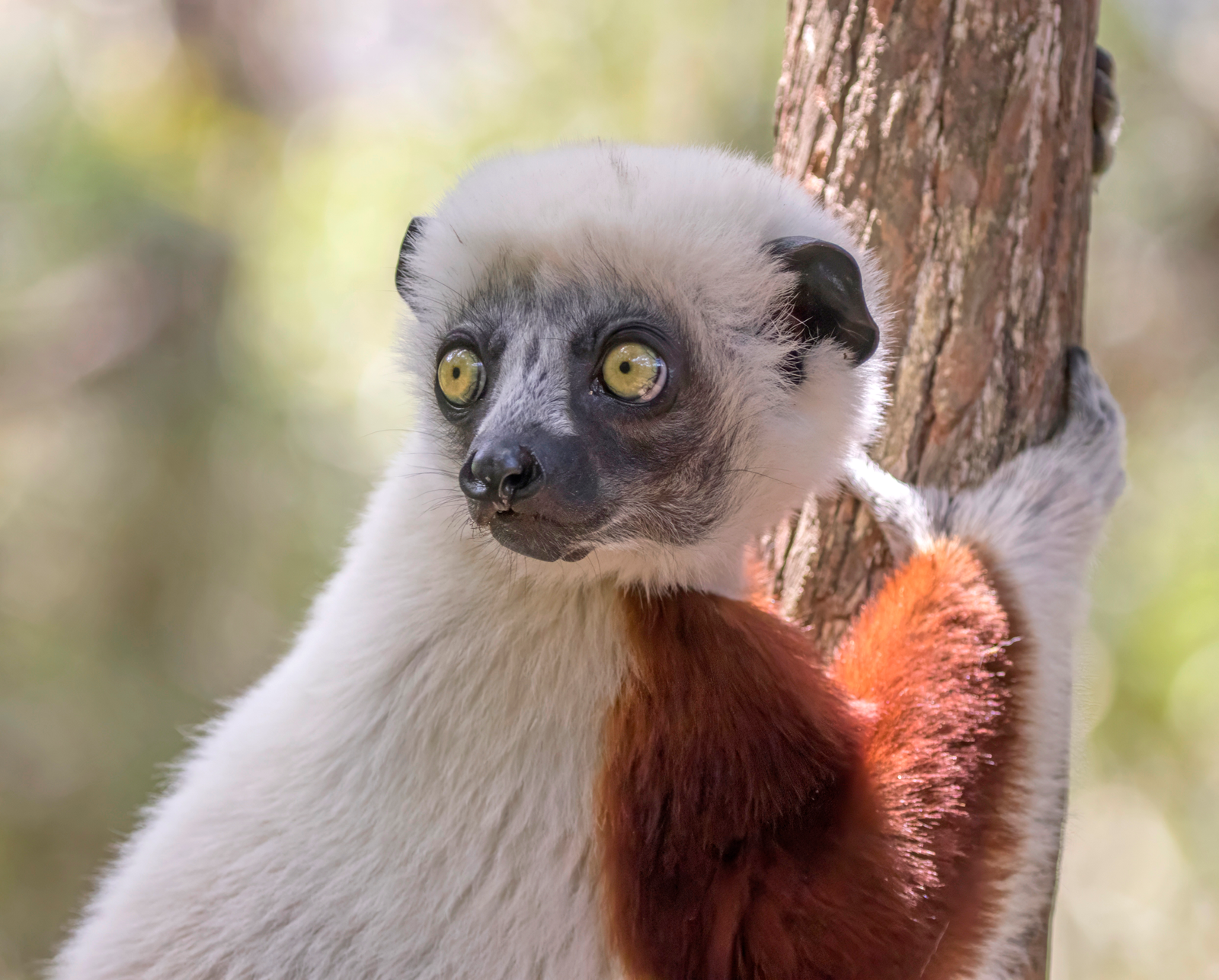
The verreaux's sifaka (Propithecus verreauxi) is a mammal of the family Indriidae, in the order Primates.
Quick answer
Verreaux's sifaka (Propithecus verreauxi) is a white-and-brown lemur that dances sideways across Madagascar's spiny forests on hind legs. Adults weigh about 3.5 kg, eat leaves and fruit, and are listed Endangered.
Top questions about the Verreaux's Sifaka
Verreaux's Sifaka facts at a glance
- Weight 3.5 kg
- Length 45 cm
- Top speed 25 km/h
- Lifespan 20 years
| Scientific name | Propithecus verreauxi |
|---|---|
| Diet | Herbivore |
| Habitat | Spiny forest and dry deciduous forest |
| Lifespan | 18–25 years |
| Weight | 3–4 kg |
| Top speed | up to 25 km/h |
| Conservation status | Endangered (IUCN) |
| Kingdom | Animalia |
|---|---|
| Phylum | Chordata |
| Class | Mammalia |
| Order | Primates |
| Family | Indriidae |
| Genus | Propithecus |
Where it lives
The verreaux's sifaka (Propithecus verreauxi) is native to Dry forests of southern and southwestern Madagascar. — recorded across Africa in this guide’s range summary.
For occurrence records, see GBIF species search and sources below.
How big is a verreaux's sifaka?
An adult verreaux's sifaka measures 45 cm long — about 26% of the height of an average adult person (1.73 m) — and weighs around 3.5 kg, about 5% of an average adult’s body weight (70 kg).
Length vs an average adult’s height (to scale)
What is a group of verreaux's sifakas called?
Group name (collective noun)
A group of Verreaux's Sifakas is called a troop.
Baby name
A baby Verreaux's Sifaka is called an infant.
Explore more animal collective nouns and baby animal names .
Dancing lemur of the spiny forest
Sifakas bound bipedally across open ground between trees, arms raised for balance. Thick fur and leathery palms suit hot, thorny southern Madagascar.
Leaves, fruit, and flowers
Diet shifts seasonally among leaves, fruit, bark, and flowers of drought-tolerant trees. Groups defend territories with loud calls and scent marking.
Dry forests of southwest Madagascar
Spiny forest and dry deciduous woodland in Toliara and nearby regions. They need connected canopy and cannot cross cleared farmland easily.
Endangered by slash-and-burn
IUCN lists Verreaux's sifaka Endangered. Charcoal production and maize fields fragment forests; ecotourism at Berenty and other reserves supports protection.
Explore the Verreaux's Sifaka
Close relatives
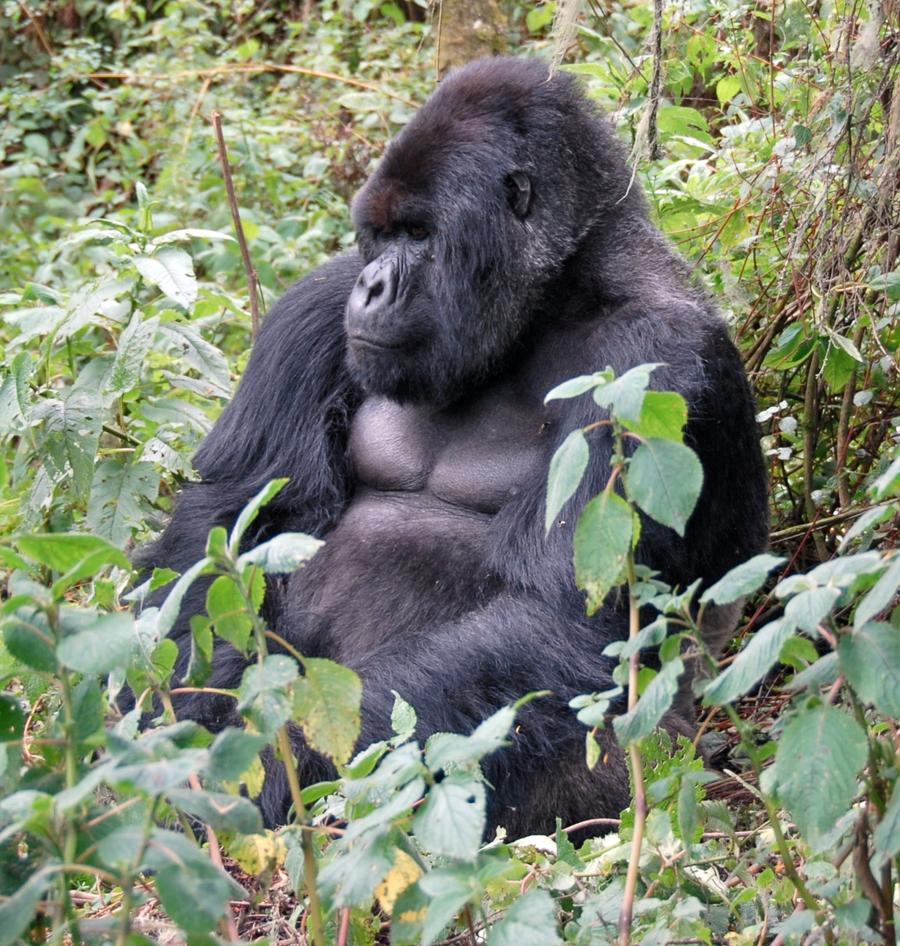
- Mountain Gorilla Same order
- Aye-aye Same order
- Japanese Macaque Same order
- Gorilla Same order
Collections
Range & geography
Conservation status of the Verreaux's Sifaka
The verreaux's sifaka (Propithecus verreauxi) is listed as Endangered on the IUCN Red List. Endangered (EN) means a species faces a very high risk of extinction in the wild. Populations are usually declining sharply due to habitat loss, hunting, disease, or climate pressure. It sits one level below Critically Endangered on the IUCN Red List.
Main threats to the verreaux's sifaka
- Slash-and-burn agriculture (tavy)
- Habitat fragmentation in Madagascar
- Hunting
- Climate drying in western dry forests
Verreaux's Sifaka (Propithecus verreauxi) was most recently assessed for the IUCN Red List in 2020. Look up on the IUCN Red List .
Frequently asked questions about the Verreaux's Sifaka
Why do sifakas dance on the ground?
They lack full terrestrial gait and hop sideways on hind legs between trees where gaps are too wide to leap.
Where can you see sifakas in Madagascar?
Berenty Reserve and other protected dry forests in the southwest are famous viewing sites.
Are sifakas related to monkeys?
They are lemurs — primates unique to Madagascar, separate from African monkeys and apes.
What threatens sifakas?
Forest clearing for agriculture and charcoal, plus hunting in some areas.
Why is Verreaux's sifaka Endangered?
Its specialised dry-forest habitat is shrinking fast across southern Madagascar.
What is a group of verreaux's sifakas called?
A group of Verreaux's Sifakas is called a troop.
What is a baby verreaux's sifaka called?
A baby Verreaux's Sifaka is called an infant.
Sources & references
This guide is compiled and reviewed against established zoological and conservation references. Key sources for the Verreaux's Sifaka:
-
IUCN Red List of Threatened Species
Conservation status (Endangered) reflects the IUCN Red List category for Propithecus verreauxi, most recently assessed in 2020.
-
iNaturalist — observations & photos
Search citizen-science observations and community IDs for Propithecus verreauxi. Useful for range checks and recent sightings — not a substitute for formal Red List status.
-
GBIF — occurrence data
Global Biodiversity Information Facility species search for Propithecus verreauxi. Explore published occurrence records used in range research.
-
Global Animal Guide editorial standards
How we research, source, review, and update every guide for accuracy.