Image sourcing: see credits & licences
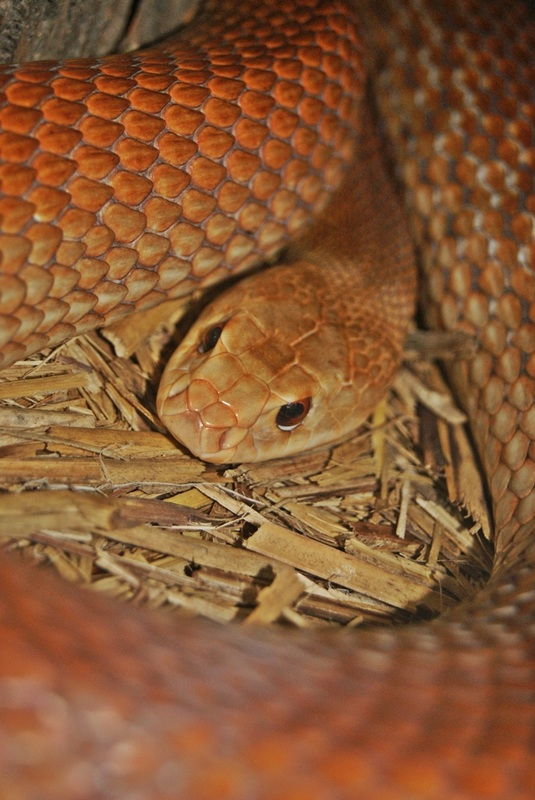
The coastal taipan (Oxyuranus scutellatus) is a reptile of the family Elapidae, in the order Squamata.
Quick answer
The coastal taipan (Oxyuranus scutellatus) is one of the world's most venomous snakes, inhabiting sugarcane country of northern and eastern Australia. Adults reach about 2 m and 3 kg, and are listed Least Concern.
Top questions about the Coastal Taipan
Coastal Taipan facts at a glance
- Weight 3 kg
- Length 2 m
- Top speed 15 km/h
- Lifespan 18 years
| Scientific name | Oxyuranus scutellatus |
|---|---|
| Diet | Carnivore |
| Habitat | Sugarcane fields, woodland, and savanna |
| Lifespan | 15–20 years |
| Weight | 2–4 kg |
| Top speed | up to 15 km/h |
| Conservation status | Least Concern (IUCN) |
| Kingdom | Animalia |
|---|---|
| Phylum | Chordata |
| Class | Reptilia |
| Order | Squamata |
| Family | Elapidae |
| Genus | Oxyuranus |
Where it lives
The coastal taipan (Oxyuranus scutellatus) is native to Northern and eastern coastal Australia and New Guinea. — recorded across Oceania in this guide’s range summary.
For occurrence records, see GBIF species search and sources below.
How big is a coastal taipan?
An adult coastal taipan measures 2 m long — about 1.2× the height of an average adult person (1.73 m) — and weighs around 3.0 kg, about 4% of an average adult’s body weight (70 kg).
Length vs an average adult’s height (to scale)
What is a group of coastal taipans called?
Group name (collective noun)
A group of Coastal Taipans is called a den.
Baby name
A baby Coastal Taipan is called a hatchling.
Explore more animal collective nouns and baby animal names .
Fast, nervous elapid
Coastal taipans are long, slender elapids with rectangular heads and large eyes suited to active hunting by day. They strike repeatedly when cornered.
Warm-blooded prey specialist
Rats, mice, and bandicoots are seized with fast strikes and held until venom subdues them — unusual among Australian elapids that often release after biting.
Queensland coast and New Guinea
Tropical and subtropical woodlands, sugarcane belts, and savanna from northern Australia into southern New Guinea. Seasonal activity peaks in warmer months.
Respect, not panic
Least Concern and locally common. Antivenom saves most bite victims; farmers benefit from rodent control when snakes are left undisturbed in fields.
Explore the Coastal Taipan
Close relatives
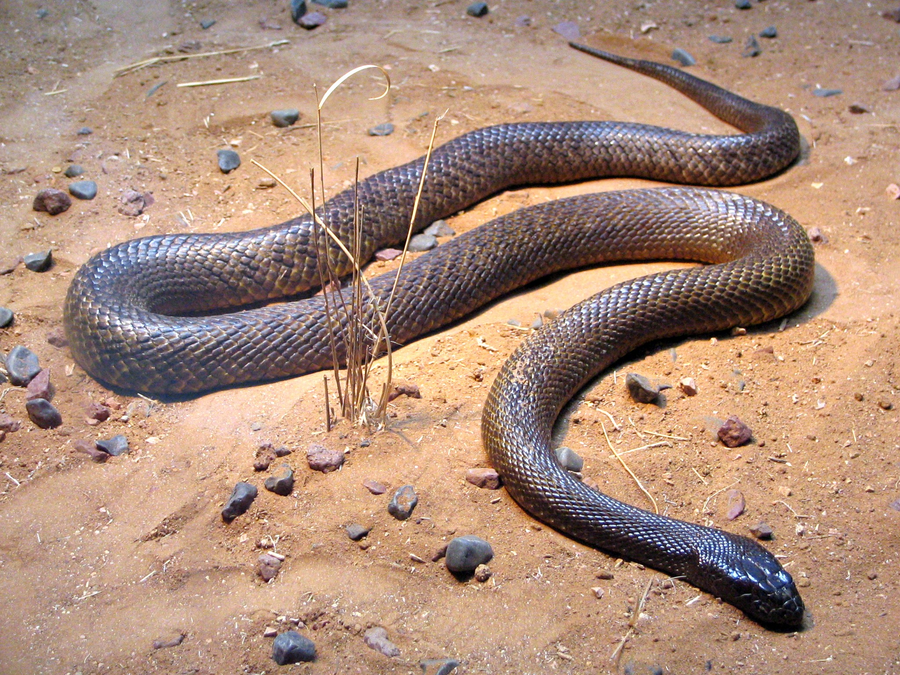
- Inland Taipan Same genus
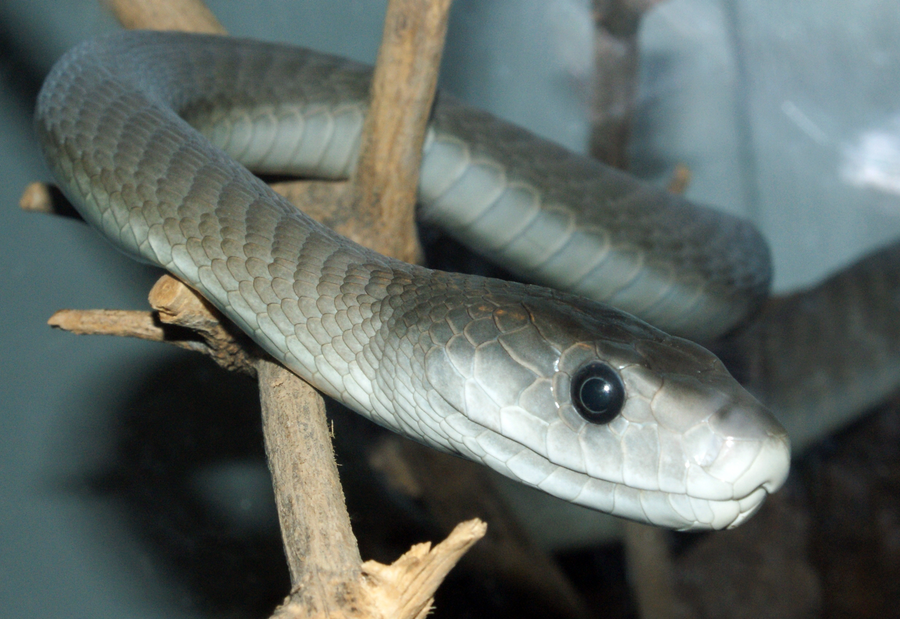
- Black Mamba Same family
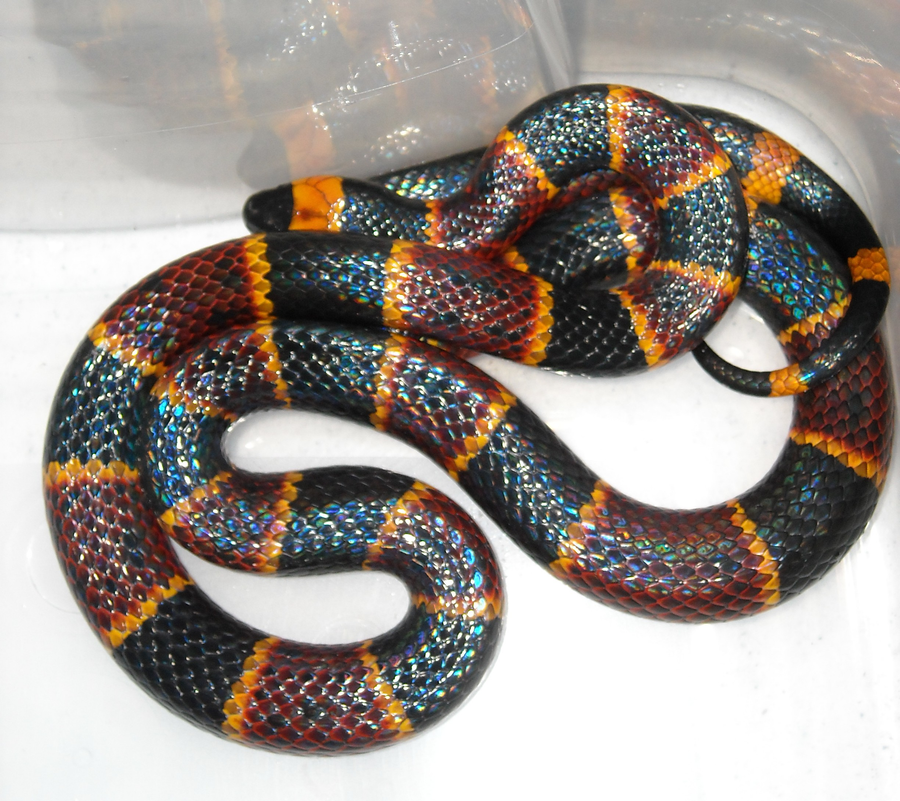
- Eastern Coral Snake Same family
- King Cobra Same family
Collections
Range & geography
Conservation status of the Coastal Taipan
The coastal taipan (Oxyuranus scutellatus) is listed as Least Concern on the IUCN Red List. Least Concern (LC) is the IUCN's lowest-risk category, assigned to widespread, abundant species that have been evaluated and found not to be threatened. It does not mean a species faces no pressures — only that it is not currently at risk of extinction.
The coastal taipan (Oxyuranus scutellatus) is assessed on the IUCN Red List. Look up on the IUCN Red List .
Frequently asked questions about the Coastal Taipan
How venomous is the coastal taipan?
Its venom is among the most toxic of any land snake; untreated bites can be fatal without antivenom.
Do coastal taipans chase people?
They are nervous and may defend themselves aggressively if cornered, but they do not hunt humans.
Where are coastal taipans found?
Northern and eastern coastal Australia and southern New Guinea, often near sugarcane and rodent-rich farmland.
What do coastal taipans eat?
Mainly rodents and small mammals, taken with multiple quick strikes.
Is there antivenom for taipan bites?
Yes — Australian hospitals stock taipan antivenom; early treatment is critical.
What is a group of coastal taipans called?
A group of Coastal Taipans is called a den.
What is a baby coastal taipan called?
A baby Coastal Taipan is called a hatchling.
Sources & references
This guide is compiled and reviewed against established zoological and conservation references. Key sources for the Coastal Taipan:
-
IUCN Red List of Threatened Species
Conservation status (Least Concern) reflects the IUCN Red List category for Oxyuranus scutellatus.
-
iNaturalist — observations & photos
Search citizen-science observations and community IDs for Oxyuranus scutellatus. Useful for range checks and recent sightings — not a substitute for formal Red List status.
-
GBIF — occurrence data
Global Biodiversity Information Facility species search for Oxyuranus scutellatus. Explore published occurrence records used in range research.
-
Global Animal Guide editorial standards
How we research, source, review, and update every guide for accuracy.