Fish
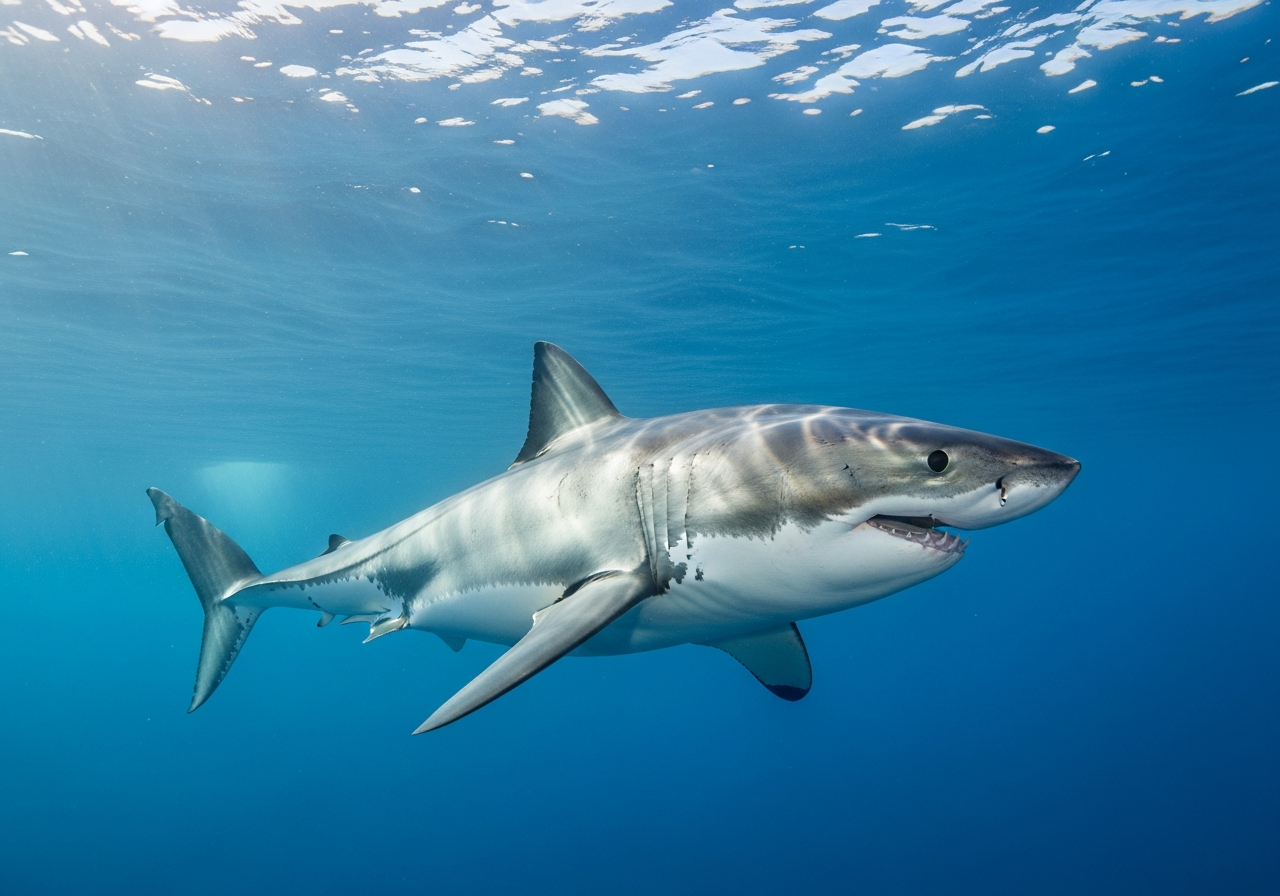
Great White Shark
The ocean's most famous apex predator
Trusted wildlife guides · Promotional links support animal rescue
Saturday, 18 July 2026Marine biomes are not one habitat but a stack of environments: sunlit shallows, productive upwellings, migratory flyways over open water, and dark abyssal plains. This hub gathers Global Animal Guide species whose profiles list ocean, sea, coastal, or marine habitats.
Oceans hold most of Earth's living space — from coral reefs and coasts to the open sea and deep trenches. Whales, sharks, sea turtles, seabirds, and countless invertebrates depend on salinity, currents, and depth zones that define marine life.
Iconic ocean animals in the guide include the blue whale, great white shark, bottlenose dolphin, green sea turtle, and emperor penguin — each with answer-first profiles on size, diet, and conservation.
Shared marine threats include overfishing, bycatch, ship strikes, plastic and chemical pollution, ocean noise, and climate-driven warming and acidification that bleach reefs and shift prey.
Continue with freshwater and wetlands hubs for inland water, or use Identify sound guides for whales and coastal birds.
Ranked by profile popularity. An animal may also appear in other biomes if it uses multiple habitats.
Fish
The ocean's most famous apex predator
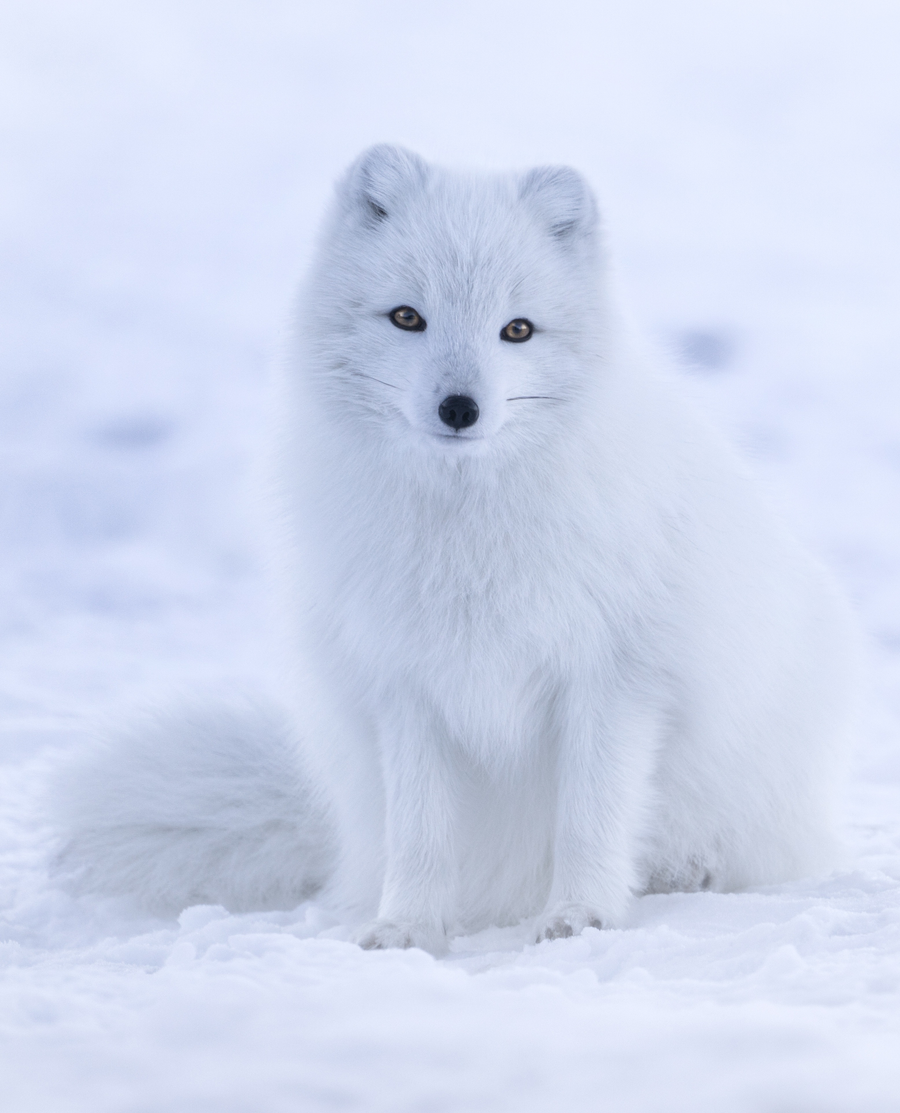
Mammal
The white fox of the frozen tundra
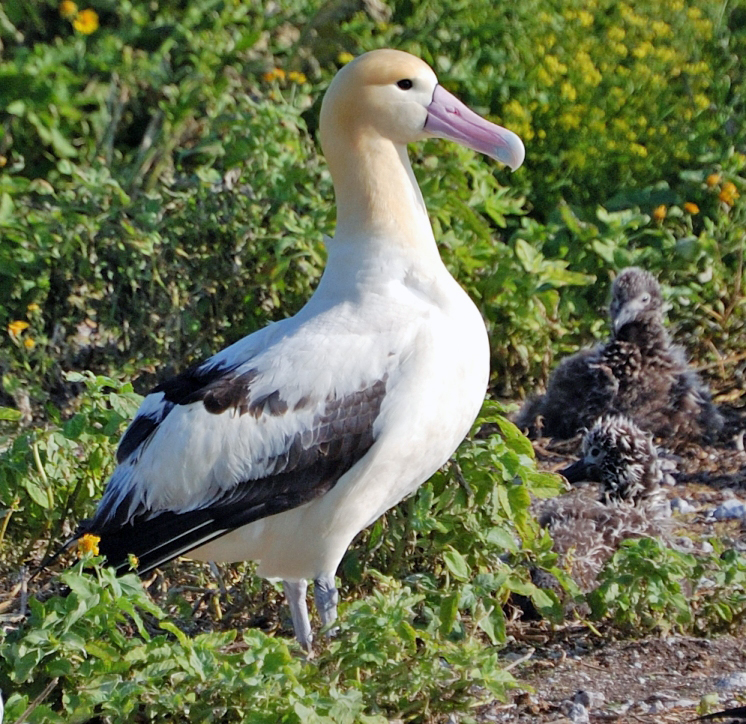
Bird
The widest wingspan on Earth
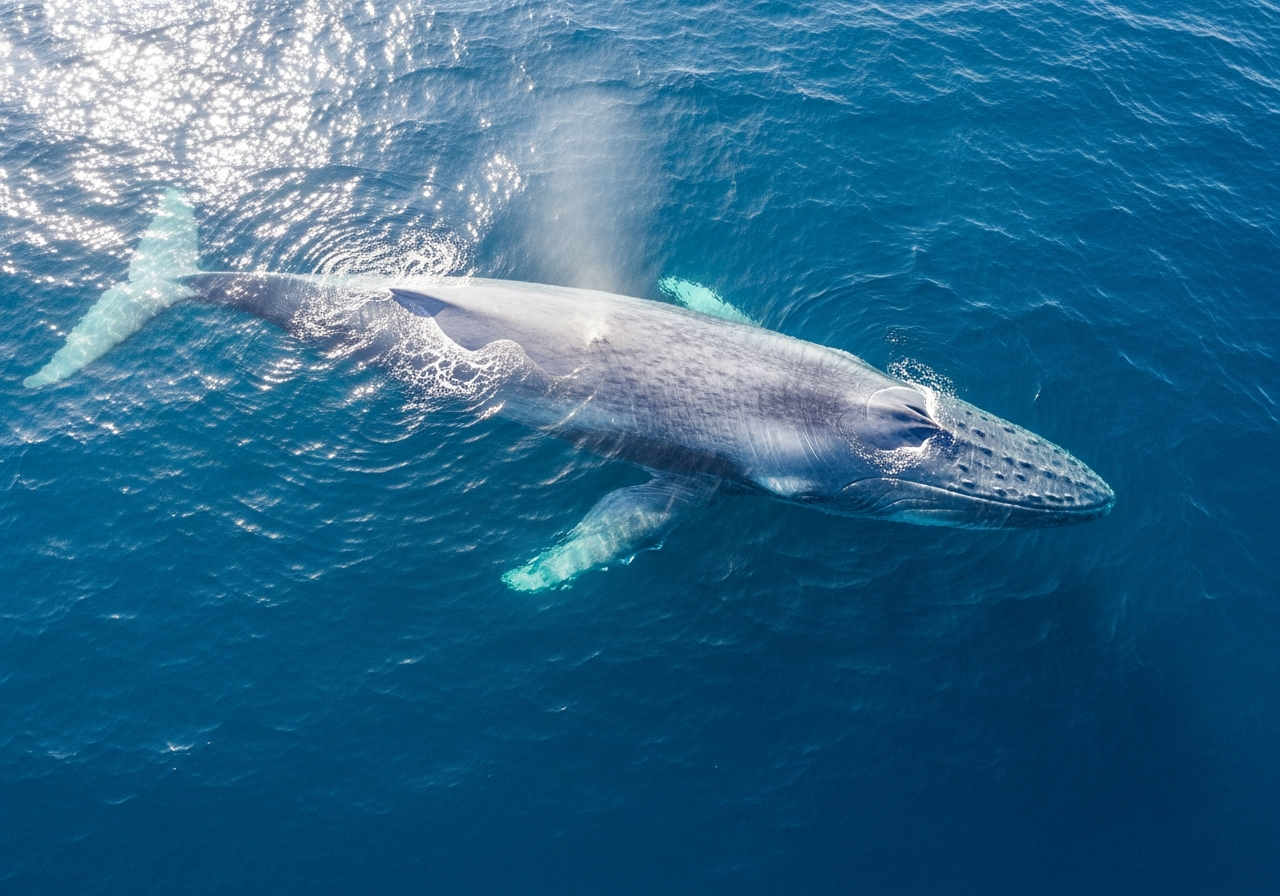
Mammal
The largest animal that has ever lived
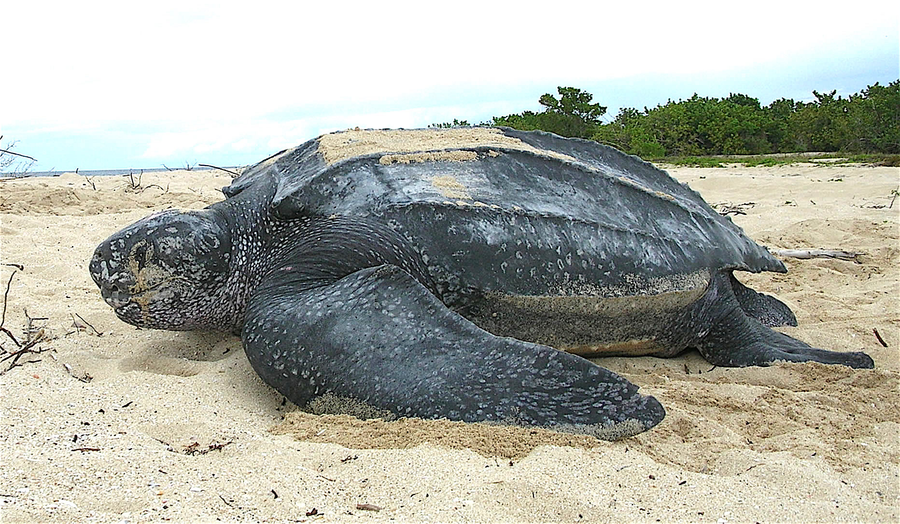
Reptile
The giant jellyfish specialist
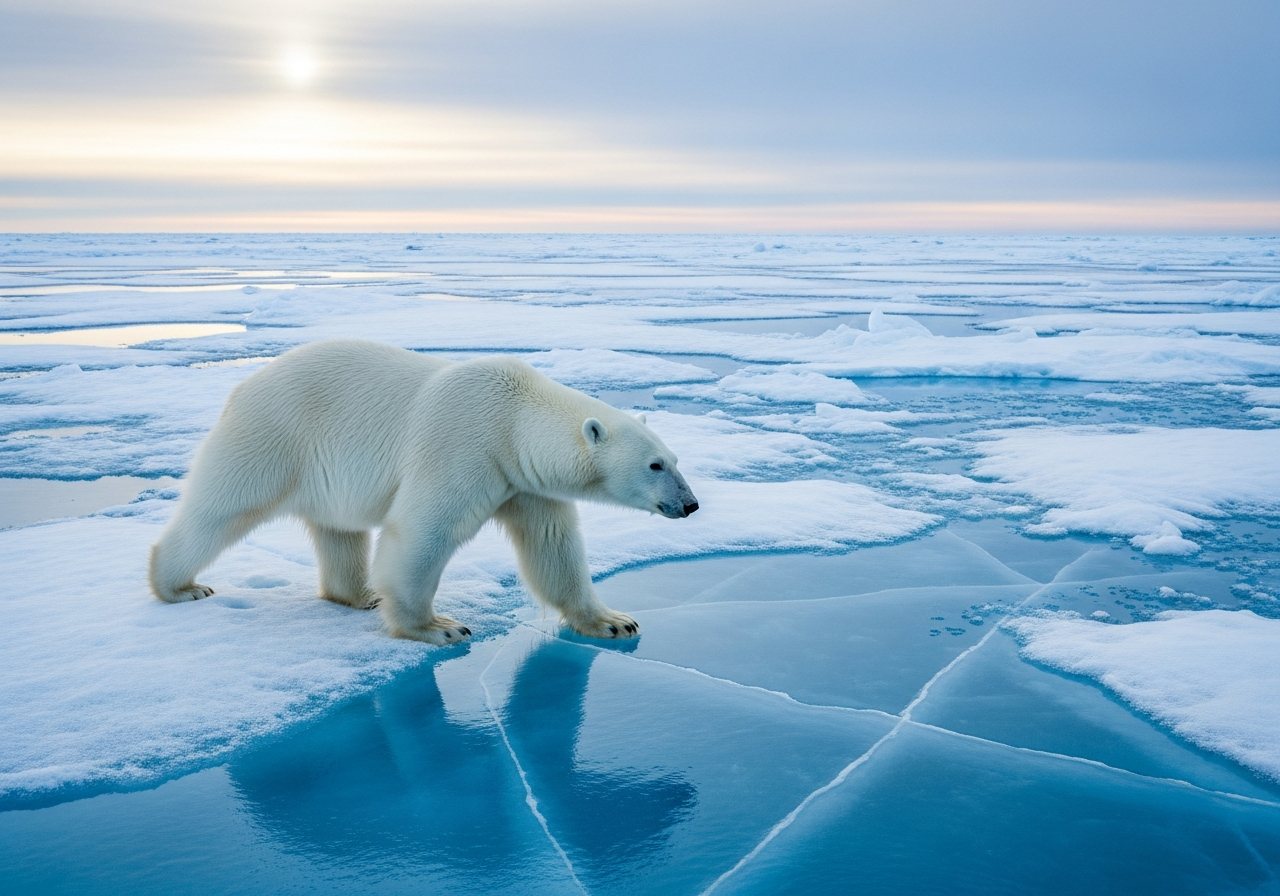
Mammal
The largest land carnivore, ruler of the Arctic
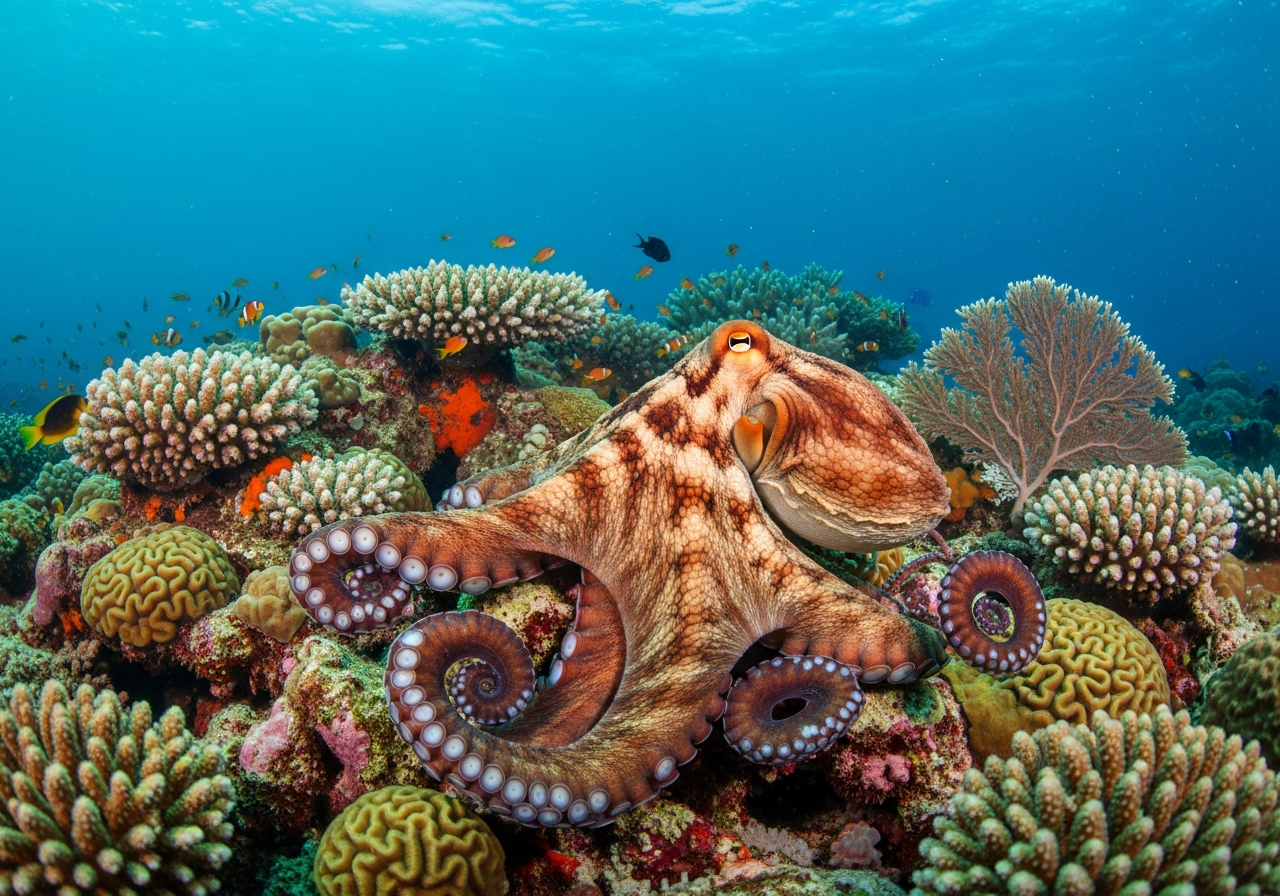
Invertebrate
The shape-shifting genius of the sea
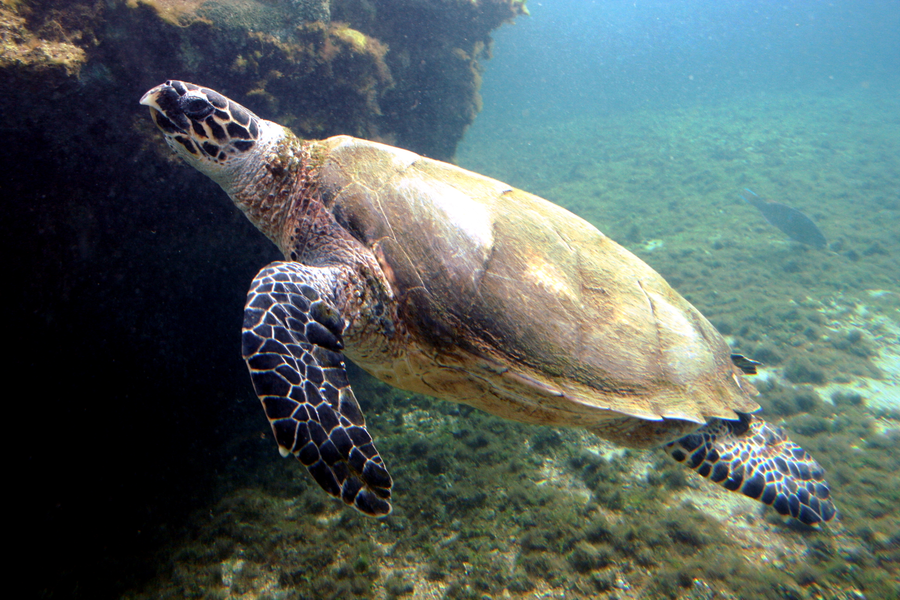
Reptile
The tortoiseshell turtle
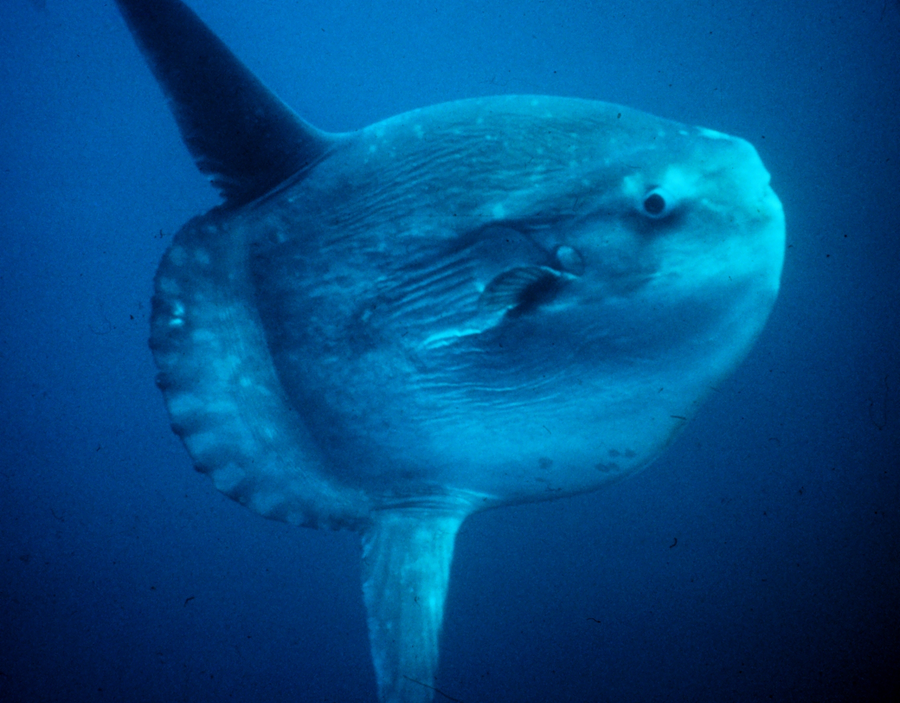
Fish
The heaviest bony fish
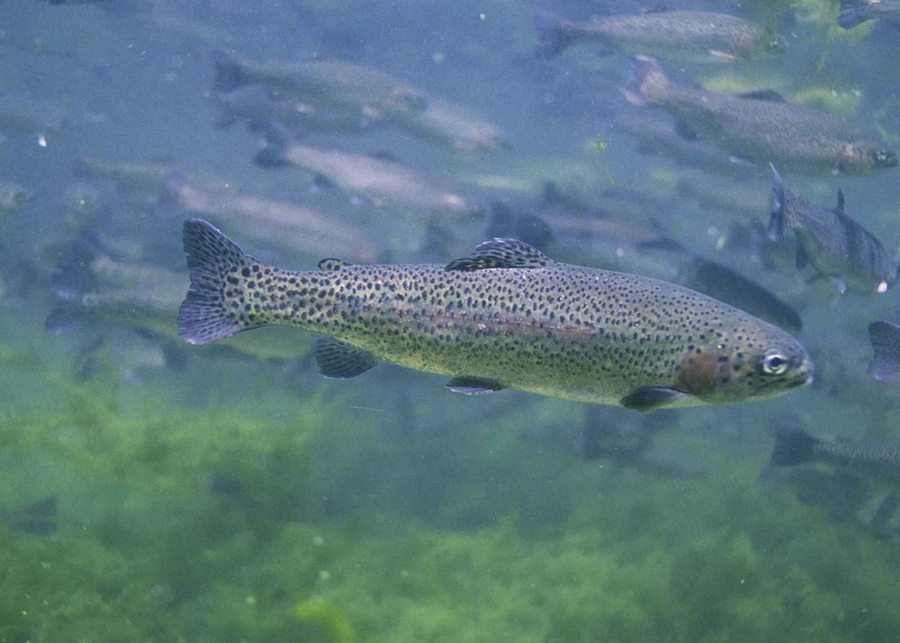
Fish
The colourful fly-fisher's favourite
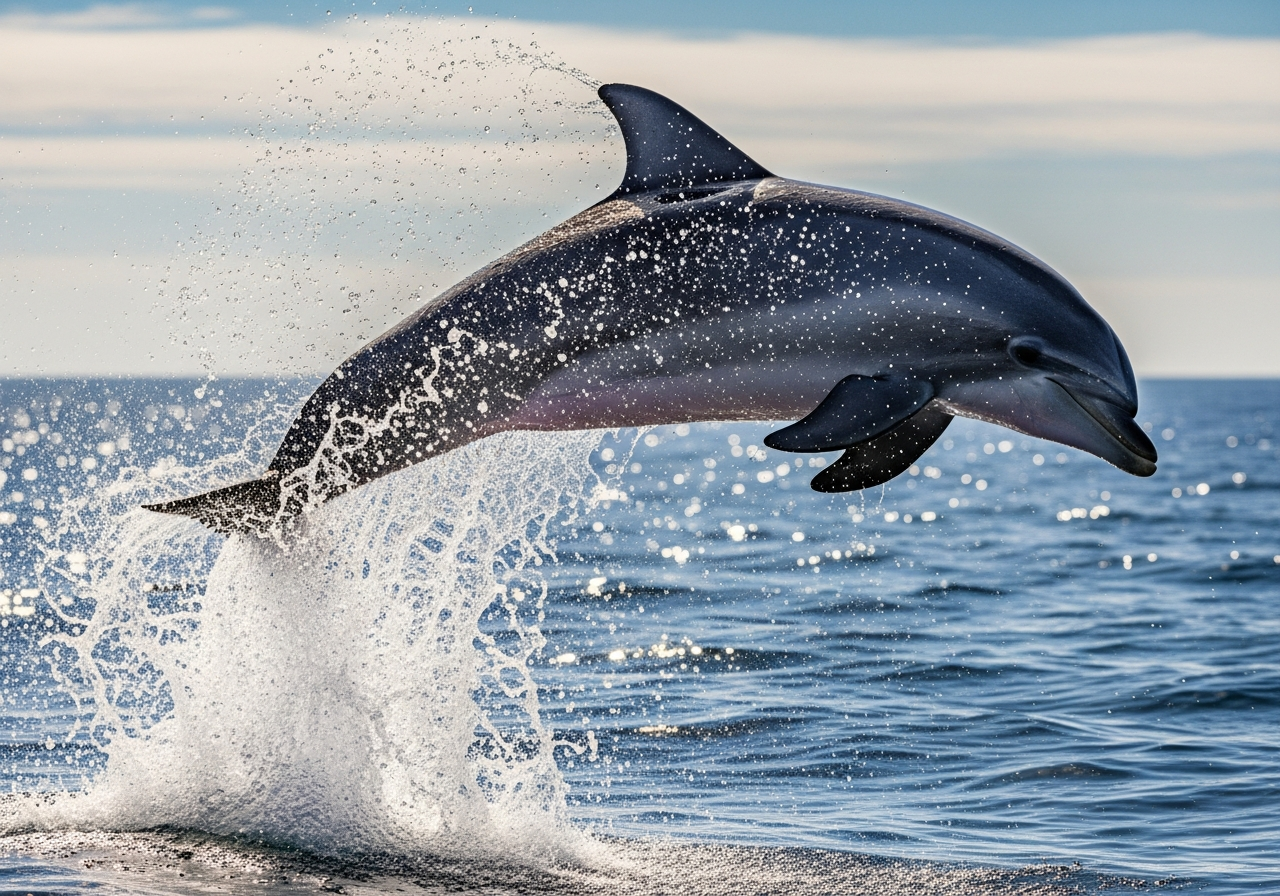
Mammal
One of the ocean's most intelligent animals
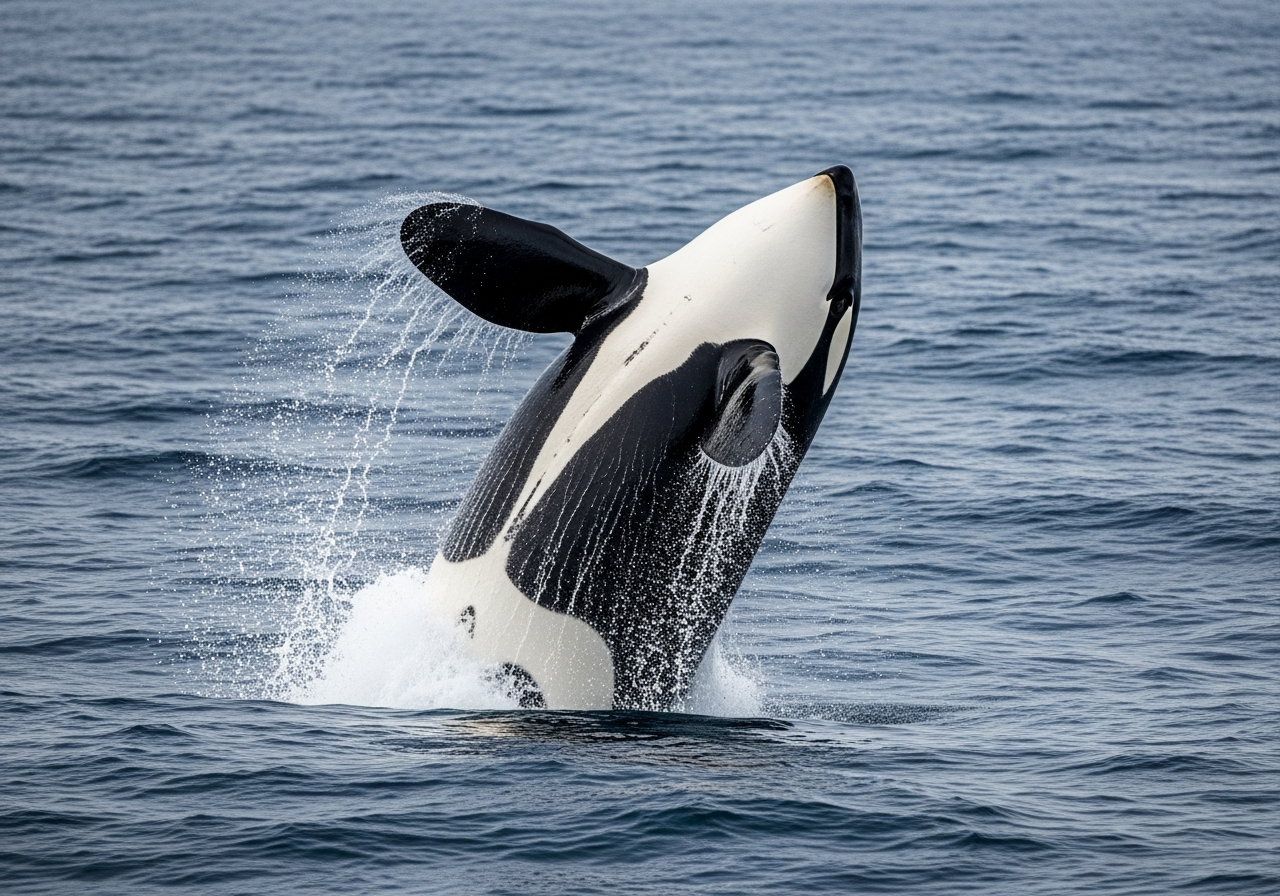
Mammal
The ocean's top predator
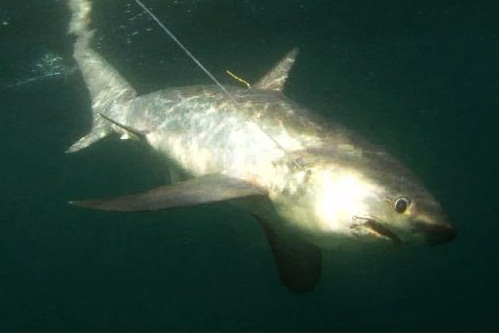
Fish
The whip-tailed hunter
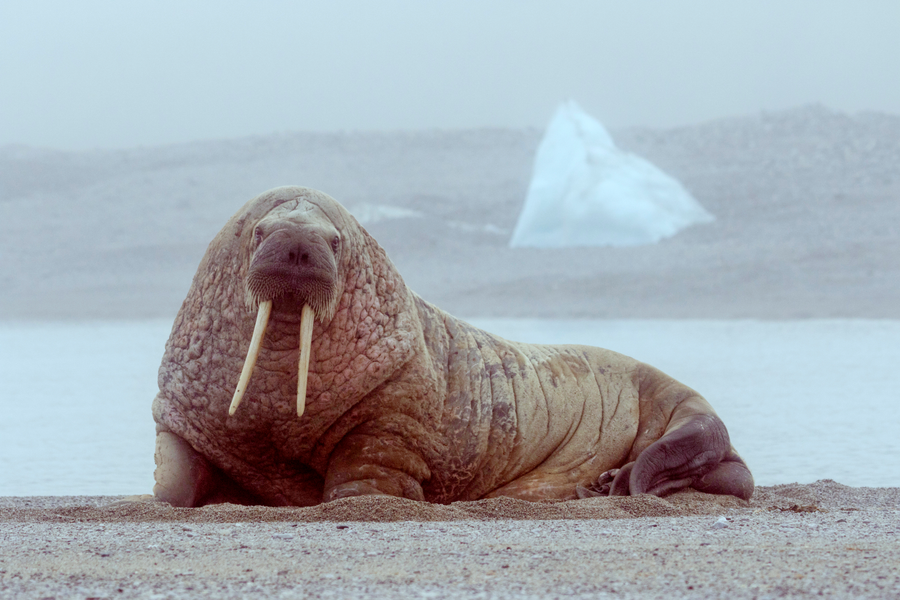
Mammal
The tusked giant of the Arctic ice
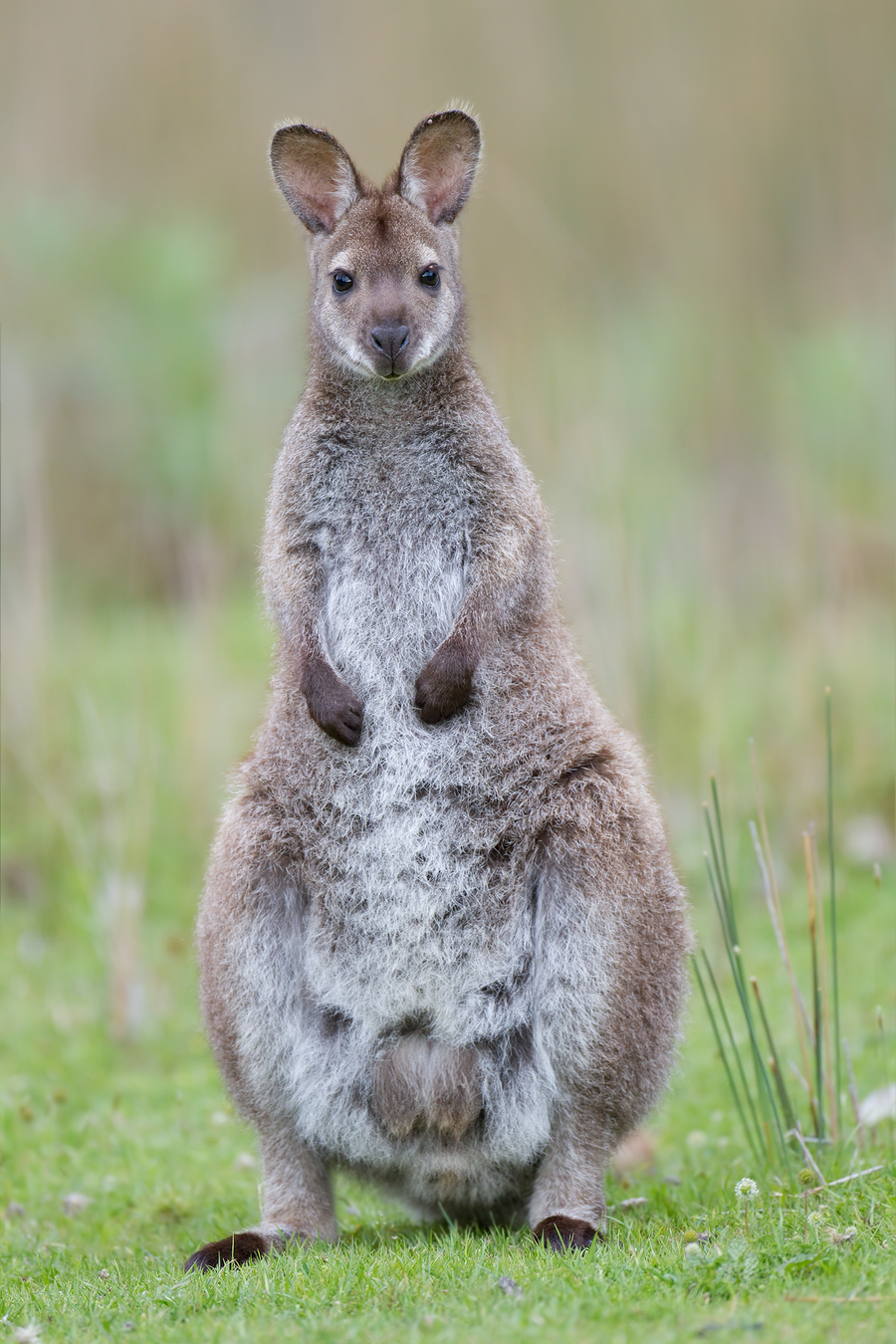
Mammal
The rusty-shouldered grazer of eastern Australia
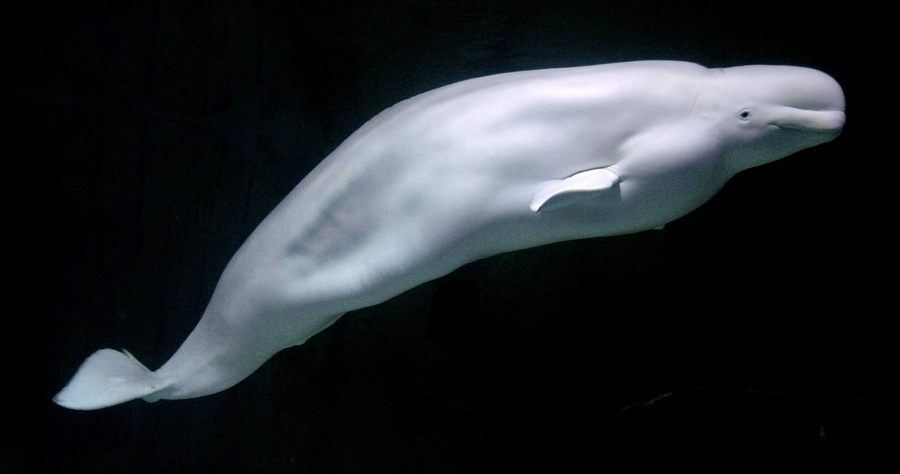
Mammal
The white whale of the Arctic
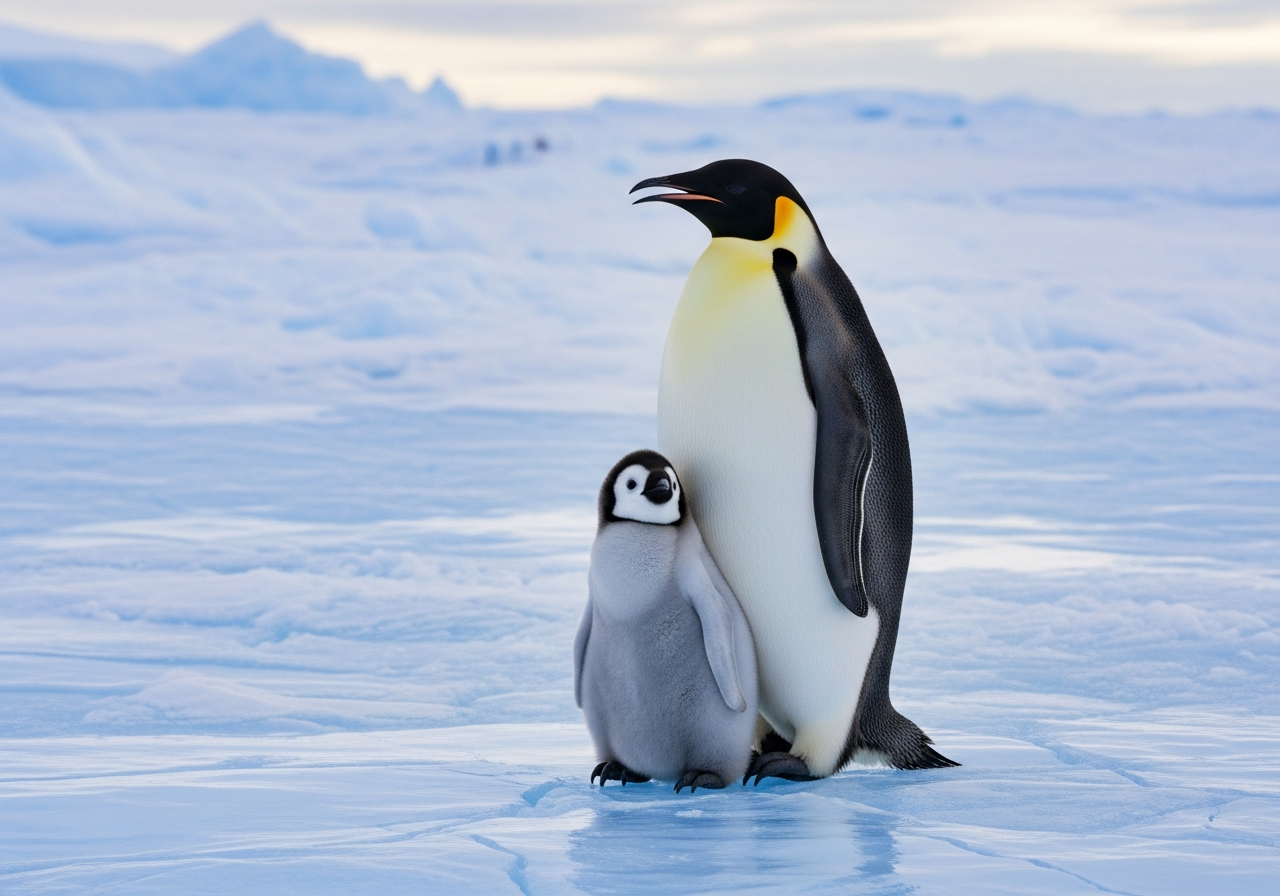
Bird
The largest penguin, built for the Antarctic winter
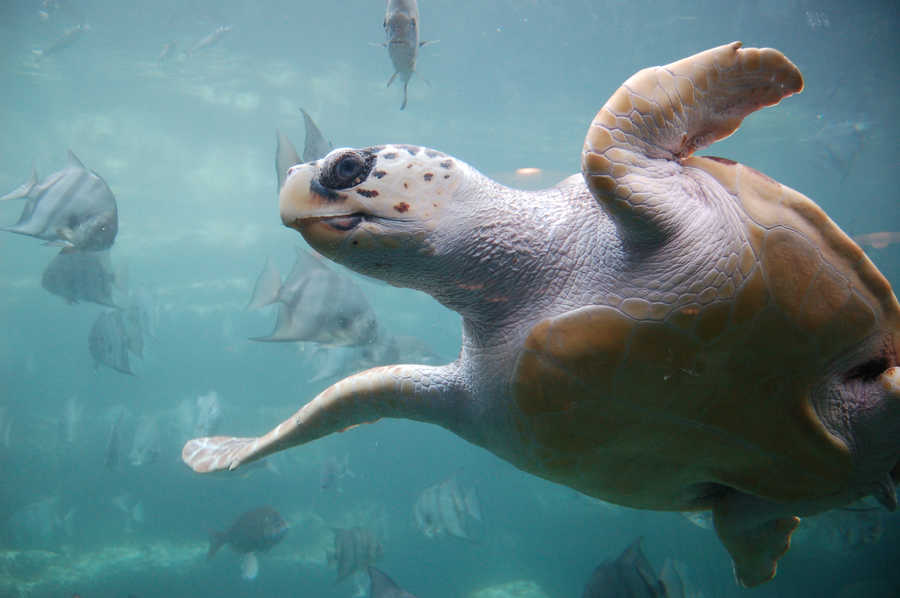
Reptile
The powerful-jawed sea turtle
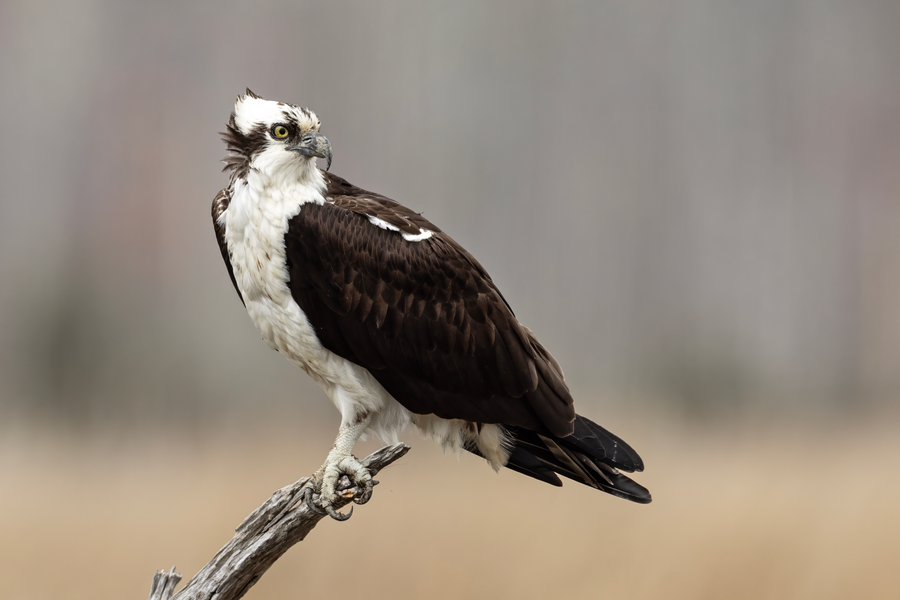
Bird
The fish-hunting raptor of coasts and lakes
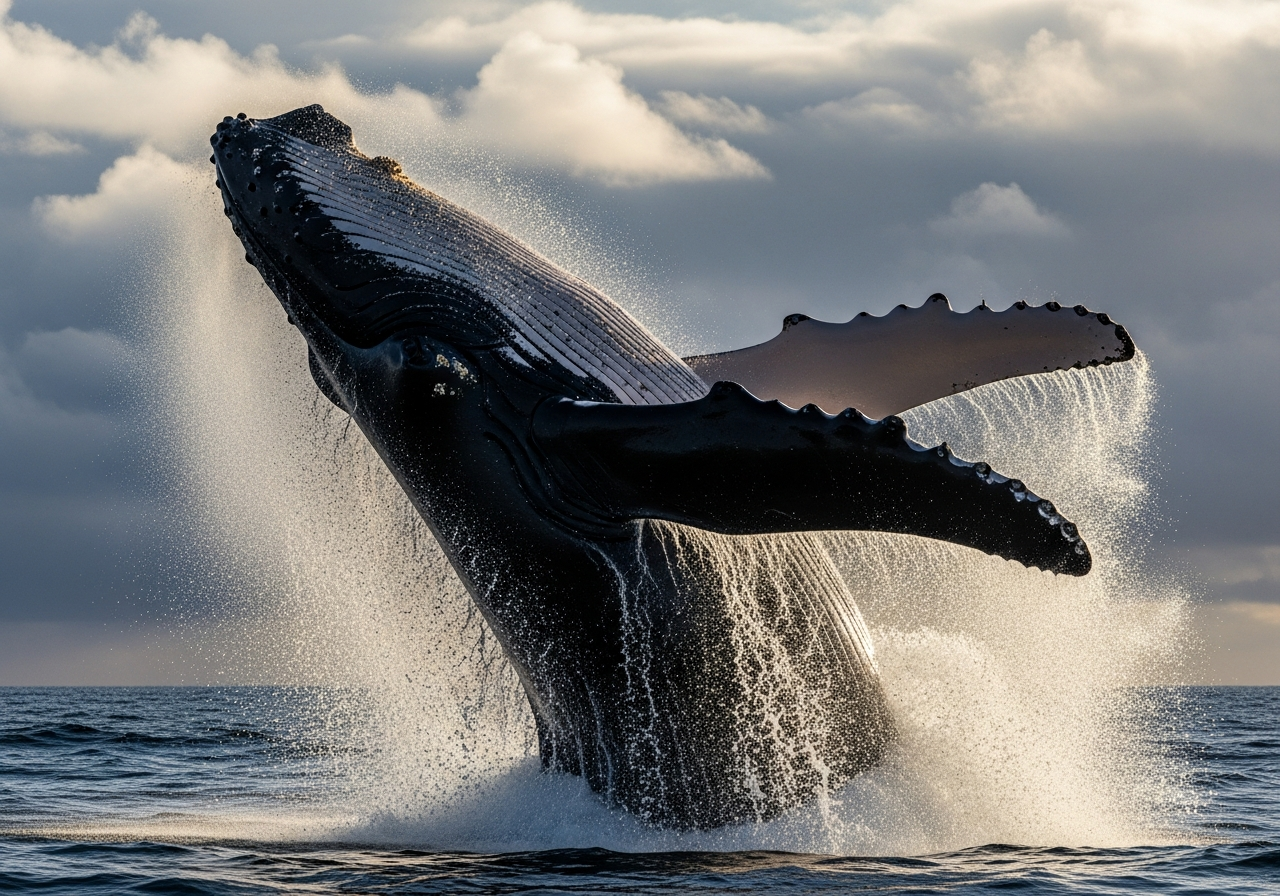
Mammal
The acrobatic singer of the seas
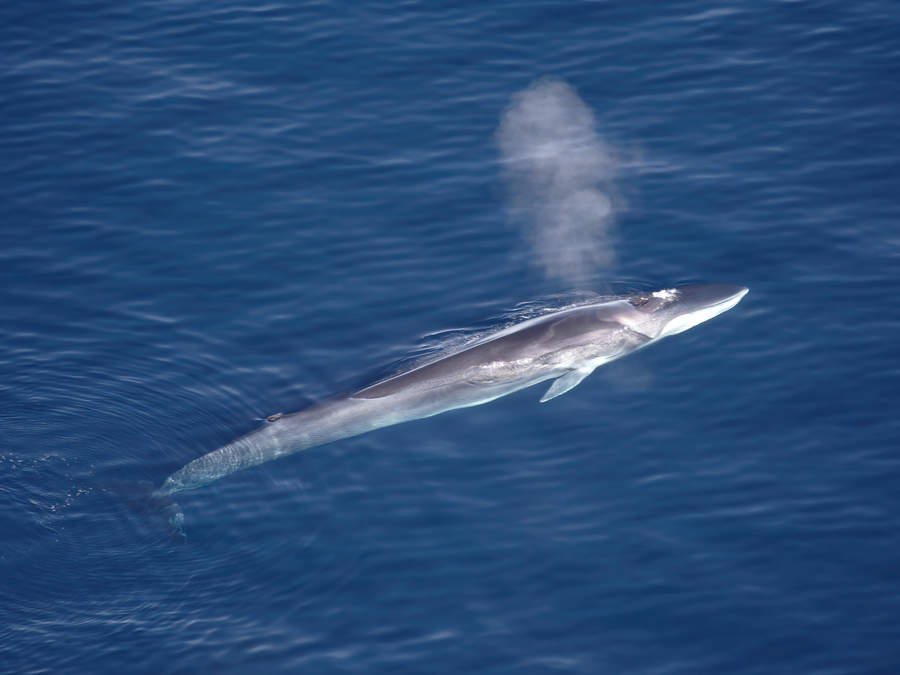
Mammal
The sleek greyhound of the seas
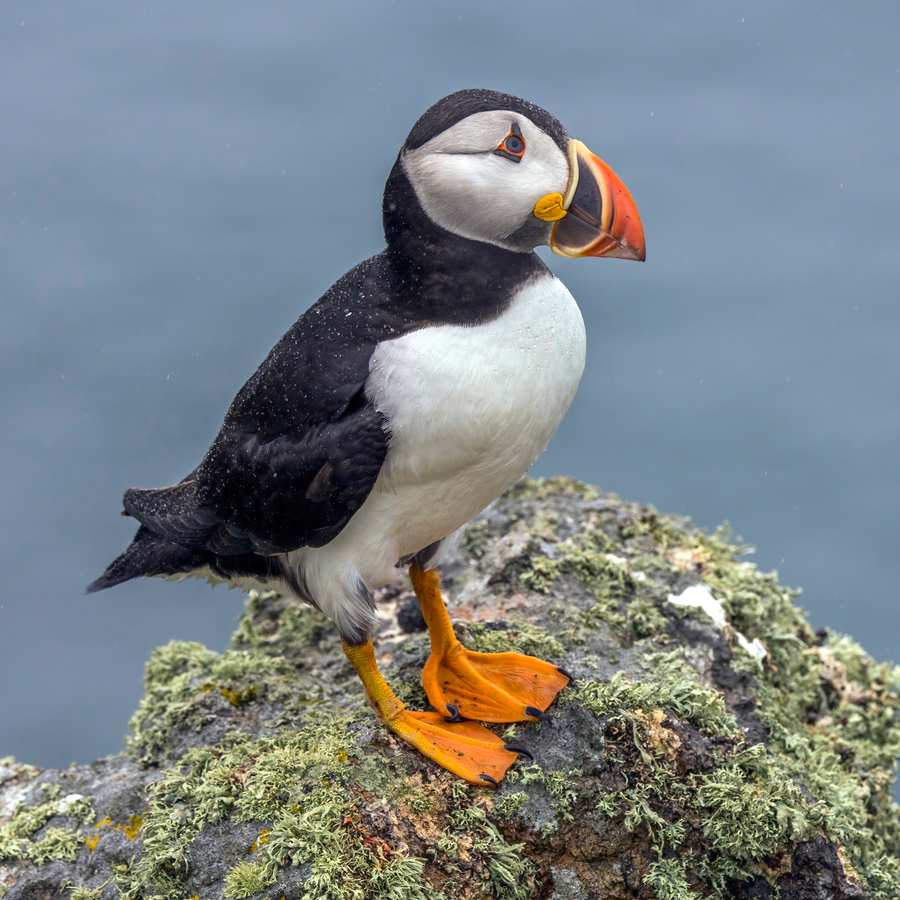
Bird
Clown-billed seabird of North Atlantic cliffs
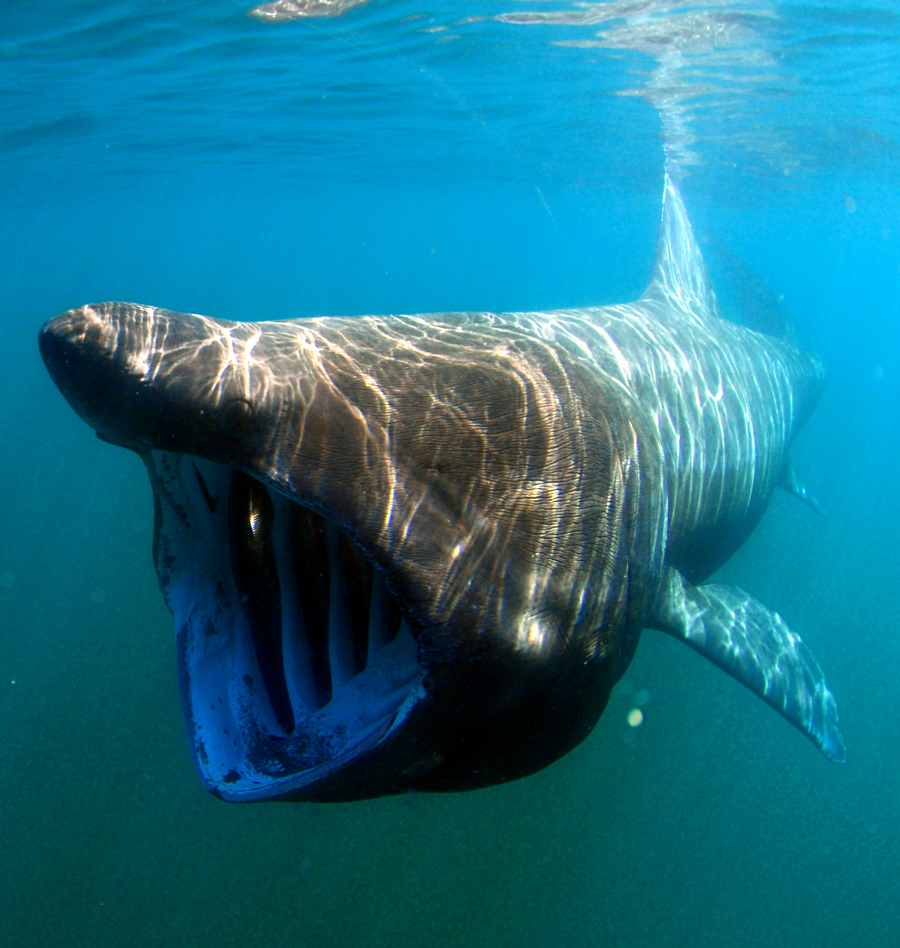
Fish
Second-largest fish; gentle plankton feeder
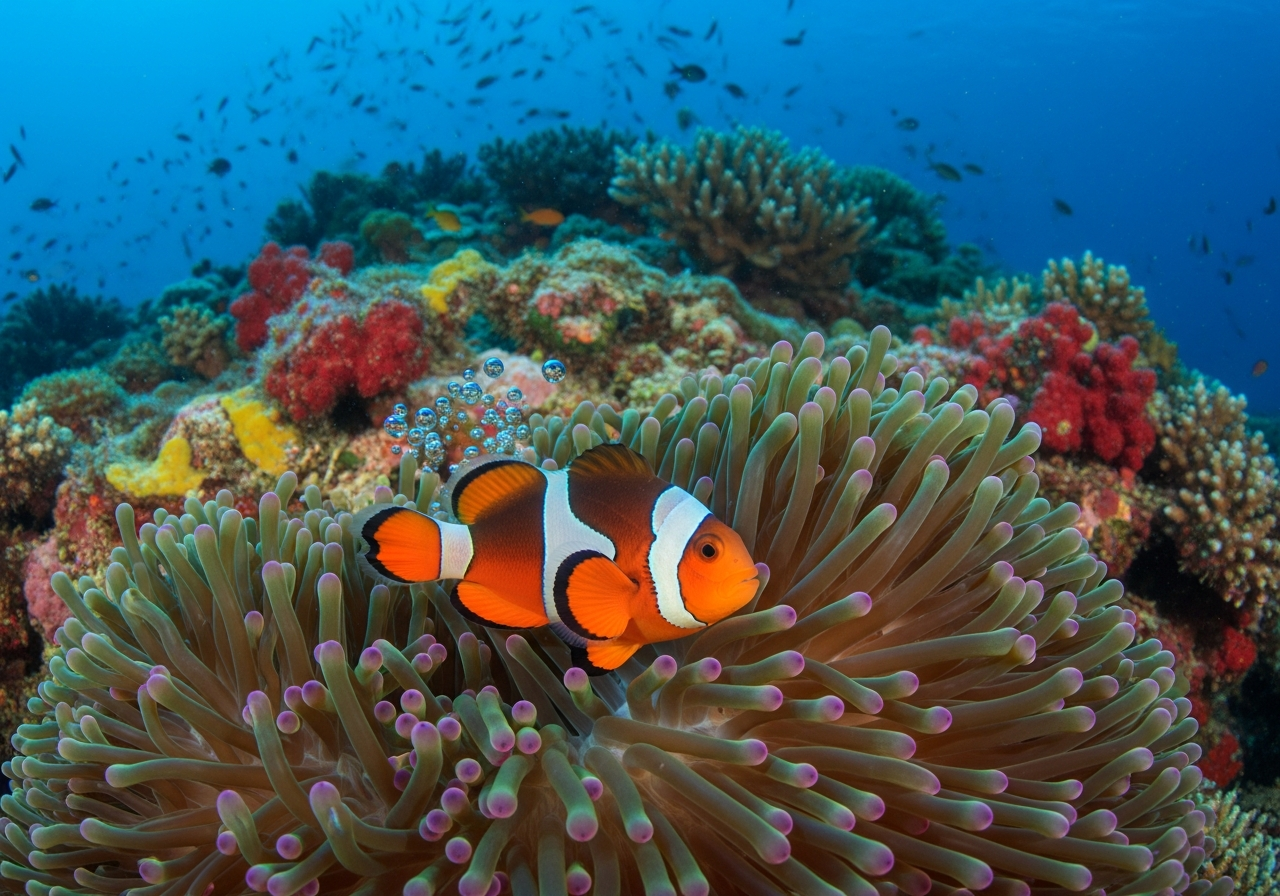
Fish
The reef fish that lives among stinging tentacles
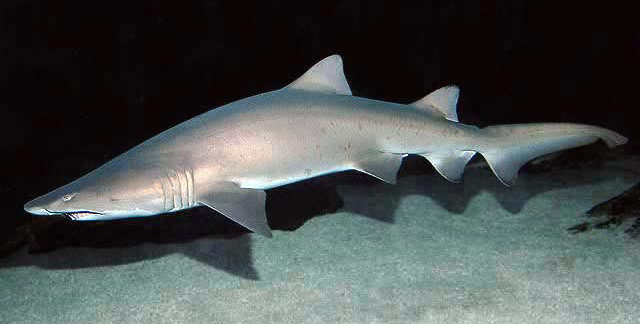
Fish
The toothy aquarium shark
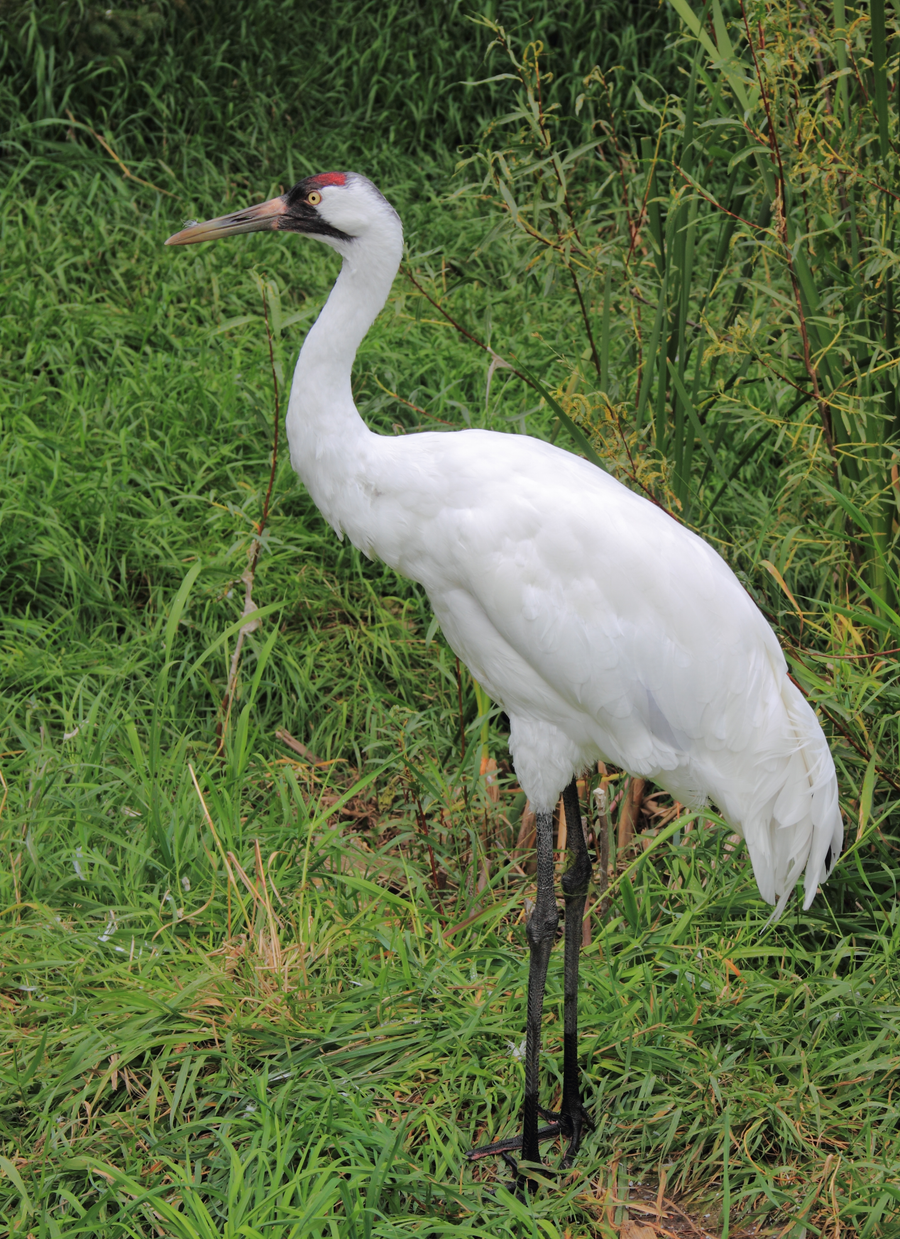
Bird
Tallest North American bird and conservation icon
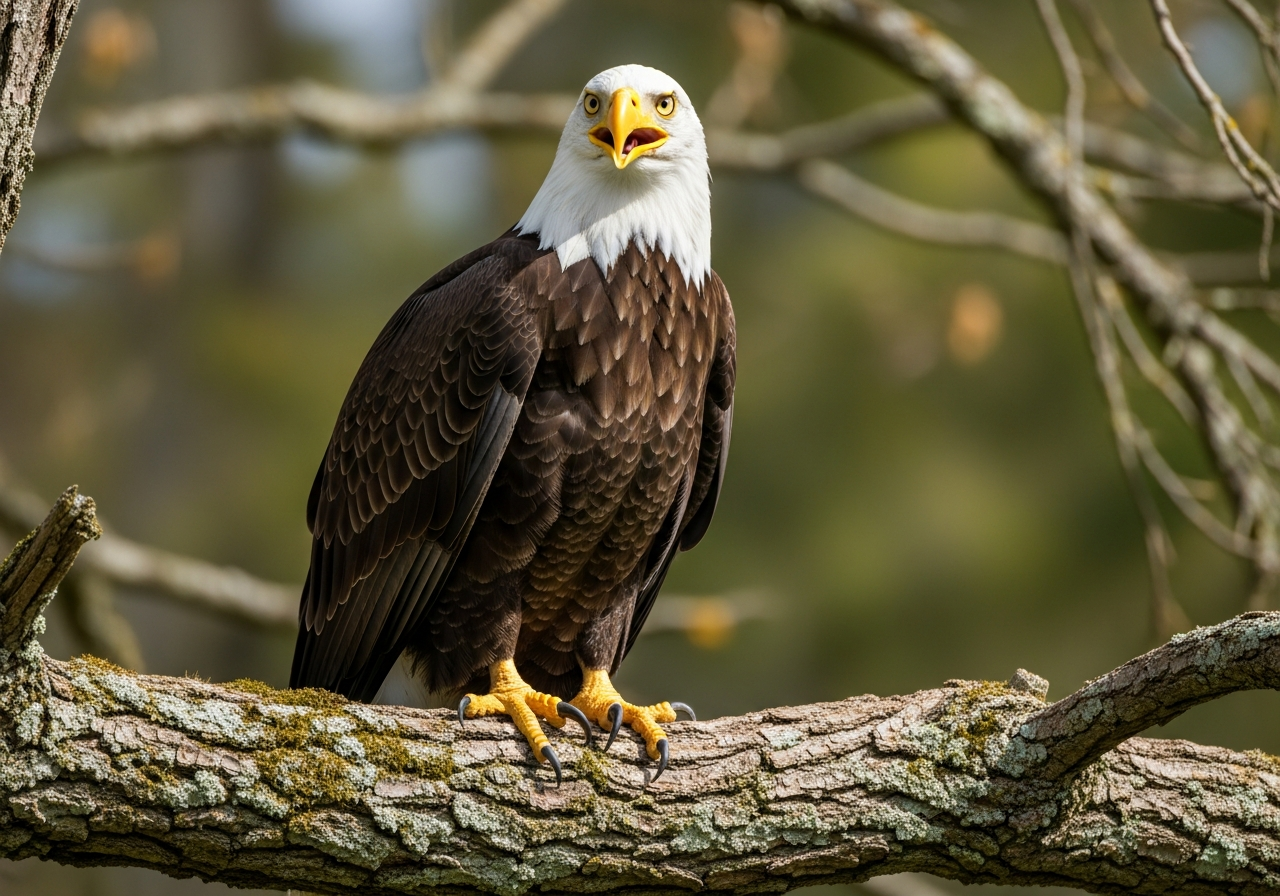
Bird
The fish-hunting raptor and national bird of the United States
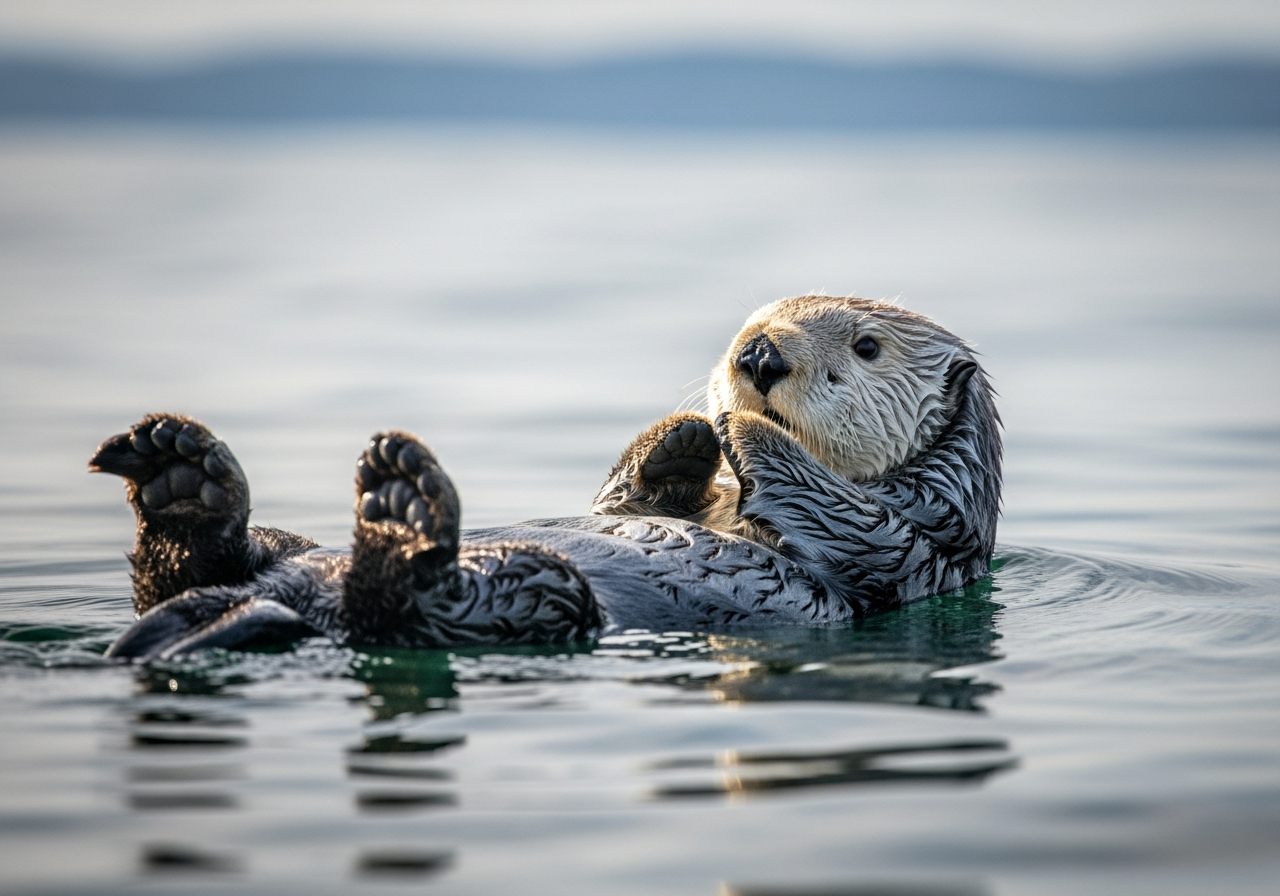
Mammal
The tool-using keystone of the kelp forest
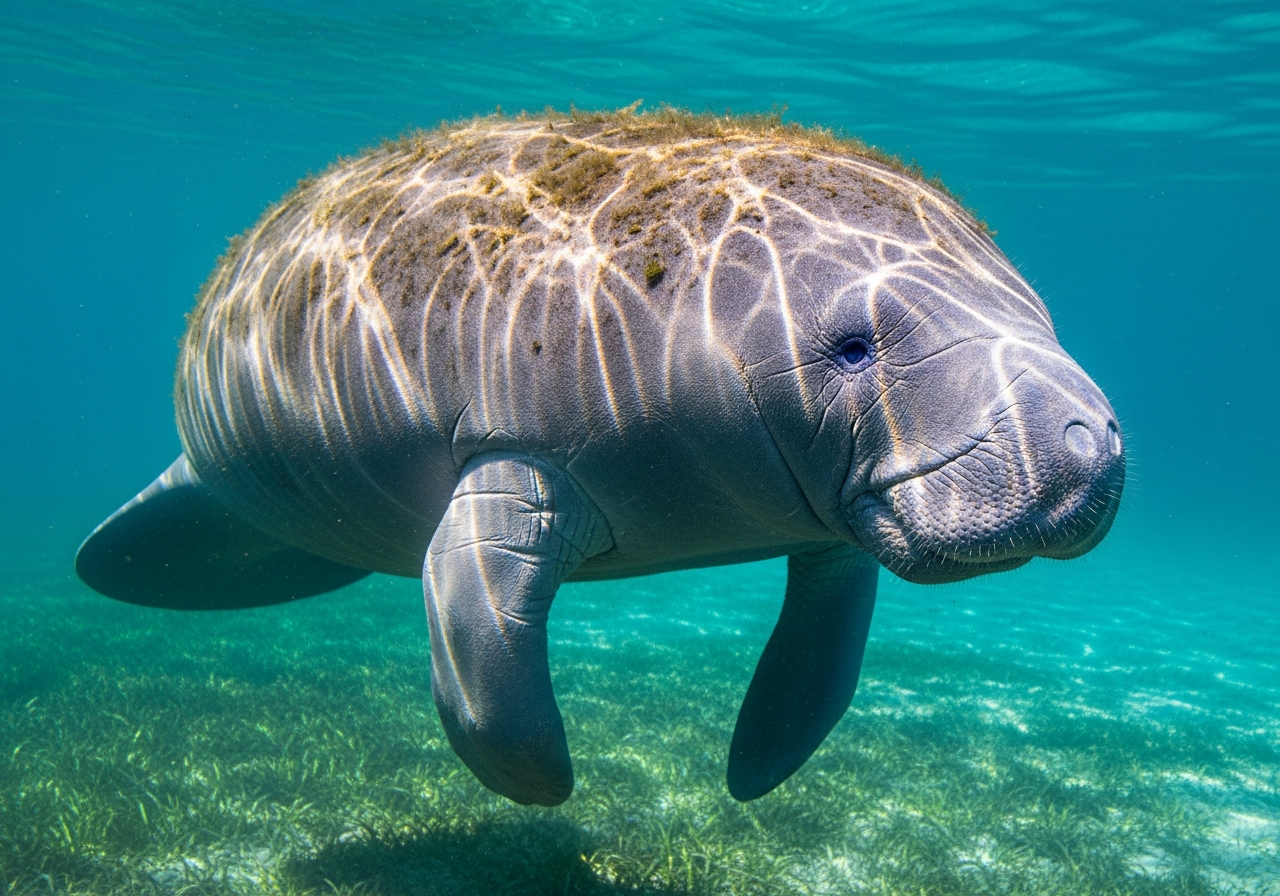
Mammal
The gentle sea cow of warm coastal waters
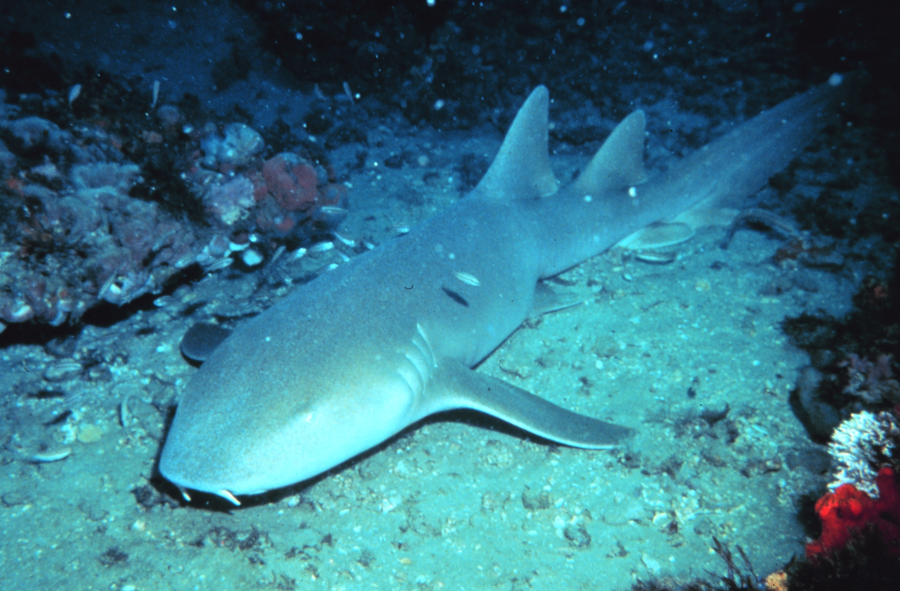
Fish
The docile reef bottom-dweller
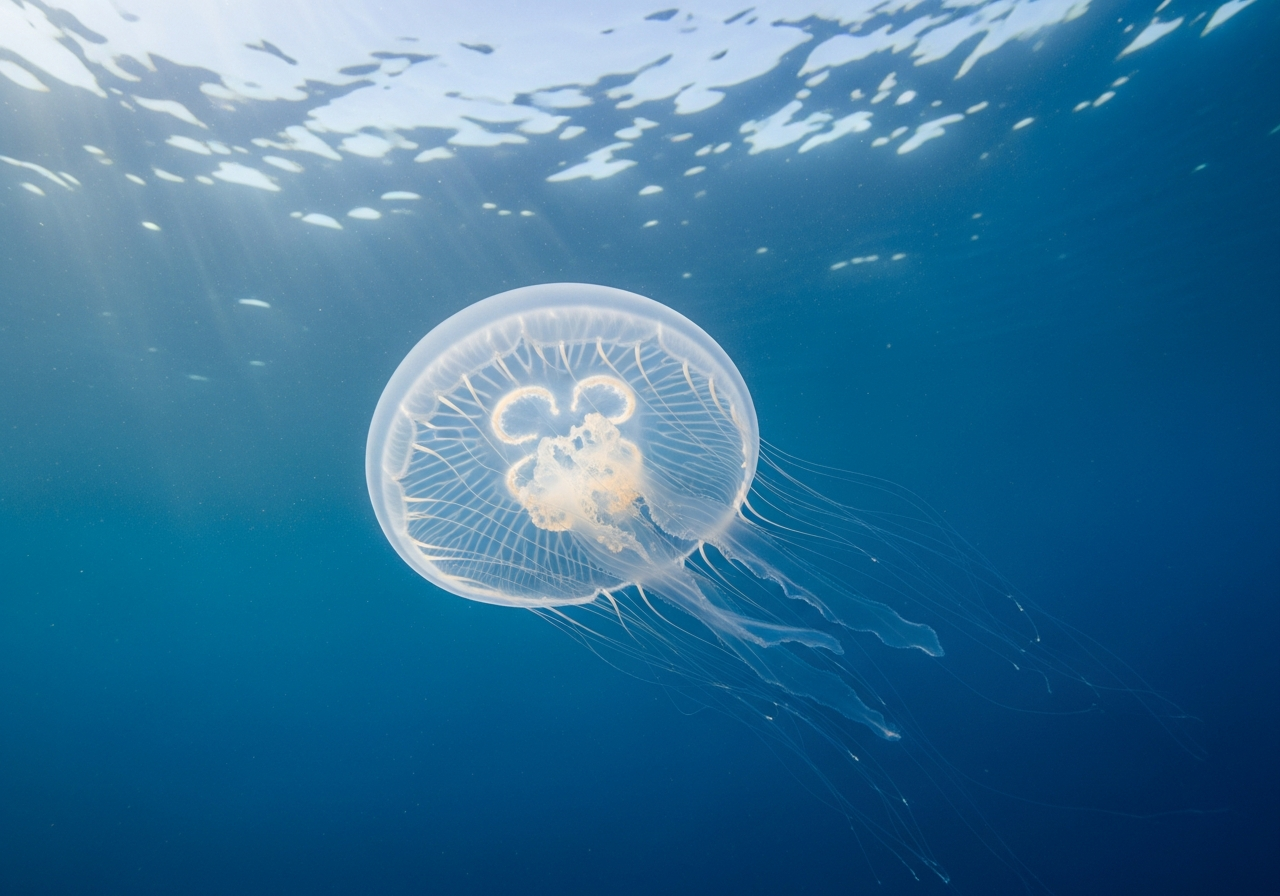
Invertebrate
The ancient, brainless drifter of the seas
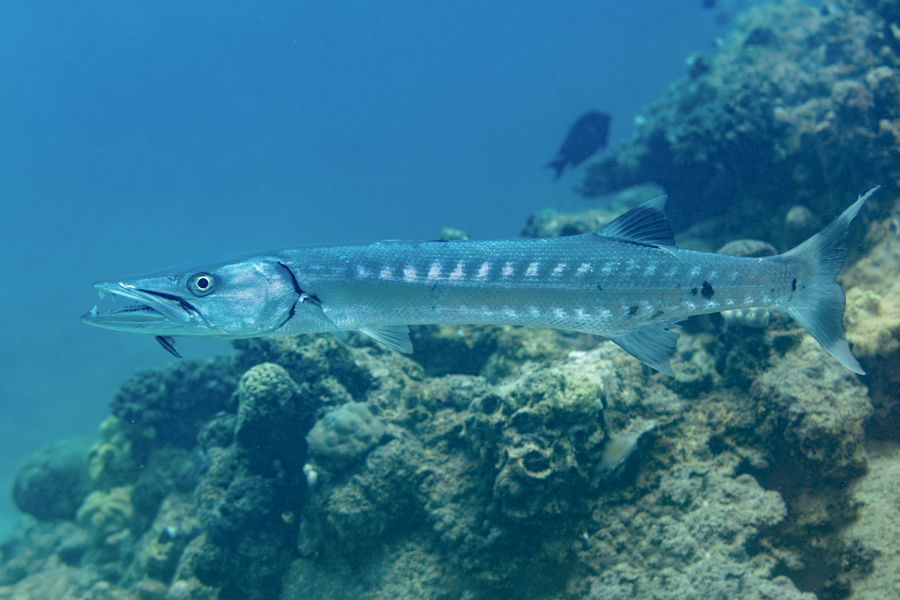
Fish
Torpedo-shaped reef ambush predator
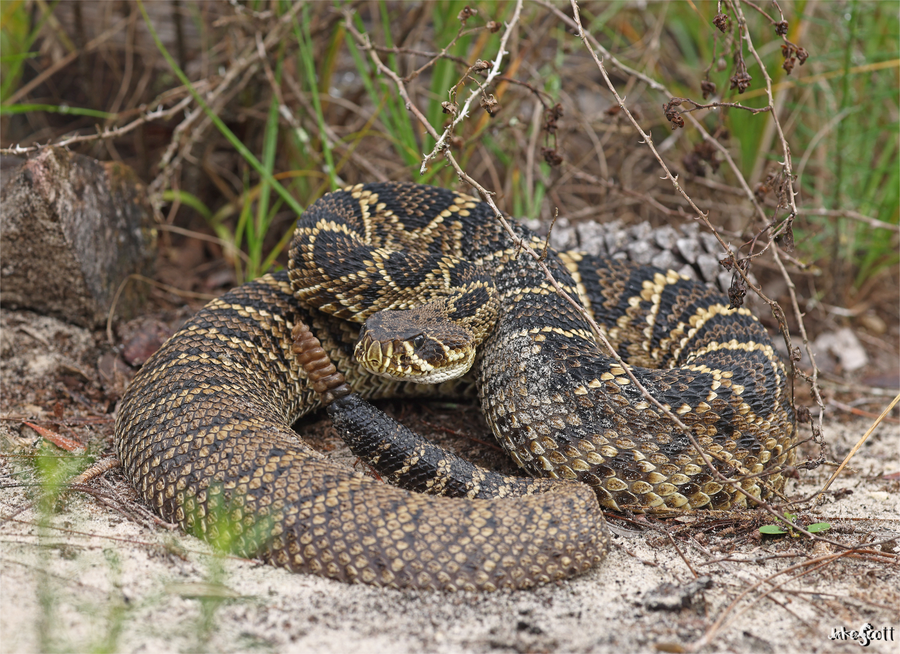
Reptile
Largest rattlesnake of North America
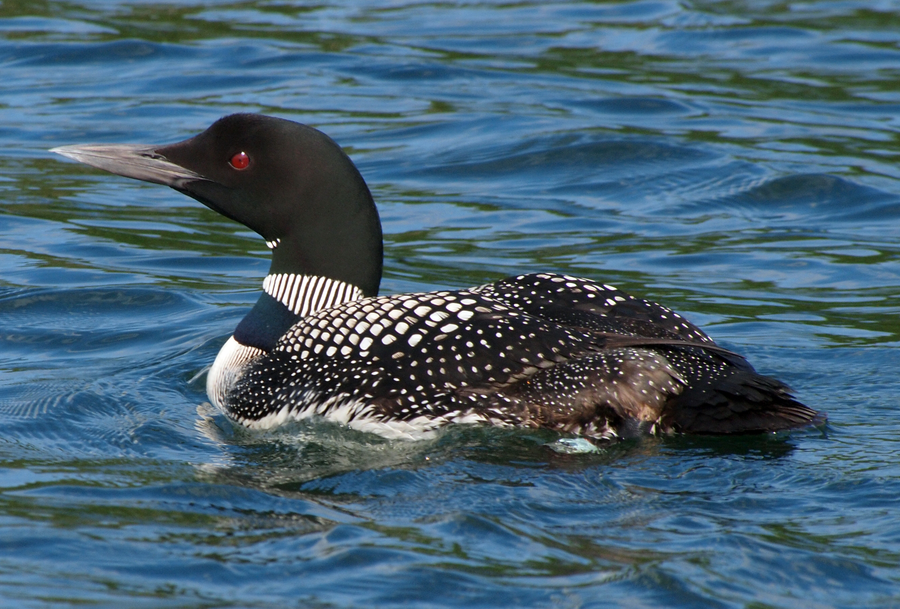
Bird
Iconic diving bird of northern lakes
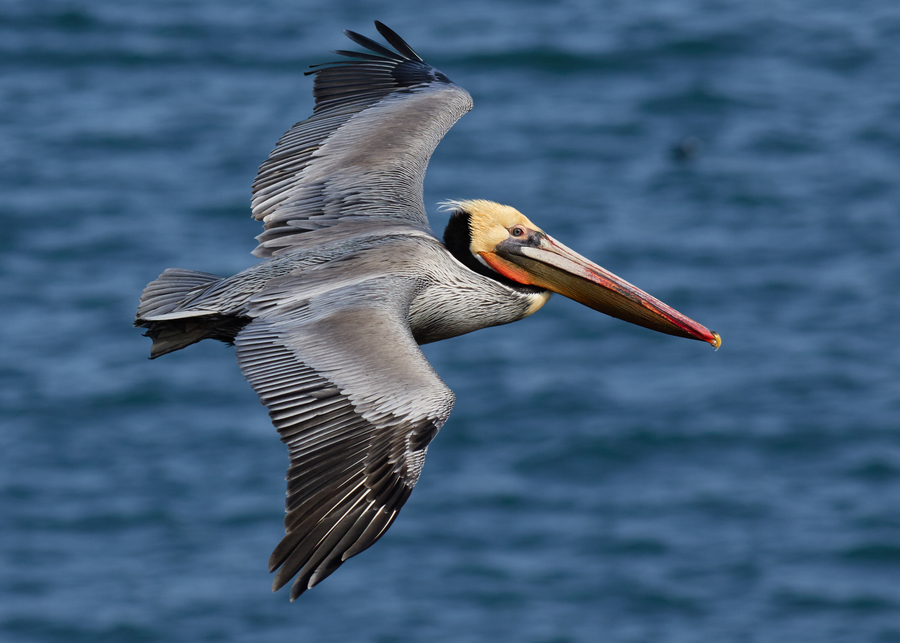
Bird
The plunge-diving fisher
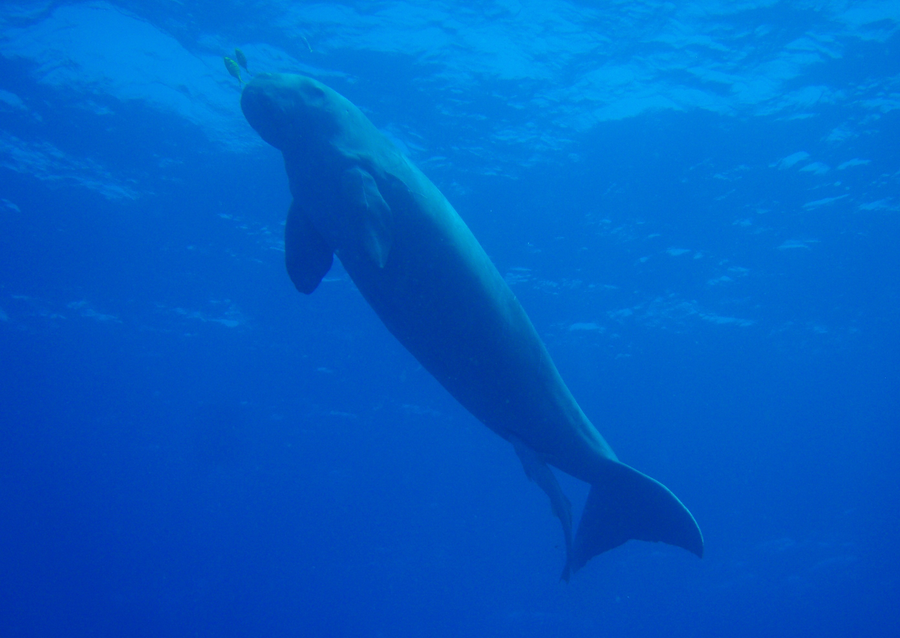
Mammal
The gentle sea cow of the Indo-Pacific
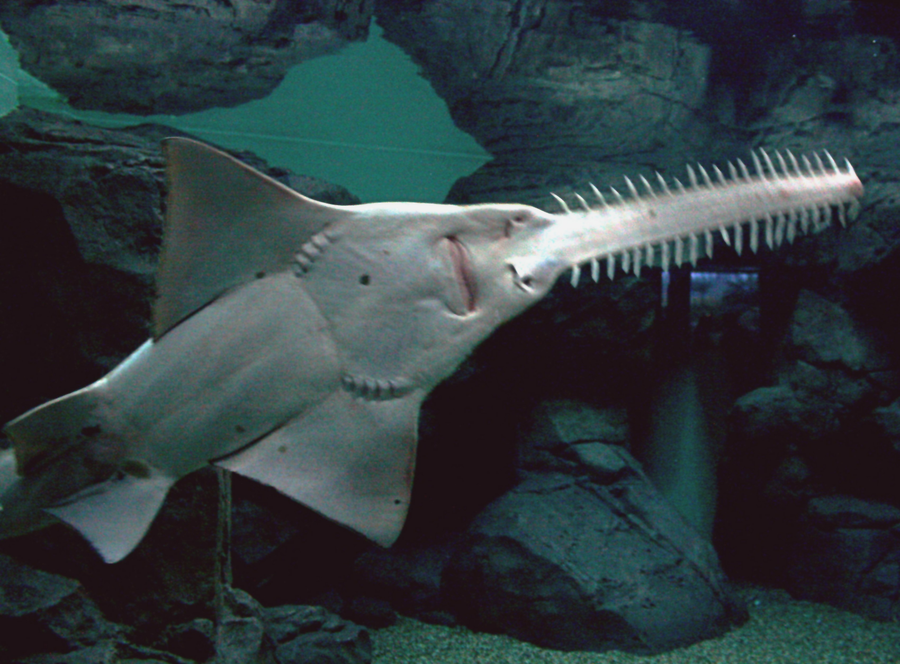
Fish
Giant ray with a toothed rostral saw
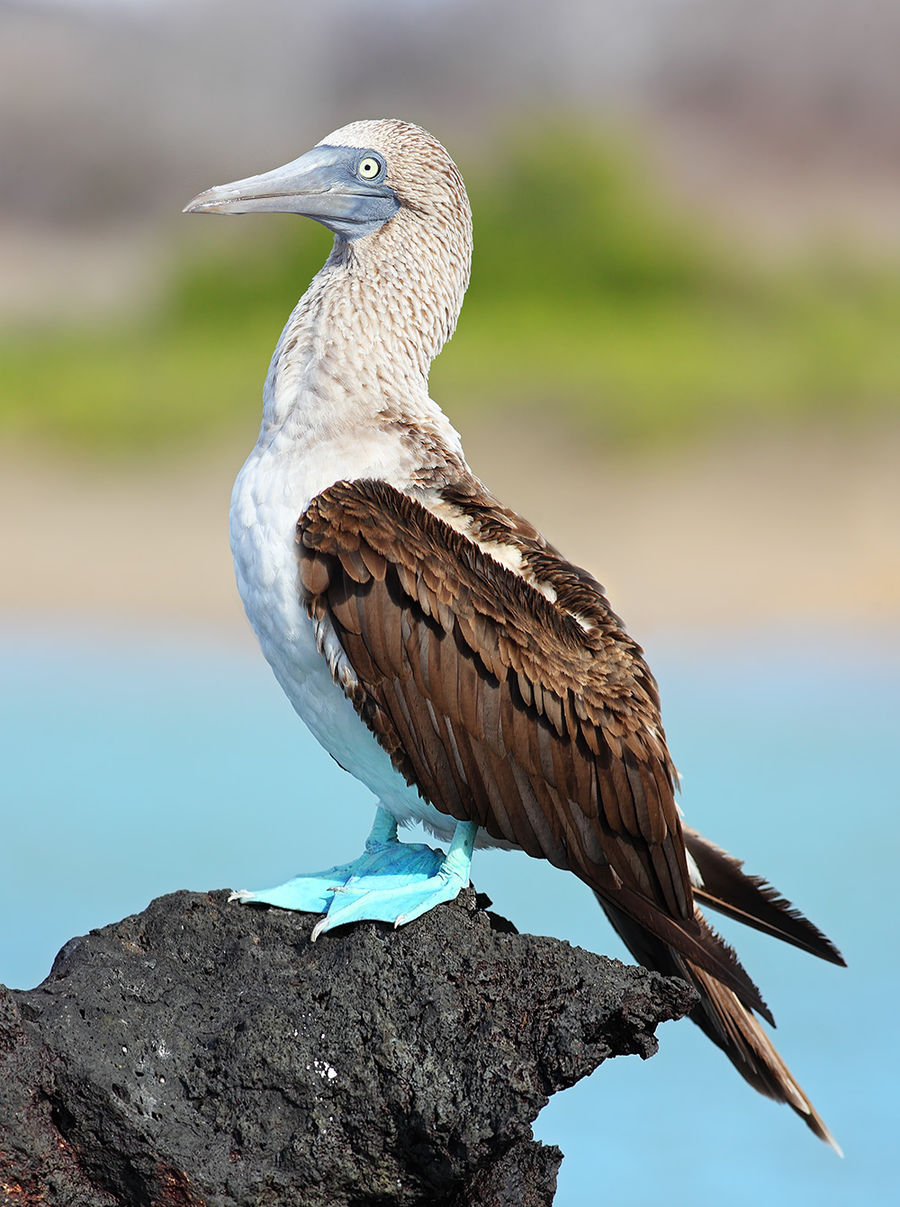
Bird
Plunge-diving seabird with vivid blue feet
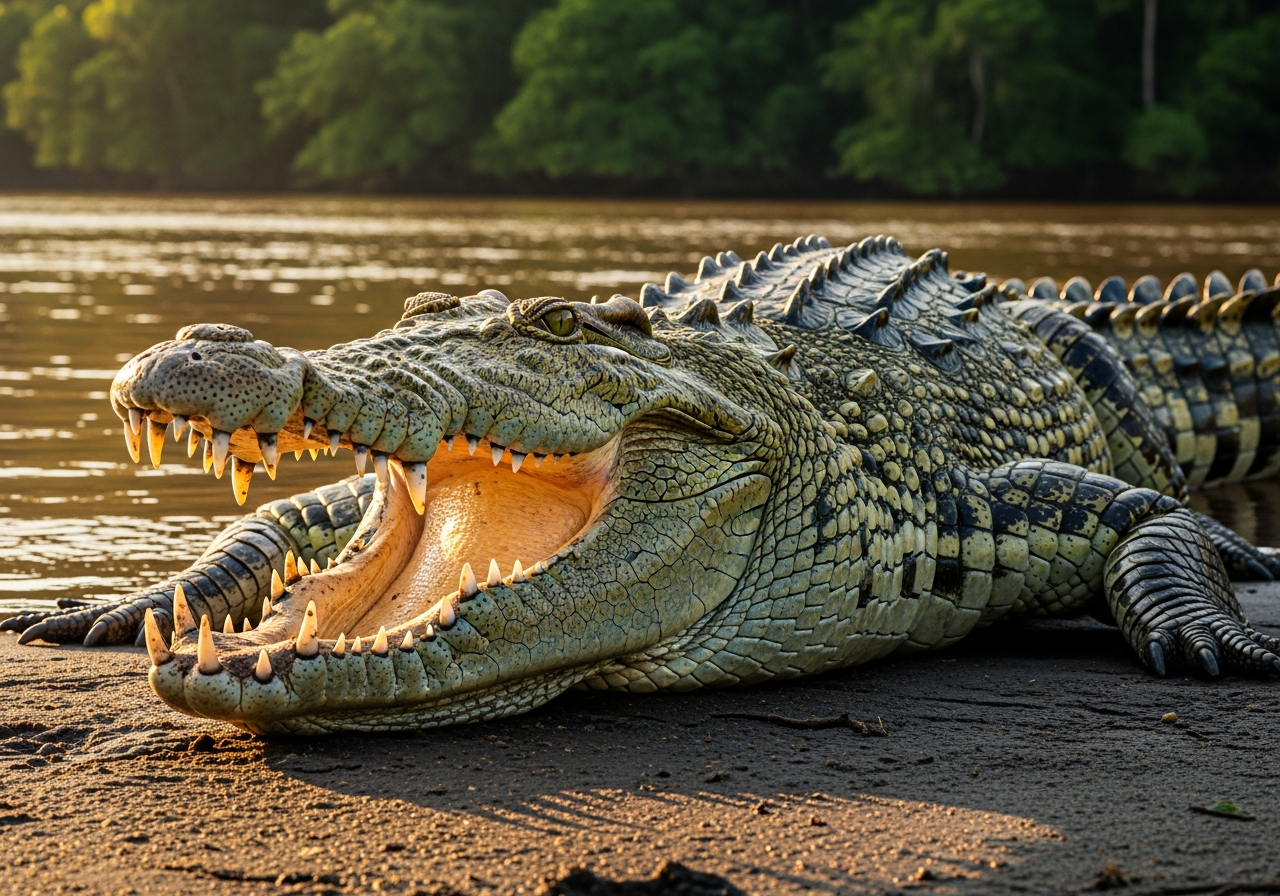
Reptile
The largest living reptile and most powerful bite on Earth
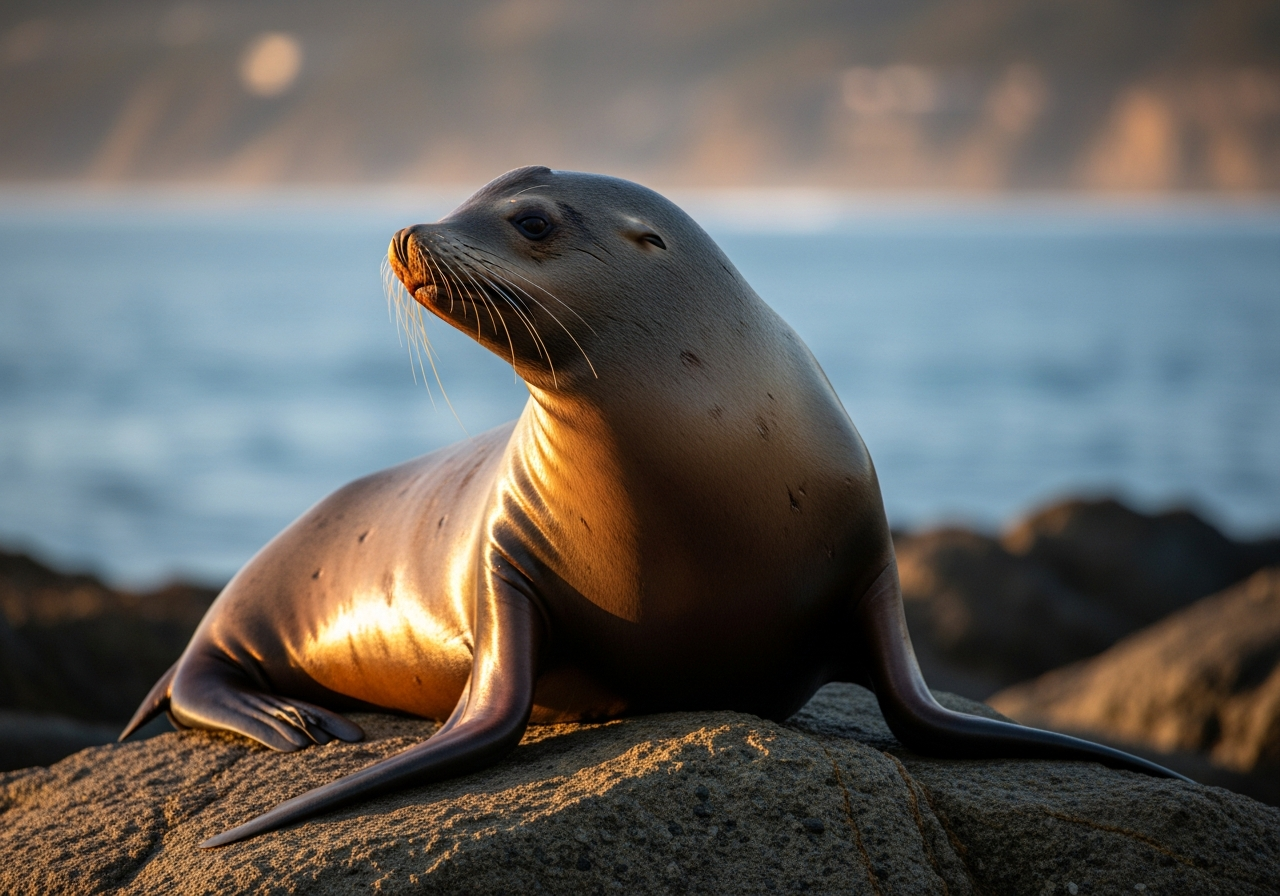
Mammal
The agile, barking acrobat of the coast
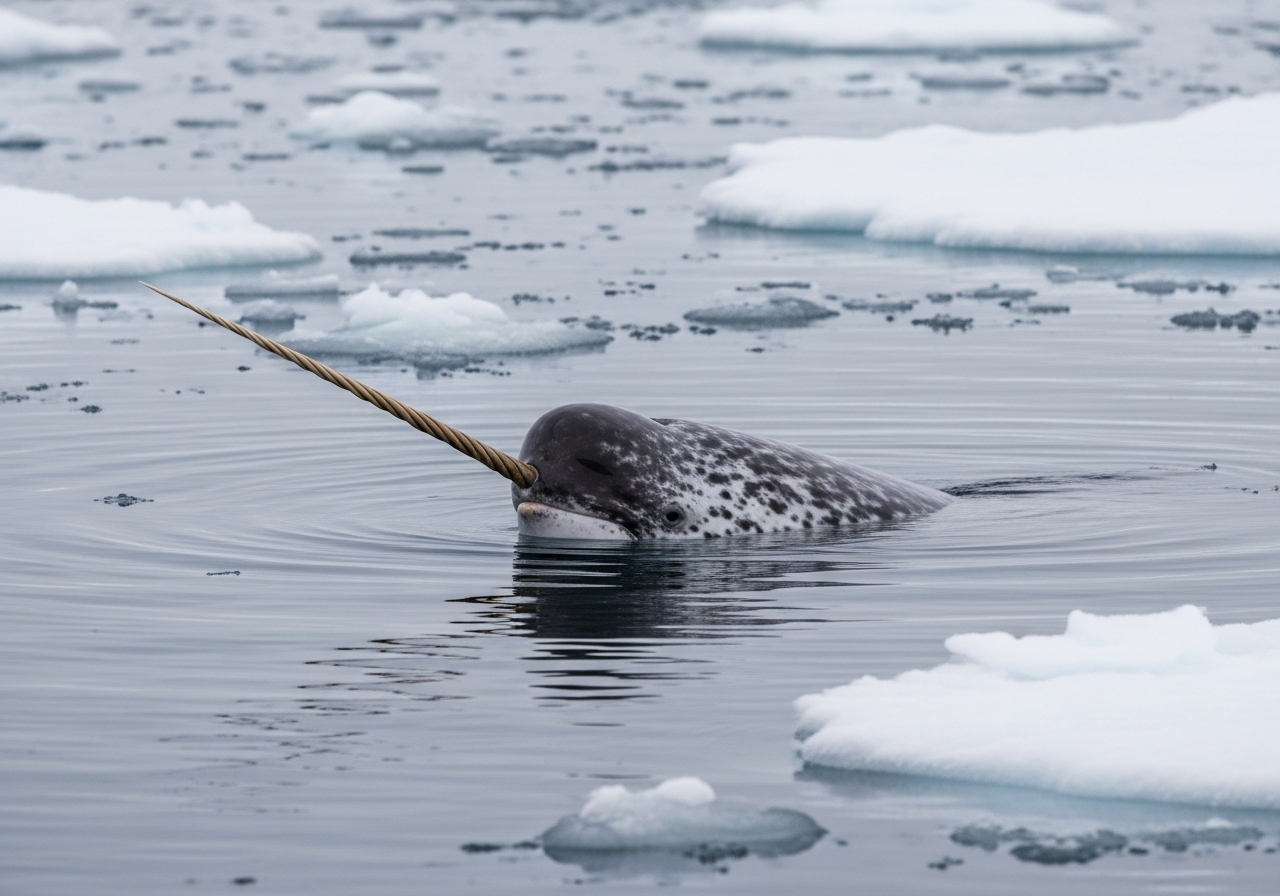
Mammal
The tusked unicorn of the sea
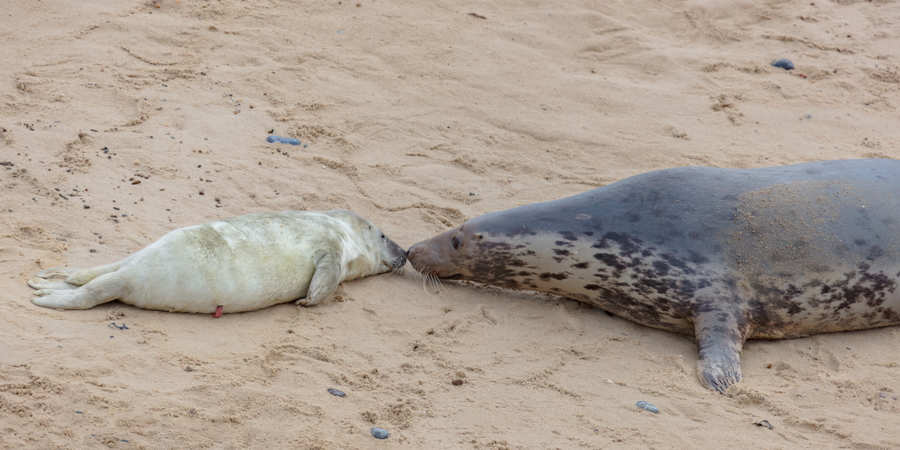
Mammal
The horse-faced seal of the Atlantic
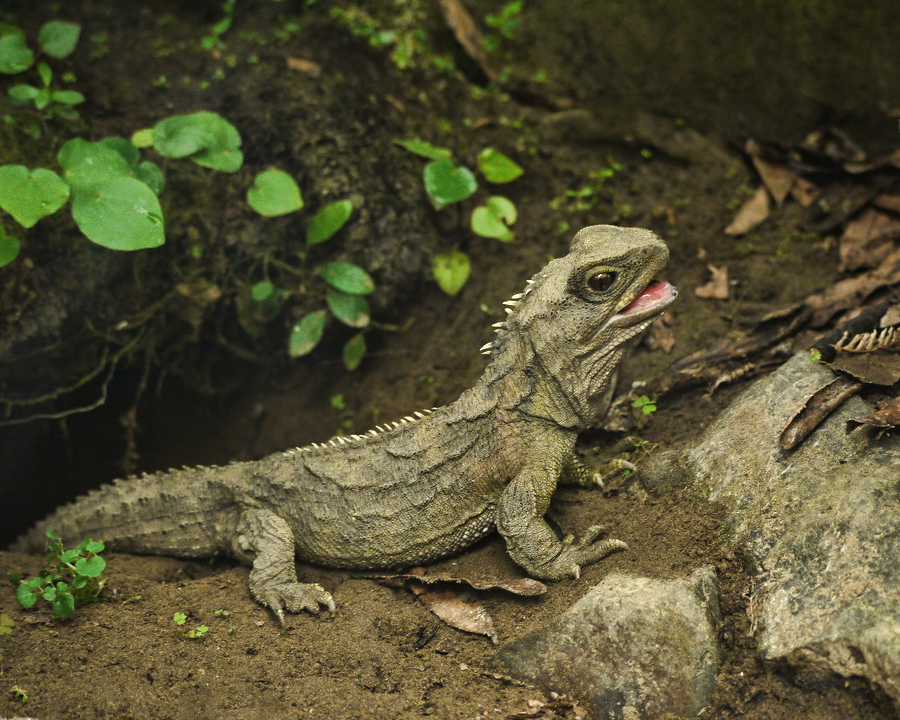
Reptile
Living-fossil reptile unique to New Zealand
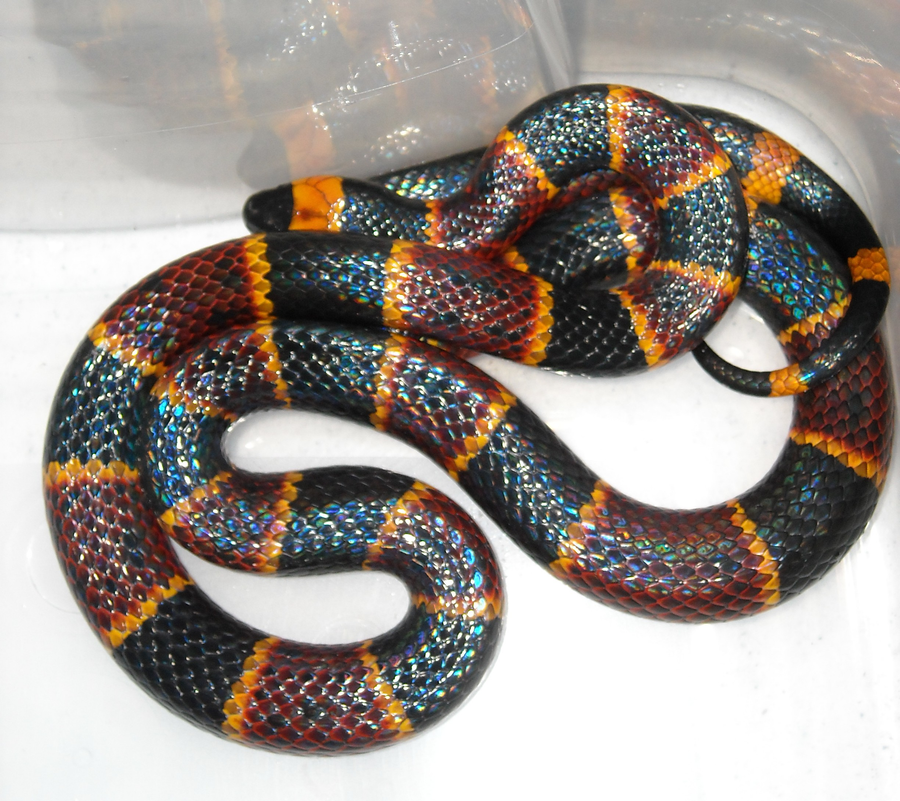
Reptile
Brightly banded venomous elapid of the Southeast
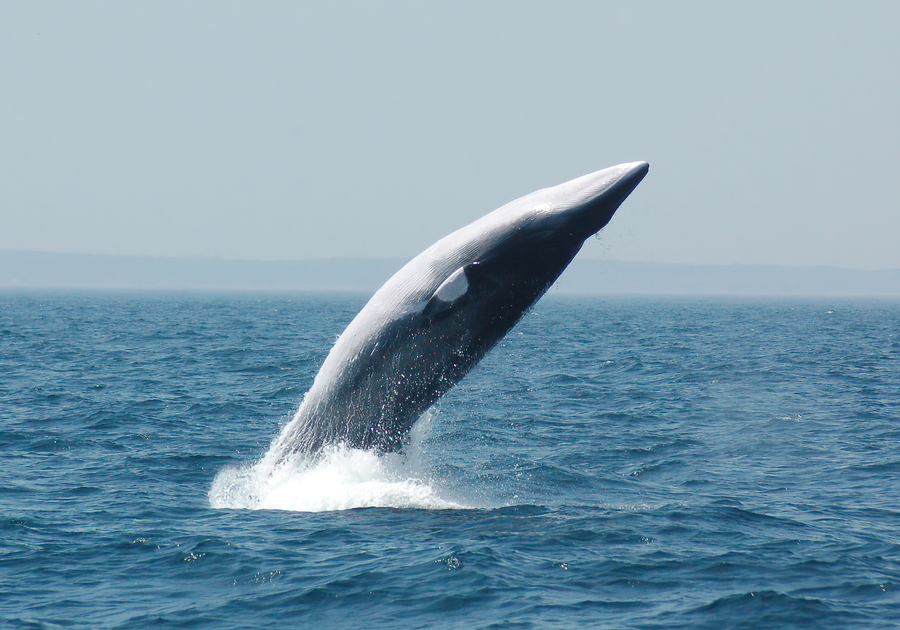
Mammal
The smallest and most abundant rorqual
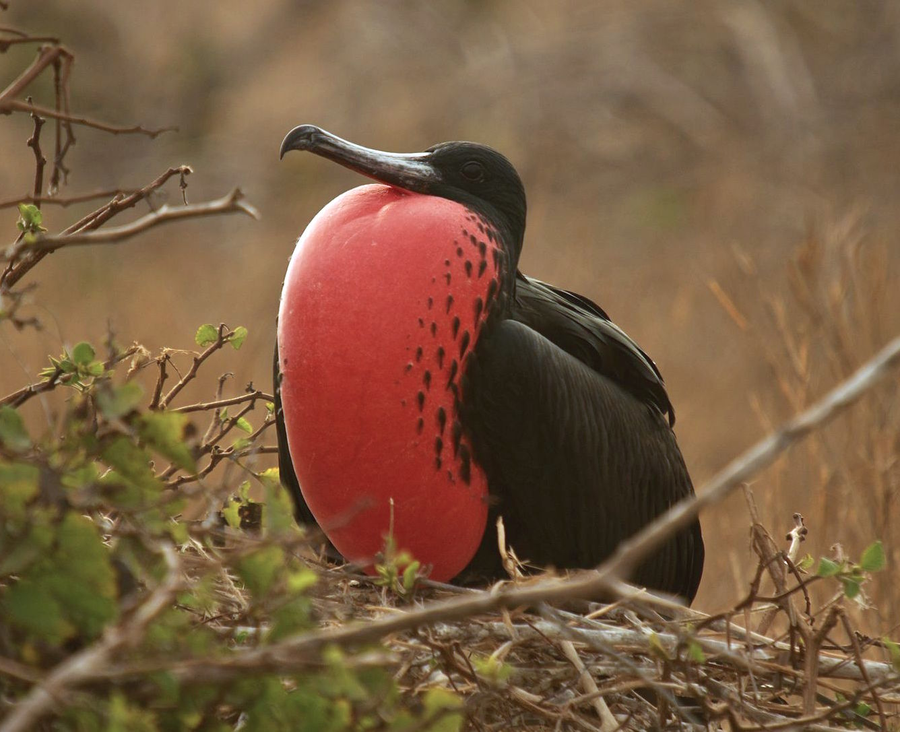
Bird
Aerial pirate with a scarlet throat pouch
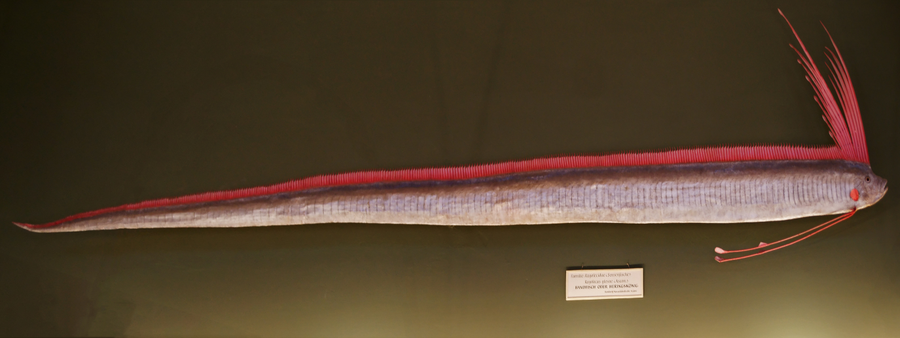
Fish
World's longest bony fish
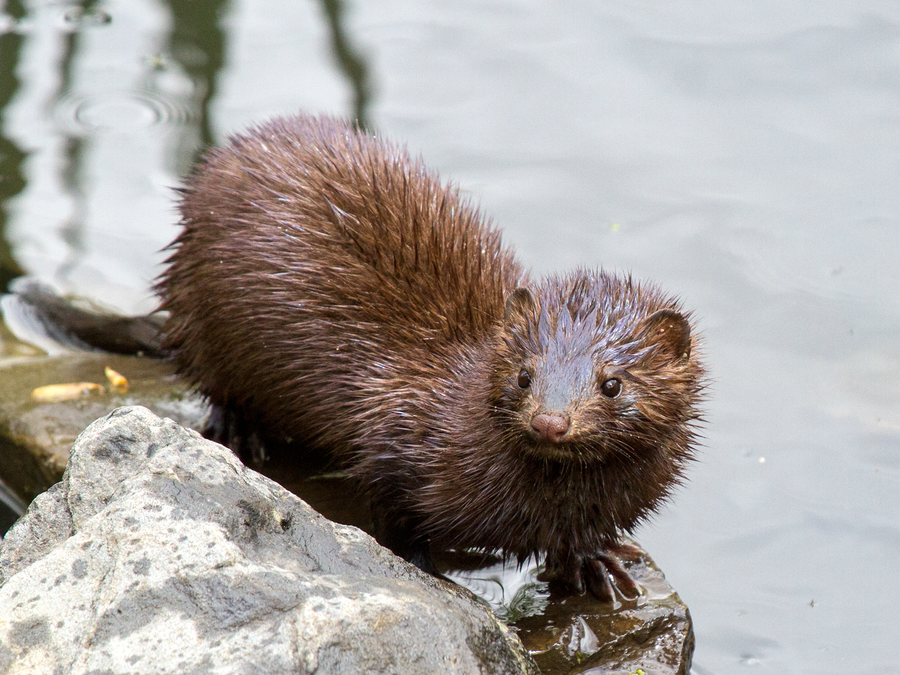
Mammal
The semi-aquatic mustelid
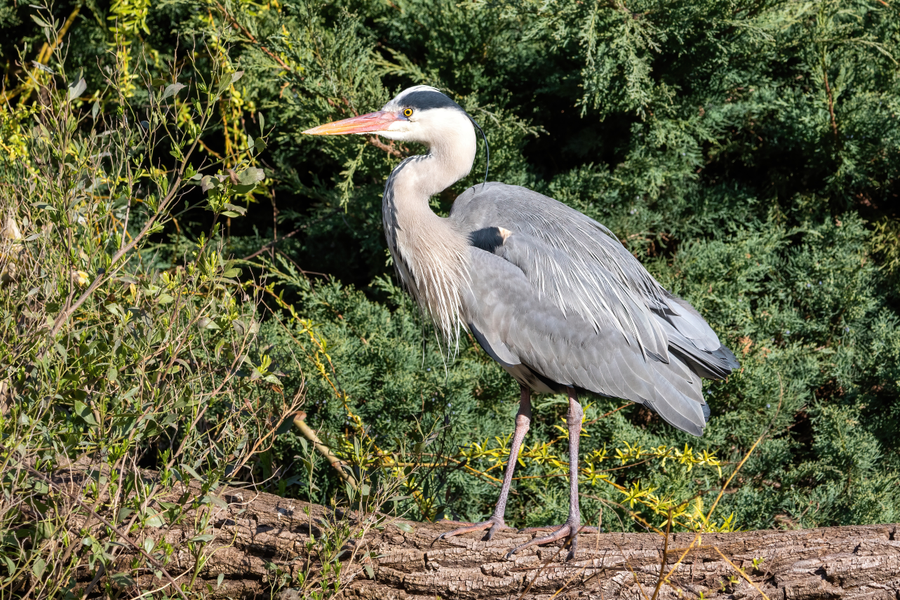
Bird
The patient wetland hunter
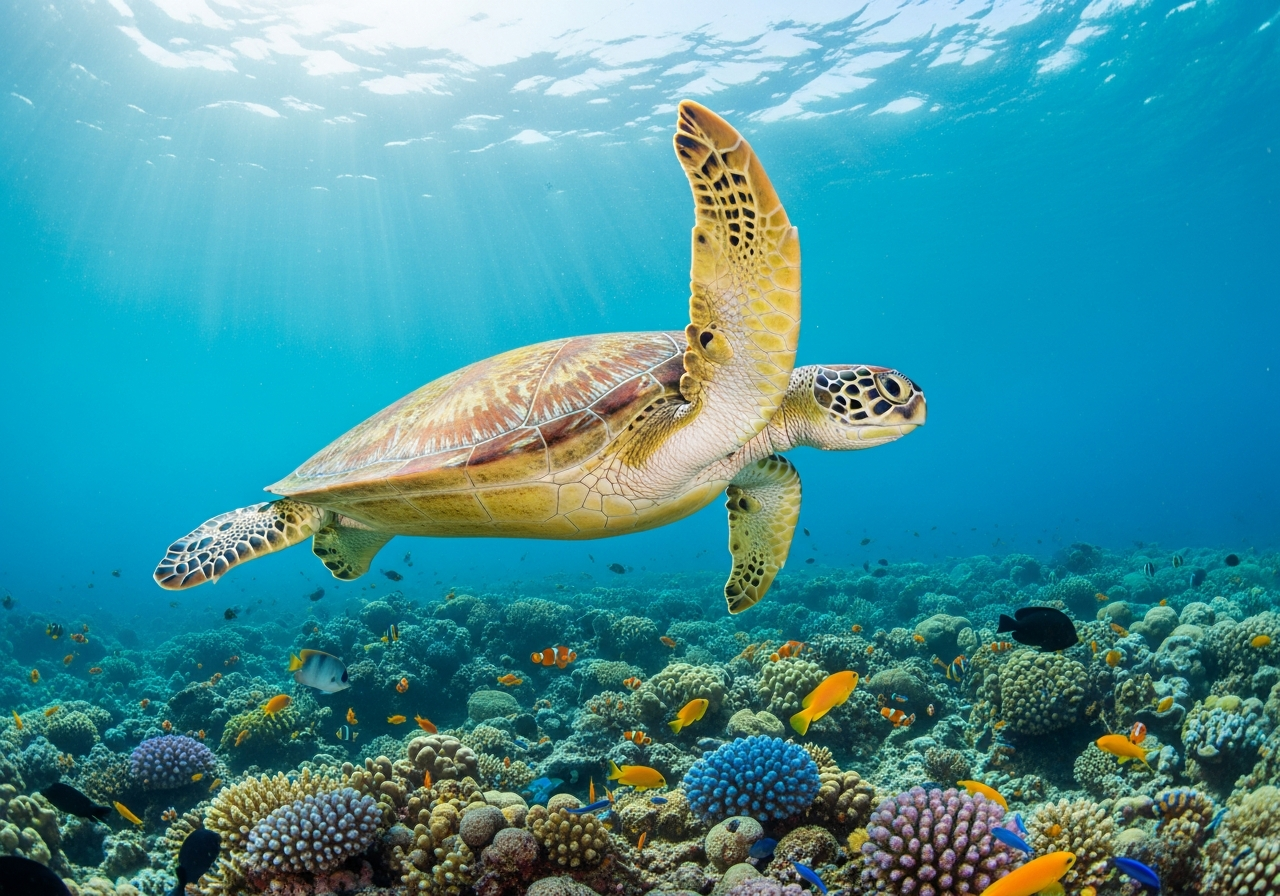
Reptile
The gentle, long-lived grazer of tropical seas
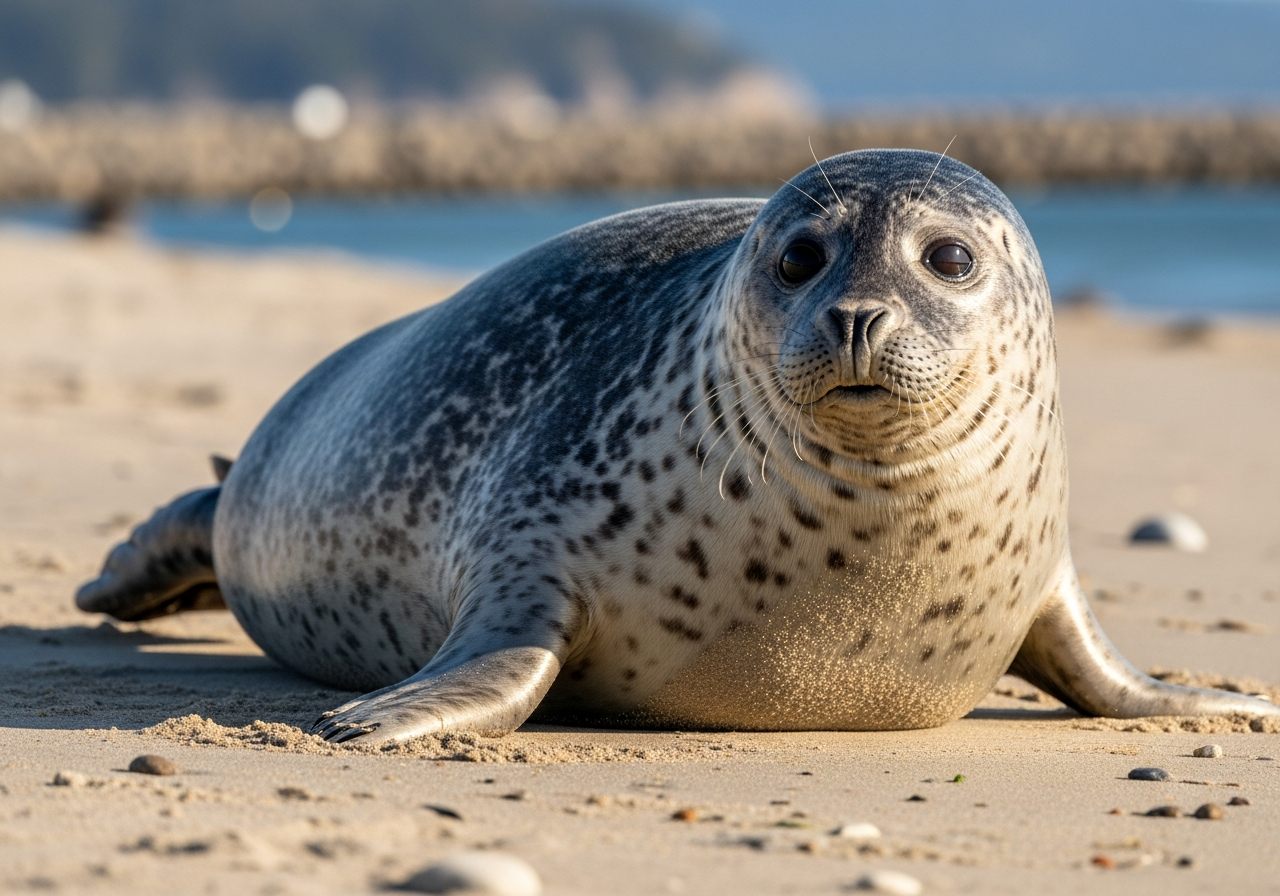
Mammal
The shy, spotted true seal of northern coasts
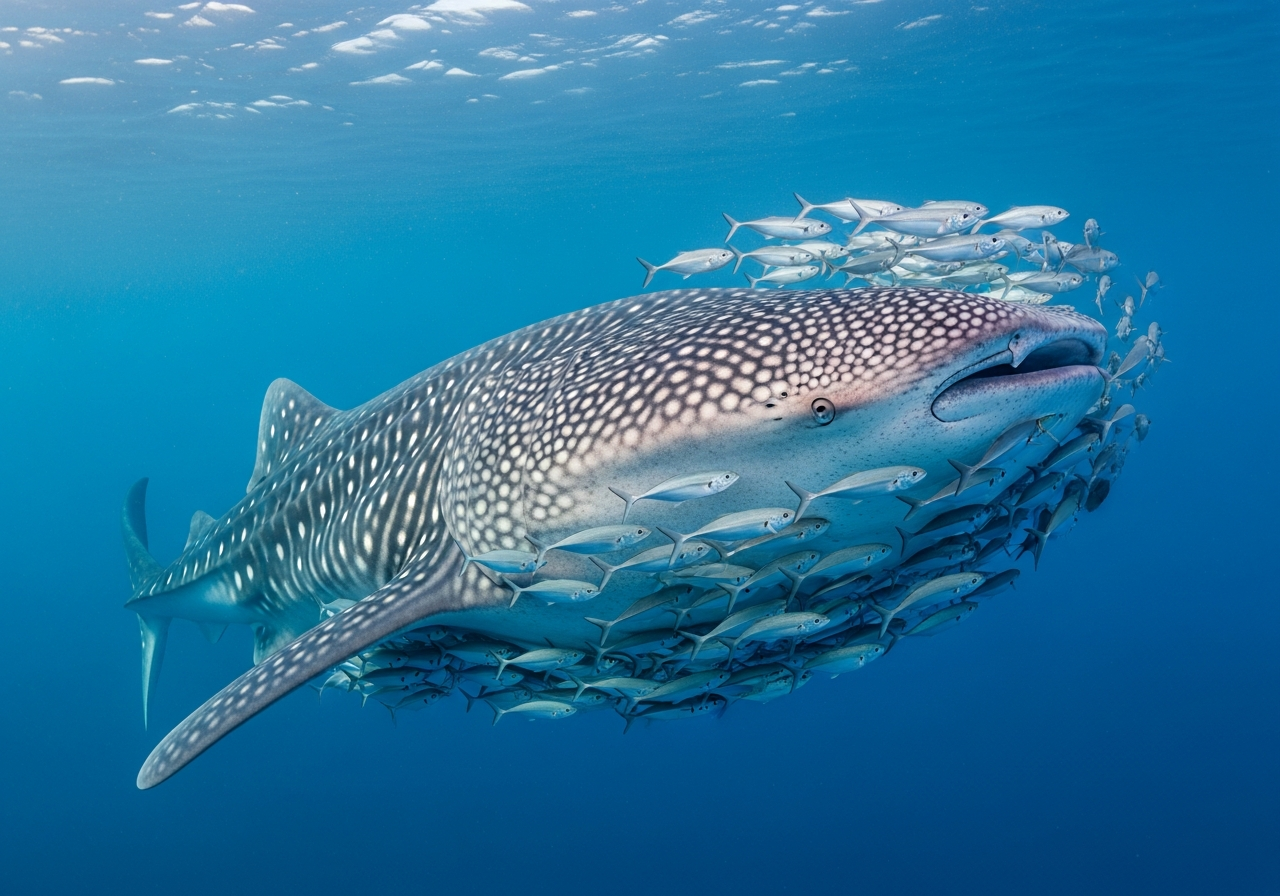
Fish
The largest fish in the world
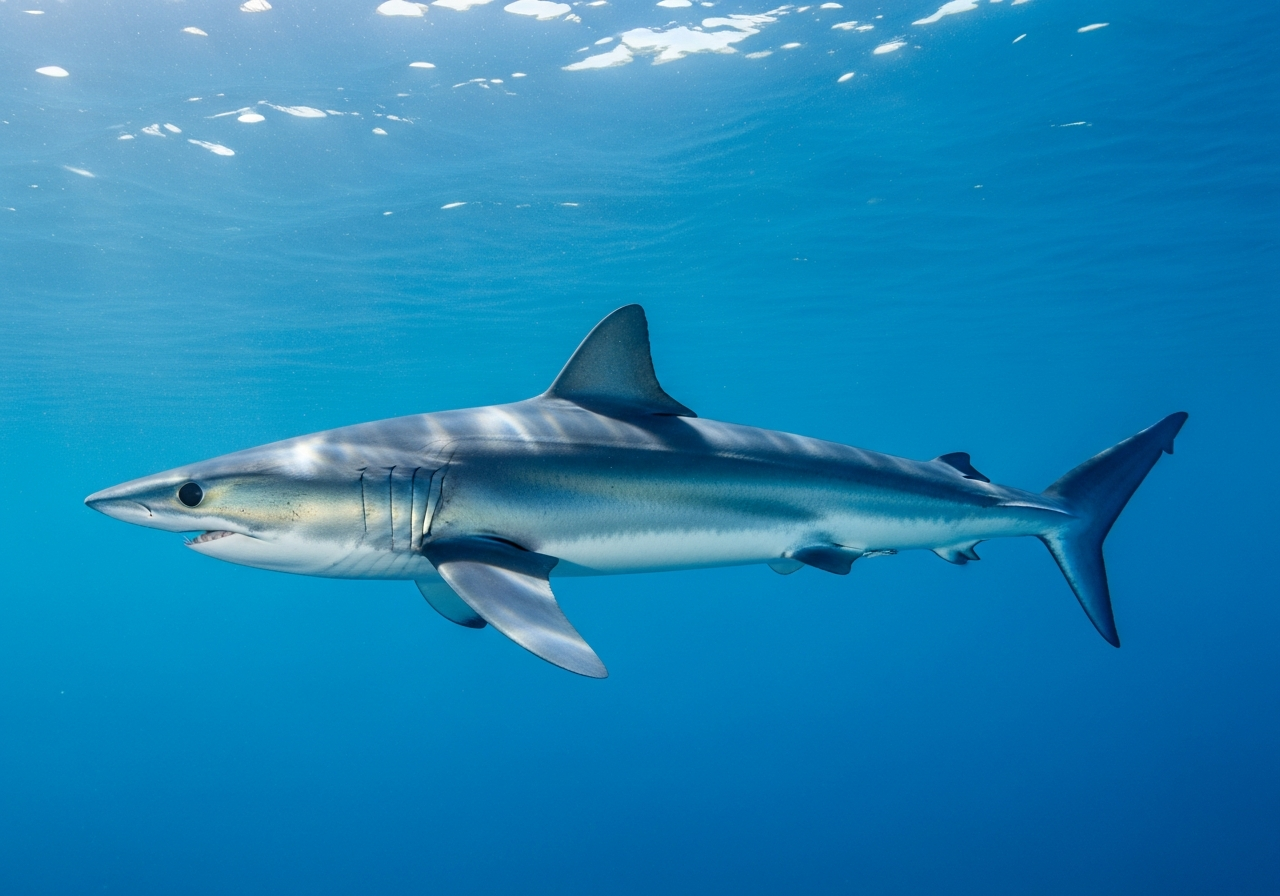
Fish
The fastest shark in the ocean
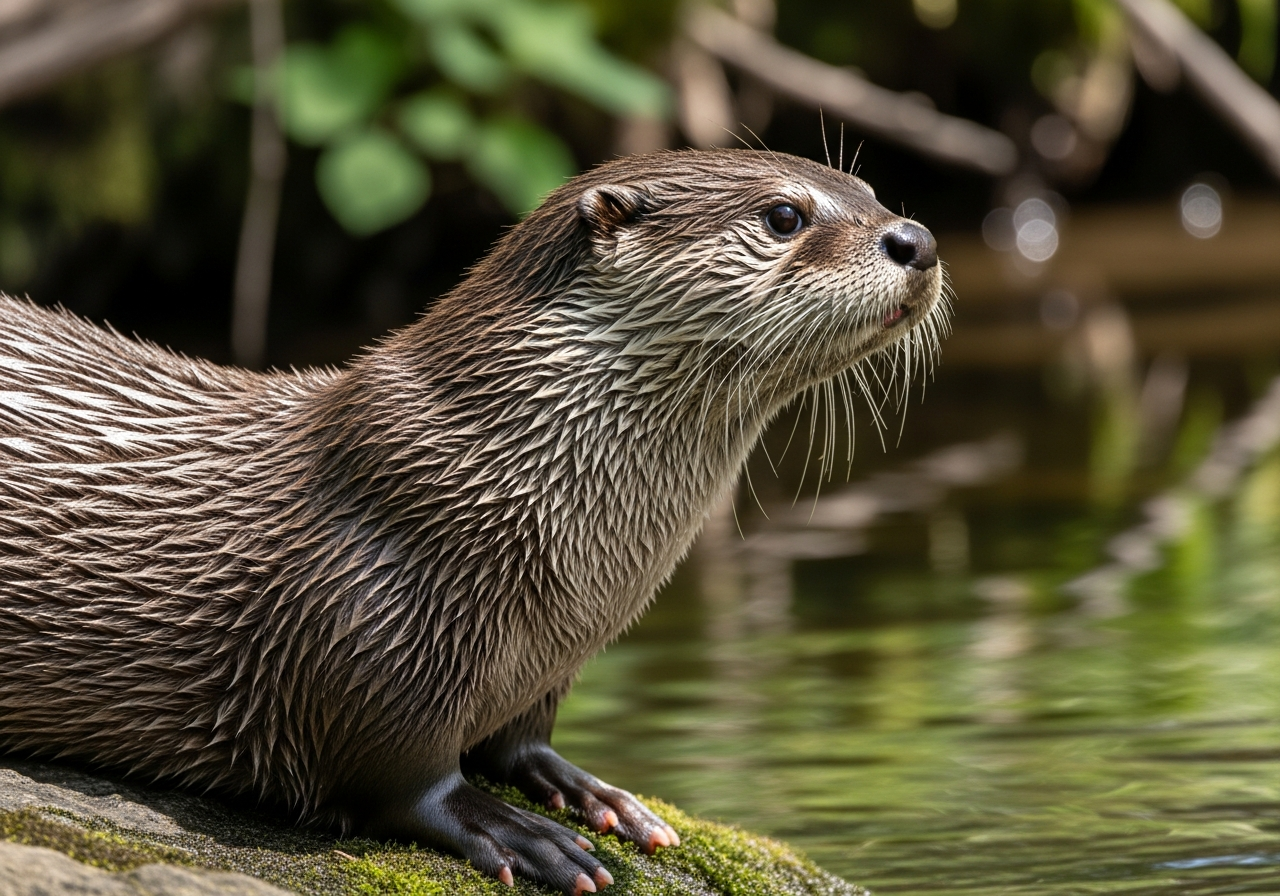
Mammal
The playful, water-loving member of the weasel family
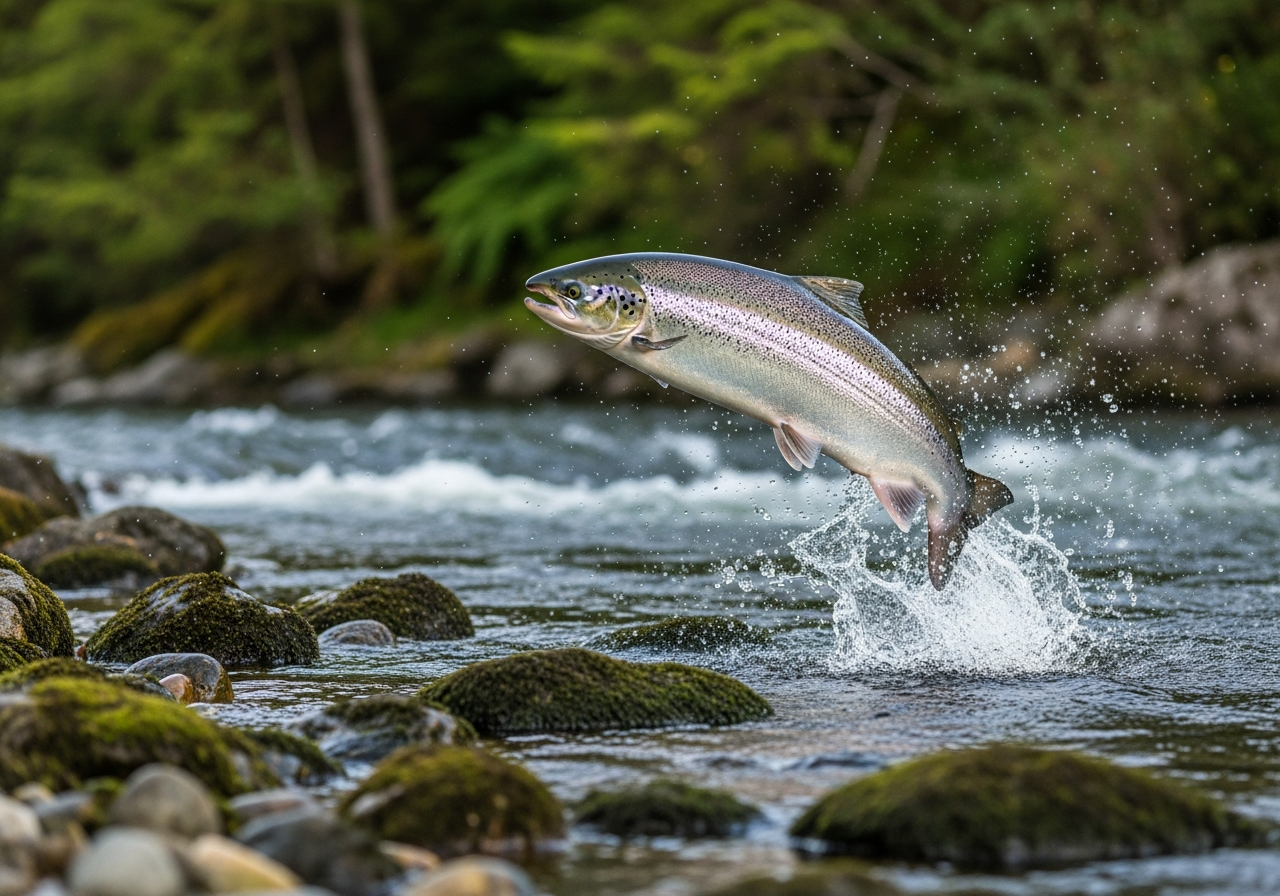
Fish
The fish that swims upriver to spawn
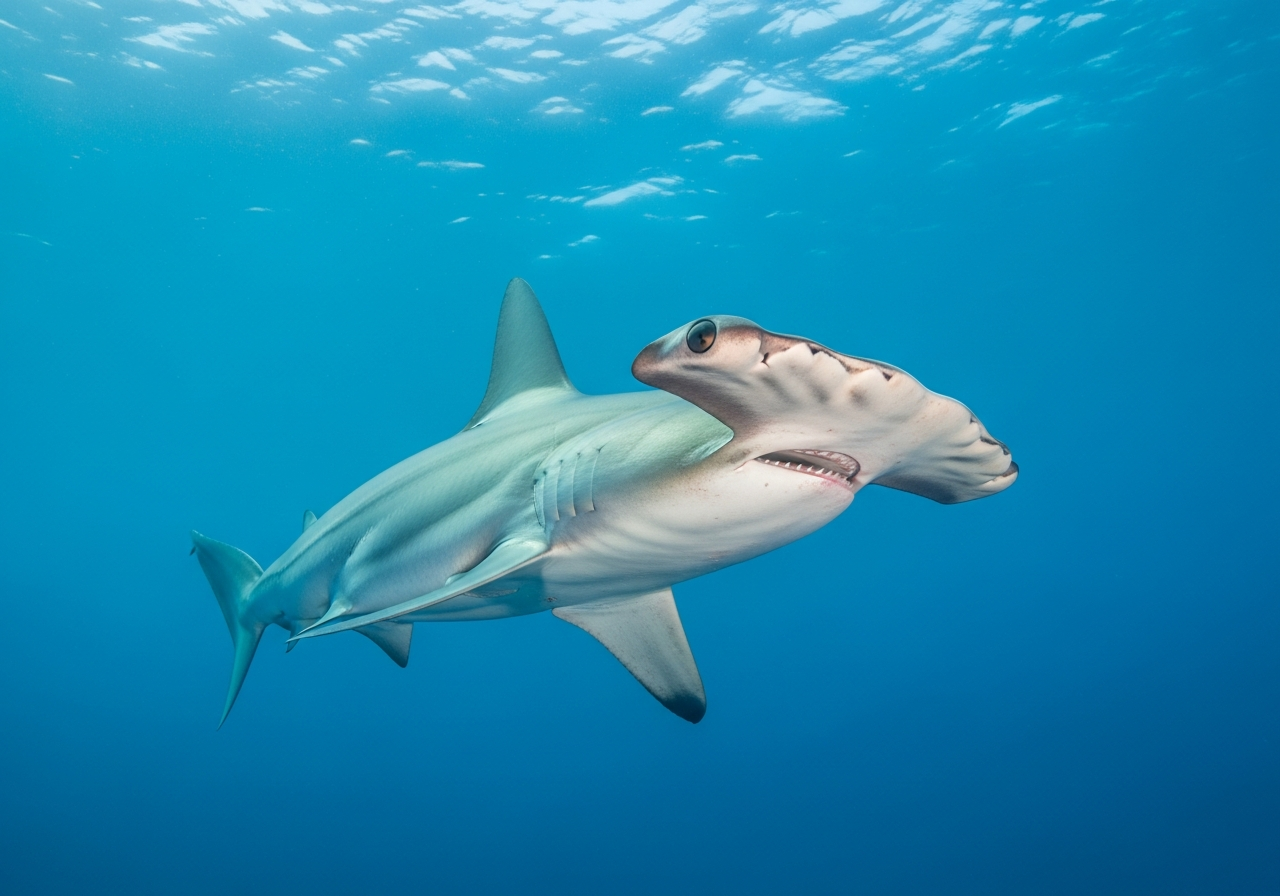
Fish
The shark with a head like a hammer
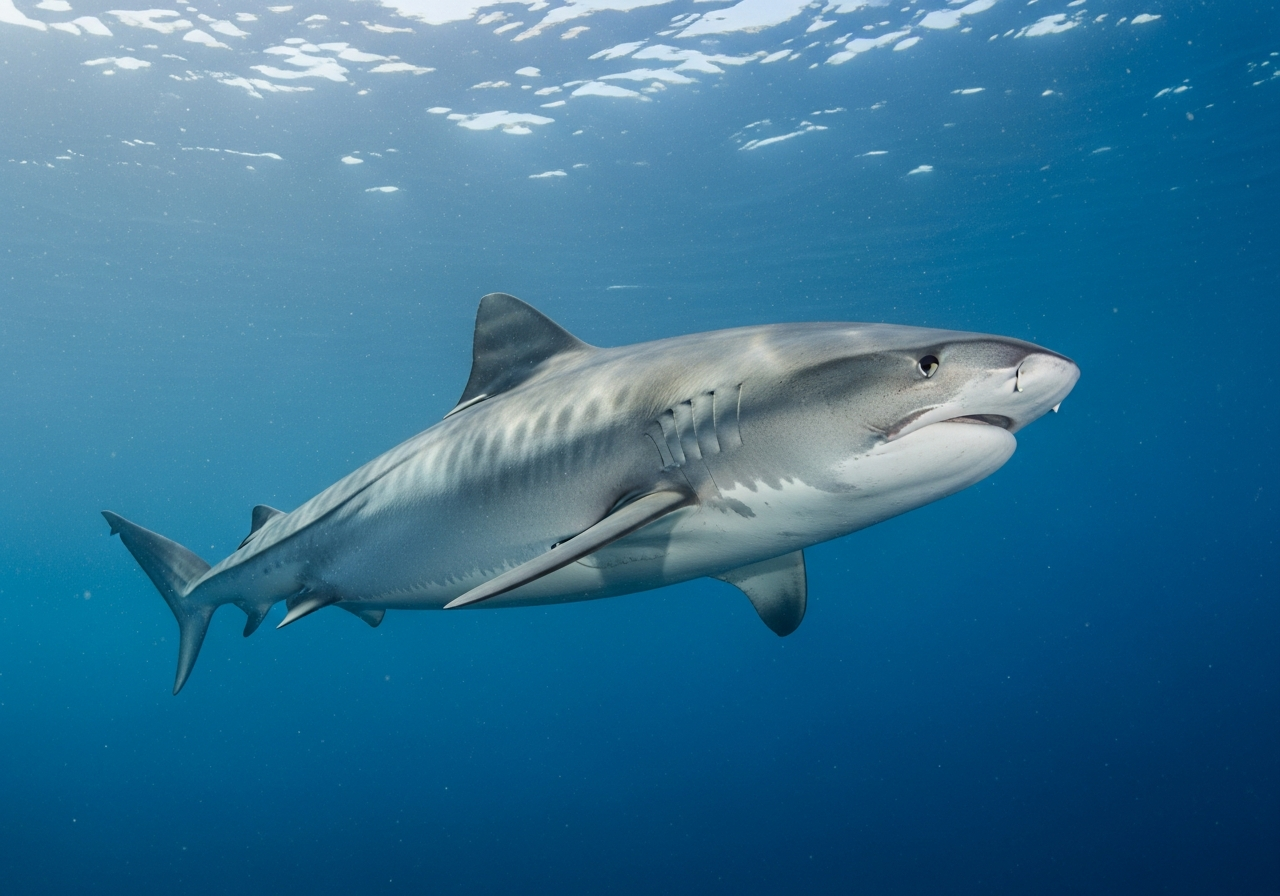
Fish
The wide-ranging scavenger of warm seas
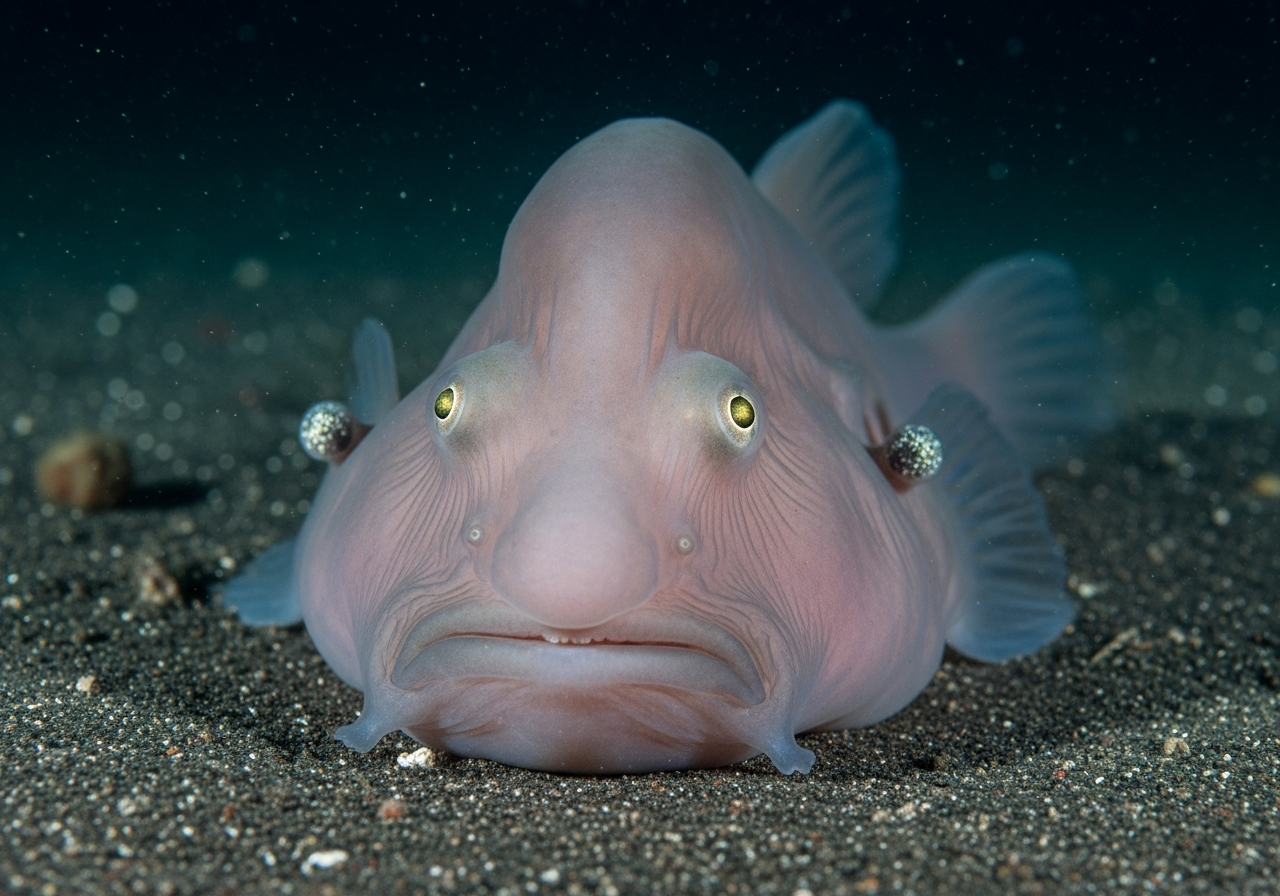
Fish
The deep-sea fish that only looks like a blob out of water
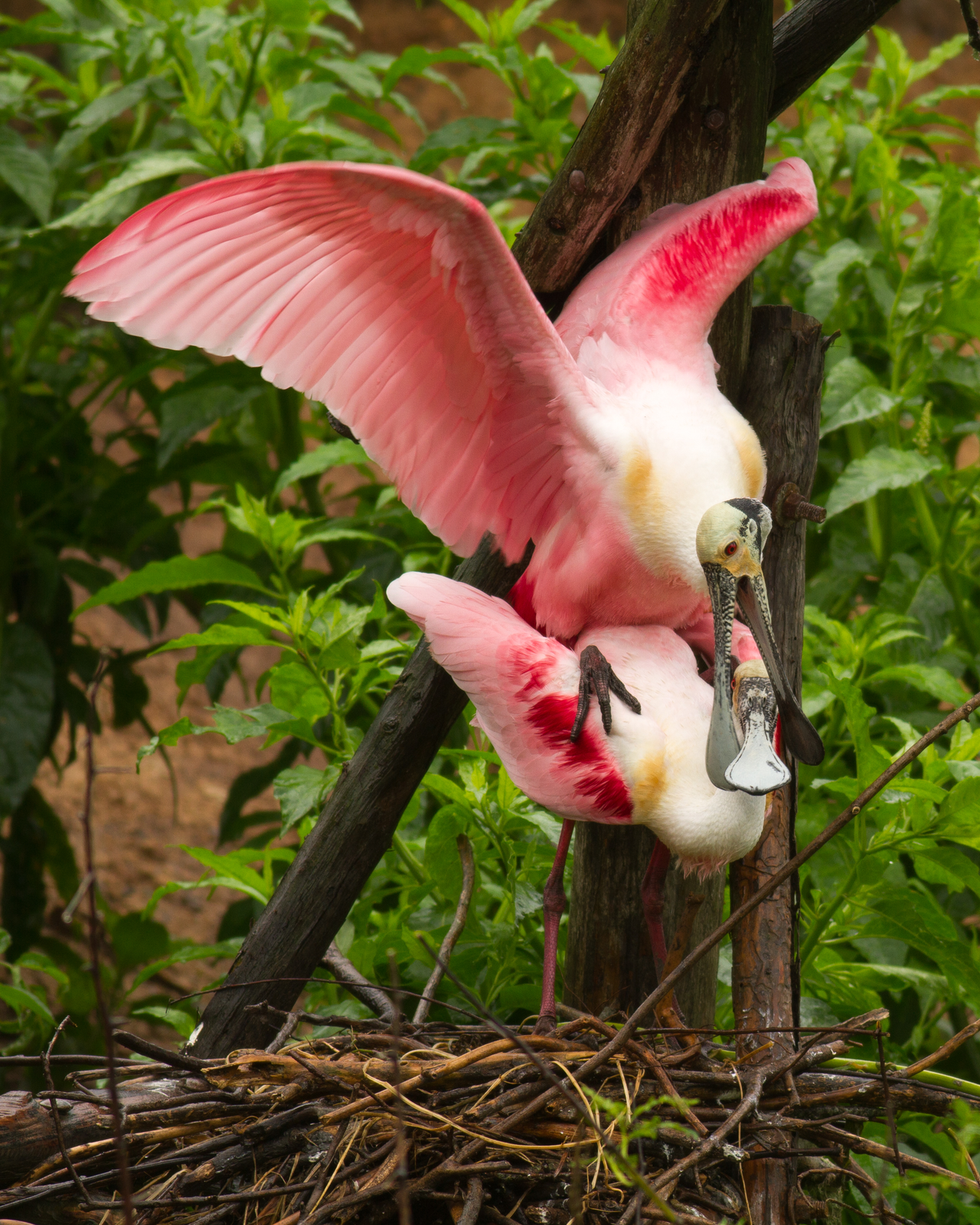
Bird
Pink wader with a sweeping spoon bill
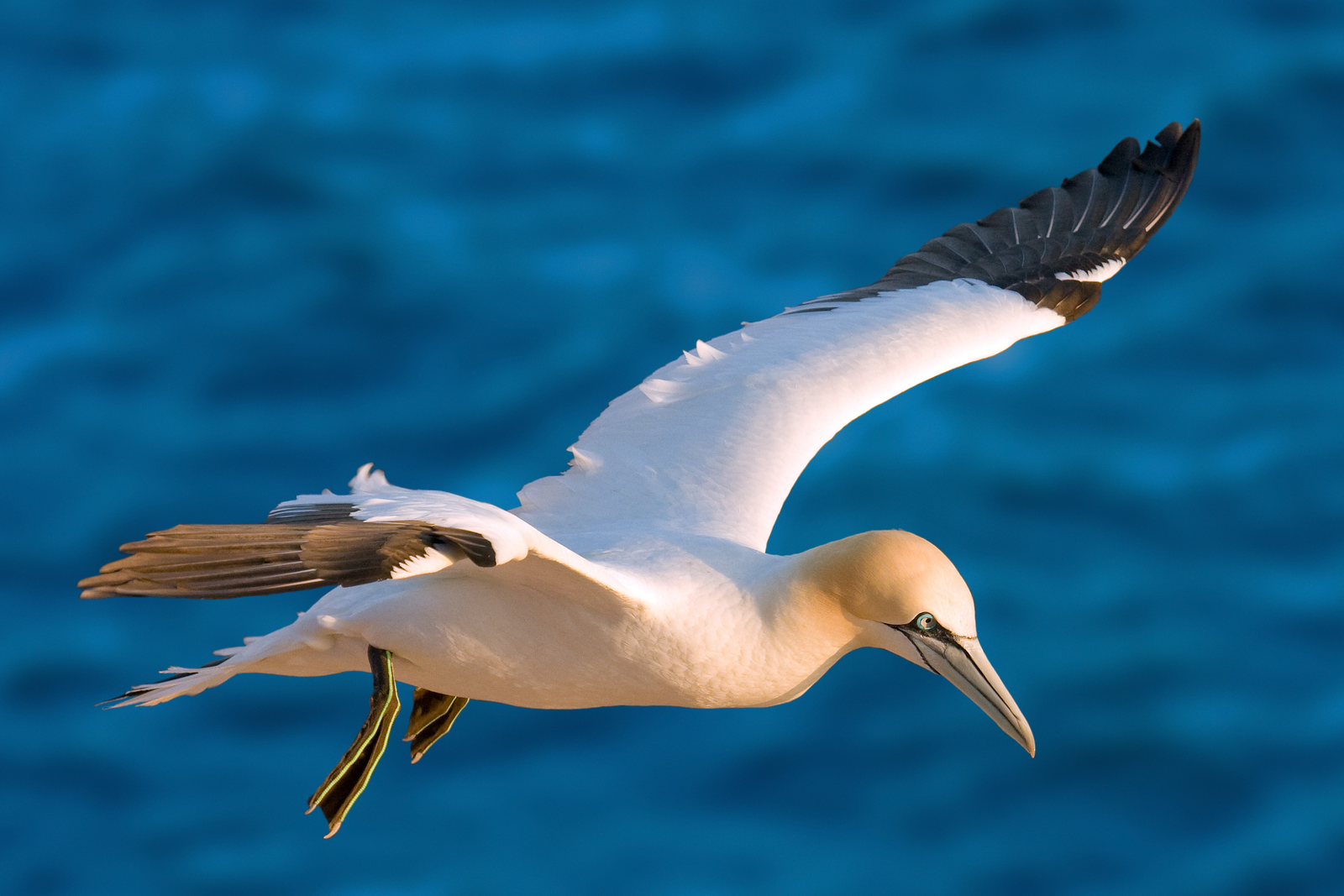
Bird
Plunge-diving giant of Atlantic cliffs
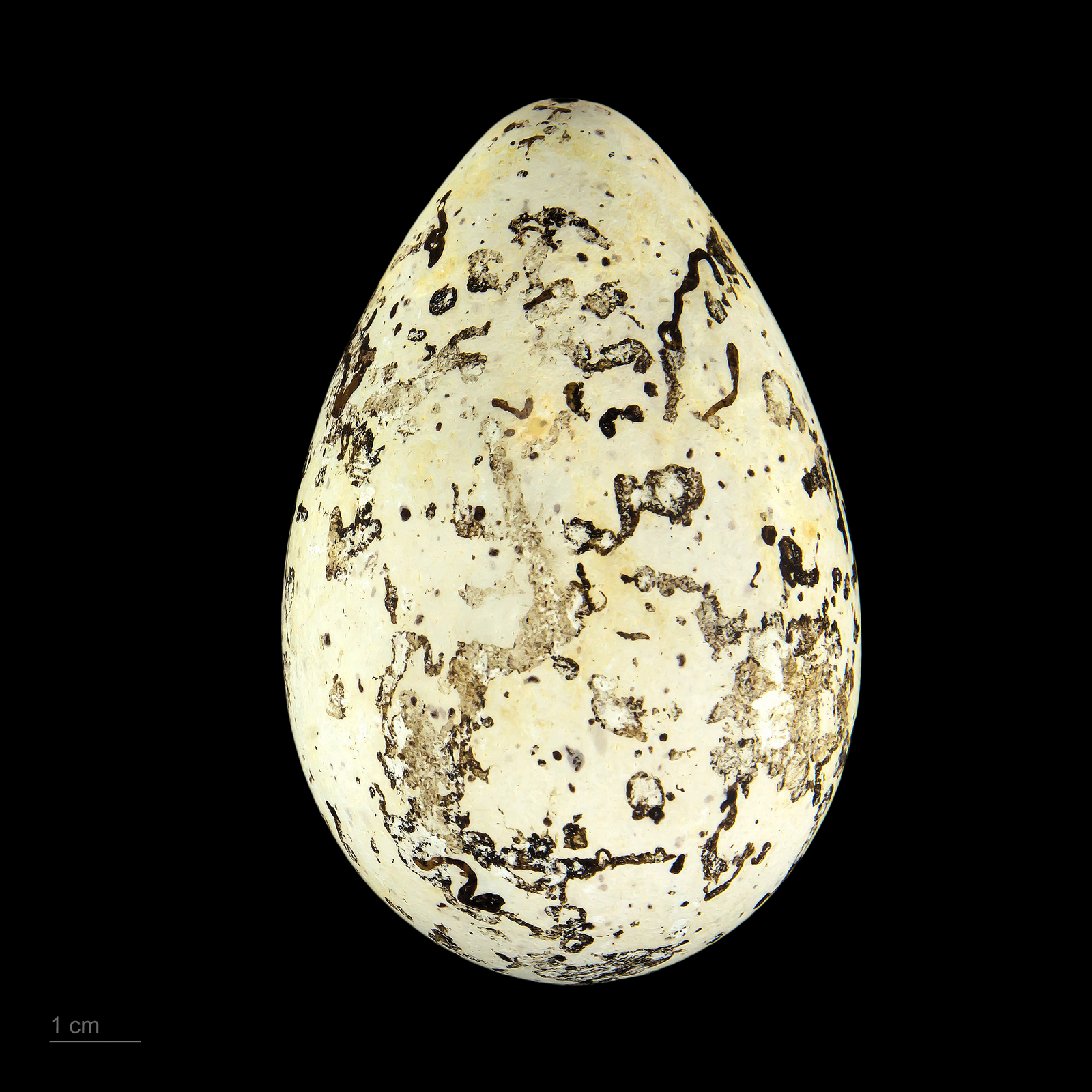
Bird
Pear-egg diver of northern sea cliffs
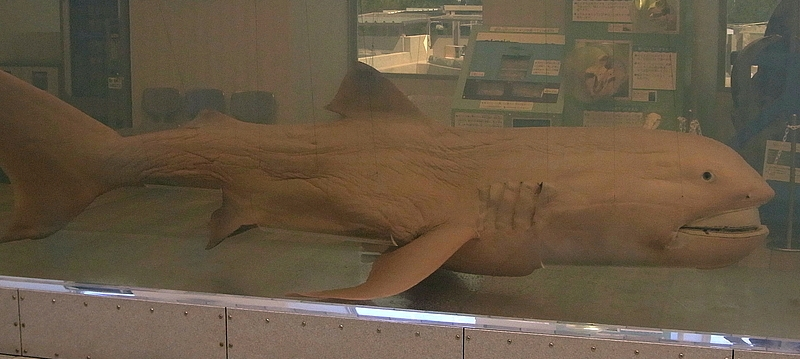
Fish
Deep-sea filter ghost discovered in 1976
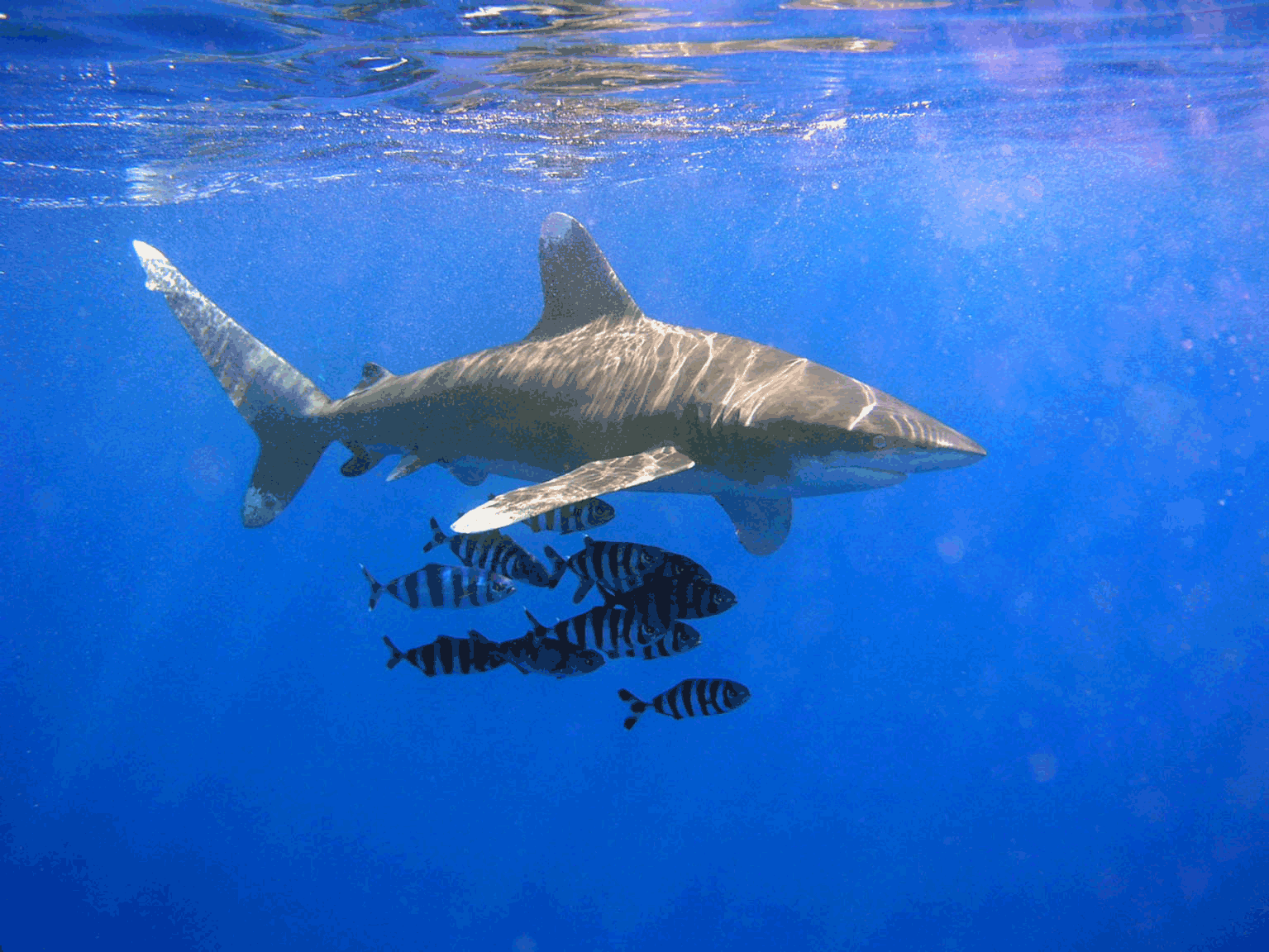
Fish
Critically Endangered lord of the open ocean
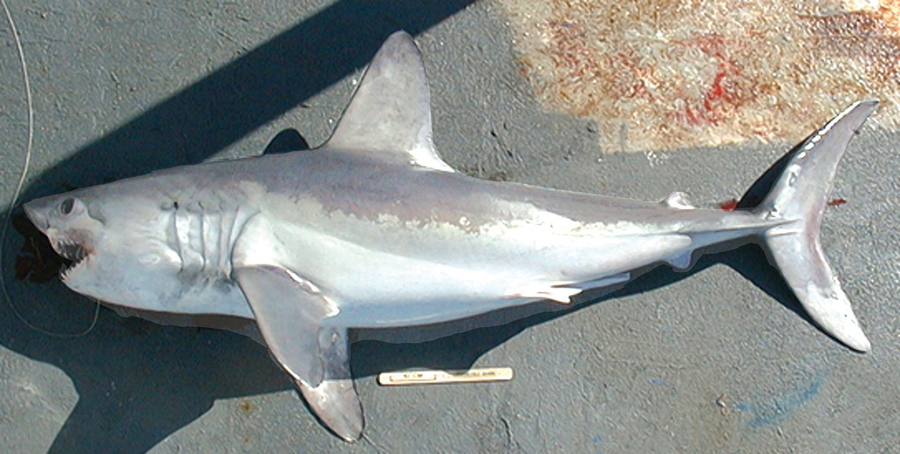
Fish
Warm-blooded hunter of cold Atlantic seas
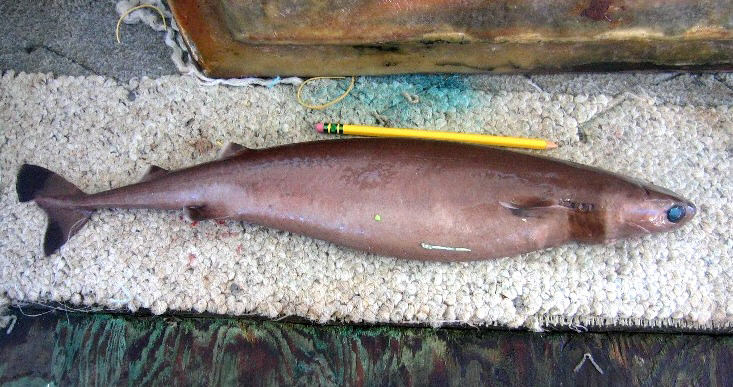
Fish
Bioluminescent plug-biter of the deep
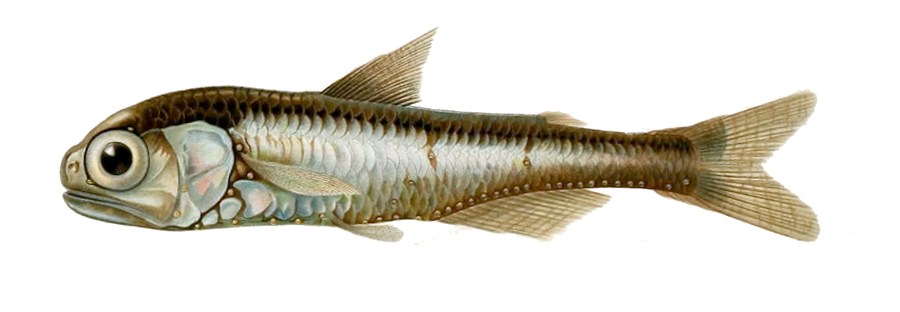
Fish
Bioluminescent commuter of the twilight zone
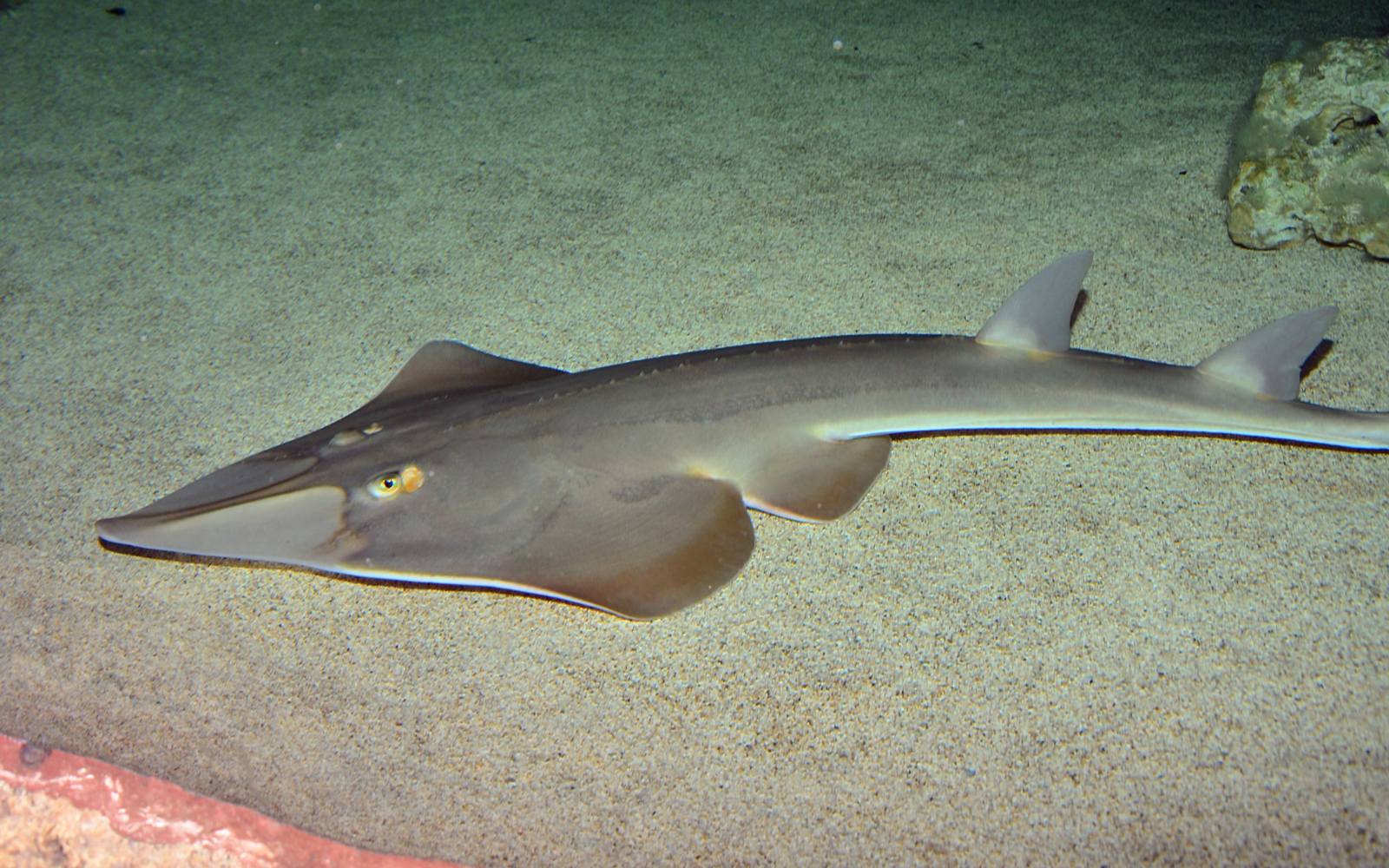
Fish
Critically Endangered shovel ray of sandy coasts
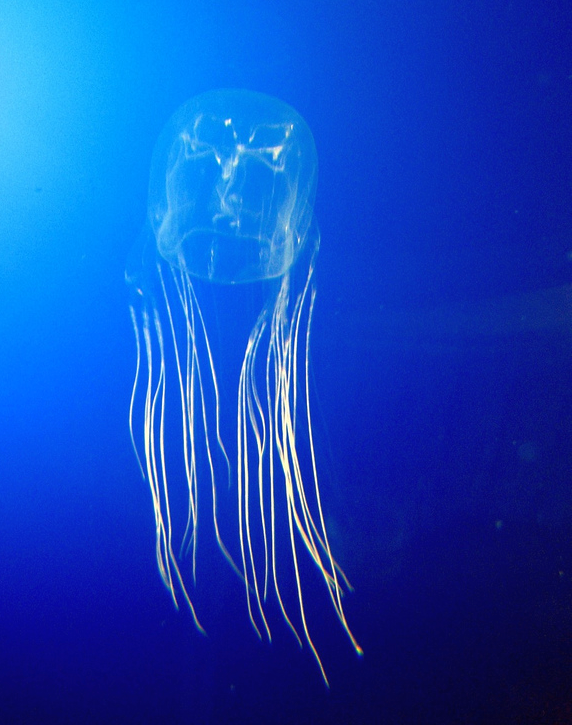
Invertebrate
Cube-shaped killer of Australian shallows
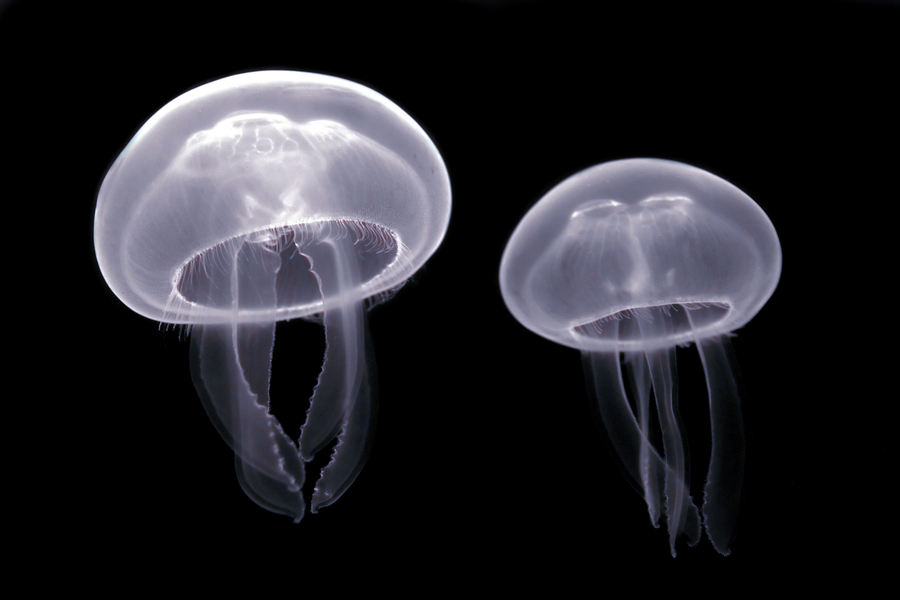
Invertebrate
Glass-disc drifter of harbours worldwide
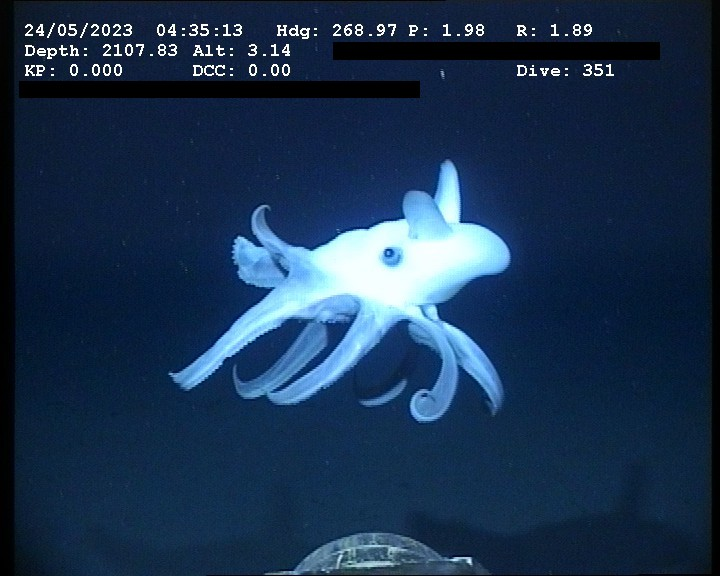
Invertebrate
Fin-flapping octopus of the abyssal plain
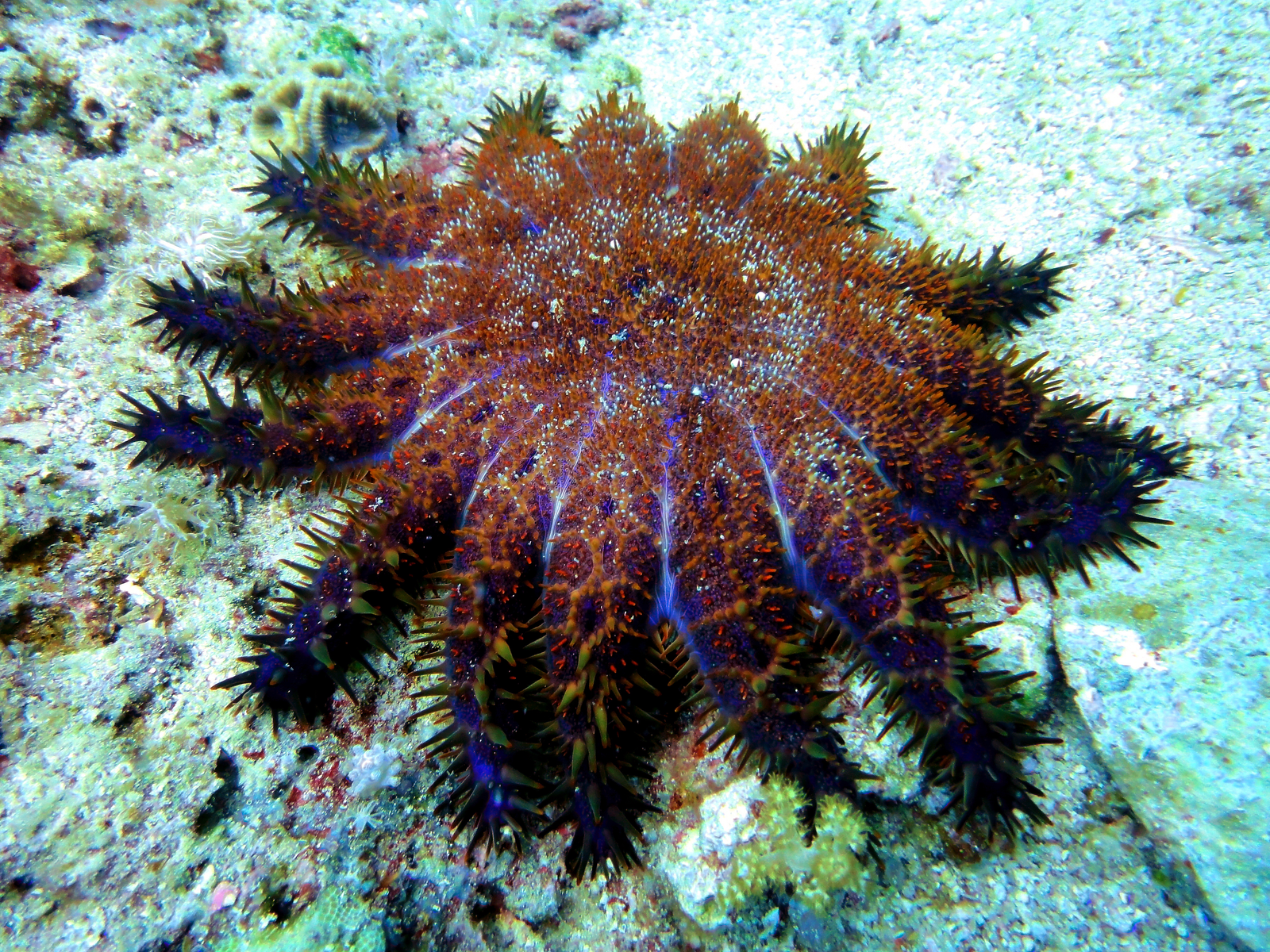
Invertebrate
Spiny coral scourge of Indo-Pacific reefs
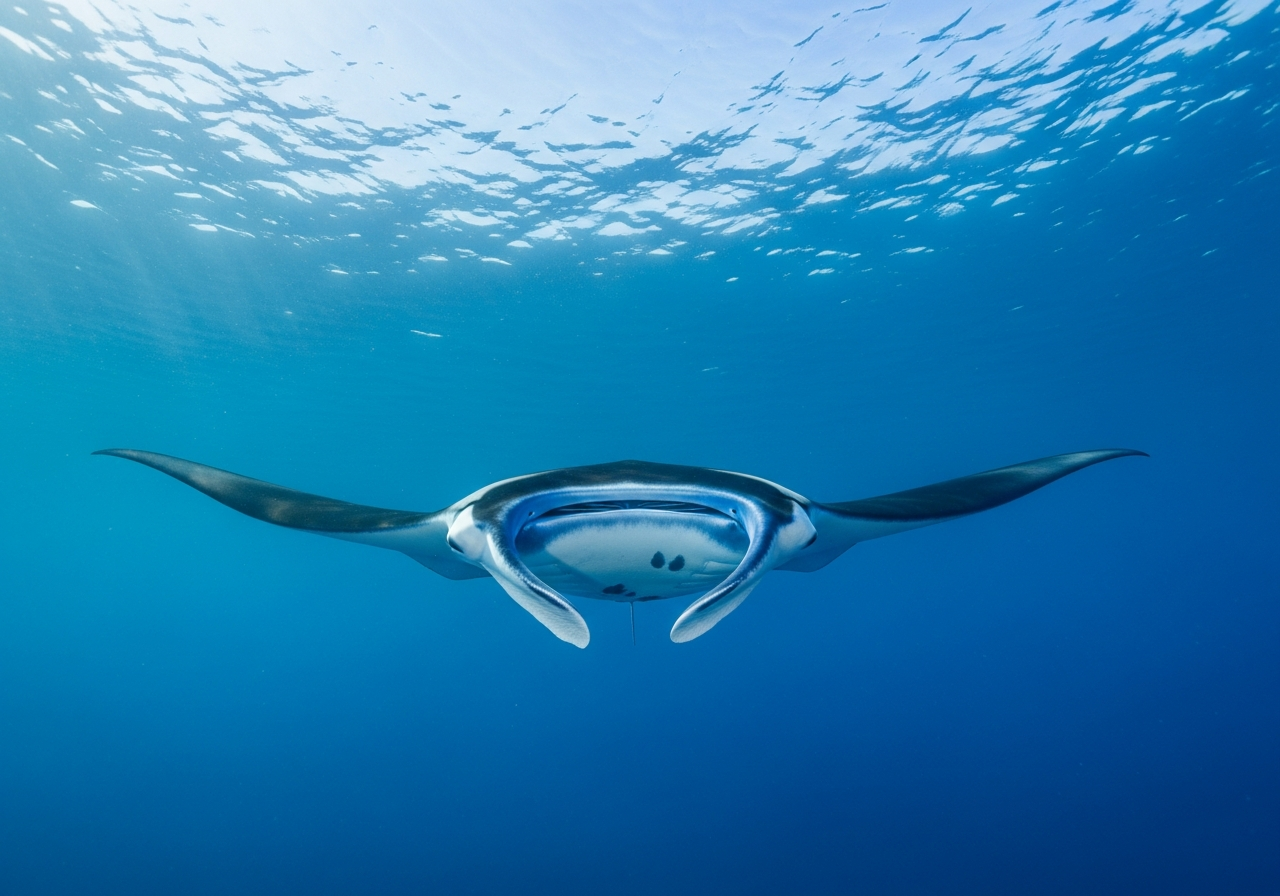
Fish
The gentle giant that flies through the sea
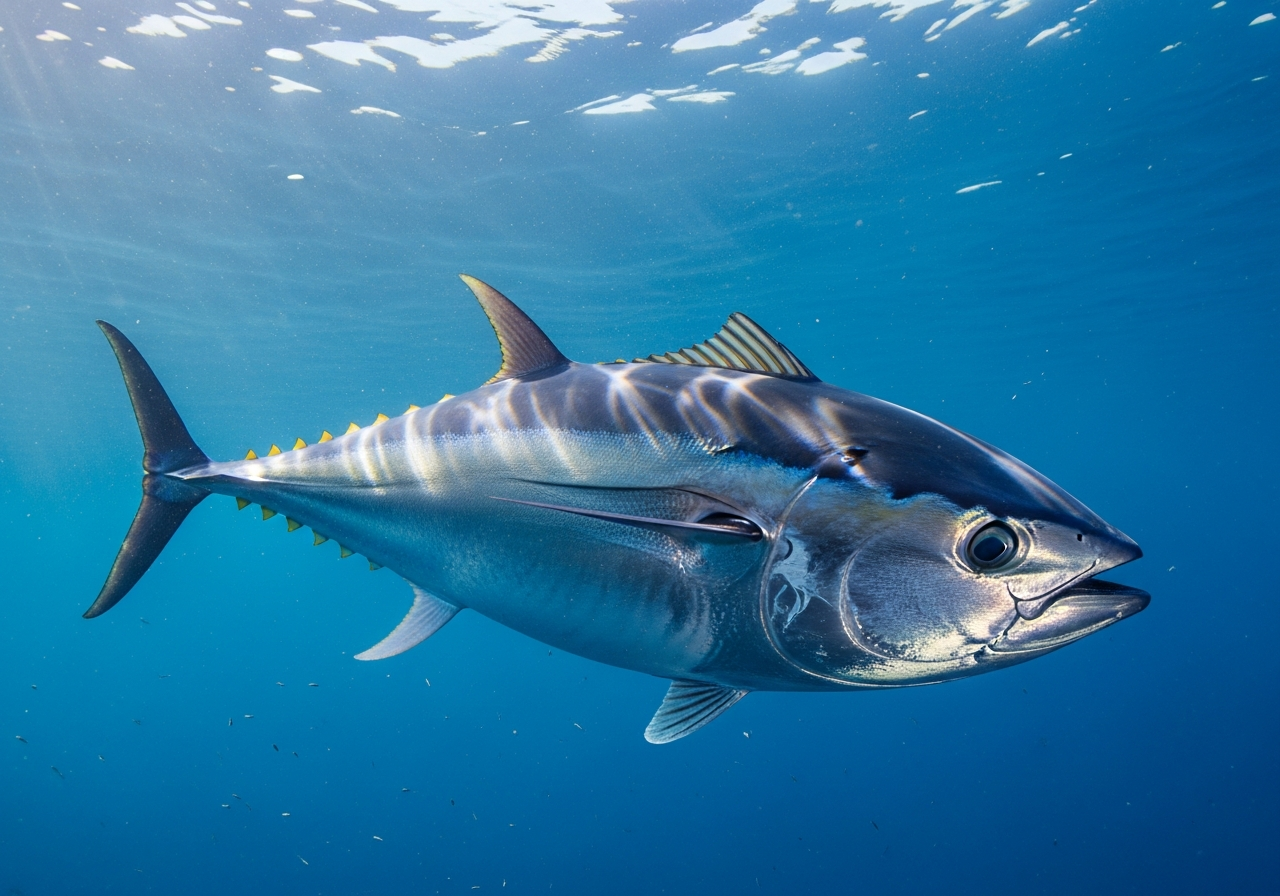
Fish
The warm-blooded ocean speedster
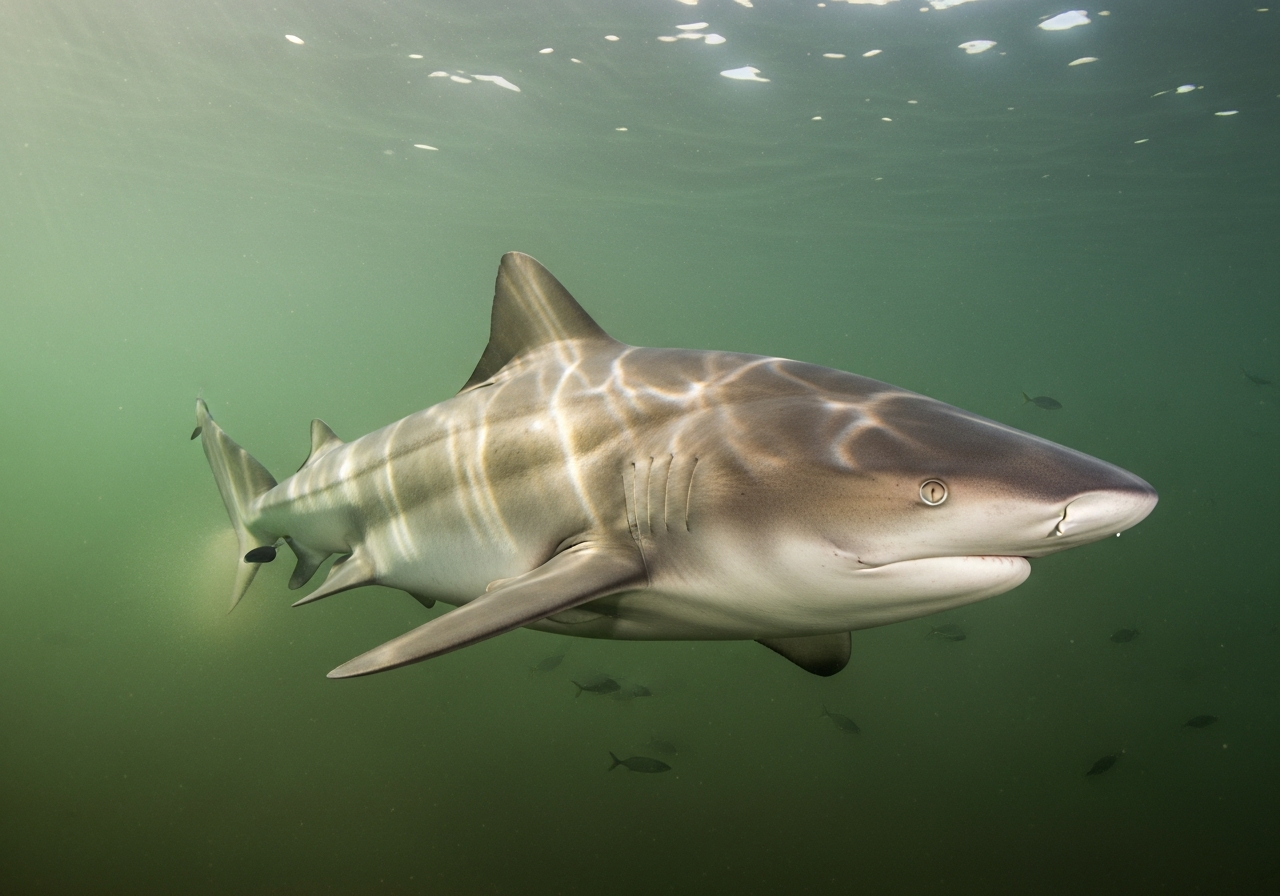
Fish
The shark that swims into freshwater
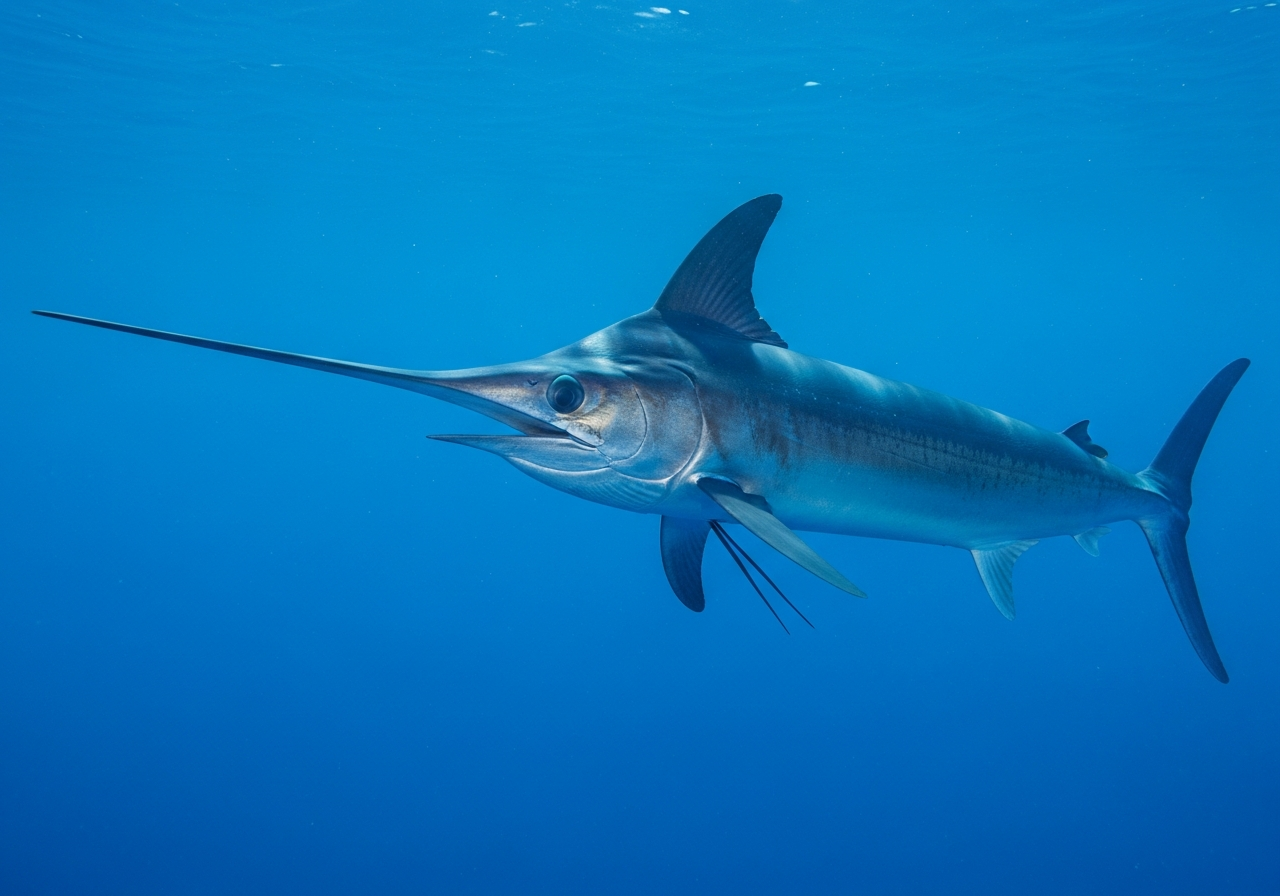
Fish
The ocean hunter armed with a sword
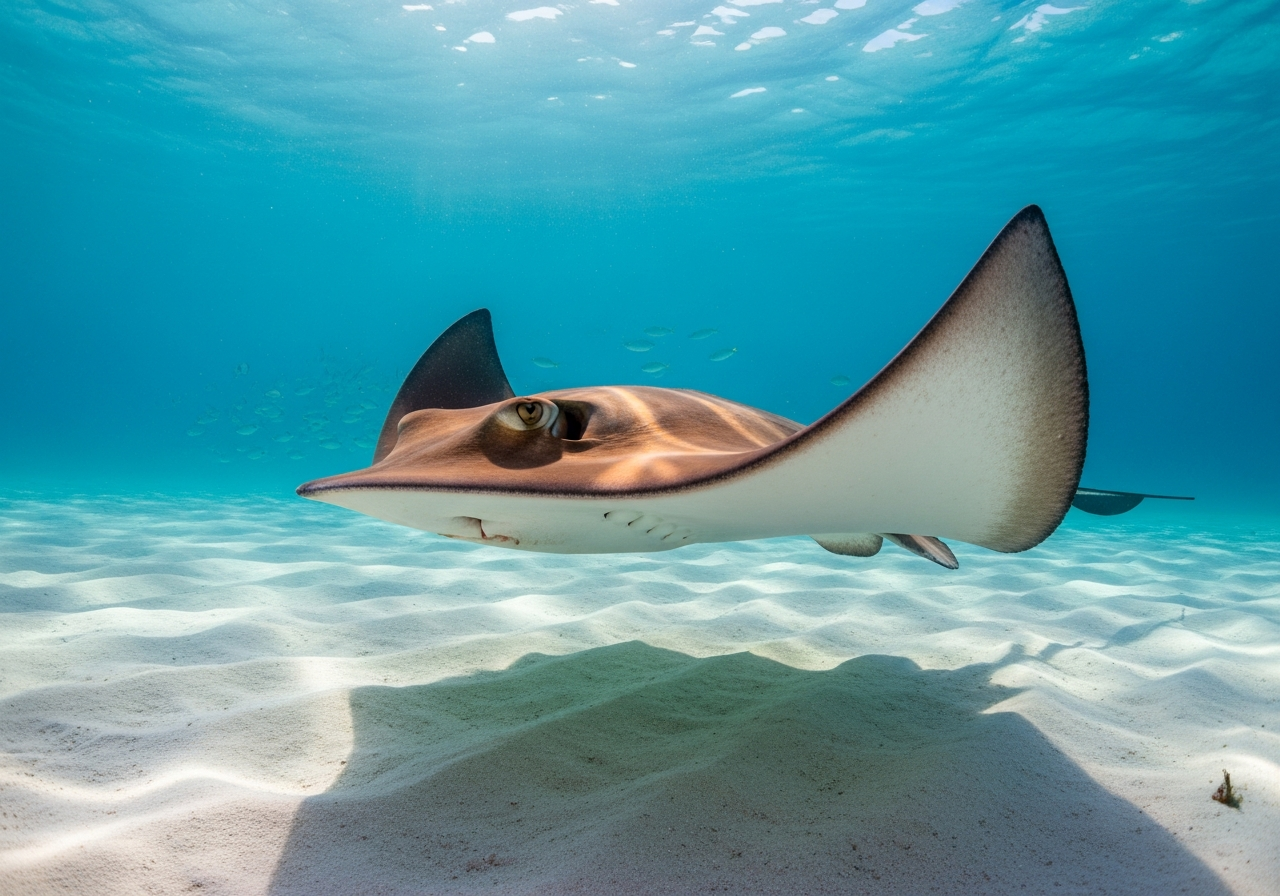
Fish
The flat-bodied ray with a venomous tail
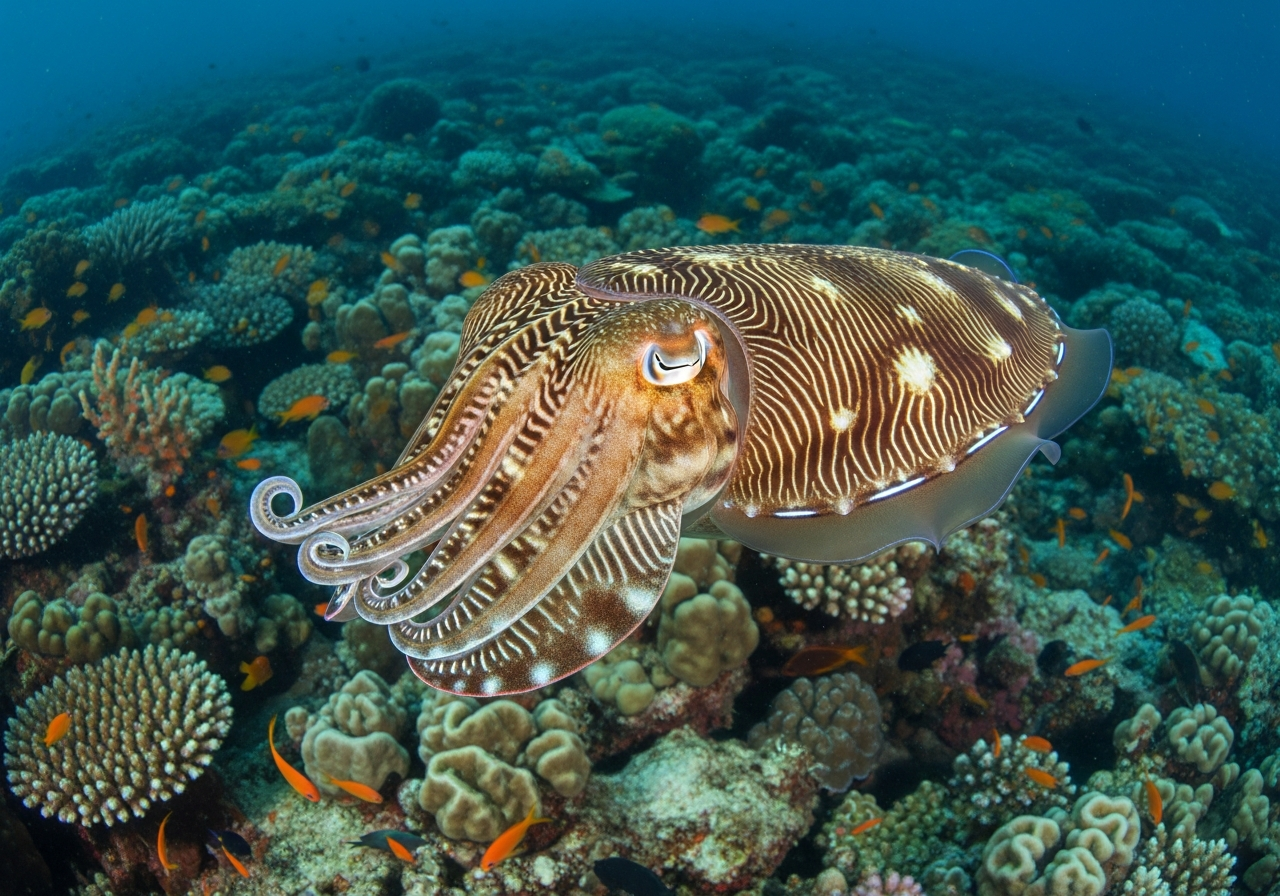
Invertebrate
The color-changing master of camouflage
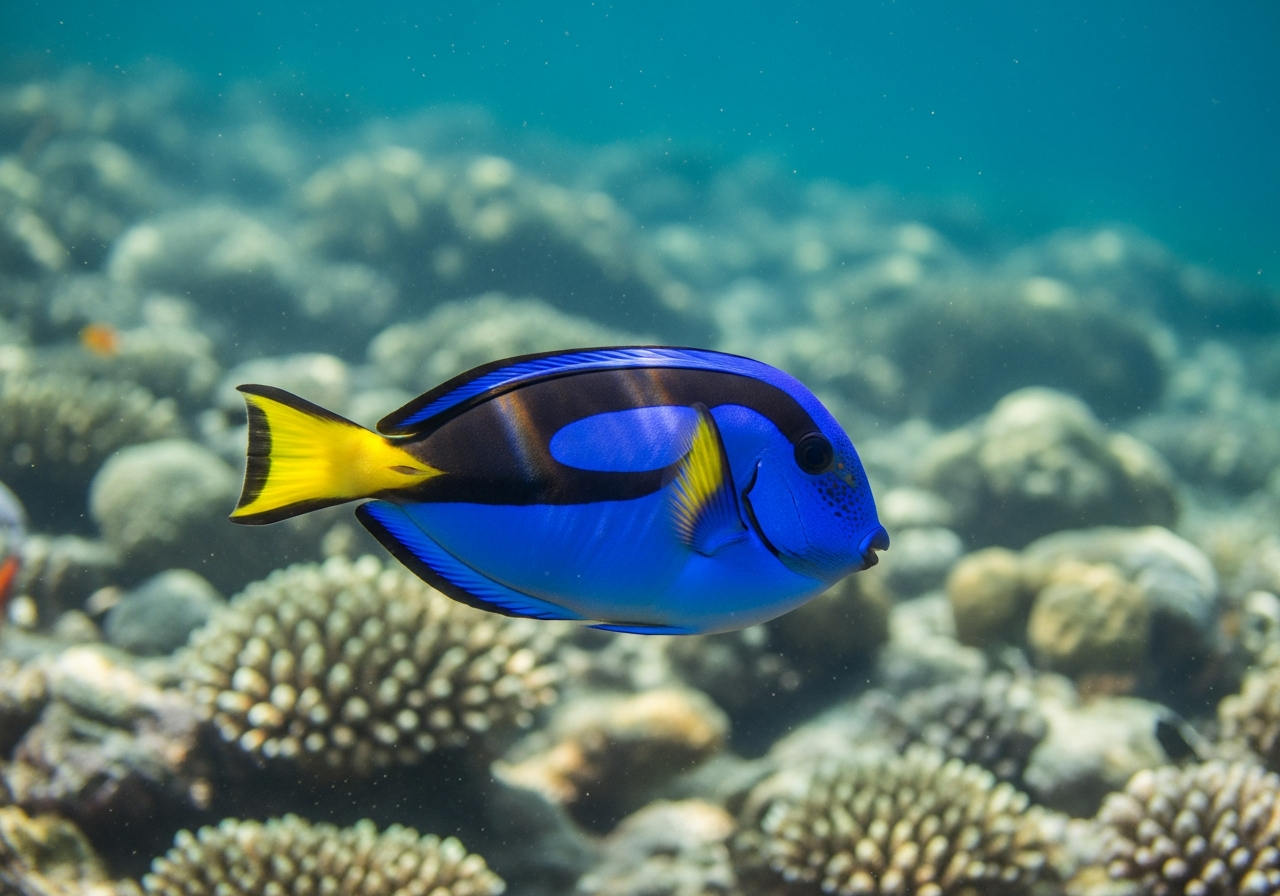
Fish
The bright blue reef fish from Finding Nemo

Fish
The 100-year reproductive mystery that baffled scientists from Aristotle to the 21st century
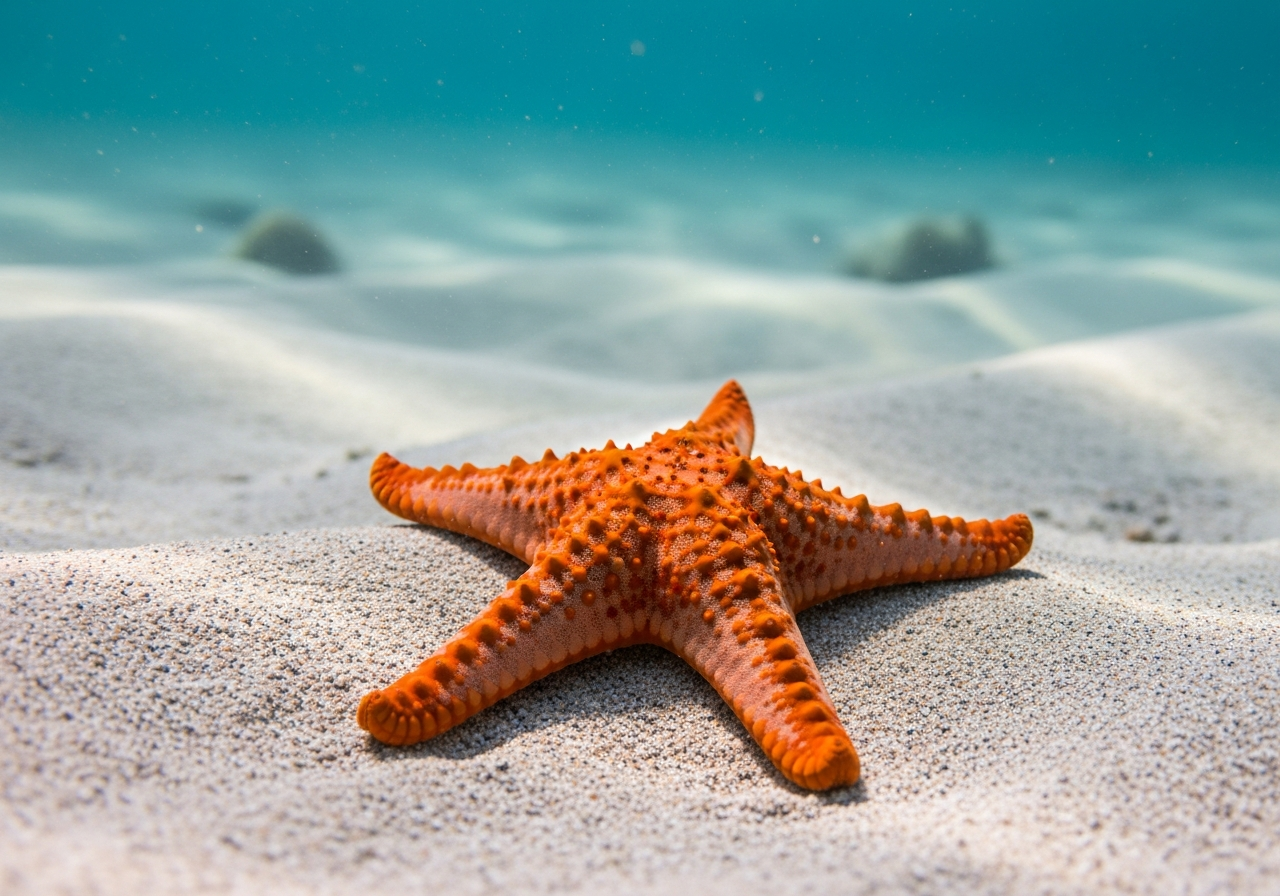
Invertebrate
The five-armed drifter that regrows its limbs
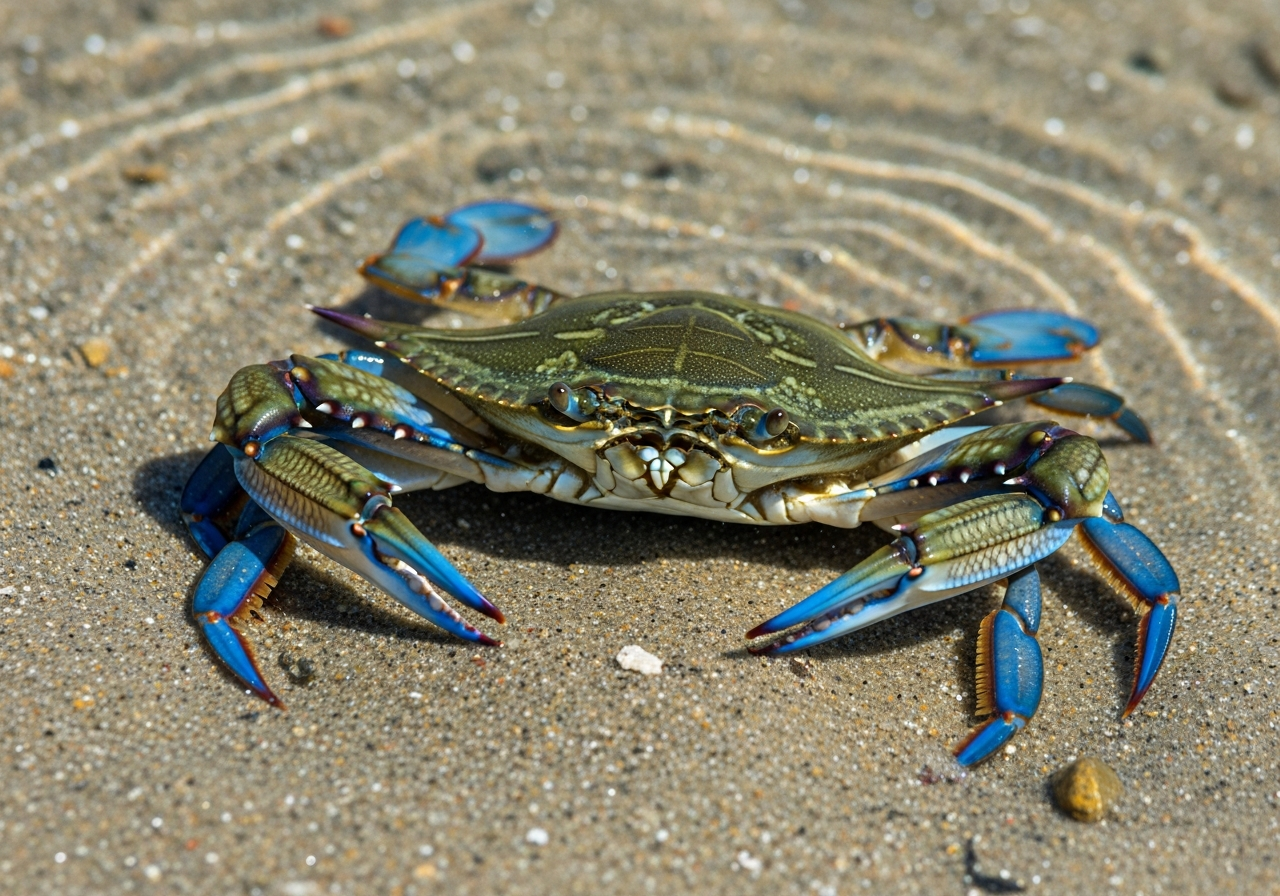
Invertebrate
The swift swimming crab of Atlantic estuaries
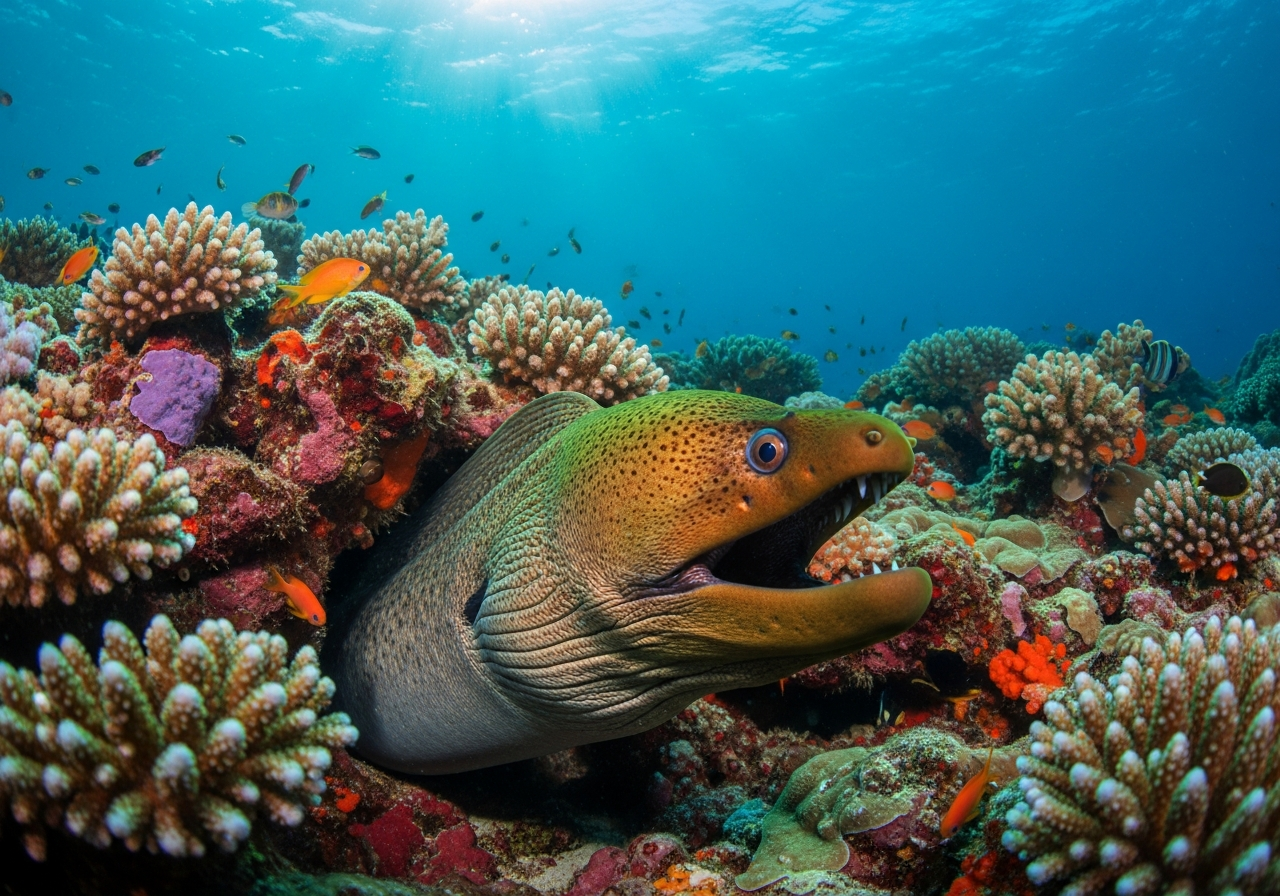
Fish
The reef-dwelling eel with hidden jaws
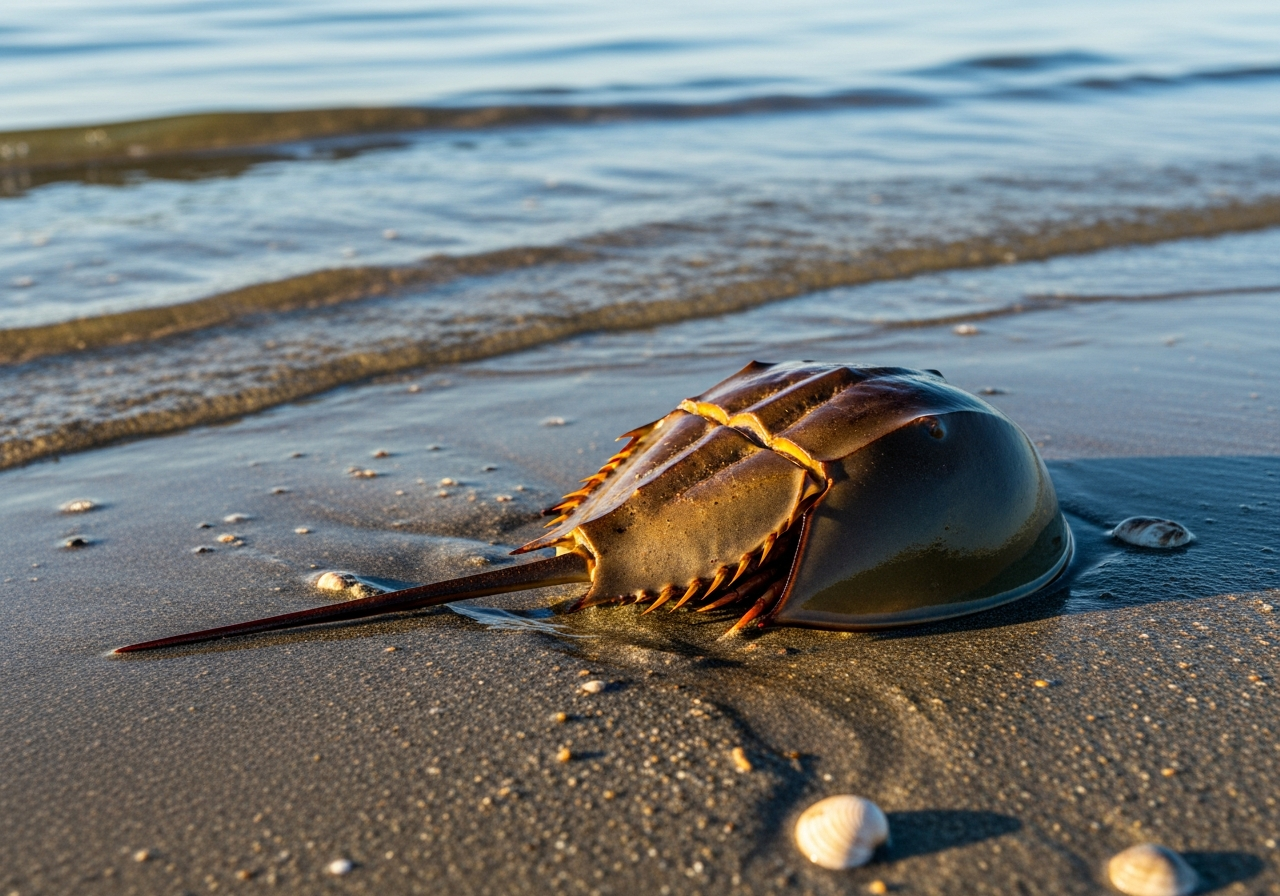
Invertebrate
The ancient living fossil with blue blood
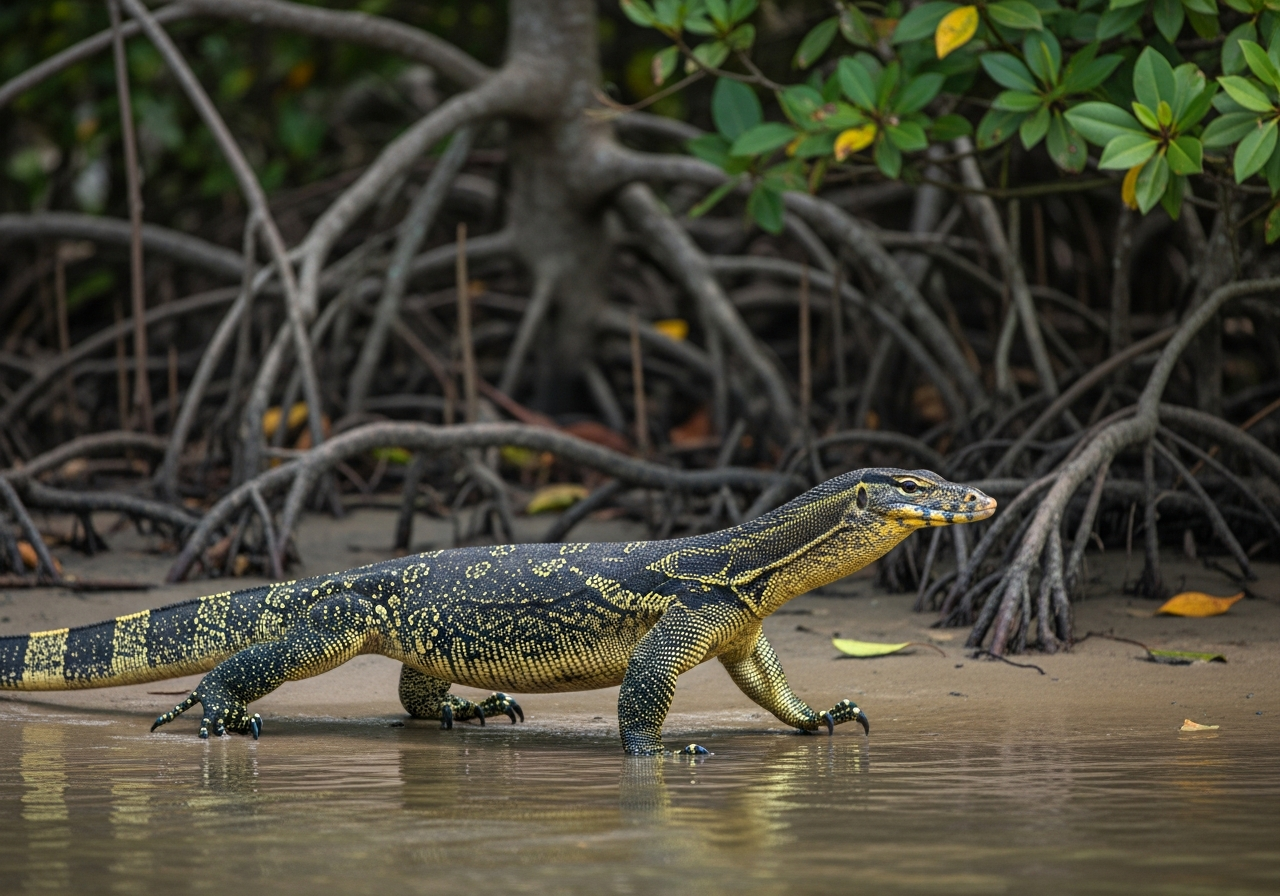
Reptile
One of the largest lizards in the world
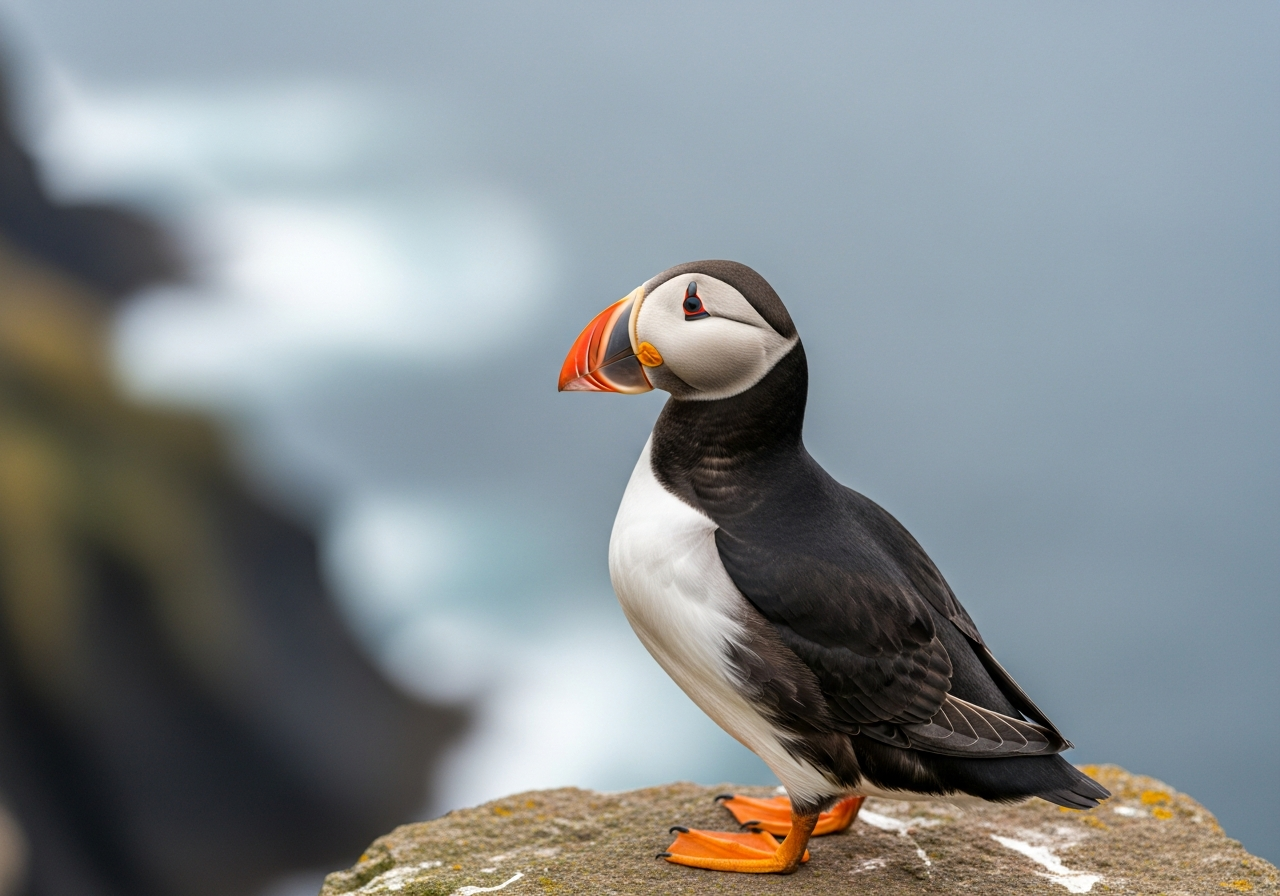
Bird
The colorful 'sea parrot' of the North Atlantic
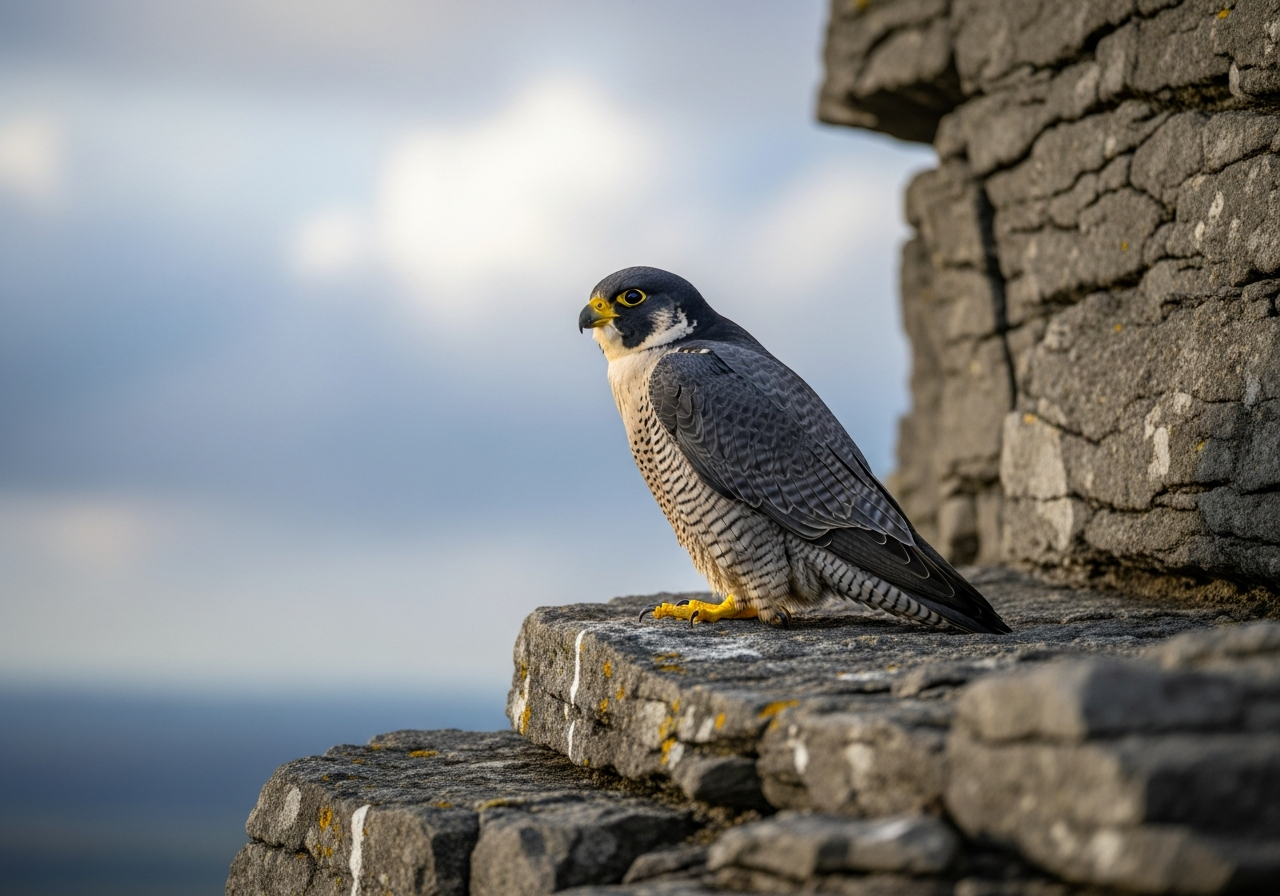
Bird
The fastest animal on the planet
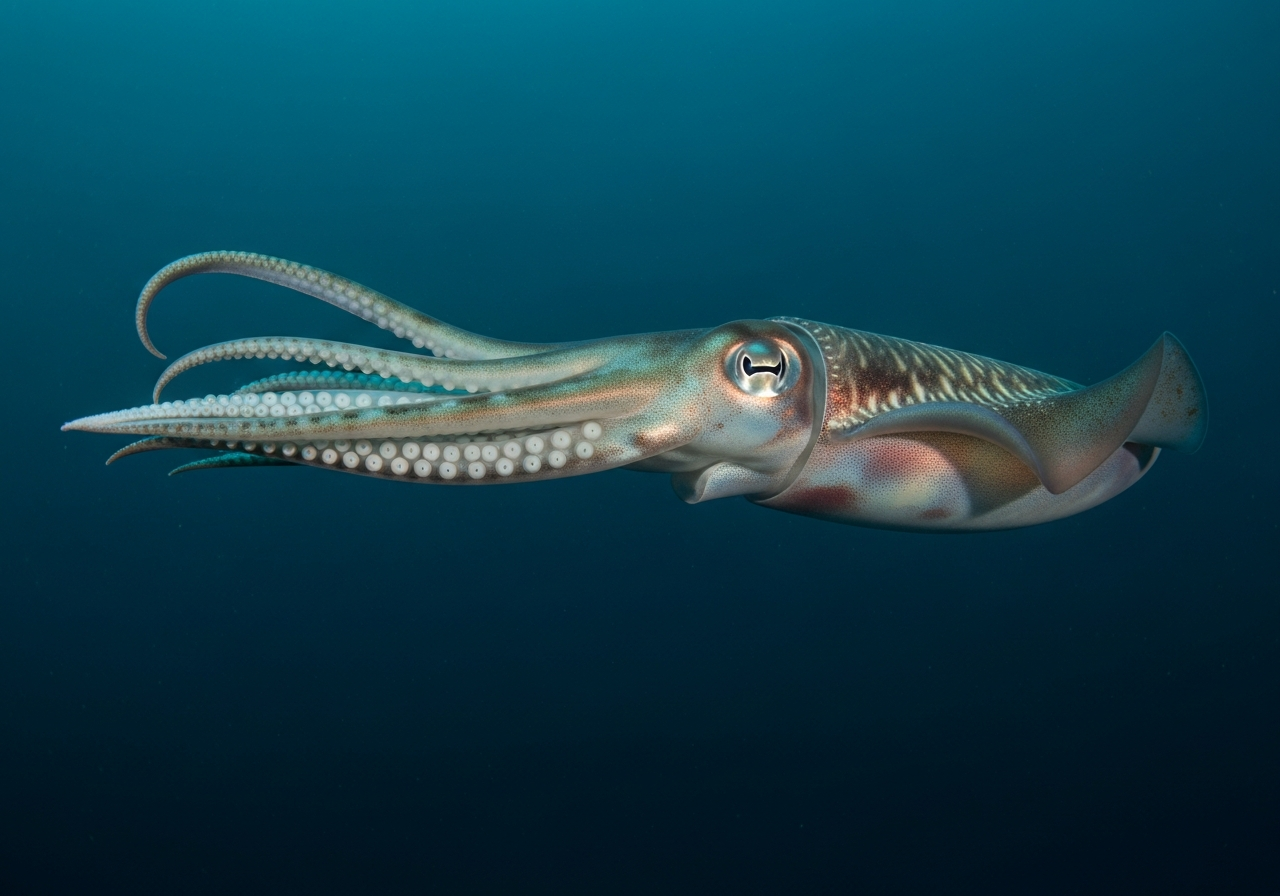
Invertebrate
The elusive deep-sea giant with enormous eyes
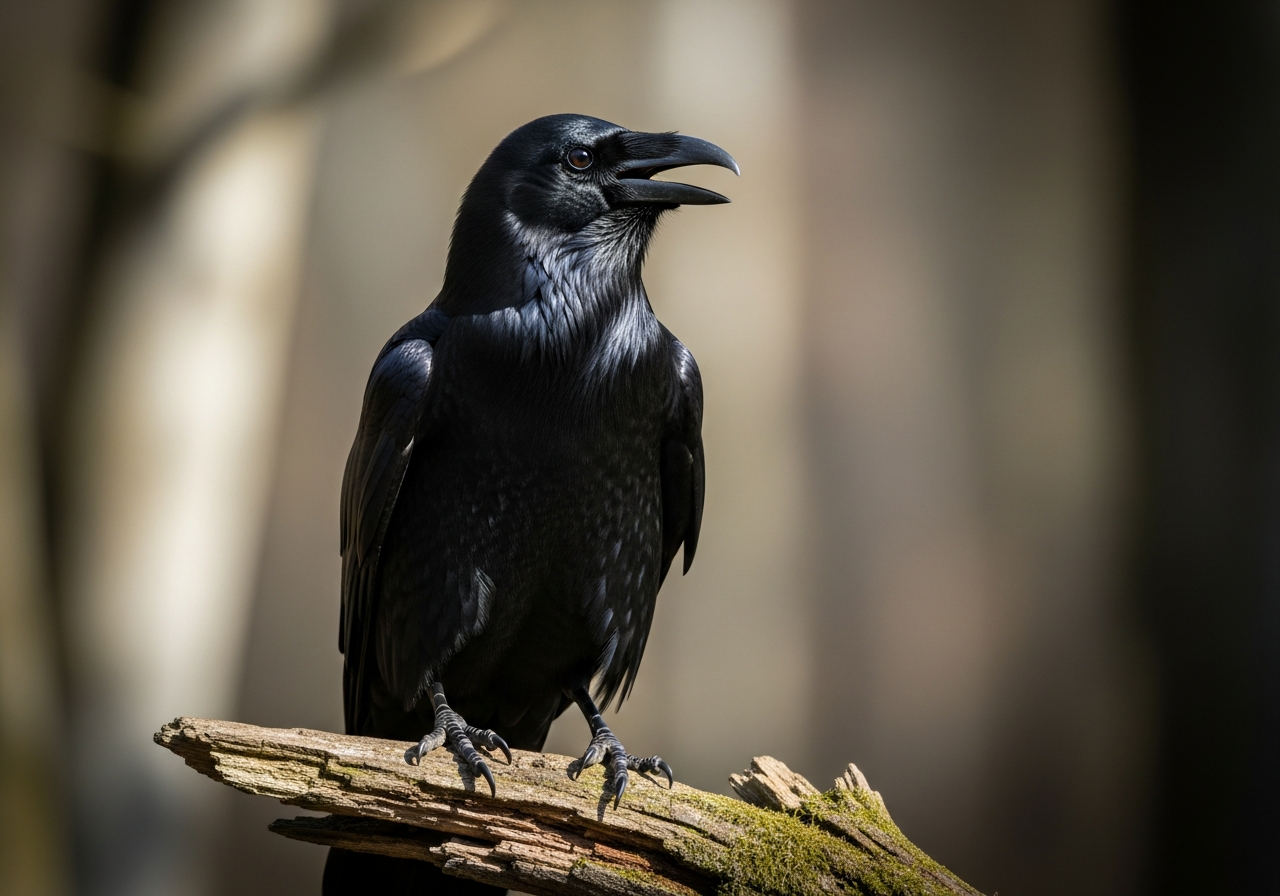
Bird
One of the world's most intelligent birds
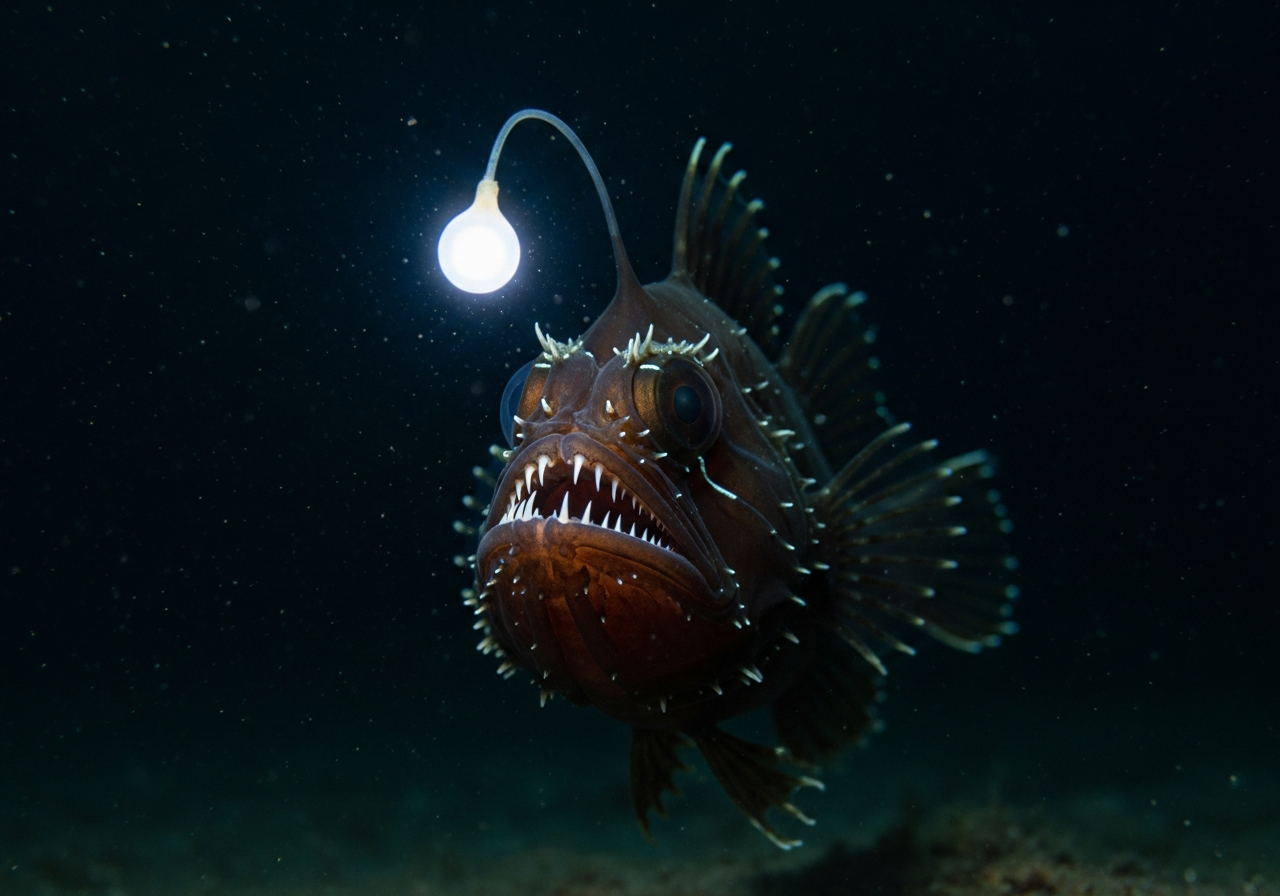
Fish
The deep-sea hunter with a glowing lure
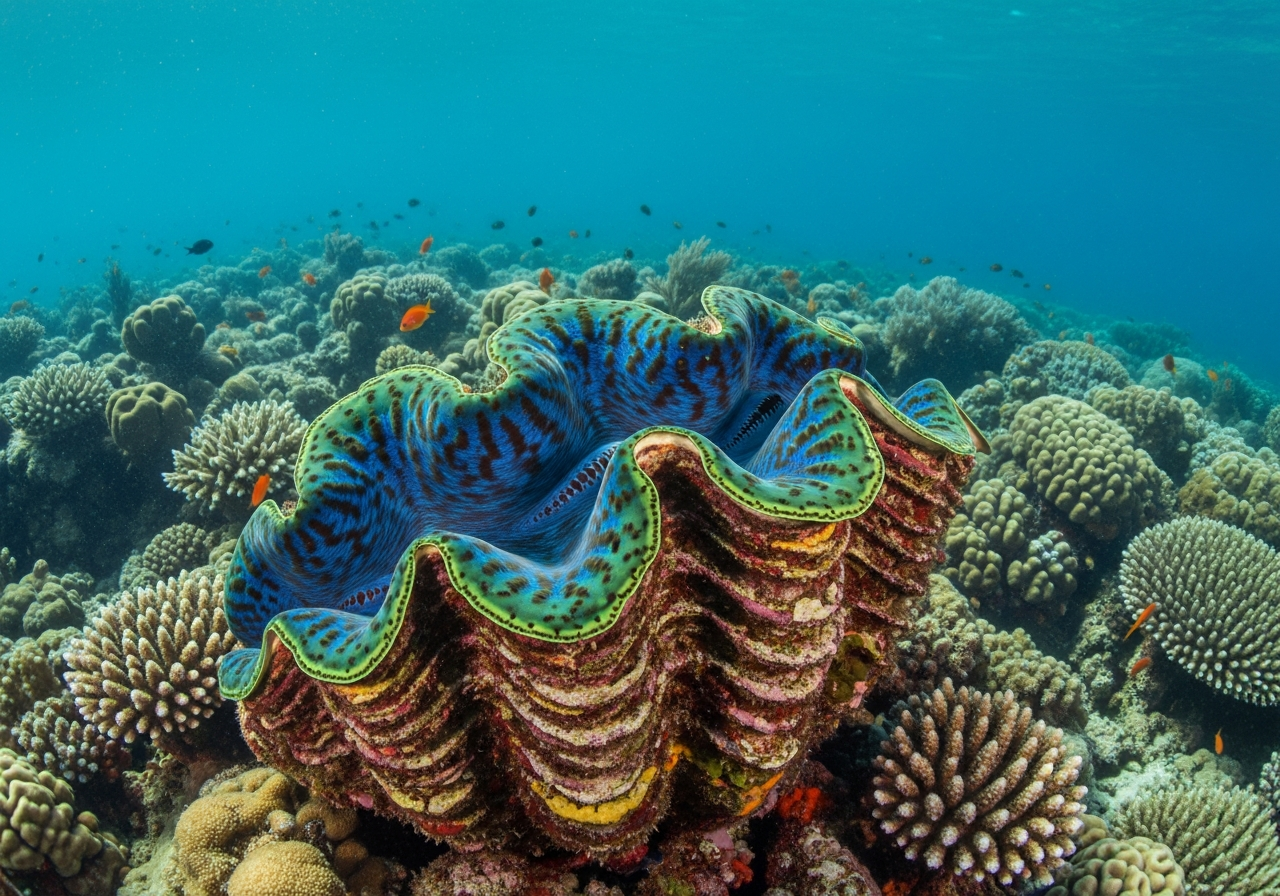
Invertebrate
The reef-dwelling giant of the mollusks
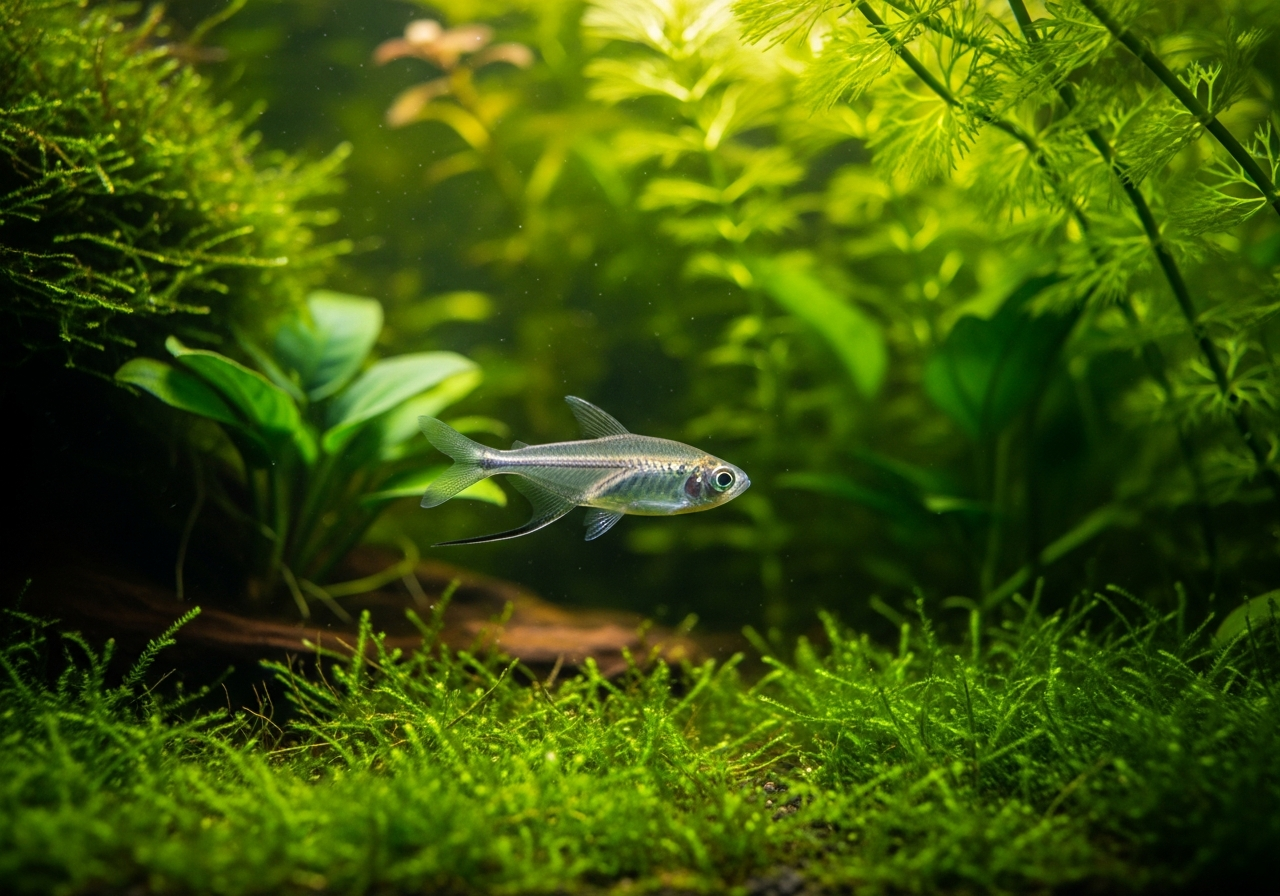
Fish
The see-through fish of the Amazon
Ocean and marine habitats cover most of Earth's surface — from sunlit coral reefs and coastal shelves to the open pelagic zone and deep trenches. Salinity, currents, depth, and temperature shape which animals can live there. Whales, sharks, sea turtles, seabirds, and countless invertebrates depend on healthy seas.
Species lists on this page are drawn from Global Animal Guide profiles whose habitat facts match ocean & marine keywords. Browse the ranked list for answer-first guides covering diet, range, and conservation.
Ocean & marine is defined by climate, vegetation, and water availability that favour particular body plans and behaviours. Compare sibling biome hubs (ocean, forest, desert, and more) to see how the same animal groups specialise differently.