
Mammal
Dog
Humanity's oldest animal companion
Trusted wildlife guides
Thursday, 22 October 2026Browse
Popular groups
Tools
Questions
Reference
Health
Choosing and living with pets
Understand
Help
Read
Play and teach
104 species whose profiles list a omnivore diet — ranked by popularity, each with an answer-first guide.
Omnivores eat both plant and animal foods, switching with season, habitat, and opportunity. Flexible diets help them thrive near people and in changing landscapes — foxes, bears, pigs, and many birds are classic examples. Omnivory is a strategy, not a single tooth type.
Facets are built from structured Diet facts on each species page — not from a separate taxonomy dump. Open any card for habitat, range, and IUCN status in one place. Also browse by habitat or biome hubs.
Mammal
Humanity's oldest animal companion
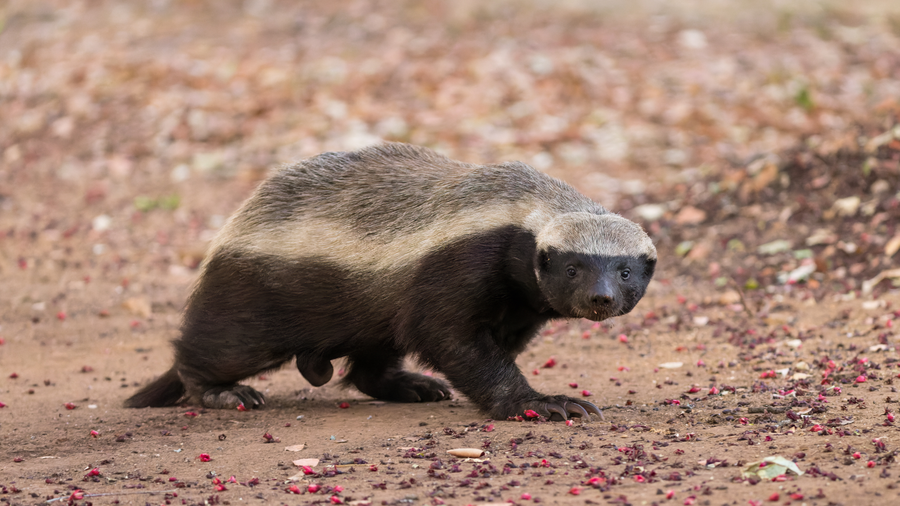
Mammal
The world's most fearless animal
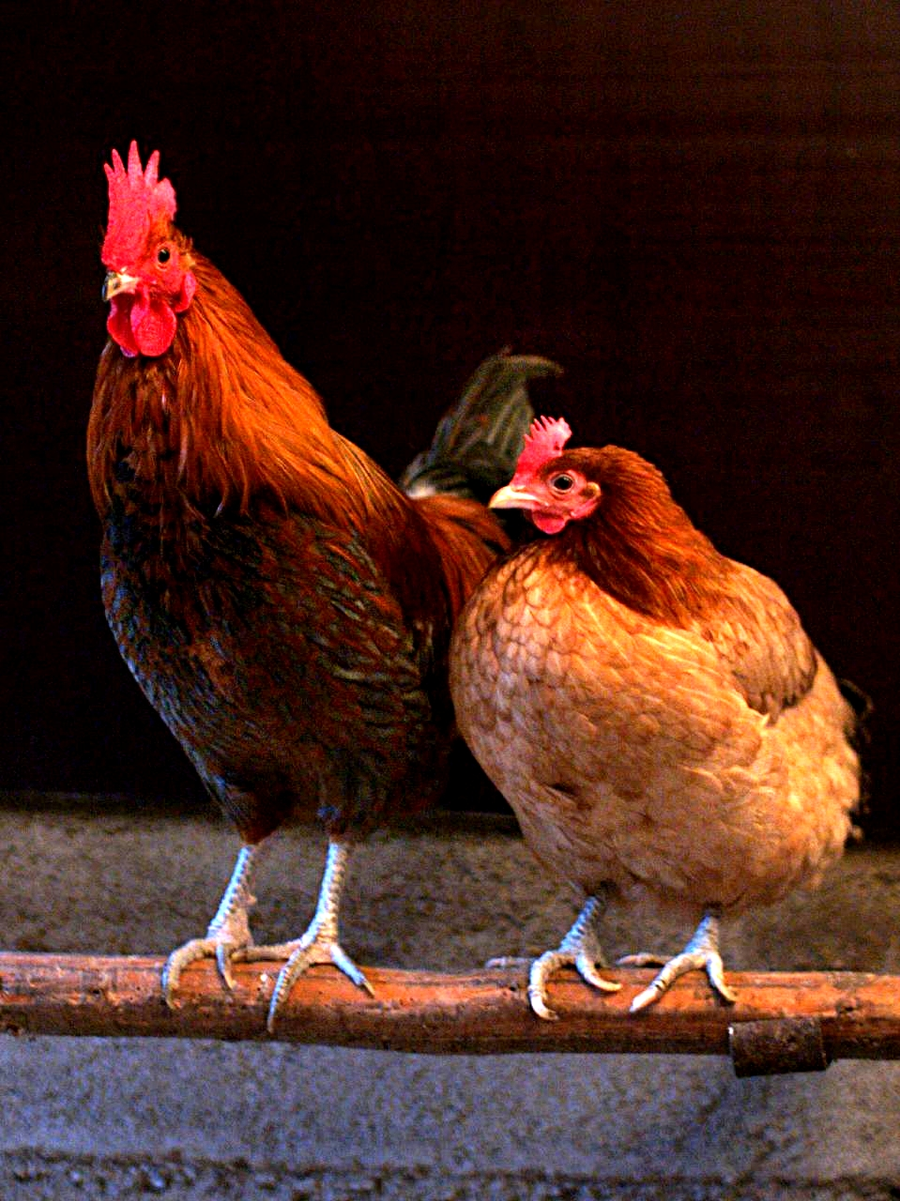
Bird
The world's most common bird
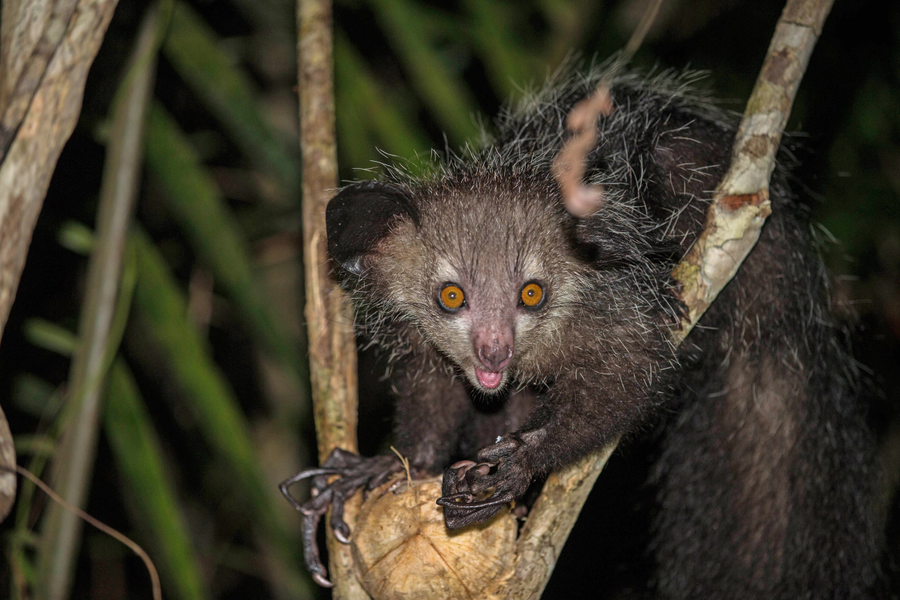
Mammal
Madagascar's nocturnal oddity
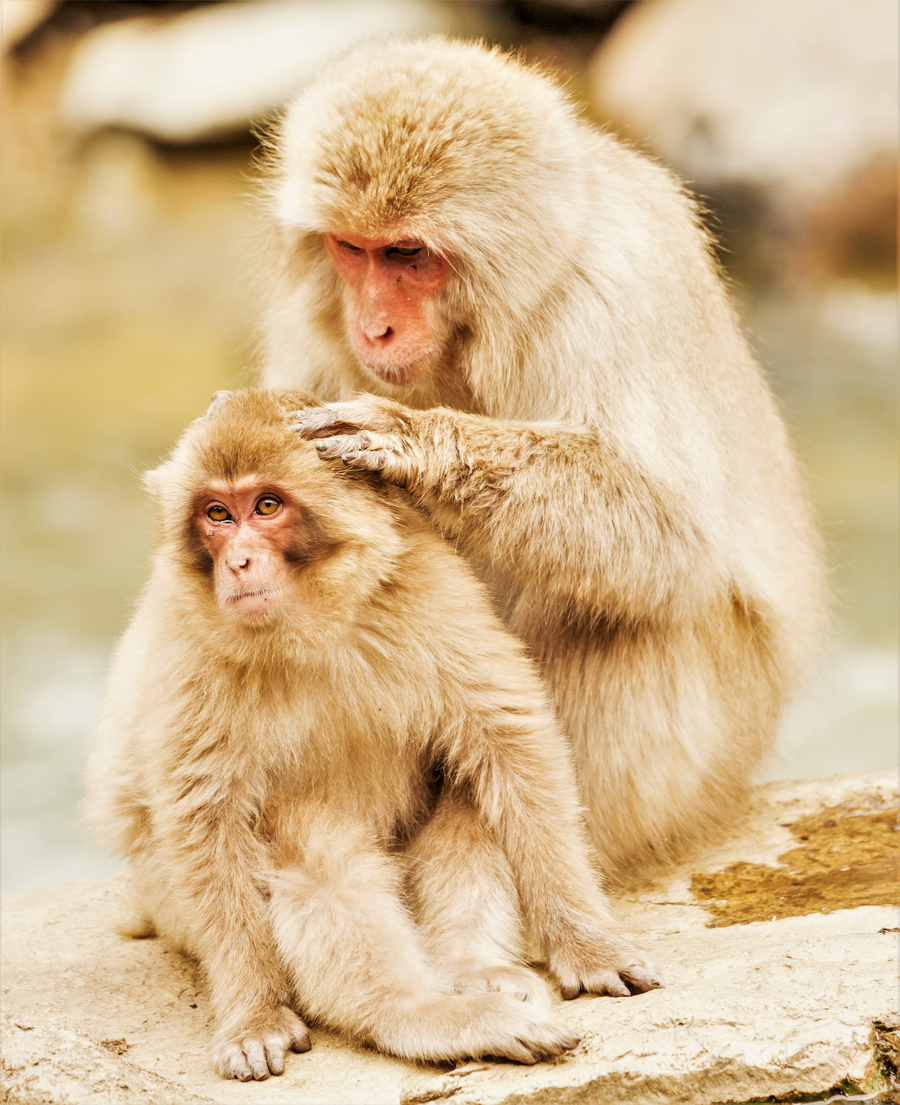
Mammal
The hot-spring snow monkey of Japan
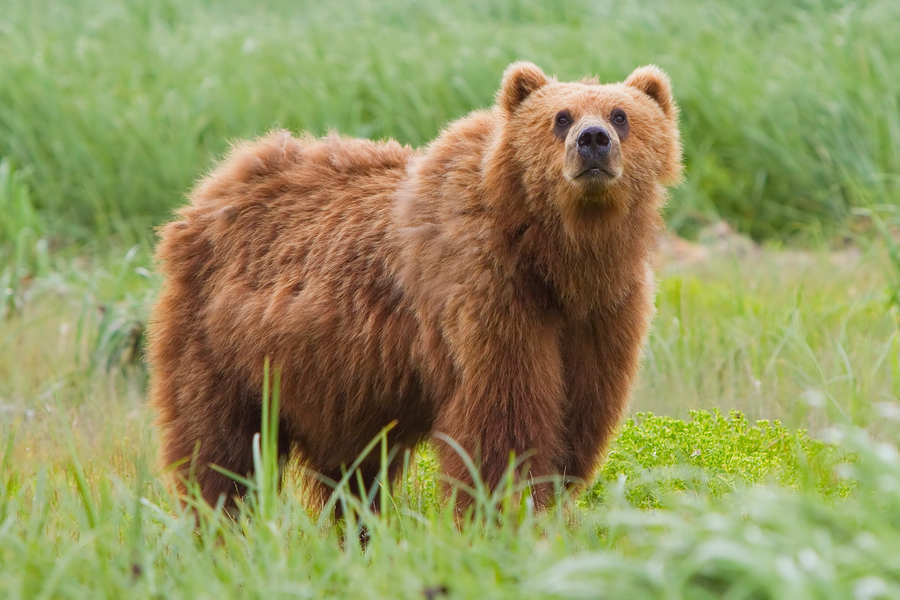
Mammal
The widespread bear of the Northern Hemisphere
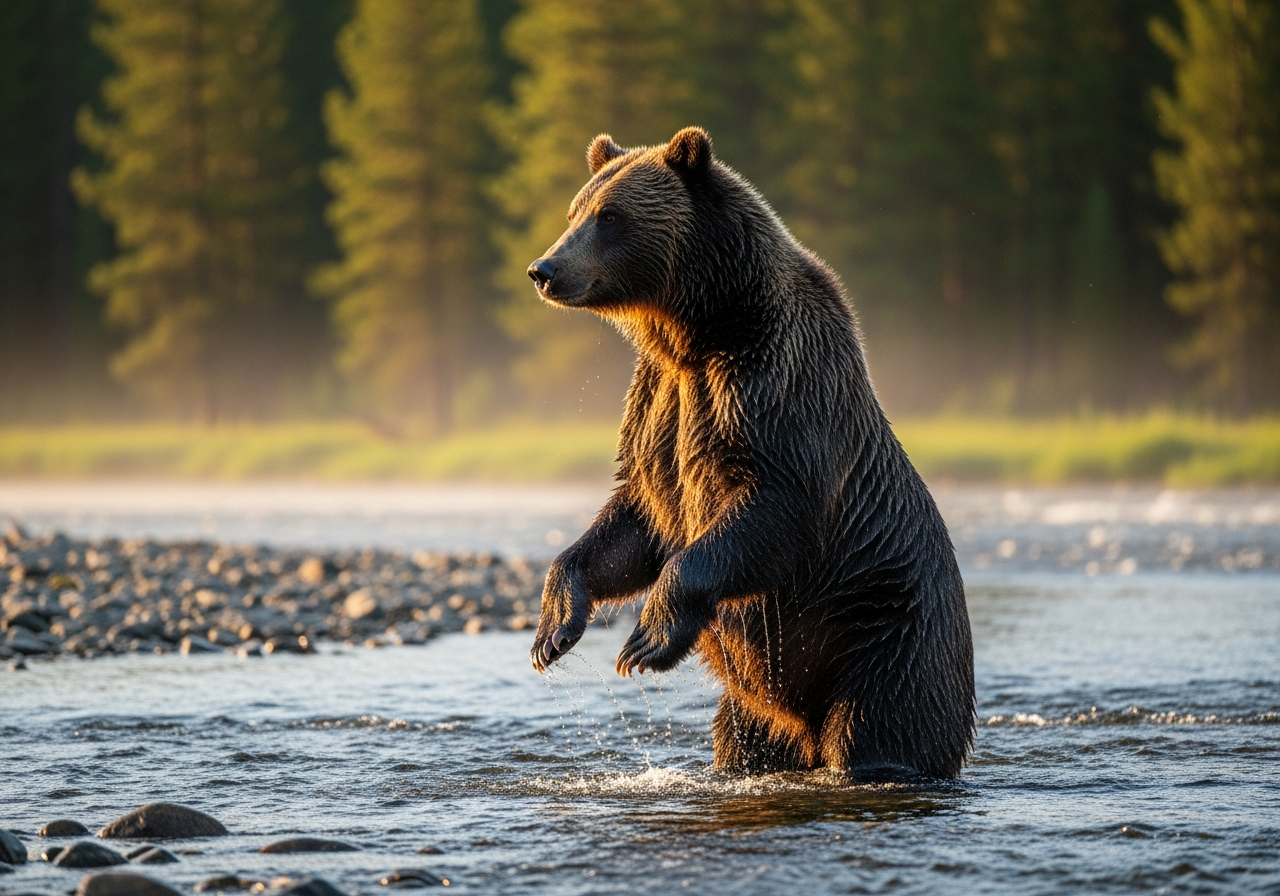
Mammal
North America's iconic brown bear
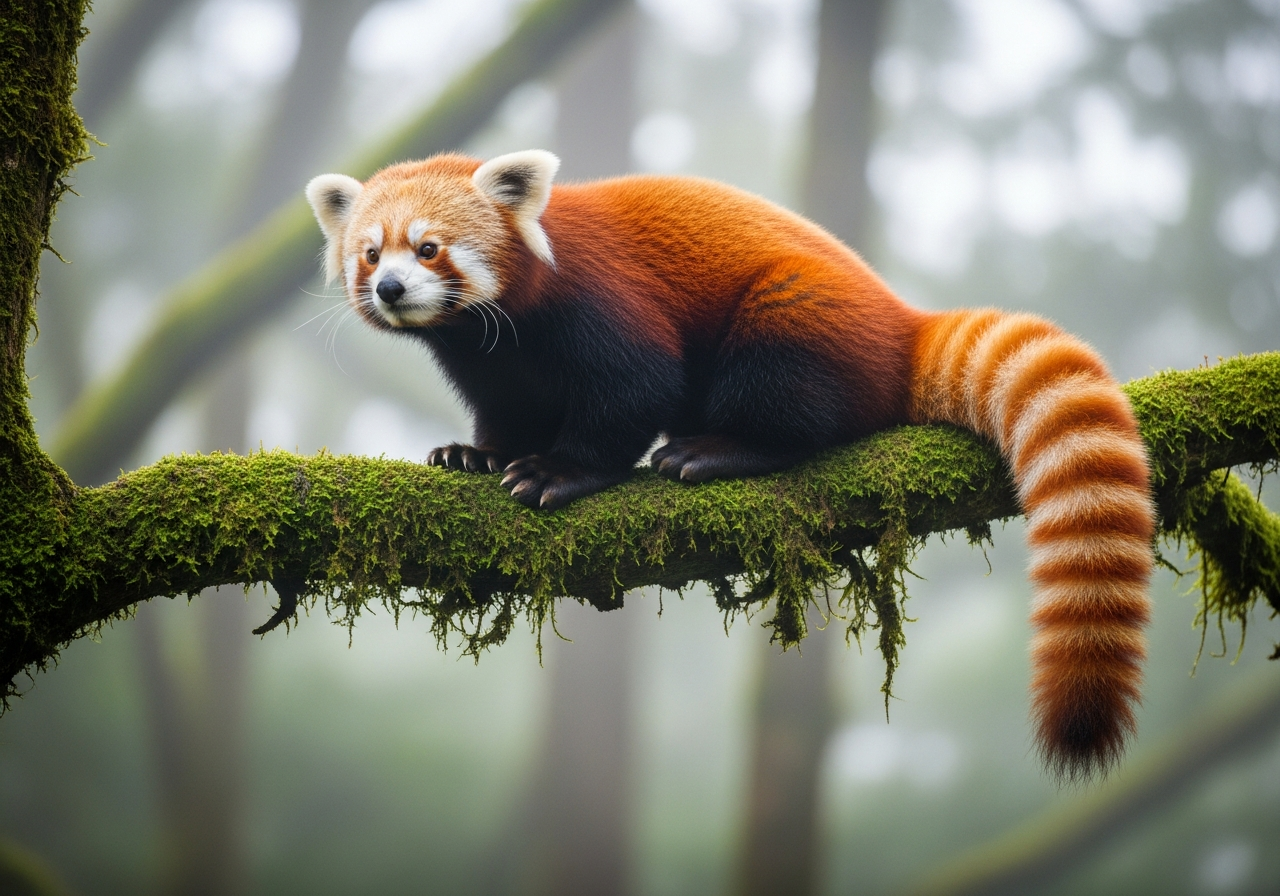
Mammal
The fiery-furred resident of the Himalayas
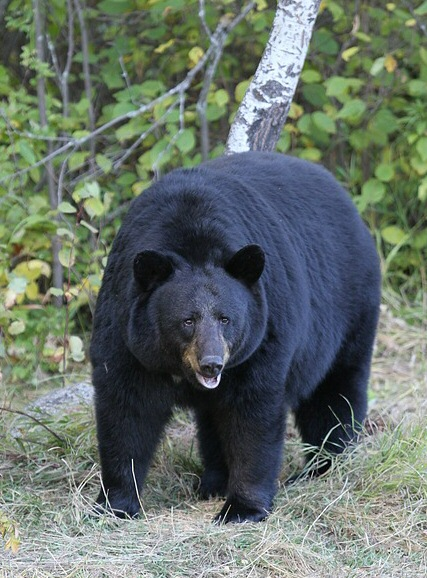
Mammal
North America's adaptable forest bear
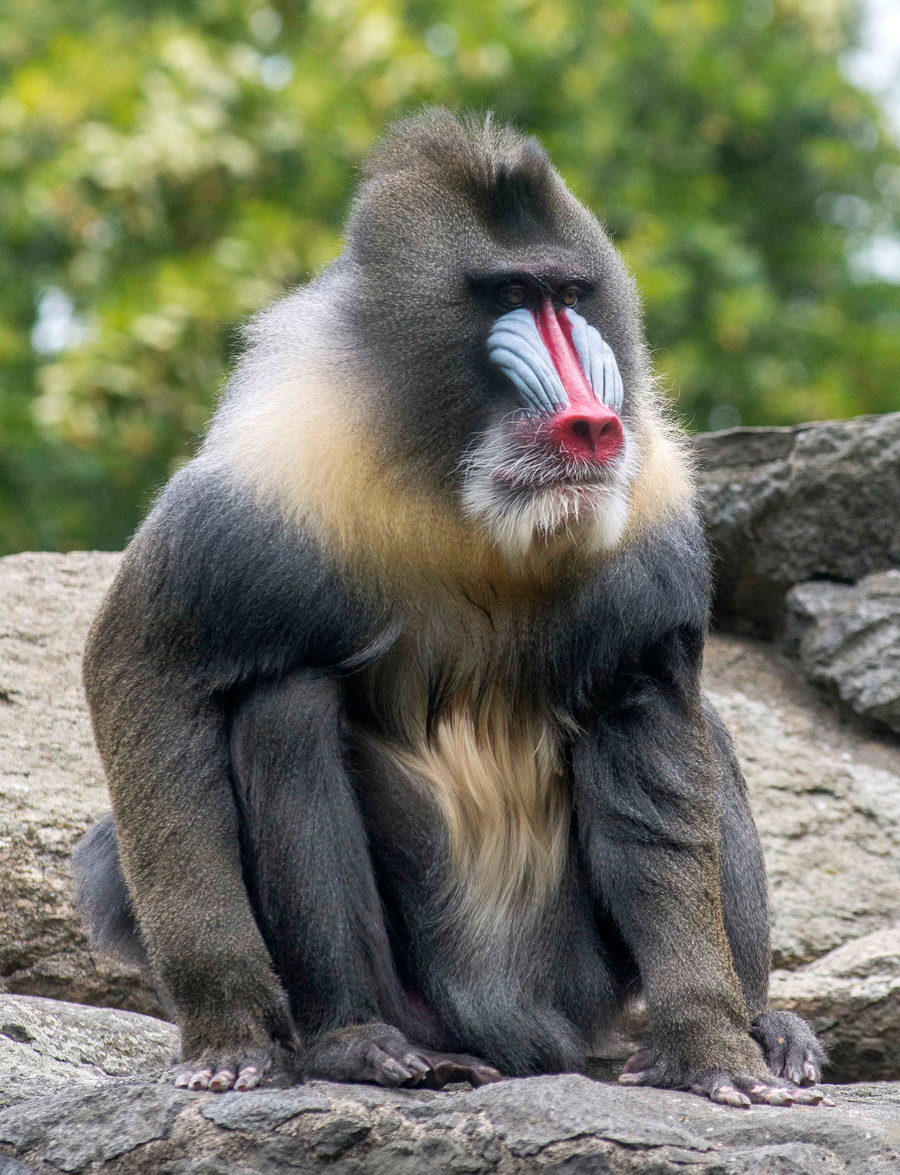
Mammal
The world's most colourful primate
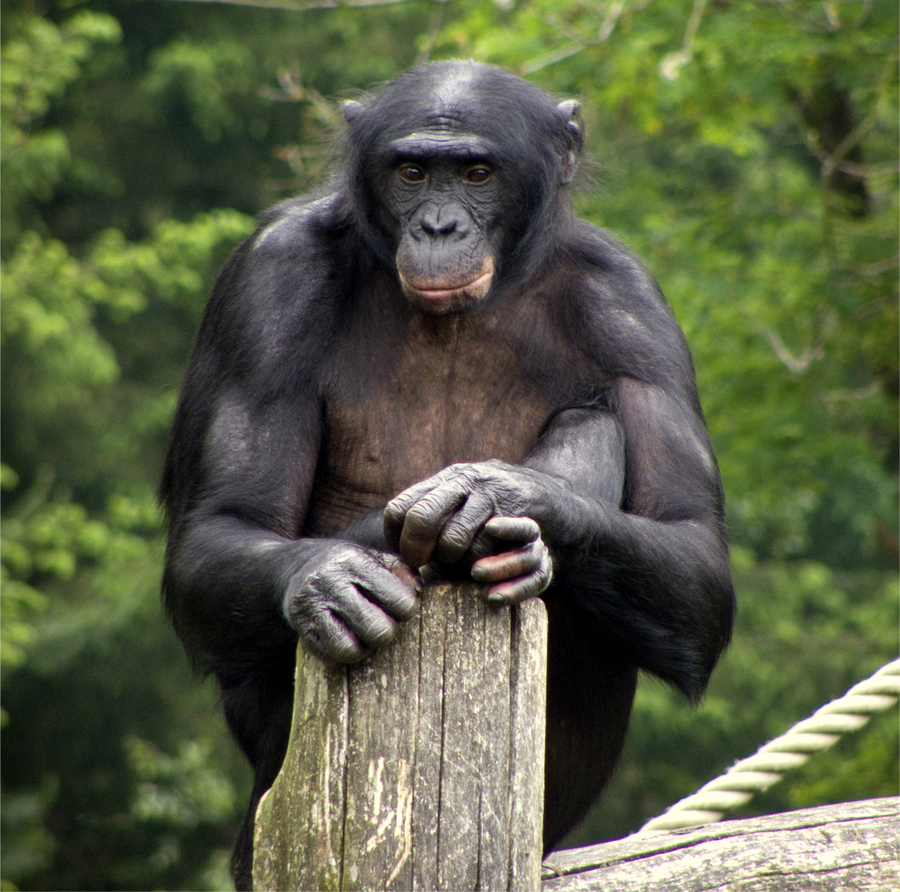
Mammal
The peaceful ape of the Congo Basin
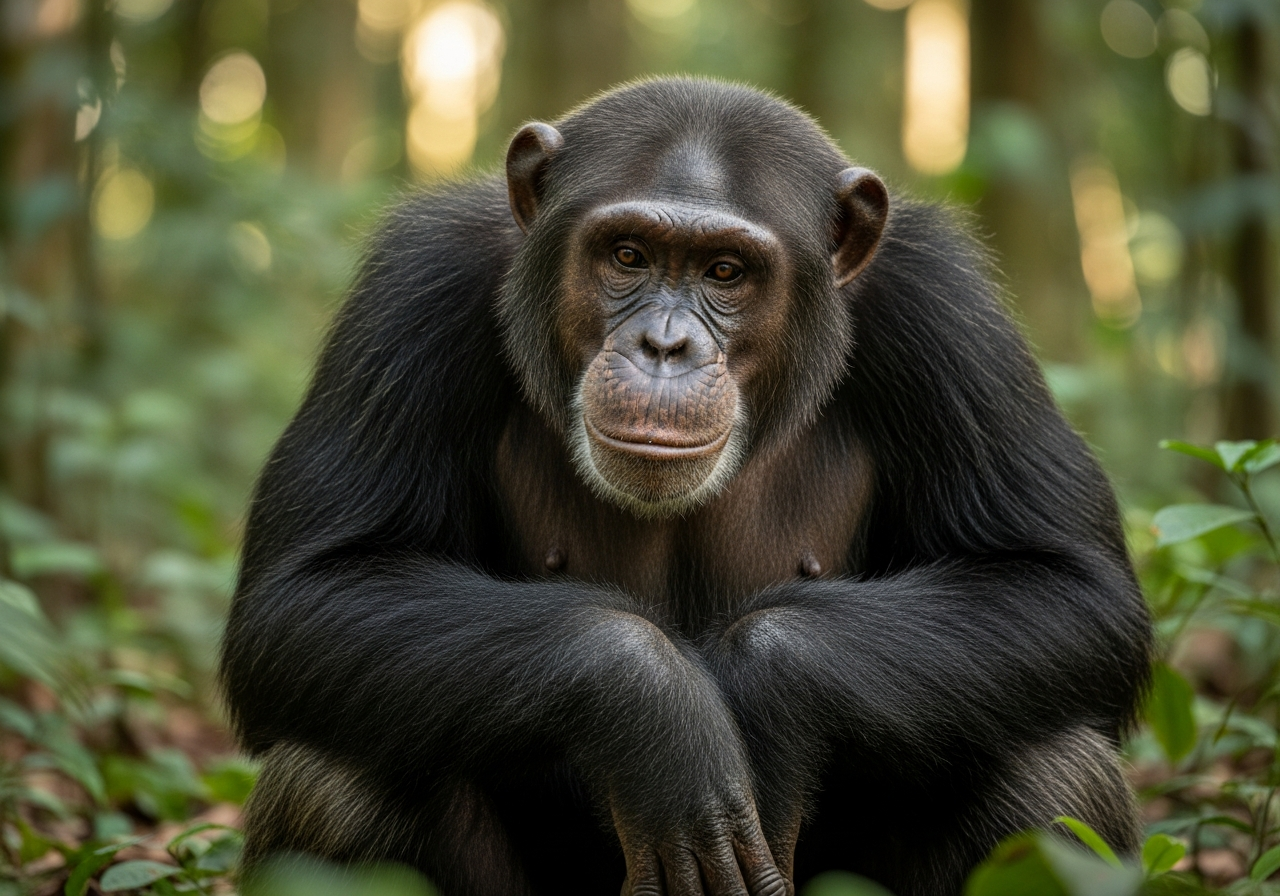
Mammal
Our closest living relative
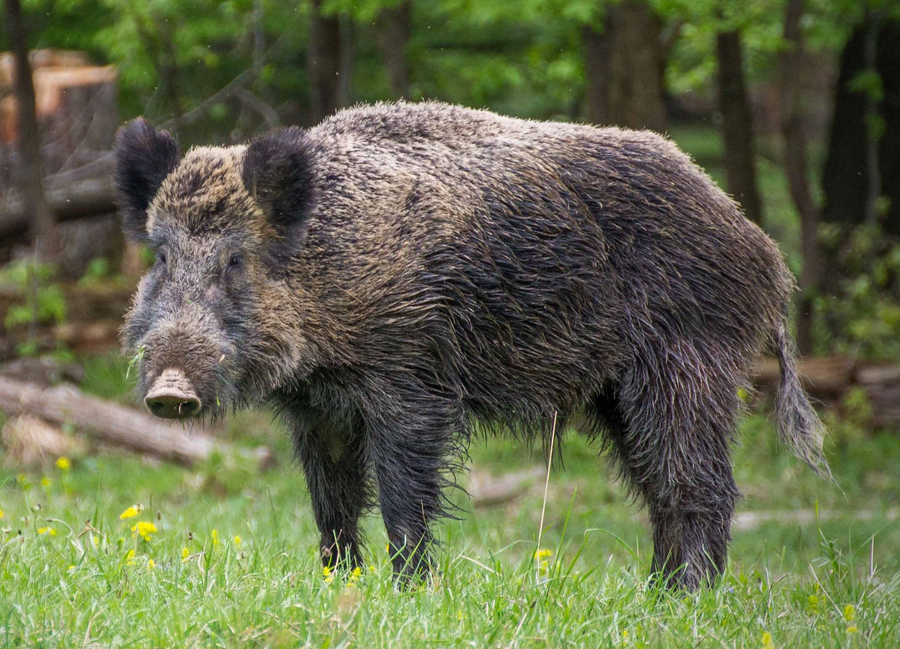
Mammal
The ancestor of the domestic pig
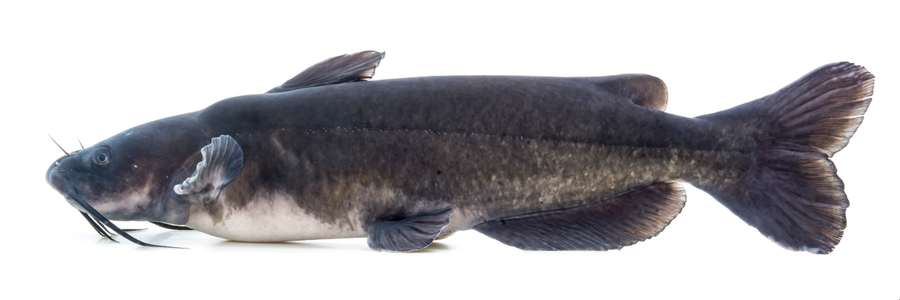
Fish
North America's whiskered bottom feeder
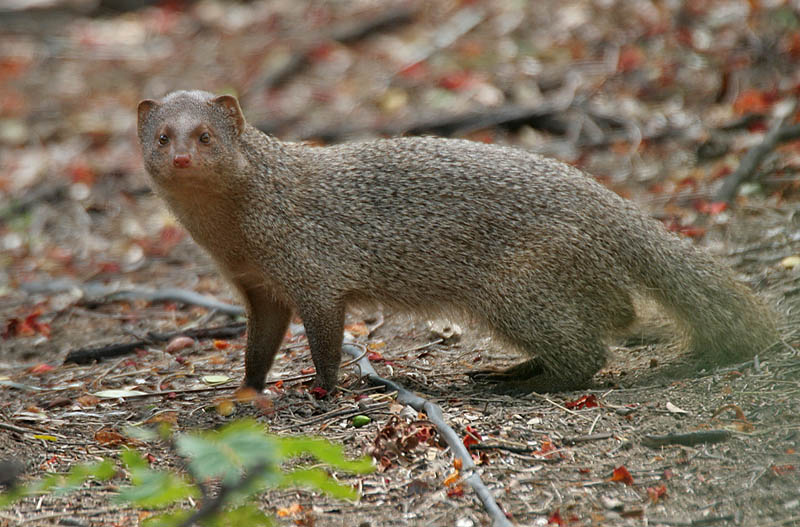
Mammal
The cobra's agile rival

Fish
The reef fish that lives among stinging tentacles
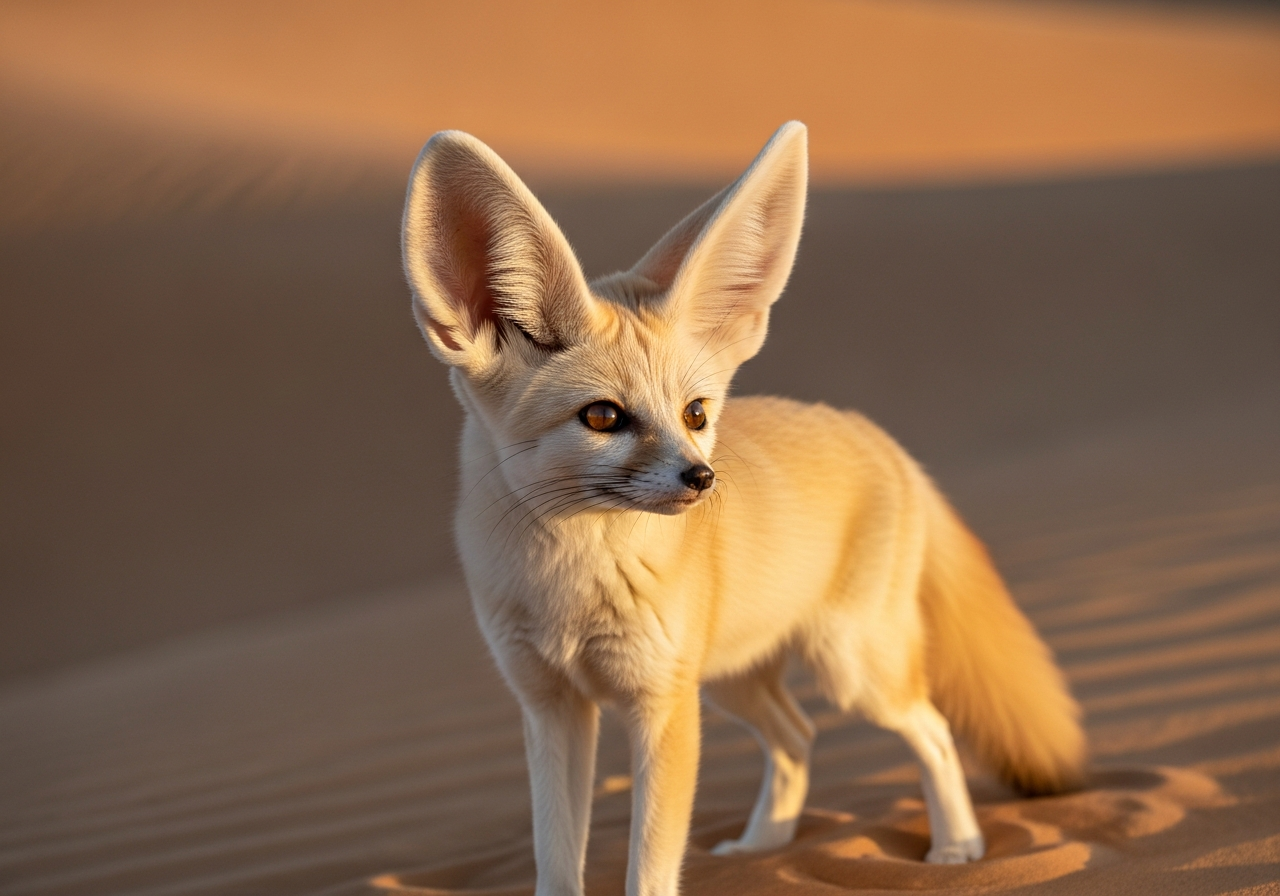
Mammal
The tiny desert fox with enormous ears
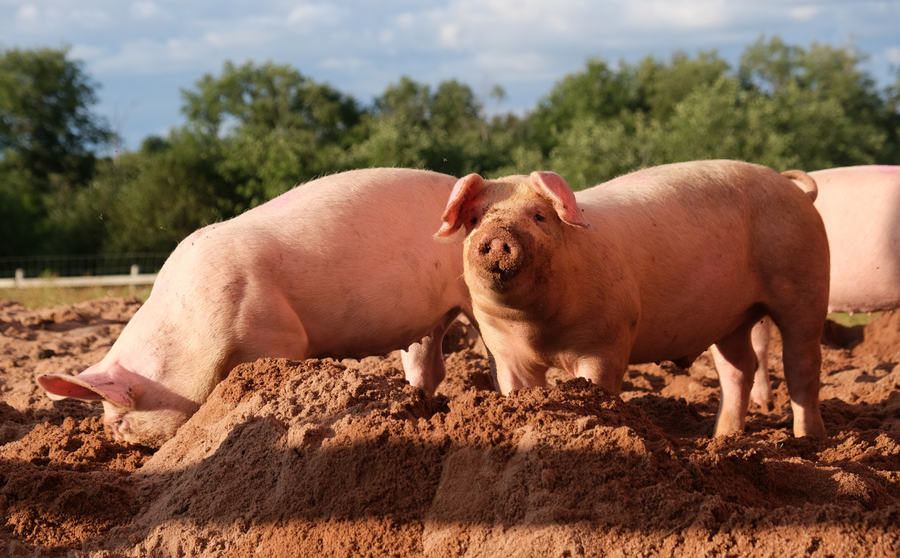
Mammal
The intelligent farm mammal
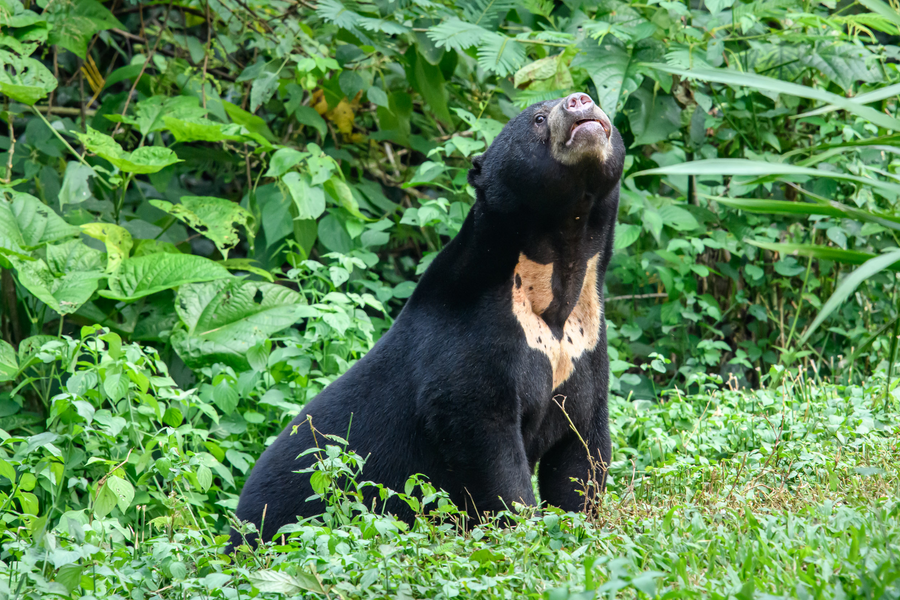
Mammal
The smallest bear of Southeast Asia's rainforests
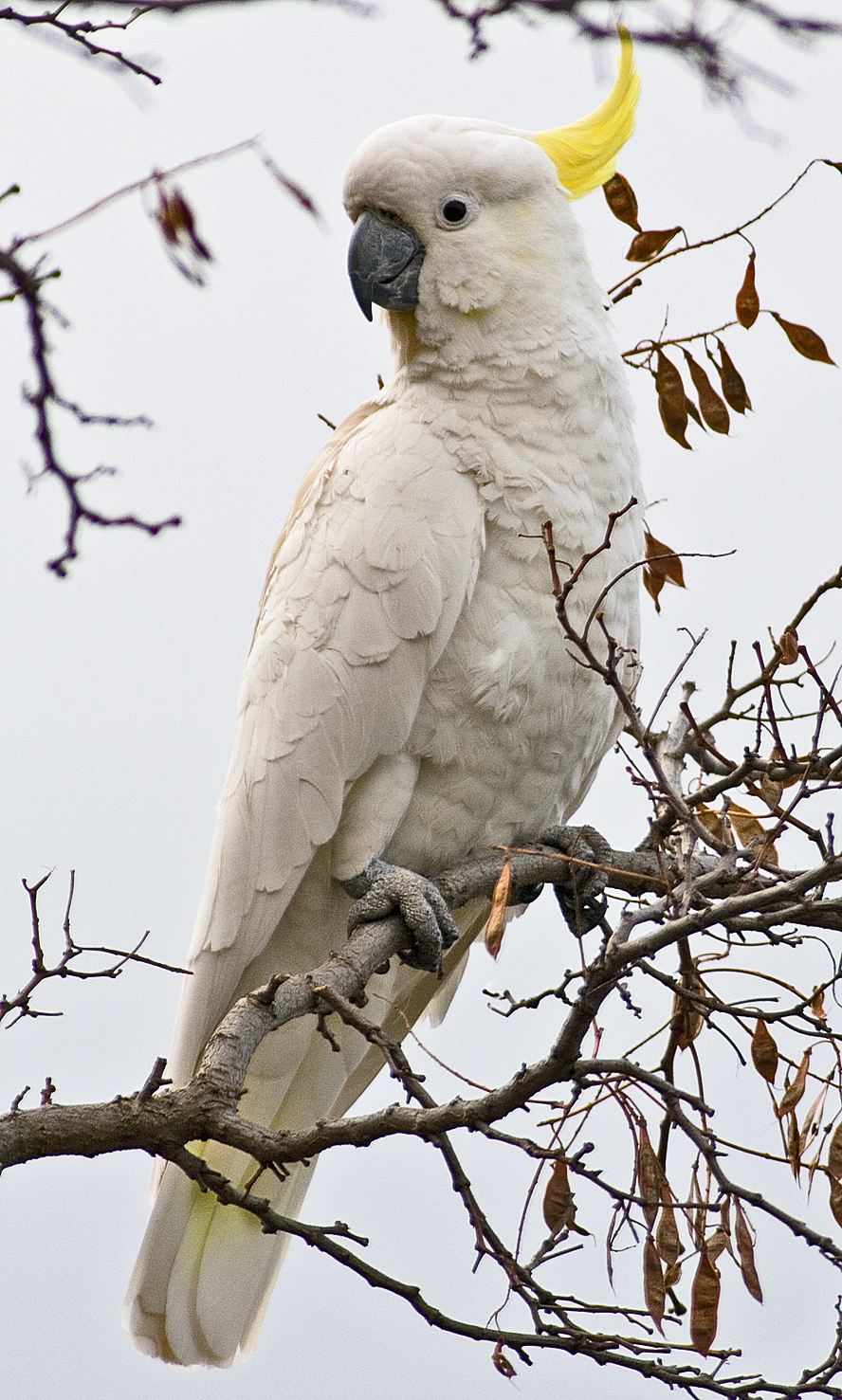
Bird
Australia's loud crested parrot
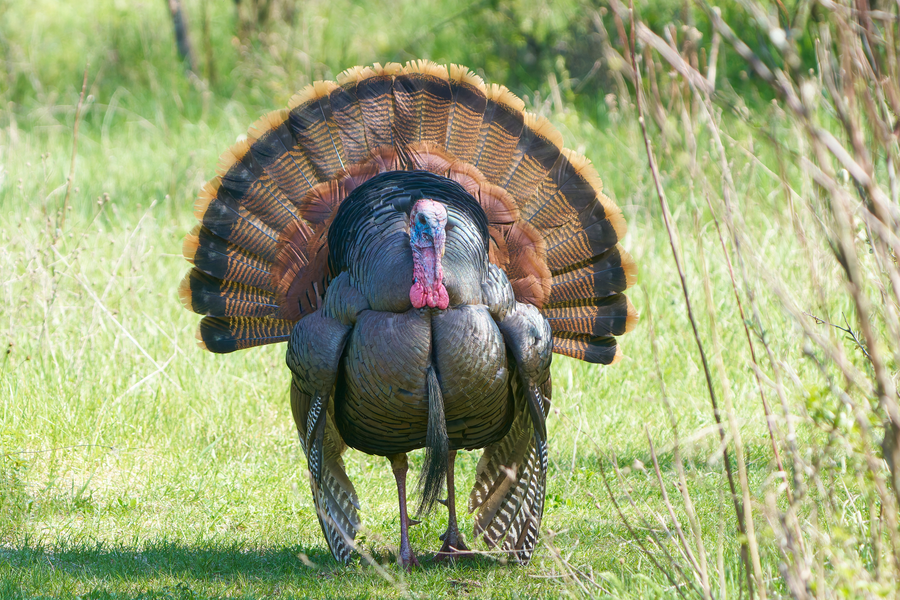
Bird
The crowing guardian of the barnyard flock
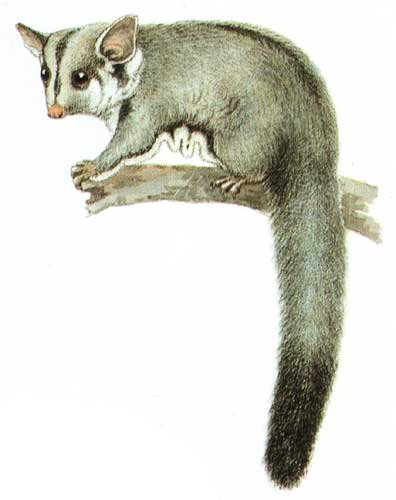
Mammal
Nocturnal gliding marsupial of eucalypt forests
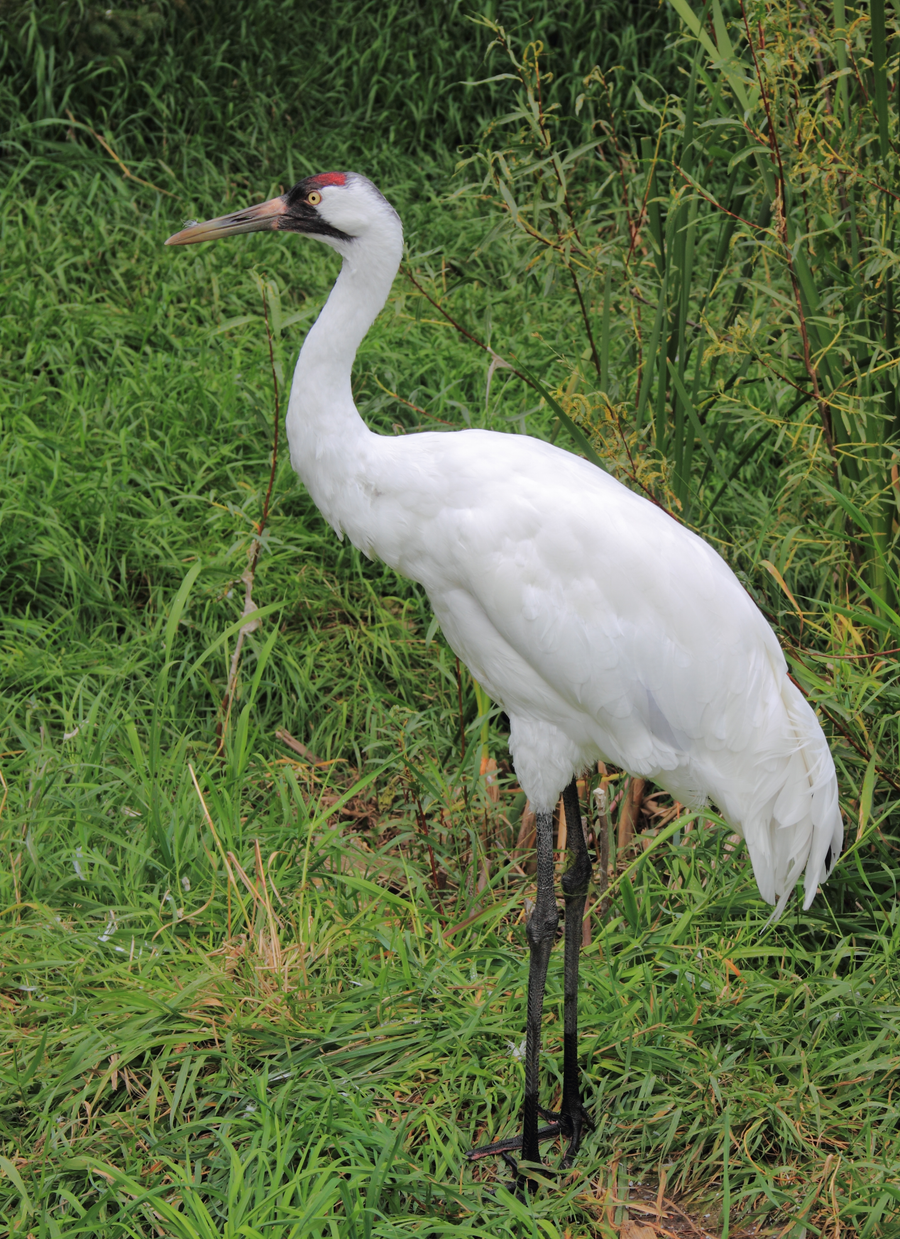
Bird
Tallest North American bird and conservation icon
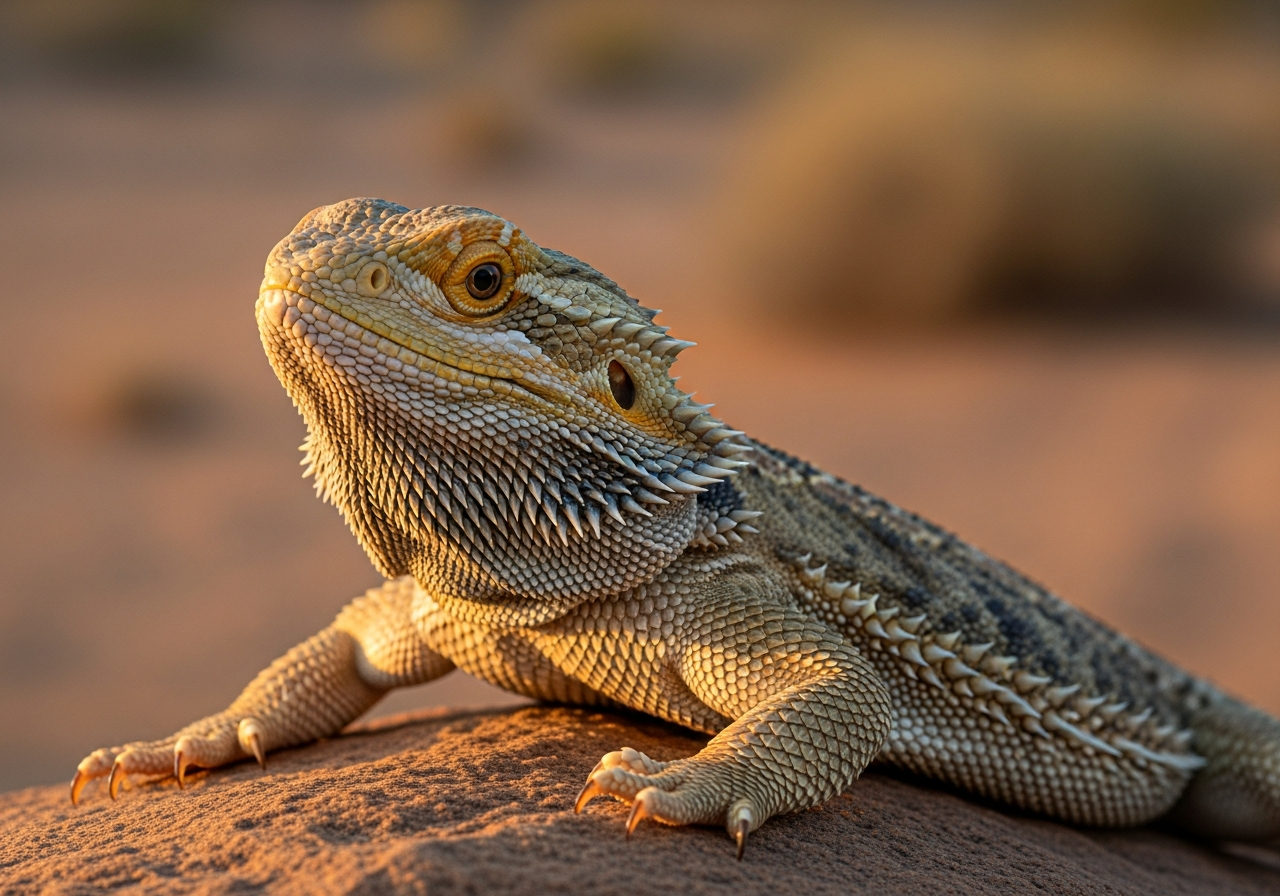
Reptile
The friendly desert lizard and favorite pet reptile
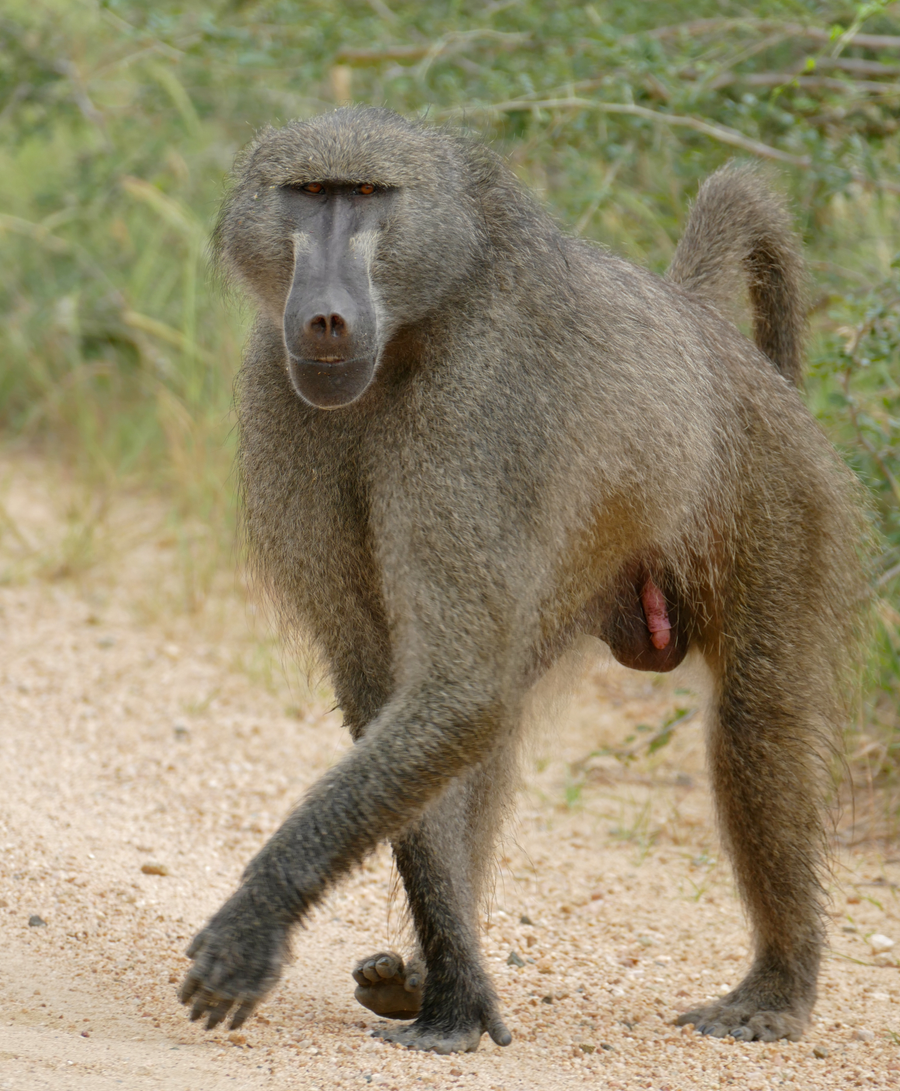
Mammal
Africa's adaptable monkey
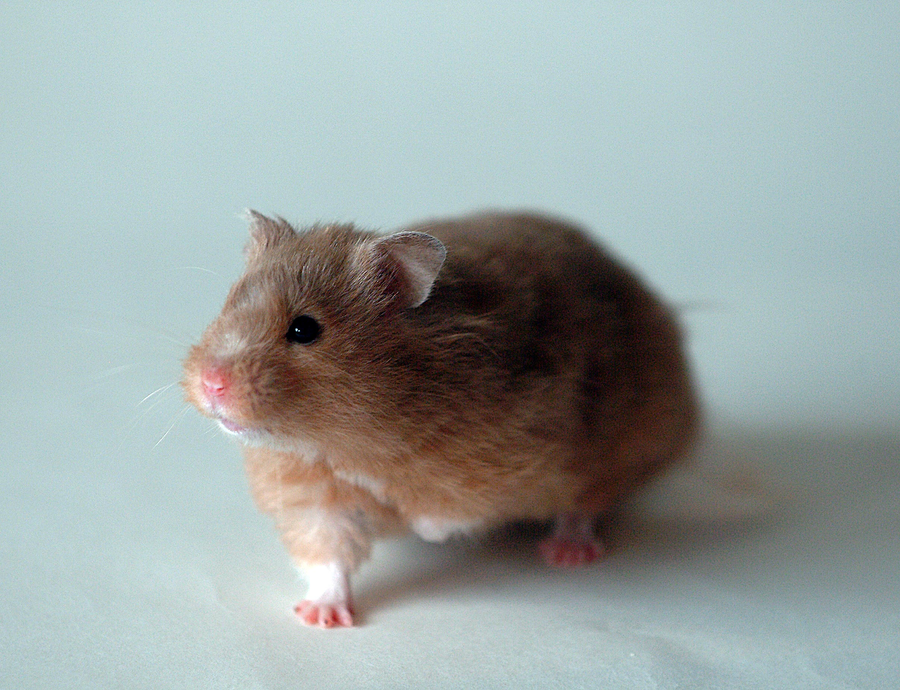
Mammal
The classic pocket-sized pet rodent
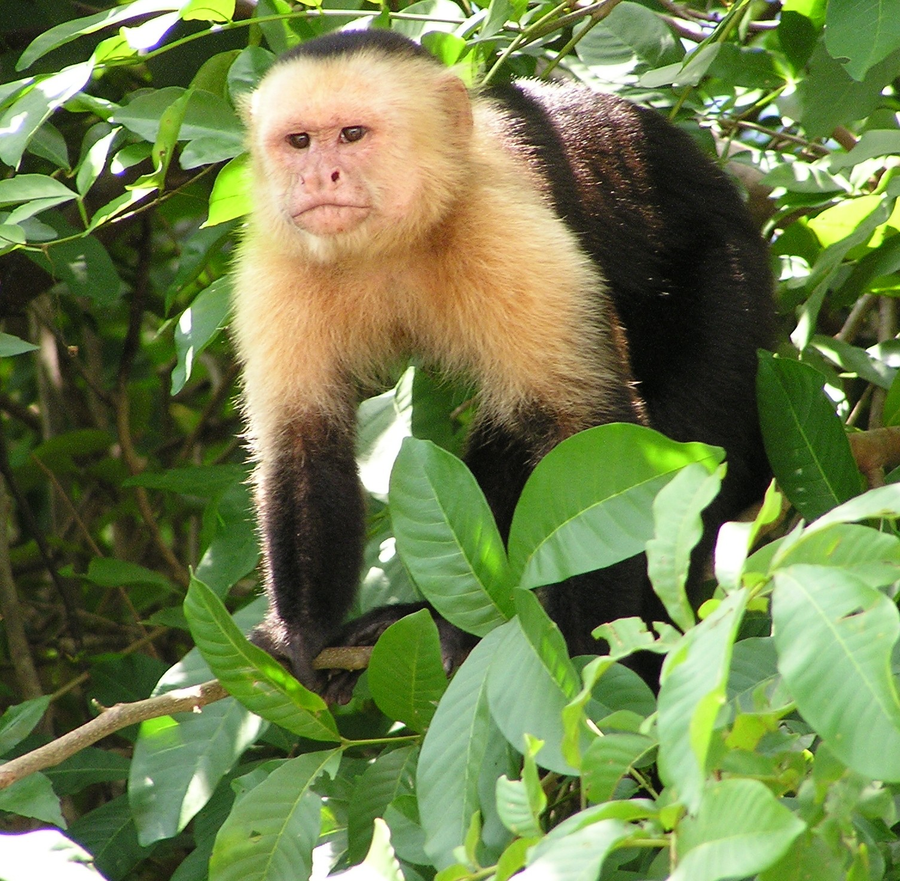
Mammal
The clever New World monkey
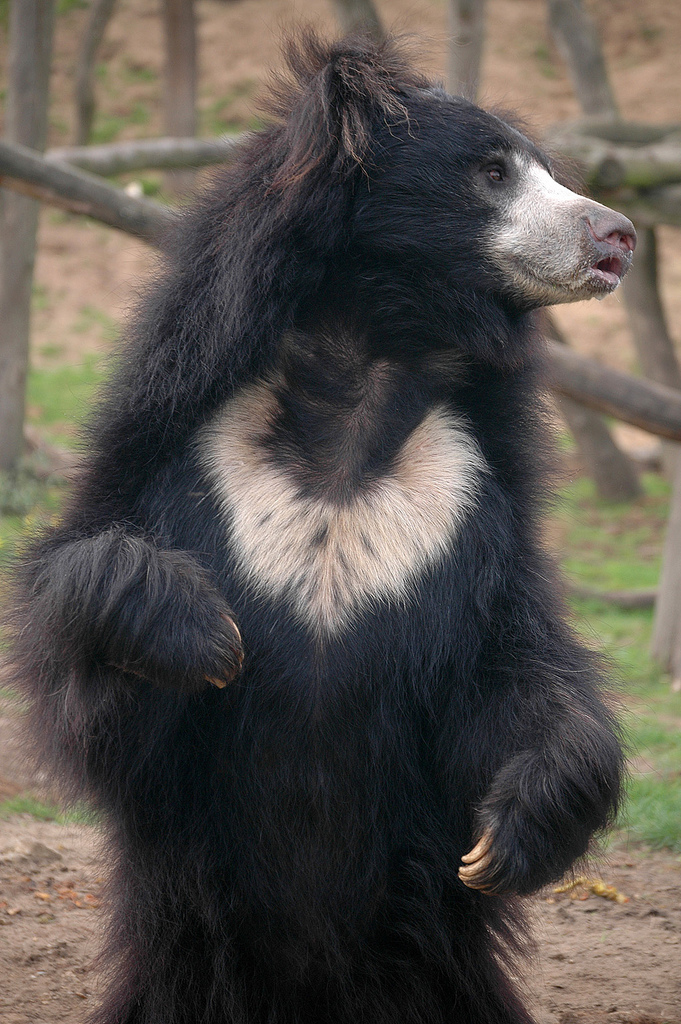
Mammal
India's shaggy insect-eating bear
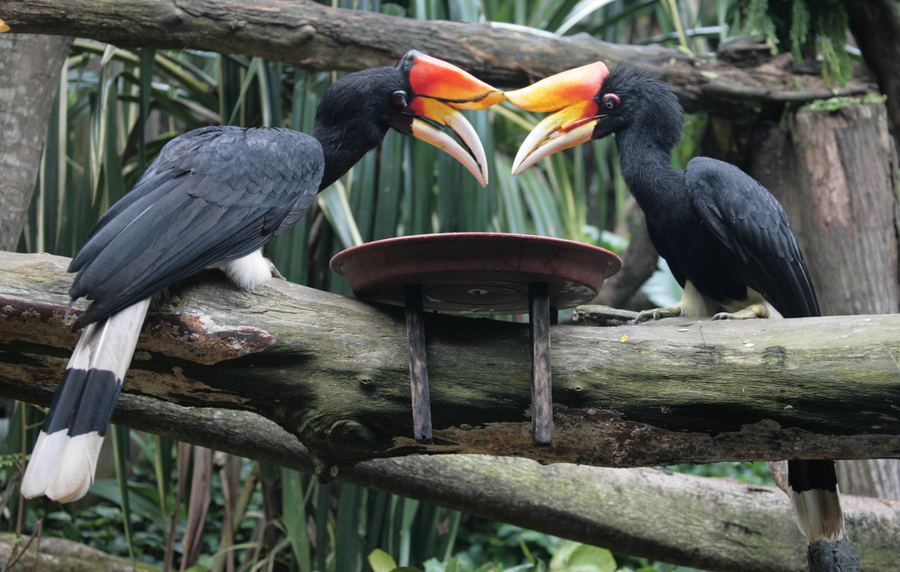
Bird
The thunderbird of Borneo's rainforest
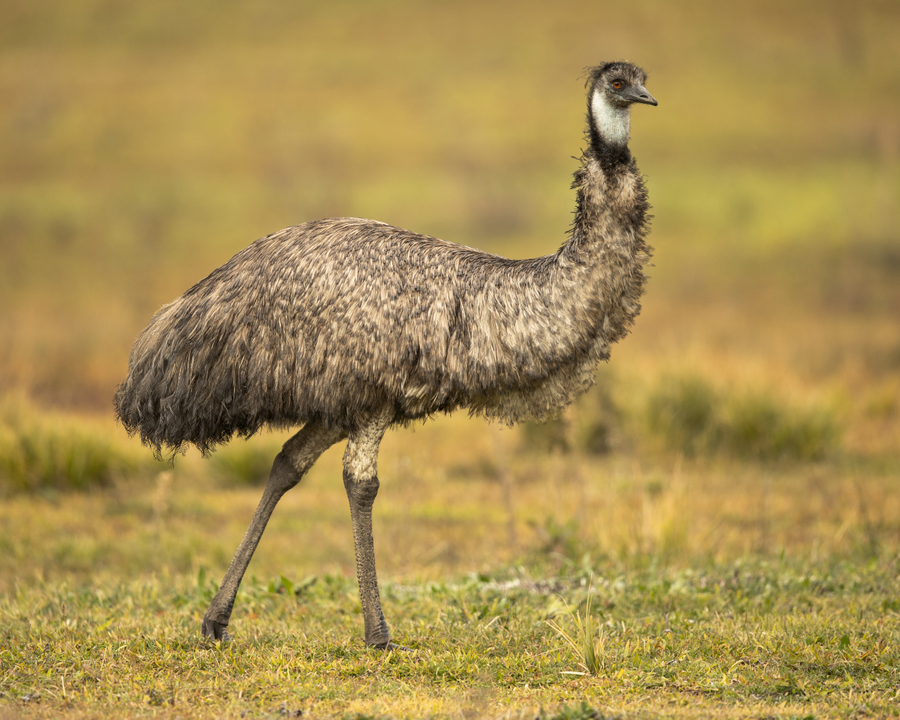
Bird
Australia's flightless giant
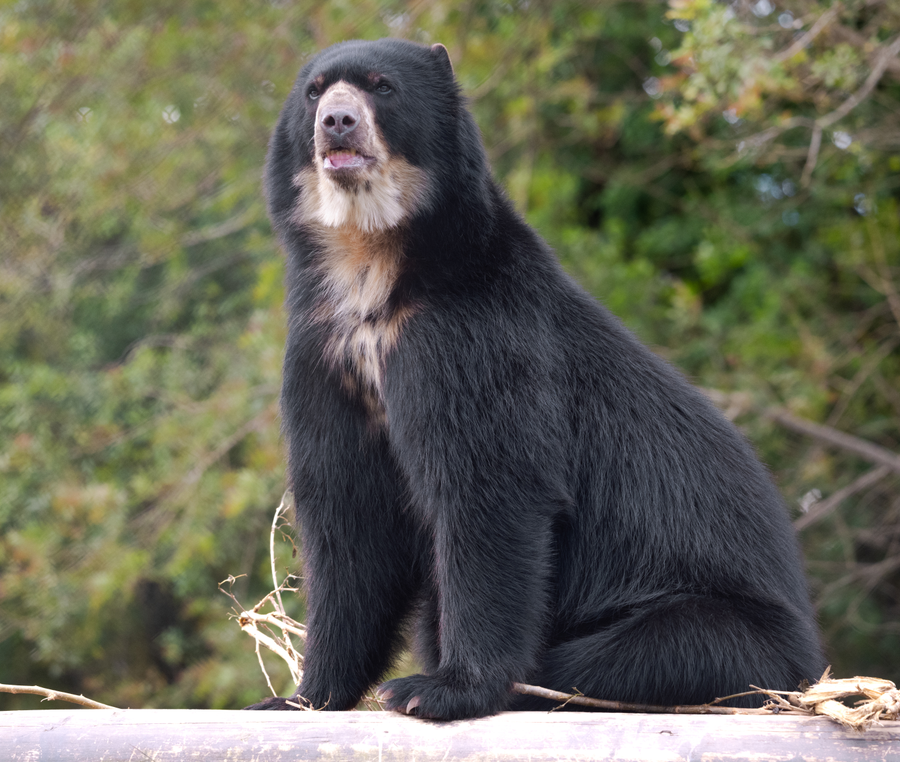
Mammal
The only bear native to South America
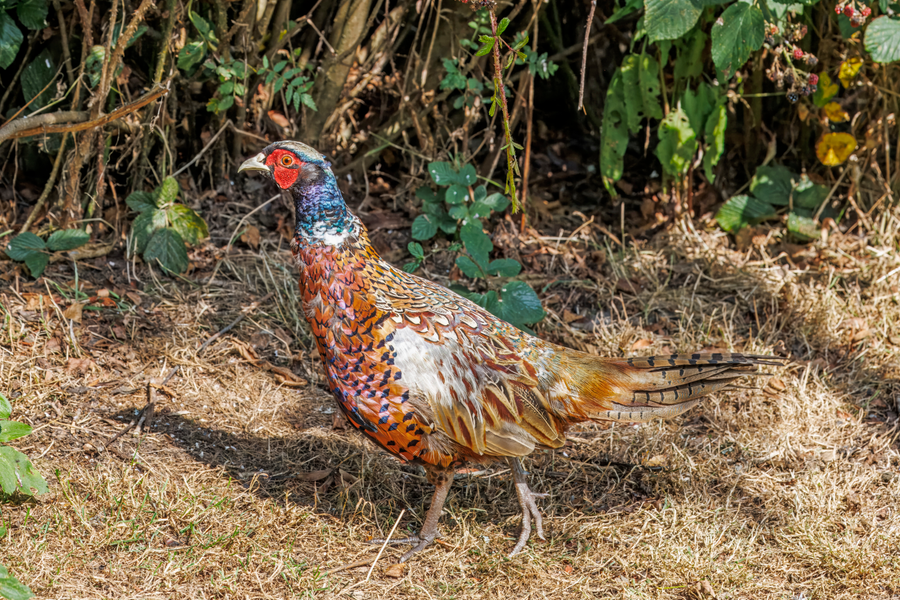
Bird
The ring-necked game bird of field and forest
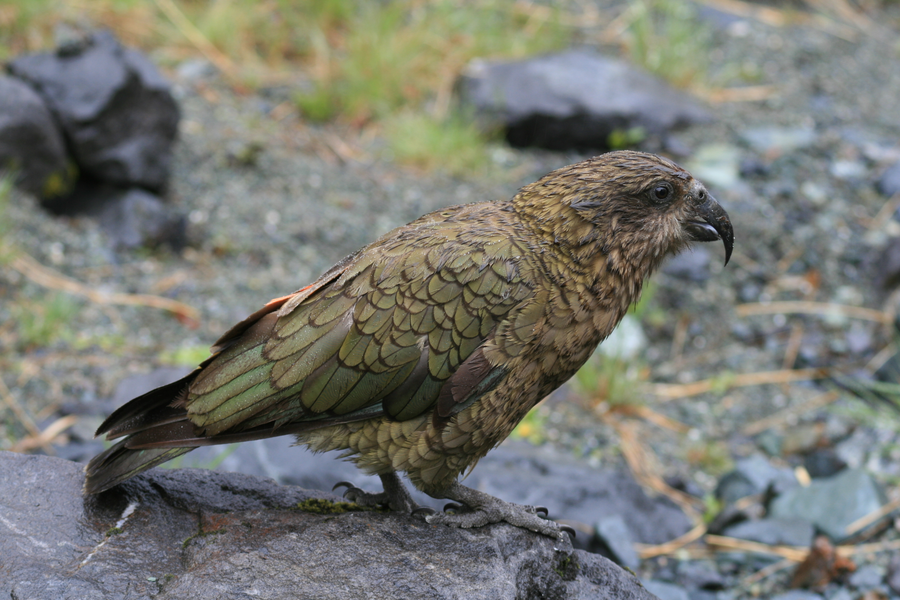
Bird
Alpine parrot renowned for curiosity
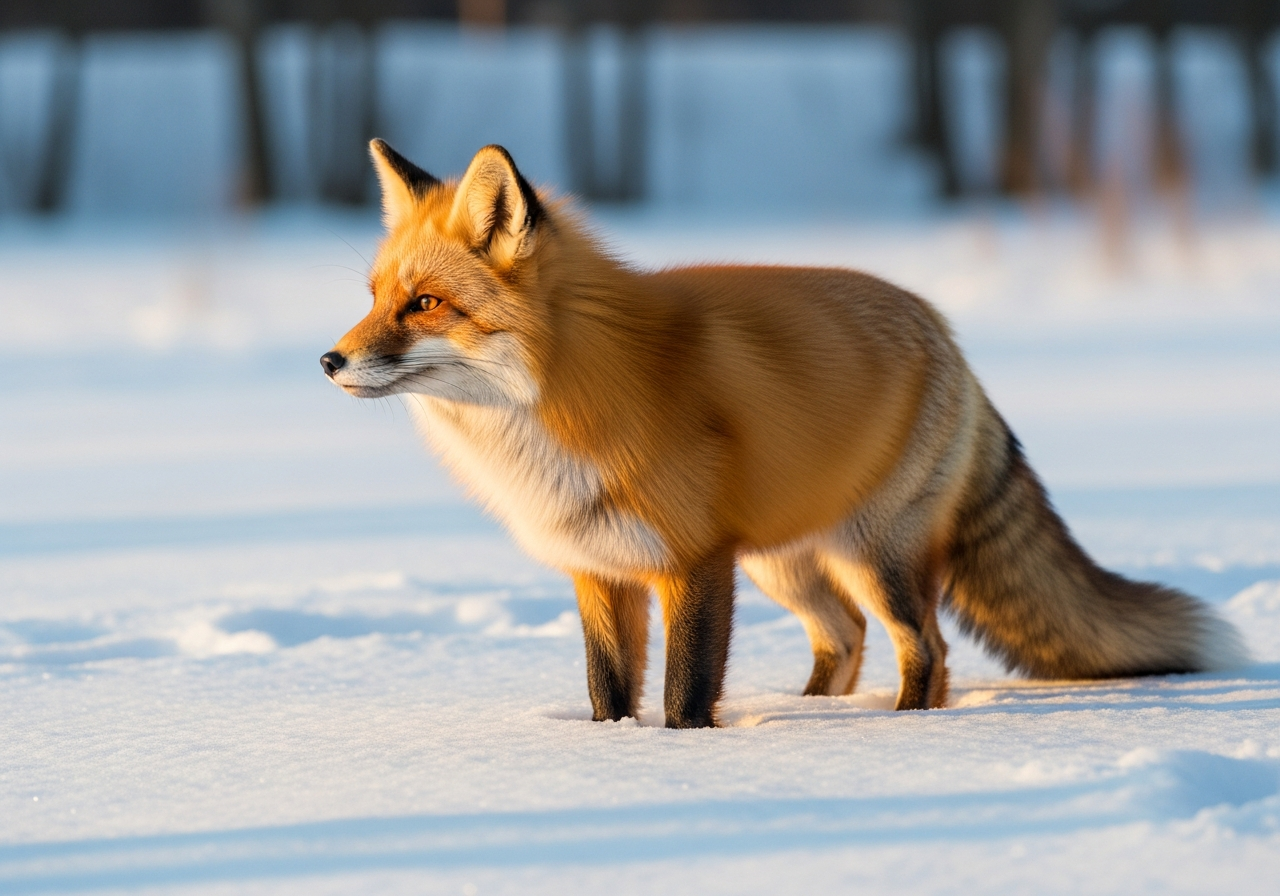
Mammal
The most widespread wild carnivore on Earth
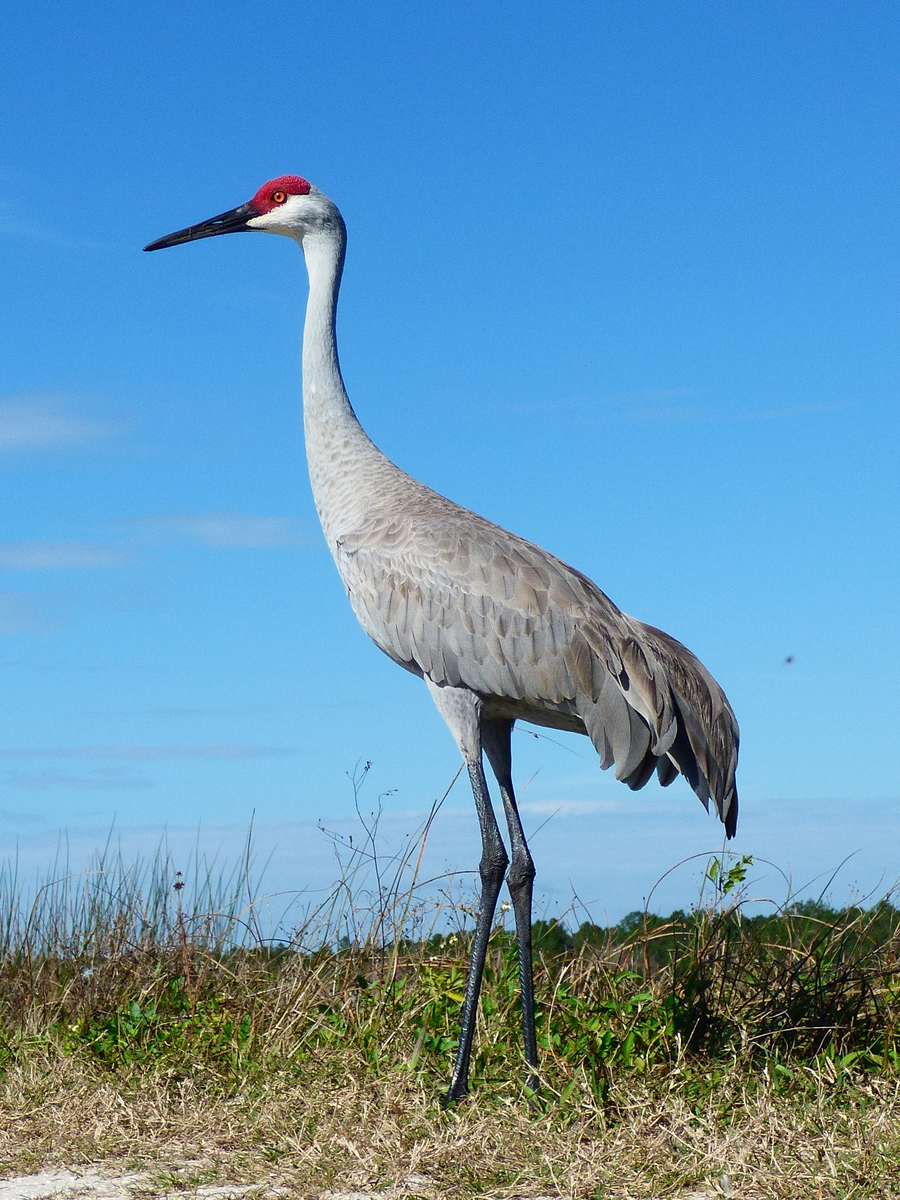
Bird
North America's dancing crane
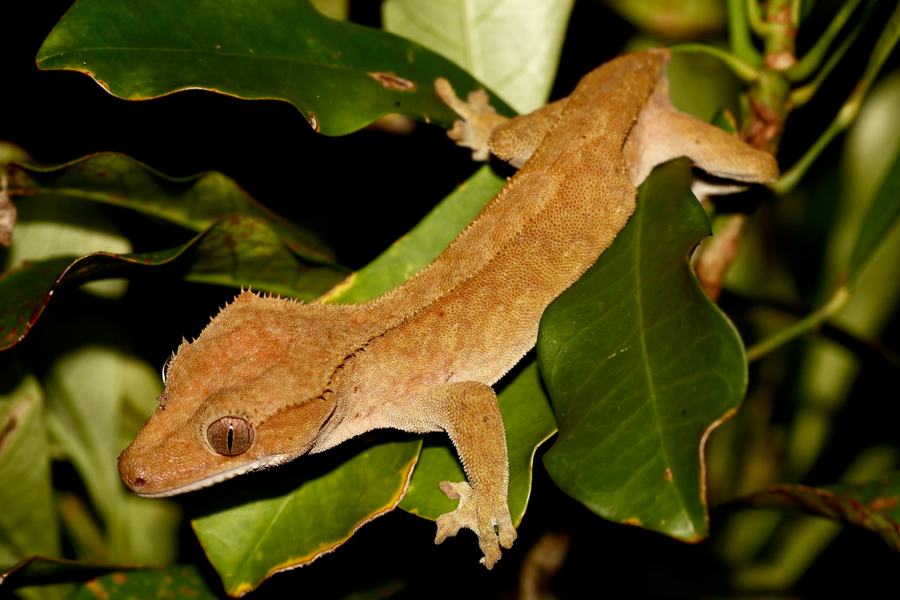
Reptile
Eyelash-crested gecko of New Caledonia
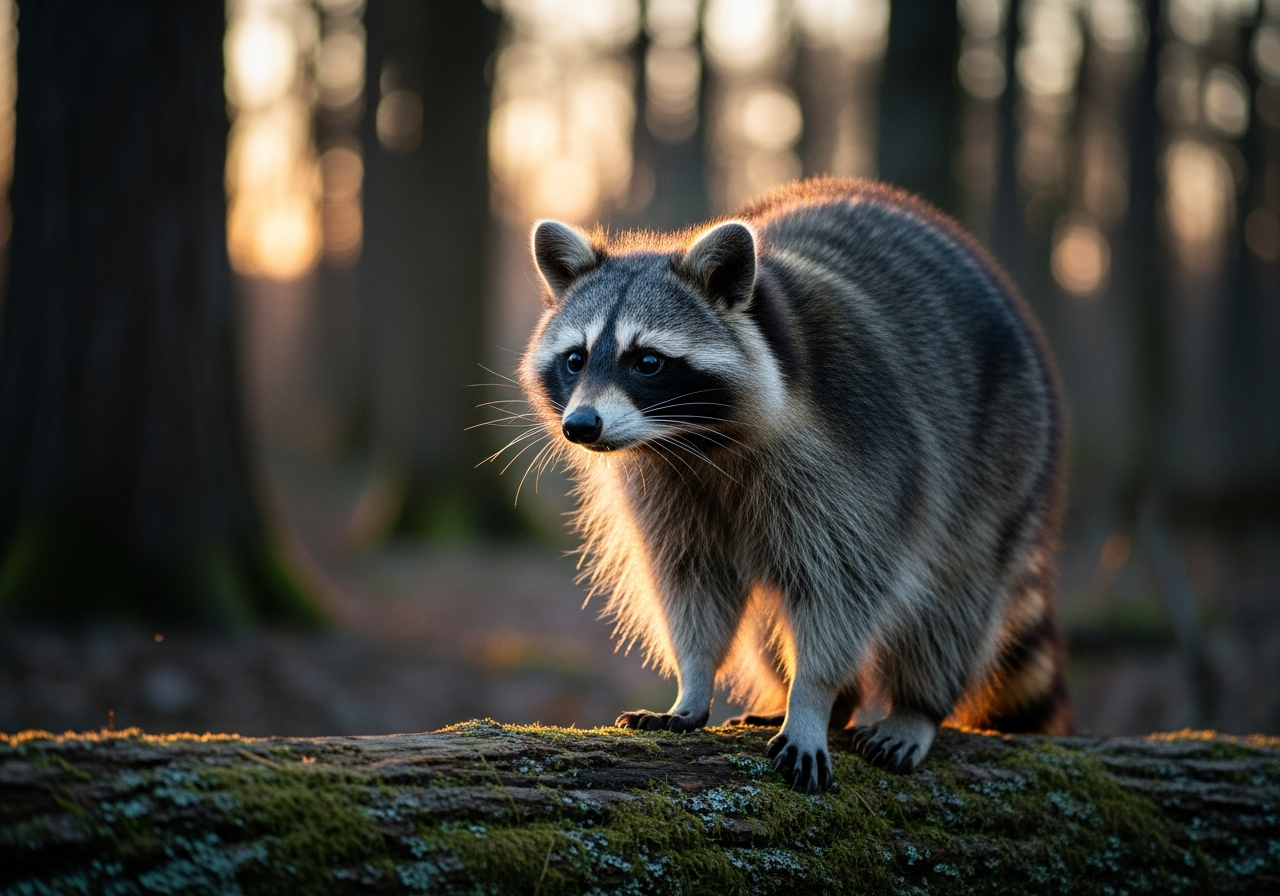
Mammal
The masked, clever-handed night raider
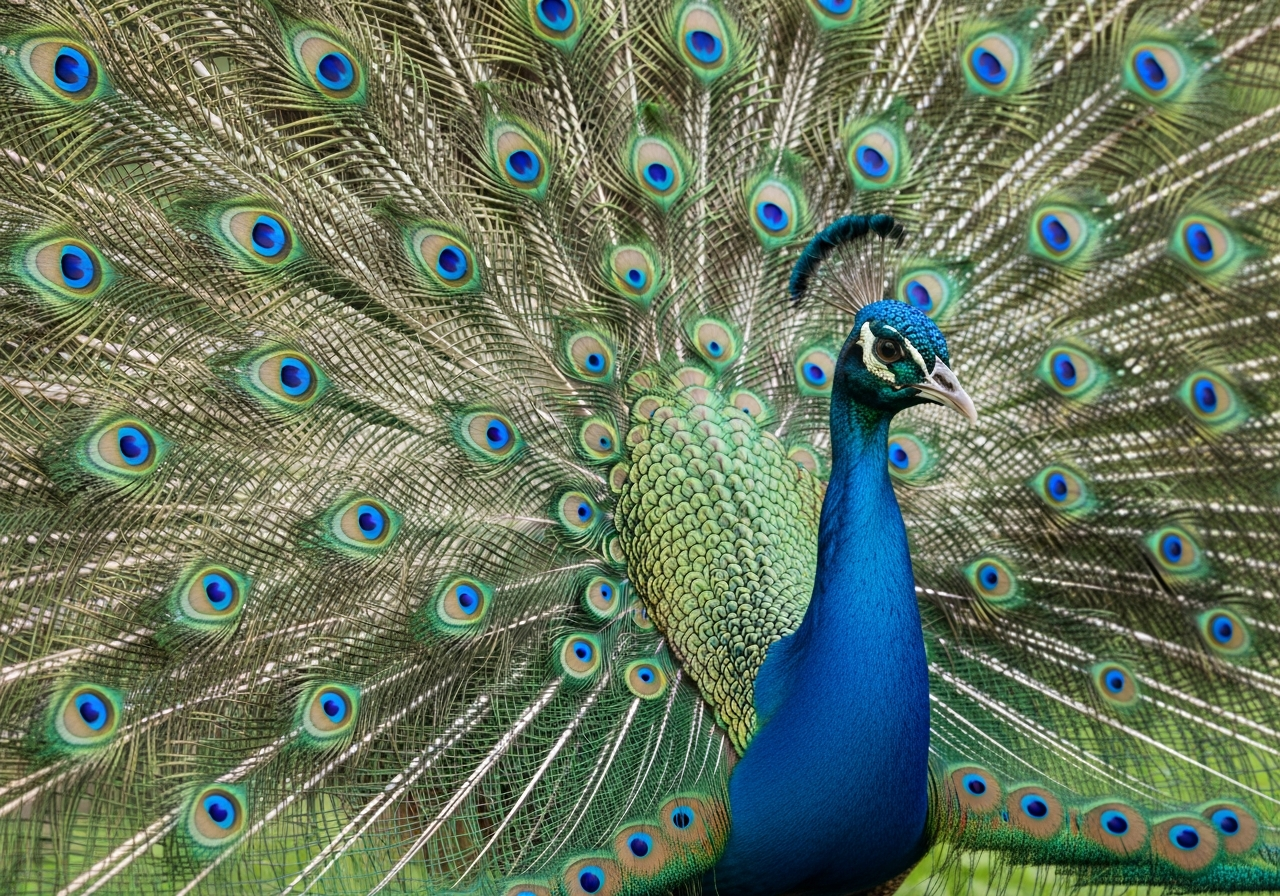
Bird
The dazzling showman of the bird world
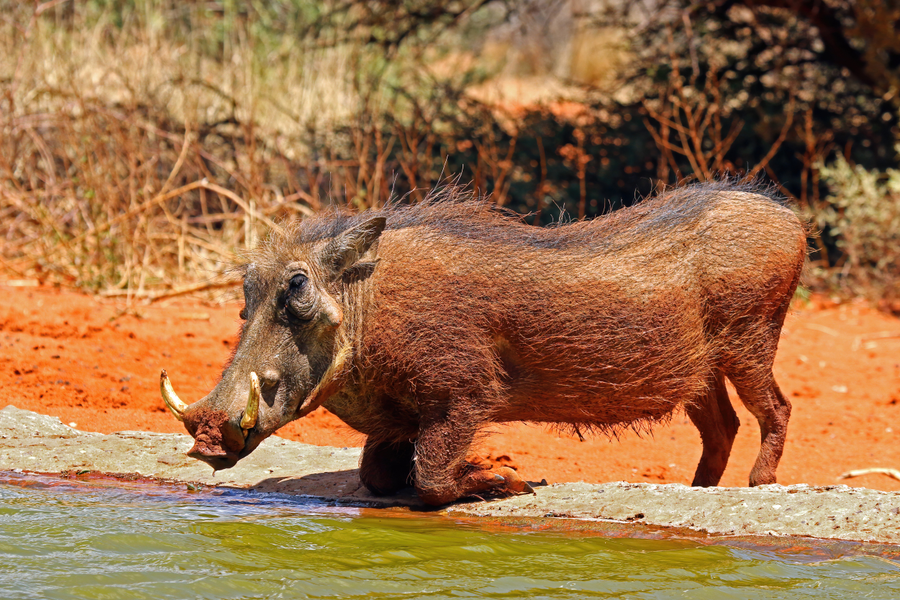
Mammal
Africa's tusked savanna pig
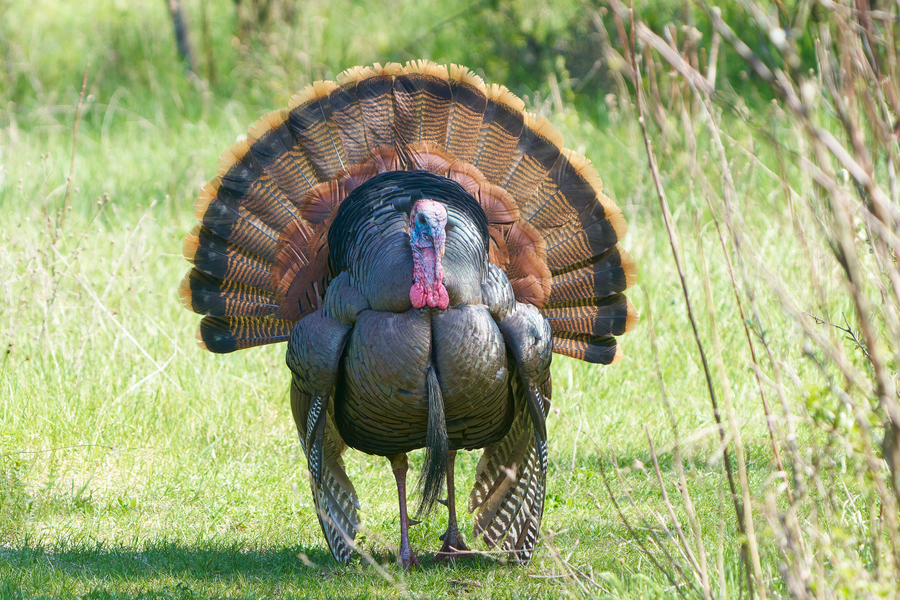
Bird
North America's ground bird
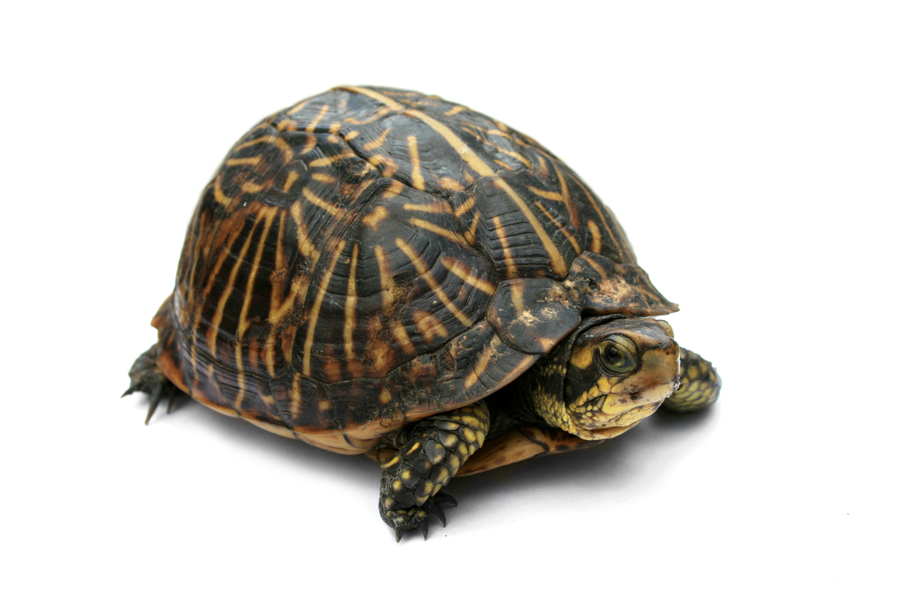
Reptile
North America's hinged turtle
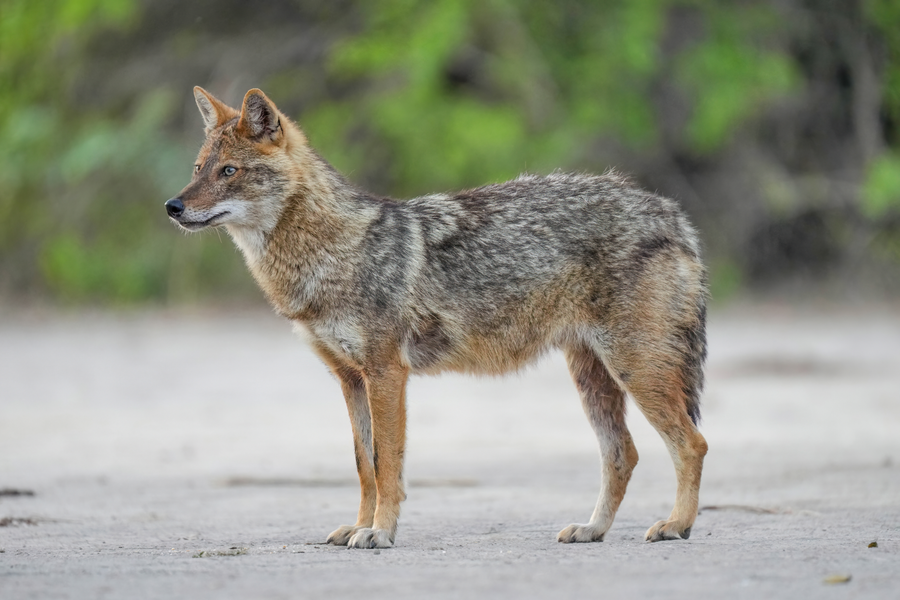
Mammal
The adaptable wild dog of Europe and Asia
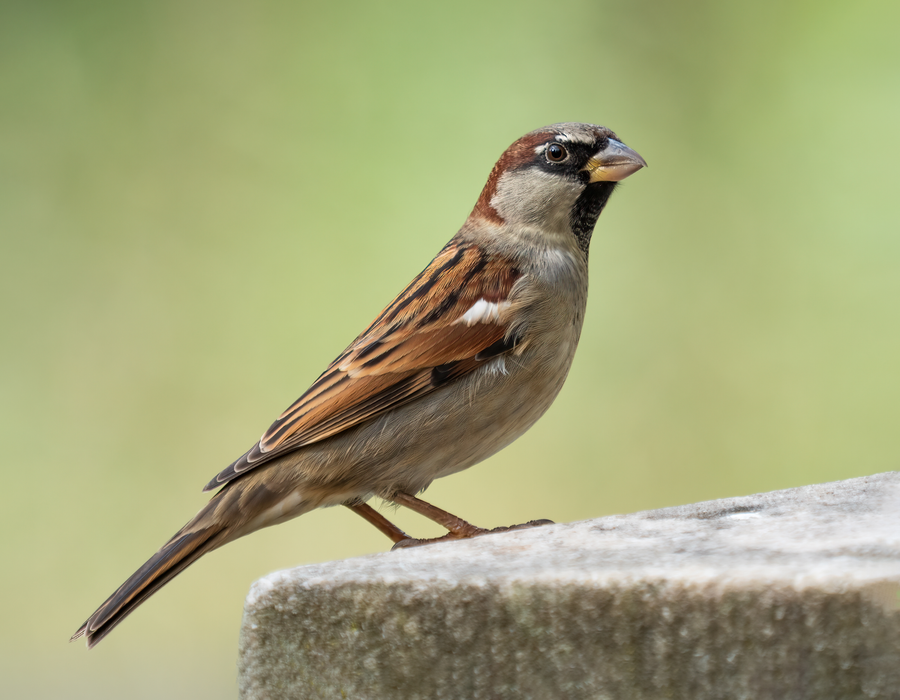
Bird
Ubiquitous sparrow of towns and farms
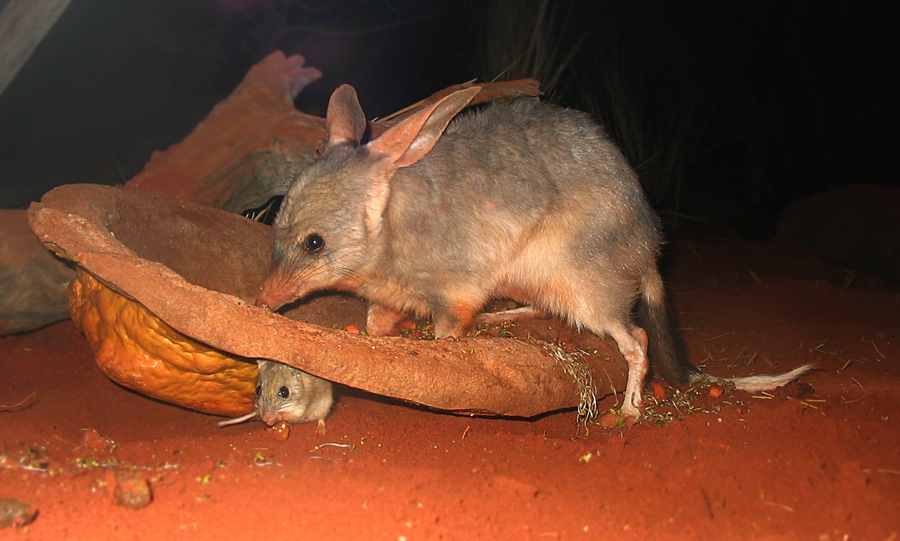
Mammal
Long-eared desert bandicoot
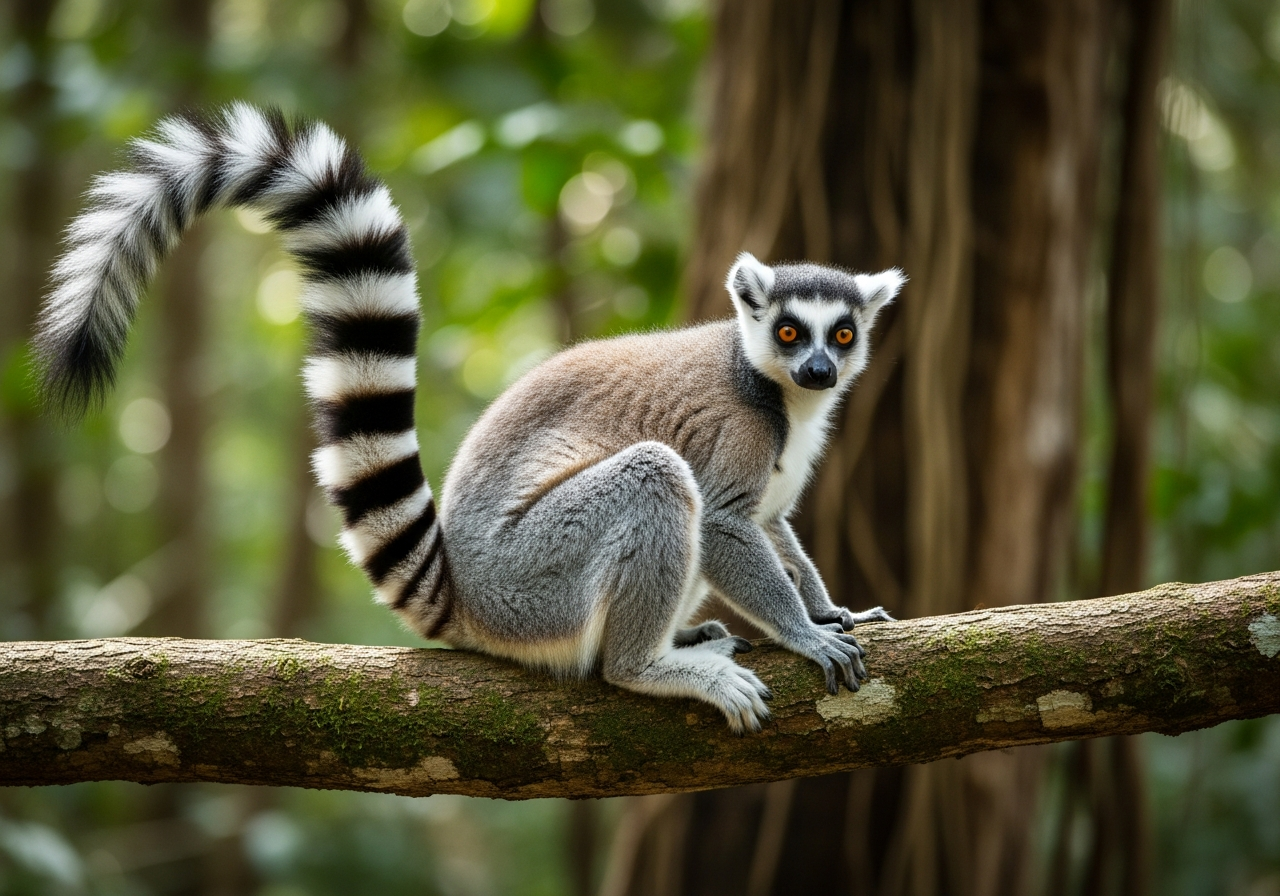
Mammal
Madagascar's striped-tailed, sun-bathing primate
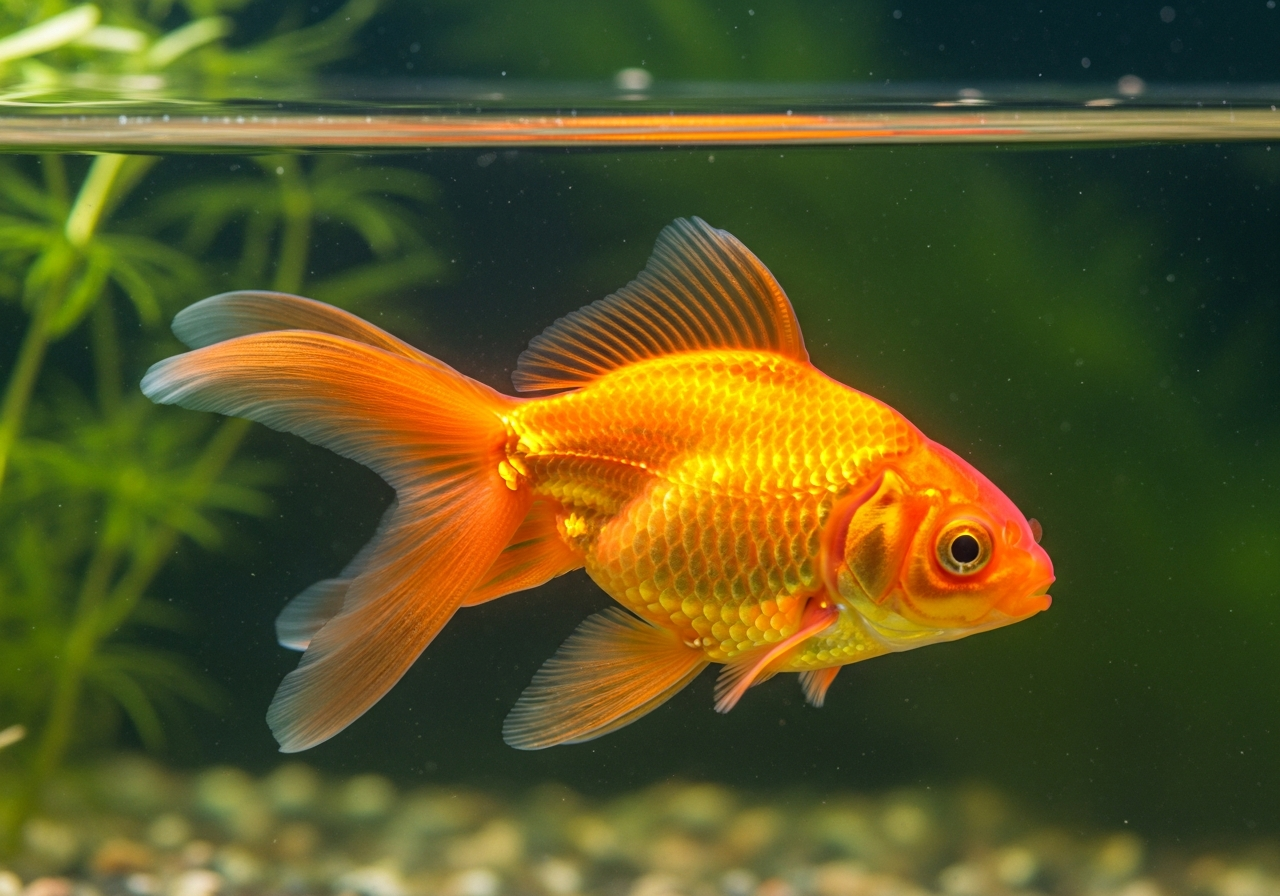
Fish
The world's most popular pet fish
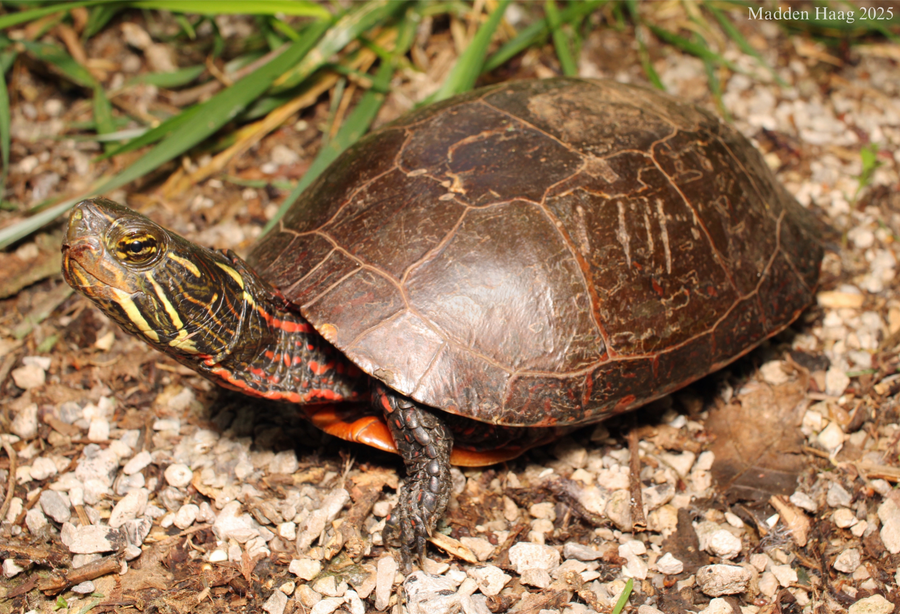
Reptile
The pond slider of North America
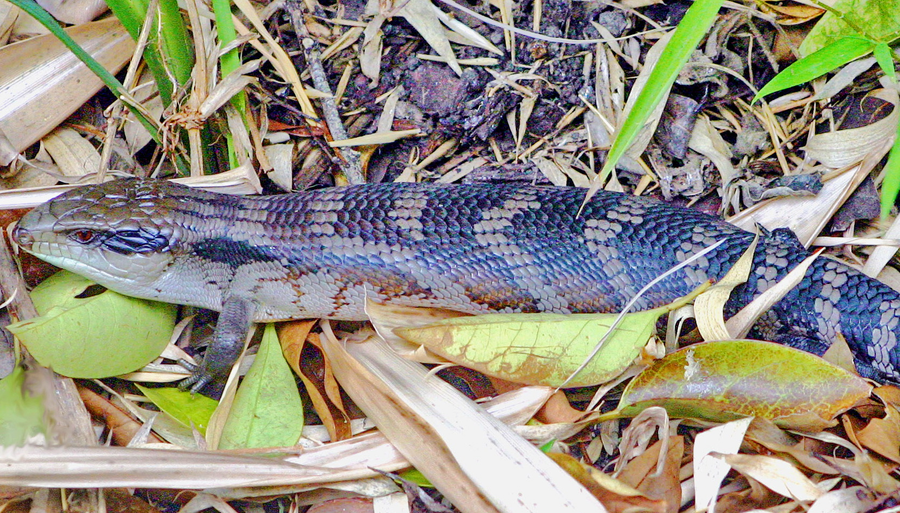
Reptile
Stocky Australian skink with a blue tongue
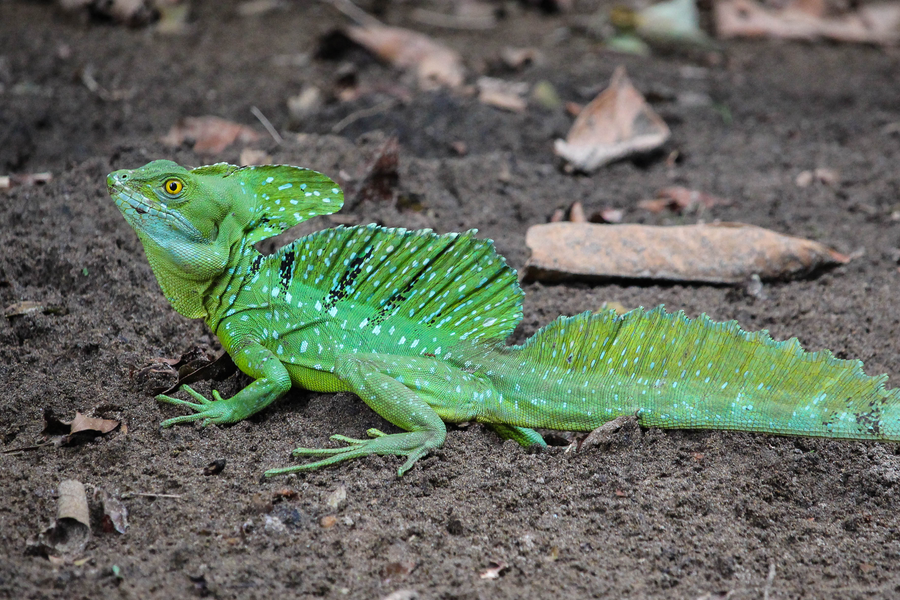
Reptile
Jesus Christ lizard that runs on water
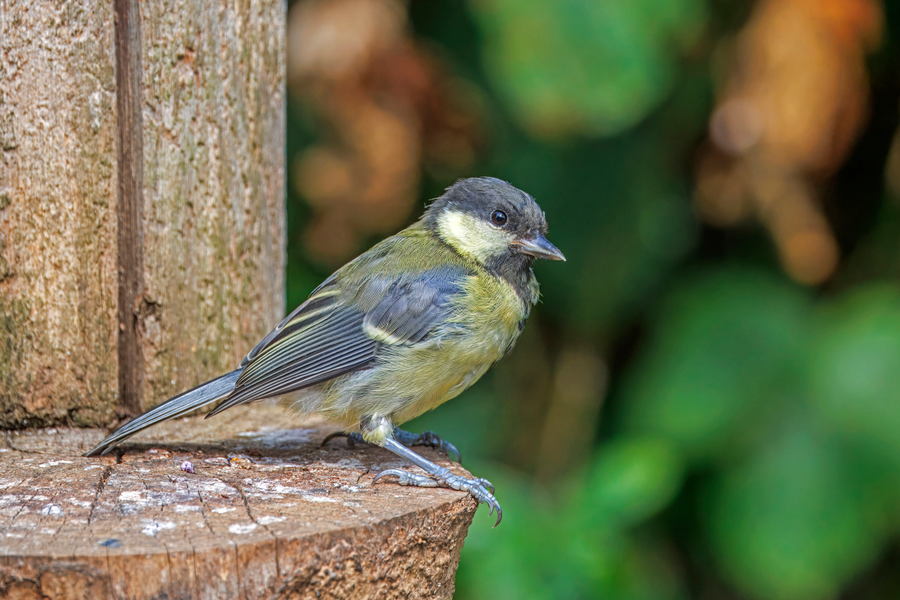
Bird
Bold black-capped tit of Eurasian gardens
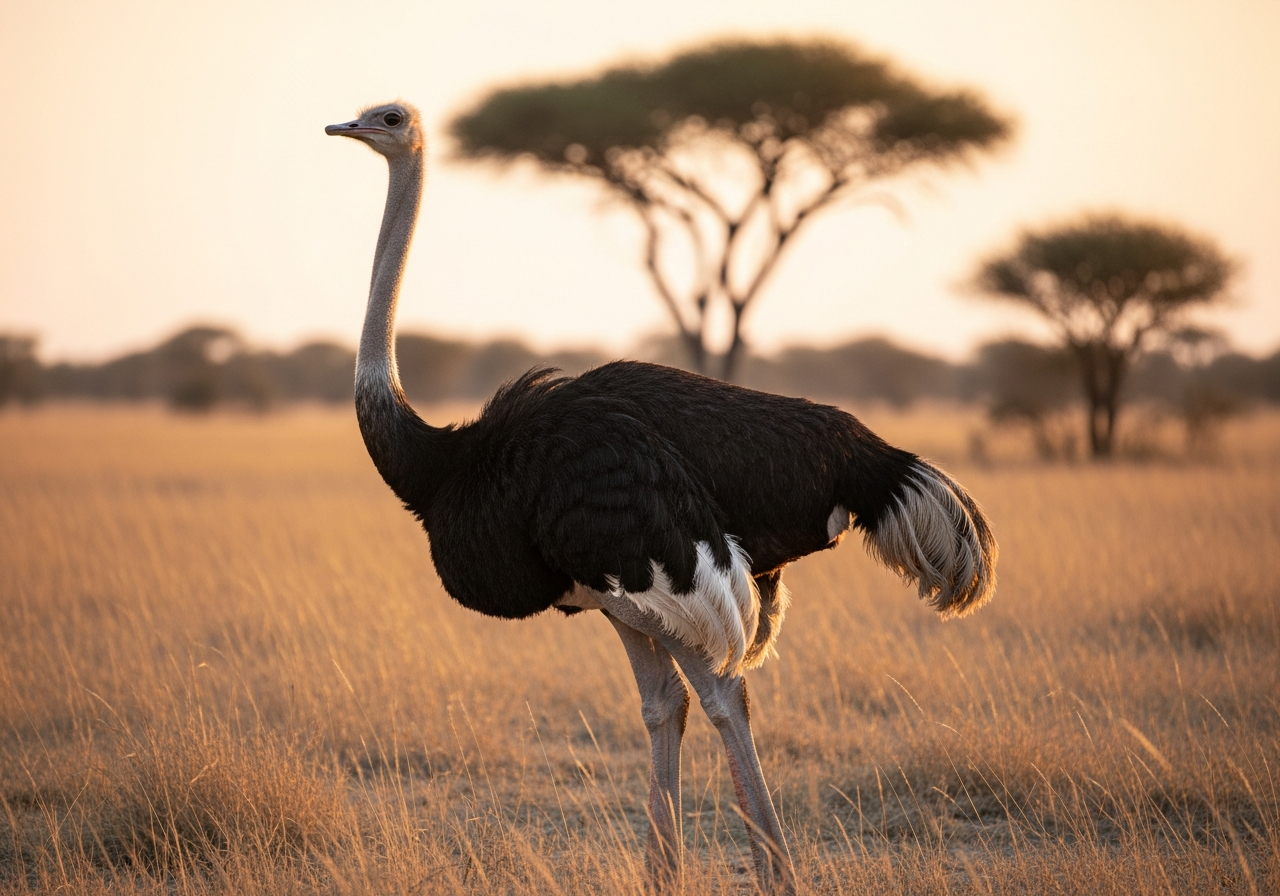
Bird
The largest and fastest bird on land
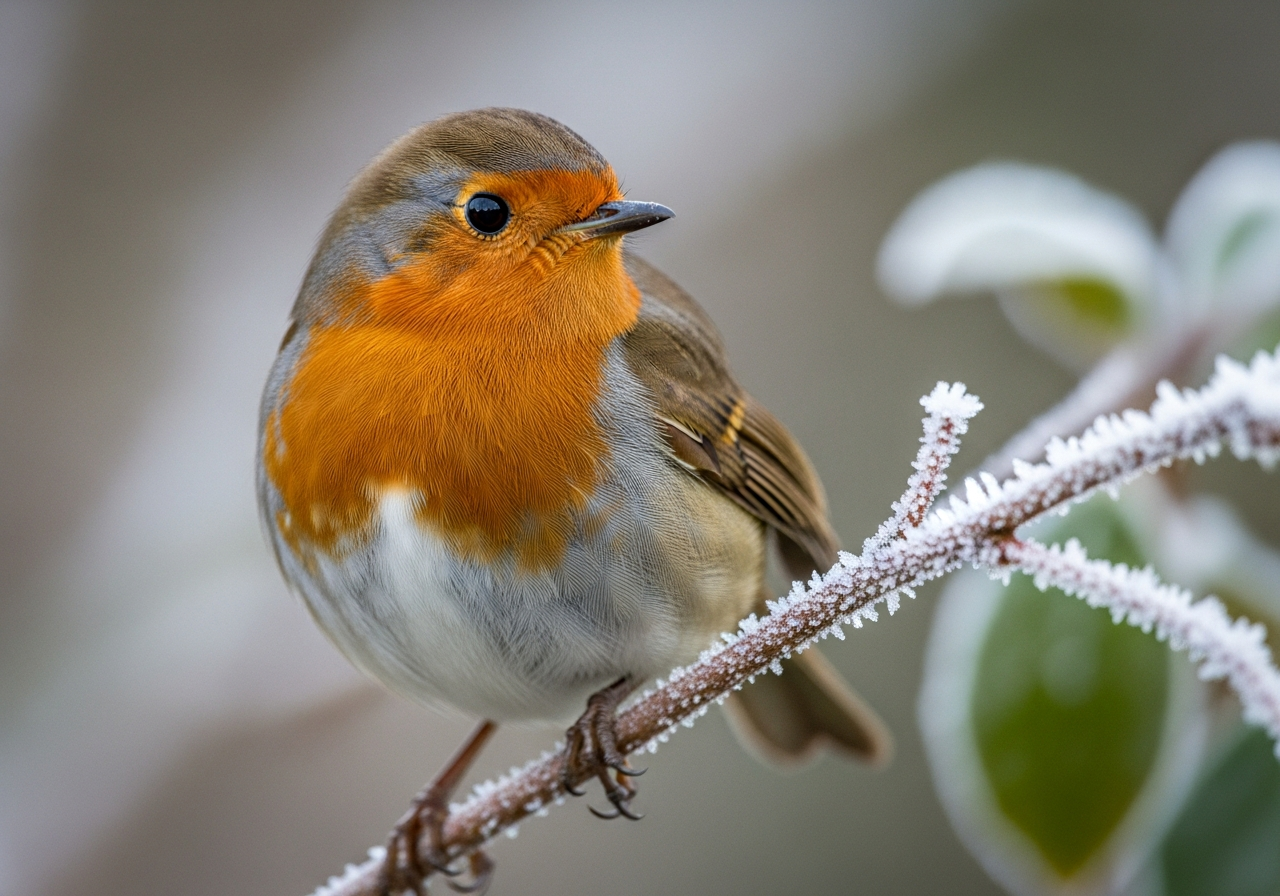
Bird
Britain's beloved red-breasted garden bird
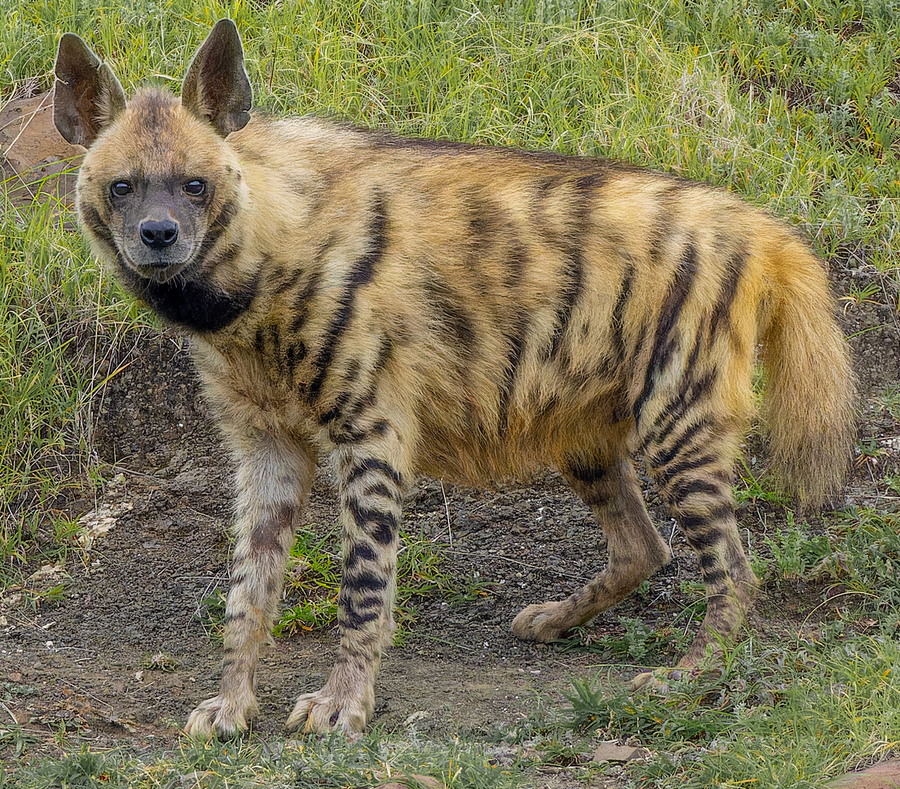
Mammal
Nocturnal scavenger of Africa and Asia
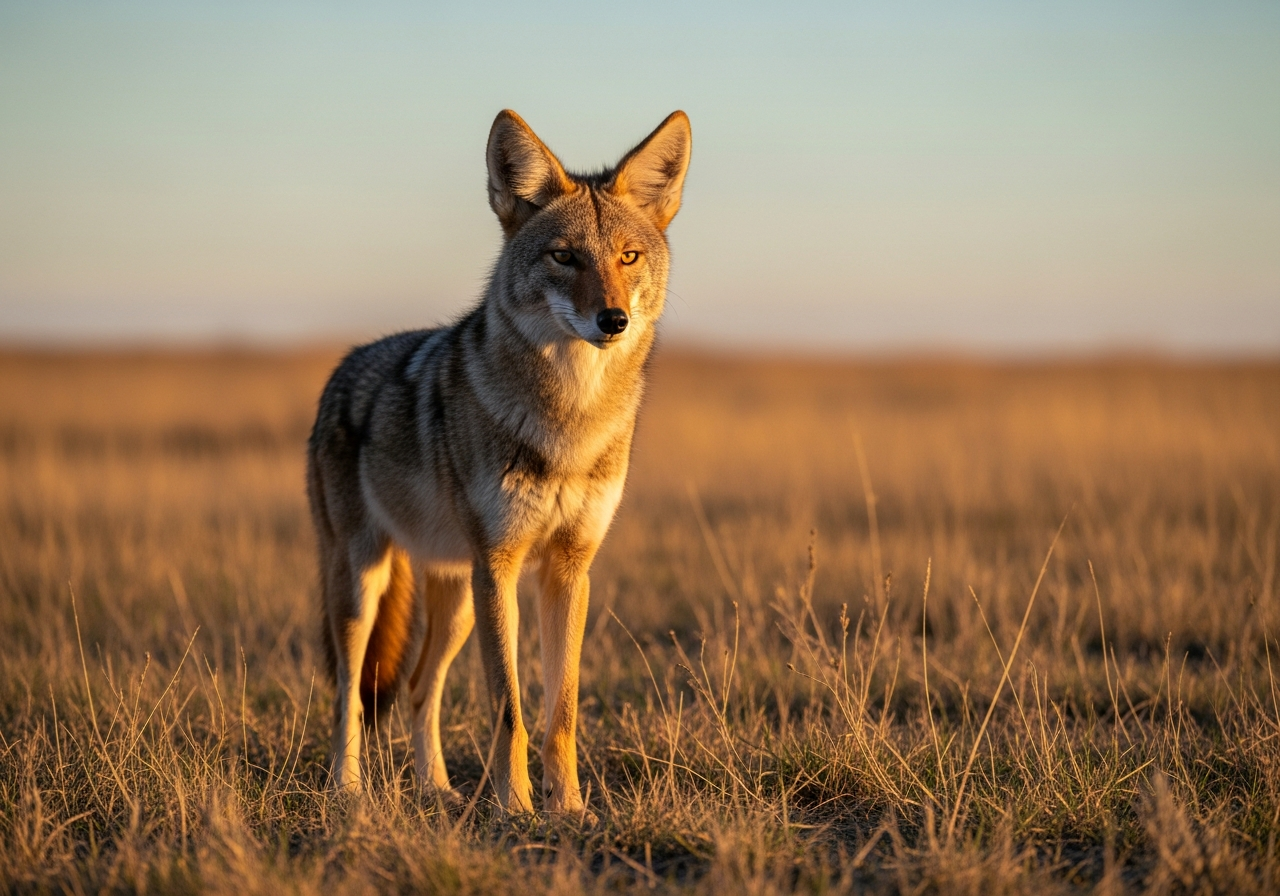
Mammal
North America's adaptable 'song dog'
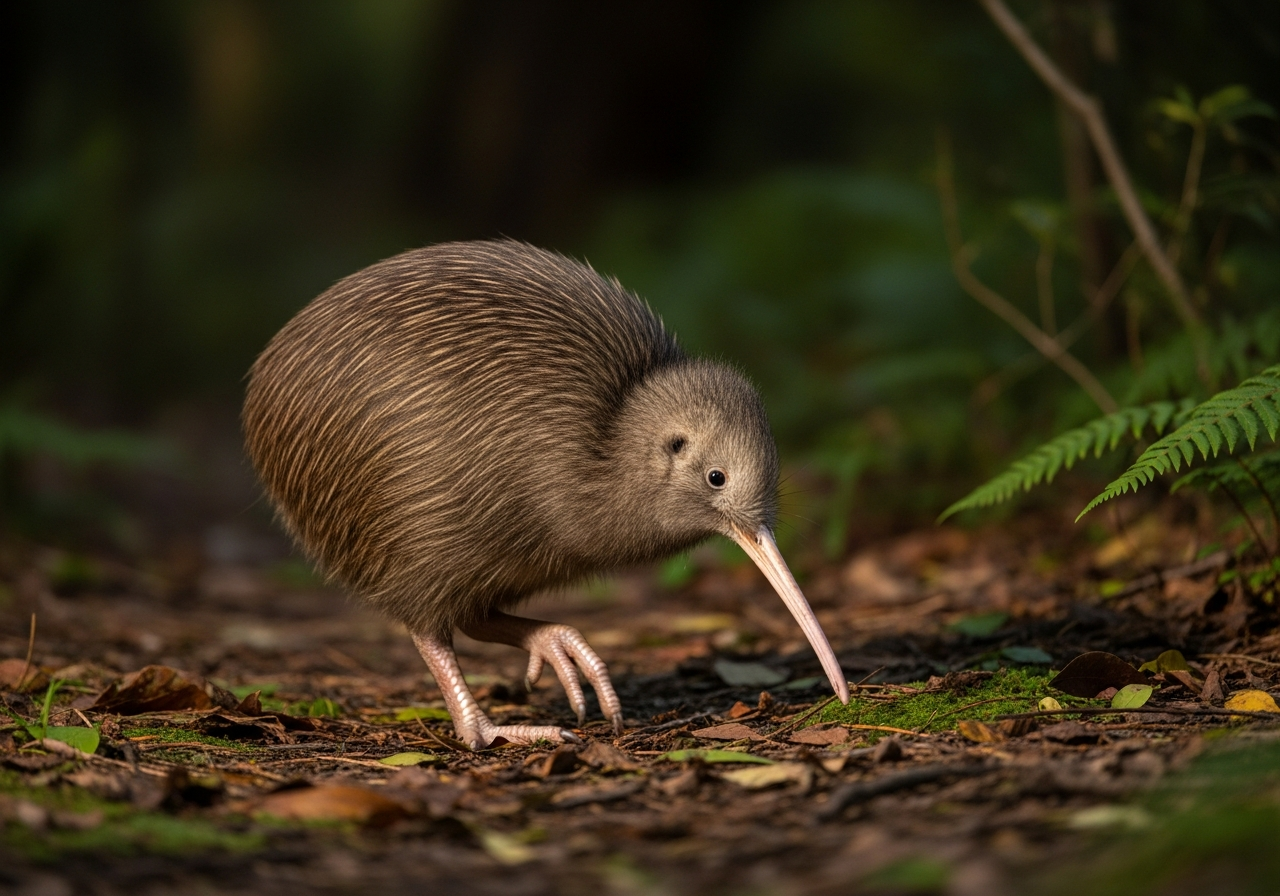
Bird
New Zealand's flightless nocturnal bird with nostrils at the tip of its bill
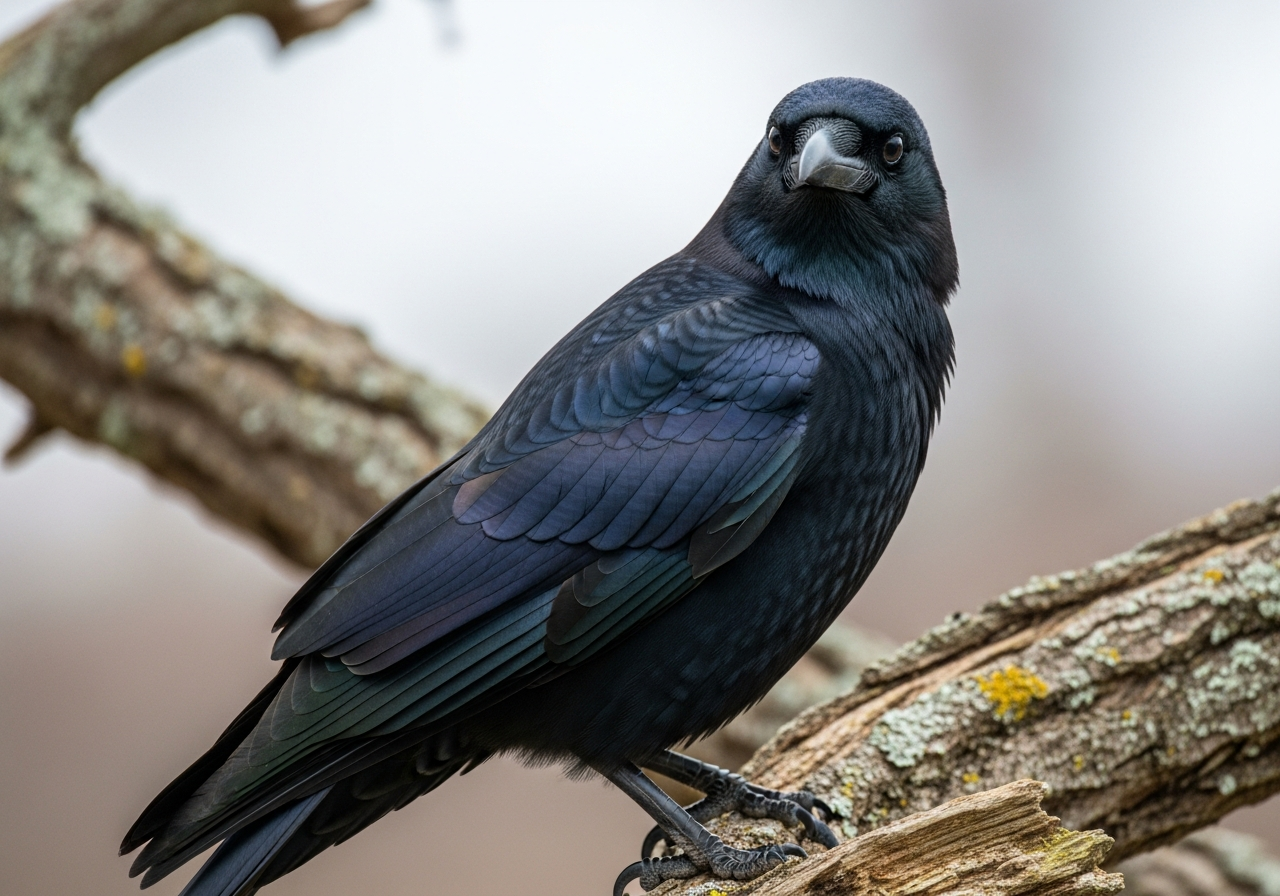
Bird
The glossy black genius of the bird world
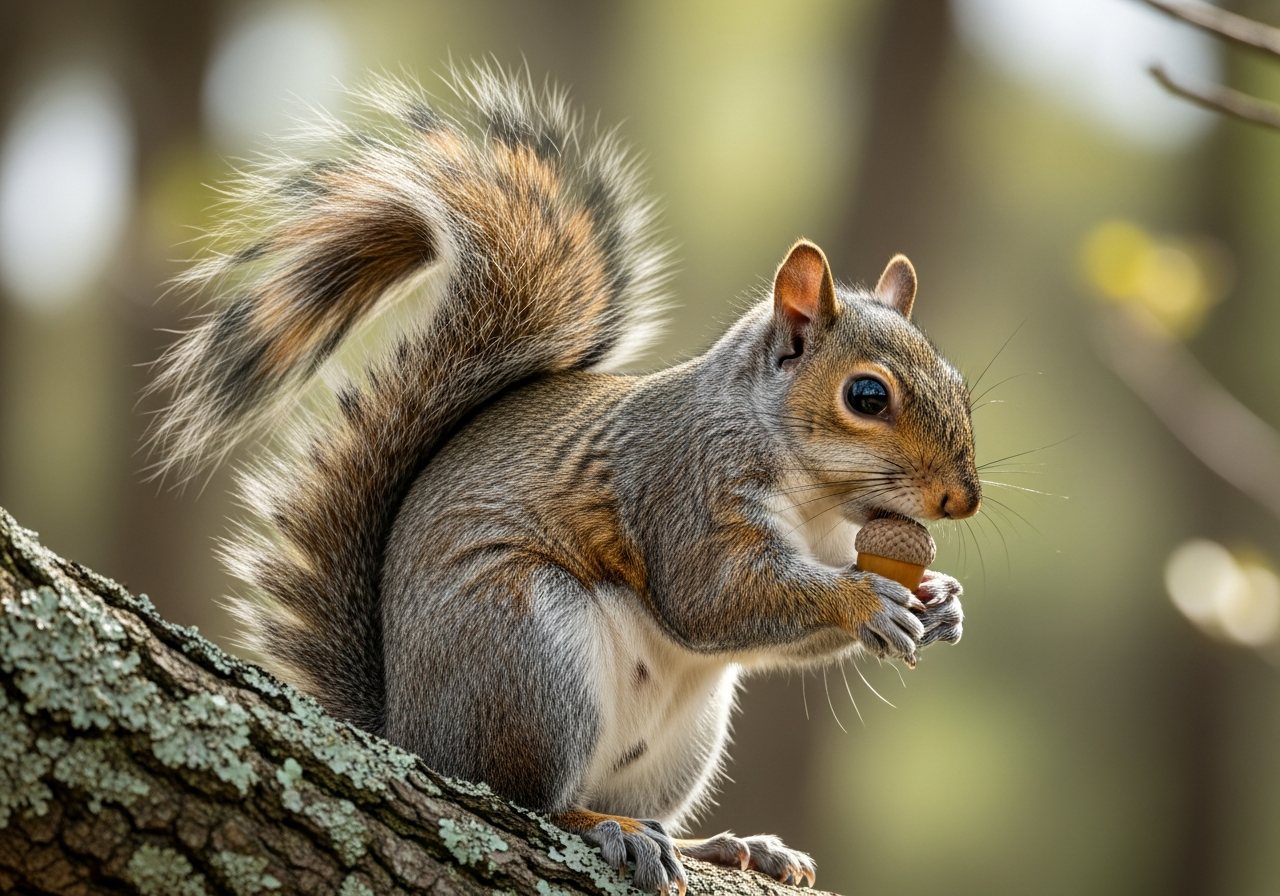
Mammal
The agile, tree-climbing rodent of parks and woods
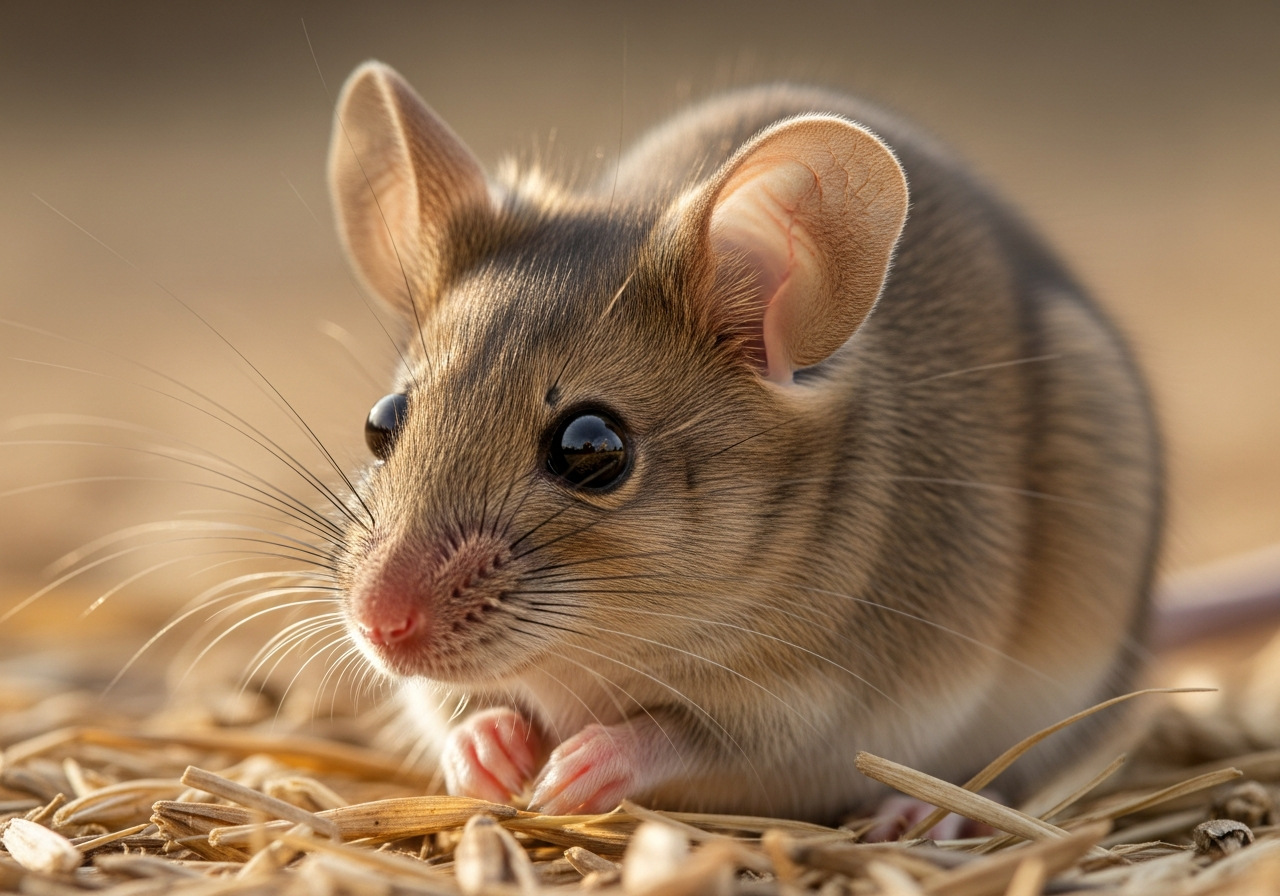
Mammal
The world's most widespread small rodent
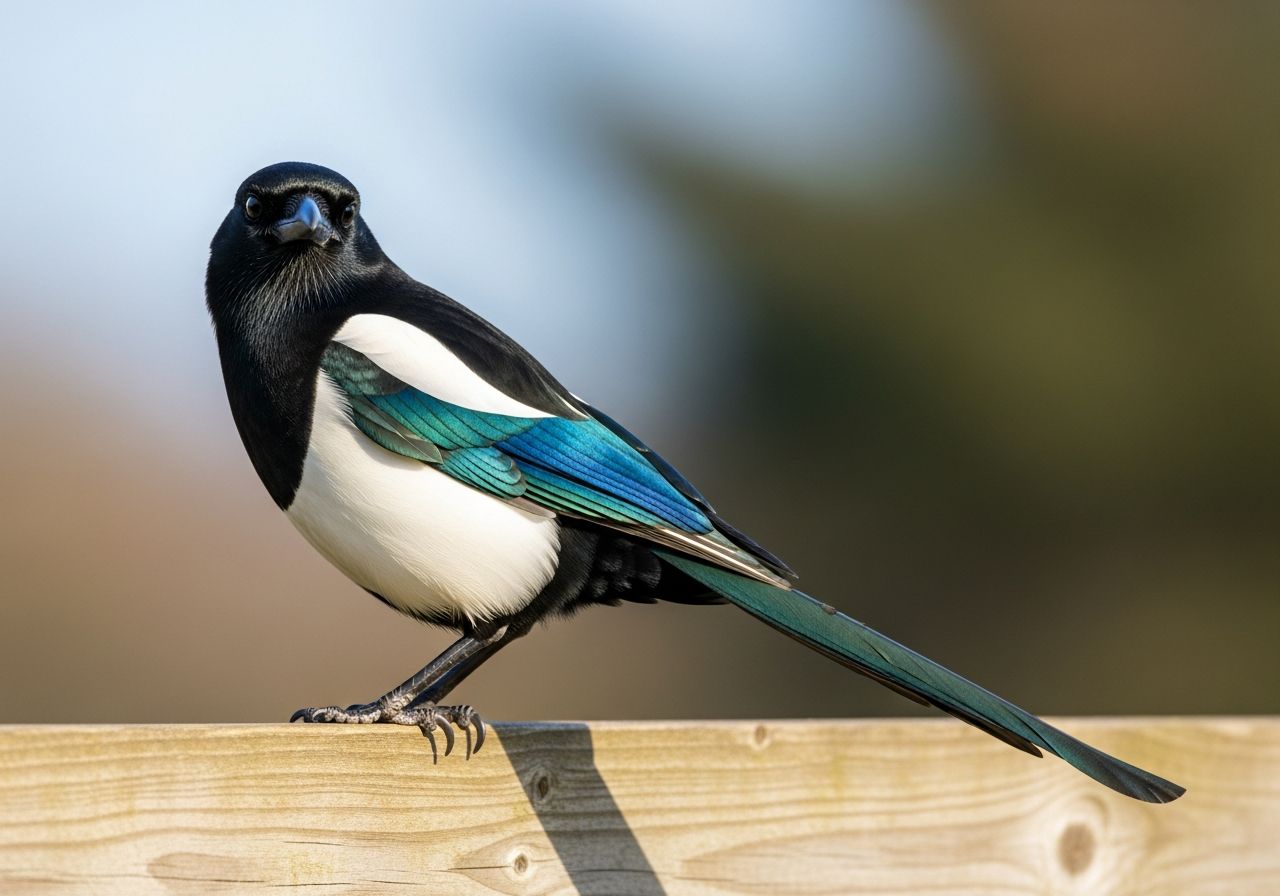
Bird
The bold, brilliant problem-solver of the crow family
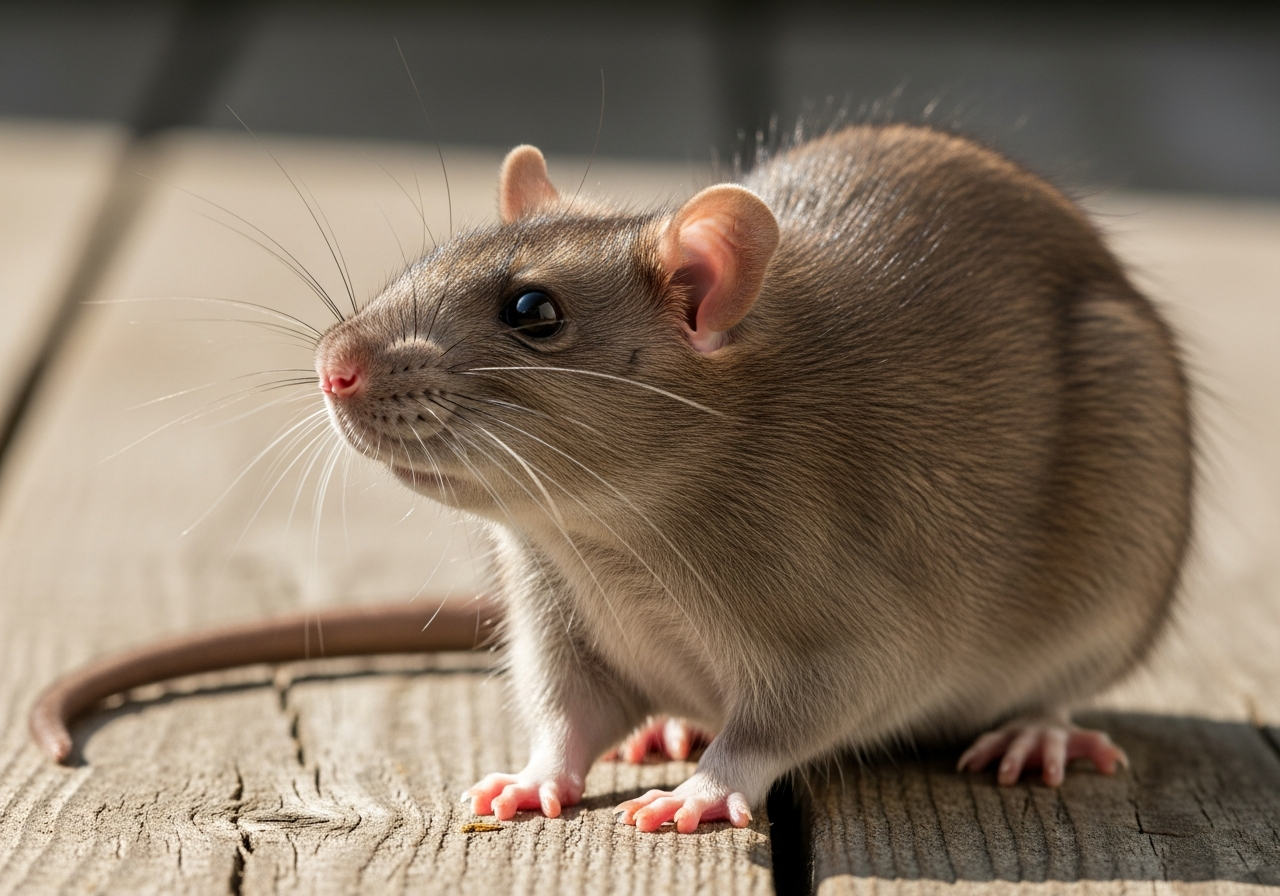
Mammal
The clever, adaptable rodent that lives everywhere humans do
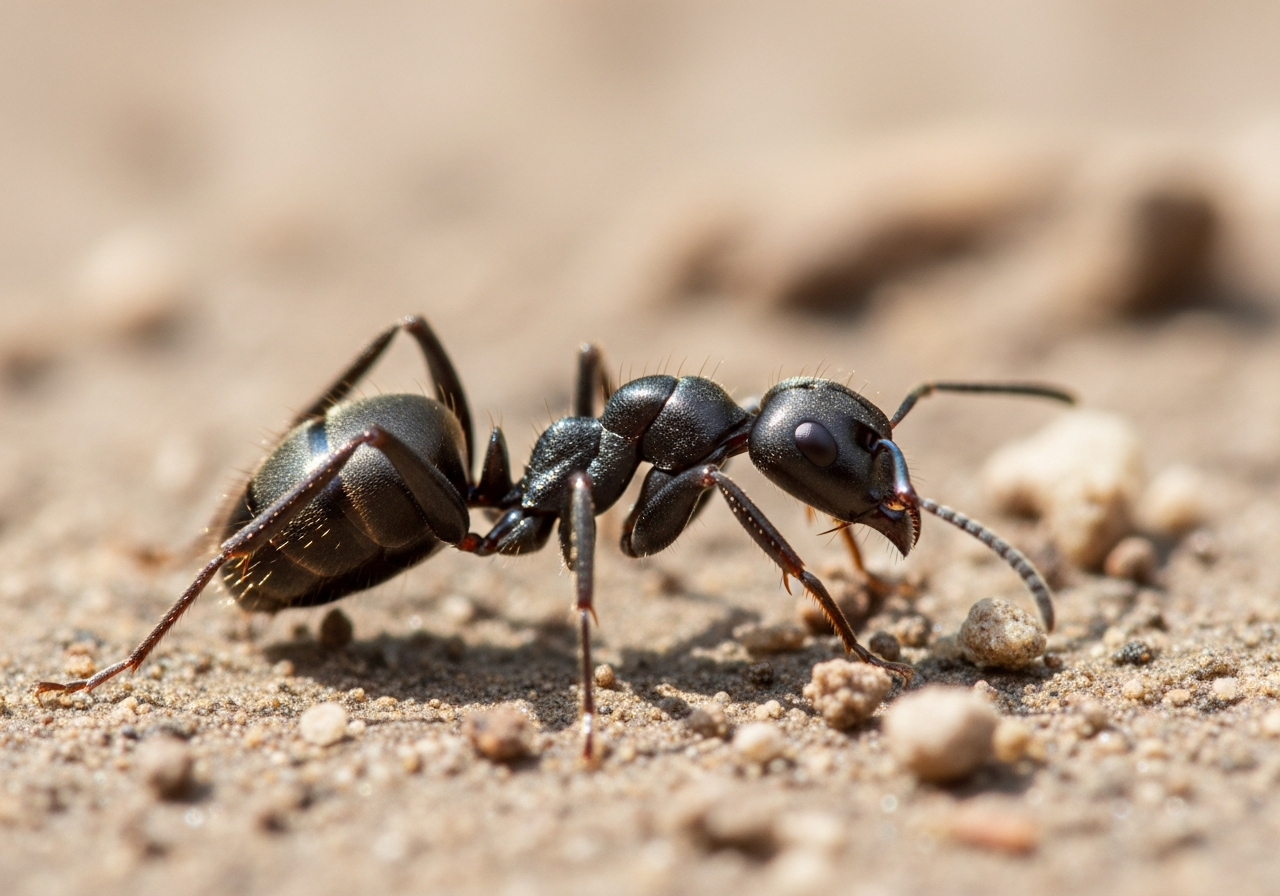
Insect
The tireless team-working insect
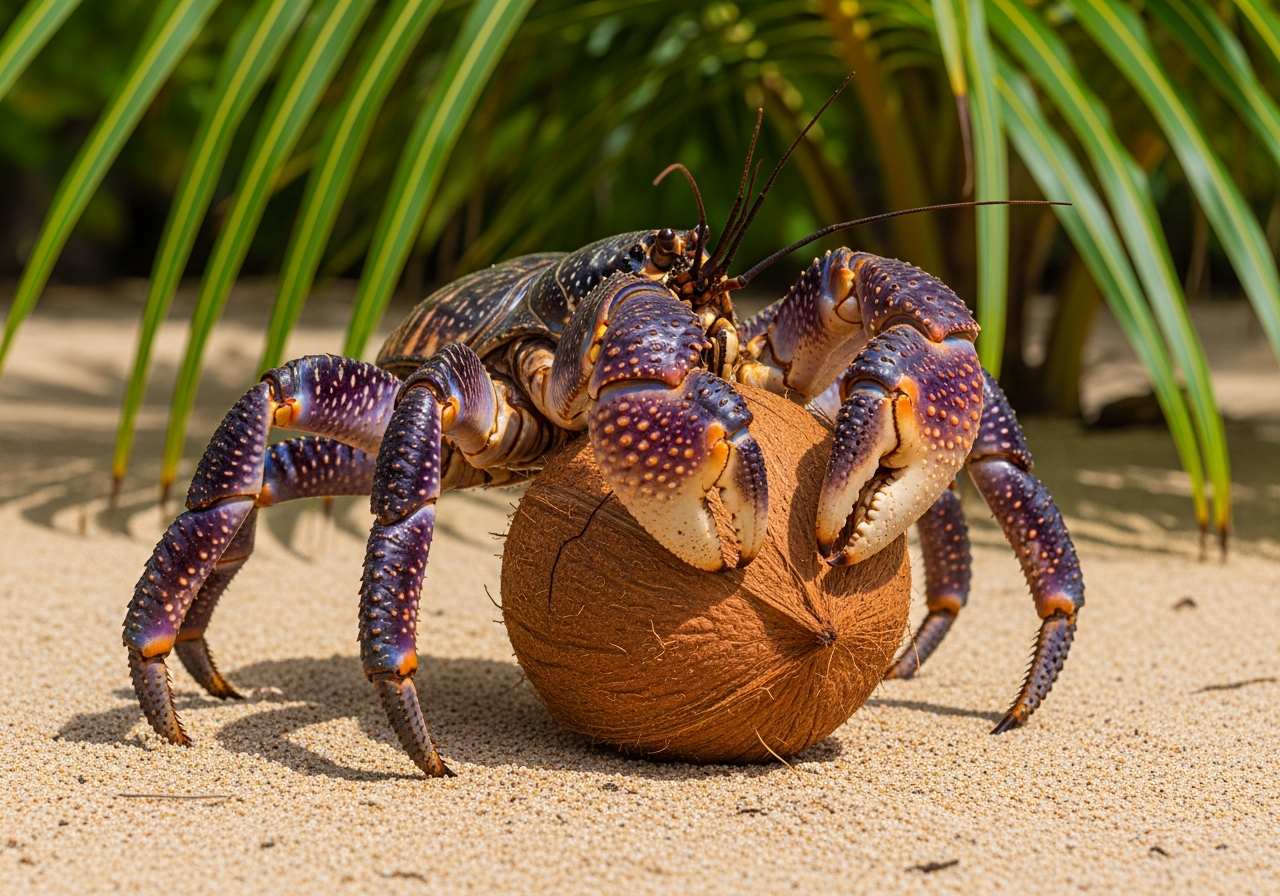
Invertebrate
The world's largest land arthropod and tree-climbing island giant
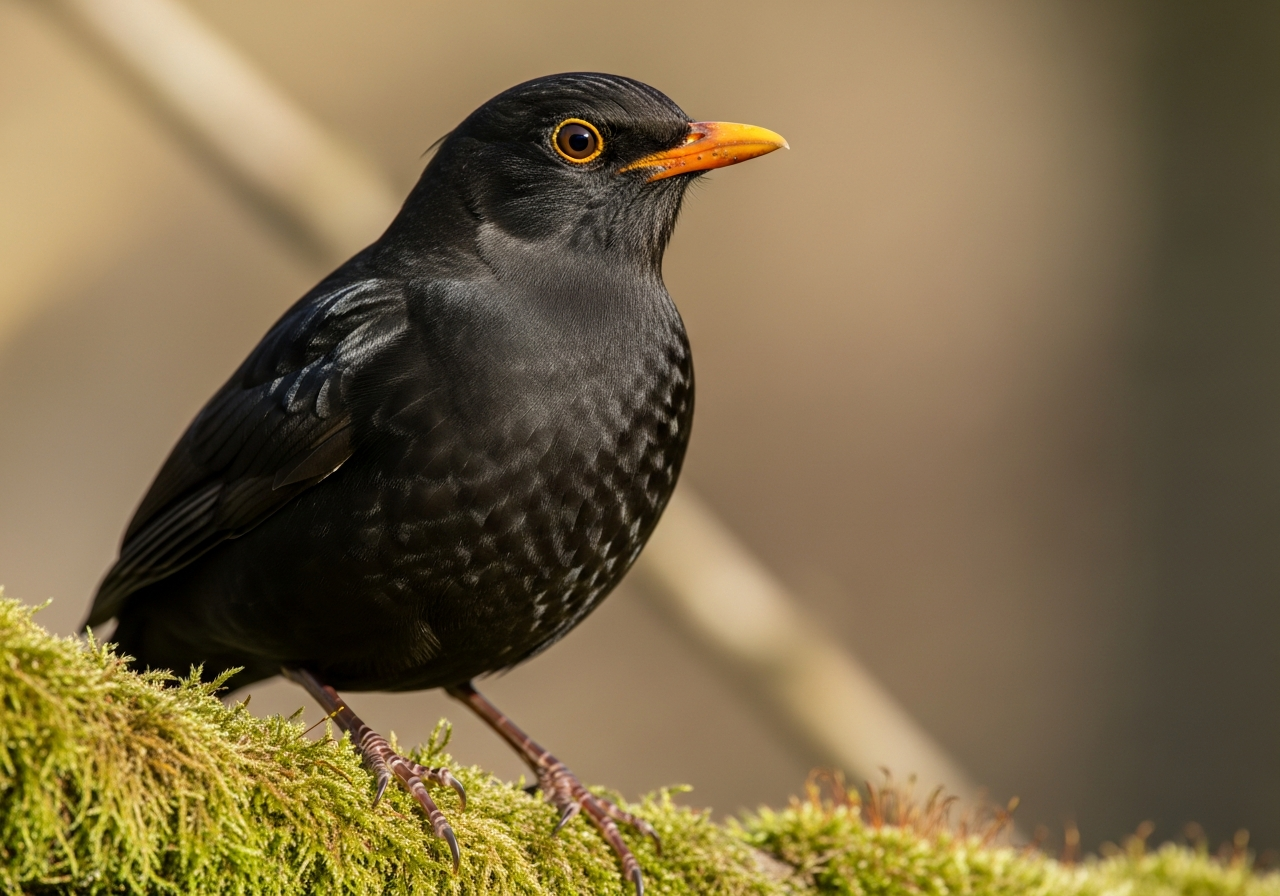
Bird
The glossy garden thrush with a golden song
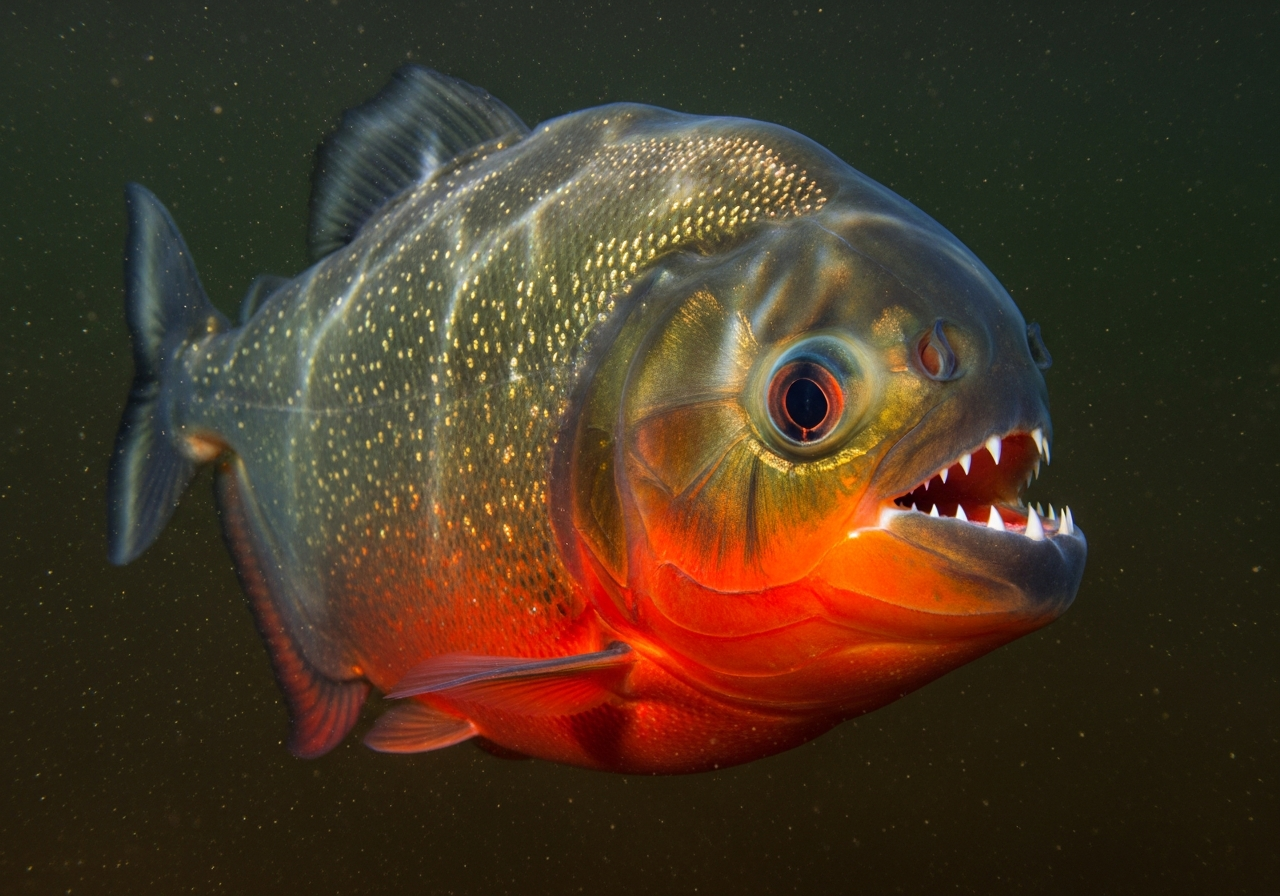
Fish
The sharp-toothed fish of the Amazon
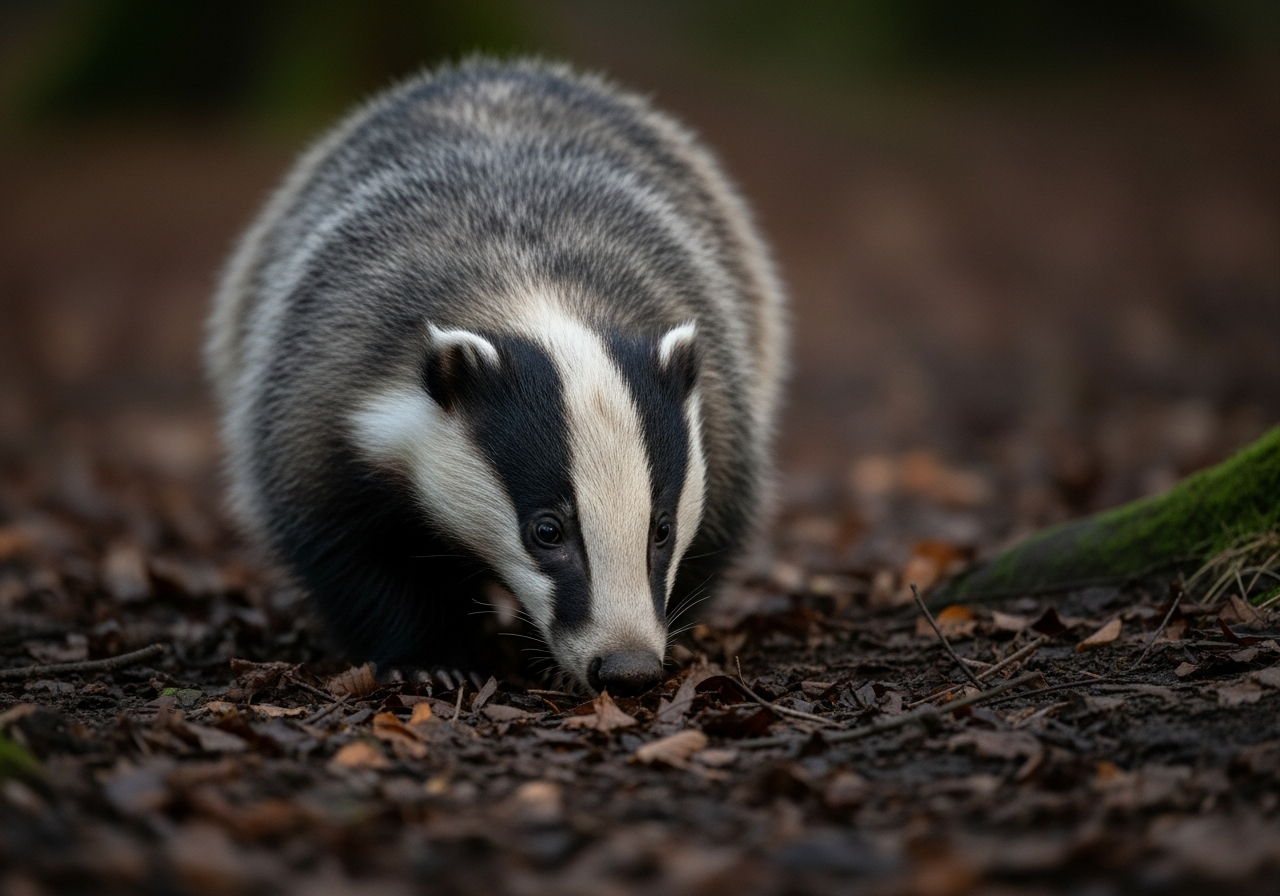
Mammal
The striped night-digger of British woodlands

Fish
The ornamental carp of garden ponds
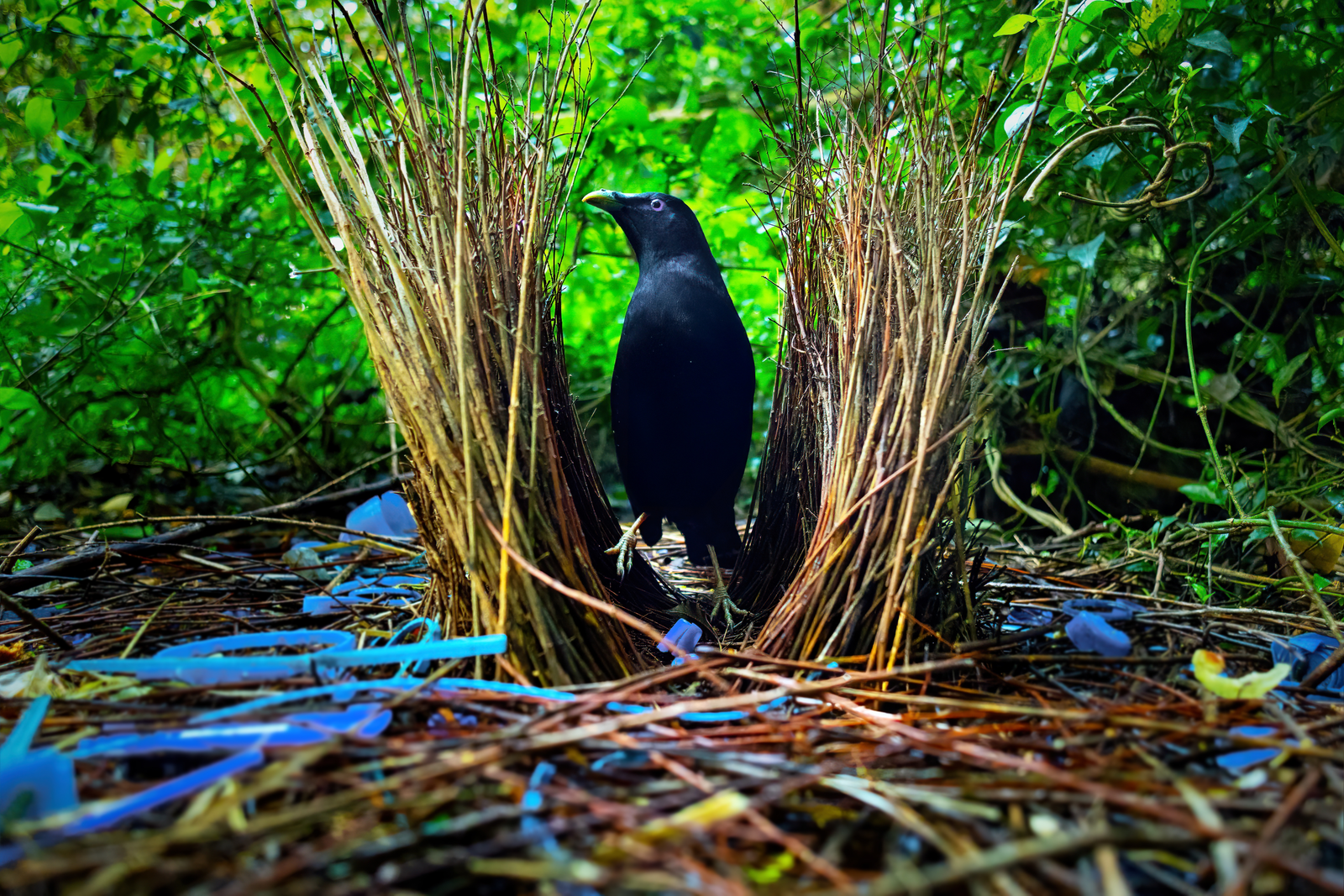
Bird
Blue-black architect of forest bowers
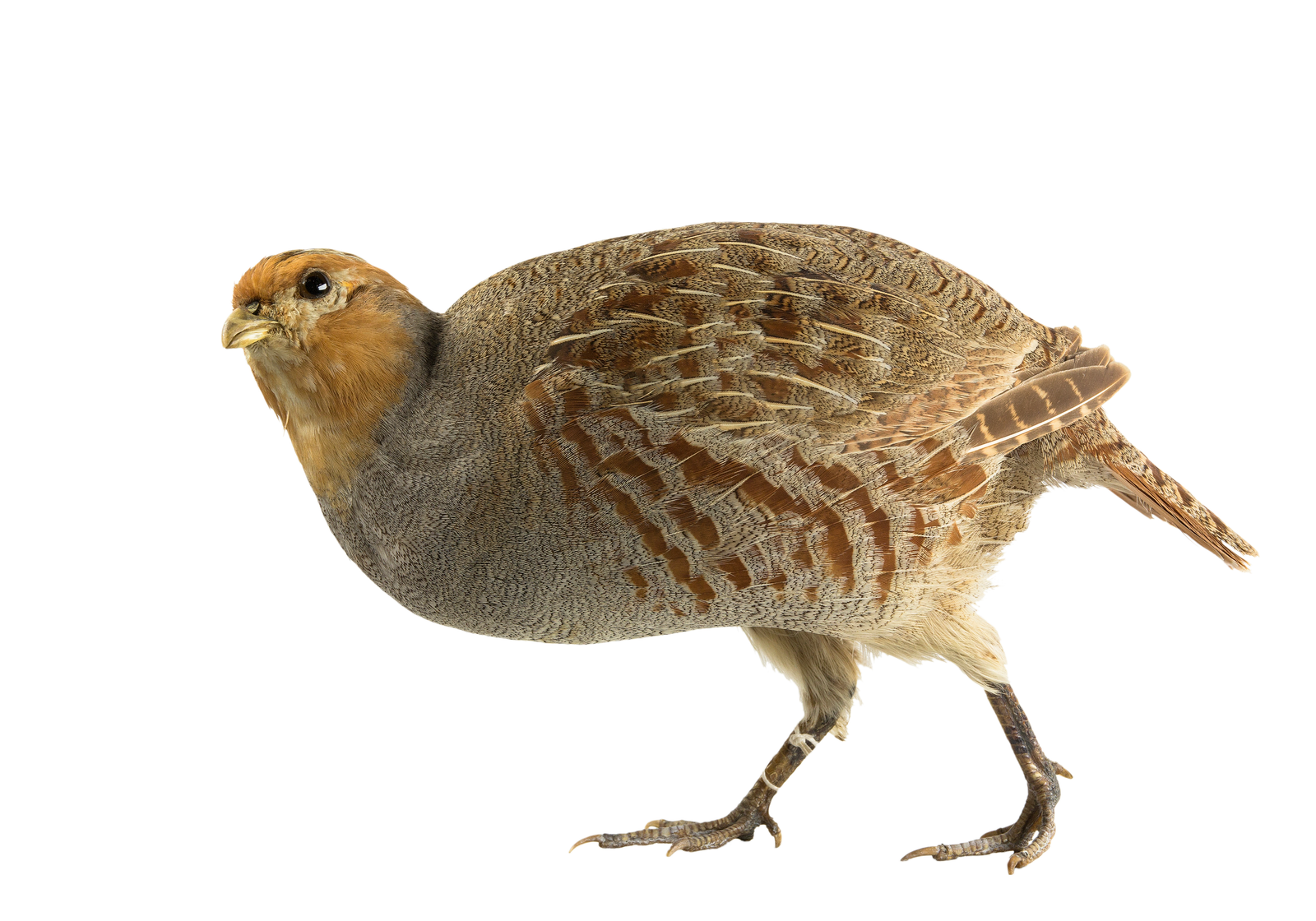
Bird
Stubble-dwelling partridge of old farmlands
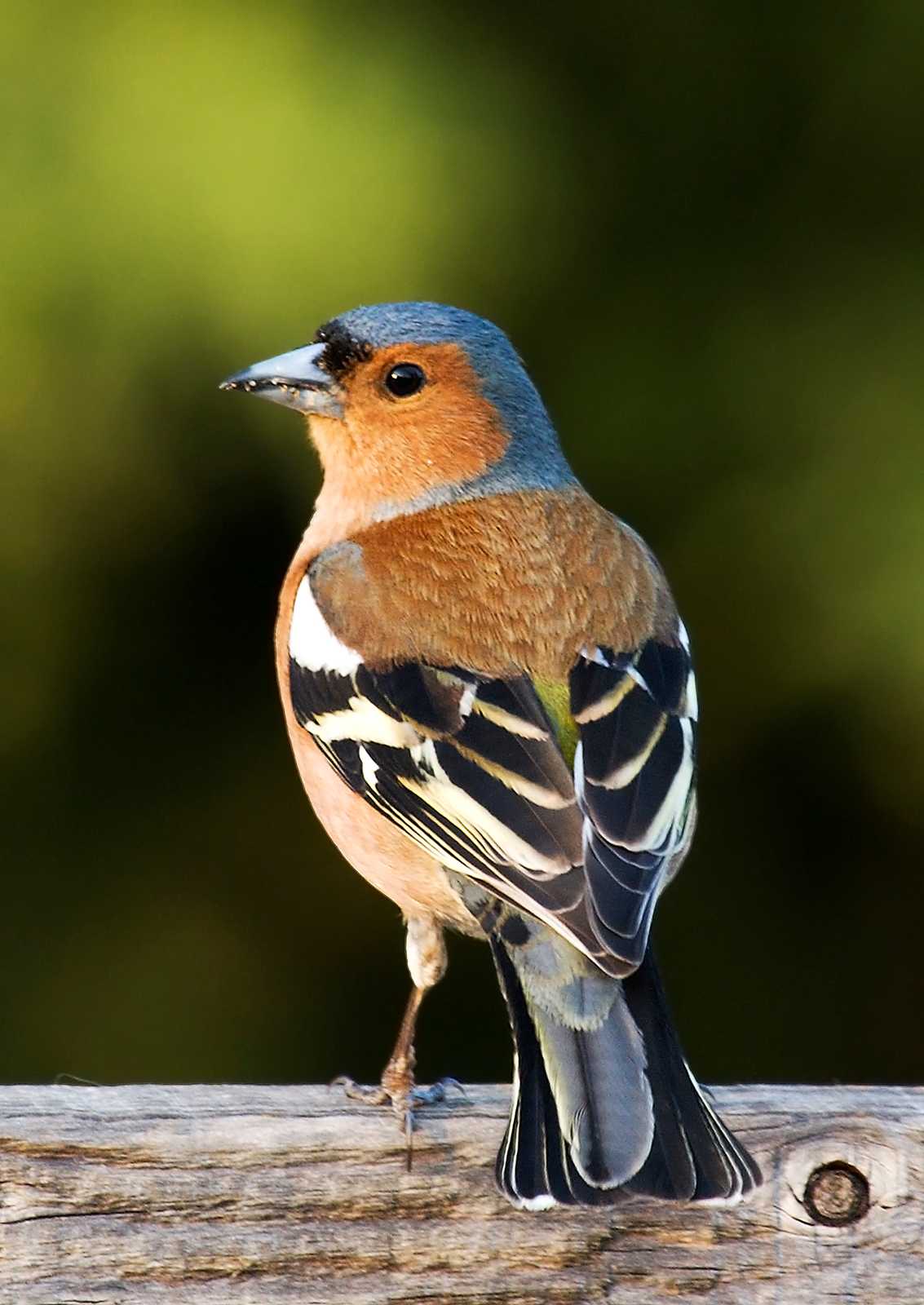
Bird
Pink-breasted songbird of European woods
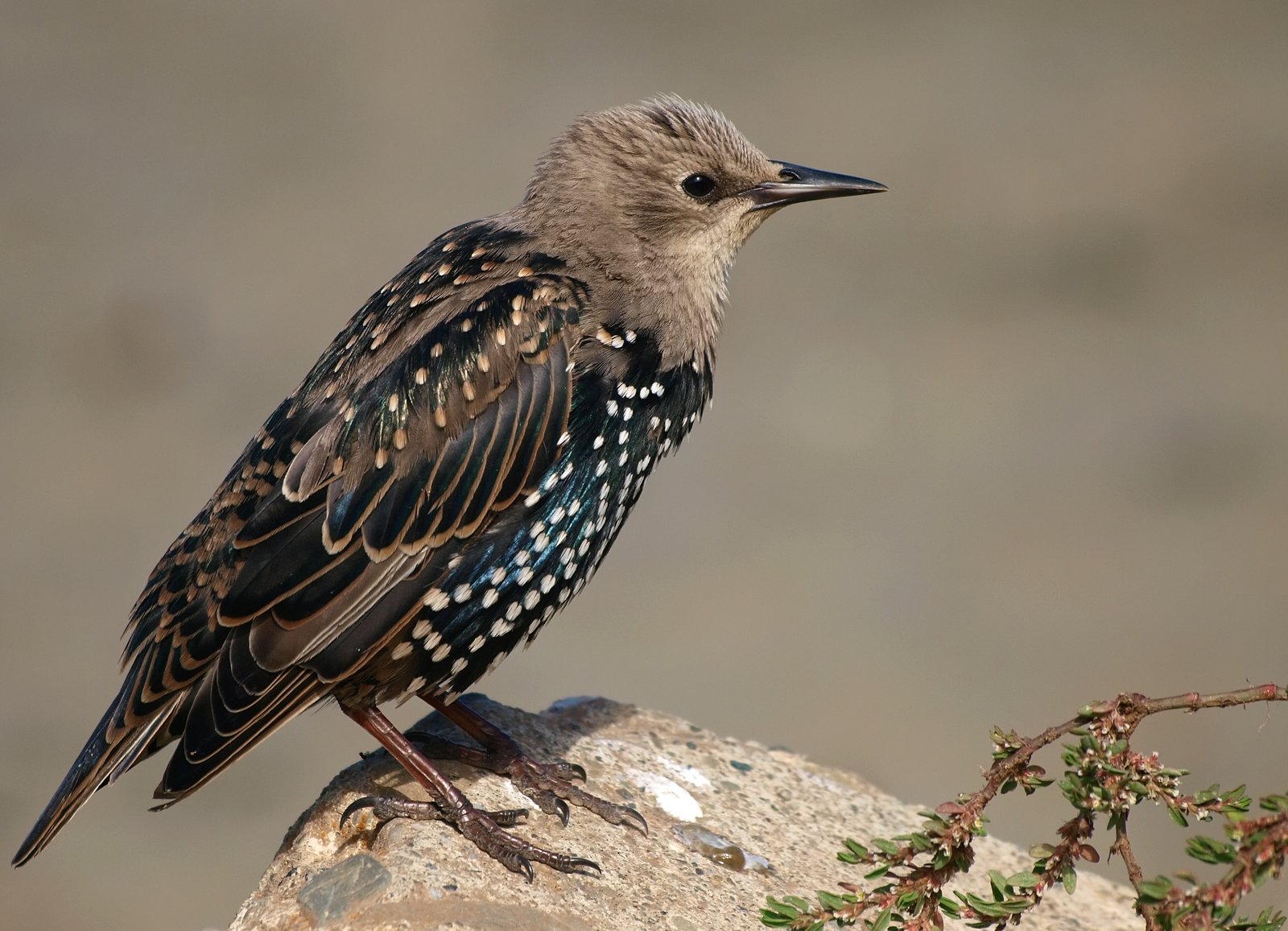
Bird
Speckled invader of global cityscapes
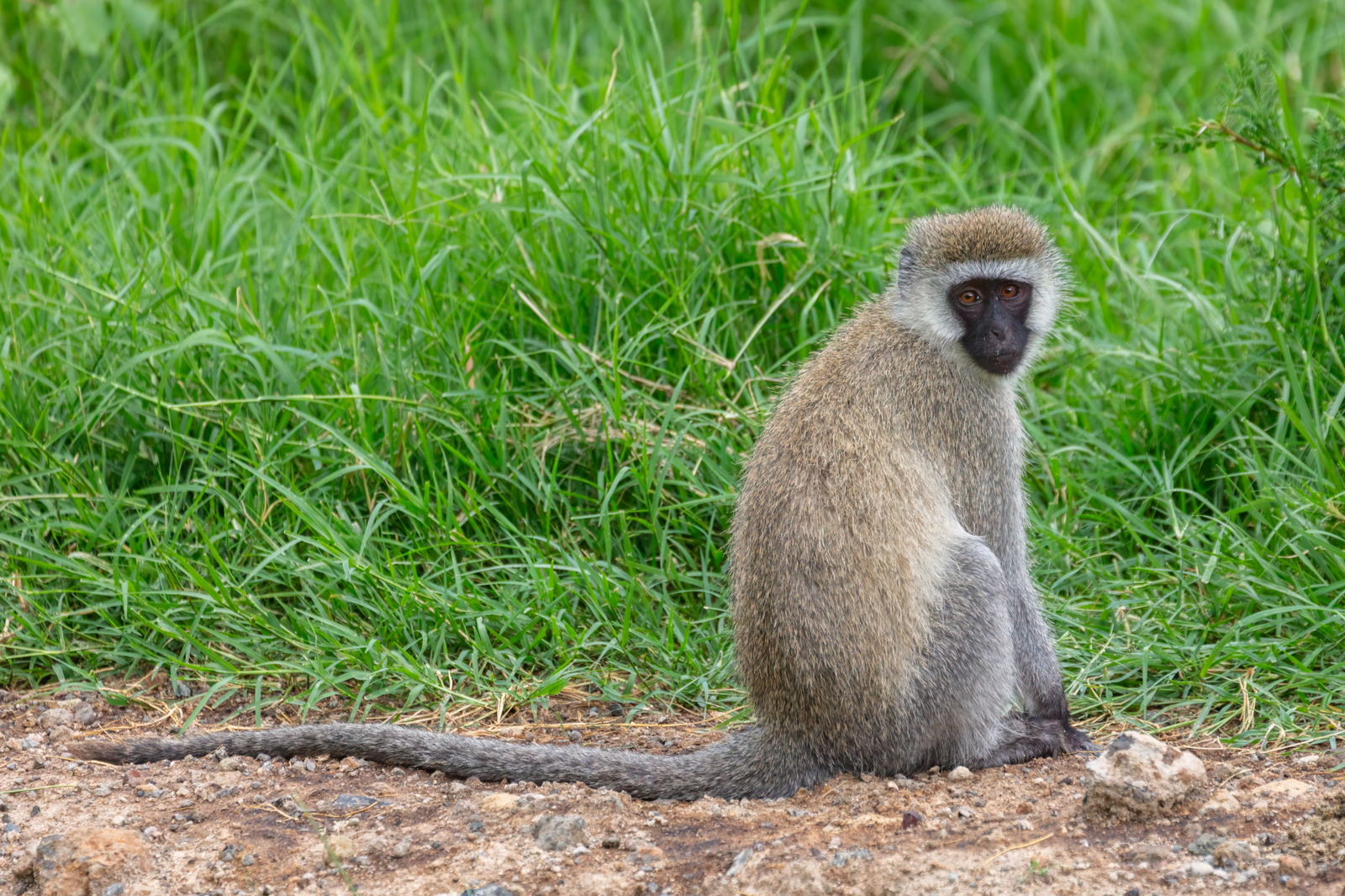
Mammal
Alarm-calling savanna primate of Africa
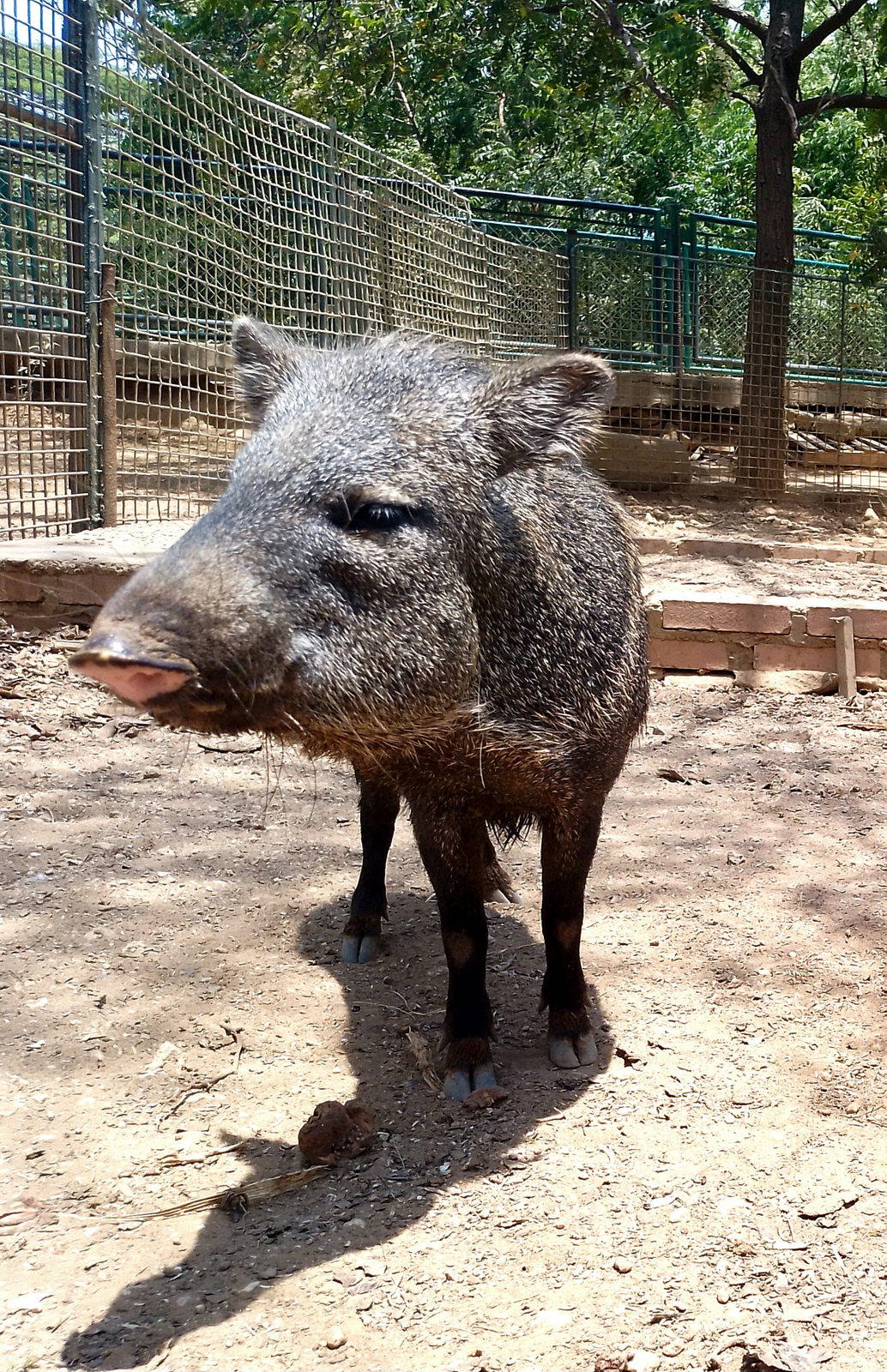
Mammal
Collared herd animal of American scrublands
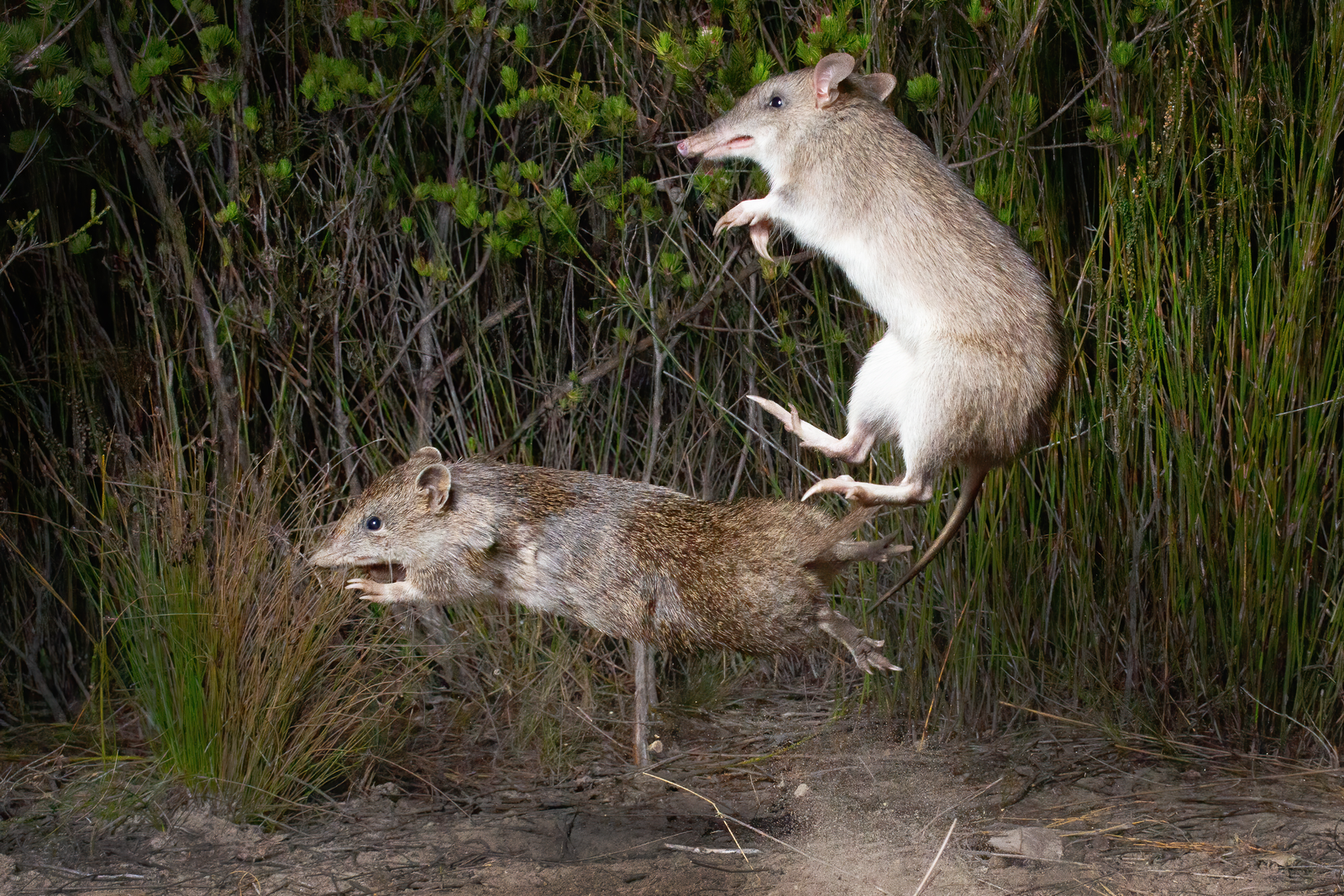
Mammal
Nocturnal digger of Australian leaf litter
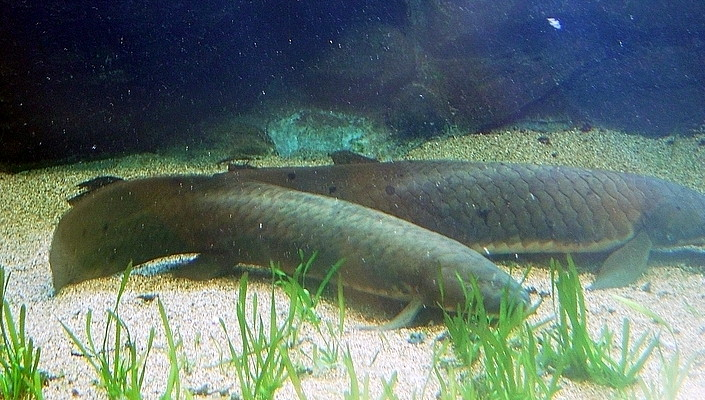
Fish
Queensland river survivor from the age of dinosaurs
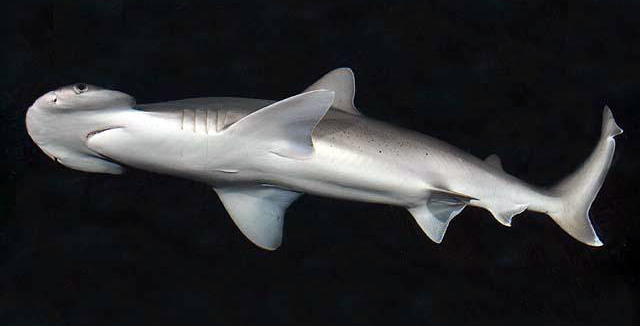
Fish
Seagrass-munching hammerhead of warm shallows
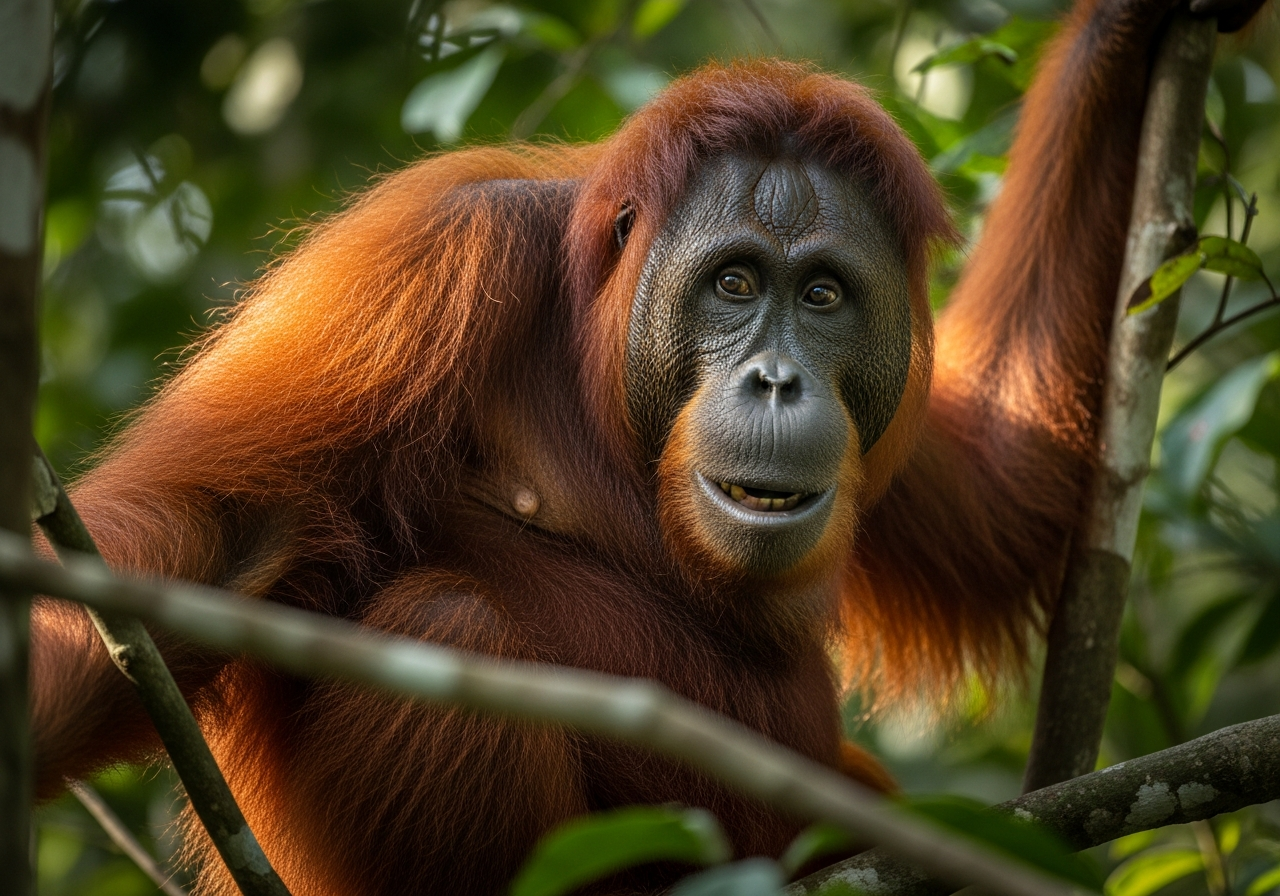
Mammal
The great ape of the Southeast Asian rainforest
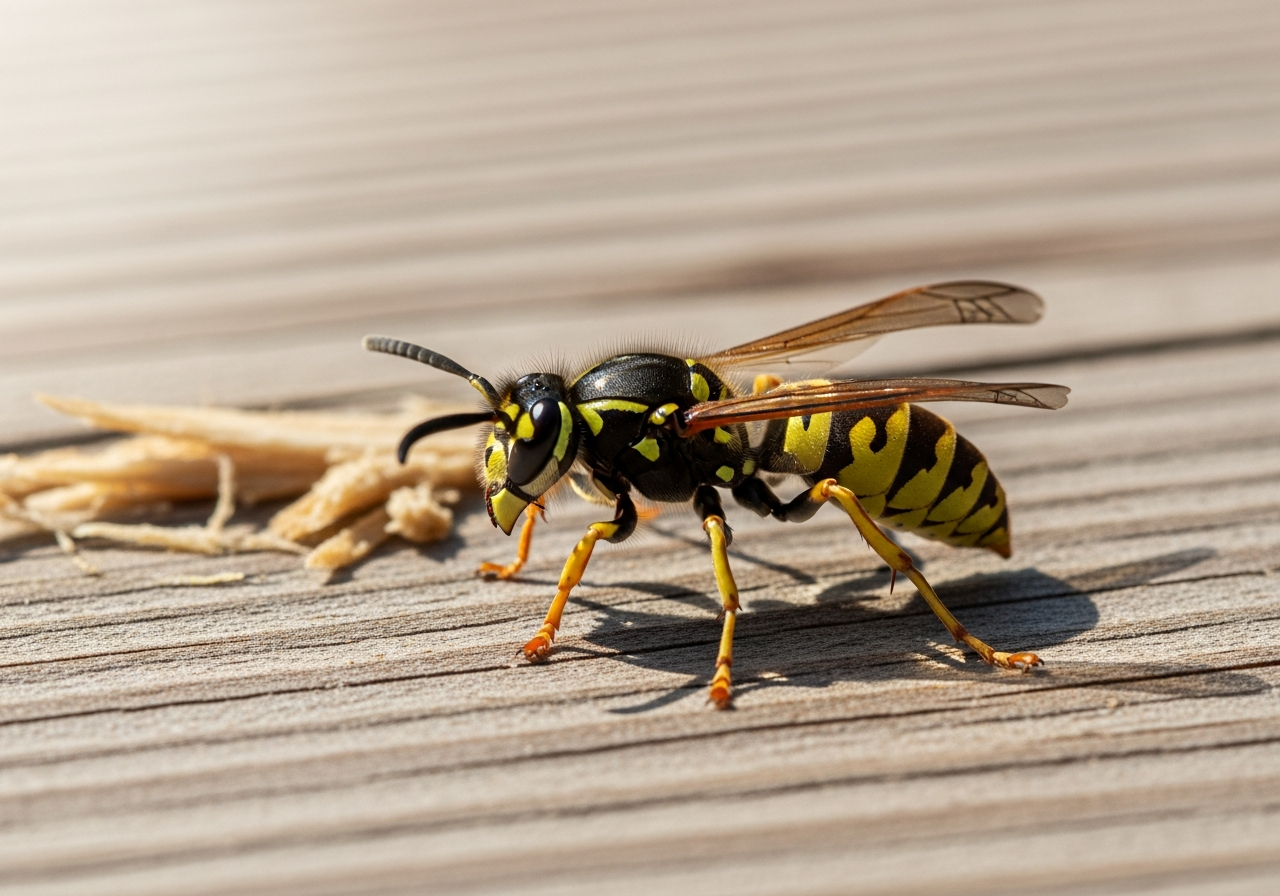
Insect
The yellow-and-black predator and scavenger of summer
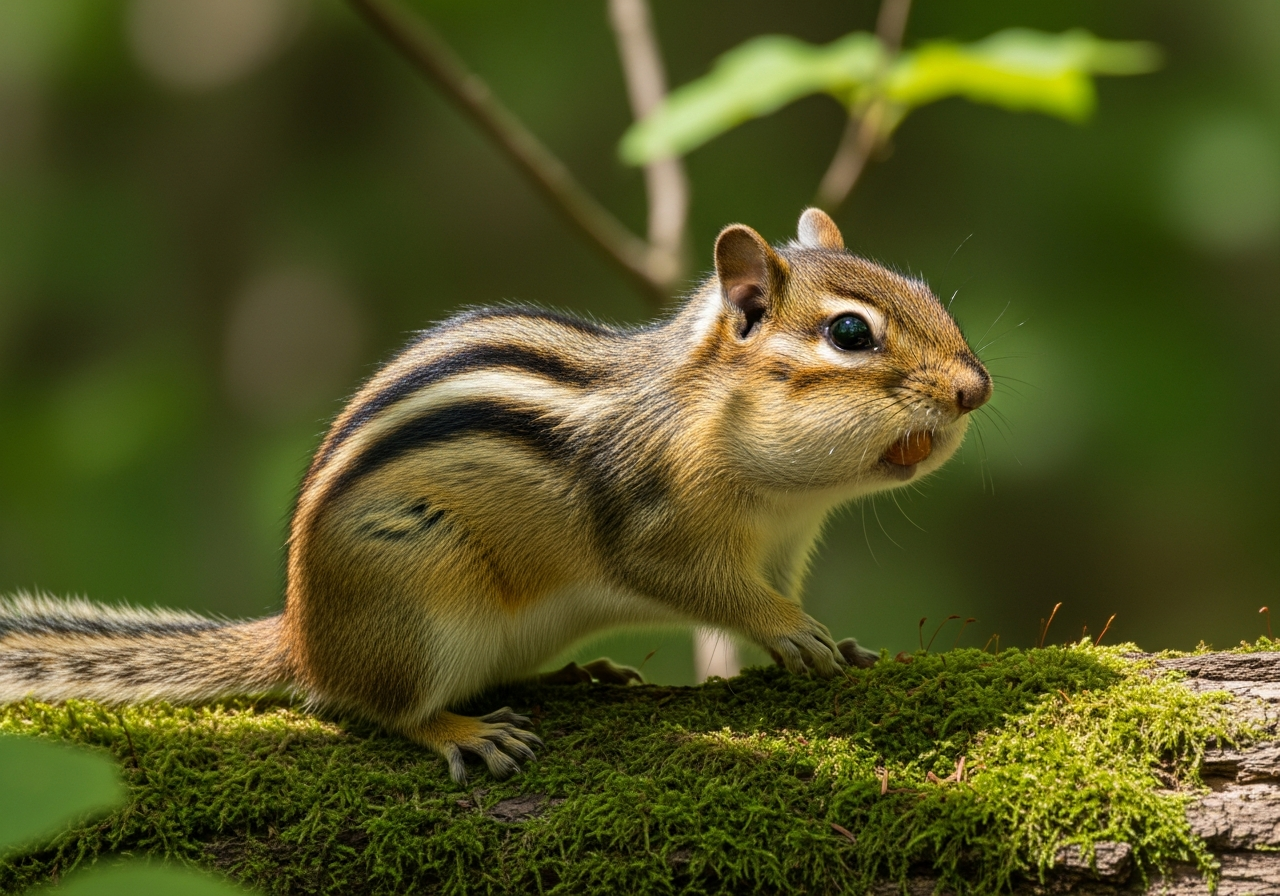
Mammal
The striped, cheek-stuffing squirrel of North America
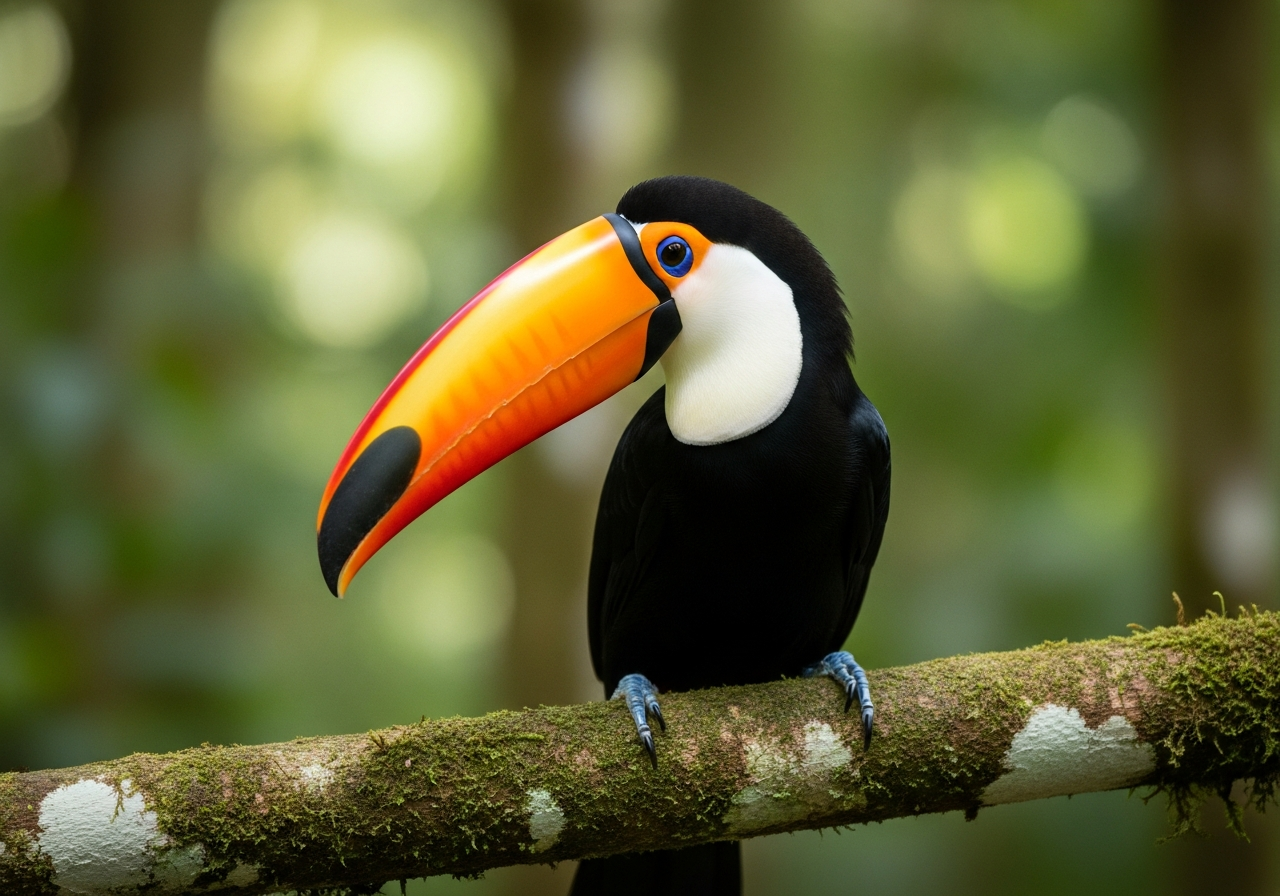
Bird
The rainforest bird with the giant colorful bill

Fish
The bright blue reef fish from Finding Nemo
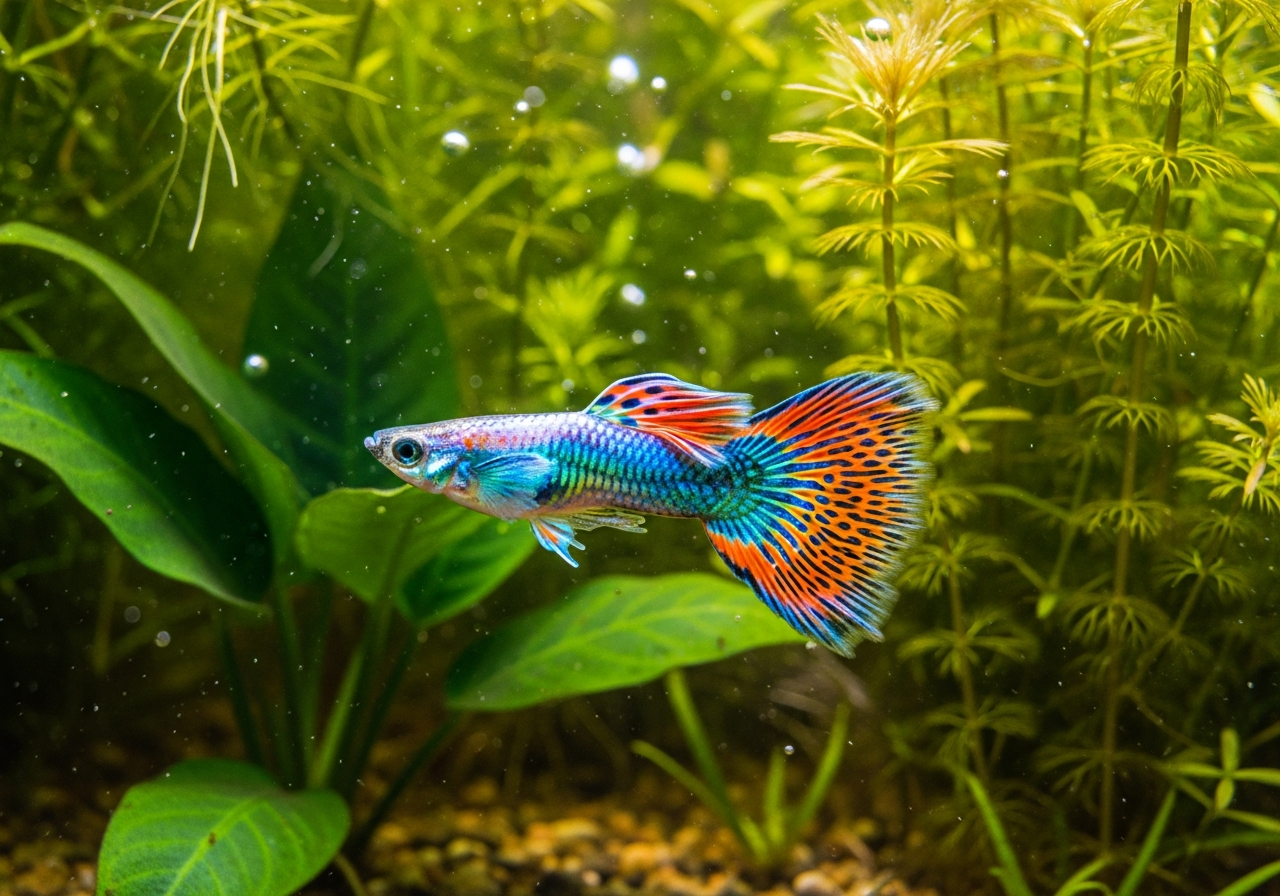
Fish
The colorful beginner's aquarium fish
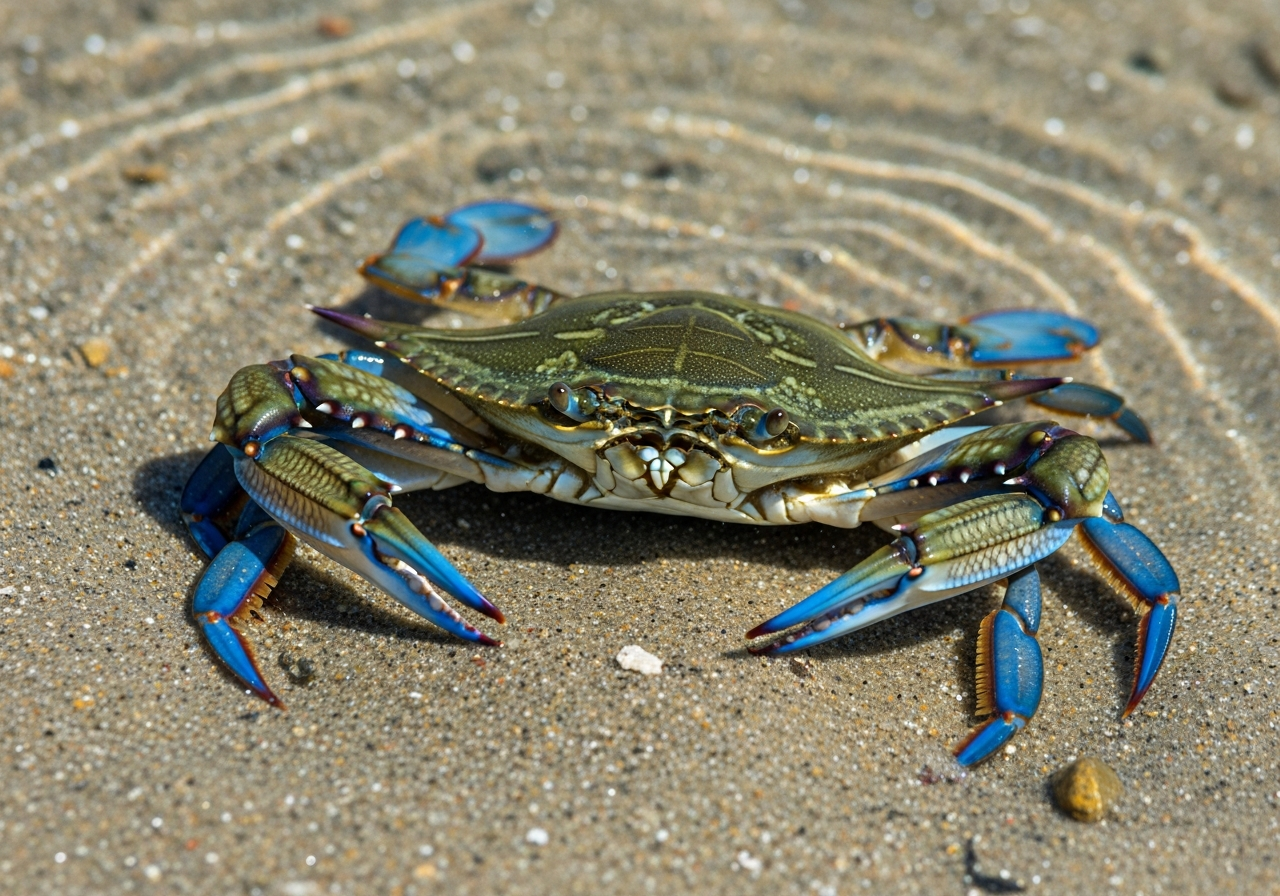
Invertebrate
The swift swimming crab of Atlantic estuaries
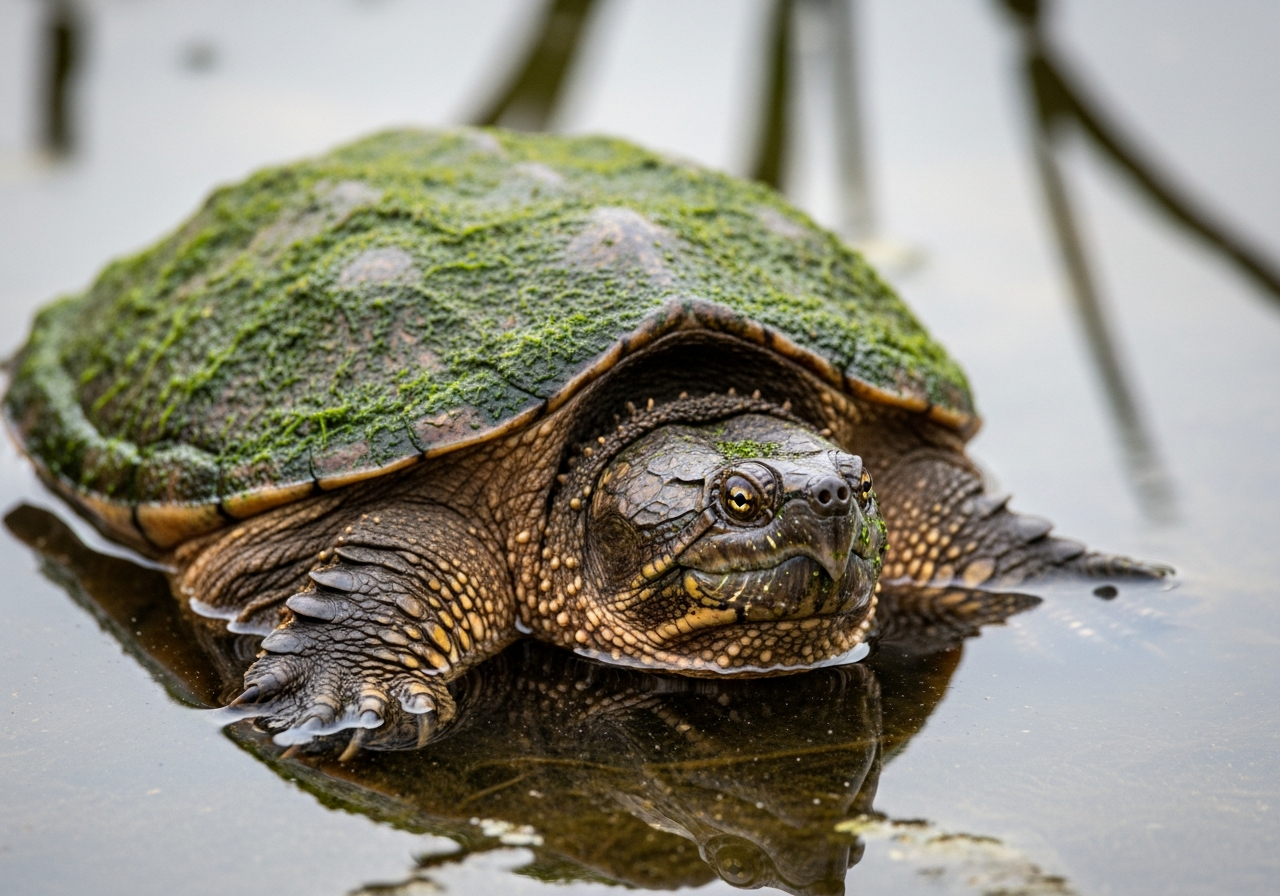
Reptile
The powerful-jawed freshwater turtle of North America
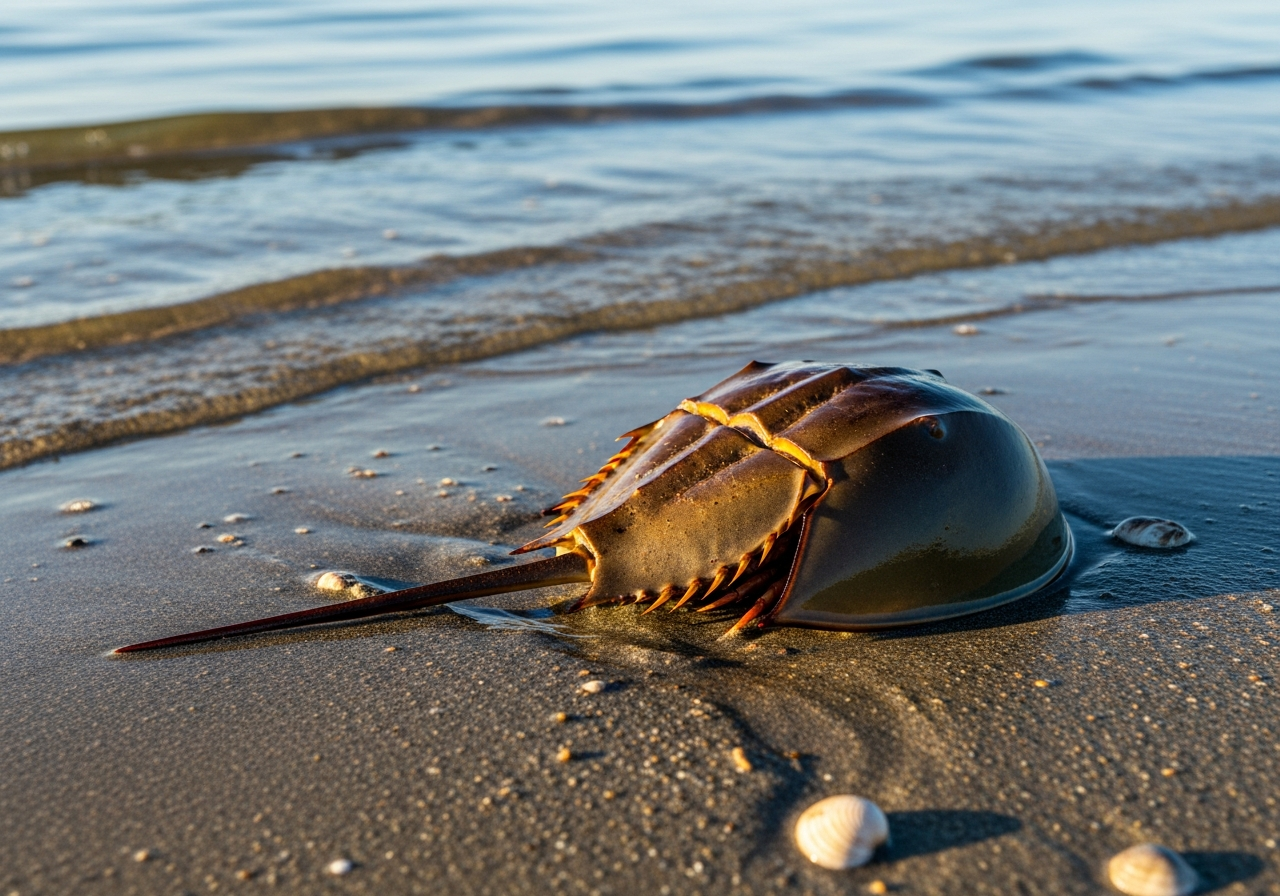
Invertebrate
The ancient living fossil with blue blood
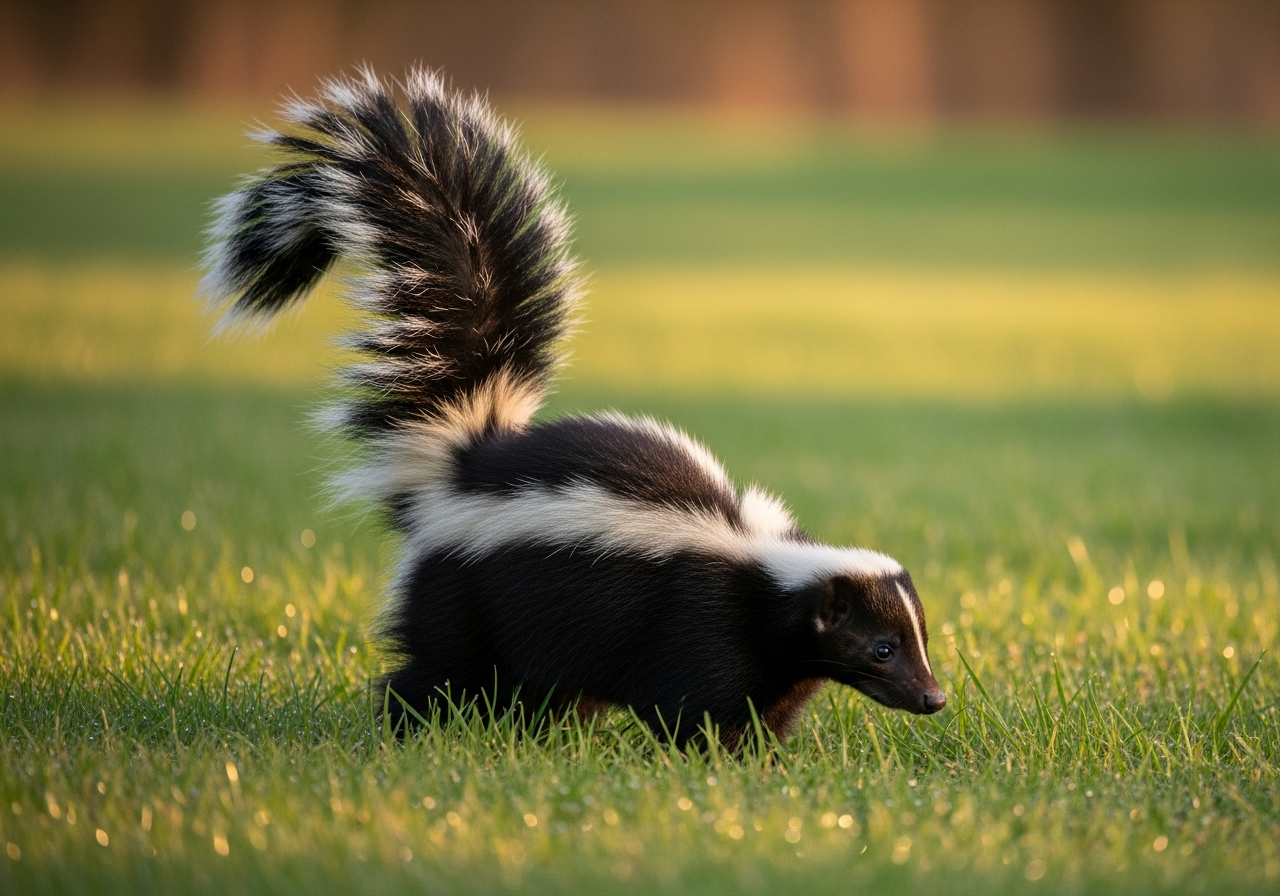
Mammal
The black-and-white mammal with a chemical defence

Fish
The fish that inflates into a spiky ball
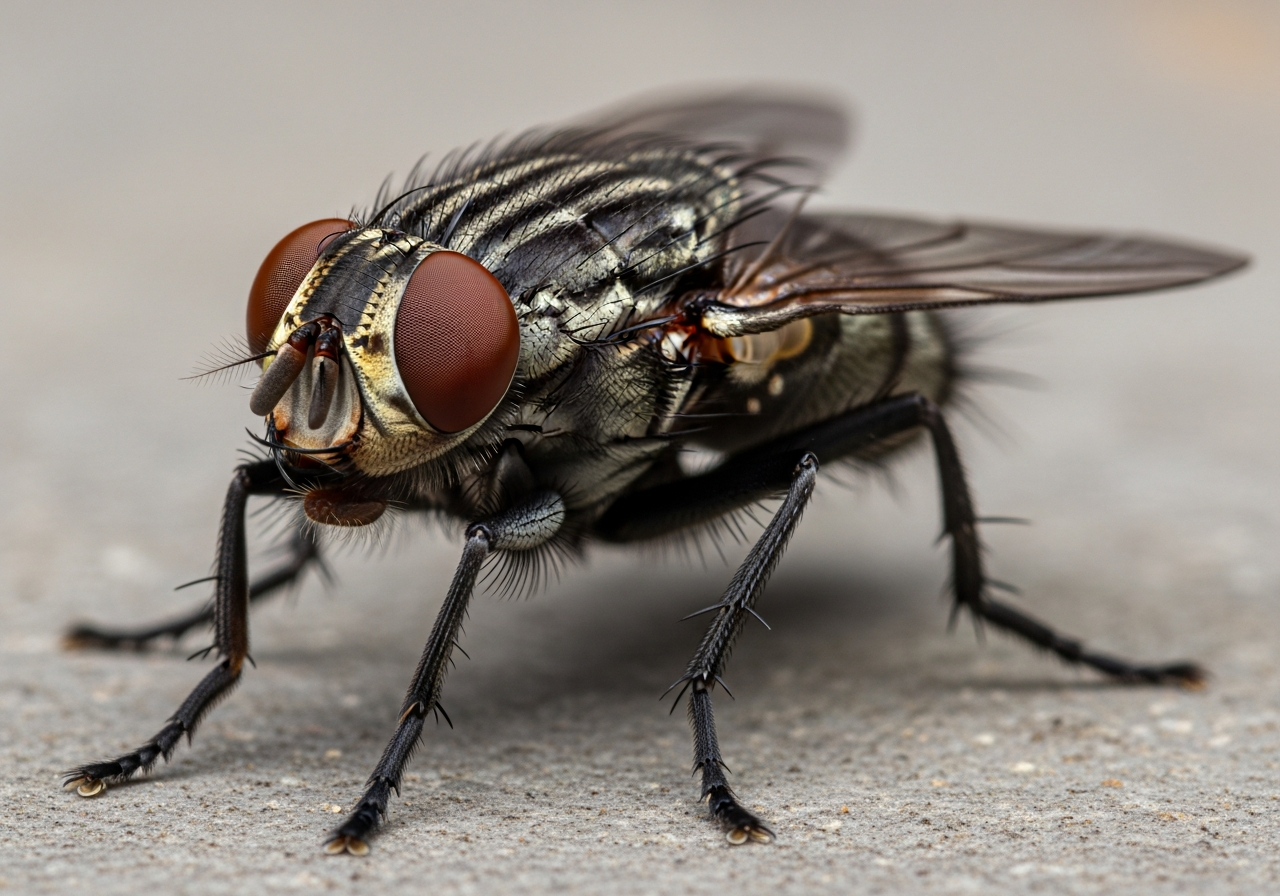
Insect
The familiar fly found wherever people live
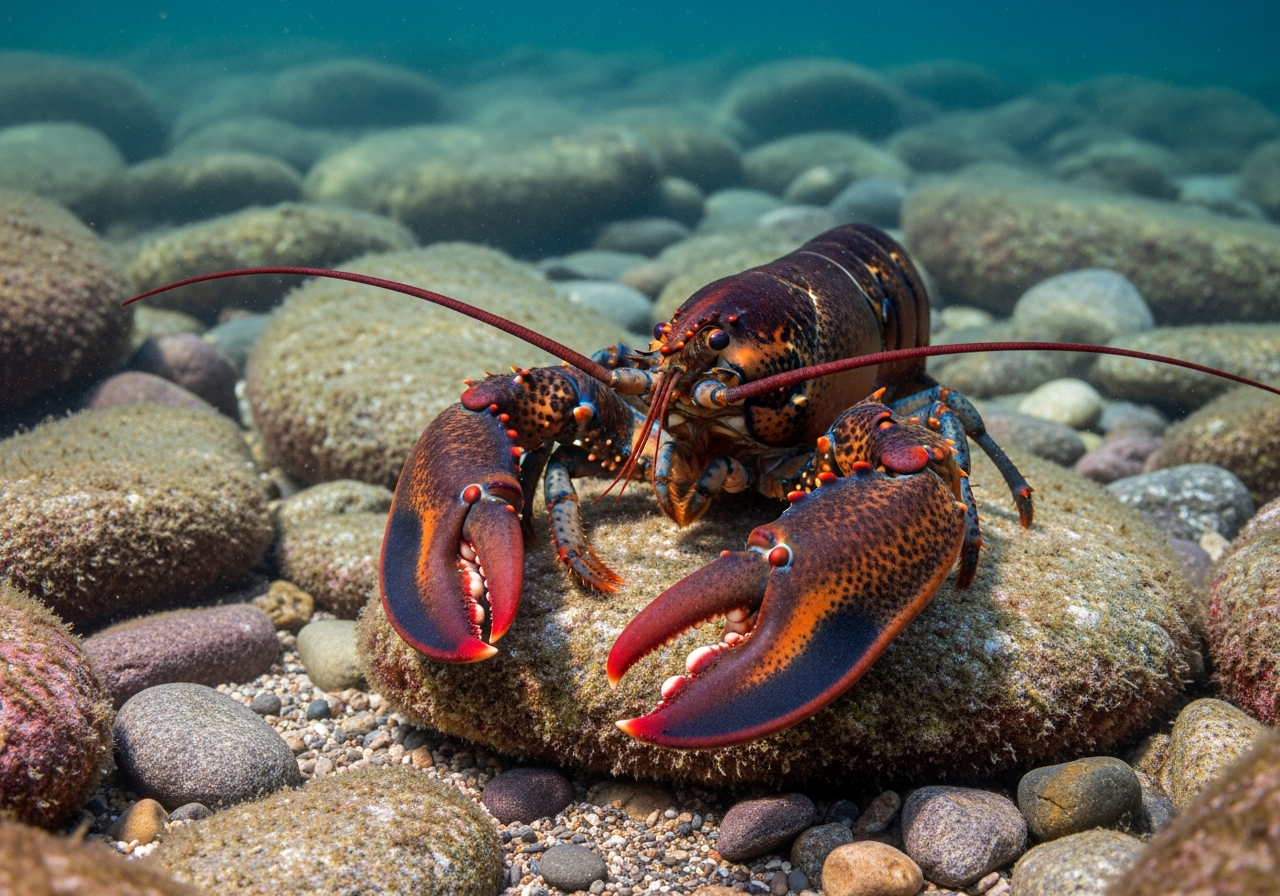
Invertebrate
The long-lived clawed crustacean of cold seas
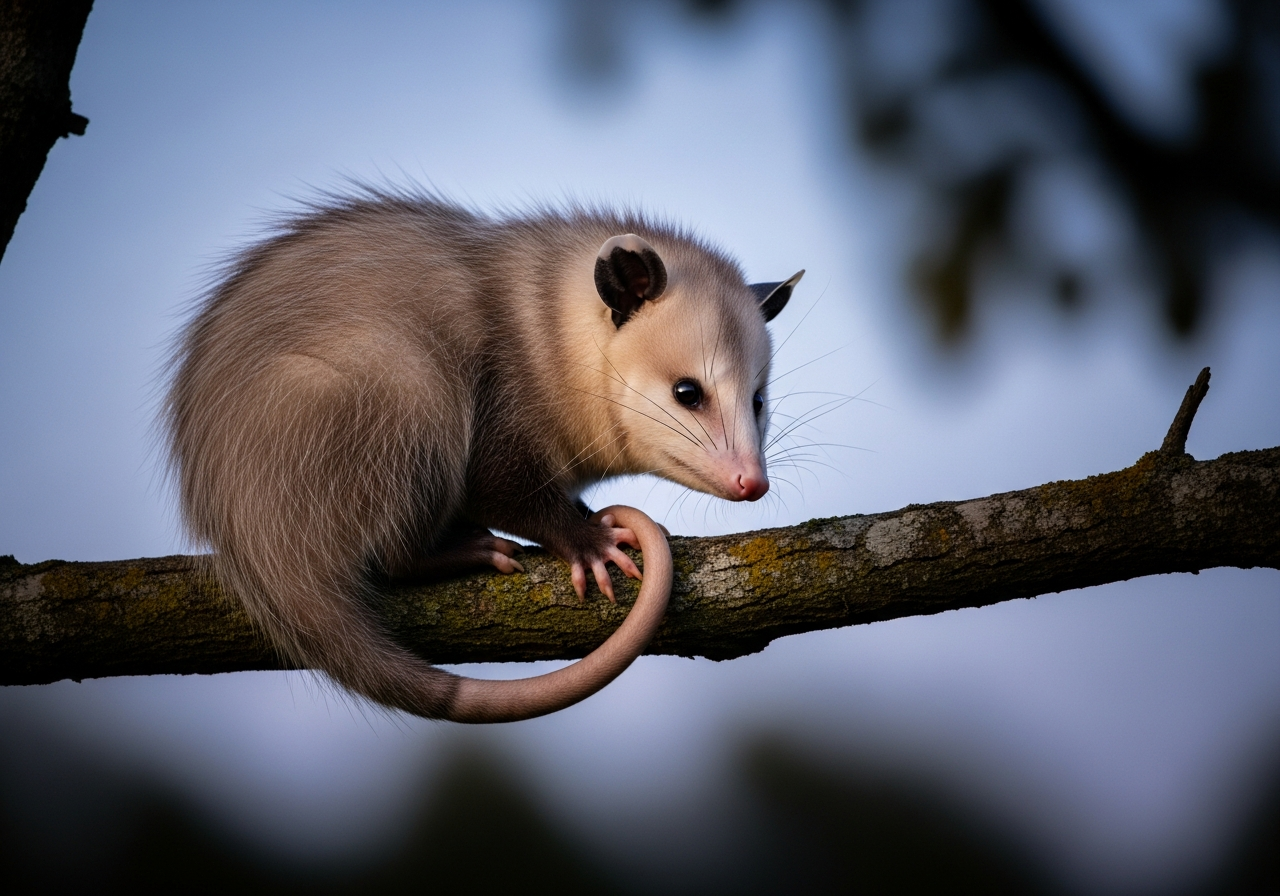
Mammal
North America's only marsupial
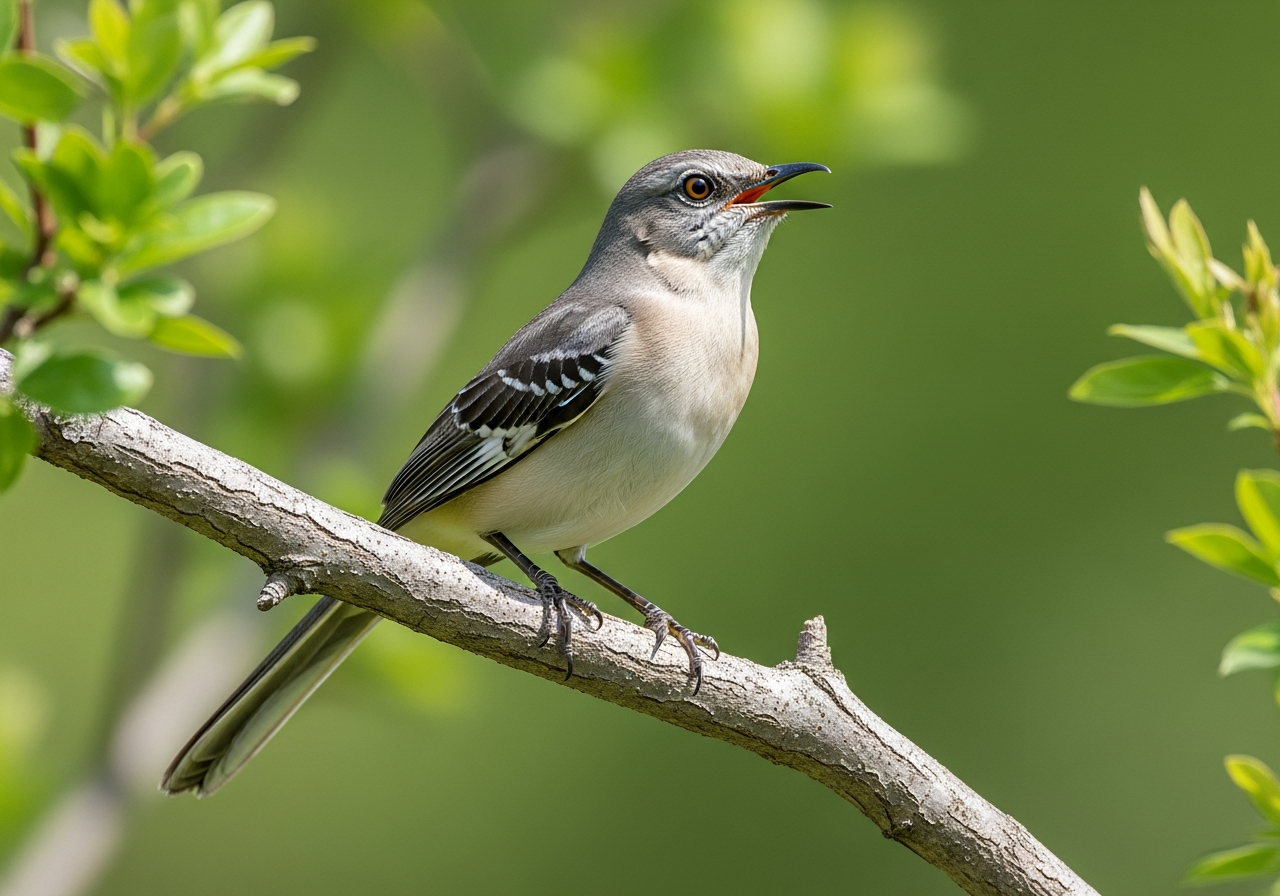
Bird
The bird that learns 200+ songs and sings through the night
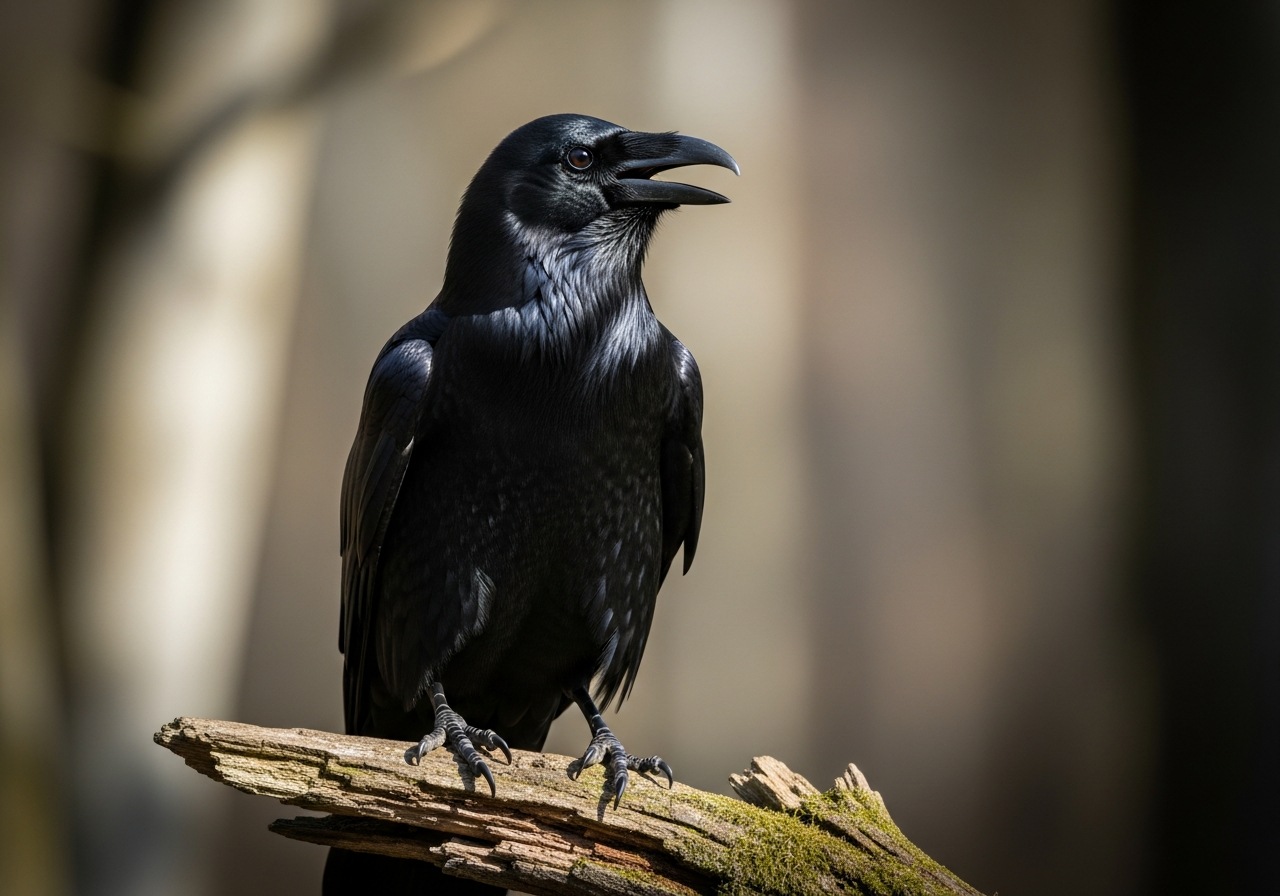
Bird
One of the world's most intelligent birds
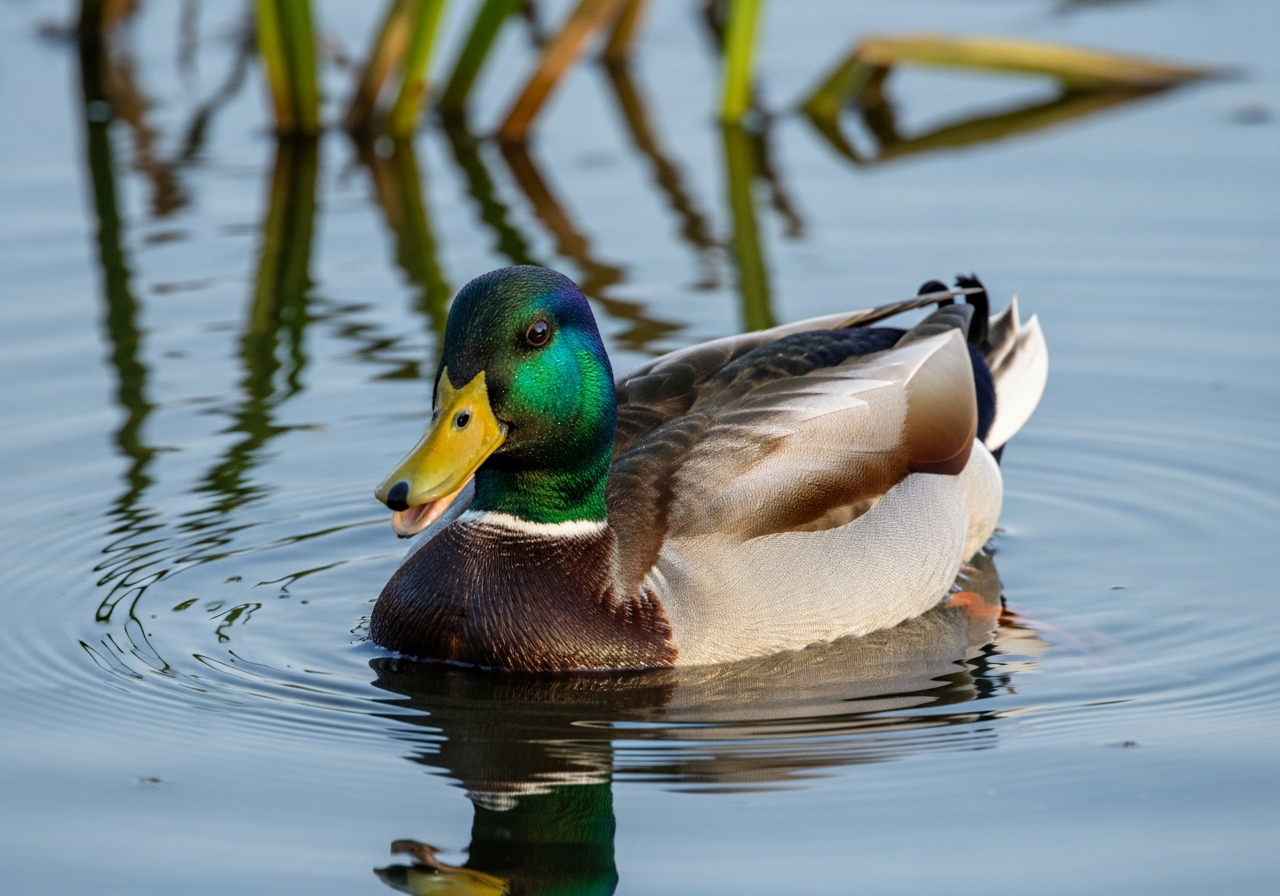
Bird
The familiar wild duck found around the world
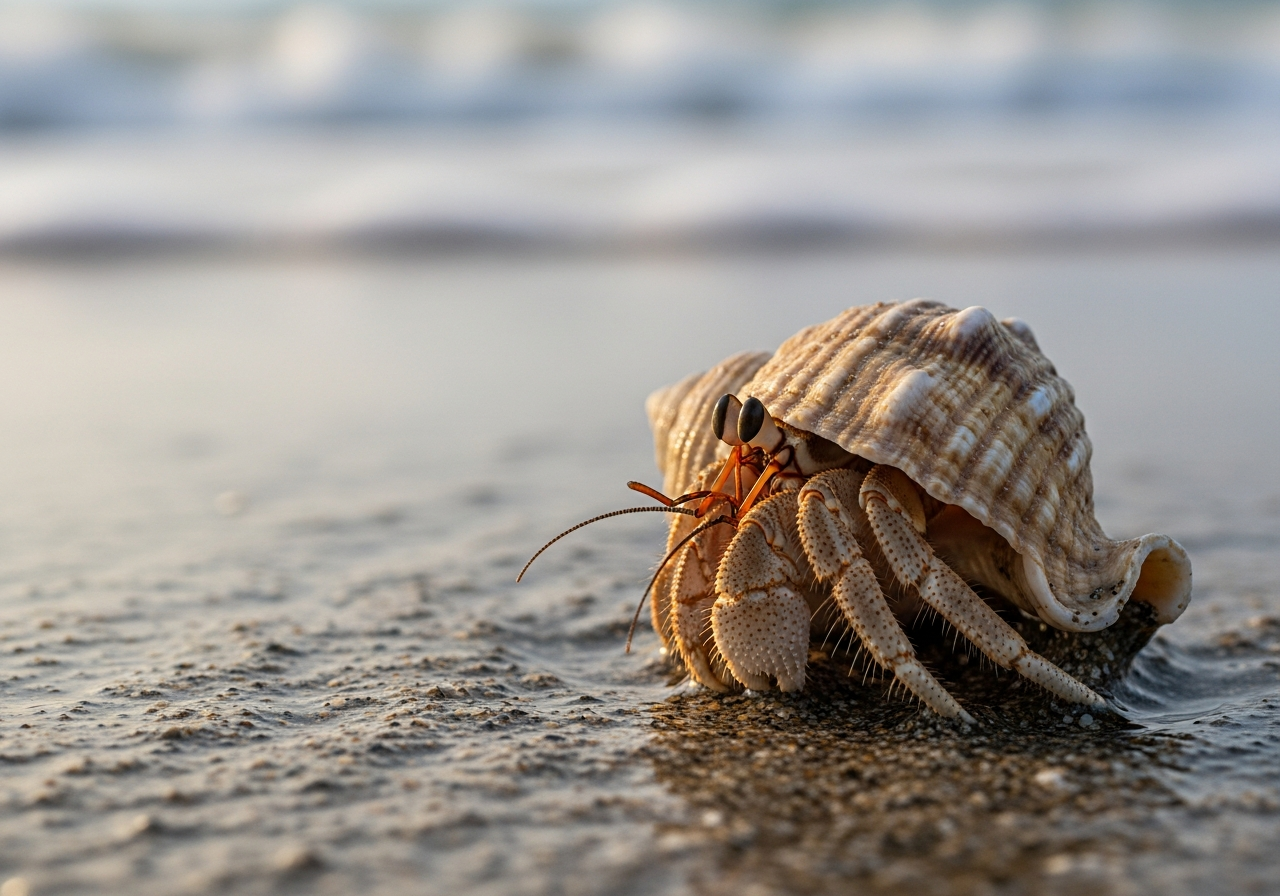
Invertebrate
The crustacean that wears borrowed shells
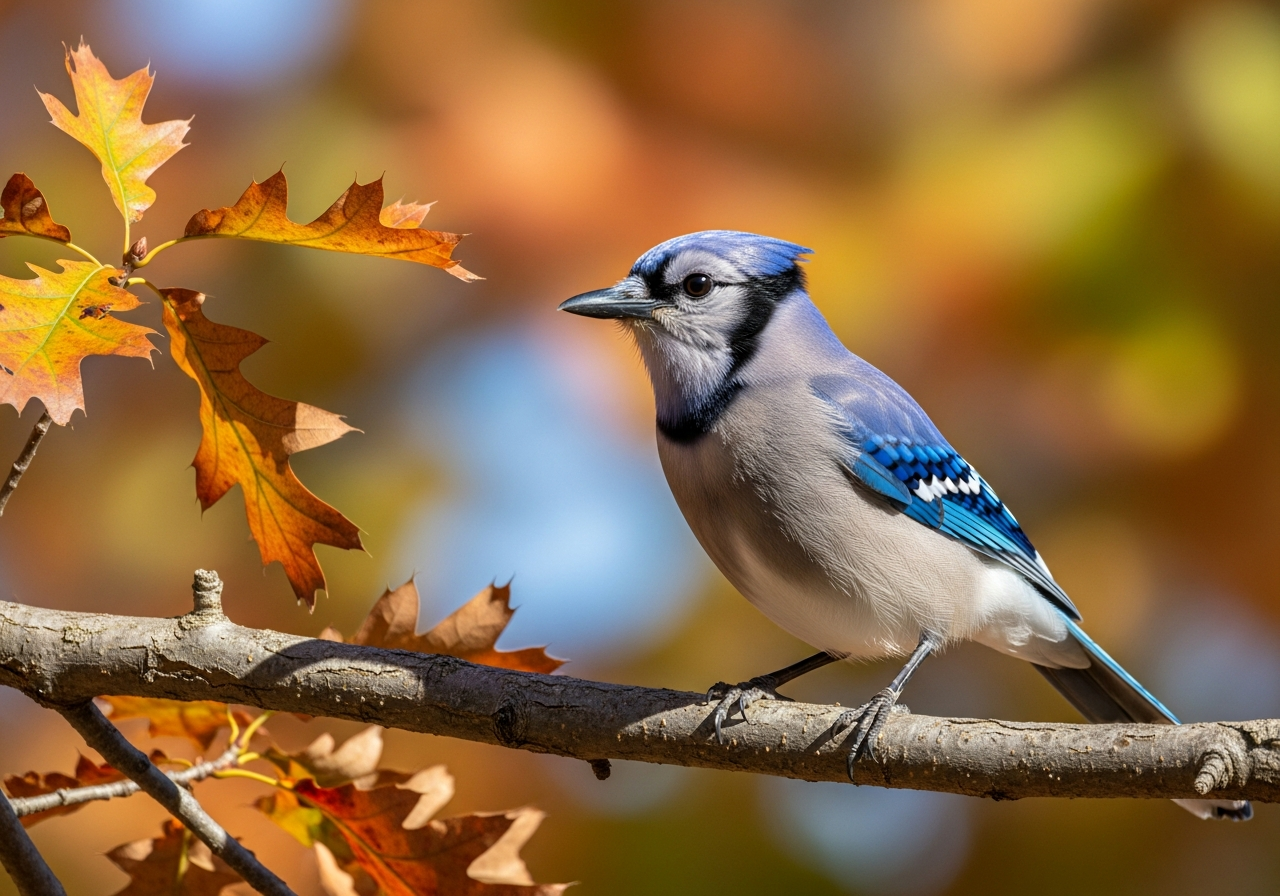
Bird
The bold, noisy blue songbird of North America
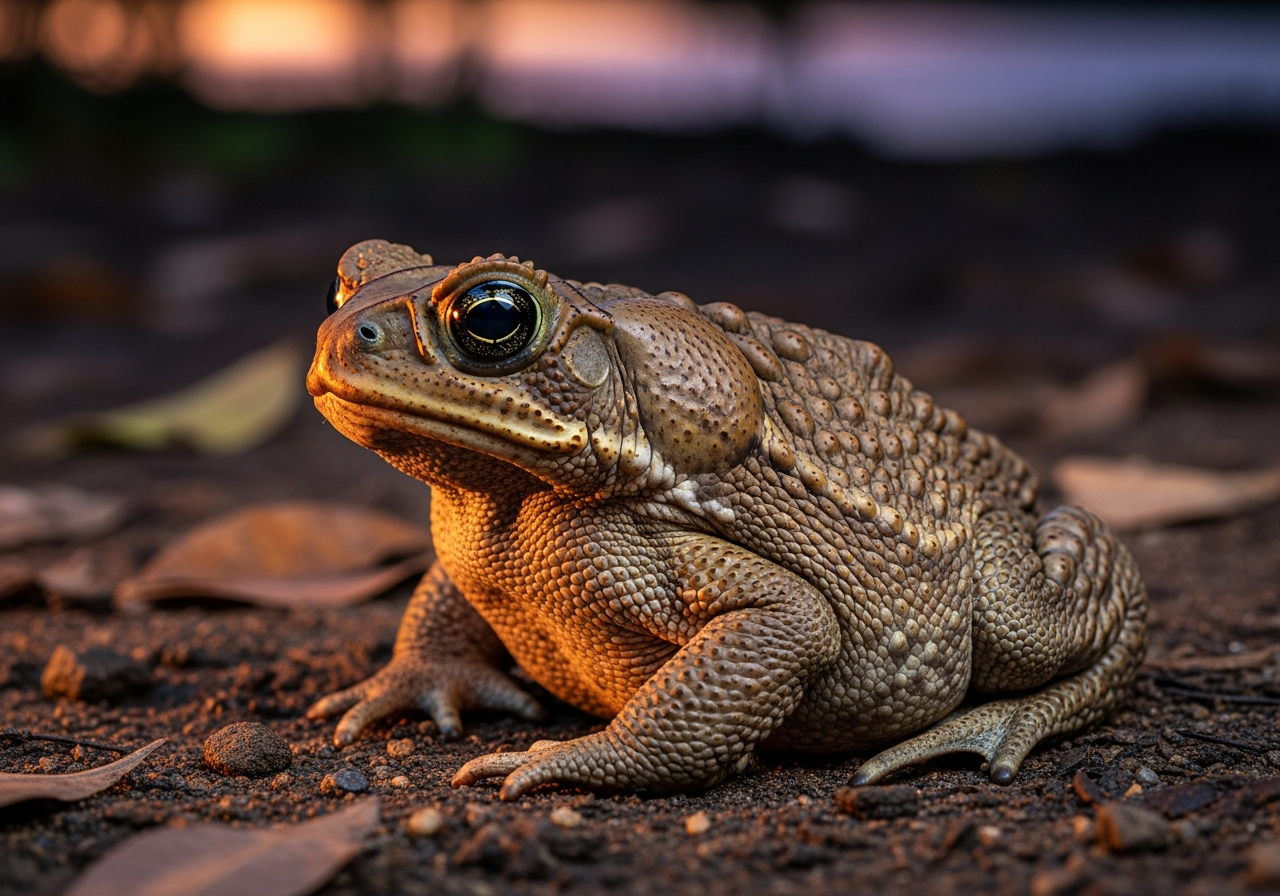
Amphibian
A large, toxic toad turned invasive pest
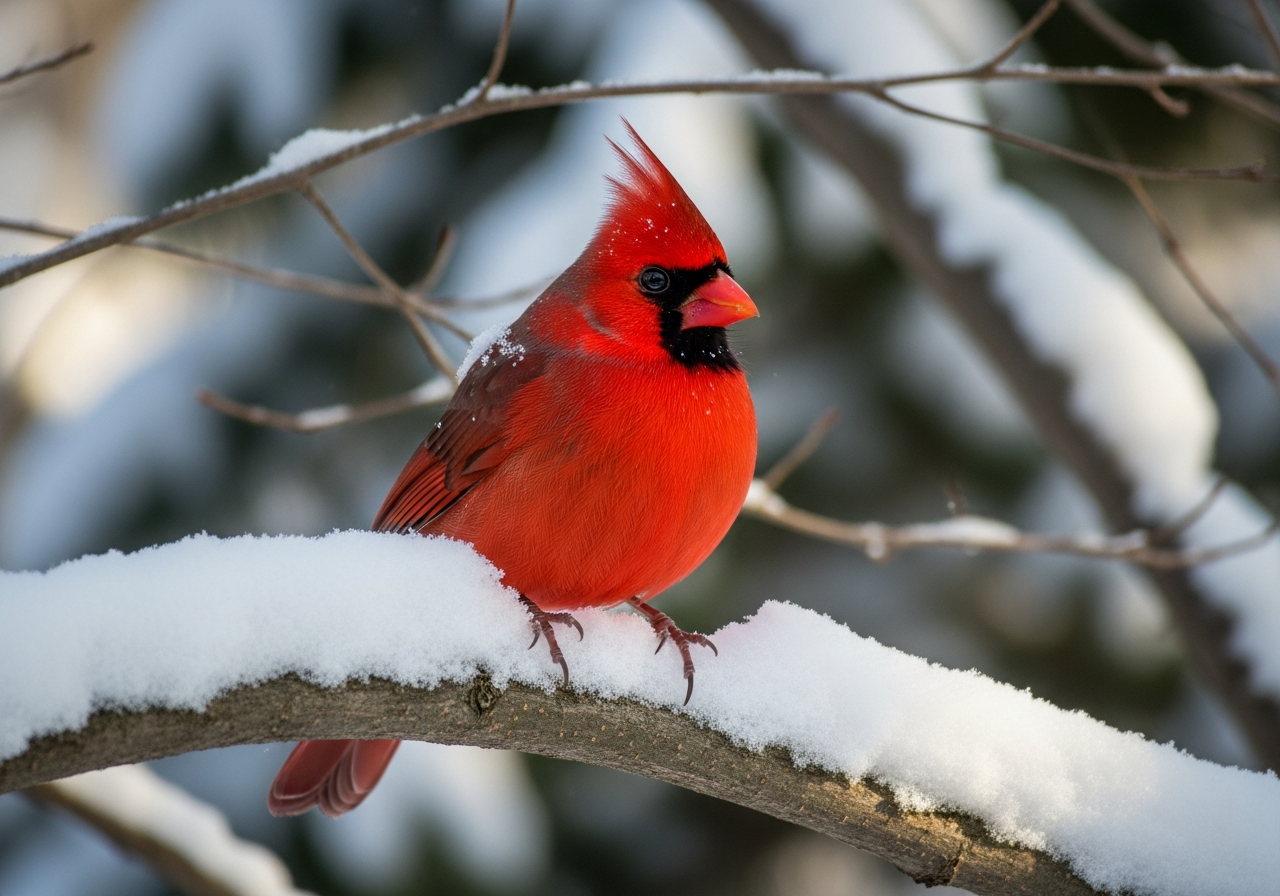
Bird
The bright red songbird of North American gardens
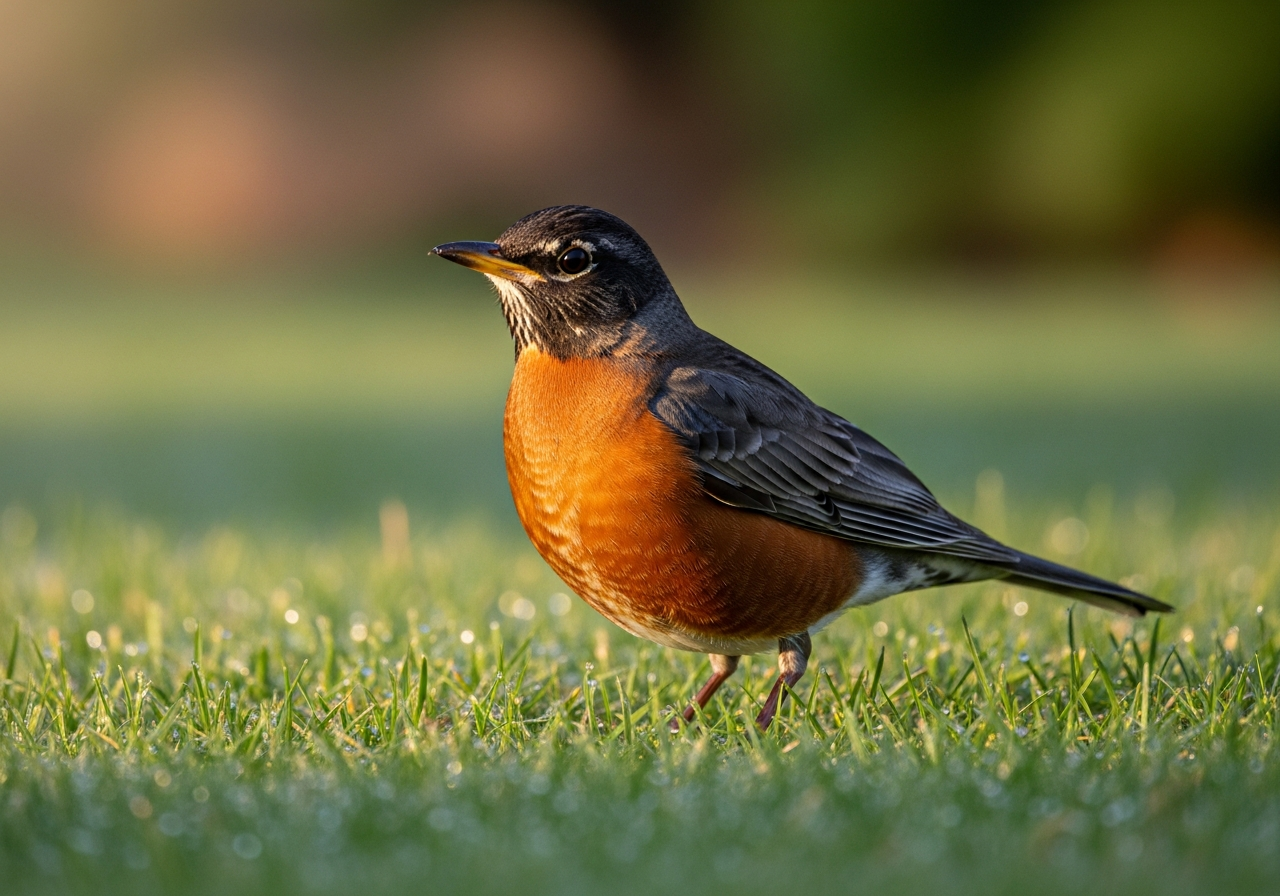
Bird
The orange-breasted herald of spring
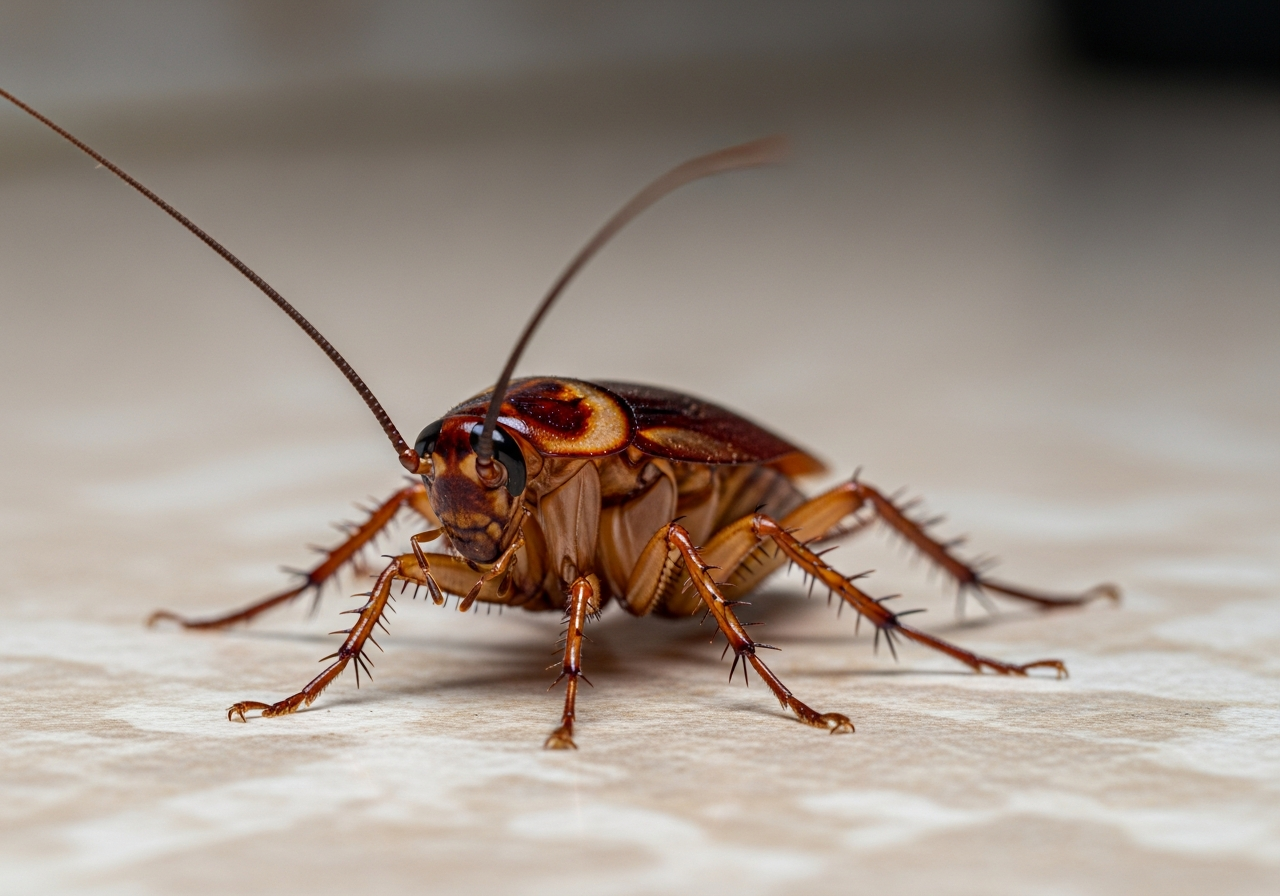
Insect
The hardy survivor that lives almost anywhere
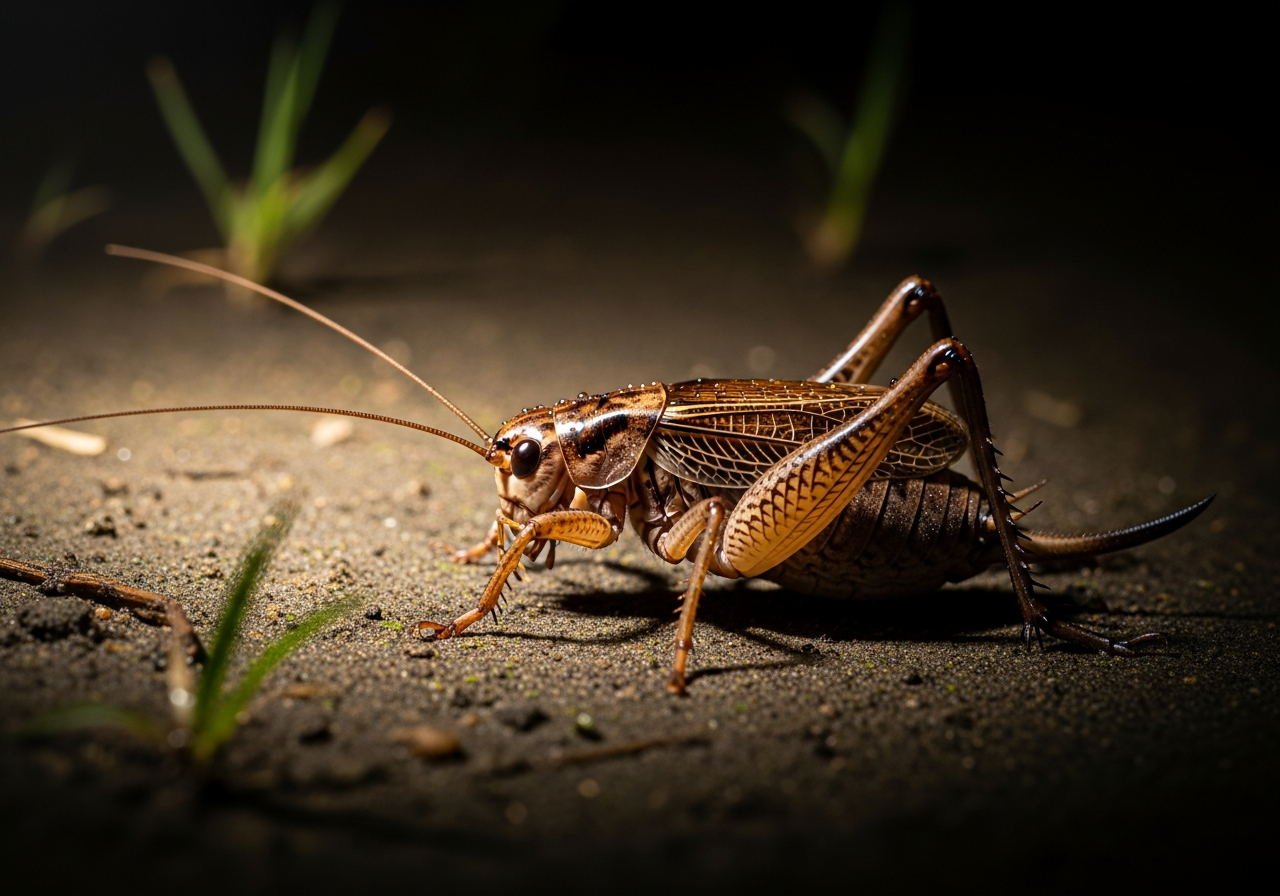
Insect
The chirping insect of warm evenings
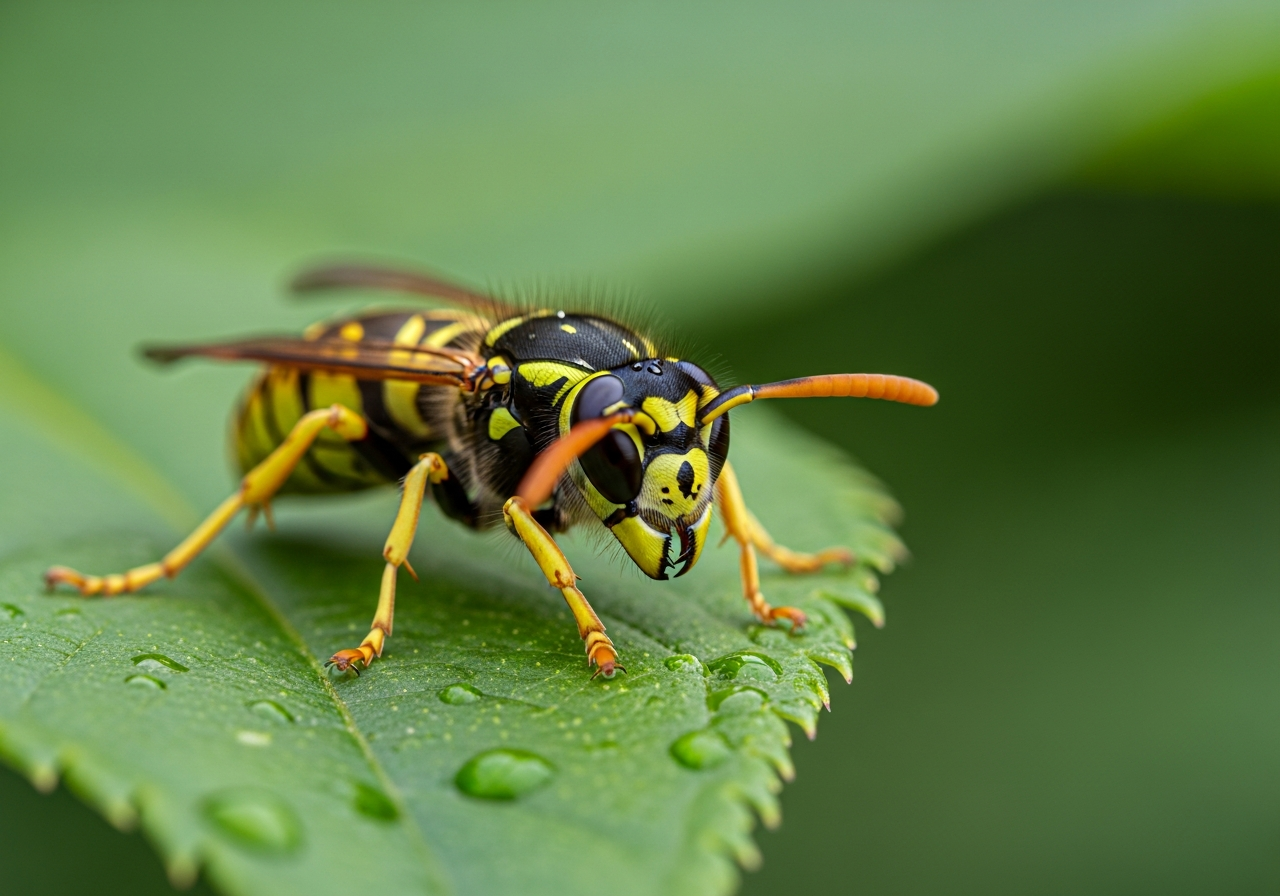
Insect
The bold black-and-yellow social wasp
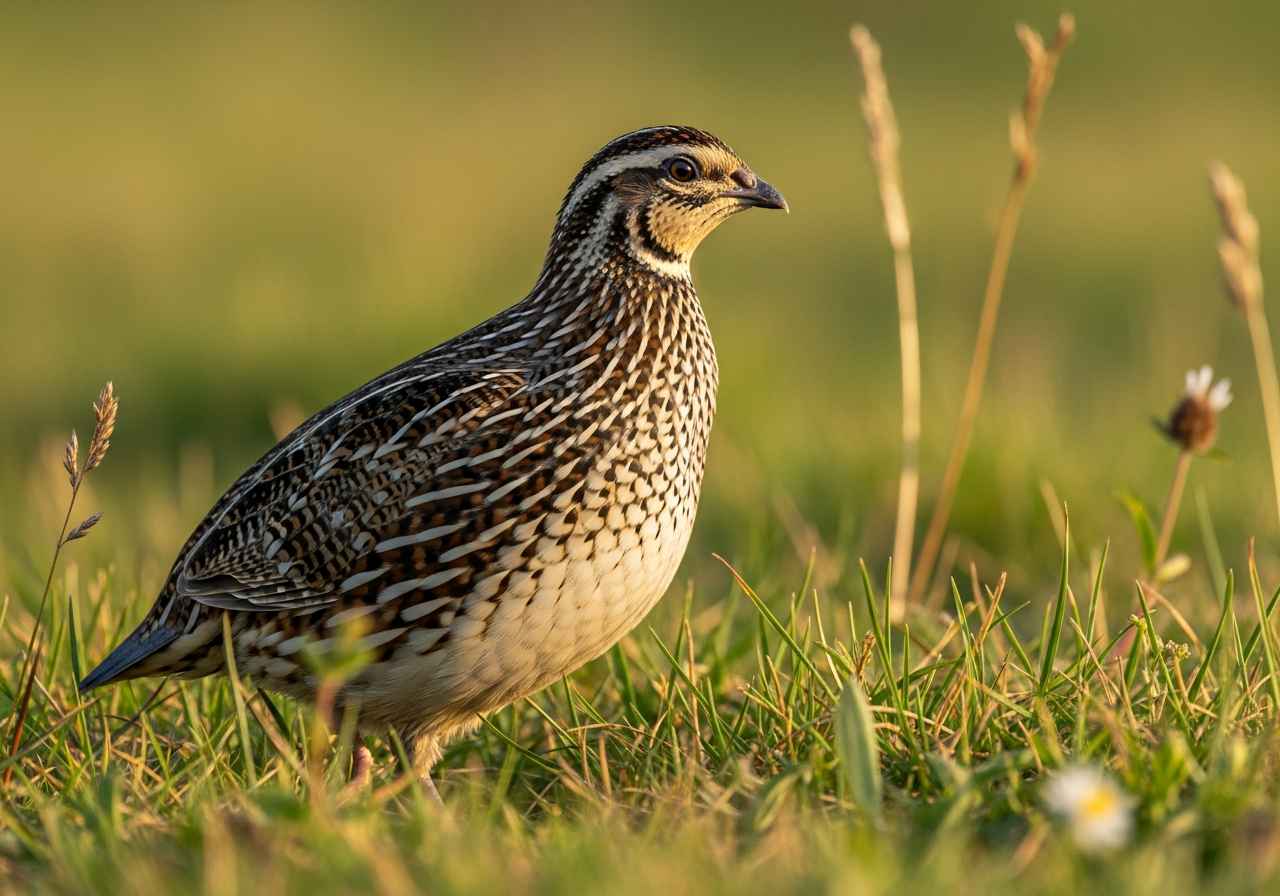
Bird
The small, secretive ground bird of fields and grassland
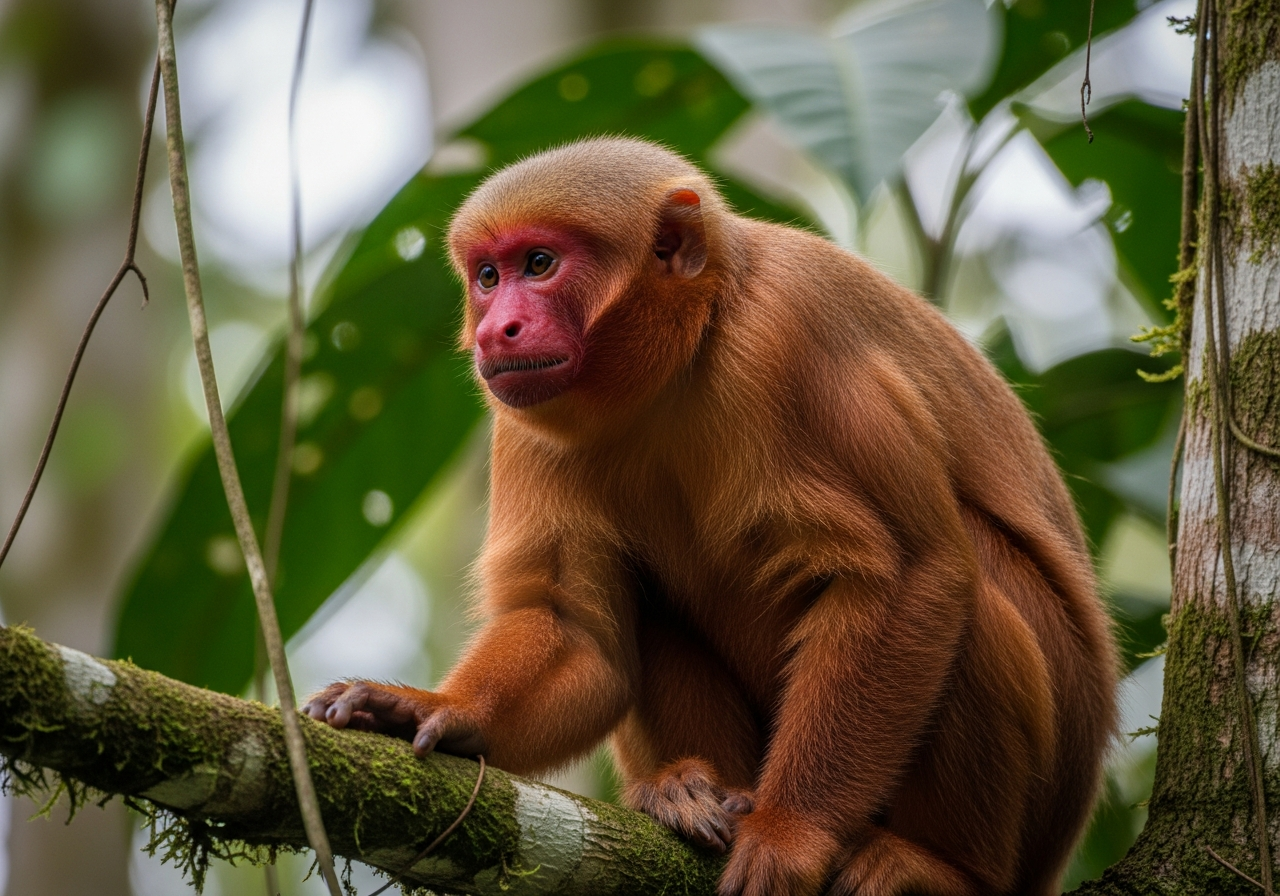
Mammal
The crimson-faced monkey of the flooded Amazon
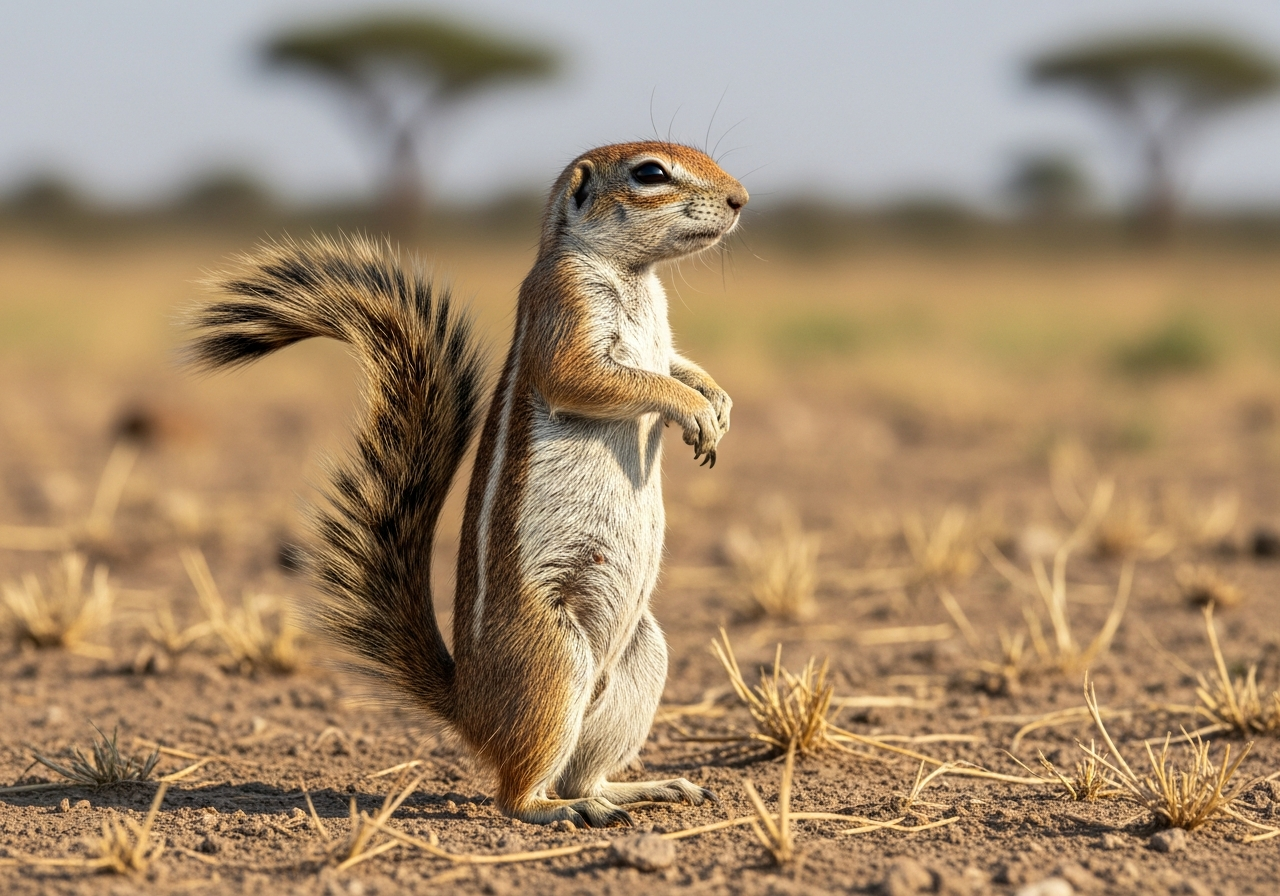
Mammal
The African ground squirrel that shades itself with its tail
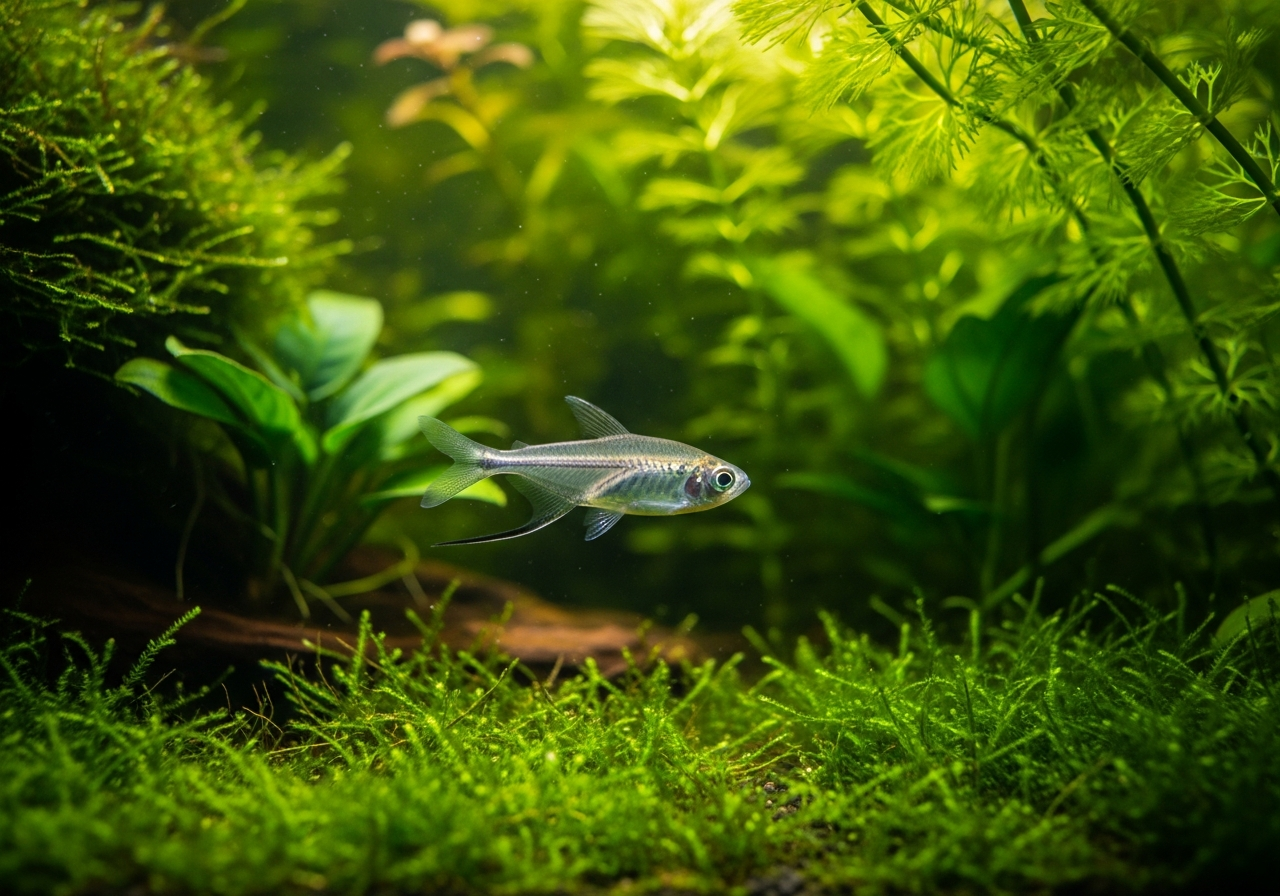
Fish
The see-through fish of the Amazon
Omnivores eat both plant and animal foods, switching with season, habitat, and opportunity. Flexible diets help them thrive near people and in changing landscapes — foxes, bears, pigs, and many birds are classic examples. Omnivory is a strategy, not a single tooth type.
The guide currently features 104 omnivores with answer-first profiles covering diet, habitat, size, and conservation status.
Diet facets are derived from each species' Diet fact on its profile (for example Carnivore, Herbivore, or more detailed notes). An animal can appear in more than one facet when its diet spans categories, such as omnivores that also eat insects.