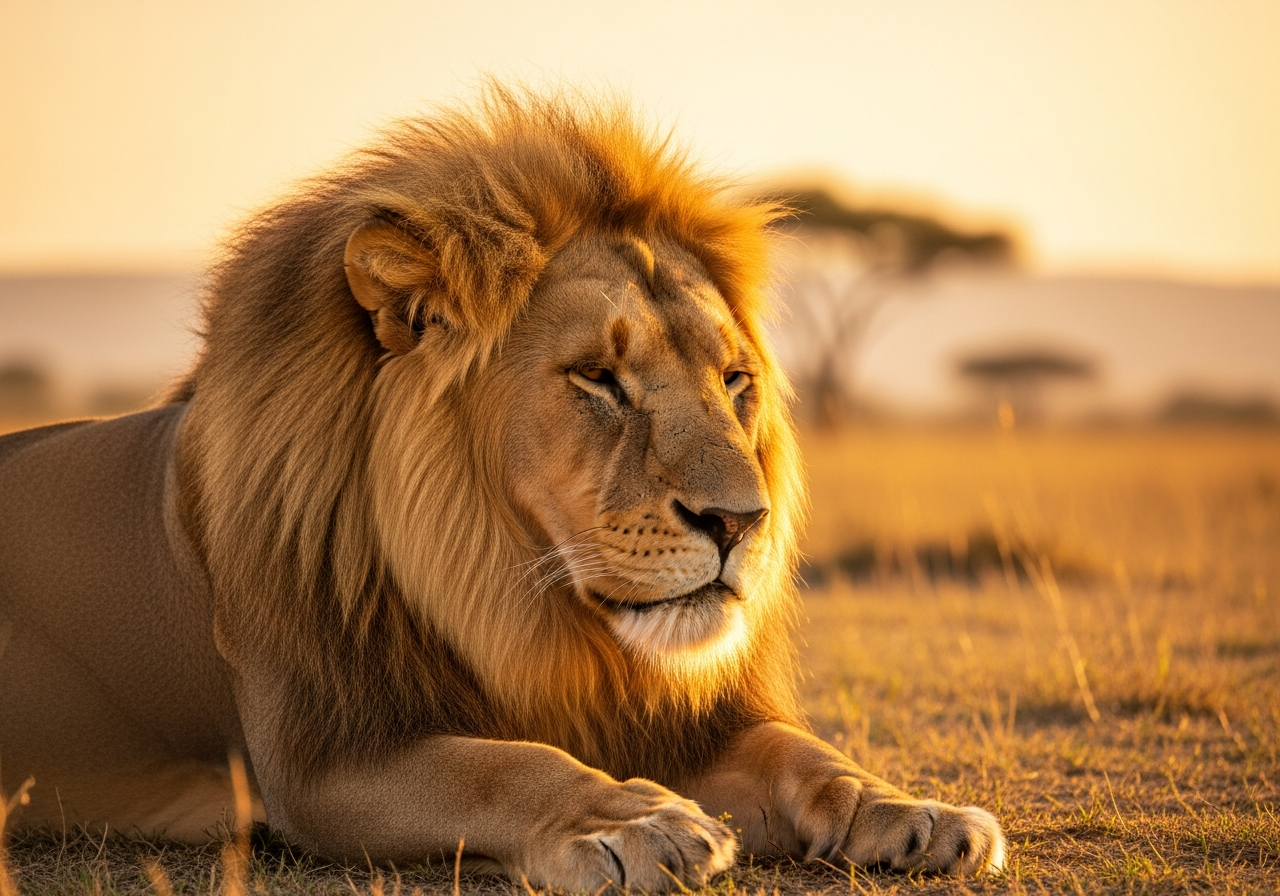
Mammal
Lion
The social big cat of the African savanna
Trusted wildlife guides · Promotional links support animal rescue
Saturday, 18 July 2026Temperate and tropical grasslands differ in rainfall and fire regimes, but both reward animals that graze, dig, or hunt in open cover. Profiles here mention grassland, prairie, steppe, or meadow habitats.
Grasslands are landscapes dominated by grasses — prairies, steppes, and meadows — supporting grazers, burrowers, and ground-nesting birds. Deep soils make them productive and heavily converted to farmland.
Bison, prairie dogs, cheetahs on open plains, and many grassland birds illustrate how body size and social systems track open habitats.
Ploughing, overgrazing, invasive plants, and loss of fire regimes shrink native grassland wildlife worldwide.
Use the savanna hub for tropical tree-dotted grasslands and urban & farmland for species adapting to crops.
Ranked by profile popularity. An animal may also appear in other biomes if it uses multiple habitats.
Mammal
The social big cat of the African savanna
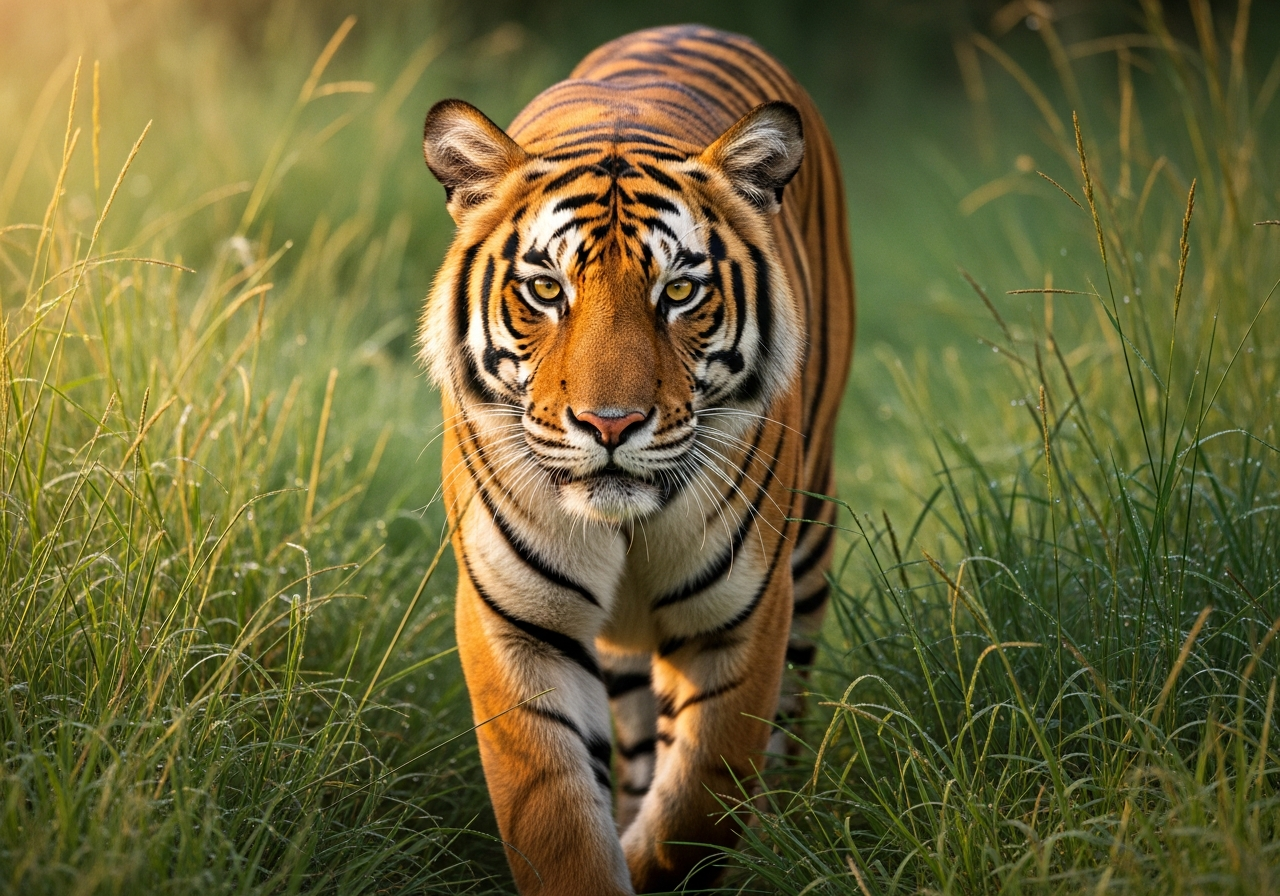
Mammal
The largest cat species on Earth
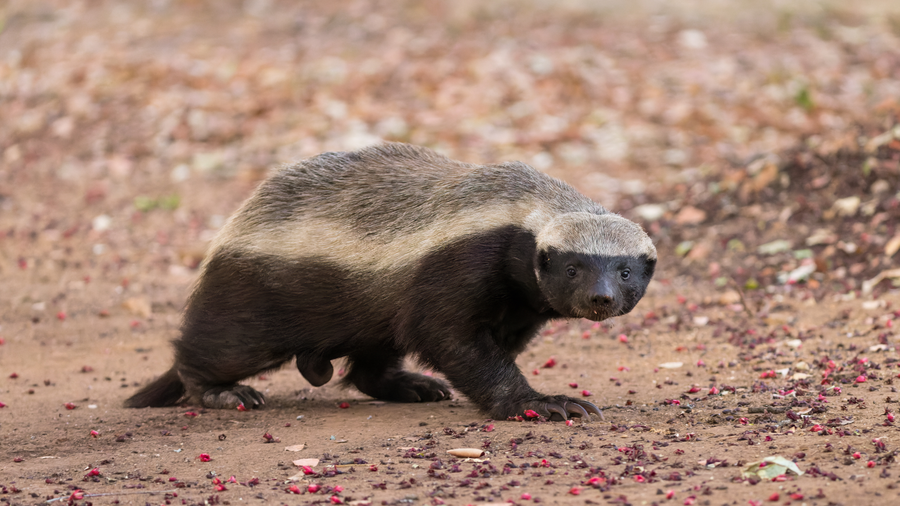
Mammal
The world's most fearless animal
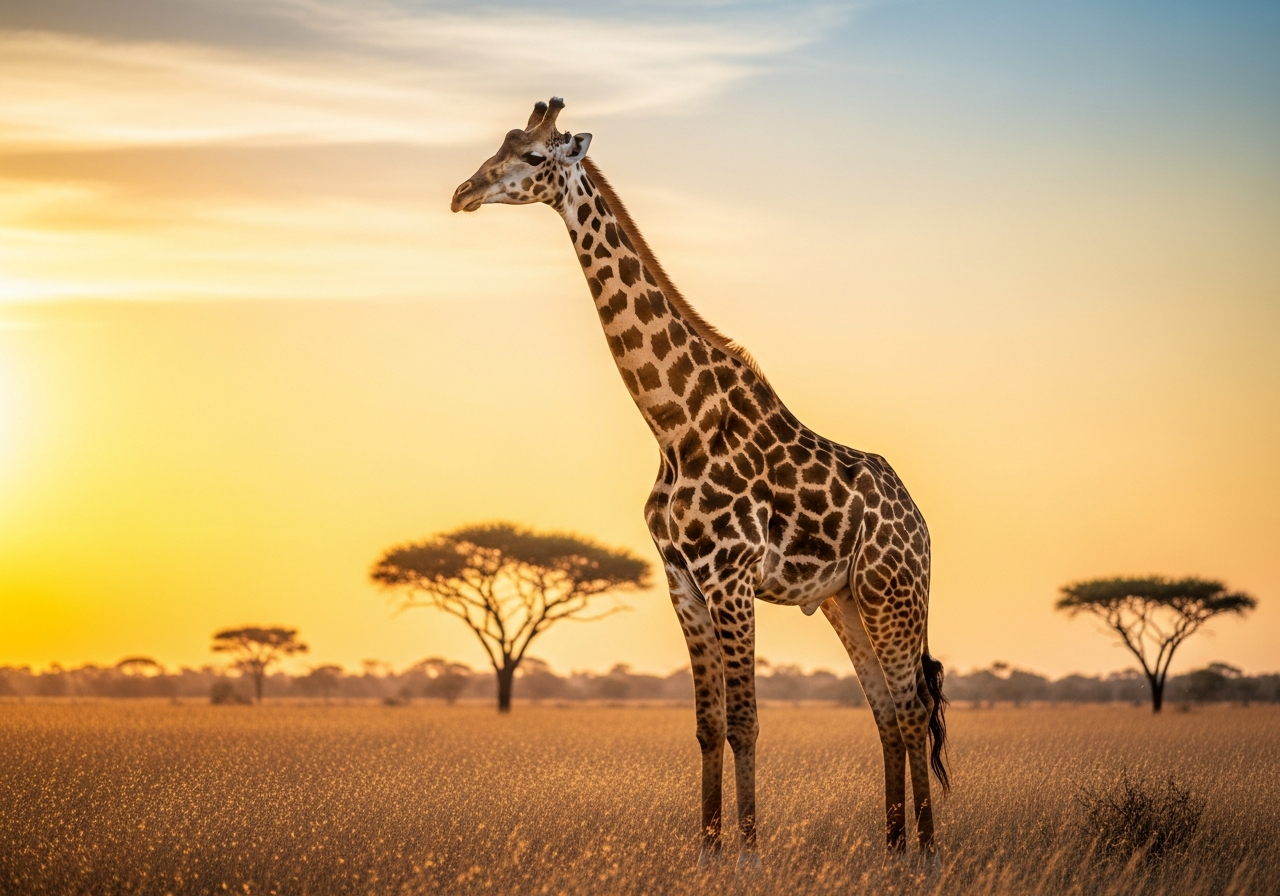
Mammal
The tallest animal on Earth
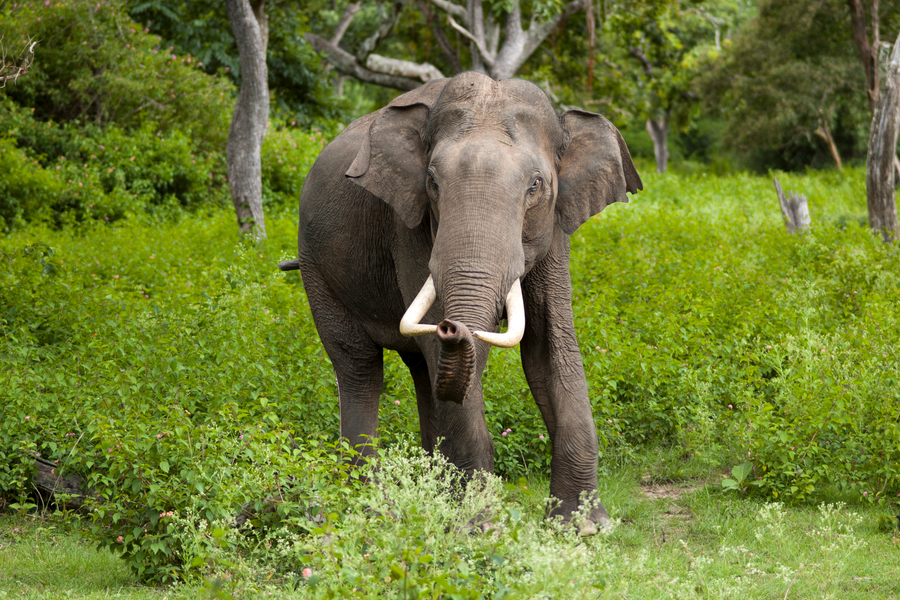
Mammal
The smaller cousin of Africa's giant
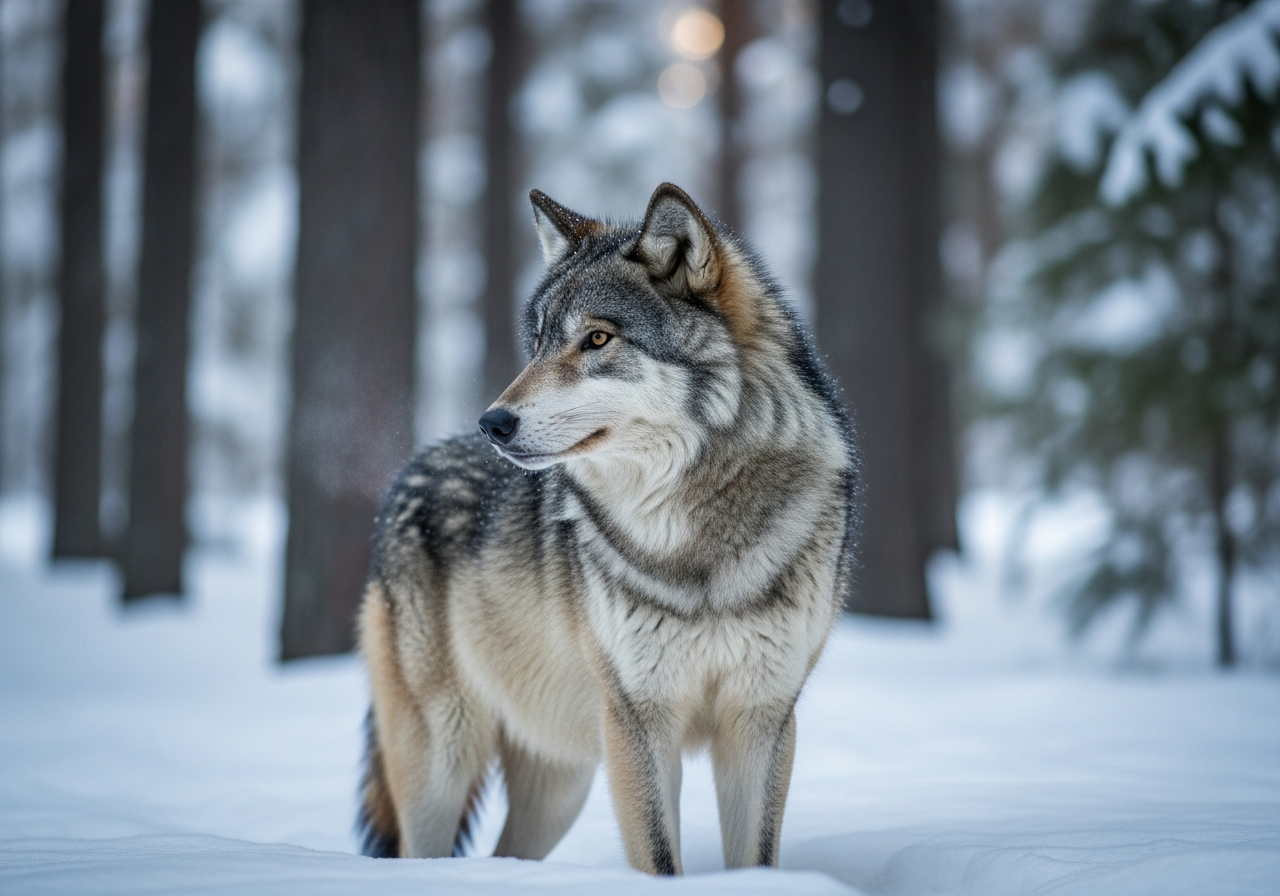
Mammal
The ancestor of the domestic dog
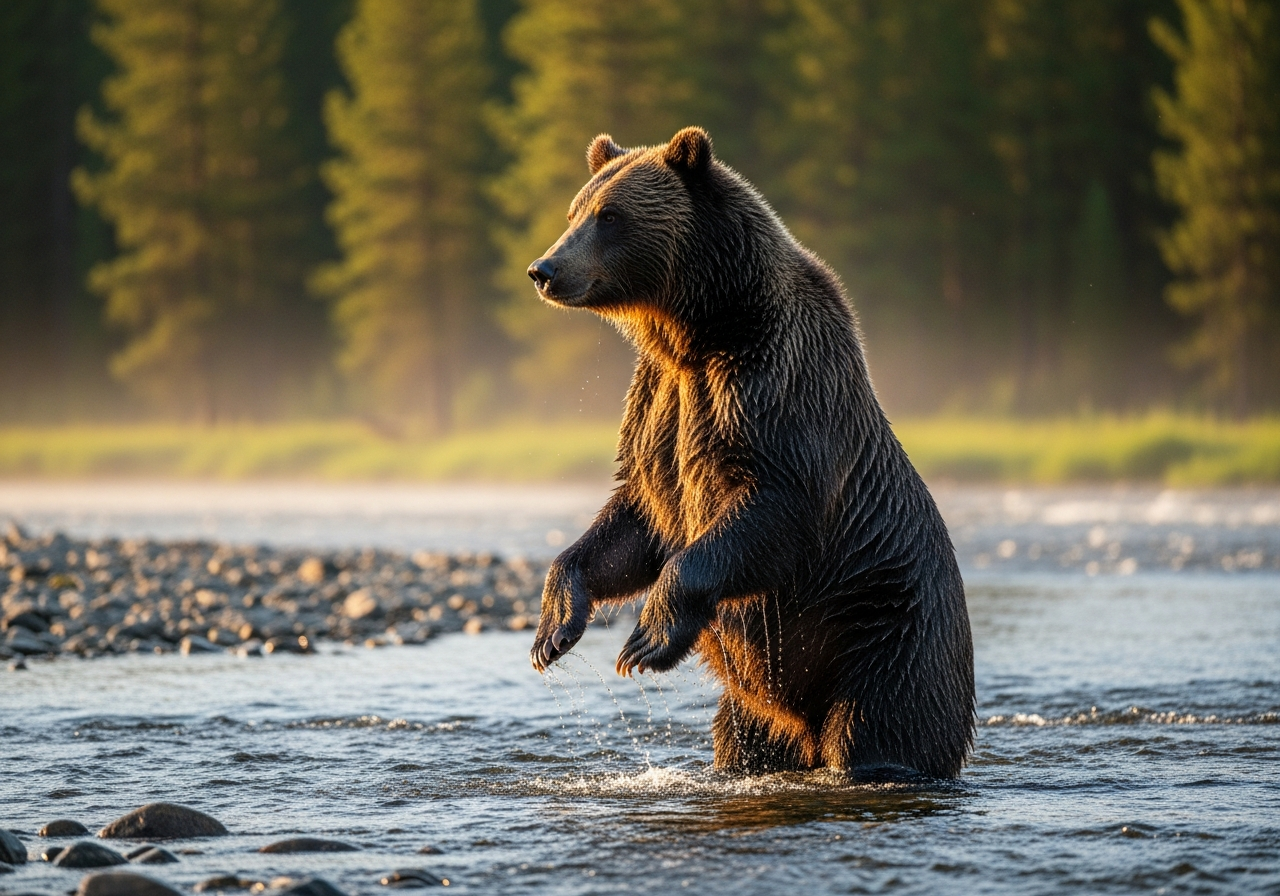
Mammal
North America's iconic brown bear
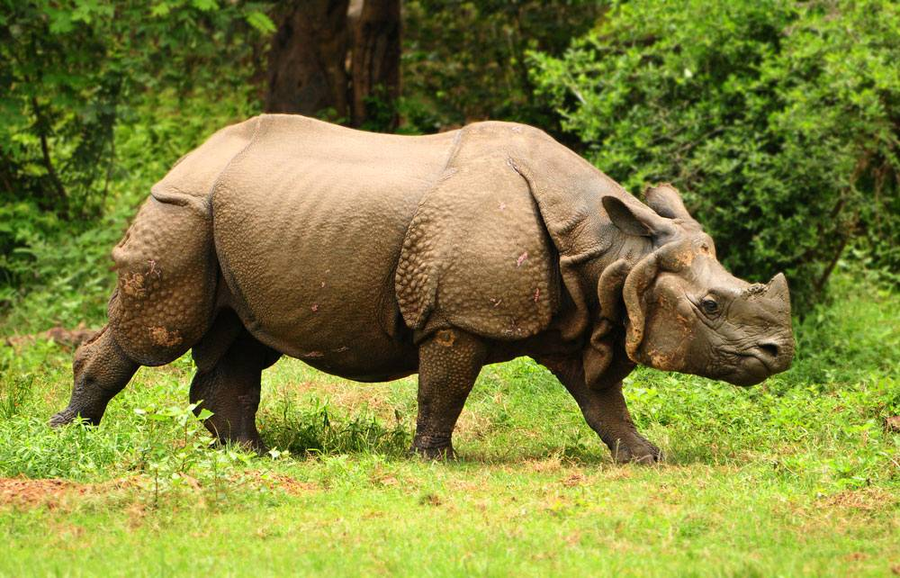
Mammal
The armour-plated one-horned giant
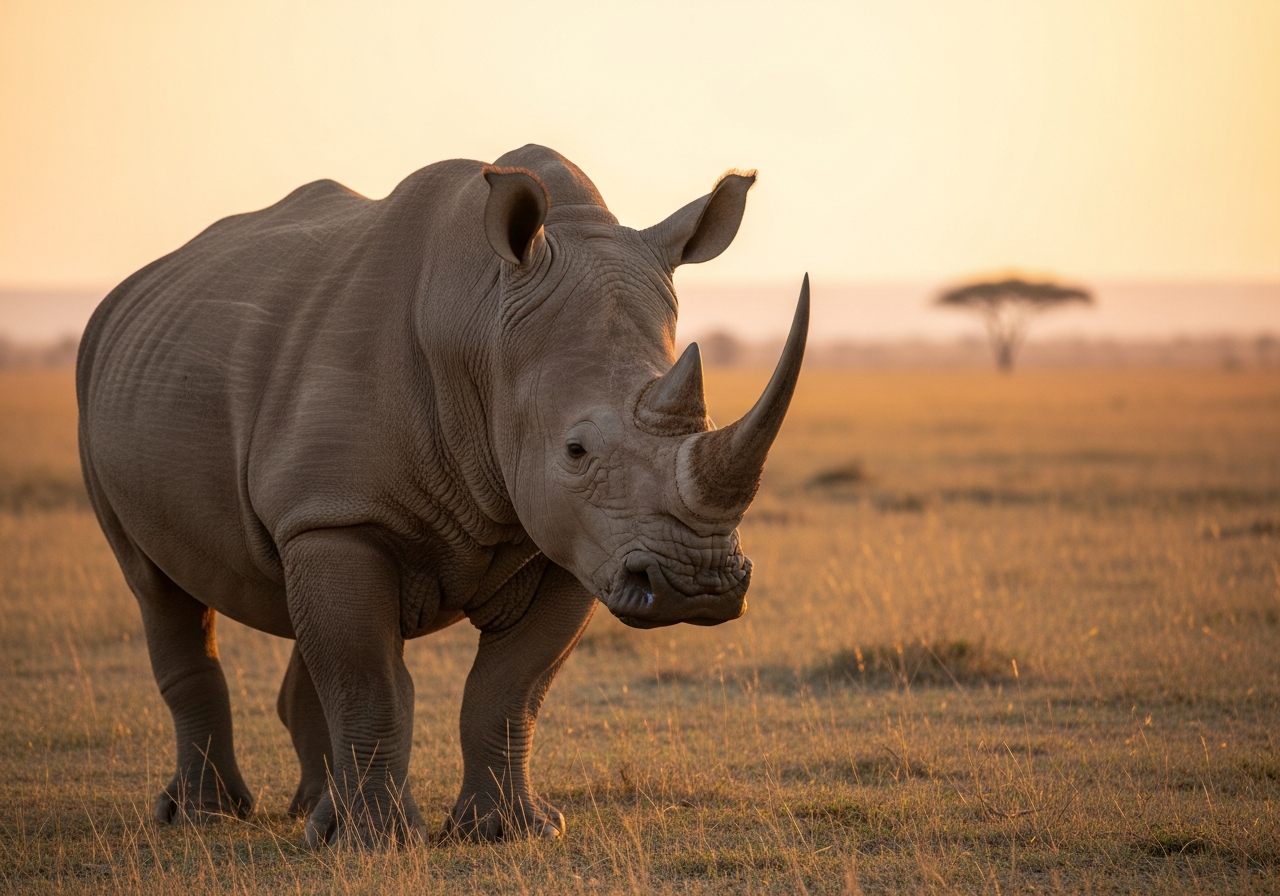
Mammal
The armored giant with a horn of keratin
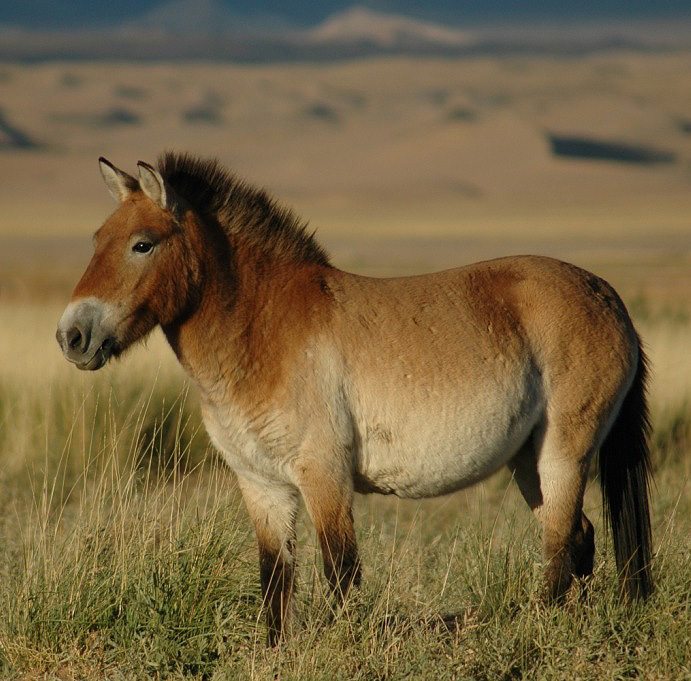
Mammal
The last truly wild horse
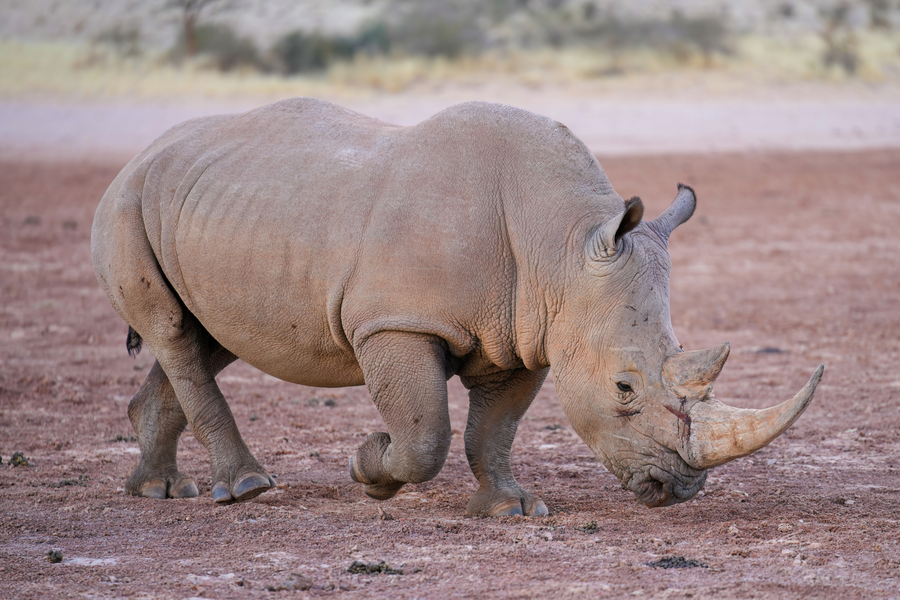
Mammal
The square-lipped giant of African grasslands
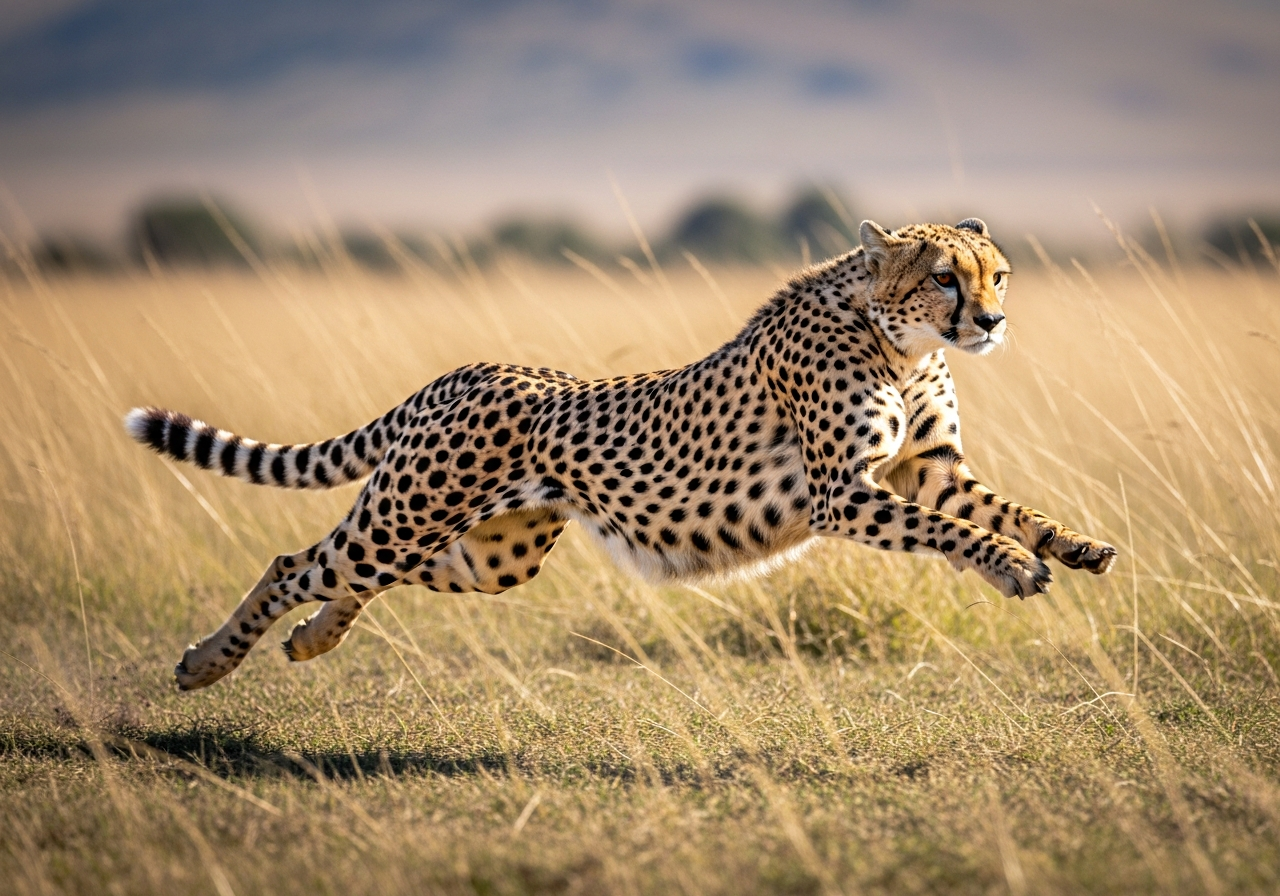
Mammal
The fastest land animal on Earth
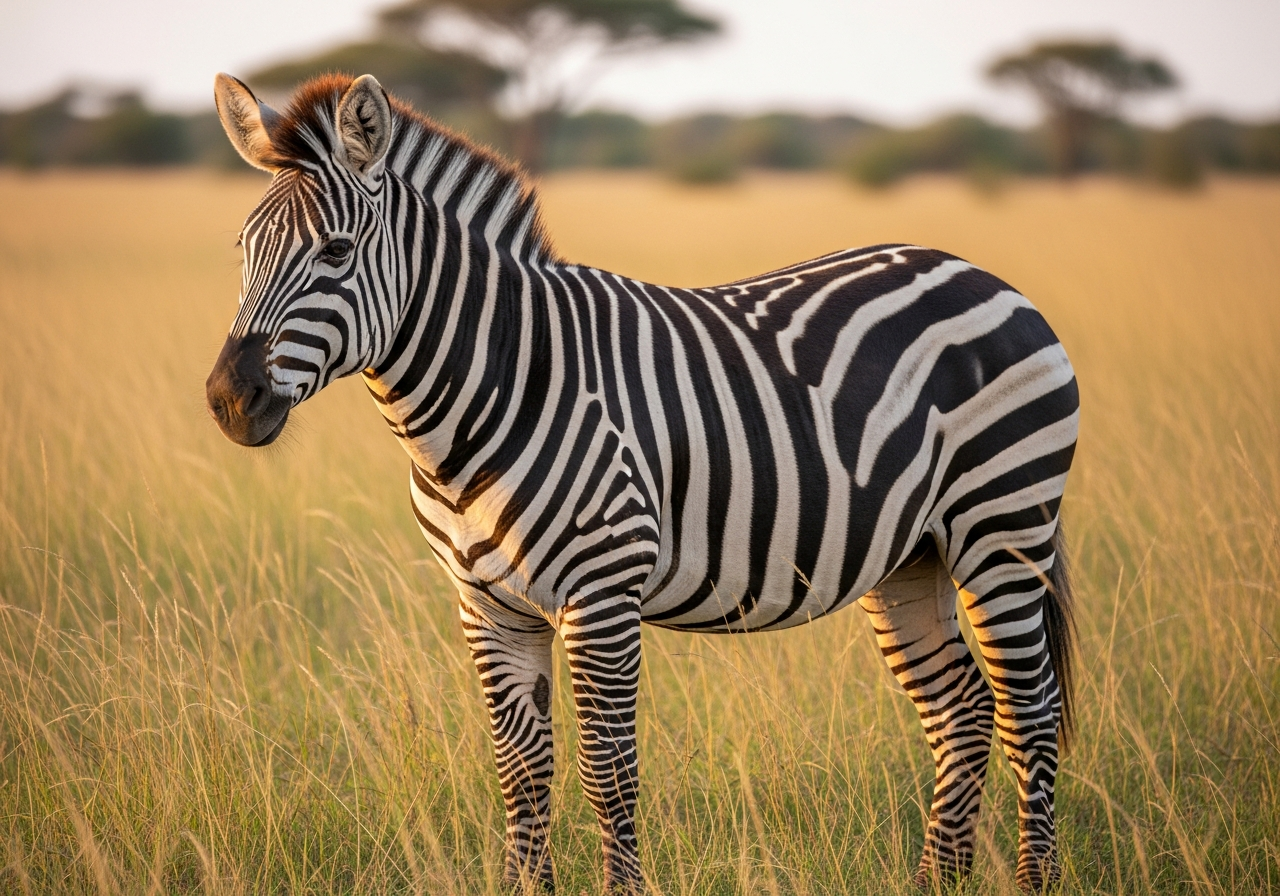
Mammal
The striped wild horse of the African plains
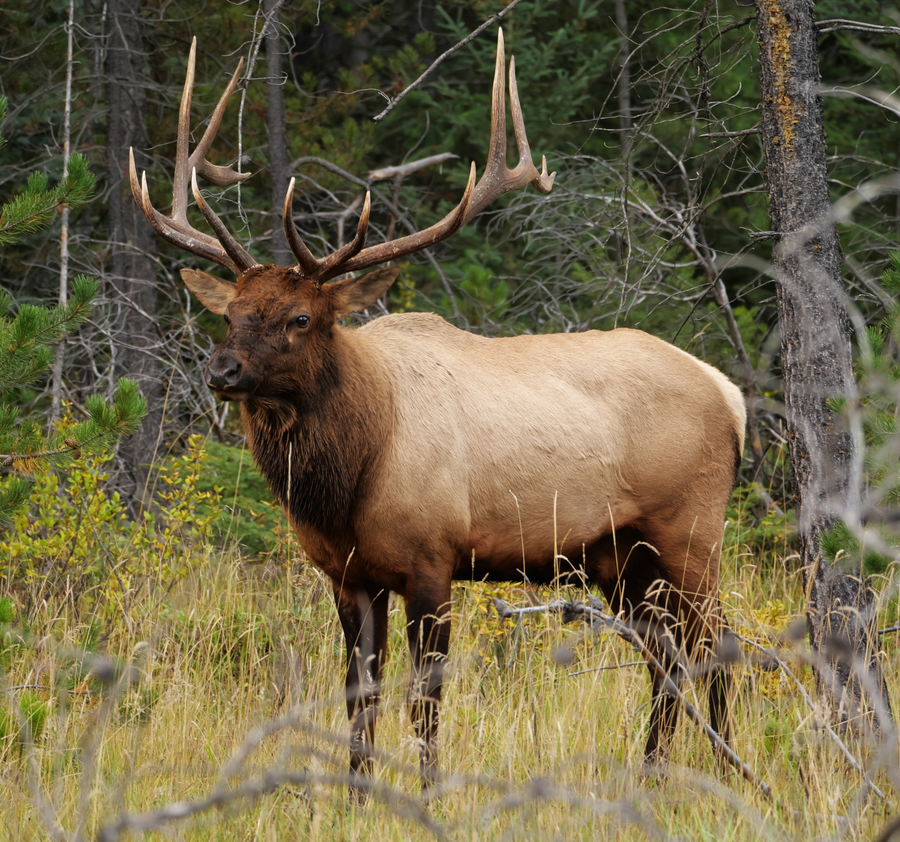
Mammal
The bugling giant of North American meadows
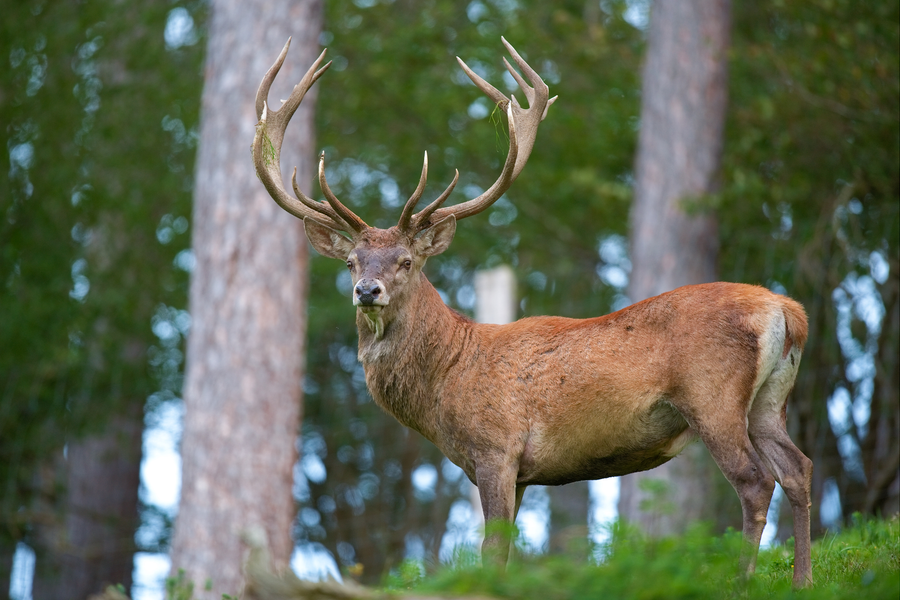
Mammal
The roaring stag of Eurasian woodlands
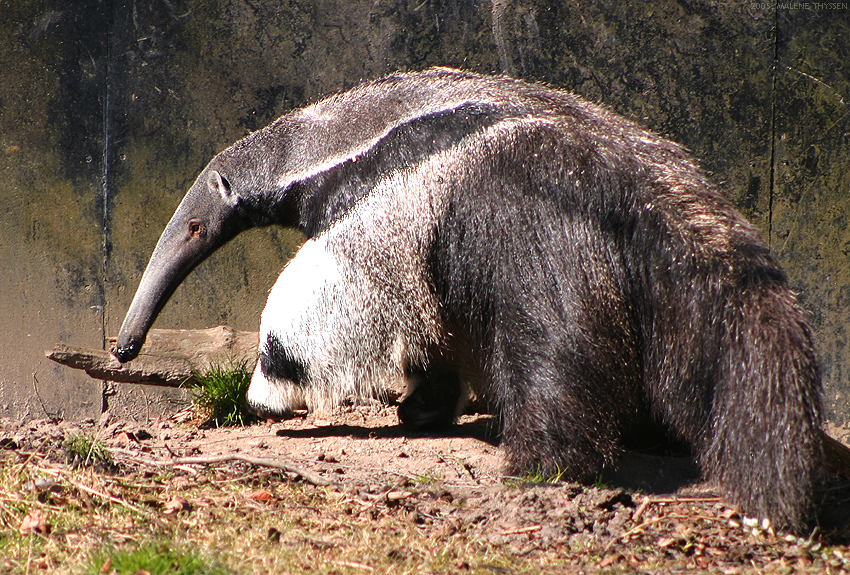
Mammal
South America's two-metre tongue specialist
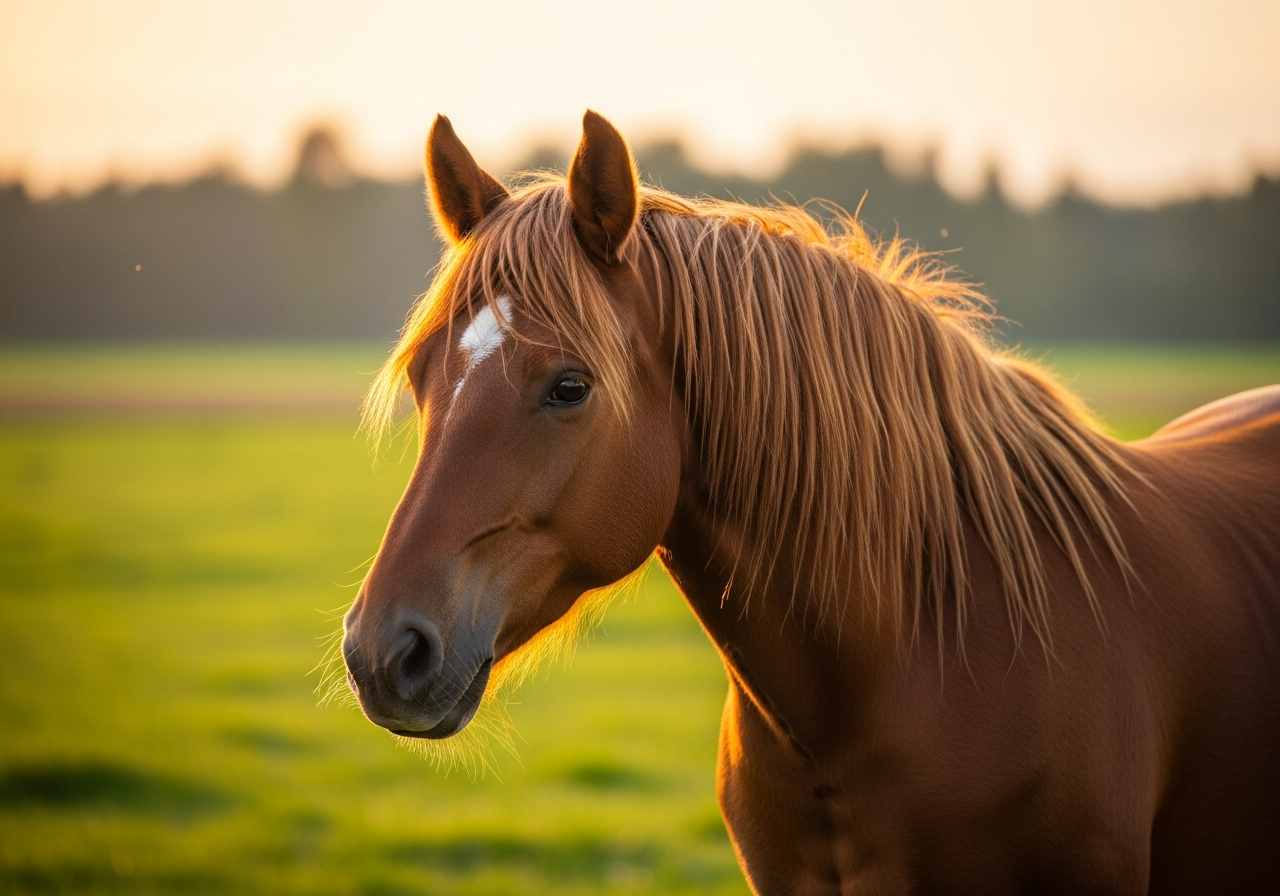
Mammal
The animal that carried human history
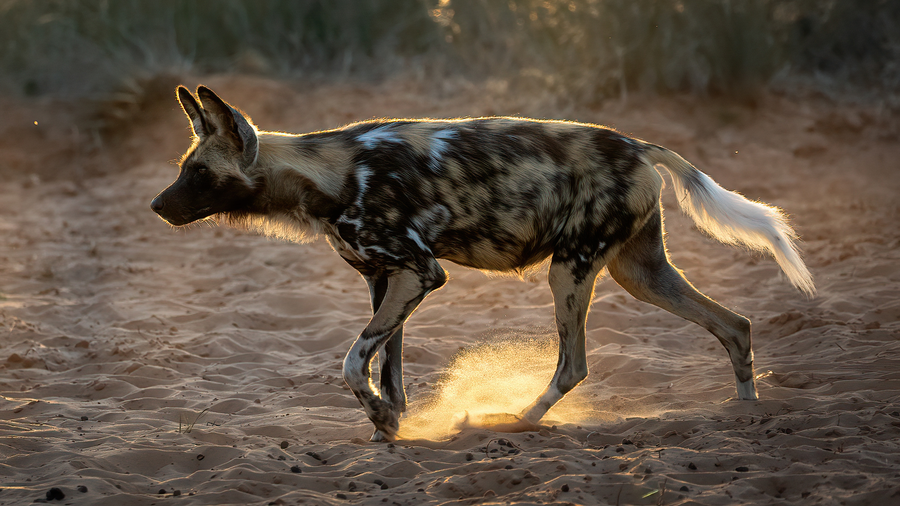
Mammal
Africa's cooperative pack hunter
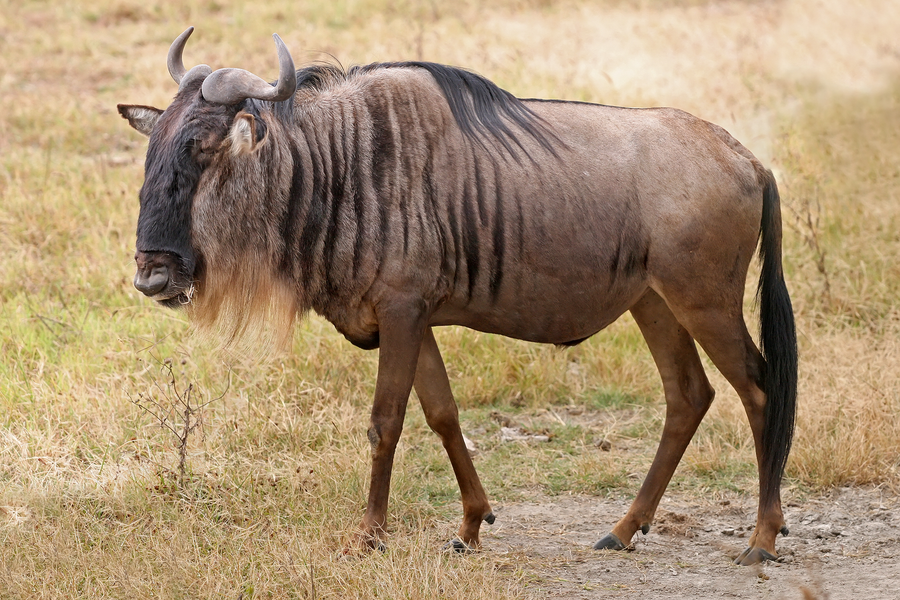
Mammal
The gnu of the great migration
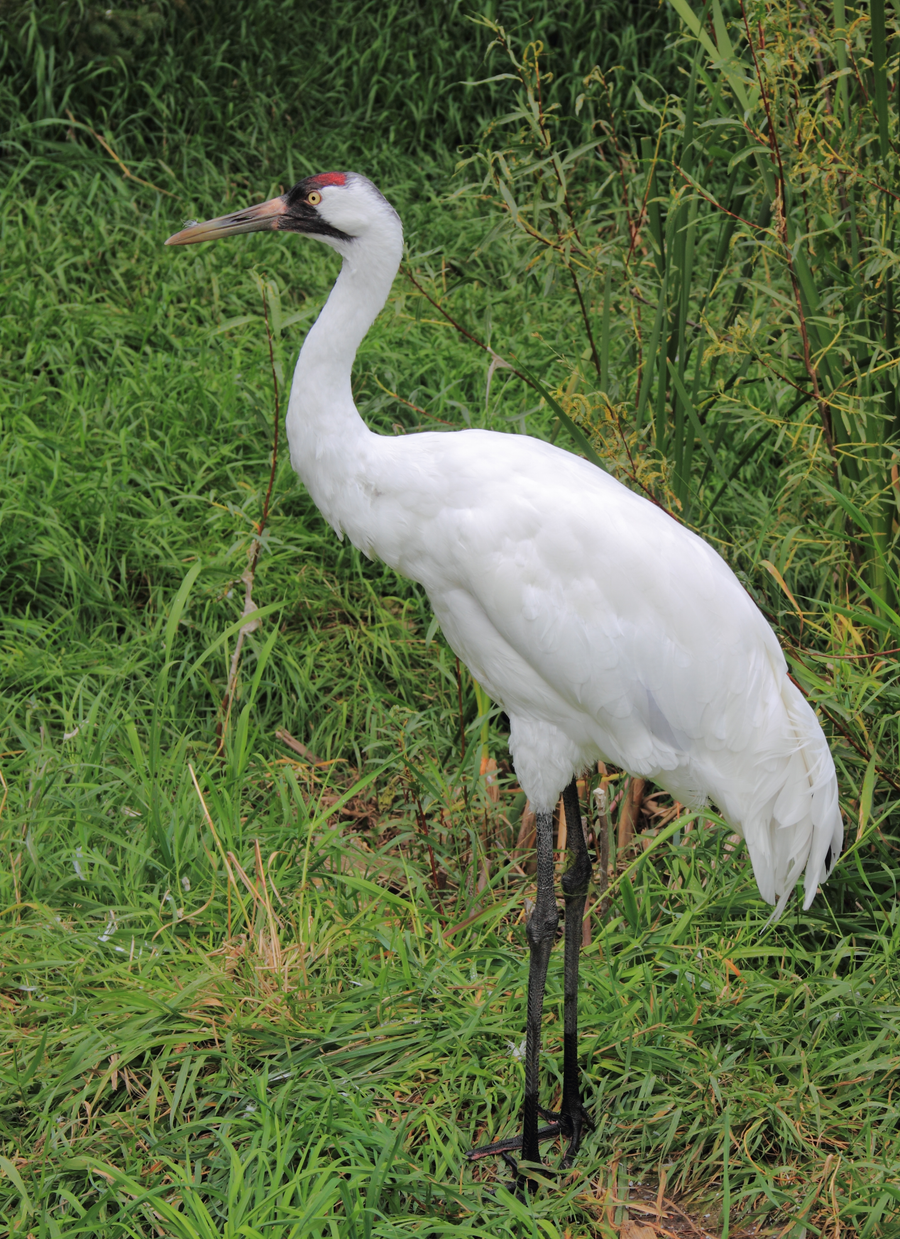
Bird
Tallest North American bird and conservation icon
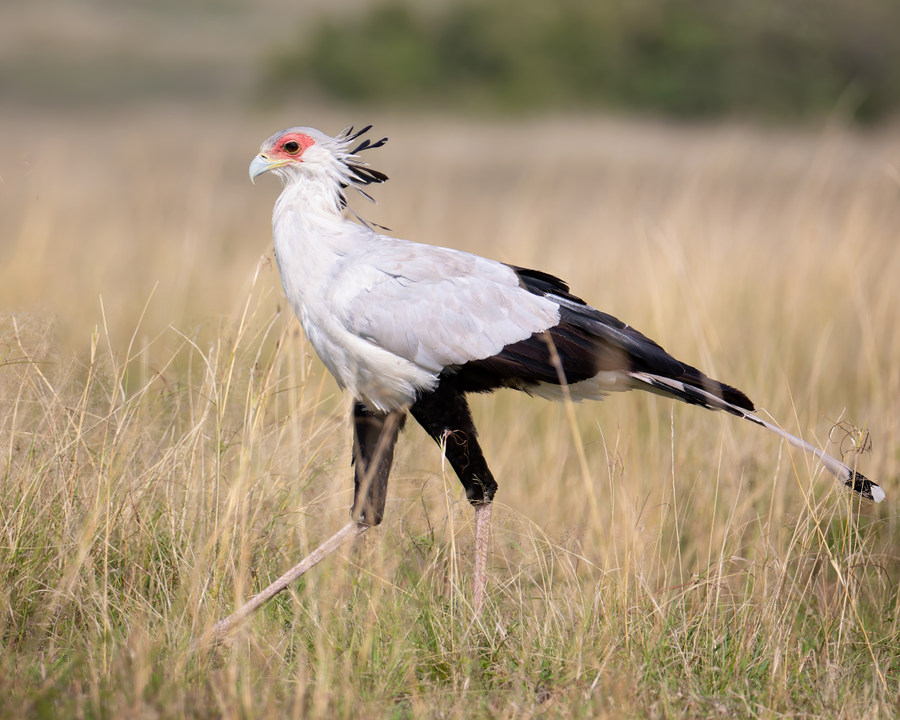
Bird
Long-legged raptor that stamps snakes
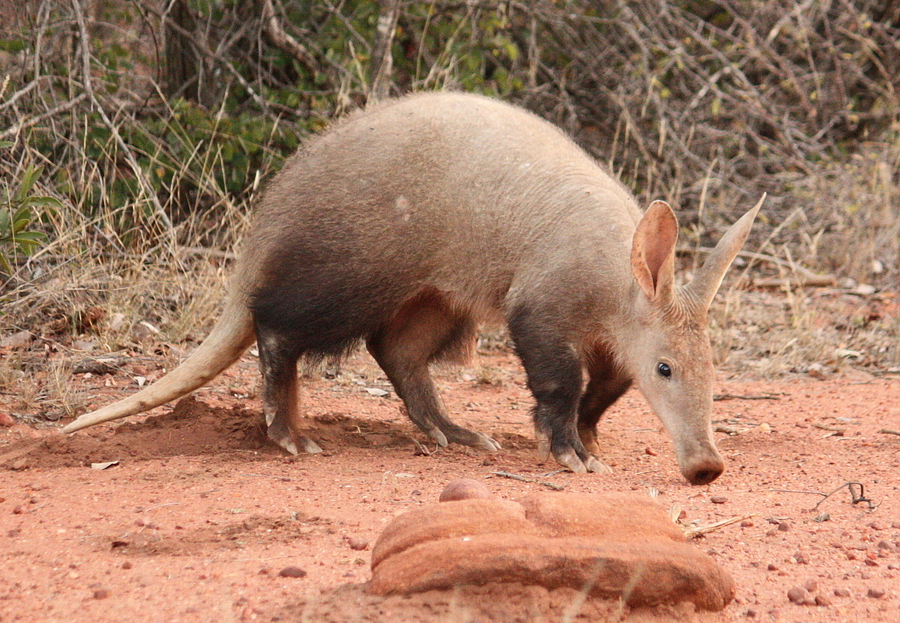
Mammal
Africa's ant-eating oddity
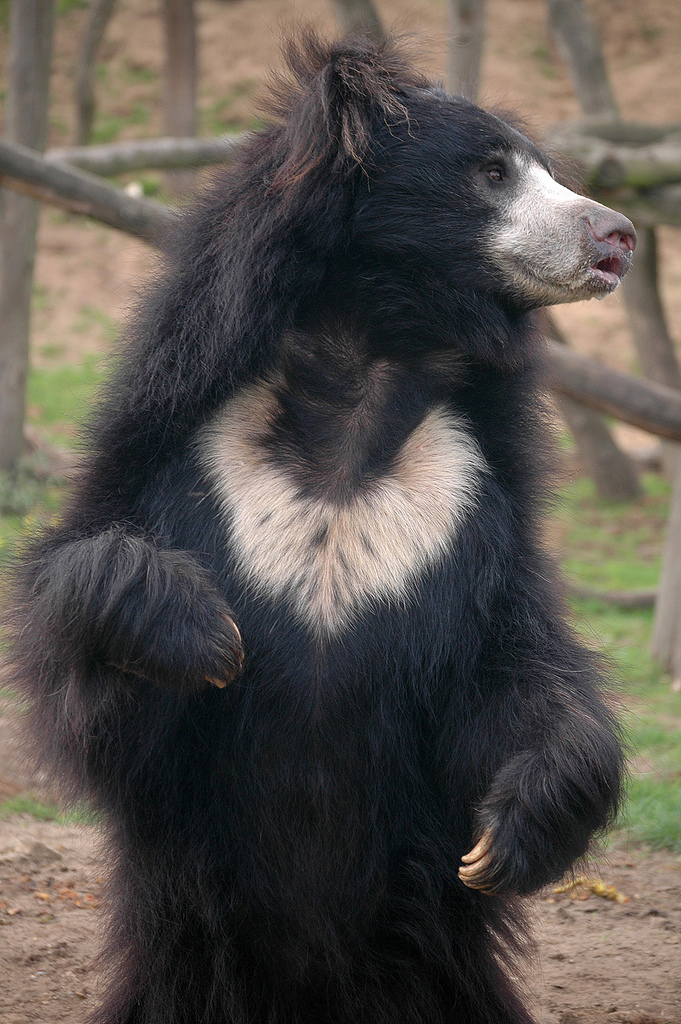
Mammal
India's shaggy insect-eating bear
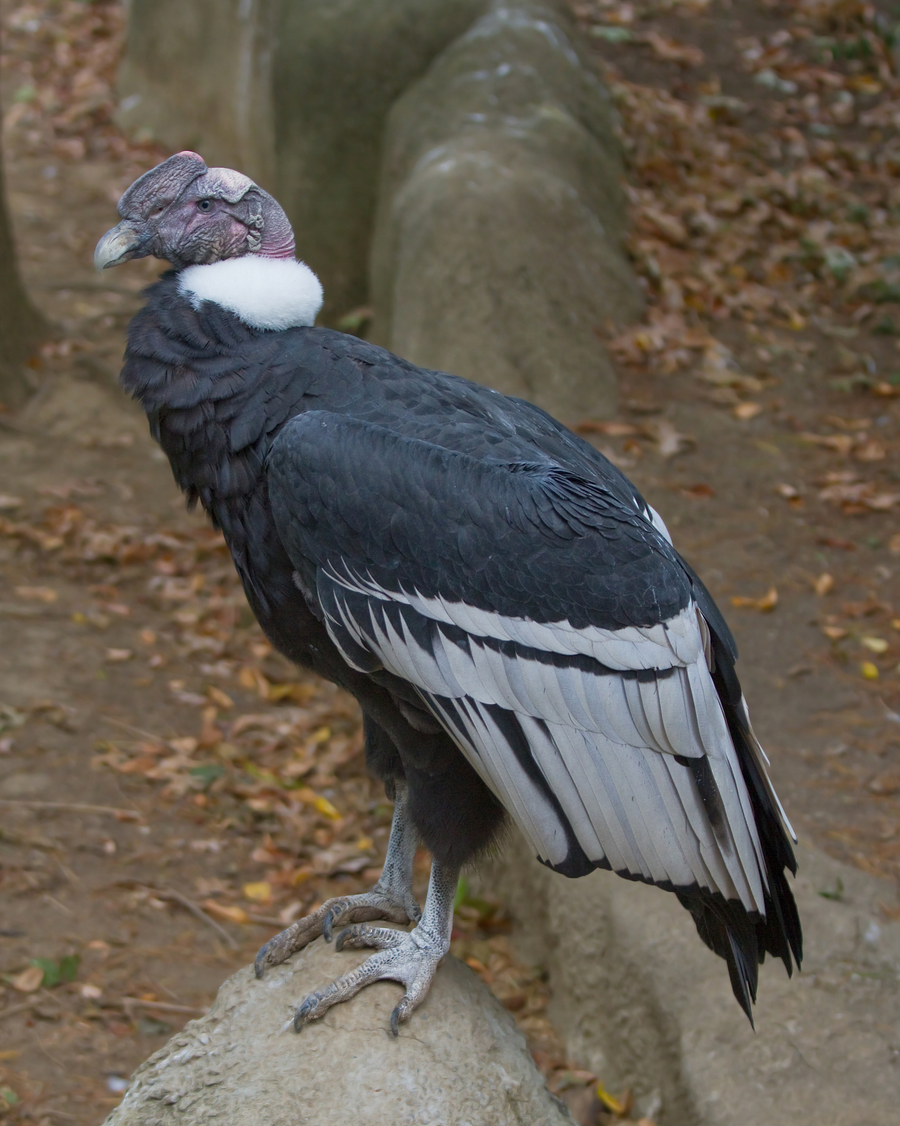
Bird
Giant New World vulture of the Andes
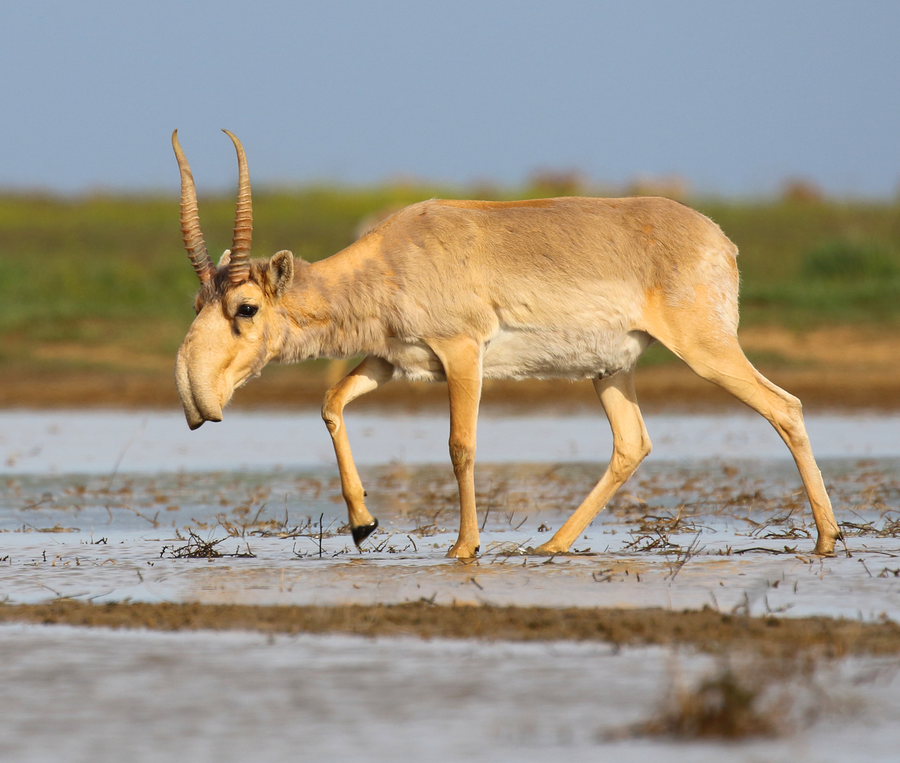
Mammal
Bulbous-nosed steppe antelope of Central Asia
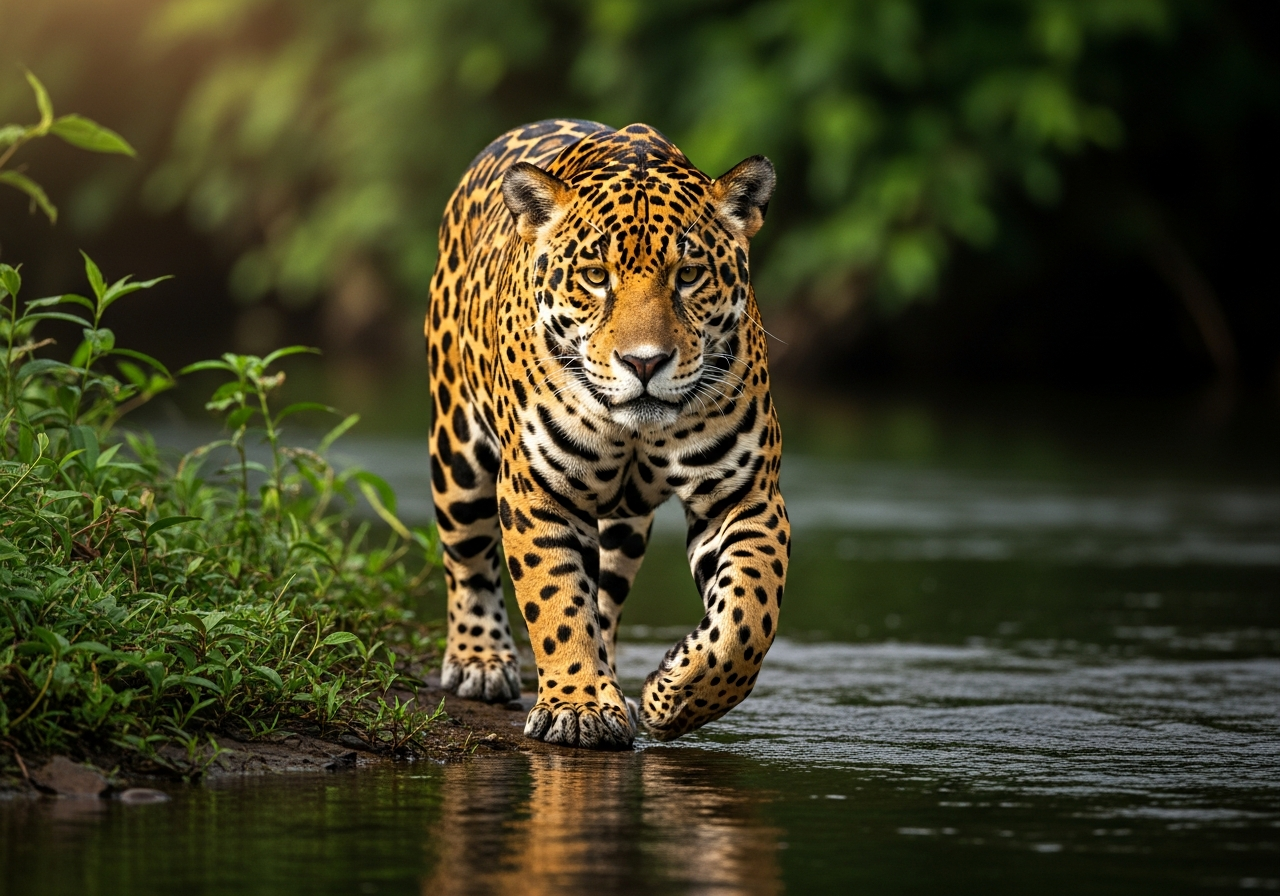
Mammal
The Americas' largest and most powerful cat
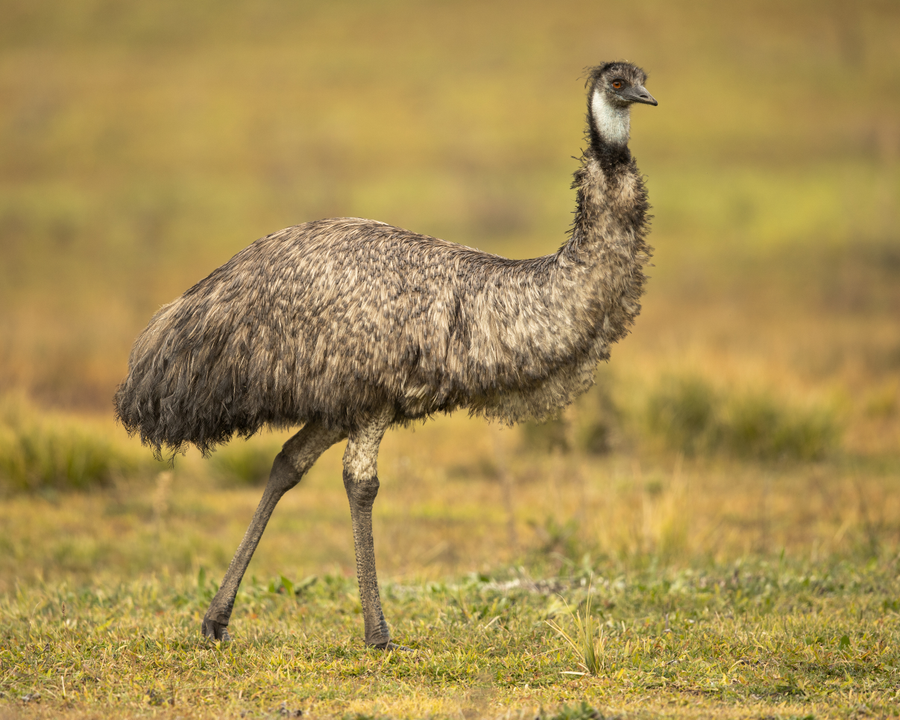
Bird
Australia's flightless giant
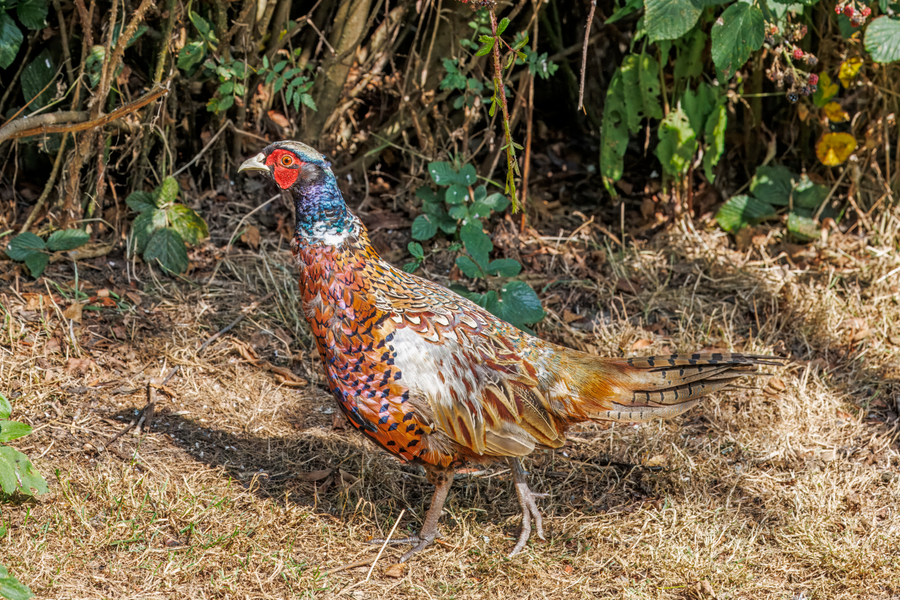
Bird
The ring-necked game bird of field and forest
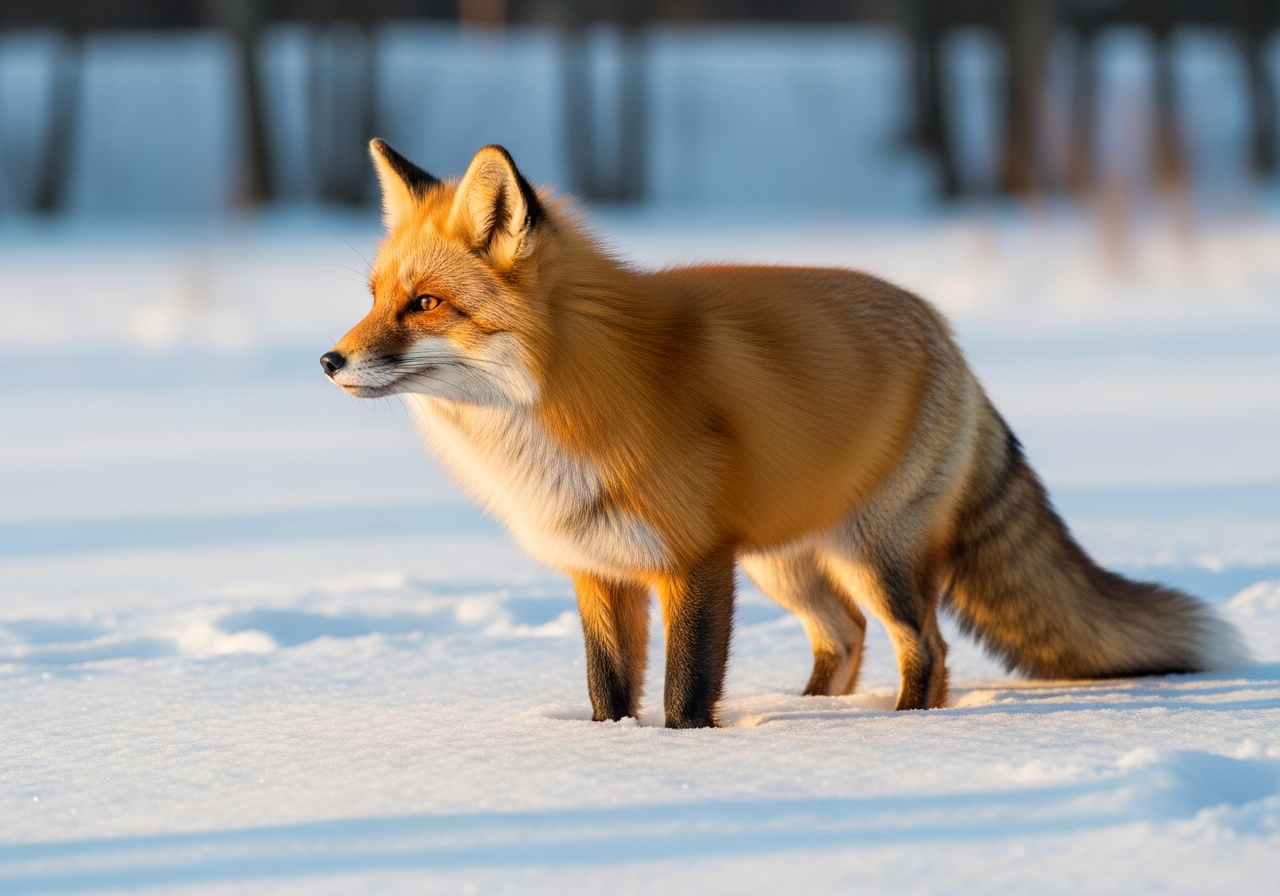
Mammal
The most widespread wild carnivore on Earth
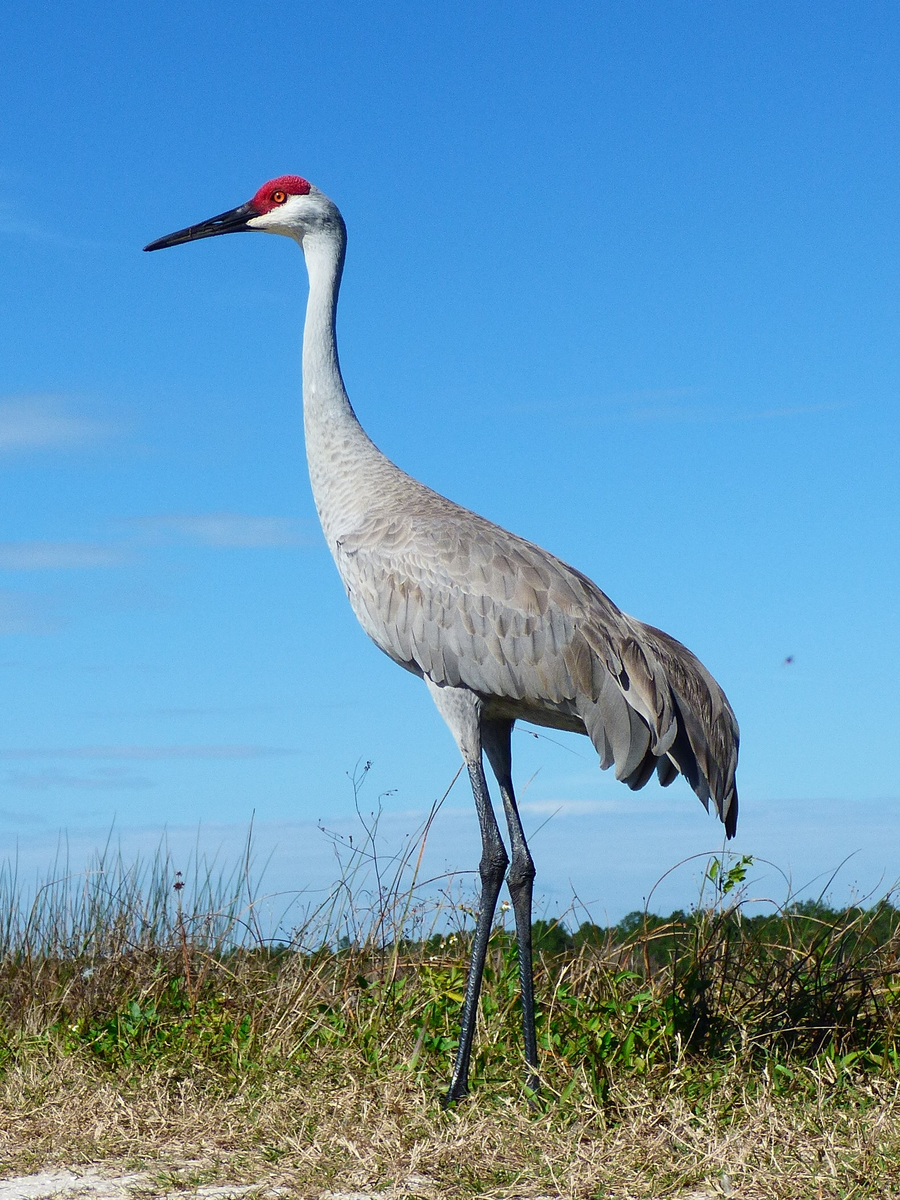
Bird
North America's dancing crane
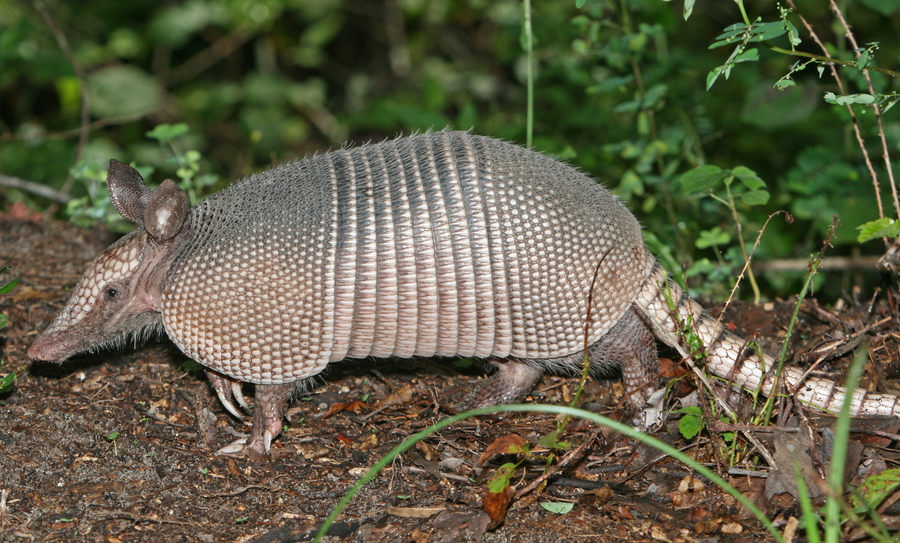
Mammal
North America's armoured digger
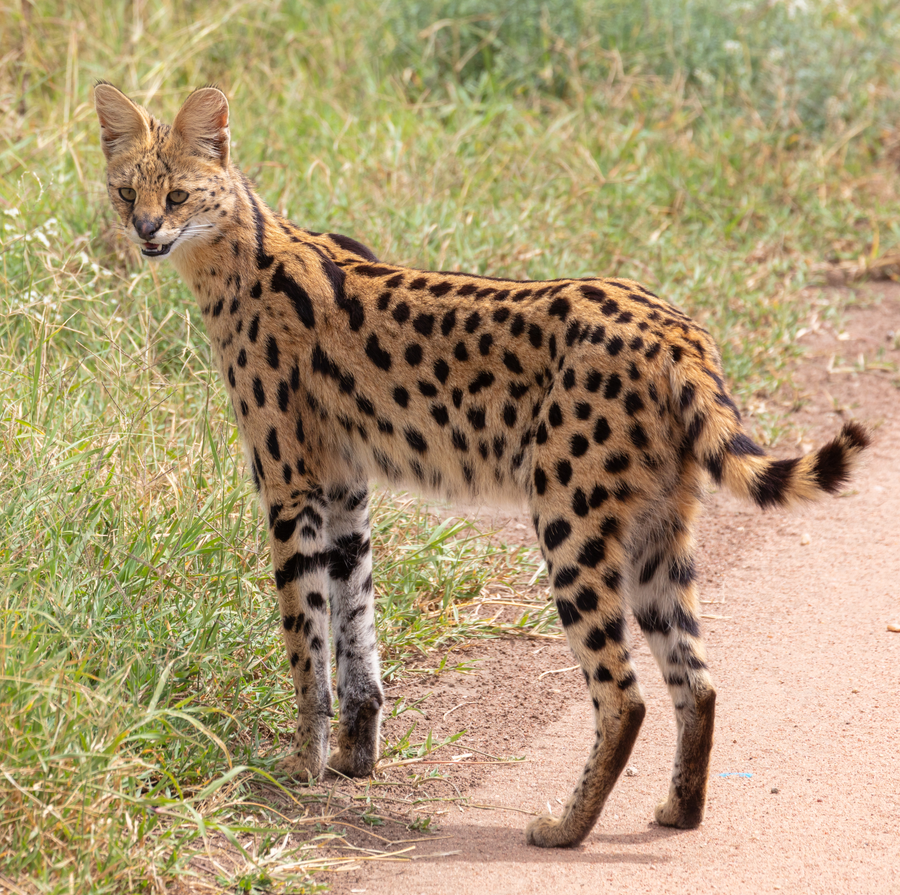
Mammal
Africa's long-legged pounce specialist
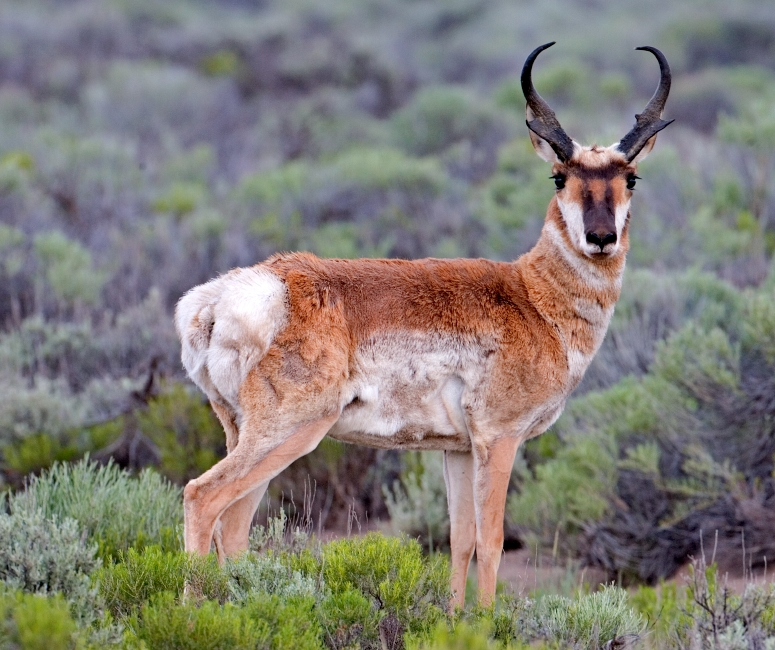
Mammal
Fastest land mammal in the Americas
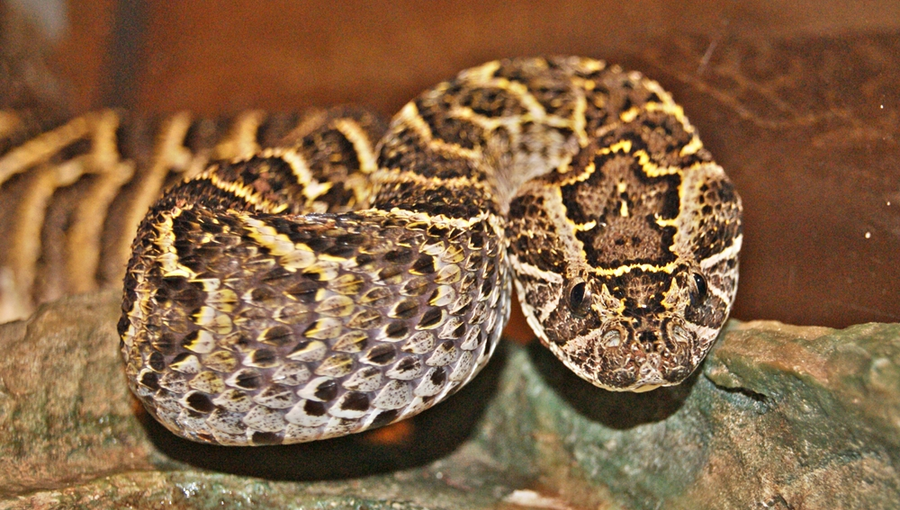
Reptile
Heavy African viper linked to many snakebites
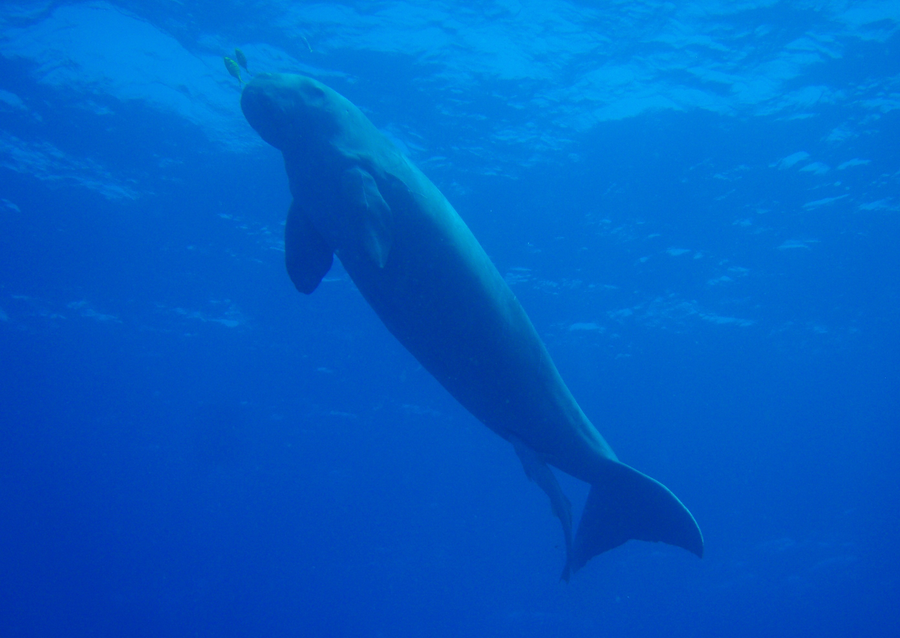
Mammal
The gentle sea cow of the Indo-Pacific
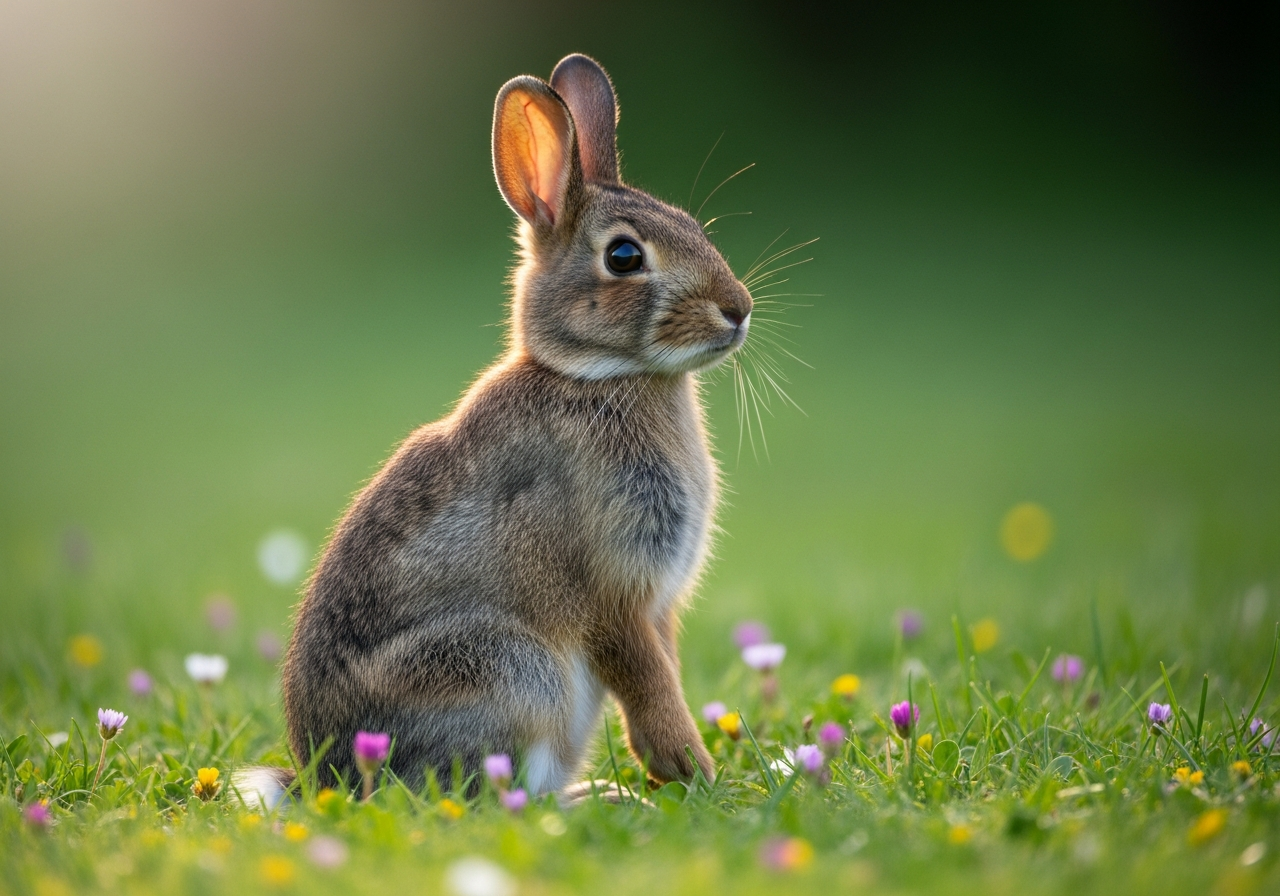
Mammal
The fast-breeding pet and classic prey animal
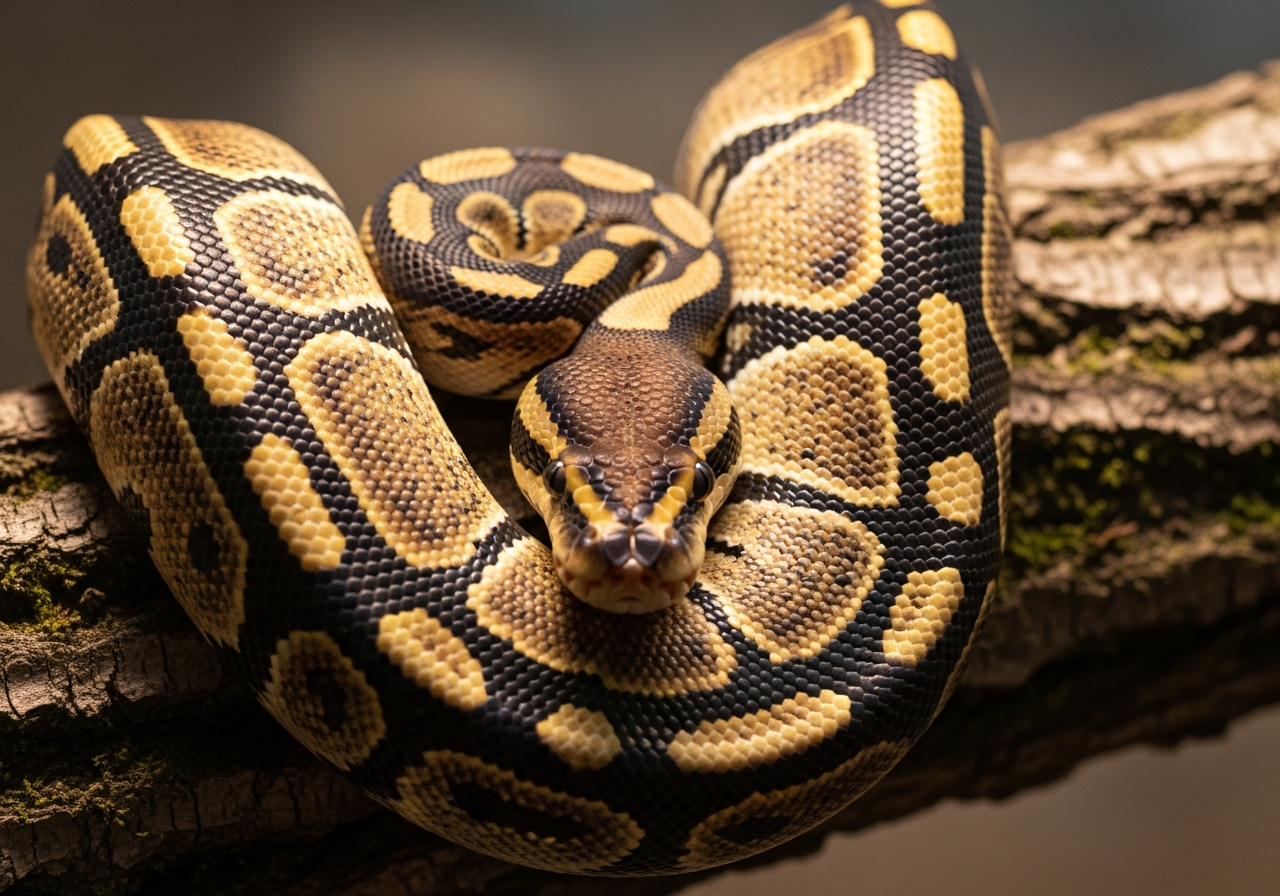
Reptile
The gentle constrictor that curls into a ball
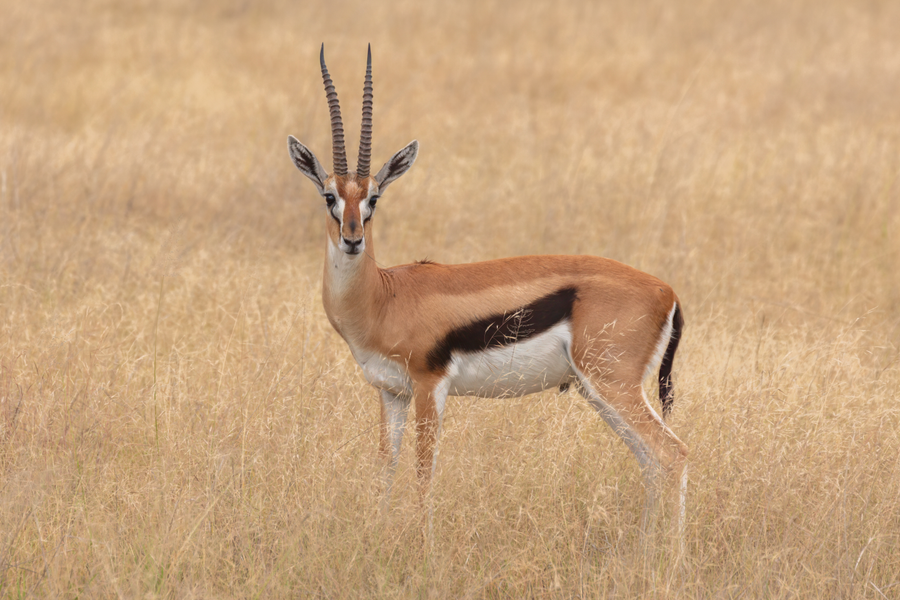
Mammal
The small antelope of the Serengeti
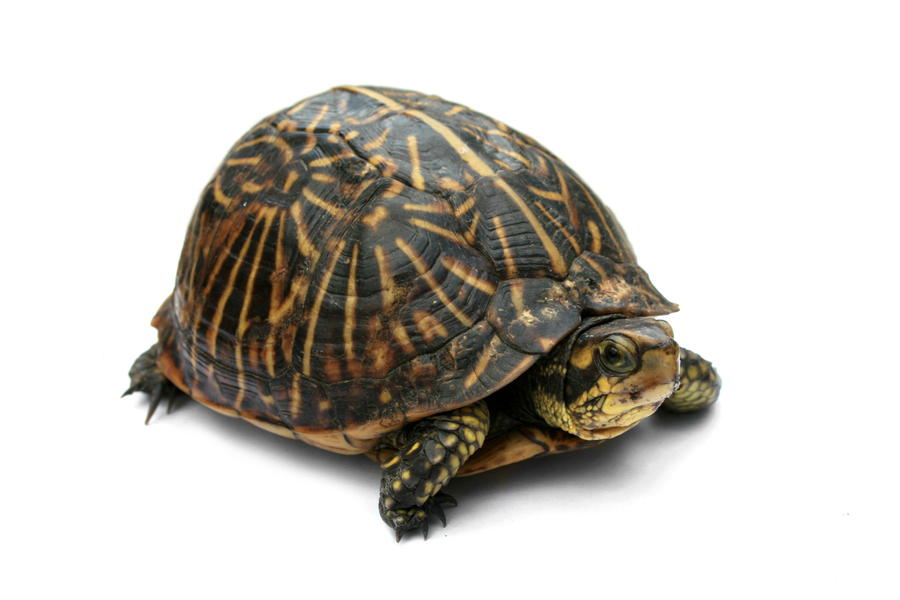
Reptile
North America's hinged turtle
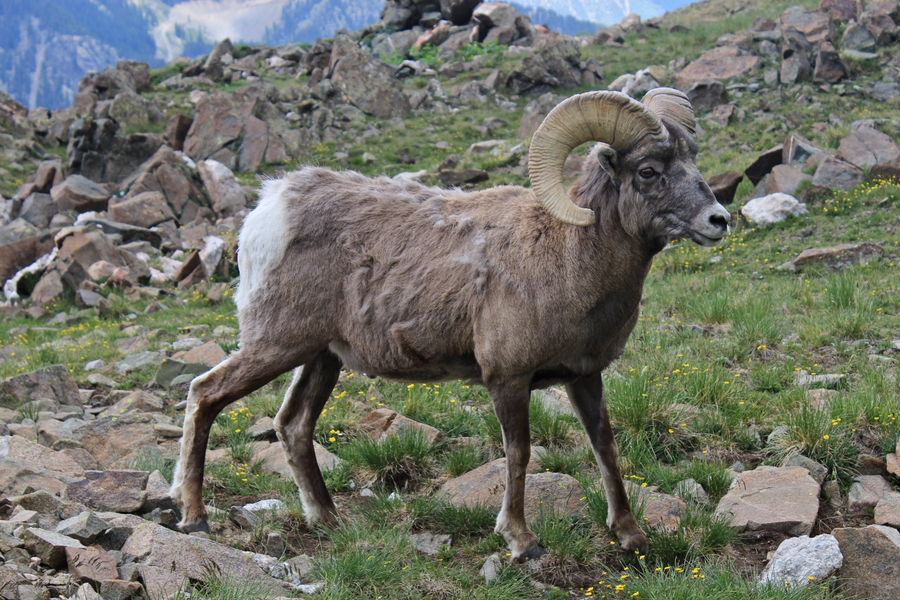
Mammal
Mountain sheep with massive curling horns
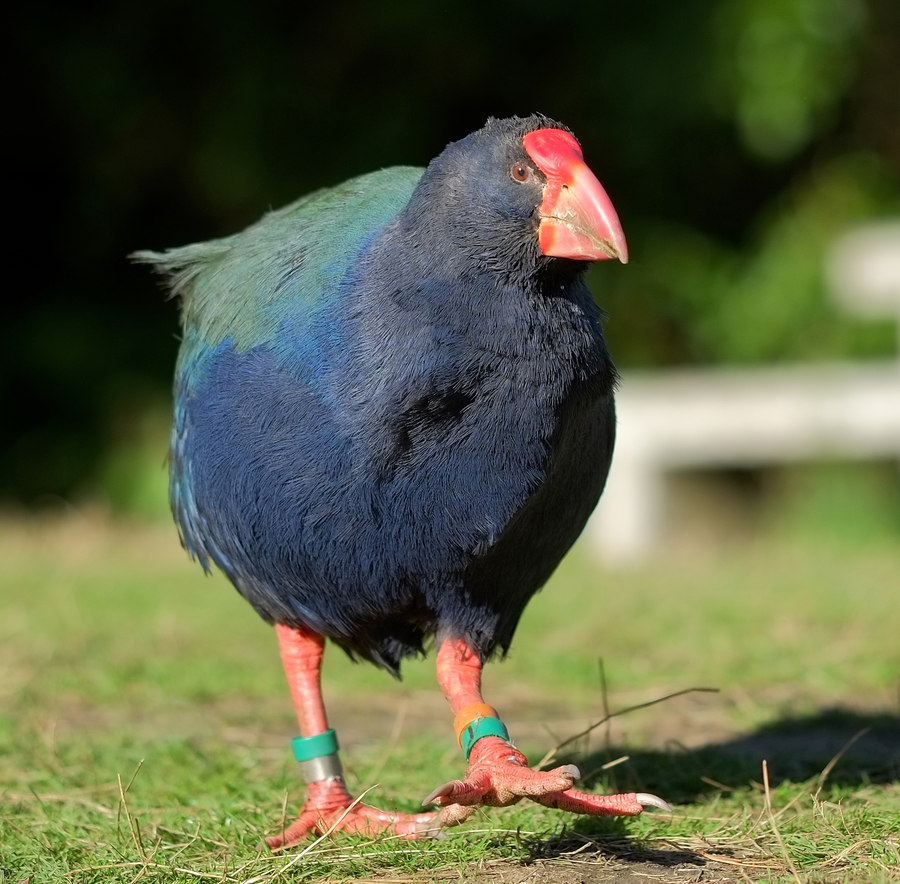
Bird
Flightless purple swamphen of New Zealand
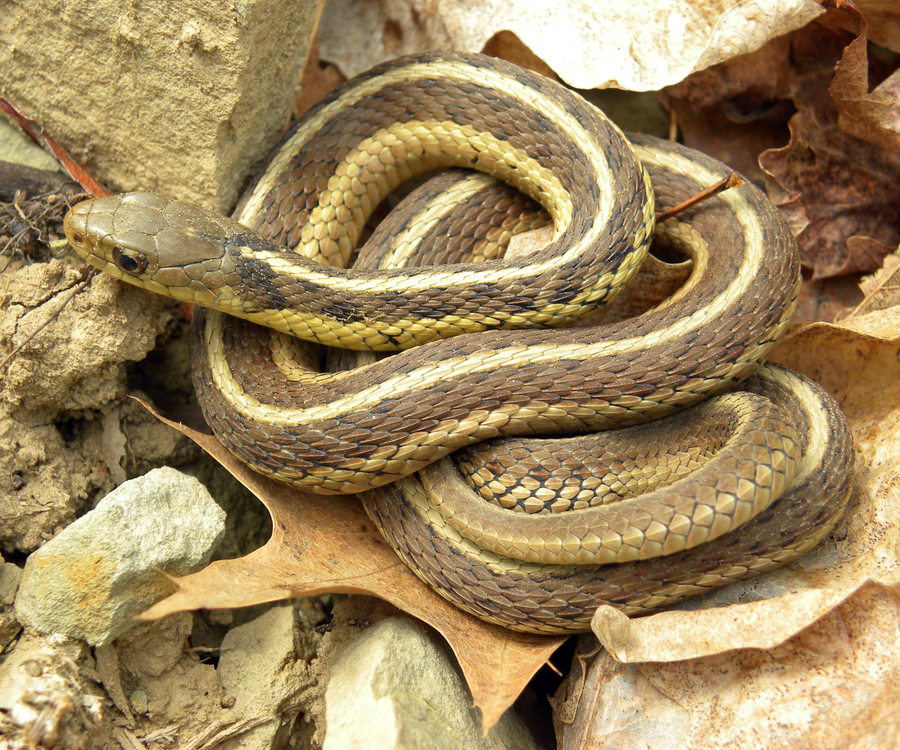
Reptile
Familiar harmless snake of North American yards
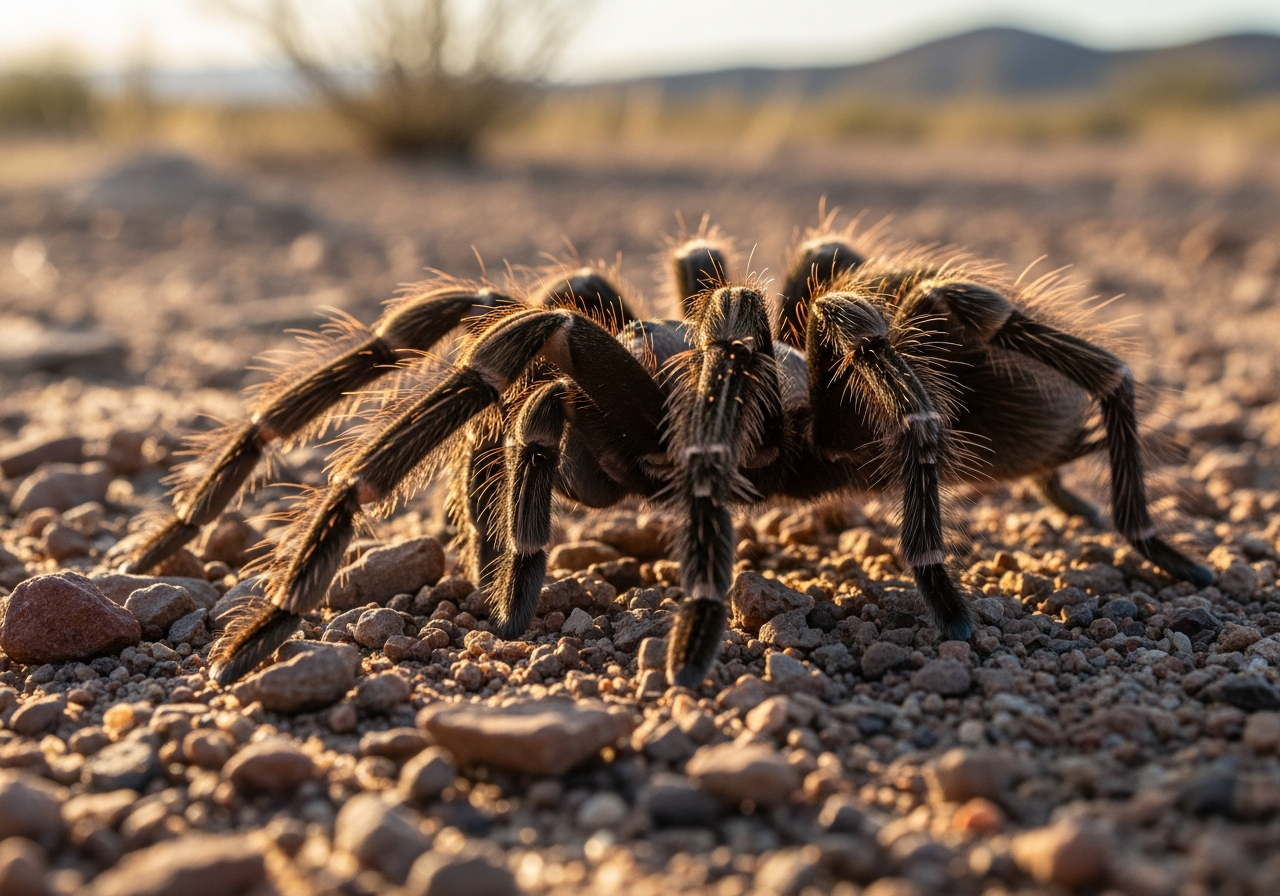
Invertebrate
The large, hairy spider with a gentle reputation
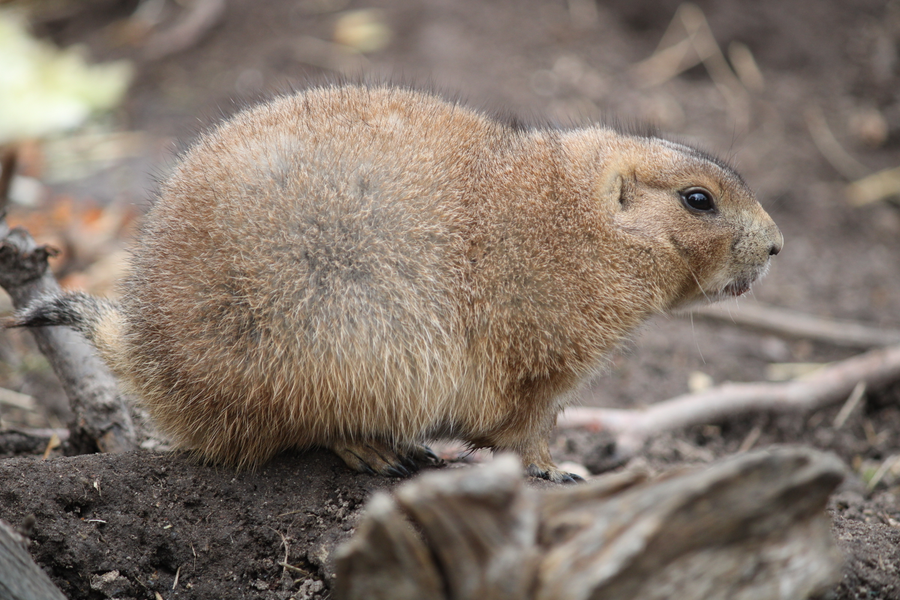
Mammal
The keystone burrower of the plains
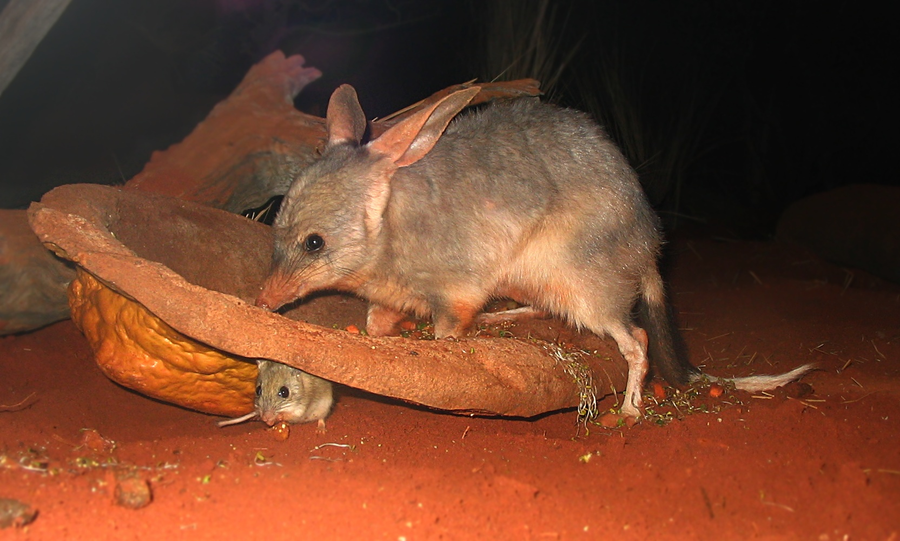
Mammal
Long-eared desert bandicoot
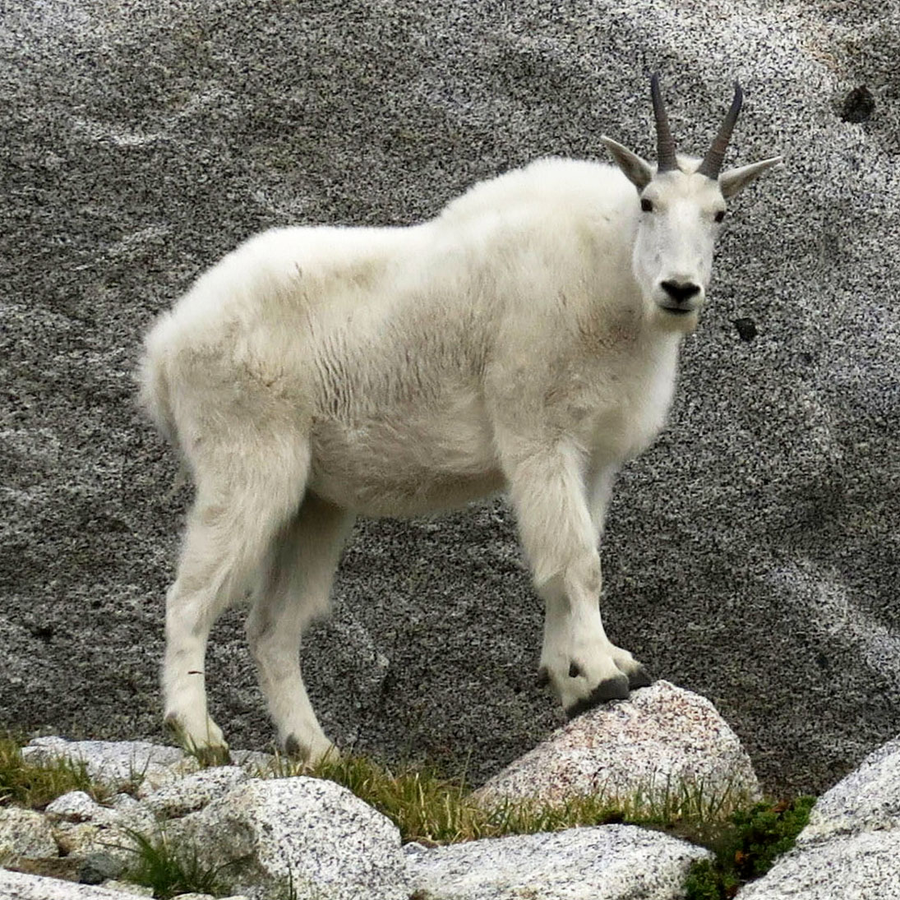
Mammal
Sure-footed climber of North American peaks
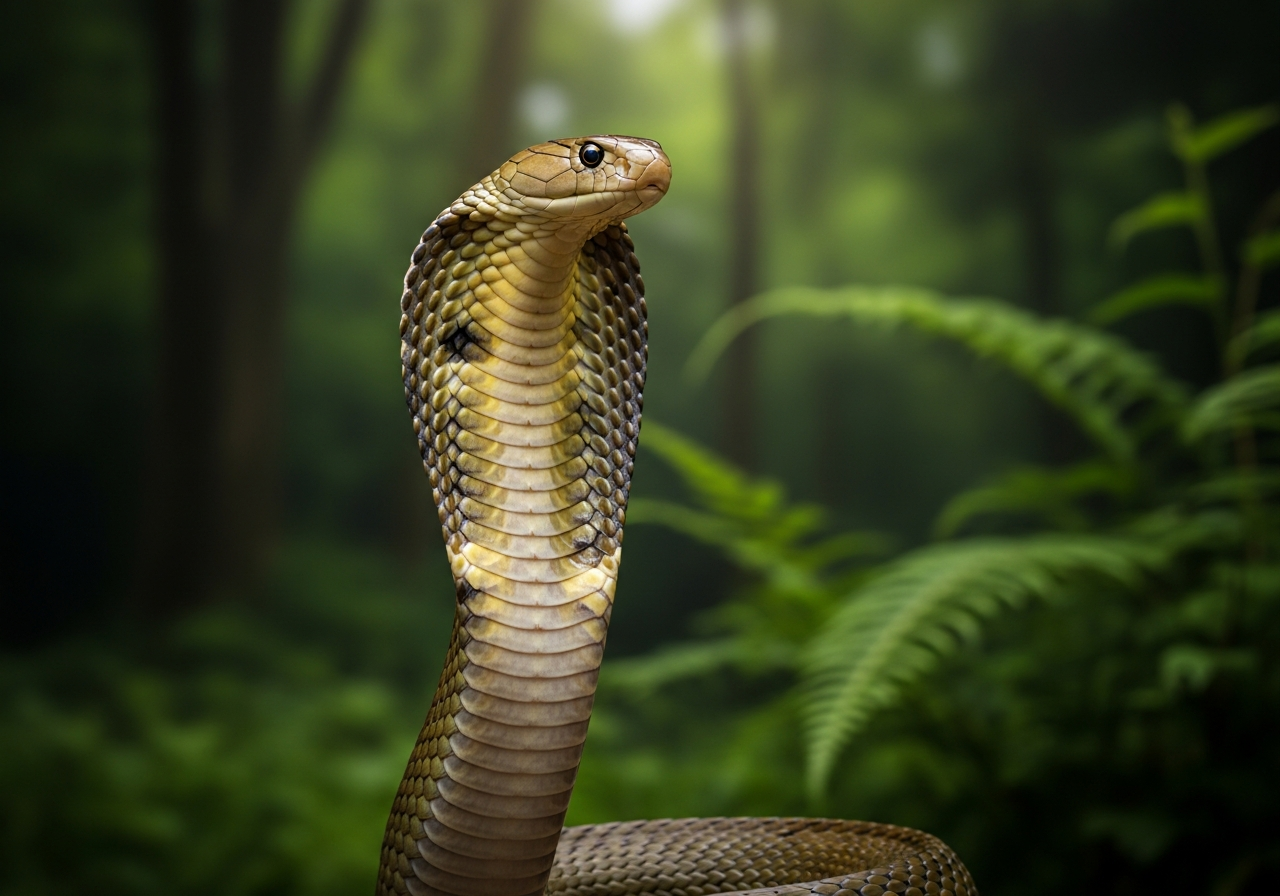
Reptile
The world's longest venomous snake
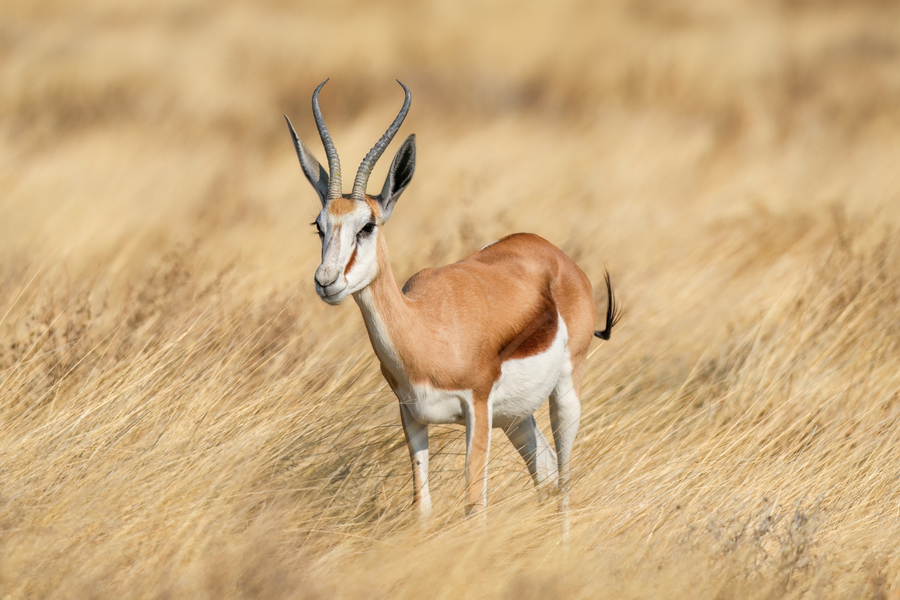
Mammal
South Africa's pronking antelope
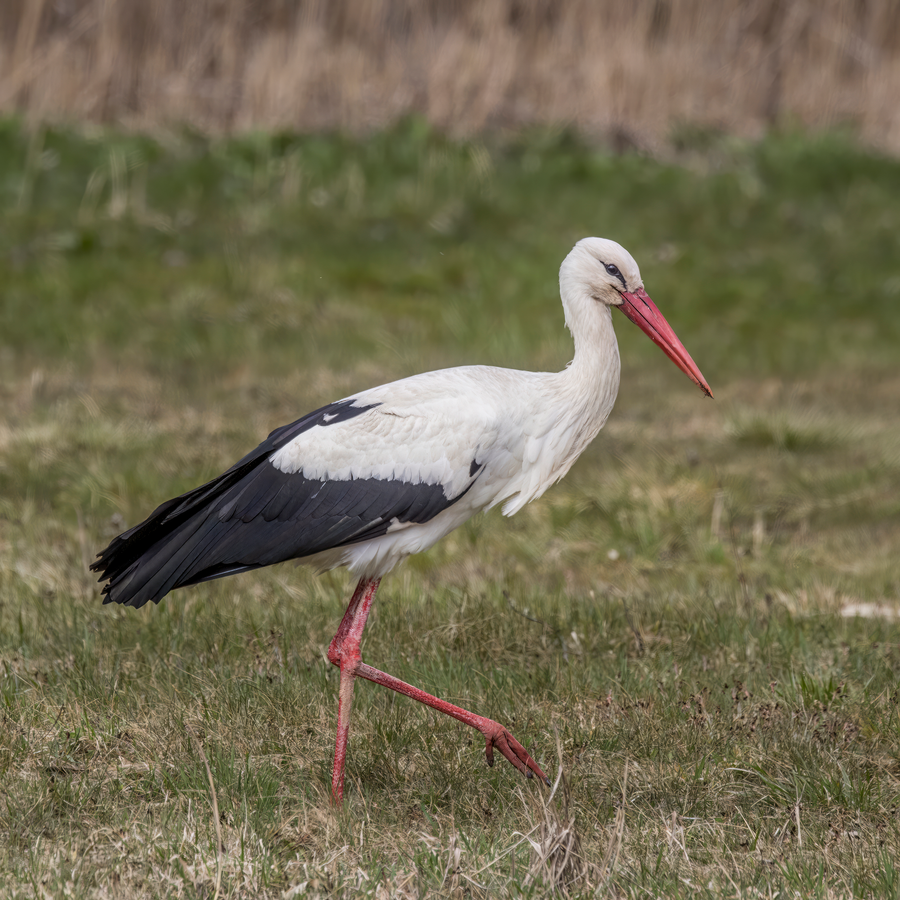
Bird
Europe's chimney-nesting messenger
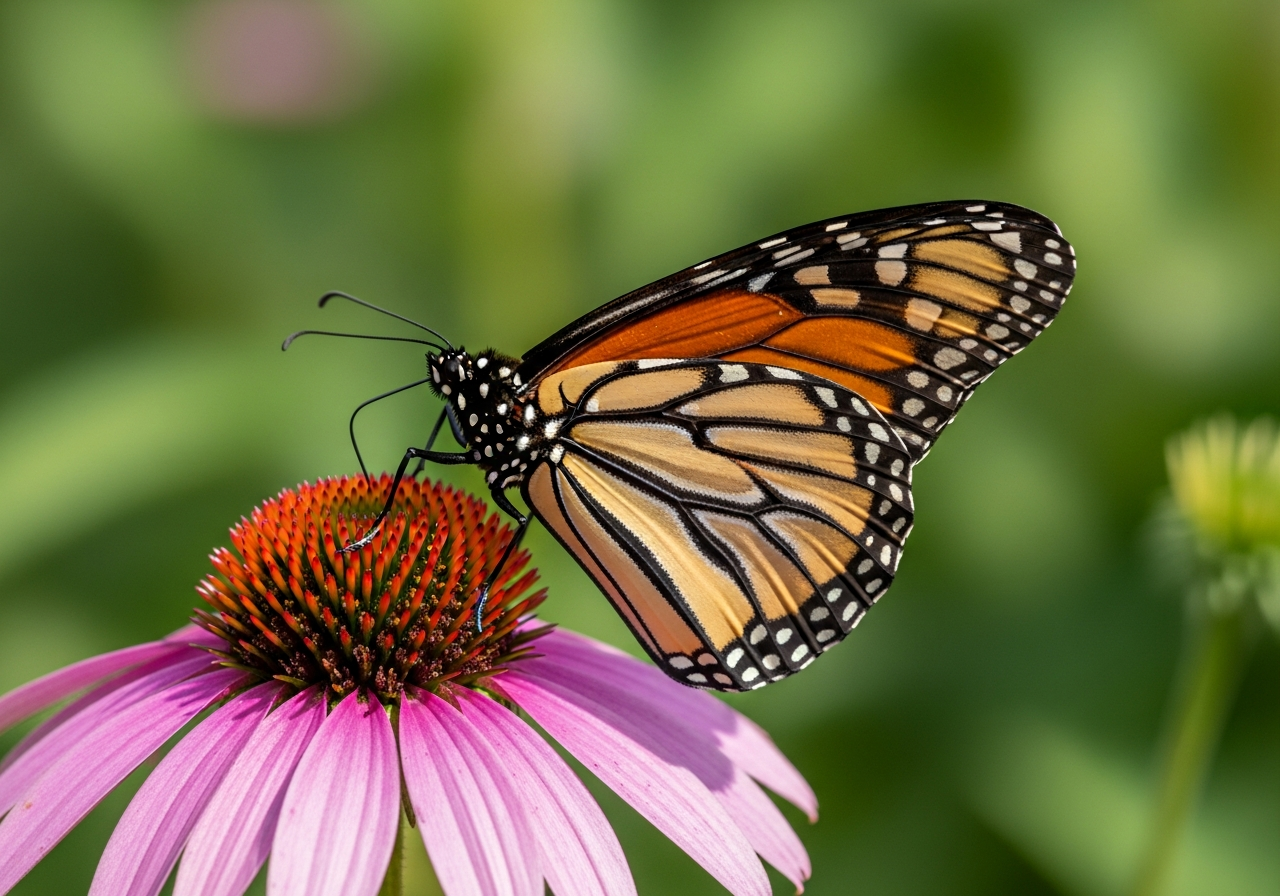
Insect
The insect that migrates thousands of miles
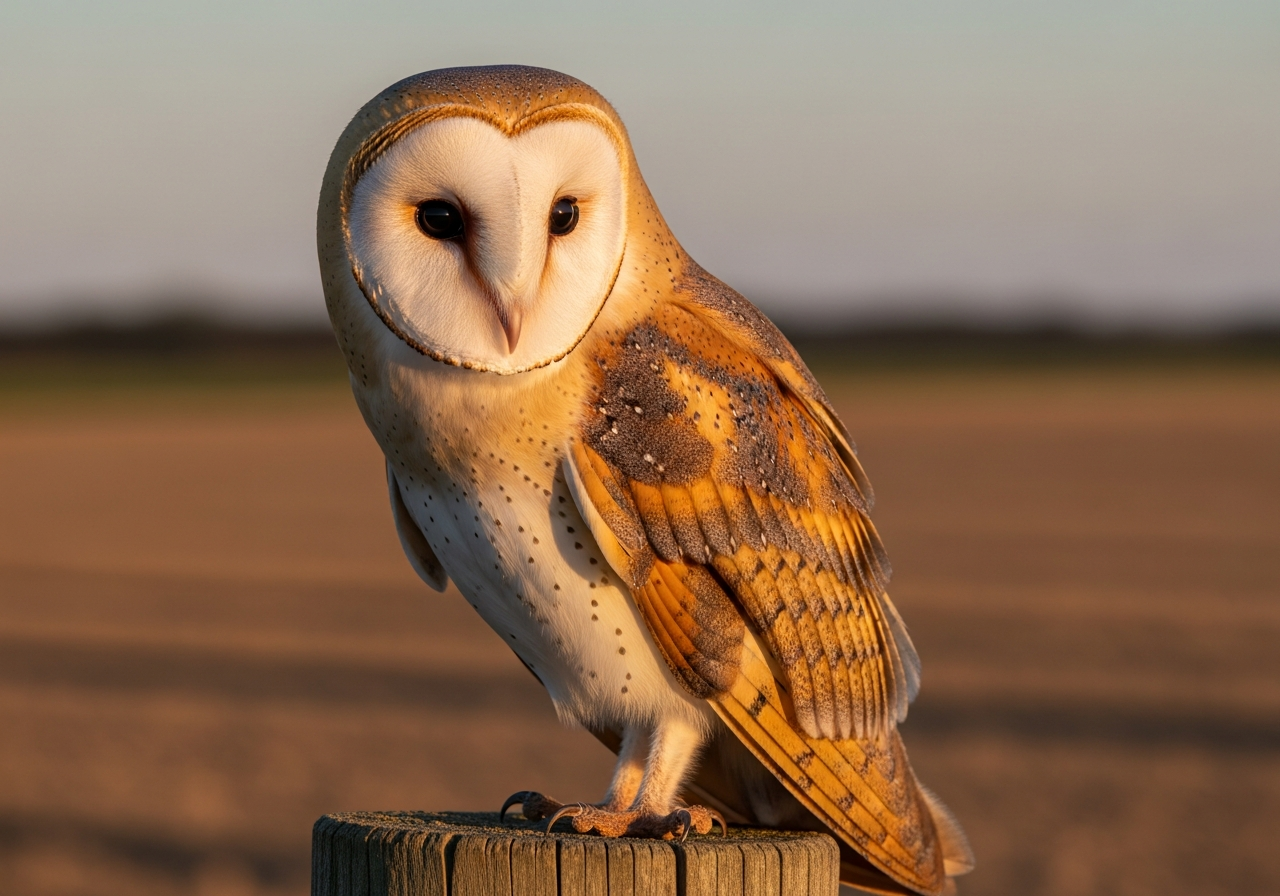
Bird
The ghostly, heart-faced night hunter
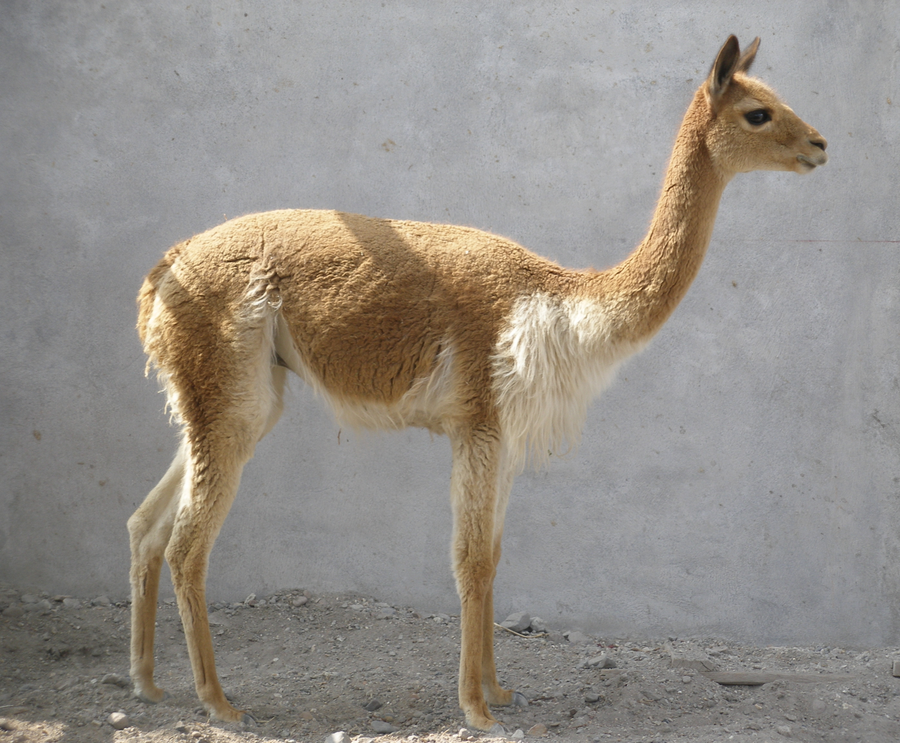
Mammal
Wild Andean camelid with ultrafine wool
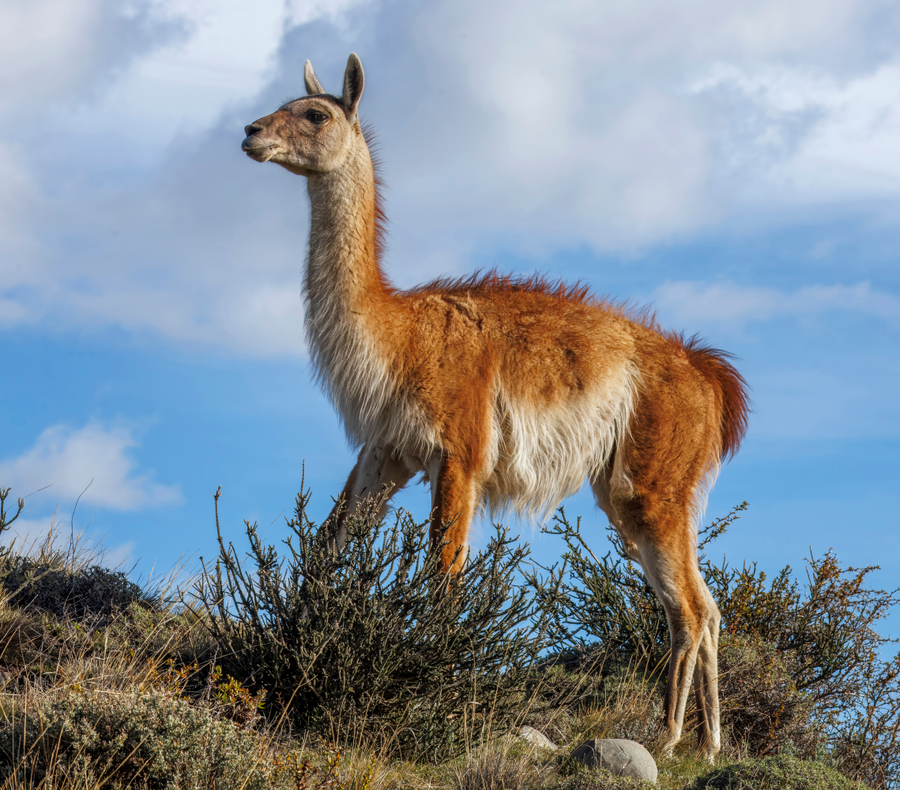
Mammal
Wild South American camelid ancestor of the llama
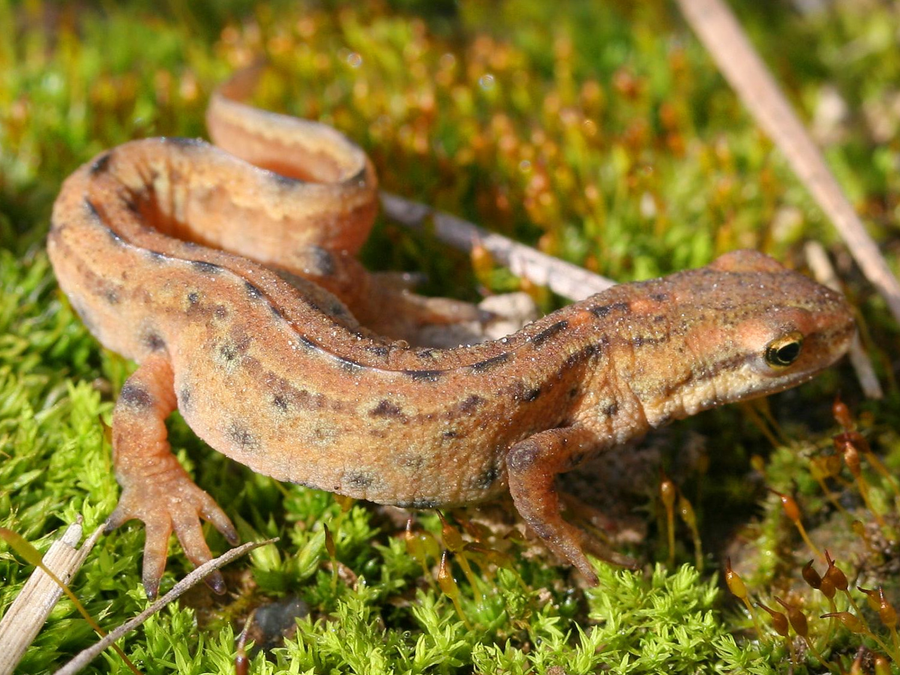
Amphibian
Widespread European pond newt
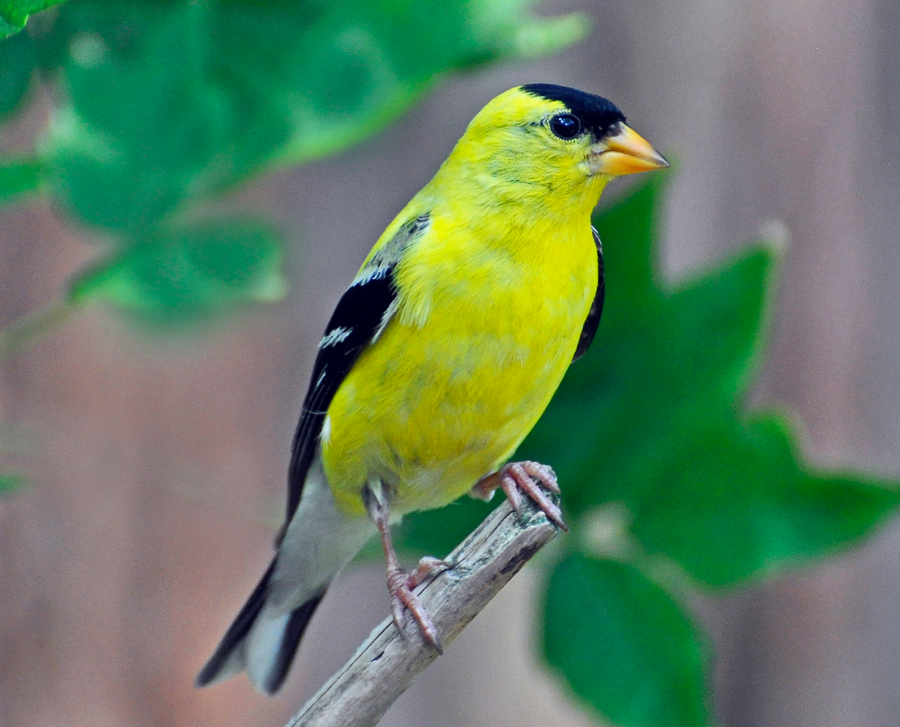
Bird
Bright yellow finch of North American fields
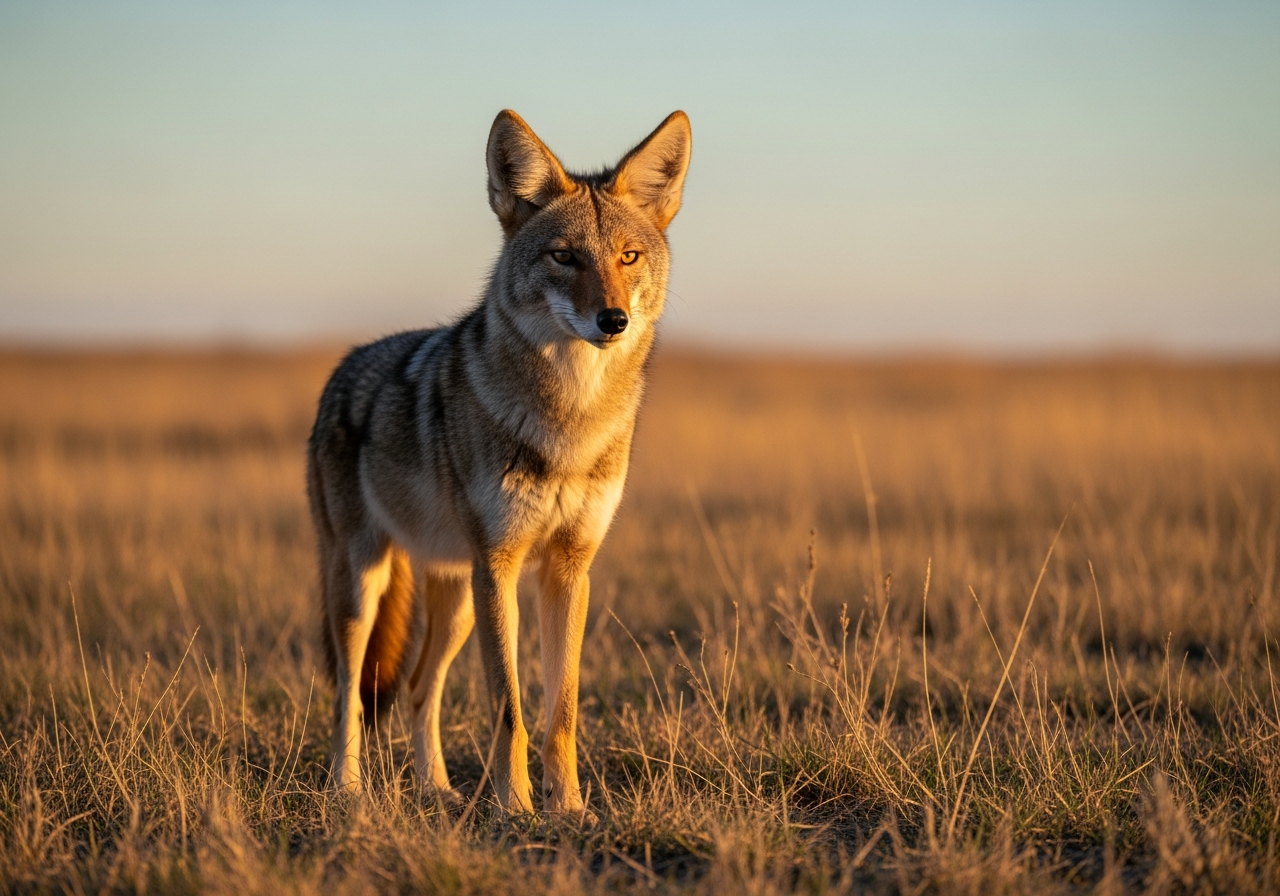
Mammal
North America's adaptable 'song dog'
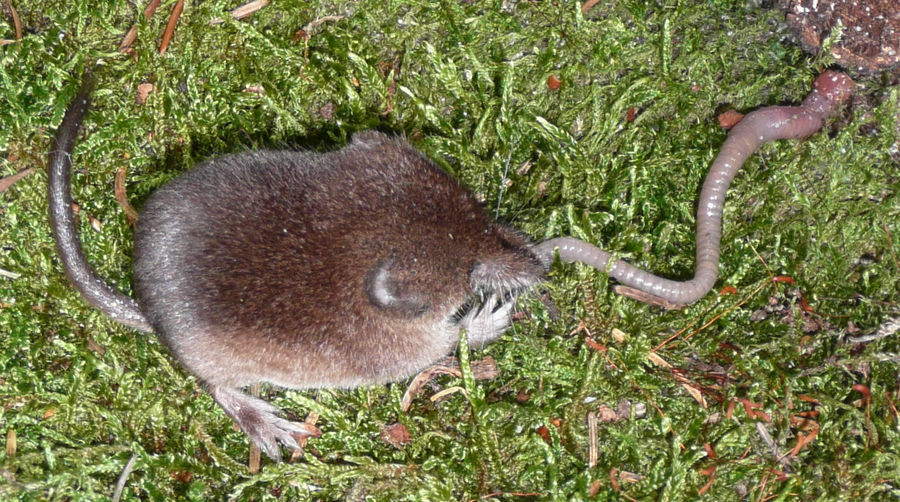
Mammal
The tiny insectivore with a fierce appetite
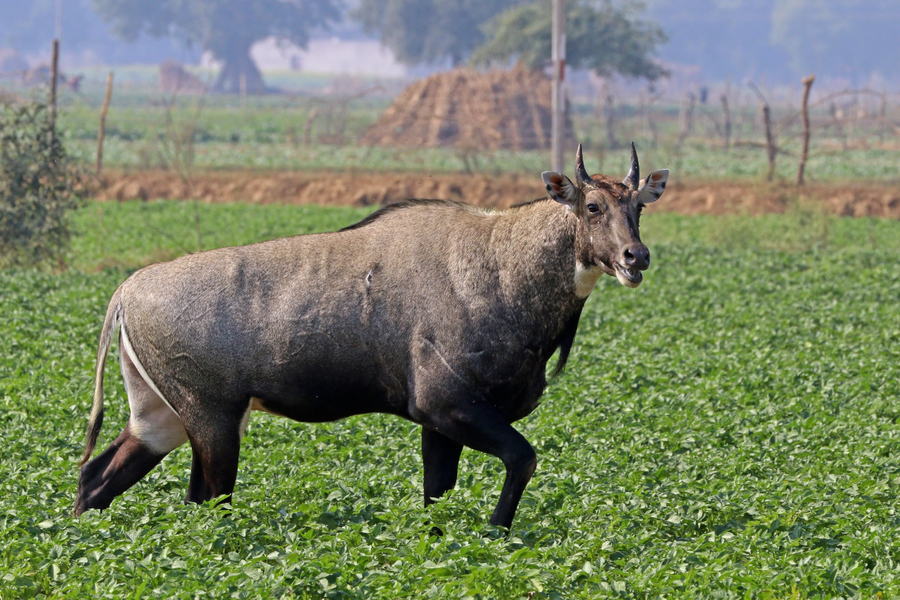
Mammal
Largest Asian antelope, also called blue bull
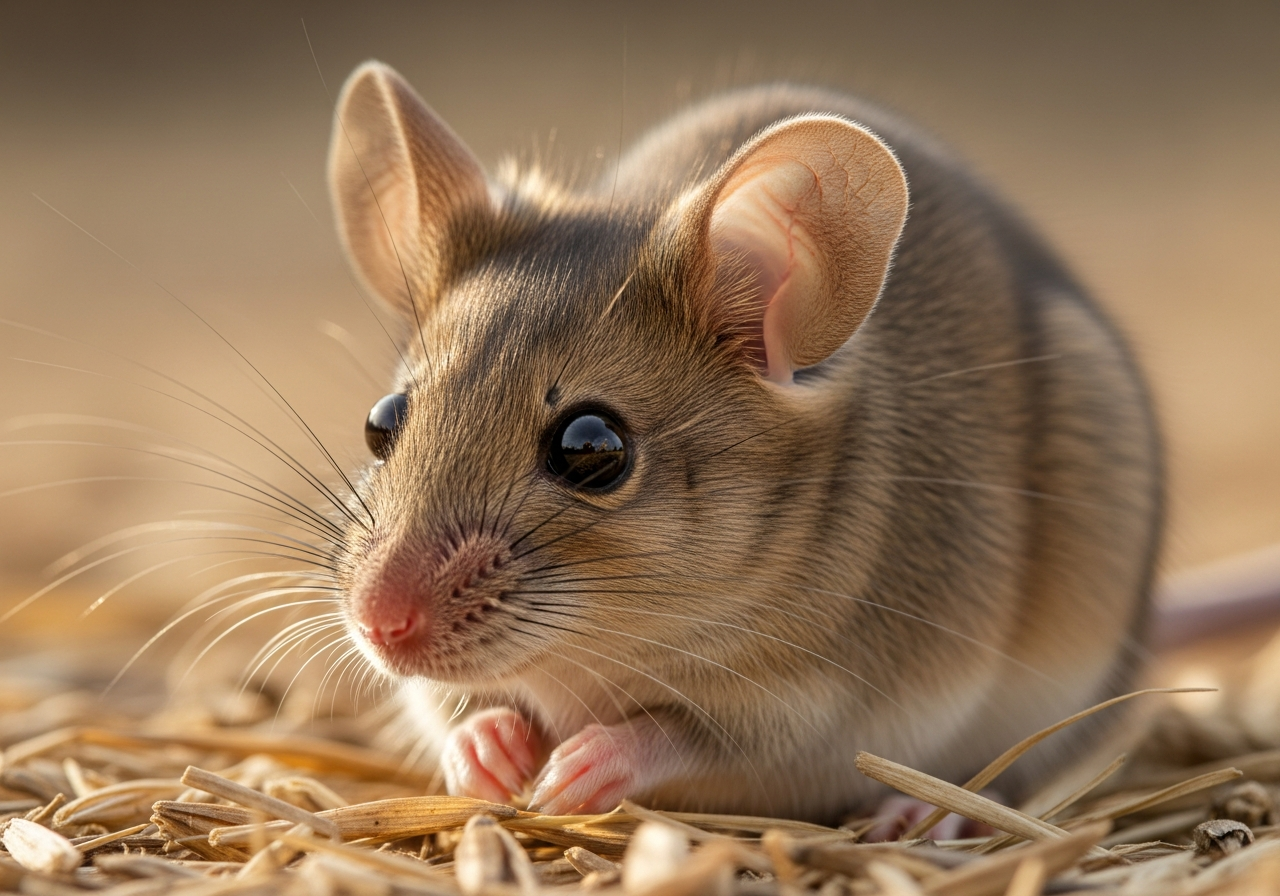
Mammal
The world's most widespread small rodent
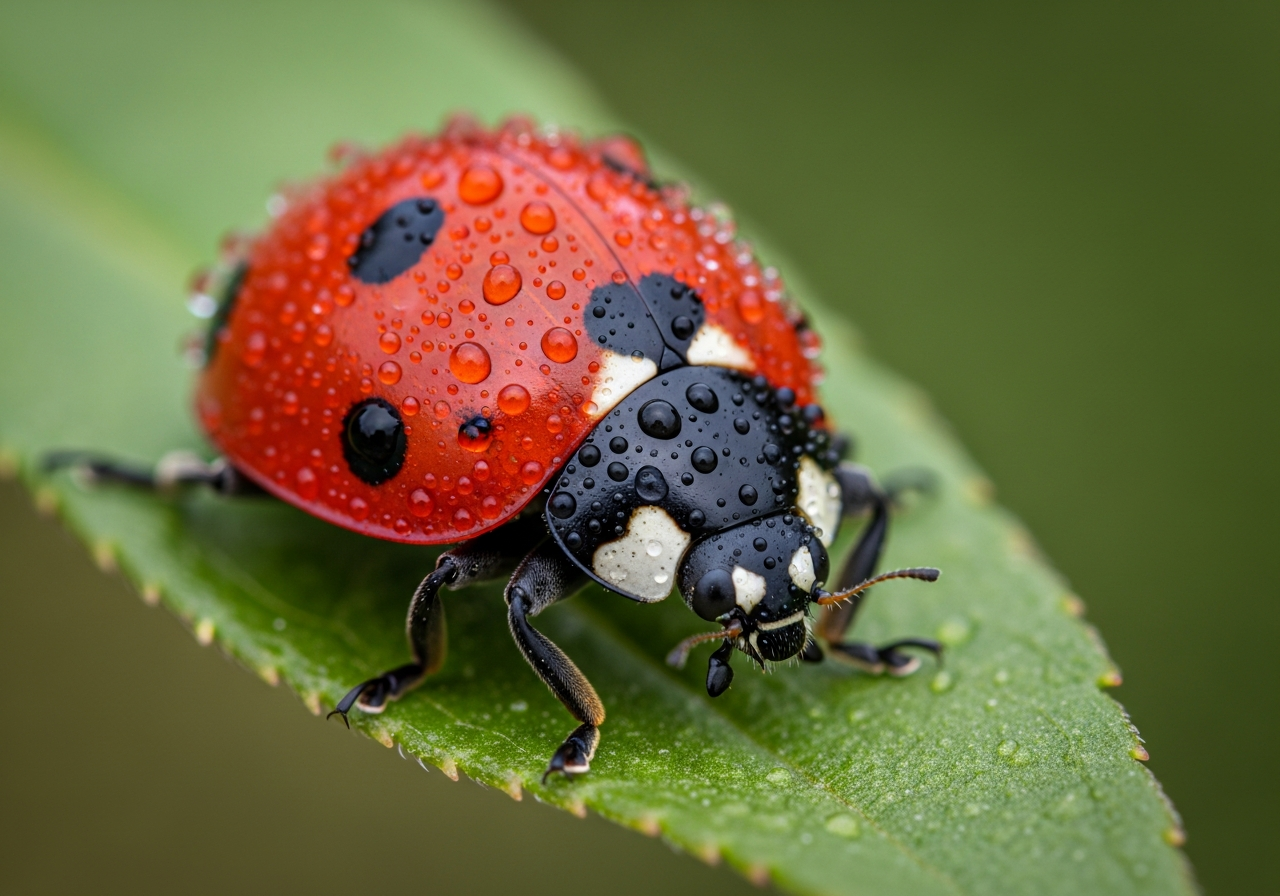
Insect
The spotted beetle gardeners love
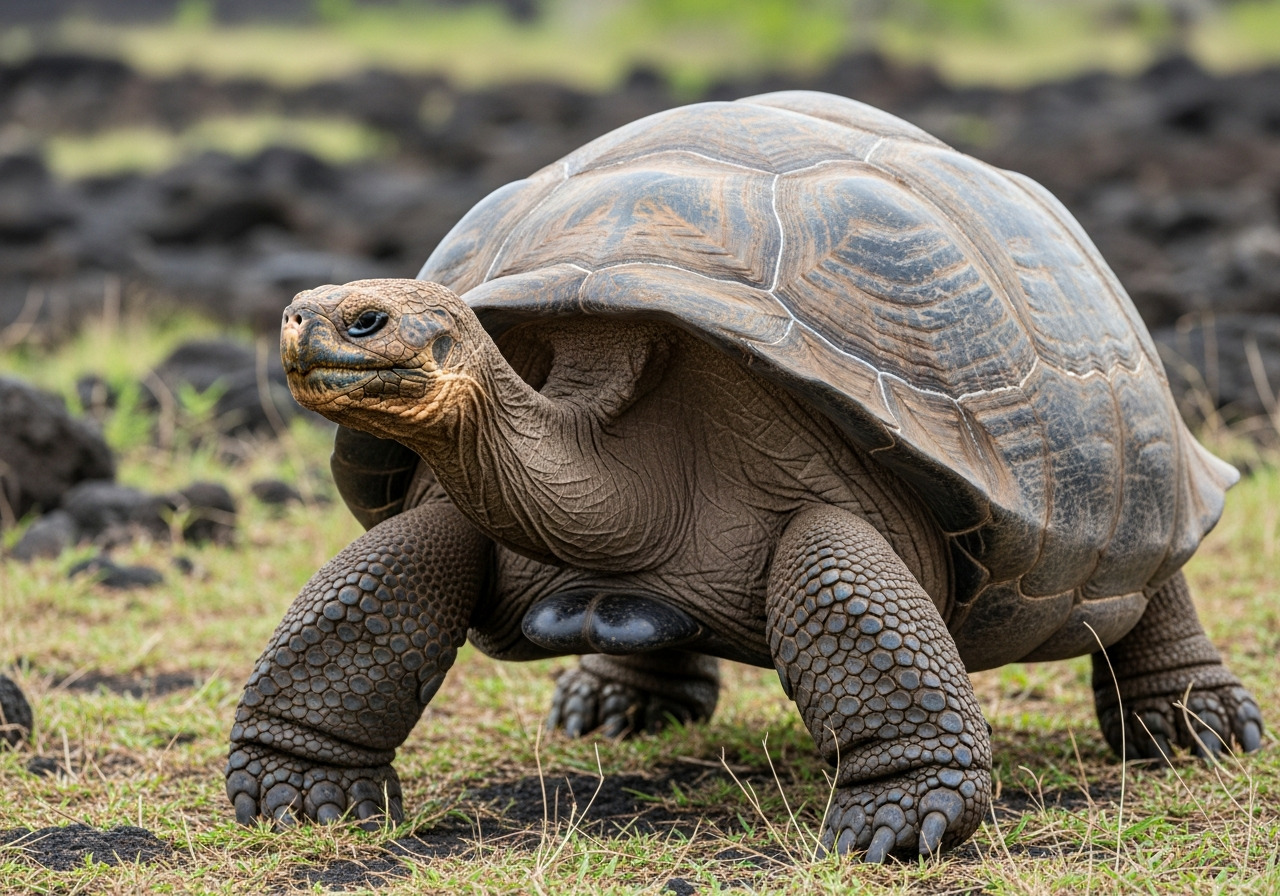
Reptile
The giant tortoise that can live over a century
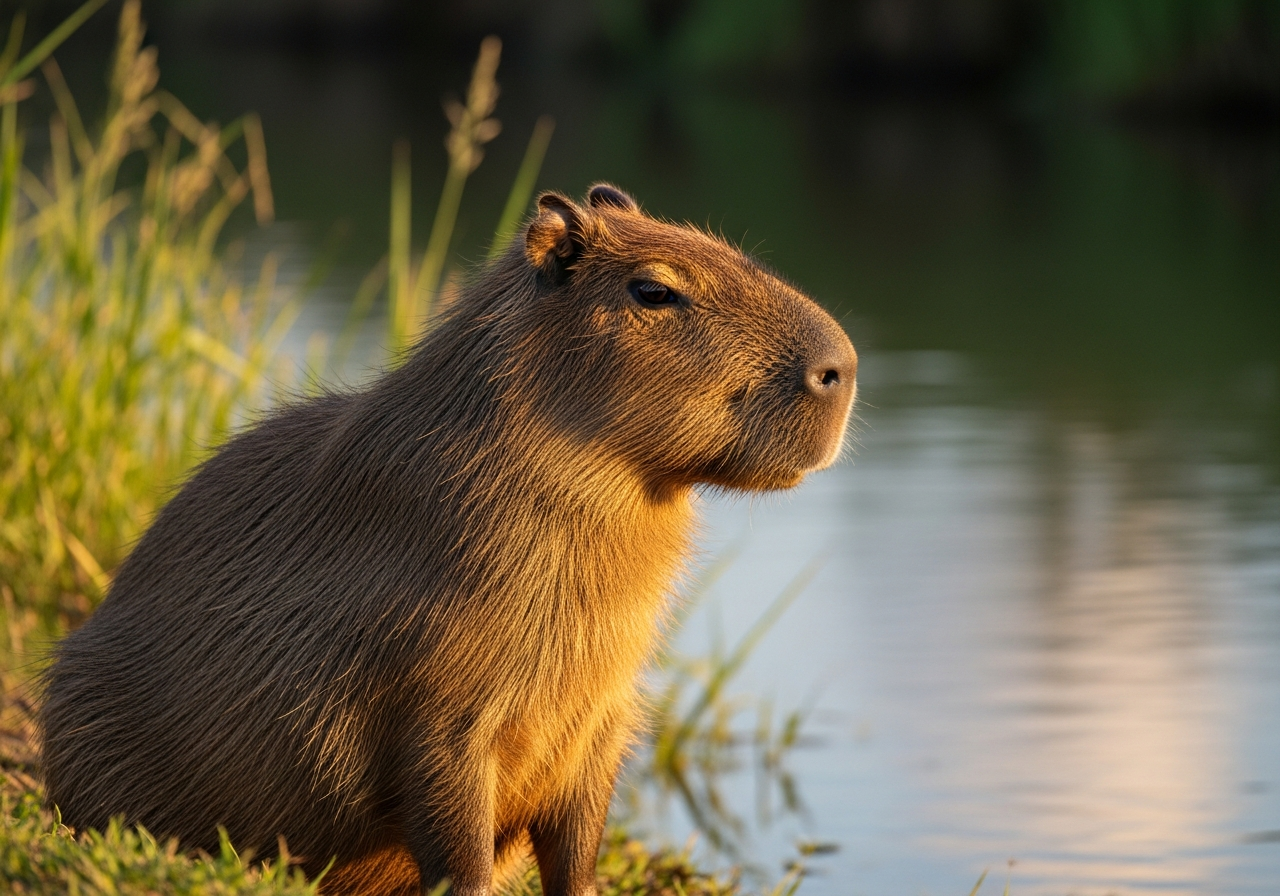
Mammal
The world's largest rodent
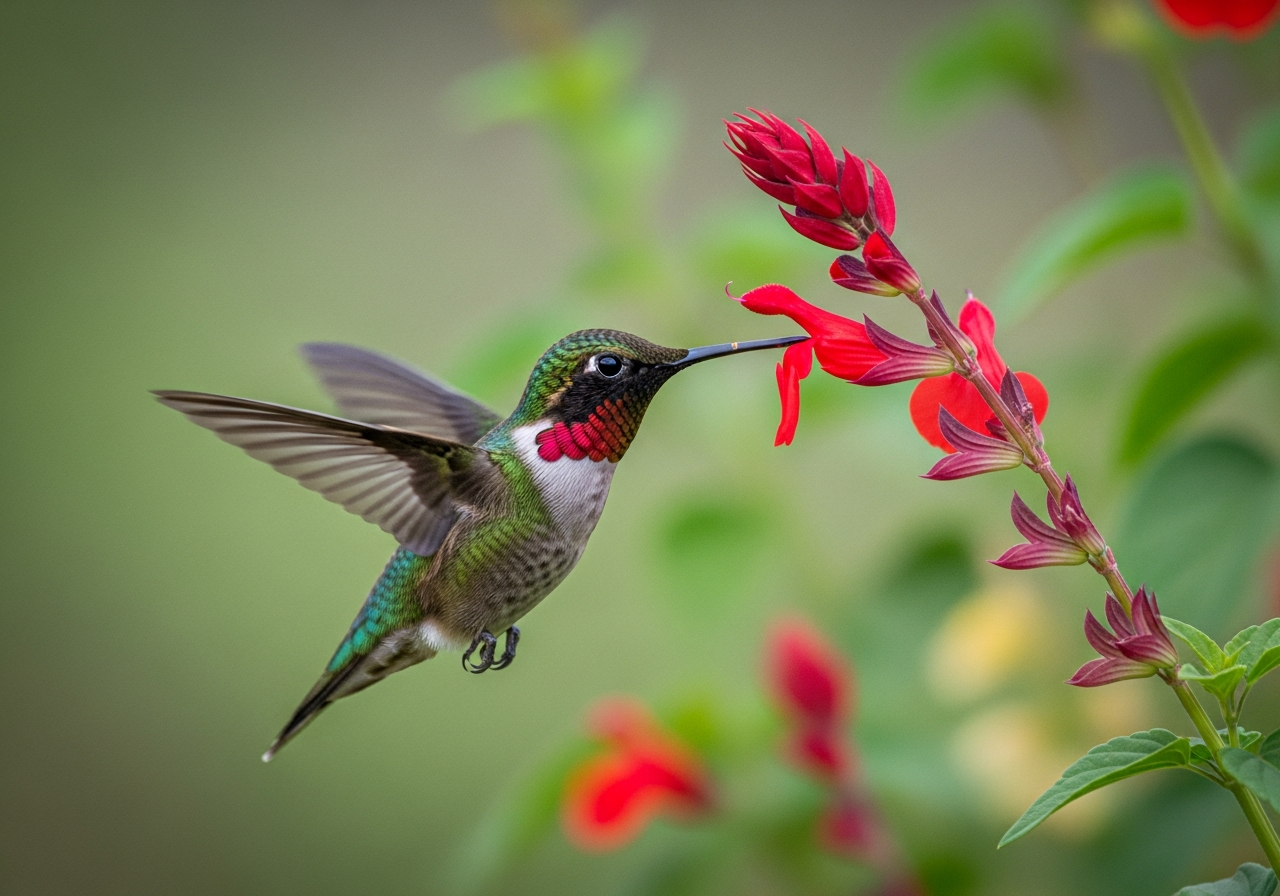
Bird
A tiny hovering bird with a blazing throat
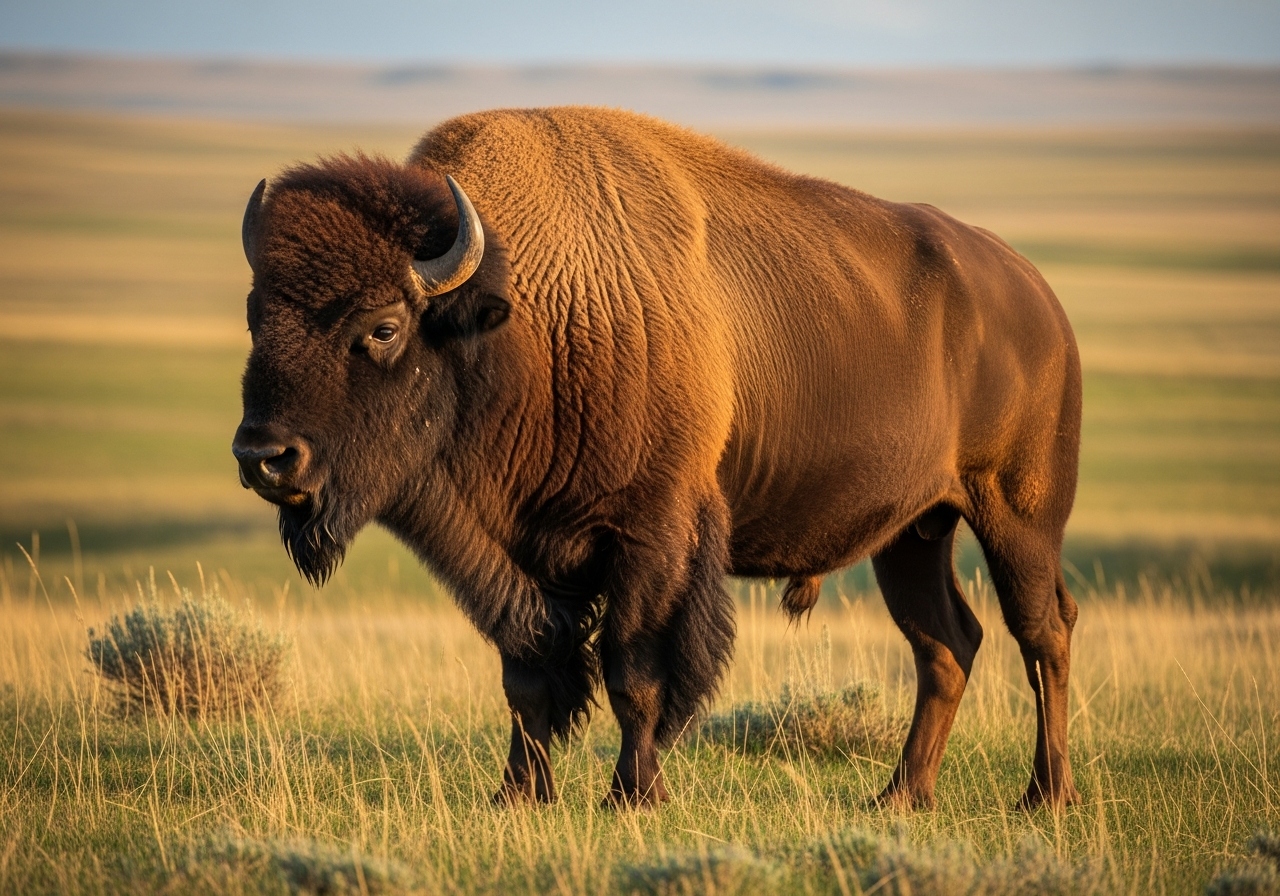
Mammal
North America's largest land animal
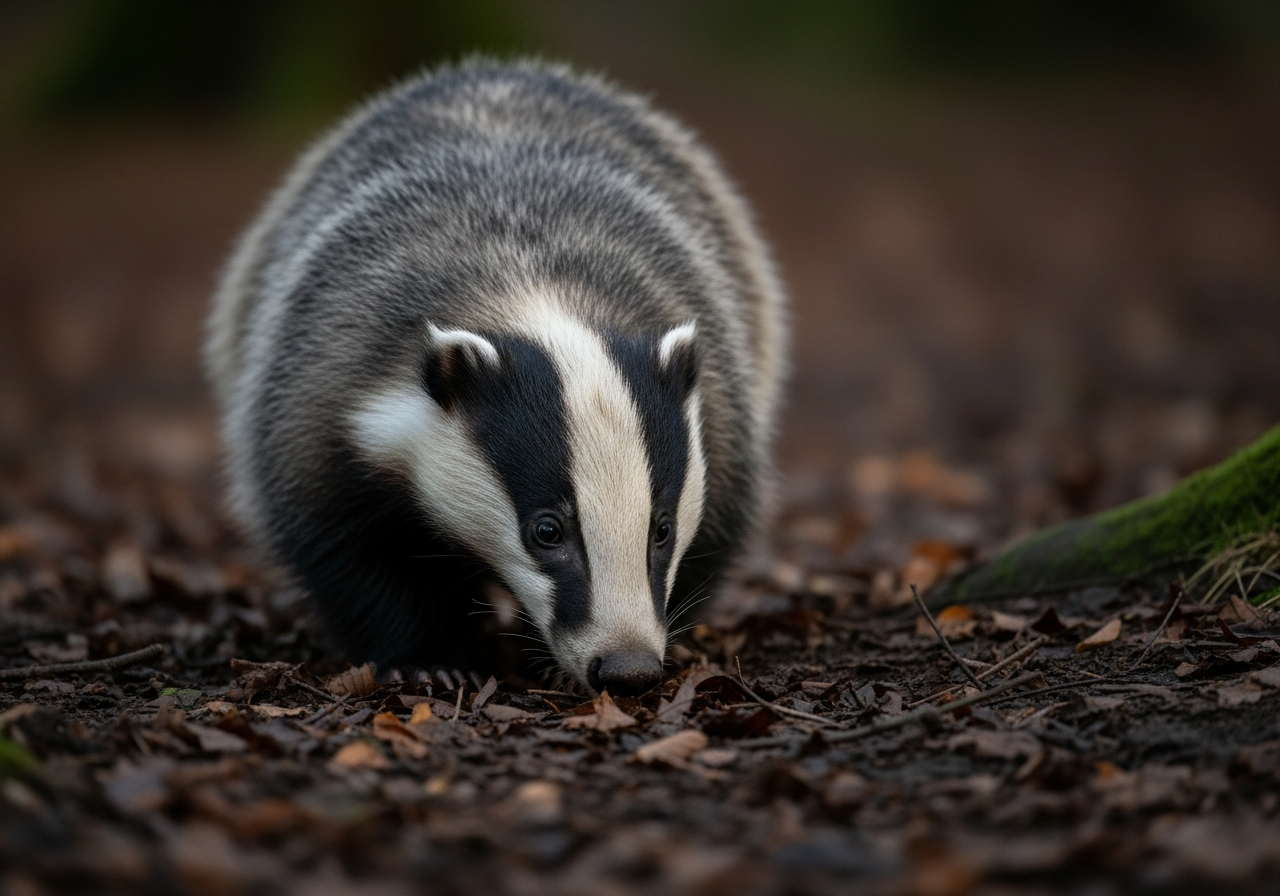
Mammal
The striped night-digger of British woodlands
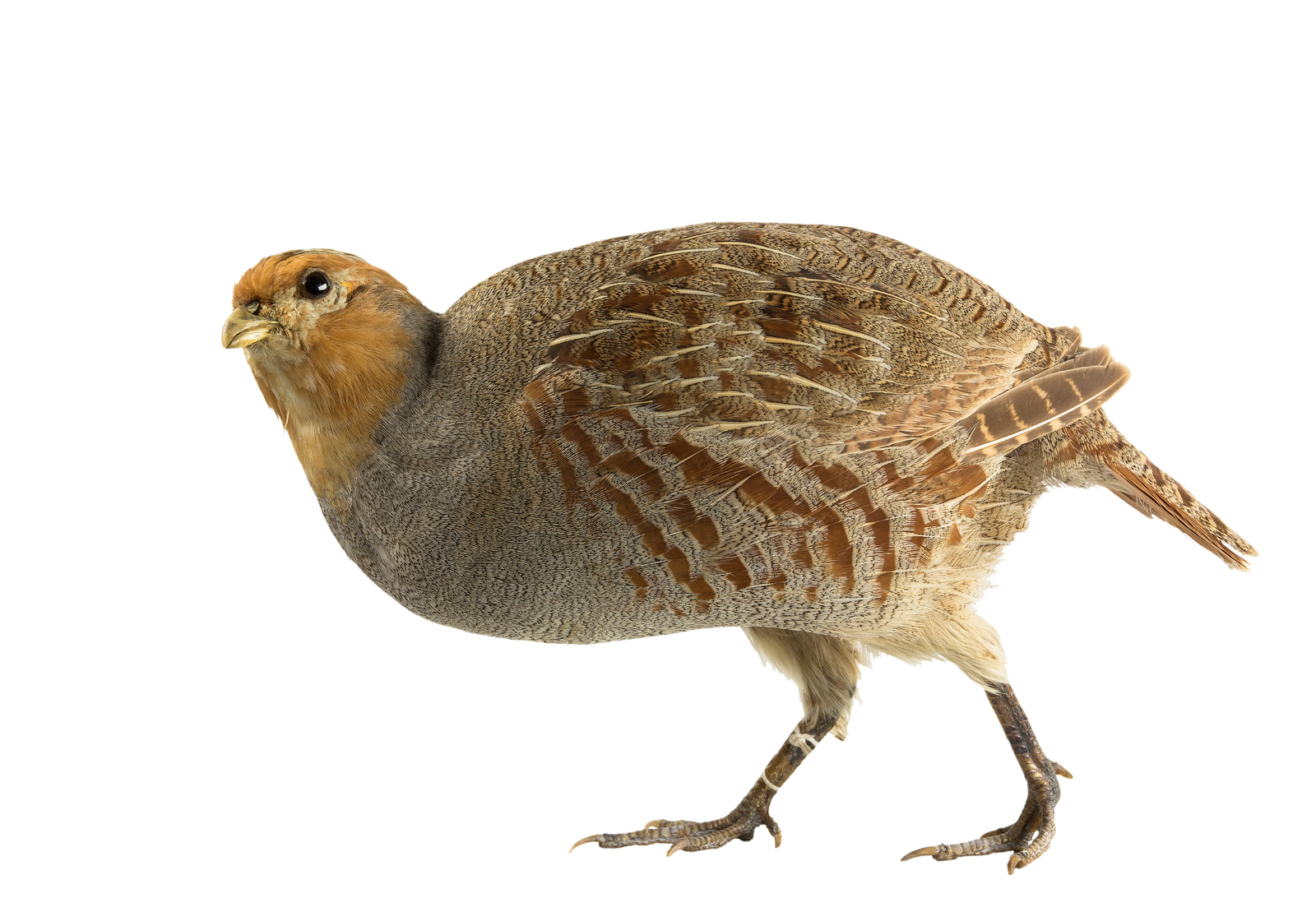
Bird
Stubble-dwelling partridge of old farmlands
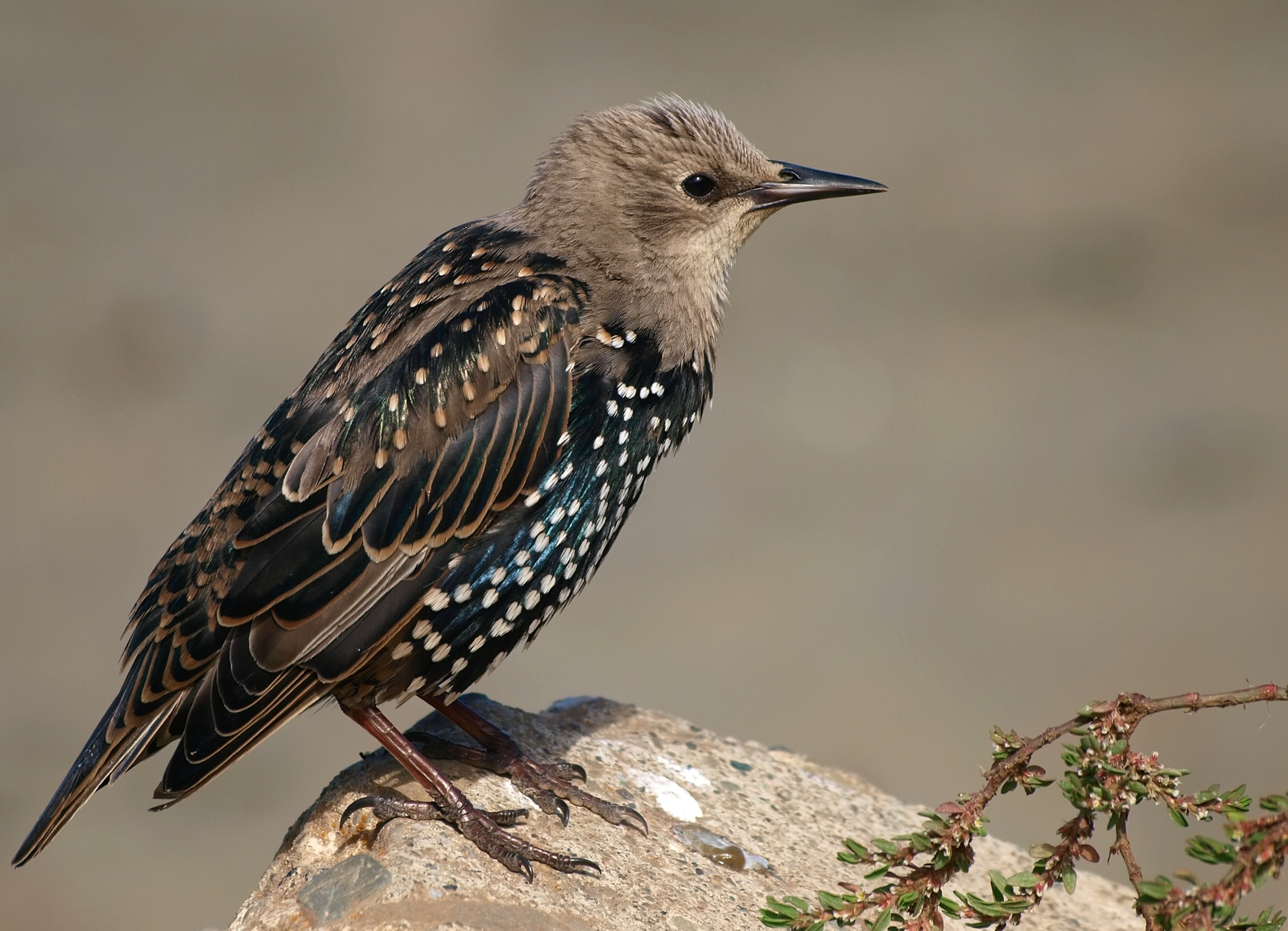
Bird
Speckled invader of global cityscapes
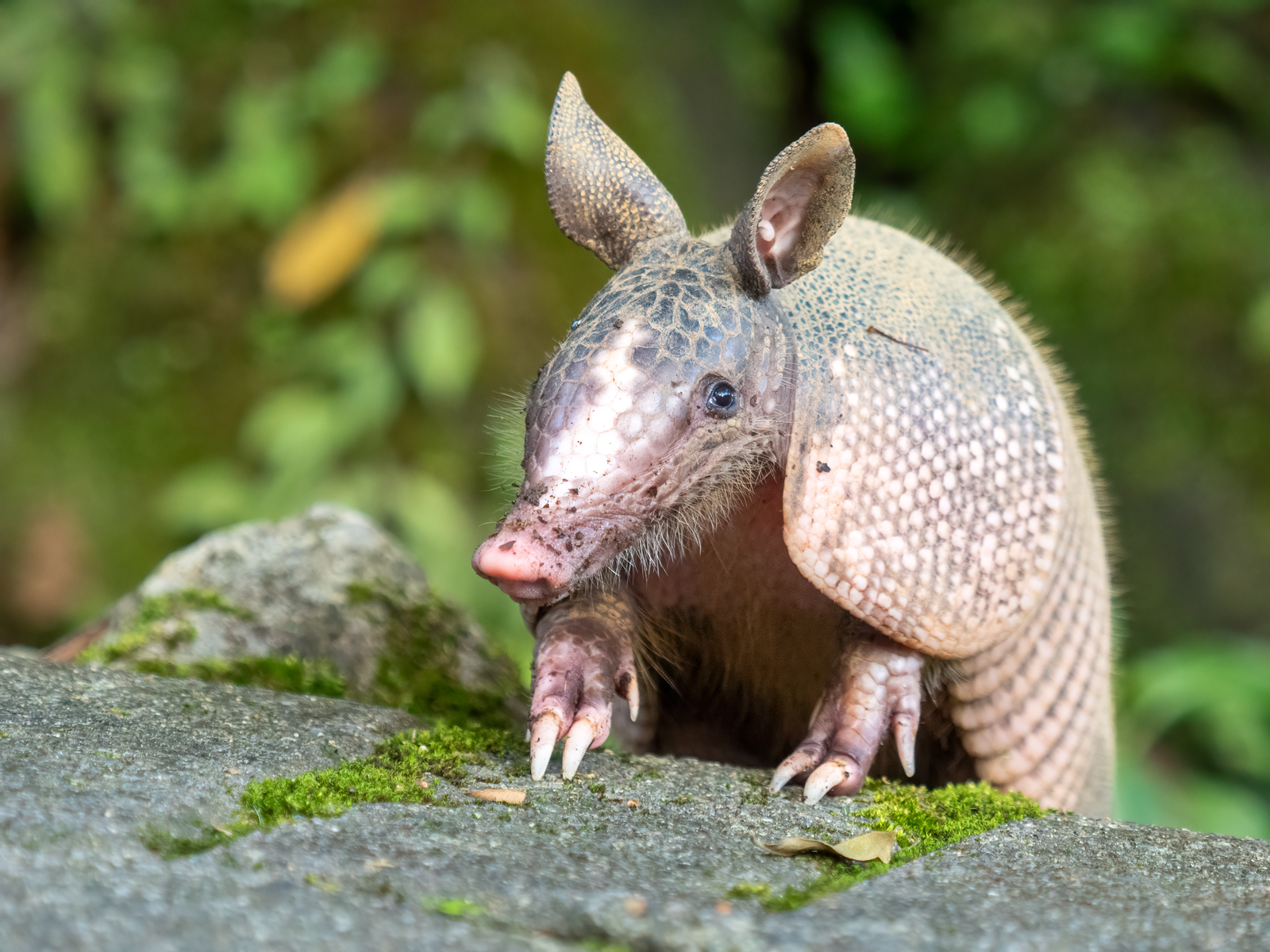
Mammal
Armoured digger marching through the Americas
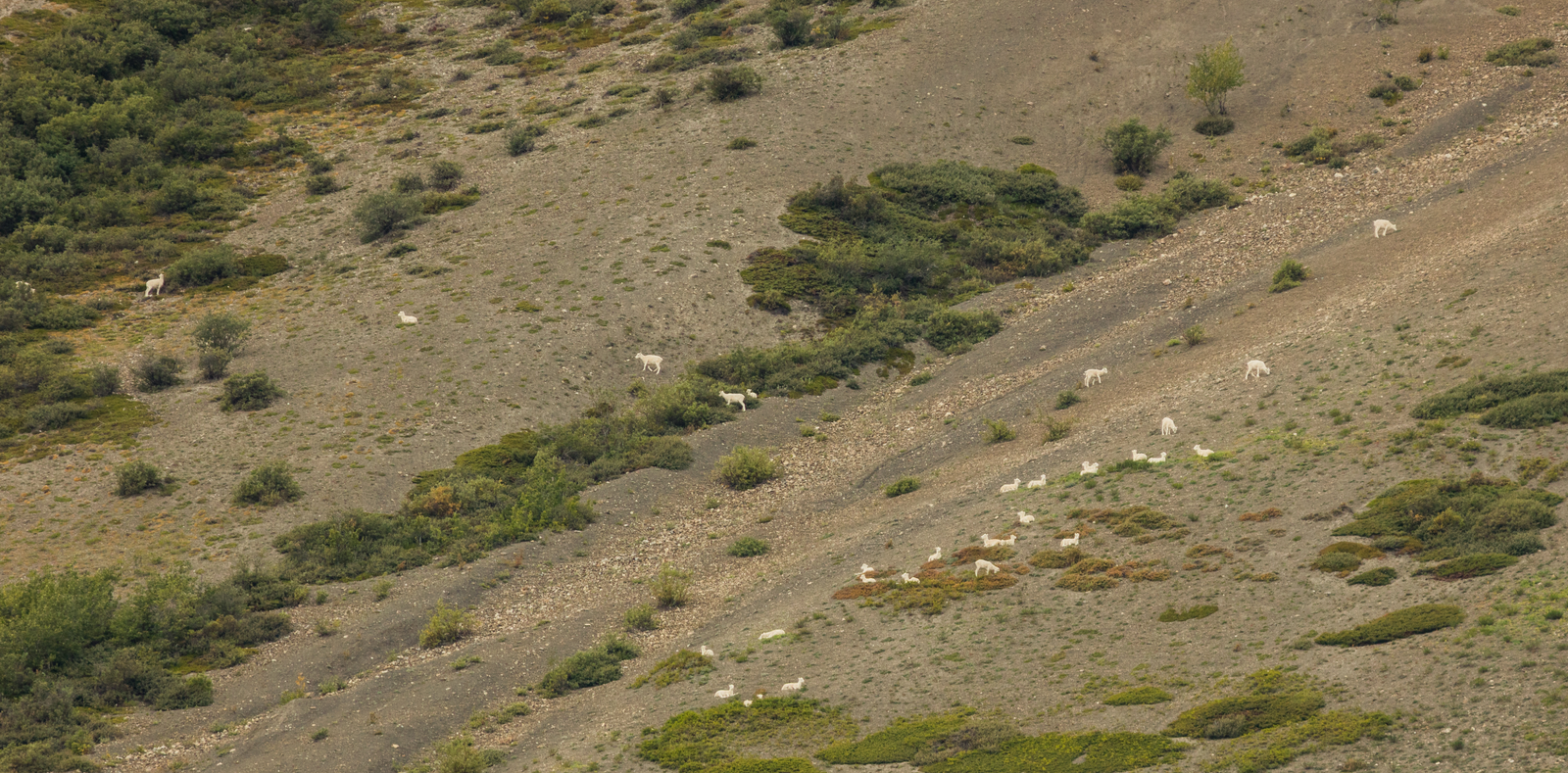
Mammal
White horned climber of northern peaks
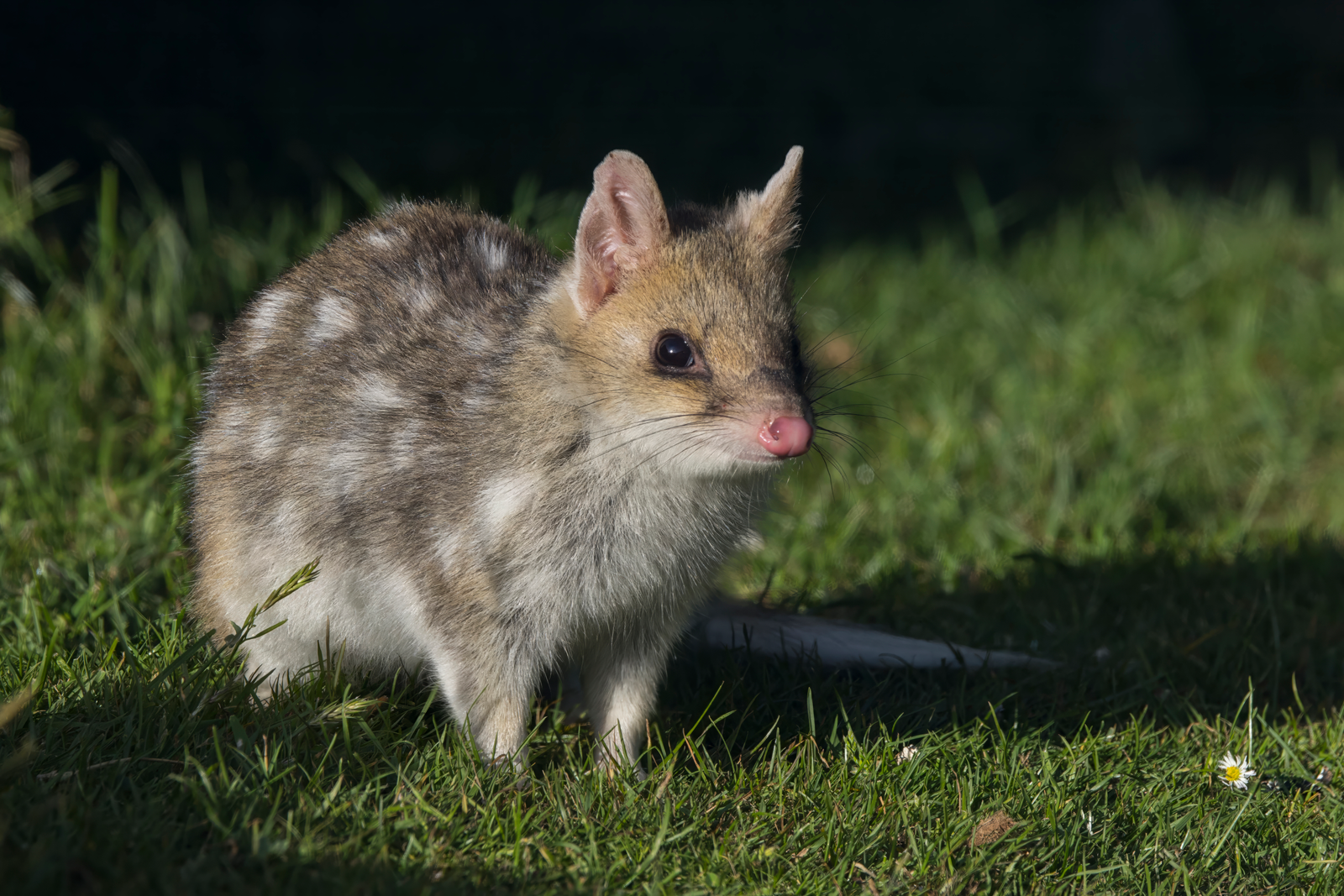
Mammal
Spotted Tasmanian survivor lost from the mainland
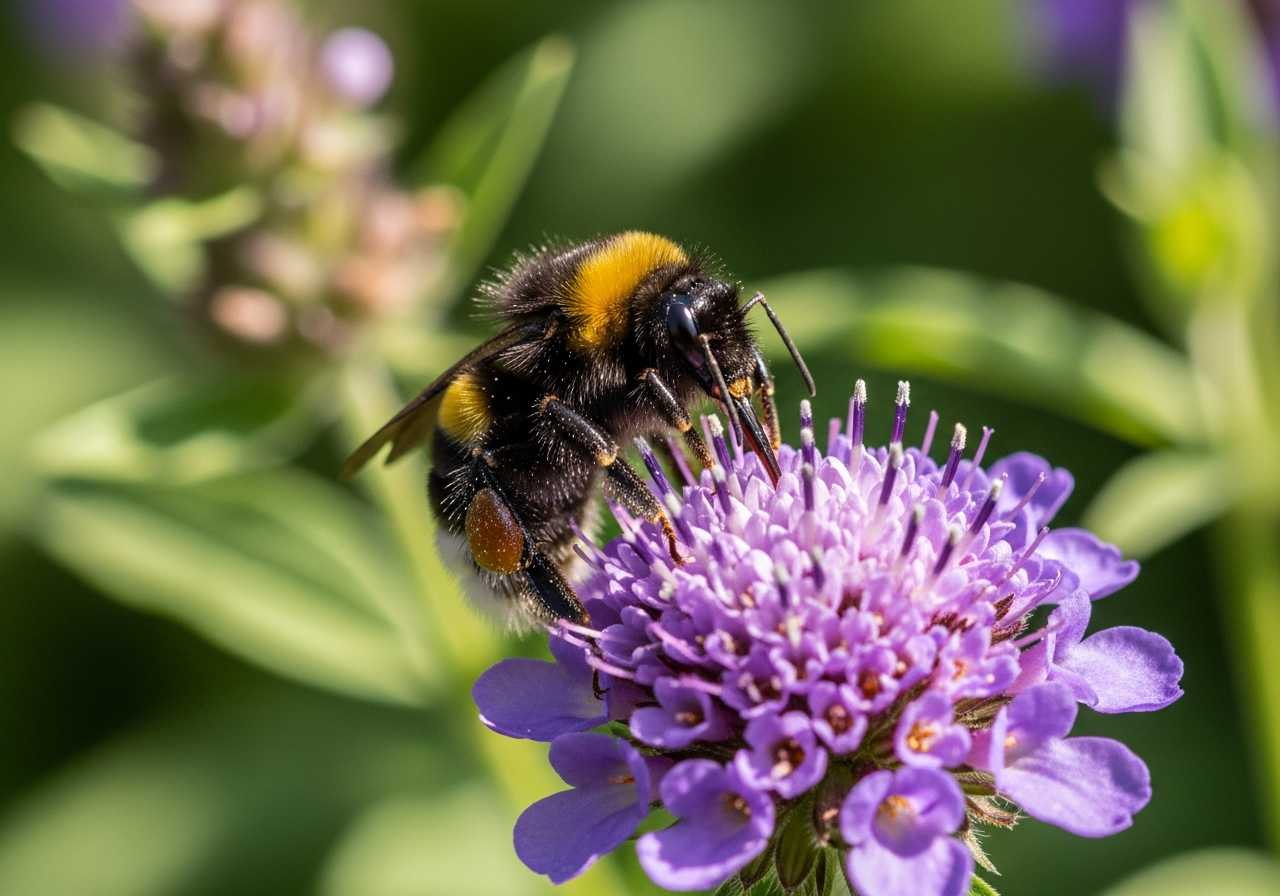
Insect
The fuzzy, hard-working pollinator of meadows and gardens
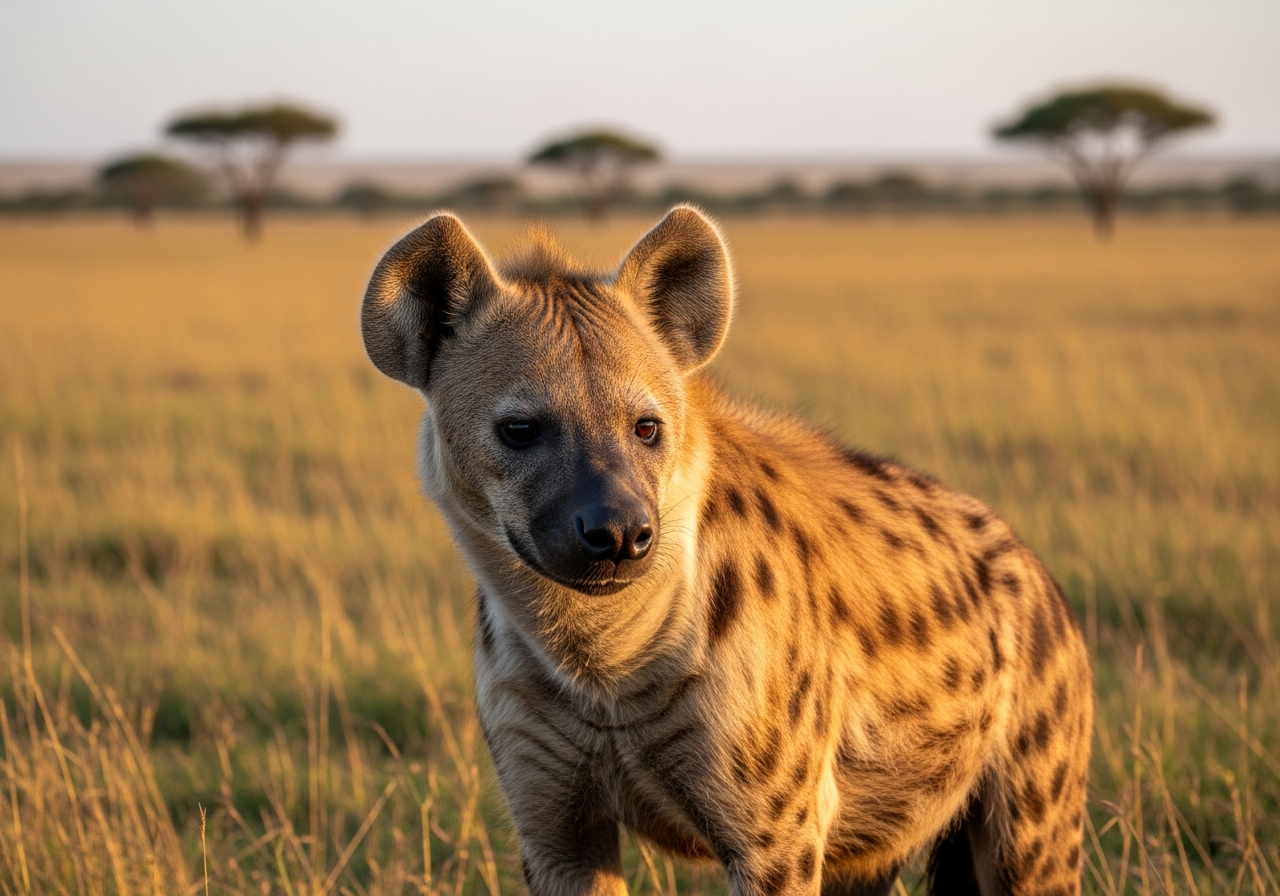
Mammal
The social, powerful hunter of the African savanna
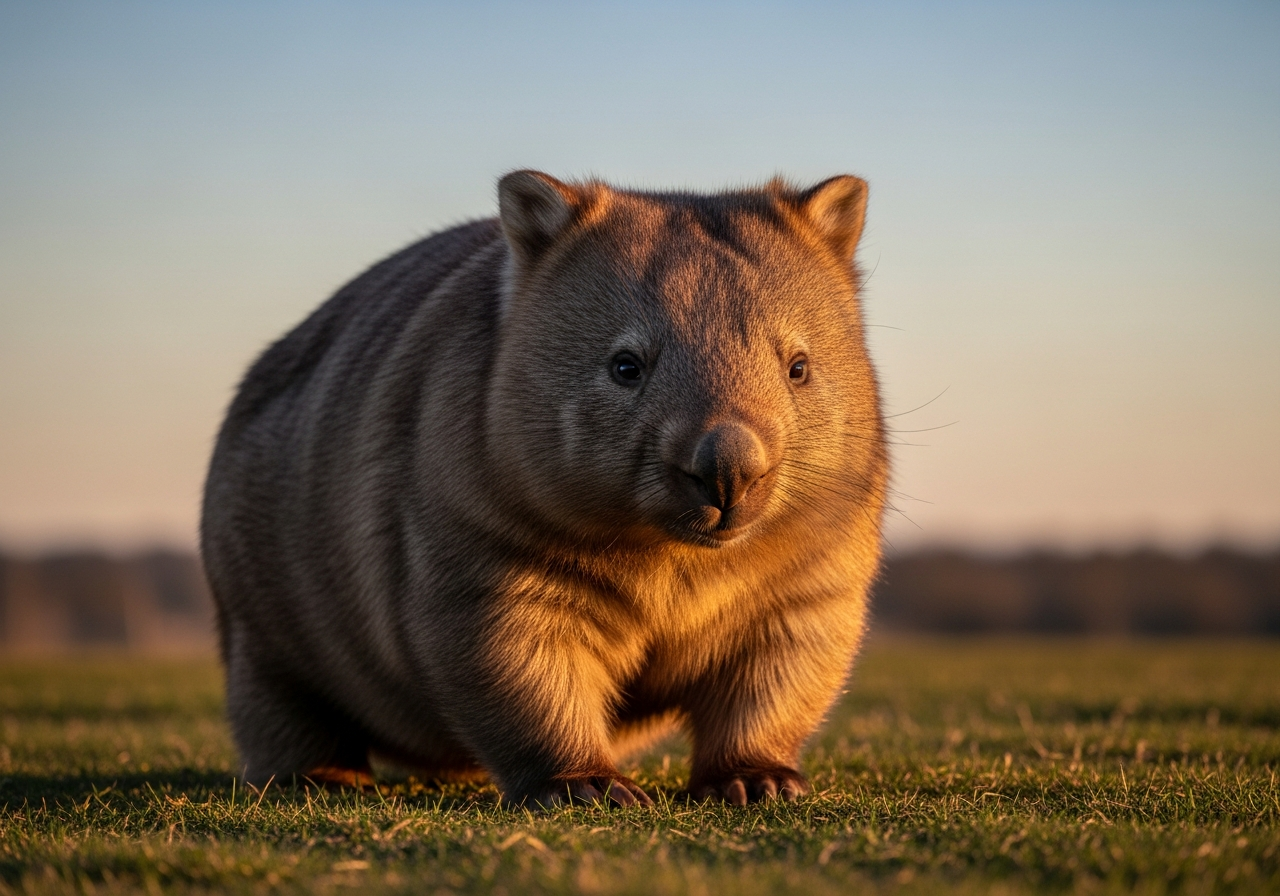
Mammal
The powerful Australian digger famous for cube-shaped droppings
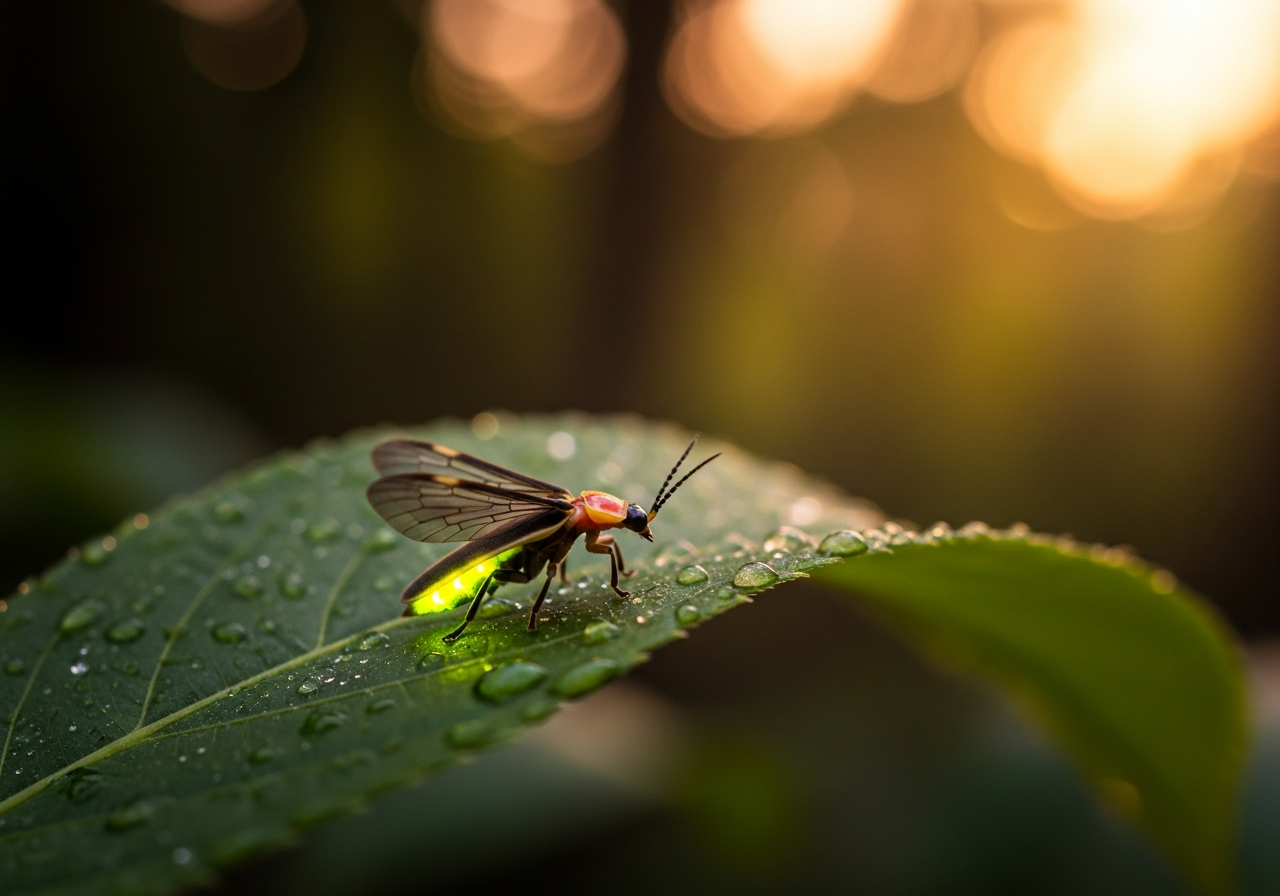
Insect
The glowing beetle of warm summer nights
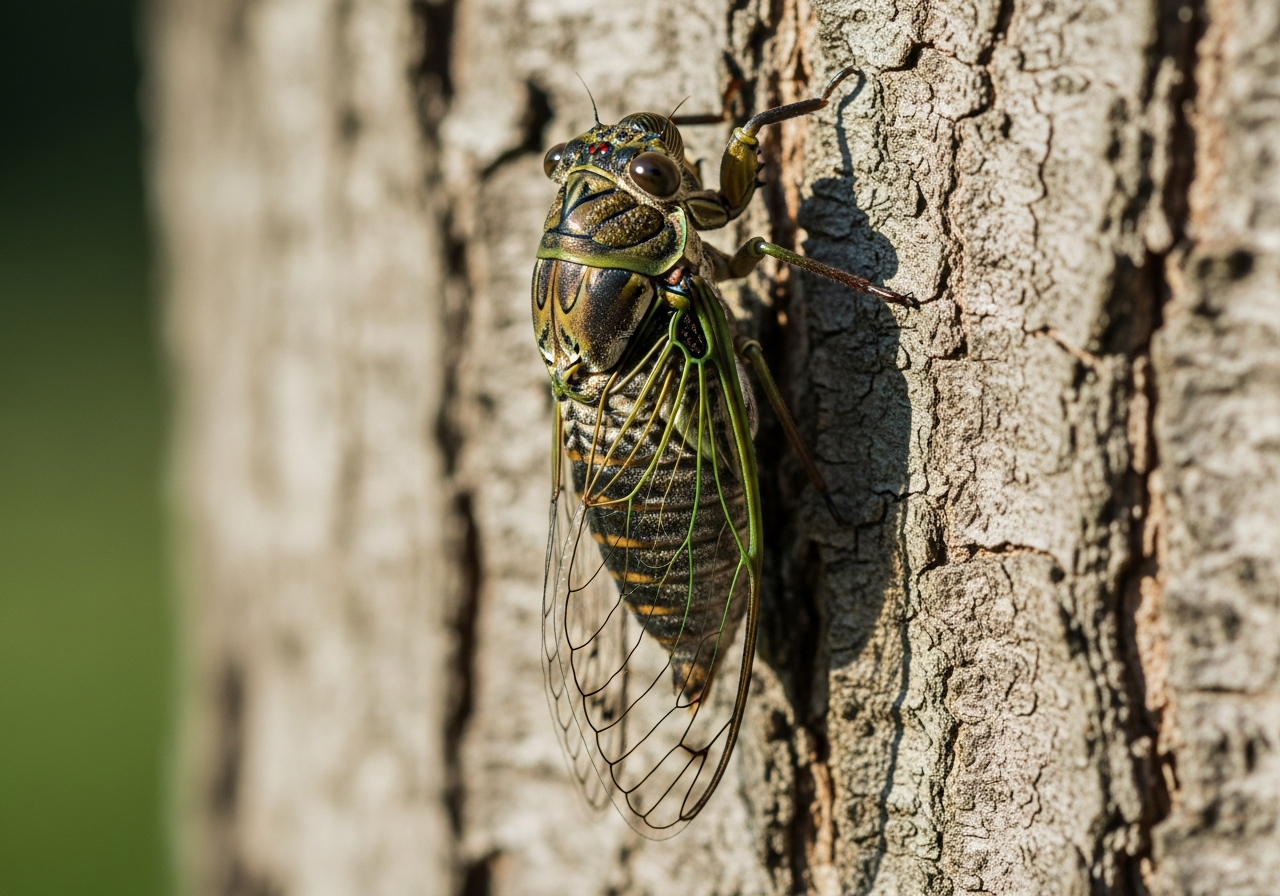
Insect
The loud summer singer with a long underground youth
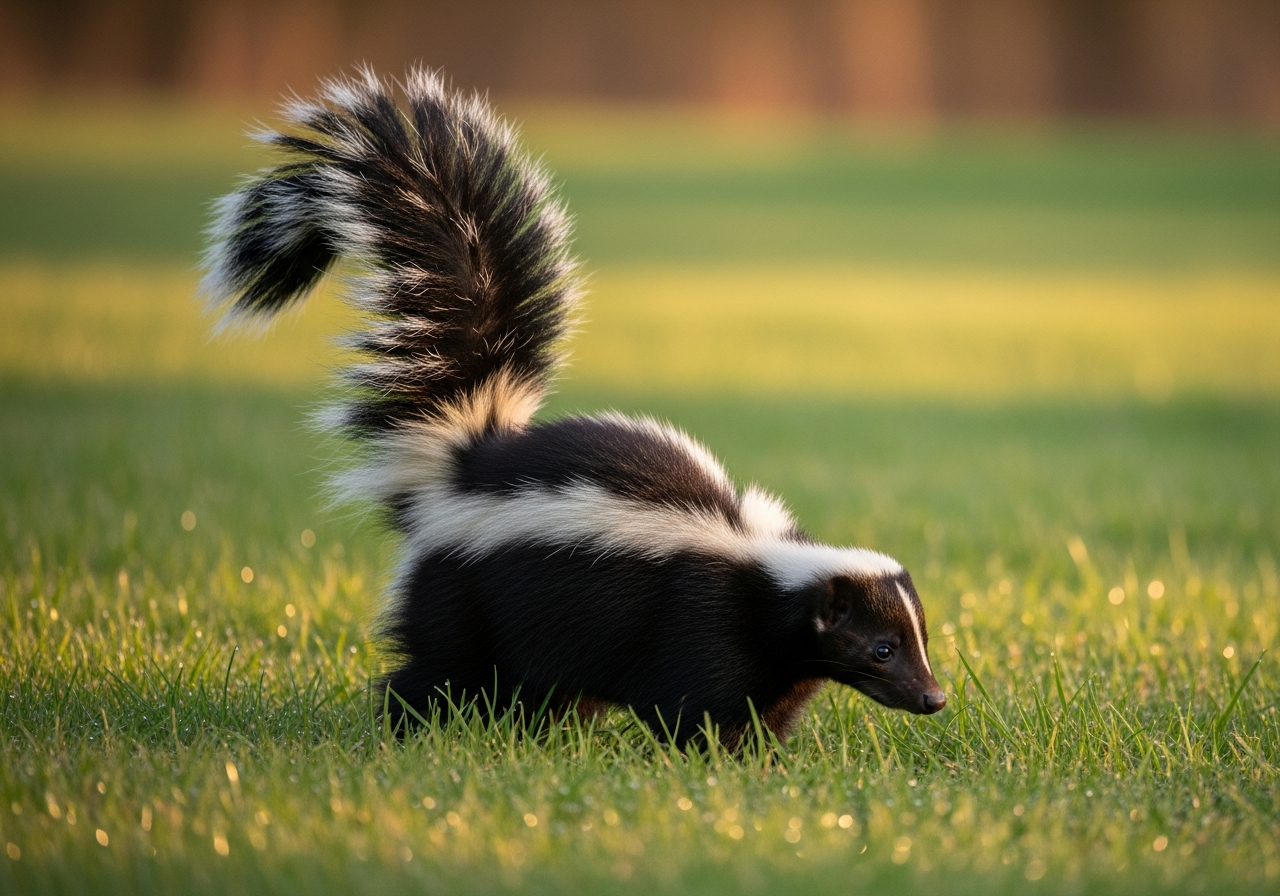
Mammal
The black-and-white mammal with a chemical defence
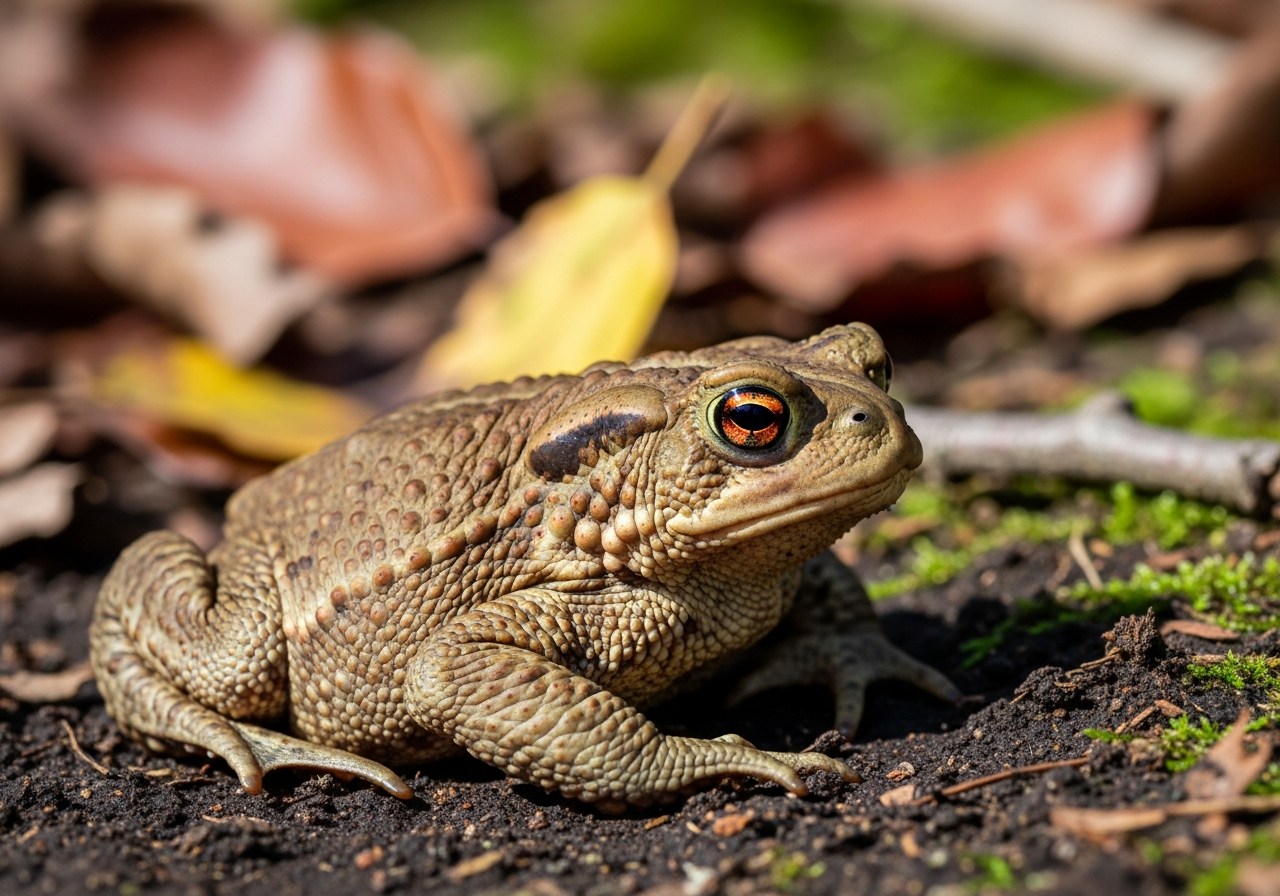
Amphibian
The warty garden toad of Europe
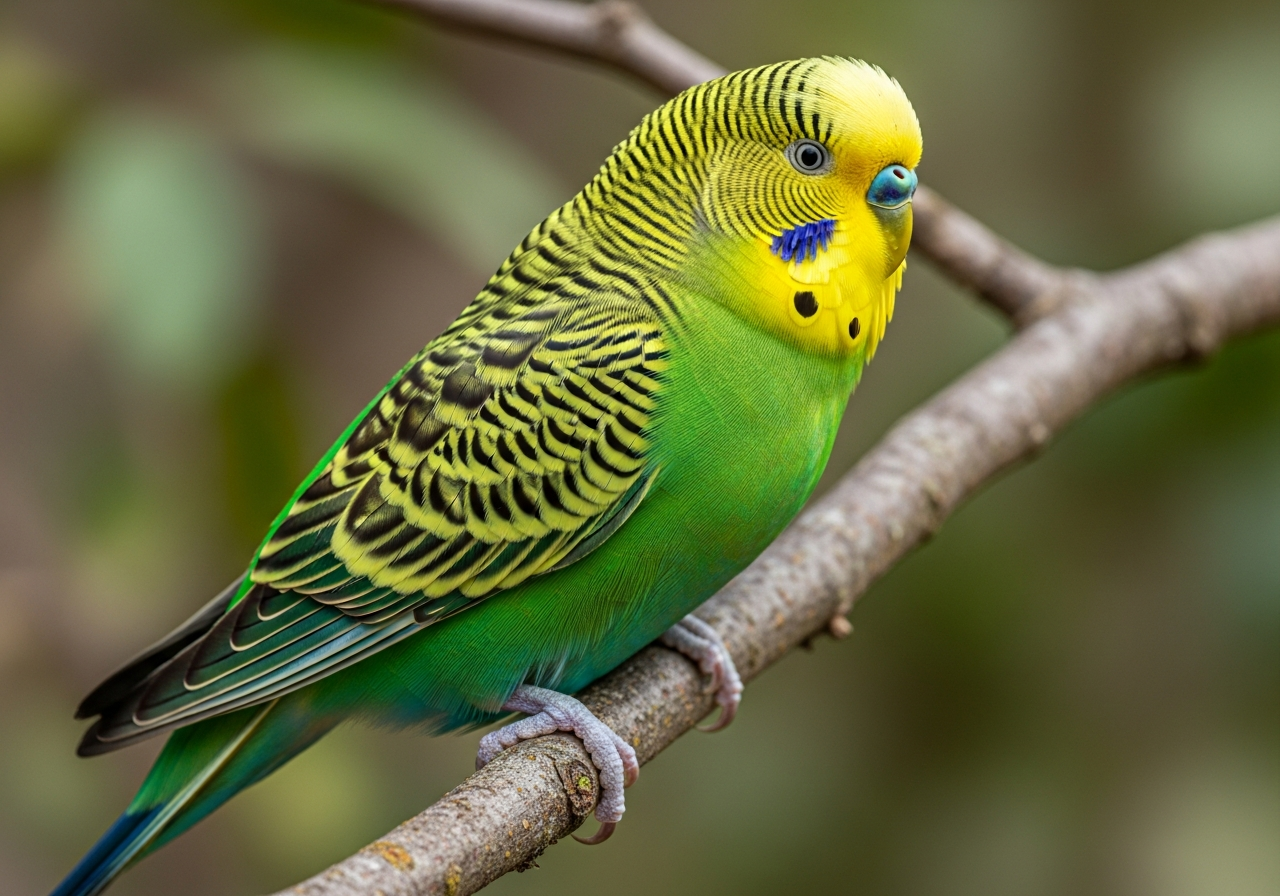
Bird
The little Australian parakeet and world's most popular pet bird
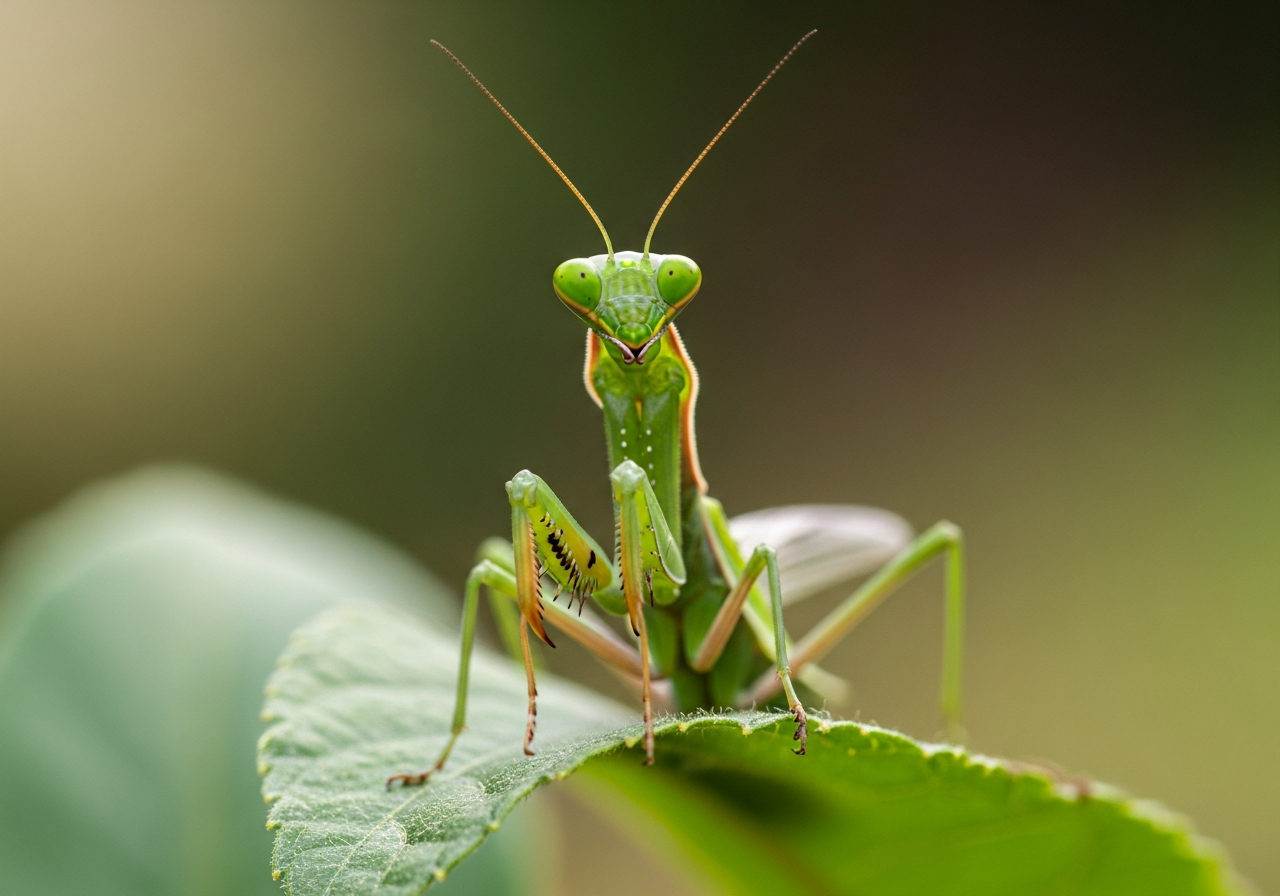
Insect
The patient ambush predator with folded arms
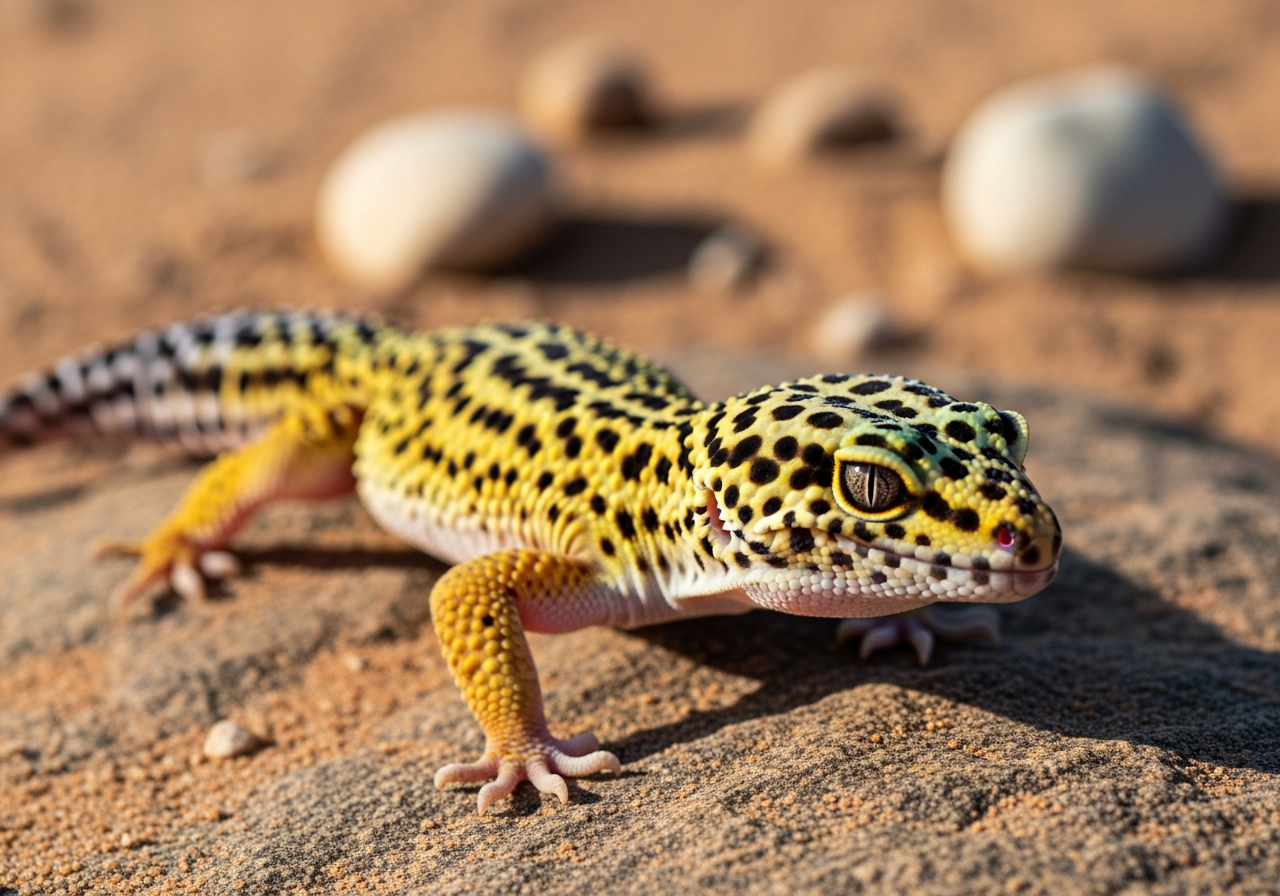
Reptile
The spotted desert gecko and beginner-friendly pet
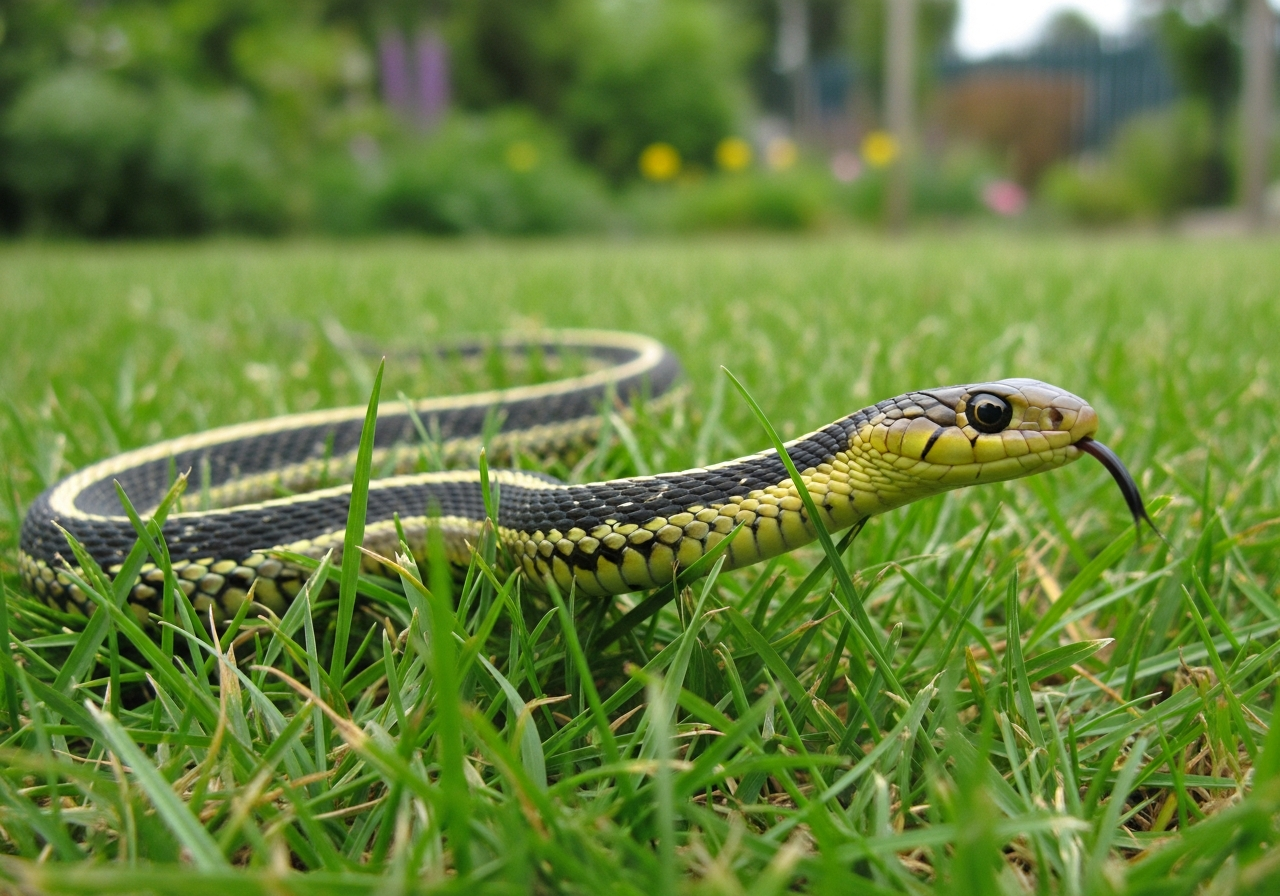
Reptile
One of North America's most common and widespread snakes
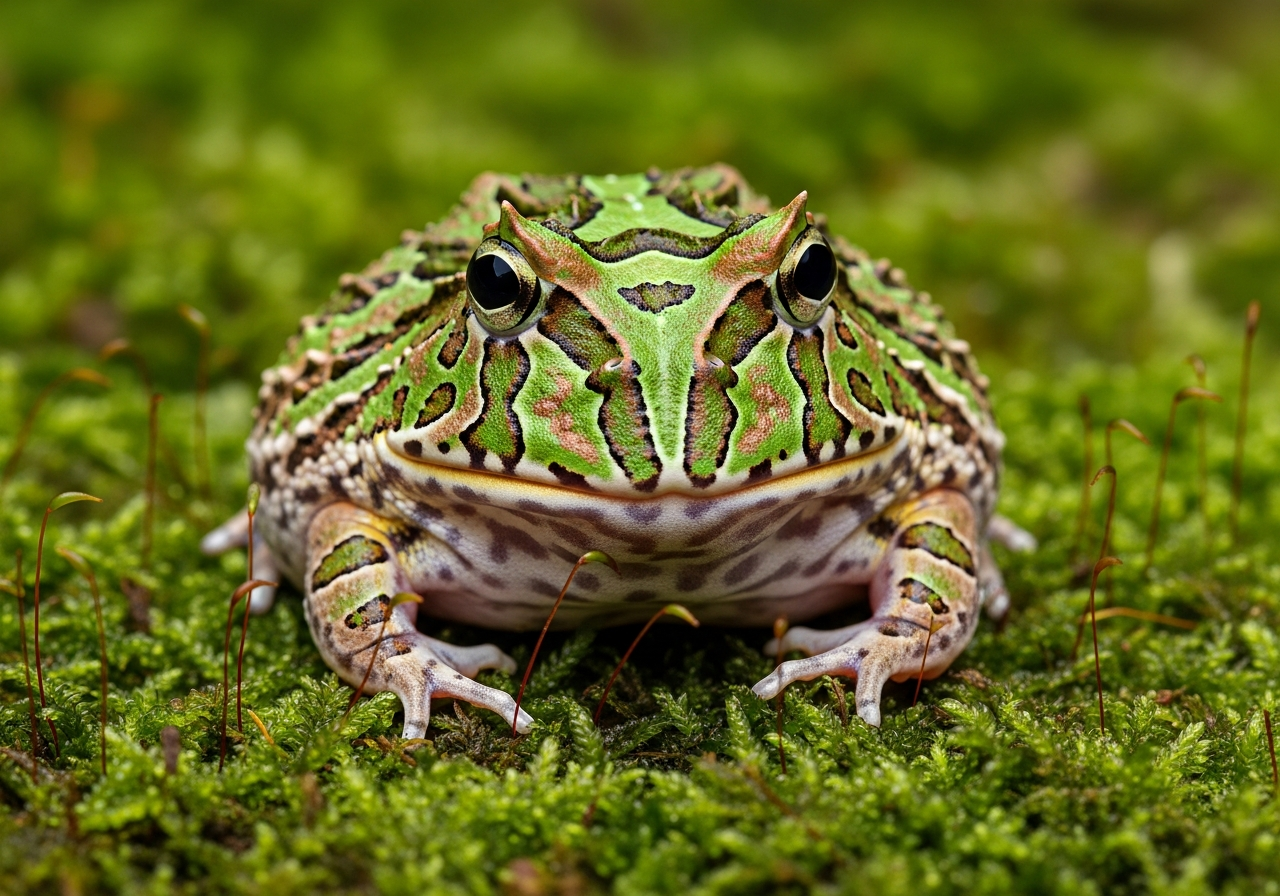
Amphibian
The round, big-mouthed horned frog
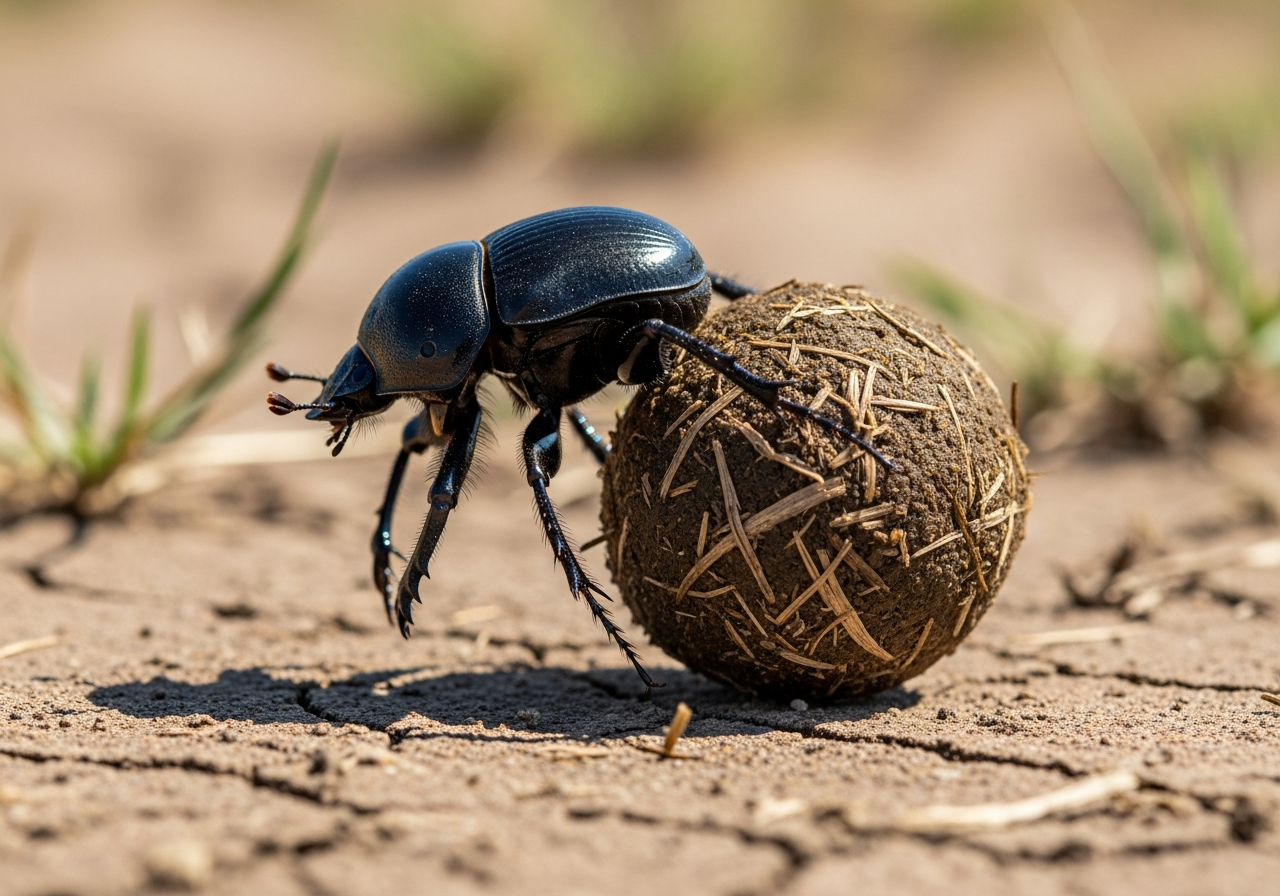
Insect
The strong beetle that rolls balls of dung
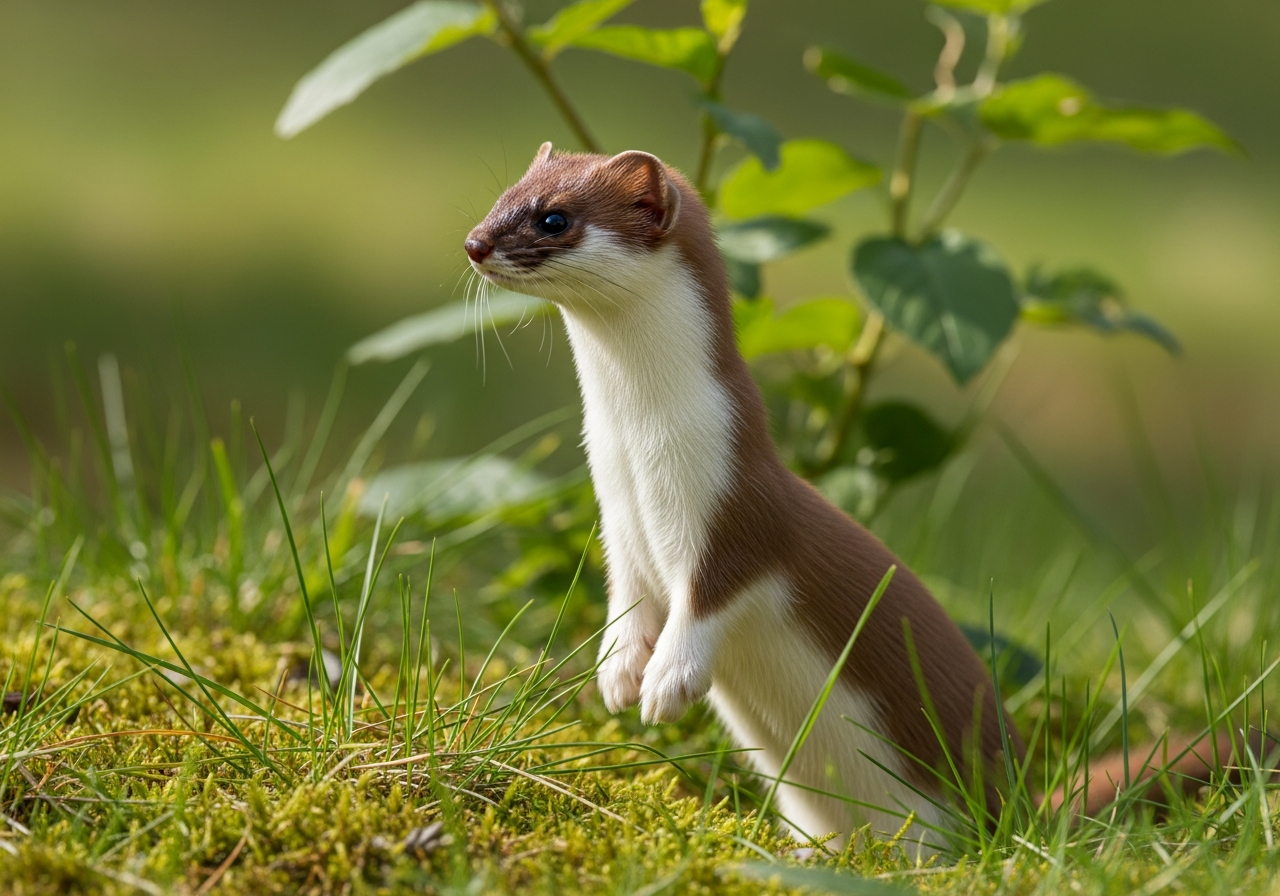
Mammal
Britain's smallest carnivore, built for chasing prey into burrows
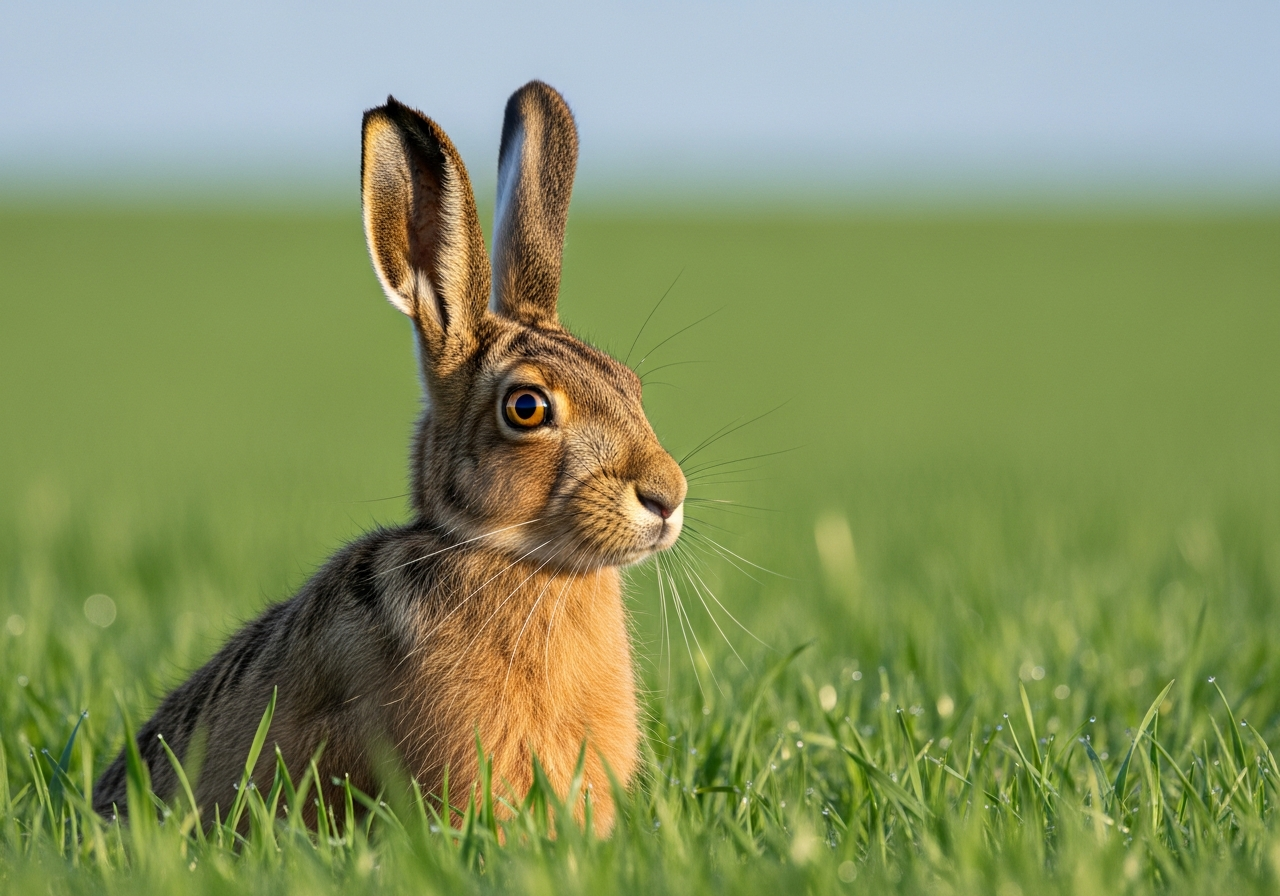
Mammal
The long-legged sprinter of open fields
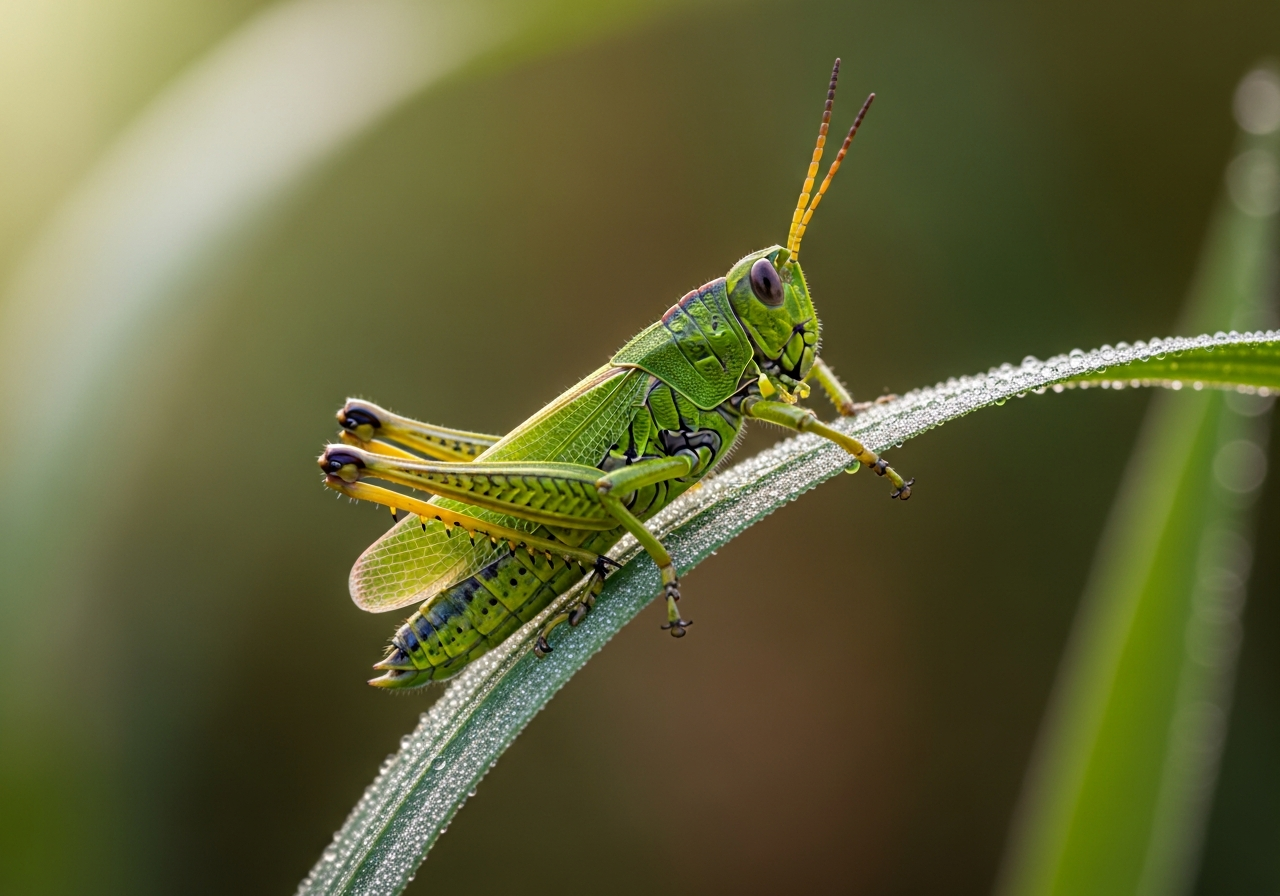
Insect
The jumping insect of fields and meadows
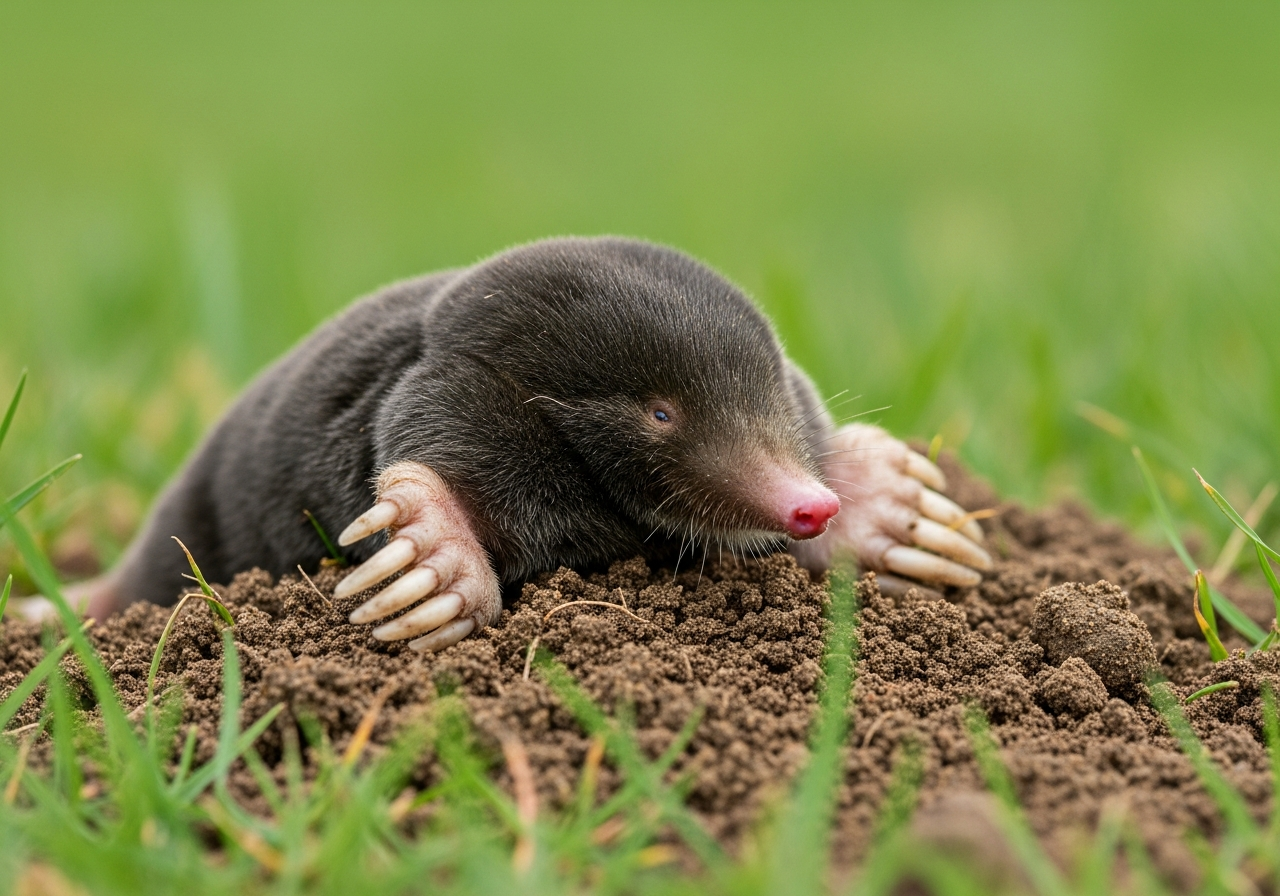
Mammal
The tunnelling insectivore behind every molehill
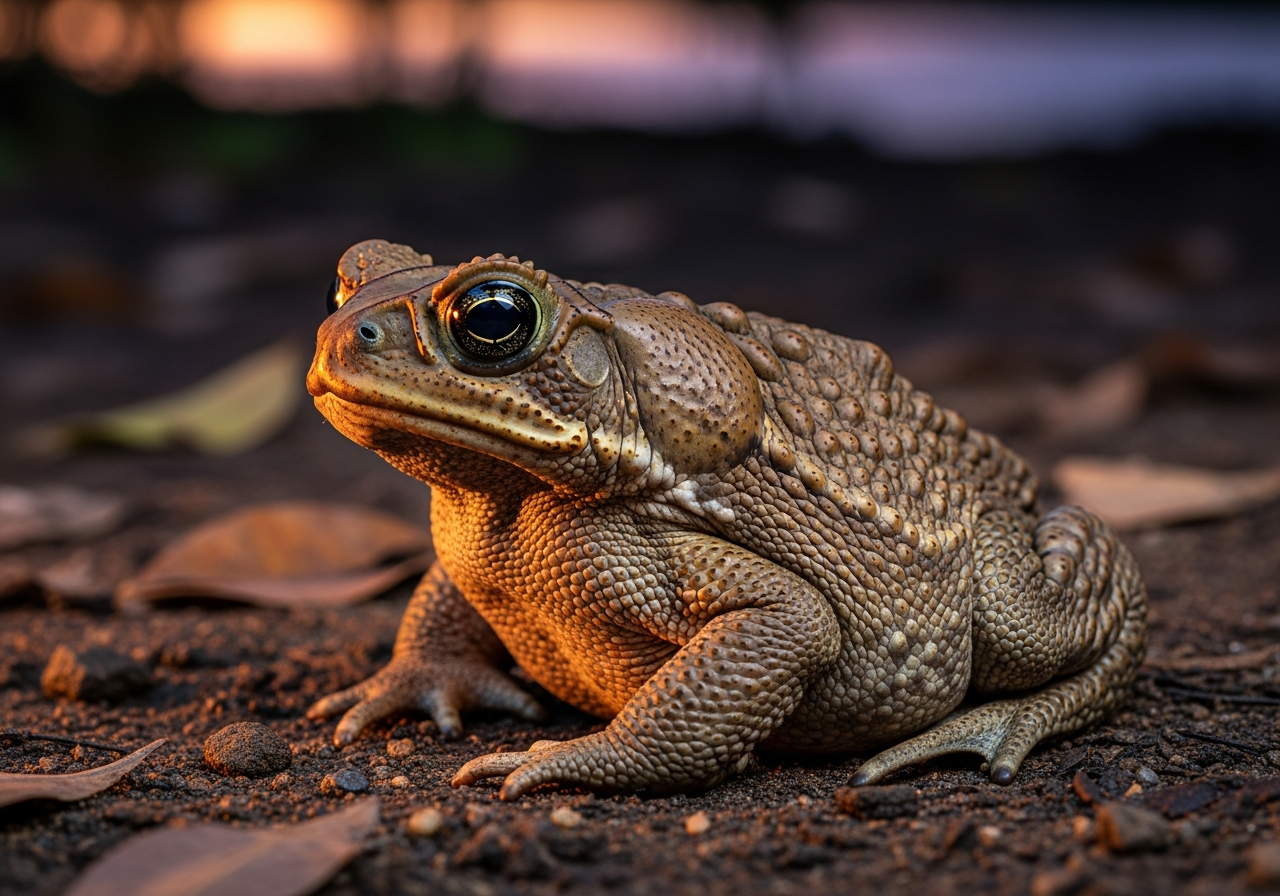
Amphibian
A large, toxic toad turned invasive pest
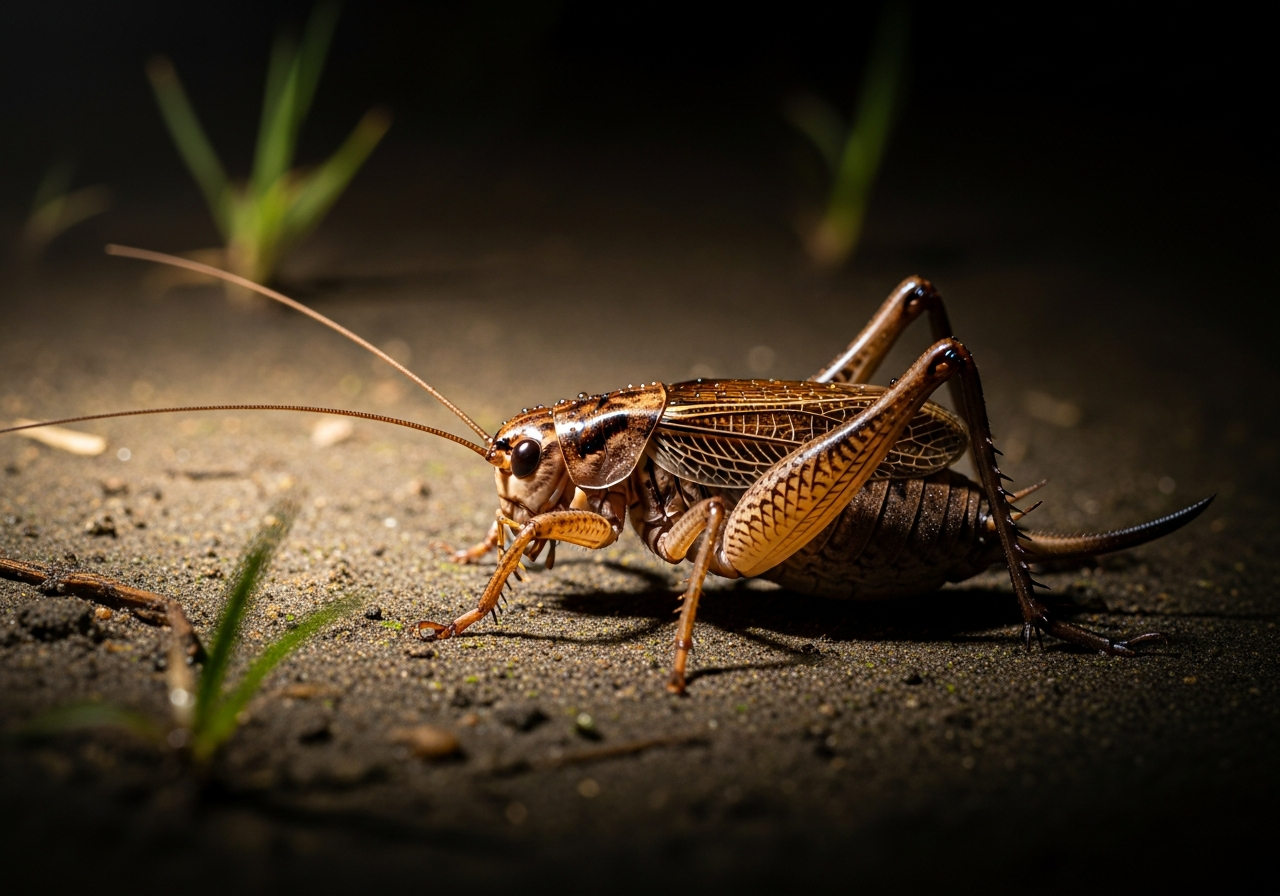
Insect
The chirping insect of warm evenings
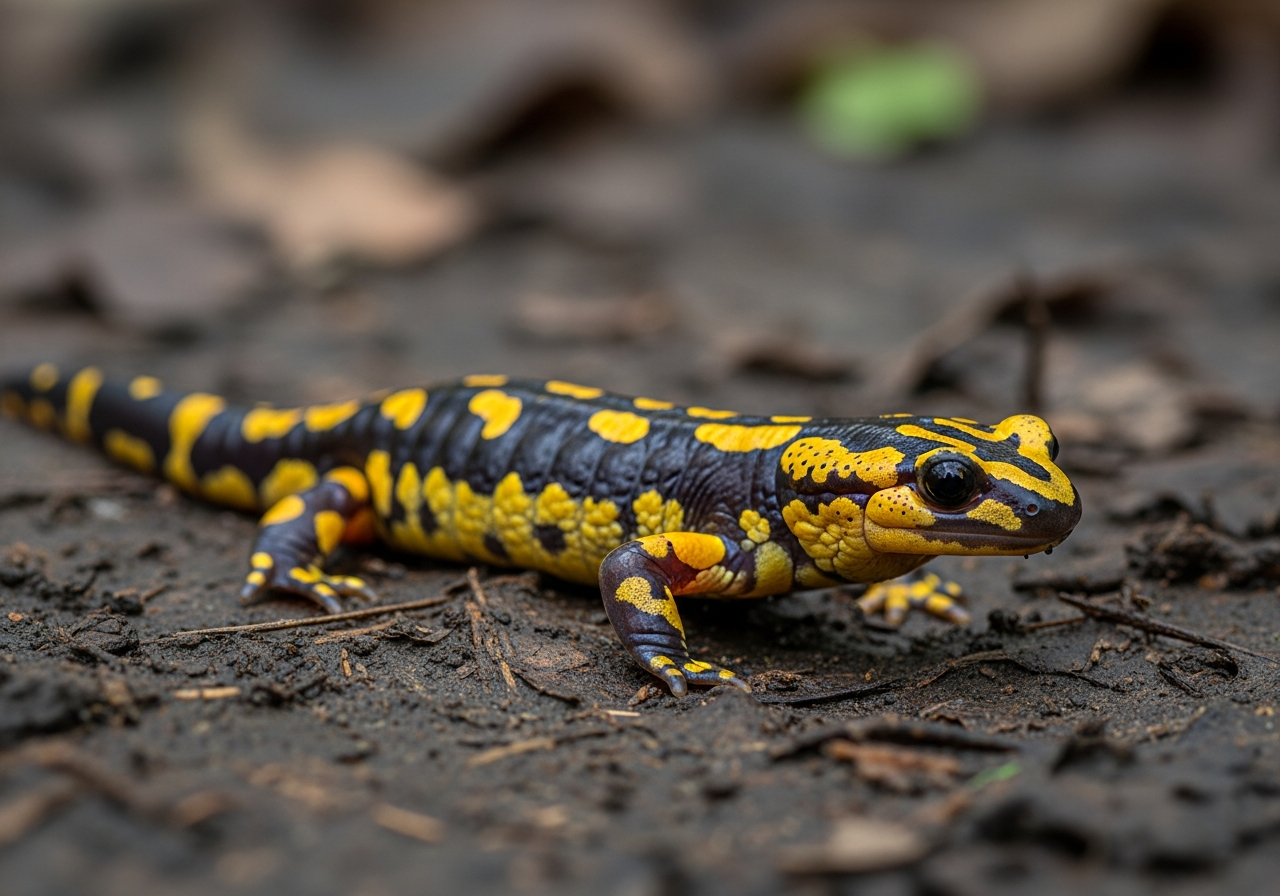
Amphibian
A stout, burrowing salamander of North America
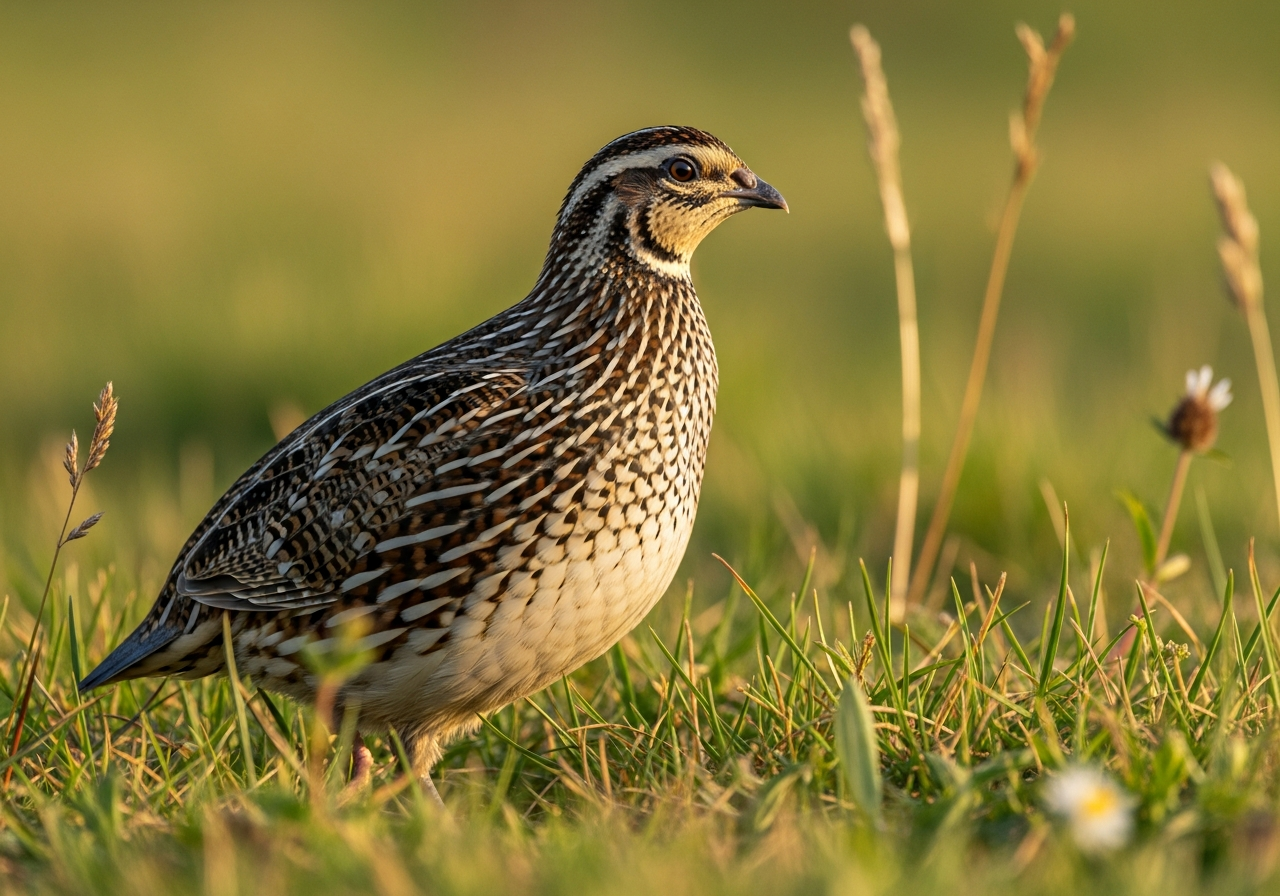
Bird
The small, secretive ground bird of fields and grassland
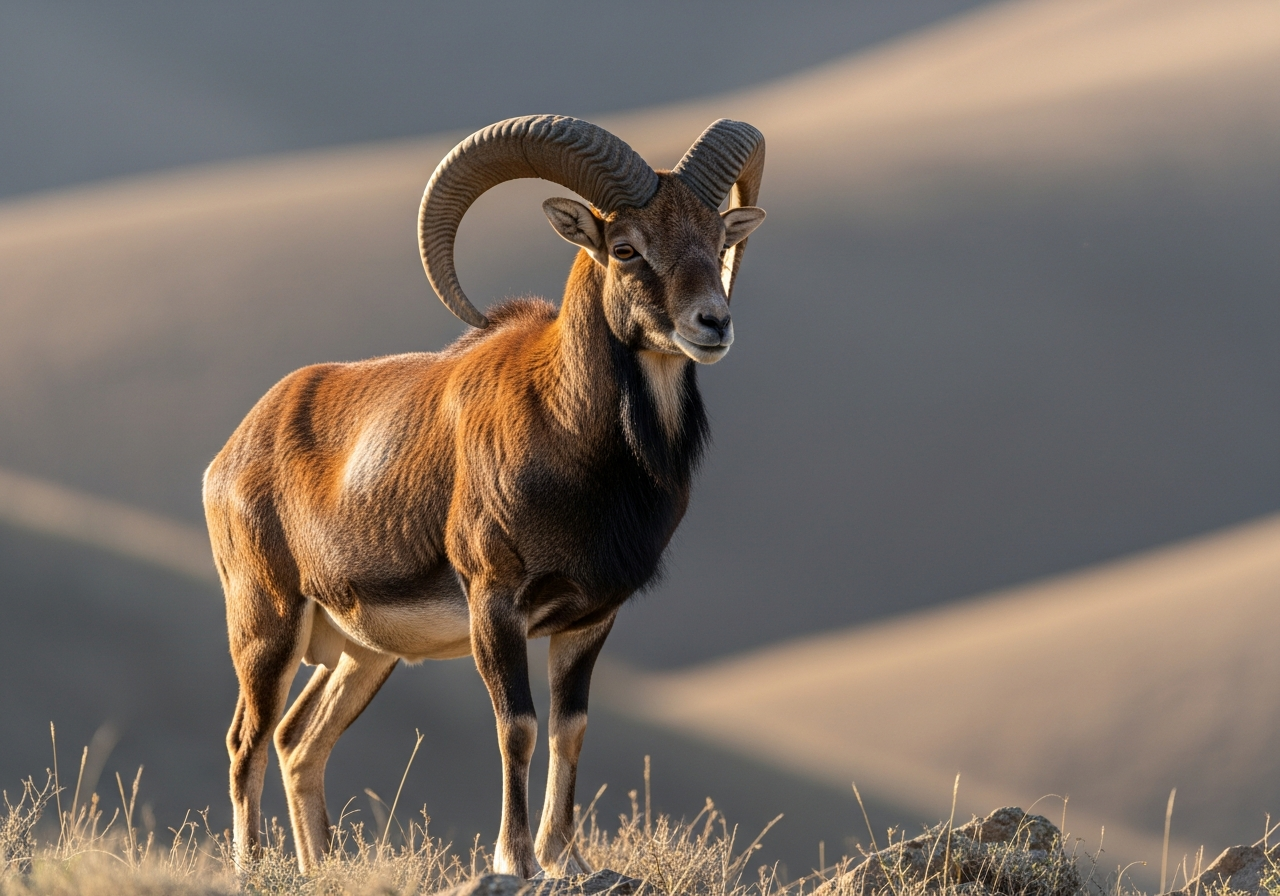
Mammal
The wild sheep of the Central Asian hills
Grasslands — prairies, steppes, and temperate meadows — are dominated by grasses rather than trees. They support grazers, burrowing mammals, ground-nesting birds, and specialised predators. Deep soils and seasonal extremes make them productive but vulnerable to ploughing and overgrazing.
Species lists on this page are drawn from Global Animal Guide profiles whose habitat facts match grassland keywords. Browse the ranked list for answer-first guides covering diet, range, and conservation.
Grassland is defined by climate, vegetation, and water availability that favour particular body plans and behaviours. Compare sibling biome hubs (ocean, forest, desert, and more) to see how the same animal groups specialise differently.