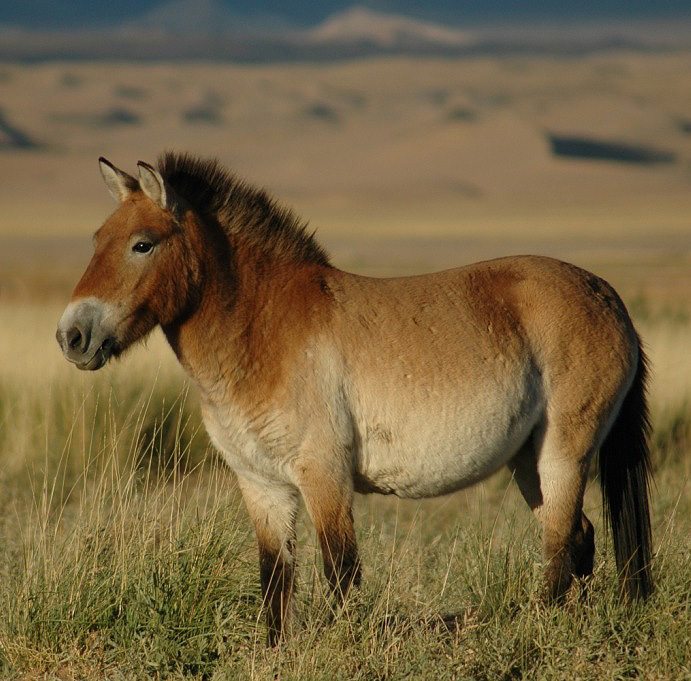
The Przewalski's horse (Equus ferus przewalskii) is a mammal of the horse family, Equidae, in the order Perissodactyla.
Quick answer
Przewalski's horse (Equus ferus przewalskii) is the world's last truly wild horse — a stocky, dun-coloured native of the Central Asian steppe that was Extinct in the Wild by the 1960s. Adults weigh 250–360 kg (550–800 lb) and run at up to 55 km/h; today about 2,000 live in reintroduced herds and reserves, and the species is listed as Endangered.
Top questions about the Przewalski's Horse
Also available in Español (Caballo de Przewalski)
Przewalski's Horse facts at a glance
- Weight 300 kg
- Length 2.1 m
- Top speed 55 km/h
- Lifespan 25 years
| Scientific name | Equus ferus przewalskii |
|---|---|
| Diet | Grasses and other steppe vegetation |
| Habitat | Semi-desert steppe and grassland of Mongolia and northwest China |
| Lifespan | Around 20 years in the wild; over 30 in captivity |
| Weight | 250–360 kg (550–800 lb) |
| Top speed | Up to 55 km/h (34 mph) |
| Conservation status | Endangered (IUCN) |
| Kingdom | Animalia |
|---|---|
| Phylum | Chordata |
| Class | Mammalia |
| Order | Perissodactyla |
| Family | Equidae |
| Genus | Equus |
Where it lives
The przewalski's horse (Equus ferus przewalskii) is native to Steppe and semi-desert of Mongolia and northwest China, reintroduced to Hustai National Park, the Gobi, and Kalamaili. — recorded across Asia in this guide’s range summary.
For occurrence records, see GBIF species search and sources below.
How big is a przewalski's horse?
An adult przewalski's horse measures 2.1 m long — about 1.2× the height of an average adult person (1.73 m) — and weighs around 300 kg, about 4.3× an average adult’s body weight (70 kg).
Length vs an average adult’s height (to scale)
The last wild horse
Przewalski's horse — takhi in Mongolian — was never domesticated and differs from domestic horses even in its chromosomes: 66 against the domestic horse's 64. It is compact and big-headed, with a short erect mane that stands up like a mohawk, no forelock, a pale muzzle, and a dun coat marked by a dark dorsal stripe and zebra-like bars on the legs.
Discovery and disappearance
The species was described for science in 1881 from reports by the Russian explorer Nikolai Przhevalsky. Within decades, hunting, harsh winters, and competition with livestock pushed it back, and the last confirmed wild sighting came in 1969 in Mongolia. By the 1990s it was formally classed as Extinct in the Wild.
Back from the brink
Every Przewalski's horse alive descends from about a dozen animals caught around 1900 and bred in zoos. Coordinated reintroductions began in the 1990s to Mongolia's Hustai National Park and the Gobi, and later to China; the species has since been downlisted from Extinct in the Wild to Critically Endangered and then Endangered — a rare conservation trajectory.
Herd behaviour
Wild herds are family groups of one stallion, several mares, and their foals, with surplus males forming bachelor bands. Herds roam widely between water and grazing, paw through snow crust to reach winter grass, and foals stand within an hour of birth — vital on open steppe with wolves about.
Habitat and range
The native home is the steppe and semi-desert of Mongolia and adjacent China: open grassland where winter temperatures plunge far below freezing and summer heat exceeds 30 °C. Reintroduced herds now live at Hustai Nuruu, Takhin Tal in the Gobi, and the Kalamaili reserve in Xinjiang, China.
Conservation
About 2,000 Przewalski's horses now live in the wild and semi-wild, but the recovery is fragile. Threats include hybridisation with domestic horses, competition with livestock for water and pasture, inbreeding from the tiny founder stock, and catastrophic 'dzud' winters that can kill a large share of a herd in weeks.
Explore the Przewalski's Horse
Close relatives
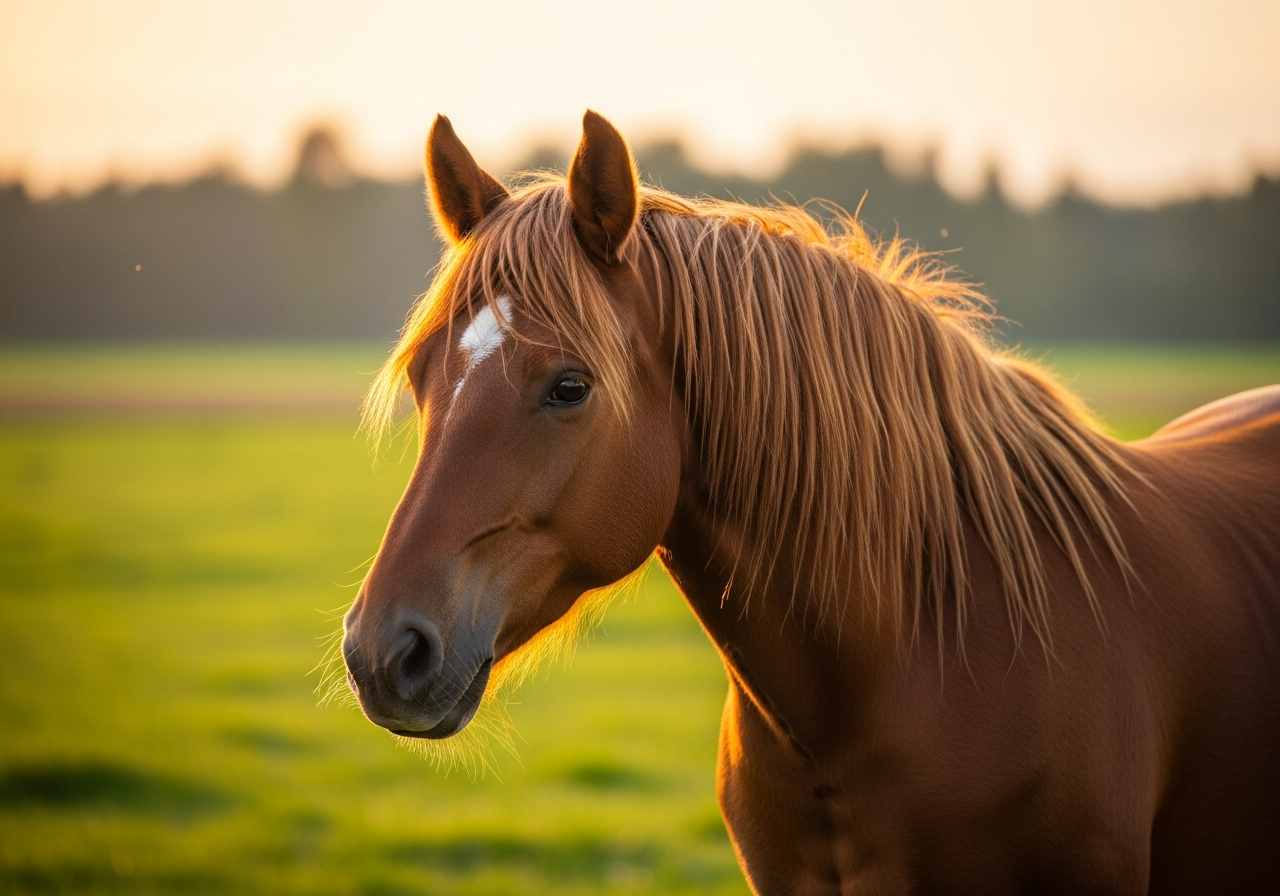
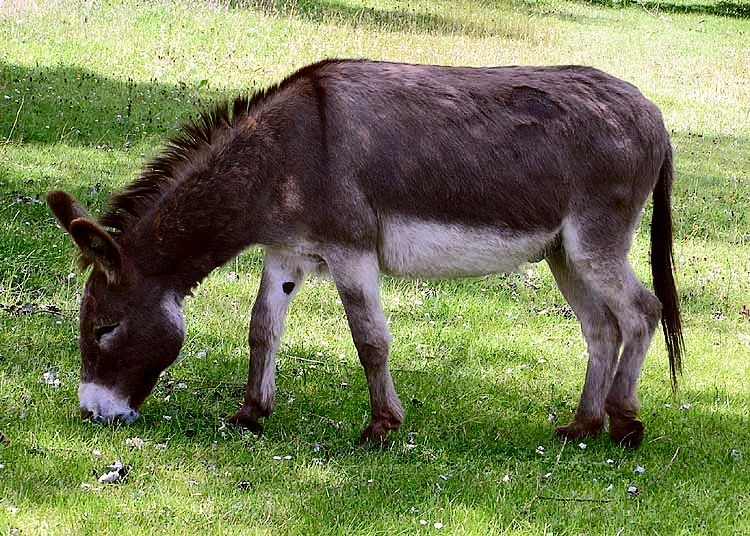
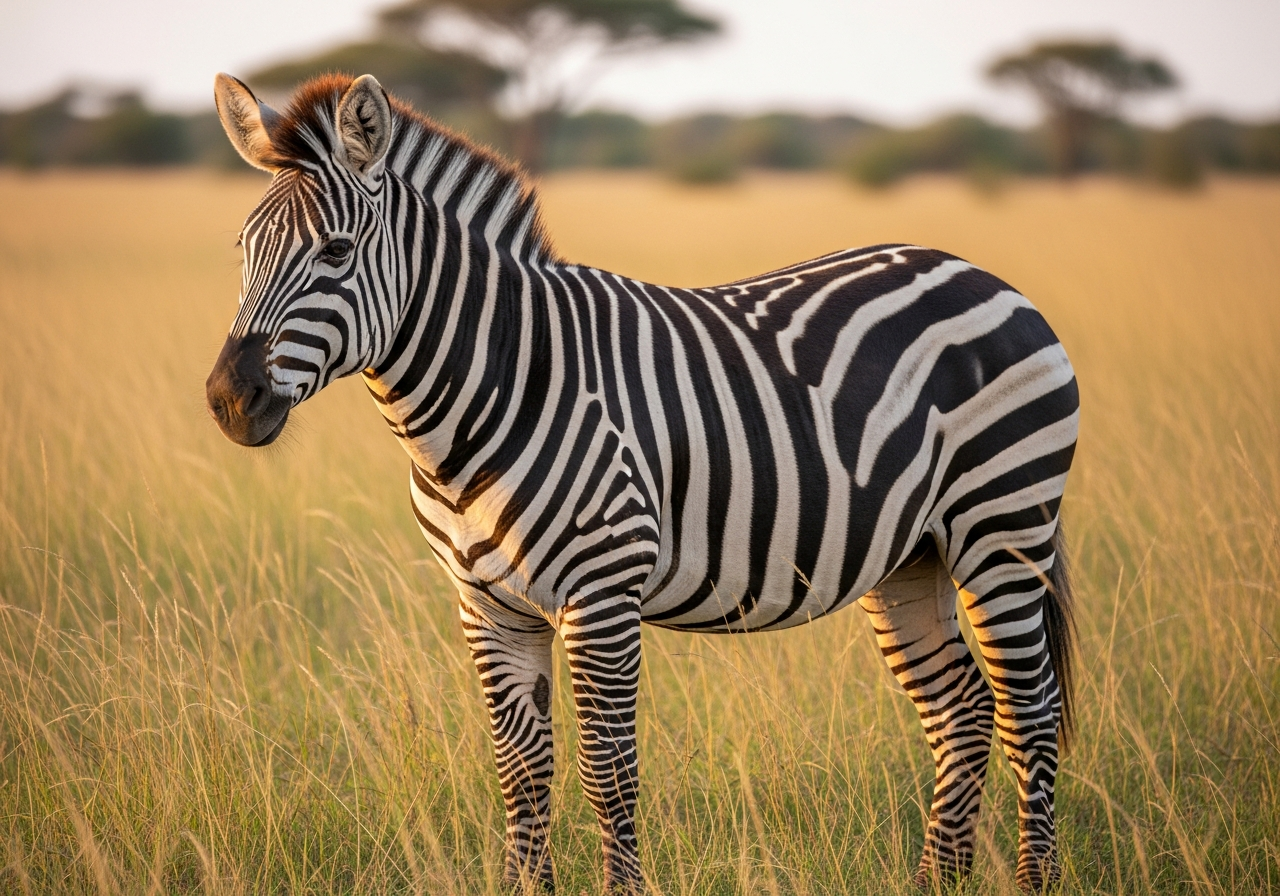
- Zebra Same genus
- Horse Same genus
- Donkey Same genus
- Indian Rhinoceros Same order
Collections
Range & geography
Conservation status of the Przewalski's Horse
The przewalski's horse (Equus ferus przewalskii) is listed as Endangered on the IUCN Red List. Endangered (EN) means a species faces a very high risk of extinction in the wild. Populations are usually declining sharply due to habitat loss, hunting, disease, or climate pressure. It sits one level below Critically Endangered on the IUCN Red List.
The przewalski's horse (Equus ferus przewalskii) is assessed on the IUCN Red List. Look up on the IUCN Red List .
Frequently asked questions about the Przewalski's Horse
Is Przewalski's horse really wild, or just feral?
It is the one surviving horse population never domesticated — unlike mustangs or brumbies, which descend from escaped domestic horses. It even has a different chromosome count (66 versus 64).
Why does Przewalski's horse have an upright mane?
The short, erect dark mane with no forelock is a primitive wild-horse trait, matching the dun coat, dorsal stripe, and striped legs seen in ancient cave paintings of horses.
How many Przewalski's horses are left?
Roughly 2,000 live free-ranging in reintroduced herds in Mongolia and China, with several hundred more in zoos and reserves worldwide — all descended from about a dozen founders.
Can Przewalski's horses breed with domestic horses?
Yes, and the offspring are fertile despite the different chromosome numbers. Managing that hybridisation is one of the challenges for conservation breeding.
Where can you see Przewalski's horses in the wild?
Hustai National Park, a short drive from Ulaanbaatar, Mongolia, is the most accessible site; reintroduced herds also roam the Gobi's Takhin Tal reserve and Kalamaili in China.
Sources & references
This guide is compiled and reviewed against established zoological and conservation references. Key sources for the Przewalski's Horse:
-
IUCN Red List of Threatened Species
Conservation status (Endangered) reflects the IUCN Red List category for Equus ferus przewalskii.
-
iNaturalist — observations & photos
Search citizen-science observations and community IDs for Equus ferus przewalskii. Useful for range checks and recent sightings — not a substitute for formal Red List status.
-
GBIF — occurrence data
Global Biodiversity Information Facility species search for Equus ferus przewalskii. Explore published occurrence records used in range research.
-
Global Animal Guide editorial standards
How we research, source, review, and update every guide for accuracy.