Image sourcing: see credits & licences
The nilgai (Boselaphus tragocamelus) is a mammal of the family Bovidae, in the order Artiodactyla.
Quick answer
The nilgai (Boselaphus tragocamelus), or blue bull, is the largest Asian antelope, native to India and lowland Nepal and introduced in Texas. Bulls are grey-blue and can weigh around 250 kg; they browse scrub and crop edges. Listed Least Concern in Asia, yet a controversial exotic game animal in the United States.
Top questions about the Nilgai
Nilgai facts at a glance
- Weight 250 kg
- Length 2 m
- Top speed 50 km/h
- Lifespan 15 years
| Scientific name | Boselaphus tragocamelus |
|---|---|
| Diet | Herbivore |
| Habitat | Scrub, grassland, and agricultural edges |
| Lifespan | Around 15 years in the wild (varies by population and captivity). |
| Weight | About 250 kg typical adult mass (sex and region vary). |
| Top speed | Up to roughly 50 km/h when moving at speed. |
| Conservation status | Least Concern (IUCN) |
| Kingdom | Animalia |
|---|---|
| Phylum | Chordata |
| Class | Mammalia |
| Order | Artiodactyla |
| Family | Bovidae |
| Genus | Boselaphus |
Where it lives
The nilgai (Boselaphus tragocamelus) is native to India and lowland Nepal; introduced in Texas. — recorded across Asia in this guide’s range summary.
For occurrence records, see GBIF species search and sources below.
How big is a nilgai?
An adult nilgai measures 2 m long — about 1.2× the height of an average adult person (1.73 m) — and weighs around 250 kg, about 3.6× an average adult’s body weight (70 kg).
Length vs an average adult’s height (to scale)
What is a group of nilgais called?
Group name (collective noun)
A group of Nilgais is called a herd.
Baby name
A baby Nilgai is called a calf.
Explore more animal collective nouns and baby animal names .
Blue bull of the plains
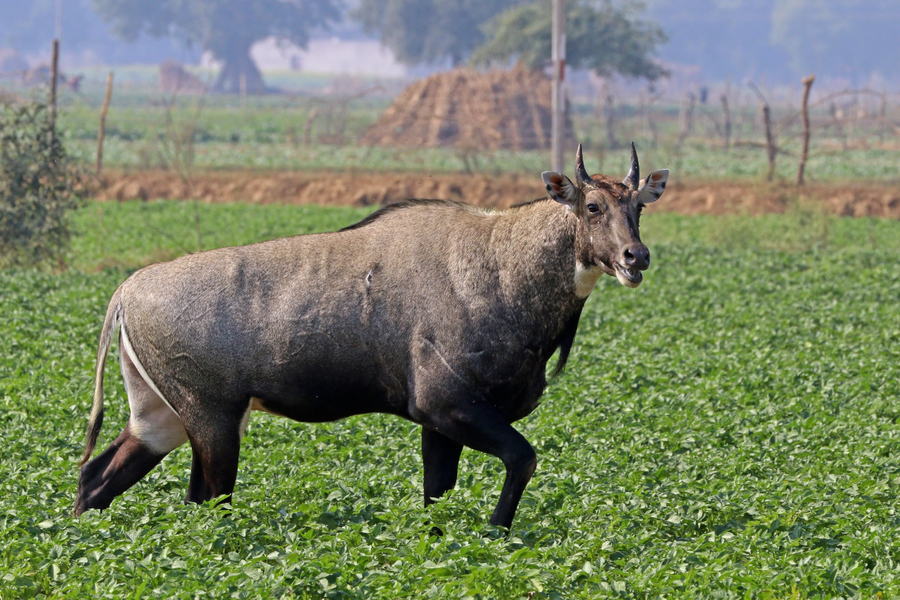
Males develop a bluish-grey coat and short, straight horns; females are tawny and usually hornless. Despite the cow-like look, they are bovids in the antelope tribe Boselaphini.
Scrub browser and crop raider
Diet includes leaves, fruits, and grasses; in farmland they raid crops, creating human–wildlife conflict in India. Across its range it is tied to scrub, grassland, and agricultural edges, and field accounts emphasise this species’ distinctive ecology rather than generic habitat labels.
India, Nepal — and Texas
Native scrub, grassland, and agricultural edges of India and lowland Nepal; free-ranging introduced herds established in Texas ranch country.
Sacred protection, ranch commodity
Least Concern in India partly because Hindus often avoid killing them. In Texas they are managed as exotic ungulates — a different conservation context entirely.
Explore the Nilgai
Close relatives
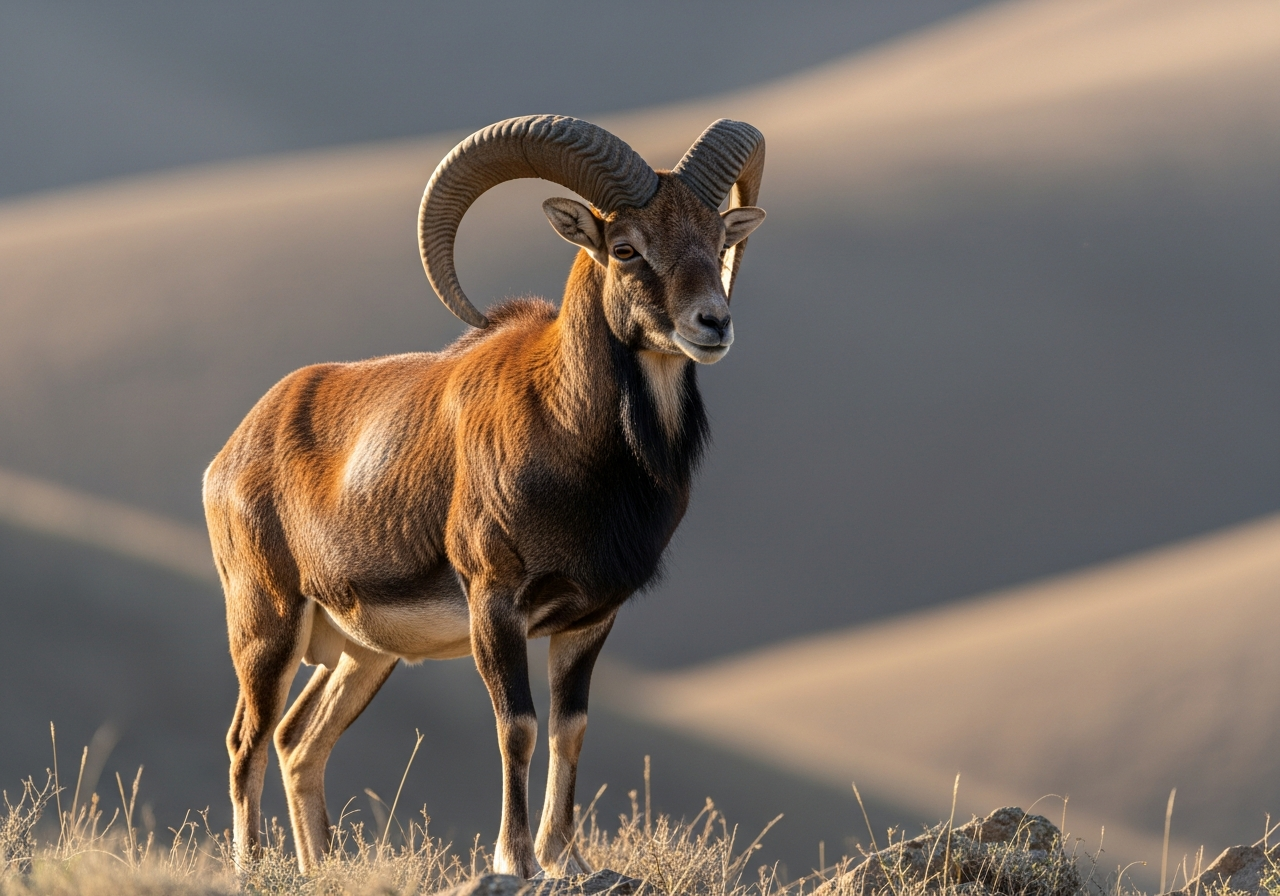
- Cow Same family
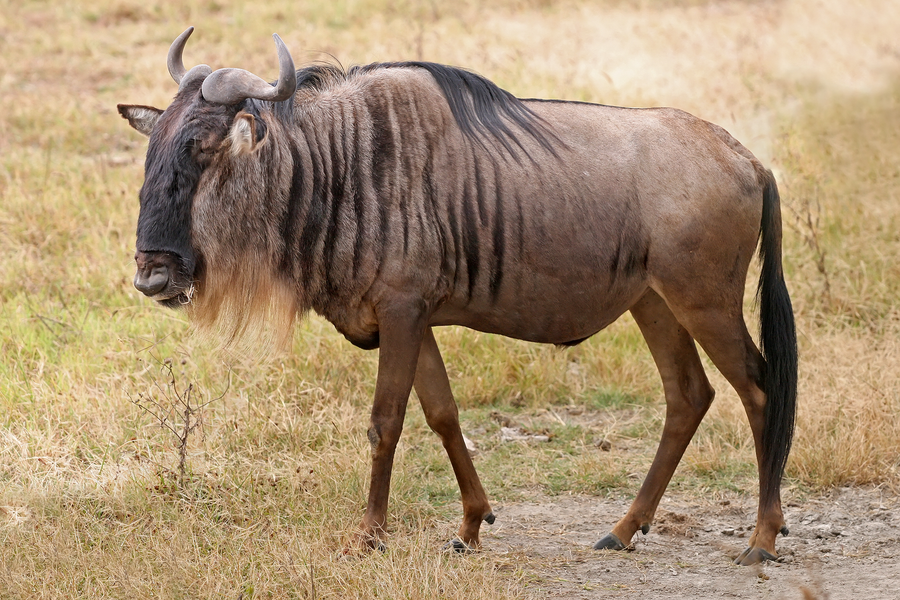
- Wildebeest Same family
- Domestic Goat Same family
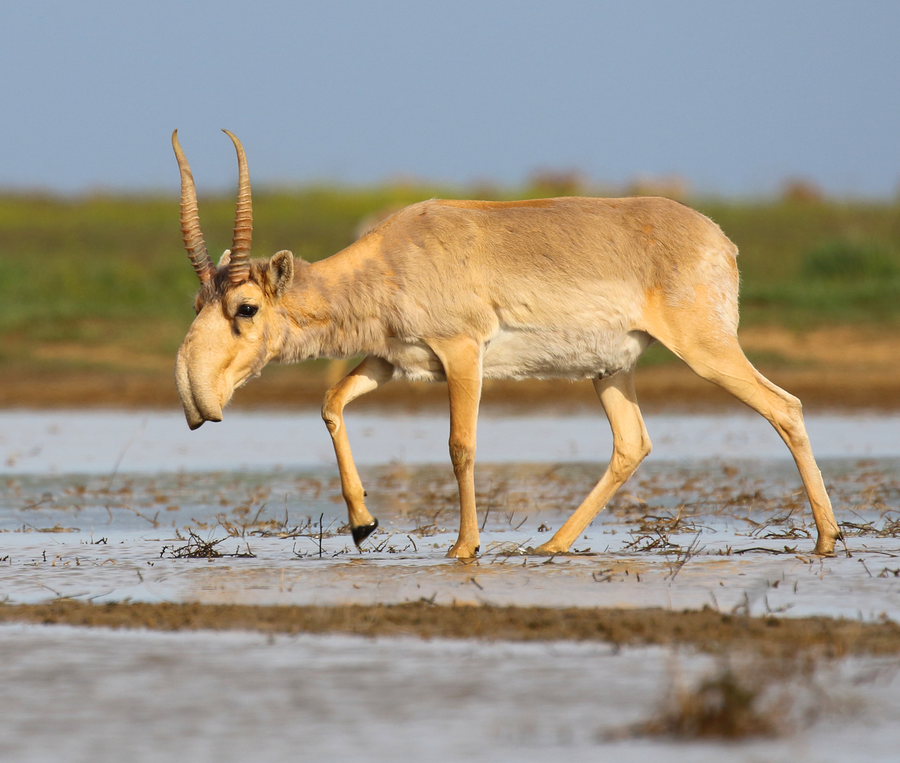
- Saiga Antelope Same family
Range & geography
Conservation status of the Nilgai
The nilgai (Boselaphus tragocamelus) is listed as Least Concern on the IUCN Red List. Least Concern (LC) is the IUCN's lowest-risk category, assigned to widespread, abundant species that have been evaluated and found not to be threatened. It does not mean a species faces no pressures — only that it is not currently at risk of extinction.
The nilgai (Boselaphus tragocamelus) is assessed on the IUCN Red List. Look up on the IUCN Red List .
Frequently asked questions about the Nilgai
Why is the nilgai called a blue bull?
Mature males take on a bluish-grey colour and have a stocky, bullish build.
Is a nilgai an antelope or a cow?
It is an antelope (bovid), not cattle, despite the nickname.
Do female nilgai have horns?
Usually not — horns are typically a male trait in this species.
Why are there nilgai in Texas?
They were introduced for ranching and hunting and established free-ranging populations.
Where do nilgai live naturally?
India and lowland Nepal in scrub and grassland edges. Native range summary: India and lowland Nepal; introduced in Texas.
What is a group of nilgais called?
A group of Nilgais is called a herd.
What is a baby nilgai called?
A baby Nilgai is called a calf.
Sources & references
This guide is compiled and reviewed against established zoological and conservation references. Key sources for the Nilgai:
-
IUCN Red List of Threatened Species
Conservation status (Least Concern) reflects the IUCN Red List category for Boselaphus tragocamelus.
-
iNaturalist — observations & photos
Search citizen-science observations and community IDs for Boselaphus tragocamelus. Useful for range checks and recent sightings — not a substitute for formal Red List status.
-
GBIF — occurrence data
Global Biodiversity Information Facility species search for Boselaphus tragocamelus. Explore published occurrence records used in range research.
-
Global Animal Guide editorial standards
How we research, source, review, and update every guide for accuracy.