Image sourcing: see credits & licences
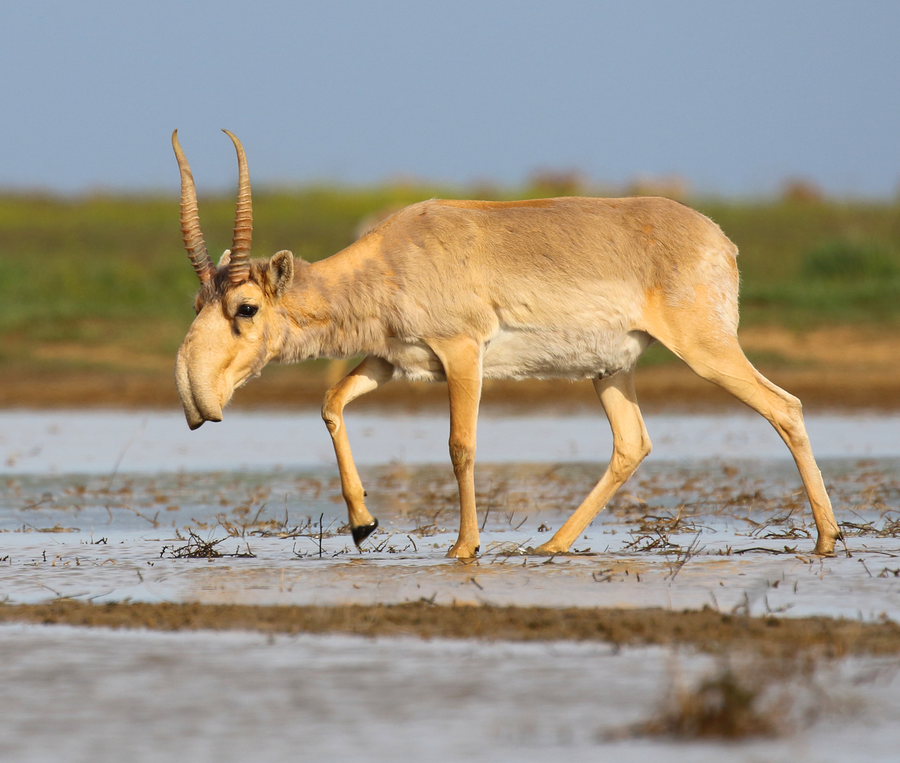
The saiga antelope (Saiga tatarica) is a mammal of the family Bovidae, in the order Artiodactyla.
Quick answer
The saiga antelope (Saiga tatarica) is a bulbous-nosed steppe antelope of Kazakhstan and Russia, with a Mongolian subspecies further east. The oversized nose filters dust and warms frigid air. Adults weigh about 40 kg and are Critically Endangered after mass die-offs, poaching for horns, and Soviet-era collapses — though recent Kazakhstan recoveries offer hope.
Top questions about the Saiga Antelope
Also available in Español (Antílope saiga)
Saiga Antelope facts at a glance
- Weight 40 kg
- Length 1.2 m
- Top speed 70 km/h
- Lifespan 8 years
| Scientific name | Saiga tatarica |
|---|---|
| Diet | Herbivore |
| Habitat | Open steppe and semi-desert |
| Lifespan | Around 8 years in the wild (varies by population and captivity). |
| Weight | About 40 kg typical adult mass (sex and region vary). |
| Top speed | Up to roughly 70 km/h when moving at speed. |
| Conservation status | Critically Endangered (IUCN) |
| Kingdom | Animalia |
|---|---|
| Phylum | Chordata |
| Class | Mammalia |
| Order | Artiodactyla |
| Family | Bovidae |
| Genus | Saiga |
Where it lives
The saiga antelope (Saiga tatarica) is native to Steppe of Kazakhstan and Russia; a Mongolian subspecies also exists. — recorded across Asia, Europe in this guide’s range summary.
For occurrence records, see GBIF species search and sources below.
How big is a saiga antelope?
An adult saiga antelope measures 1.2 m long — about 69% of the height of an average adult person (1.73 m) — and weighs around 40 kg, about 57% of an average adult’s body weight (70 kg).
Length vs an average adult’s height (to scale)
What is a group of saiga antelopes called?
Group name (collective noun)
A group of Saiga Antelopes is called a herd.
Baby name
A baby Saiga Antelope is called a calf.
Explore more animal collective nouns and baby animal names .
Proboscis of the steppe
The inflatable snout filters dust in summer migrations and warms air in winter. Males grow translucent lyrate horns prized in traditional medicine markets — a poaching magnet.
Migratory steppe grazer
Herds graze grasses and forbs across open steppe and semi-desert, historically covering vast seasonal routes in Central Asia. Across its range it is tied to open steppe and semi-desert, and field accounts emphasise this species’ distinctive ecology rather than generic habitat labels.
Kazakhstan–Russia heartland
Steppe of Kazakhstan and Russia; a distinct subspecies occurs in Mongolia. Across its range it is tied to open steppe and semi-desert, and field accounts emphasise this species’ distinctive ecology rather than generic habitat labels.
Critically Endangered boom–bust
Pasteurellosis mass mortality in 2015 killed hundreds of thousands in Kazakhstan. Combined with horn poaching, IUCN lists saiga Critically Endangered even as some populations rebound under protection.
Explore the Saiga Antelope
Close relatives
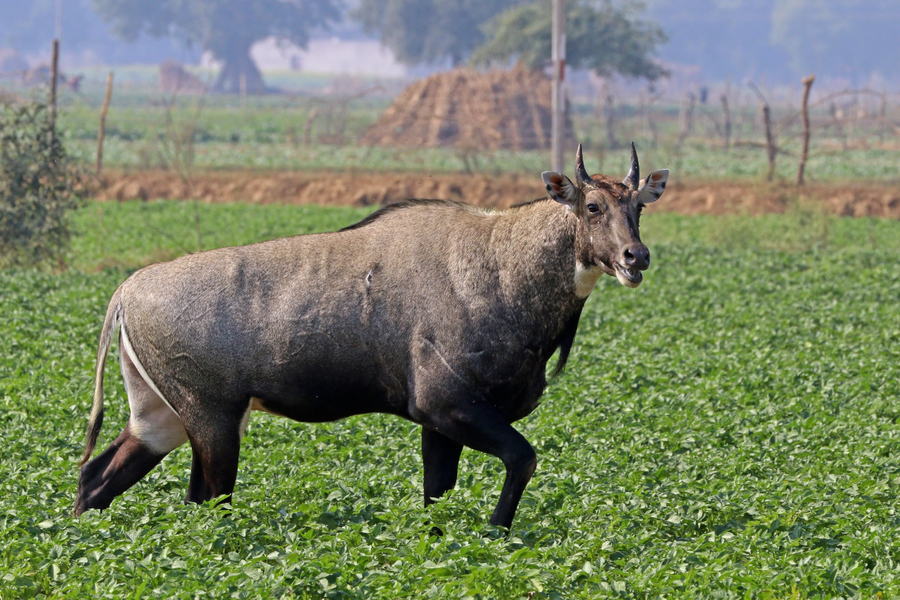
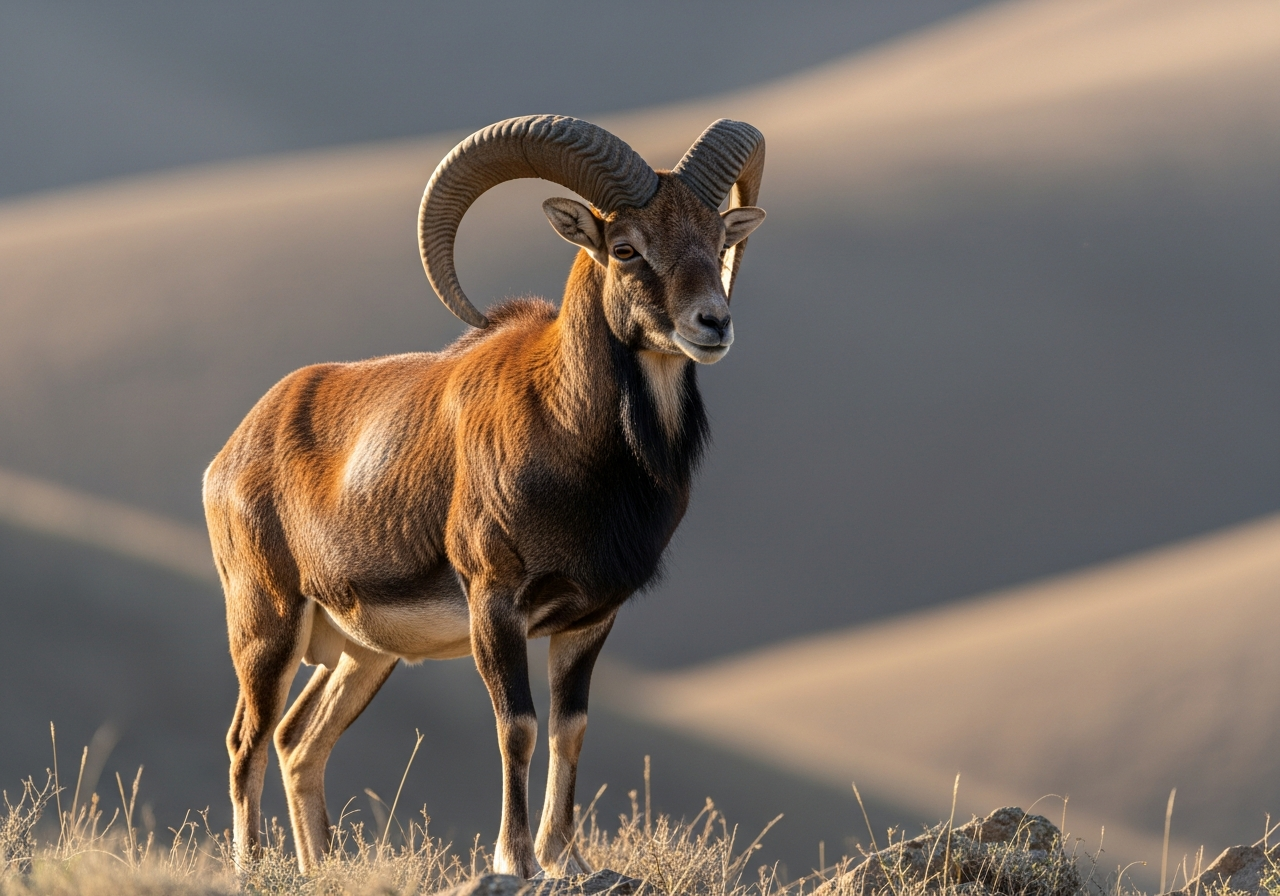
- Cow Same family
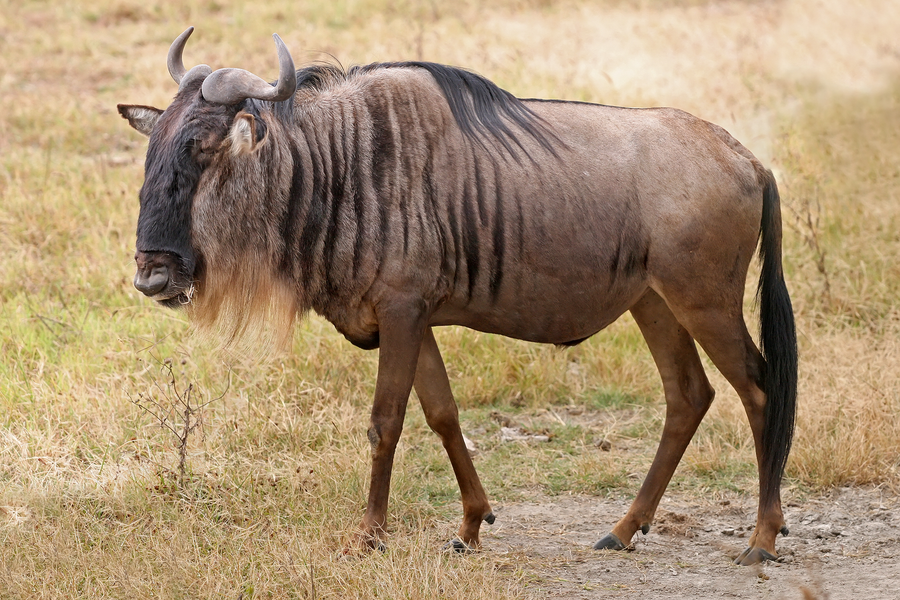
- Wildebeest Same family
- Domestic Goat Same family
- Water Buffalo Same family
Collections
Range & geography
Conservation status of the Saiga Antelope
The saiga antelope (Saiga tatarica) is listed as Critically Endangered on the IUCN Red List. Critically Endangered (CR) is the highest-risk category the IUCN Red List assigns to a wild species before Extinct in the Wild. It means a species faces an extremely high probability of extinction — usually because its population has collapsed, its range has shrunk drastically, or very few mature individuals remain. Species at this level typically depend on active conservation to survive.
Main threats to the saiga antelope
- Poaching for horns
- Mass die-offs from disease outbreaks
- Barriers blocking migration routes
- Habitat degradation on steppe grasslands
Saiga Antelope (Saiga tatarica) was most recently assessed for the IUCN Red List in 2018. Look up on the IUCN Red List .
Frequently asked questions about the Saiga Antelope
Why do saiga have such big noses?
The snout filters dust in dry summers and helps warm and moisten frigid winter air.
Why are saiga Critically Endangered?
Poaching for male horns, habitat disruption, and catastrophic disease die-offs collapsed numbers.
Do only male saiga have horns?
Yes — females are hornless; poaching therefore skews sex ratios.
Where do saiga live?
Central Asian steppe mainly in Kazakhstan and Russia, plus a Mongolian subspecies.
Are saiga recovering?
Some Kazakhstan populations have increased under protection, but the species remains Critically Endangered.
What is a group of saiga antelopes called?
A group of Saiga Antelopes is called a herd.
What is a baby saiga antelope called?
A baby Saiga Antelope is called a calf.
Sources & references
This guide is compiled and reviewed against established zoological and conservation references. Key sources for the Saiga Antelope:
-
IUCN Red List of Threatened Species
Conservation status (Critically Endangered) reflects the IUCN Red List category for Saiga tatarica, most recently assessed in 2018.
-
iNaturalist — observations & photos
Search citizen-science observations and community IDs for Saiga tatarica. Useful for range checks and recent sightings — not a substitute for formal Red List status.
-
GBIF — occurrence data
Global Biodiversity Information Facility species search for Saiga tatarica. Explore published occurrence records used in range research.
-
Global Animal Guide editorial standards
How we research, source, review, and update every guide for accuracy.