Mammal
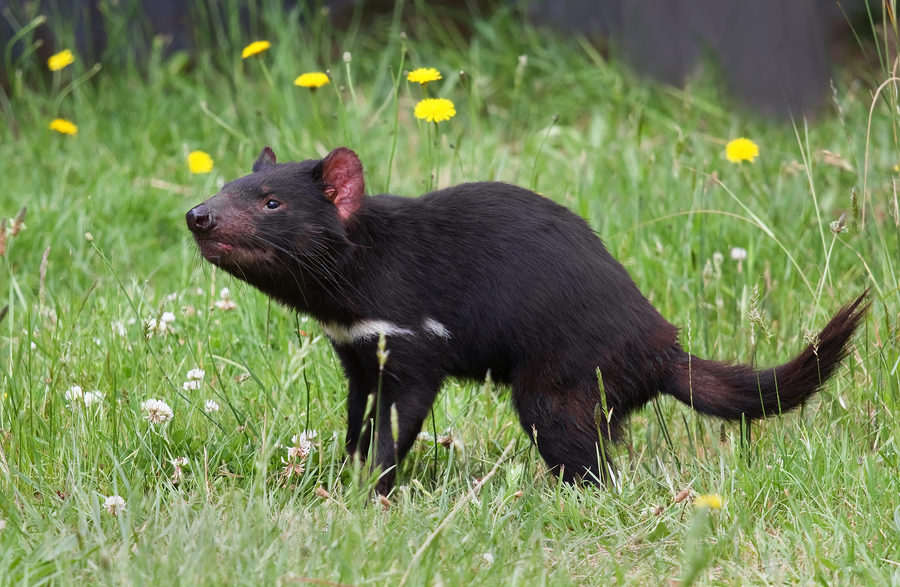
Tasmanian Devil
Australia's feisty marsupial scavenger
Trusted wildlife guides · Promotional links support animal rescue
Saturday, 18 July 2026Human-modified landscapes can still support wildlife when green corridors and water remain. Profiles mentioning urban, farmland, garden, city, or suburban habitats are listed here.
Cities, gardens, and farmland favour adaptable species — foxes, pigeons, raccoons, and many insects — that exploit food, shelter, and edges people create.
Red fox, pigeon, raccoon, and common garden birds show behavioural flexibility near people.
Traffic, pesticides, window collisions, and loss of nesting sites are common urban wildlife pressures — alongside opportunities from wildlife-friendly gardening.
Pair with Identify regional garden-bird and snake guides for practical field ID near home.
Ranked by profile popularity. An animal may also appear in other biomes if it uses multiple habitats.
Mammal
Australia's feisty marsupial scavenger
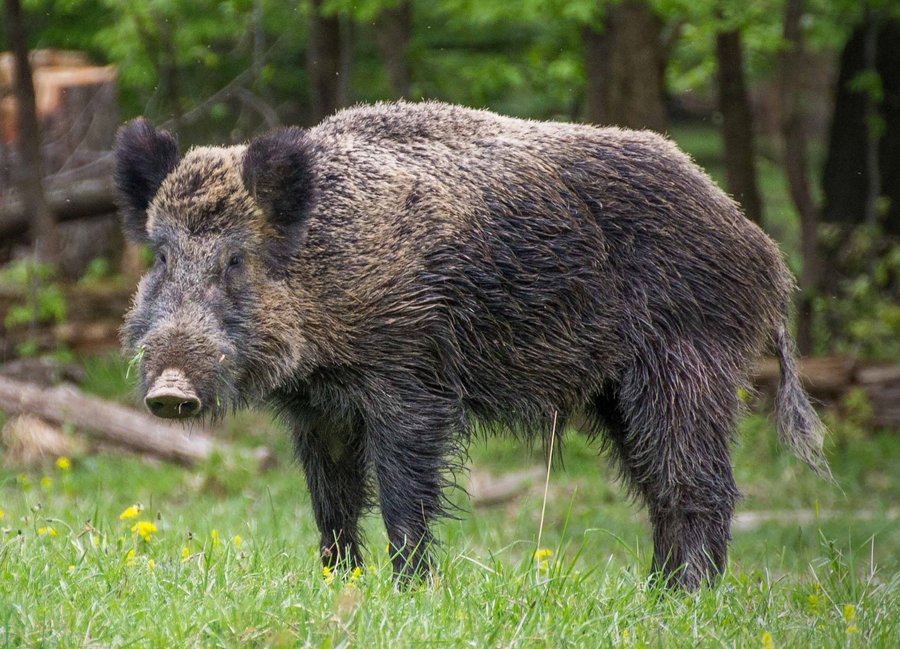
Mammal
The ancestor of the domestic pig
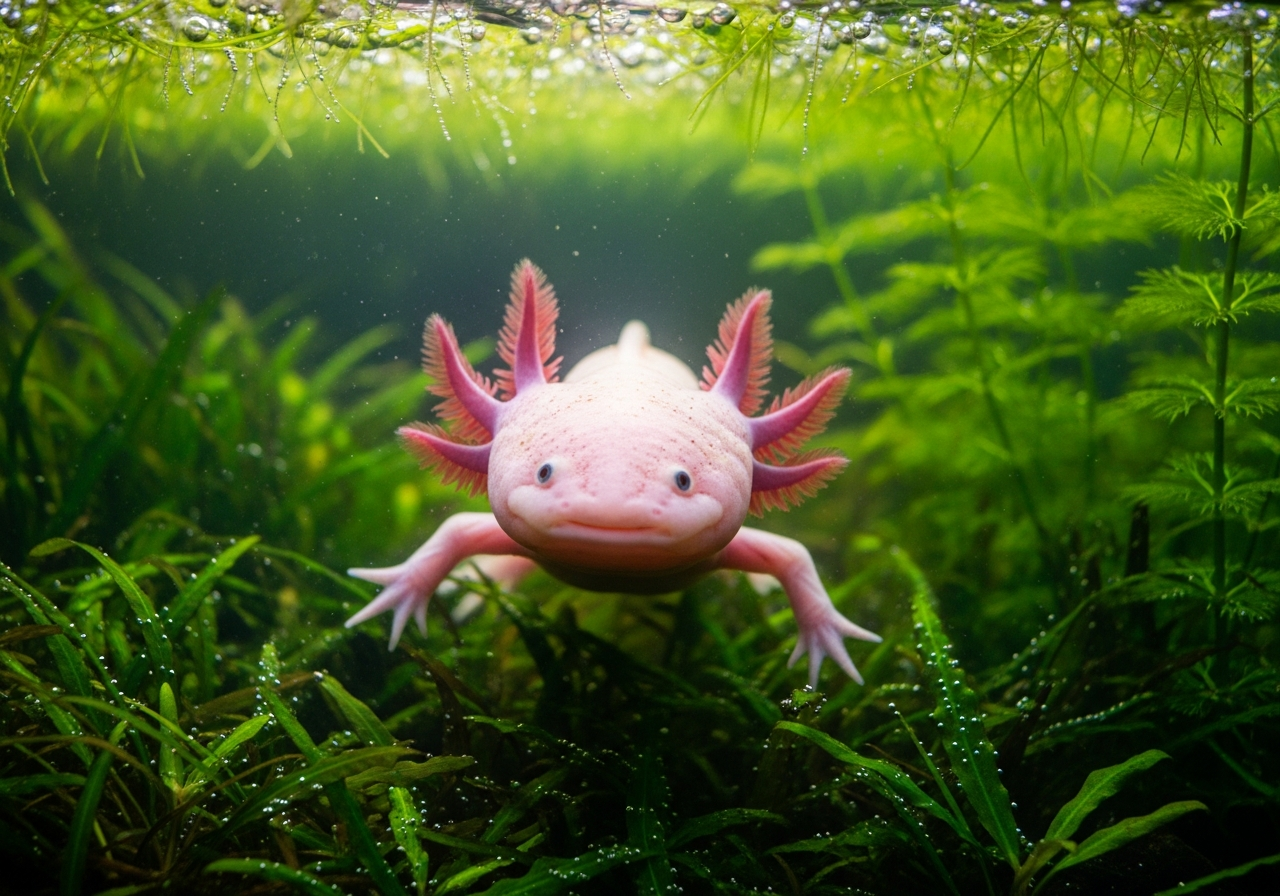
Amphibian
The salamander that never grows up and can regrow body parts
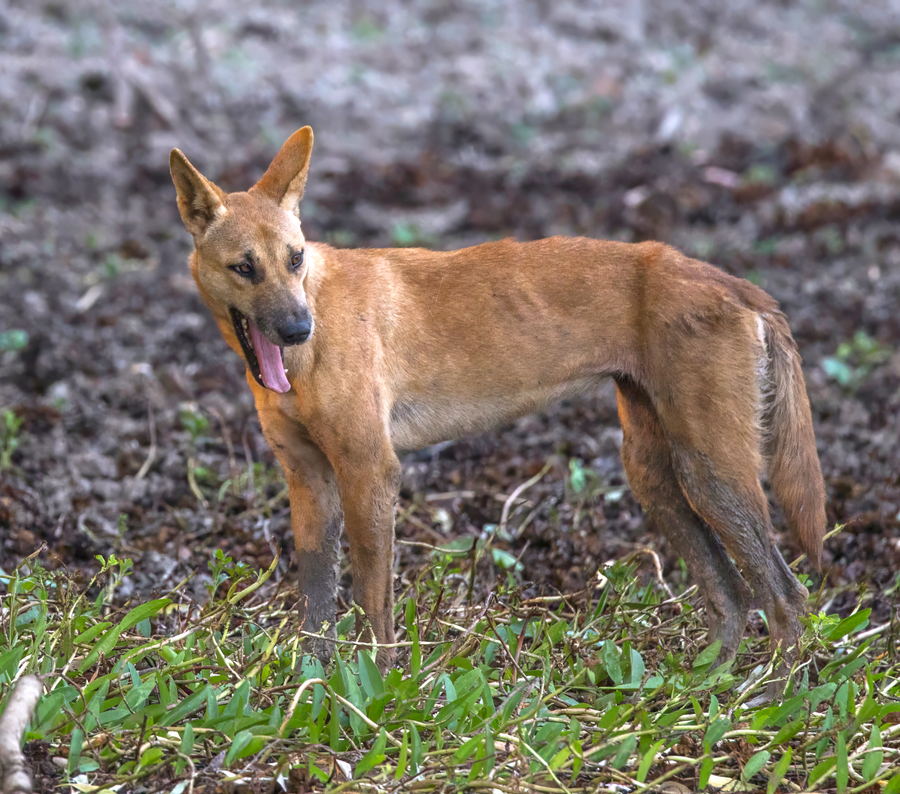
Mammal
Australia's wild dog of the outback
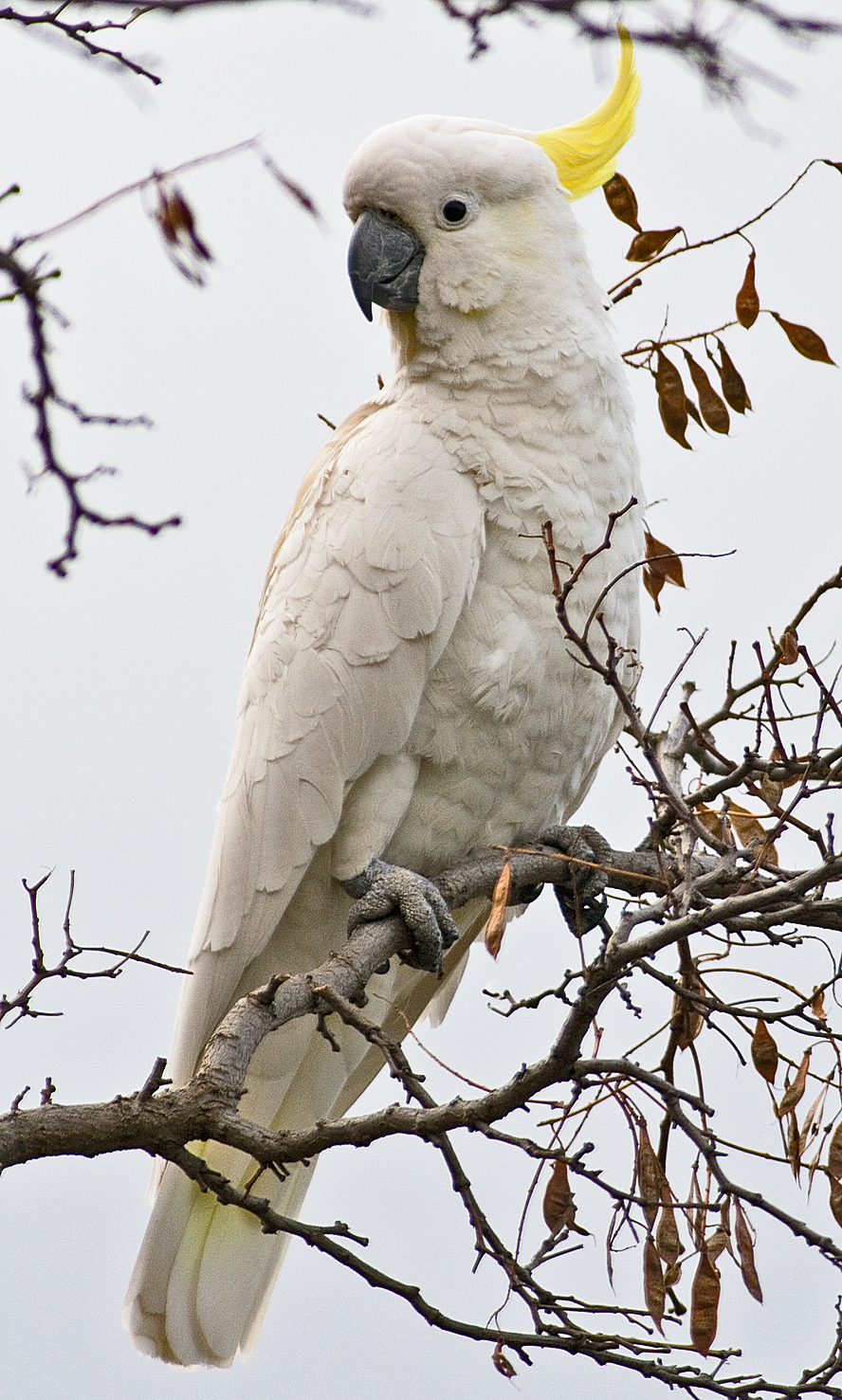
Bird
Australia's loud crested parrot
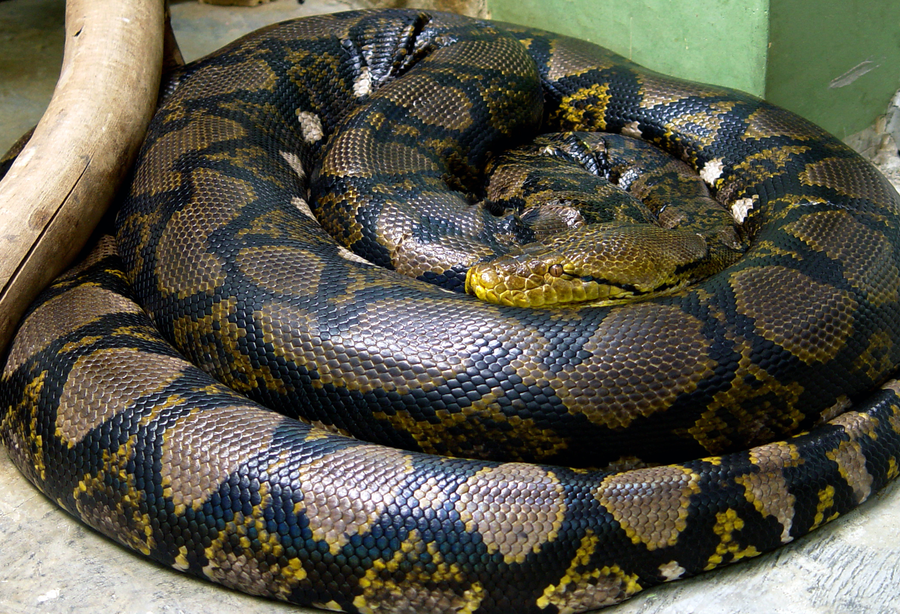
Reptile
World's longest snake
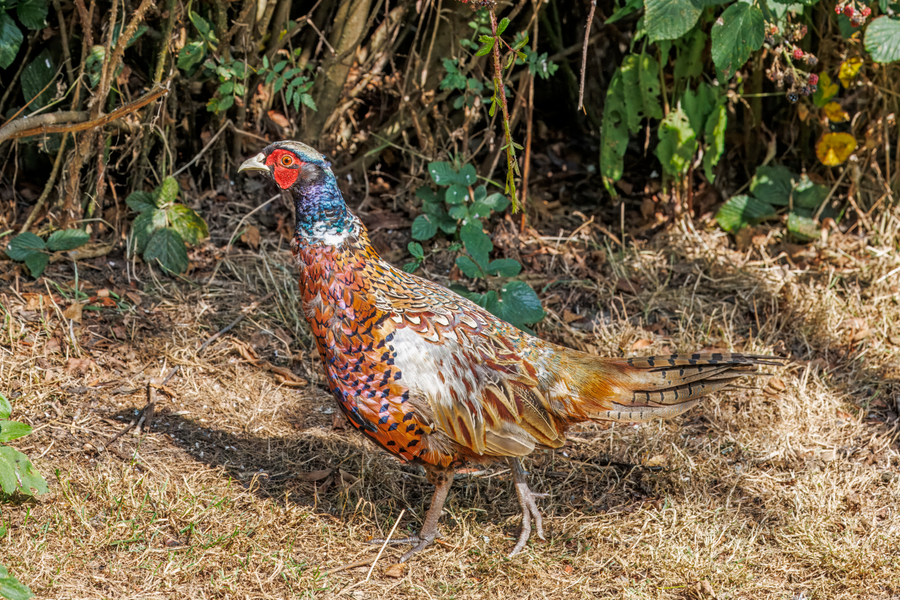
Bird
The ring-necked game bird of field and forest
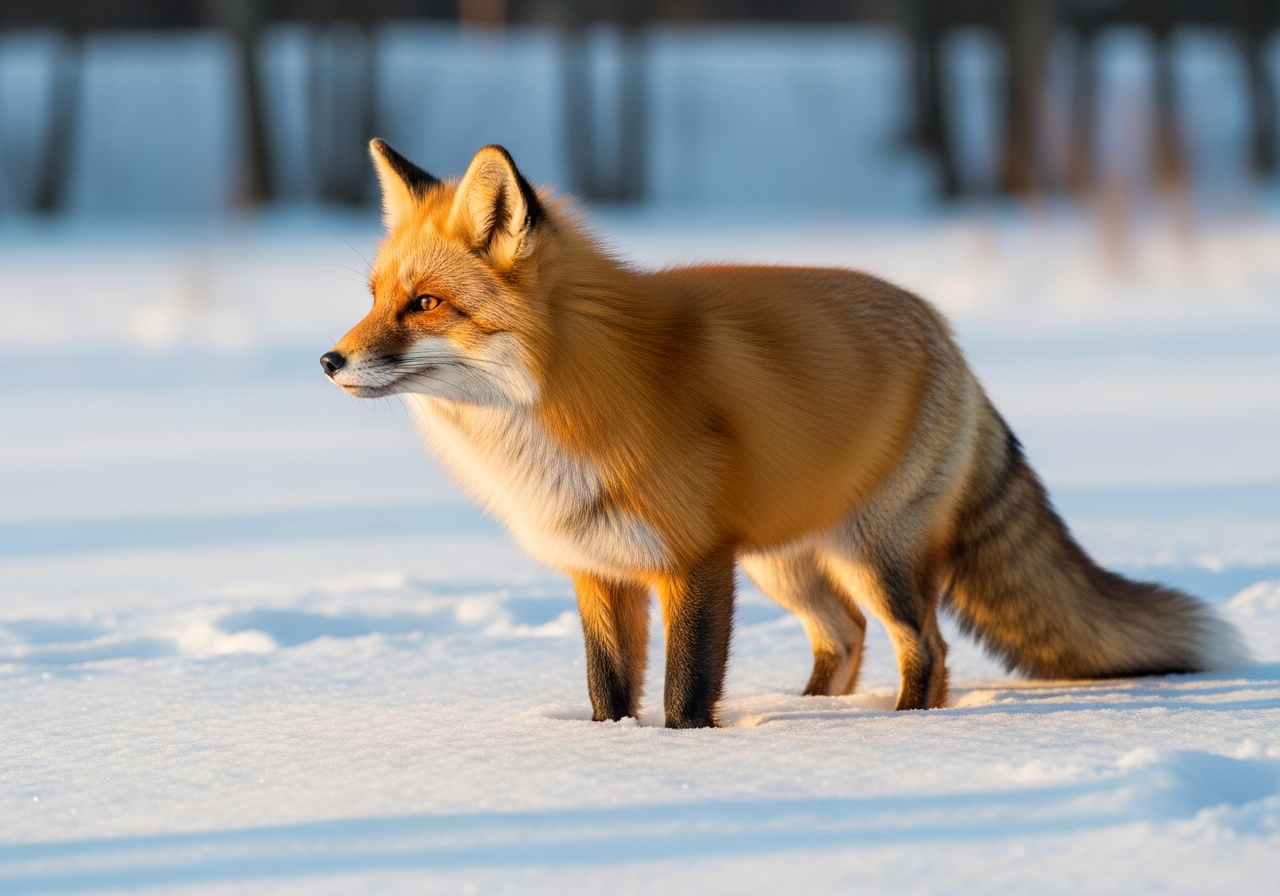
Mammal
The most widespread wild carnivore on Earth
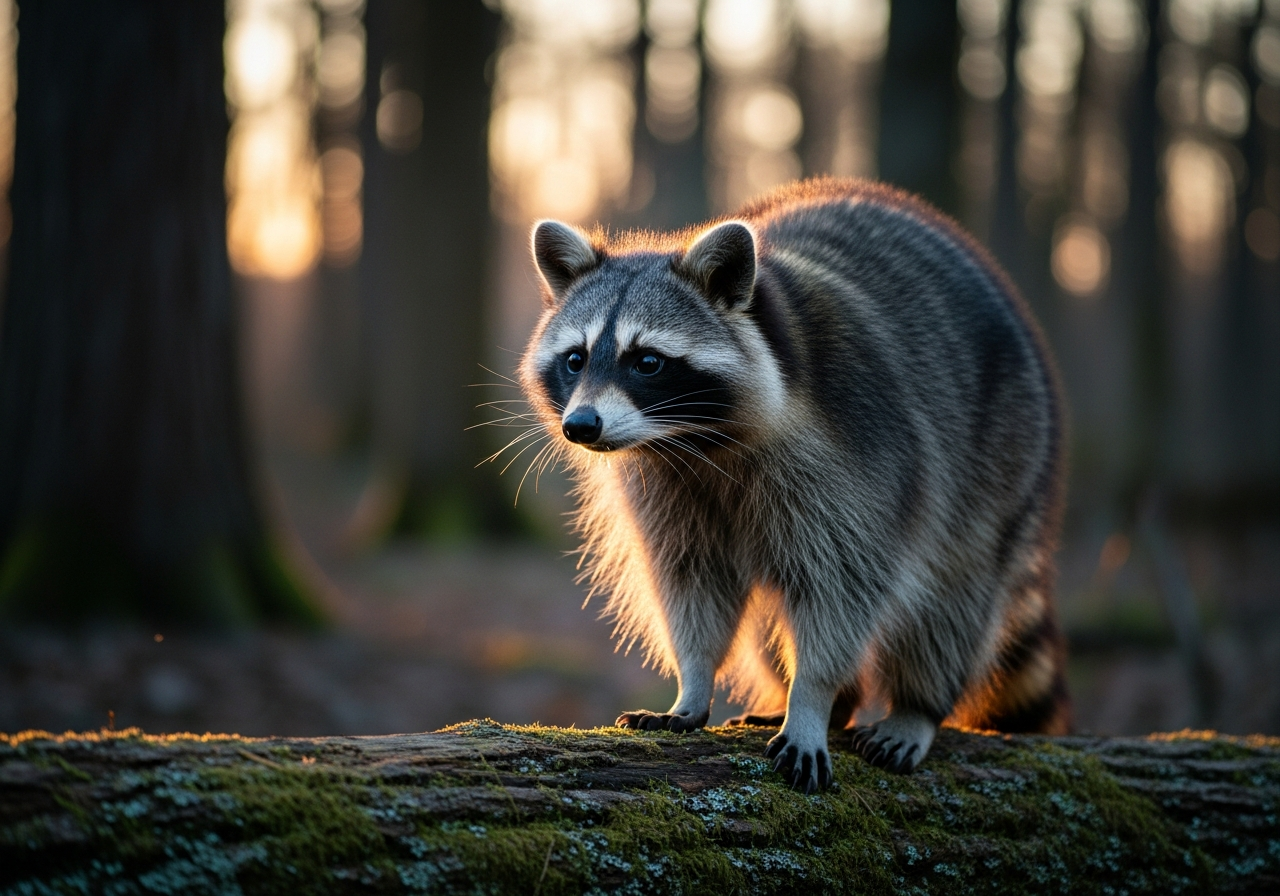
Mammal
The masked, clever-handed night raider
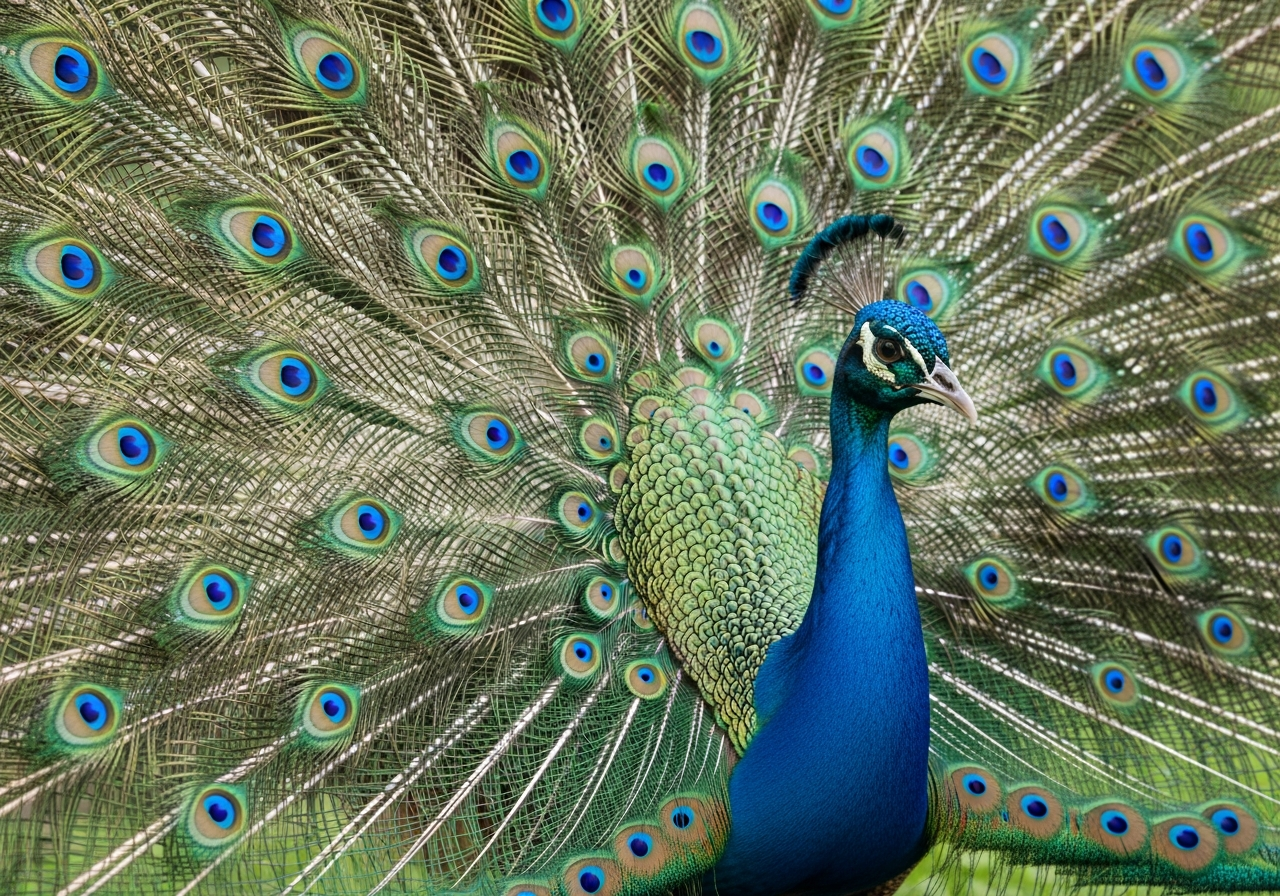
Bird
The dazzling showman of the bird world
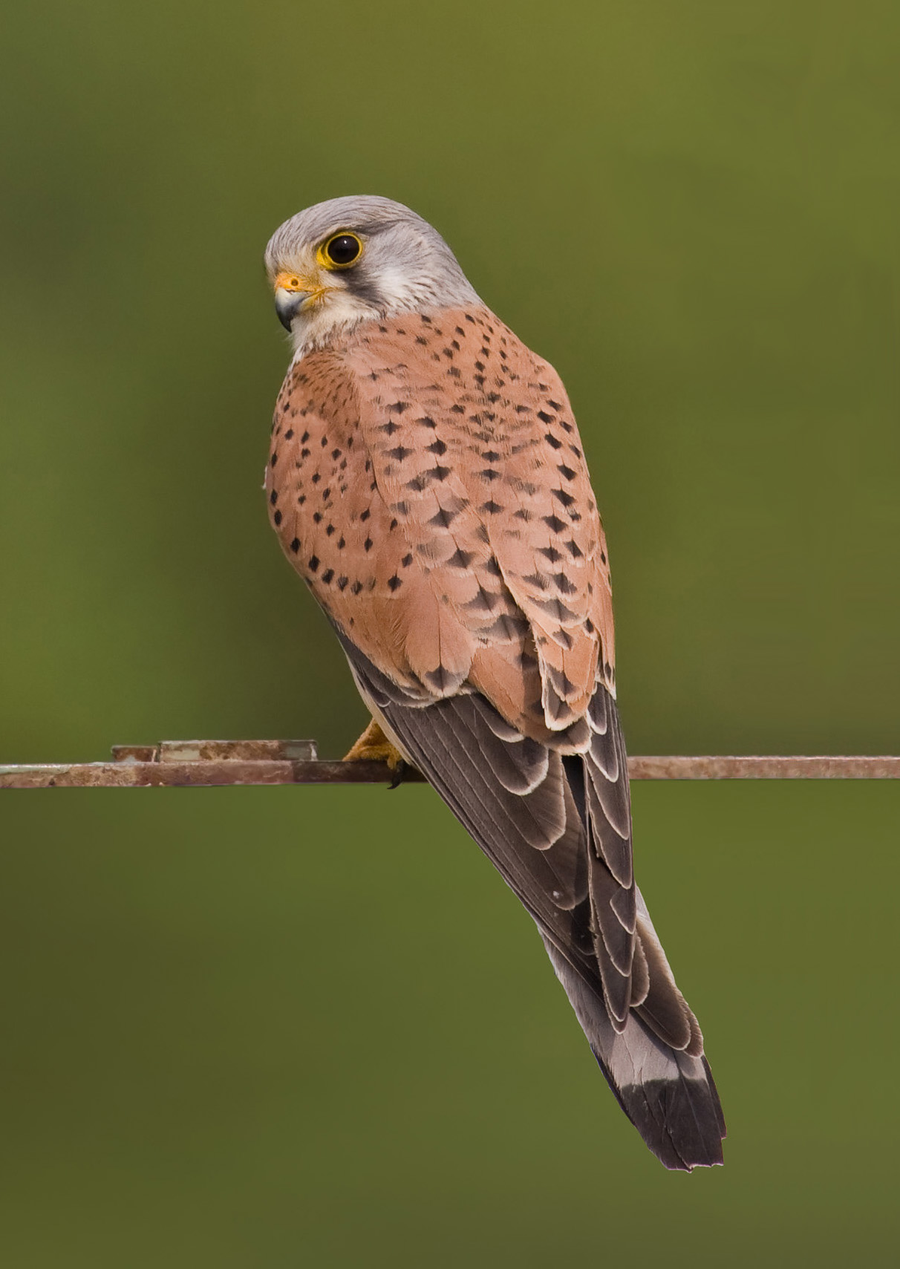
Bird
Hovering falcon of fields and roadsides
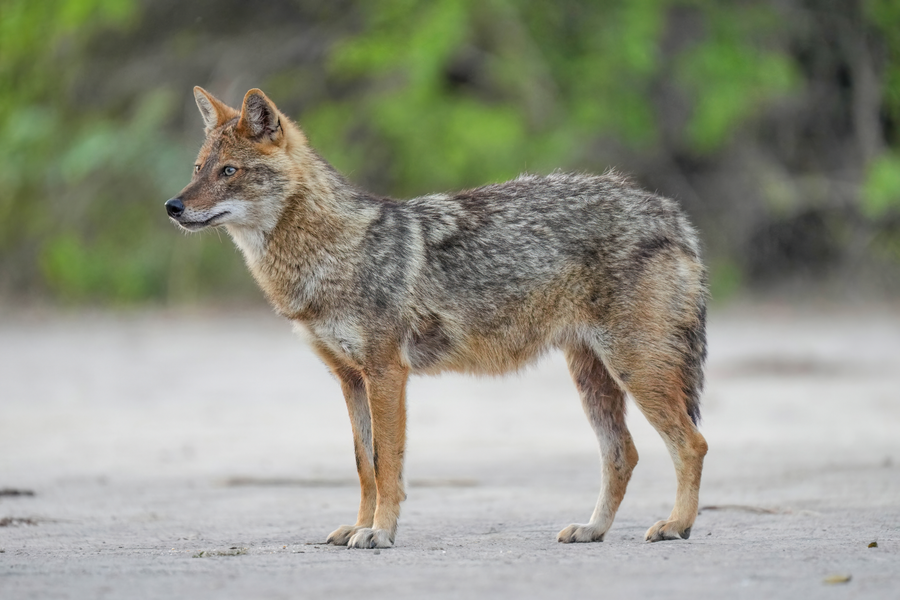
Mammal
The adaptable wild dog of three continents
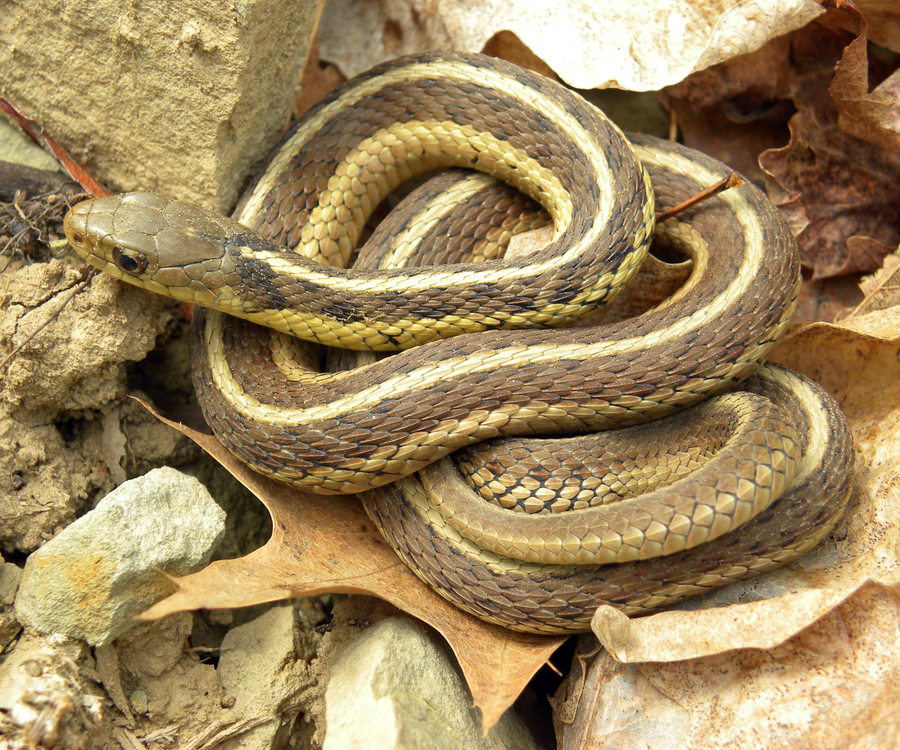
Reptile
Familiar harmless snake of North American yards
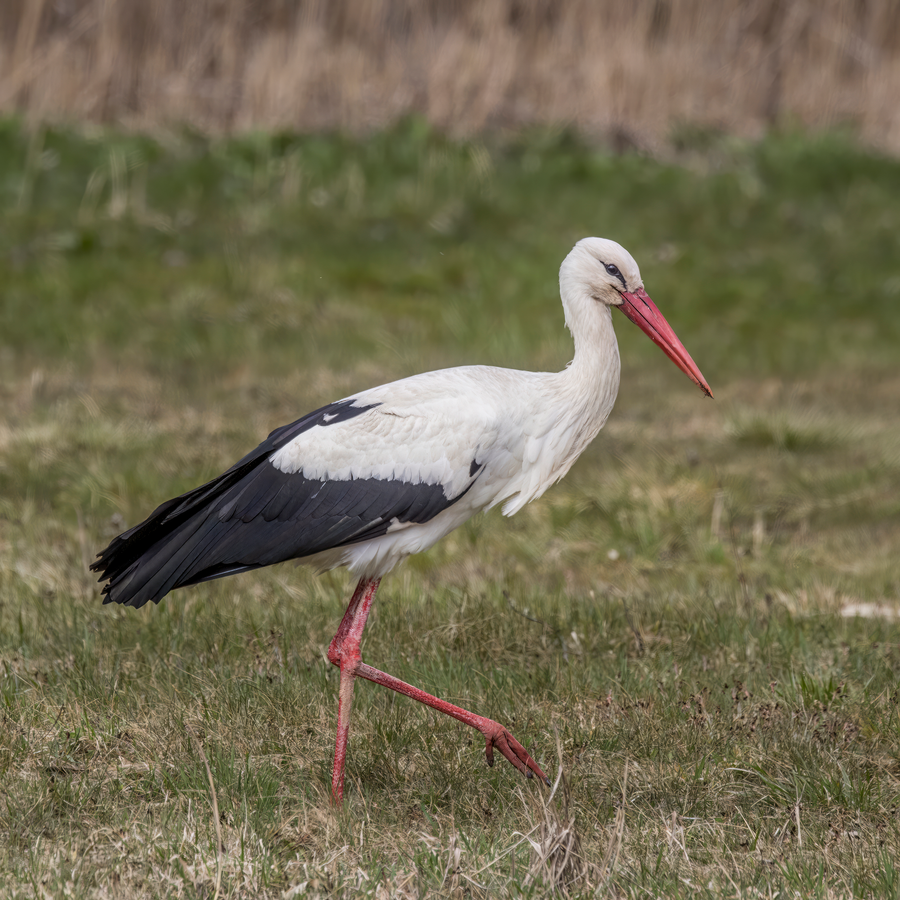
Bird
Europe's chimney-nesting messenger
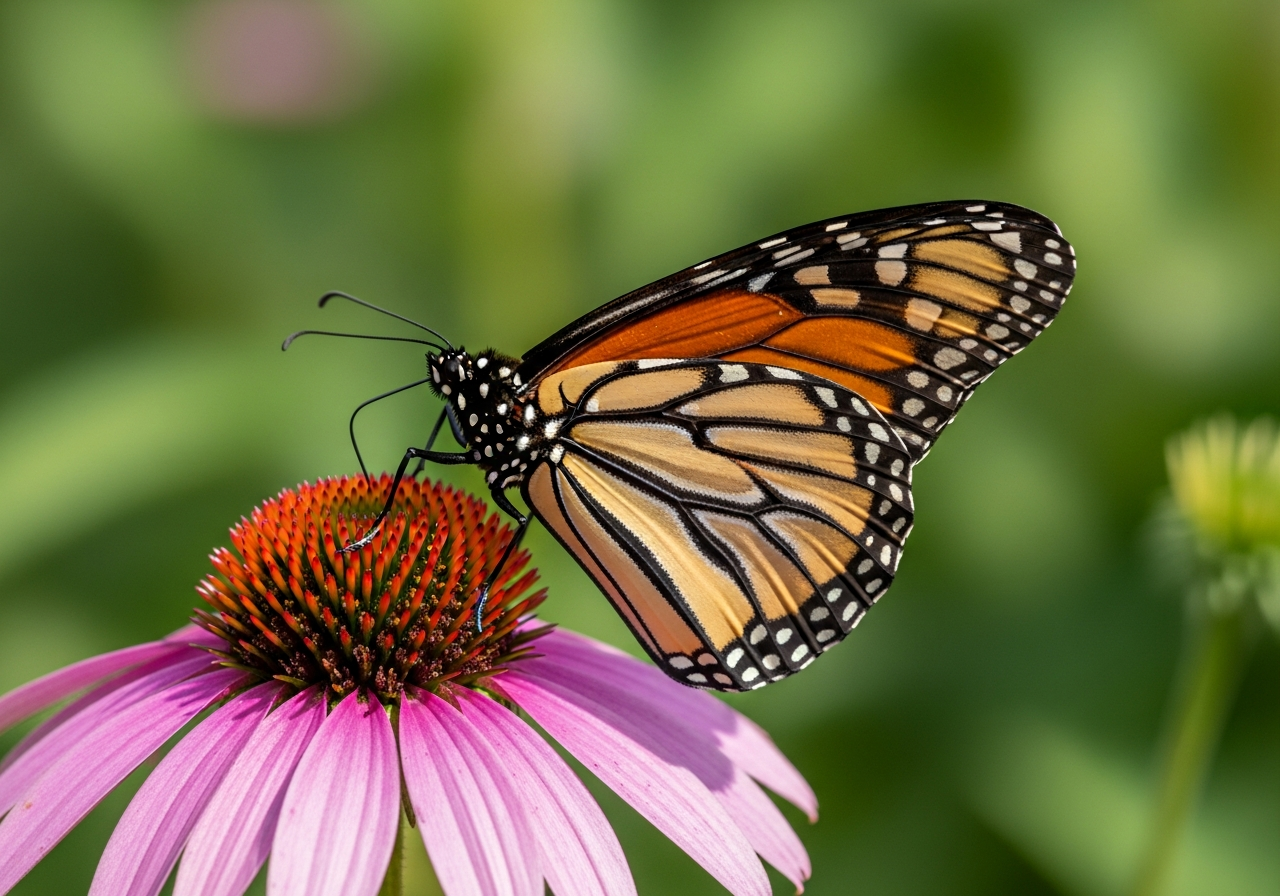
Insect
The insect that migrates thousands of miles
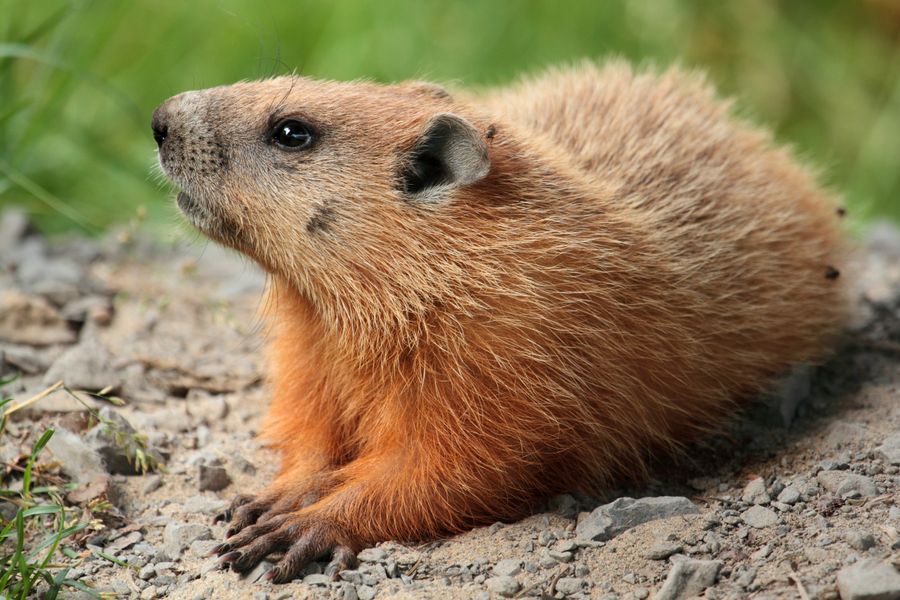
Mammal
North America's weather-watching marmot
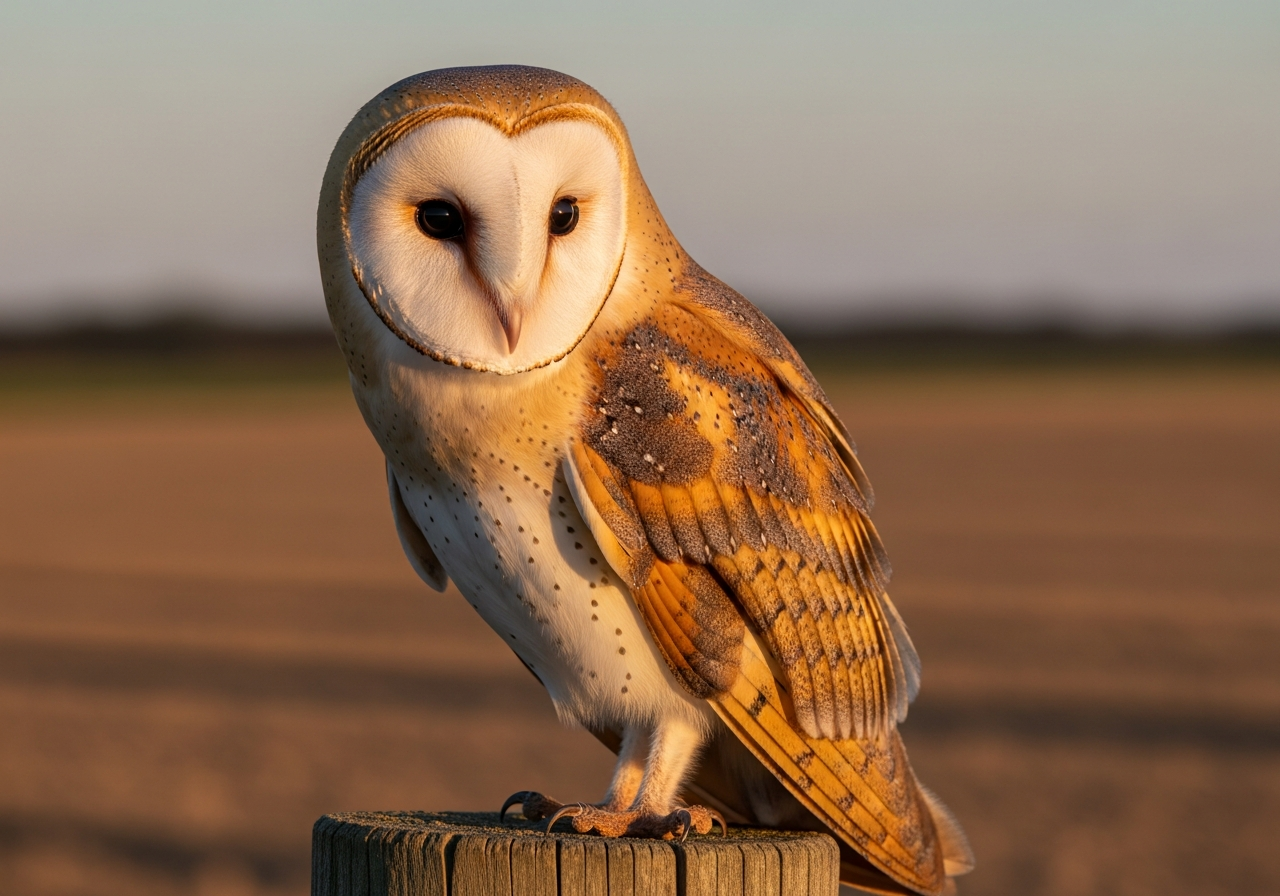
Bird
The ghostly, heart-faced night hunter
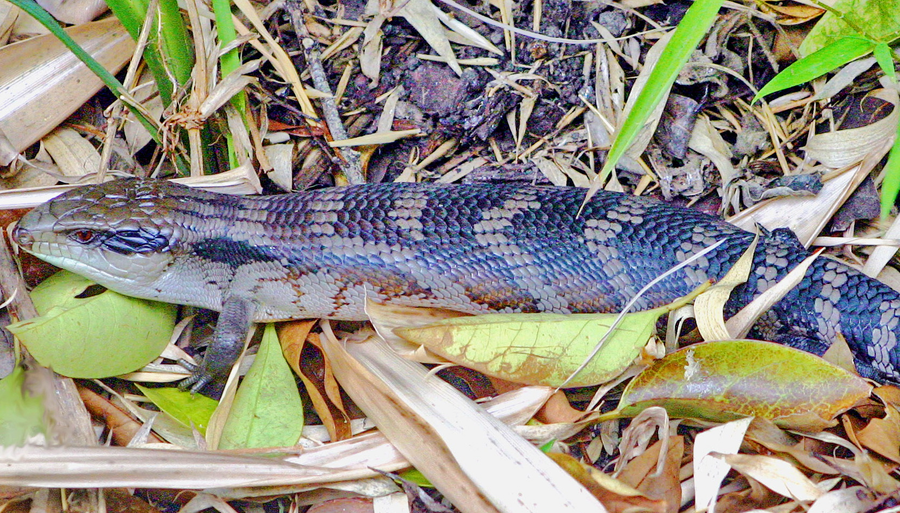
Reptile
Stocky Australian skink with a blue tongue
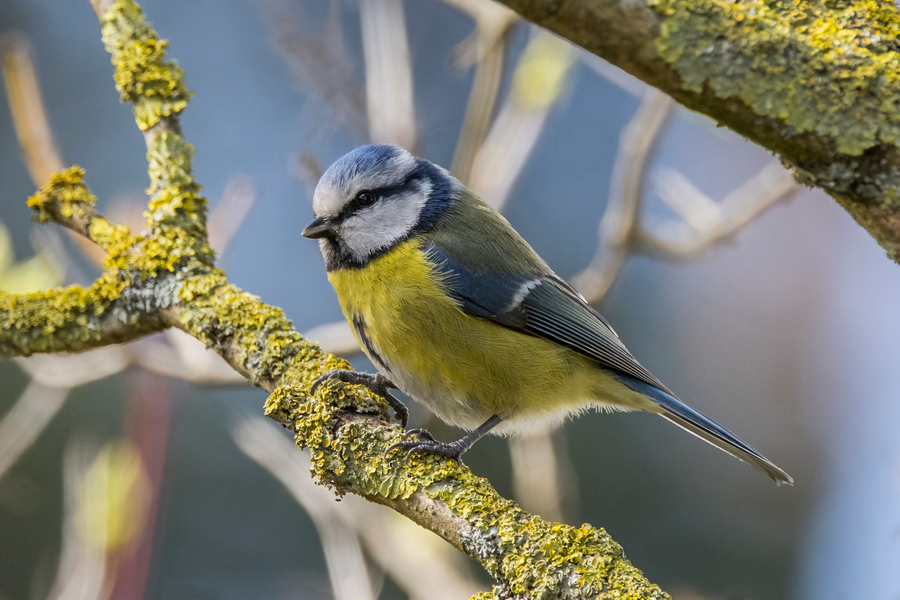
Bird
Acrobatic garden tit of Europe
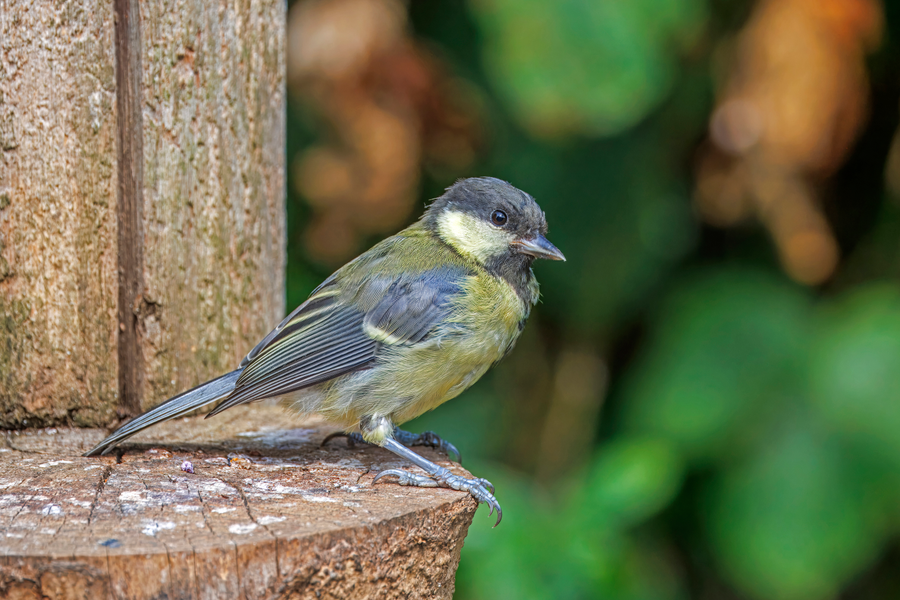
Bird
Bold black-capped tit of Eurasian gardens
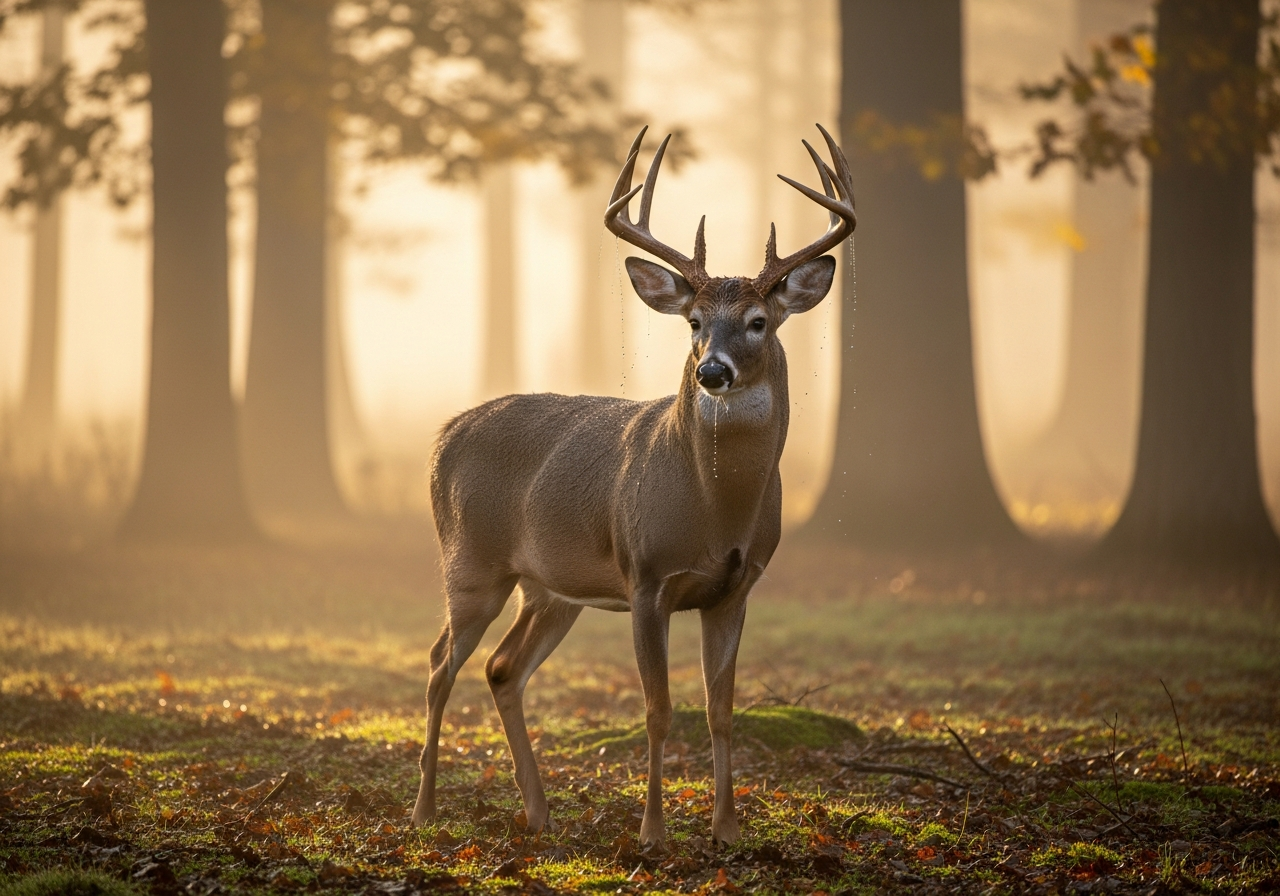
Mammal
The Americas' most familiar deer
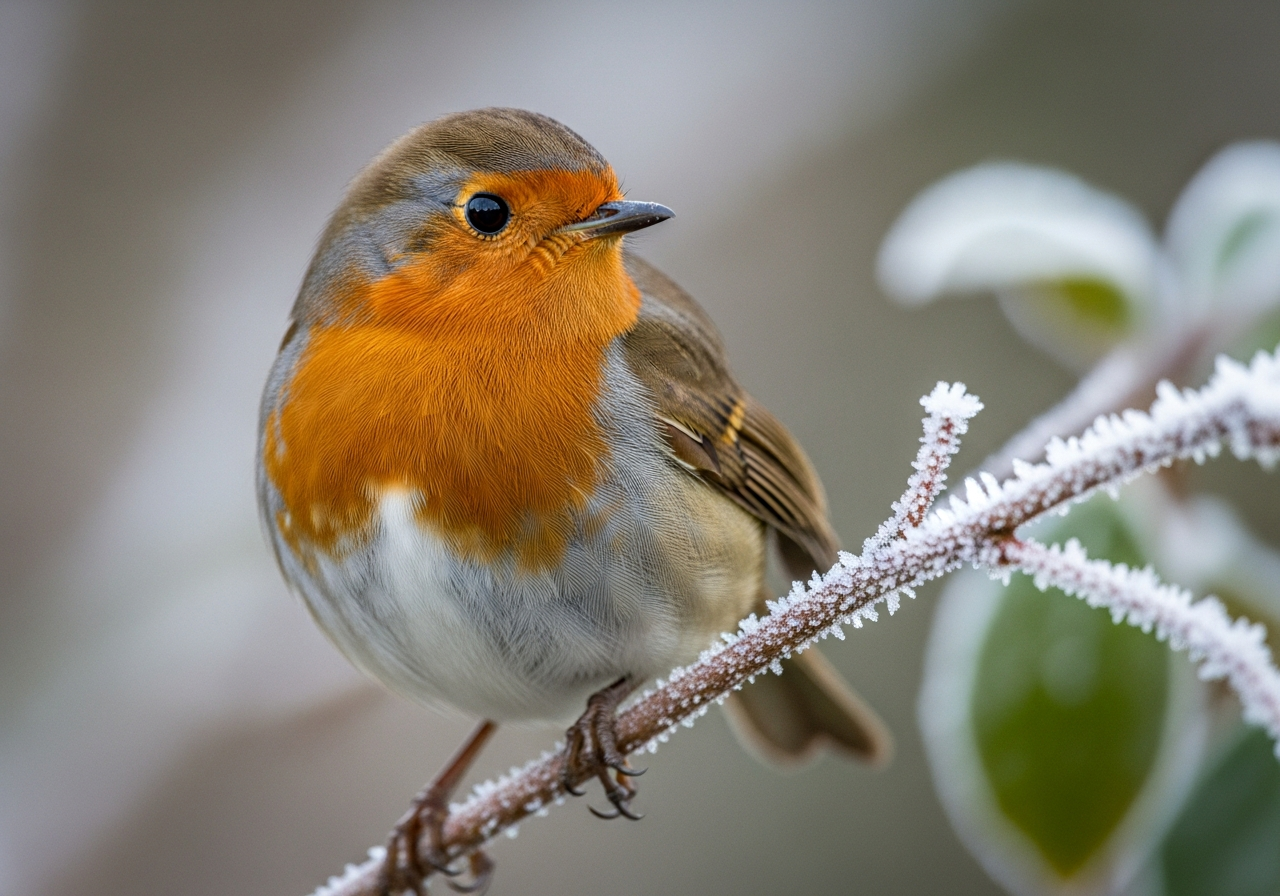
Bird
Britain's beloved red-breasted garden bird
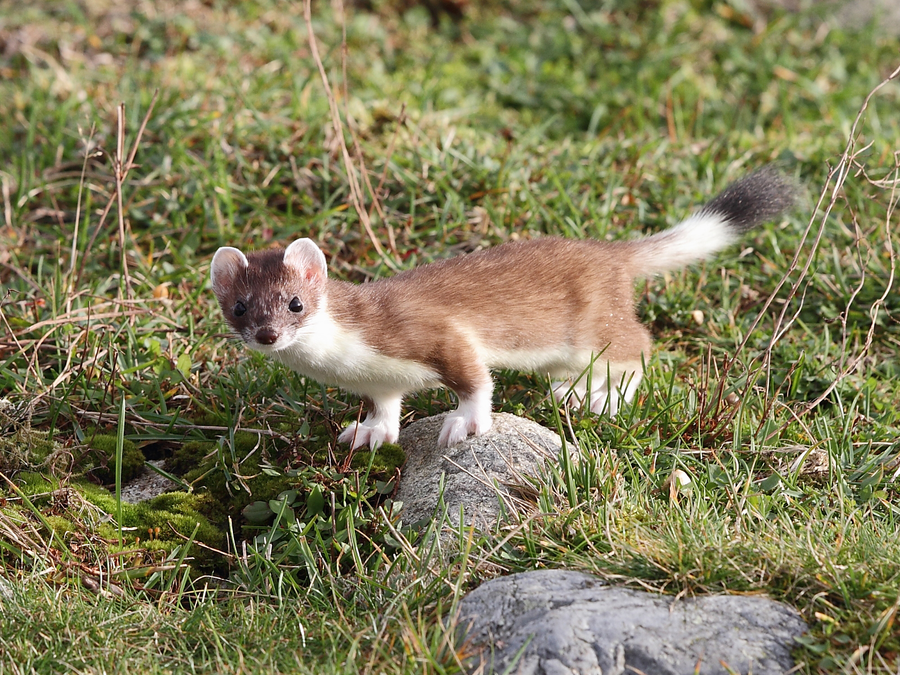
Mammal
The ermine in winter white
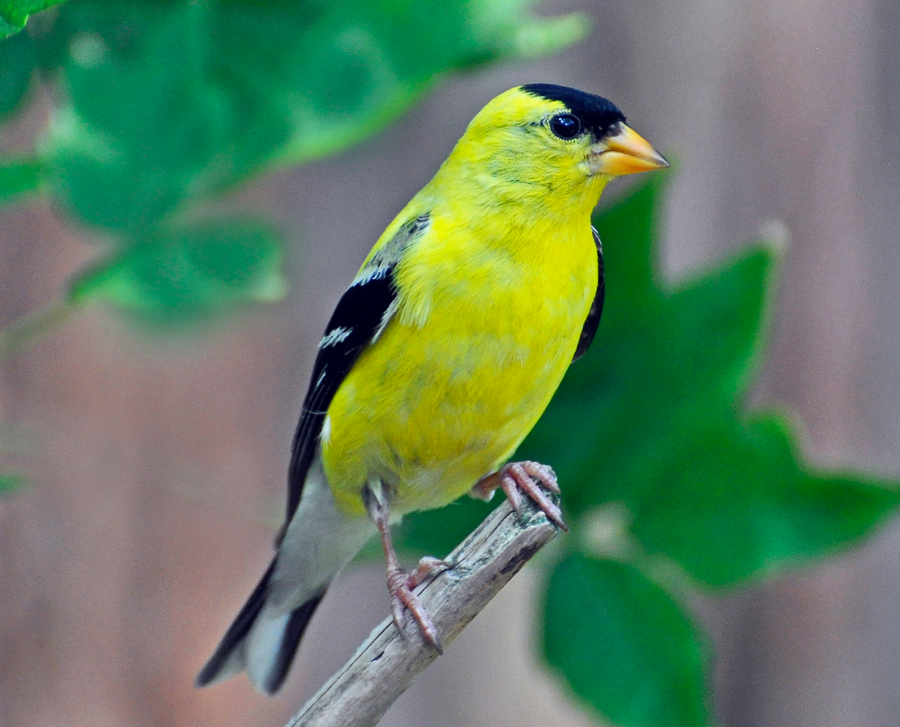
Bird
Bright yellow finch of North American fields
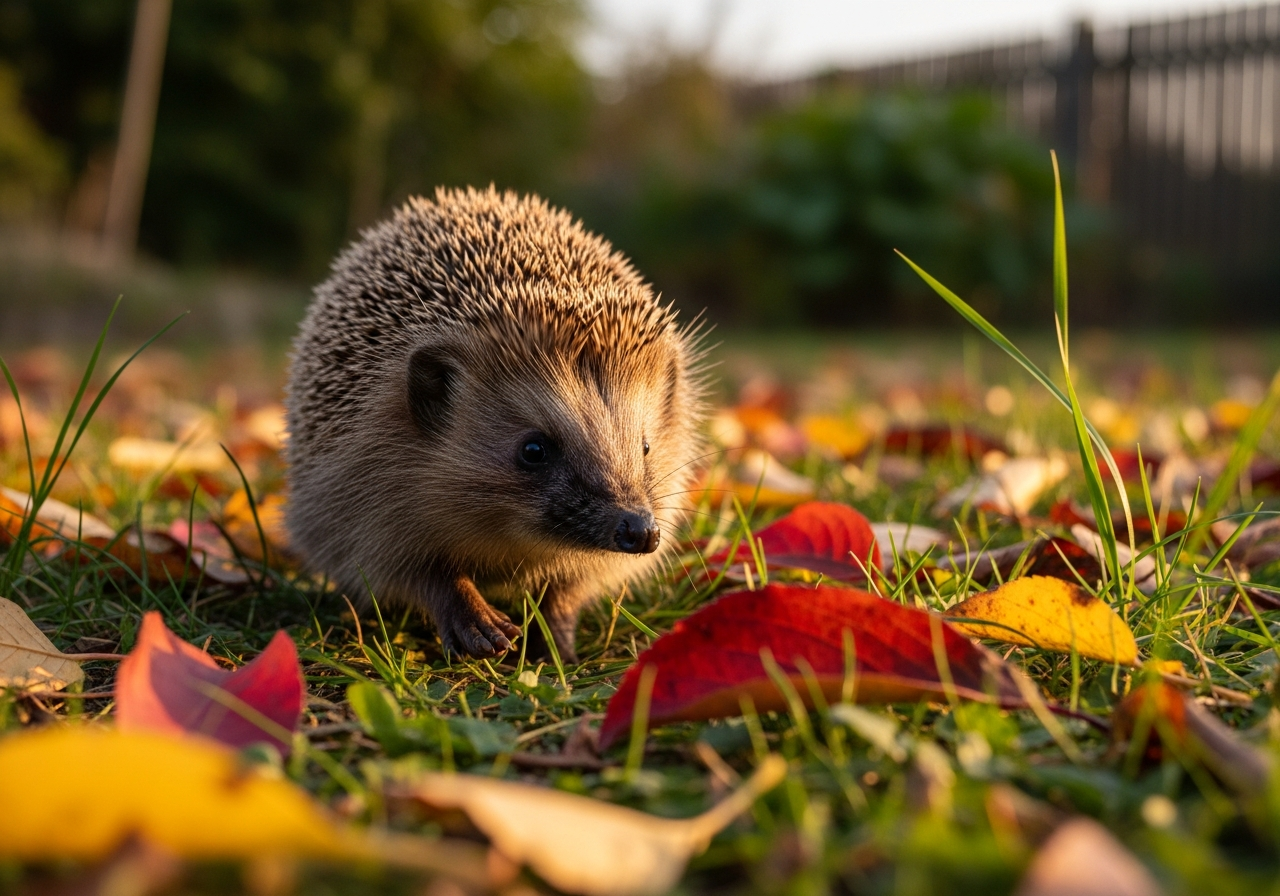
Mammal
The spiny night-time garden visitor
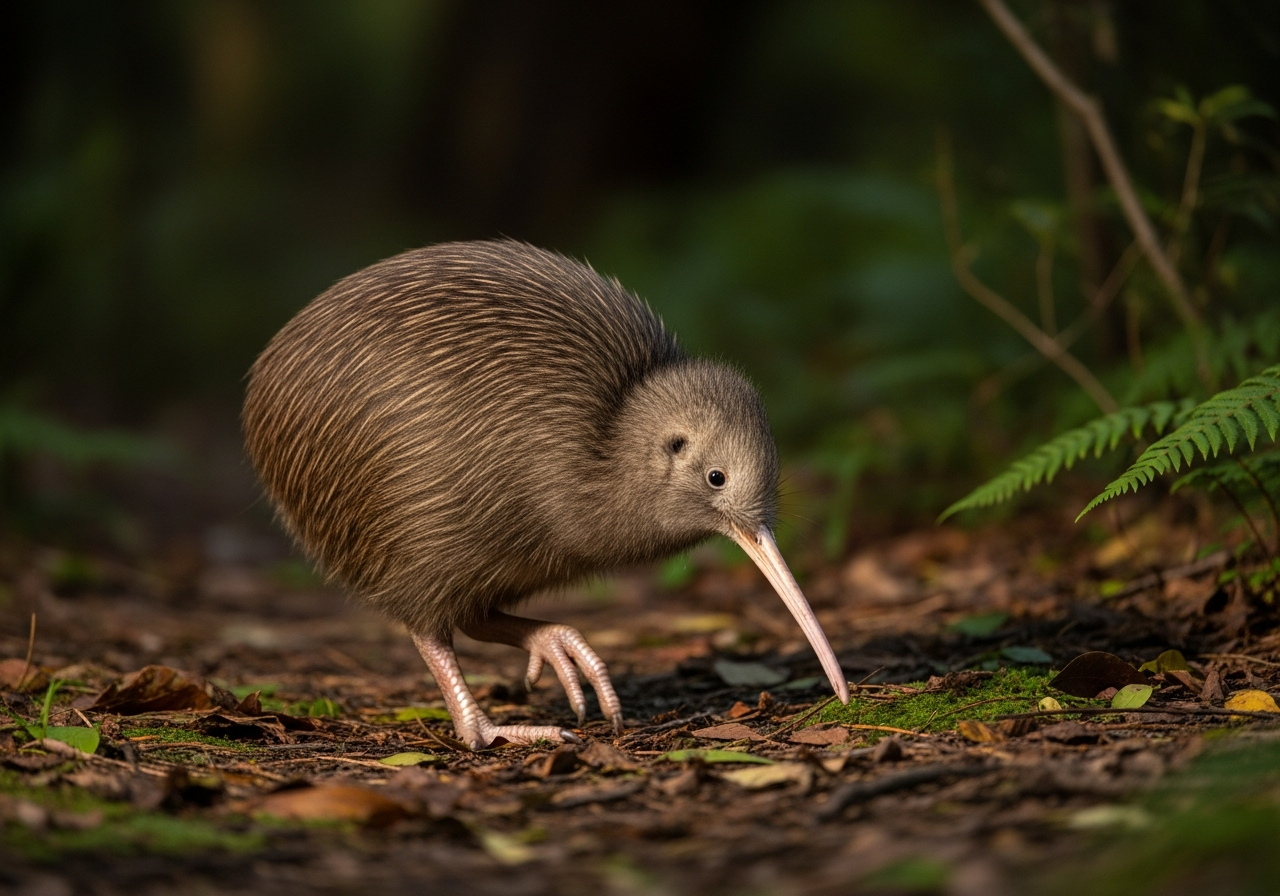
Bird
New Zealand's flightless nocturnal bird with nostrils at the tip of its bill
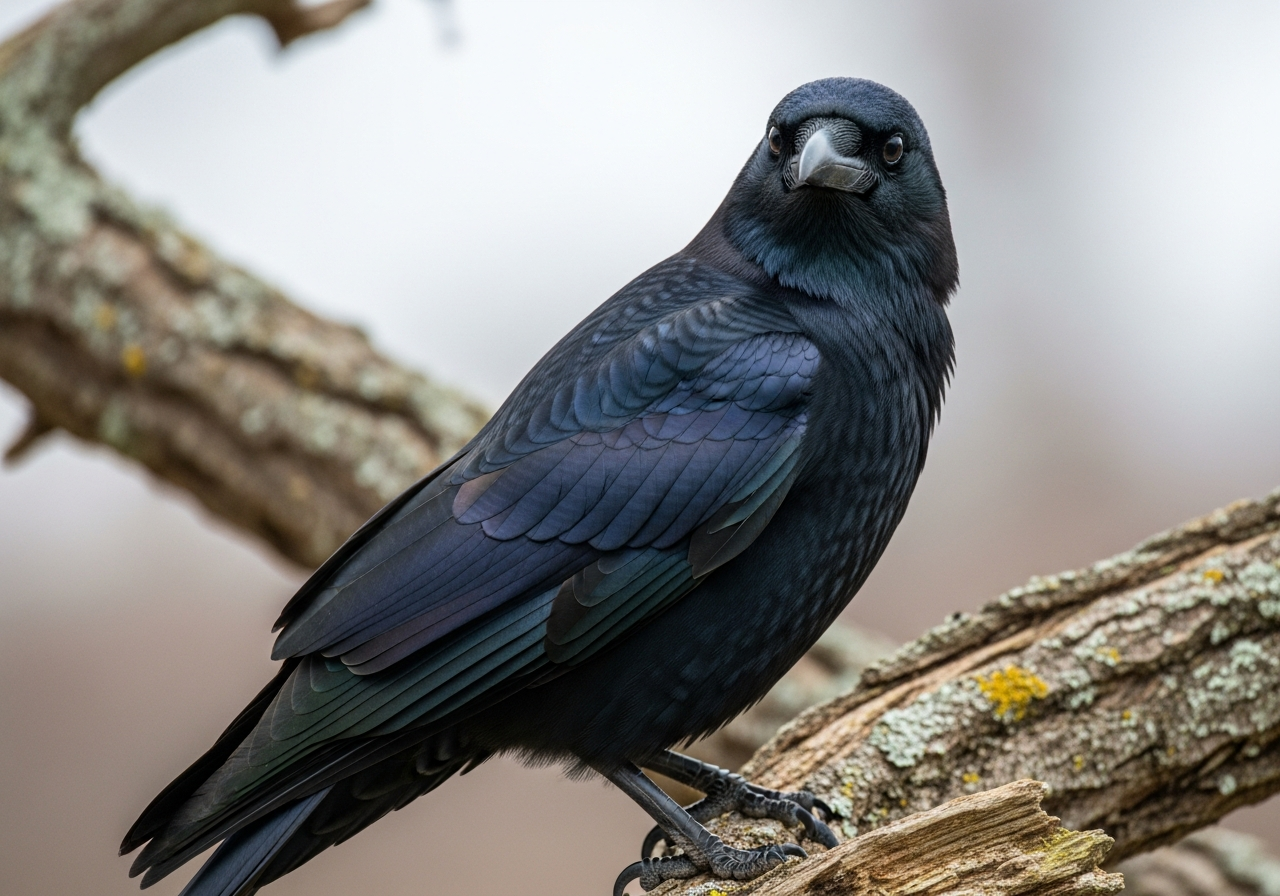
Bird
The glossy black genius of the bird world
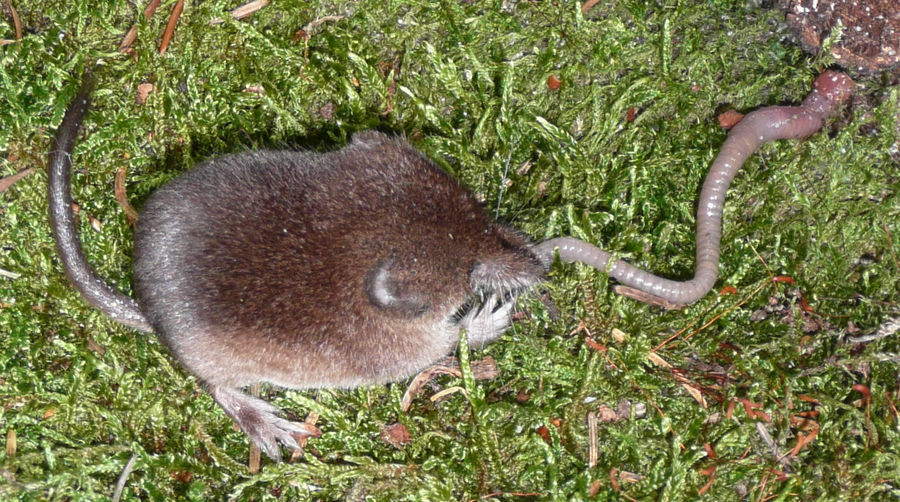
Mammal
The tiny insectivore with a fierce appetite
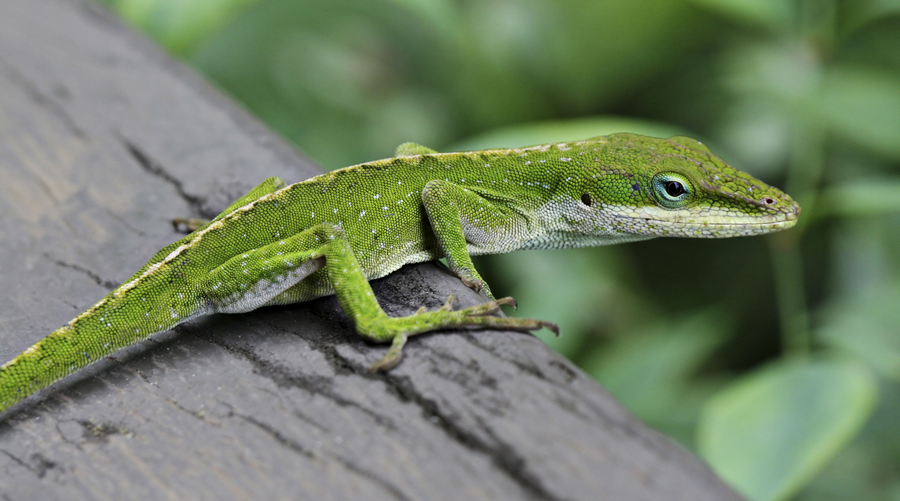
Reptile
Colour-changing lizard of southern US gardens
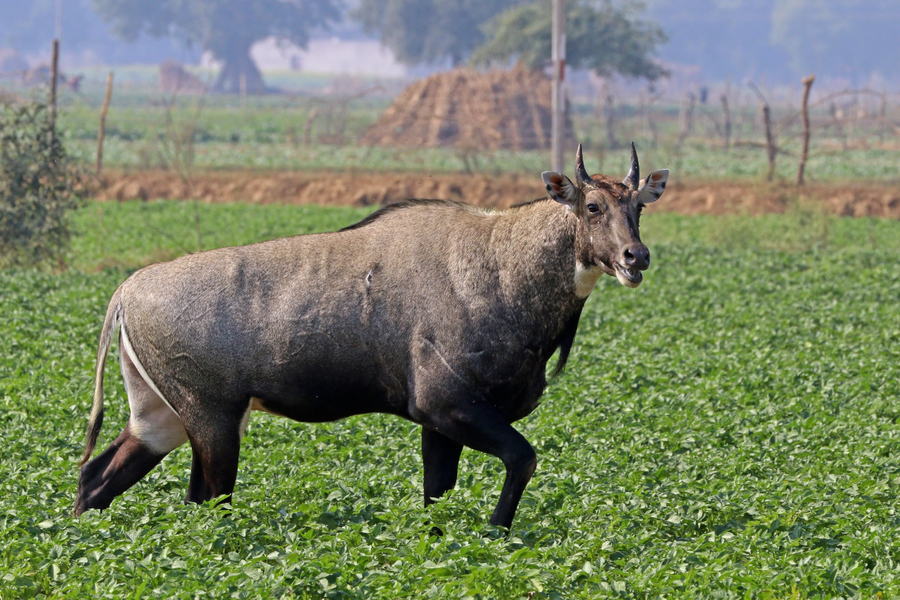
Mammal
Largest Asian antelope, also called blue bull
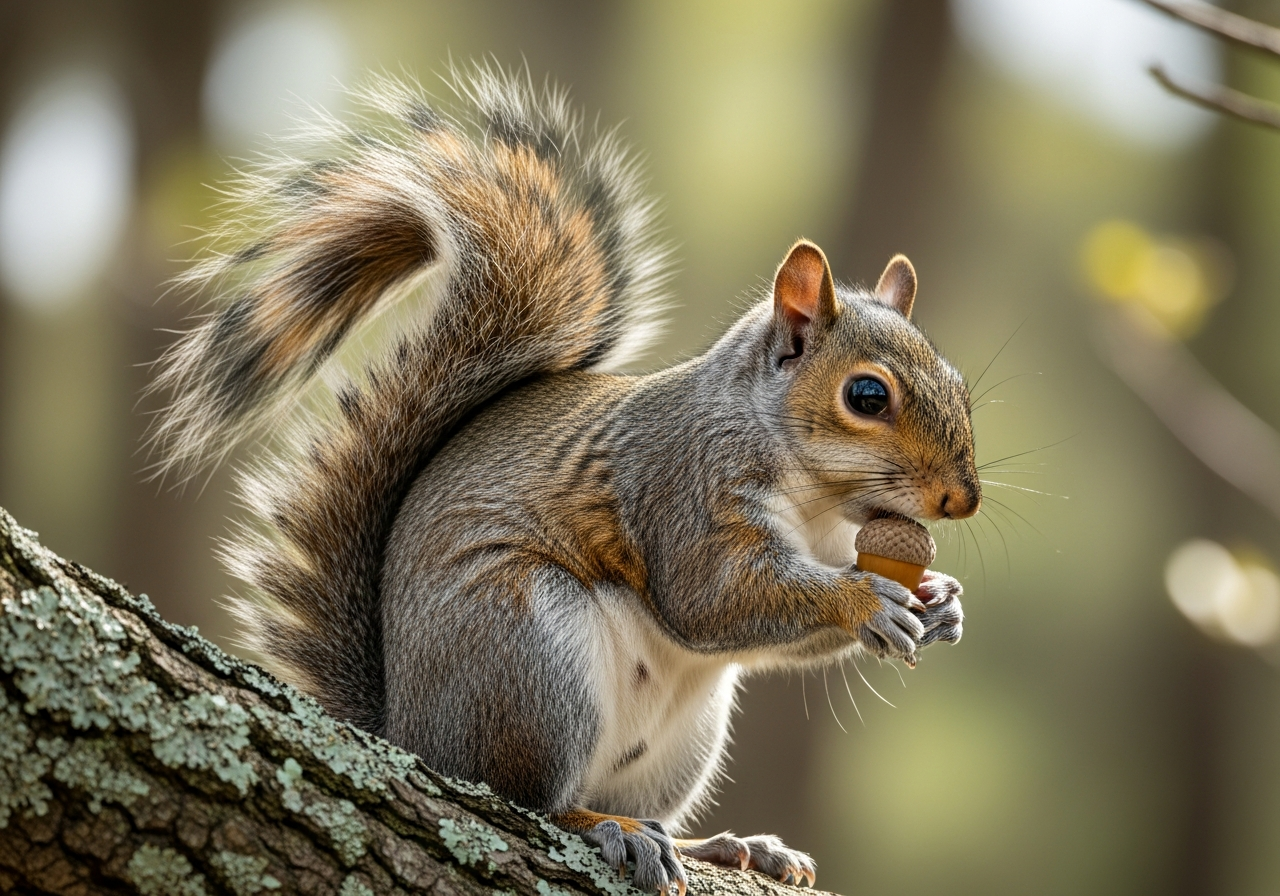
Mammal
The agile, tree-climbing rodent of parks and woods
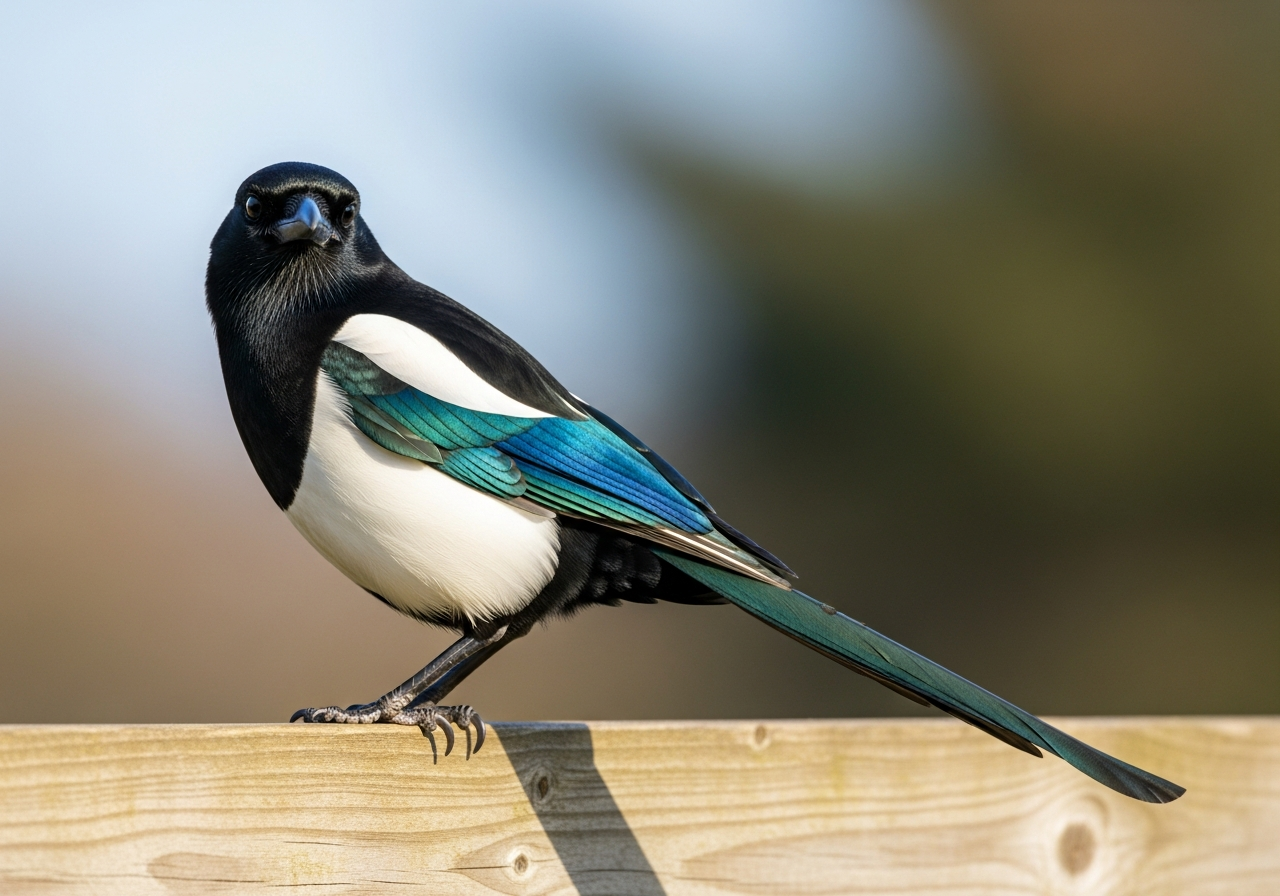
Bird
The bold, brilliant problem-solver of the crow family
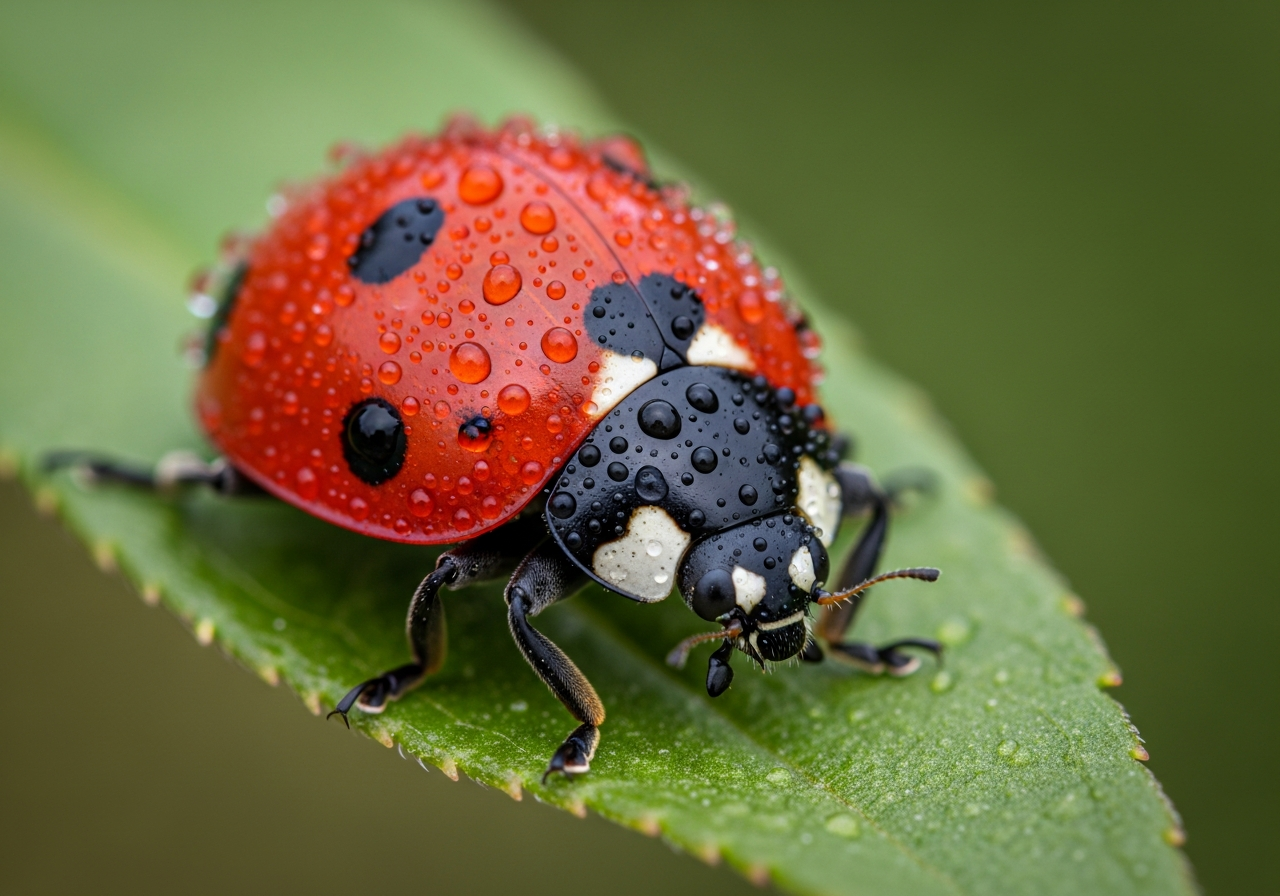
Insect
The spotted beetle gardeners love
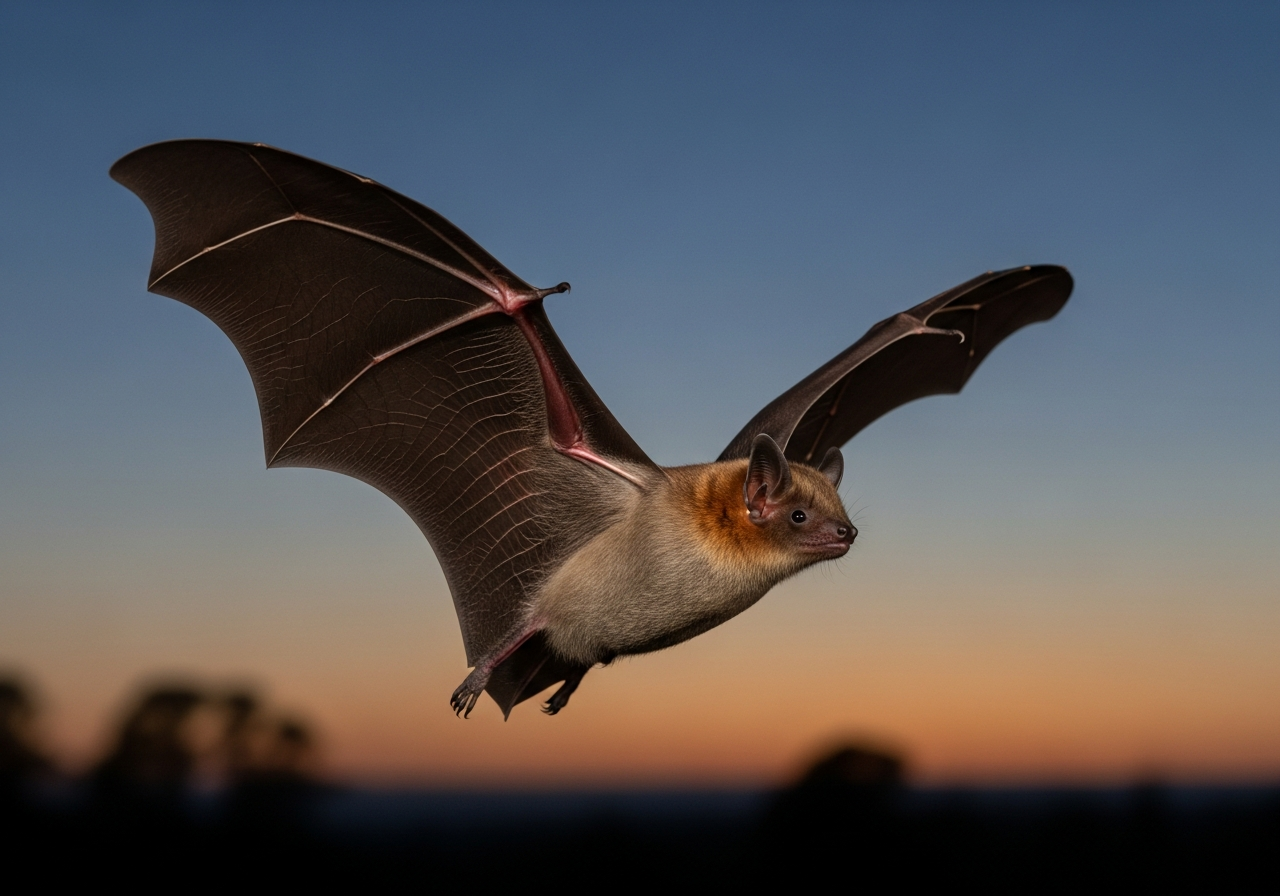
Mammal
The only mammals capable of true flight
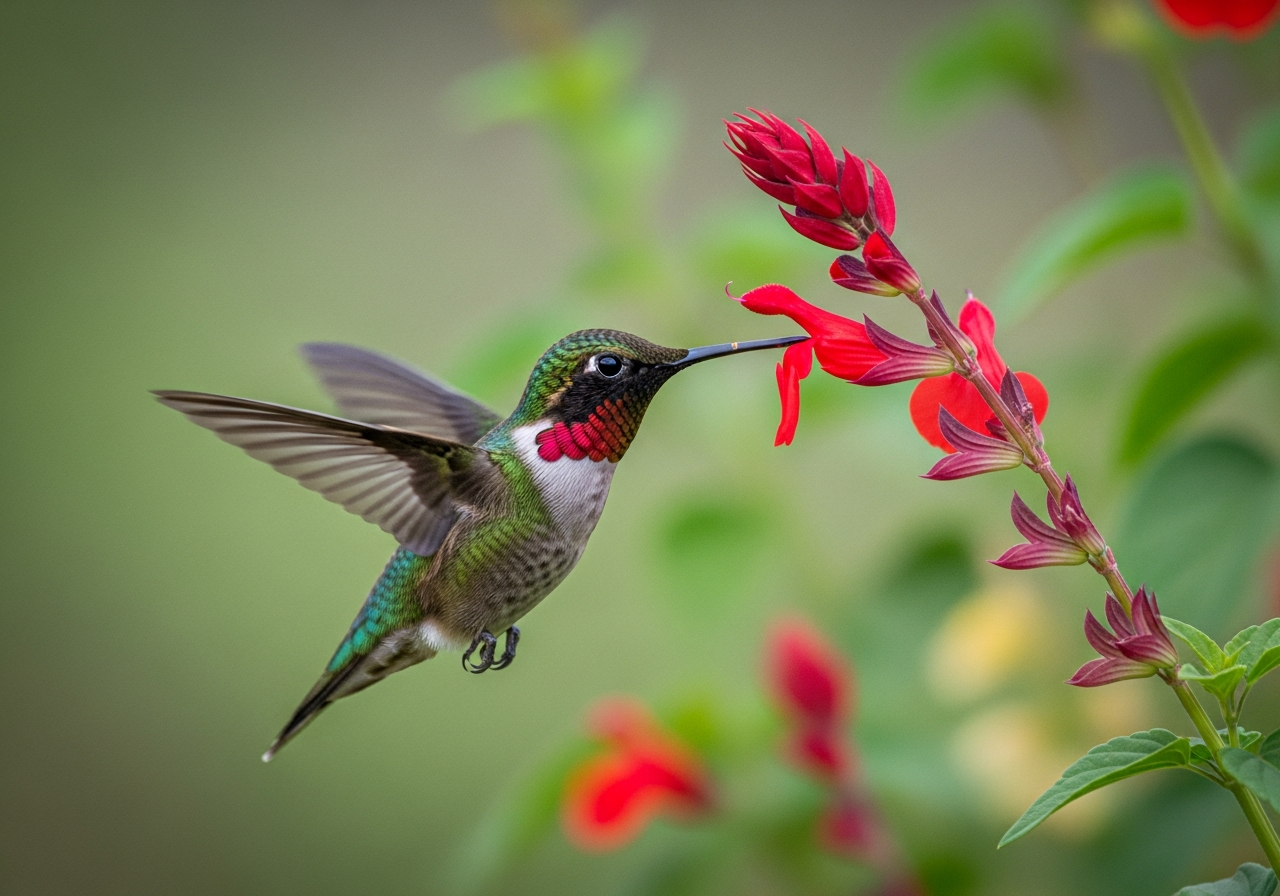
Bird
A tiny hovering bird with a blazing throat
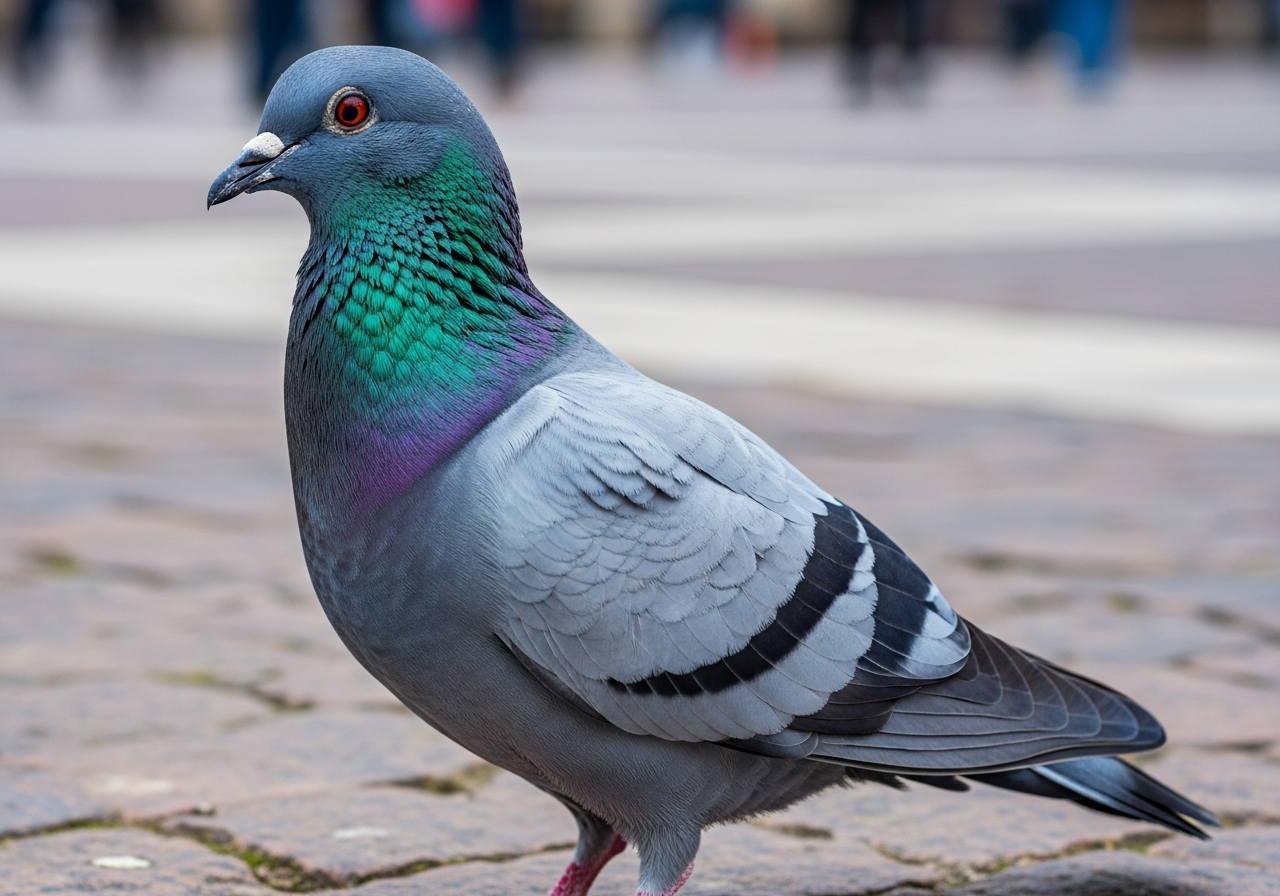
Bird
The city bird with an extraordinary sense of direction
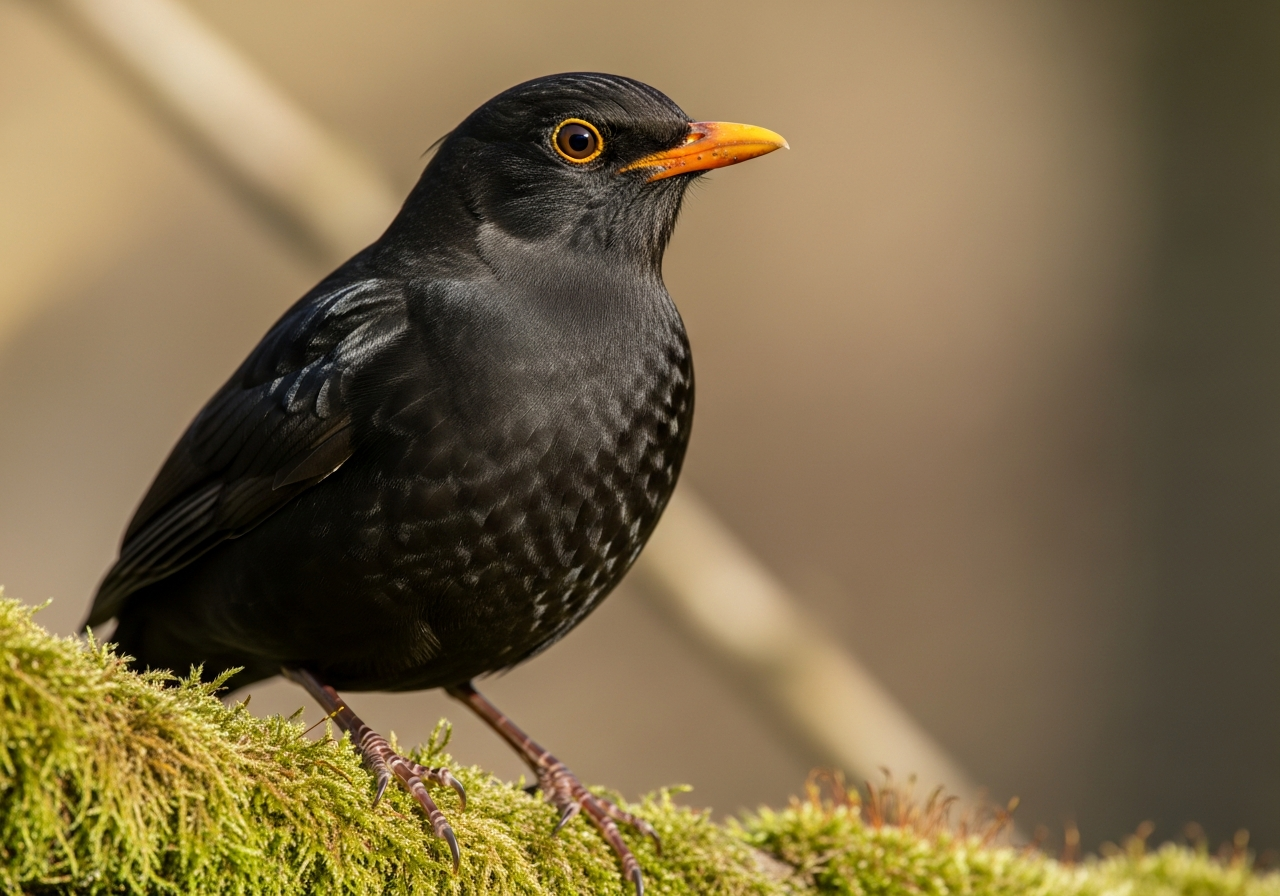
Bird
The glossy garden thrush with a golden song
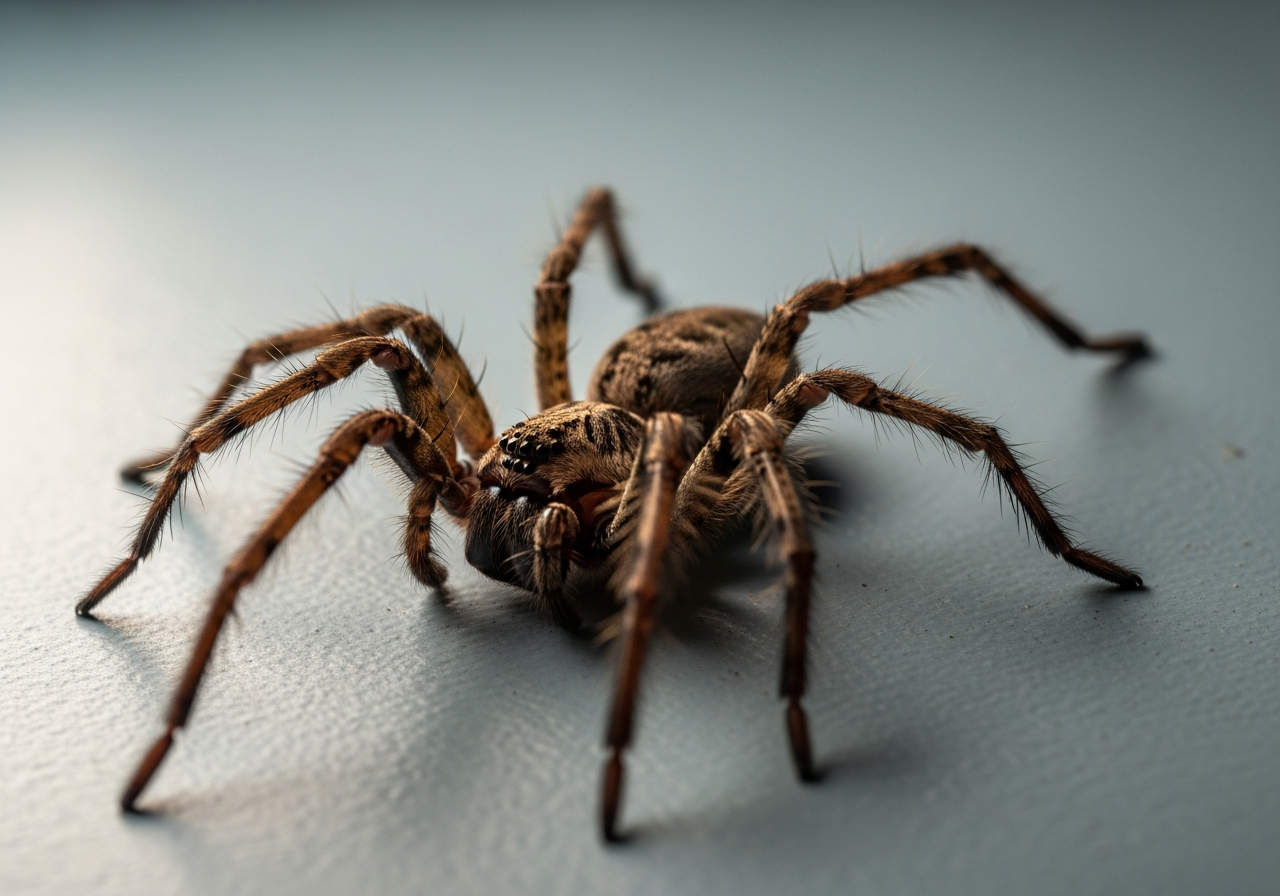
Invertebrate
Britain's large but harmless funnel-weaving house spider
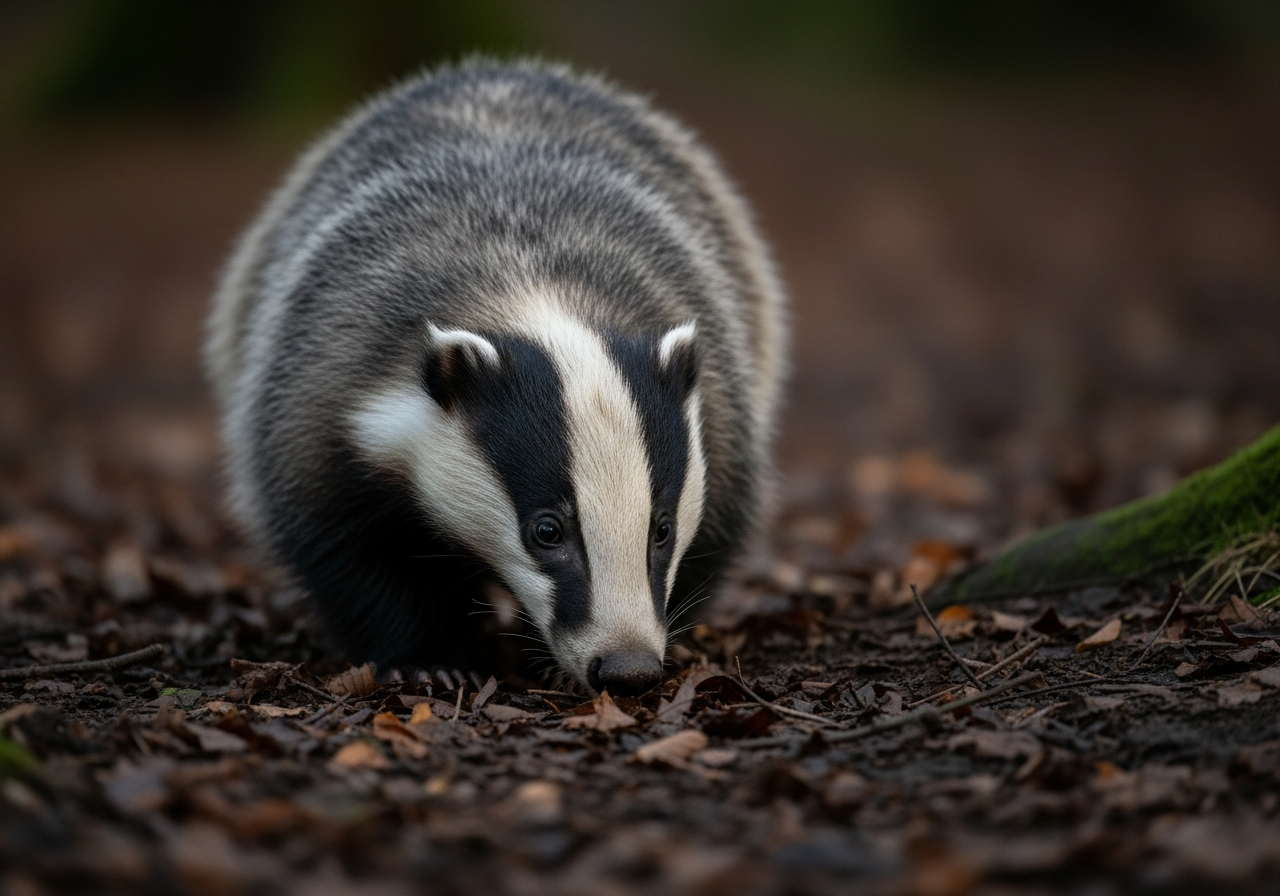
Mammal
The striped night-digger of British woodlands
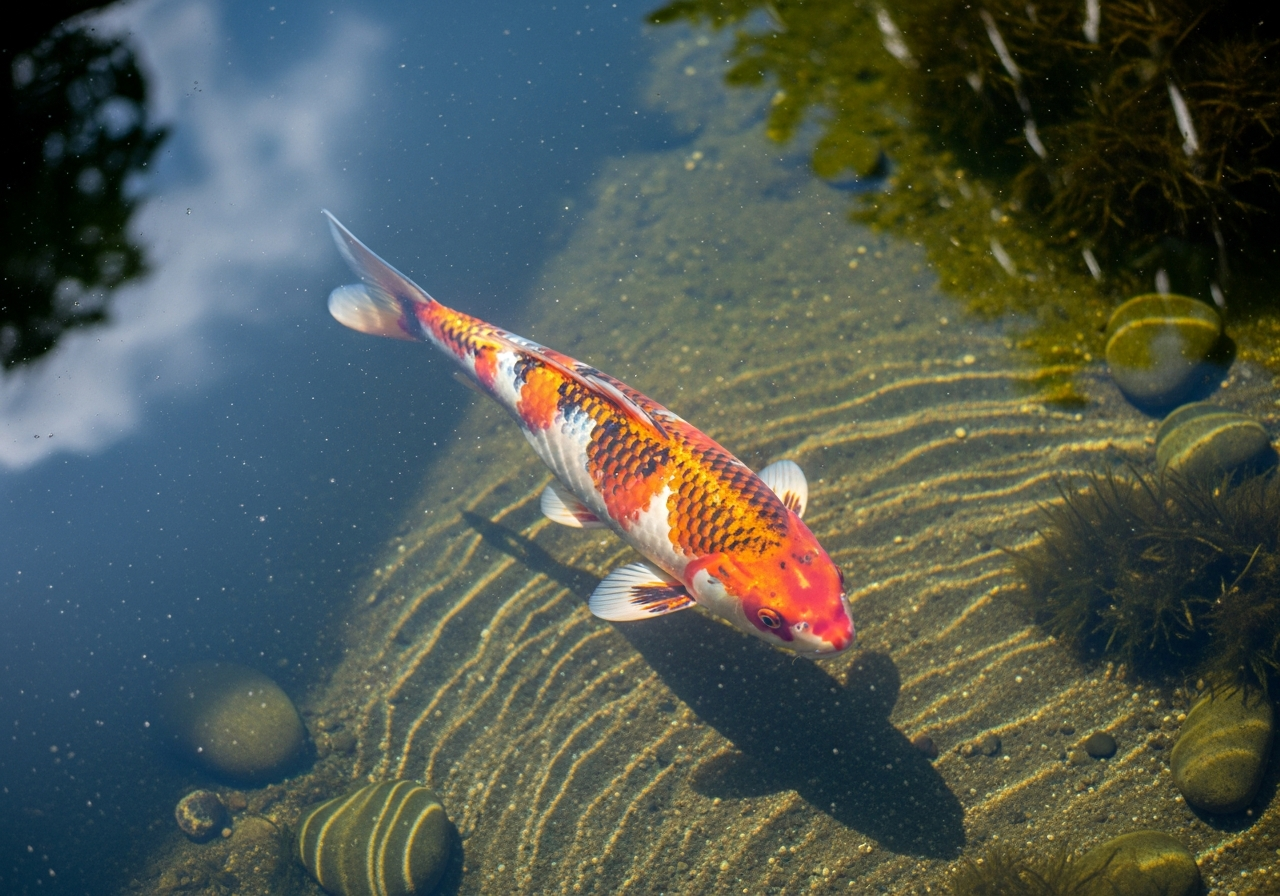
Fish
The ornamental carp of garden ponds
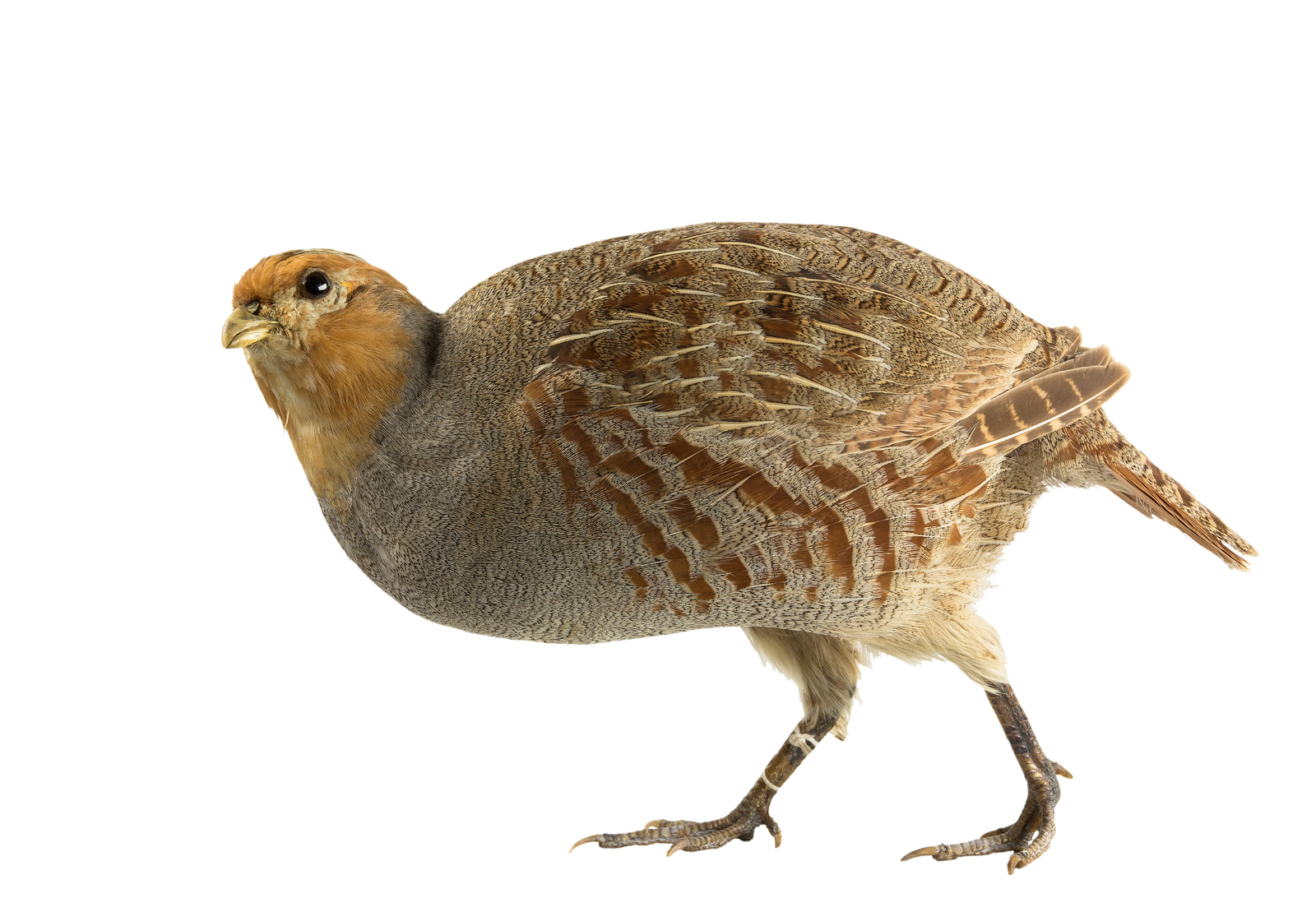
Bird
Stubble-dwelling partridge of old farmlands
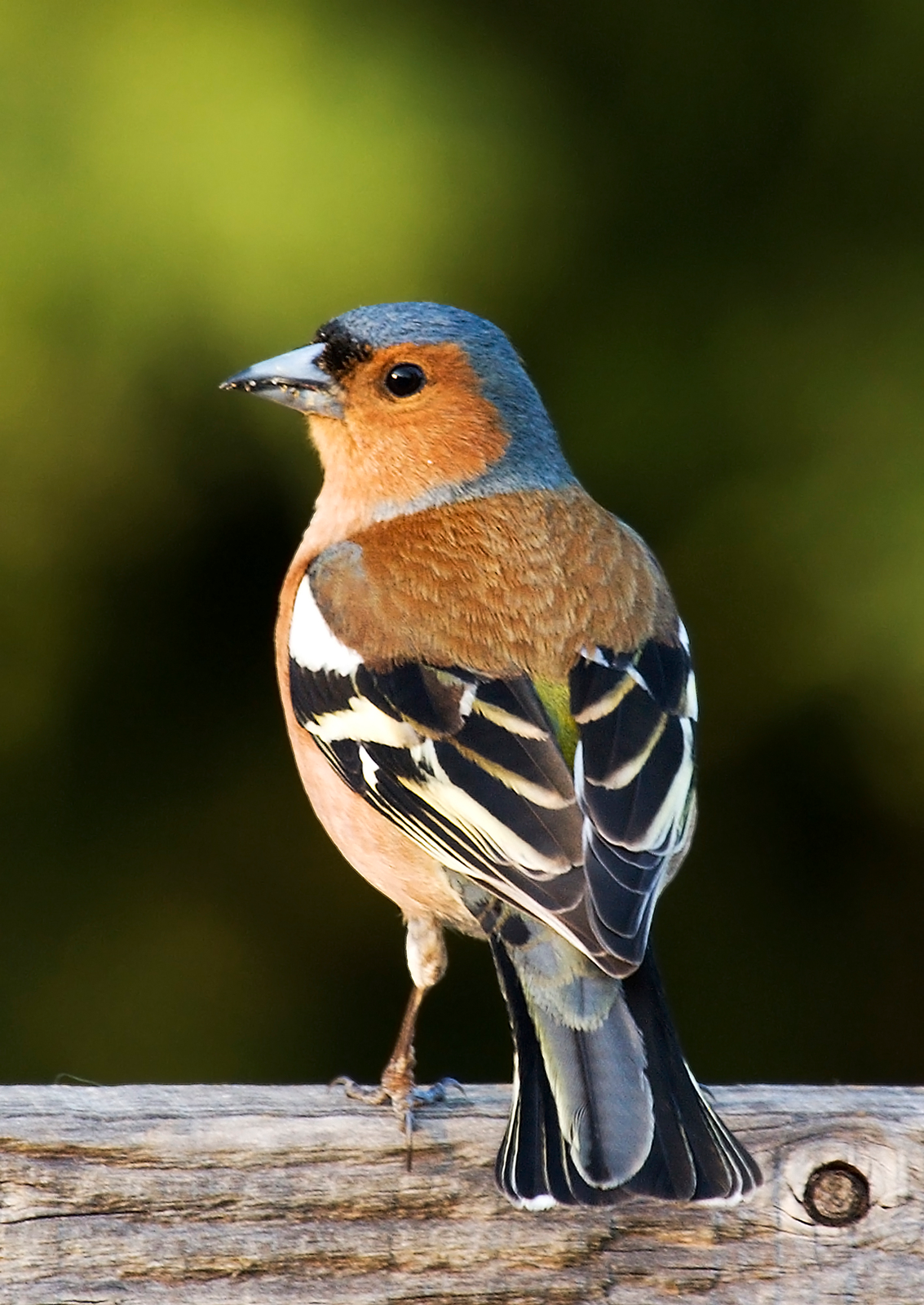
Bird
Pink-breasted songbird of European woods
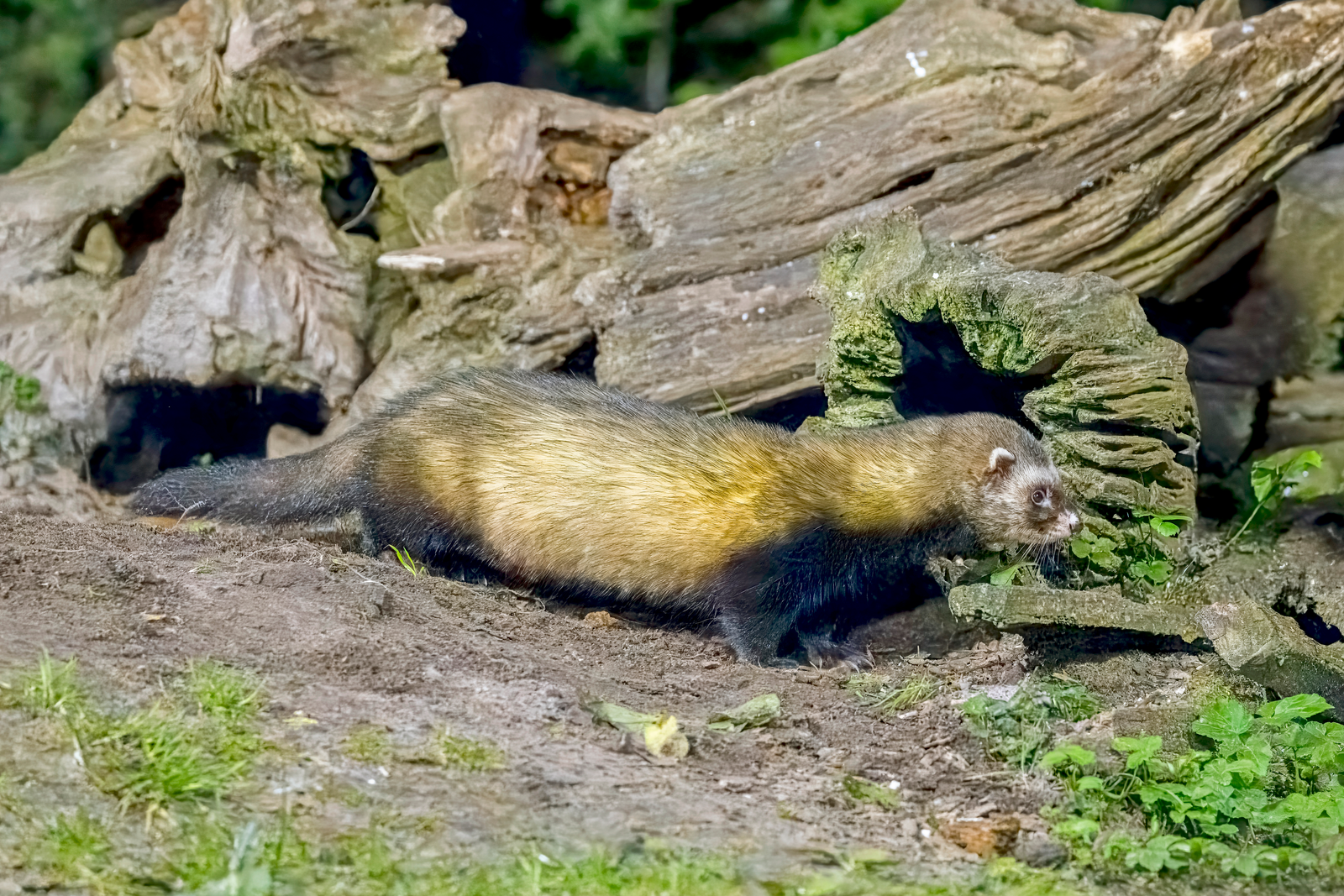
Mammal
Wild ancestor of the domestic ferret
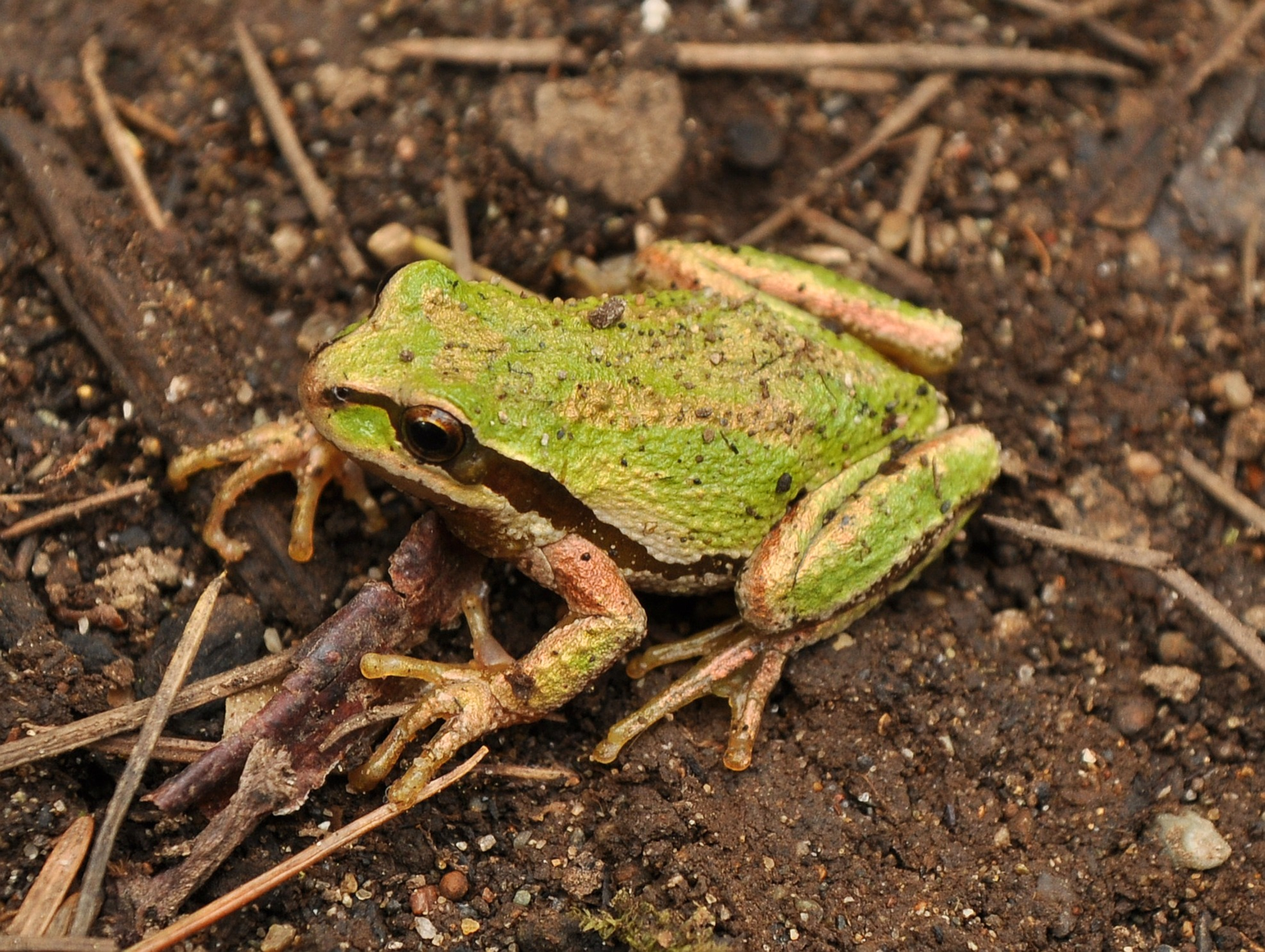
Amphibian
West Coast chorus frog behind the movie ribbit
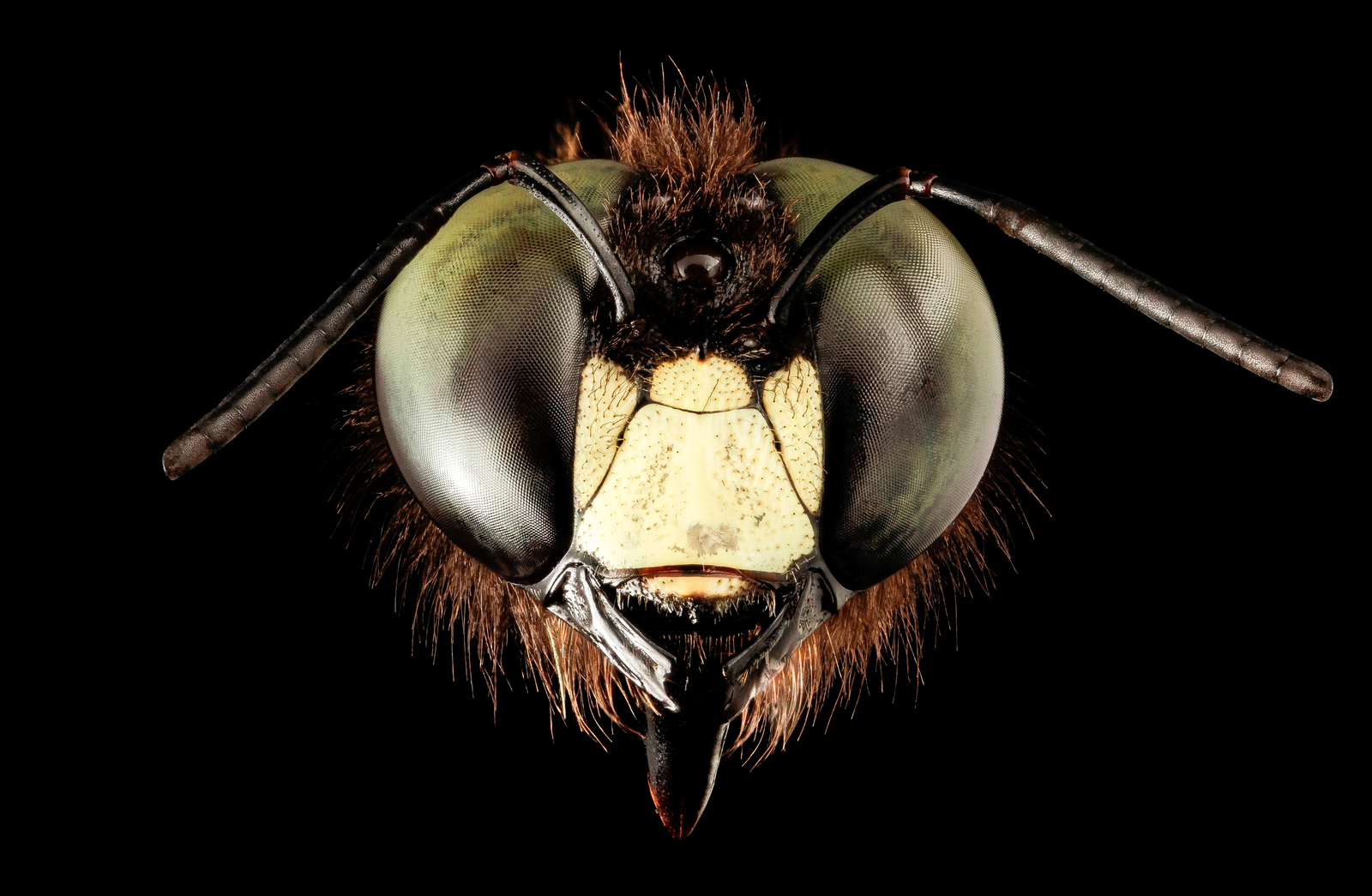
Insect
Wood-boring giant bee of eastern gardens
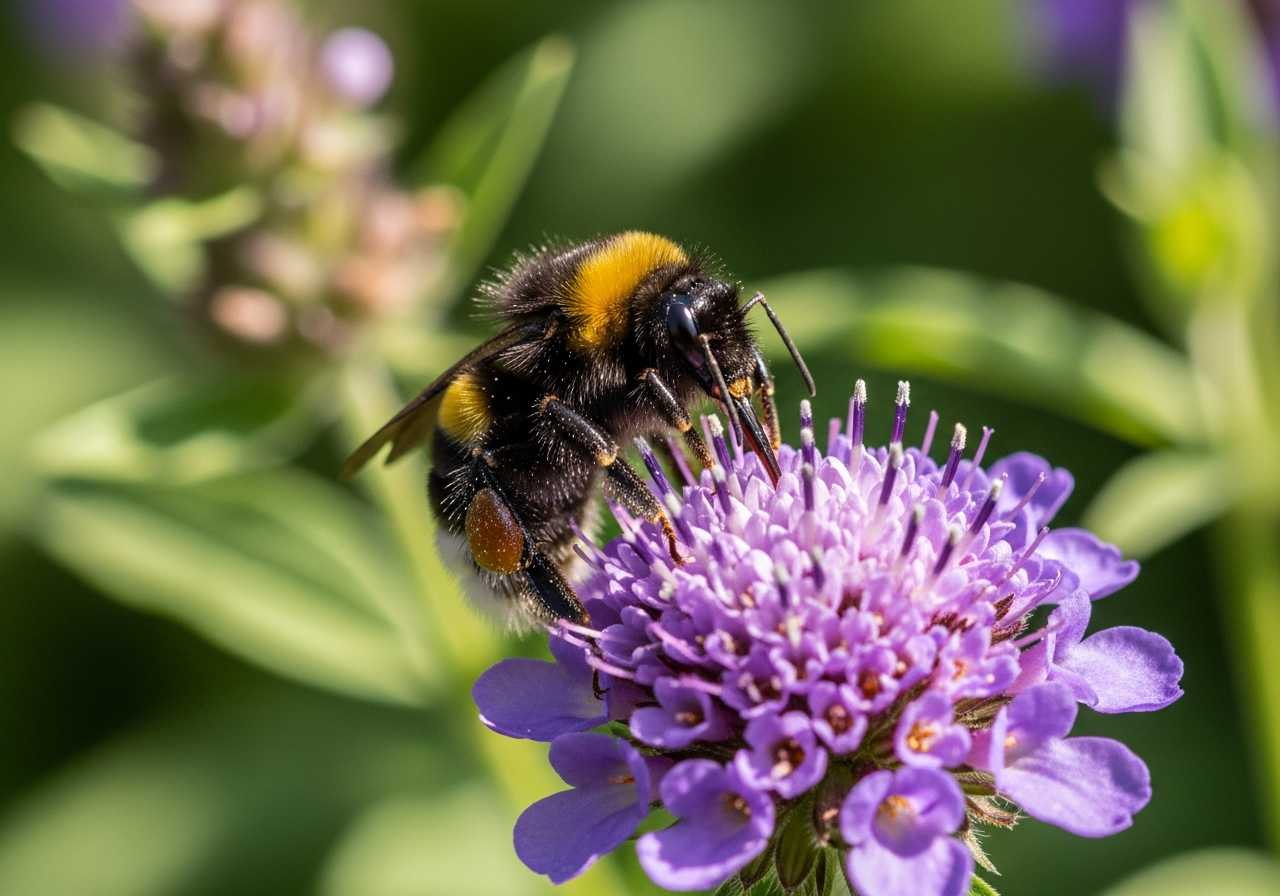
Insect
The fuzzy, hard-working pollinator of meadows and gardens
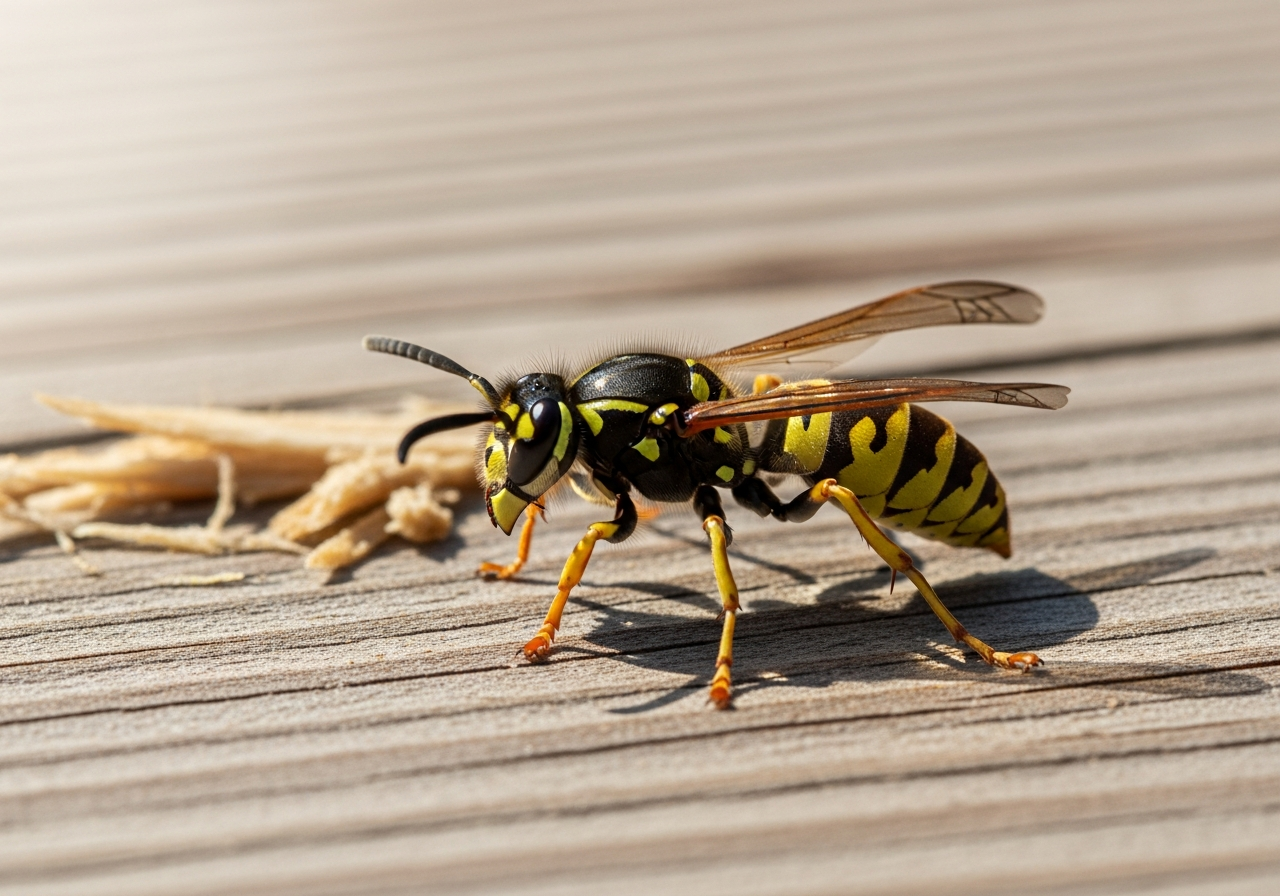
Insect
The yellow-and-black predator and scavenger of summer
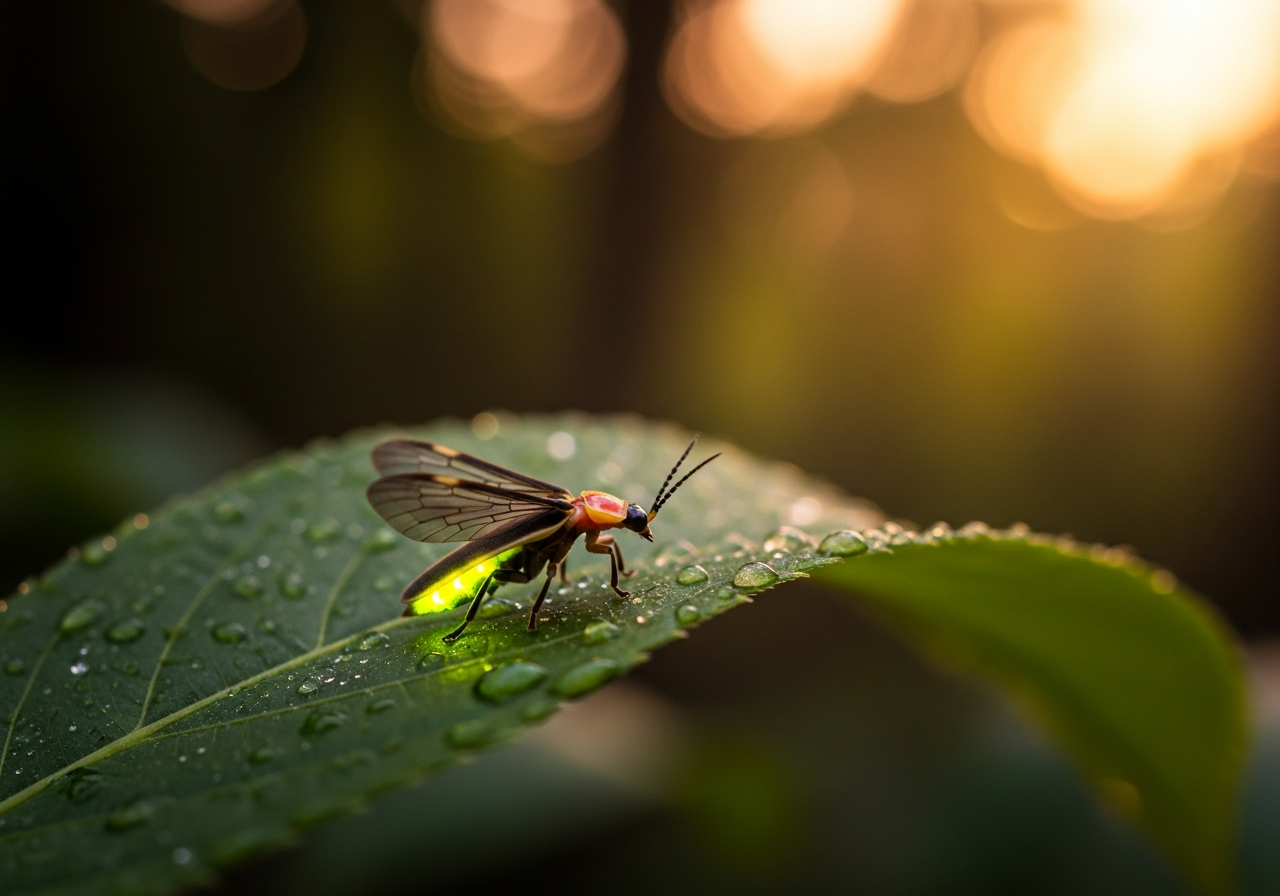
Insect
The glowing beetle of warm summer nights
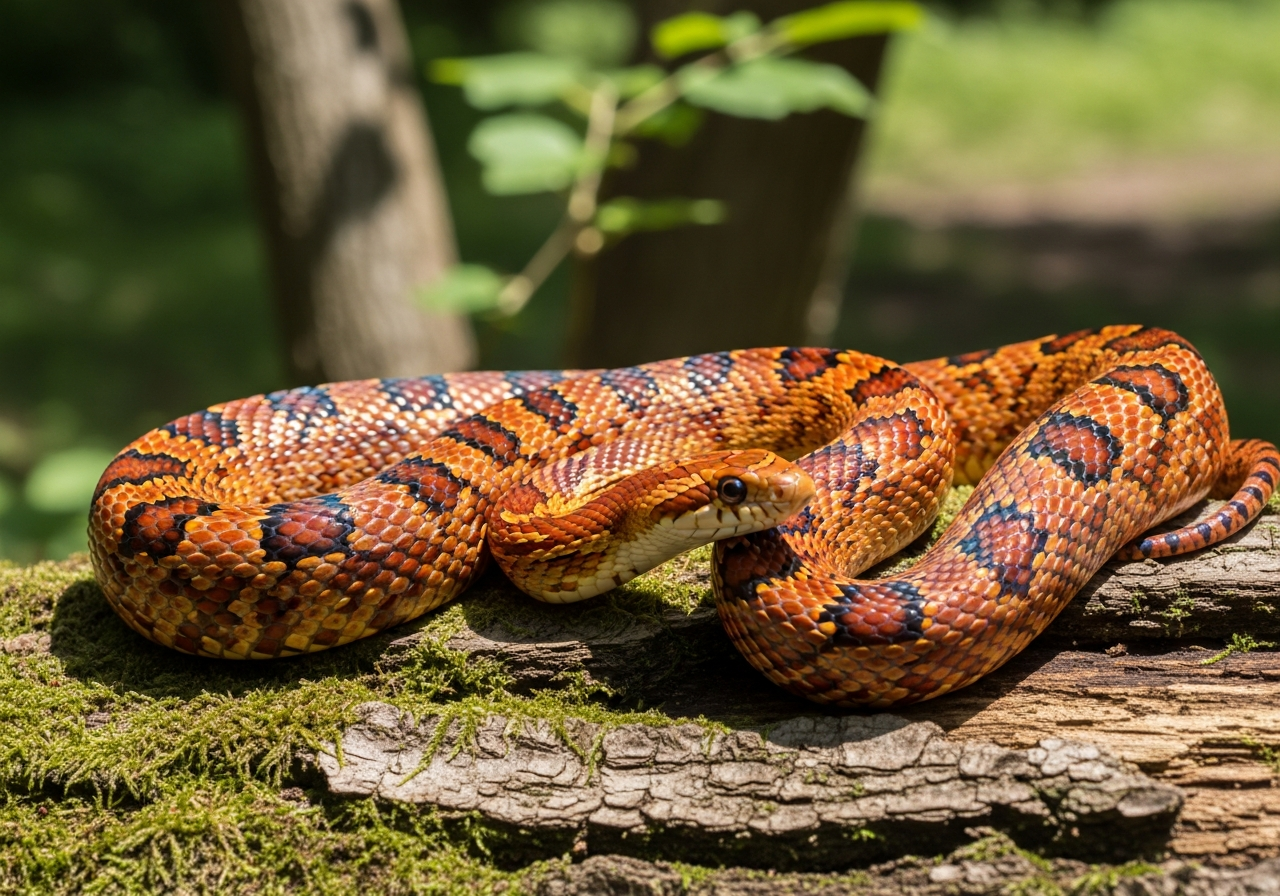
Reptile
The gentle, colorful beginner's pet snake
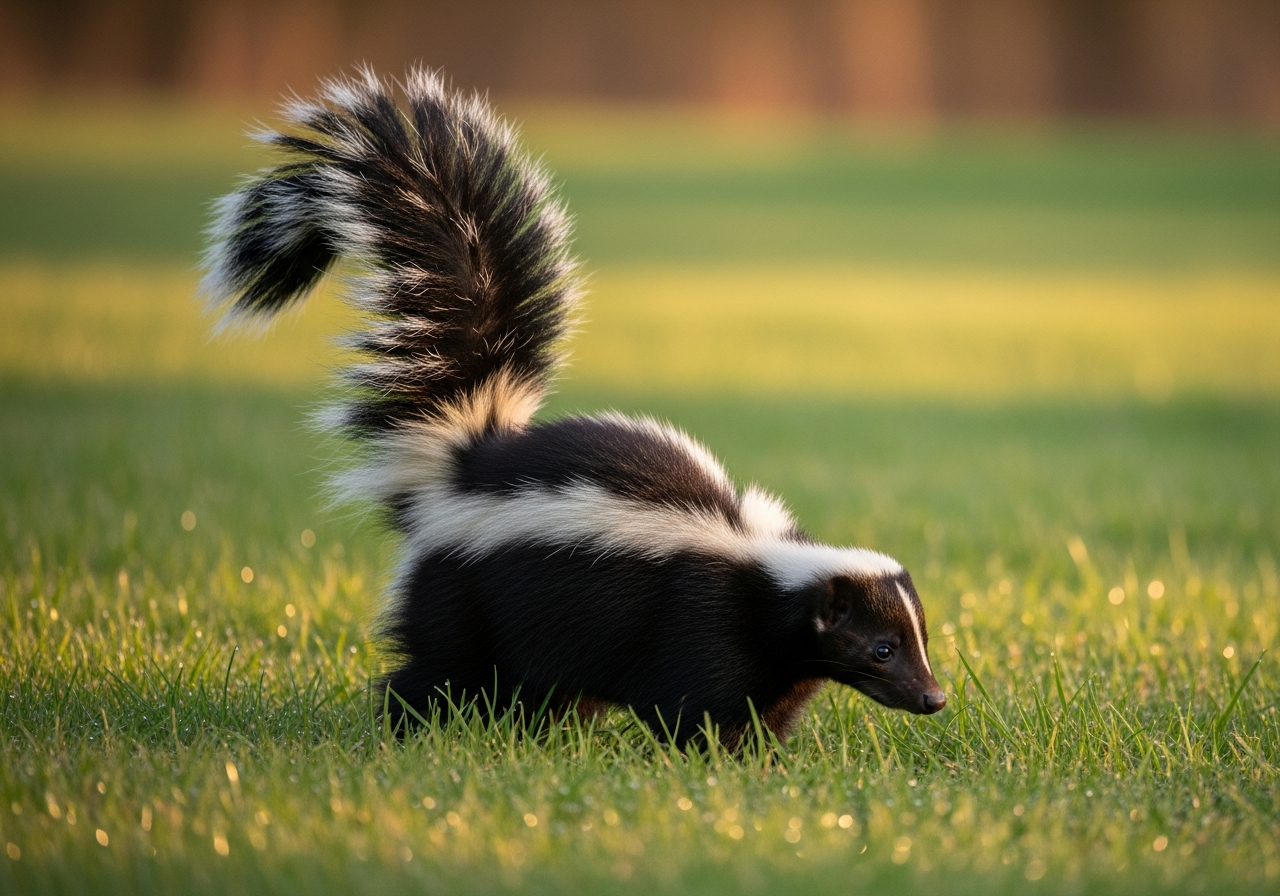
Mammal
The black-and-white mammal with a chemical defence
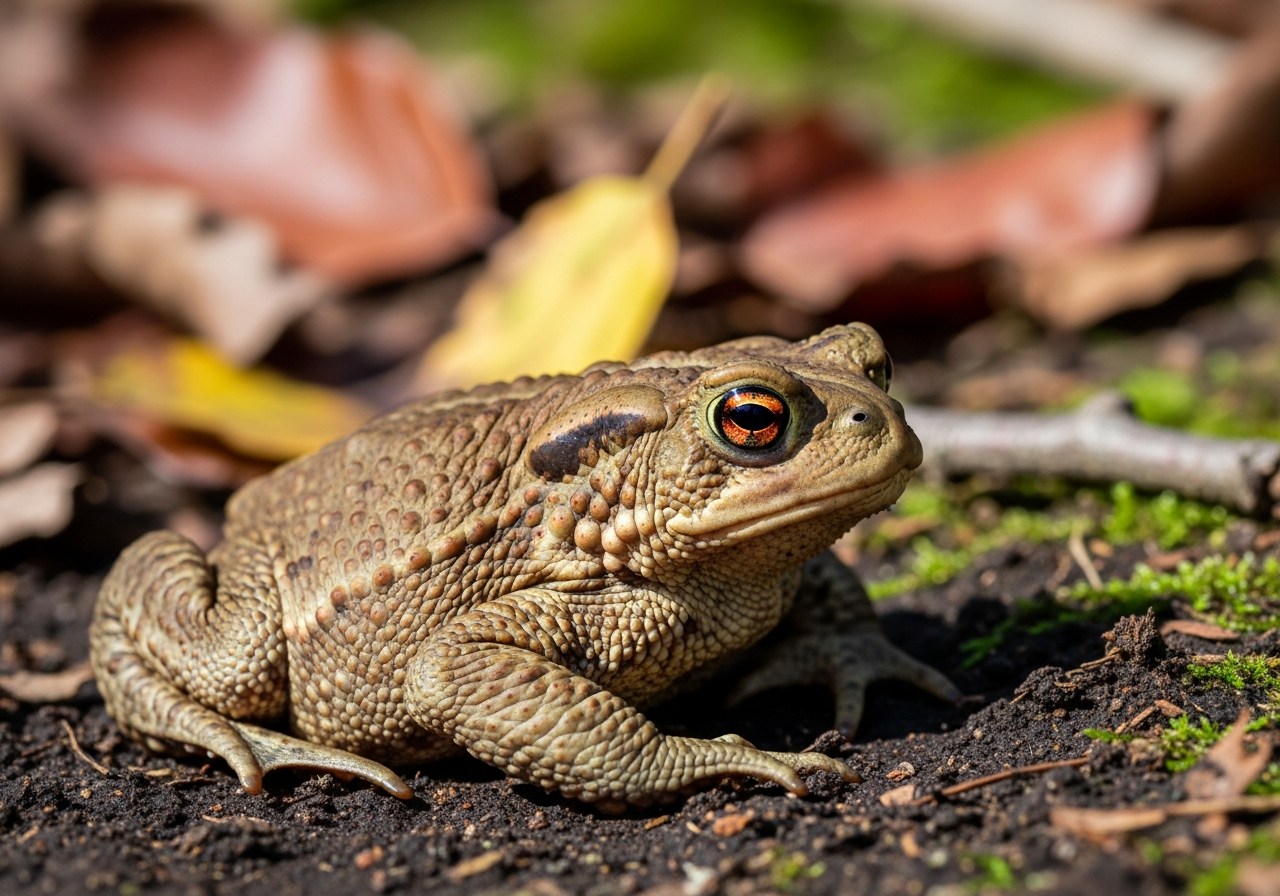
Amphibian
The warty garden toad of Europe
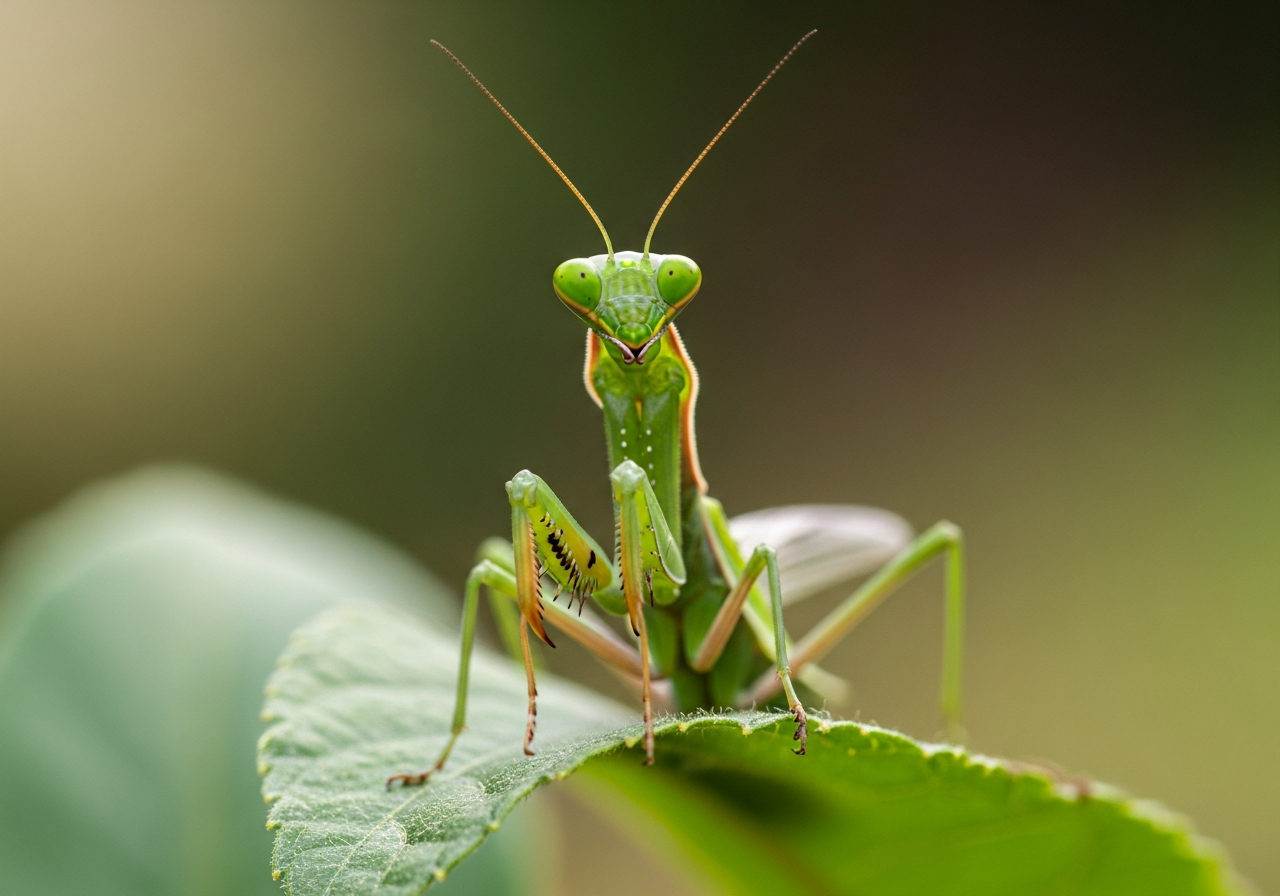
Insect
The patient ambush predator with folded arms
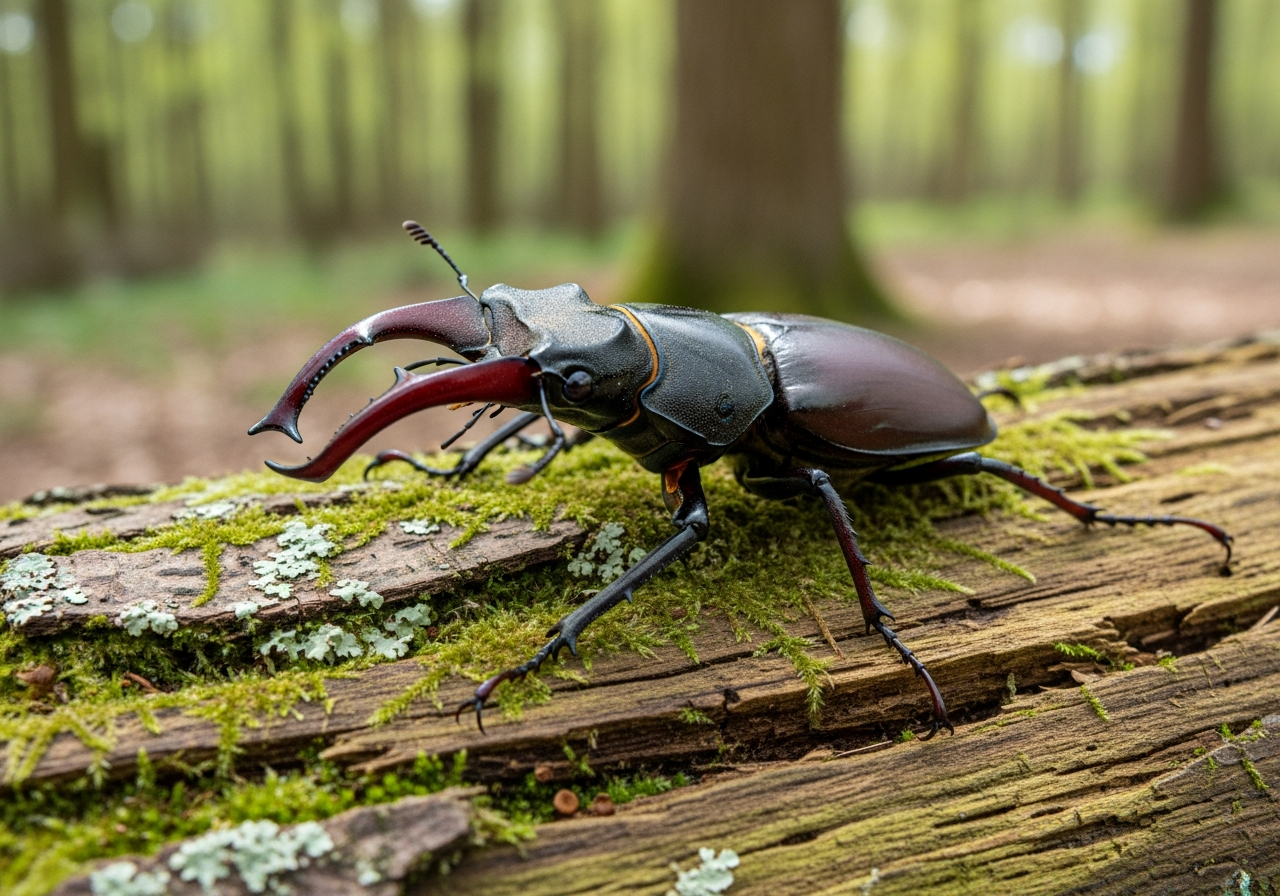
Insect
The large beetle with antler-like jaws
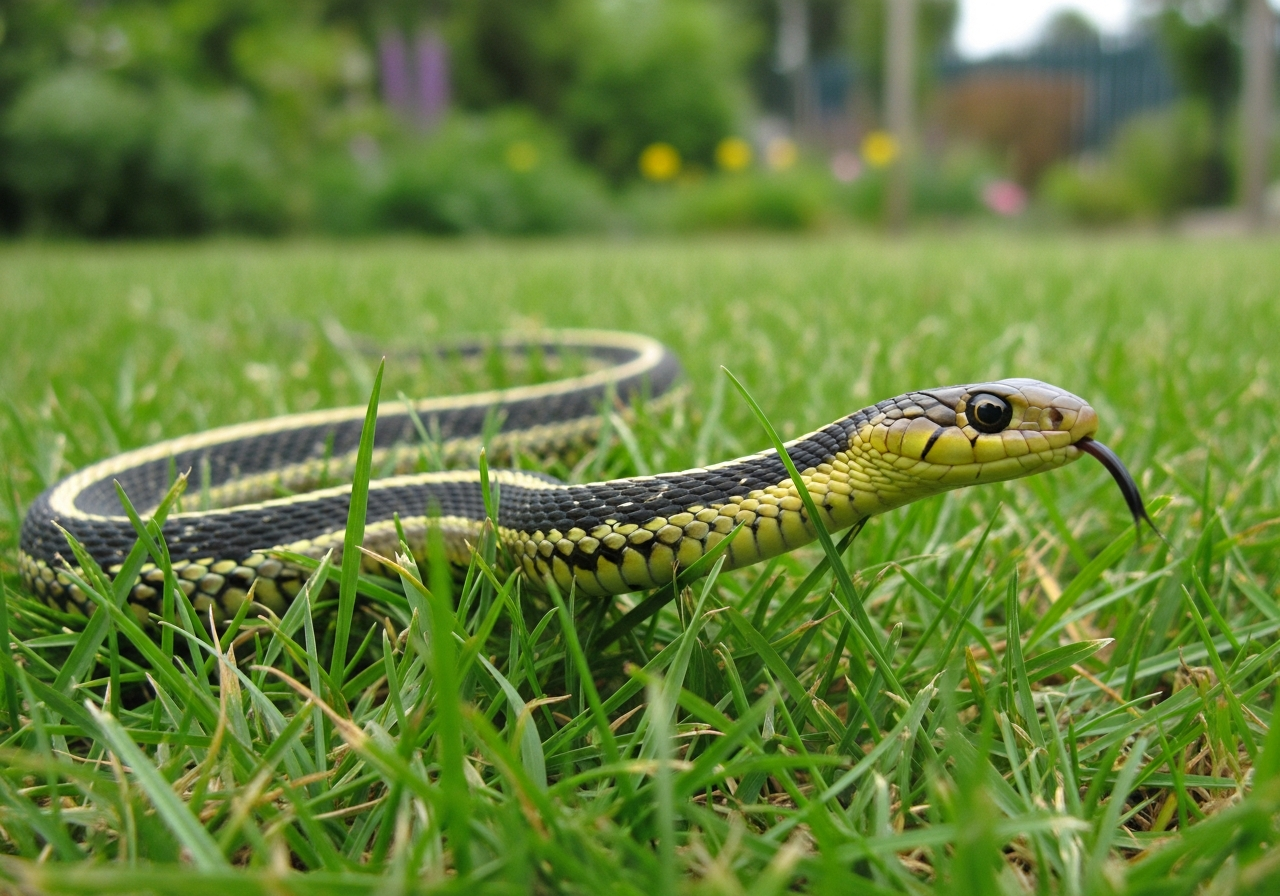
Reptile
One of North America's most common and widespread snakes
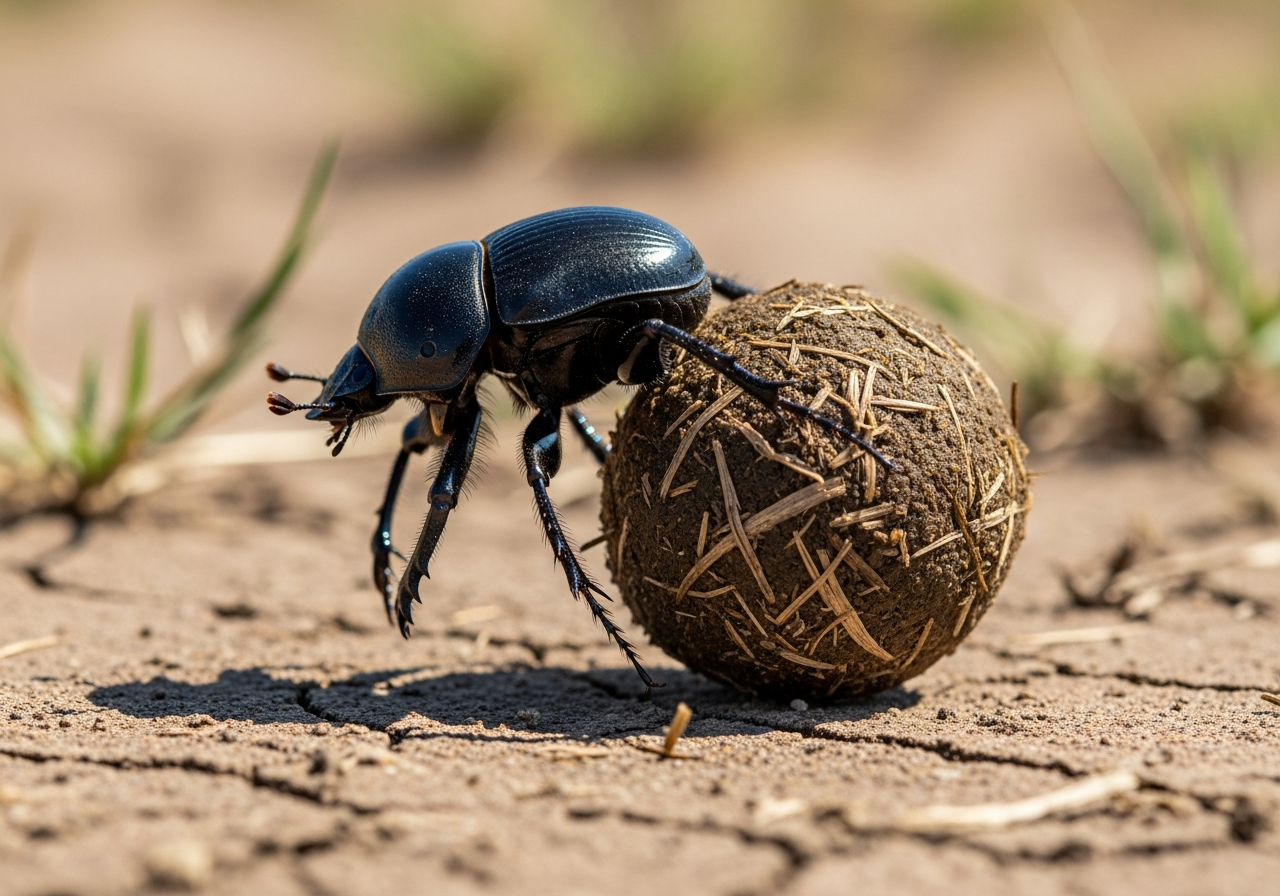
Insect
The strong beetle that rolls balls of dung
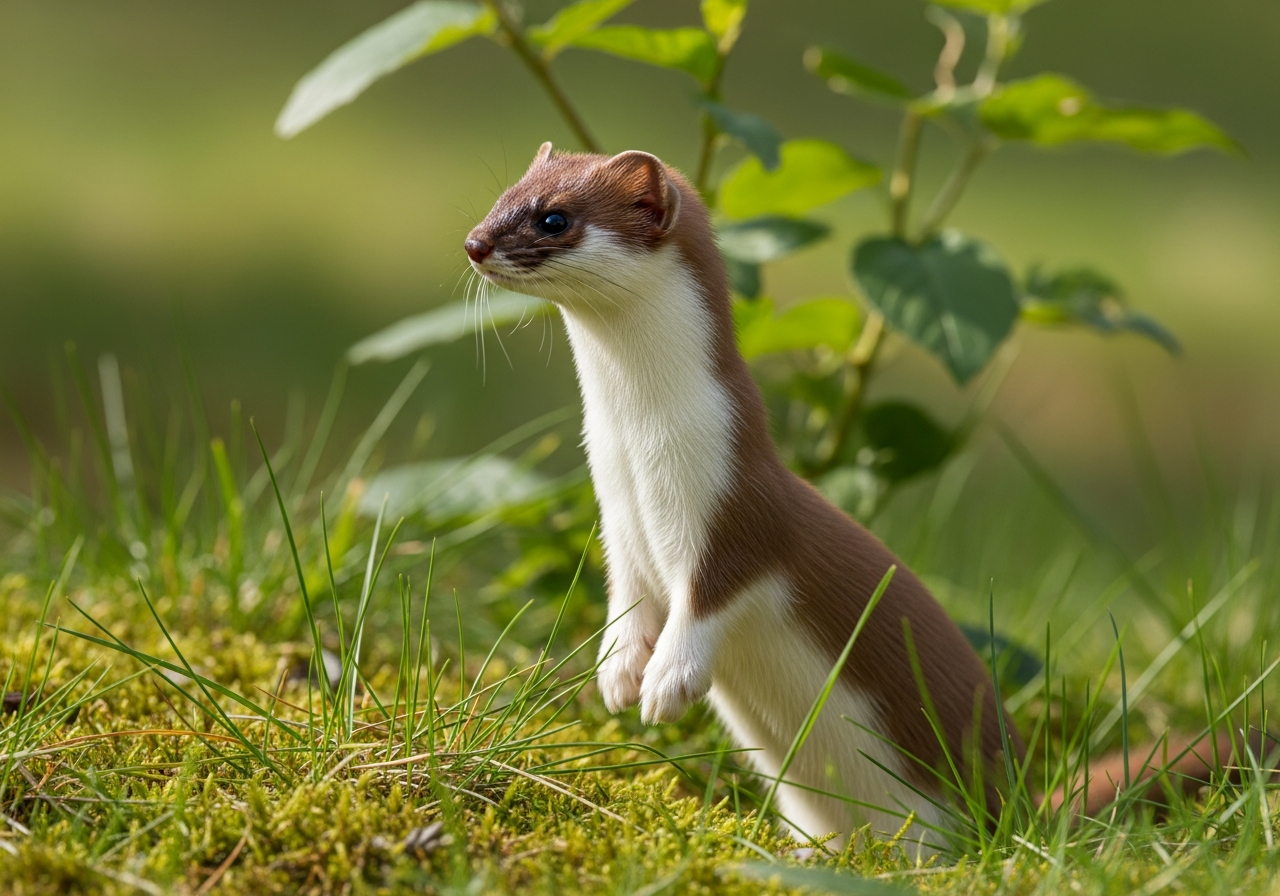
Mammal
Britain's smallest carnivore, built for chasing prey into burrows
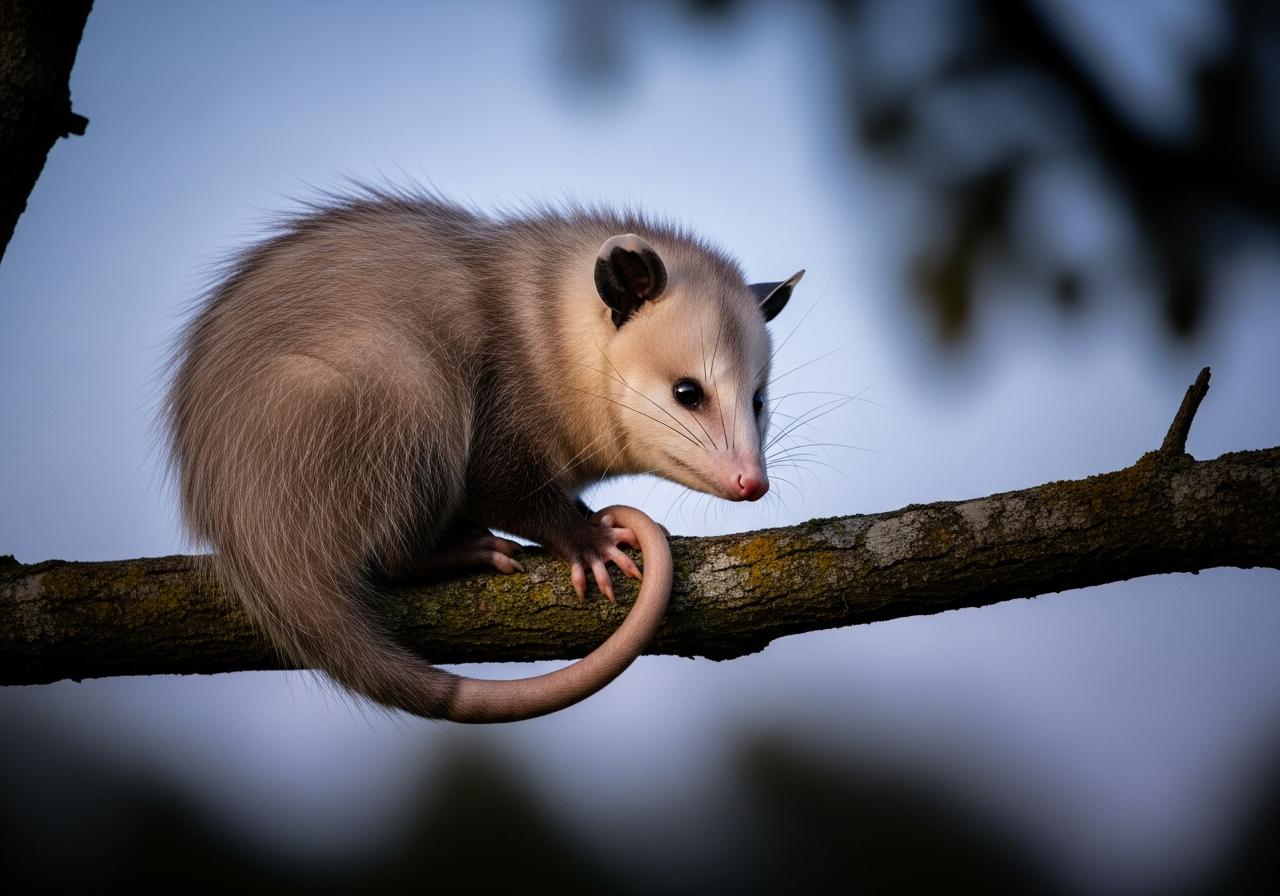
Mammal
North America's only marsupial
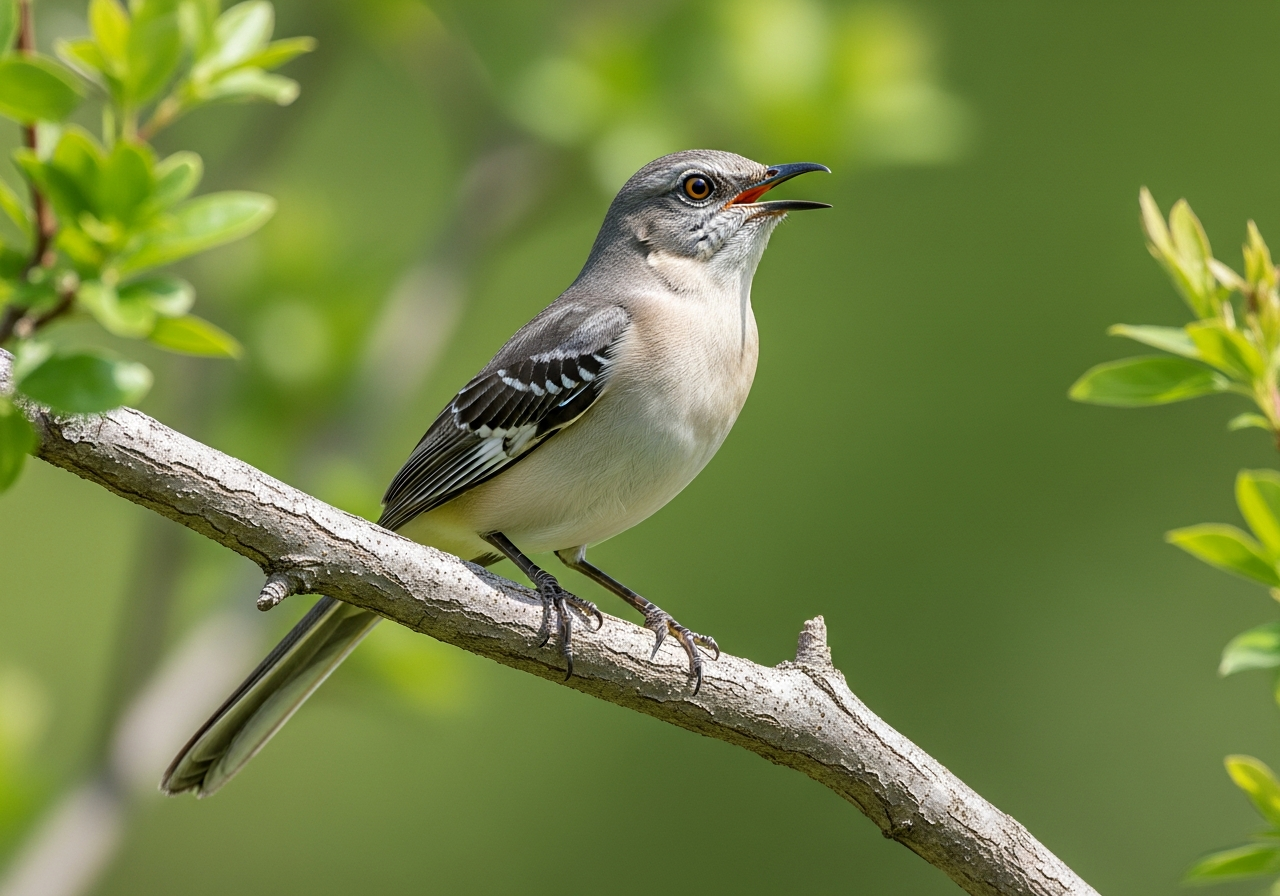
Bird
The bird that learns 200+ songs and sings through the night
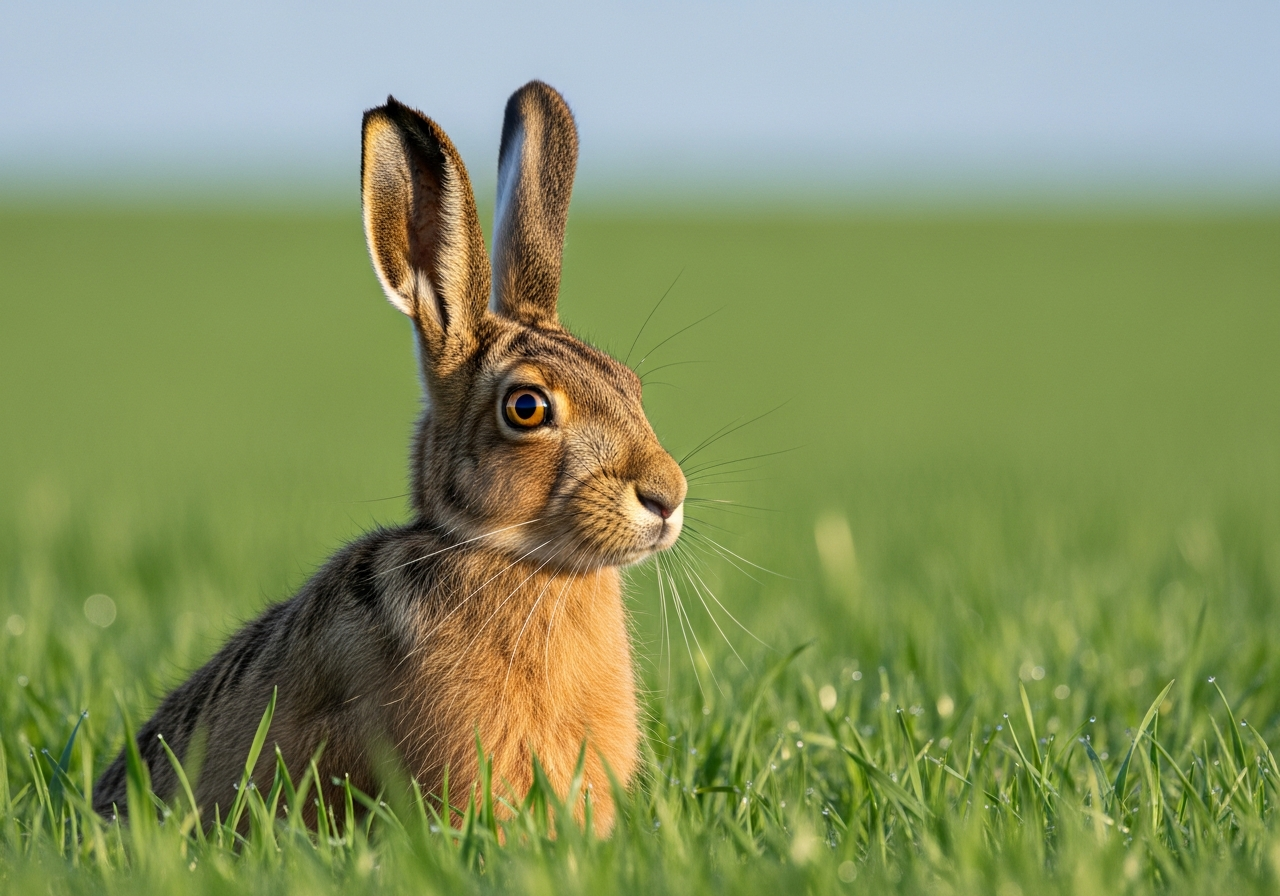
Mammal
The long-legged sprinter of open fields
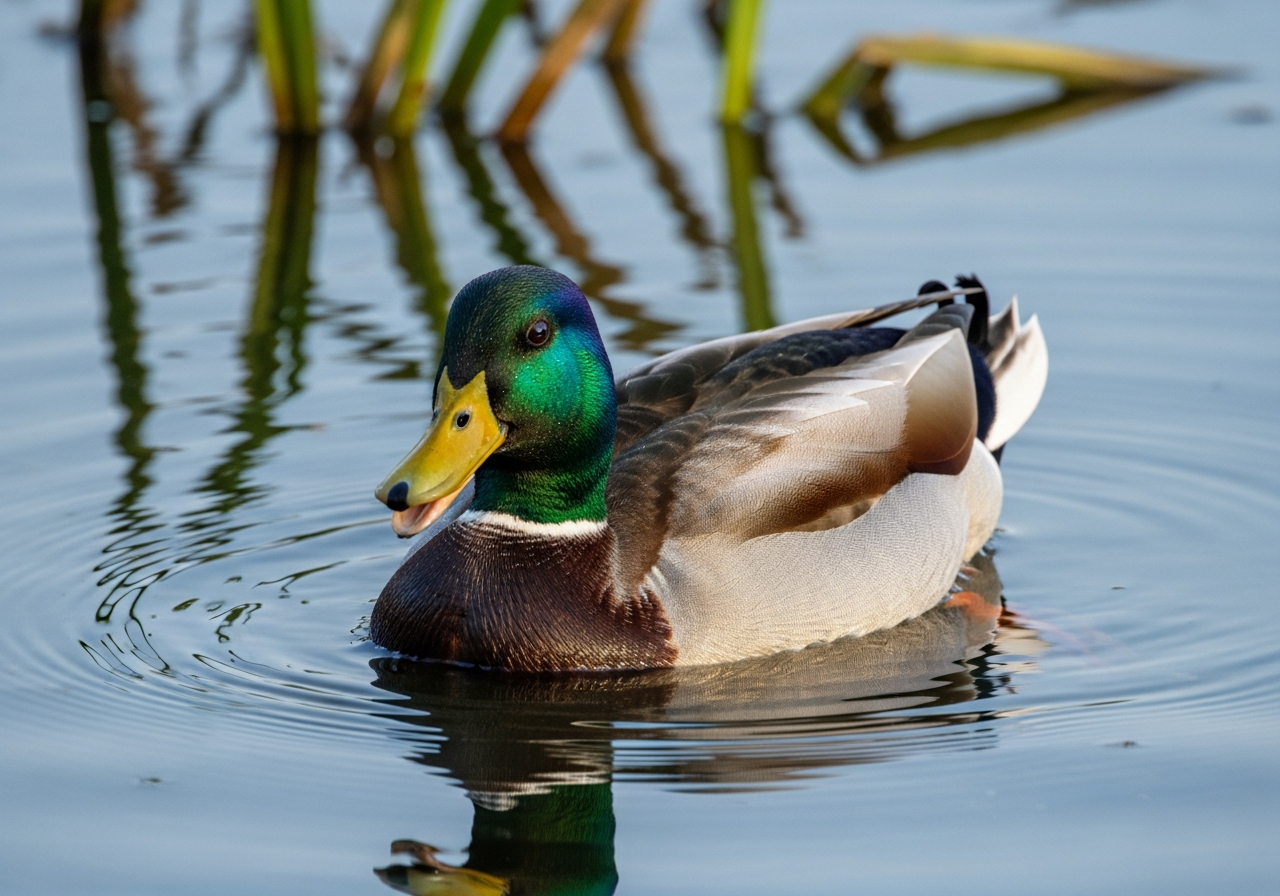
Bird
The familiar wild duck found around the world
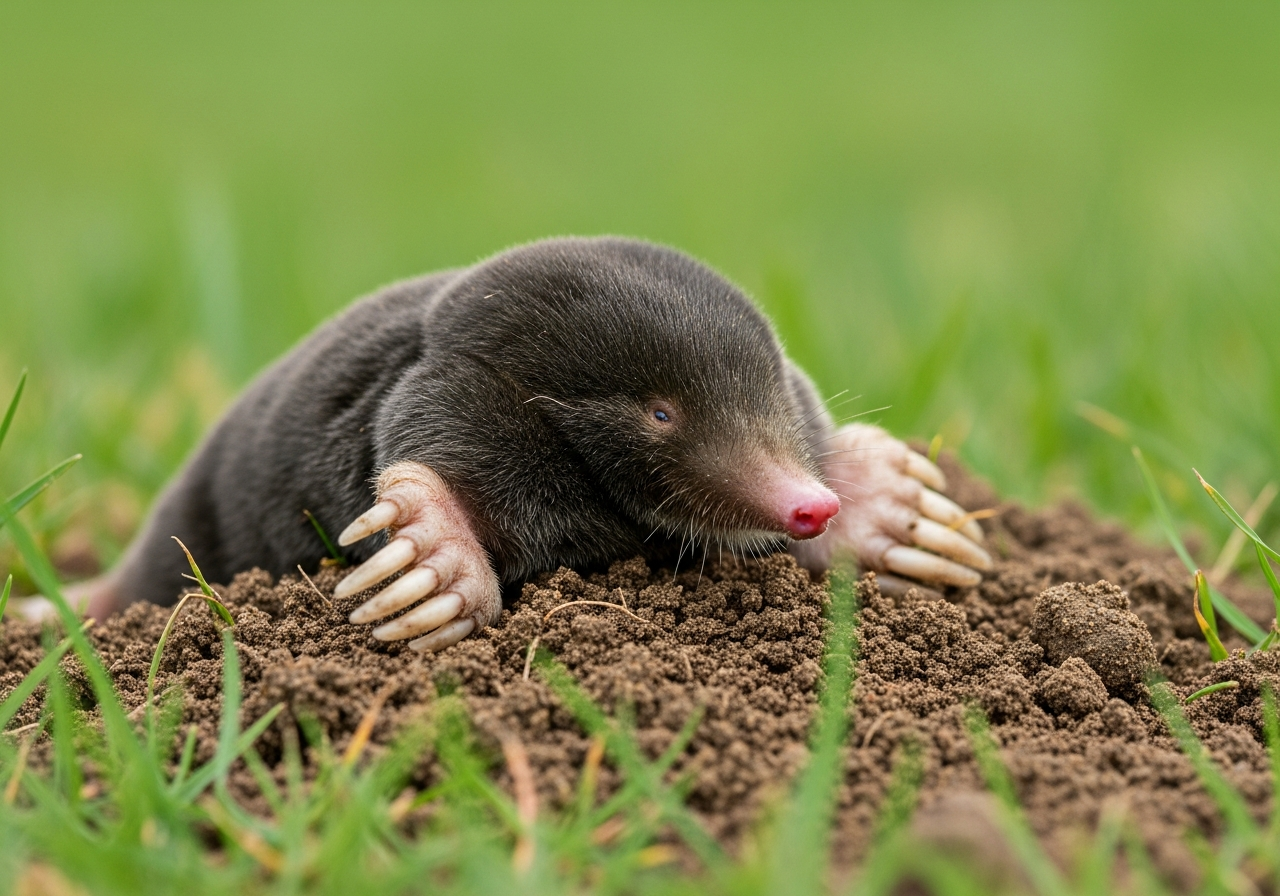
Mammal
The tunnelling insectivore behind every molehill
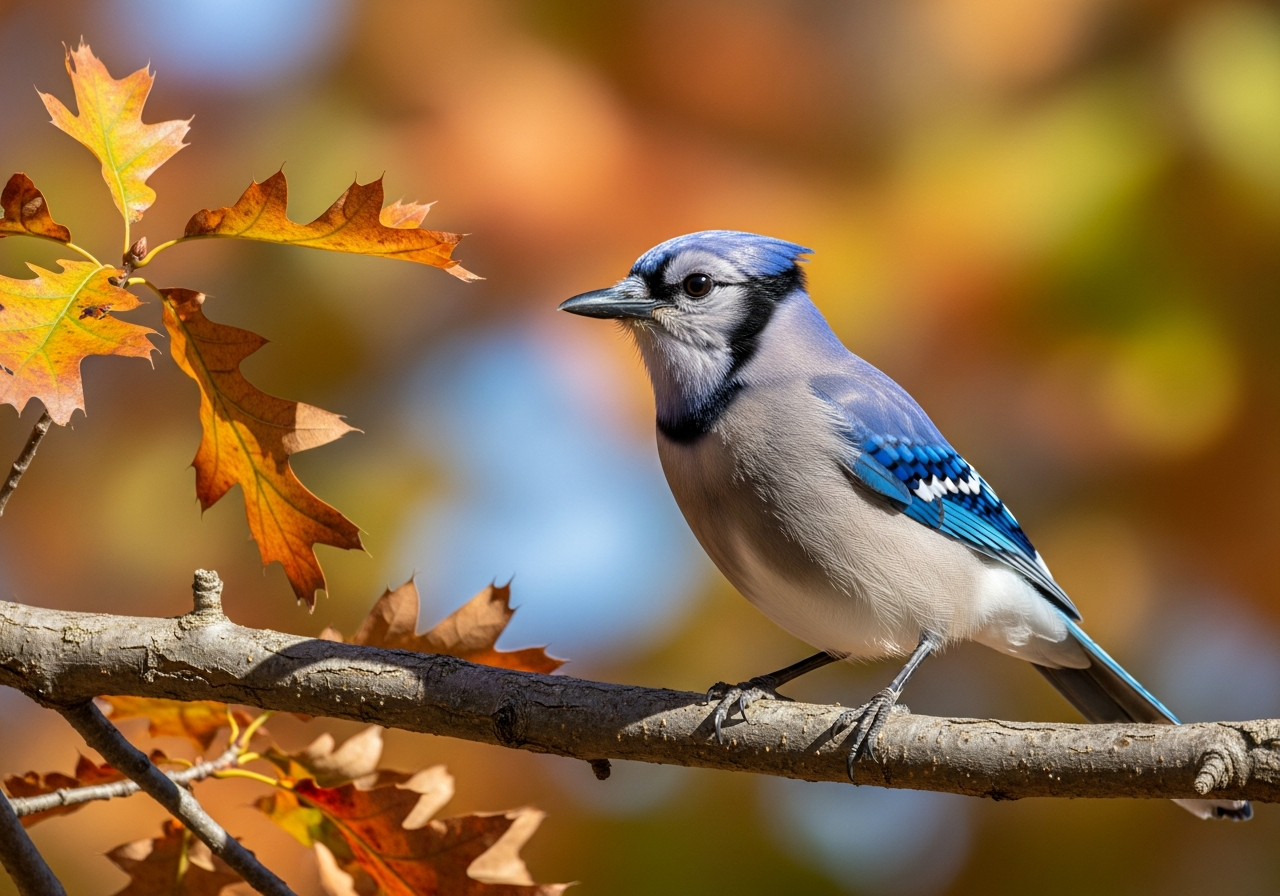
Bird
The bold, noisy blue songbird of North America
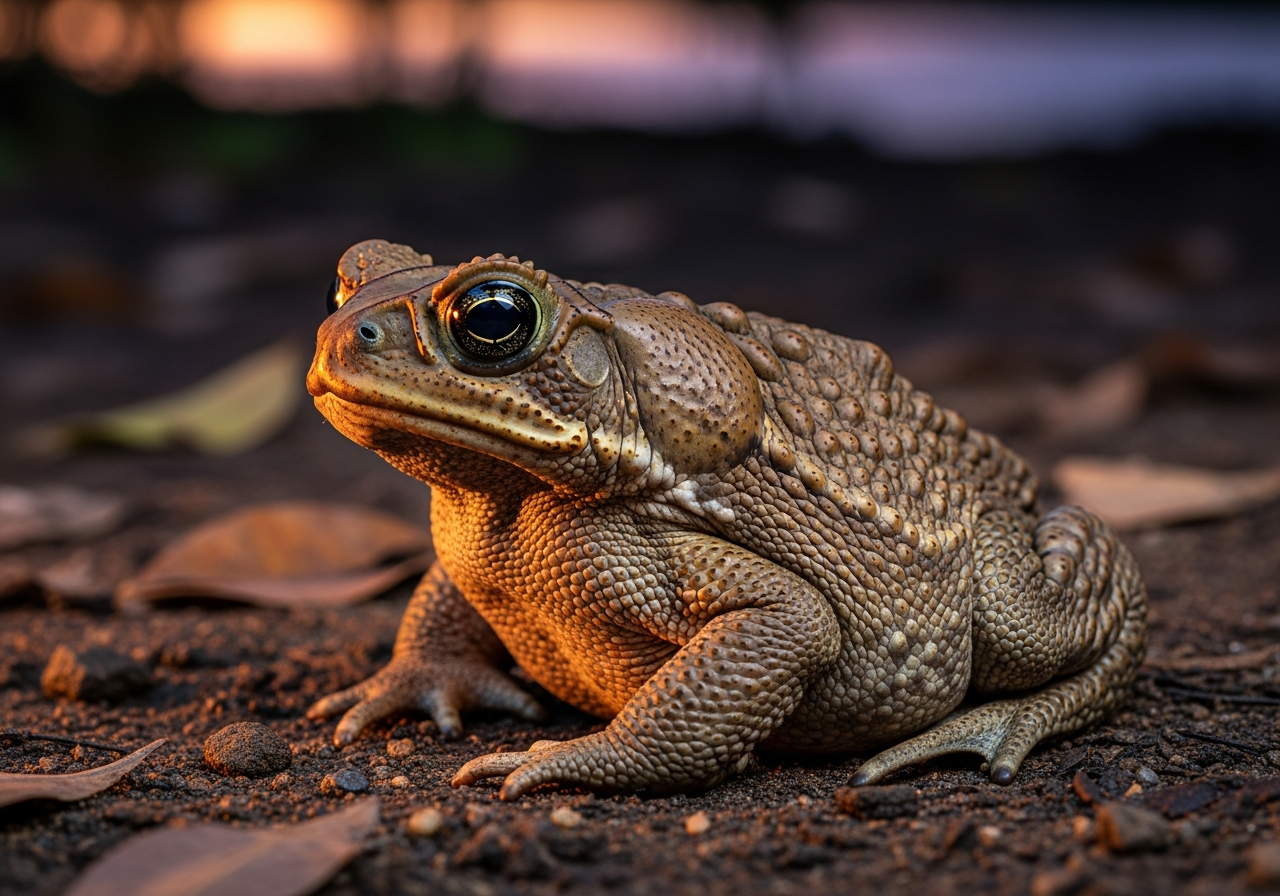
Amphibian
A large, toxic toad turned invasive pest
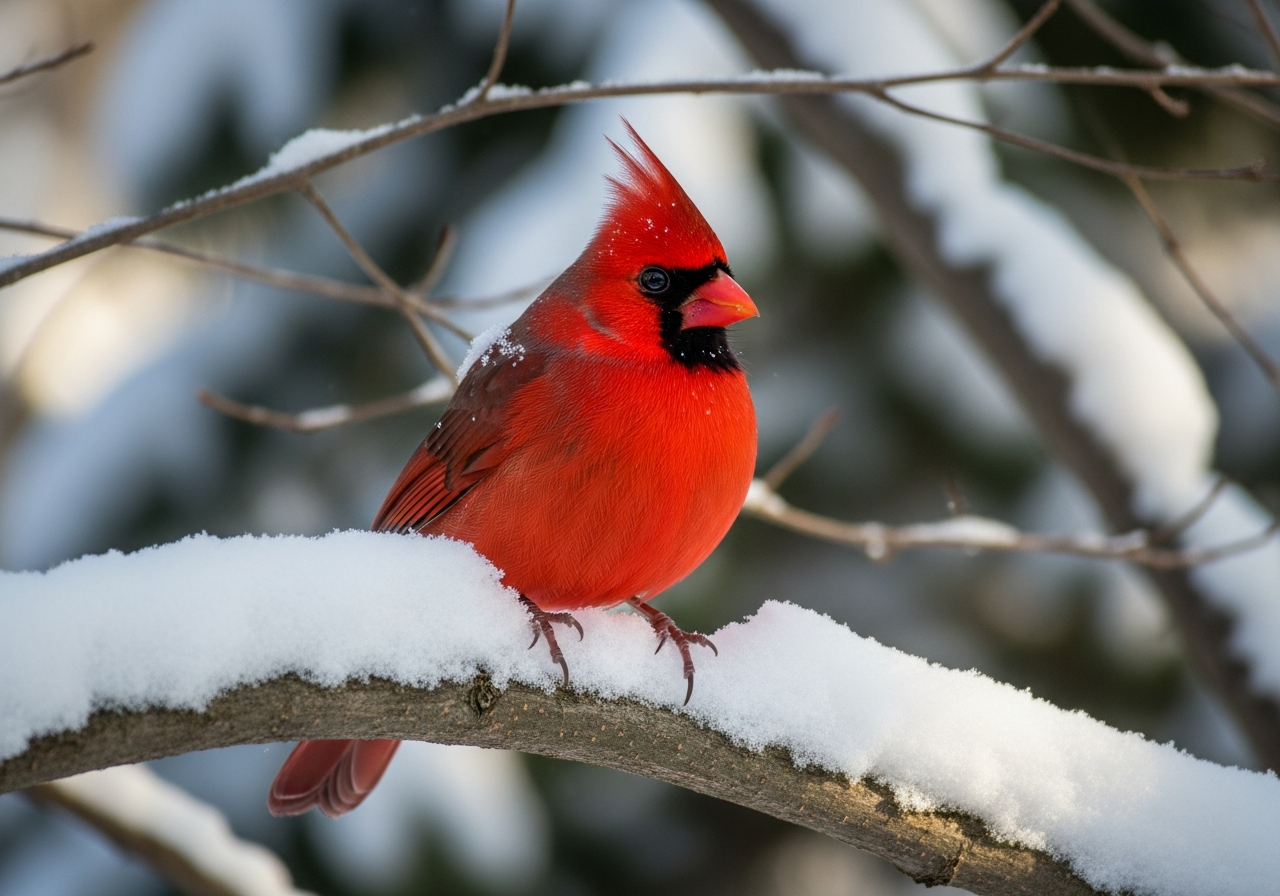
Bird
The bright red songbird of North American gardens
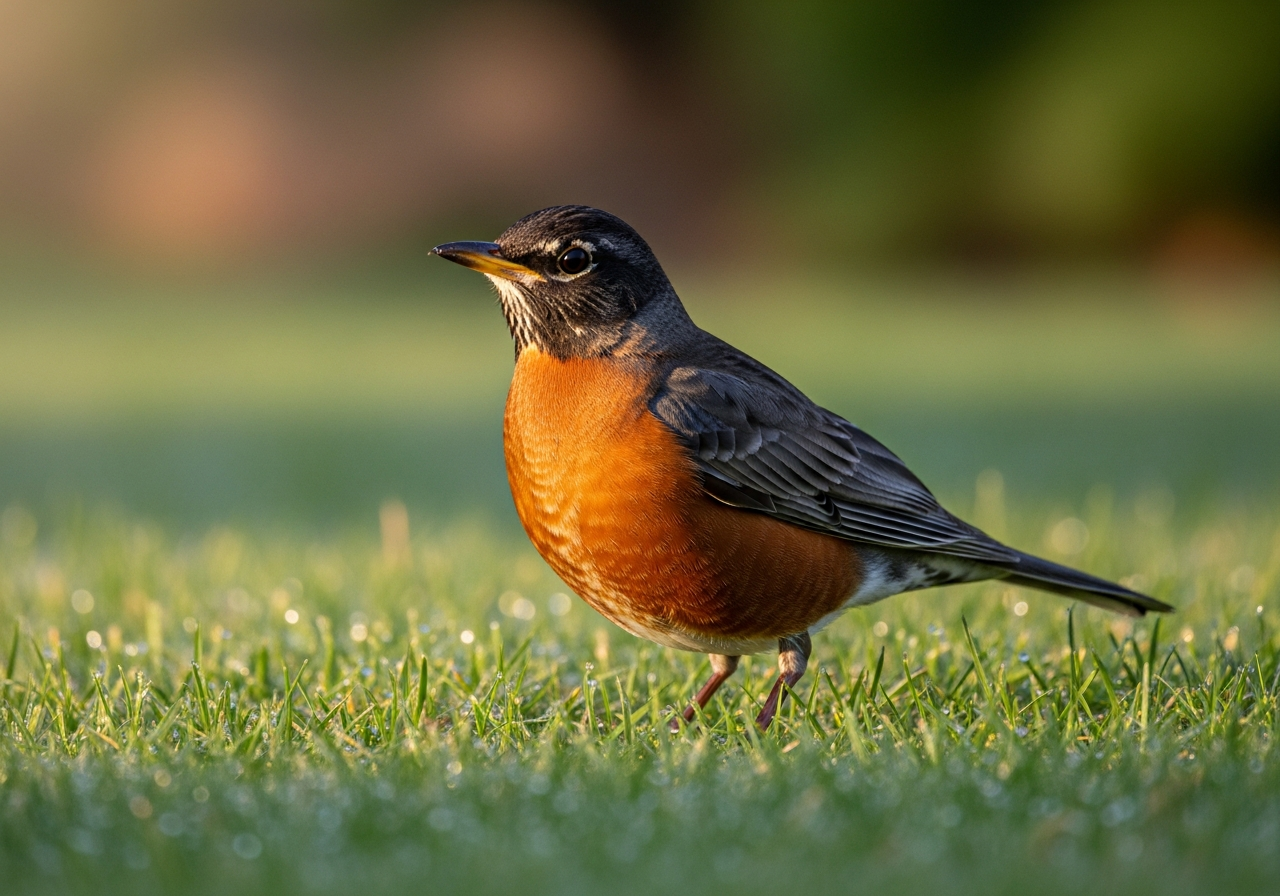
Bird
The orange-breasted herald of spring
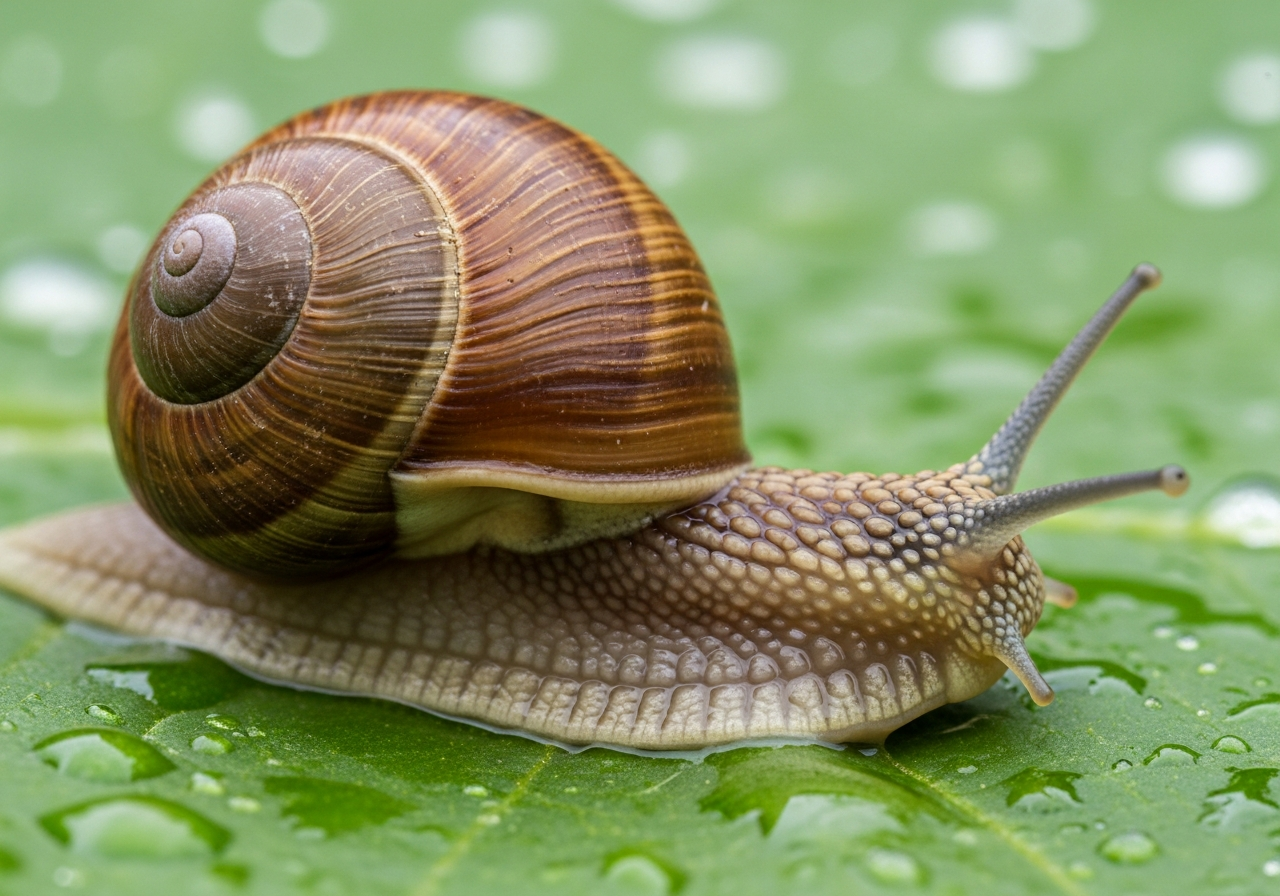
Invertebrate
The slow, shell-carrying garden mollusk
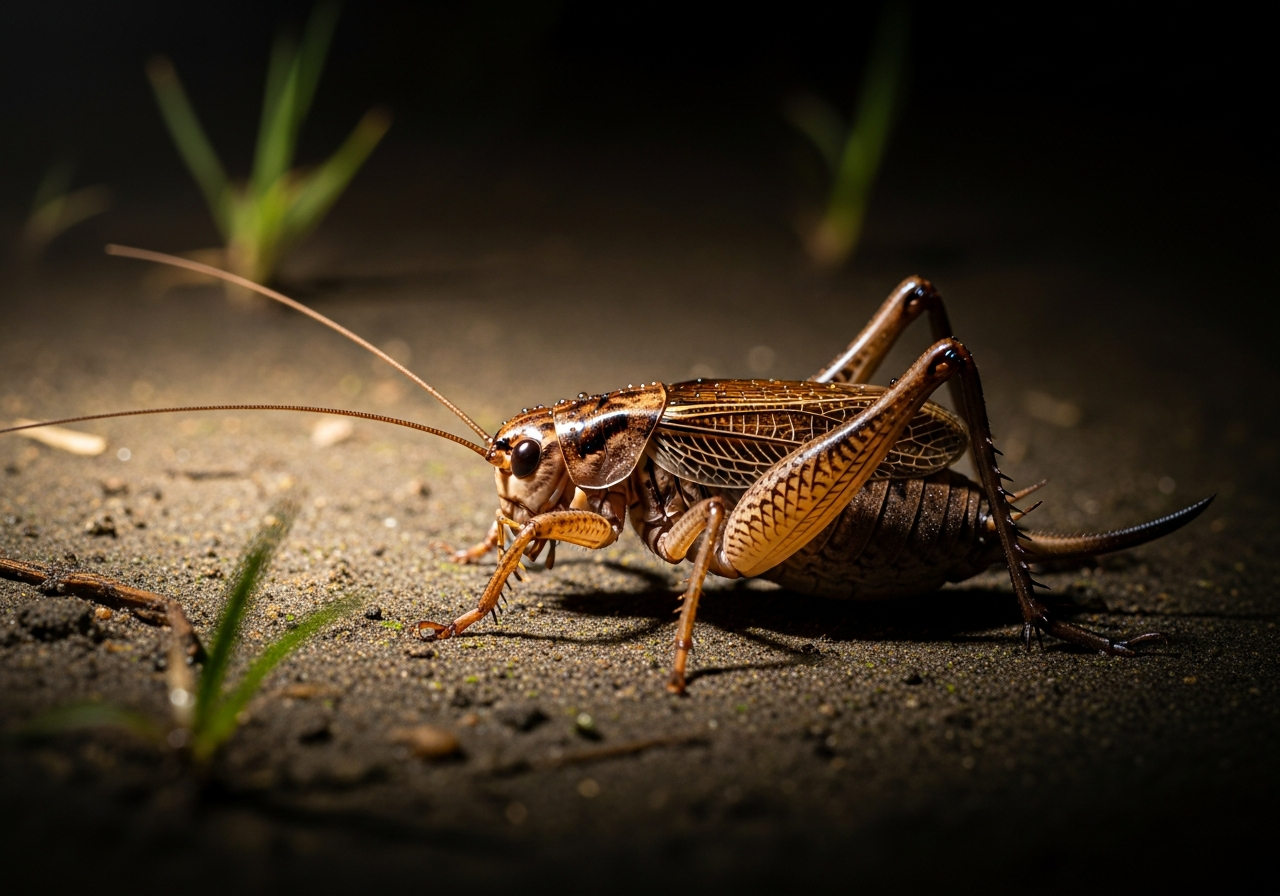
Insect
The chirping insect of warm evenings
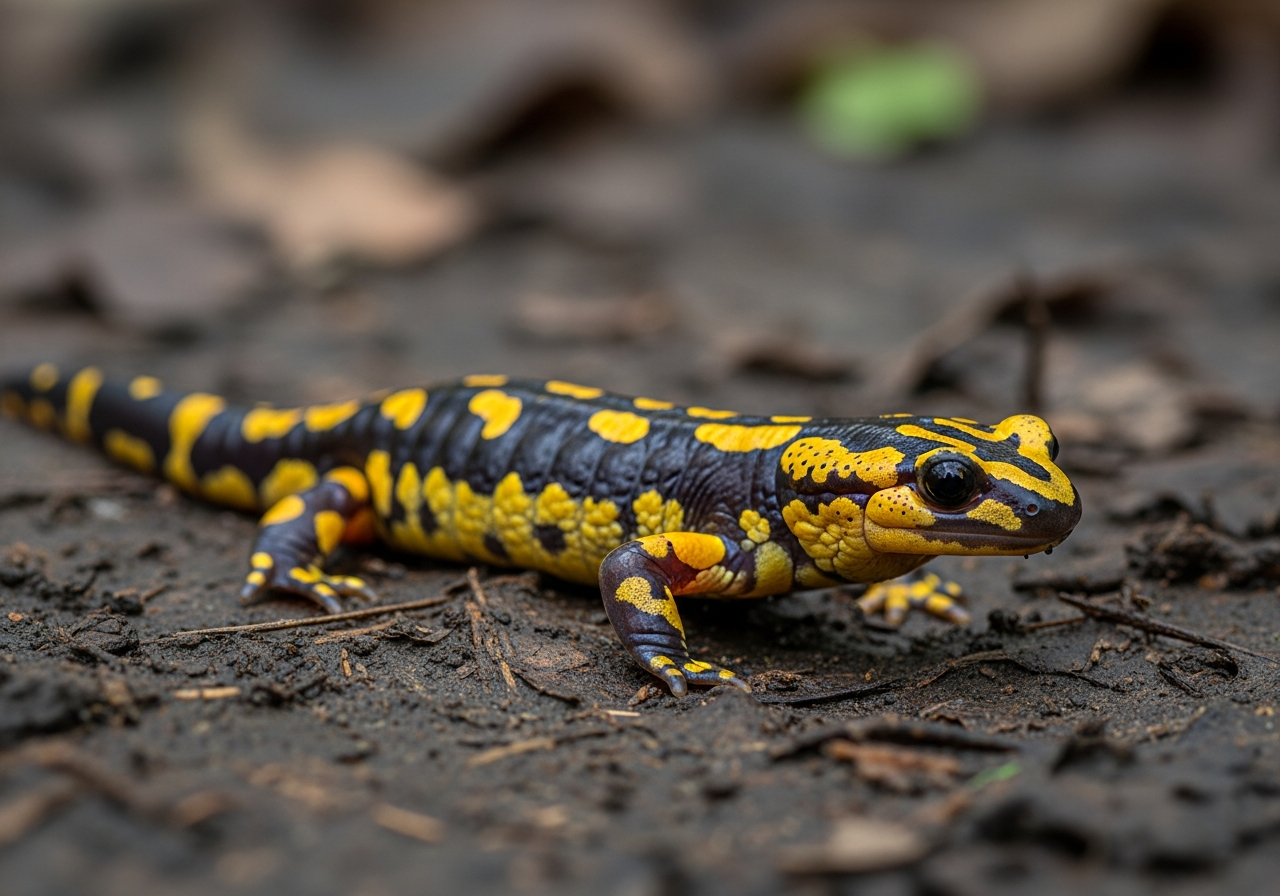
Amphibian
A stout, burrowing salamander of North America
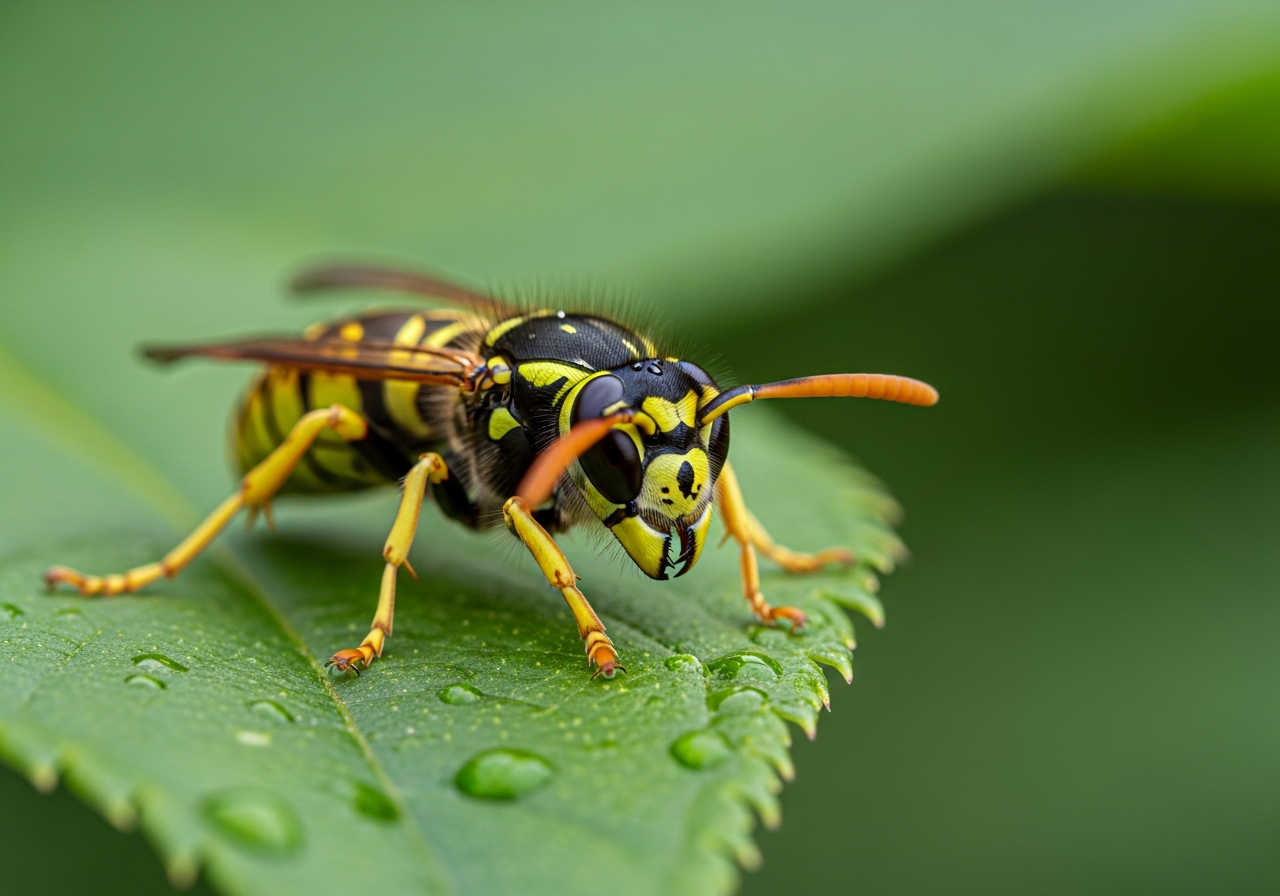
Insect
The bold black-and-yellow social wasp
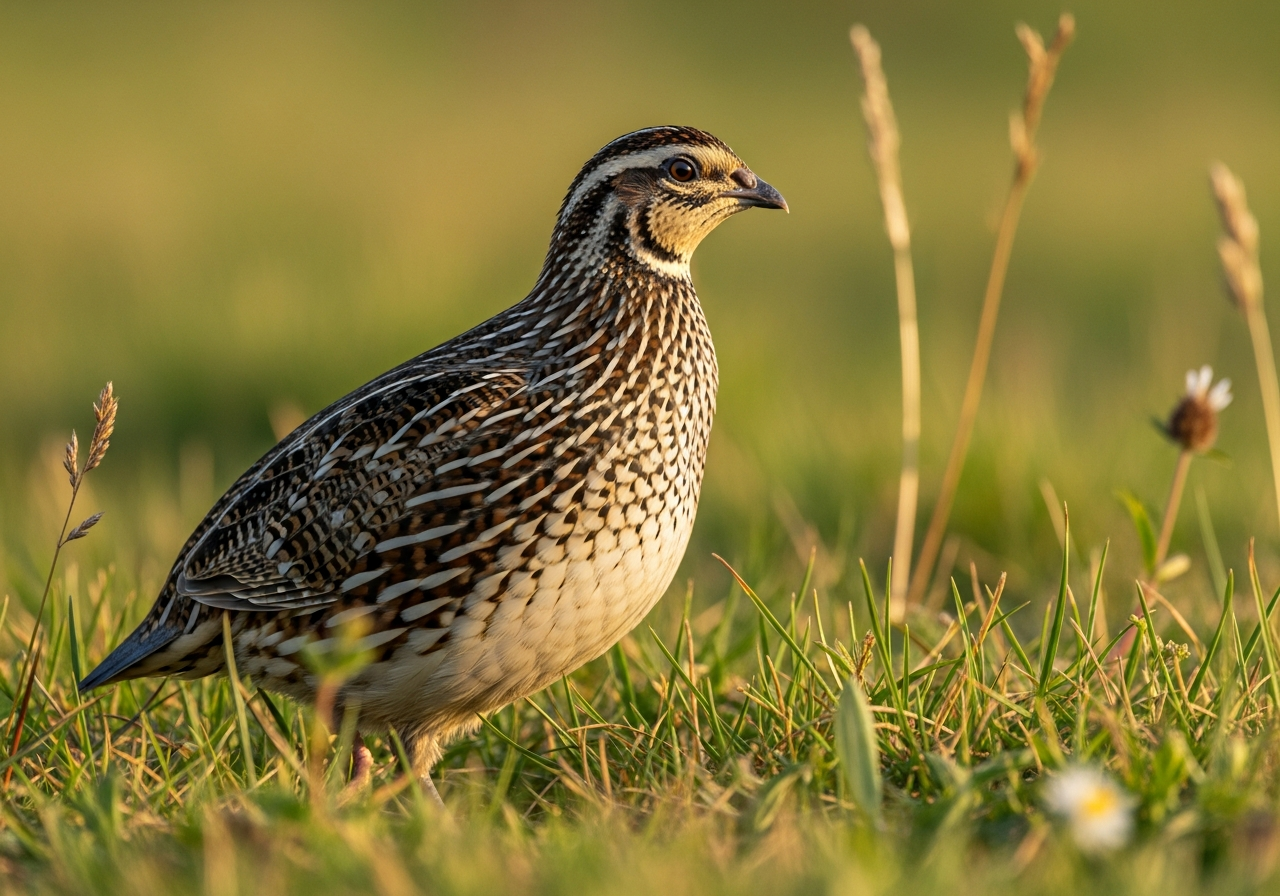
Bird
The small, secretive ground bird of fields and grassland
Urban and farmland habitats are landscapes people have heavily modified. Adaptable species — foxes, pigeons, raccoons, many insects — exploit gardens, parks, and crop edges. Cities can still support wildlife when green corridors, water, and nesting sites remain.
Species lists on this page are drawn from Global Animal Guide profiles whose habitat facts match urban & farmland keywords. Browse the ranked list for answer-first guides covering diet, range, and conservation.
Urban & farmland is defined by climate, vegetation, and water availability that favour particular body plans and behaviours. Compare sibling biome hubs (ocean, forest, desert, and more) to see how the same animal groups specialise differently.