Mammal
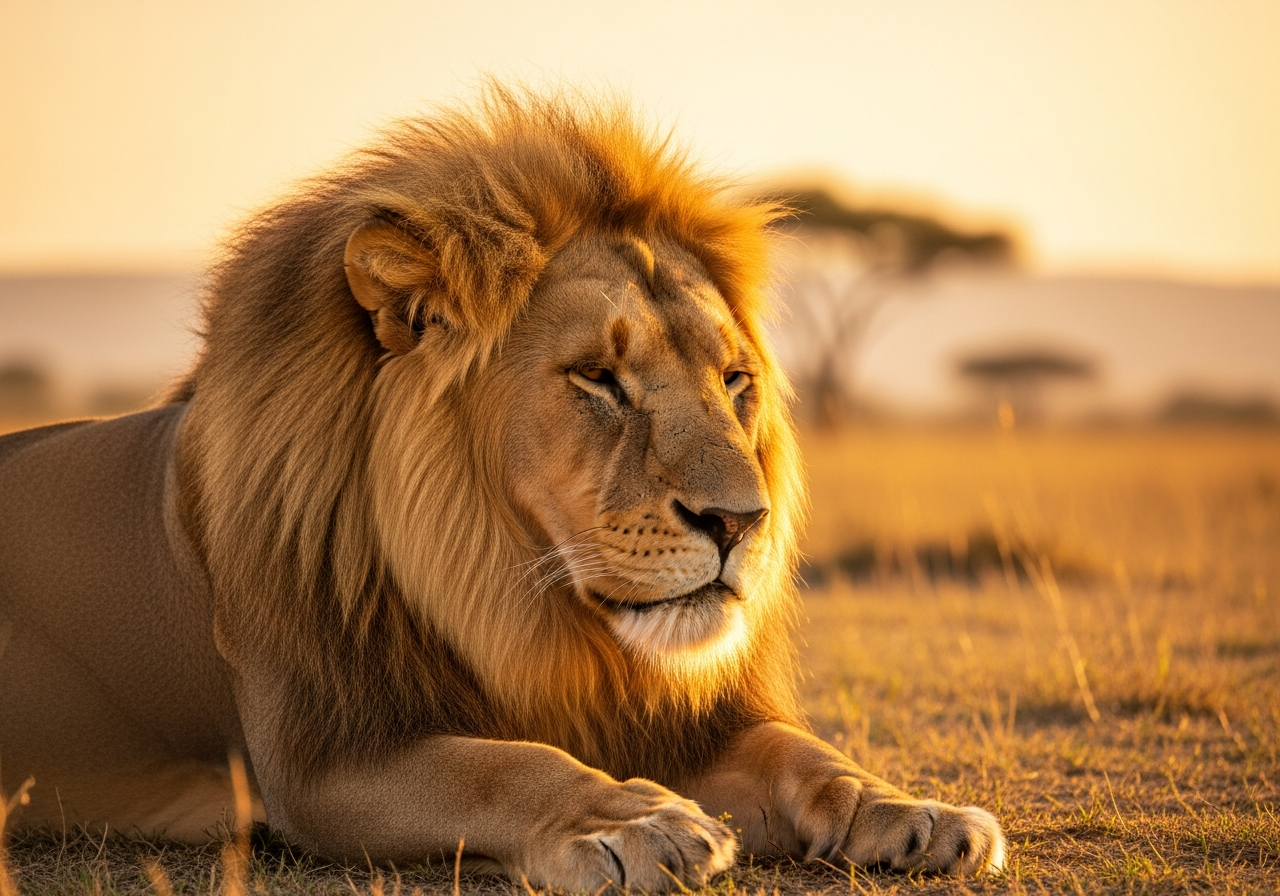
Lion
The social big cat of the African savanna
Trusted wildlife guides · Promotional links support animal rescue
Saturday, 18 July 2026African and other tropical savannas are shaped by wet–dry seasons and grazing pressure. Open sightlines favour speed, long-distance movement, and cooperative hunting. Species on this page list savanna or savannah in their habitat facts.
Savannas are tropical grasslands with scattered trees, seasonal rains, and fire. They support large grazers and famous predators — lions, cheetahs, elephants, and giraffes — adapted to open country.
Classic savanna species in the guide include lion, cheetah, African elephant, giraffe, and zebra — with size, speed, and pack or herd behaviour covered answer-first.
Habitat conversion, fencing that blocks migration, human–wildlife conflict, and poaching threaten many savanna megafauna.
Compare with grassland for temperate prairies and steppes, and desert for arid edges of the same continents.
Ranked by profile popularity. An animal may also appear in other biomes if it uses multiple habitats.
Mammal
The social big cat of the African savanna
Mammal
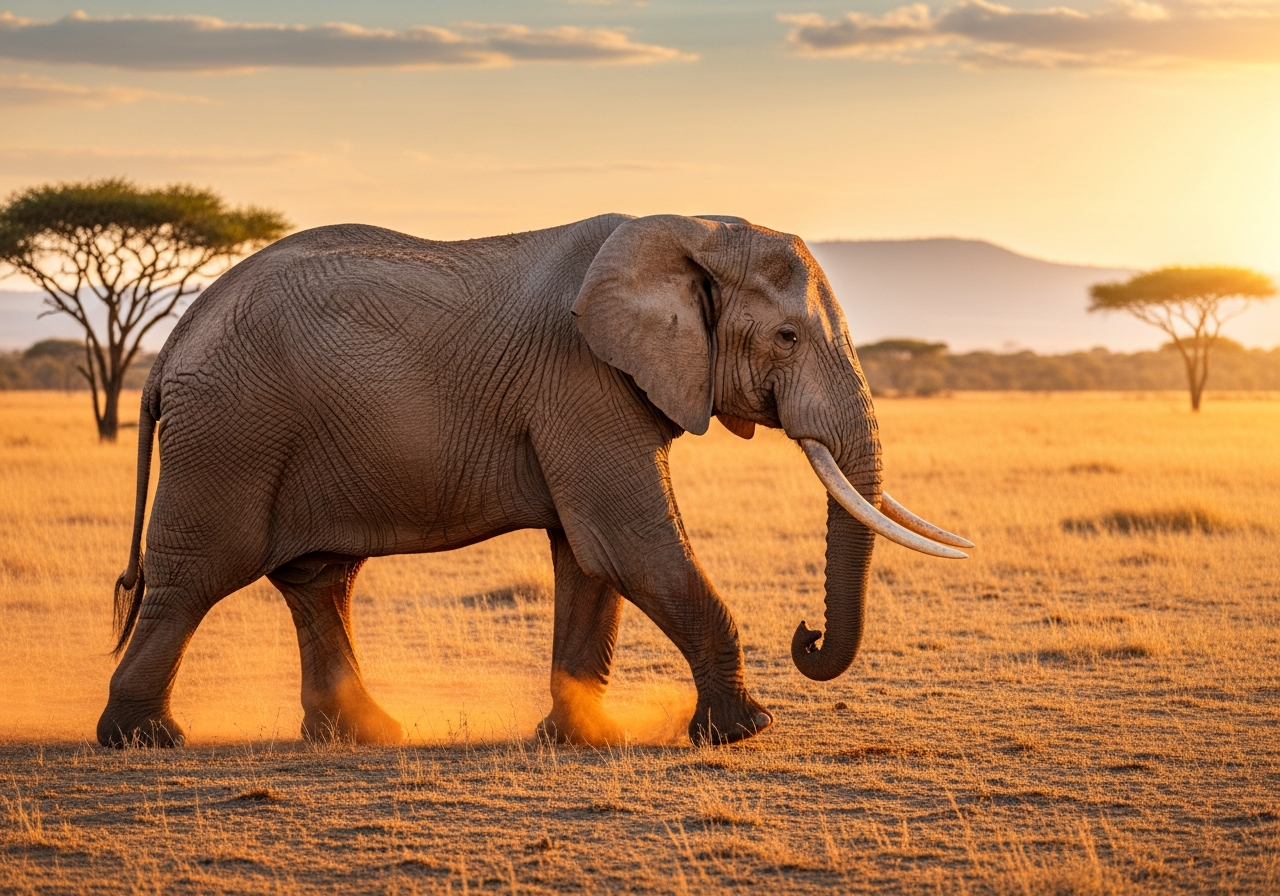
The largest land animal alive today
Mammal
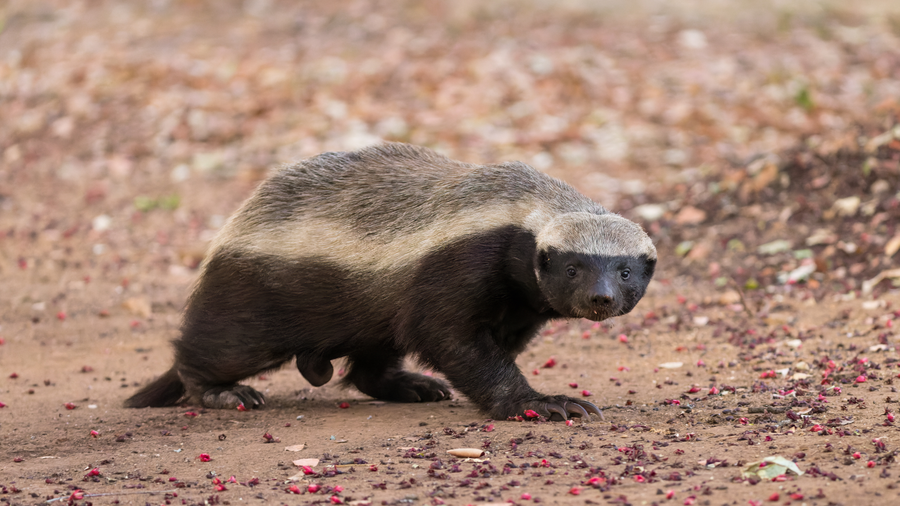
The world's most fearless animal
Mammal
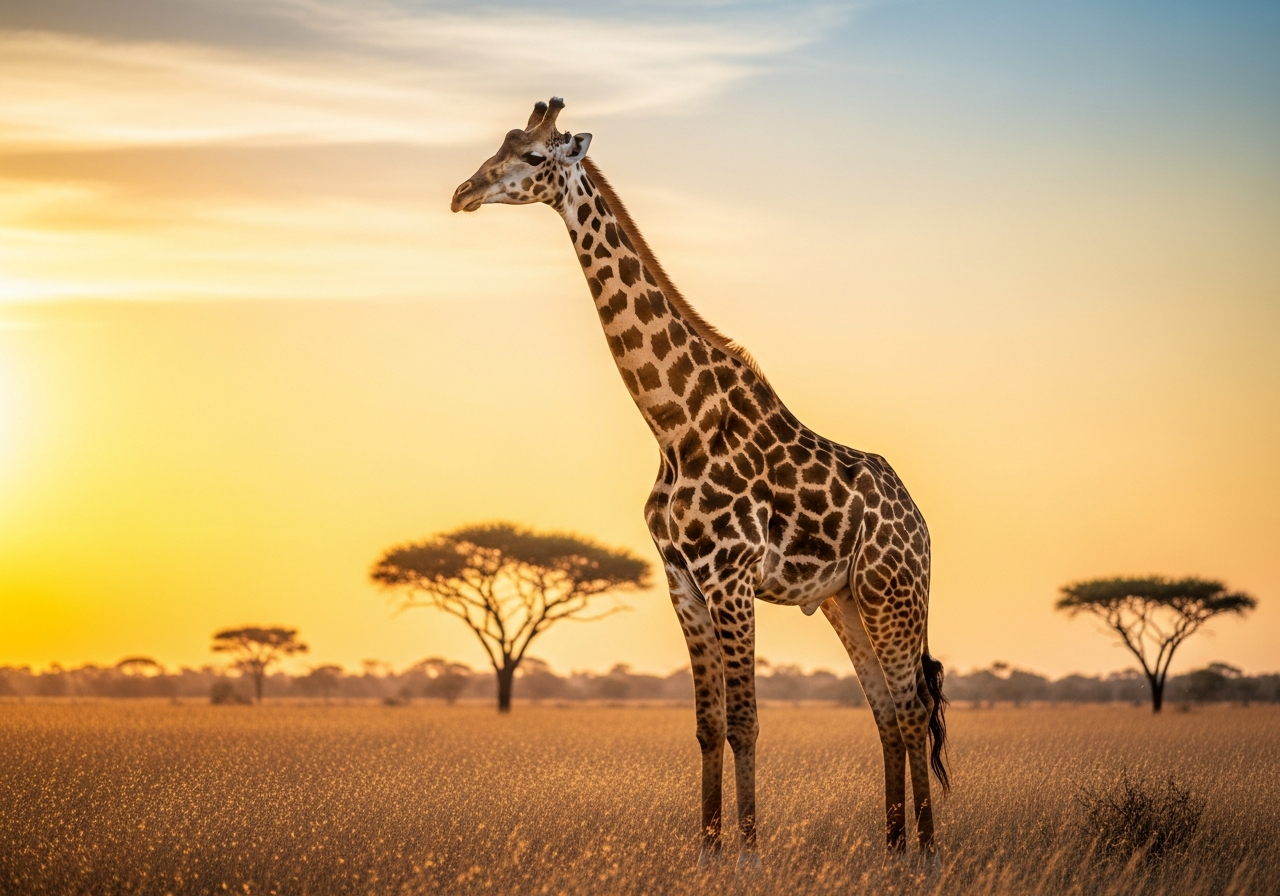
The tallest animal on Earth
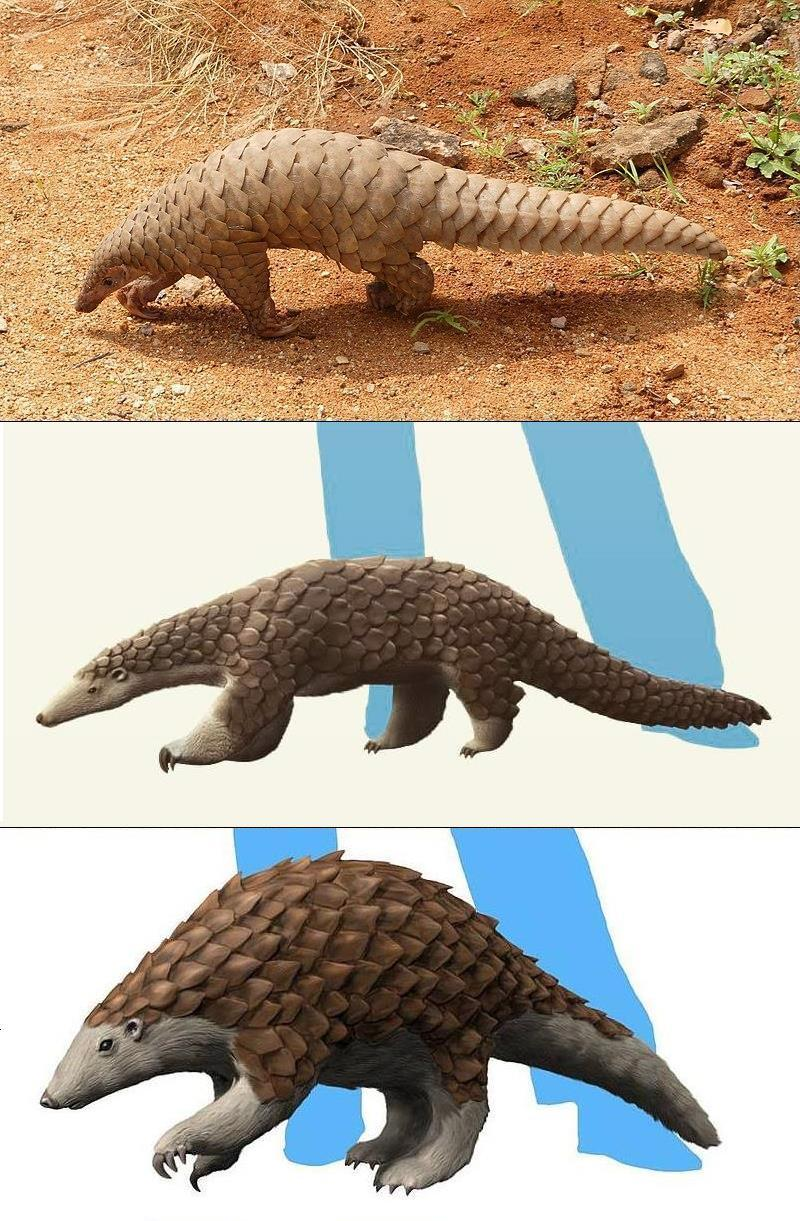
Mammal
The world's only scaly mammal
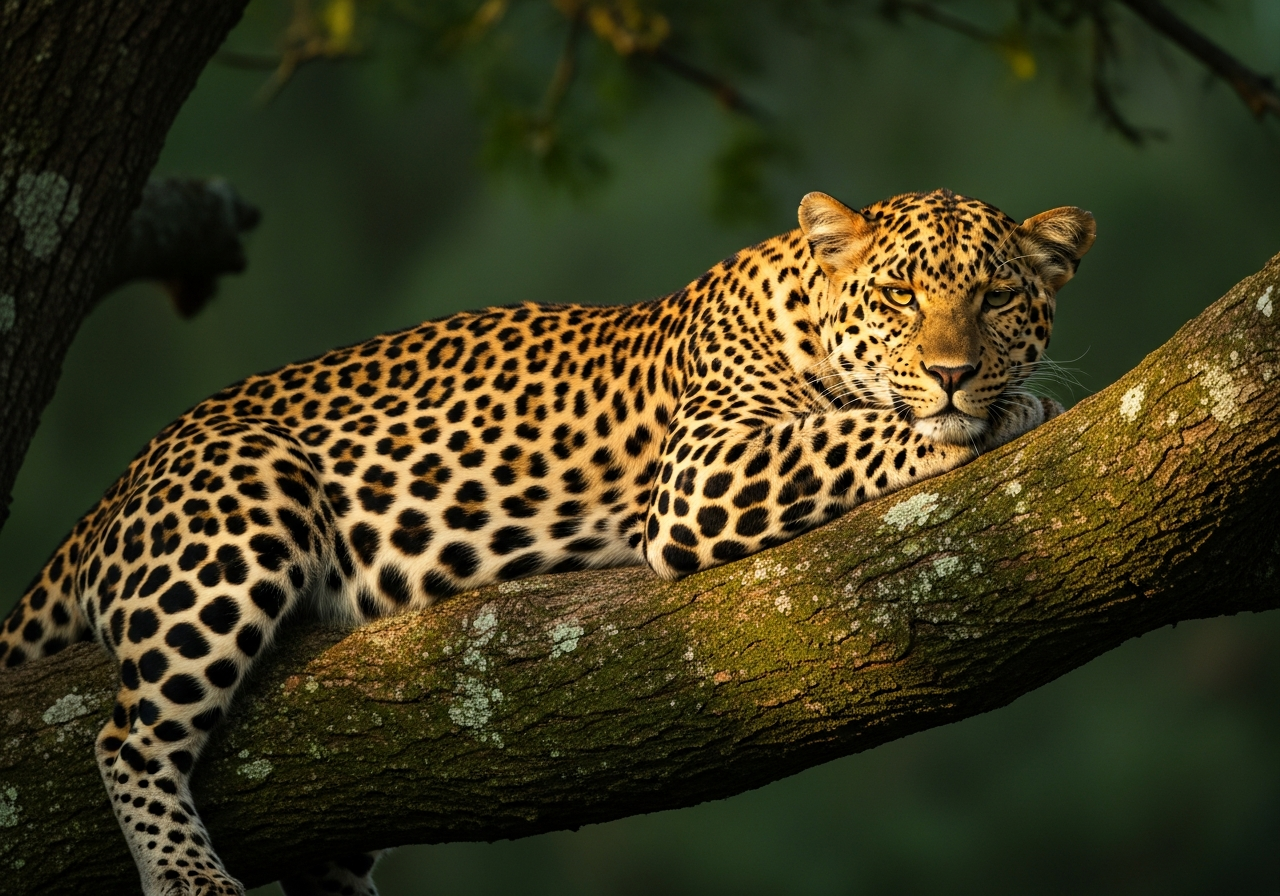
Mammal
The stealthy, tree-climbing big cat
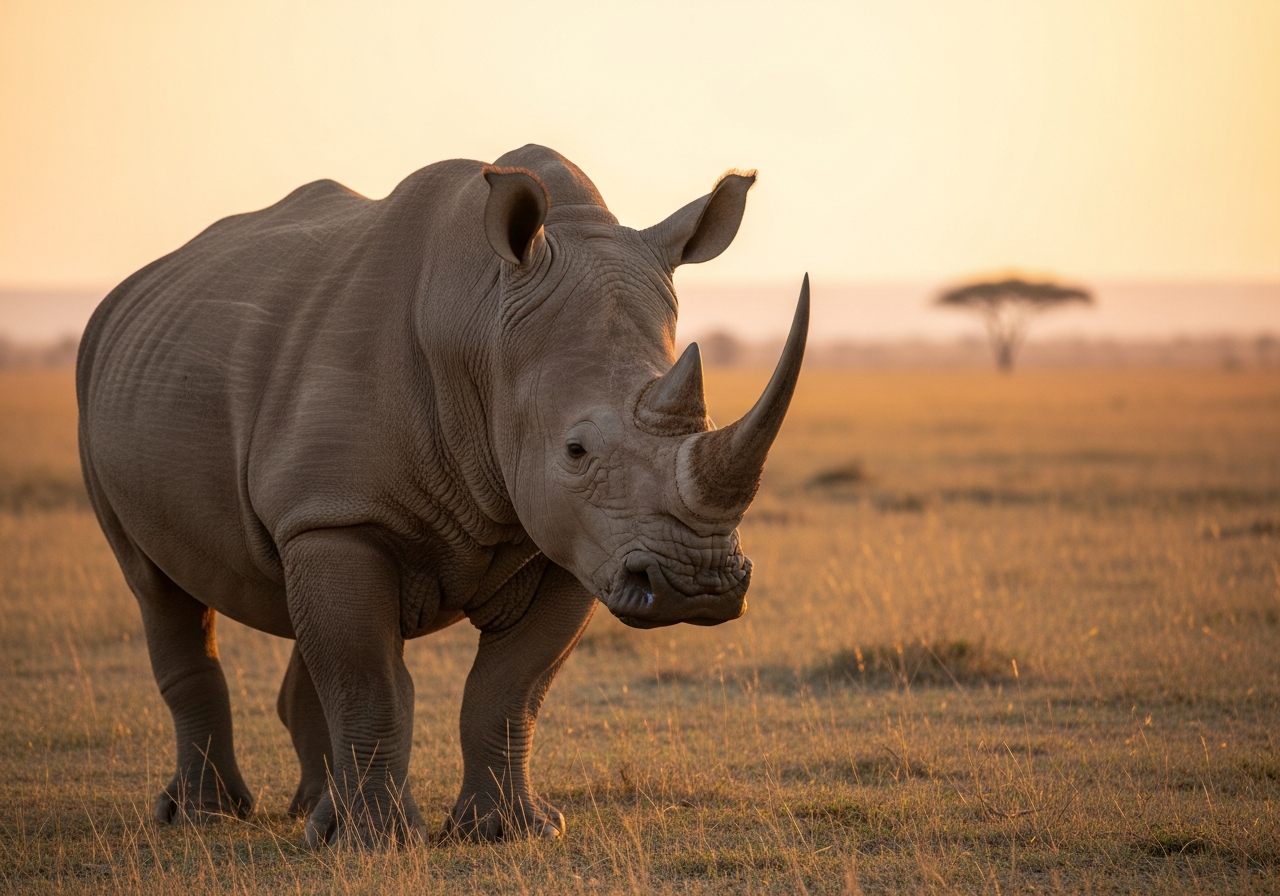
Mammal
The armored giant with a horn of keratin
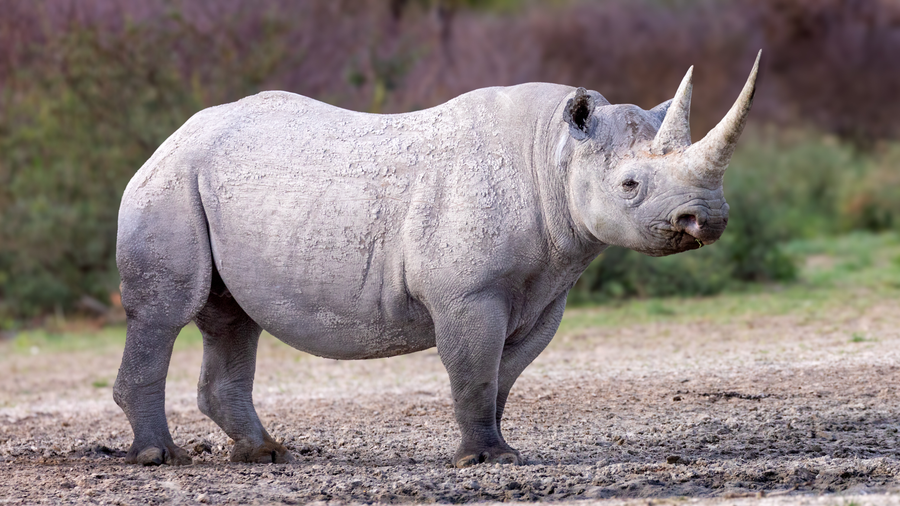
Mammal
Africa's hook-lipped browser in crisis
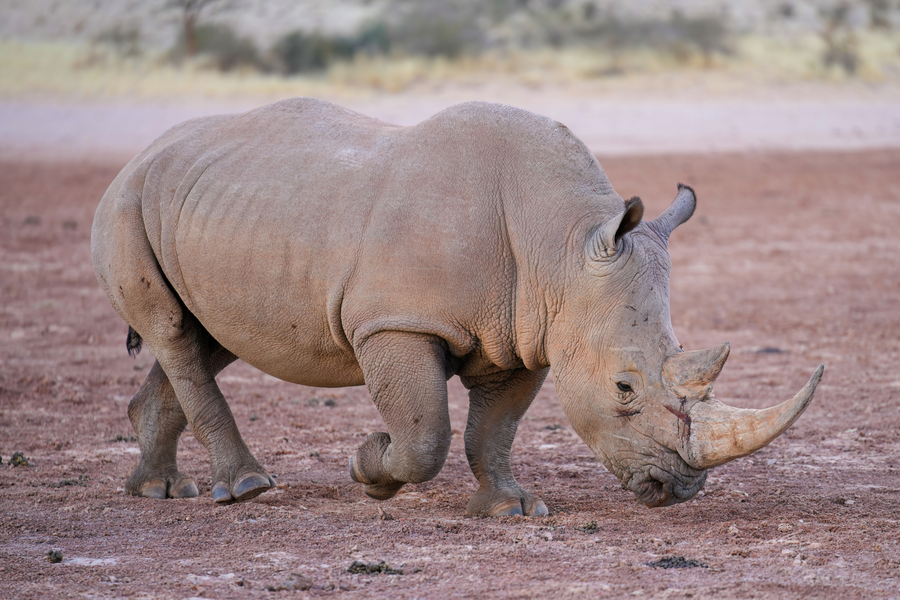
Mammal
The square-lipped giant of African grasslands
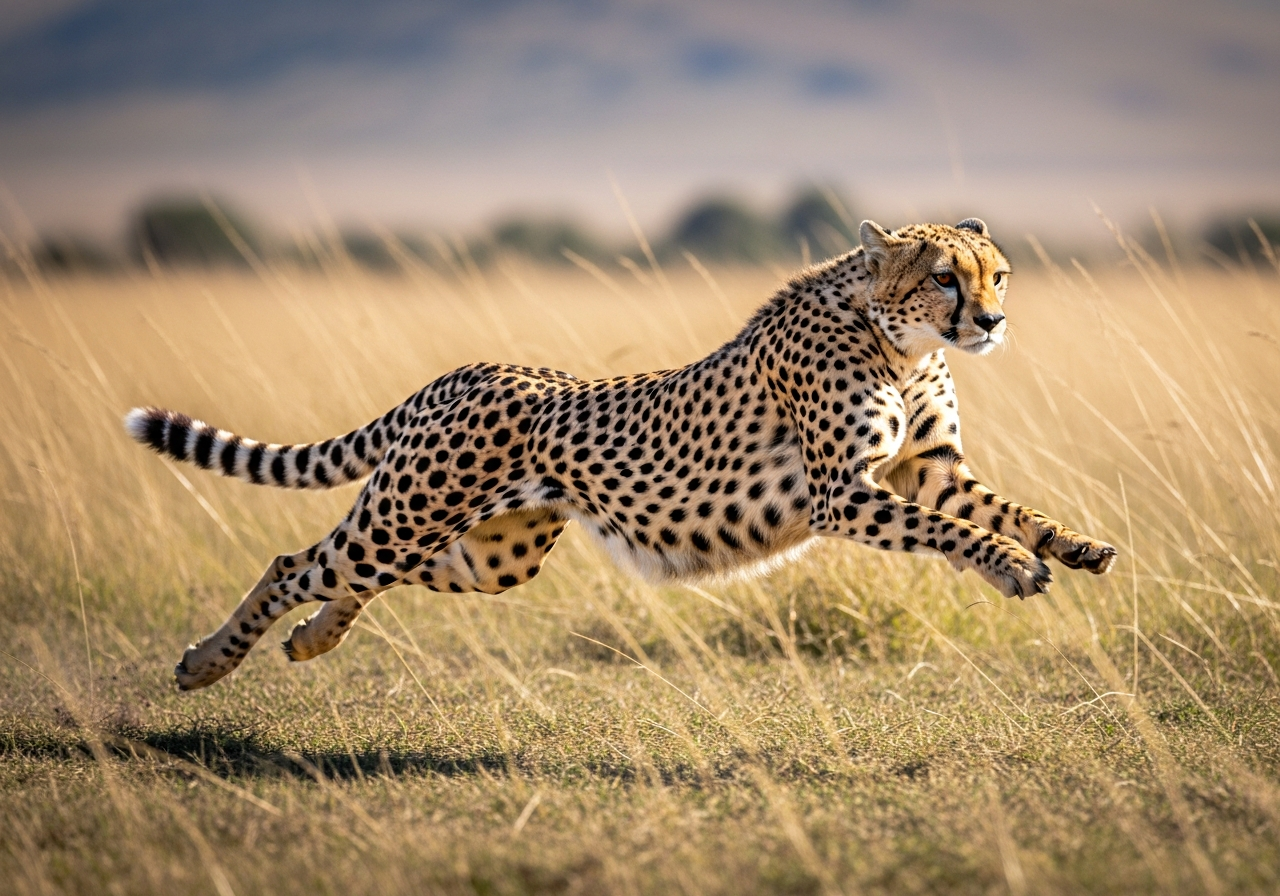
Mammal
The fastest land animal on Earth
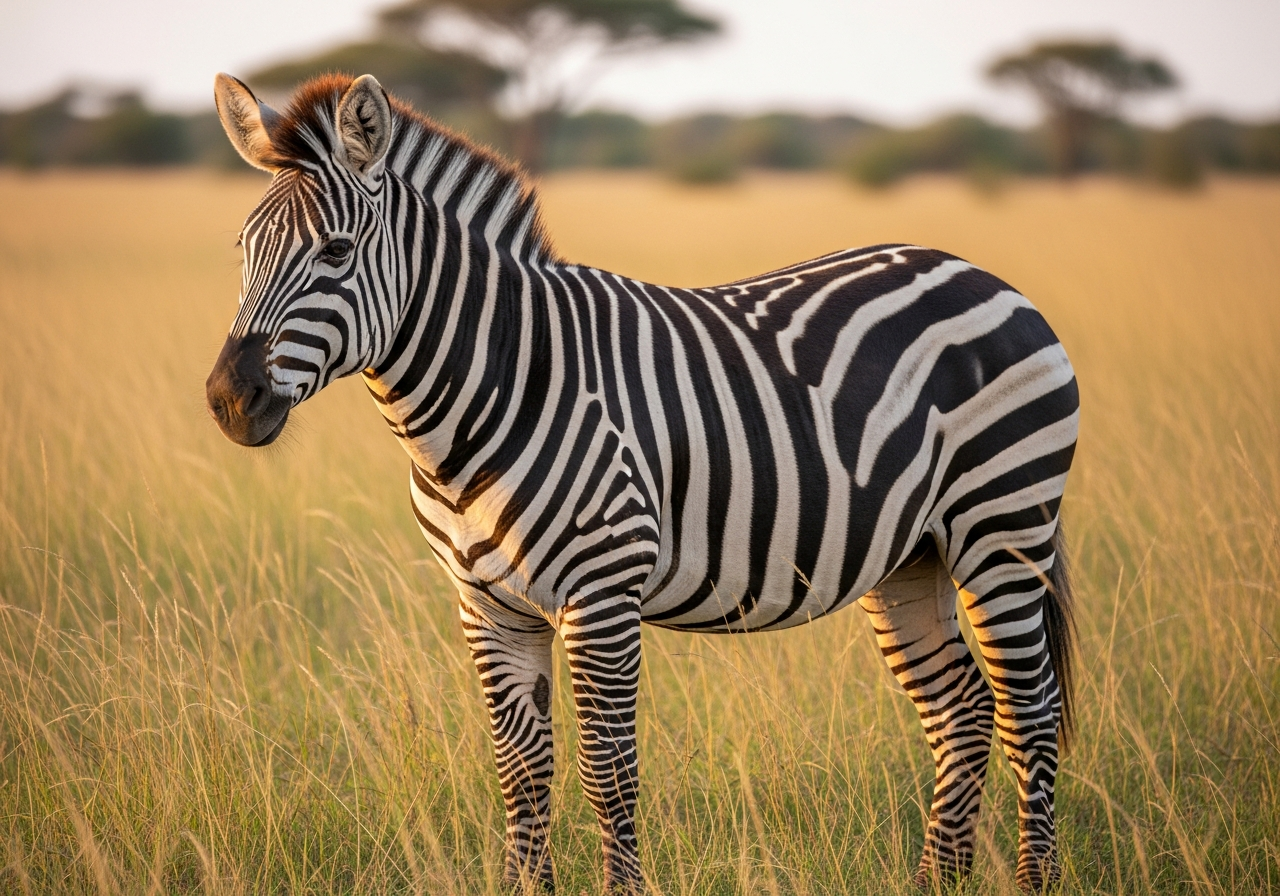
Mammal
The striped wild horse of the African plains
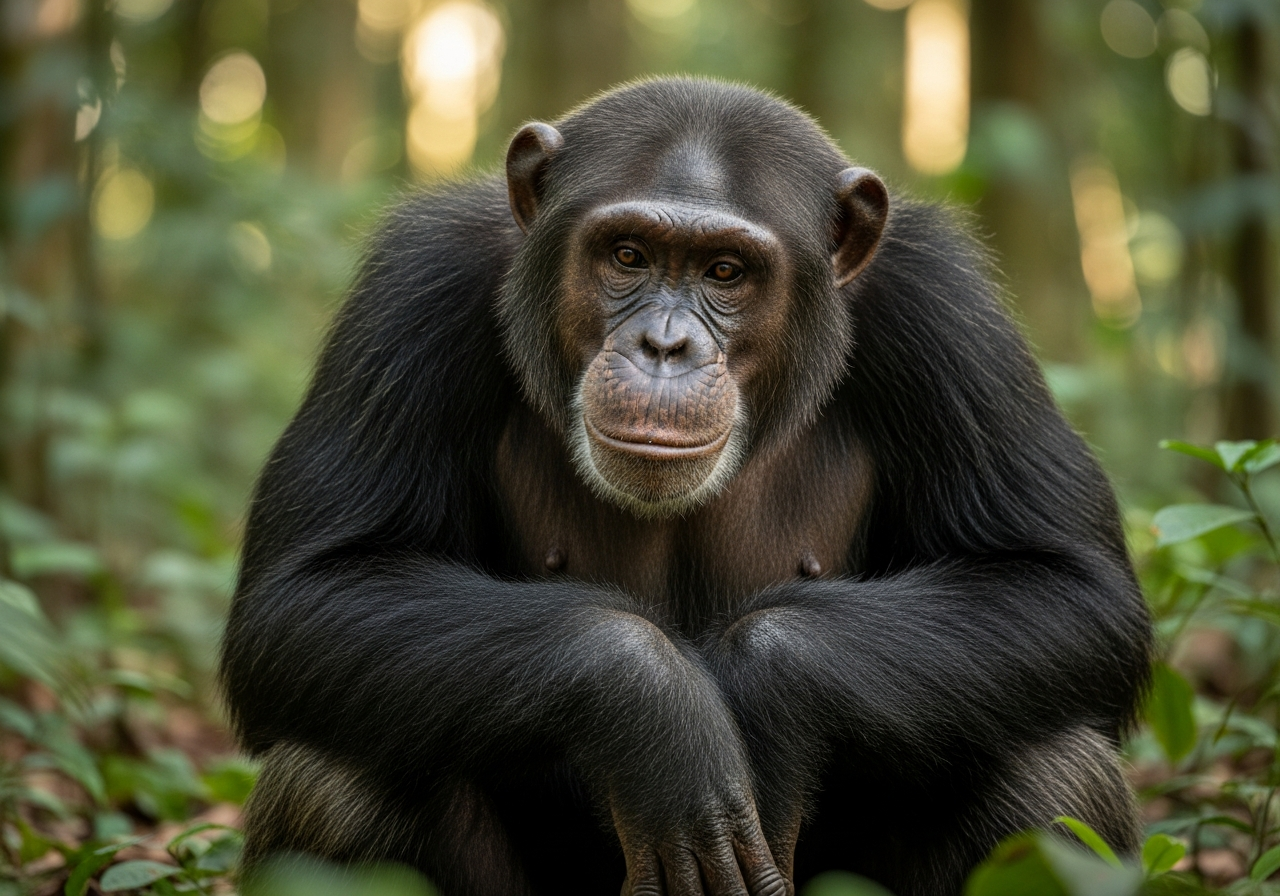
Mammal
Our closest living relative
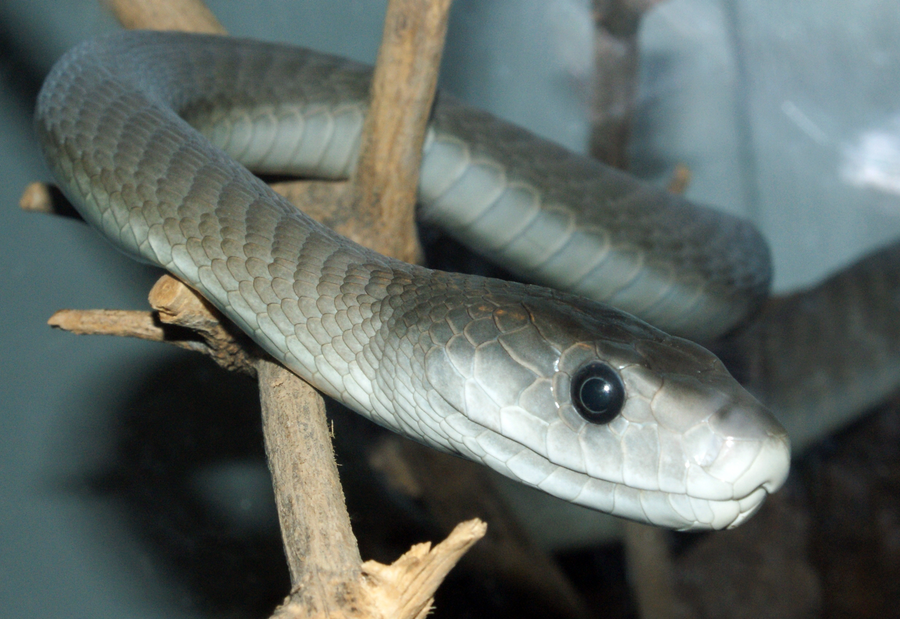
Reptile
Africa's fast and feared elapid snake
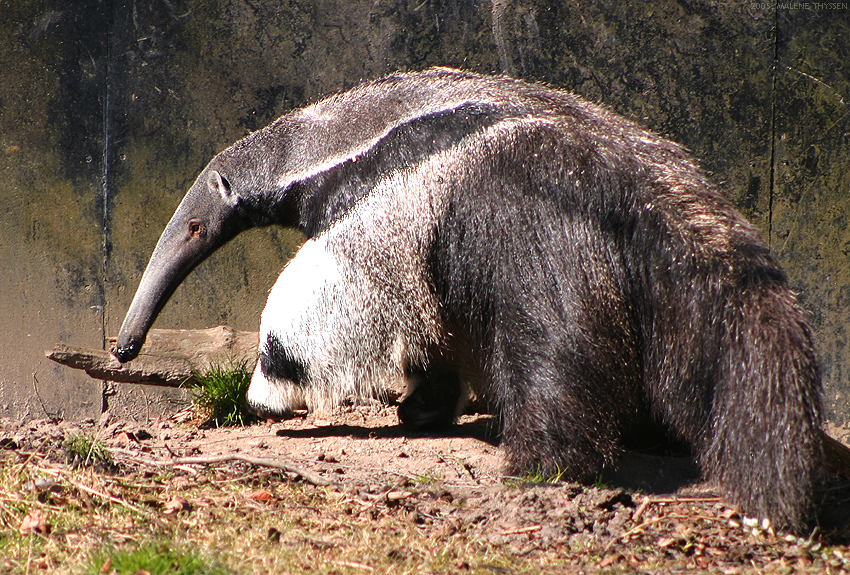
Mammal
South America's two-metre tongue specialist
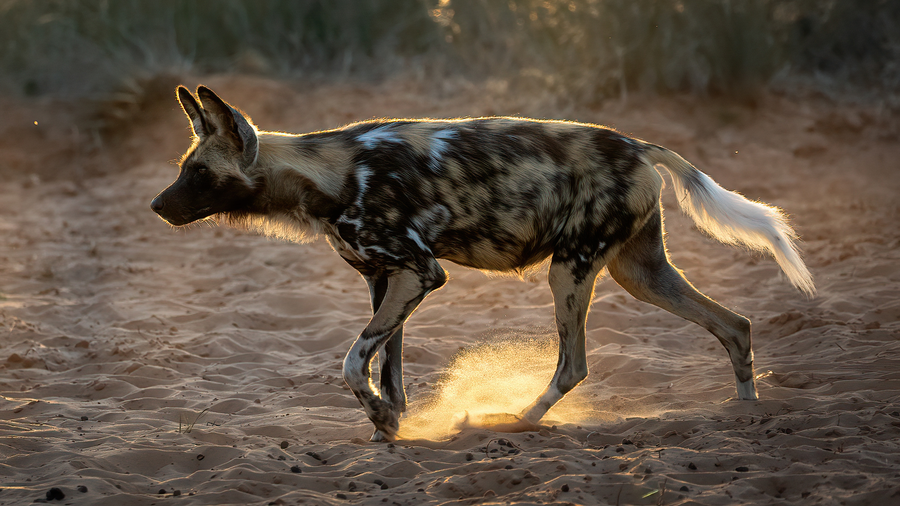
Mammal
Africa's cooperative pack hunter
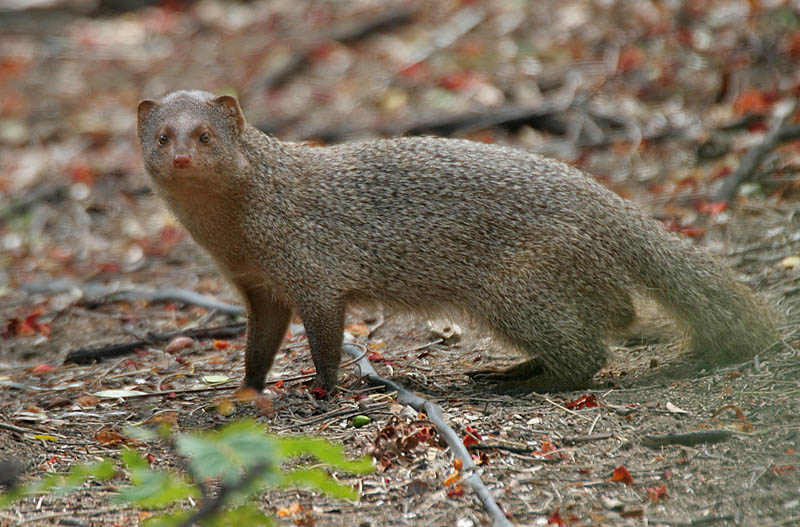
Mammal
The cobra's agile rival
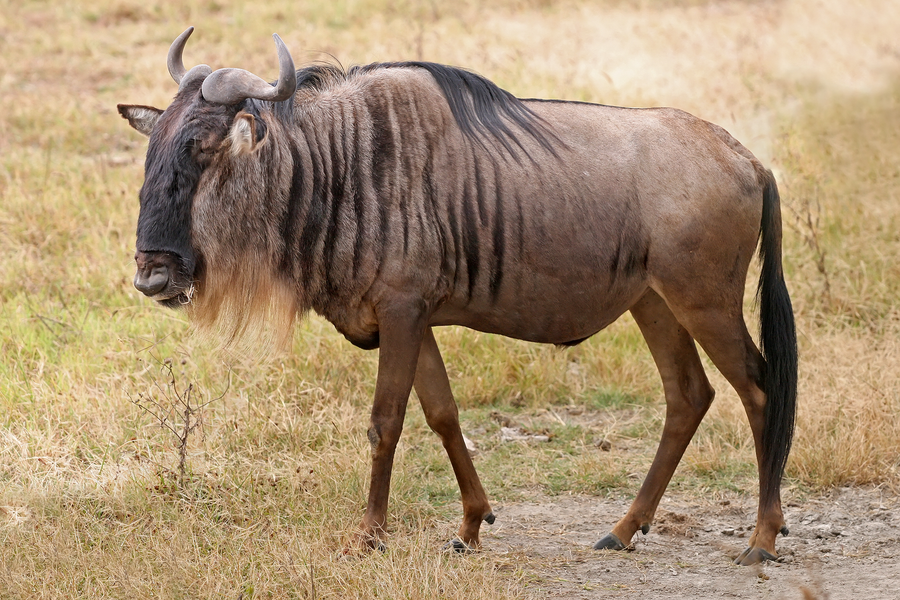
Mammal
The gnu of the great migration
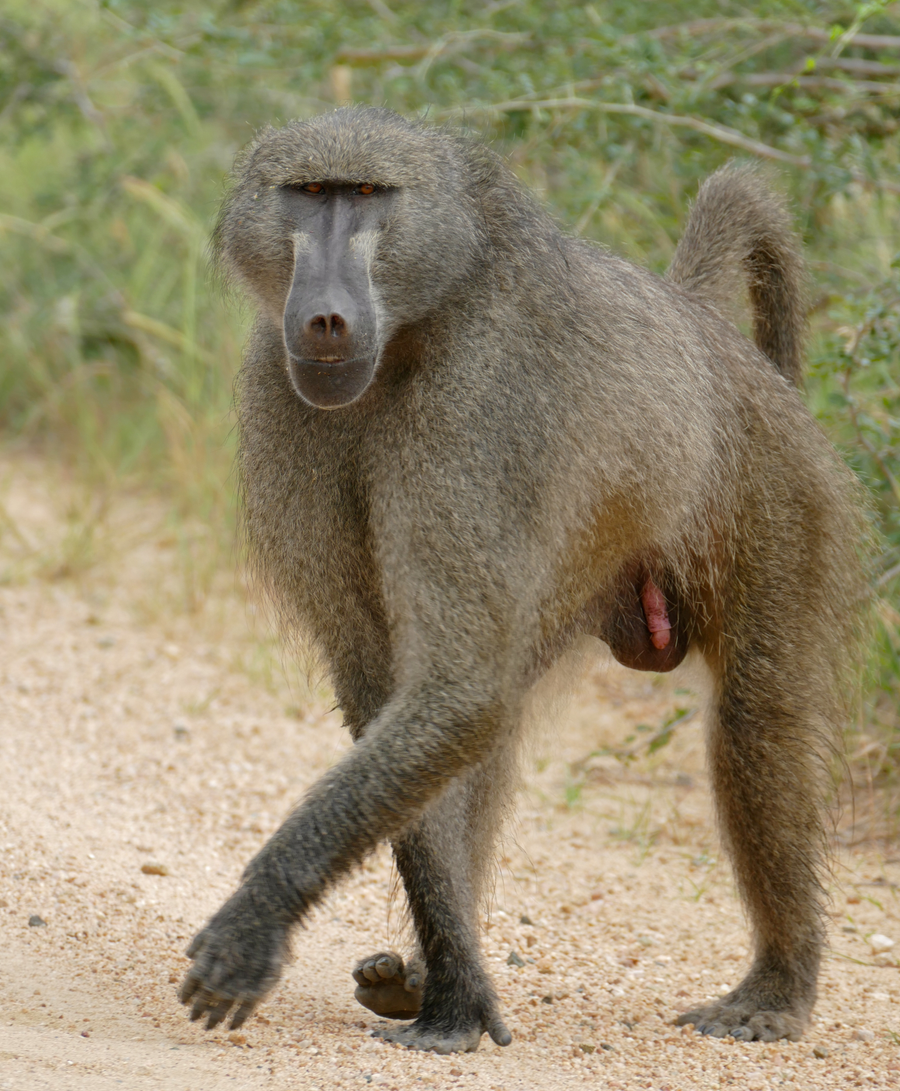
Mammal
Africa's adaptable monkey
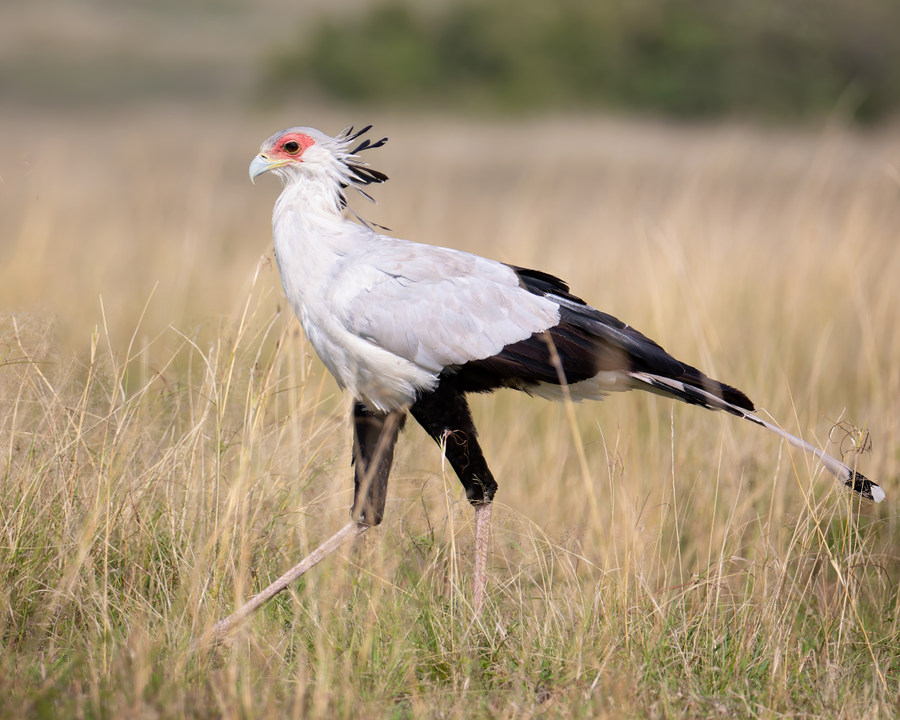
Bird
Long-legged raptor that stamps snakes
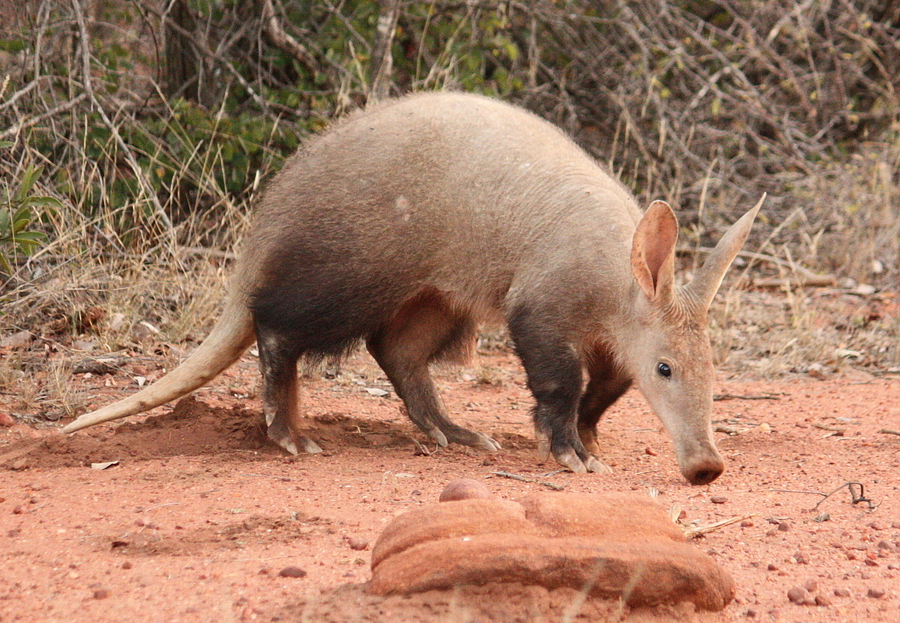
Mammal
Africa's ant-eating oddity
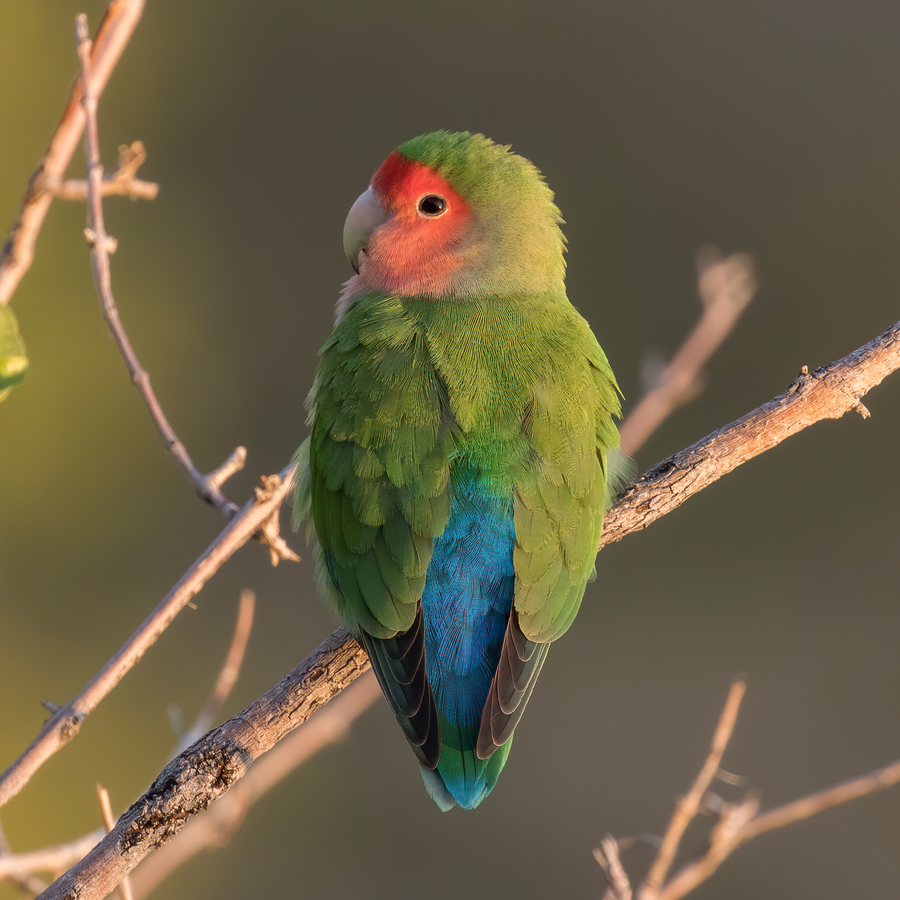
Bird
Africa's pocket parrot that bonds for life
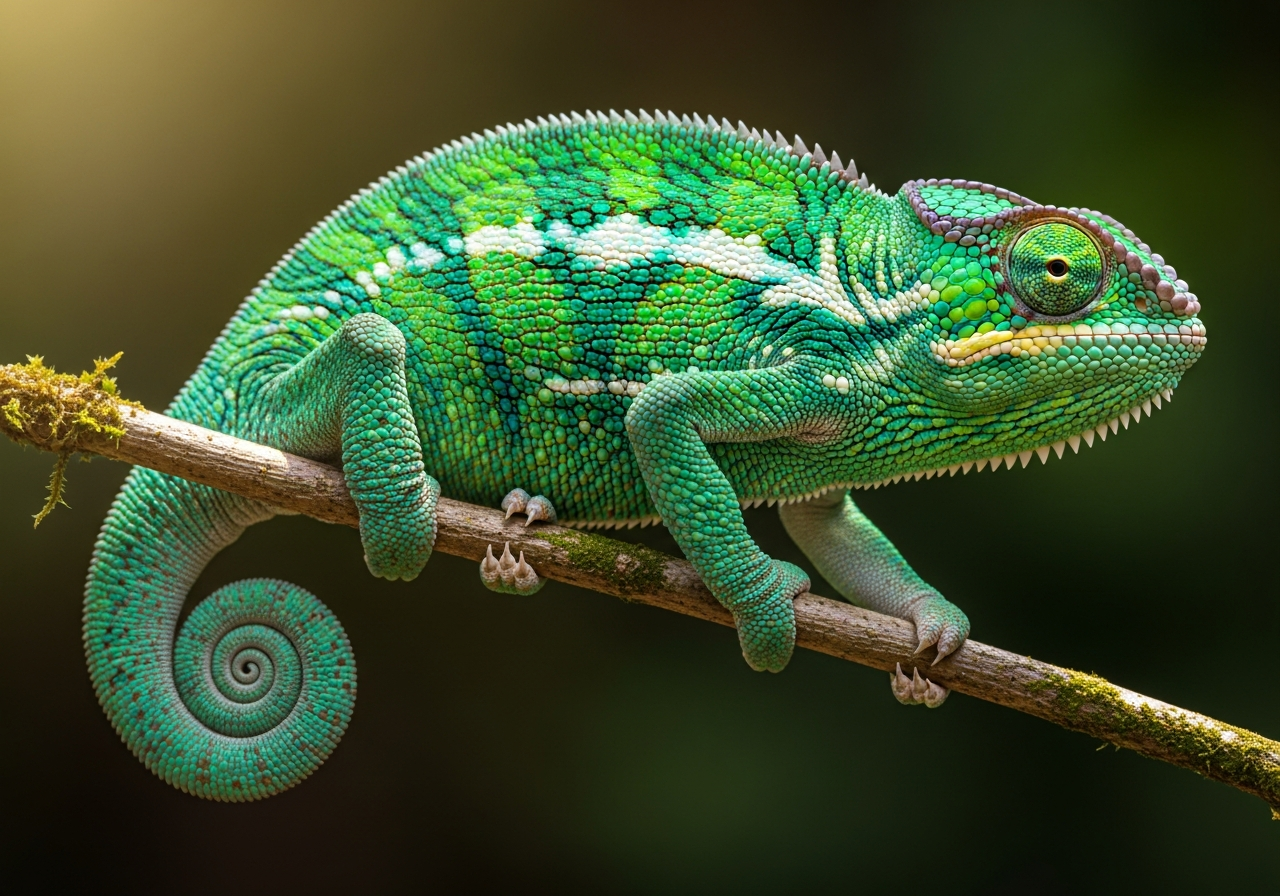
Reptile
The color-changing lizard with 360-degree eyes
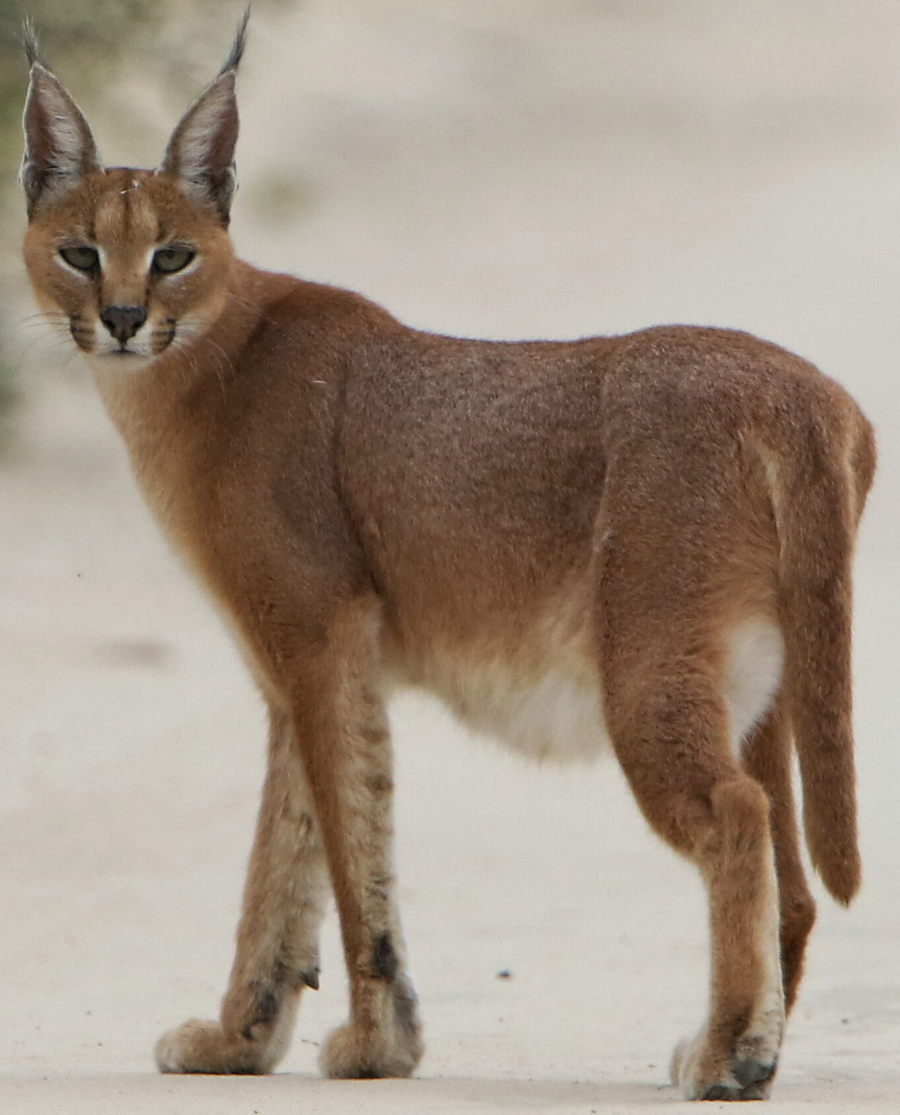
Mammal
The tufted hunter of Africa and Asia
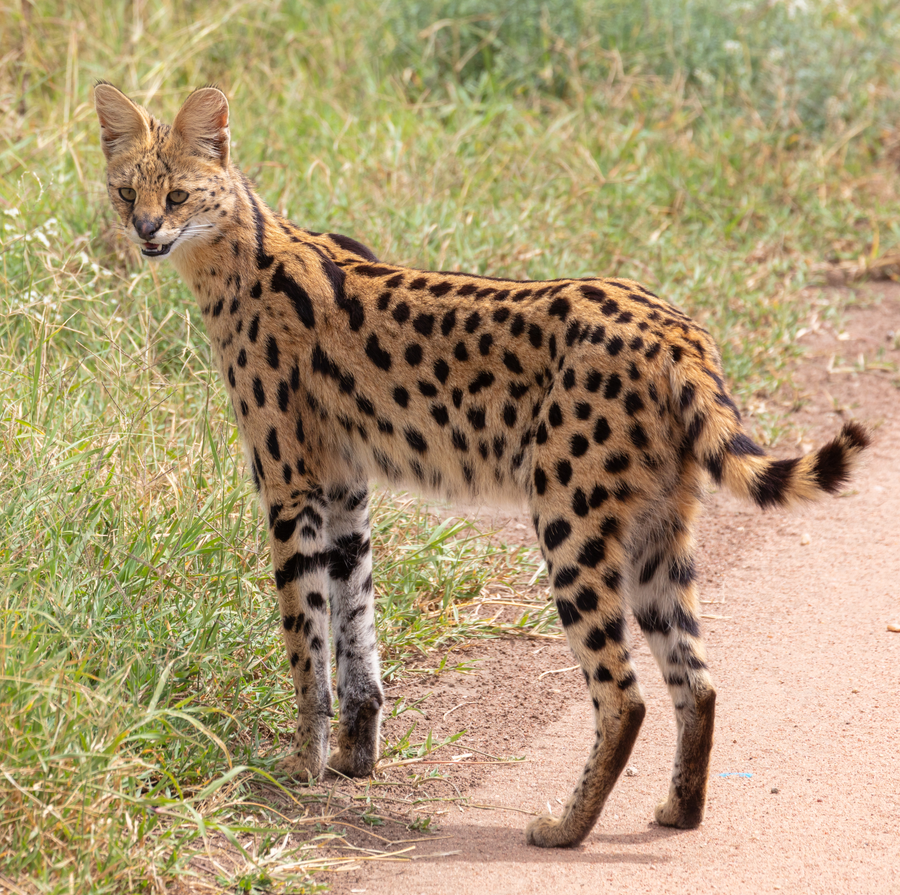
Mammal
Africa's long-legged pounce specialist
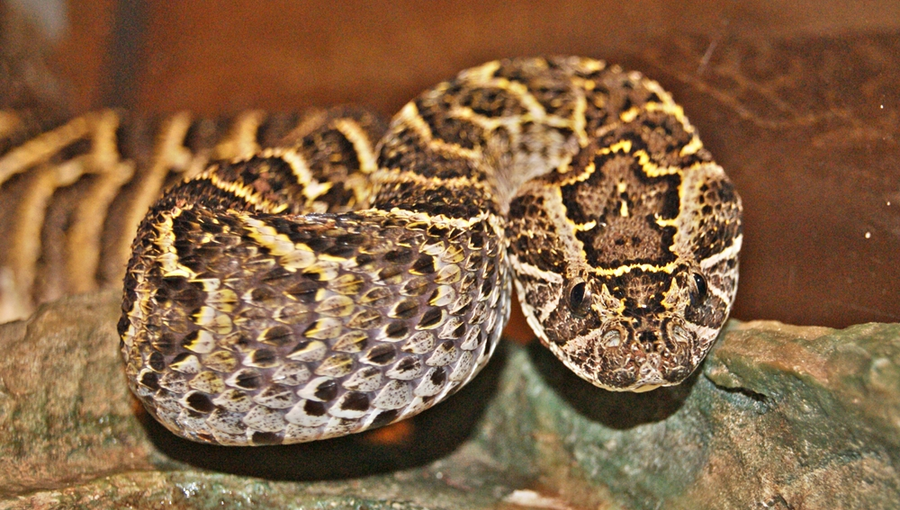
Reptile
Heavy African viper linked to many snakebites
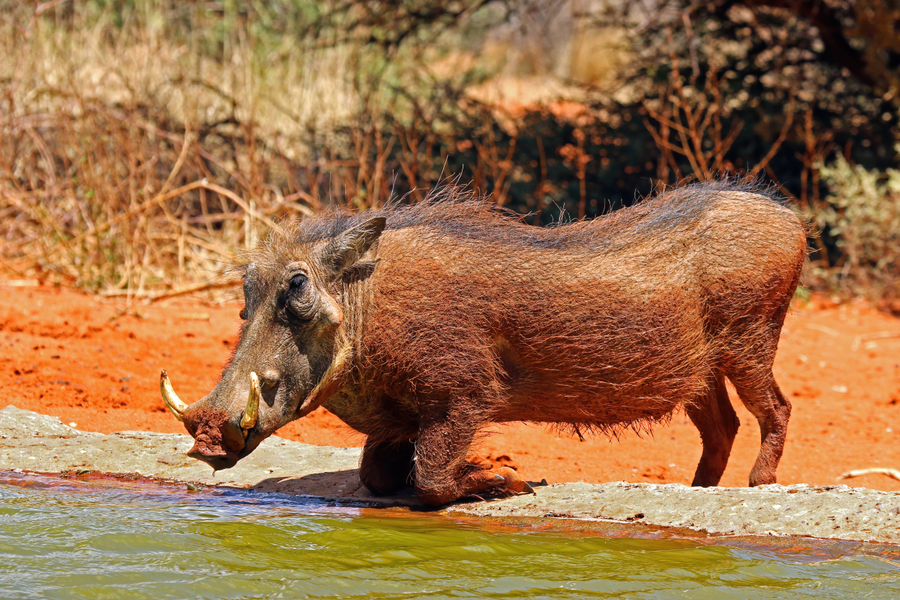
Mammal
Africa's tusked savanna pig
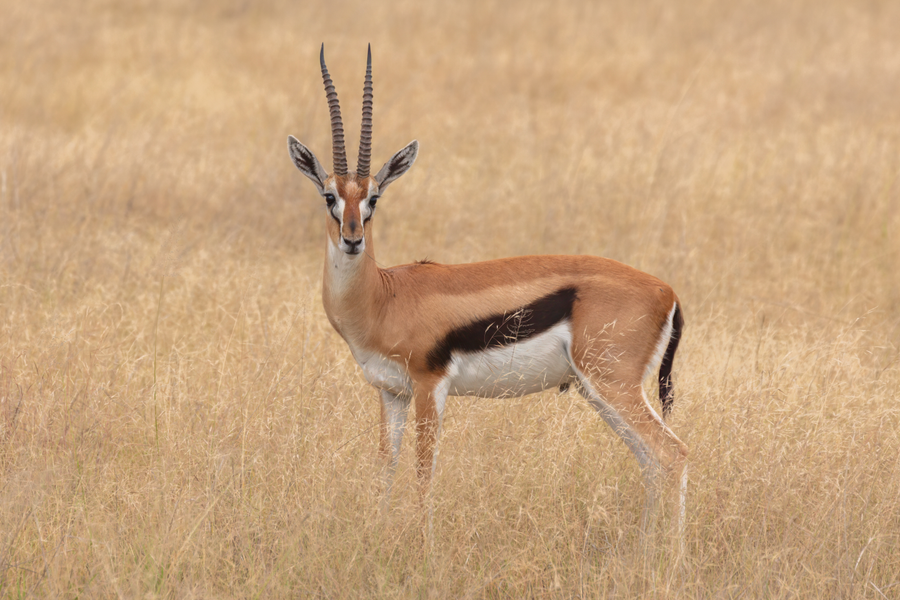
Mammal
The small antelope of the Serengeti
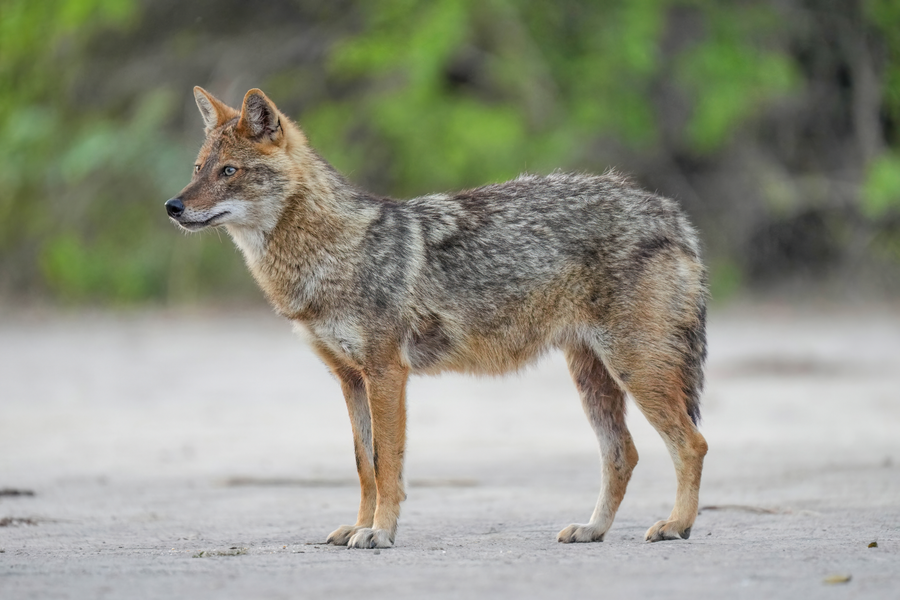
Mammal
The adaptable wild dog of three continents
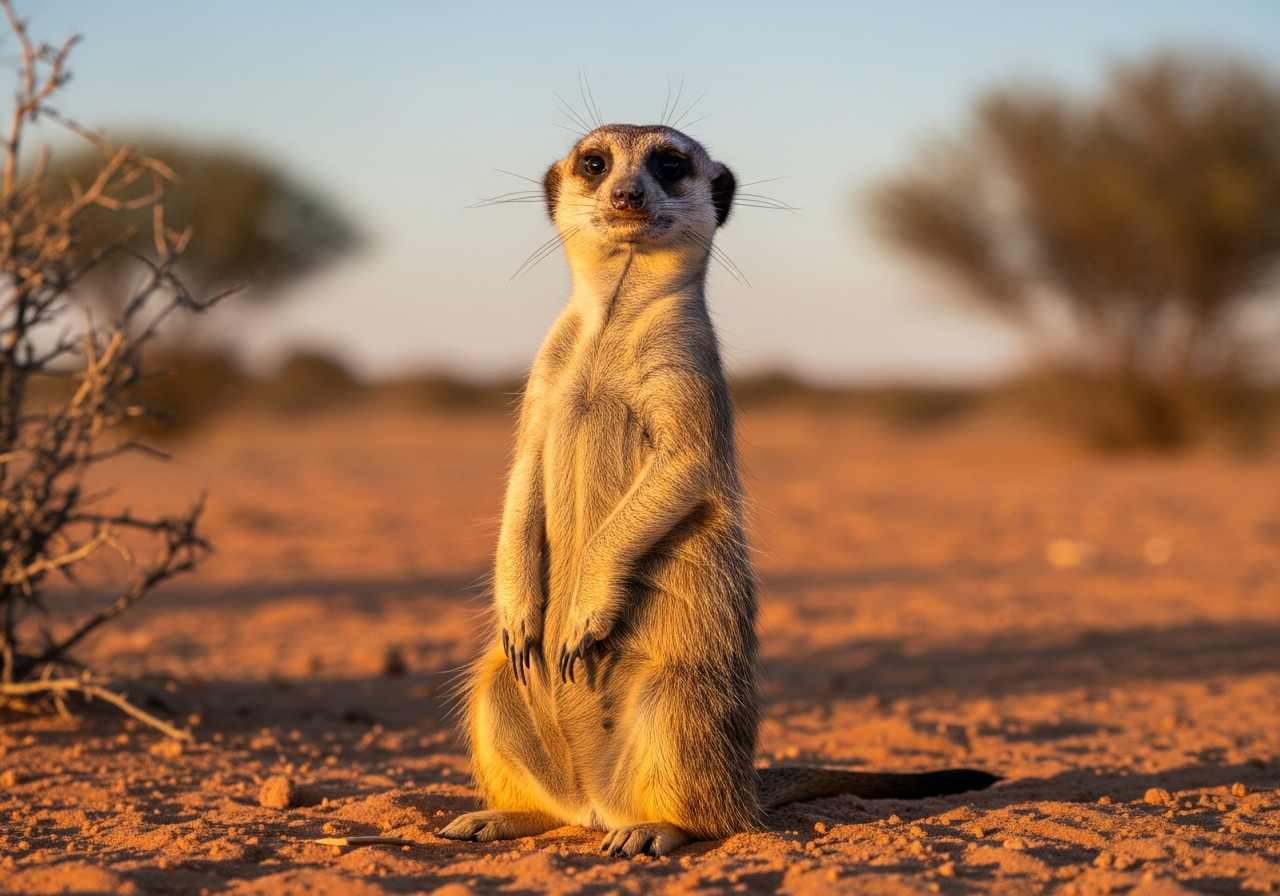
Mammal
The cooperative sentinel of the Kalahari
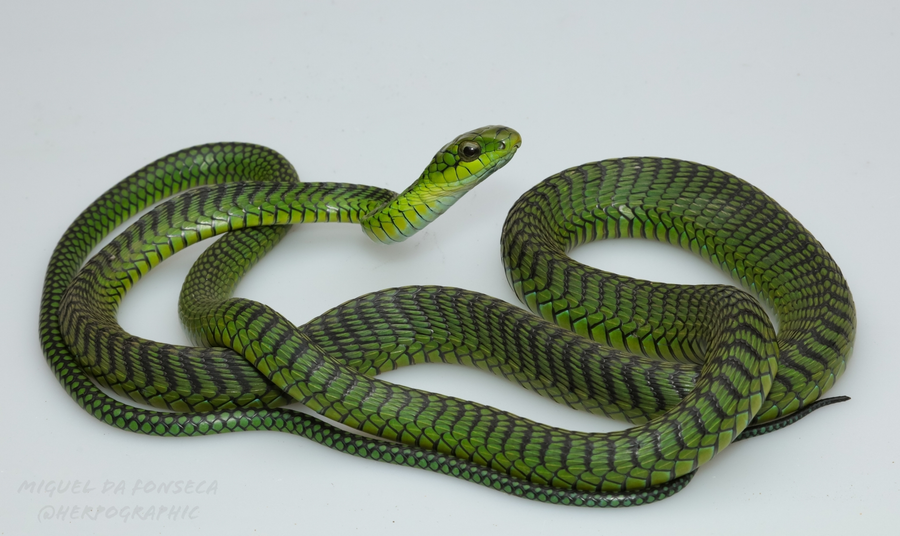
Reptile
Arboreal African snake with potent venom
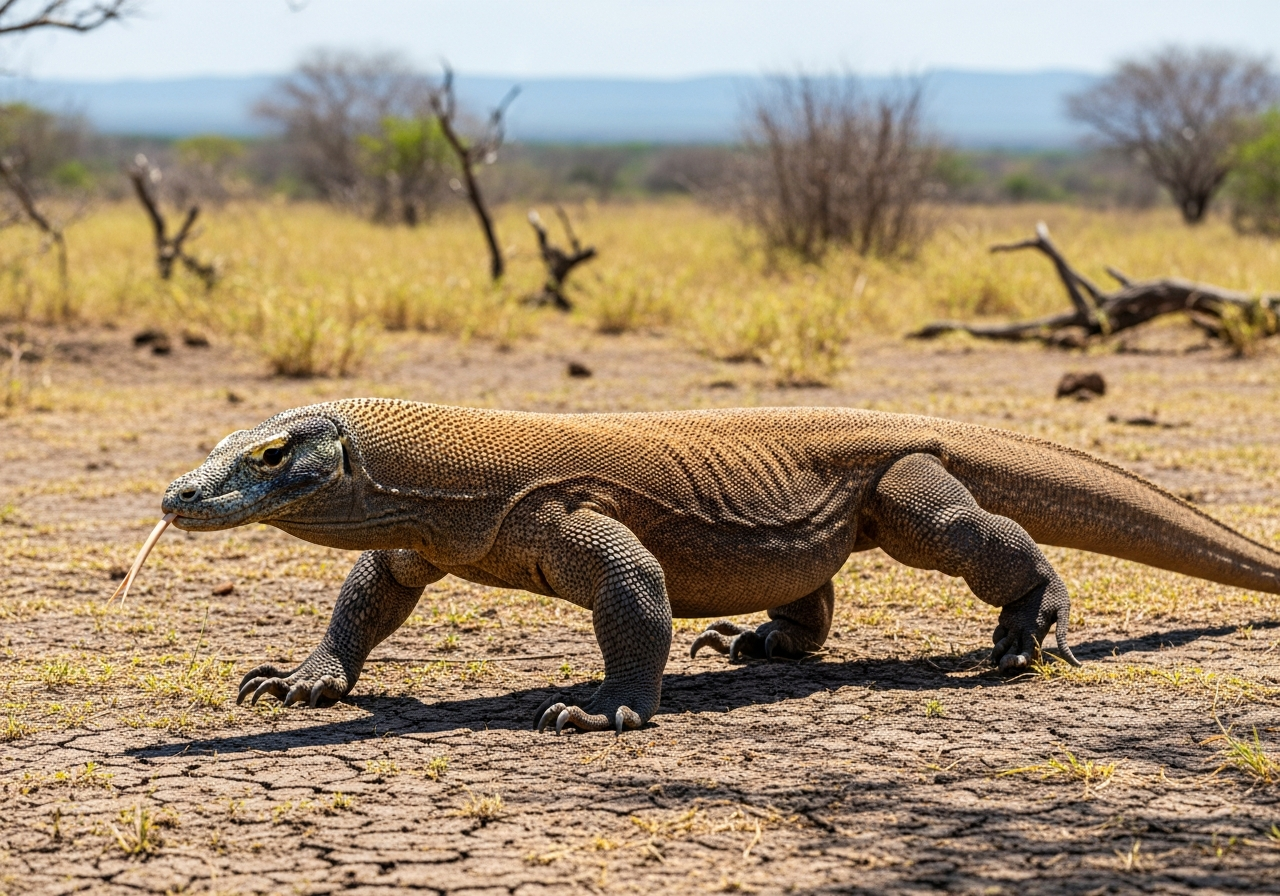
Reptile
The largest lizard on Earth
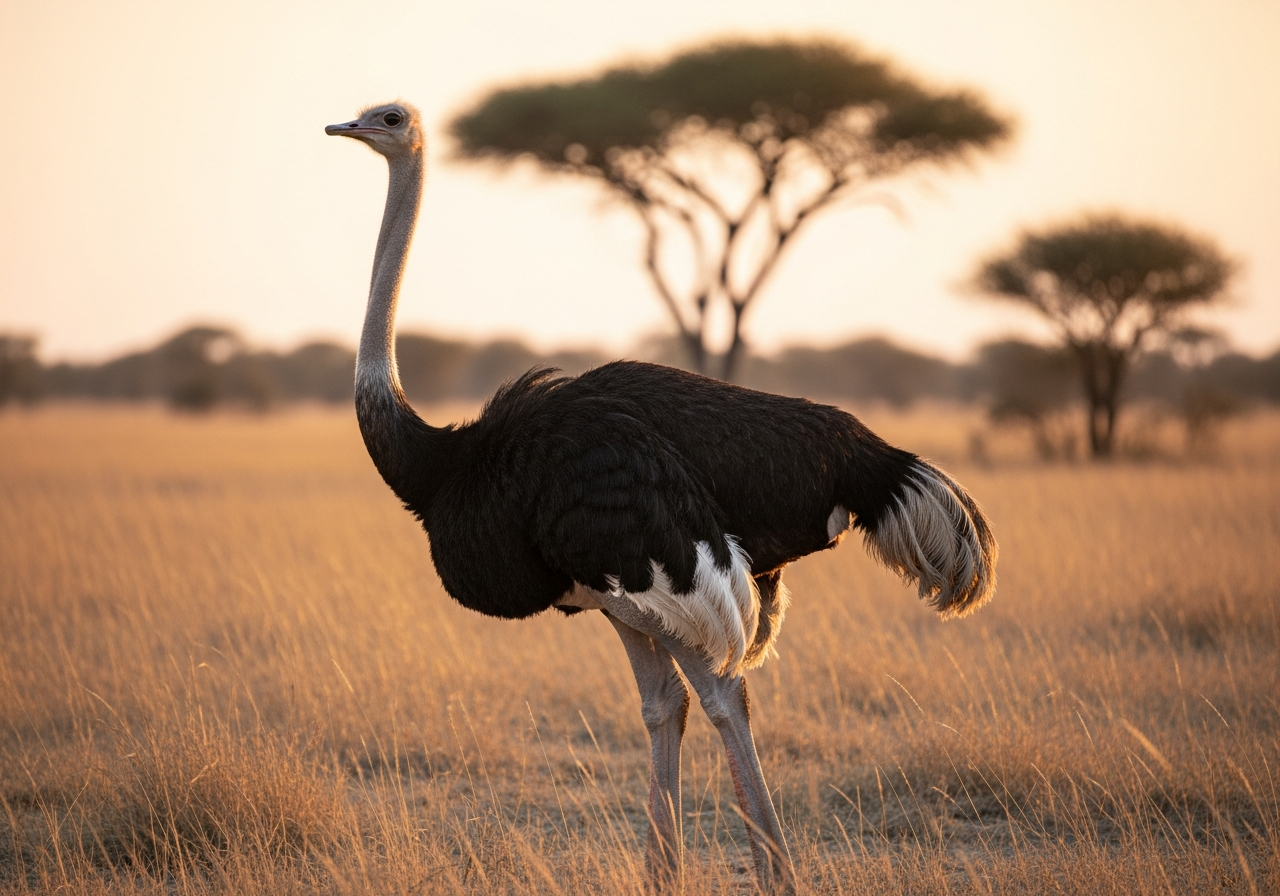
Bird
The largest and fastest bird on land
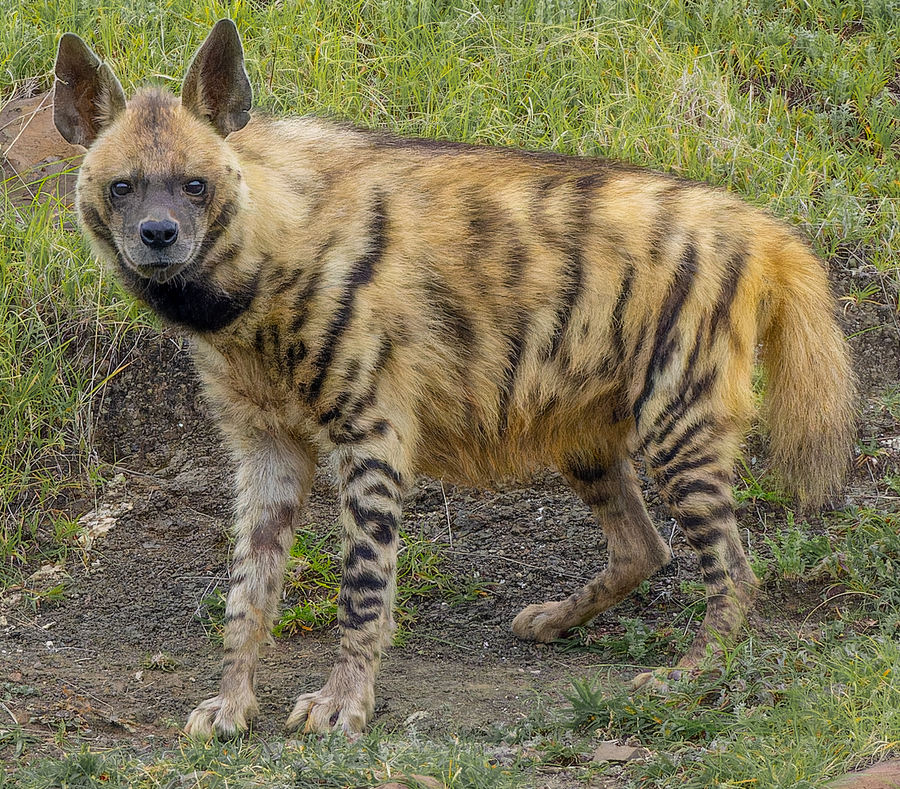
Mammal
Nocturnal scavenger of Africa and Asia
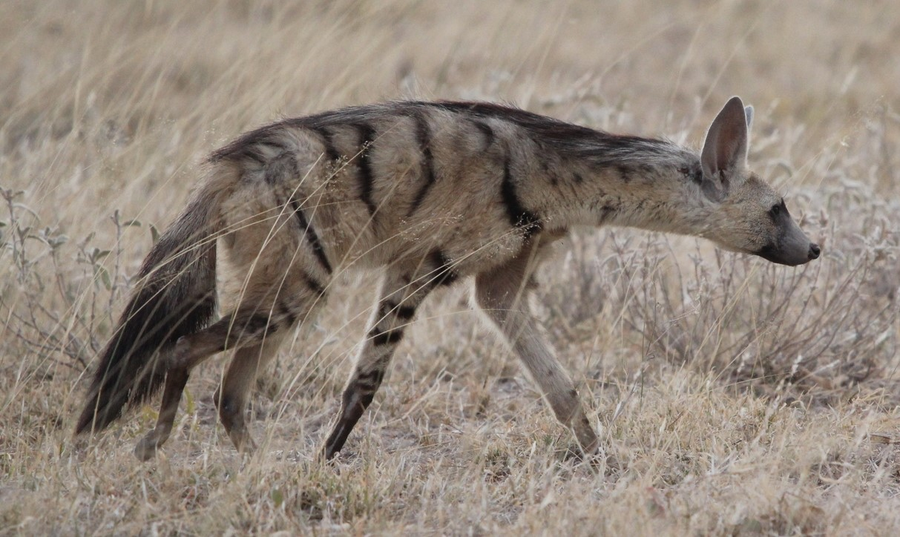
Mammal
Termite-eating hyena relative of African plains
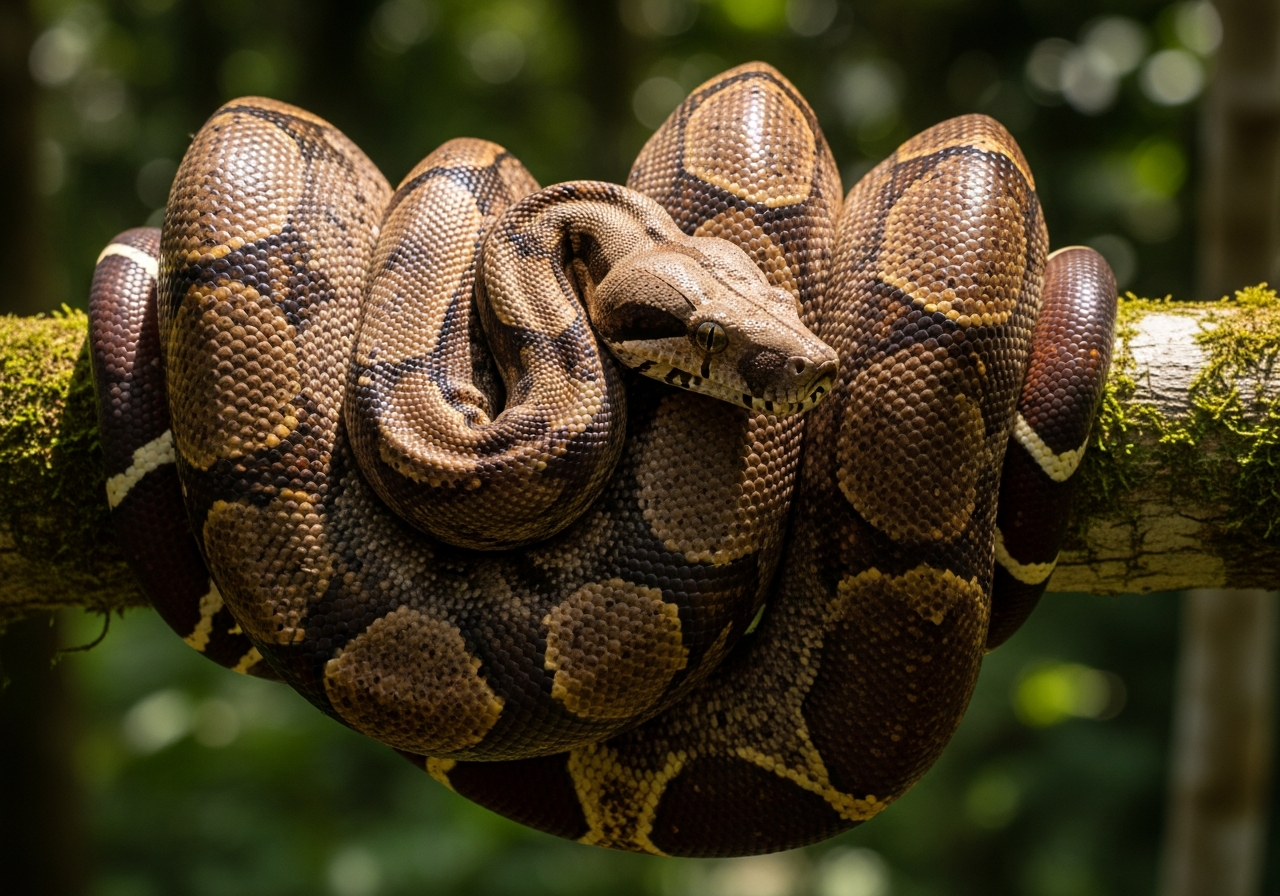
Reptile
The powerful constricting snake of the Americas
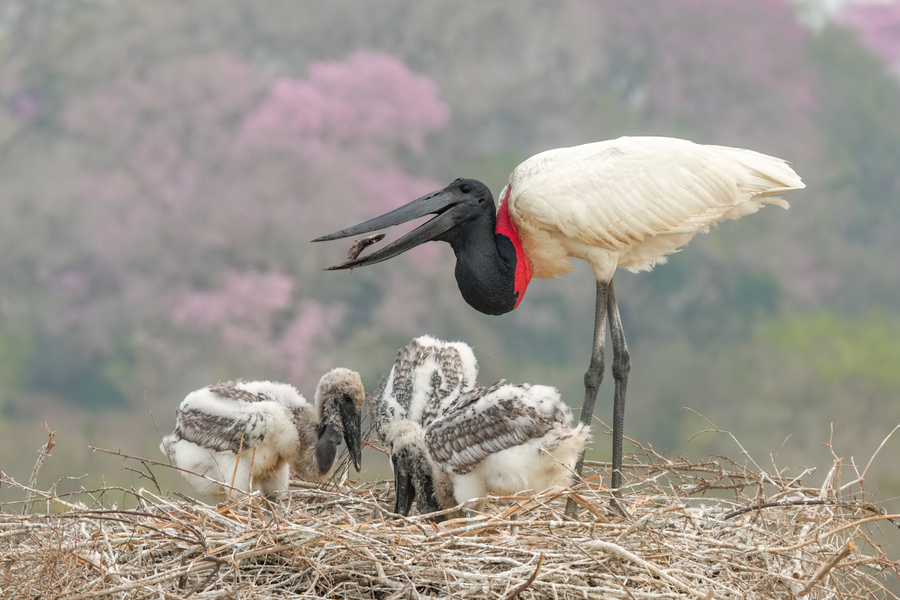
Bird
Giant stork of Neotropical wetlands
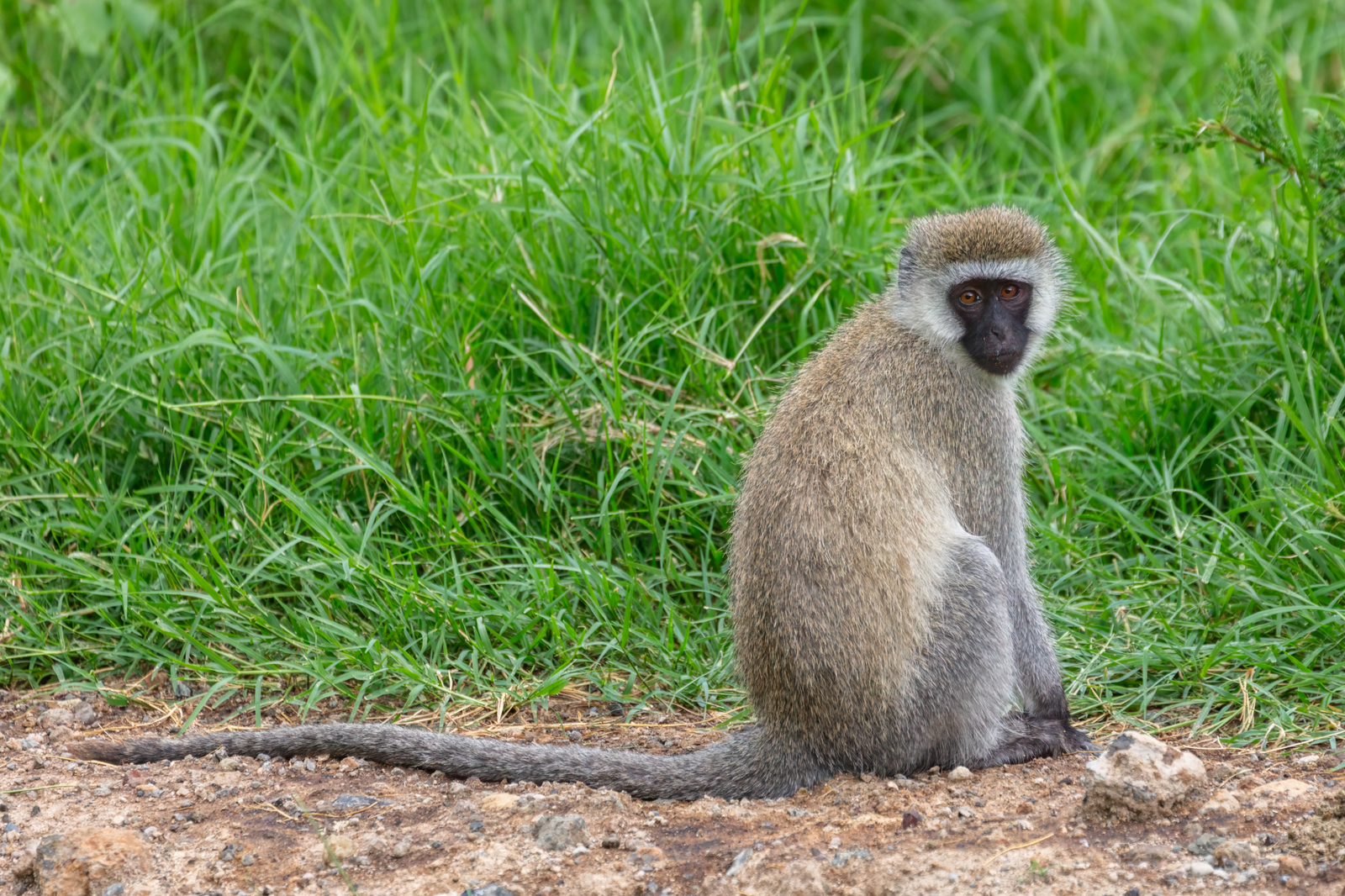
Mammal
Alarm-calling savanna primate of Africa
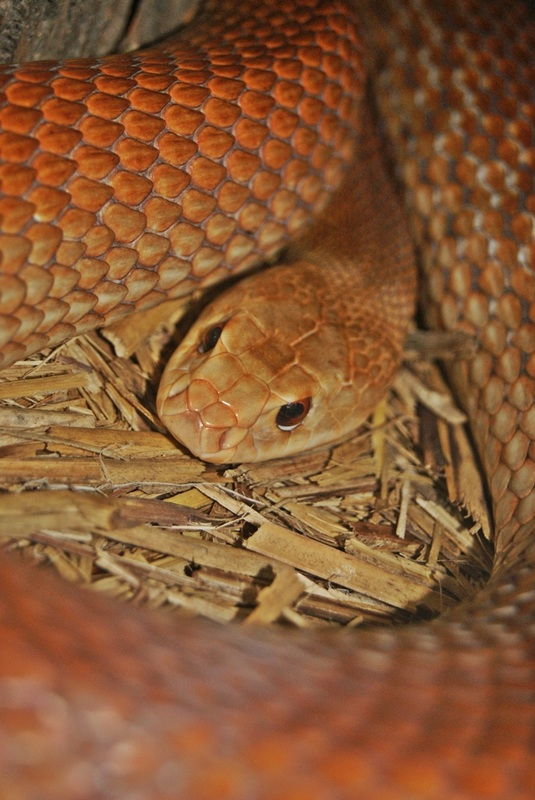
Reptile
Lightning-fast elapid of Australian cane fields
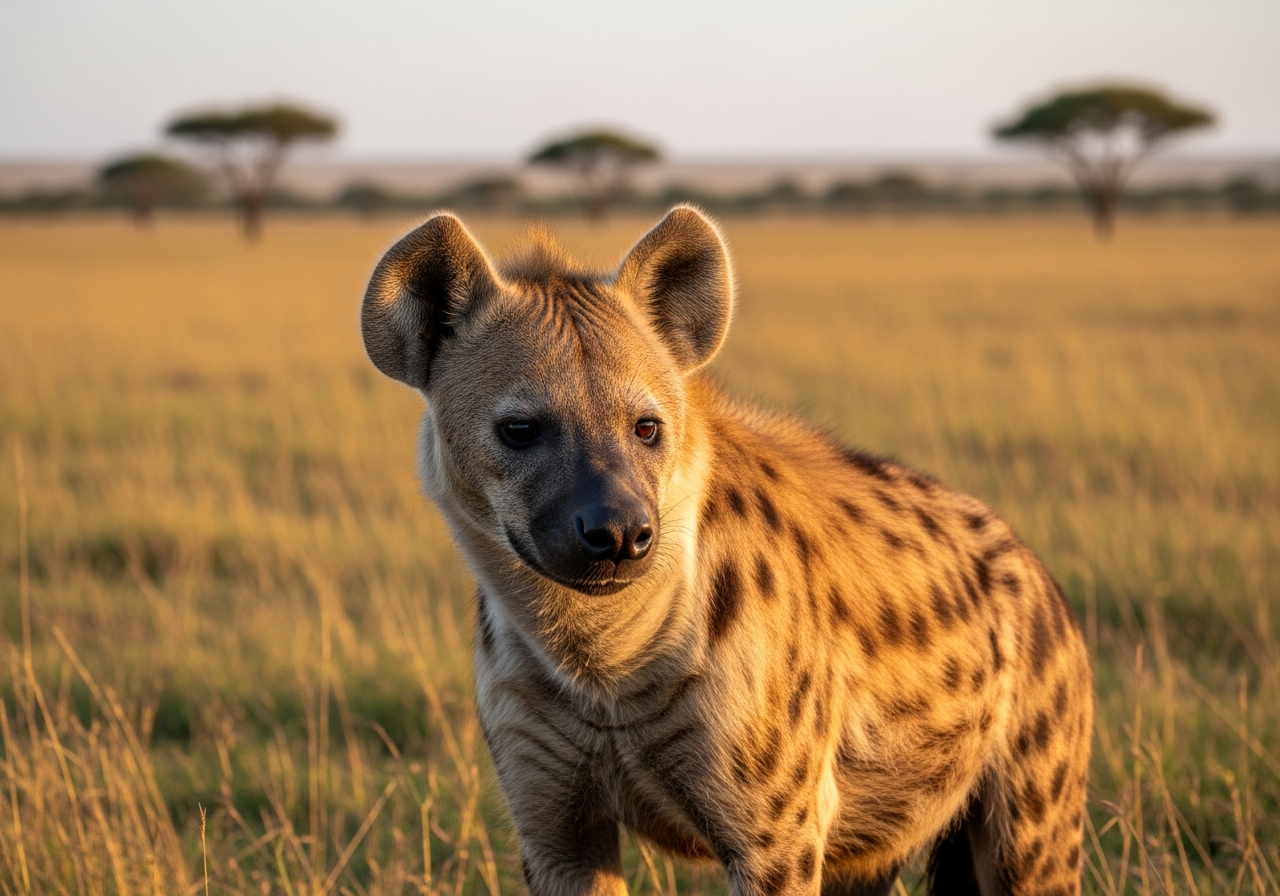
Mammal
The social, powerful hunter of the African savanna
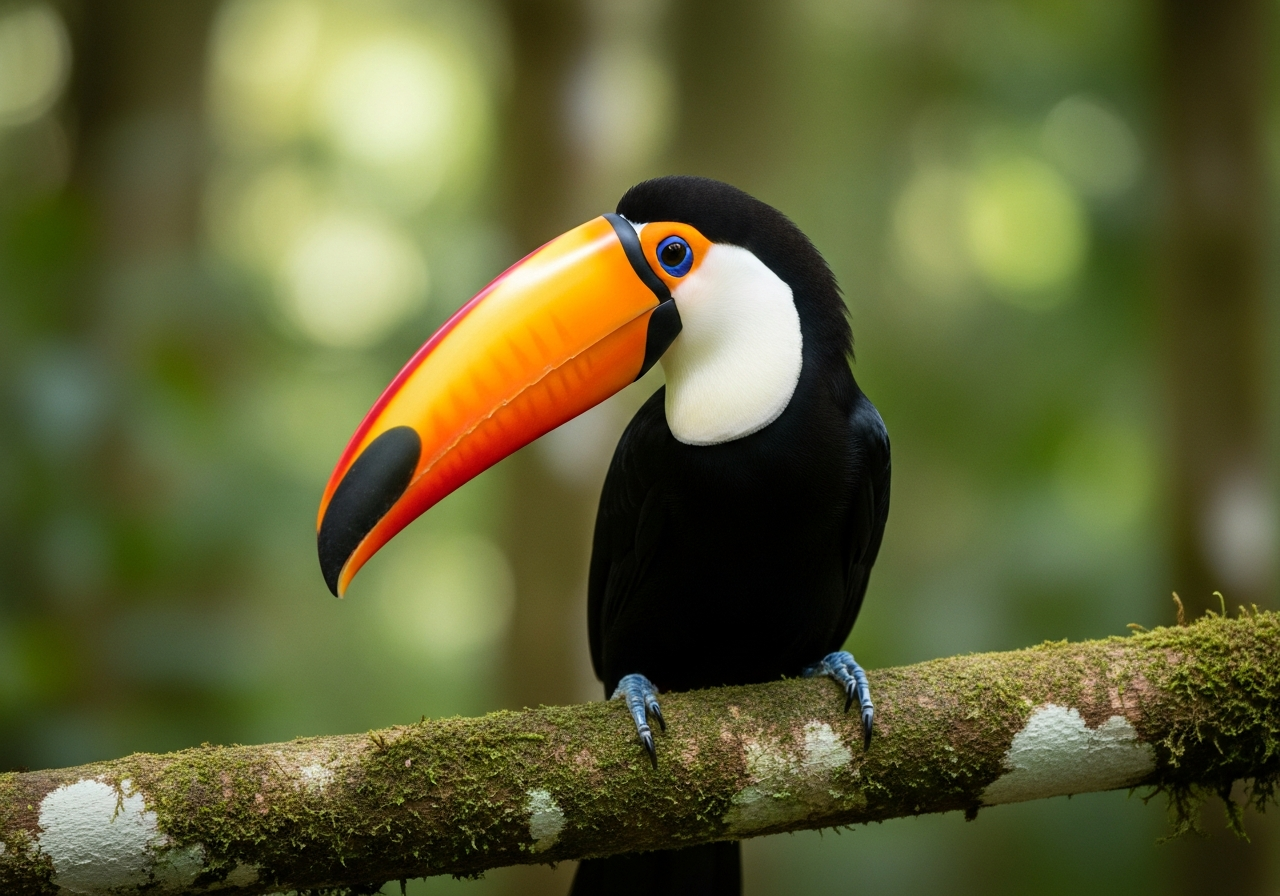
Bird
The rainforest bird with the giant colorful bill
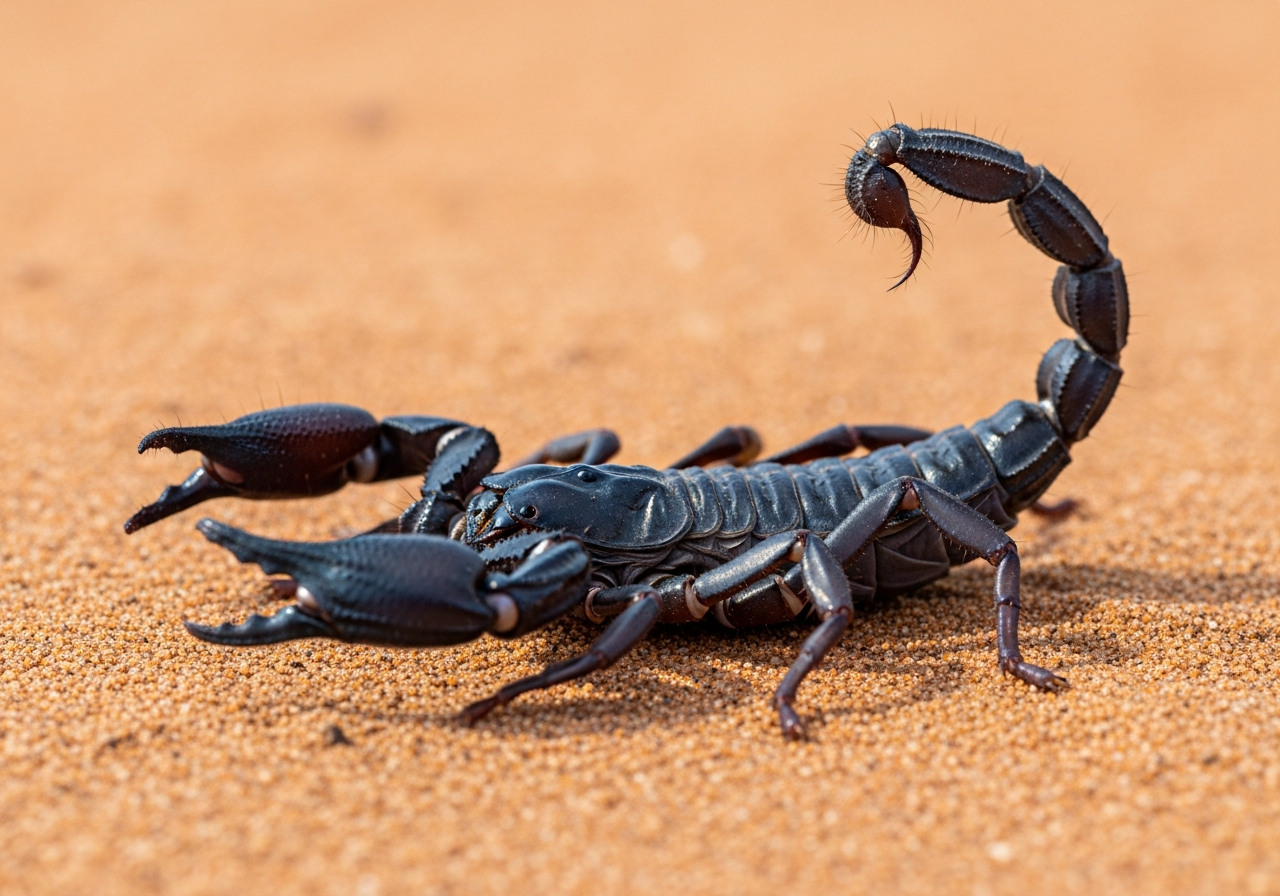
Invertebrate
The large, glowing arachnid with a stinging tail
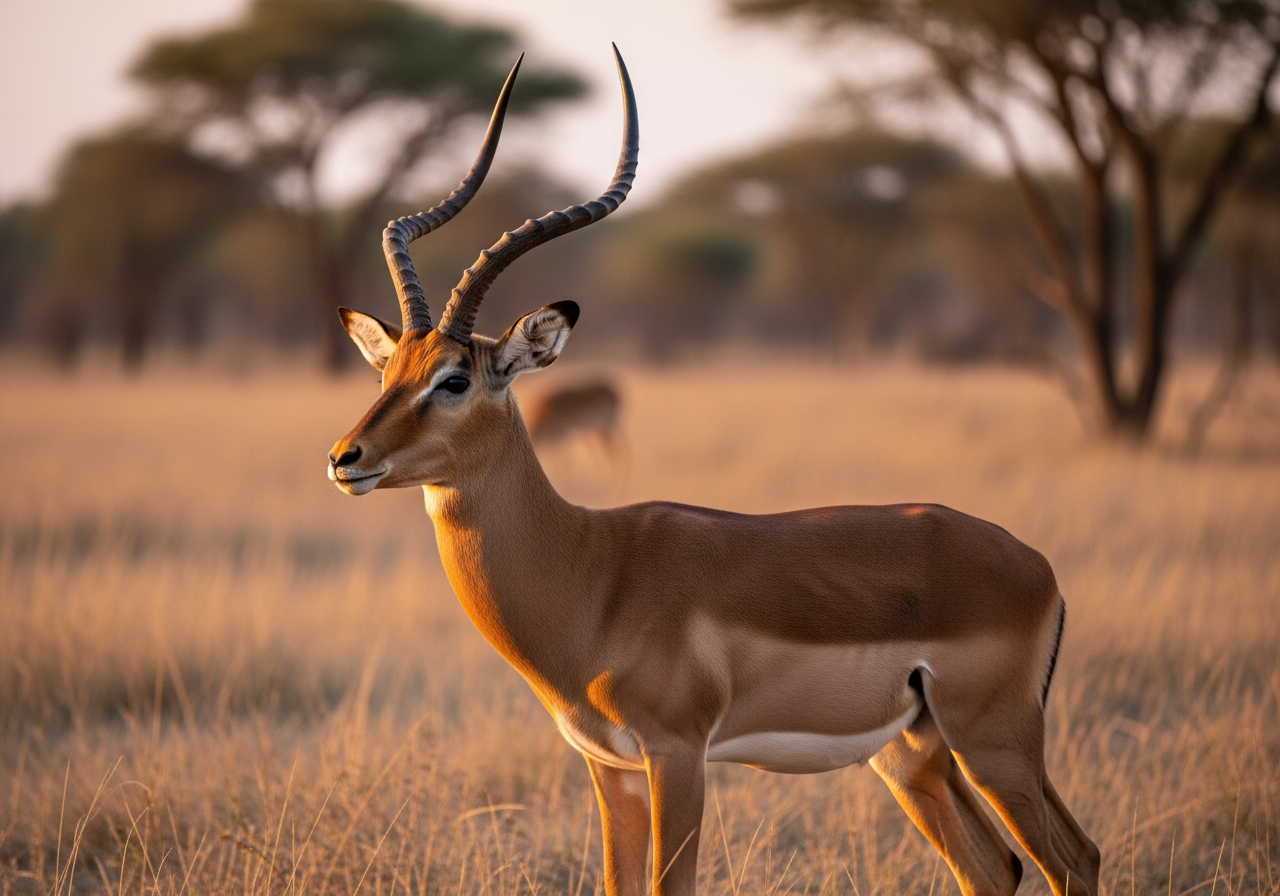
Mammal
The acrobatic leaper of the African savanna
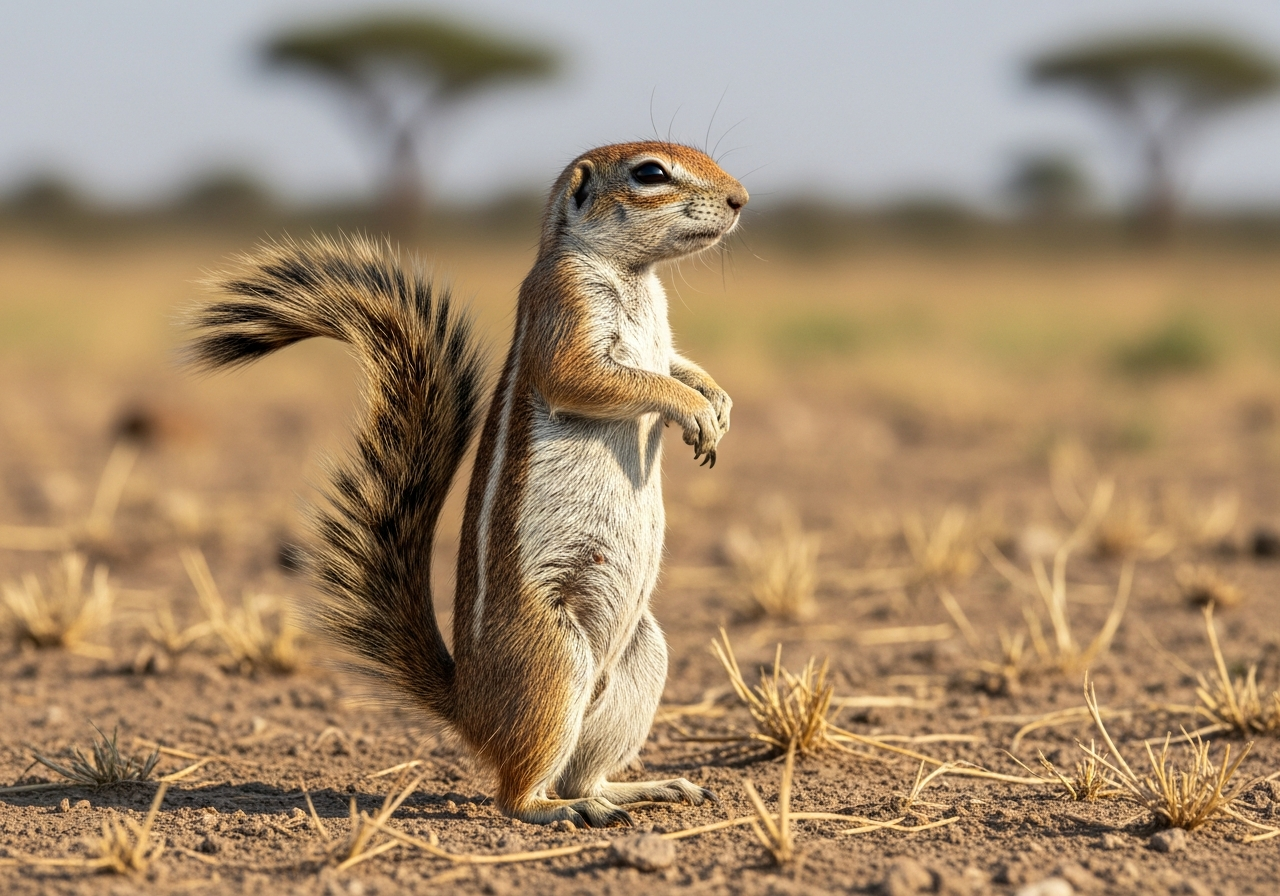
Mammal
The African ground squirrel that shades itself with its tail
Savannas are tropical grasslands dotted with trees and shaped by seasonal rains and fire. They support large herds of grazing mammals and the predators that hunt them — classic African wildlife landscapes. Open sightlines favour speed, long-distance travel, and cooperative hunting.
Species lists on this page are drawn from Global Animal Guide profiles whose habitat facts match savanna keywords. Browse the ranked list for answer-first guides covering diet, range, and conservation.
Savanna is defined by climate, vegetation, and water availability that favour particular body plans and behaviours. Compare sibling biome hubs (ocean, forest, desert, and more) to see how the same animal groups specialise differently.