Image sourcing: see credits & licences
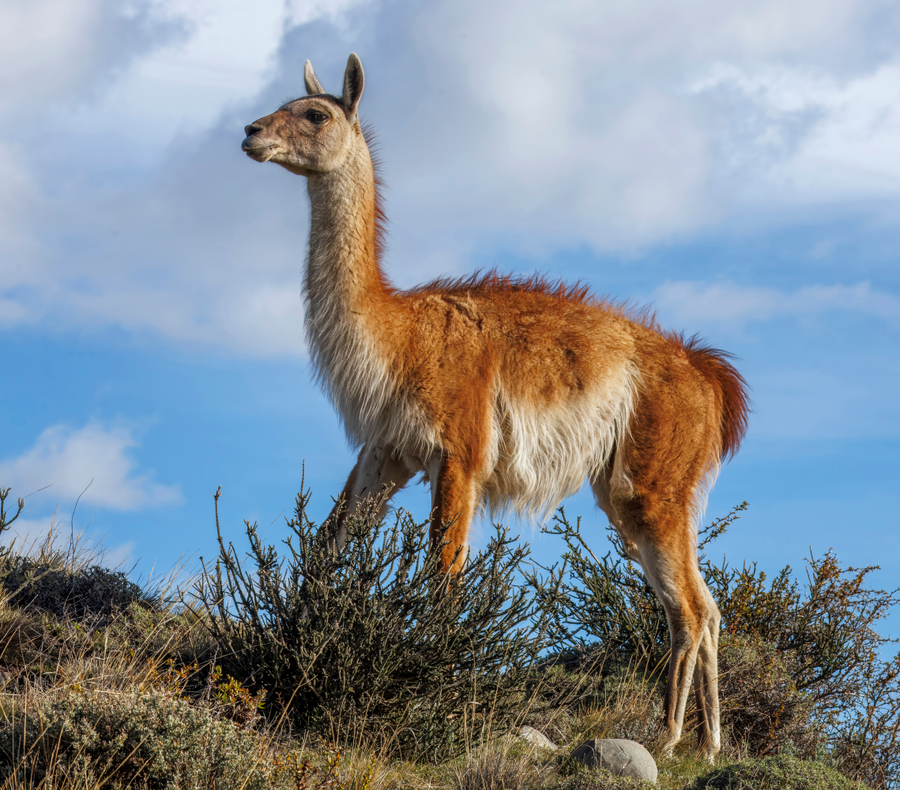
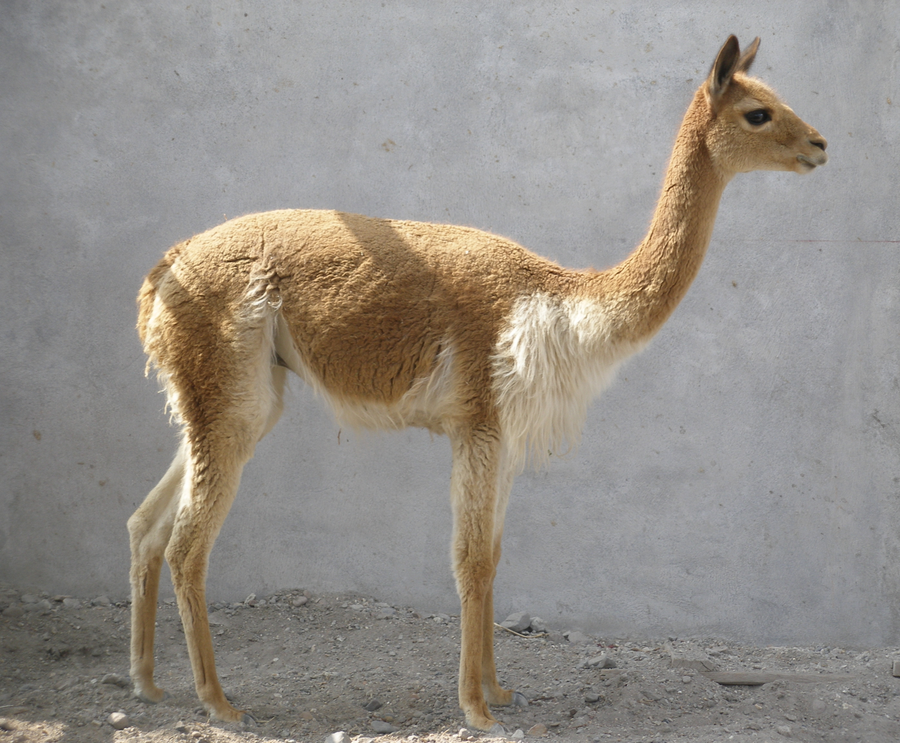
The vicuña (Vicugna vicugna) is a mammal of the family Camelidae, in the order Artiodactyla.
Quick answer
The vicuña (Vicugna vicugna) is a wild Andean camelid prized for ultrafine wool, living on high puna grasslands of Peru, Bolivia, Argentina, and Chile. Adults weigh about 50 kg, graze tough high-altitude plants, and recovered from near-extinction to Least Concern under community shearing programmes that replaced poaching.
Top questions about the Vicuña
Vicuña facts at a glance
- Weight 50 kg
- Length 1.5 m
- Top speed 50 km/h
- Lifespan 15 years
| Scientific name | Vicugna vicugna |
|---|---|
| Diet | Herbivore |
| Habitat | High-altitude puna grasslands |
| Lifespan | Around 15 years in the wild (varies by population and captivity). |
| Weight | About 50 kg typical adult mass (sex and region vary). |
| Top speed | Up to roughly 50 km/h when moving at speed. |
| Conservation status | Least Concern (IUCN) |
| Kingdom | Animalia |
|---|---|
| Phylum | Chordata |
| Class | Mammalia |
| Order | Artiodactyla |
| Family | Camelidae |
| Genus | Vicugna |
Where it lives
The vicuña (Vicugna vicugna) is native to High Andes of Peru, Bolivia, Argentina, and Chile. — recorded across South America in this guide’s range summary.
For occurrence records, see GBIF species search and sources below.
How big is a vicuña?
An adult vicuña measures 1.5 m long — about 87% of the height of an average adult person (1.73 m) — and weighs around 50 kg, about 71% of an average adult’s body weight (70 kg).
Length vs an average adult’s height (to scale)
What is a group of vicuñas called?
Group name (collective noun)
A group of Vicuñas is called a herd.
Baby name
A baby Vicuña is called a cria.
Explore more animal collective nouns and baby animal names .
Finest natural fibre
Vicuña wool fibres are among the finest of any animal — historically reserved for Inca royalty. Animals are wild, not fully domesticated like alpacas; roundups (chaccus) allow live shearing.
High-Andes grazer
Diet is grasses and forbs of the puna above roughly 3,500 m. They need daily access to drinking water and form family groups with territorial males.
Peru to Chile puna
High-altitude grasslands of Peru, Bolivia, Argentina, and Chile along the Andes. Across its range it is tied to high-altitude puna grasslands, and field accounts emphasise this species’ distinctive ecology rather than generic habitat labels.
From poaching to sustainable shear
Twentieth-century poaching for wool nearly wiped them out. CITES controls and community-managed live shearing rebuilt herds to Least Concern — a rare wildlife-trade success when well governed.
Explore the Vicuña
Conservation status of the Vicuña
The vicuña (Vicugna vicugna) is listed as Least Concern on the IUCN Red List. Least Concern (LC) is the IUCN's lowest-risk category, assigned to widespread, abundant species that have been evaluated and found not to be threatened. It does not mean a species faces no pressures — only that it is not currently at risk of extinction.
The vicuña (Vicugna vicugna) is assessed on the IUCN Red List. Look up on the IUCN Red List .
Frequently asked questions about the Vicuña
Is vicuña wool softer than cashmere?
Vicuña fibre is exceptionally fine and often considered finer than cashmere; legal cloth is expensive because animals are wild-shorn infrequently.
Are vicuñas domesticated?
No — they remain wild, unlike alpacas and llamas, though managed roundups occur.
Why were vicuñas nearly extinct?
They were killed for their fleece; live-shearing programmes removed the incentive to poach.
What is a baby vicuña called?
A young vicuña is called a cria — that is the usual English name for a young vicuña.
Where do vicuñas live?
High Andes of Peru, Bolivia, Argentina, and Chile. Native range summary: High Andes of Peru, Bolivia, Argentina, and Chile.
What is a group of vicuñas called?
A group of Vicuñas is called a herd.
Sources & references
This guide is compiled and reviewed against established zoological and conservation references. Key sources for the Vicuña:
-
IUCN Red List of Threatened Species
Conservation status (Least Concern) reflects the IUCN Red List category for Vicugna vicugna.
-
iNaturalist — observations & photos
Search citizen-science observations and community IDs for Vicugna vicugna. Useful for range checks and recent sightings — not a substitute for formal Red List status.
-
GBIF — occurrence data
Global Biodiversity Information Facility species search for Vicugna vicugna. Explore published occurrence records used in range research.
-
Global Animal Guide editorial standards
How we research, source, review, and update every guide for accuracy.