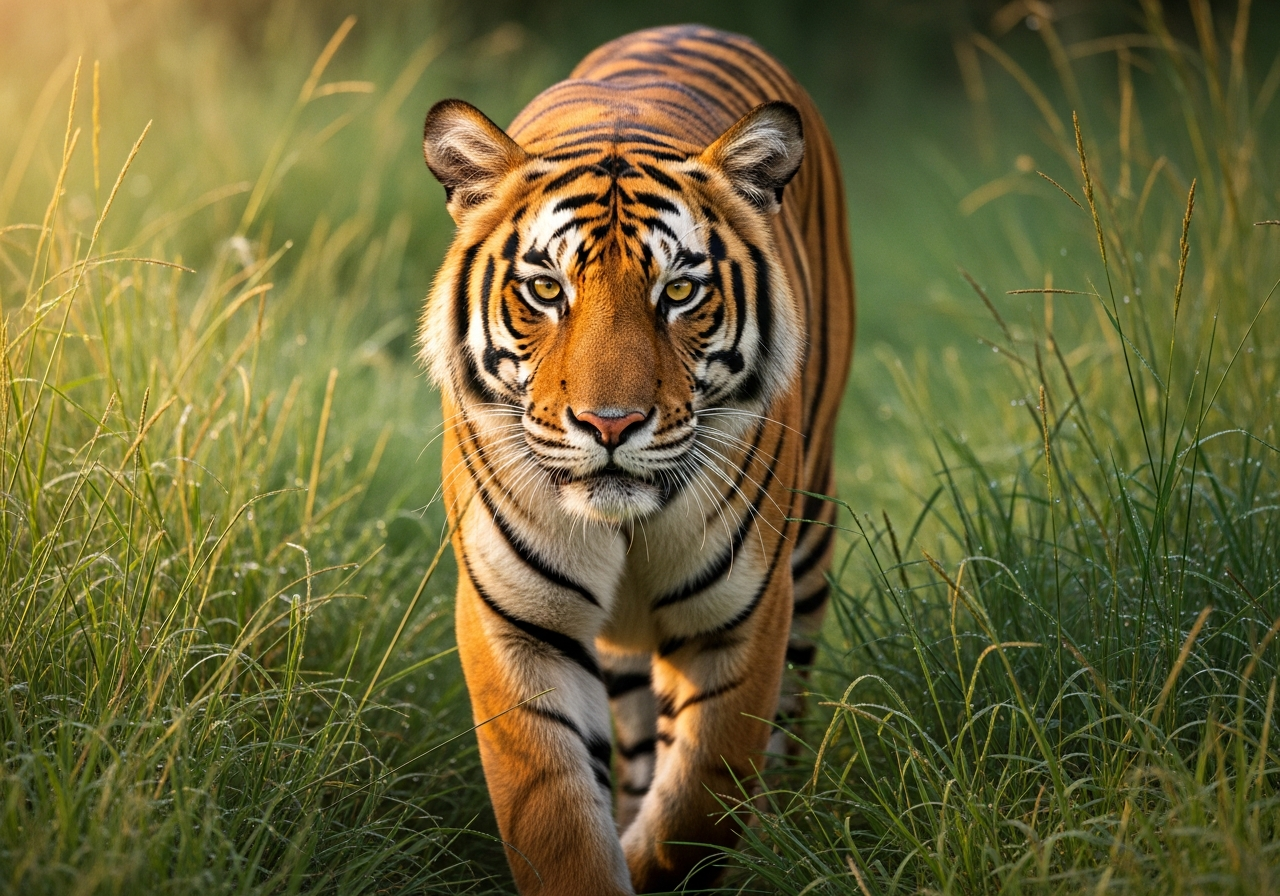
Mammal
Tiger
The largest cat species on Earth
Trusted wildlife guides · Promotional links support animal rescue
Saturday, 18 July 2026Wetlands are among the most productive ecosystems on Earth and among the most drained. Species whose habitats mention wetland, marsh, swamp, estuary, mangrove, or floodplain are listed here.
Wetlands — marshes, swamps, mangroves, and floodplains — filter water, buffer floods, and nursery fish, amphibians, waterbirds, and reptiles at the land–water edge.
Alligators, herons, otters, and mangrove specialists illustrate how wet soils and shallow water create unique niches.
Drainage, pollution, invasive plants, and coastal development erase wetland habitat and the species that need it.
Use freshwater for inland rivers and lakes, and ocean for fully marine coasts.
Ranked by profile popularity. An animal may also appear in other biomes if it uses multiple habitats.
Mammal
The largest cat species on Earth
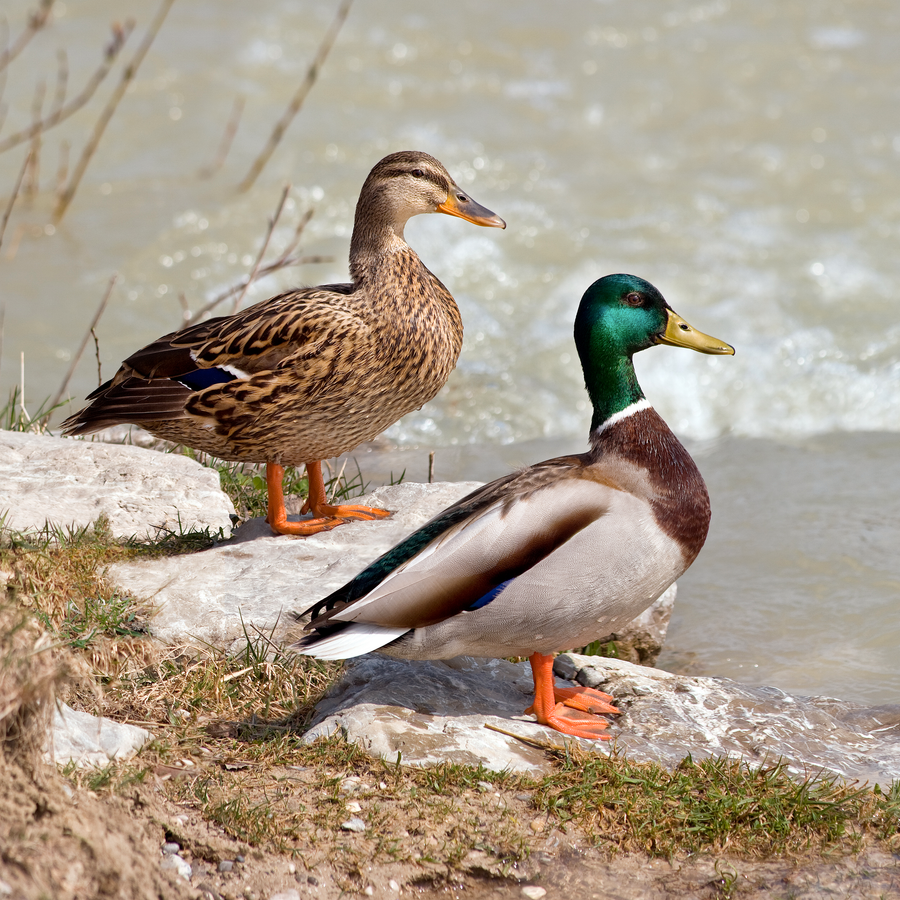
Bird
The familiar puddle duck
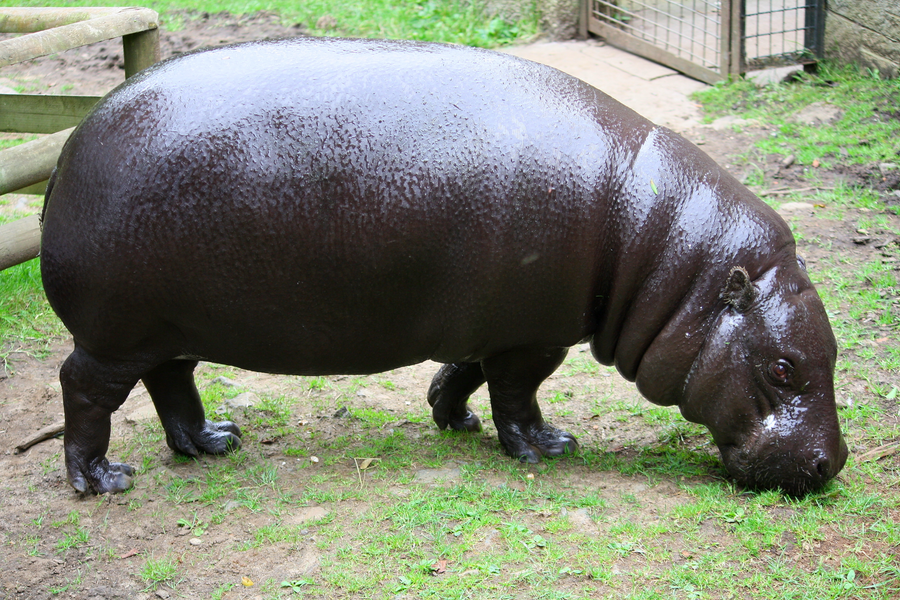
Mammal
The small forest hippo of West Africa
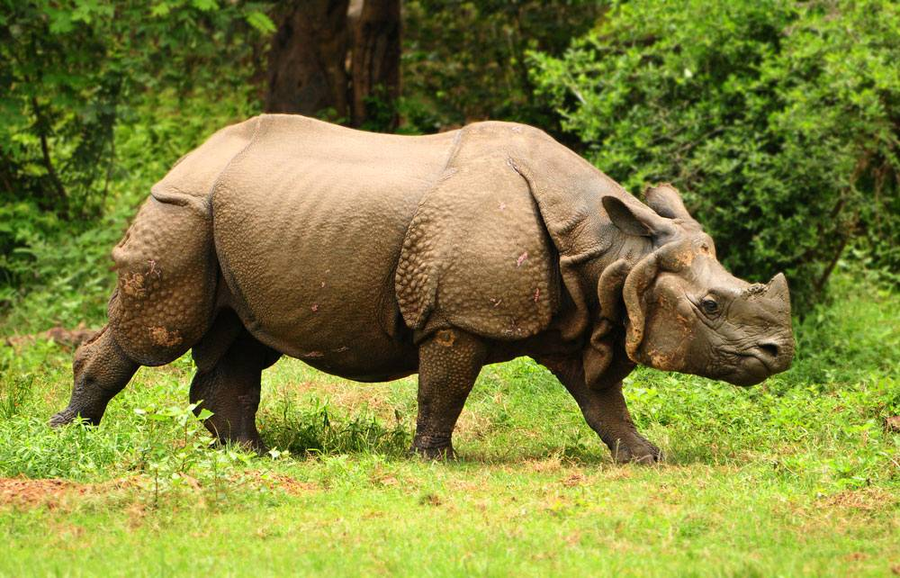
Mammal
The armour-plated one-horned giant
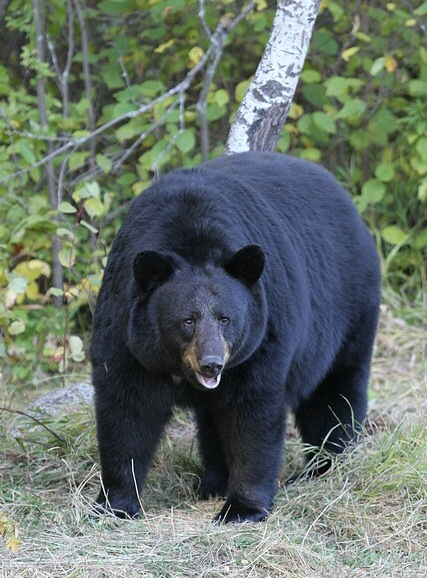
Mammal
North America's adaptable forest bear
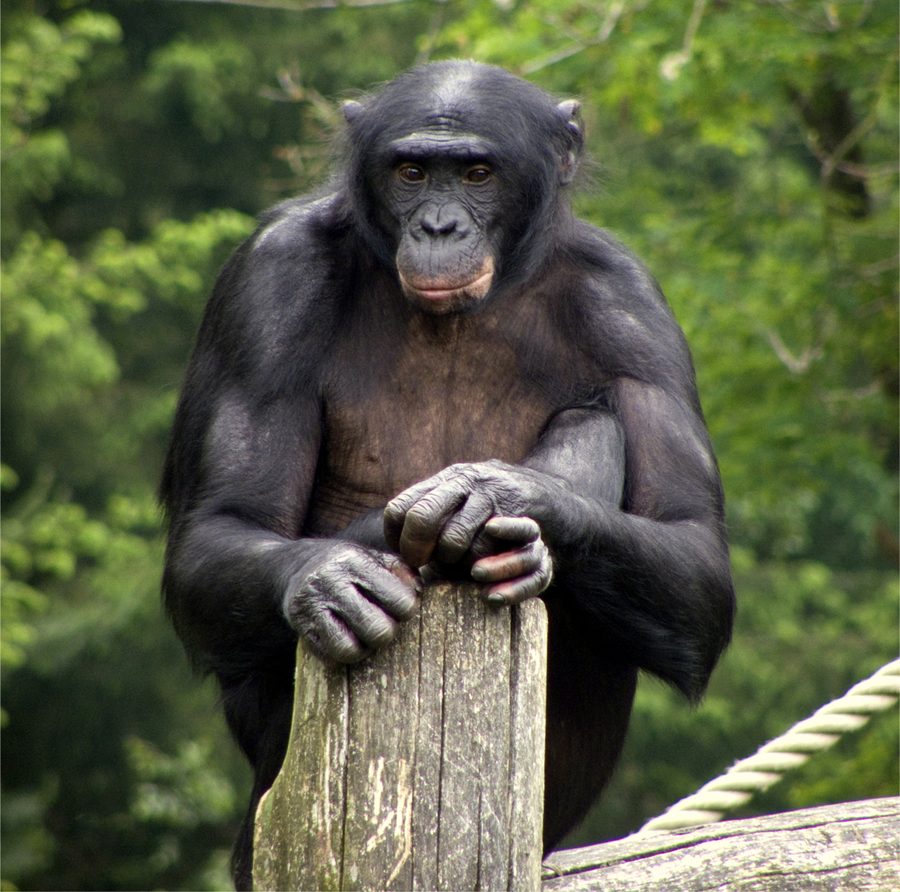
Mammal
The peaceful ape of the Congo Basin
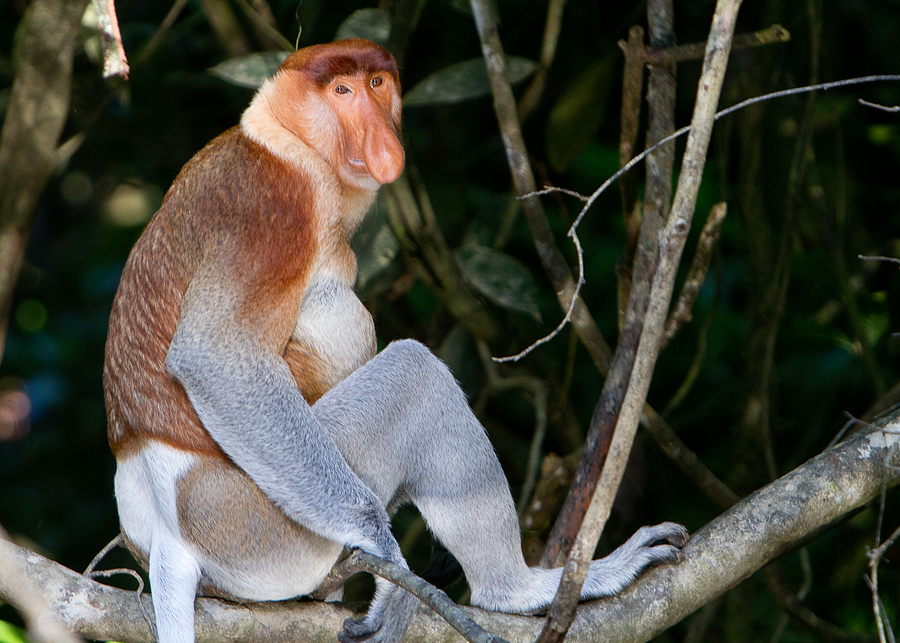
Mammal
Borneo's big-nosed swimmer
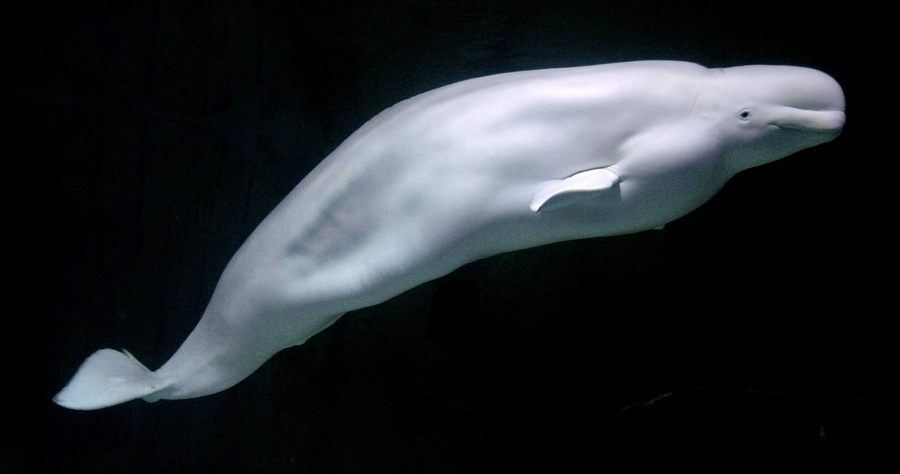
Mammal
The white whale of the Arctic
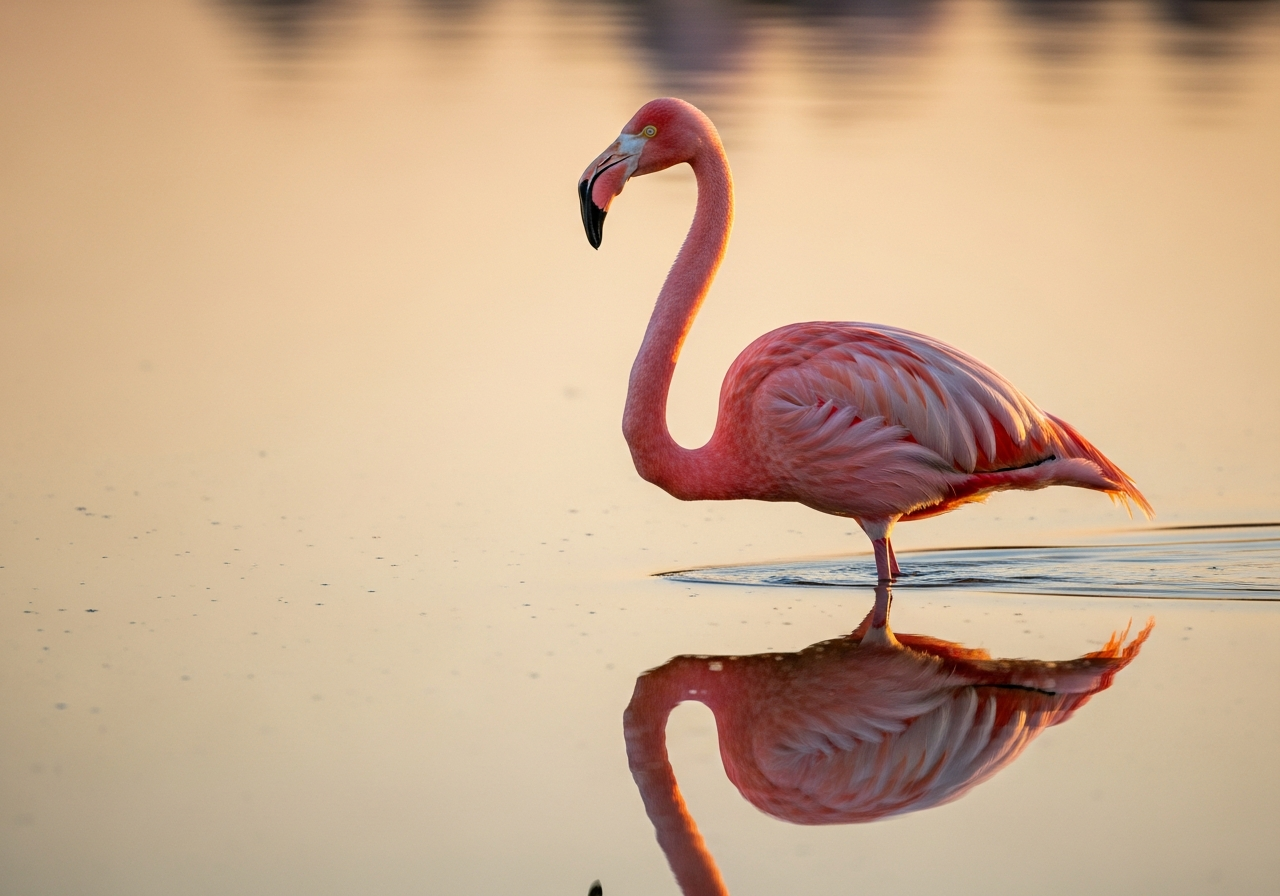
Bird
The pink filter-feeder that stands on one leg
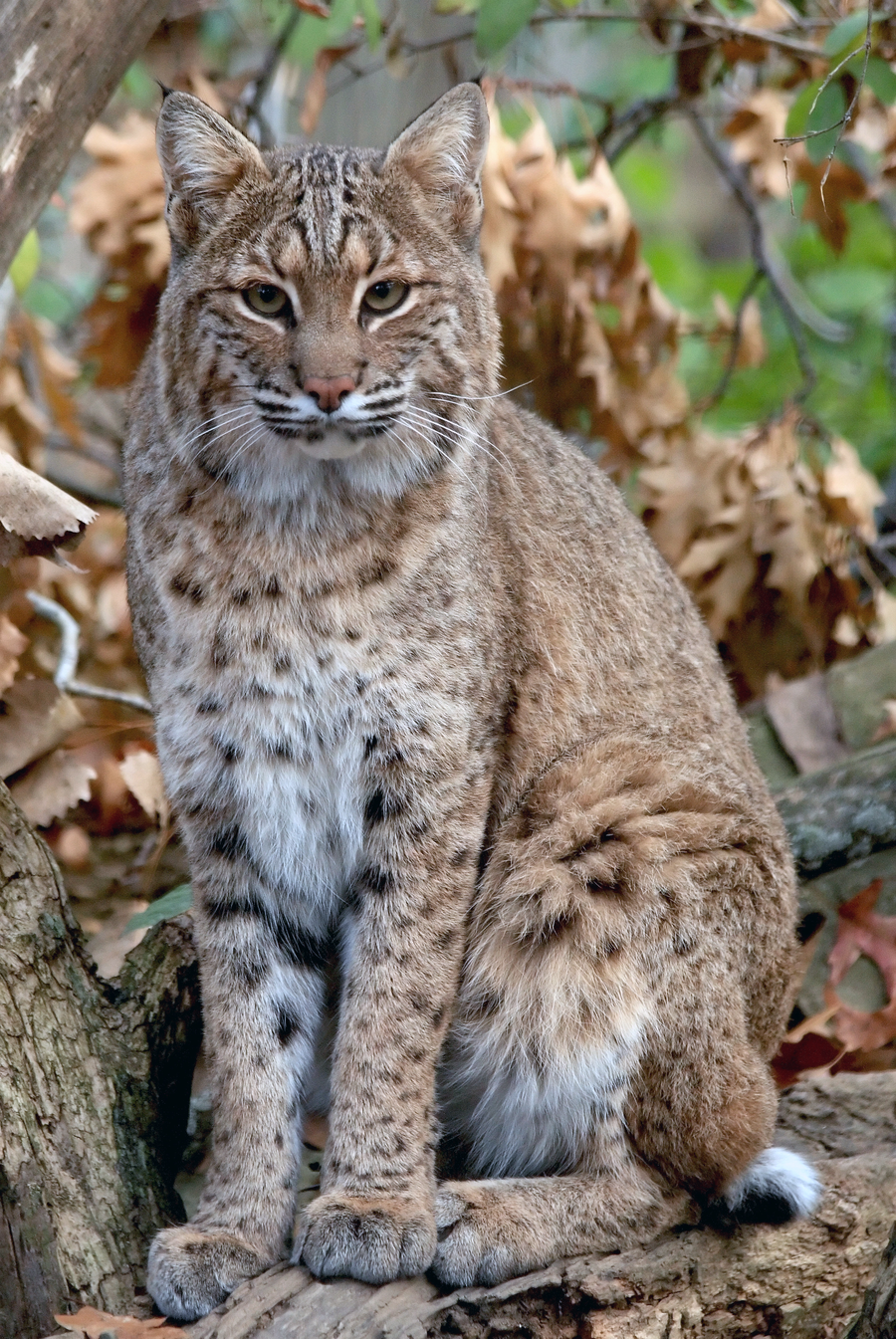
Mammal
North America's adaptable wild cat
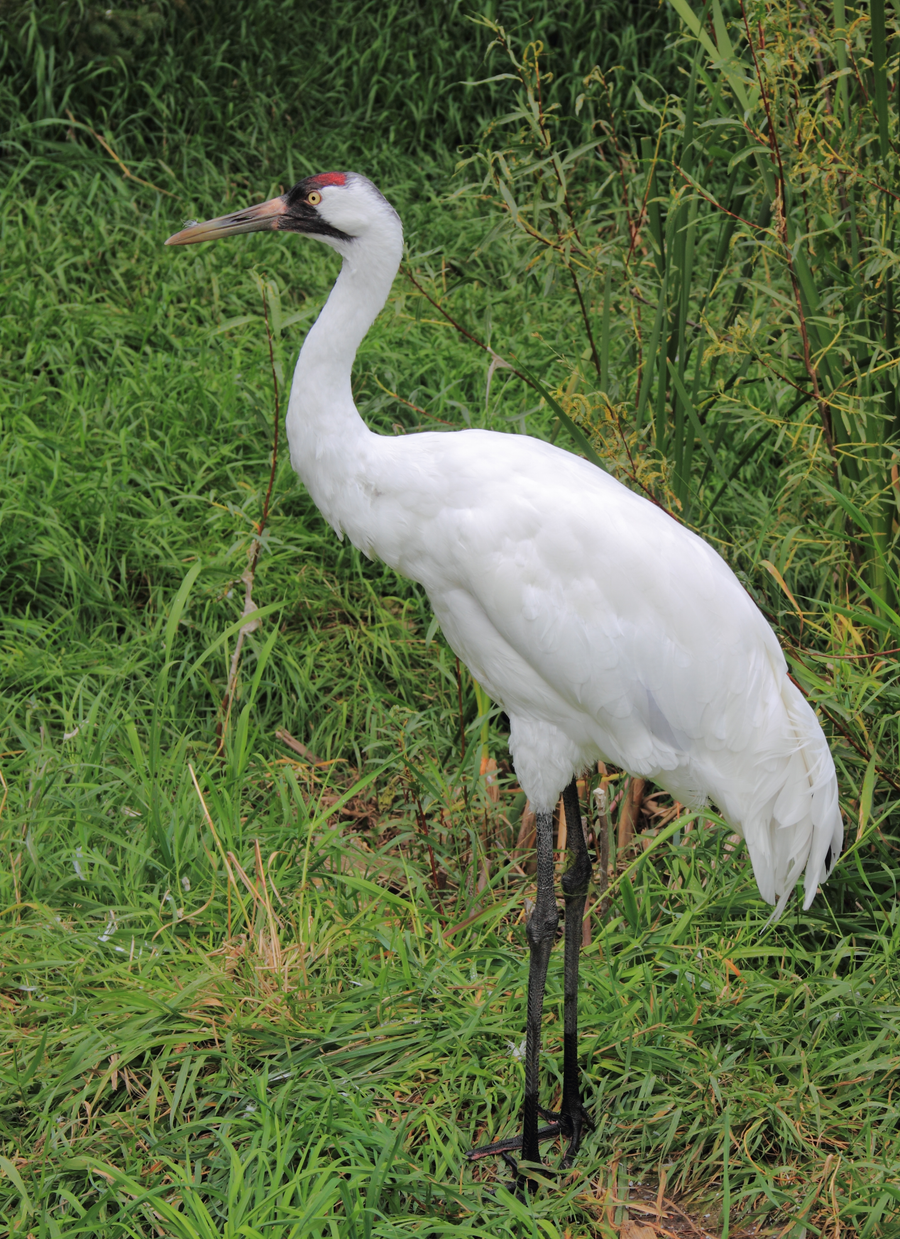
Bird
Tallest North American bird and conservation icon
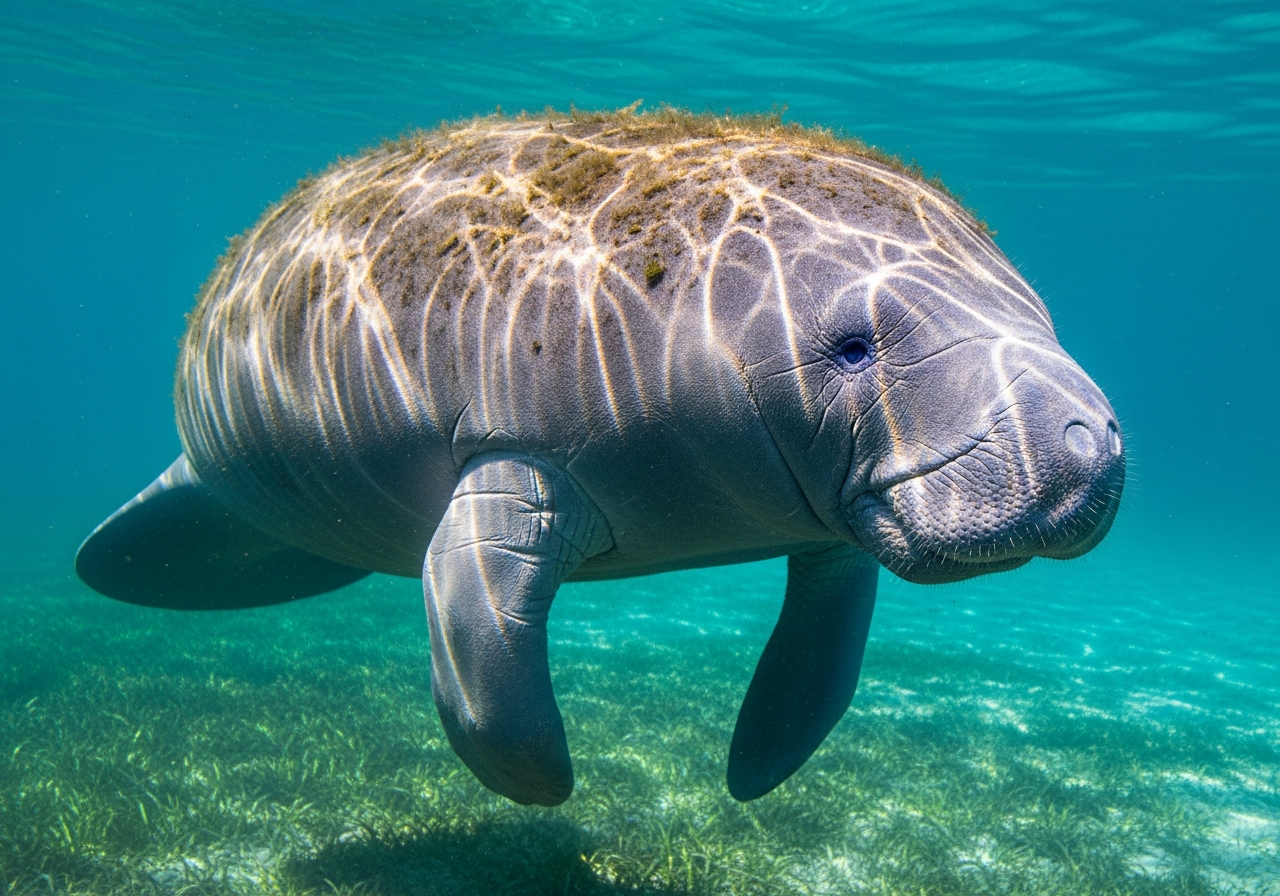
Mammal
The gentle sea cow of warm coastal waters
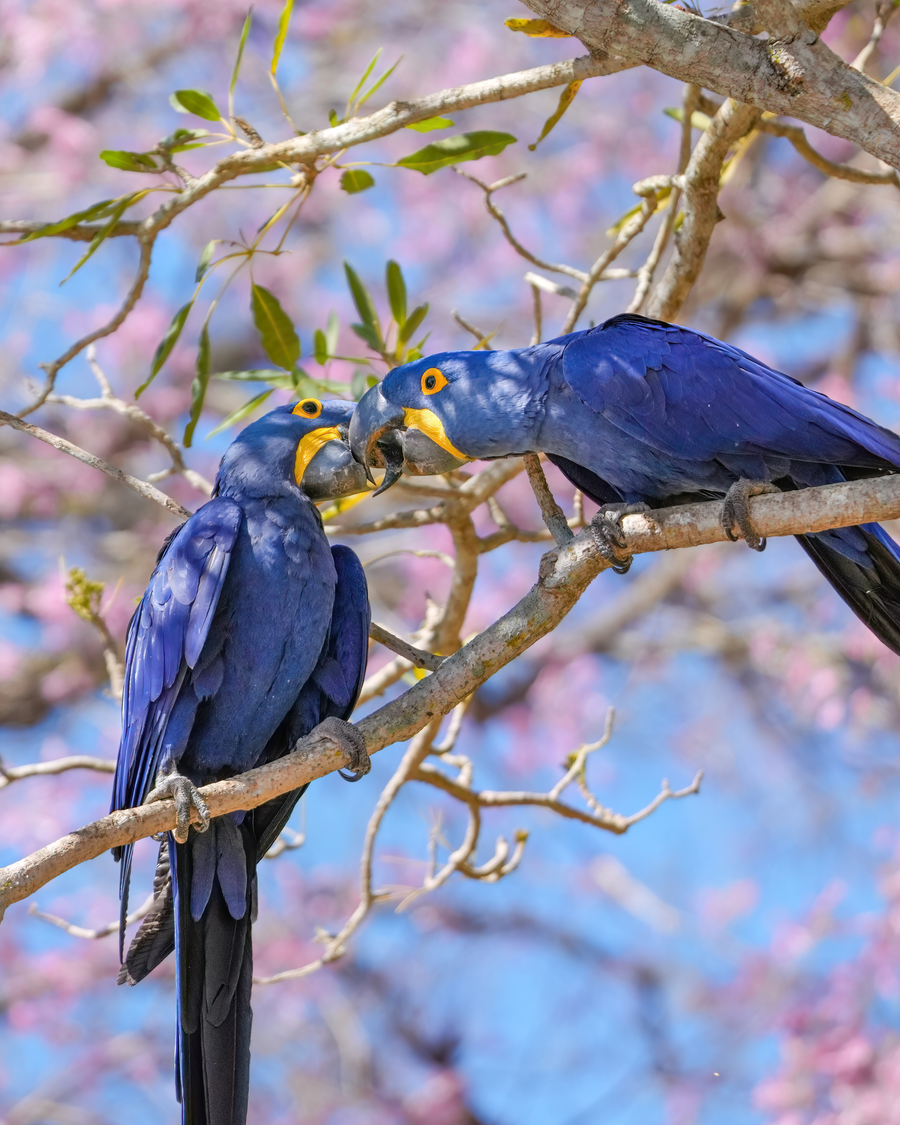
Bird
Largest flying parrot, cobalt blue
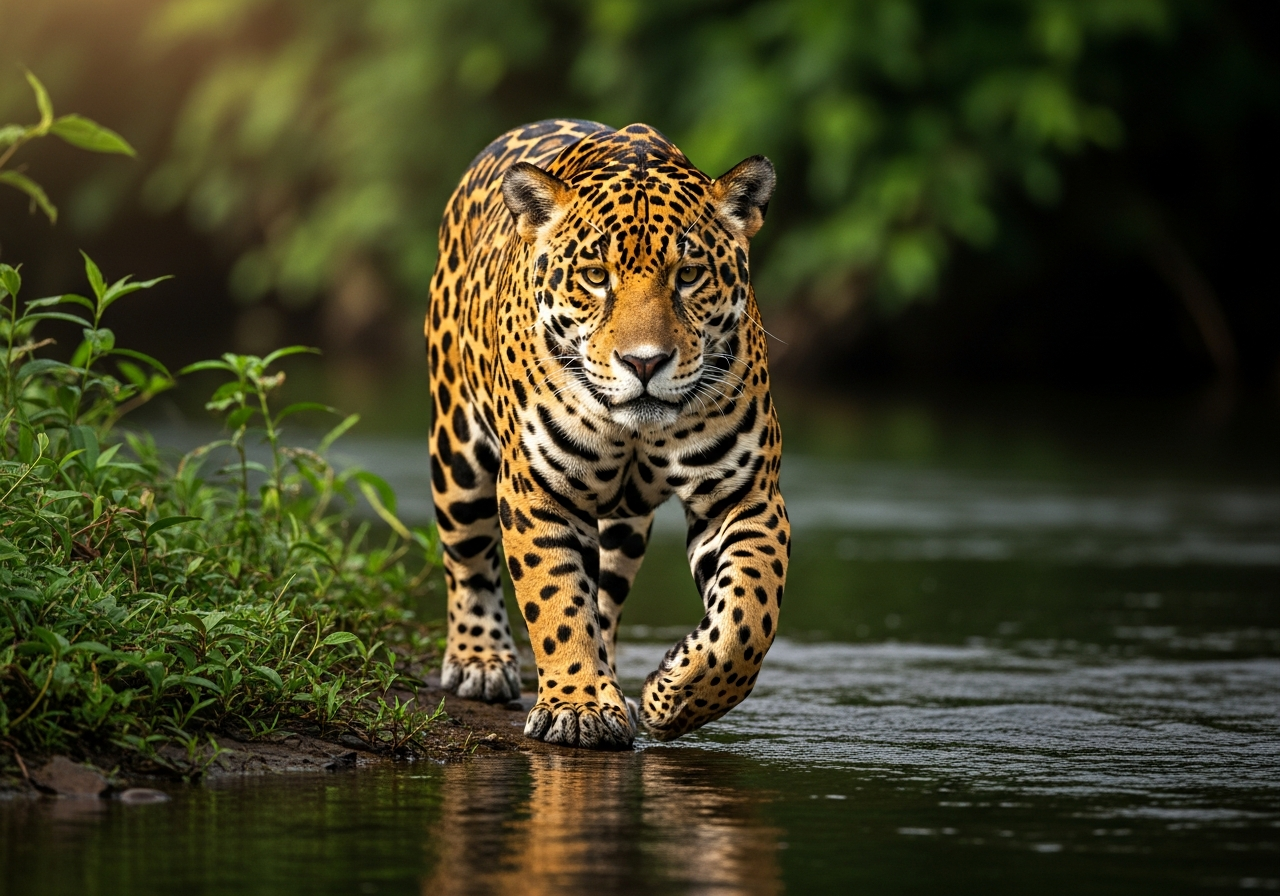
Mammal
The Americas' largest and most powerful cat
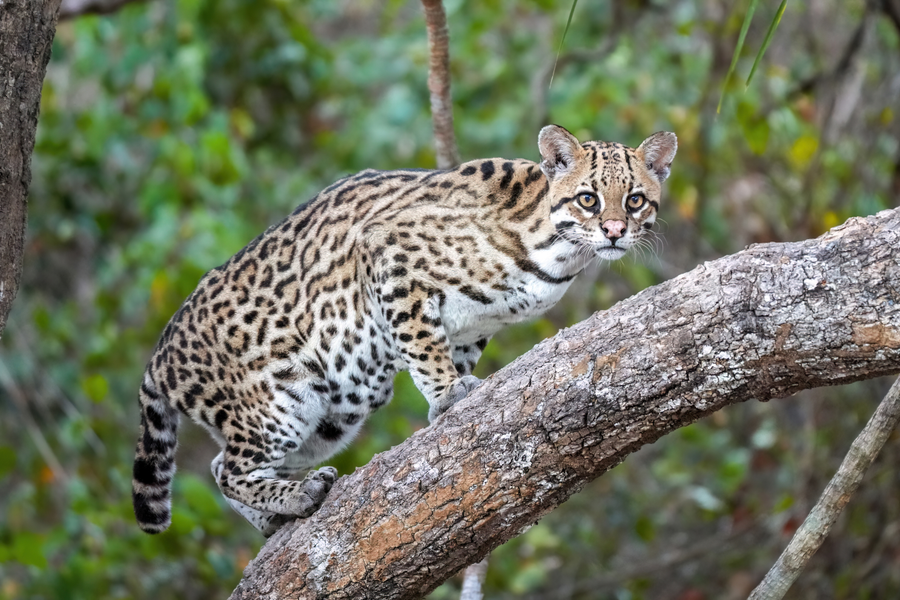
Mammal
The spotted cat of the Americas
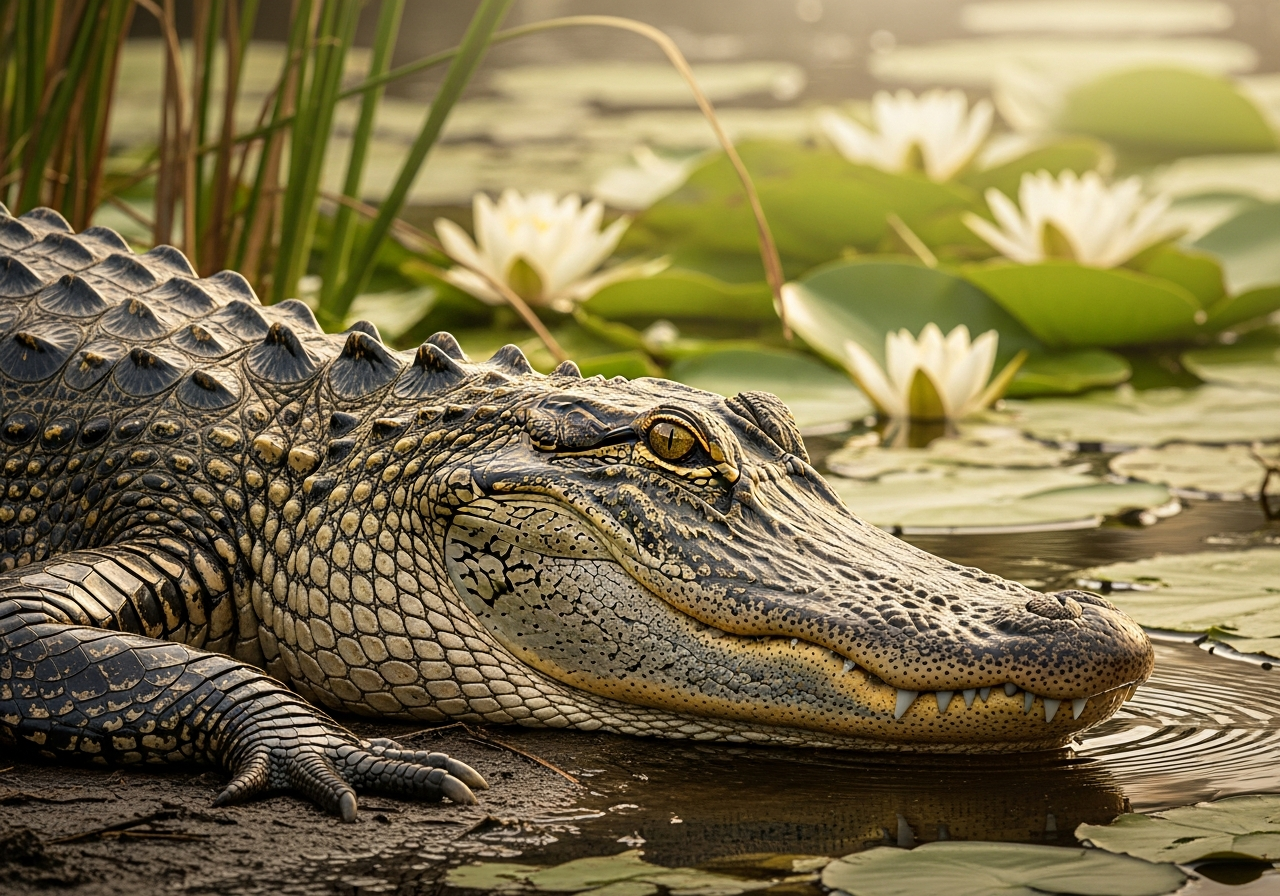
Reptile
The armored survivor of the southern swamps
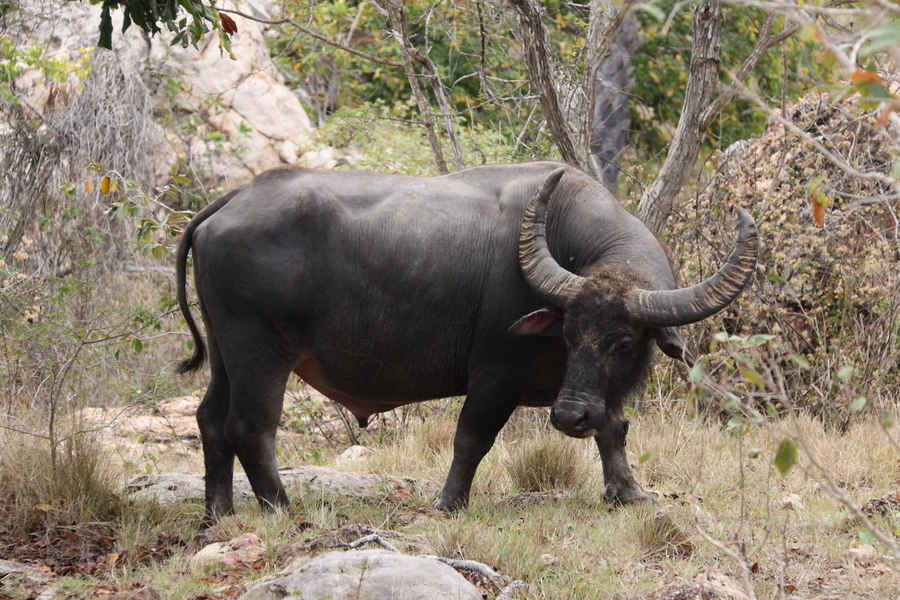
Mammal
The wallowing bovine of Asia
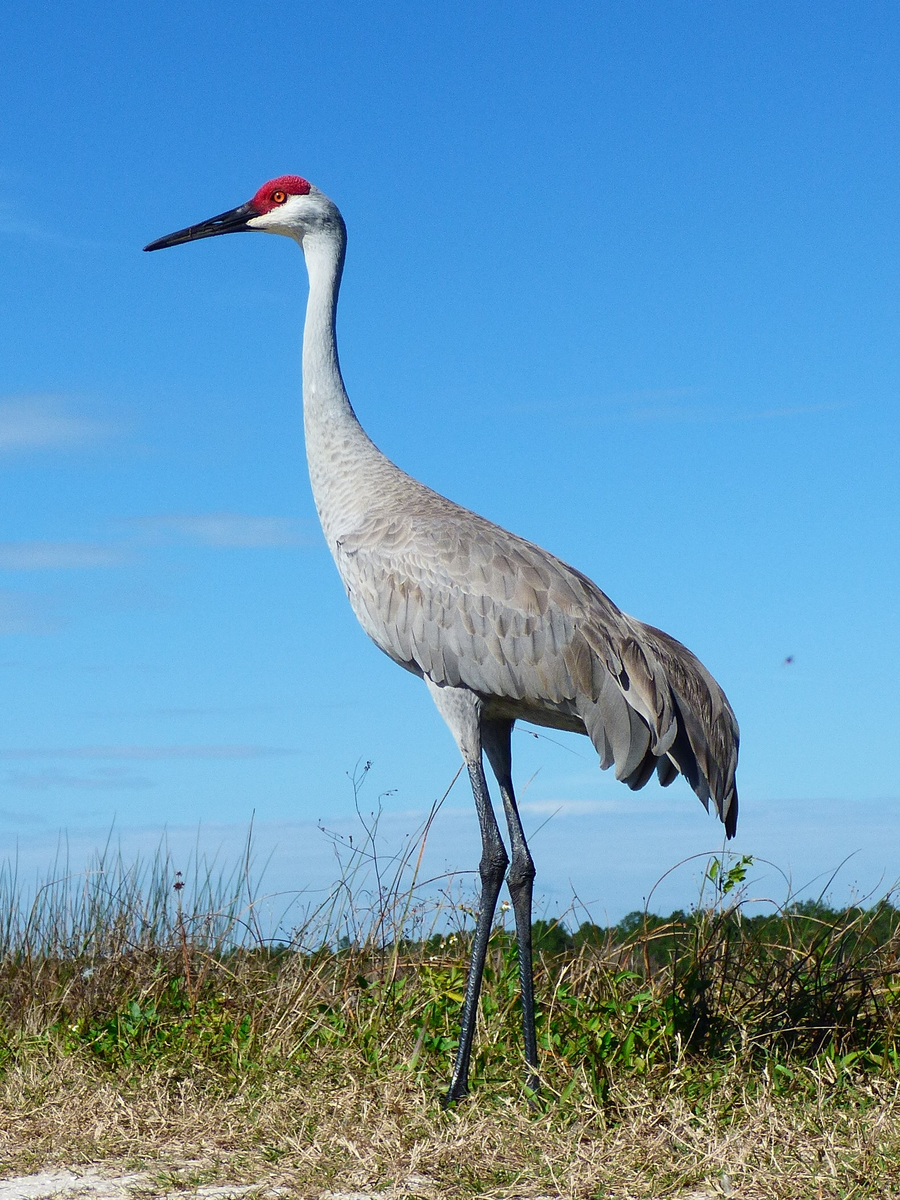
Bird
North America's dancing crane
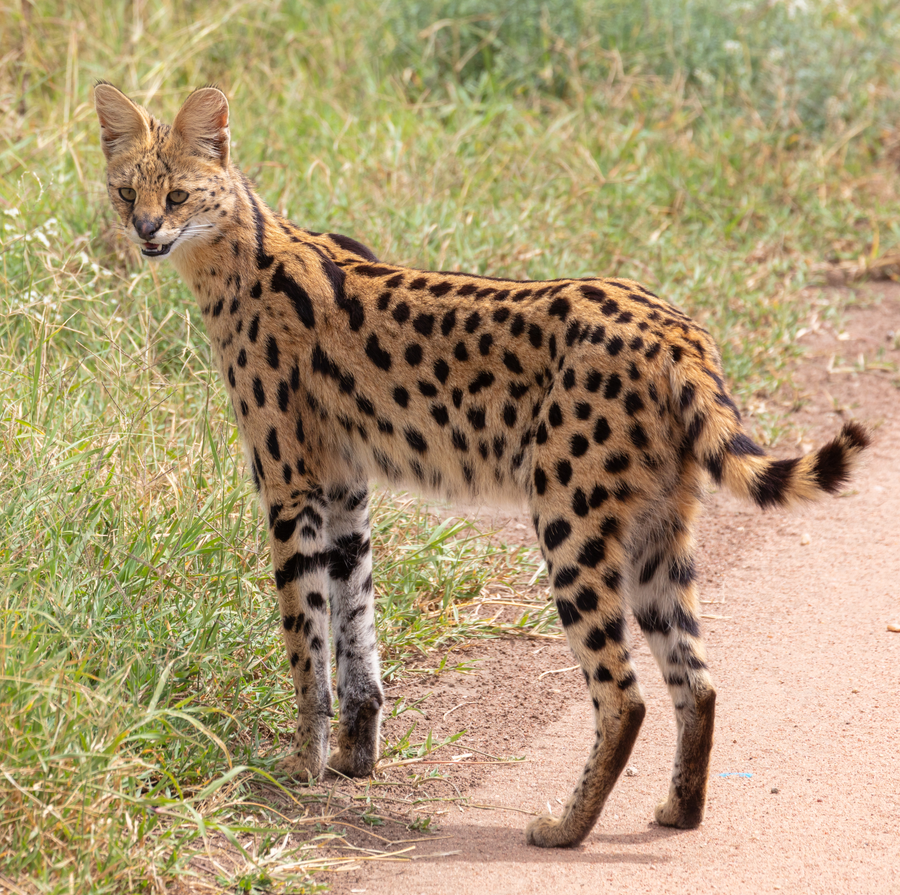
Mammal
Africa's long-legged pounce specialist
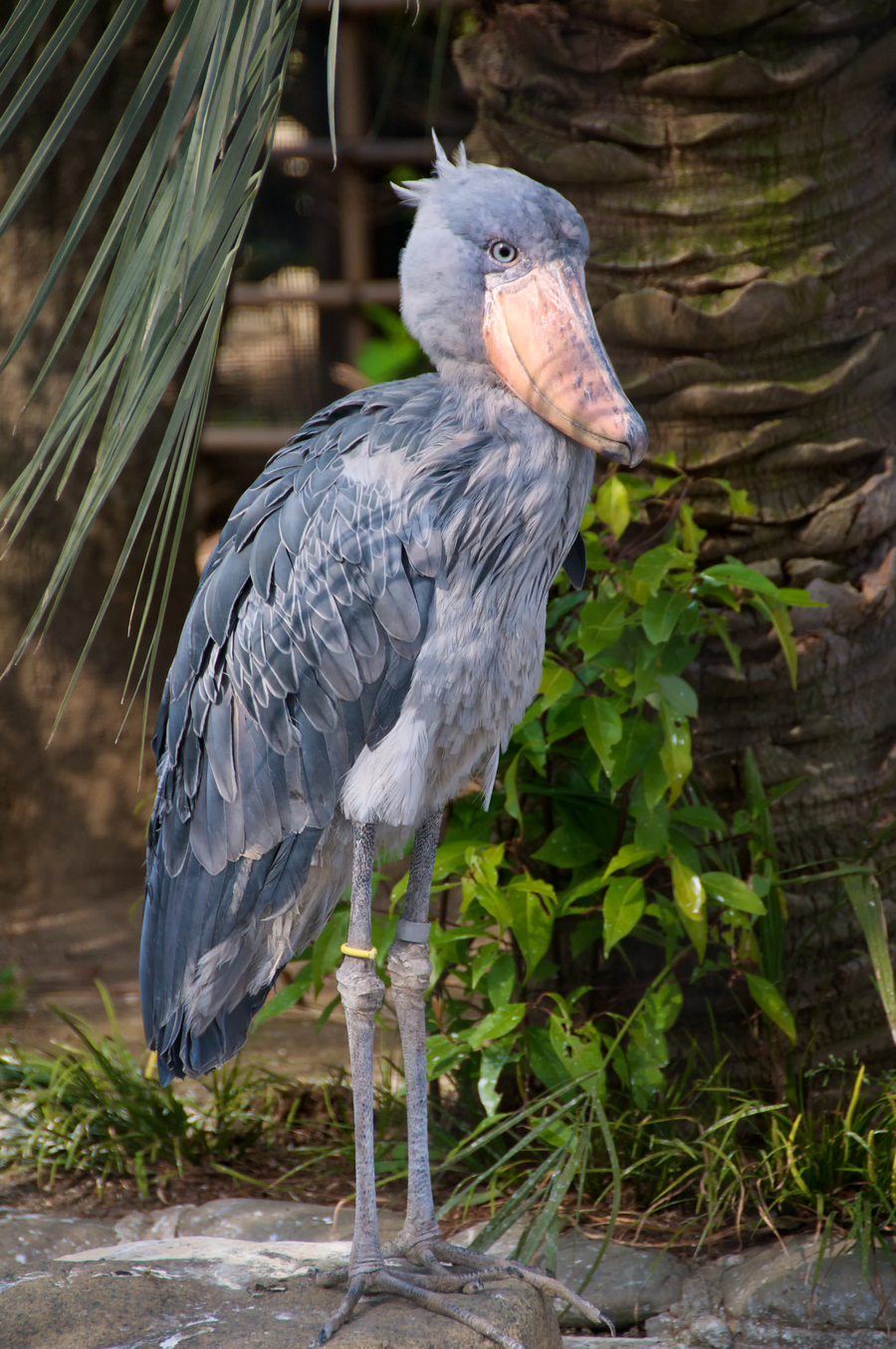
Bird
Giant swamp bird with a shoe-shaped bill
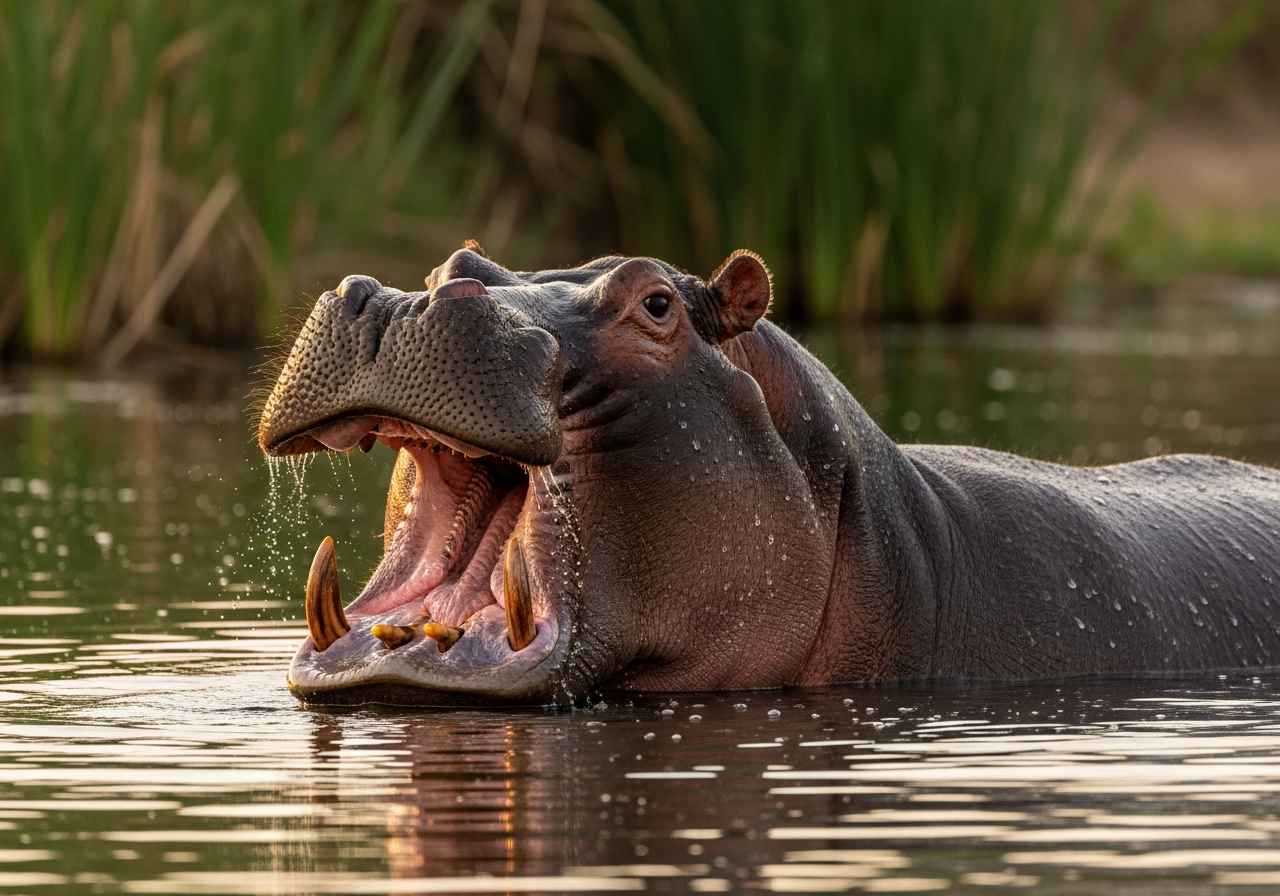
Mammal
Africa's deadliest large land mammal
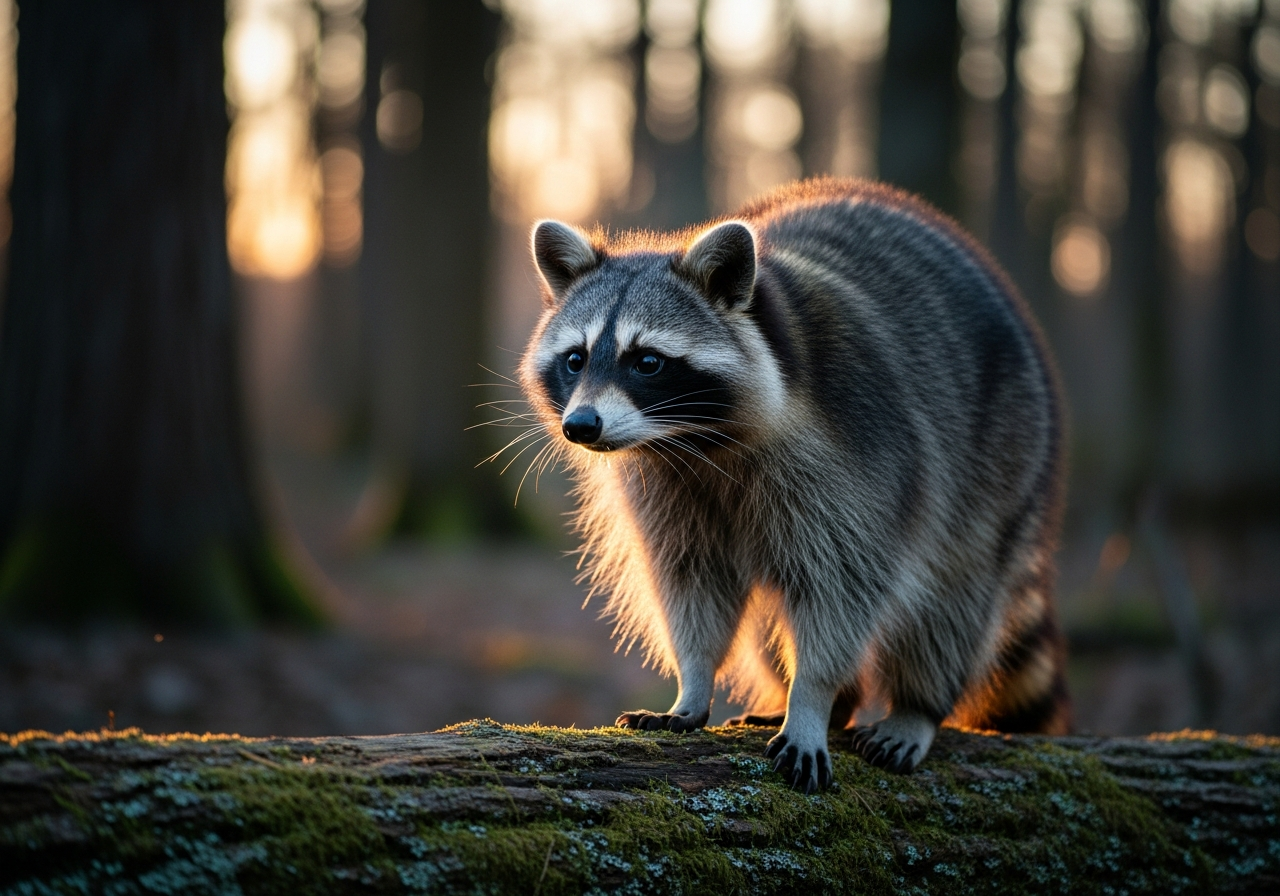
Mammal
The masked, clever-handed night raider
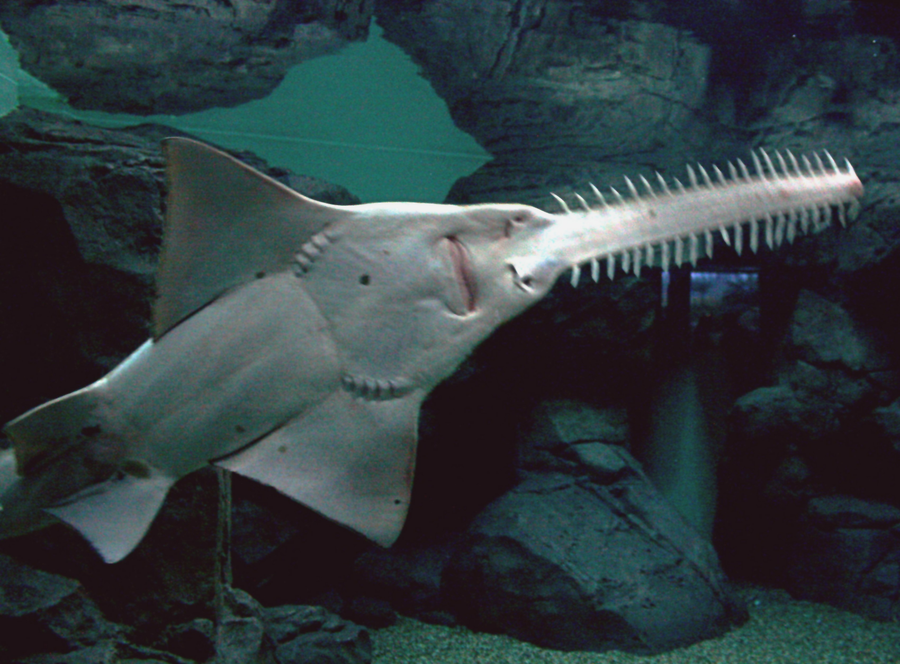
Fish
Giant ray with a toothed rostral saw
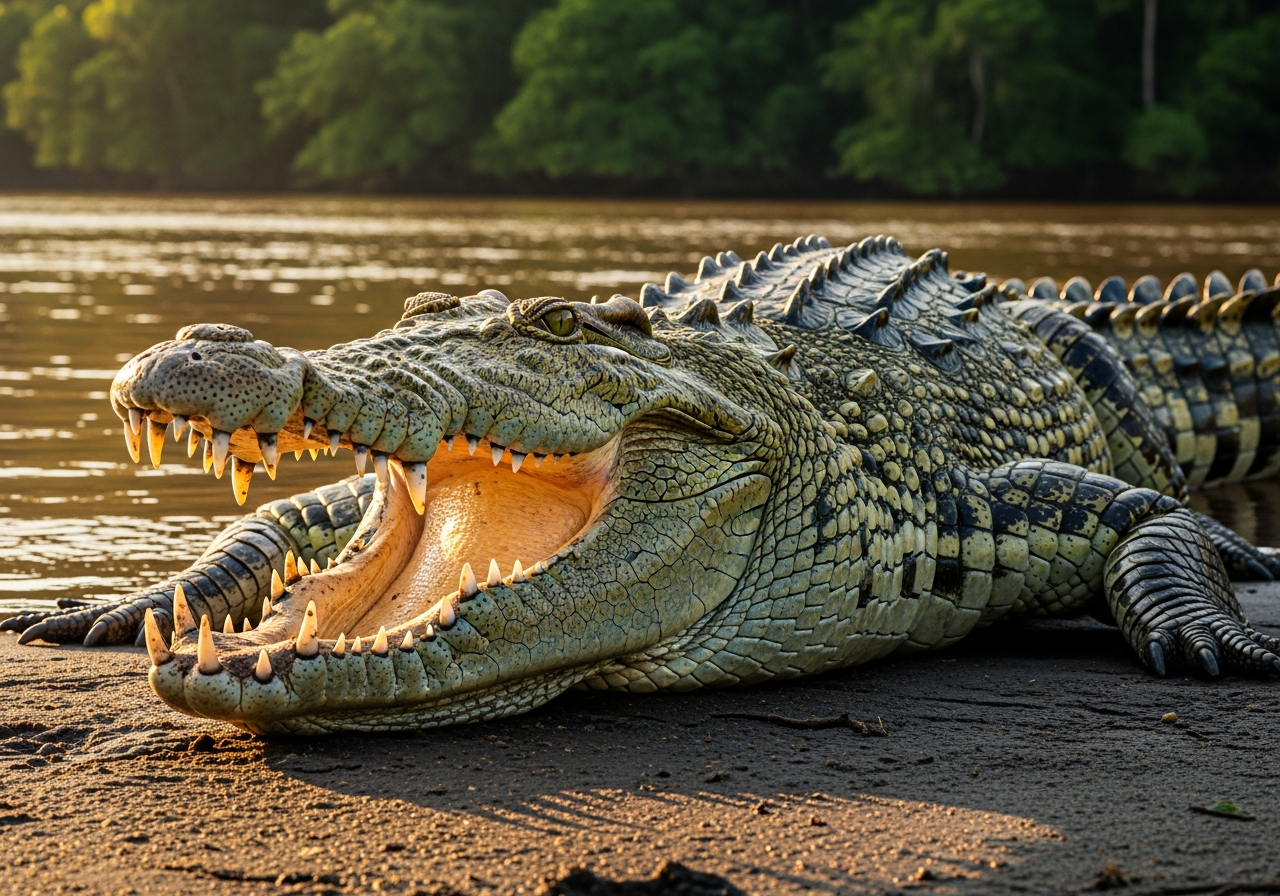
Reptile
The largest living reptile and most powerful bite on Earth
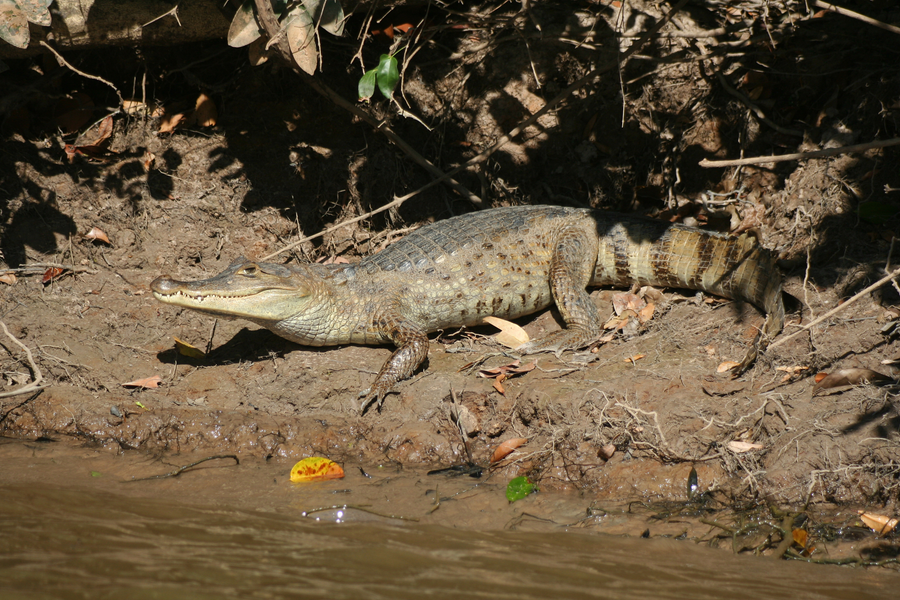
Reptile
The common crocodilian of the Americas
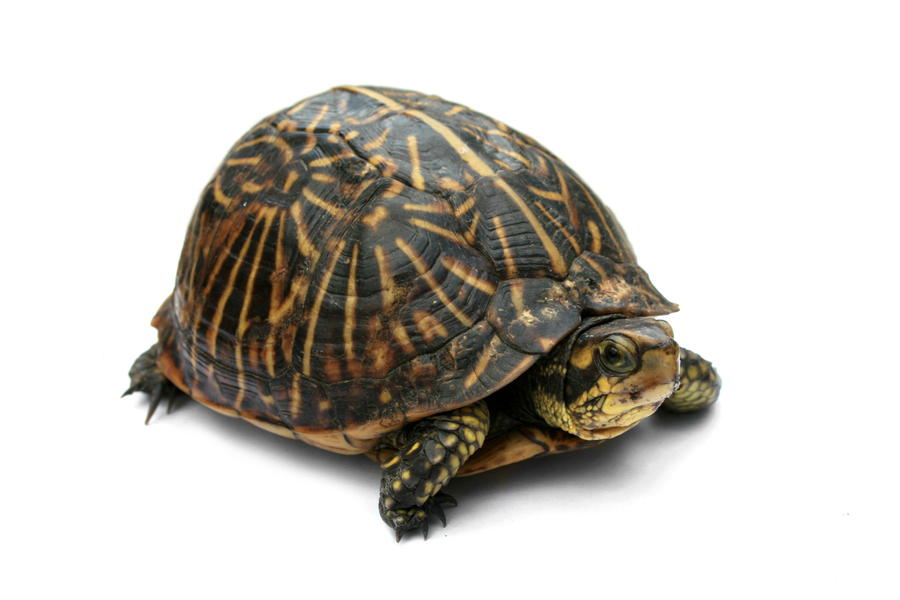
Reptile
North America's hinged turtle
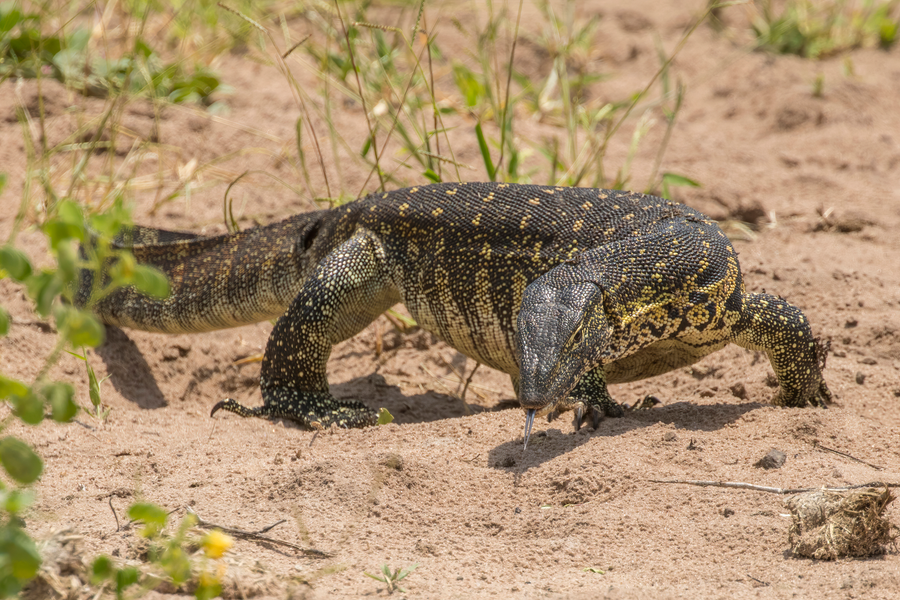
Reptile
Large African water monitor and egg predator
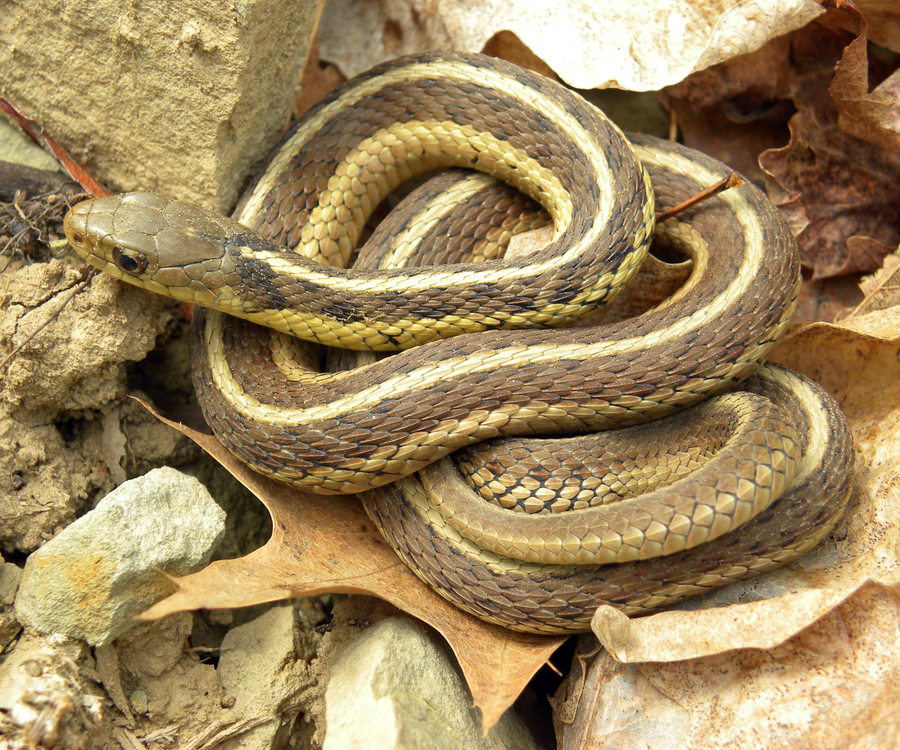
Reptile
Familiar harmless snake of North American yards
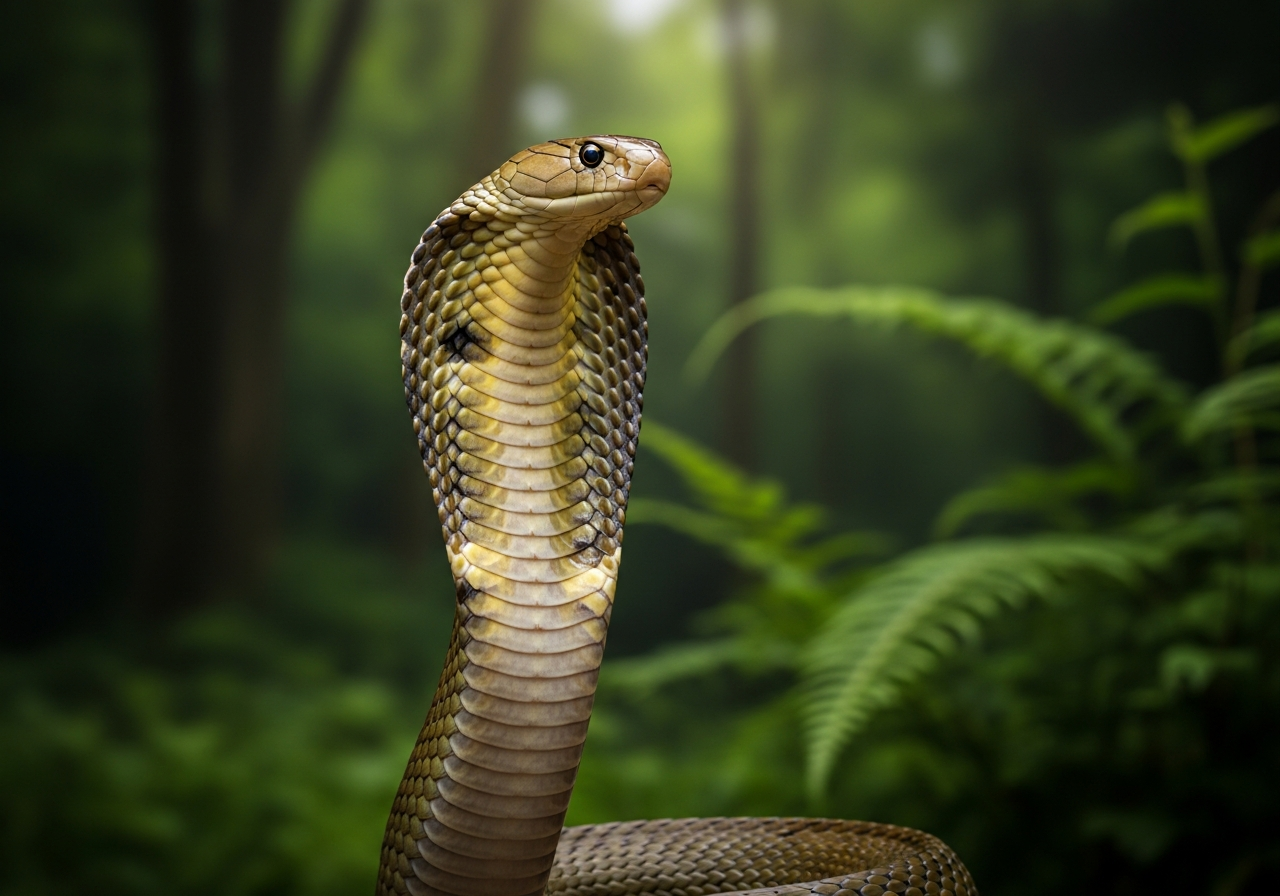
Reptile
The world's longest venomous snake
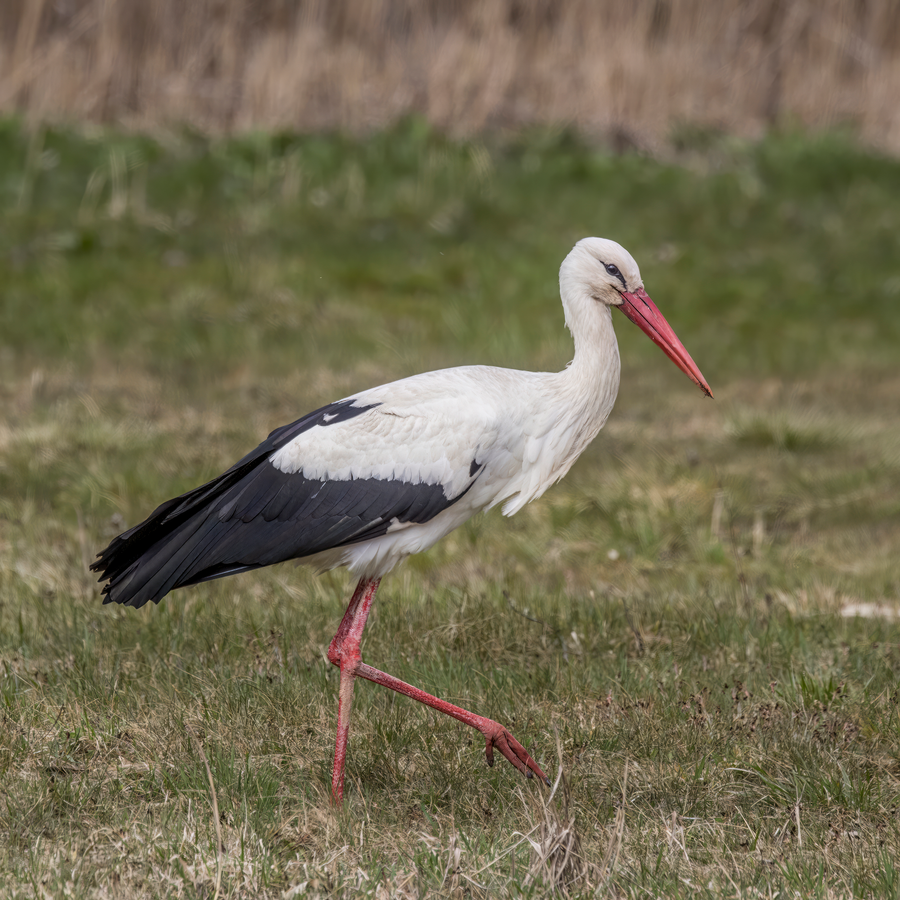
Bird
Europe's chimney-nesting messenger
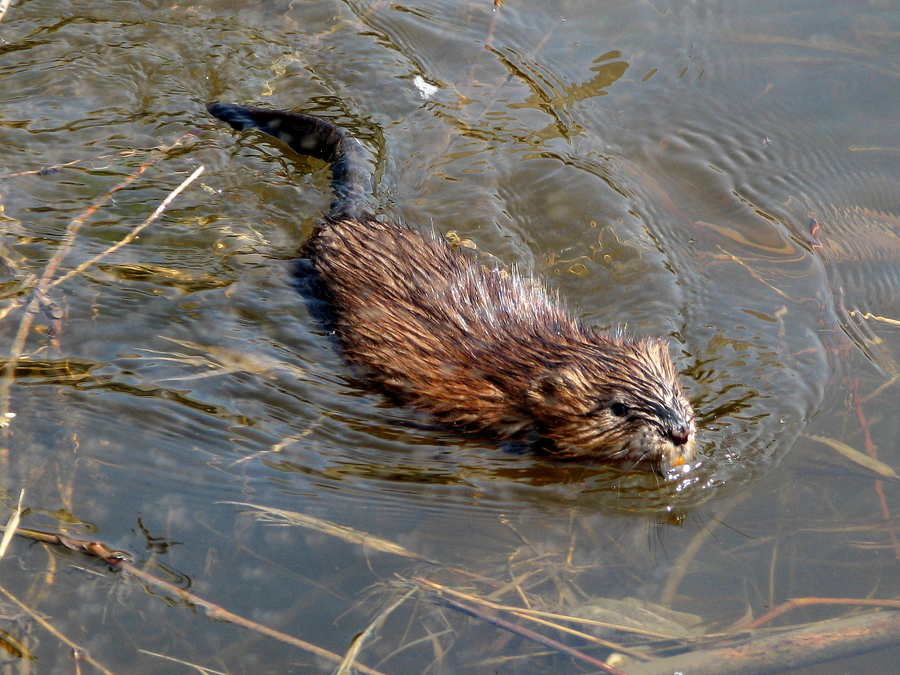
Mammal
North America's pond-building rodent
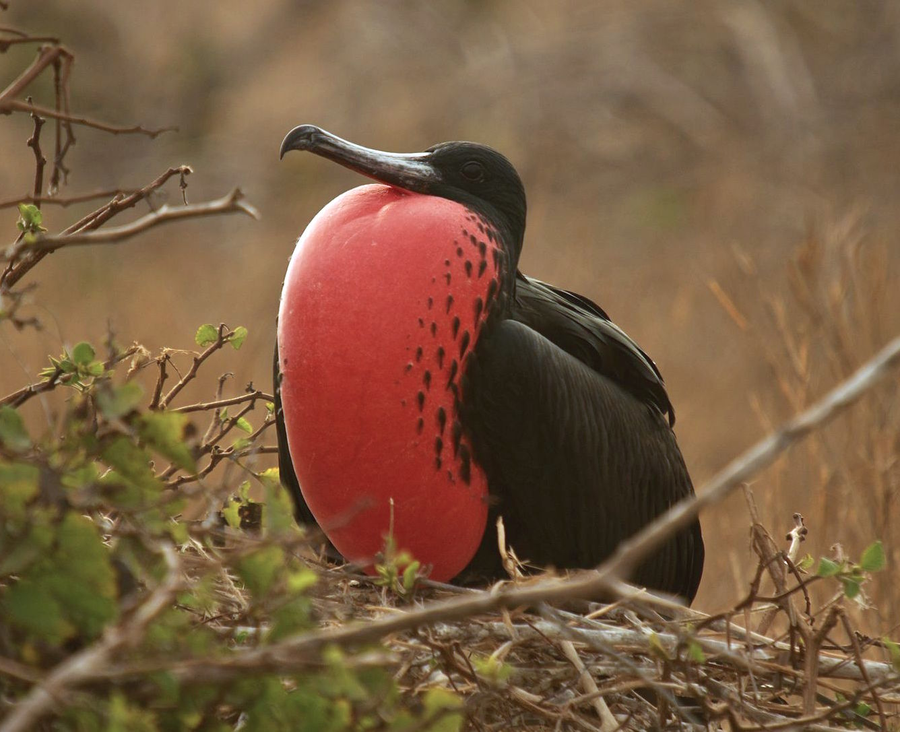
Bird
Aerial pirate with a scarlet throat pouch
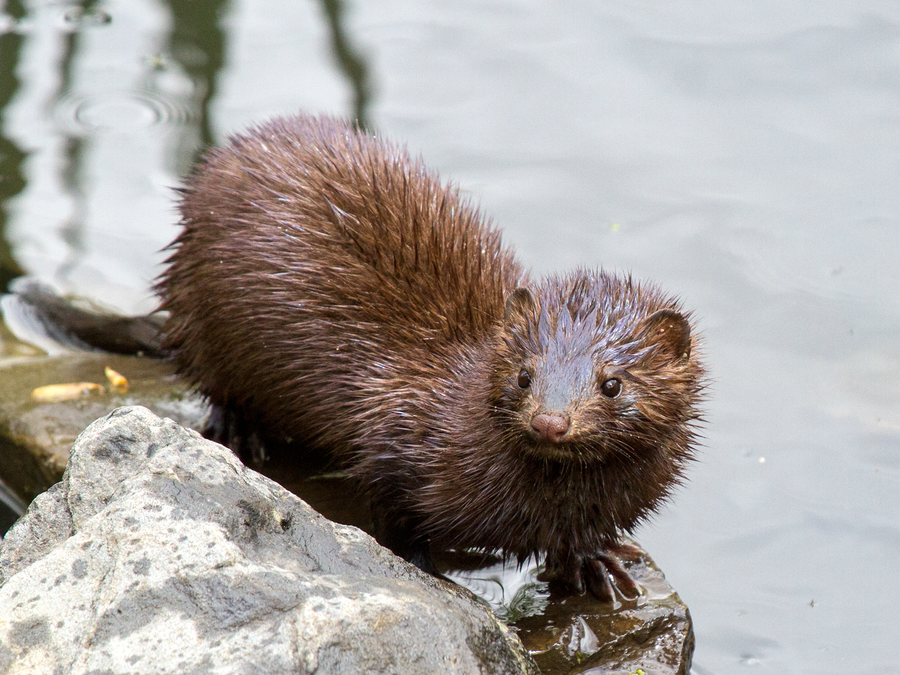
Mammal
The semi-aquatic mustelid
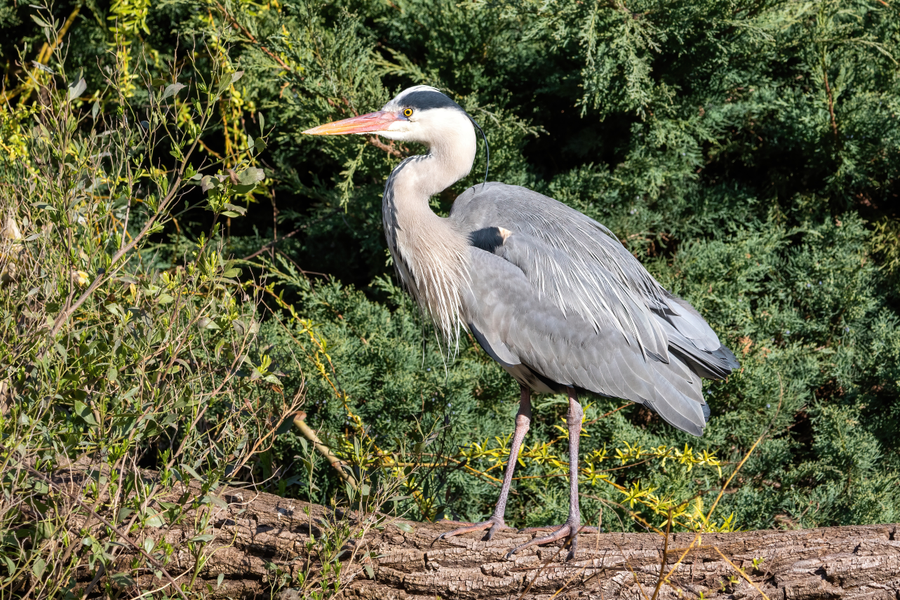
Bird
The patient wetland hunter
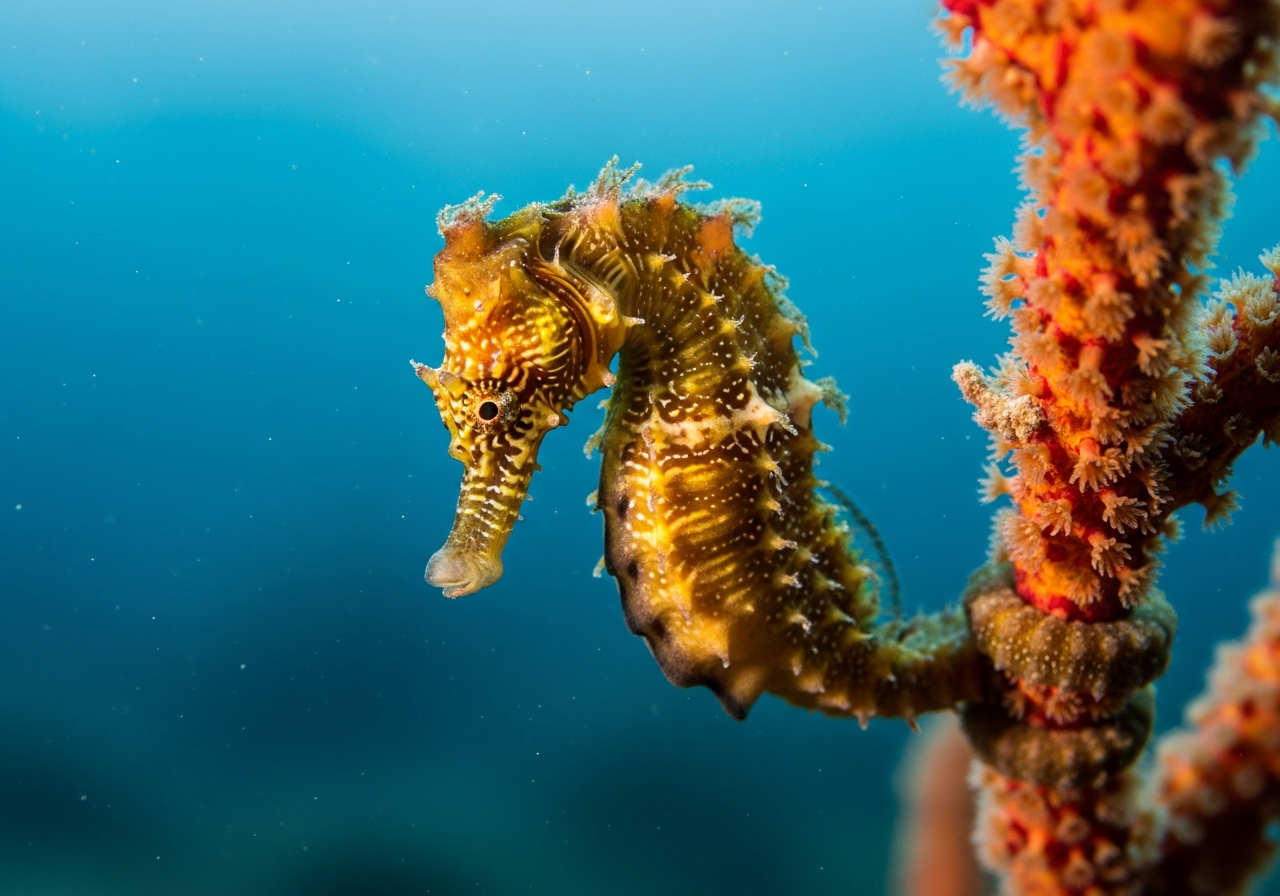
Fish
The tiny fish where fathers give birth
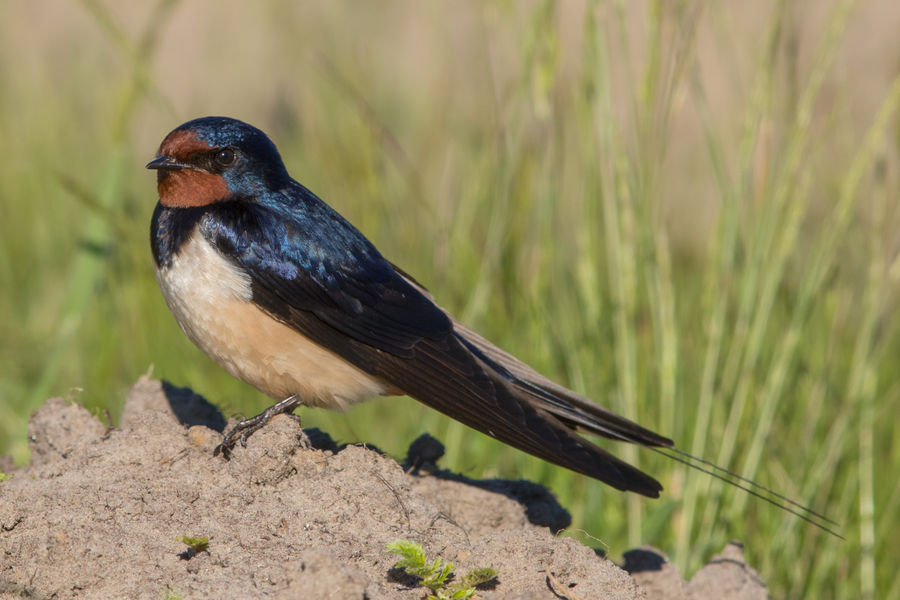
Bird
Fork-tailed aerial insectivore of farms
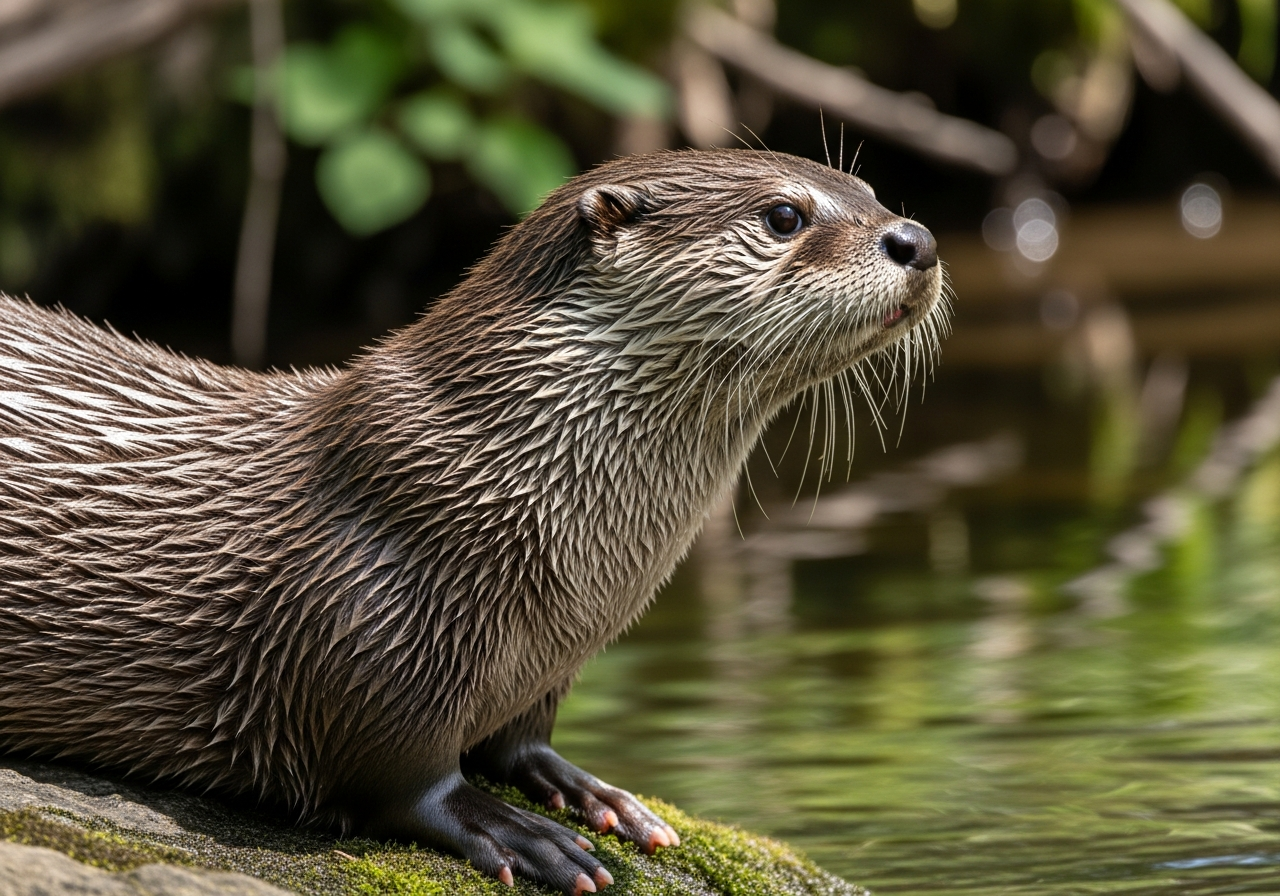
Mammal
The playful, water-loving member of the weasel family
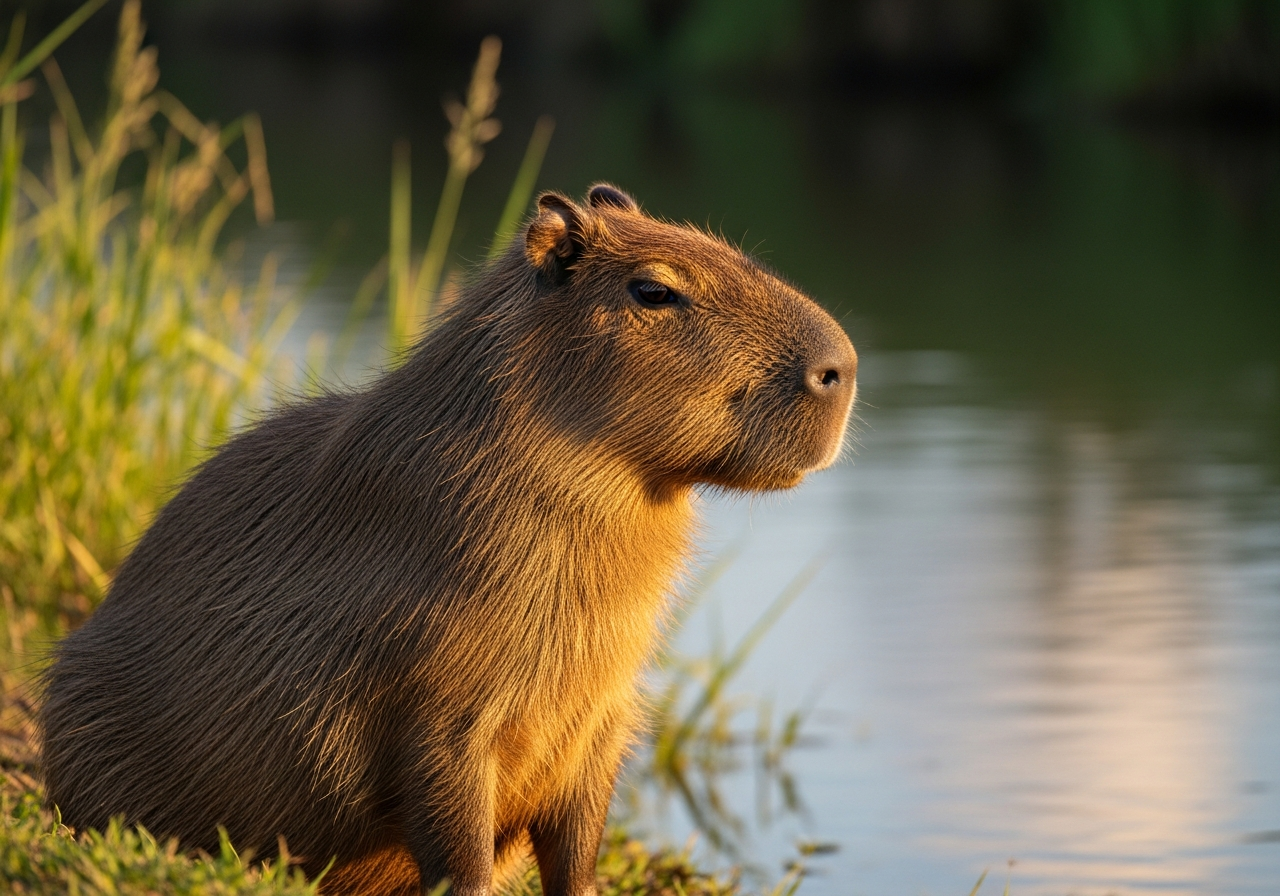
Mammal
The world's largest rodent
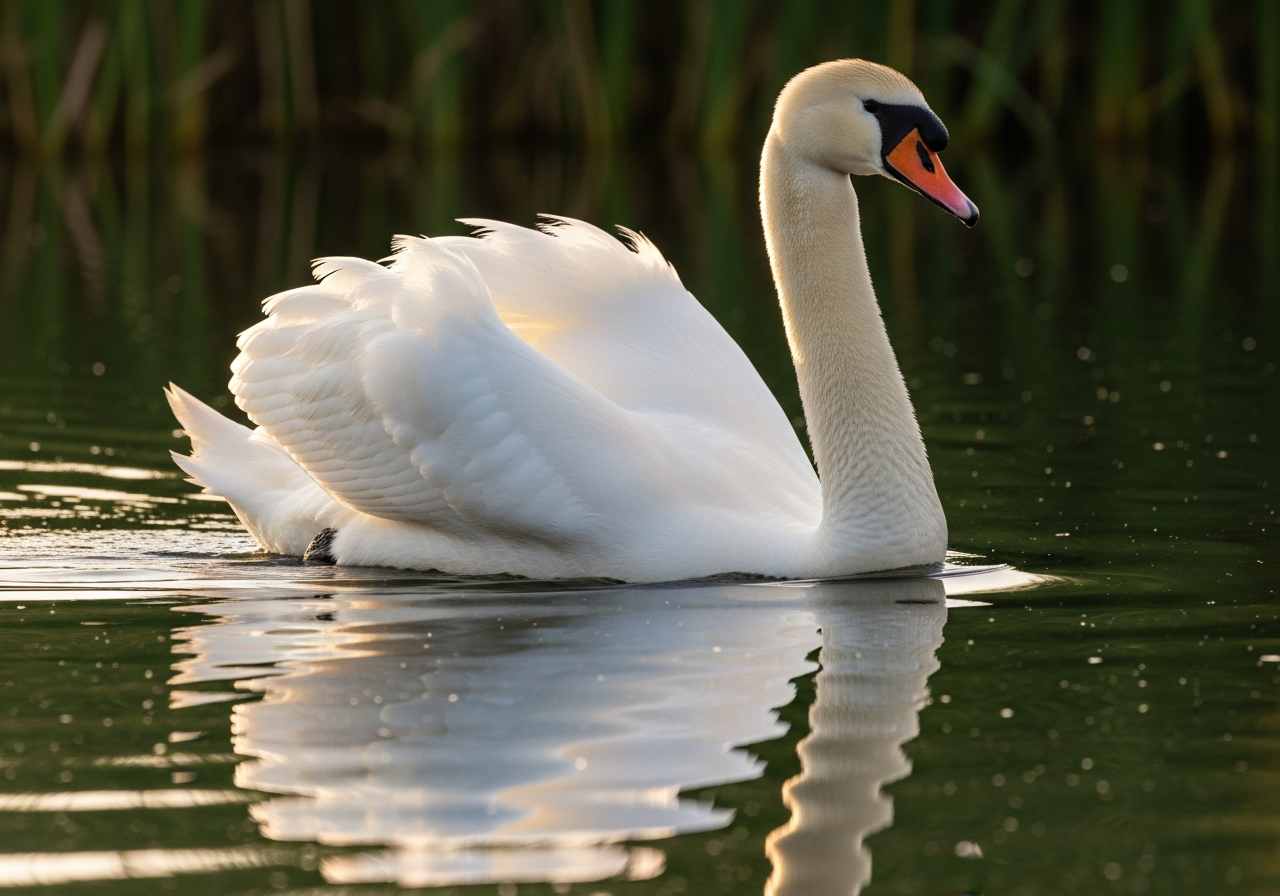
Bird
The graceful giant of lakes and rivers
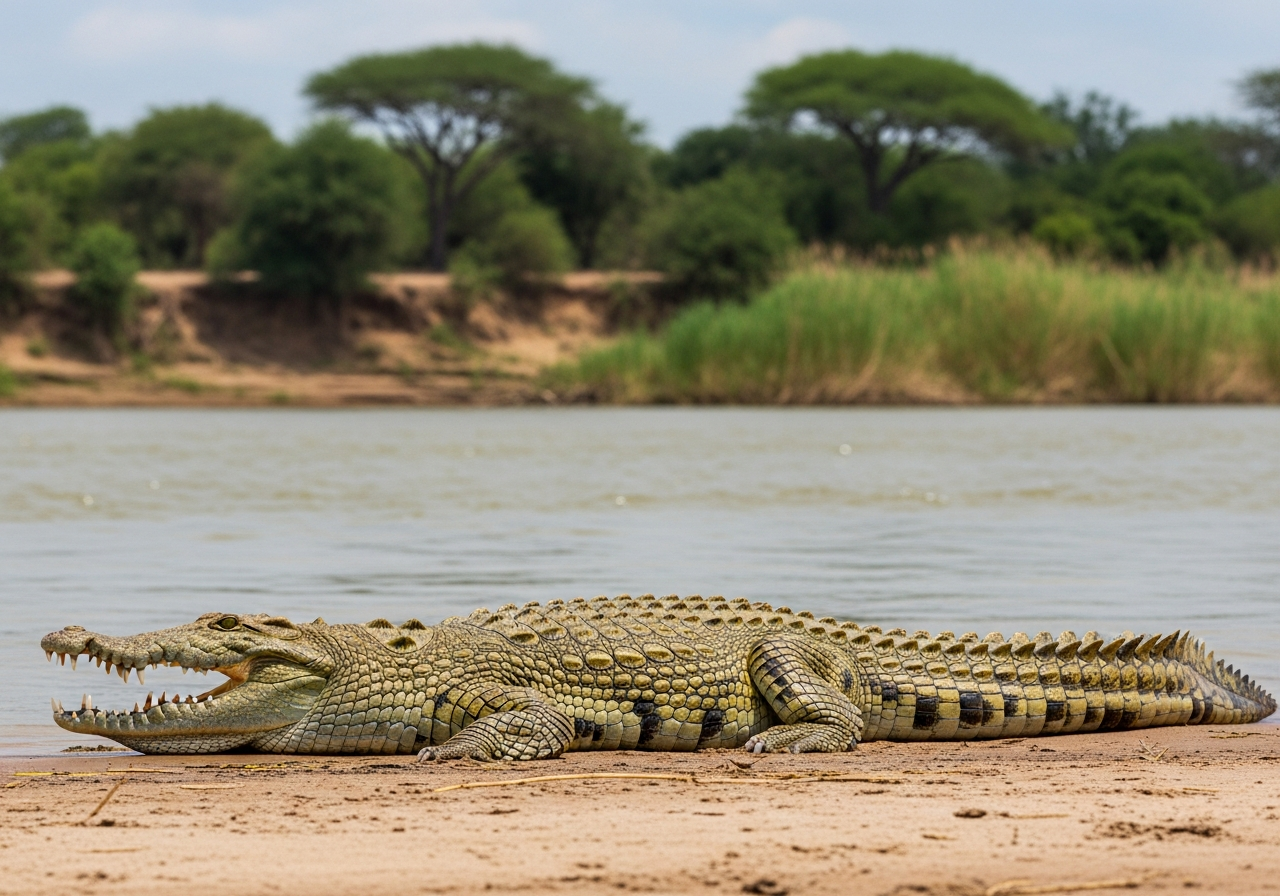
Reptile
Africa's largest and most formidable predator of the rivers
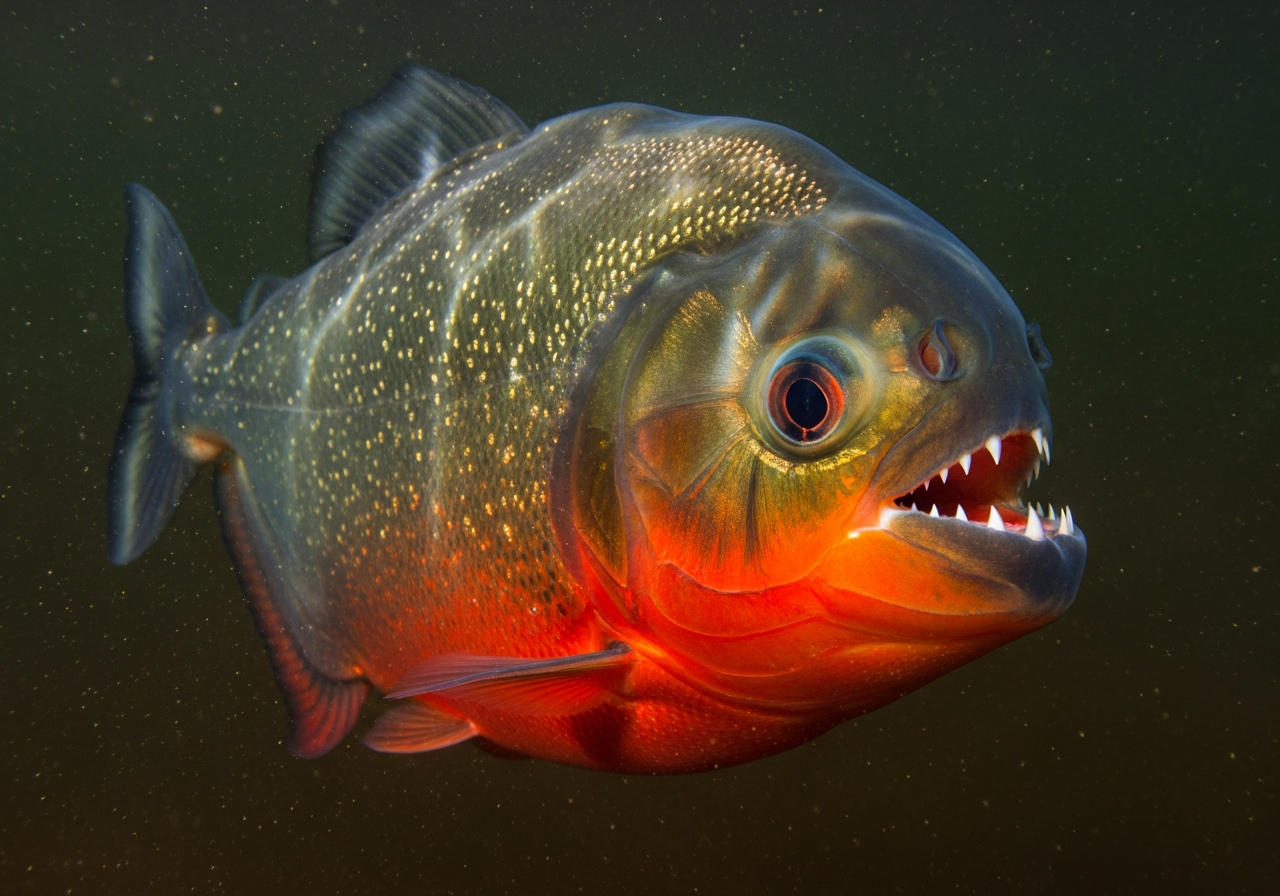
Fish
The sharp-toothed fish of the Amazon
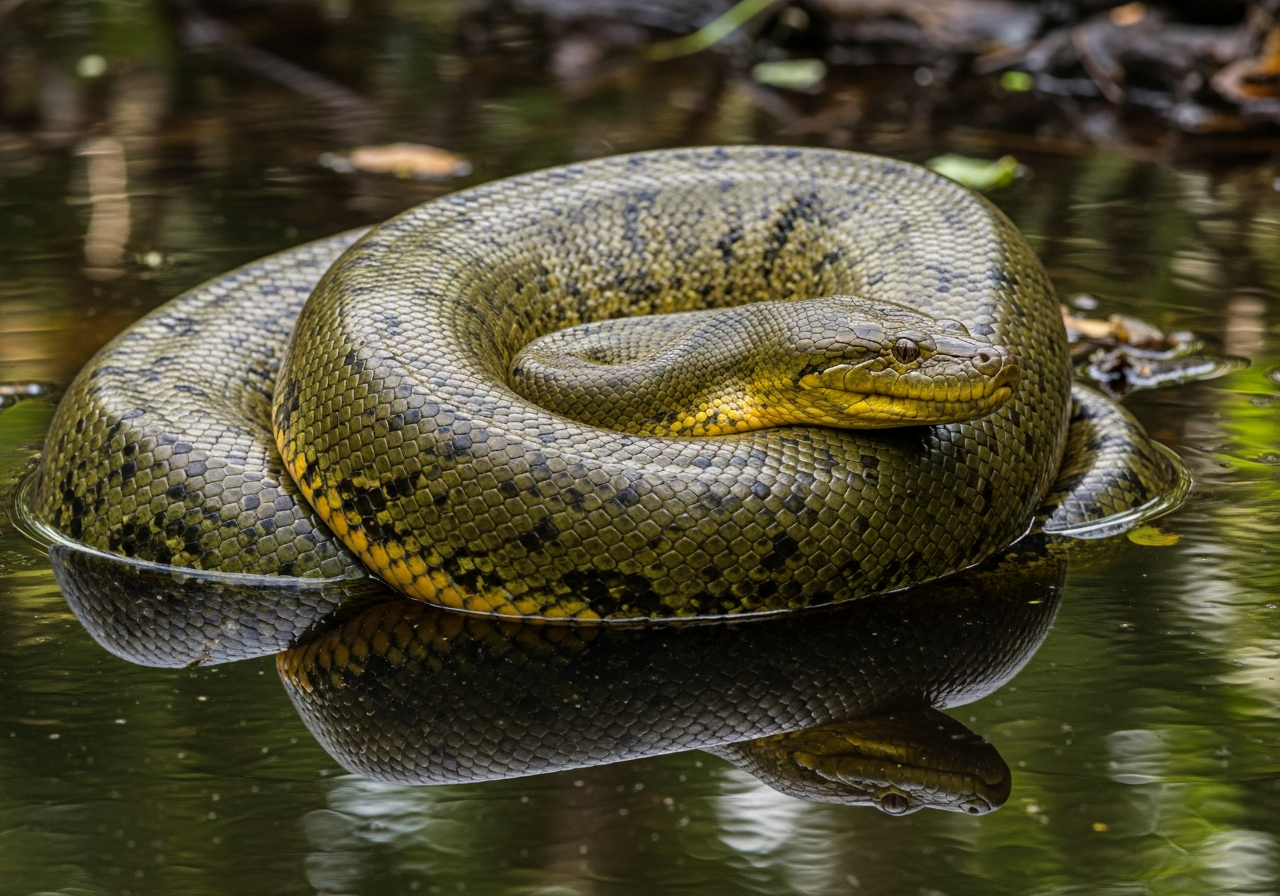
Reptile
The heaviest snake in the world
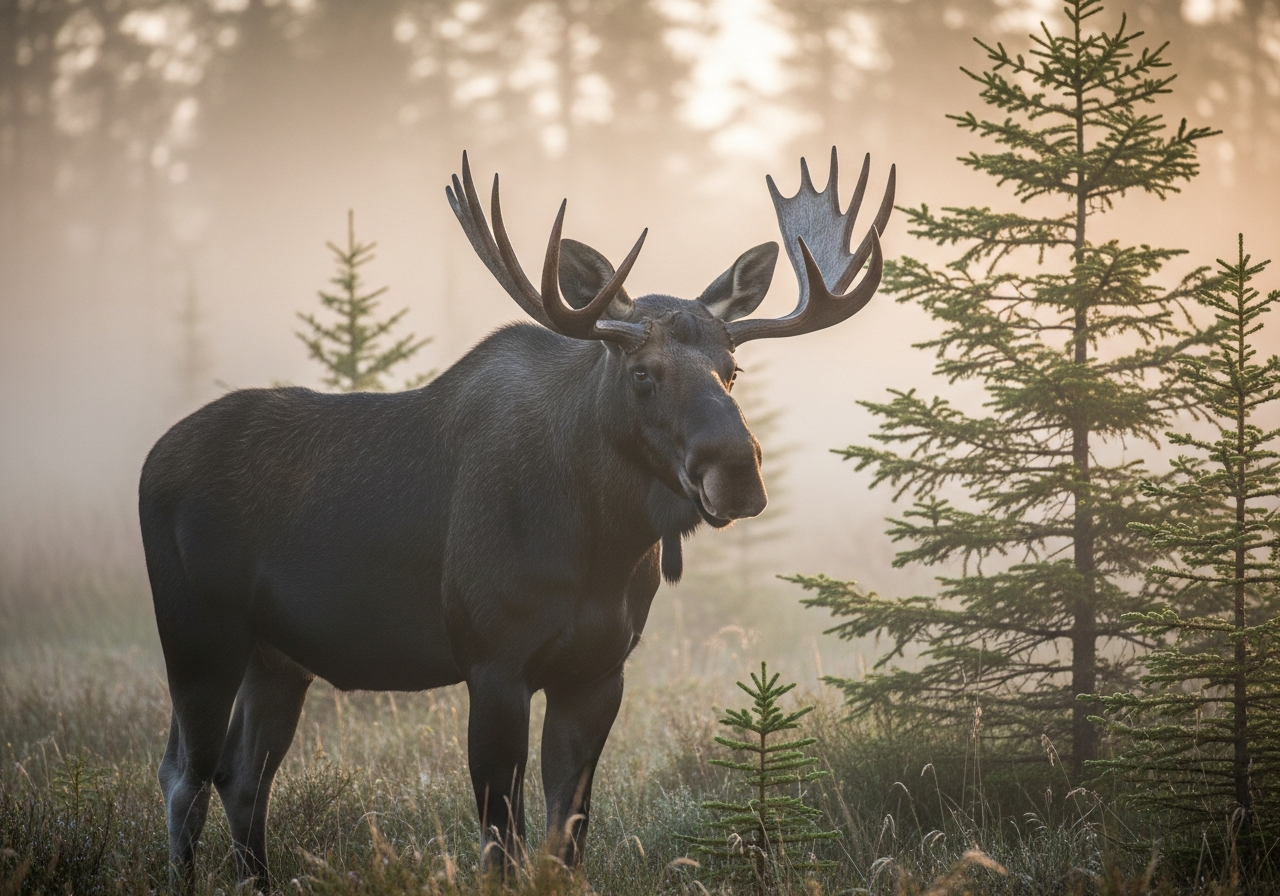
Mammal
The largest member of the deer family
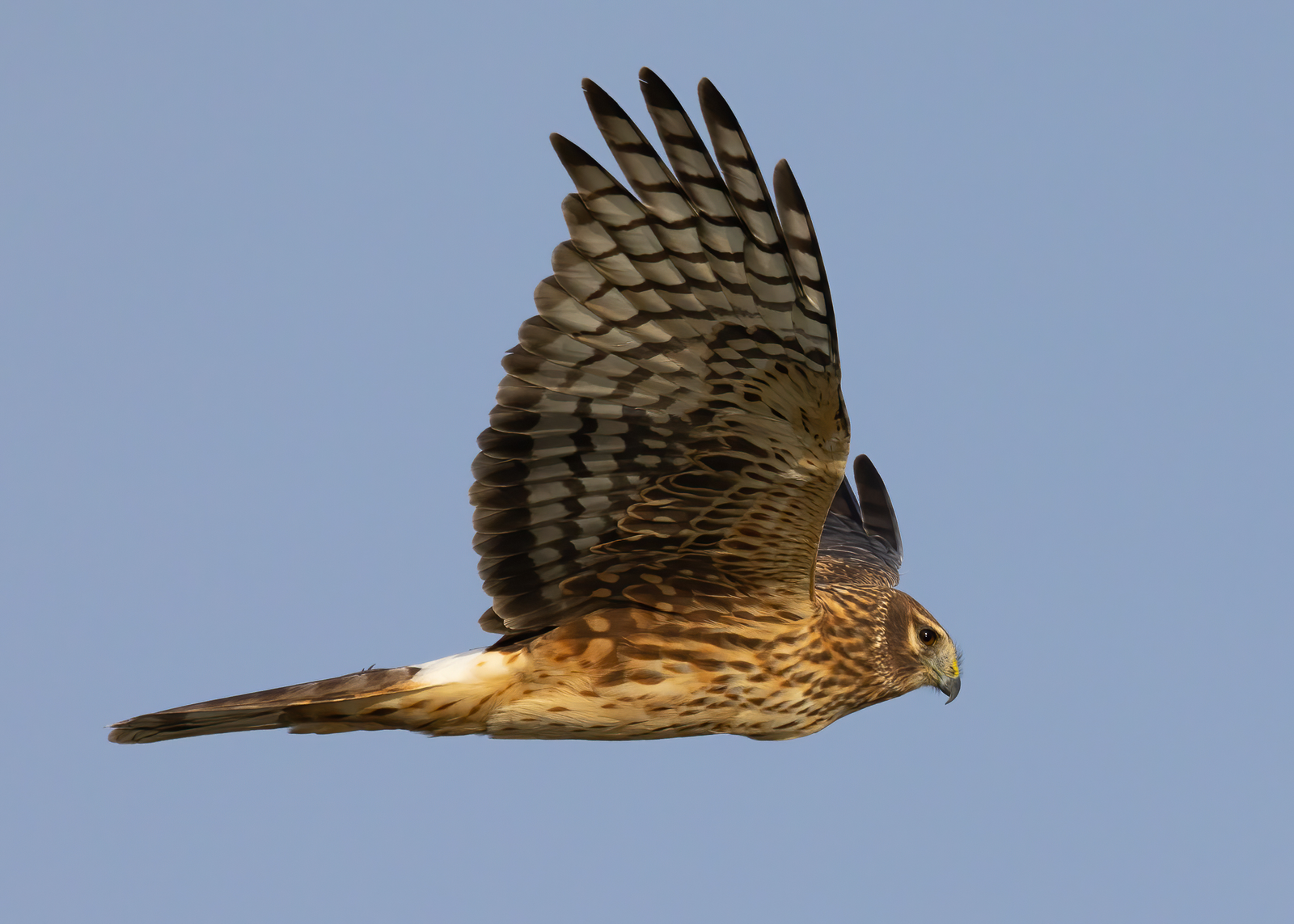
Bird
Owl-faced hawk of North American marshes
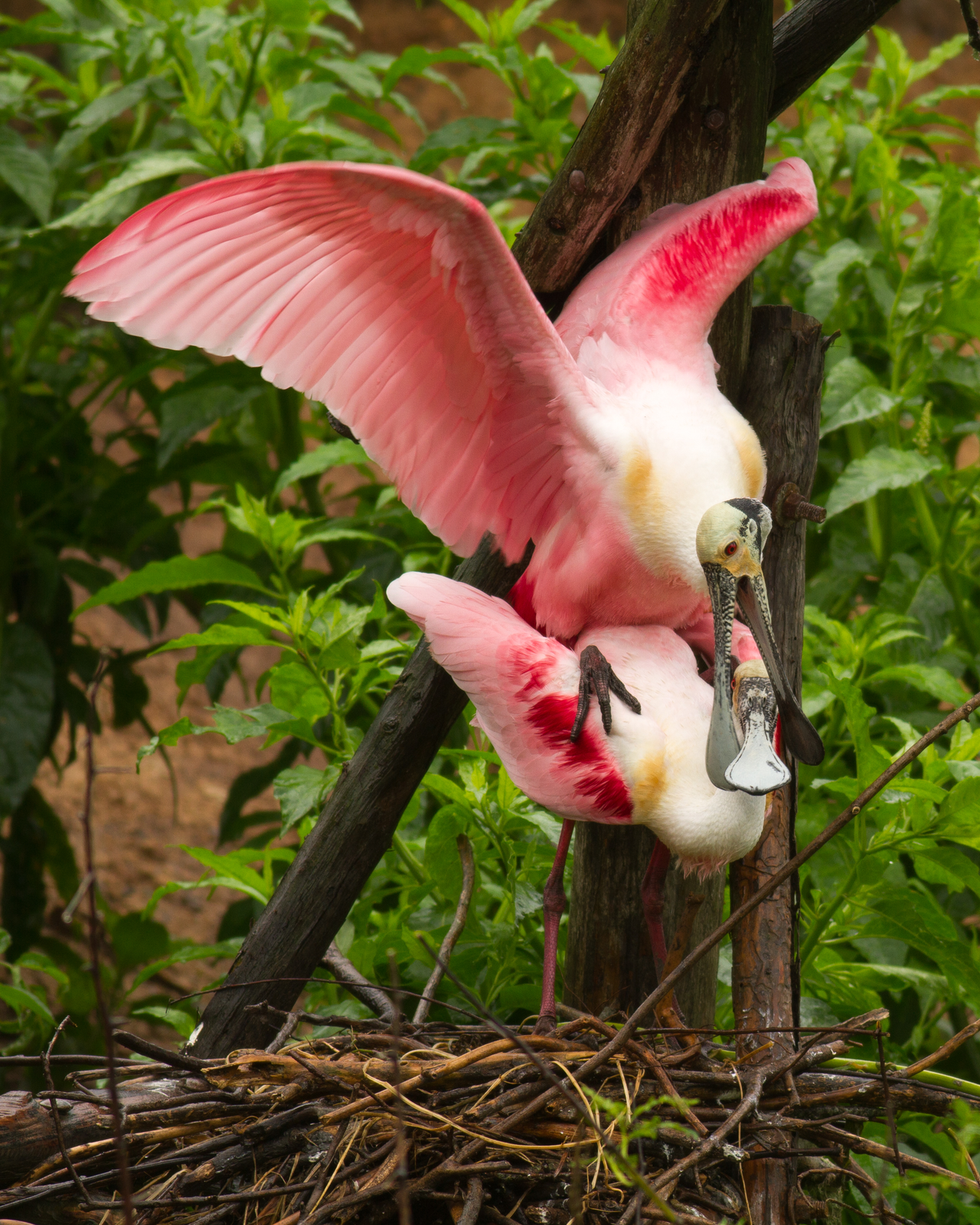
Bird
Pink wader with a sweeping spoon bill
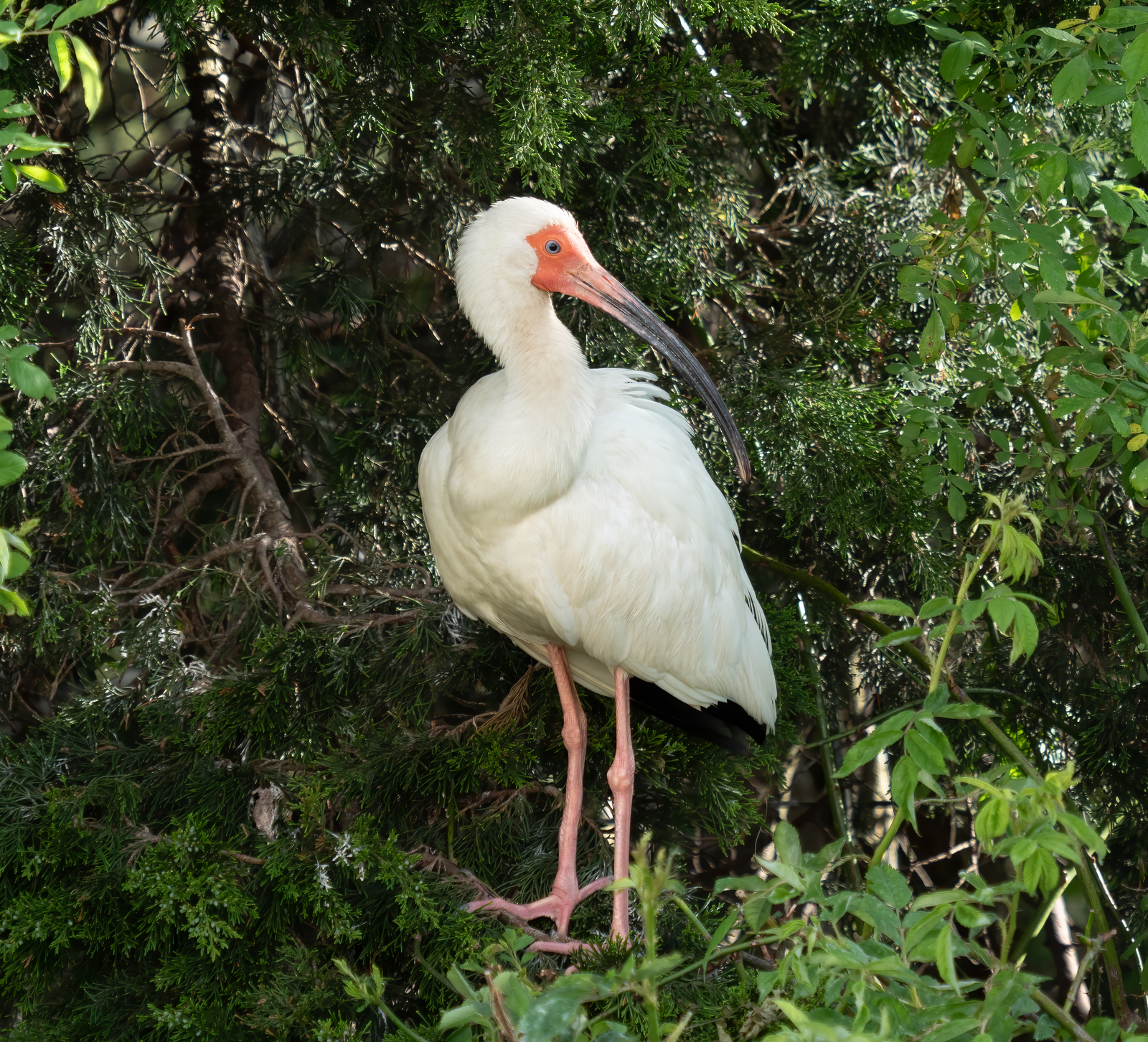
Bird
Red-billed white wader of the Southeast
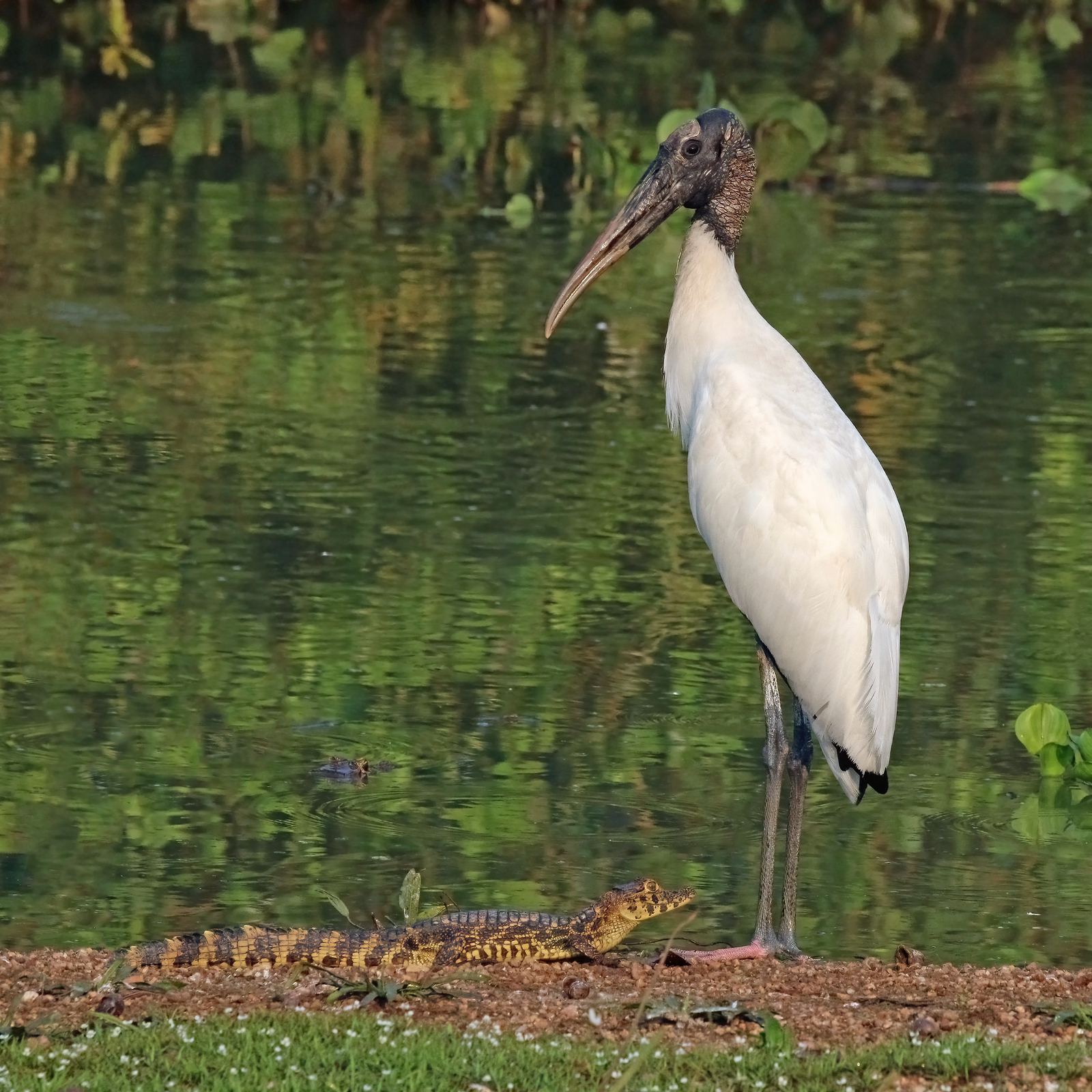
Bird
Tactile-fishing stork of southern swamps
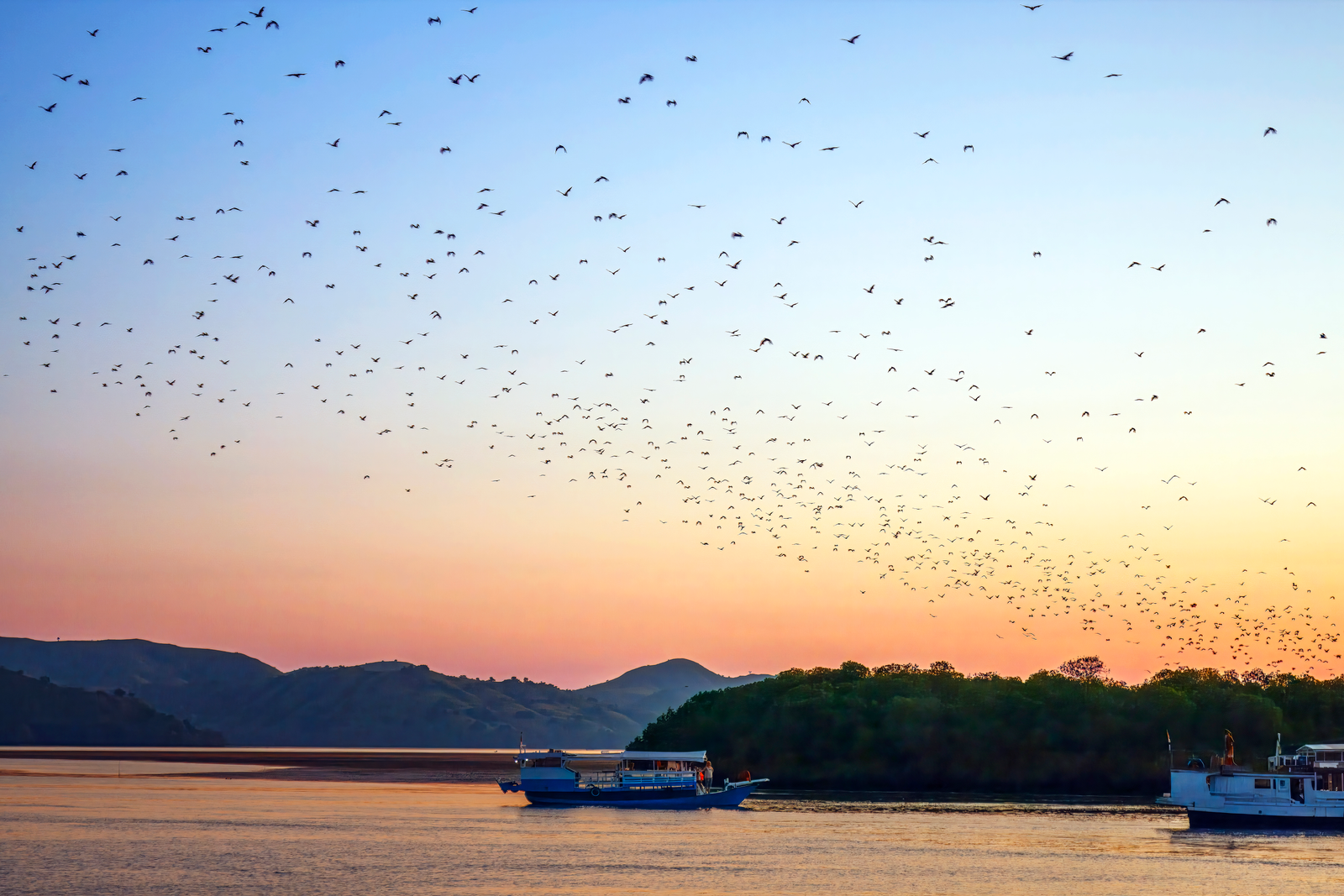
Mammal
Endangered fruit bat of island canopies
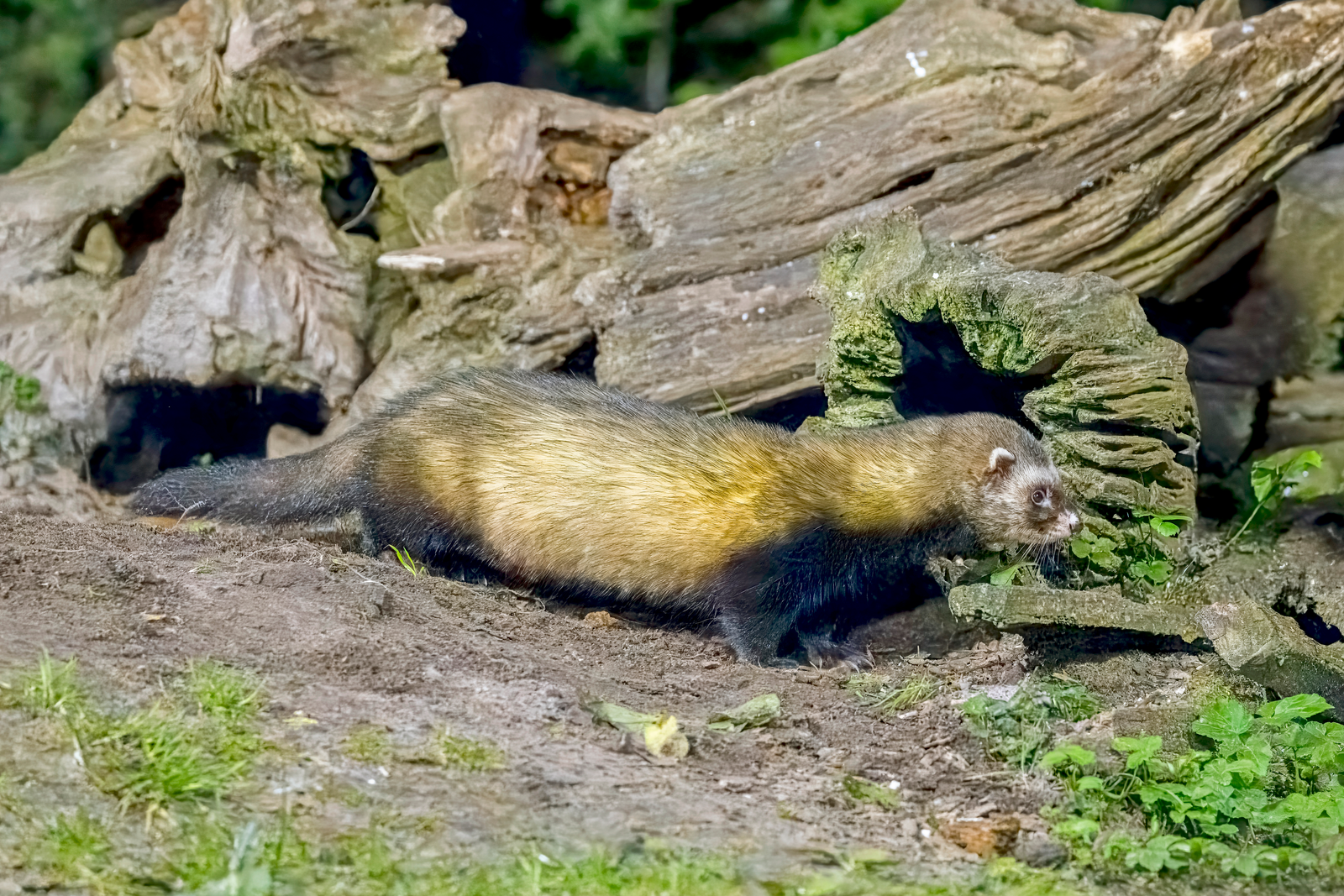
Mammal
Wild ancestor of the domestic ferret
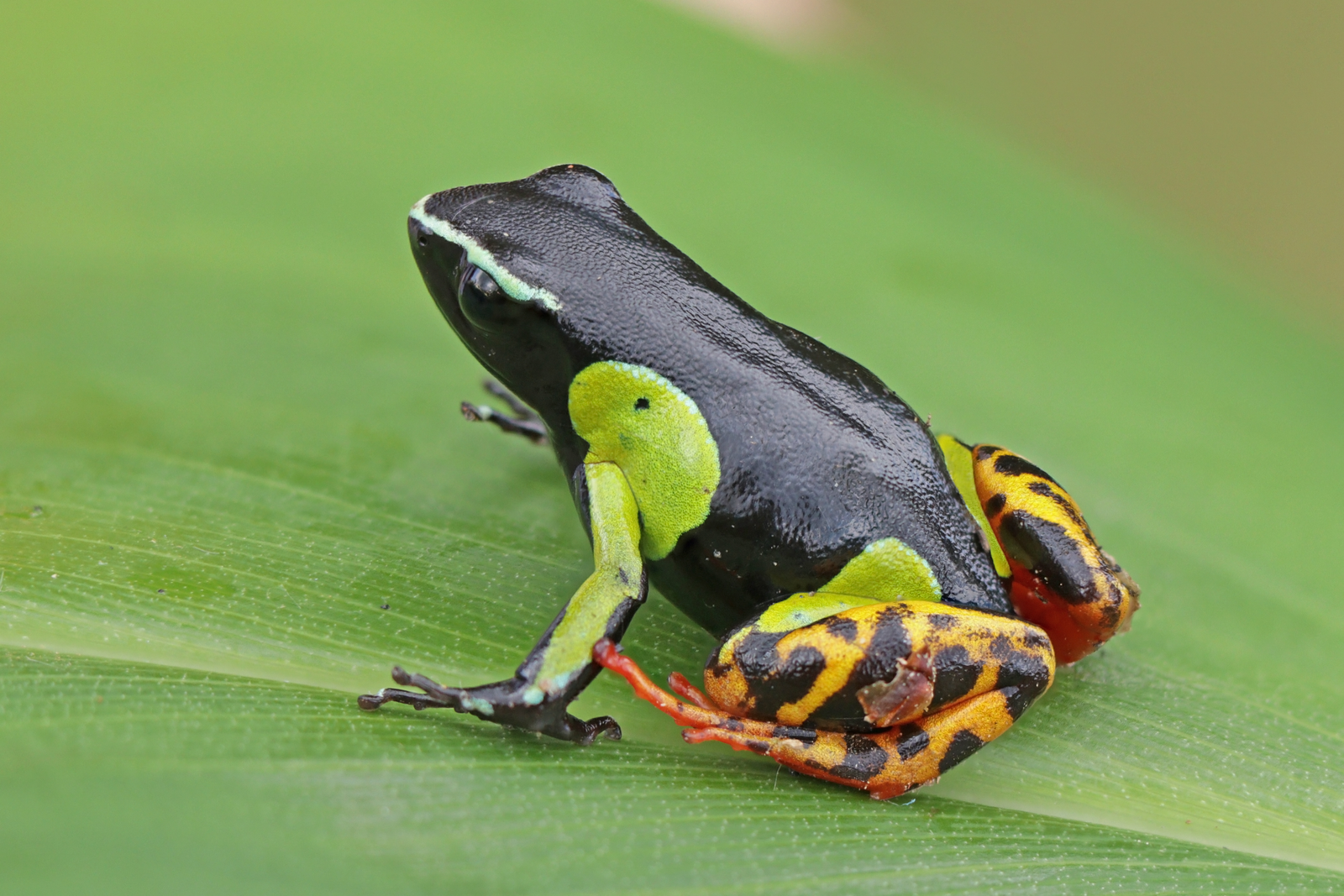
Amphibian
Critically Endangered orange gem of Madagascar
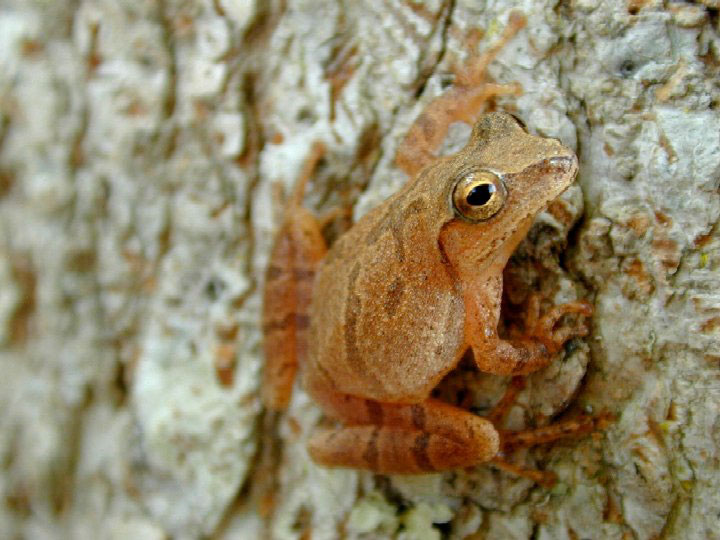
Amphibian
Thumb-sized herald of eastern spring
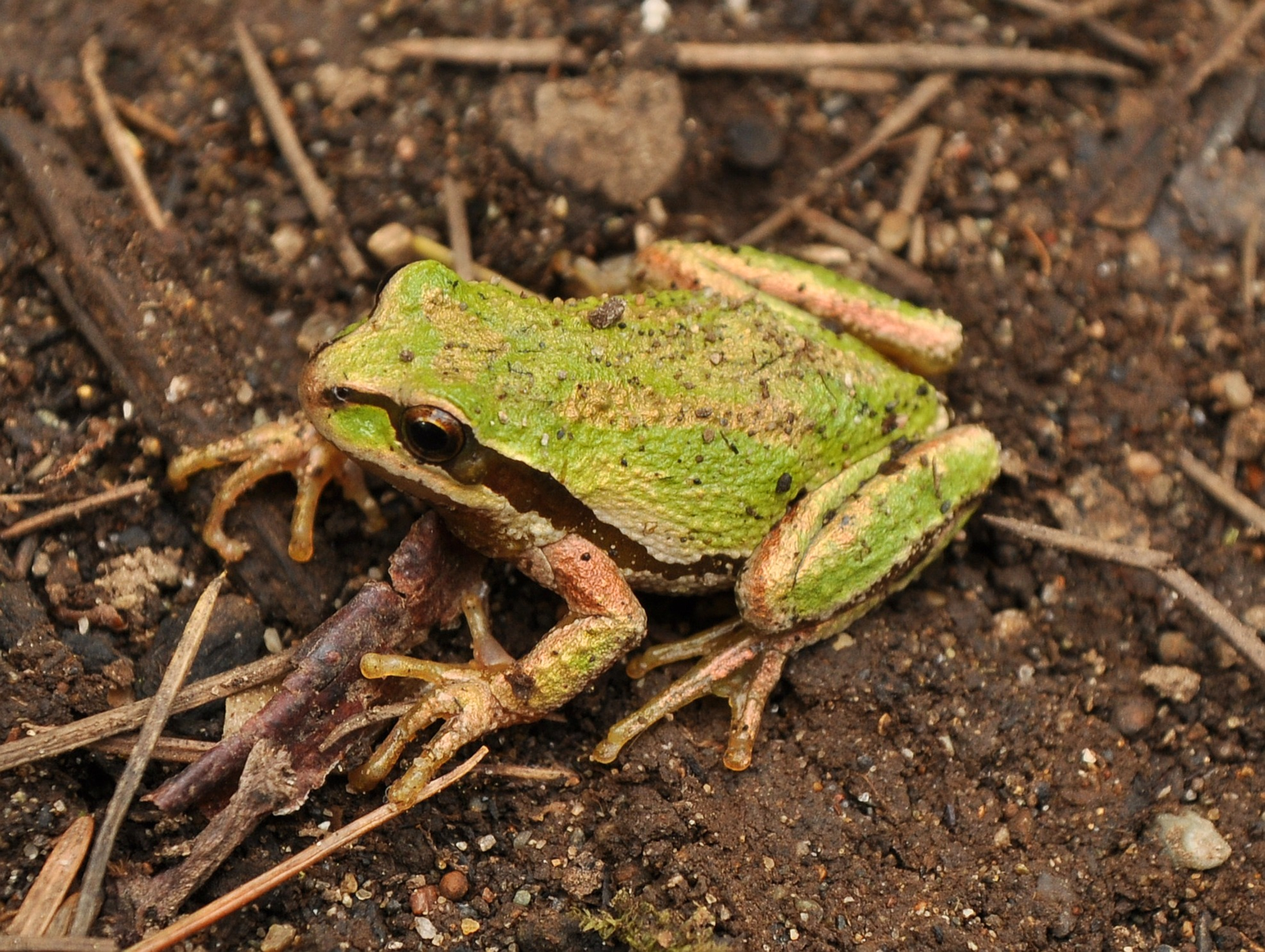
Amphibian
West Coast chorus frog behind the movie ribbit
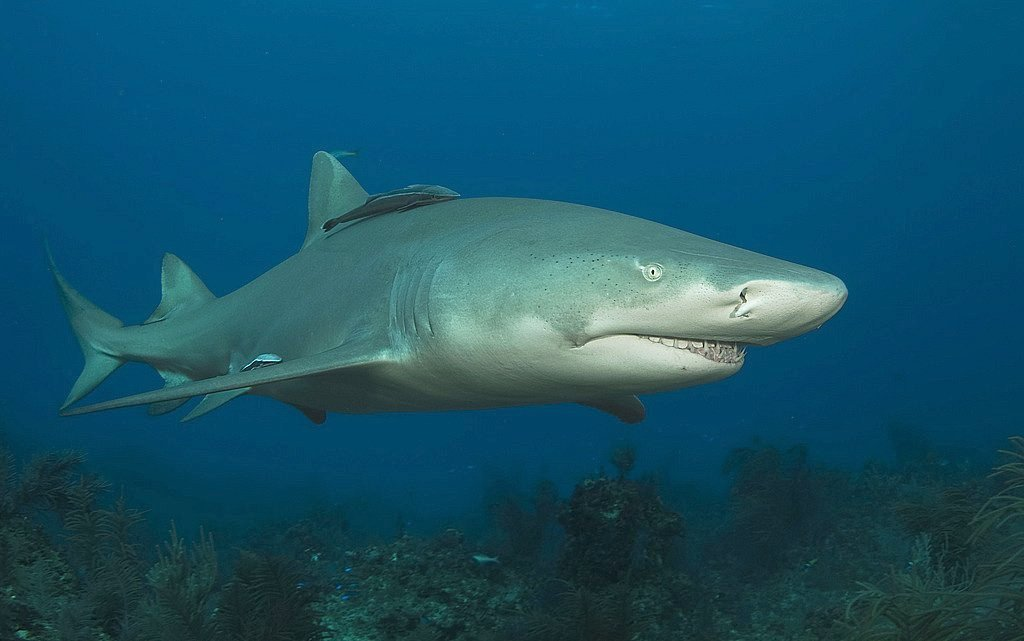
Fish
Yellow coastal shark of mangrove nurseries
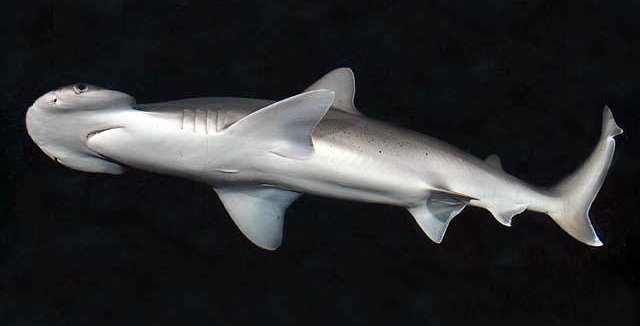
Fish
Seagrass-munching hammerhead of warm shallows
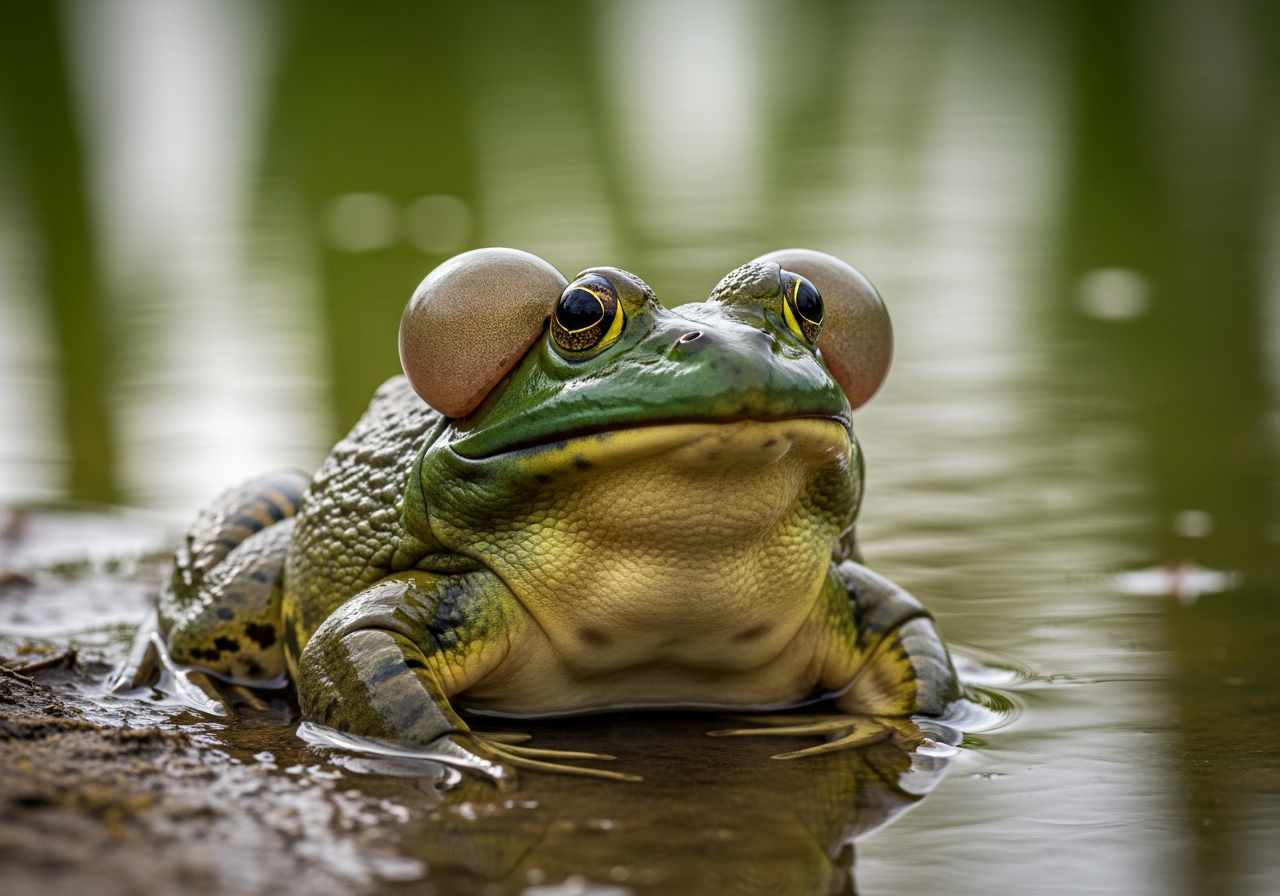
Amphibian
North America's largest and loudest frog

Fish
The 100-year reproductive mystery that baffled scientists from Aristotle to the 21st century
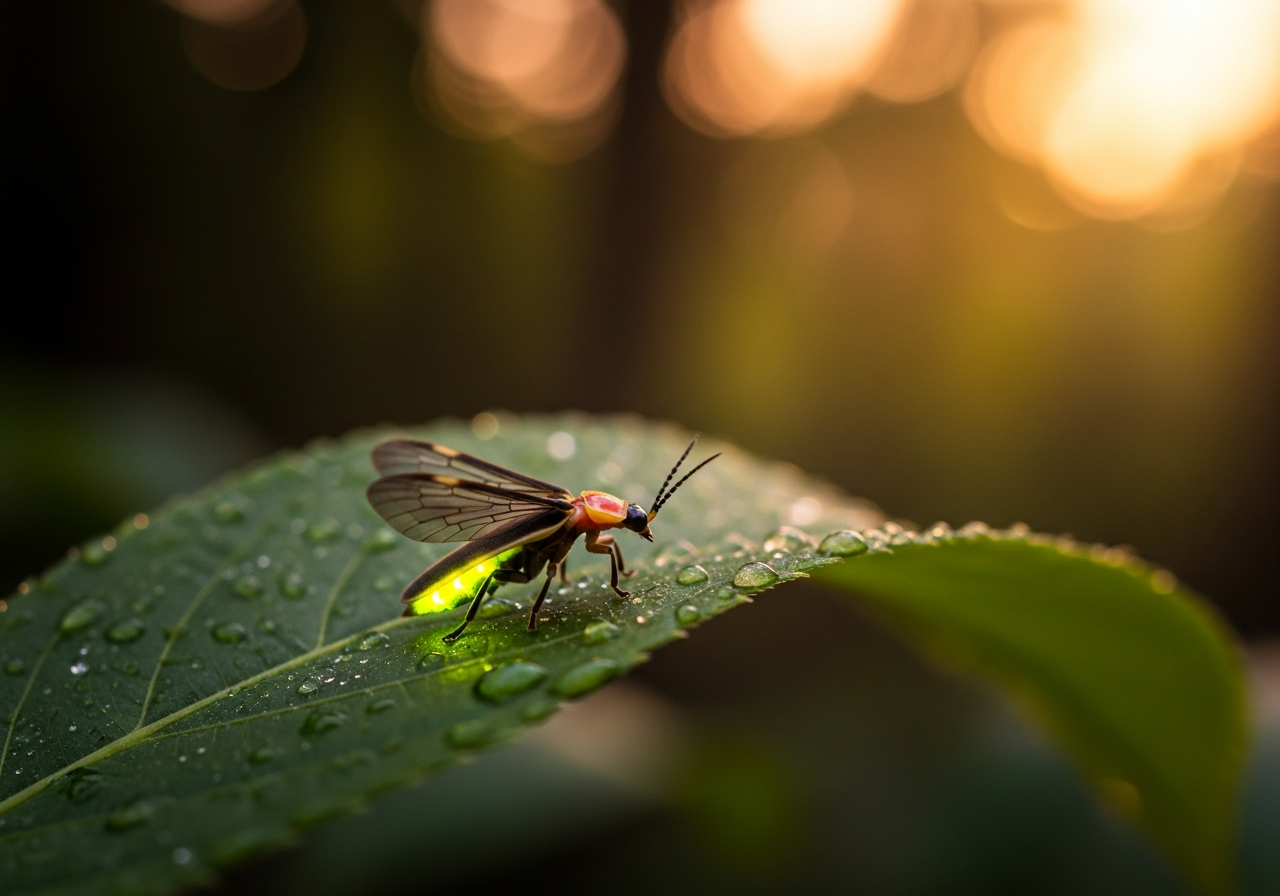
Insect
The glowing beetle of warm summer nights
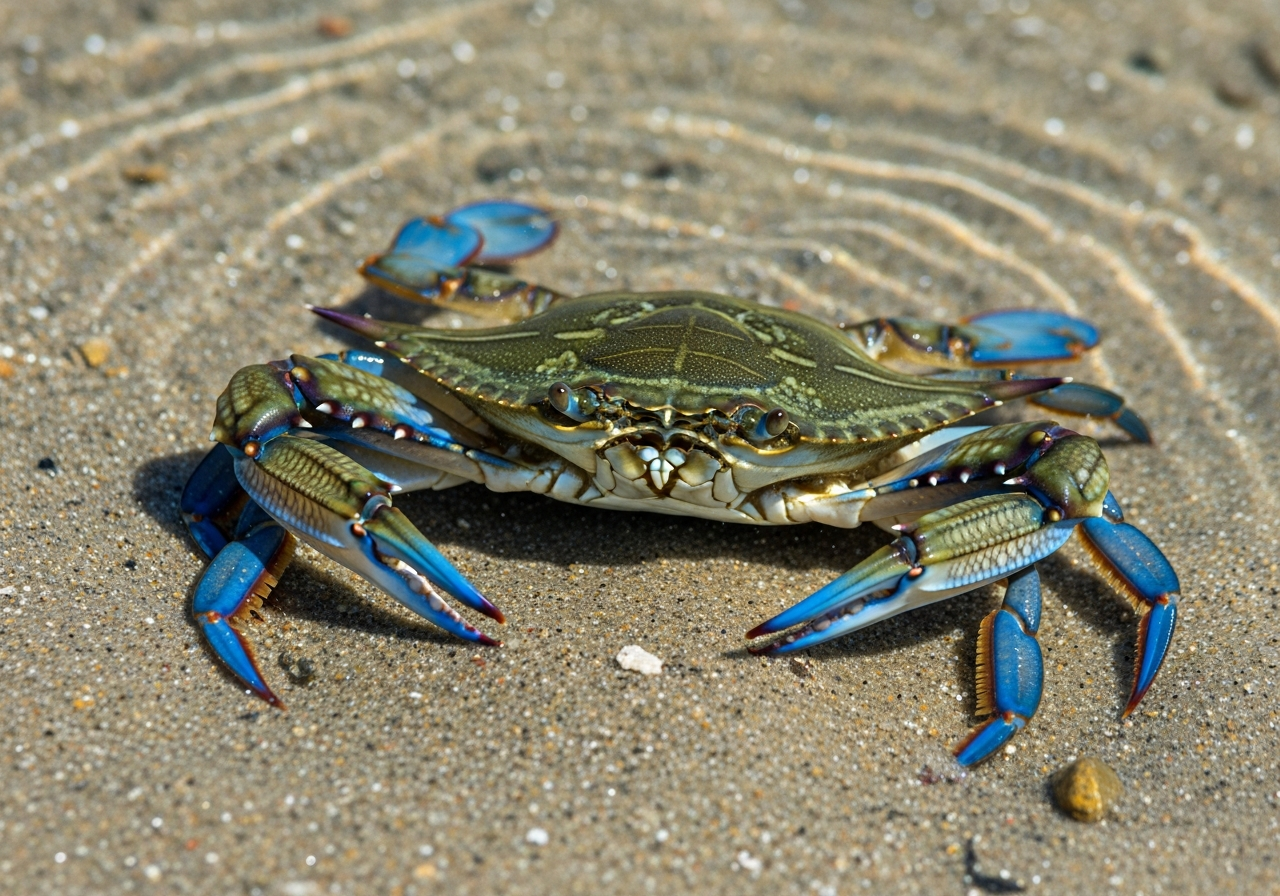
Invertebrate
The swift swimming crab of Atlantic estuaries
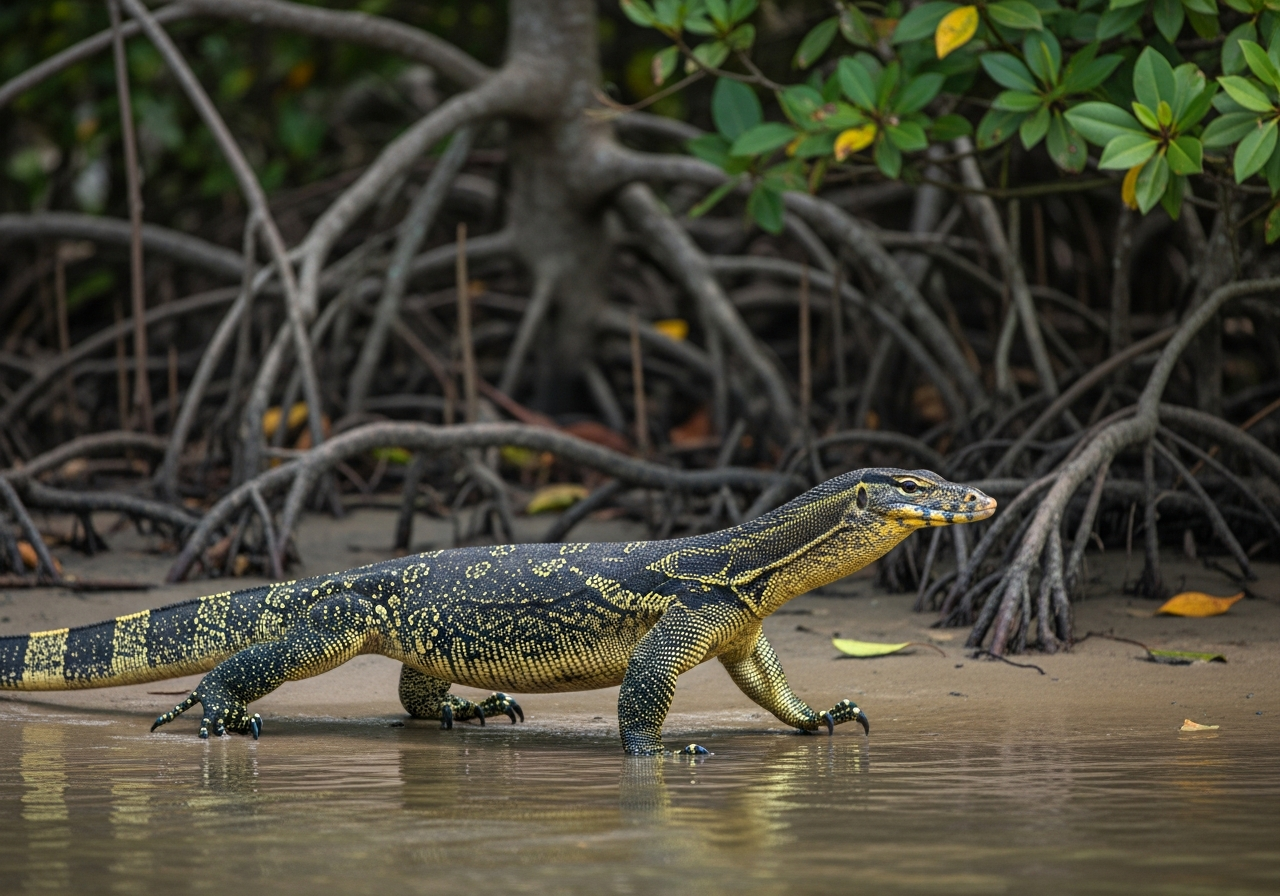
Reptile
One of the largest lizards in the world
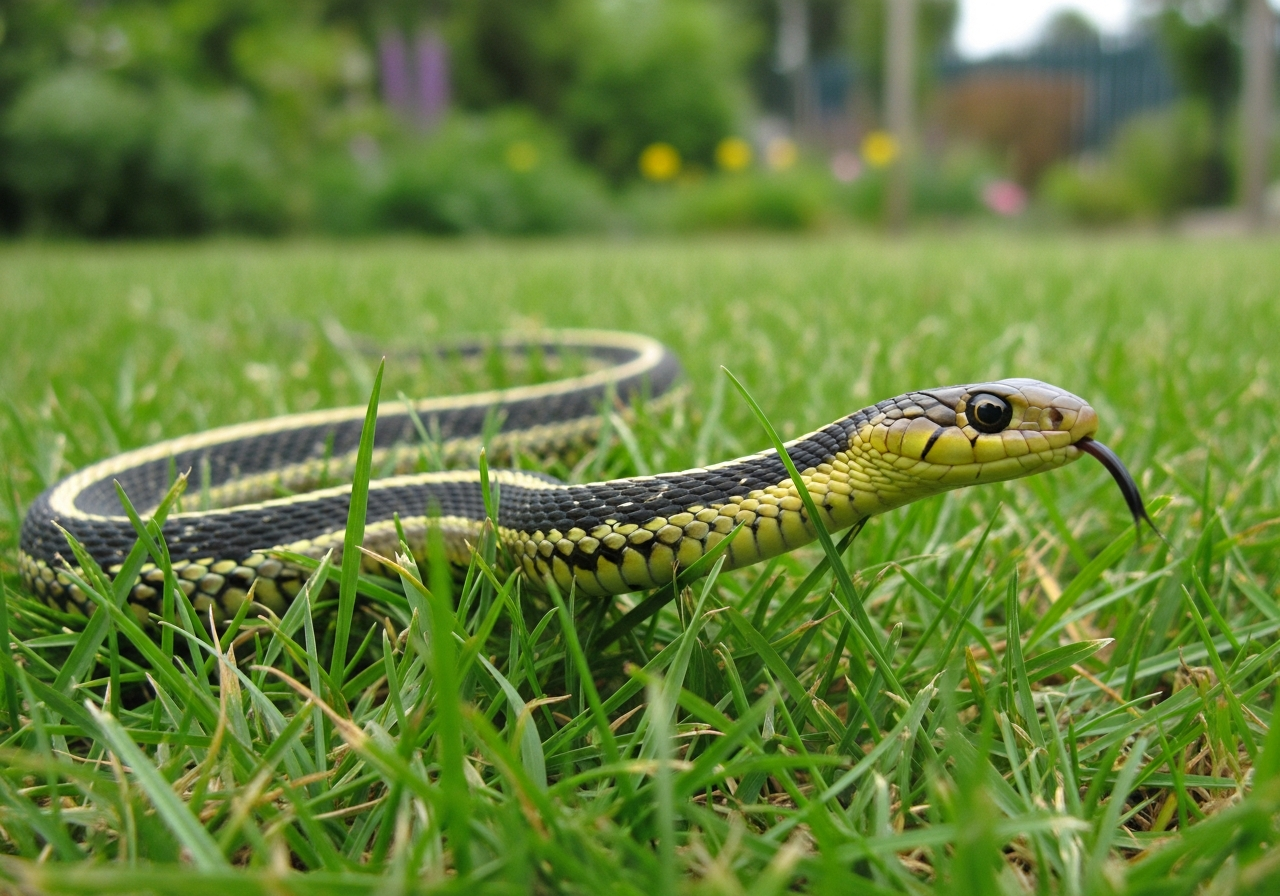
Reptile
One of North America's most common and widespread snakes
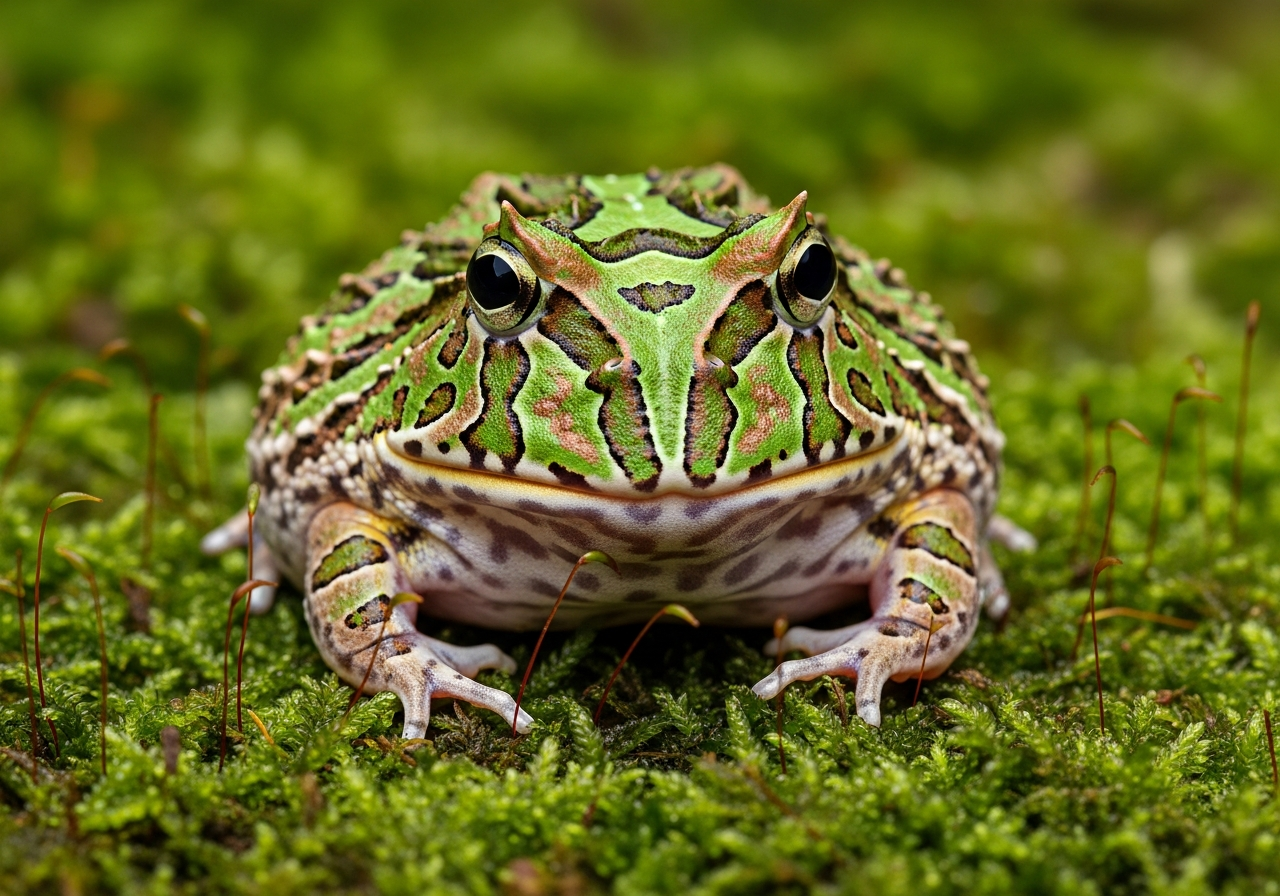
Amphibian
The round, big-mouthed horned frog
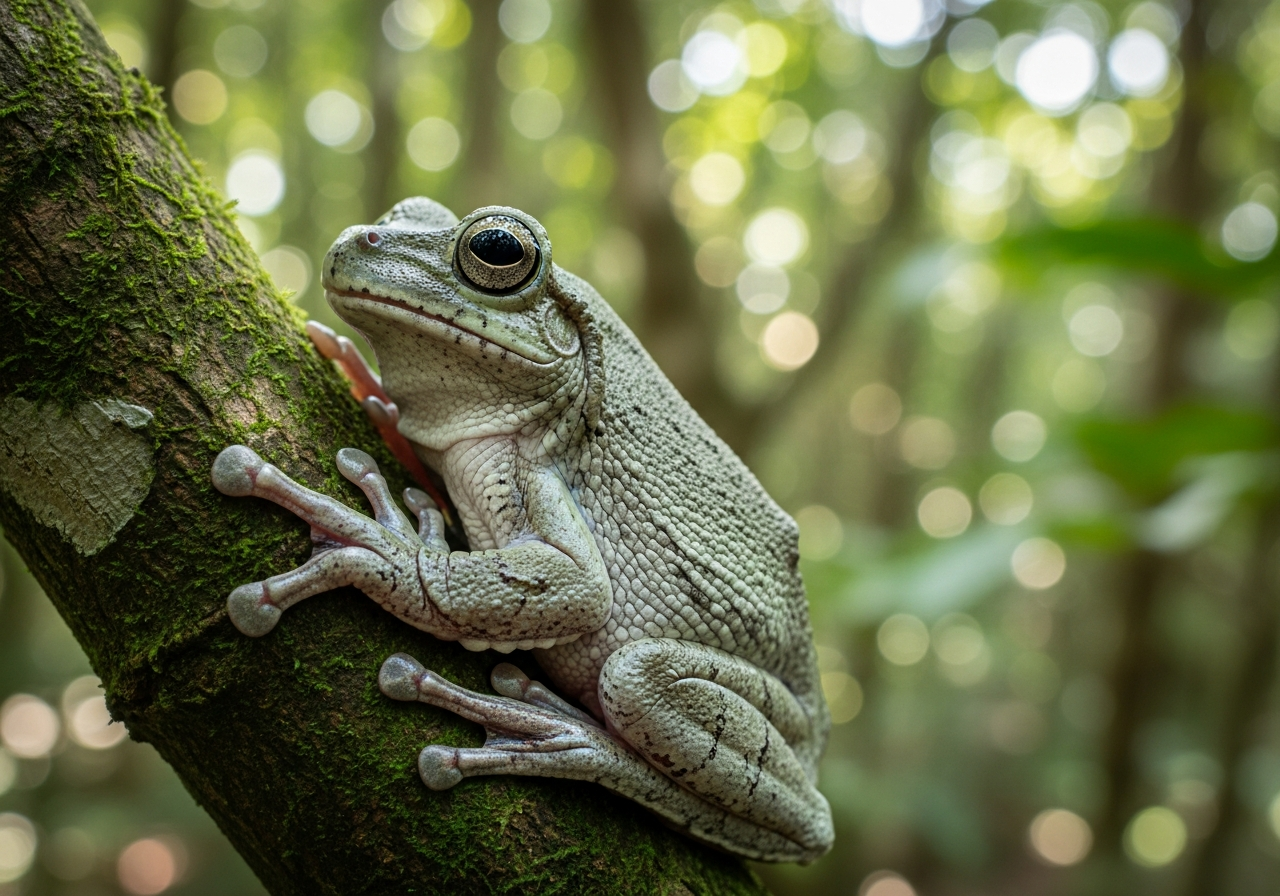
Amphibian
The color-changing tree frog of eastern forests
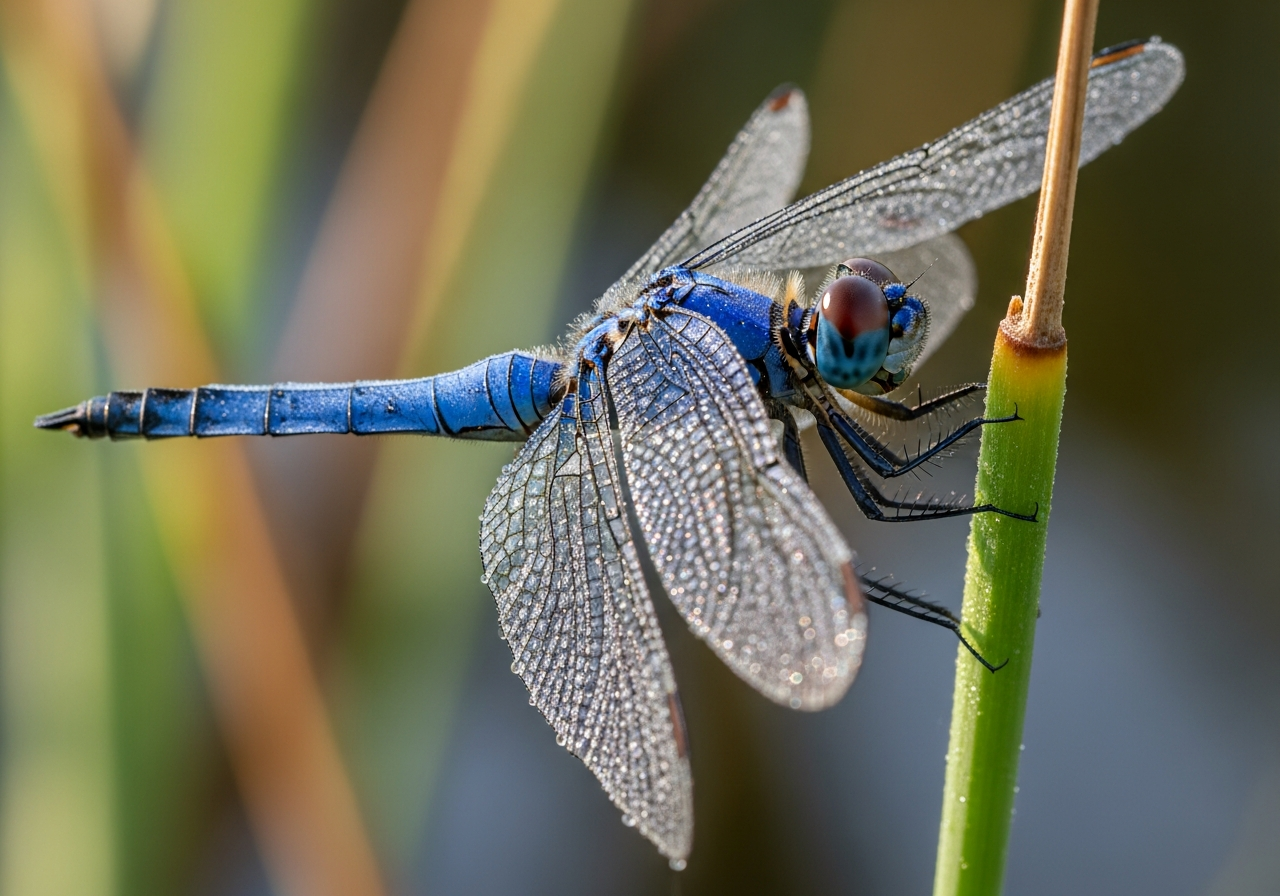
Insect
The agile aerial hunter of ponds and streams
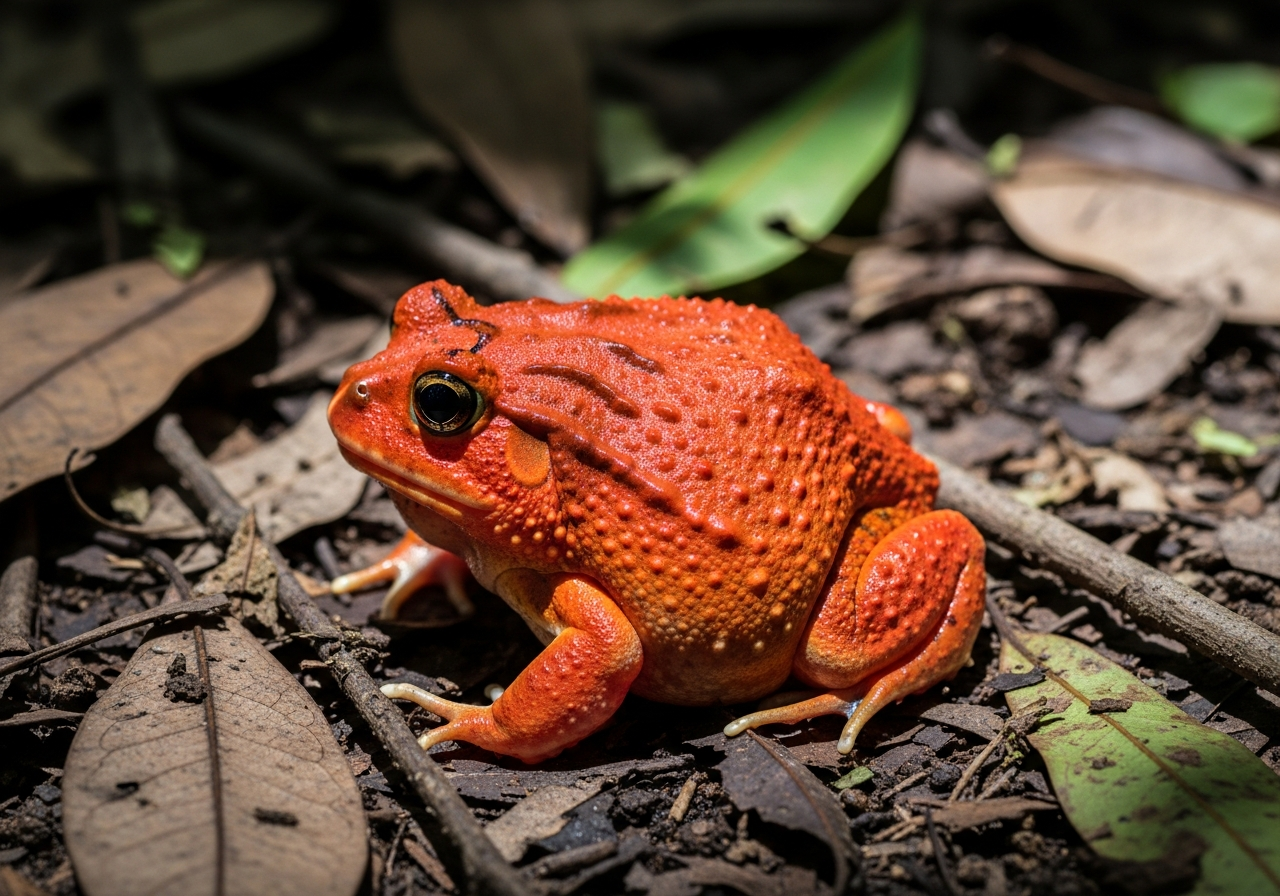
Amphibian
The plump, bright-red frog of Madagascar
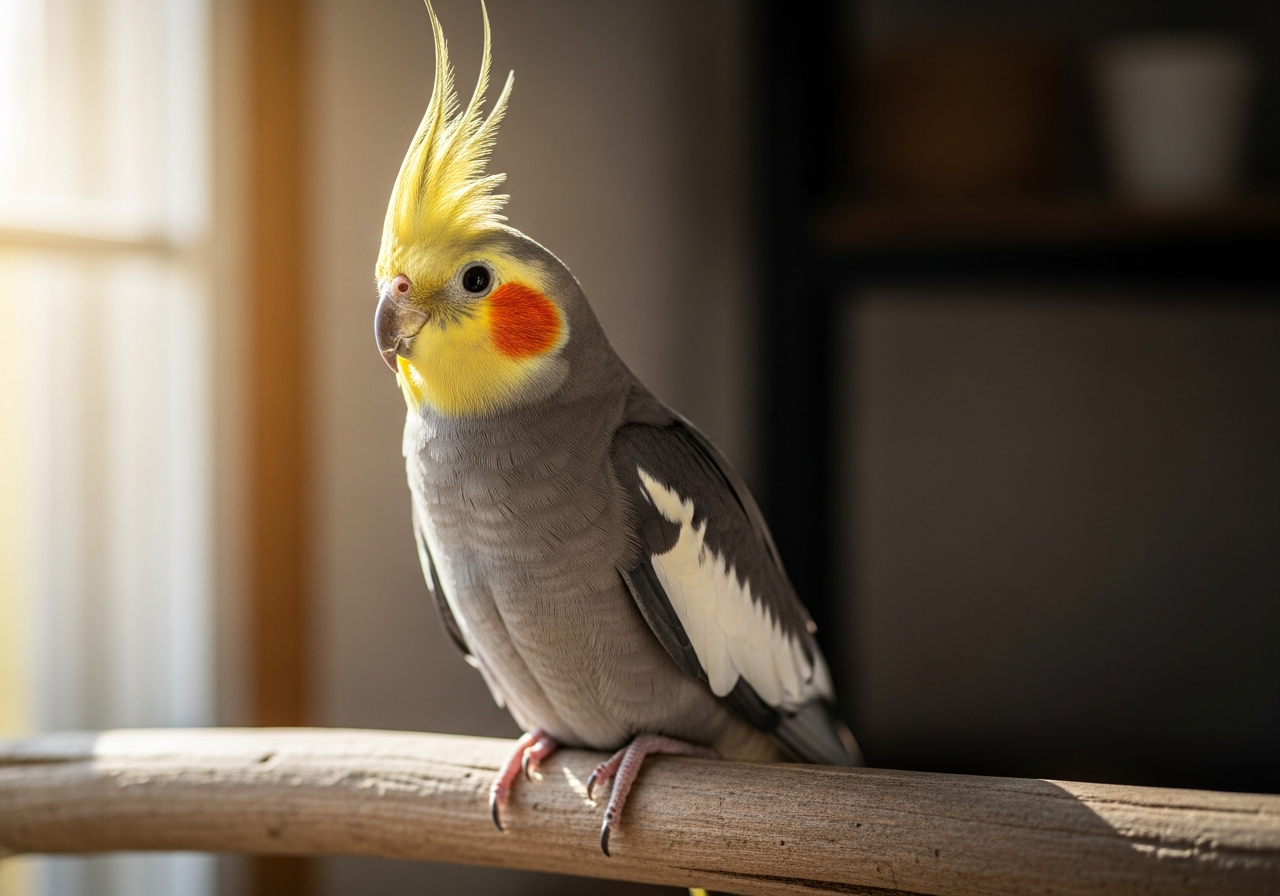
Bird
The crested Australian parrot known for whistling
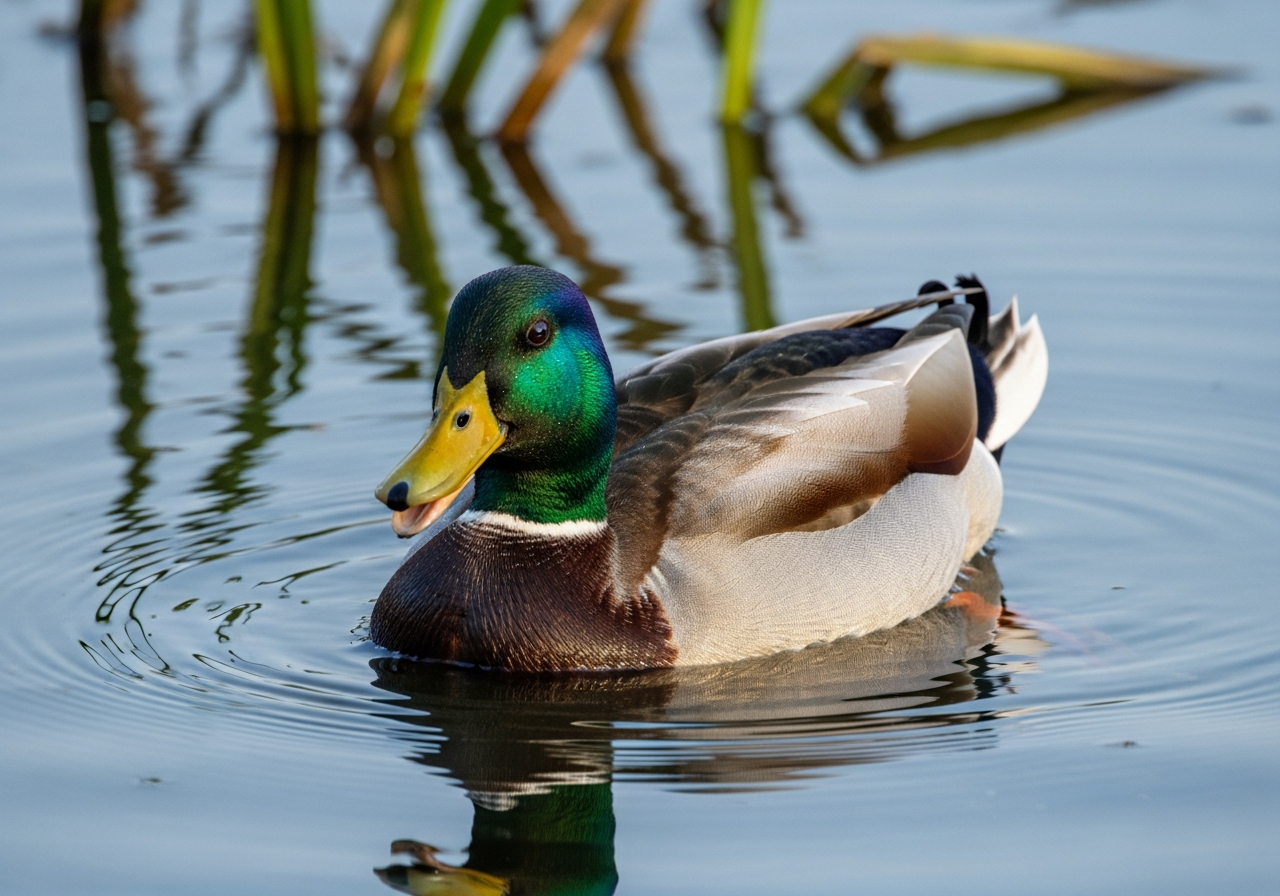
Bird
The familiar wild duck found around the world
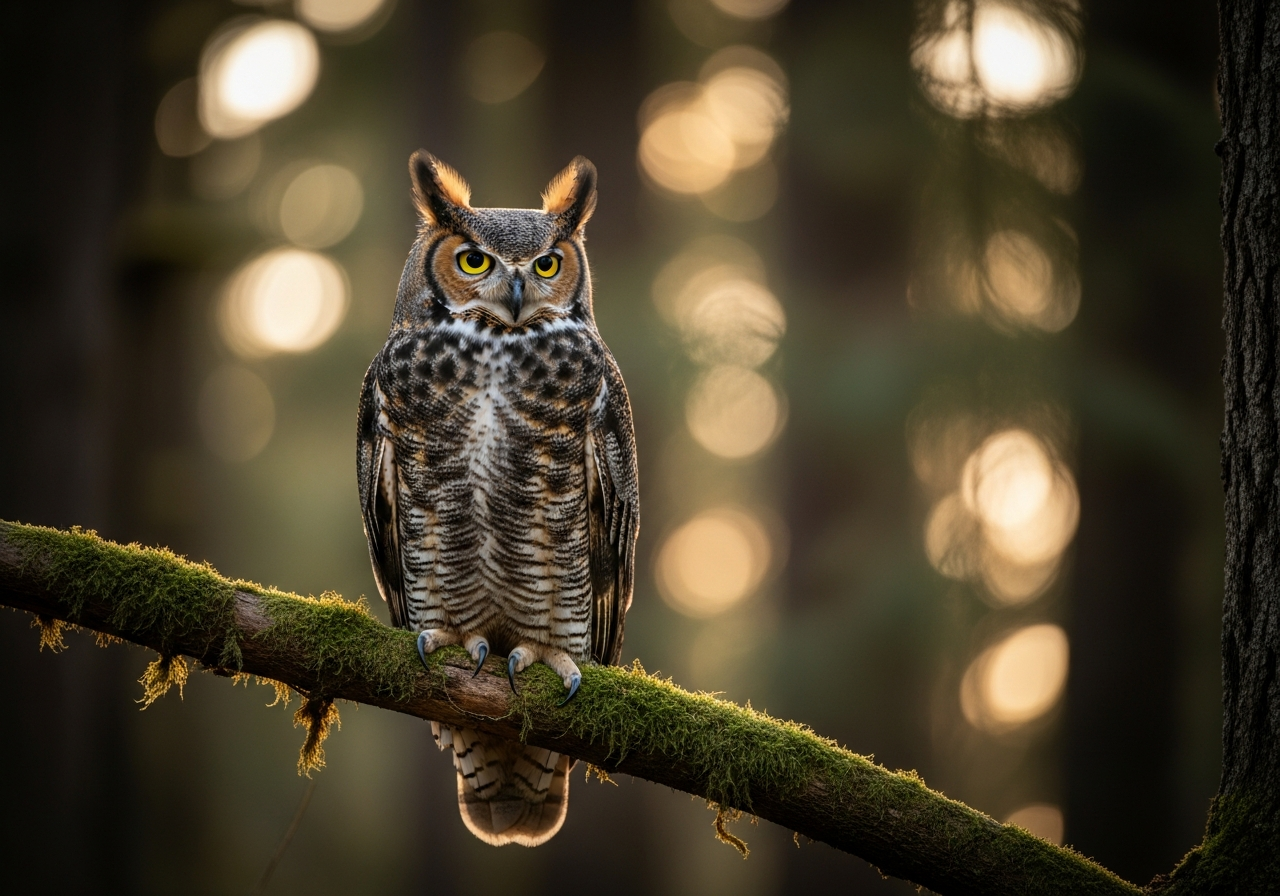
Bird
The powerful nocturnal hunter with feathered tufts
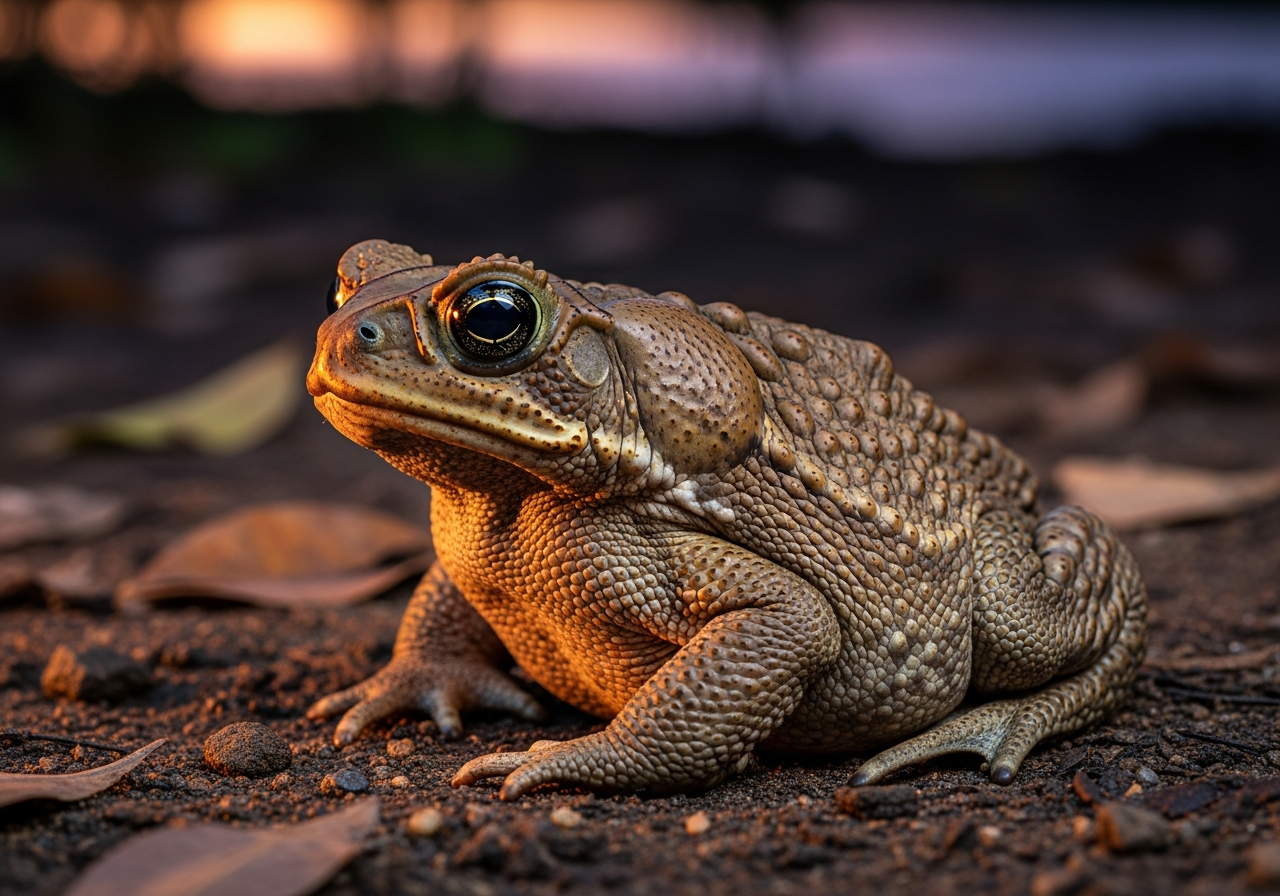
Amphibian
A large, toxic toad turned invasive pest
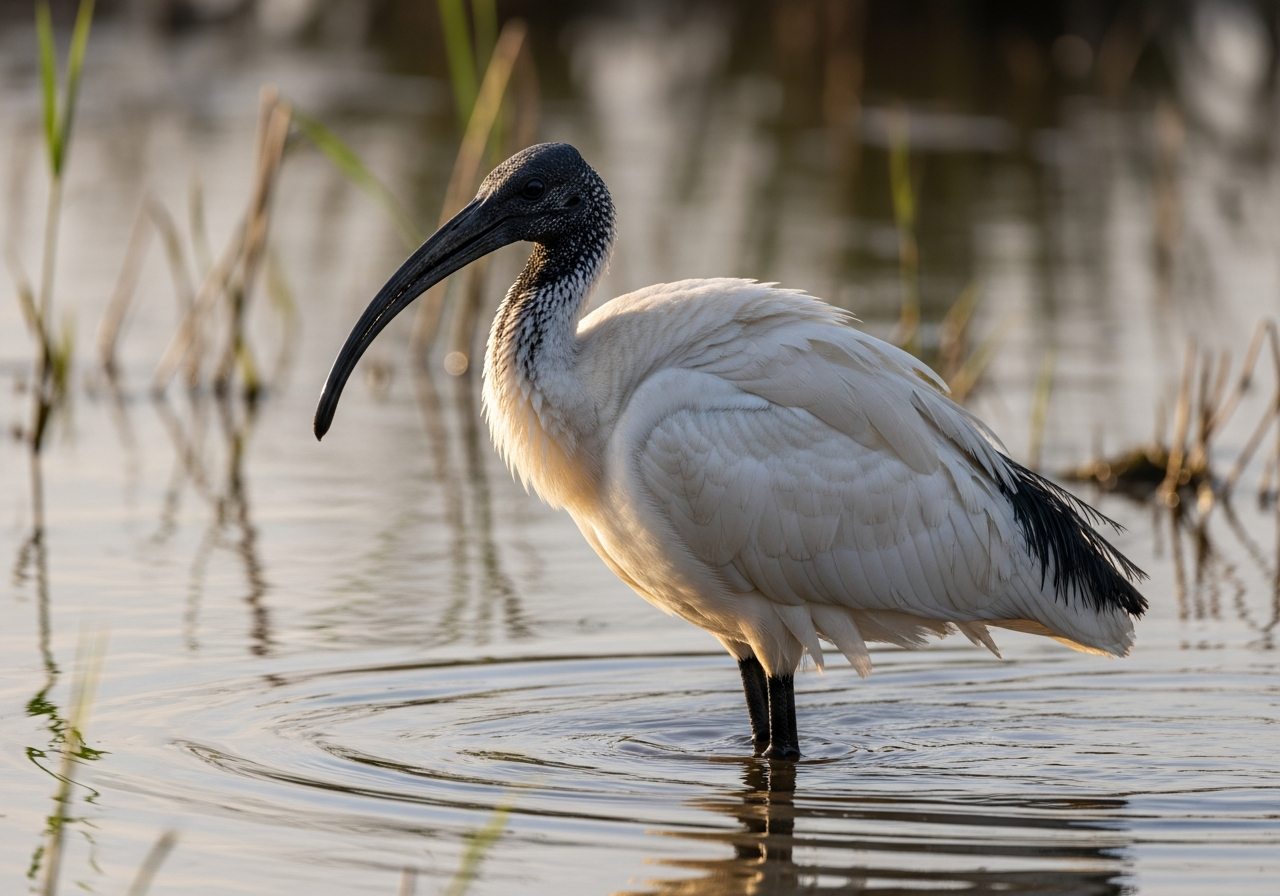
Bird
The long-billed wading bird of marsh and river
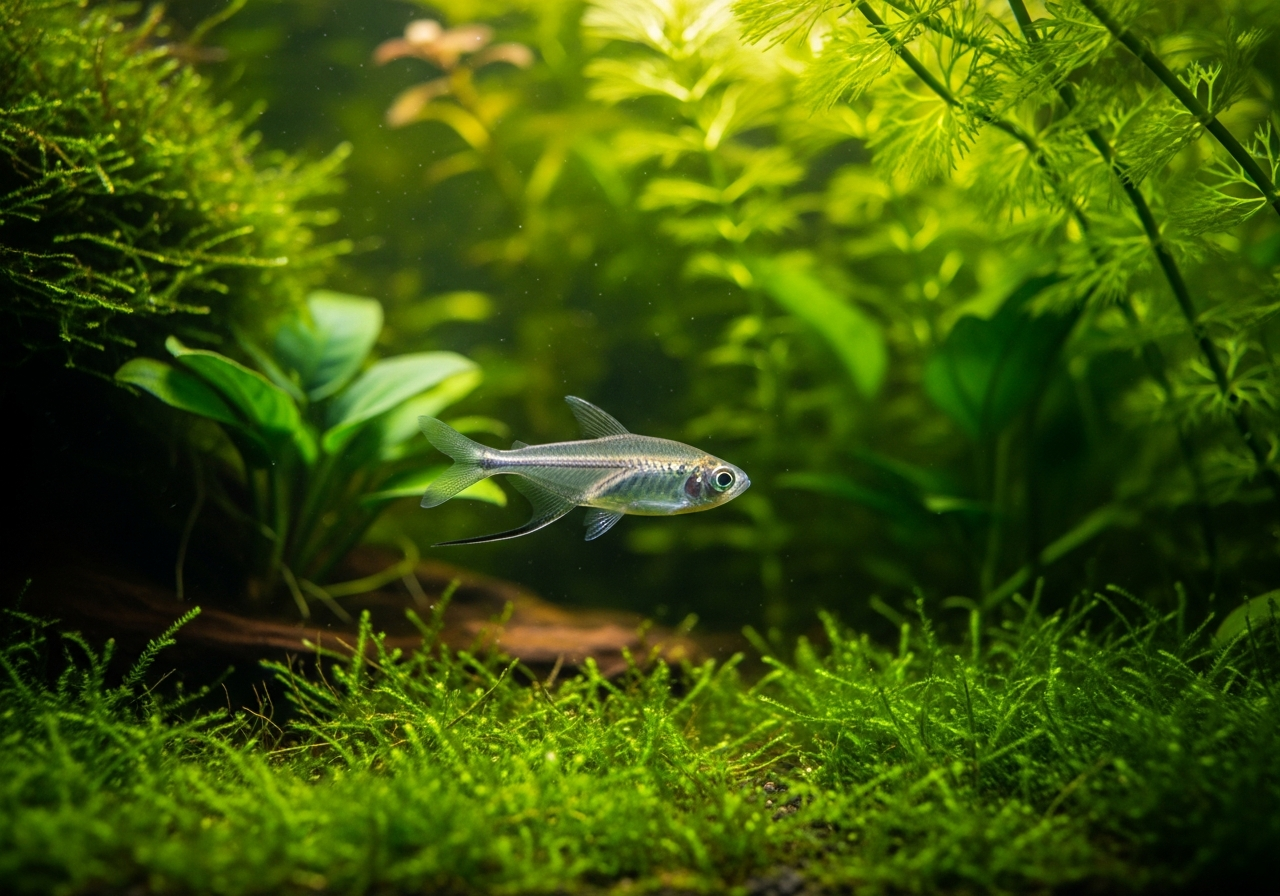
Fish
The see-through fish of the Amazon
Wetlands — marshes, swamps, mangroves, and floodplains — sit at the edge of land and water. They filter nutrients, buffer floods, and provide nursery habitat for fish, amphibians, waterbirds, and reptiles. Many wetland species decline when wetlands are drained or polluted.
Species lists on this page are drawn from Global Animal Guide profiles whose habitat facts match wetland keywords. Browse the ranked list for answer-first guides covering diet, range, and conservation.
Wetlands is defined by climate, vegetation, and water availability that favour particular body plans and behaviours. Compare sibling biome hubs (ocean, forest, desert, and more) to see how the same animal groups specialise differently.