Image sourcing: see credits & licences
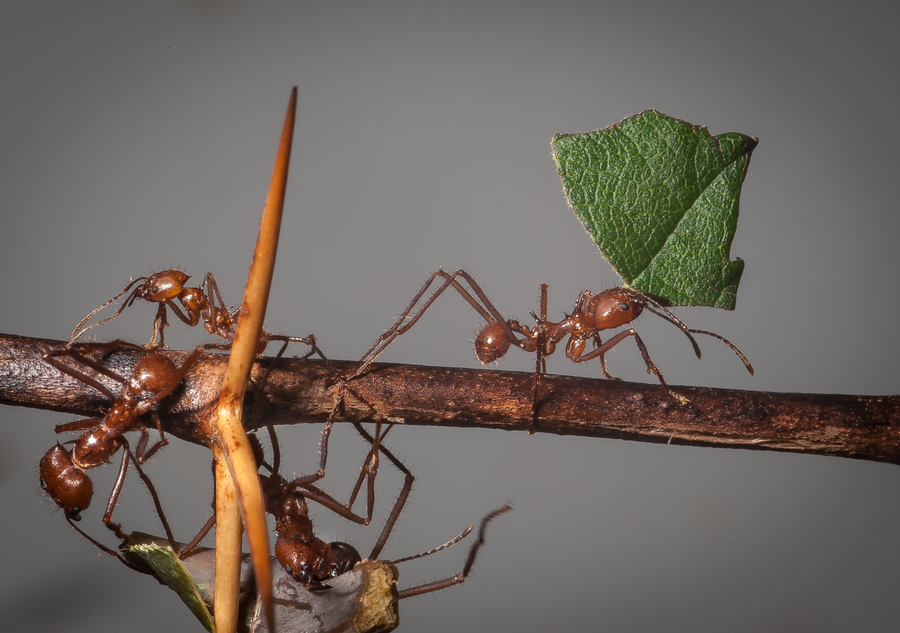
The leafcutter ant (Atta cephalotes) is an insect of the family Formicidae, in the order Hymenoptera.
Quick answer
Leafcutter ants (Atta cephalotes) are Neotropical fungus farmers that slice fresh leaves into discs and carry them to underground gardens. Colonies from Mexico through Amazonia can hold millions of workers. They eat the cultivated fungus, not the leaves themselves, and are listed Least Concern — though a single colony can defoliate garden plants overnight.
Top questions about the Leafcutter Ant
Leafcutter Ant facts at a glance
- Weight 0 g
- Length 1 cm
- Top speed 2 km/h
- Lifespan 10 years
| Scientific name | Atta cephalotes |
|---|---|
| Diet | Fungus (farmed on leaf pulp) |
| Habitat | Tropical rainforest floor and canopy trails |
| Lifespan | Around 10 years in the wild (varies by population and captivity). |
| Weight | About 5e-05 kg typical adult mass (sex and region vary). |
| Top speed | Up to roughly 2 km/h when moving at speed. |
| Conservation status | Least Concern (IUCN) |
| Kingdom | Animalia |
|---|---|
| Phylum | Arthropoda |
| Class | Insecta |
| Order | Hymenoptera |
| Family | Formicidae |
| Genus | Atta |
Where it lives
The leafcutter ant (Atta cephalotes) is native to Neotropical forests from Mexico through Central America into Amazonia. — recorded across North America, South America in this guide’s range summary.
For occurrence records, see GBIF species search and sources below.
How big is a leafcutter ant?
An adult leafcutter ant measures 1 cm long — about 1% of the height of an average adult person (1.73 m) — and weighs around 0 g, a small fraction of an average adult’s body weight (70 kg).
Length vs an average adult’s height (to scale)
What is a group of leafcutter ants called?
Group name (collective noun)
A group of Leafcutter Ants is called a colony.
Baby name
A baby Leafcutter Ant is called a larva.
Explore more animal collective nouns and baby animal names .
Agriculture in miniature
Castes include tiny garden tenders and large soldiers with formidable mandibles. Workers cut vegetation, chew it into pulp, and fertilise a specialised fungus that is the colony's true food. Queens can live a decade or more.
Fungus, not foliage
Ants harvest leaves, flowers, and grasses as compost for their fungal cultivar. They carefully weed gardens of contaminant moulds — one of the most sophisticated non-human farming systems.
Mexico to Amazonia trails
Tropical rainforest floor and canopy trails from Mexico through Central America into Amazonia. Night and day columns radiate from enormous nest mounds.
Ecosystem engineers
Least Concern and ecologically vital as nutrient recyclers, yet they conflict with farmers and gardeners. Nest excavation turns over soil on a landscape scale.
Explore the Leafcutter Ant
Close relatives
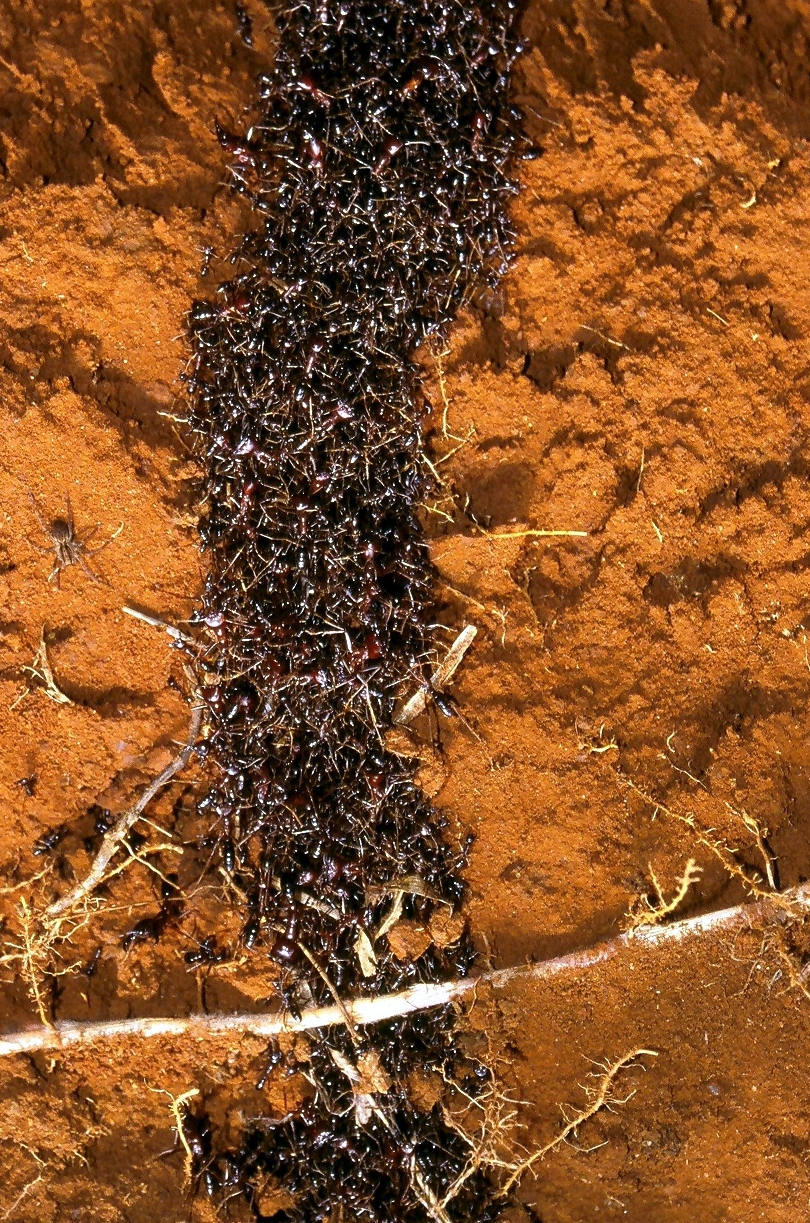
- Army Ant Same family
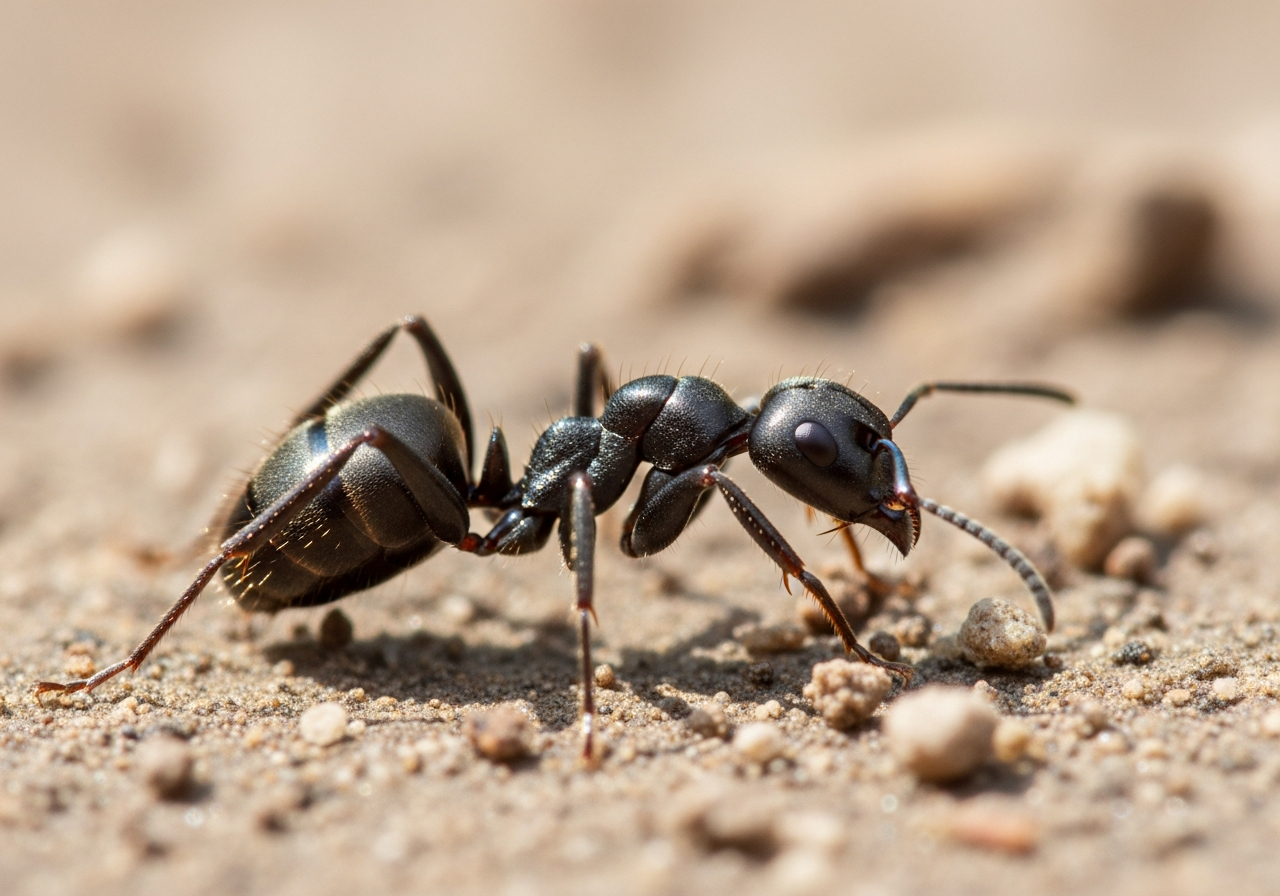
- Ant Same family
- Honey Bee Same order
- Carpenter Bee Same order
Range & geography
Conservation status of the Leafcutter Ant
The leafcutter ant (Atta cephalotes) is listed as Least Concern on the IUCN Red List. Least Concern (LC) is the IUCN's lowest-risk category, assigned to widespread, abundant species that have been evaluated and found not to be threatened. It does not mean a species faces no pressures — only that it is not currently at risk of extinction.
The leafcutter ant (Atta cephalotes) is assessed on the IUCN Red List. Look up on the IUCN Red List .
Frequently asked questions about the Leafcutter Ant
Do leafcutter ants eat leaves?
No — they use leaf pulp to grow a fungus, and the ants eat the fungus (and specialised fungal structures).
How many ants are in a leafcutter colony?
Mature Atta colonies can contain hundreds of thousands to several million workers.
Why do leafcutters cut circles from leaves?
Disc shapes are efficient to cut and carry; trail workers transport them back to the nest like tiny umbrellas.
Are leafcutter ants dangerous to people?
Soldiers can deliver painful bites, but they are not a medical venom threat like some ants or wasps.
Where do leafcutter ants live?
Neotropical forests from Mexico through Central America into the Amazon basin.
What is a group of leafcutter ants called?
A group of Leafcutter Ants is called a colony.
What is a baby leafcutter ant called?
A baby Leafcutter Ant is called a larva.
Sources & references
This guide is compiled and reviewed against established zoological and conservation references. Key sources for the Leafcutter Ant:
-
IUCN Red List of Threatened Species
Conservation status (Least Concern) reflects the IUCN Red List category for Atta cephalotes.
-
iNaturalist — observations & photos
Search citizen-science observations and community IDs for Atta cephalotes. Useful for range checks and recent sightings — not a substitute for formal Red List status.
-
GBIF — occurrence data
Global Biodiversity Information Facility species search for Atta cephalotes. Explore published occurrence records used in range research.
-
Global Animal Guide editorial standards
How we research, source, review, and update every guide for accuracy.