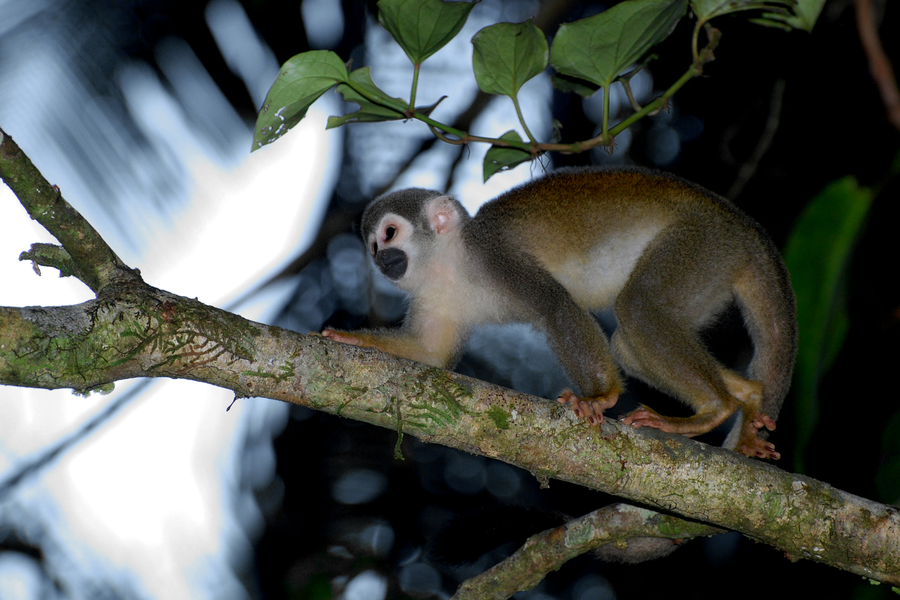
Mammal
Common Squirrel Monkey
The tiny big-brained monkey of the Amazon
Trusted wildlife guides
Monday, 5 October 2026Animals
All AnimalsAnimals A–ZCollectionsSharksBig CatsBearsSnakesFrogs and ToadsTurtles and TortoisesWhales and DolphinsPrimatesLearn biologyEducator packsHabitats & biomesRegionsBrowse by Class, Diet & HabitatIdentify WildlifeCollective NounsBaby AnimalsAnimal of the DayBrazil holds the Amazon rainforest and Pantanal wetlands — jaguars, giant anteaters, macaws, and more species than almost any country on Earth.
22 species in our guide are native to Brazil.
Mammal
The tiny big-brained monkey of the Amazon
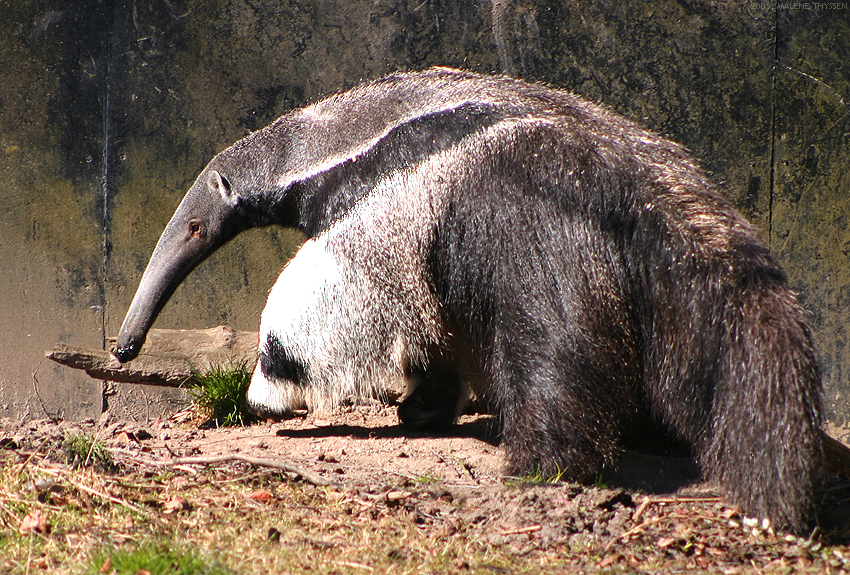
Mammal
South America's two-metre tongue specialist
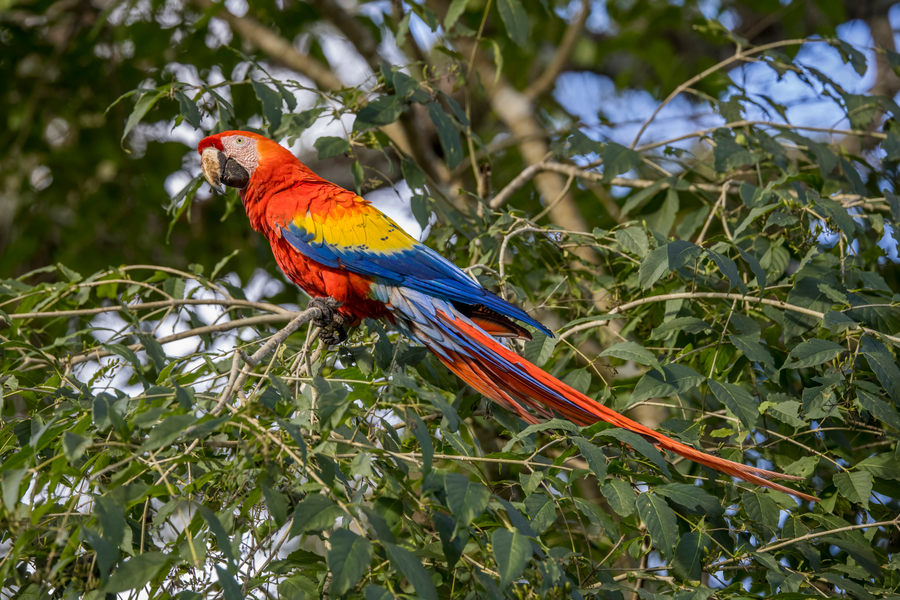
Bird
Iconic red-and-blue rainforest parrot
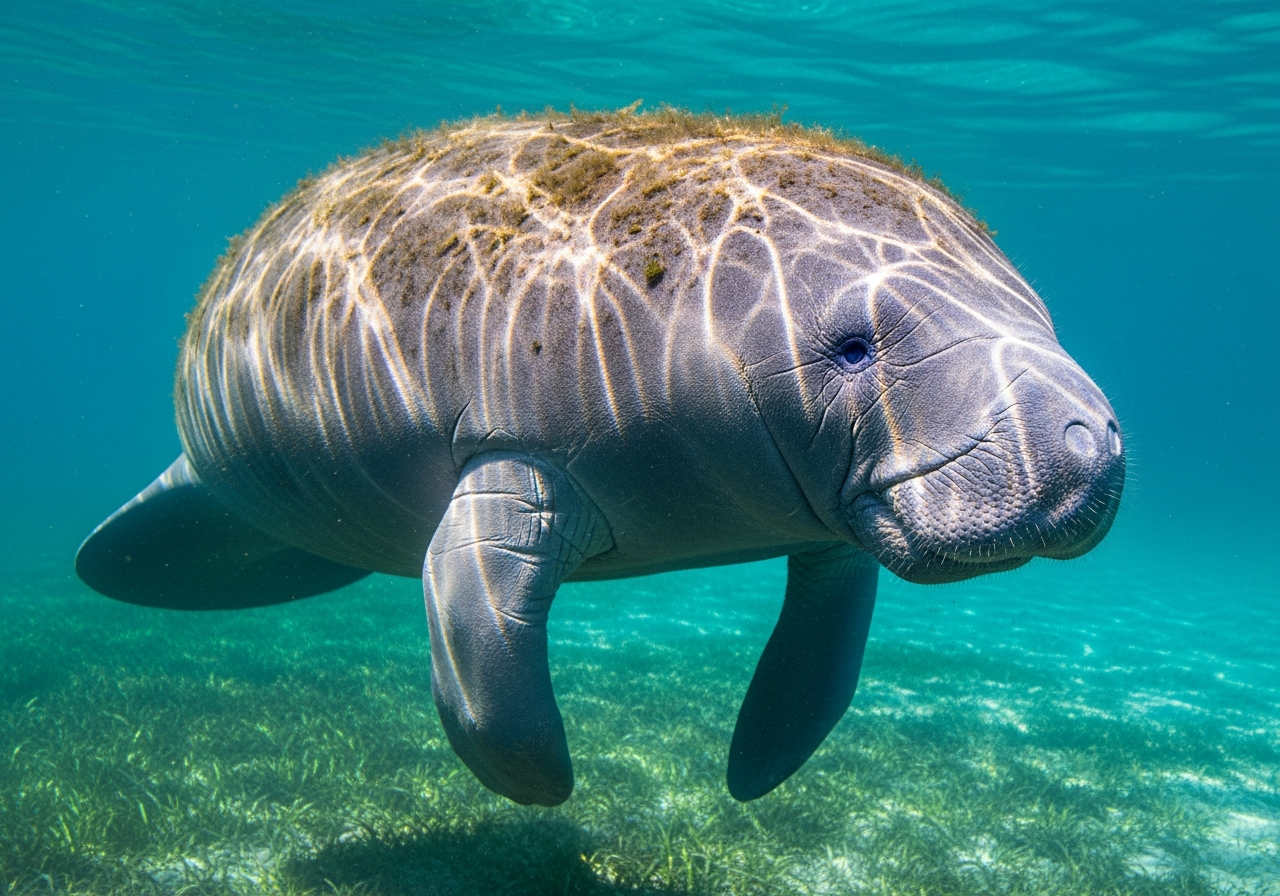
Mammal
The gentle sea cow of warm coastal waters
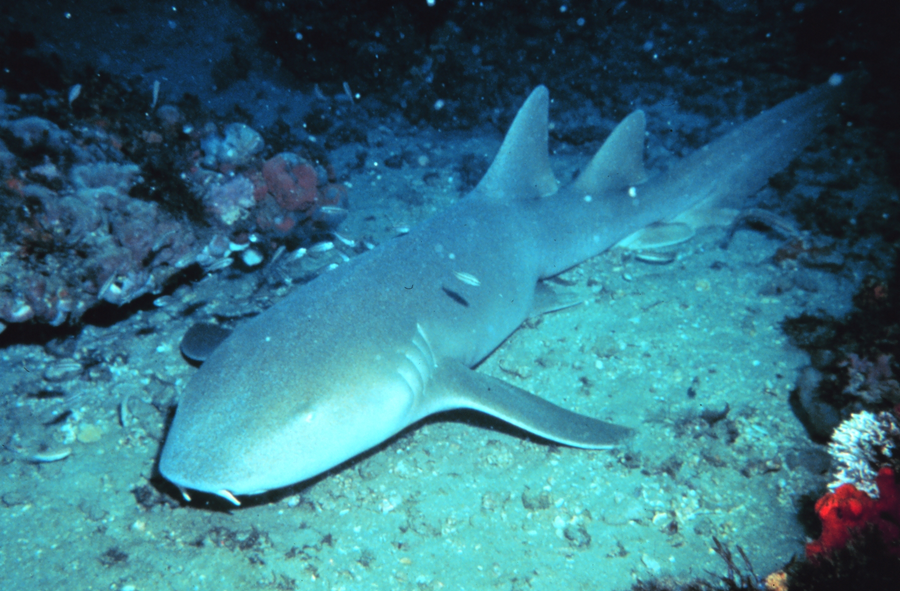
Fish
The docile reef bottom-dweller
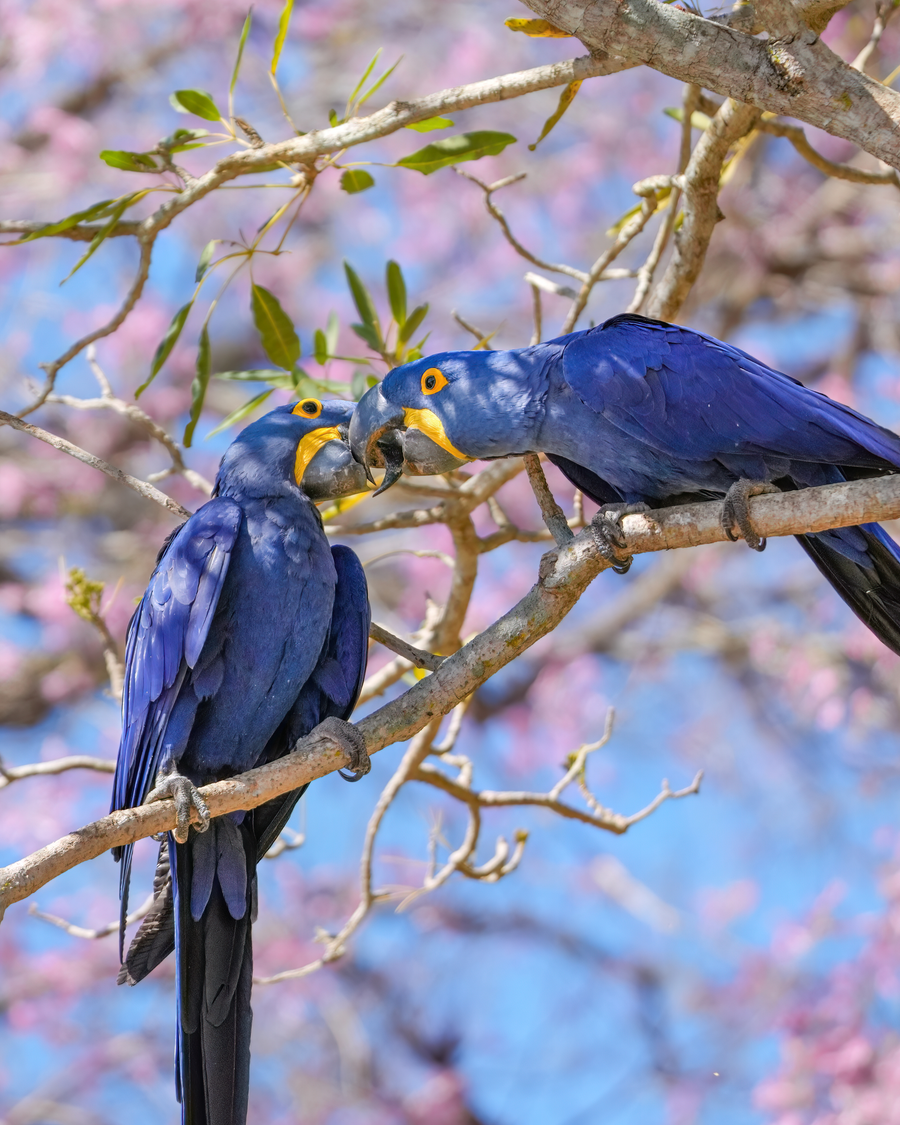
Bird
Largest flying parrot, cobalt blue
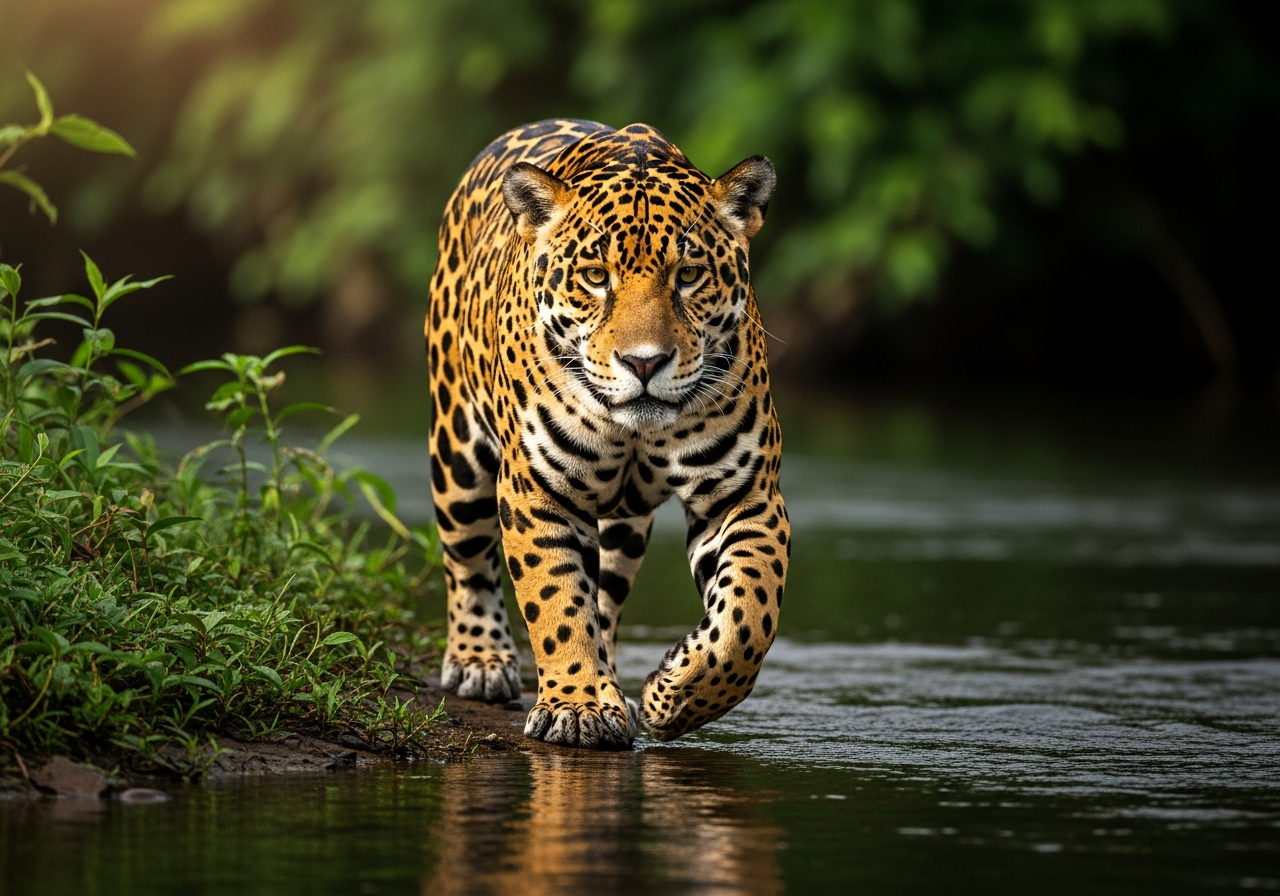
Mammal
The Americas' largest and most powerful cat
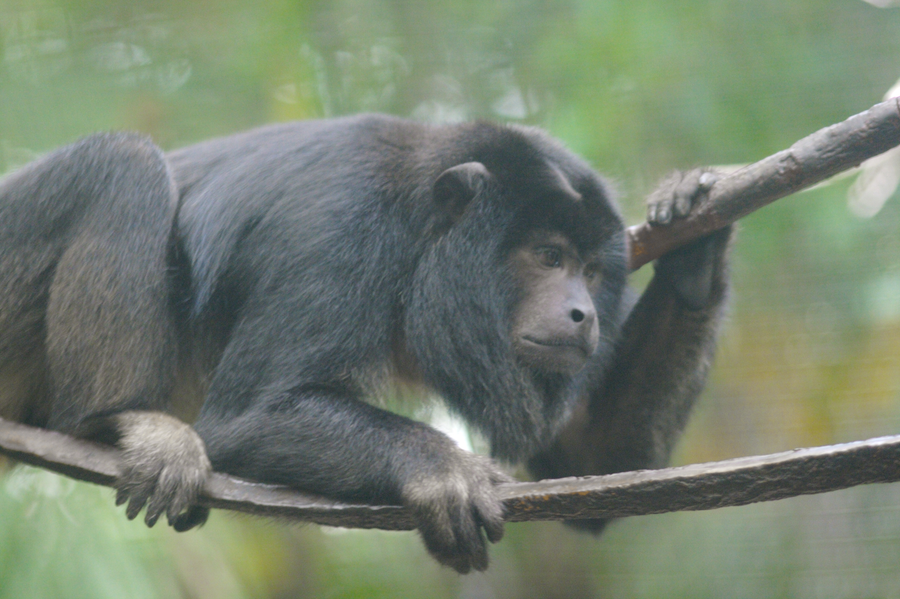
Mammal
The loudest land animal in the Americas
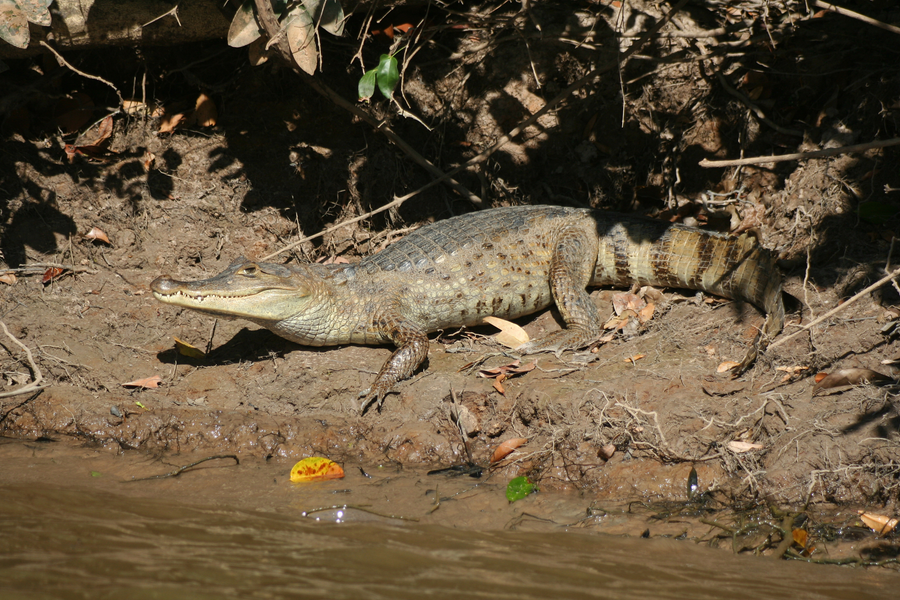
Reptile
The common crocodilian of the Americas
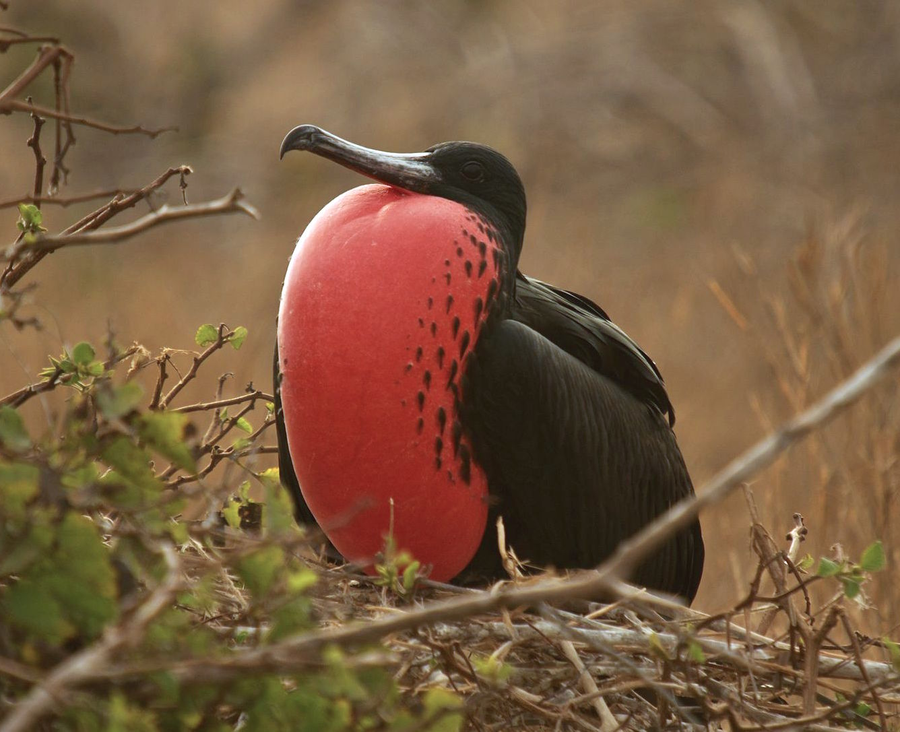
Bird
Aerial pirate with a scarlet throat pouch
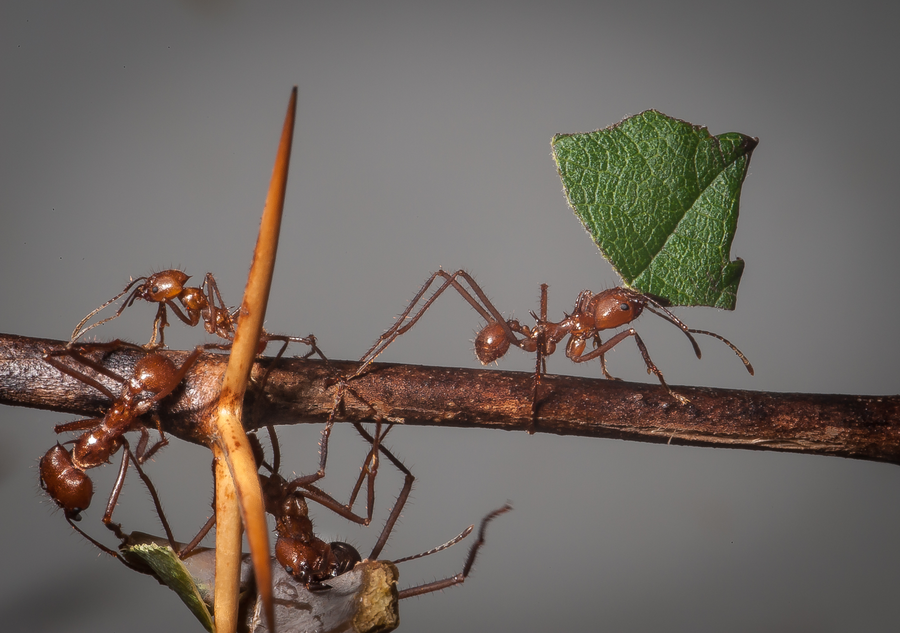
Insect
Ant farmers that cut leaves to grow fungus
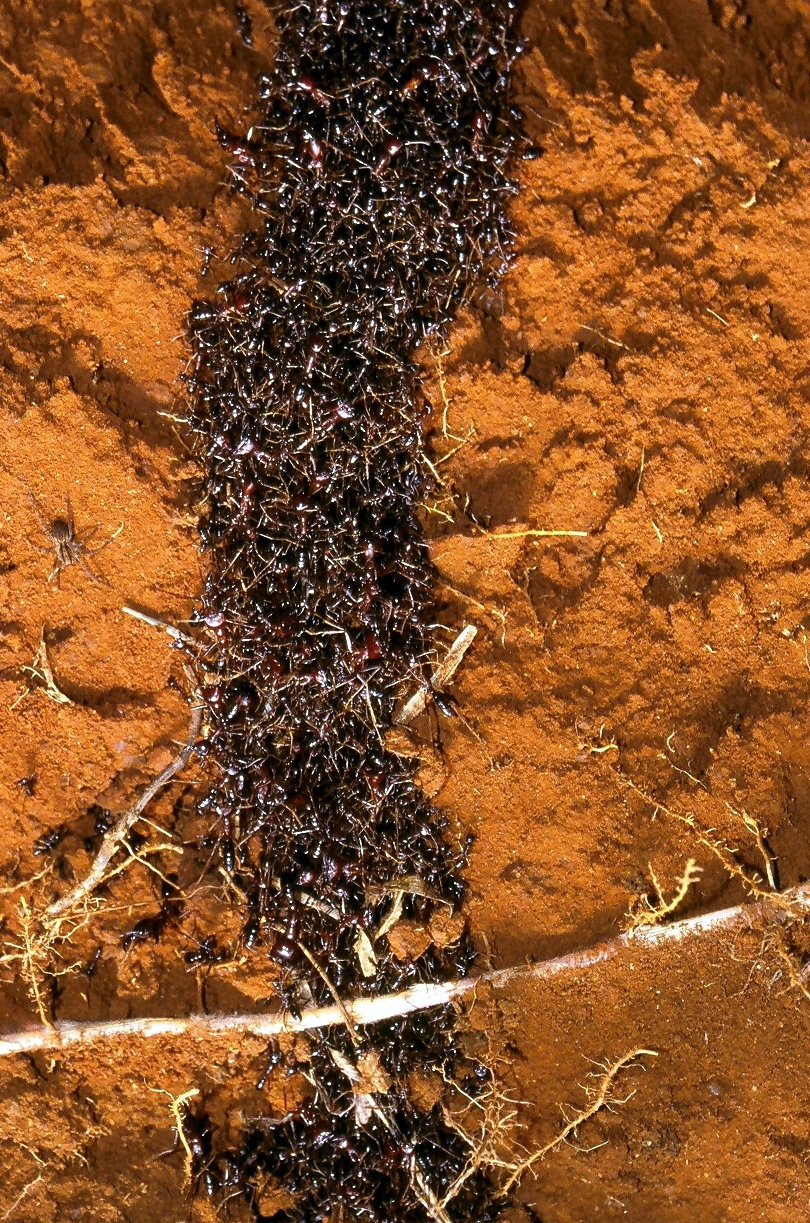
Insect
Nomadic swarm-raiding ants of the Neotropics
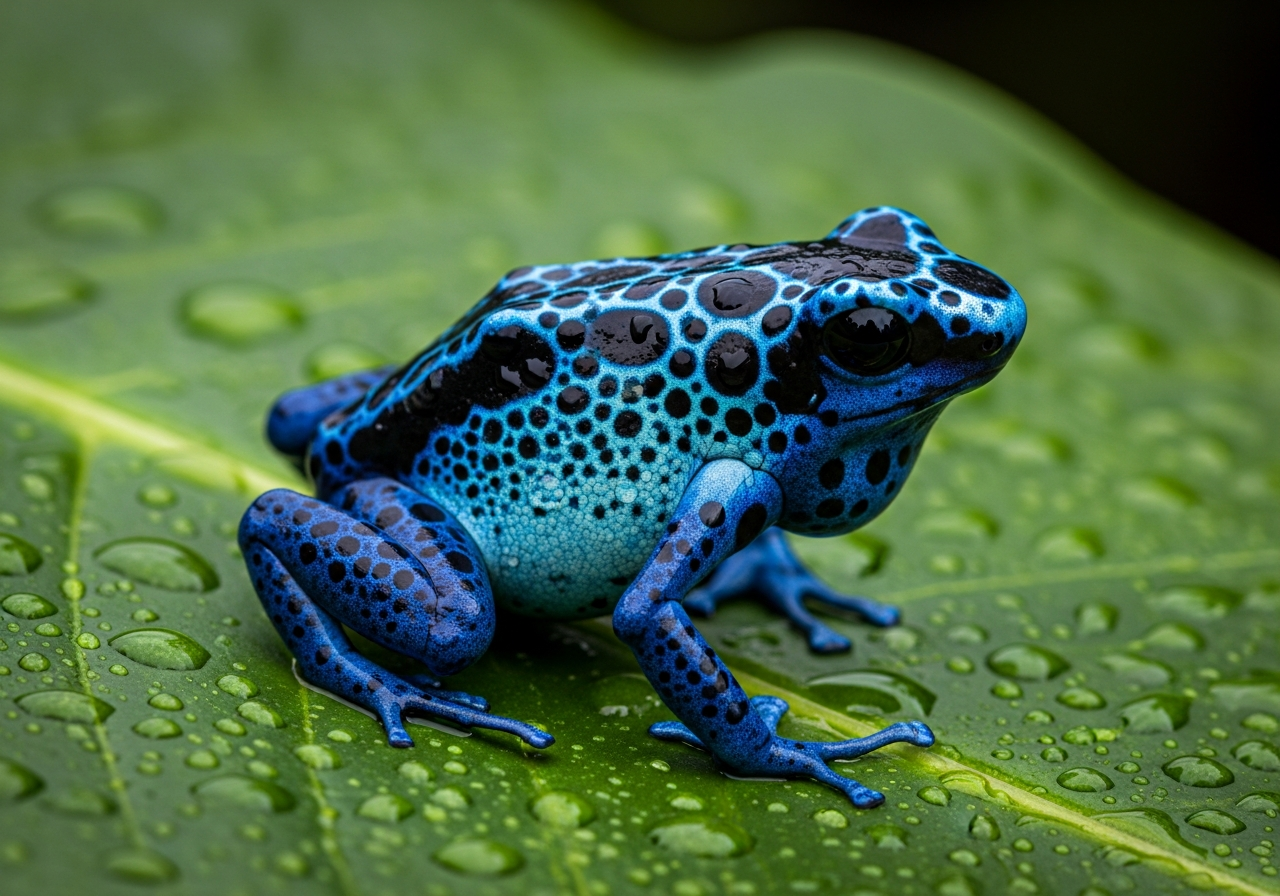
Amphibian
Tiny, brilliantly colored, and among the most toxic animals alive
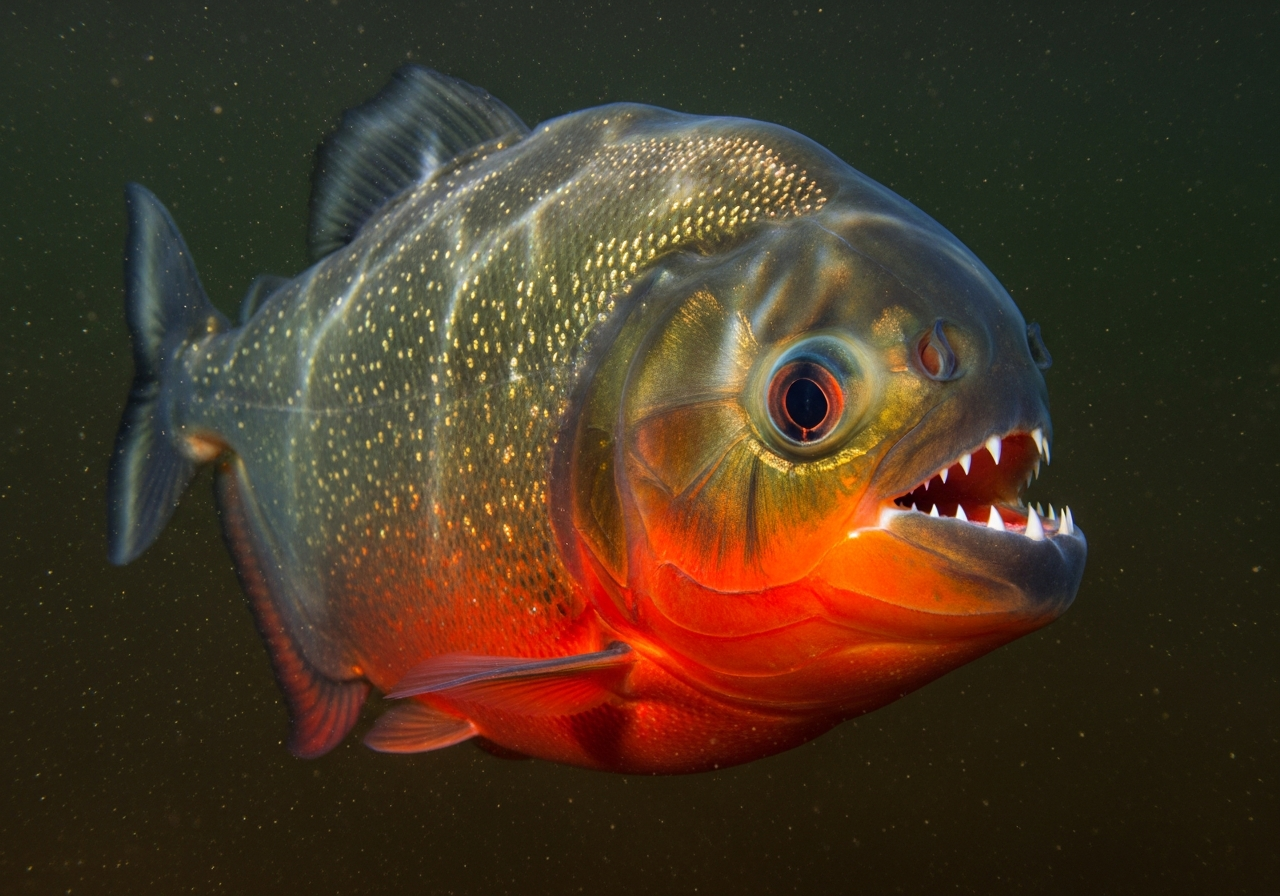
Fish
The sharp-toothed fish of the Amazon
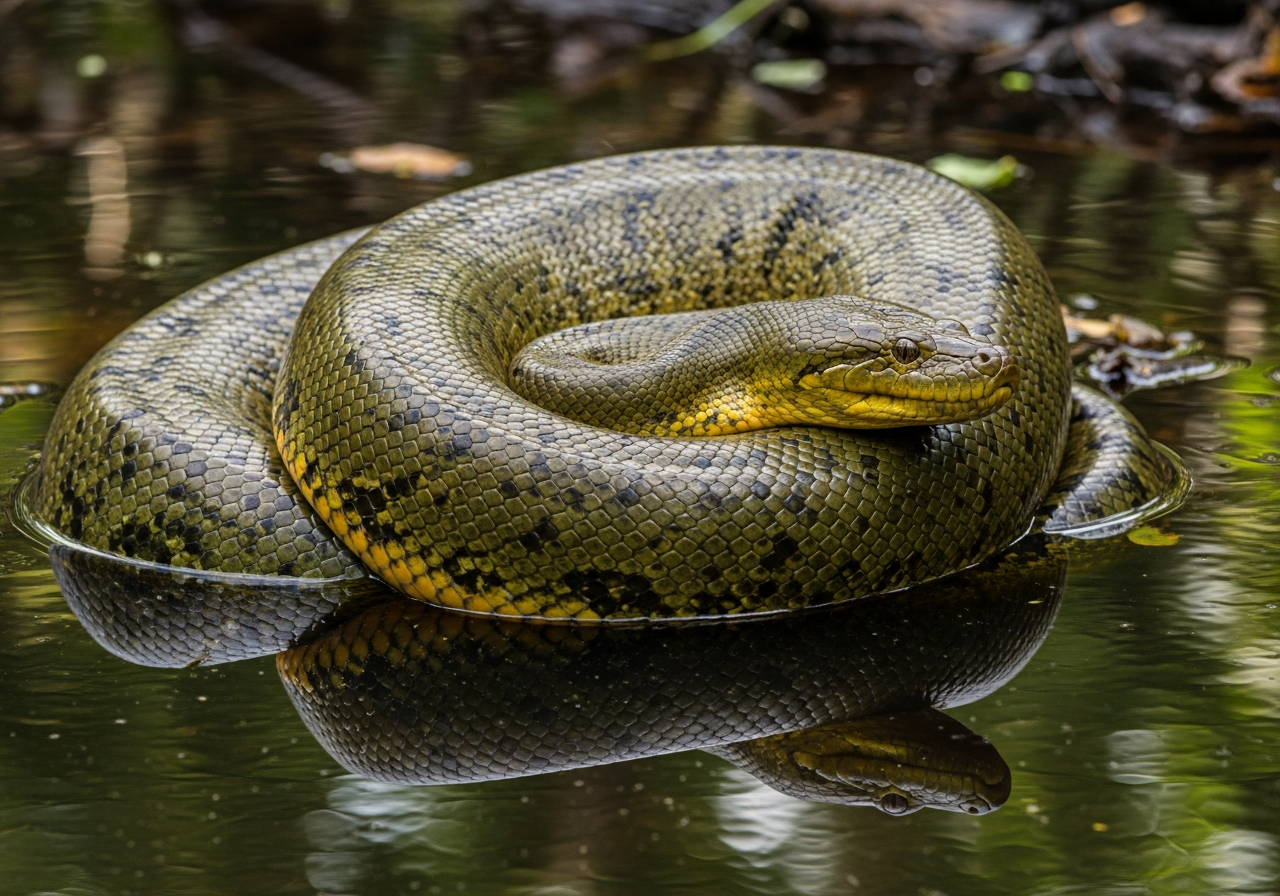
Reptile
The heaviest snake in the world
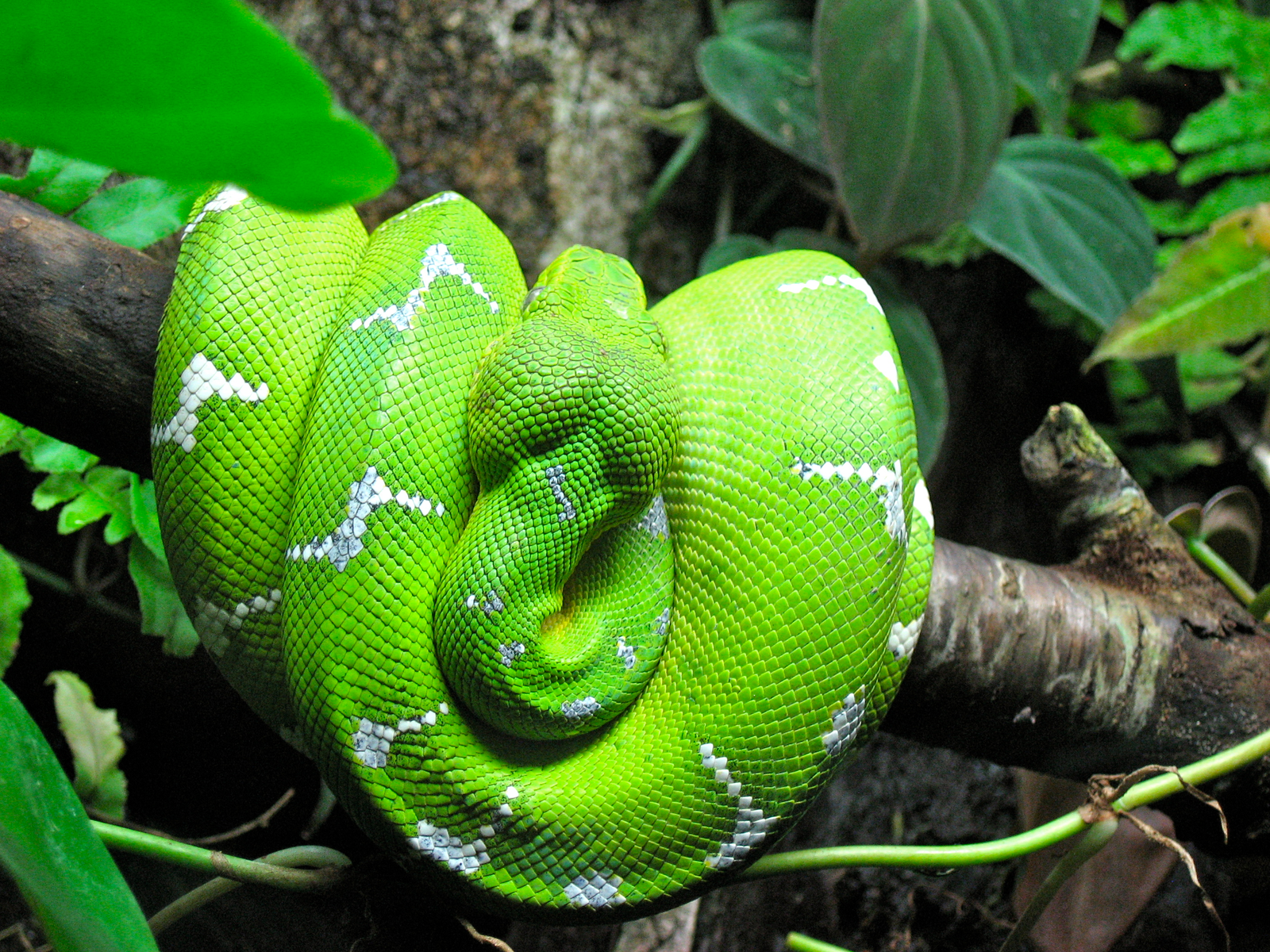
Reptile
Emerald coil of the Amazon canopy
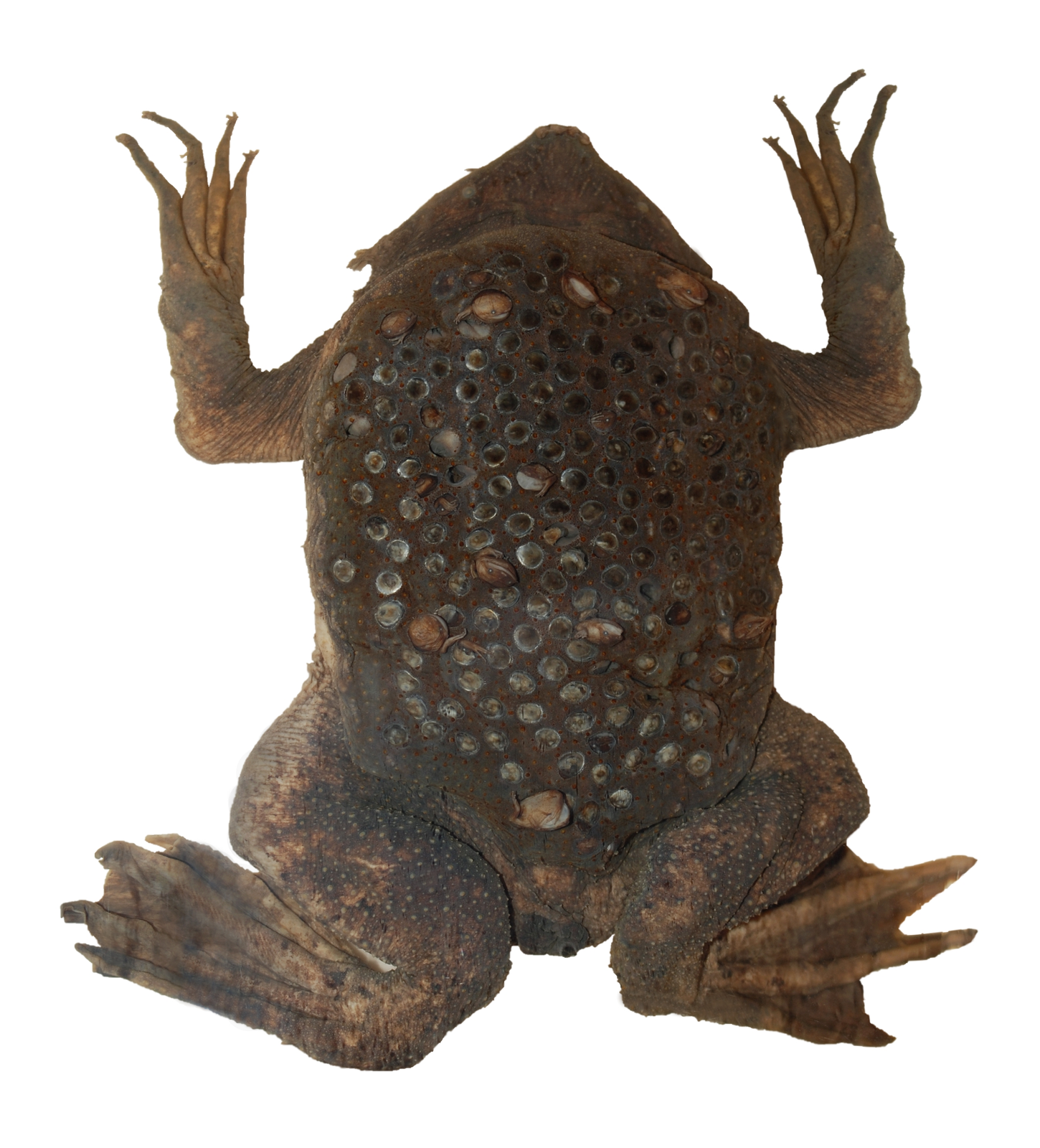
Amphibian
Flat frog that grows babies in its back
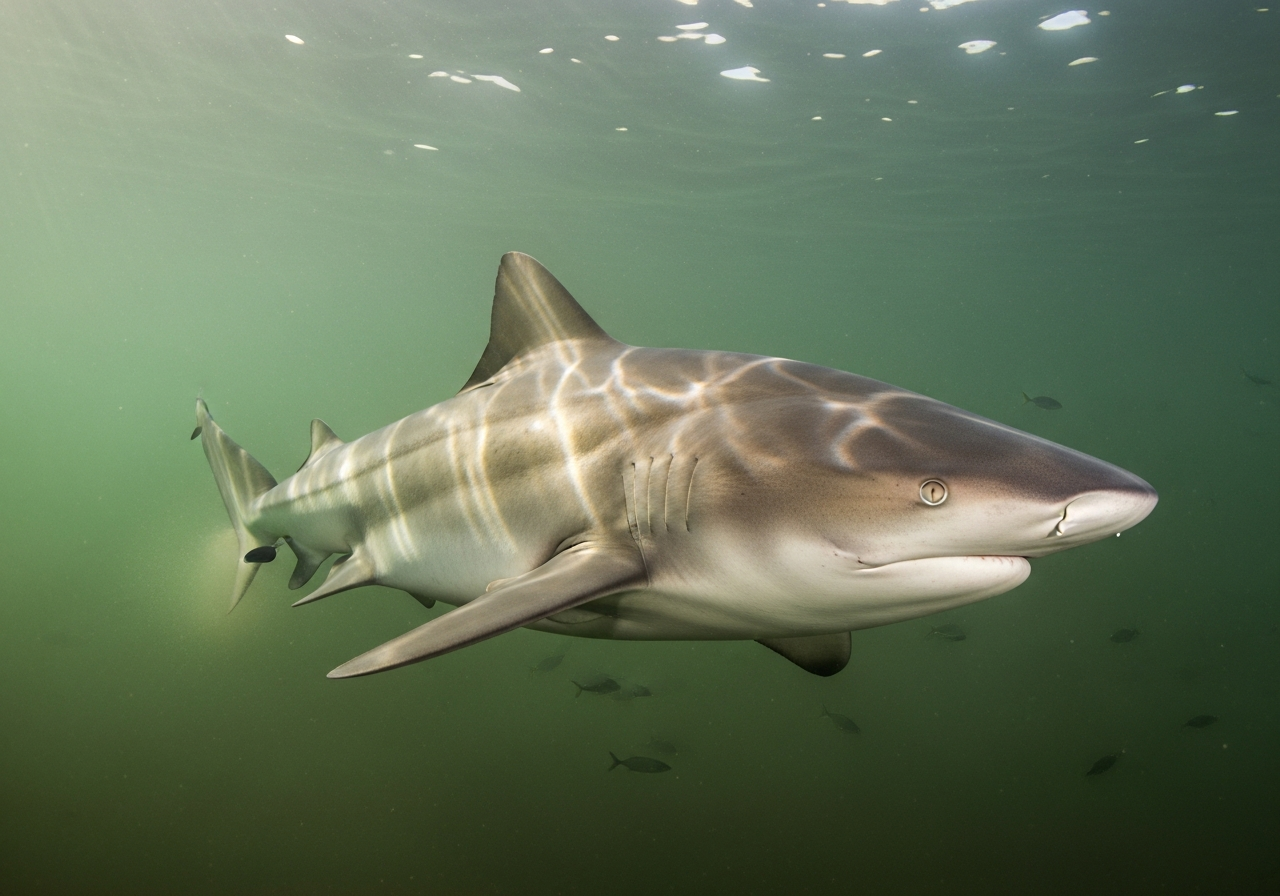
Fish
The shark that swims into freshwater
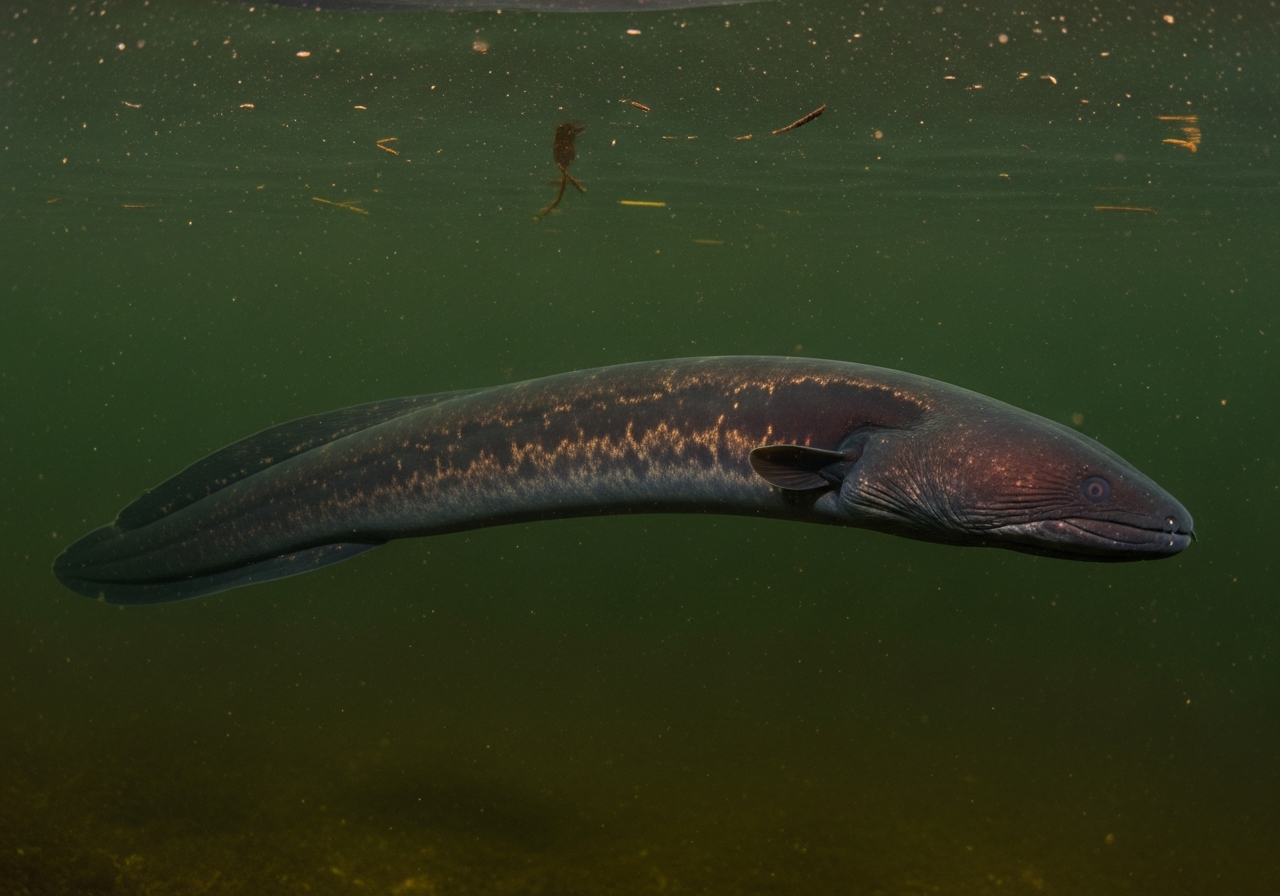
Fish
The fish that generates powerful electric shocks
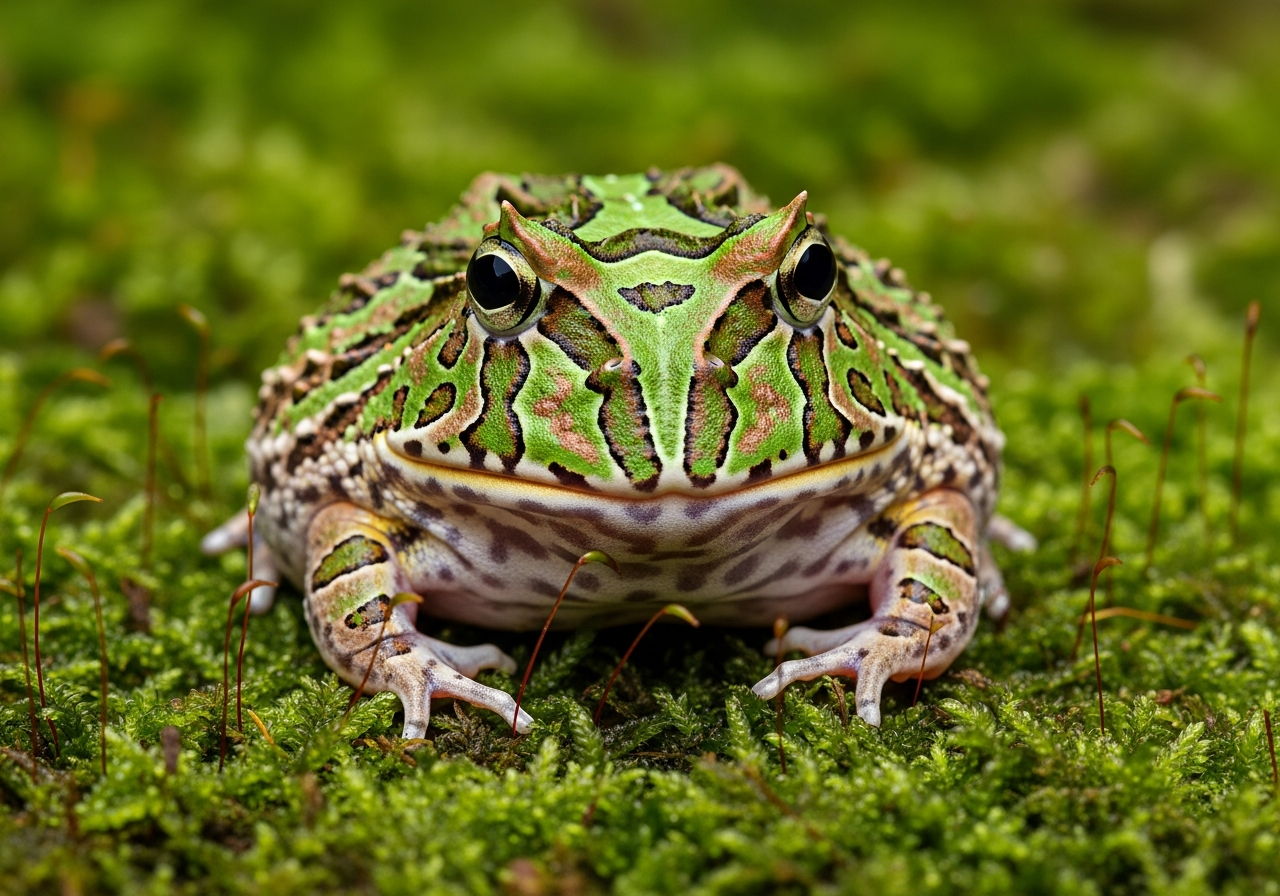
Amphibian
The round, big-mouthed horned frog
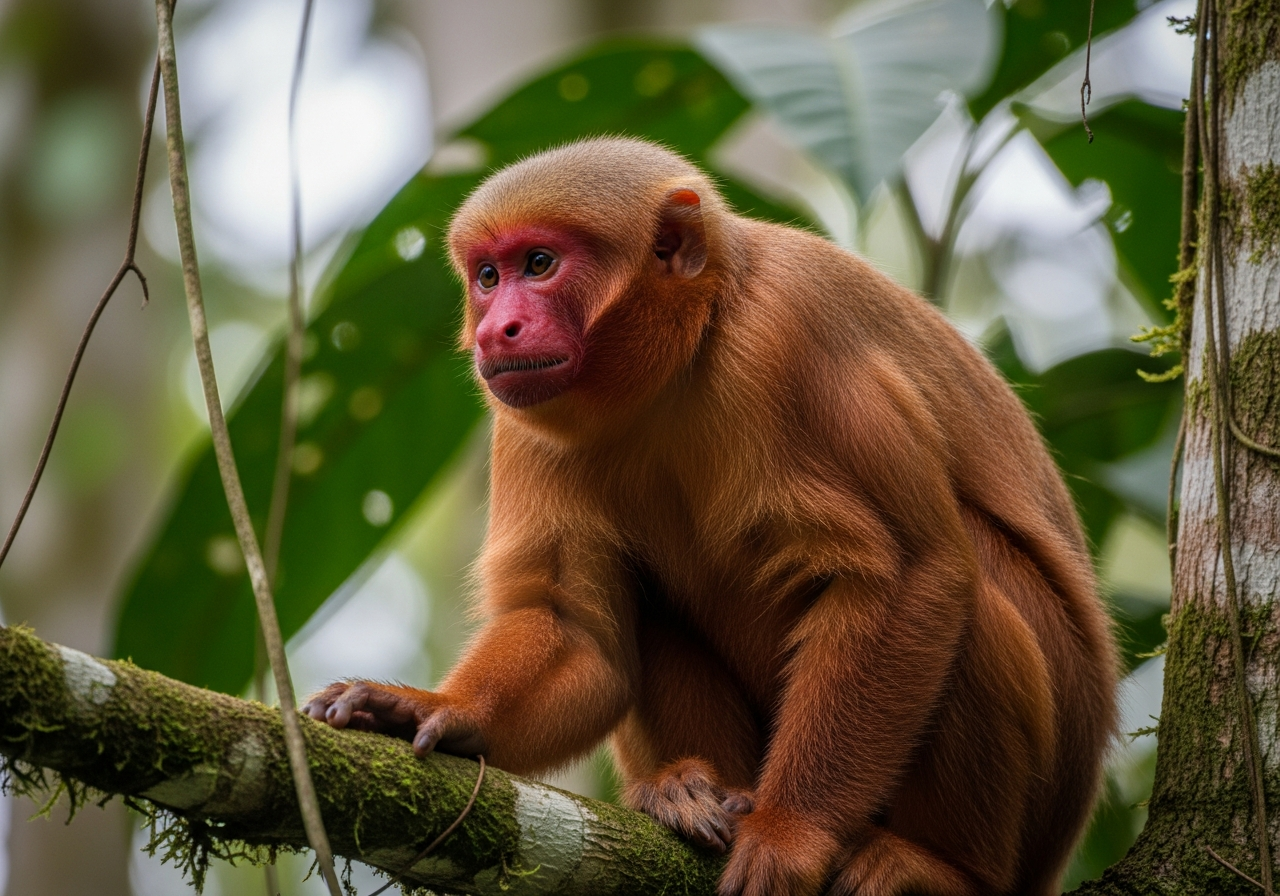
Mammal
The crimson-faced monkey of the flooded Amazon
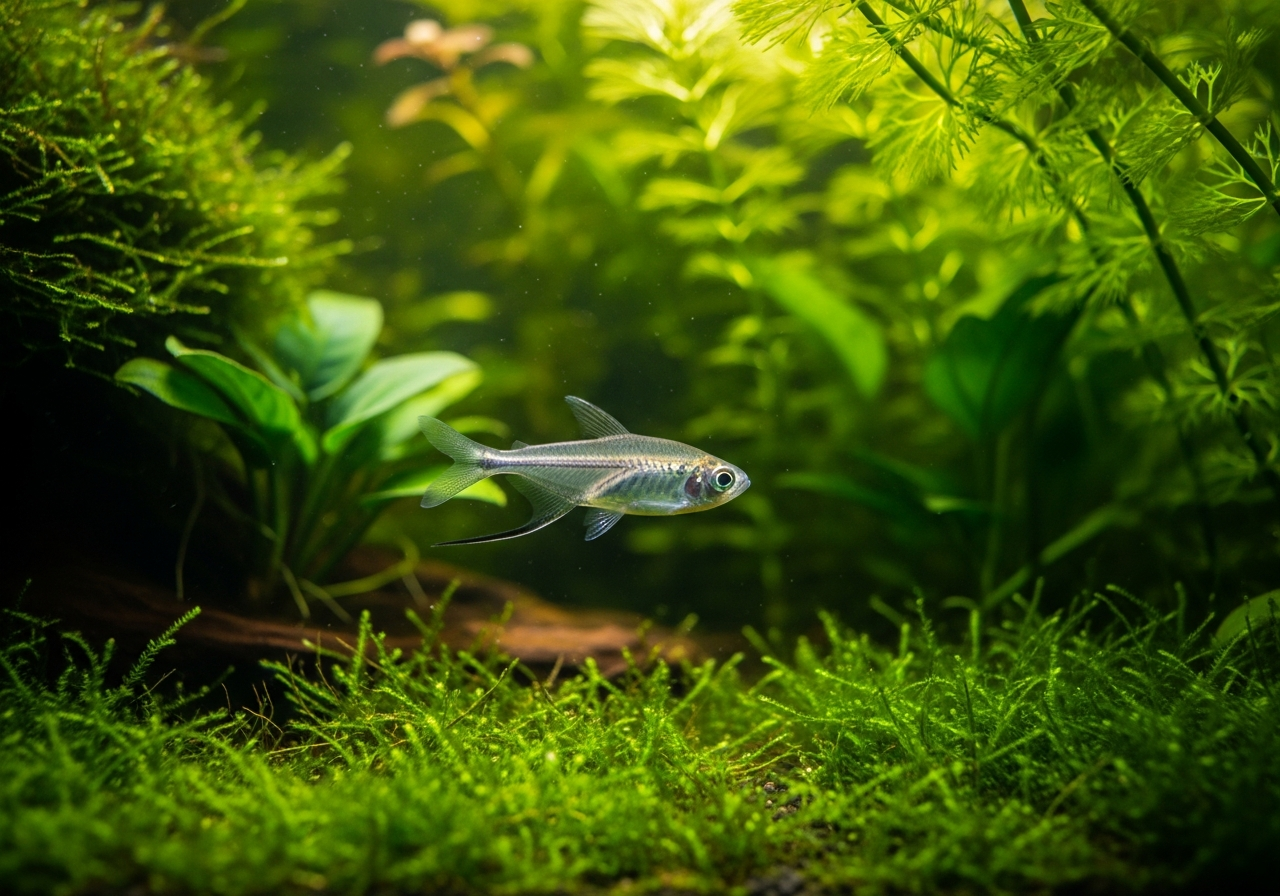
Fish
The see-through fish of the Amazon
Brazil is home to 22 species in our guide, including Common Squirrel Monkey, Giant Anteater, Scarlet Macaw, Manatee, Nurse Shark, and more. Each profile covers habitat, diet, and conservation status.
Browse the species below for answer-first guides with range maps, FAQs, and comparison pages. For broader context, see our Animals of South America region page.
Several species native to Brazil are listed as Vulnerable, Endangered, or Critically Endangered on the IUCN Red List. Check individual profiles for current status and how to help.