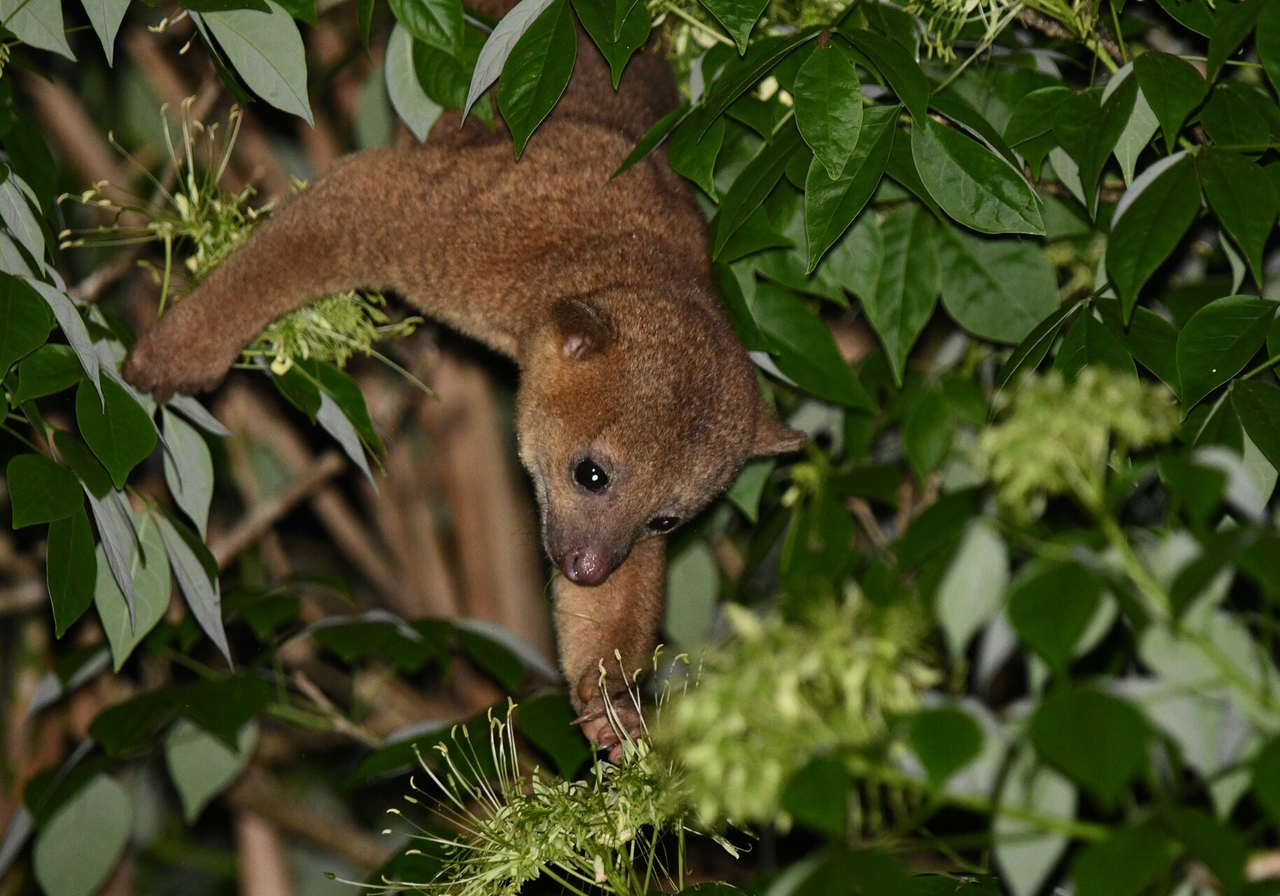
The kinkajou (Potos flavus) is a mammal of the family Procyonidae, in the order Carnivora.
Quick answer
The kinkajou (Potos flavus) is a tree-living mammal of Central and South American forests, related to raccoons and coatis, not to monkeys. It weighs 2.0–4.6 kg, is active at night and holds on with a fully prehensile tail. It eats mainly ripe fruit, especially figs, and uses its long tongue to reach nectar. It is listed as Least Concern on the IUCN Red List (assessed 2015), but its population is decreasing.
Top questions about the Kinkajou
Kinkajou facts at a glance
- Weight 3.3 kg
- Length 1.1 m
- Lifespan 29 years
| Scientific name | Potos flavus |
|---|---|
| Family | Procyonidae (raccoons and coatis) |
| Diet | Mostly ripe fruit, especially figs; also nectar |
| Habitat | Tropical forest canopy, from dry forest to Amazon rainforest |
| Total length | 82–133 cm including the tail |
| Weight | 2.0–4.6 kg |
| Lifespan | 20–40 years in captivity; little is known in the wild |
| Range | Southern Mexico to southern Brazil |
| Conservation status | Least Concern (IUCN Red List, assessed 2015) |
| Kingdom | Animalia |
|---|---|
| Phylum | Chordata |
| Class | Mammalia |
| Order | Carnivora |
| Family | Procyonidae |
| Genus | Potos |
Where it lives
The kinkajou (Potos flavus) is native to Tropical forests from southern Tamaulipas in Mexico through Central America to southern Brazil. — recorded across North America, South America in this guide’s range summary.
For occurrence records, see GBIF species search and sources below.
How big is a kinkajou?
An adult kinkajou measures 1.1 m long — about 61% of the height of an average adult person (1.73 m) — and weighs around 3.3 kg, about 5% of an average adult’s body weight (70 kg).
Length vs an average adult’s height (to scale)
Not a monkey
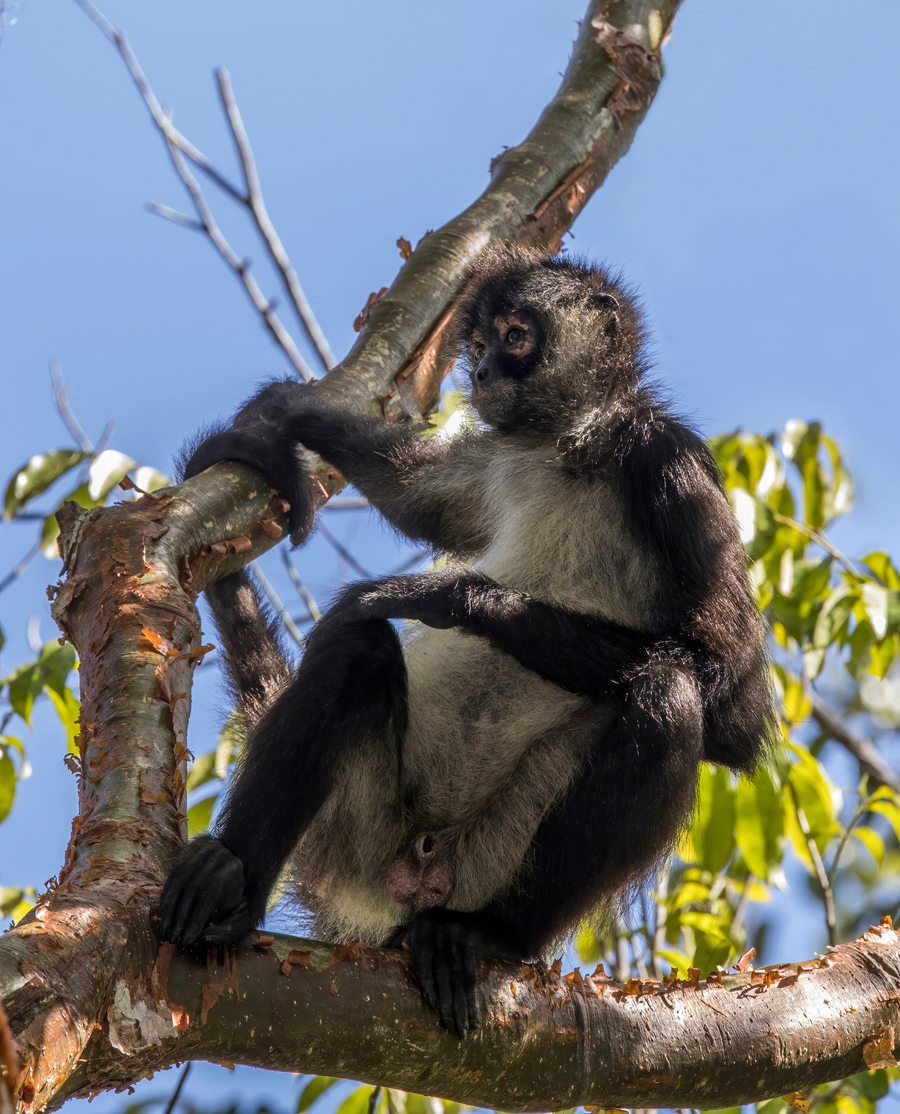
Kinkajous were once classed with the primates, but they belong to the raccoon family, Procyonidae, in the order Carnivora. Their woolly, honey-brown coat, rounded head and climbing habits make them look like small monkeys.
Built for the canopy
A kinkajou has a long, fully prehensile tail, nimble clawed fingers and hind feet that can turn backwards, which lets it climb down a trunk head-first. It is strictly nocturnal and spends the day asleep in a tree hole or fork, often with members of its group.
Fruit, figs and nectar
Kinkajous eat mainly ripe fruit, taking whatever is abundant, and figs are an important part of the diet. Their long, extendable tongue also reaches nectar. Seeds pass through the gut intact, so kinkajous spread the seeds of forest trees, and they may carry pollen between flowers on their faces.
Status and threats
The IUCN Red List classes the kinkajou as Least Concern, but with a decreasing population. Animal Diversity Web names deforestation as the main cause, and notes that kinkajous are also hunted for their fur and meat.
Explore the Kinkajou
Close relatives
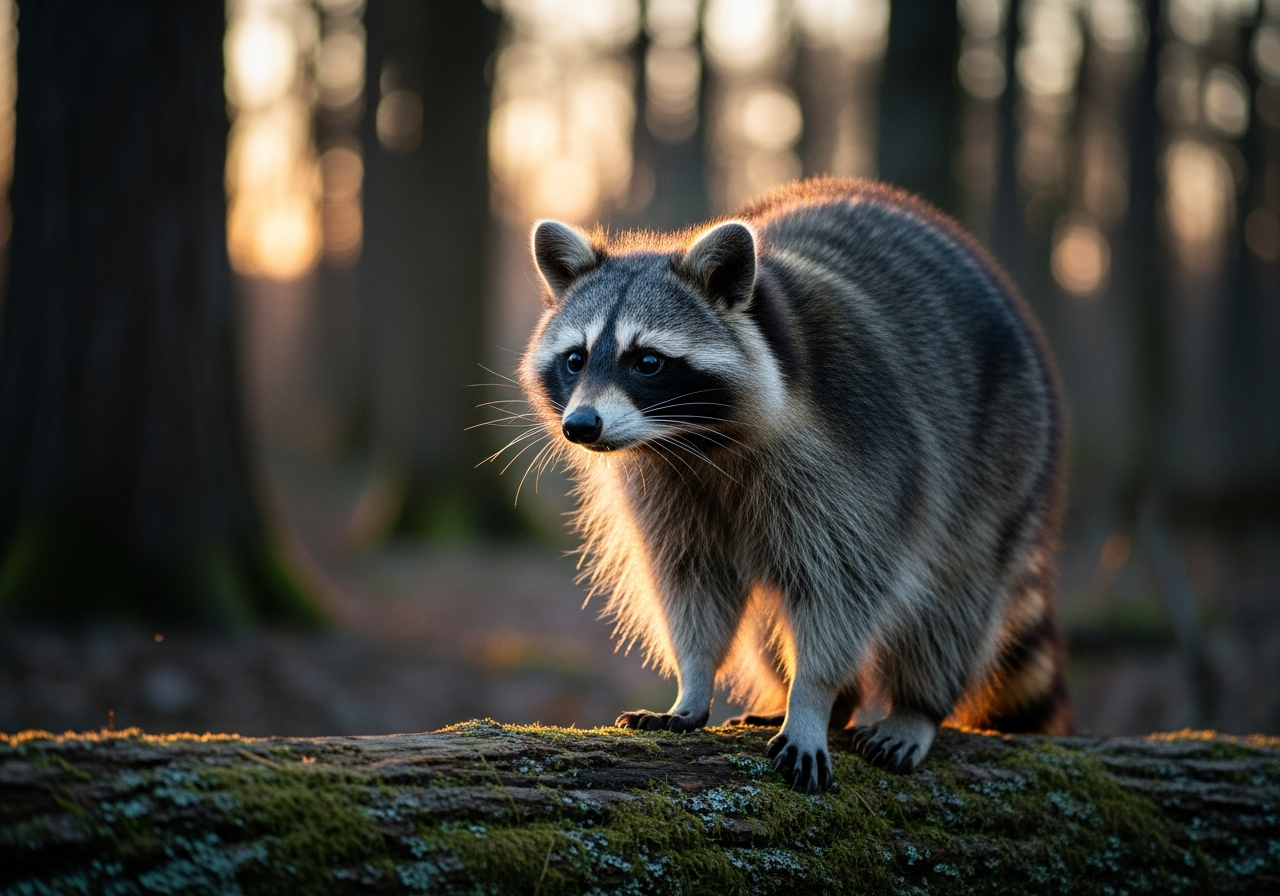
- Raccoon Same family
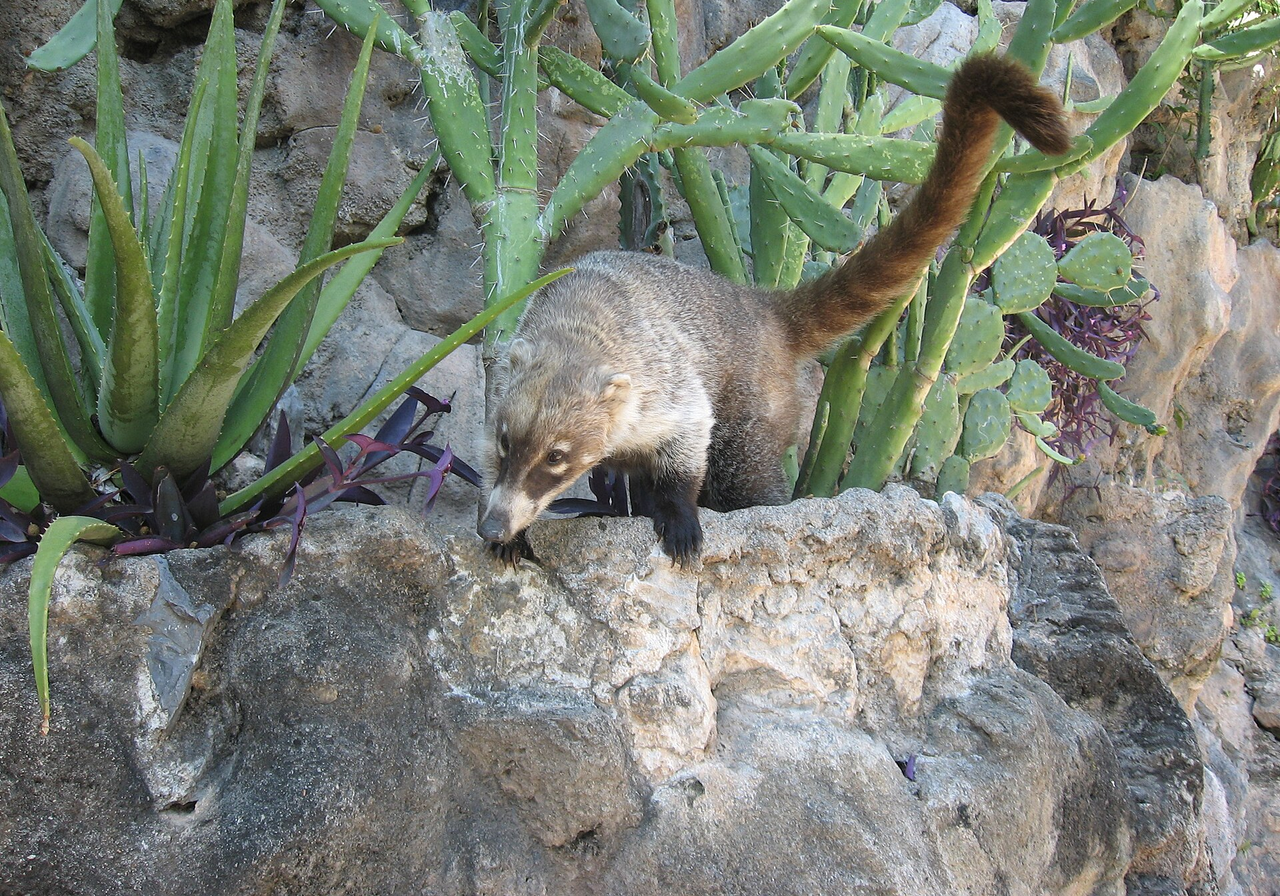
- White-nosed Coati Same family
- Lion Same order
- Dog Same order
Range & geography
Did you know? Kinkajou facts
- Kinkajous were once classified as primates under the name Lemur flavus.
- Seeds that have passed through a kinkajou germinate faster than cleaned or intact seeds, according to research cited by Animal Diversity Web.
Conservation status of the Kinkajou
The kinkajou (Potos flavus) is listed as Least Concern on the IUCN Red List. Least Concern (LC) is the IUCN's lowest-risk category, assigned to widespread, abundant species that have been evaluated and found not to be threatened. It does not mean a species faces no pressures — only that it is not currently at risk of extinction.
Main threats to the kinkajou
- Deforestation
- Hunting for fur and meat
Kinkajou (Potos flavus) was most recently assessed for the IUCN Red List in 2015. View the full IUCN assessment .
Frequently asked questions about the Kinkajou
Is a kinkajou a monkey?
No. The kinkajou belongs to the raccoon family (Procyonidae). It looks like a monkey because it lives in trees and has a gripping tail.
What do kinkajous eat?
Mostly ripe fruit, especially figs. They also drink nectar with a long, extendable tongue.
Where do kinkajous live?
In tropical forests from southern Mexico through Central America to southern Brazil.
How long do kinkajous live?
Animal Diversity Web gives 20 to 40 years in captivity. Little is known about lifespan in the wild.
Sources & references
This guide is compiled and reviewed against established zoological and conservation references. Key sources for the Kinkajou:
-
IUCN Red List of Threatened Species
Conservation status (Least Concern) reflects the IUCN Red List category for Potos flavus, most recently assessed in 2015.
-
iNaturalist — observations & photos
Search citizen-science observations and community IDs for Potos flavus. Useful for range checks and recent sightings — not a substitute for formal Red List status.
-
GBIF — occurrence data
Global Biodiversity Information Facility species search for Potos flavus. Explore published occurrence records used in range research.
- Helgen, K., Kays, R. & Schipper, J. (2016). Potos flavus. The IUCN Red List of Threatened Species 2016: e.T41679A45215631. Checked 16 November 2026.
IUCN Red List category Least Concern, assessed 2015; population trend decreasing.
- Animal Diversity Web: Potos flavus. University of Michigan Museum of Zoology.
Size, lifespan, range, diet, behaviour and threats.
-
Global Animal Guide editorial standards
How we research, source, review, and update every guide for accuracy.