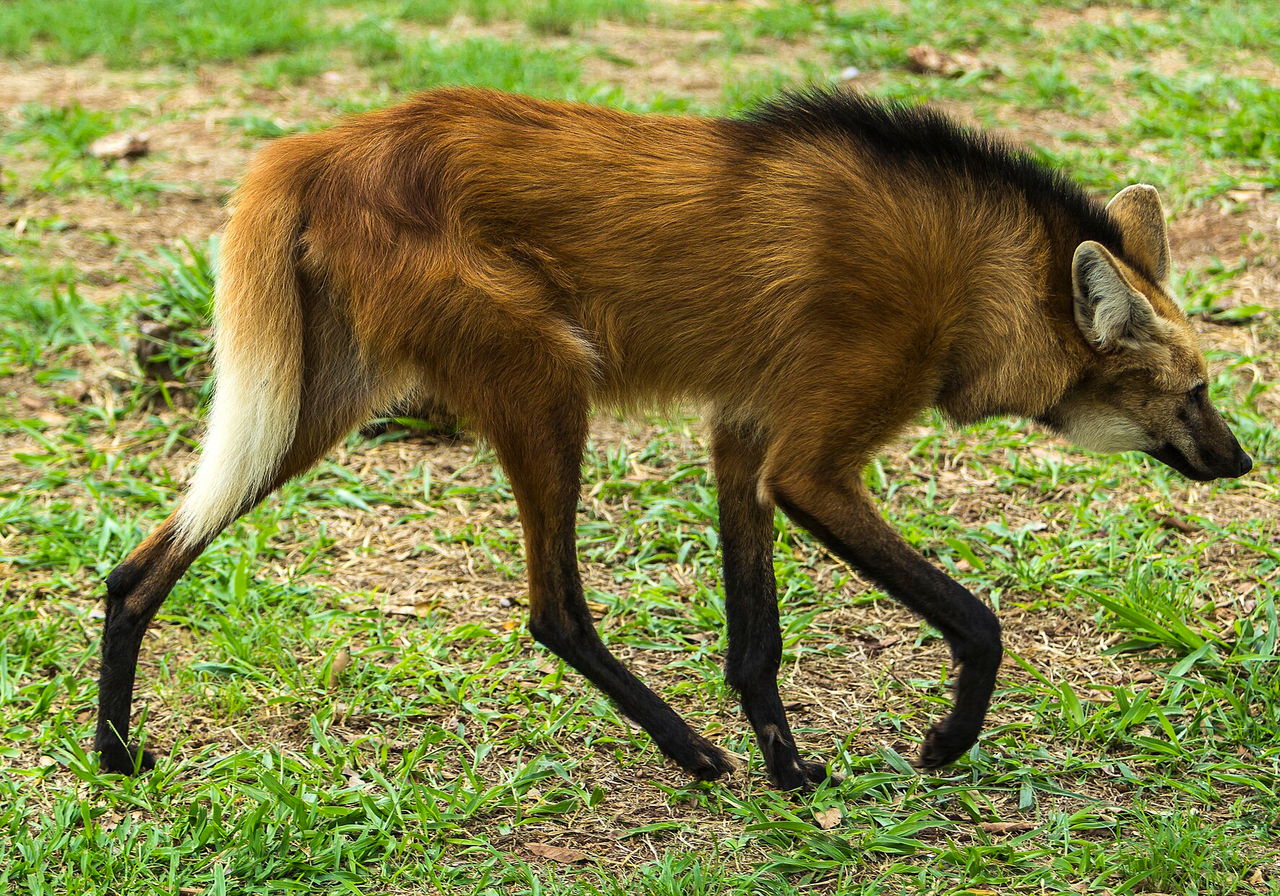
The maned wolf (Chrysocyon brachyurus) is a mammal of the dog family, Canidae, in the order Carnivora.
Quick answer
The maned wolf (Chrysocyon brachyurus) is the largest wild canid in South America, standing almost a metre tall at the shoulder on long, thin legs, with a golden-red coat. It weighs 20–23 kg and lives in grassland, savanna and scrub. It is an omnivore that eats small animals and a great deal of fruit. It is listed as Near Threatened on the IUCN Red List (assessed 2015).
Top questions about the Maned Wolf
Maned Wolf facts at a glance
- Weight 22 kg
- Length 1.3 m
- Lifespan 14 years
| Scientific name | Chrysocyon brachyurus |
|---|---|
| Diet | Small mammals, birds, eggs, reptiles, insects and fruit |
| Habitat | Grassland, savanna, dry scrub forest and swampy areas |
| Shoulder height | Almost 1 m |
| Head and body length | About 125–132 cm, with a tail of 28–41 cm |
| Weight | 20–23 kg |
| Lifespan | 13–15 years in captivity |
| Range | Brazil, Paraguay, Bolivia, Peru and Argentina |
| Conservation status | Near Threatened (IUCN Red List, assessed 2015) |
| Kingdom | Animalia |
|---|---|
| Phylum | Chordata |
| Class | Mammalia |
| Order | Carnivora |
| Family | Canidae |
| Genus | Chrysocyon |
Where it lives
The maned wolf (Chrysocyon brachyurus) is native to Grassland and savanna from north-eastern Brazil west to south-eastern Peru and Bolivia and south through Paraguay to northern Argentina and southern Brazil; possibly extinct in Uruguay. — recorded across South America in this guide’s range summary.
For occurrence records, see GBIF species search and sources below.
How big is a maned wolf?
An adult maned wolf measures 1.3 m long — about 74% of the height of an average adult person (1.73 m) — and weighs around 22 kg, about 31% of an average adult’s body weight (70 kg).
Length vs an average adult’s height (to scale)
What is a group of maned wolves called?
Group name (collective noun)
A group of Maned Wolves is called a pack.
Baby name
A baby Maned Wolf is called a pup.
Explore more animal collective nouns and baby animal names .
Legs made for tall grass
The maned wolf's long, thin legs, red shading to black at the feet, may help it to see above tall grass. It is the only species in its genus, Chrysocyon, and the largest of South America's canids.
An omnivore that loves fruit
Maned wolves eat armadillos, rabbits, rodents, birds, eggs, reptiles and insects, and also a lot of fruit. The most important is the tomato-like fruit of Solanum lycocarpum, along with bananas and guavas.
Active at dusk and night
Maned wolves are mainly nocturnal, with peaks of activity around dusk and dawn. They rest in thick brush during the day.
Status and threats
The IUCN Red List classes the maned wolf as Near Threatened and records it in Argentina, Bolivia, Brazil, Paraguay and Peru; it may be extinct in Uruguay. Animal Diversity Web lists habitat destruction, including burning of grassland, persecution by poultry farmers, hunting and live capture as threats.
Explore the Maned Wolf
Close relatives
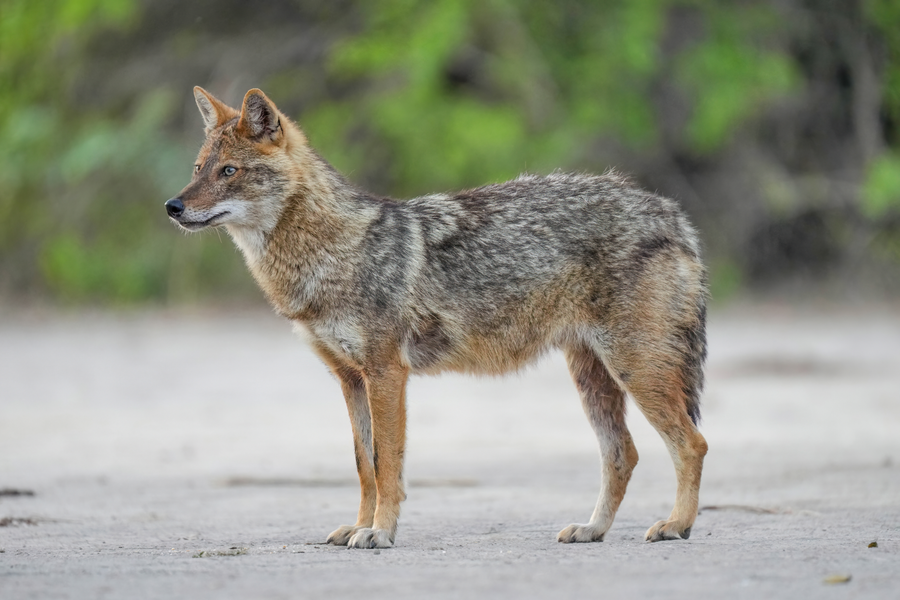
- Dog Same family
- Arctic Fox Same family
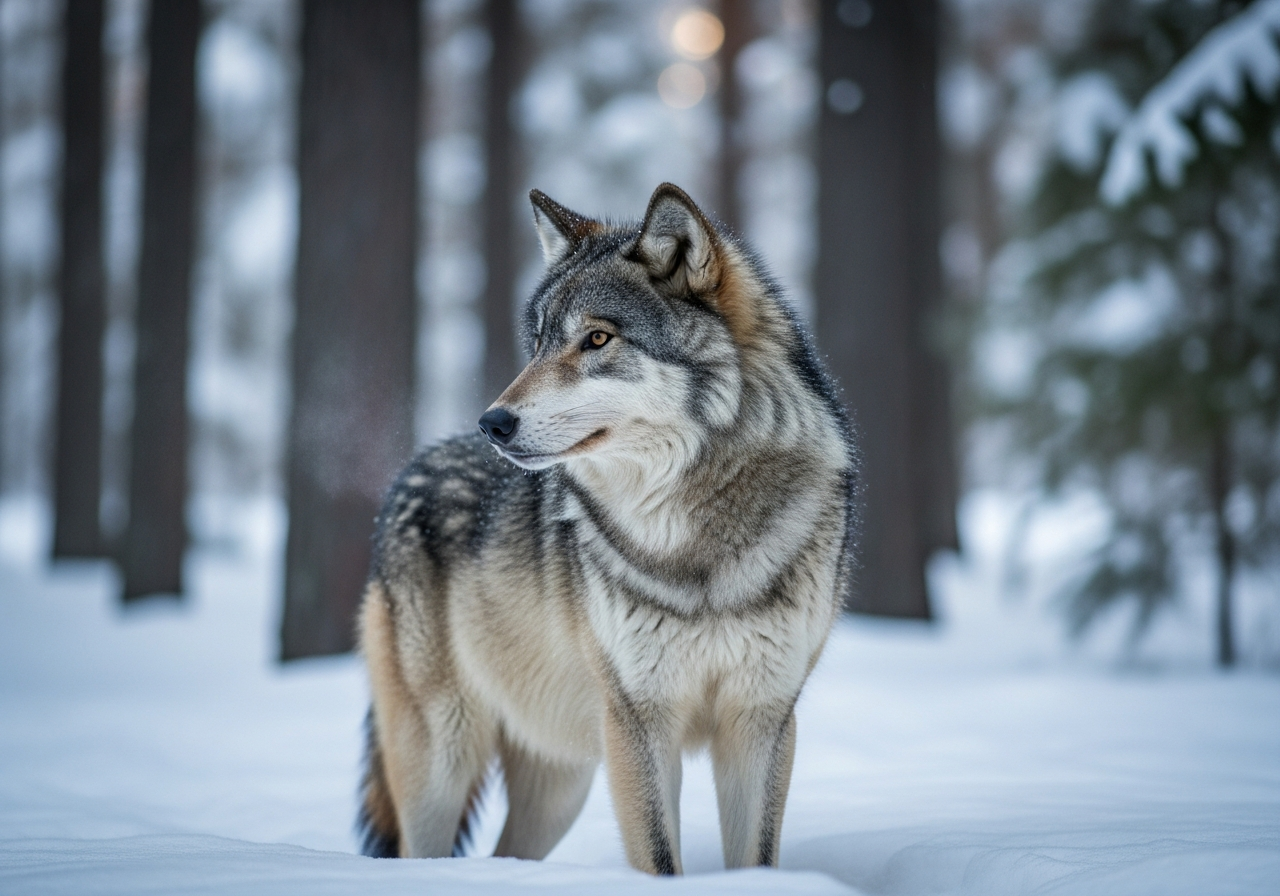
- Gray Wolf Same family
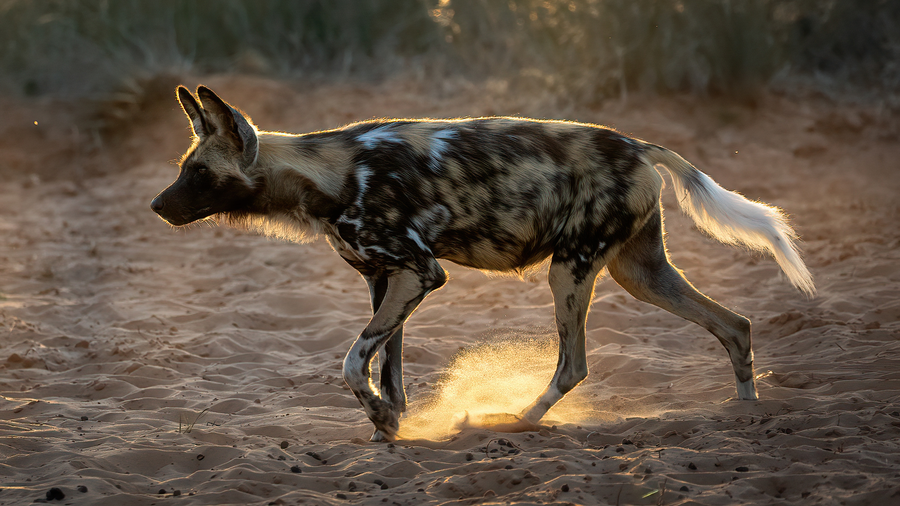
- African Wild Dog Same family
Range & geography
Did you know? Maned Wolf facts
- The maned wolf stands almost a metre tall at the shoulder but weighs only 20–23 kg.
- Its main fruit, Solanum lycocarpum, is a relative of the tomato.
Conservation status of the Maned Wolf
The maned wolf (Chrysocyon brachyurus) is listed as Near Threatened on the IUCN Red List. Near Threatened (NT) means a species does not yet qualify as threatened but is close to it, or likely to become so in the near future without ongoing conservation. It is a watch-list category just below Vulnerable.
Main threats to the maned wolf
- Habitat destruction, including grassland burning
- Persecution by poultry farmers
- Hunting and live capture
Maned Wolf (Chrysocyon brachyurus) was most recently assessed for the IUCN Red List in 2015. View the full IUCN assessment .
Frequently asked questions about the Maned Wolf
Is a maned wolf a wolf?
It is a canid but not a true wolf. It is the only species in its own genus, Chrysocyon.
What do maned wolves eat?
Small mammals, birds, eggs, reptiles and insects, and a lot of fruit, especially Solanum lycocarpum.
Where do maned wolves live?
In grassland, savanna and scrub in Brazil, Paraguay, Bolivia, Peru and Argentina.
What is a group of maned wolves called?
A group of Maned Wolves is called a pack.
What is a baby maned wolf called?
A baby Maned Wolf is called a pup.
Sources & references
This guide is compiled and reviewed against established zoological and conservation references. Key sources for the Maned Wolf:
-
IUCN Red List of Threatened Species
Conservation status (Near Threatened) reflects the IUCN Red List category for Chrysocyon brachyurus, most recently assessed in 2015.
-
iNaturalist — observations & photos
Search citizen-science observations and community IDs for Chrysocyon brachyurus. Useful for range checks and recent sightings — not a substitute for formal Red List status.
-
GBIF — occurrence data
Global Biodiversity Information Facility species search for Chrysocyon brachyurus. Explore published occurrence records used in range research.
- IUCN Red List of Threatened Species: Chrysocyon brachyurus (assessed 2015). Checked 16 November 2026.
IUCN Red List category Near Threatened, assessed 2015; population trend unknown; native range.
- Animal Diversity Web: Chrysocyon brachyurus. University of Michigan Museum of Zoology.
Size, lifespan, range, diet and behaviour.
-
Global Animal Guide editorial standards
How we research, source, review, and update every guide for accuracy.