Invertebrate
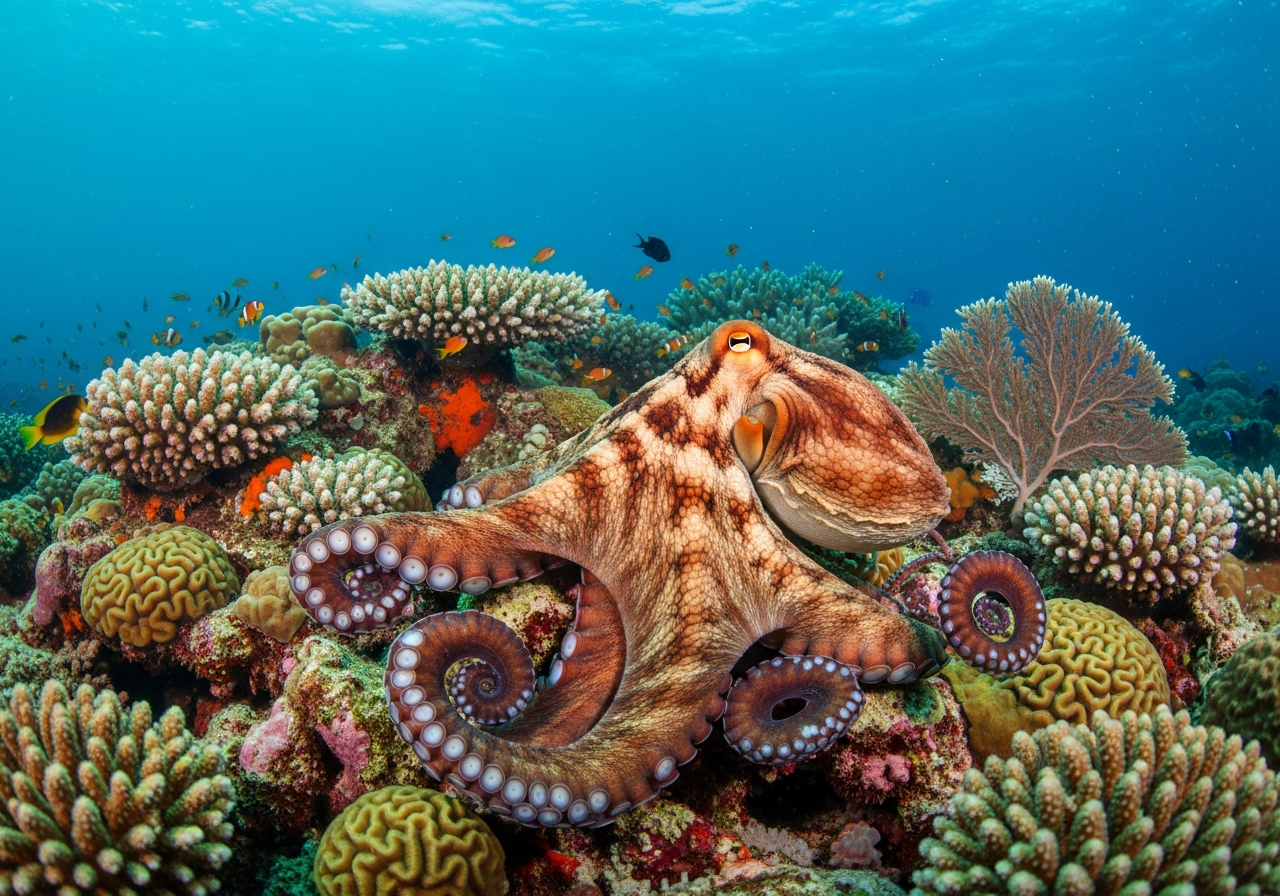
Octopus
The shape-shifting genius of the sea
Trusted wildlife guides
Thursday, 22 October 2026Browse
Popular groups
Tools
Questions
Reference
Health
Choosing and living with pets
Understand
Help
Read
Play and teach
The guide features 45 species in the invertebrate class. Each profile answers the most-searched questions first.
Invertebrates are animals without a backbone — a vast group that accounts for around 97% of all animal species. It includes spiders, molluscs, crustaceans, corals, jellyfish, and worms. Lacking an internal skeleton, many rely on hard outer shells, hydrostatic pressure, or exoskeletons for support, and they live in virtually every habitat from the deep sea to the soil beneath our feet.
Invertebrate
The shape-shifting genius of the sea
Invertebrate
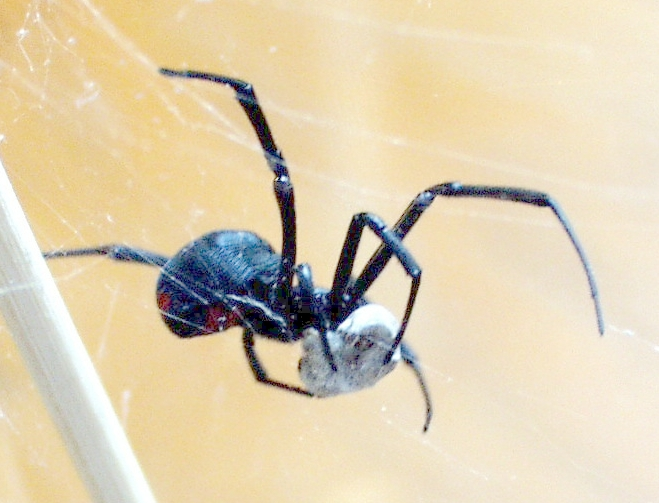
Venomous cobweb spider with a red hourglass
Invertebrate
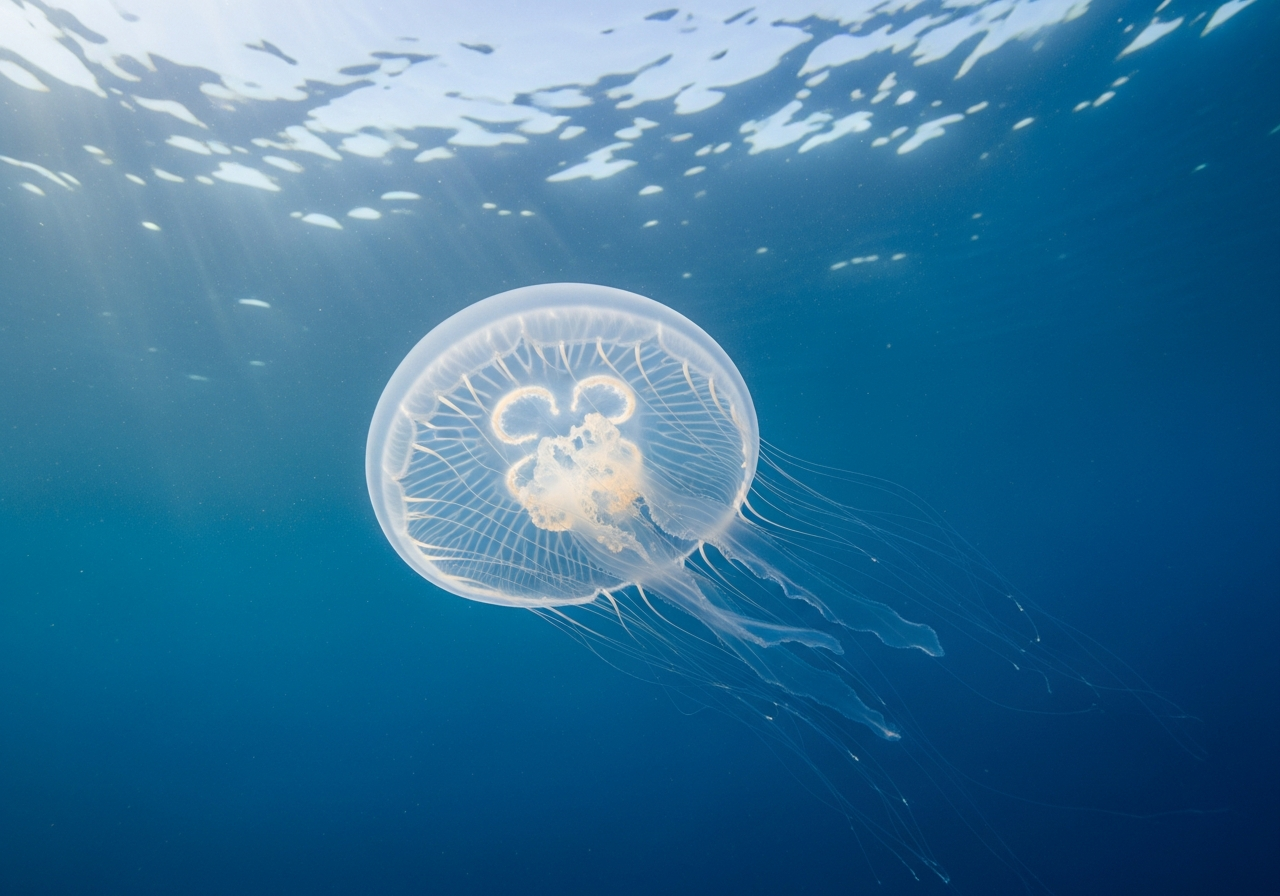
The ancient, brainless drifter of the seas
Invertebrate
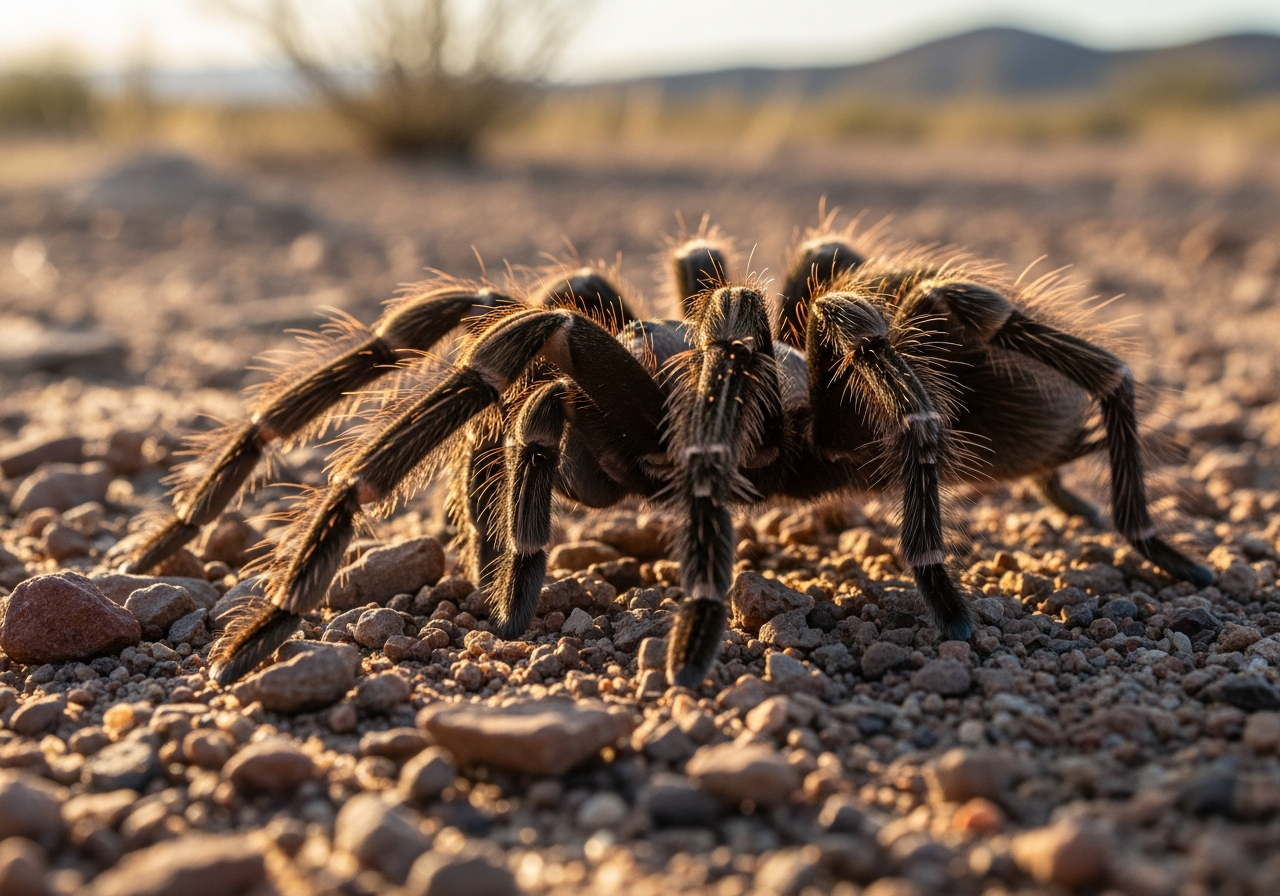
The large, hairy spider with a gentle reputation
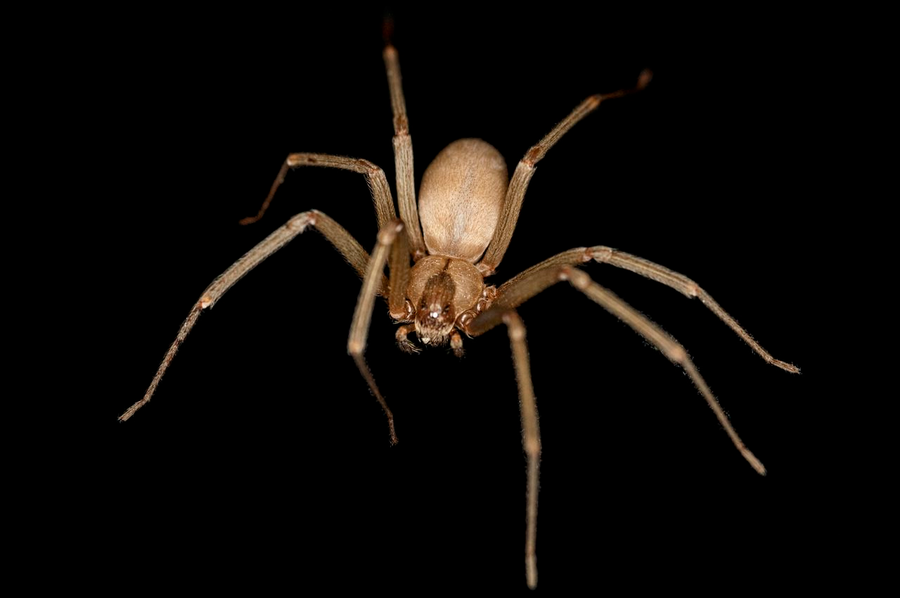
Invertebrate
The violin-marked spider of the American South
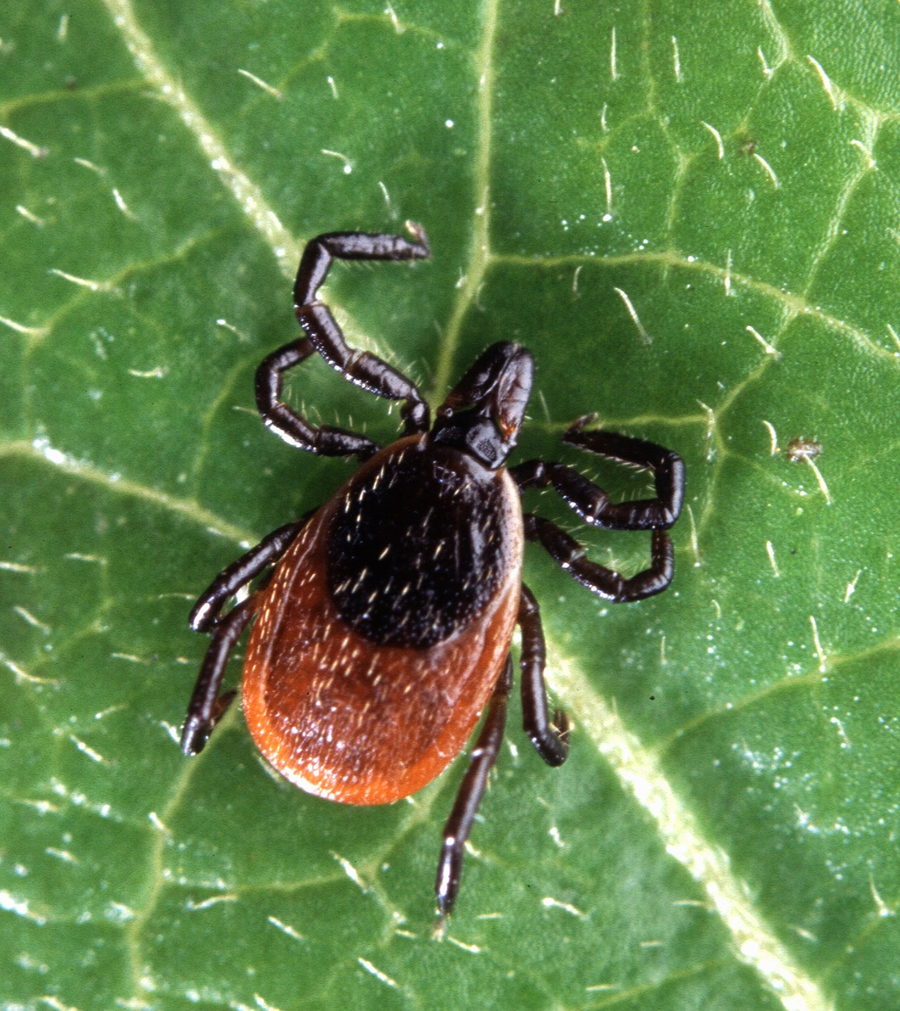
Invertebrate
The Lyme disease vector of eastern forests
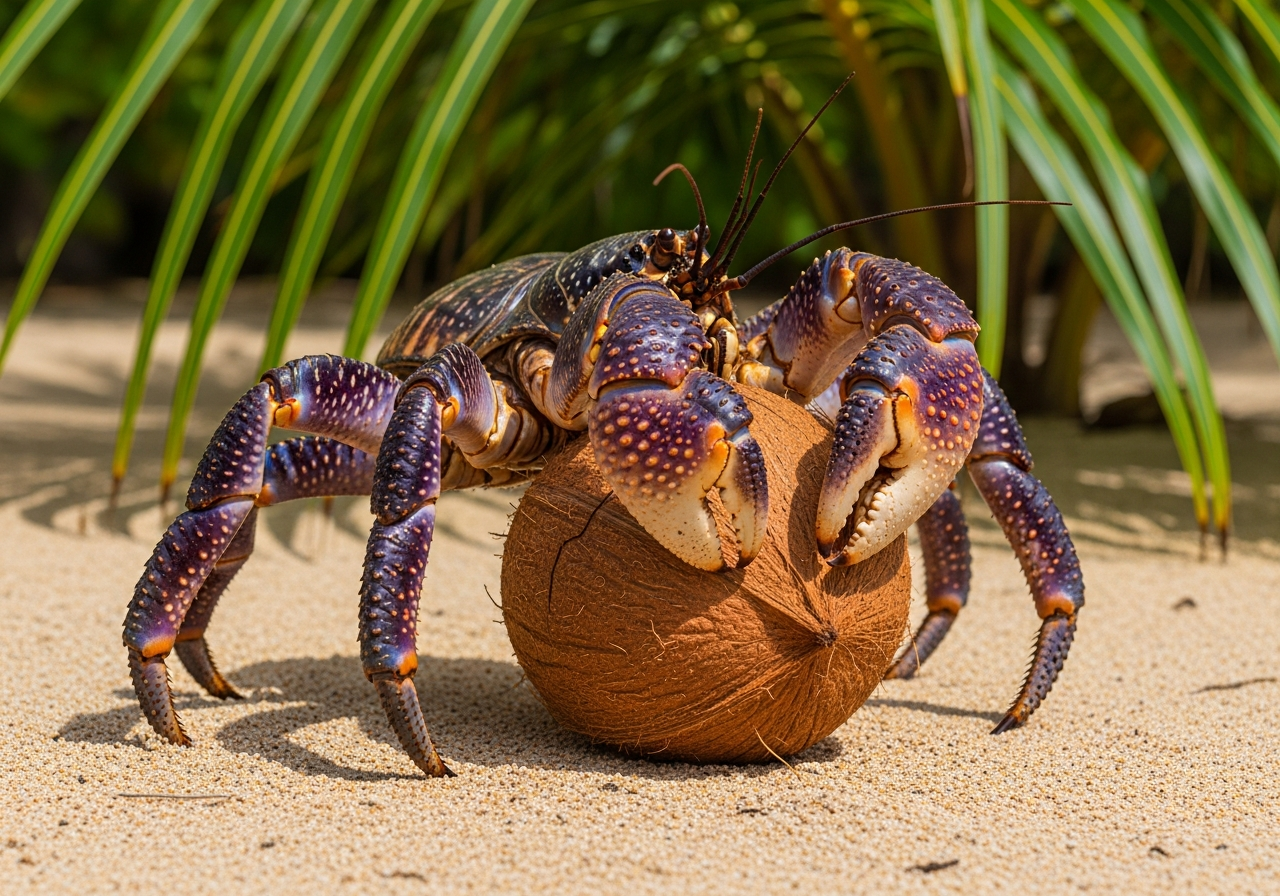
Invertebrate
The world's largest land arthropod and tree-climbing island giant
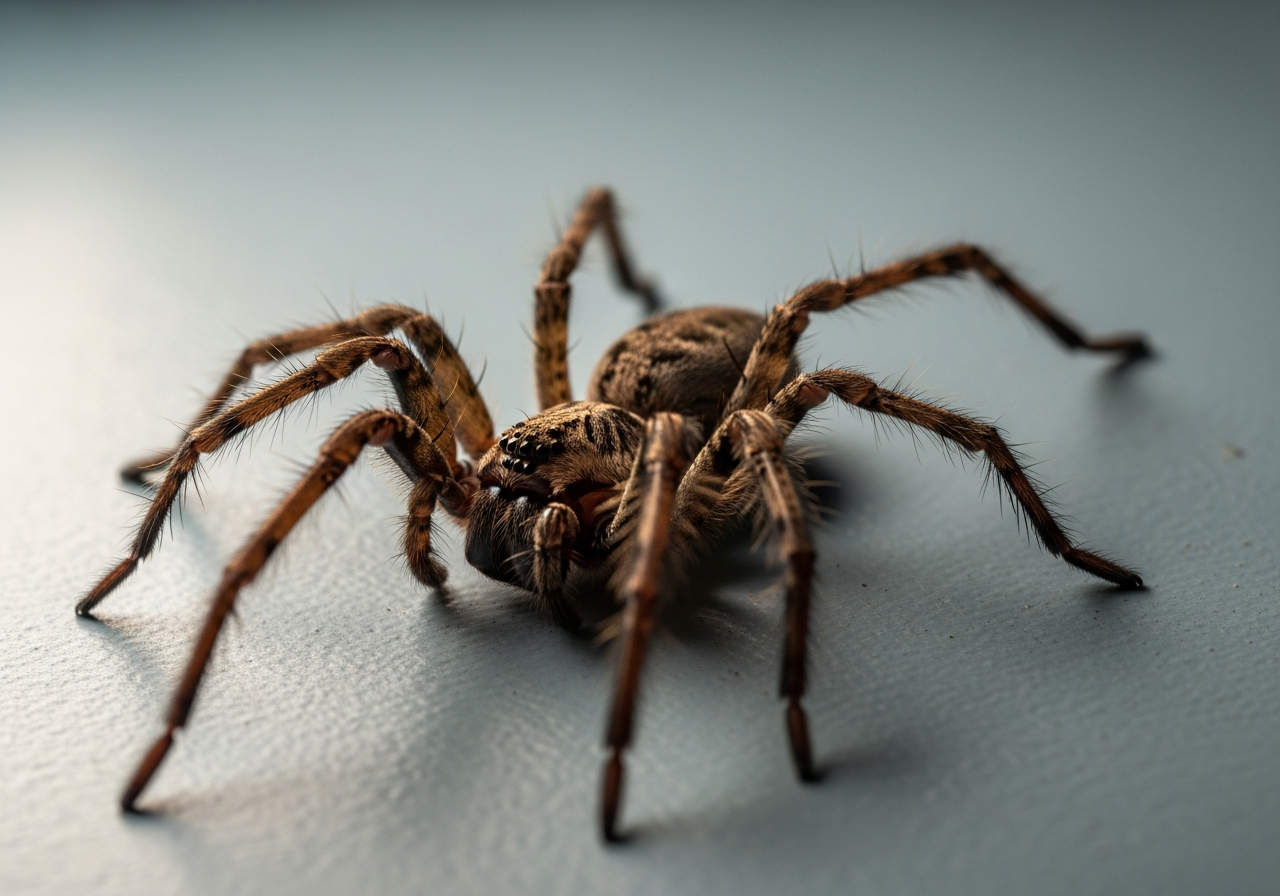
Invertebrate
Britain's large but harmless funnel-weaving house spider
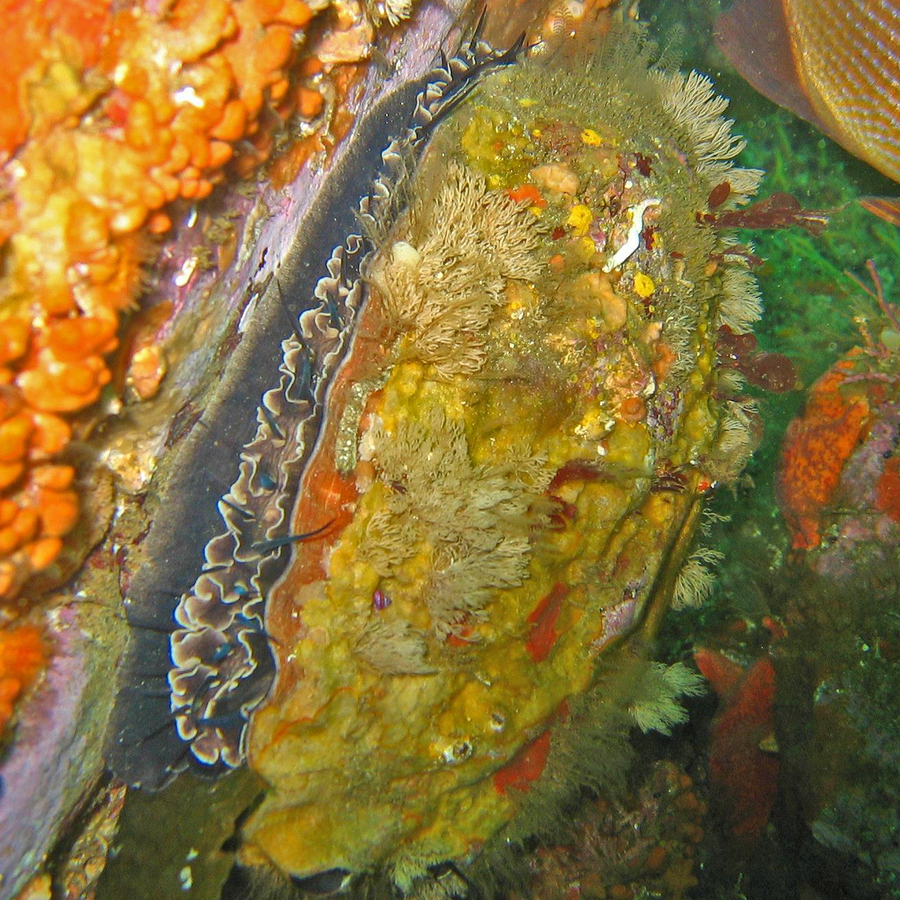
Invertebrate
Critically Endangered nacre snail of Pacific kelp
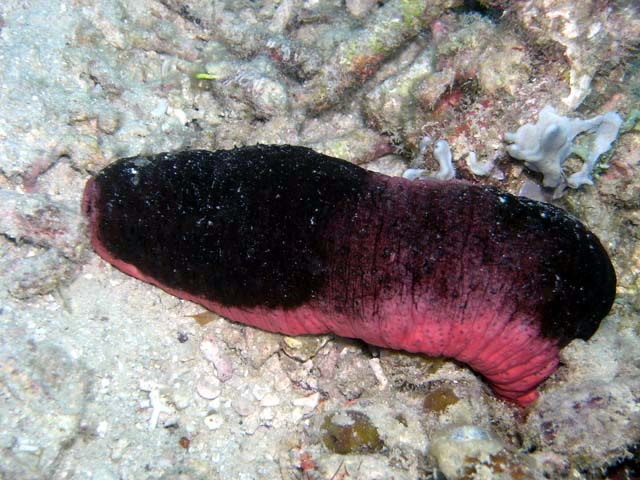
Invertebrate
Soft recycler of tropical reef sediments
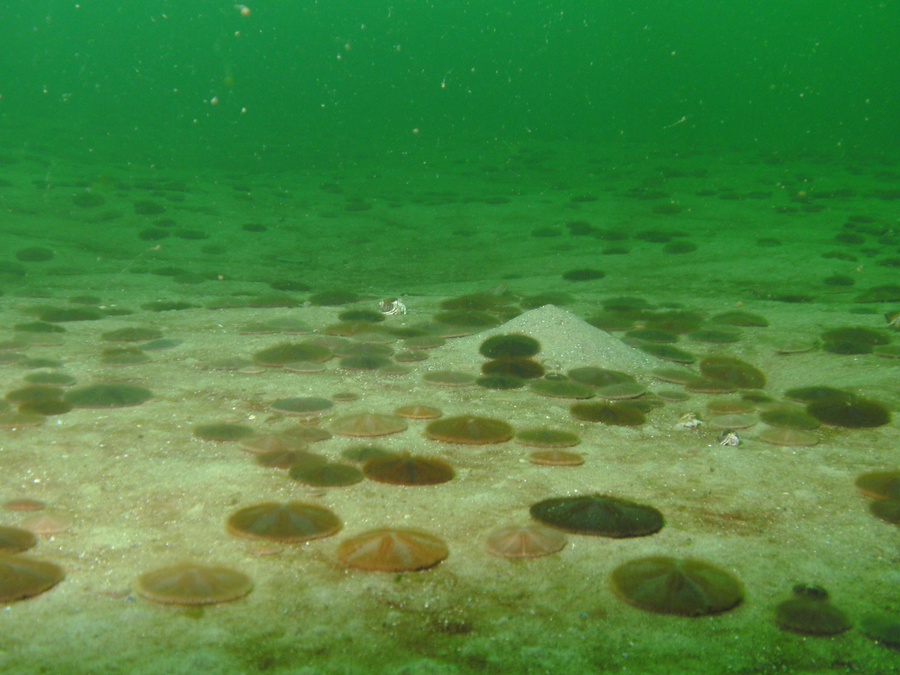
Invertebrate
Buried flower of Atlantic sand flats
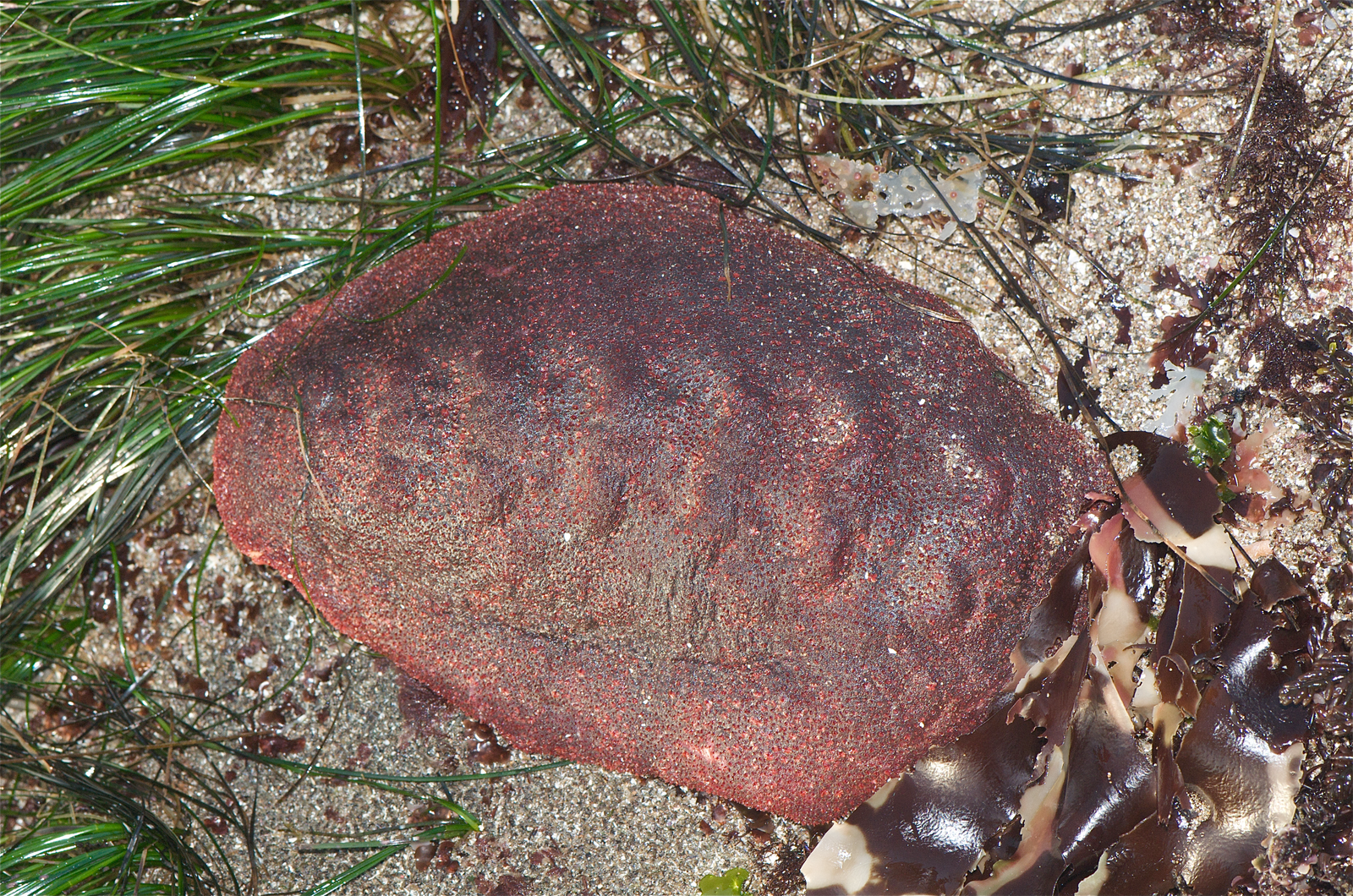
Invertebrate
Leathery giant of Pacific tidepools
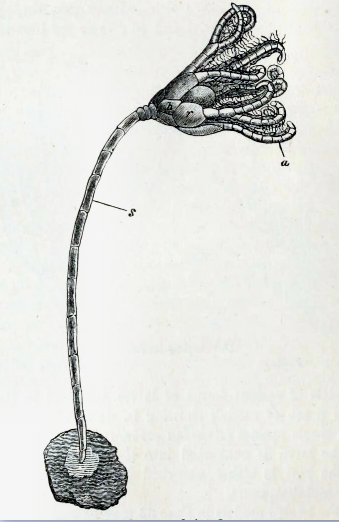
Invertebrate
Filter-feeding crinoid that walks on cirri
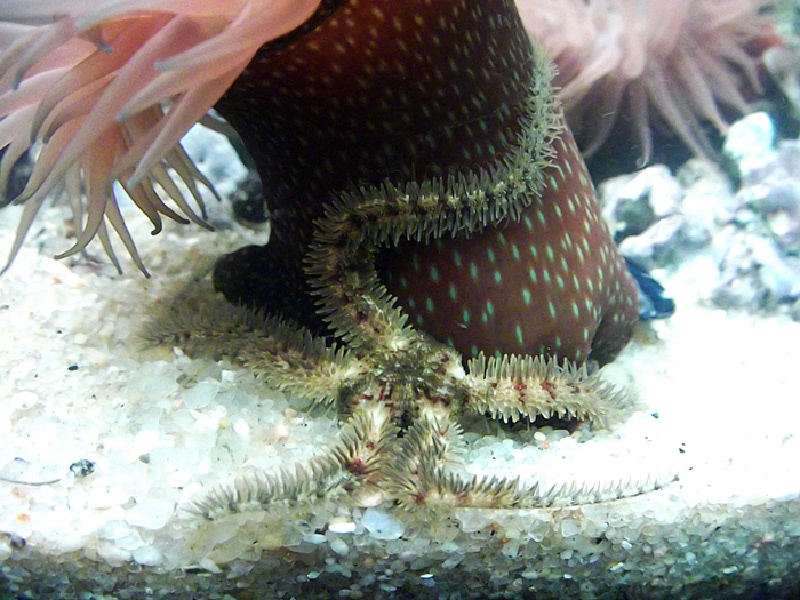
Invertebrate
Arm-dropping filter feeder of Atlantic gravel
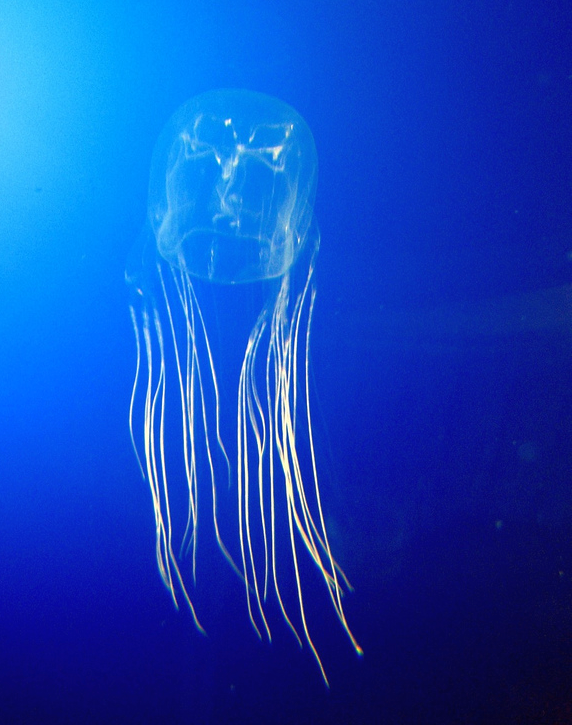
Invertebrate
Cube-shaped killer of Australian shallows
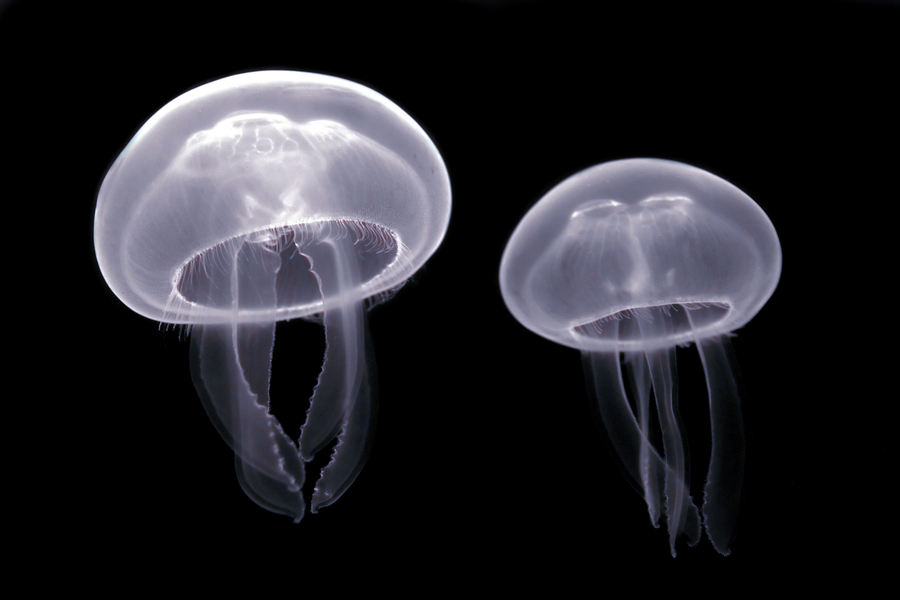
Invertebrate
Glass-disc drifter of harbours worldwide
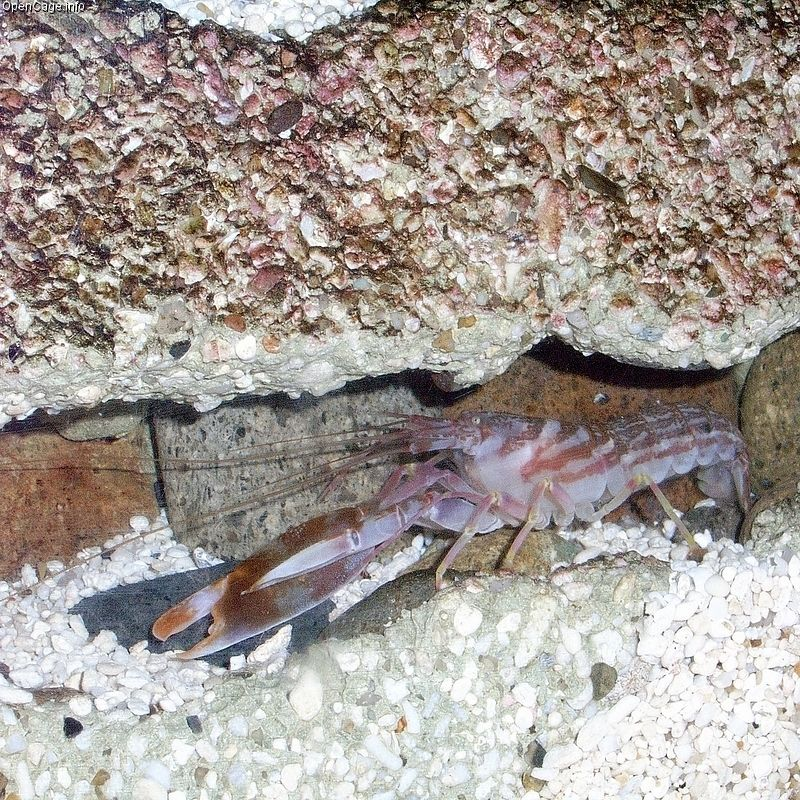
Invertebrate
Cavitation snapper of reef burrows
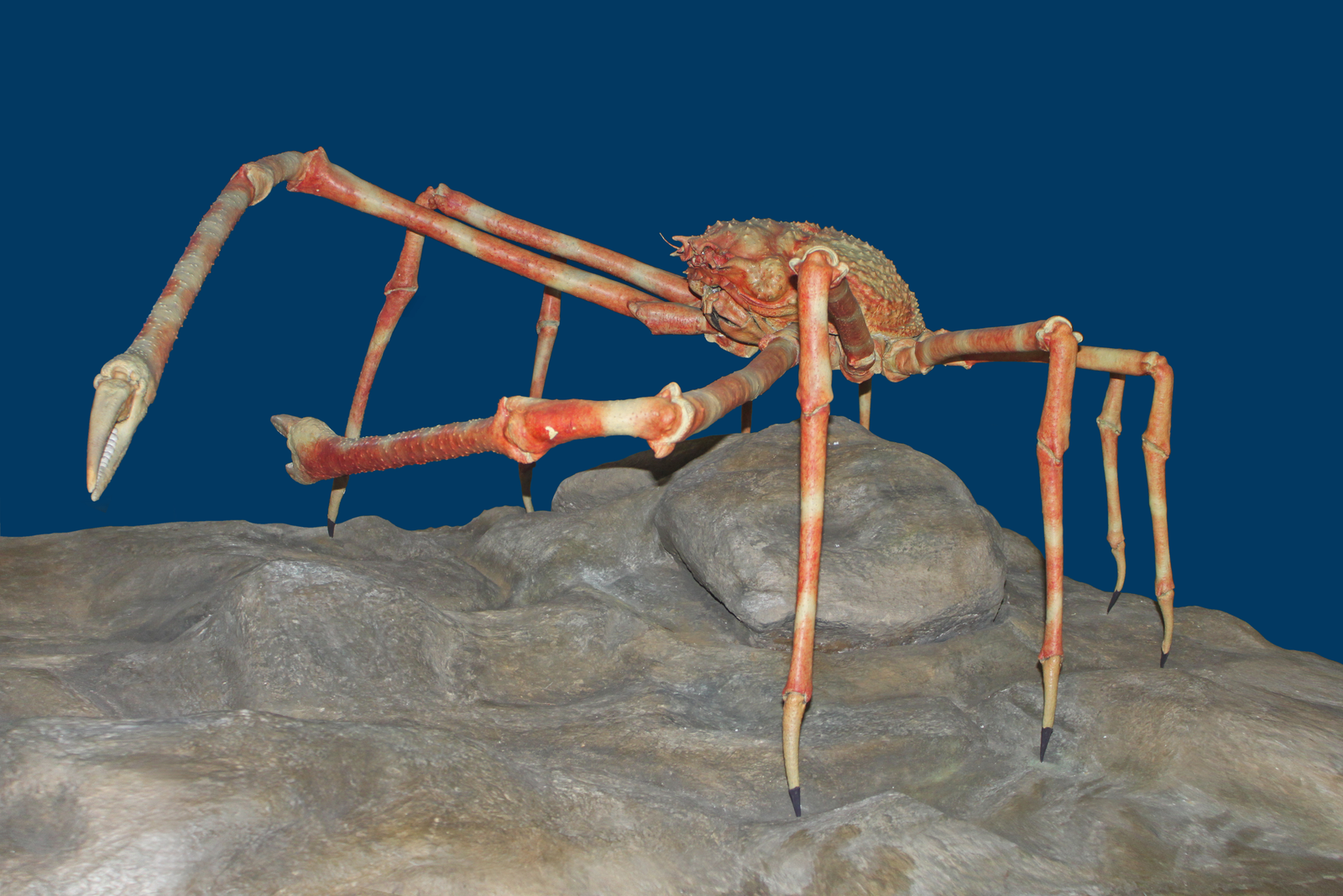
Invertebrate
Record-span scavenger of Pacific depths
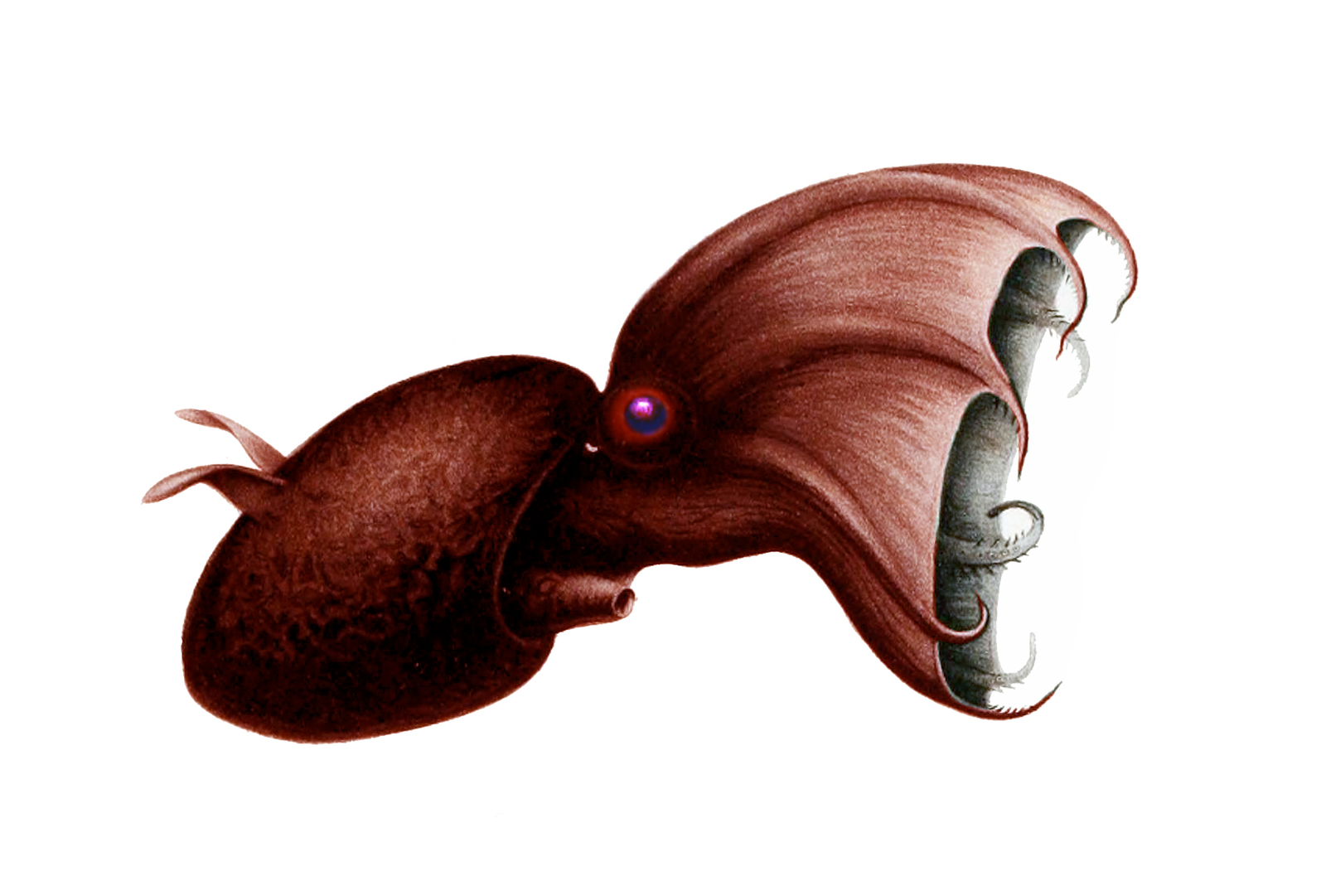
Invertebrate
Detritus-eating cape of the oxygen minimum zone
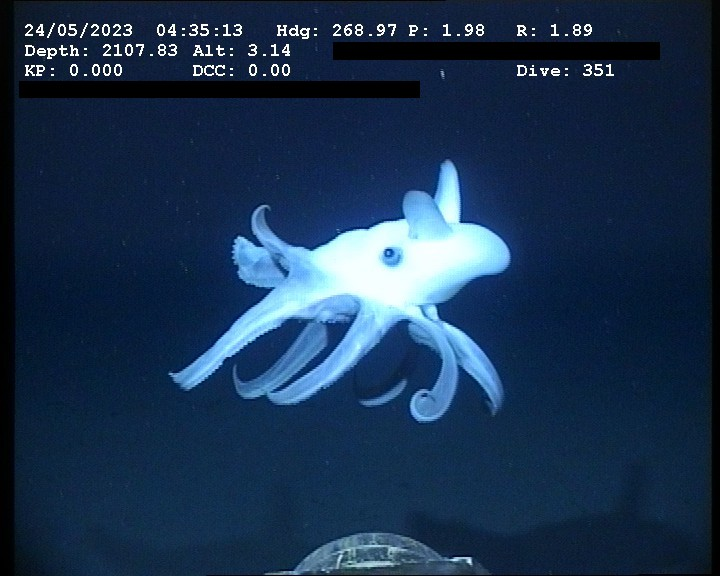
Invertebrate
Fin-flapping octopus of the abyssal plain
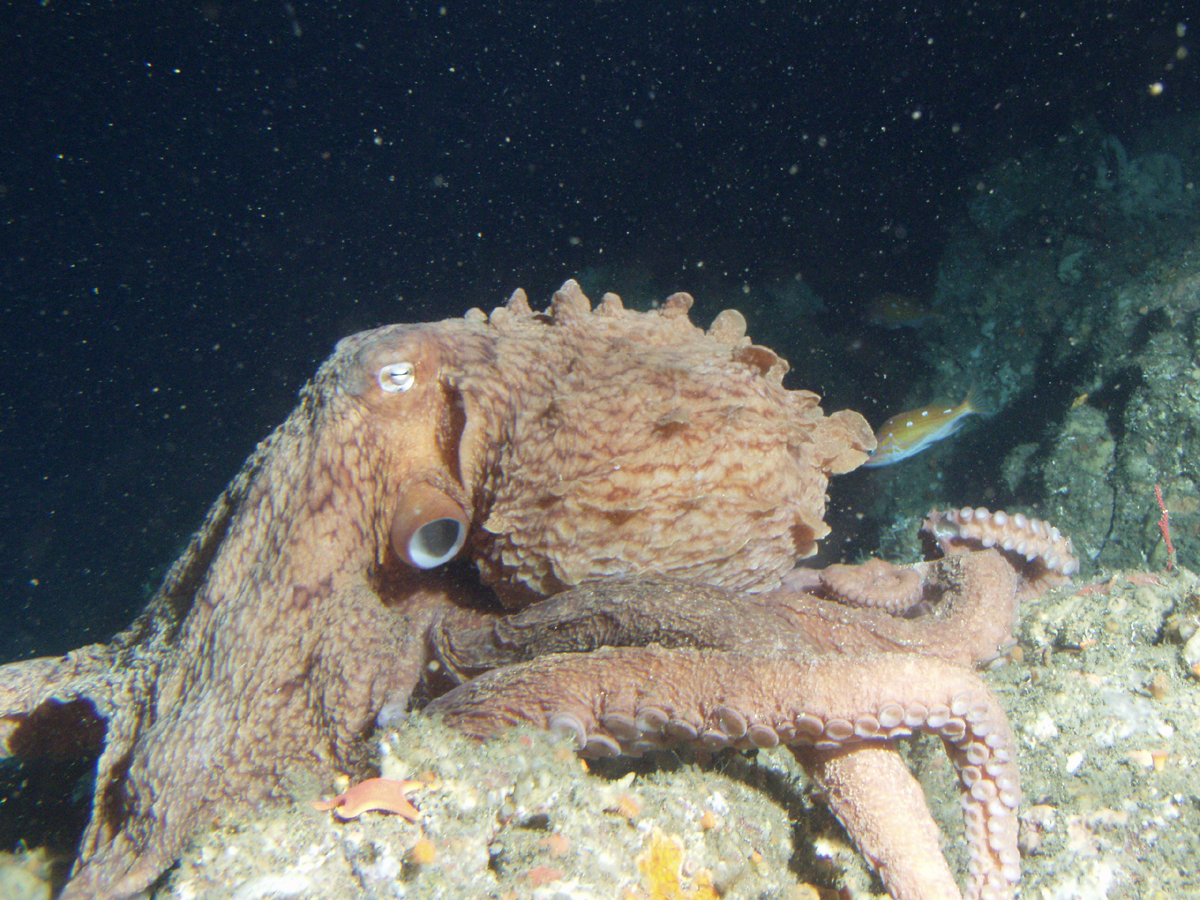
Invertebrate
Largest octopus of the North Pacific
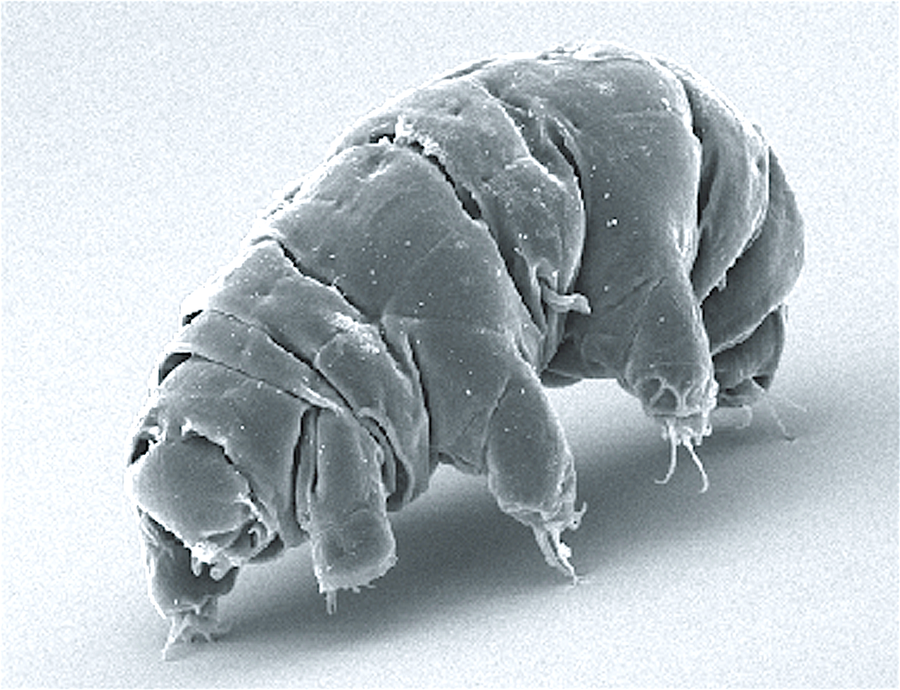
Invertebrate
Near-indestructible moss dweller under the microscope
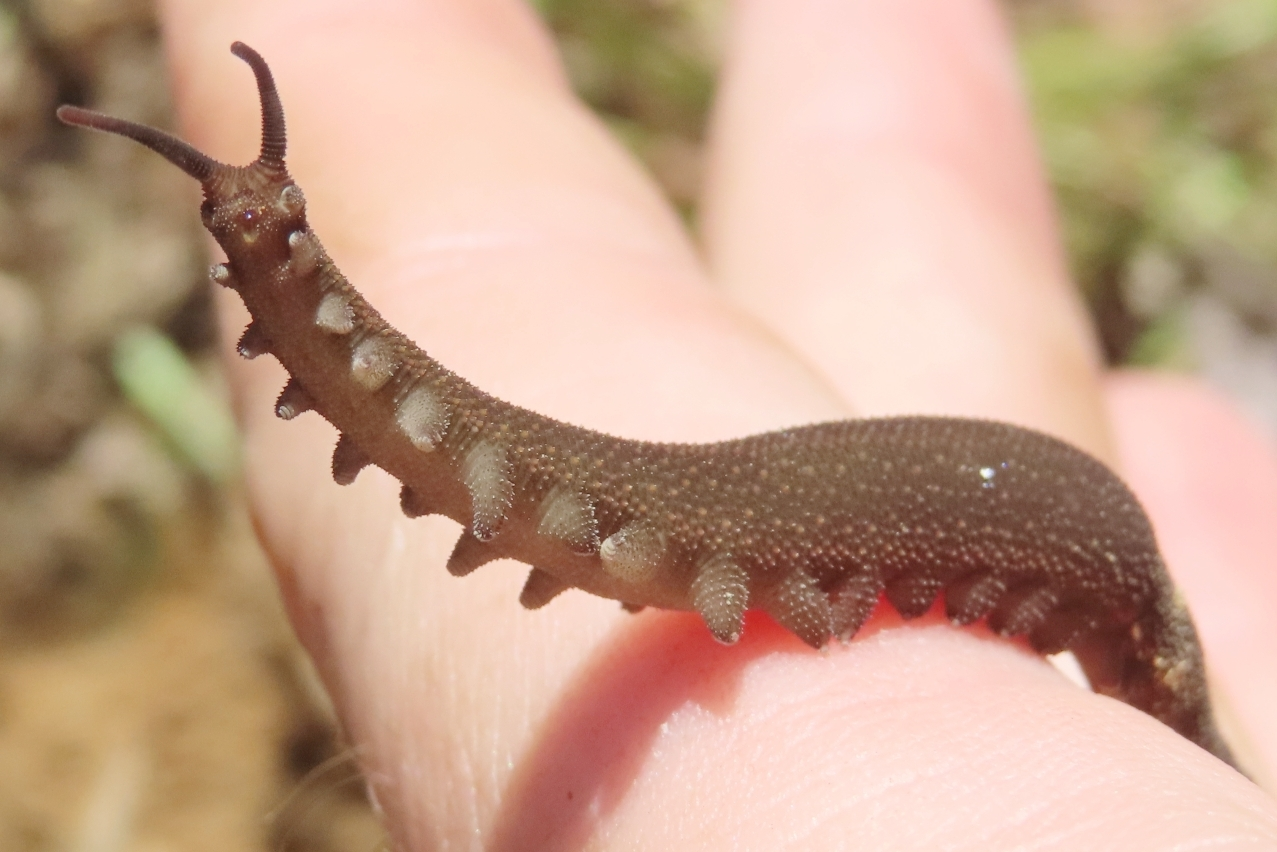
Invertebrate
Slime-shooting living fossil of leaf litter
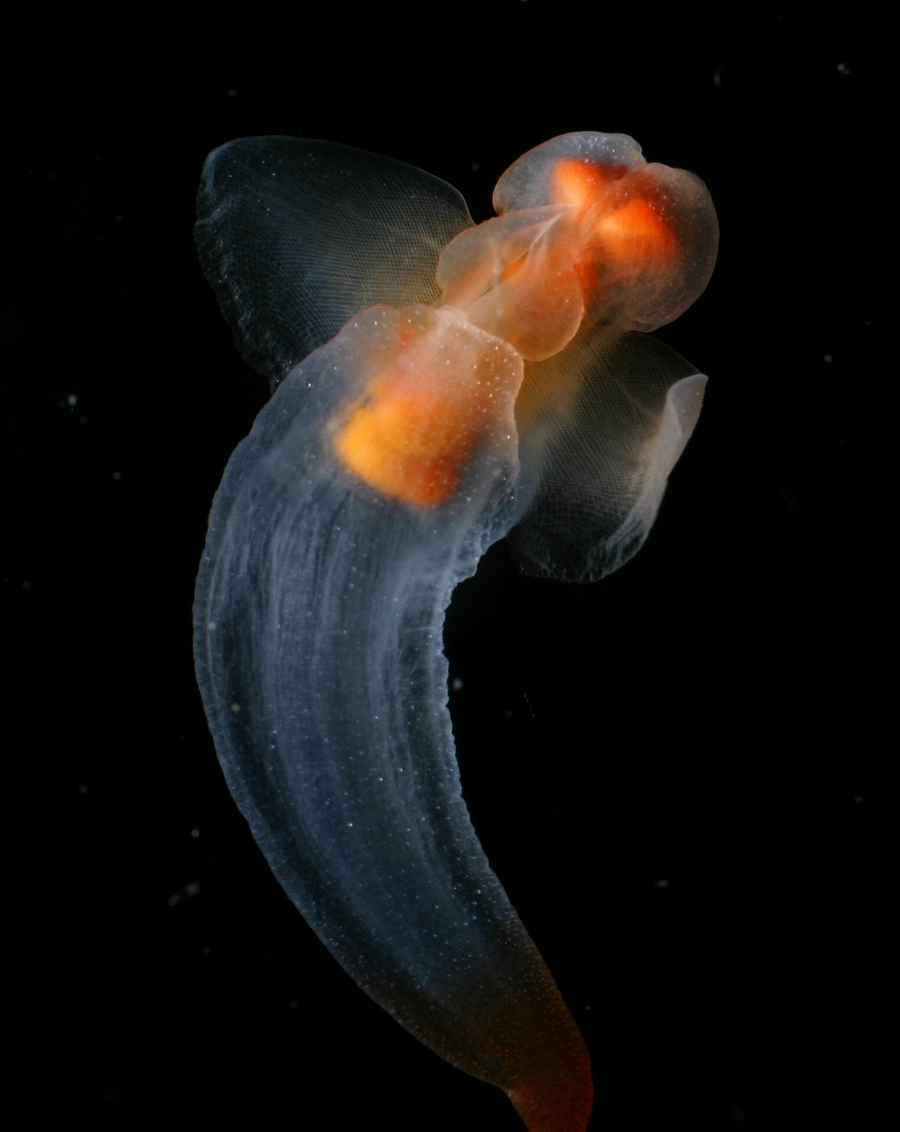
Invertebrate
Shell-less winged hunter of polar seas
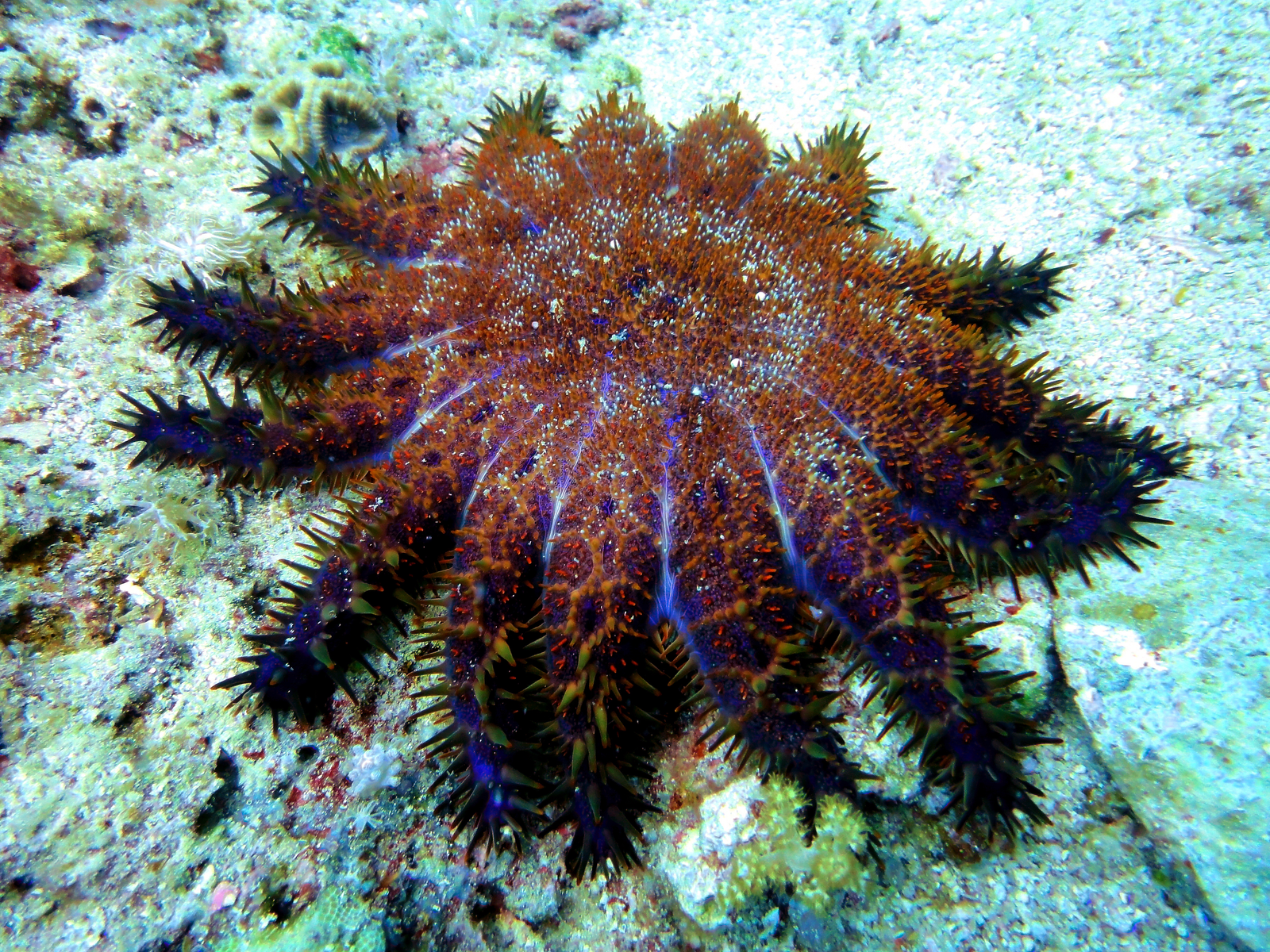
Invertebrate
Spiny coral scourge of Indo-Pacific reefs
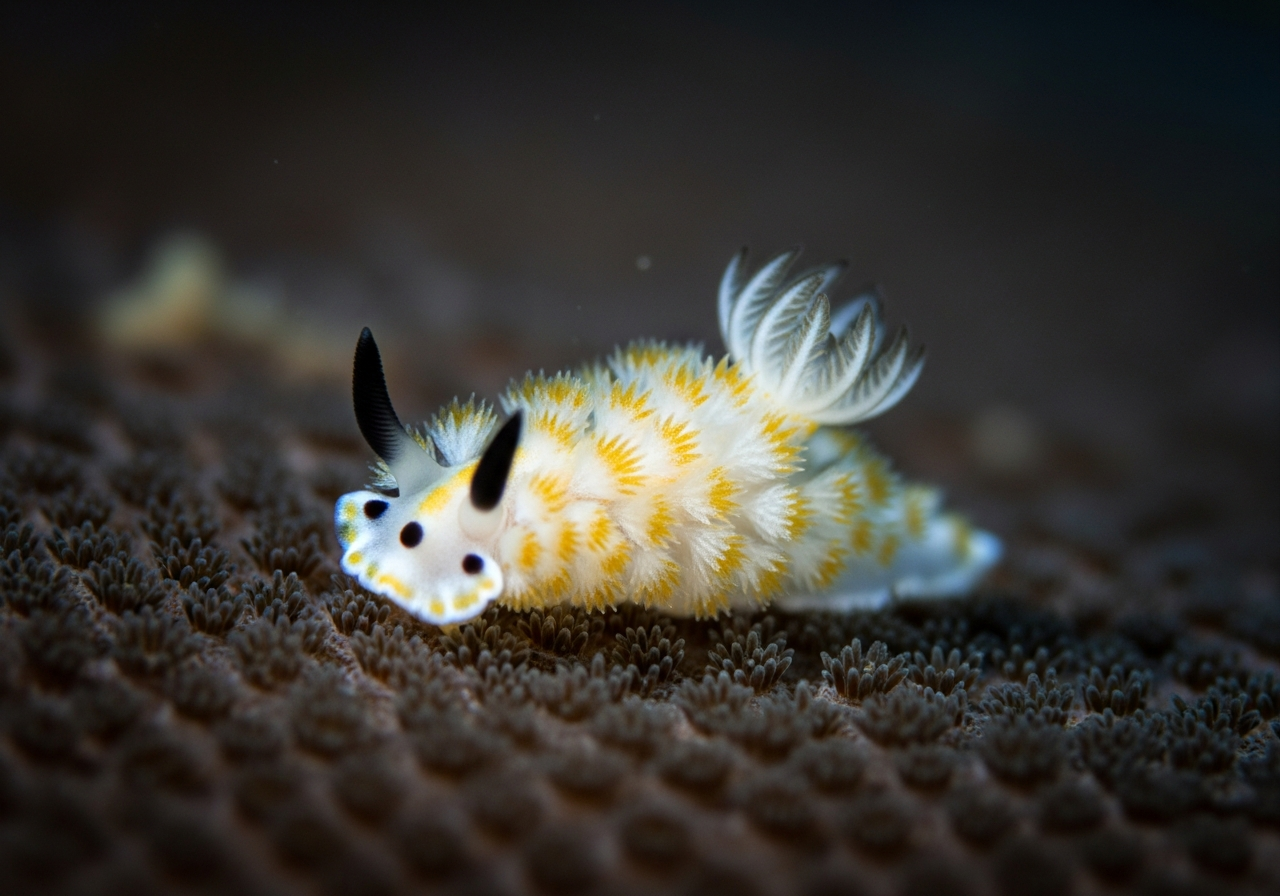
Invertebrate
The tiny nudibranch that went viral for looking like a miniature rabbit
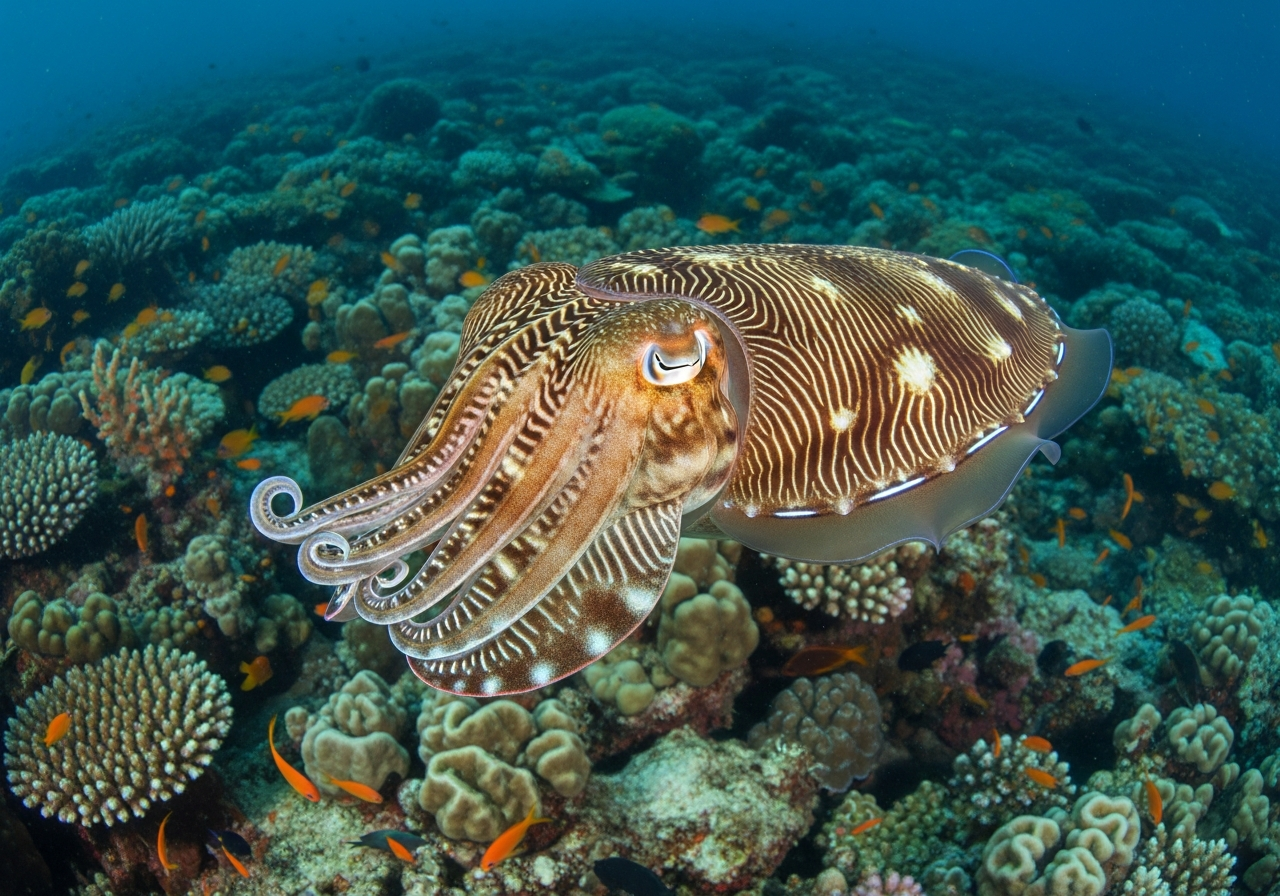
Invertebrate
The color-changing master of camouflage
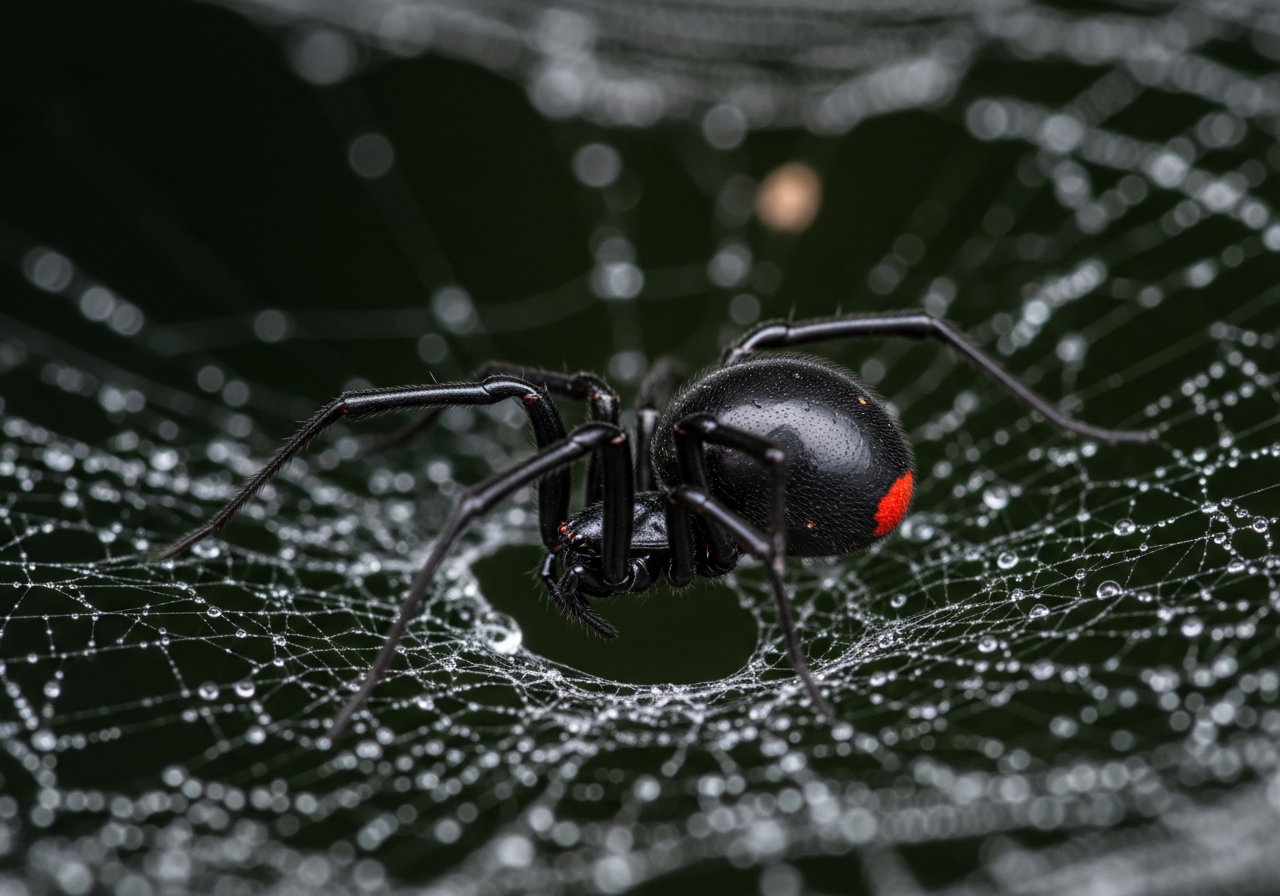
Invertebrate
The glossy black spider with the red hourglass
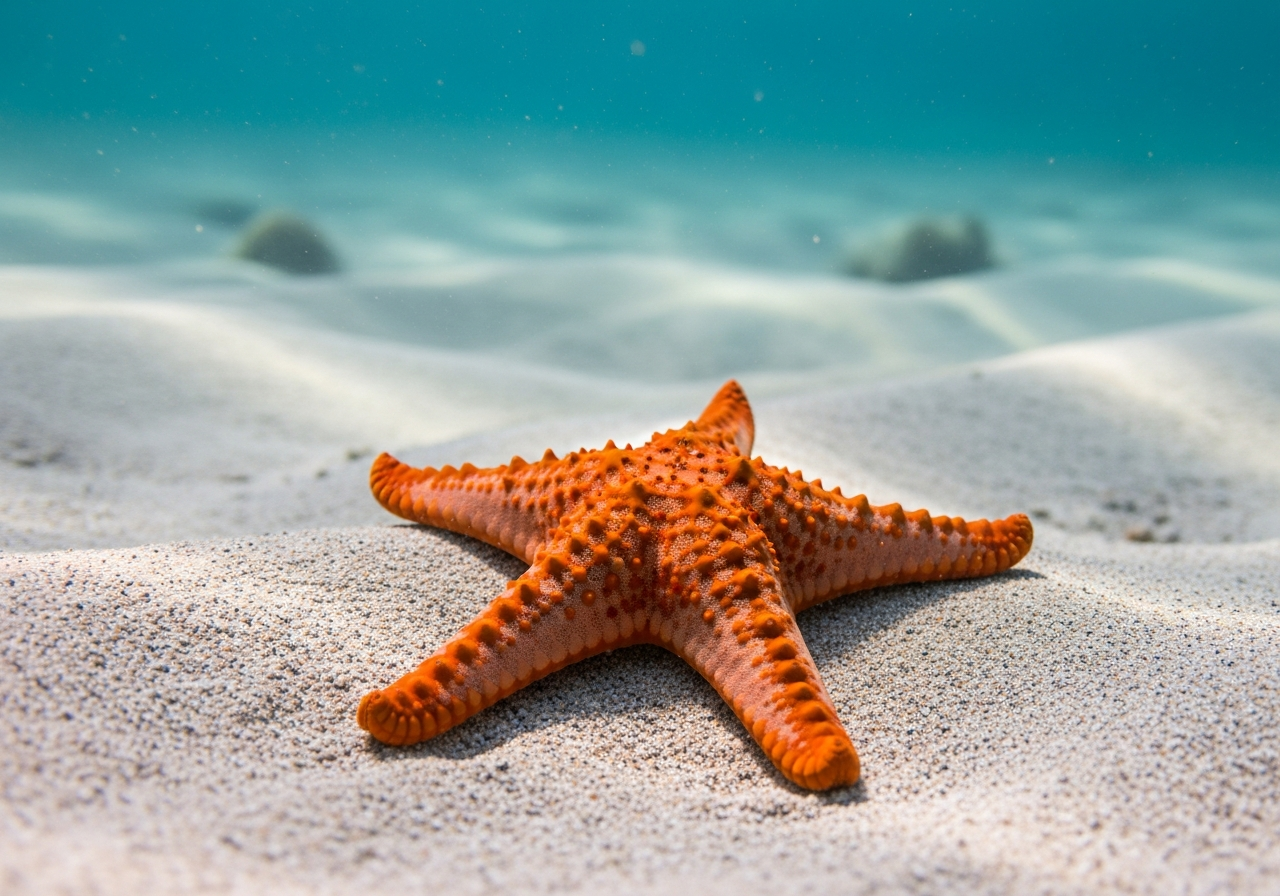
Invertebrate
The five-armed drifter that regrows its limbs
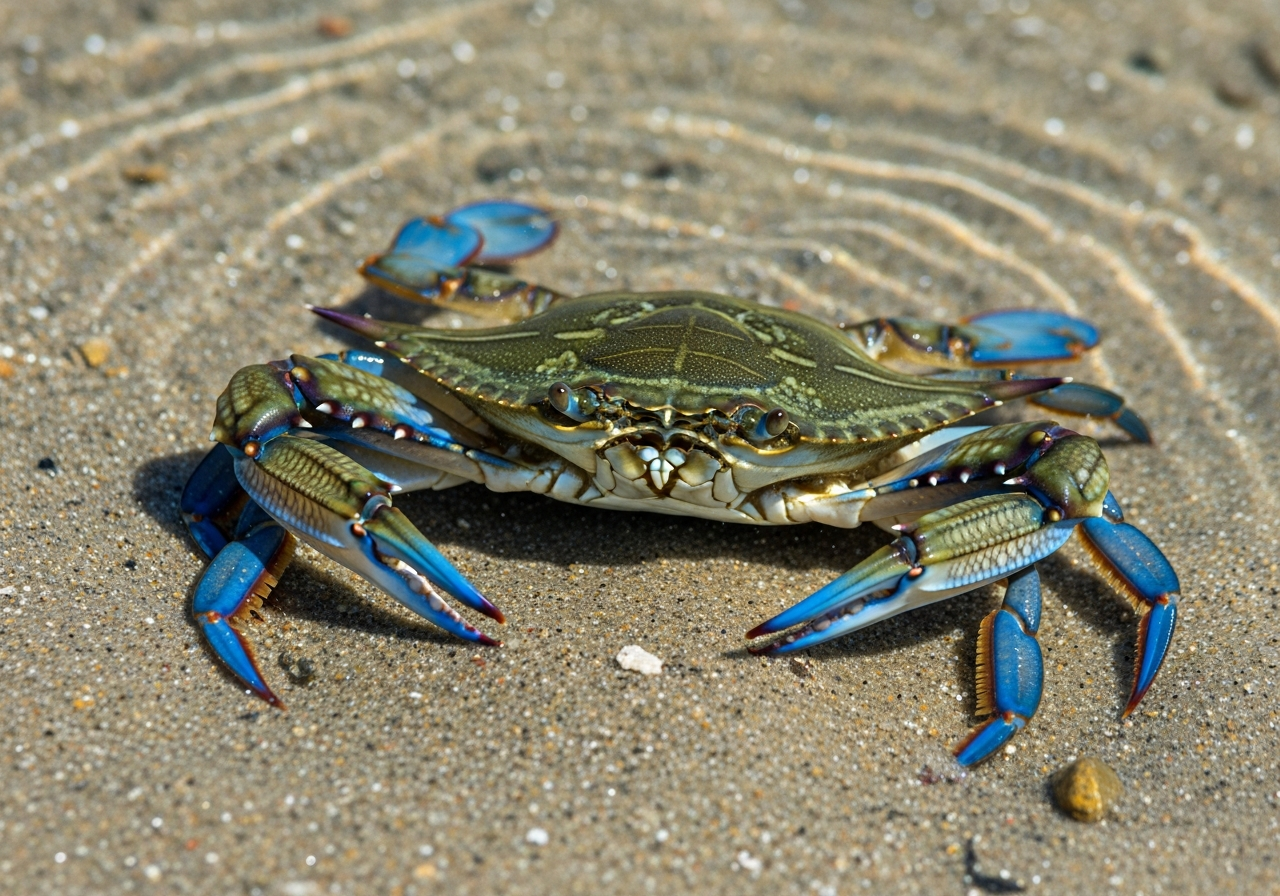
Invertebrate
The swift swimming crab of Atlantic estuaries
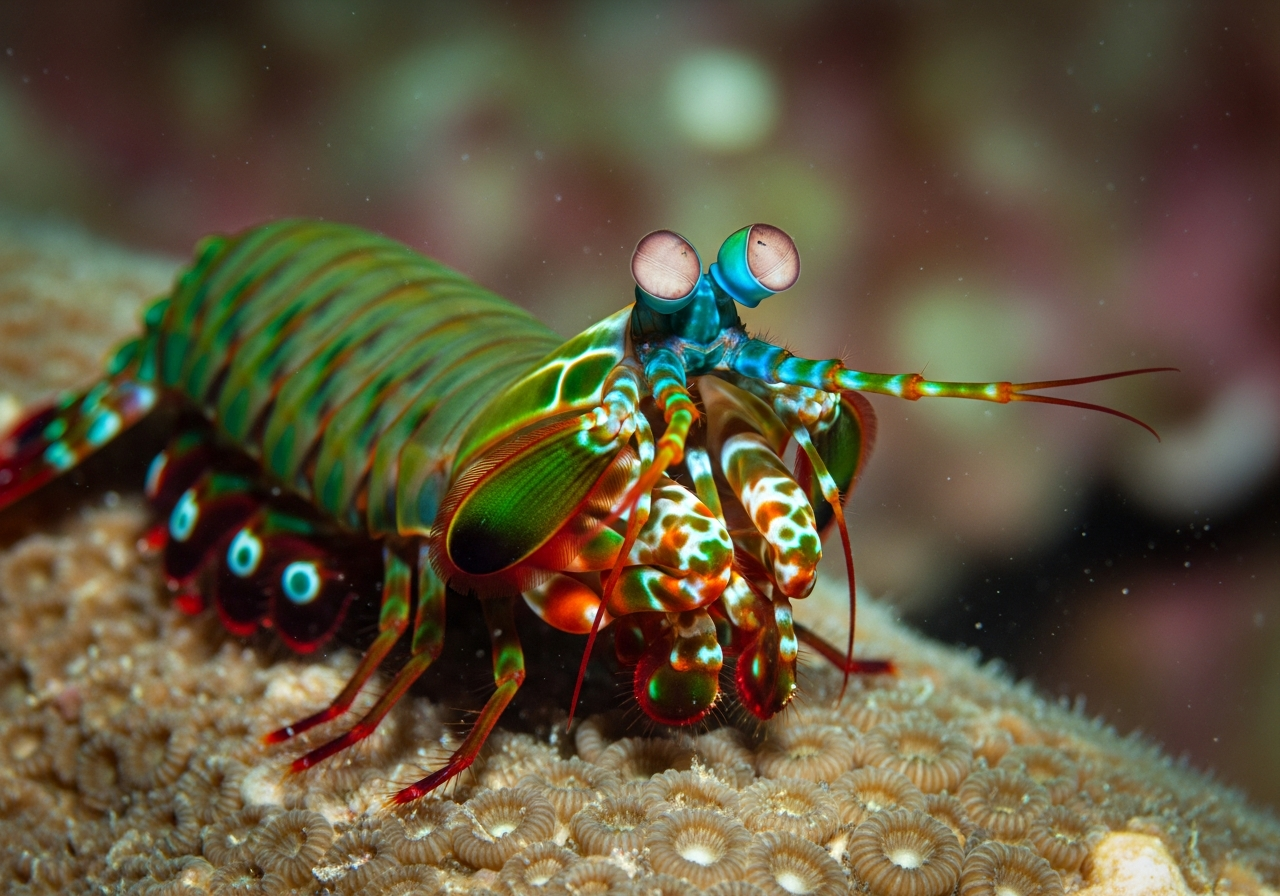
Invertebrate
The reef brawler with the fastest punch in nature
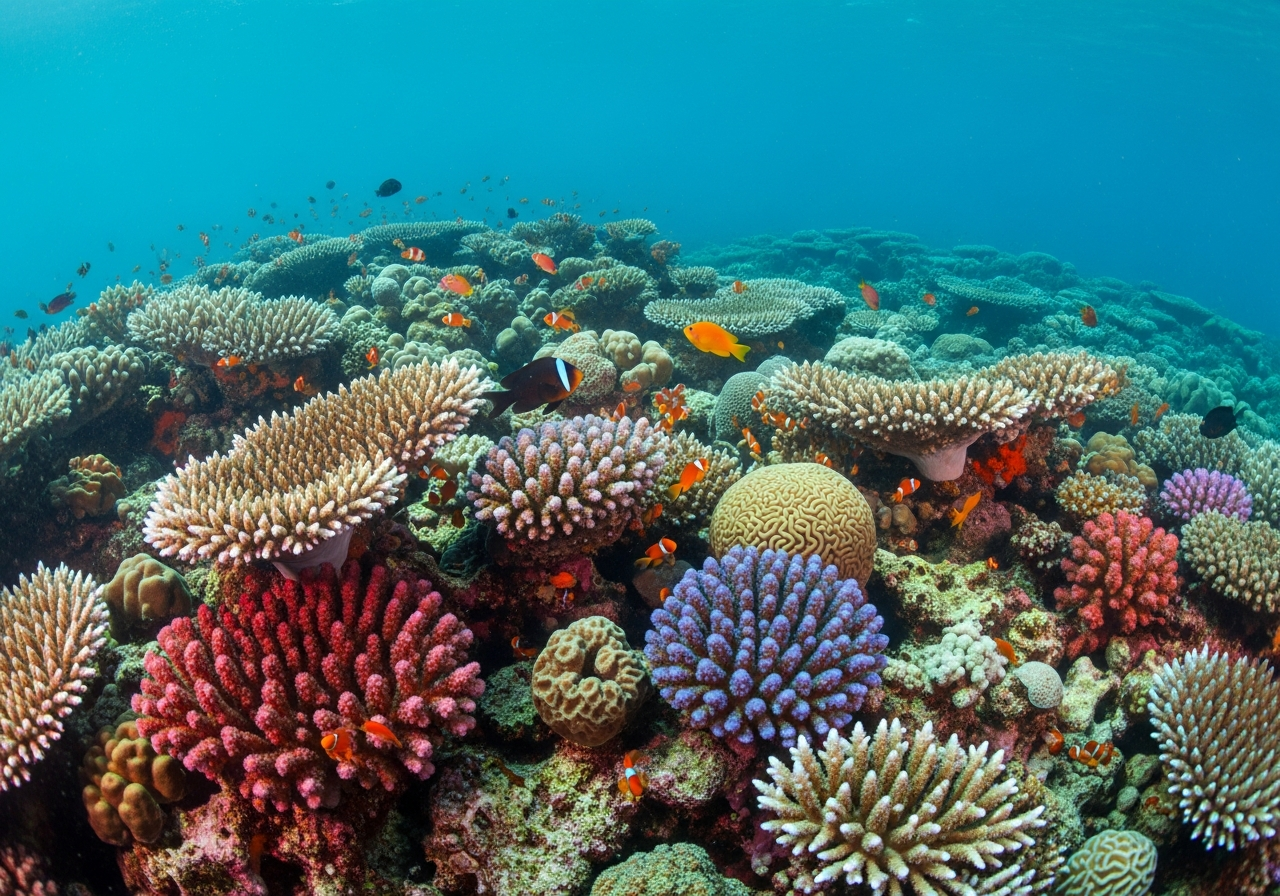
Invertebrate
The tiny reef-building animals of tropical seas
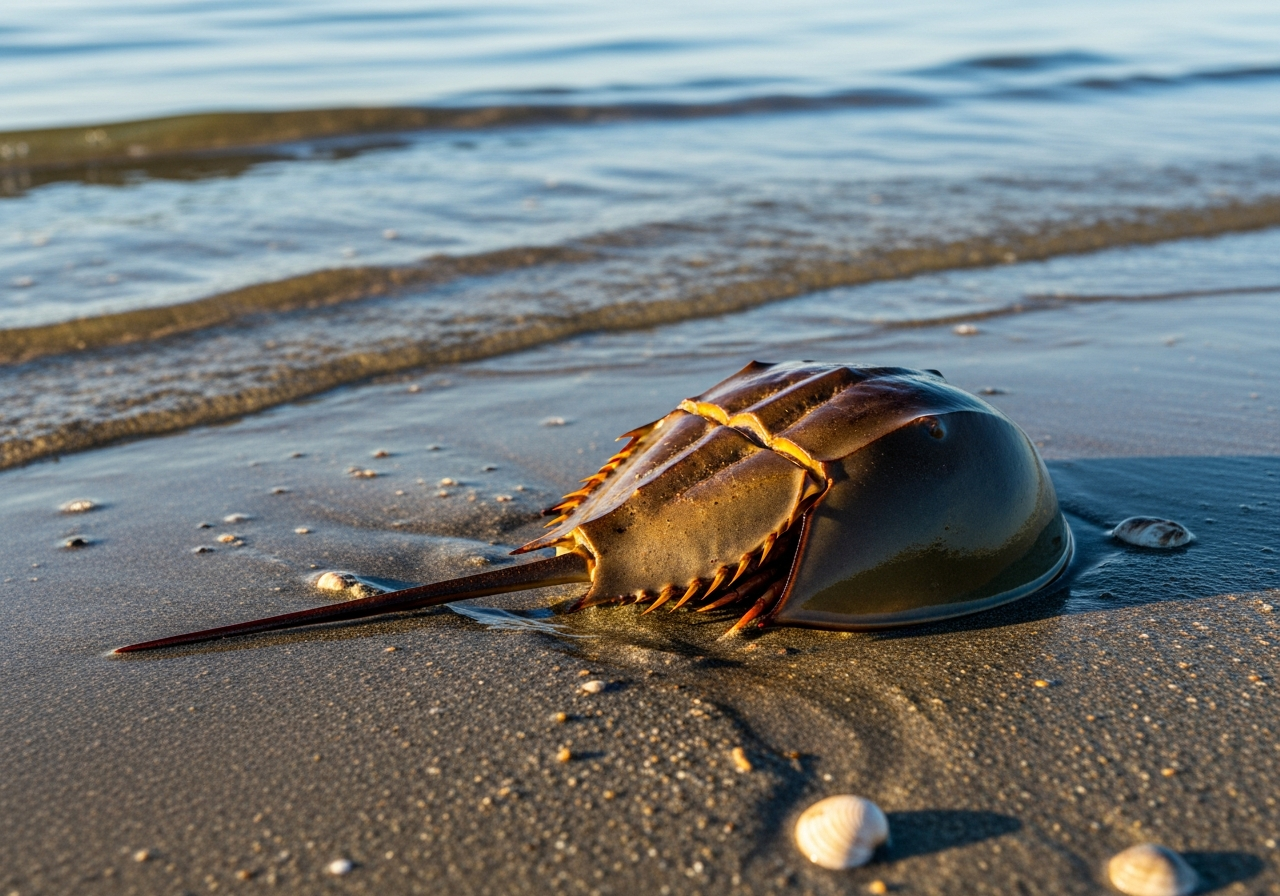
Invertebrate
The ancient living fossil with blue blood
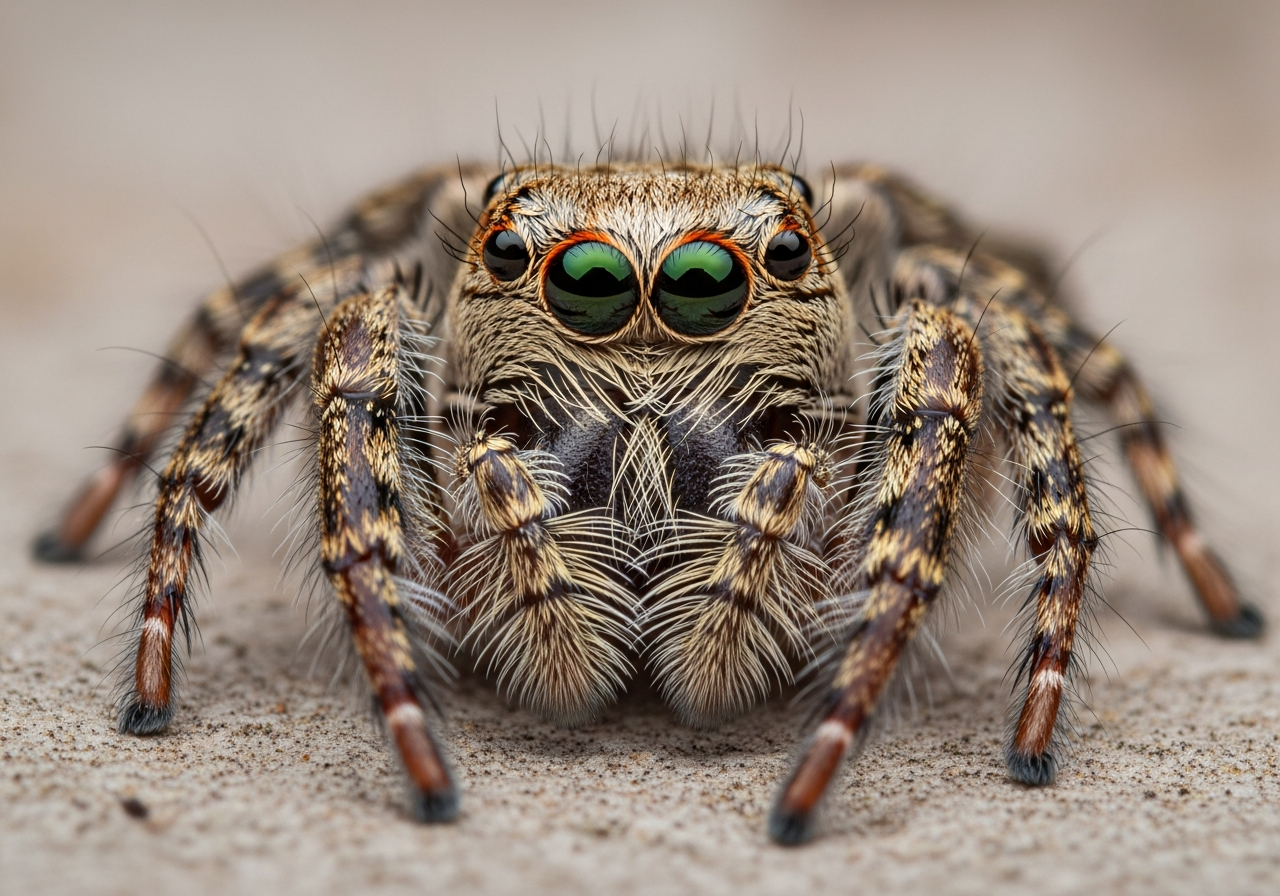
Invertebrate
The big-eyed spider that pounces on its prey
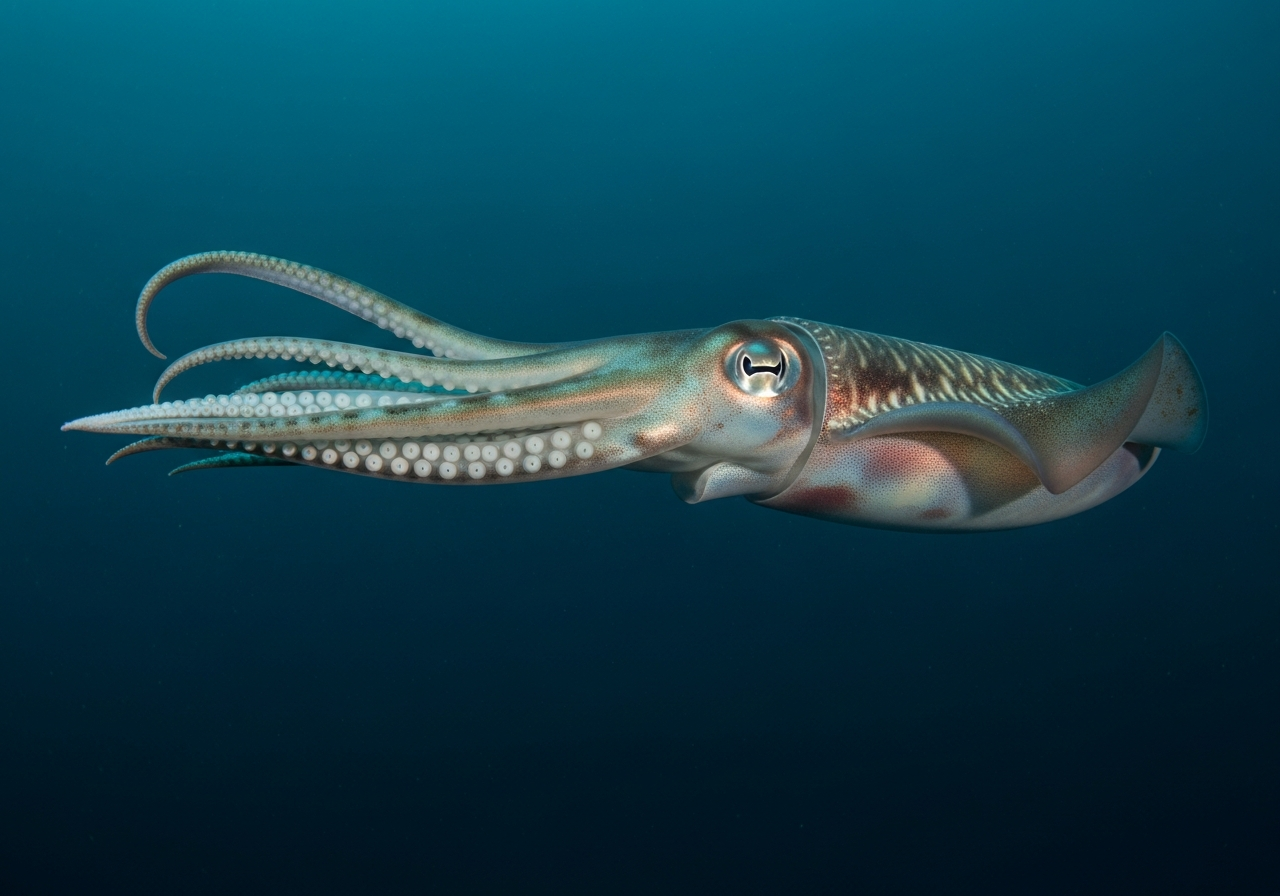
Invertebrate
The elusive deep-sea giant with enormous eyes
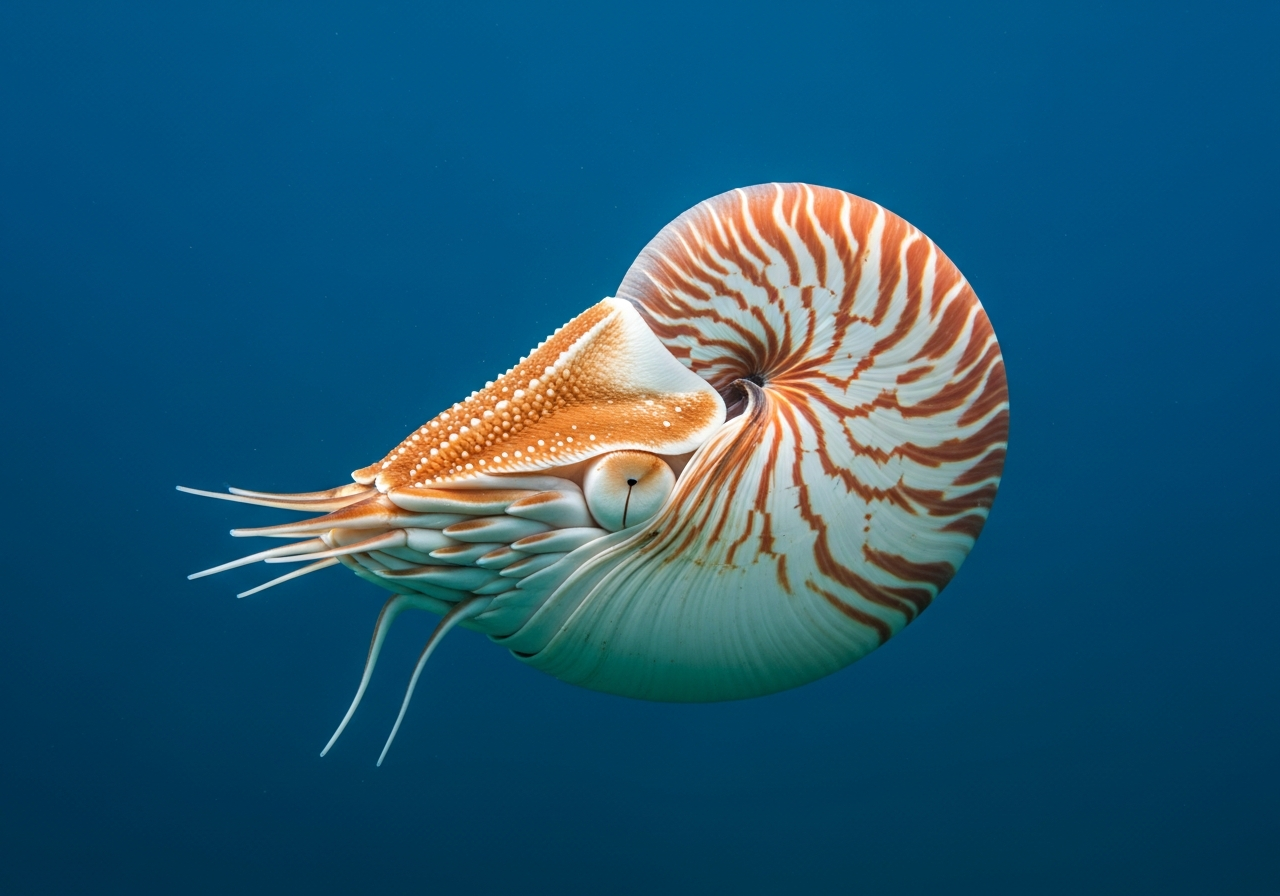
Invertebrate
The living-fossil cephalopod in a spiral shell
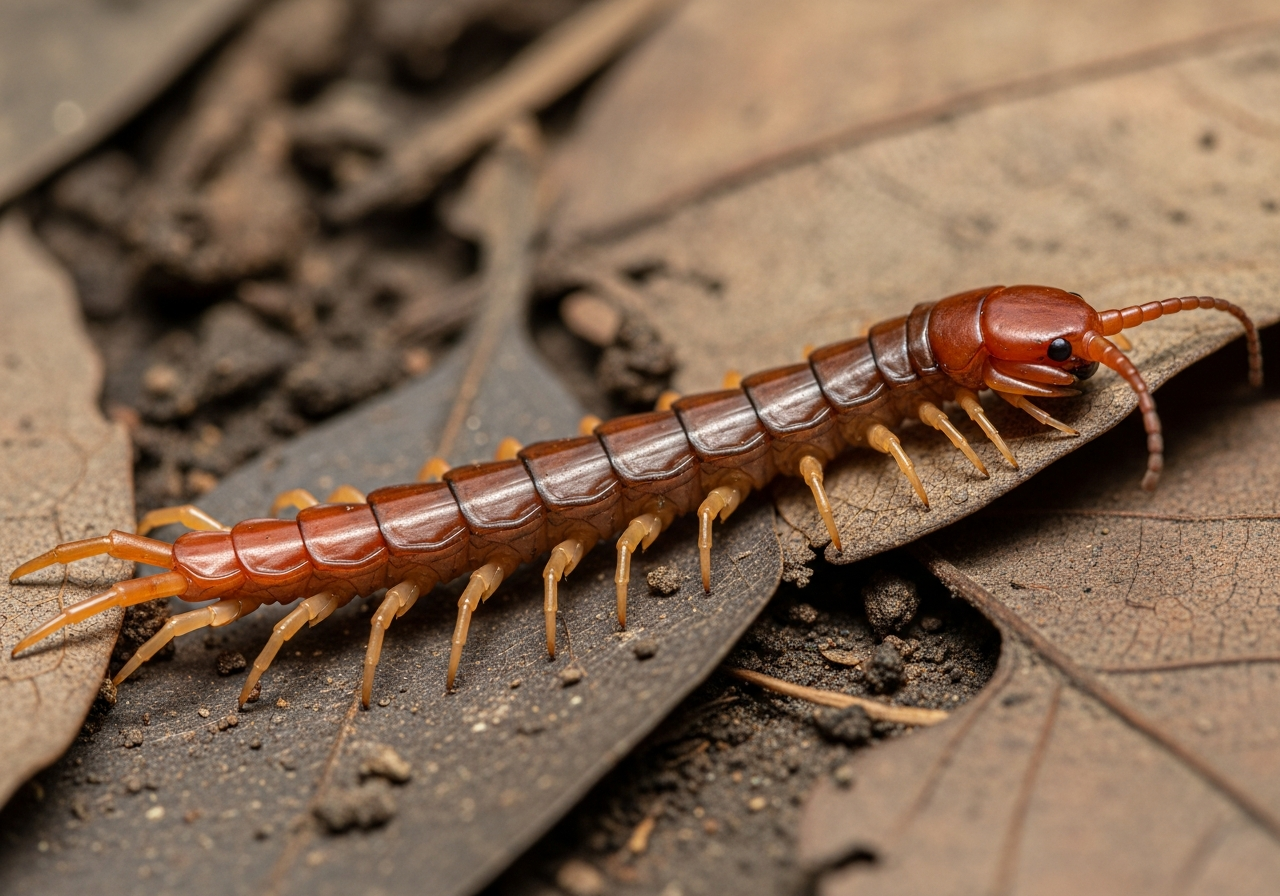
Invertebrate
The fast, venomous predator with many legs
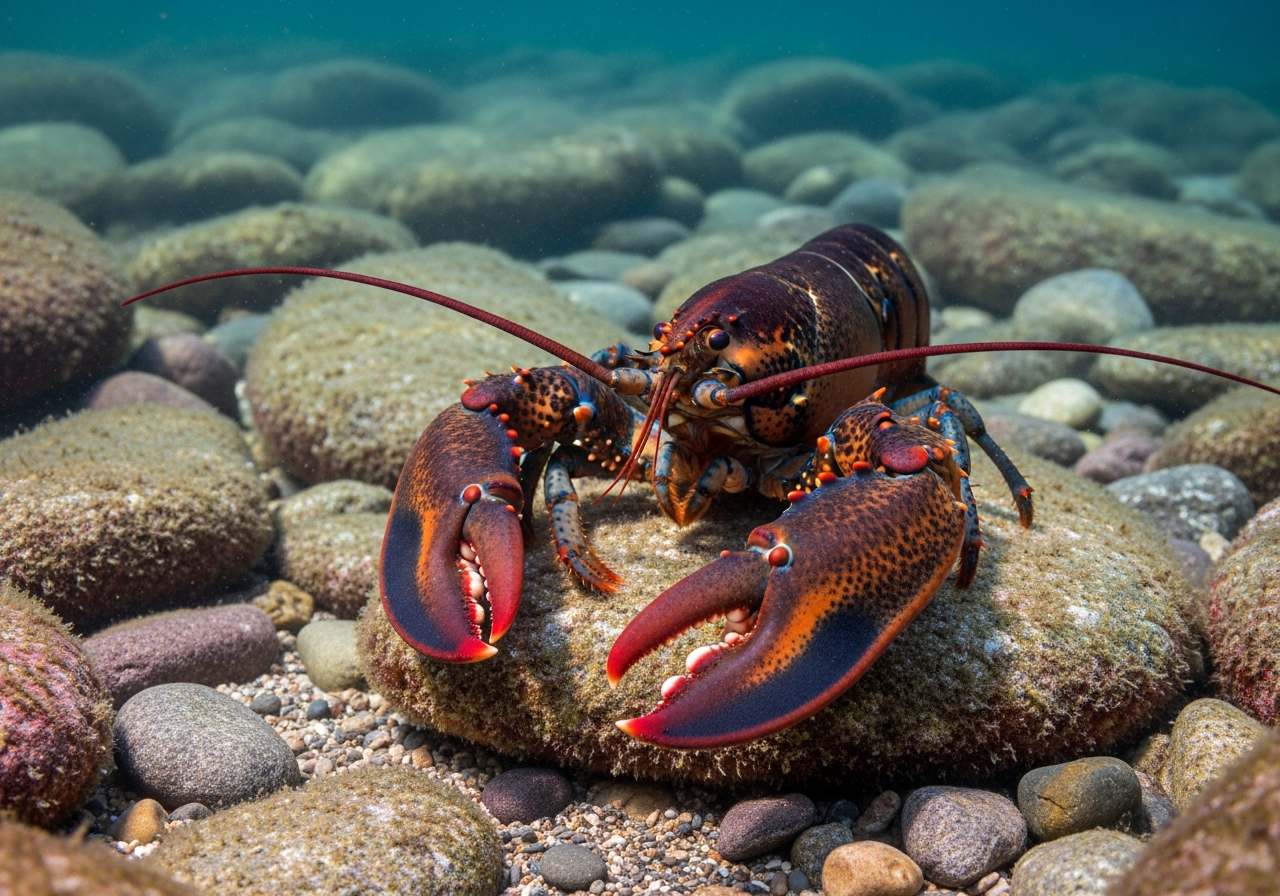
Invertebrate
The long-lived clawed crustacean of cold seas
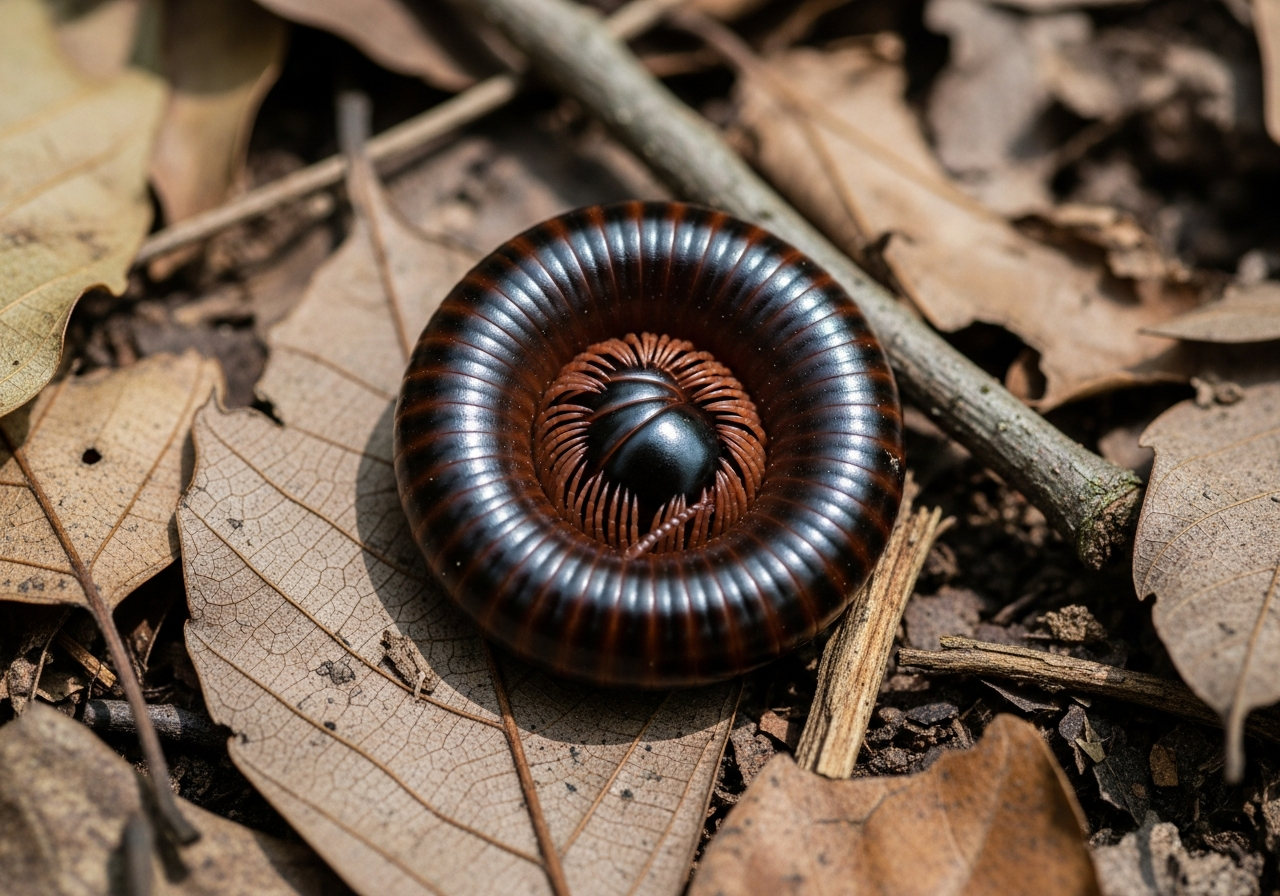
Invertebrate
The slow, many-legged recycler of the forest floor
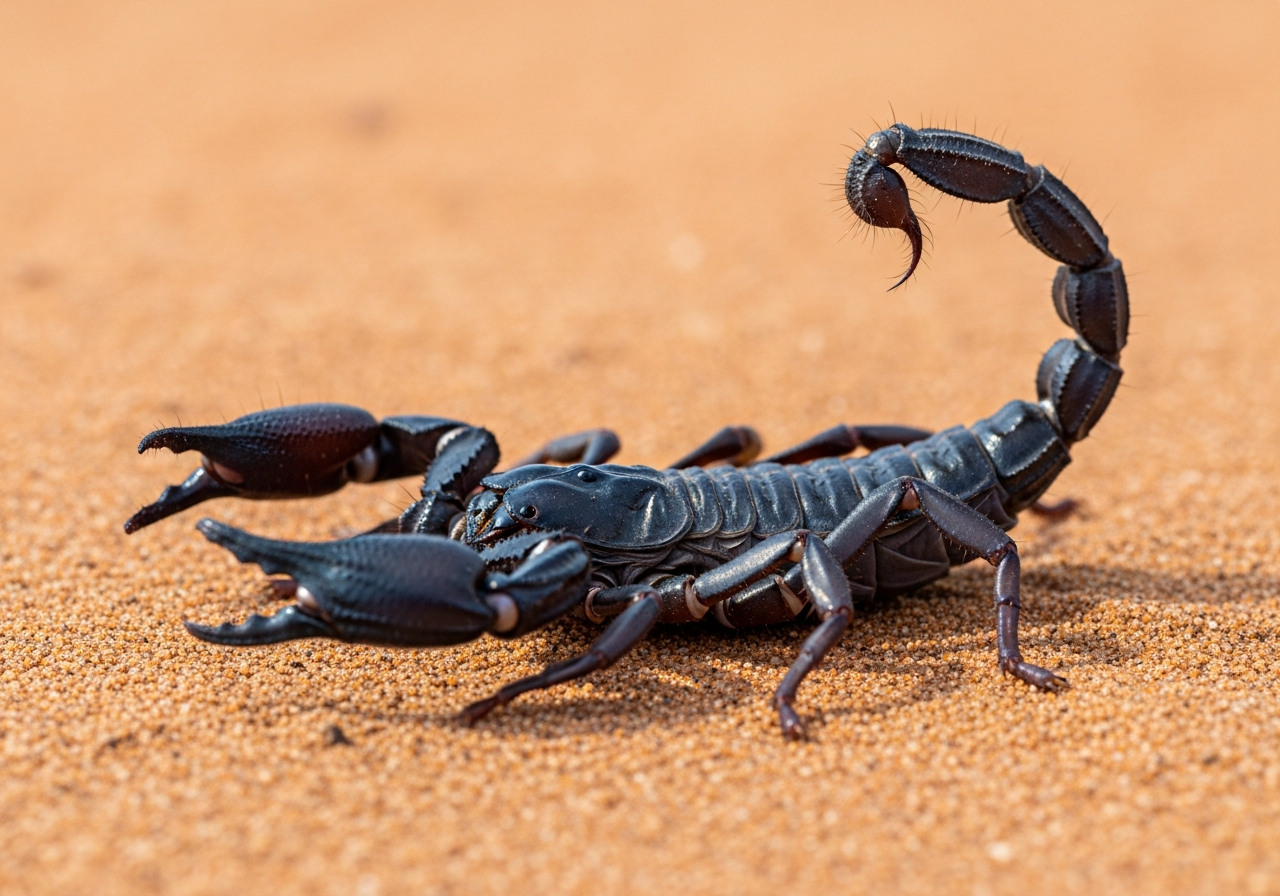
Invertebrate
The large, glowing arachnid with a stinging tail
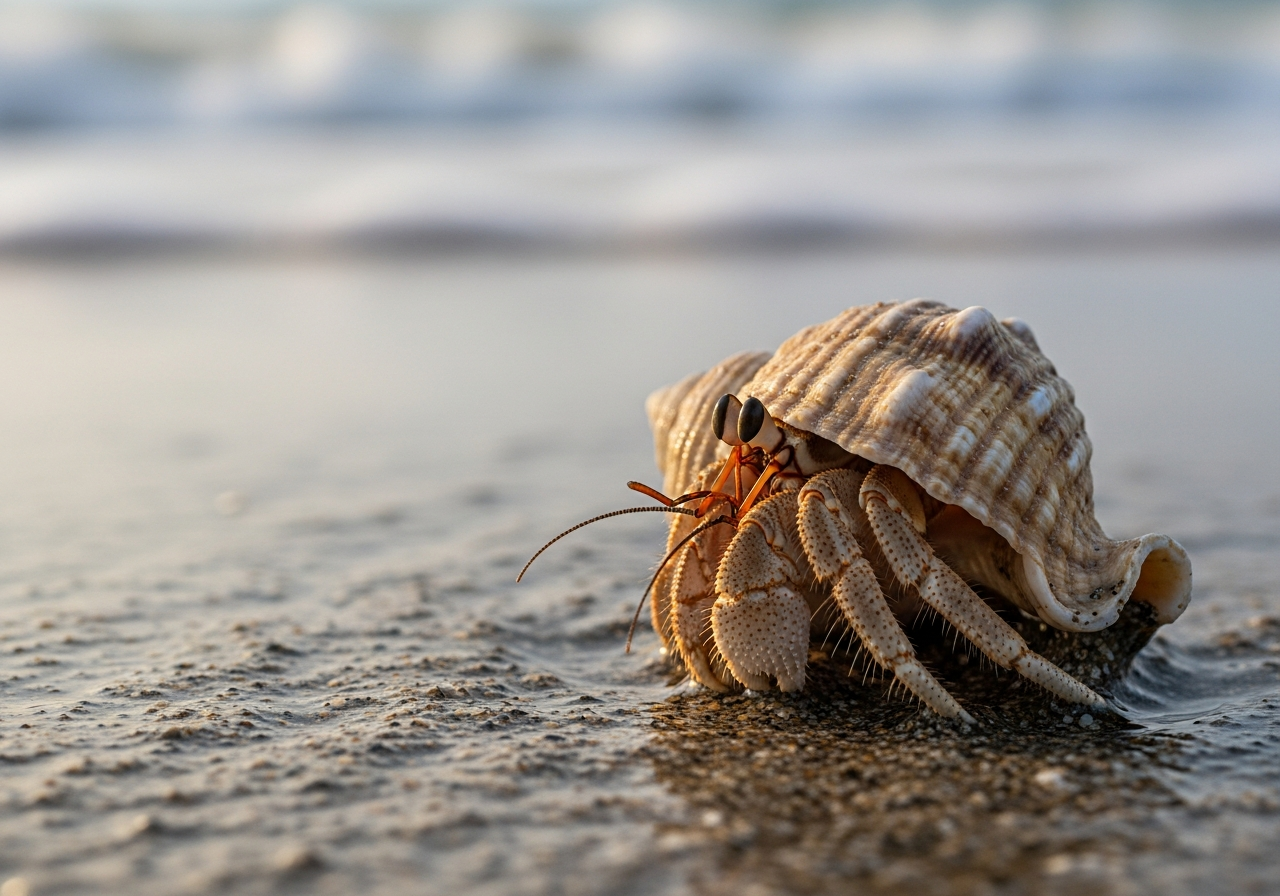
Invertebrate
The crustacean that wears borrowed shells
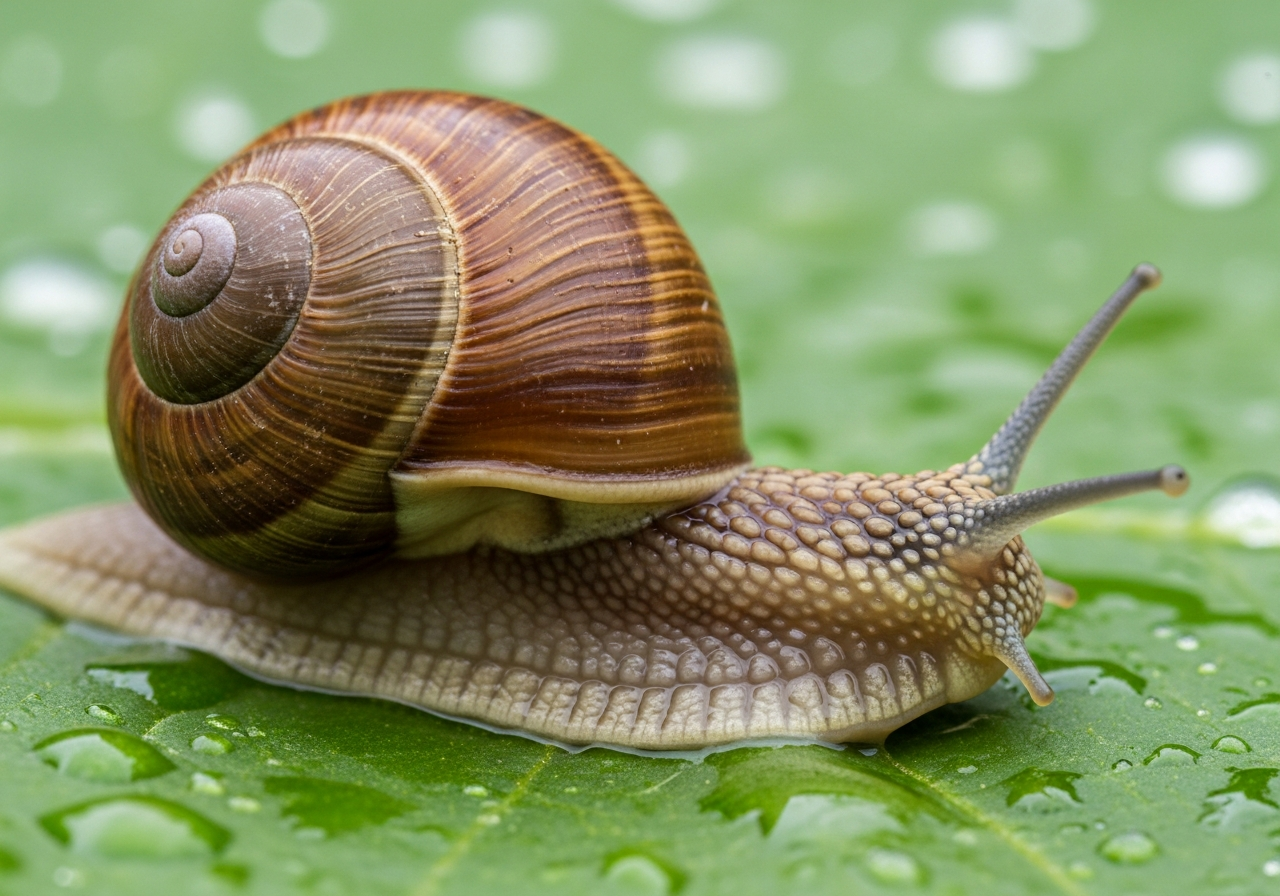
Invertebrate
The slow, shell-carrying garden mollusk
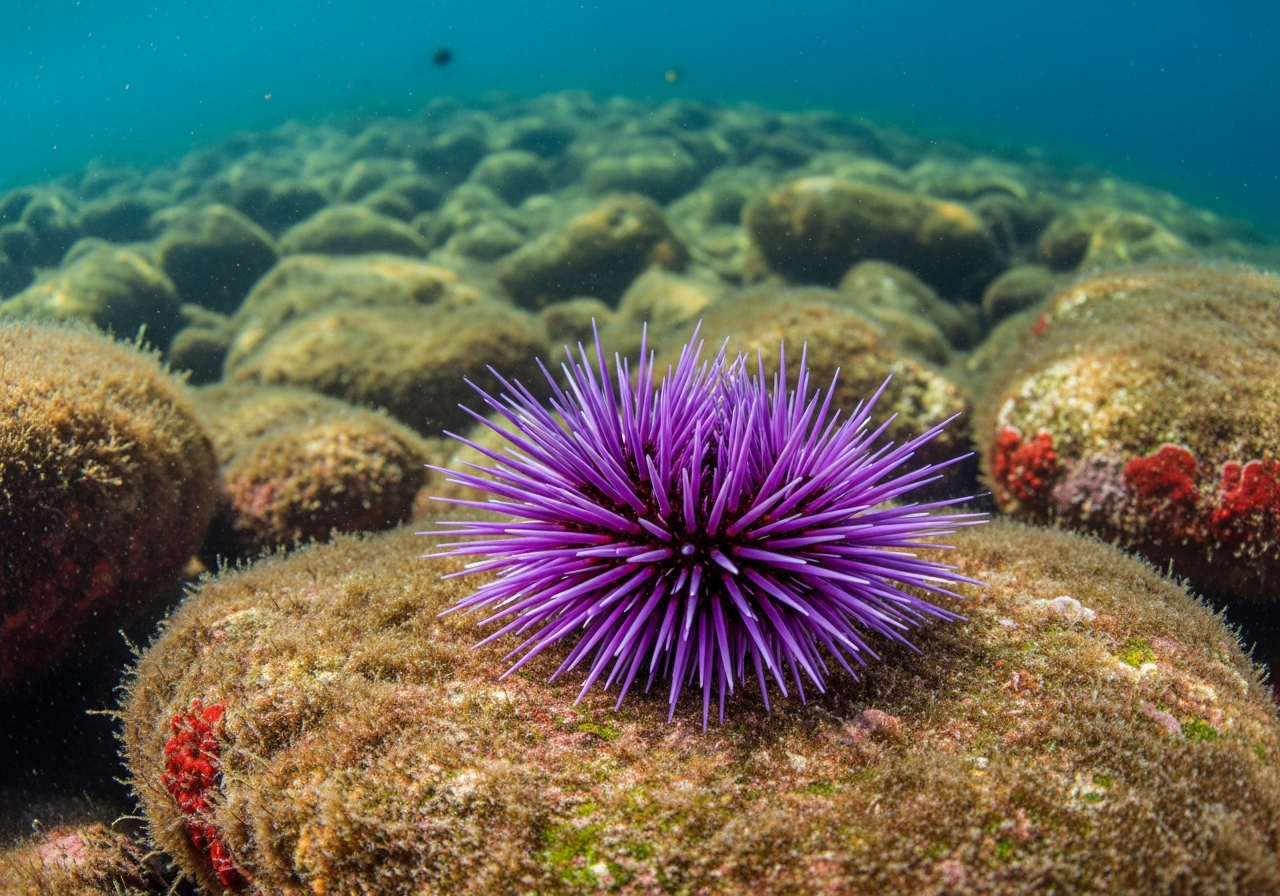
Invertebrate
The spiny ball that grazes the seabed
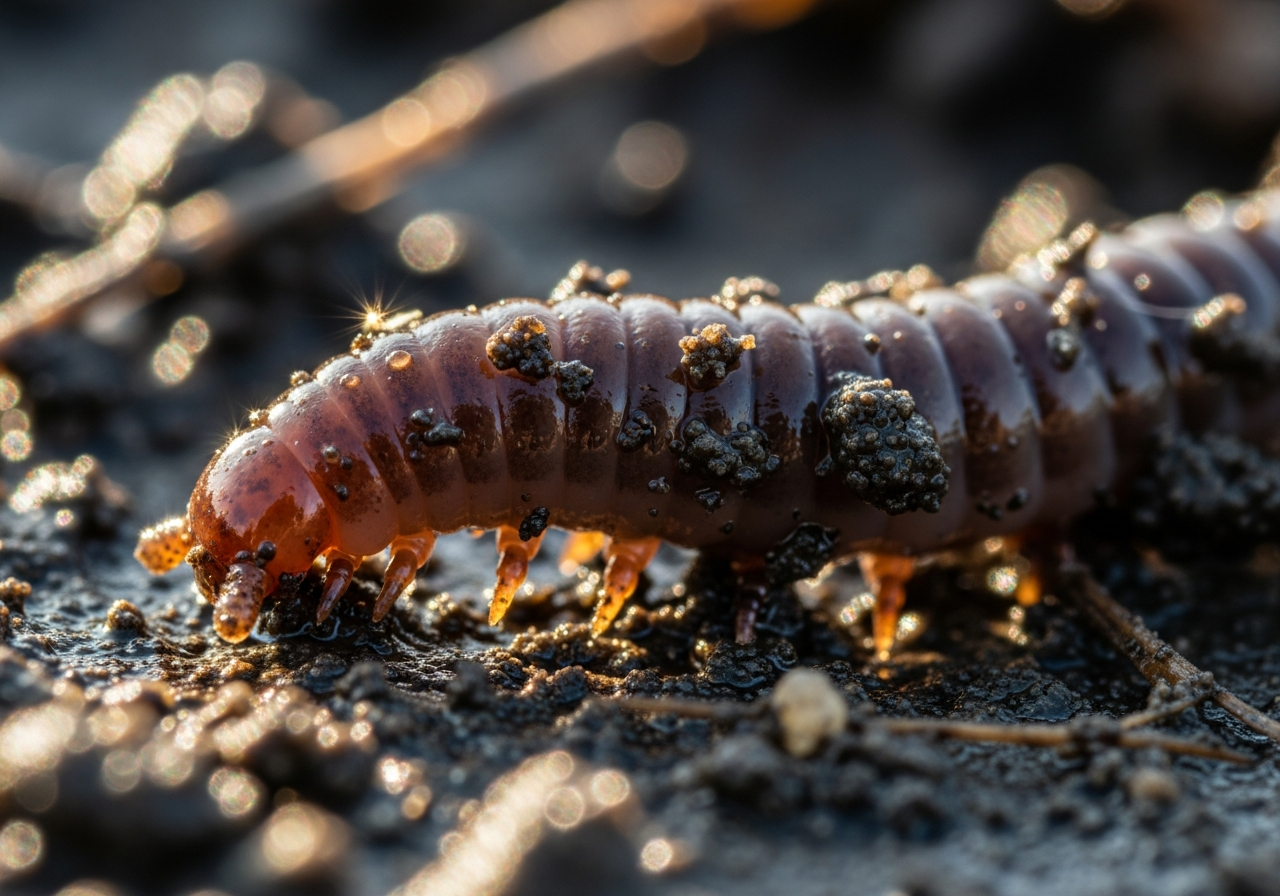
Invertebrate
The soil engineer that enriches the earth
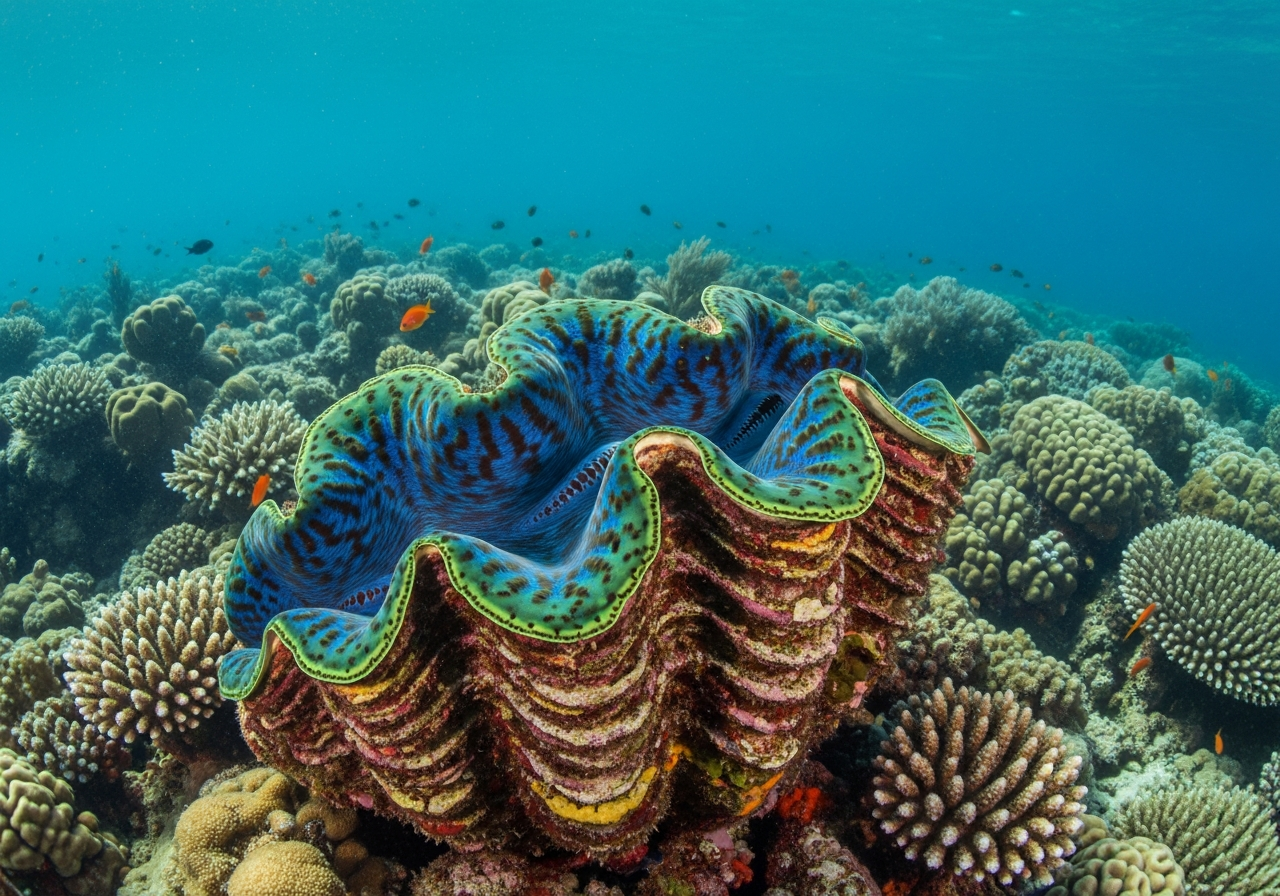
Invertebrate
The reef-dwelling giant of the mollusks
Invertebrates are animals without a backbone — a vast group that accounts for around 97% of all animal species. It includes spiders, molluscs, crustaceans, corals, jellyfish, and worms. Lacking an internal skeleton, many rely on hard outer shells, hydrostatic pressure, or exoskeletons for support, and they live in virtually every habitat from the deep sea to the soil beneath our feet.
The Global Animal Guide currently features 45 invertebrates with full, answer-first profiles covering diet, habitat, size, and conservation status.