Image sourcing: see credits & licences
Quick answer
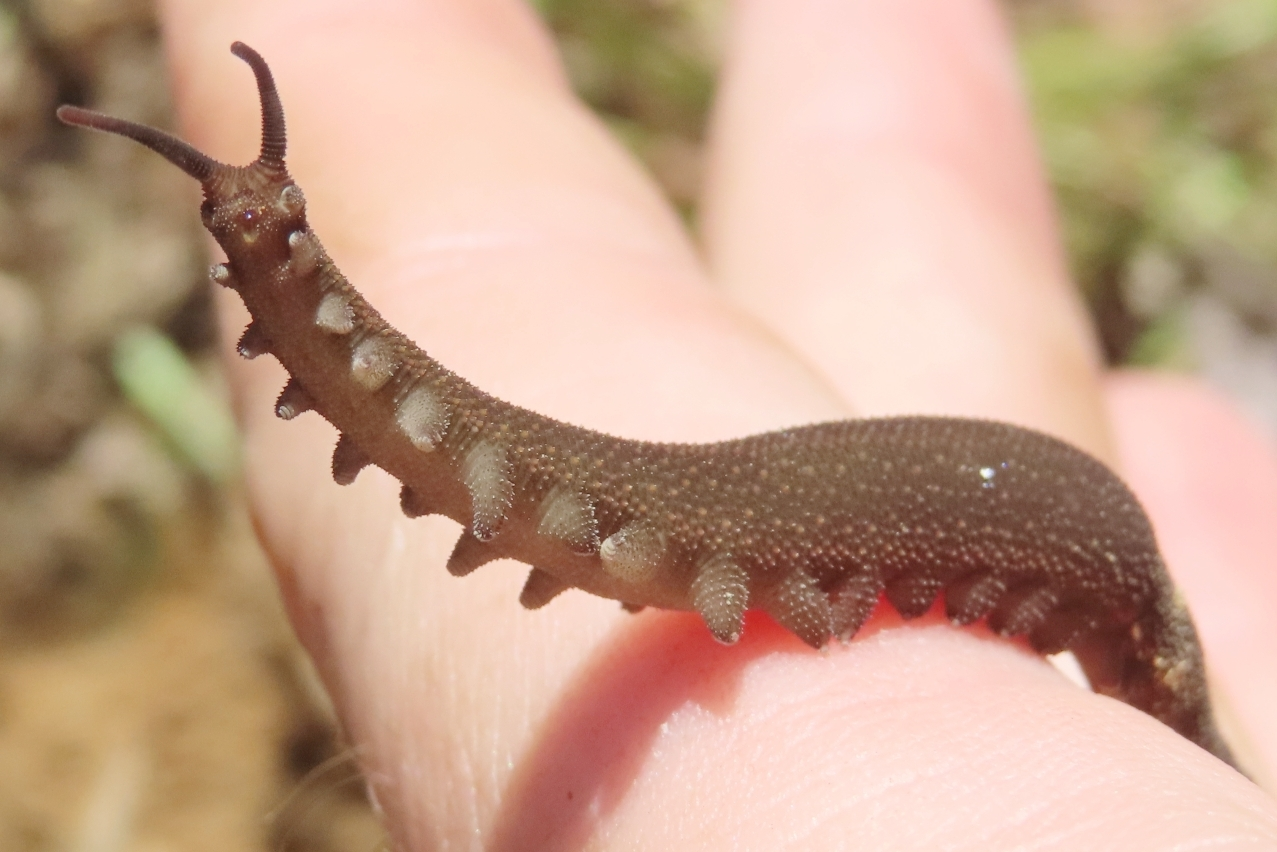
The velvet worm (Peripatus spp.) is a soft-bodied invertebrate lineage between worms and arthropods that shoots slime to trap prey in tropical leaf litter. Adults reach 10 cm and are Least Concern.
Top questions about the Velvet Worm
Velvet Worm facts at a glance
- Weight 5 g
- Length 10 cm
- Top speed 1 km/h
- Lifespan 6 years
| Scientific name | Peripatus spp. |
|---|---|
| Diet | Carnivore |
| Habitat | Leaf litter and rotting logs |
| Lifespan | 5–7 years |
| Weight | 0.003–0.01 kg |
| Top speed | up to 0.5 km/h |
| Conservation status | Least Concern (IUCN) |
| Kingdom | Animalia |
|---|---|
| Phylum | Onychophora |
| Class | Onychophora |
| Order | Euonychophora |
| Family | Peripatidae |
| Genus | Peripatus |
Where it lives
The velvet worm (Peripatus spp.) is native to Tropical forests of the Southern Hemisphere. — recorded across South America, Oceania, Africa in this guide’s range summary.
For occurrence records, see GBIF species search and sources below.
How big is a velvet worm?
An adult velvet worm measures 10 cm long — about 6% of the height of an average adult person (1.73 m) — and weighs around 5 g, a small fraction of an average adult’s body weight (70 kg).
Length vs an average adult’s height (to scale)
What is a group of velvet worms called?
Group name (collective noun)
A group of Velvet Worms is called a group.
Baby name
A baby Velvet Worm is called a juvenile.
Explore more animal collective nouns and baby animal names .
Slime cannon from a living fossil
Velvety skin covers stubby unjointed legs — a body plan unchanged since the Cambrian. Oral papillae squirt rapid-hardening slime that immobilises prey.
Termites, crickets, and spiders
Nocturnal hunters spray slime from a range of several centimetres, then bite with jaws. Females retain eggs internally in some species or lay them in moss.
Southern Hemisphere rainforests
Tropical forests of South America, Australia, and New Zealand hold most species. Rotting logs and leaf litter provide humidity.
Explore the Velvet Worm
Close relatives
- Octopus Same class
- Black Widow Same class
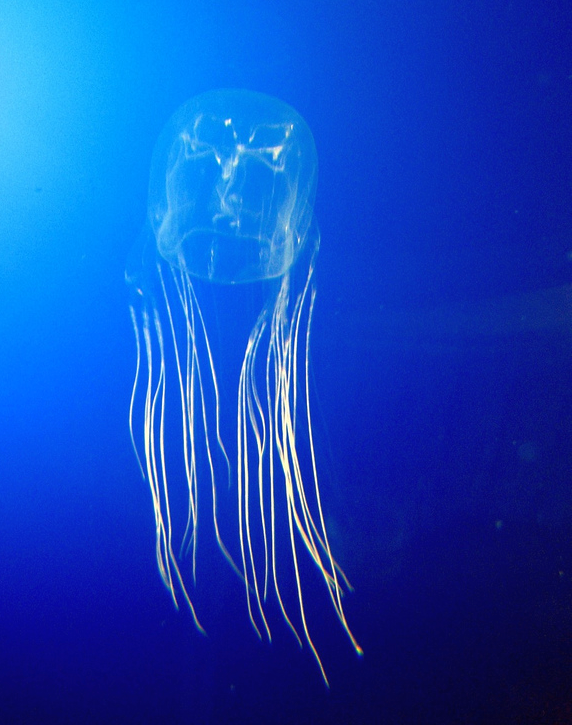
- Jellyfish Same class
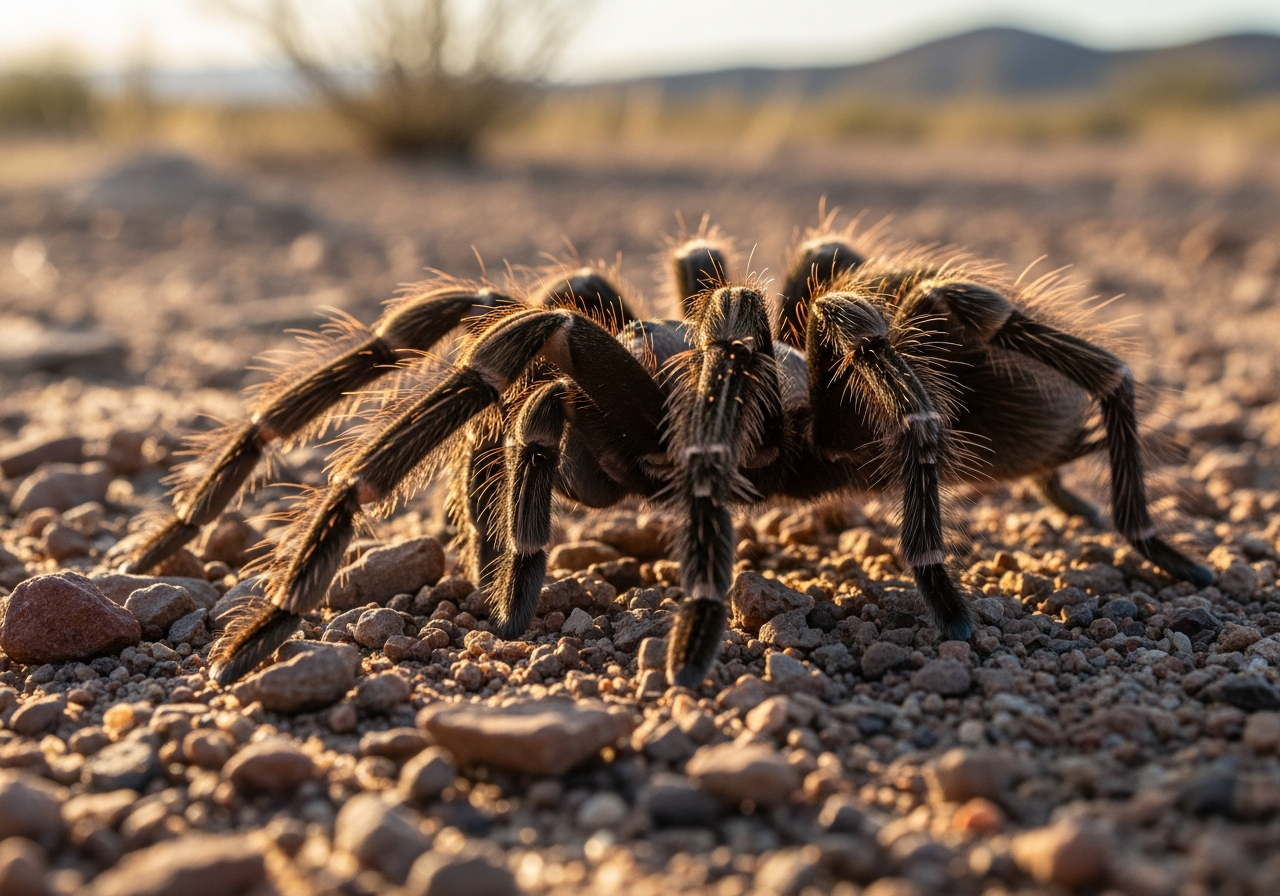
- Tarantula Same class
Range & geography
Conservation status of the Velvet Worm
The velvet worm (Peripatus spp.) is listed as Least Concern on the IUCN Red List. Least Concern (LC) is the IUCN's lowest-risk category, assigned to widespread, abundant species that have been evaluated and found not to be threatened. It does not mean a species faces no pressures — only that it is not currently at risk of extinction.
The velvet worm (Peripatus spp.) is assessed on the IUCN Red List. Look up on the IUCN Red List .
Frequently asked questions about the Velvet Worm
What do velvet worms shoot?
Quick-hardening slime from oral papillae that glues prey in place.
Are velvet worms insects?
No — they are onychophorans, a distinct phylum related to arthropods and annelids.
Why are they called velvet worms?
Soft, velvety dermal papillae give a plush texture and blue-green sheen.
Where do velvet worms live?
Moist leaf litter and rotting wood in tropical Southern Hemisphere forests.
How old is the velvet worm lineage?
Fossils show similar forms over 500 million years — true living fossils.
What is a group of velvet worms called?
A group of Velvet Worms is called a group.
What is a baby velvet worm called?
A baby Velvet Worm is called a juvenile.
Sources & references
This guide is compiled and reviewed against established zoological and conservation references. Key sources for the Velvet Worm:
-
IUCN Red List of Threatened Species
Conservation status (Least Concern) reflects the IUCN Red List category for Peripatus spp..
-
iNaturalist — observations & photos
Search citizen-science observations and community IDs for Peripatus spp.. Useful for range checks and recent sightings — not a substitute for formal Red List status.
-
GBIF — occurrence data
Global Biodiversity Information Facility species search for Peripatus spp.. Explore published occurrence records used in range research.
-
Global Animal Guide editorial standards
How we research, source, review, and update every guide for accuracy.