Image sourcing: see credits & licences
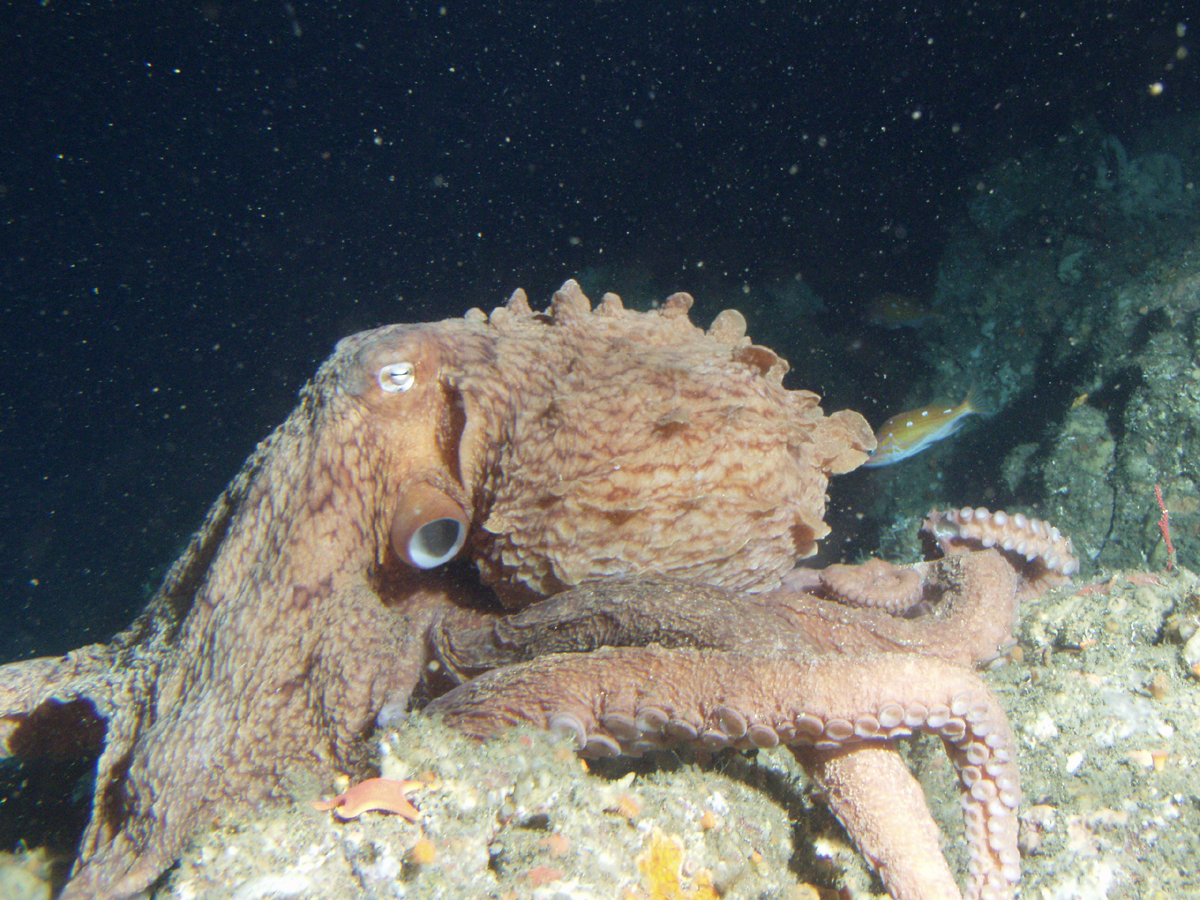
The giant Pacific octopus (Enteroctopus dofleini) is a cephalopod mollusc of the family Enteroctopodidae, in the order Octopoda.
Quick answer
The giant Pacific octopus (Enteroctopus dofleini) is the largest octopus species, with arm spans to 9 m and 50 kg in North Pacific dens. It is listed Least Concern.
Top questions about the Giant Pacific Octopus
Giant Pacific Octopus facts at a glance
- Weight 30 kg
- Length 1 m
- Top speed 40 km/h
- Lifespan 4 years
| Scientific name | Enteroctopus dofleini |
|---|---|
| Diet | Carnivore |
| Habitat | Rocky reefs and dens |
| Lifespan | 3–5 years |
| Weight | 15–50 kg |
| Top speed | up to 40 km/h |
| Conservation status | Least Concern (IUCN) |
| Kingdom | Animalia |
|---|---|
| Phylum | Mollusca |
| Class | Cephalopoda |
| Order | Octopoda |
| Family | Enteroctopodidae |
| Genus | Enteroctopus |
Where it lives
The giant pacific octopus (Enteroctopus dofleini) is native to North Pacific from California to Alaska and Japan. — recorded across North America, Asia in this guide’s range summary.
For occurrence records, see GBIF species search and sources below.
How big is a giant pacific octopus?
An adult giant pacific octopus measures 1 m long — about 58% of the height of an average adult person (1.73 m) — and weighs around 30 kg, about 43% of an average adult’s body weight (70 kg).
Length vs an average adult’s height (to scale)
What is a group of giant pacific octopuses called?
Group name (collective noun)
A group of Giant Pacific Octopuses is called a school.
Baby name
A baby Giant Pacific Octopus is called a juvenile.
Explore more animal collective nouns and baby animal names .
Nine-metre arm span
Three hearts, blue copper-based blood, and colour-changing skin suit cold Pacific reefs. Dens under boulders hold middens of crab and clam shells.
Crabs, clams, and fish
Powerful arms and a hard beak open shellfish and seize fish. Short lifespans end after a single breeding bout — females guard eggs without feeding.
North Pacific rocky coasts
Alaska to California and Japan on rocky reefs and kelp forests. Intertidal to 200 m depths.
Fishery and aquarium pressure
Least Concern range-wide. Small commercial and sport fisheries and aquarium collection affect local densities; most coast habitat remains extensive.
Explore the Giant Pacific Octopus
Close relatives
- Octopus Same order
- Dumbo Octopus Same order
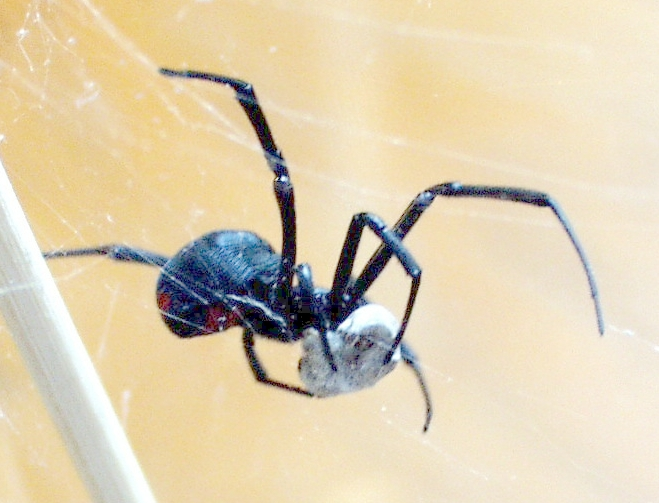
- Black Widow Same class
- Jellyfish Same class
Range & geography
Conservation status of the Giant Pacific Octopus
The giant pacific octopus (Enteroctopus dofleini) is listed as Least Concern on the IUCN Red List. Least Concern (LC) is the IUCN's lowest-risk category, assigned to widespread, abundant species that have been evaluated and found not to be threatened. It does not mean a species faces no pressures — only that it is not currently at risk of extinction.
The giant pacific octopus (Enteroctopus dofleini) is assessed on the IUCN Red List. Look up on the IUCN Red List .
Frequently asked questions about the Giant Pacific Octopus
How big is a giant Pacific octopus?
Record specimens exceed 9 m arm span and 50 kg, though most adults are smaller.
How long do giant Pacific octopuses live?
About 3–5 years — they die after reproducing once.
Do giant Pacific octopuses use tools?
They manipulate objects and open jars in captivity; wild octopuses stack rocks at den entrances.
What colour is giant Pacific octopus blood?
Blue — copper-based hemocyanin carries oxygen in cold water.
Where can you see giant Pacific octopuses?
Rocky North Pacific shores and major public aquariums from Seattle to Tokyo.
What is a group of giant pacific octopuses called?
A group of Giant Pacific Octopuses is called a school.
What is a baby giant pacific octopus called?
A baby Giant Pacific Octopus is called a juvenile.
Sources & references
This guide is compiled and reviewed against established zoological and conservation references. Key sources for the Giant Pacific Octopus:
-
IUCN Red List of Threatened Species
Conservation status (Least Concern) reflects the IUCN Red List category for Enteroctopus dofleini.
-
iNaturalist — observations & photos
Search citizen-science observations and community IDs for Enteroctopus dofleini. Useful for range checks and recent sightings — not a substitute for formal Red List status.
-
GBIF — occurrence data
Global Biodiversity Information Facility species search for Enteroctopus dofleini. Explore published occurrence records used in range research.
-
Global Animal Guide editorial standards
How we research, source, review, and update every guide for accuracy.