Image sourcing: see credits & licences
The sand dollar (Echinarachnius parma) is an echinoderm of the family Echinarachniidae, in the order Clypeasteroida.
Quick answer
The eccentric sand dollar (Echinarachnius parma) is a flat sea urchin that burrows in North Atlantic sand, filtering plankton with spine currents. Adults reach 8 cm and are Least Concern.
Top questions about the Sand Dollar
Sand Dollar facts at a glance
- Weight 30 g
- Length 8 cm
- Top speed 1 km/h
- Lifespan 9 years
| Scientific name | Echinarachnius parma |
|---|---|
| Diet | Detritivore |
| Habitat | Sandy seabeds |
| Lifespan | 8–10 years |
| Weight | 0.02–0.05 kg |
| Top speed | up to 1 km/h |
| Conservation status | Least Concern (IUCN) |
| Kingdom | Animalia |
|---|---|
| Phylum | Echinodermata |
| Class | Echinoidea |
| Order | Clypeasteroida |
| Family | Echinarachniidae |
| Genus | Echinarachnius |
Where it lives
The sand dollar (Echinarachnius parma) is native to North Atlantic coastal sands of North America. — recorded across North America in this guide’s range summary.
For occurrence records, see GBIF species search and sources below.
How big is a sand dollar?
An adult sand dollar measures 8 cm long — about 5% of the height of an average adult person (1.73 m) — and weighs around 30 g, a small fraction of an average adult’s body weight (70 kg).
Length vs an average adult’s height (to scale)
What is a group of sand dollars called?
Group name (collective noun)
A group of Sand Dollars is called a bed.
Baby name
A baby Sand Dollar is called a larva.
Explore more animal collective nouns and baby animal names .
Flat urchin under the sand
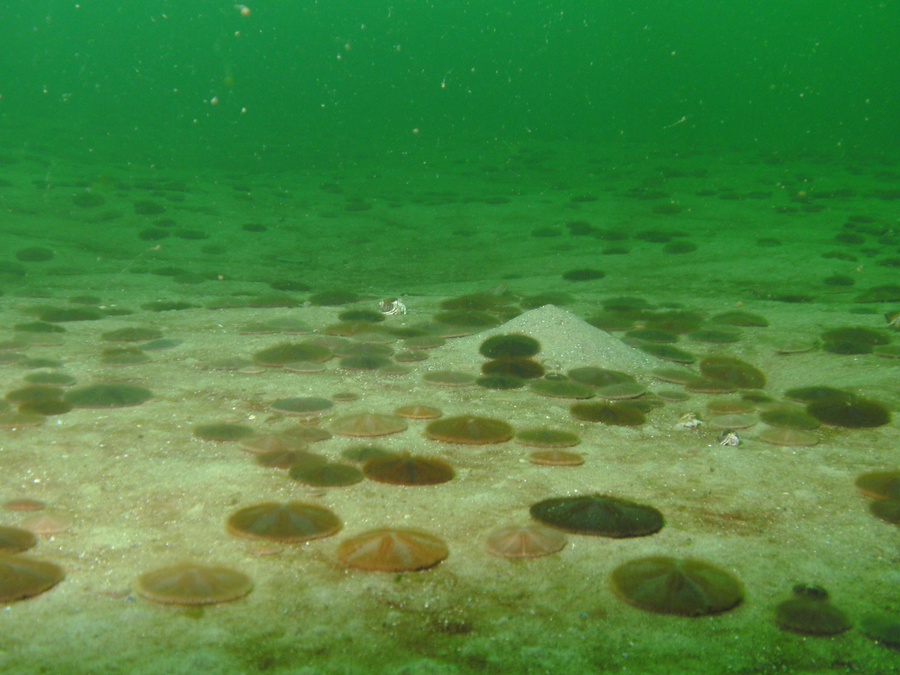
A rigid test with a five-petal flower pattern on top hides a skirt of spines that move food toward the mouth on the underside. Live animals are purple, not white like beach shells.
Plankton from sediment flows
Spines create currents that deliver diatoms and detritus to mouth grooves. Burrowing keeps the animal just below the sand surface.
North Atlantic coastal sands
Echinarachnius parma lives from Labrador to Massachusetts on subtidal and low-tide sands. Dense beds can cover hectares offshore.
Beachcombing versus live beds
Least Concern with extensive habitat. Bleached tests wash ashore after storms; collecting live dollars from shallow beds can locally thin populations.
Explore the Sand Dollar
Close relatives
- Octopus Same class
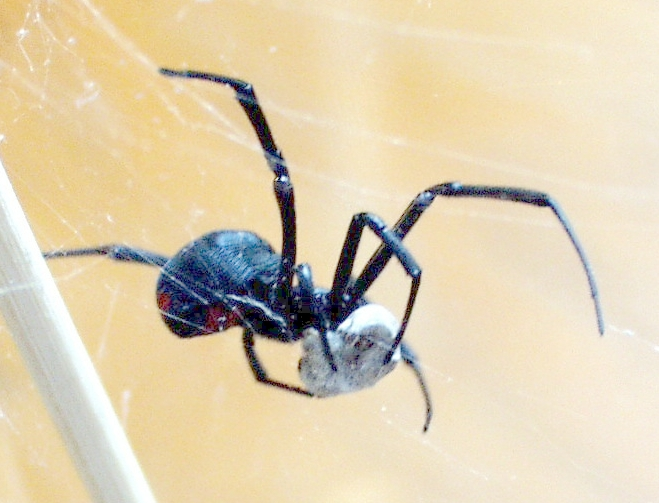
- Black Widow Same class
- Jellyfish Same class
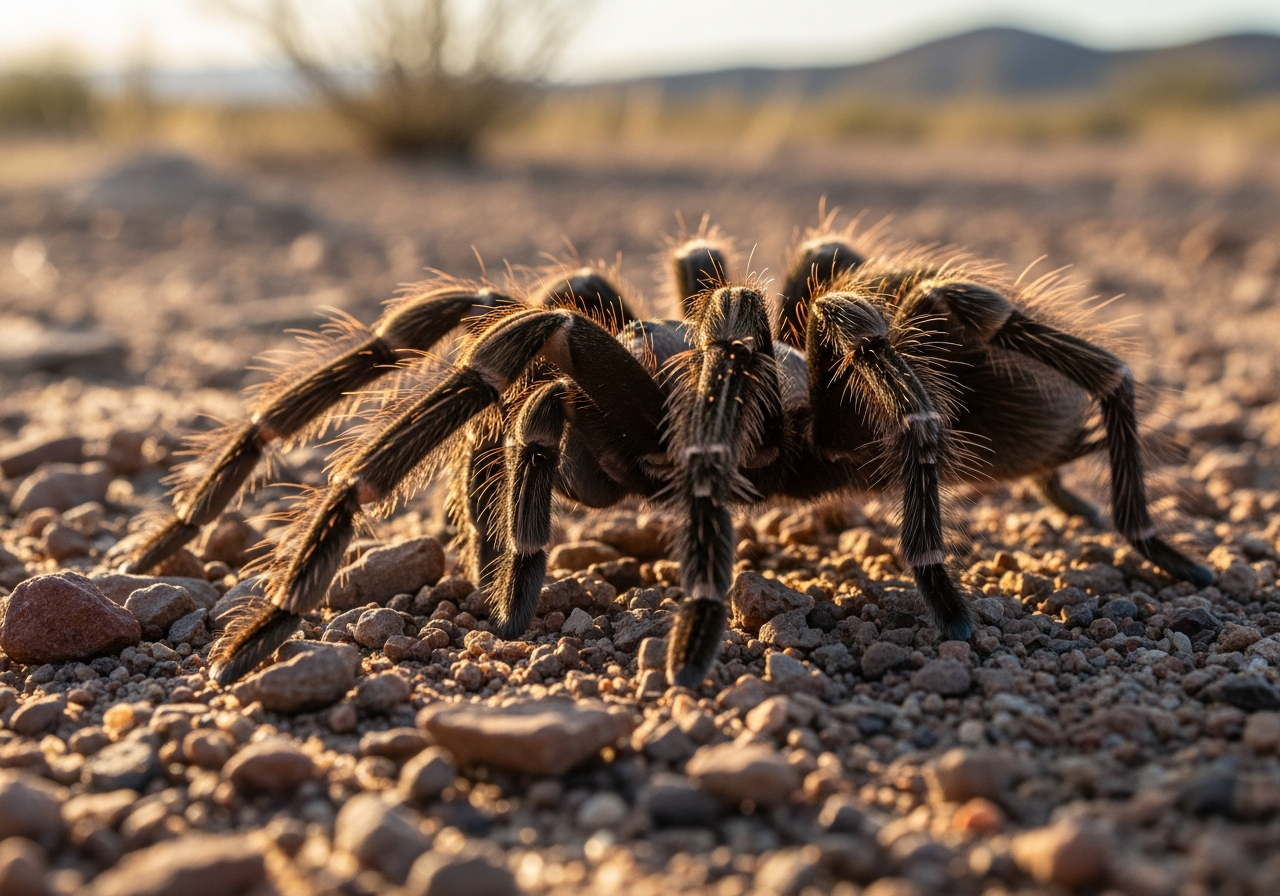
- Tarantula Same class
Range & geography
Conservation status of the Sand Dollar
The sand dollar (Echinarachnius parma) is listed as Least Concern on the IUCN Red List. Least Concern (LC) is the IUCN's lowest-risk category, assigned to widespread, abundant species that have been evaluated and found not to be threatened. It does not mean a species faces no pressures — only that it is not currently at risk of extinction.
The sand dollar (Echinarachnius parma) is assessed on the IUCN Red List. Look up on the IUCN Red List .
Frequently asked questions about the Sand Dollar
Are sand dollars alive when white?
White discs are usually dead tests; live sand dollars are purple and covered in tiny spines.
What is the flower on a sand dollar?
A five-part petal pattern where tube feet and respiratory pores align on the upper surface.
How do sand dollars eat?
Spine currents pass sand grains to mouth grooves that extract organic film and plankton.
Where are eccentric sand dollars found?
North Atlantic sandy seabeds from Canada to New England.
Are sand dollars related to sea urchins?
Yes — they are flattened irregular echinoids in the same phylum.
What is a group of sand dollars called?
A group of Sand Dollars is called a bed.
What is a baby sand dollar called?
A baby Sand Dollar is called a larva.
Sources & references
This guide is compiled and reviewed against established zoological and conservation references. Key sources for the Sand Dollar:
-
IUCN Red List of Threatened Species
Conservation status (Least Concern) reflects the IUCN Red List category for Echinarachnius parma.
-
iNaturalist — observations & photos
Search citizen-science observations and community IDs for Echinarachnius parma. Useful for range checks and recent sightings — not a substitute for formal Red List status.
-
GBIF — occurrence data
Global Biodiversity Information Facility species search for Echinarachnius parma. Explore published occurrence records used in range research.
-
Global Animal Guide editorial standards
How we research, source, review, and update every guide for accuracy.