Image sourcing: see credits & licences
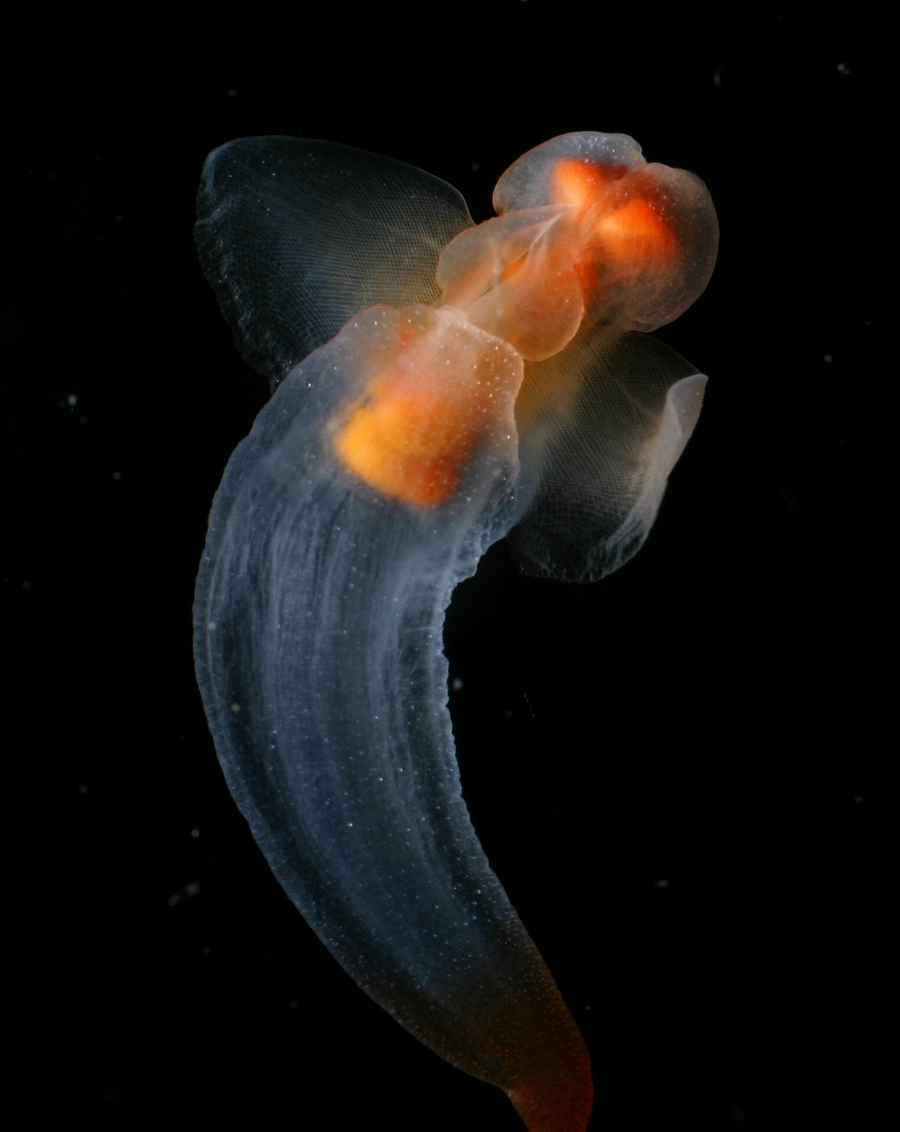
The sea angel (Clione limacina) is a gastropod mollusc of the family Clionidae, in the order Pteropoda.
Quick answer
The sea angel (Clione limacina) is a shell-less pelagic snail that swims with wing-like parapodia and hunts shelled pteropods in Arctic seas. Adults reach 5 cm and are Least Concern.
Top questions about the Sea Angel
Sea Angel facts at a glance
- Weight 3 g
- Length 5 cm
- Top speed 2 km/h
- Lifespan 1 years
| Scientific name | Clione limacina |
|---|---|
| Diet | Carnivore |
| Habitat | Open polar waters |
| Lifespan | 1–2 years |
| Weight | 0.001–0.005 kg |
| Top speed | up to 2 km/h |
| Conservation status | Least Concern (IUCN) |
| Kingdom | Animalia |
|---|---|
| Phylum | Mollusca |
| Class | Gastropoda |
| Order | Pteropoda |
| Family | Clionidae |
| Genus | Clione |
Where it lives
The sea angel (Clione limacina) is native to Cold Arctic and subarctic seas. — recorded across North America, Europe, Asia in this guide’s range summary.
For occurrence records, see GBIF species search and sources below.
How big is a sea angel?
An adult sea angel measures 5 cm long — about 3% of the height of an average adult person (1.73 m) — and weighs around 3 g, a small fraction of an average adult’s body weight (70 kg).
Length vs an average adult’s height (to scale)
What is a group of sea angels called?
Group name (collective noun)
A group of Sea Angels is called a school.
Baby name
A baby Sea Angel is called a larva.
Explore more animal collective nouns and baby animal names .
Winged snail without a shell
Sea angels shed the shell their ancestors carried. Parapodia flap like wings for slow swimming in cold water. Bodies are mostly transparent except an orange gut.
Shell-drilling pteropod hunter
Specialised radula teeth hook and extract shelled sea butterflies (Limacina). High predation can structure pteropod populations in Arctic food webs.
Cold Arctic and subarctic seas
North Atlantic and Pacific polar waters. Seasonal blooms track their shelled prey in plankton.
Climate sentinel
Least Concern currently. Warming and acidification affect pteropod prey; sea angels are studied as indicators of polar pelagic change.
Explore the Sea Angel
Close relatives
- Octopus Same class
- Black Widow Same class
- Jellyfish Same class
- Tarantula Same class
Range & geography
Conservation status of the Sea Angel
The sea angel (Clione limacina) is listed as Least Concern on the IUCN Red List. Least Concern (LC) is the IUCN's lowest-risk category, assigned to widespread, abundant species that have been evaluated and found not to be threatened. It does not mean a species faces no pressures — only that it is not currently at risk of extinction.
The sea angel (Clione limacina) is assessed on the IUCN Red List. Look up on the IUCN Red List .
Frequently asked questions about the Sea Angel
Why is it called a sea angel?
Wing-like parapodia and graceful swimming in cold clear water suggested angel wings.
Do sea angels have shells?
Adults are naked — they lost the shell during evolution toward pelagic life.
What do sea angels eat?
Mainly shelled sea butterflies (Limacina pteropods), extracted with hooked teeth.
Where are sea angels found?
Cold Arctic and subarctic open waters of the North Atlantic and Pacific.
Are sea angels related to sea slugs?
Both are gastropods, but sea angels are pelagic pteropods, not benthic nudibranchs.
What is a group of sea angels called?
A group of Sea Angels is called a school.
What is a baby sea angel called?
A baby Sea Angel is called a larva.
Sources & references
This guide is compiled and reviewed against established zoological and conservation references. Key sources for the Sea Angel:
-
IUCN Red List of Threatened Species
Conservation status (Least Concern) reflects the IUCN Red List category for Clione limacina.
-
iNaturalist — observations & photos
Search citizen-science observations and community IDs for Clione limacina. Useful for range checks and recent sightings — not a substitute for formal Red List status.
-
GBIF — occurrence data
Global Biodiversity Information Facility species search for Clione limacina. Explore published occurrence records used in range research.
-
Global Animal Guide editorial standards
How we research, source, review, and update every guide for accuracy.