Image sourcing: see credits & licences
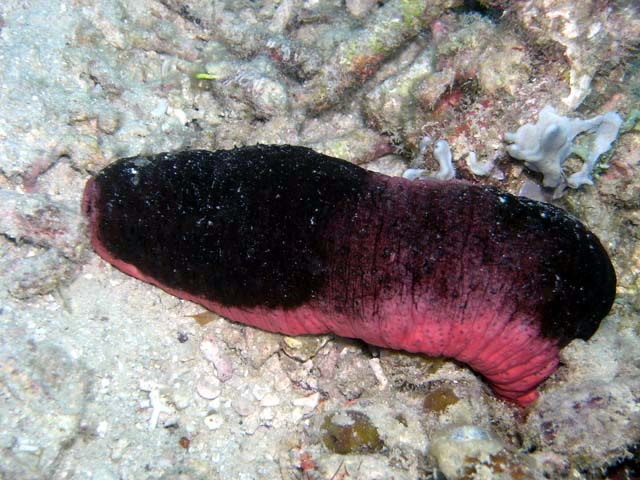
The sea cucumber (Holothuria edulis) is an echinoderm of the family Holothuriidae, in the order Holothuriida.
Quick answer
The edible sea cucumber (Holothuria edulis) is a soft-bodied echinoderm that vacuums sandy reef flats in the Indo-Pacific. Adults reach 30 cm, recycle sediment, and are listed Least Concern.
Top questions about the Sea Cucumber
Sea Cucumber facts at a glance
- Weight 500 g
- Length 30 cm
- Top speed 2 km/h
- Lifespan 8 years
| Scientific name | Holothuria edulis |
|---|---|
| Diet | Detritivore |
| Habitat | Reef flats and sandy bottoms |
| Lifespan | 5–10 years |
| Weight | 0.3–0.8 kg |
| Top speed | up to 2 km/h |
| Conservation status | Least Concern (IUCN) |
| Kingdom | Animalia |
|---|---|
| Phylum | Echinodermata |
| Class | Holothuroidea |
| Order | Holothuriida |
| Family | Holothuriidae |
| Genus | Holothuria |
Where it lives
The sea cucumber (Holothuria edulis) is native to Indo-Pacific reefs and sand flats. — recorded across Asia, Oceania in this guide’s range summary.
For occurrence records, see GBIF species search and sources below.
How big is a sea cucumber?
An adult sea cucumber measures 30 cm long — about 17% of the height of an average adult person (1.73 m) — and weighs around 500 g, about 1% of an average adult’s body weight (70 kg).
Length vs an average adult’s height (to scale)
What is a group of sea cucumbers called?
Group name (collective noun)
A group of Sea Cucumbers is called a bed.
Baby name
A baby Sea Cucumber is called a larva.
Explore more animal collective nouns and baby animal names .
Living sand conveyor
Leathery bodies lack armour; tentacles around the mouth shovel sediment to extract organic film. Some species eject sticky threads or organs when threatened.
Detritus and reef recycling
Sediment processing releases nutrients back to the ecosystem. In aquaculture ponds they improve water quality similarly.
Indo-Pacific reefs and flats
Holothuria edulis ranges from East Africa to Polynesia on reef flats and sand patches. Daytime hiding under rubble is common.
Beche-de-mer pressure
Least Concern for this species, but global sea-cucumber fisheries have crashed others. Dried beche-de-mer trade drives overharvest in many regions.
Explore the Sea Cucumber
Close relatives
- Octopus Same class
- Black Widow Same class
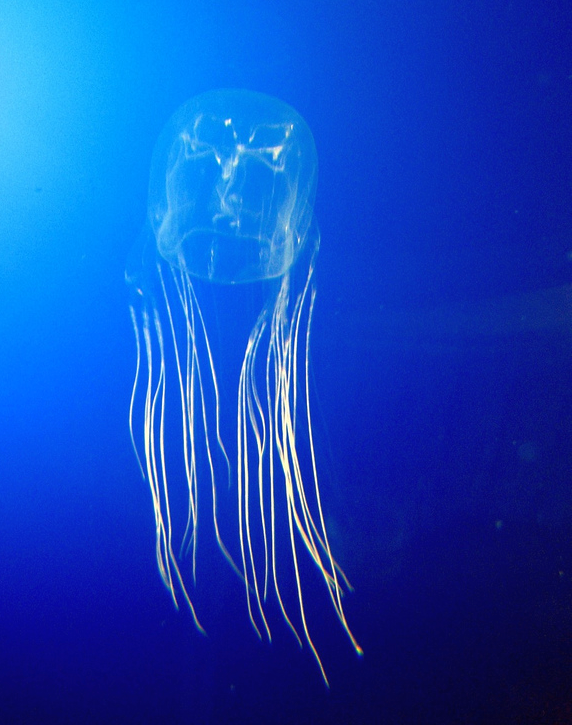
- Jellyfish Same class
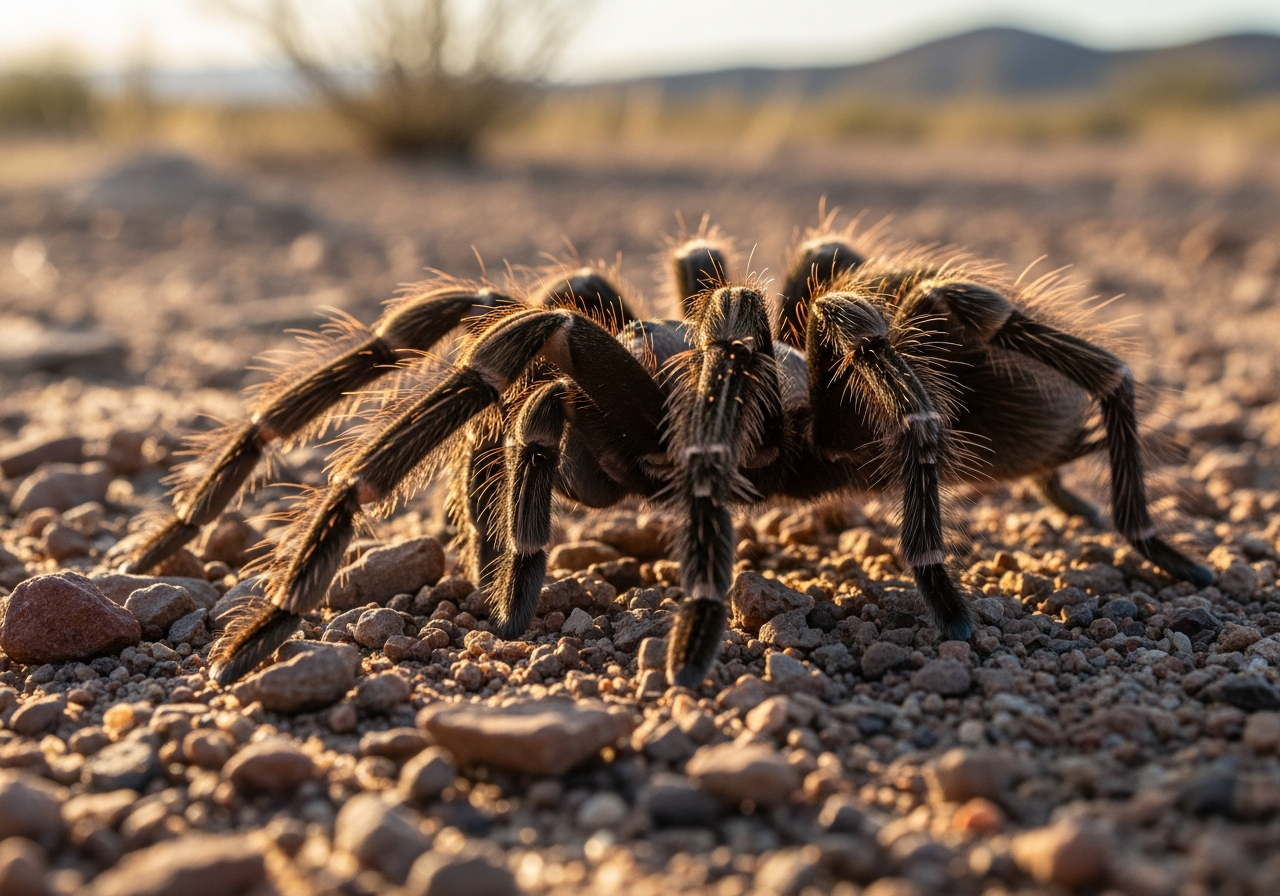
- Tarantula Same class
Range & geography
Conservation status of the Sea Cucumber
The sea cucumber (Holothuria edulis) is listed as Least Concern on the IUCN Red List. Least Concern (LC) is the IUCN's lowest-risk category, assigned to widespread, abundant species that have been evaluated and found not to be threatened. It does not mean a species faces no pressures — only that it is not currently at risk of extinction.
The sea cucumber (Holothuria edulis) is assessed on the IUCN Red List. Look up on the IUCN Red List .
Frequently asked questions about the Sea Cucumber
Are sea cucumbers animals or plants?
Animals — they are echinoderms related to sea stars and urchins.
What happens when a sea cucumber is stressed?
Some eject sticky Cuvierian tubules or expel organs to distract predators, then regenerate.
Why are sea cucumbers harvested?
Dried beche-de-mer is a luxury food in East Asia, driving intensive fisheries.
What do sea cucumbers eat?
Organic film and detritus sifted from sand and mud with oral tentacles.
Do sea cucumbers have brains?
They have a simple nerve ring — enough to coordinate movement and feeding.
What is a group of sea cucumbers called?
A group of Sea Cucumbers is called a bed.
What is a baby sea cucumber called?
A baby Sea Cucumber is called a larva.
Sources & references
This guide is compiled and reviewed against established zoological and conservation references. Key sources for the Sea Cucumber:
-
IUCN Red List of Threatened Species
Conservation status (Least Concern) reflects the IUCN Red List category for Holothuria edulis.
-
iNaturalist — observations & photos
Search citizen-science observations and community IDs for Holothuria edulis. Useful for range checks and recent sightings — not a substitute for formal Red List status.
-
GBIF — occurrence data
Global Biodiversity Information Facility species search for Holothuria edulis. Explore published occurrence records used in range research.
-
Global Animal Guide editorial standards
How we research, source, review, and update every guide for accuracy.