Image sourcing: see credits & licences
Quick answer
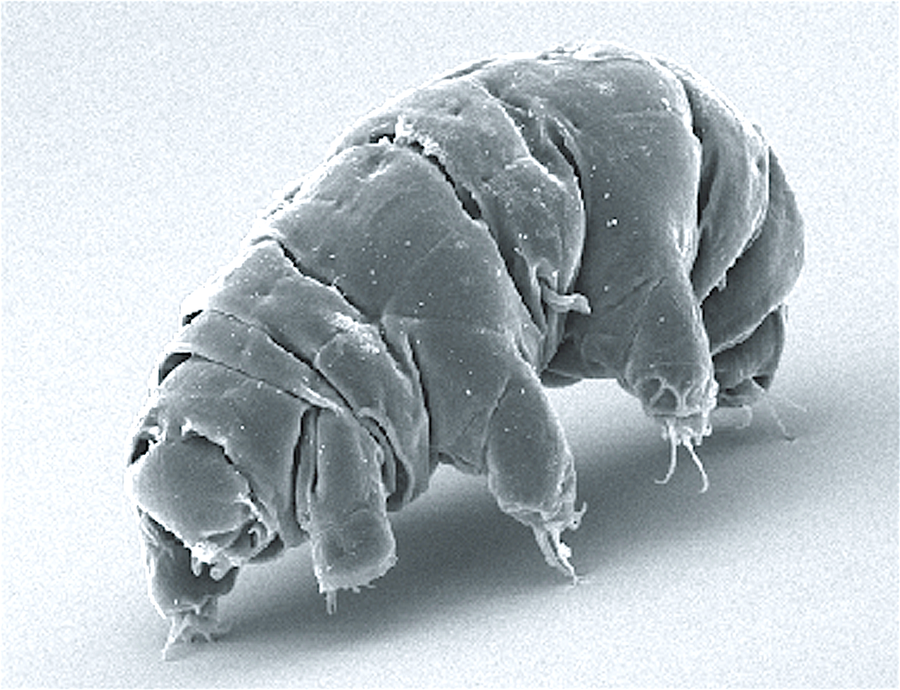
The water bear (Milnesium tardigradum) is a microscopic tardigrade famous for surviving vacuum, radiation, and decades of desiccation. Adults reach 1 mm and are Least Concern.
Top questions about the Water Bear
Water Bear facts at a glance
- Weight 0 g
- Length 0 cm
- Top speed 0 km/h
- Lifespan 1 years
| Scientific name | Milnesium tardigradum |
|---|---|
| Diet | Carnivore (microbes) |
| Habitat | Moss moisture films |
| Lifespan | 1–2 years |
| Weight | 0.0000001–0.000001 kg |
| Top speed | up to 0.002 km/h |
| Conservation status | Least Concern (IUCN) |
| Kingdom | Animalia |
|---|---|
| Phylum | Tardigrada |
| Class | Eutardigrada |
| Order | Apochela |
| Family | Milnesiidae |
| Genus | Milnesium |
Where it lives
The water bear (Milnesium tardigradum) is native to Moss and lichen worldwide. — recorded across Europe, Asia, North America, Africa, Oceania, South America, Antarctica in this guide’s range summary.
For occurrence records, see GBIF species search and sources below.
How big is a water bear?
An adult water bear measures 0 cm long — a small fraction of the height of an average adult person (1.73 m) — and weighs around 0 g, a small fraction of an average adult’s body weight (70 kg).
Length vs an average adult’s height (to scale)
What is a group of water bears called?
Group name (collective noun)
A group of Water Bears is called a colony.
Baby name
A baby Water Bear is called a juvenile.
Explore more animal collective nouns and baby animal names .
Eight-legged barrel of resilience
Tardigrades walk slowly on four pairs of clawed legs. A stylet mouth pierces plant and animal cells in moss films. Bodies are segmented yet microscopic.
Moss films and lichens
They graze on plant cells, bacteria, and rotifers in thin water films on moss, lichen, and soil worldwide — including rooftops and Antarctica.
Every continent including Antarctica
Milnesium tardigradum and relatives occur wherever a film of moisture persists. Distribution is essentially global.
Indestructible at micro scale
Least Concern with untold billions. Cryptobiosis — tun formation — lets them survive extreme dryness, cold, and radiation experiments in labs.
Explore the Water Bear
Close relatives
- Octopus Same class
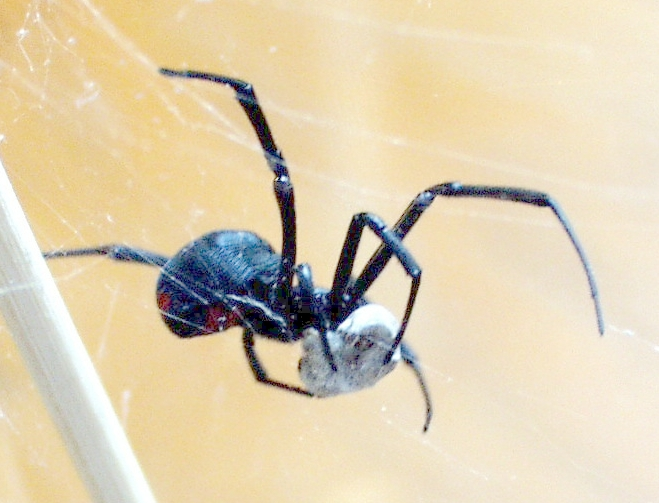
- Black Widow Same class
- Jellyfish Same class
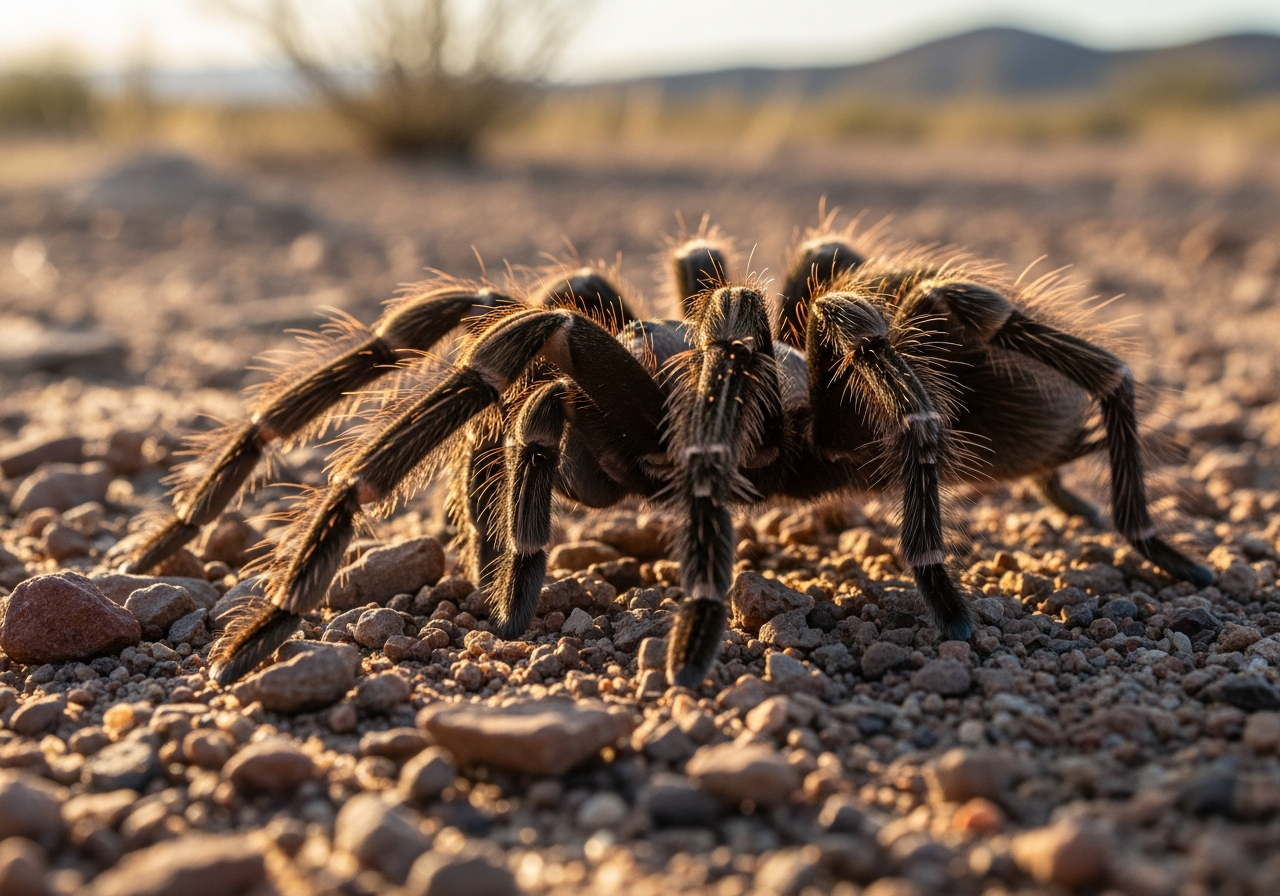
- Tarantula Same class
Conservation status of the Water Bear
The water bear (Milnesium tardigradum) is listed as Least Concern on the IUCN Red List. Least Concern (LC) is the IUCN's lowest-risk category, assigned to widespread, abundant species that have been evaluated and found not to be threatened. It does not mean a species faces no pressures — only that it is not currently at risk of extinction.
The water bear (Milnesium tardigradum) is assessed on the IUCN Red List. Look up on the IUCN Red List .
Frequently asked questions about the Water Bear
Can tardigrades survive in space?
Lab experiments exposed tun-state tardigrades to vacuum and radiation; many revived after rehydration.
How do tardigrades survive drying out?
They curl into a dry tun, replacing water with protective sugars until moisture returns.
How big is a water bear?
About 0.3–1 mm — visible only under a low-power microscope.
Where do you find tardigrades?
In moss, lichen, soil, and roof moss anywhere with occasional moisture.
Are tardigrades endangered?
No — they are among the most abundant and widespread micro-animals on Earth.
What is a group of water bears called?
A group of Water Bears is called a colony.
What is a baby water bear called?
A baby Water Bear is called a juvenile.
Sources & references
This guide is compiled and reviewed against established zoological and conservation references. Key sources for the Water Bear:
-
IUCN Red List of Threatened Species
Conservation status (Least Concern) reflects the IUCN Red List category for Milnesium tardigradum.
-
iNaturalist — observations & photos
Search citizen-science observations and community IDs for Milnesium tardigradum. Useful for range checks and recent sightings — not a substitute for formal Red List status.
-
GBIF — occurrence data
Global Biodiversity Information Facility species search for Milnesium tardigradum. Explore published occurrence records used in range research.
-
Global Animal Guide editorial standards
How we research, source, review, and update every guide for accuracy.