
Mammal
Giant Panda
The bamboo-eating bear of China's mountains
Trusted wildlife guides · Promotional links support animal rescue
Saturday, 18 July 2026Elevation creates stacked climates in a short horizontal distance. Endemic mountain species often have tiny ranges. Profiles mentioning mountain, alpine, highland, or montane habitats appear here.
Mountain habitats change with elevation — forest to alpine meadow to rock and snow. Thin air and steep terrain favour climbers, thick coats, and seasonal movement.
Snow leopard, mountain goat, Andean condor, and highland specialists show how cold nights and cliffs shape body plans.
Climate-driven upslope shifts, mining, tourism disturbance, and hunting threaten many mountain endemics.
Compare forest hubs for lower slopes and arctic for high-latitude cold habitats.
Ranked by profile popularity. An animal may also appear in other biomes if it uses multiple habitats.
Mammal
The bamboo-eating bear of China's mountains
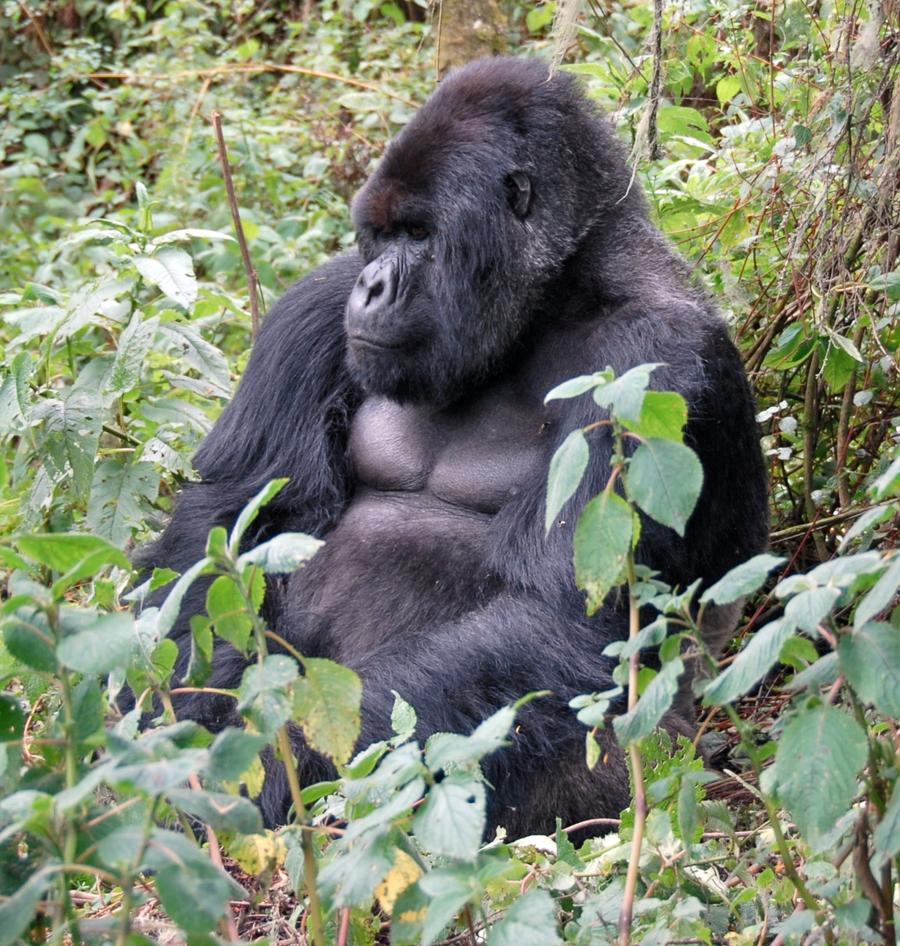
Mammal
The gentle giant of Rwanda's volcanoes
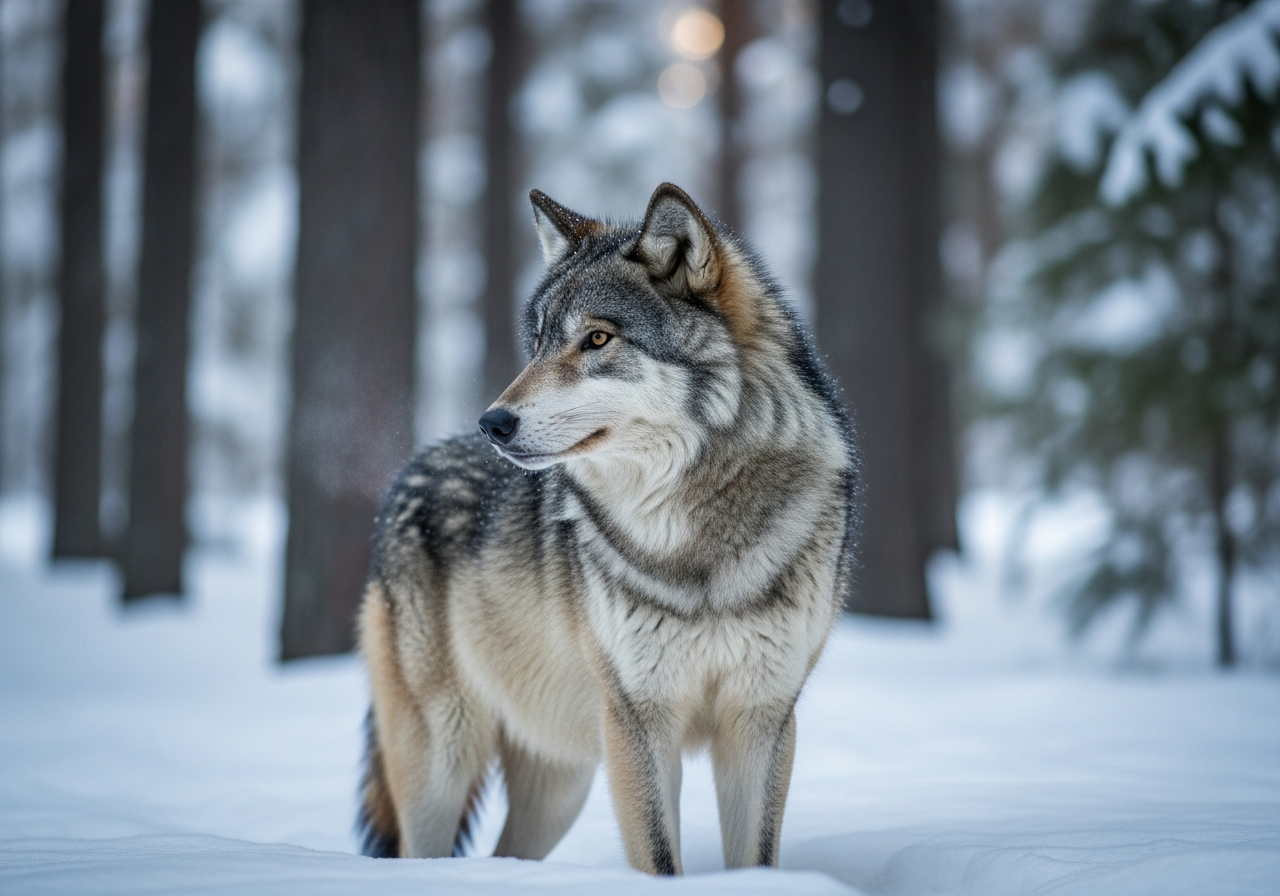
Mammal
The ancestor of the domestic dog
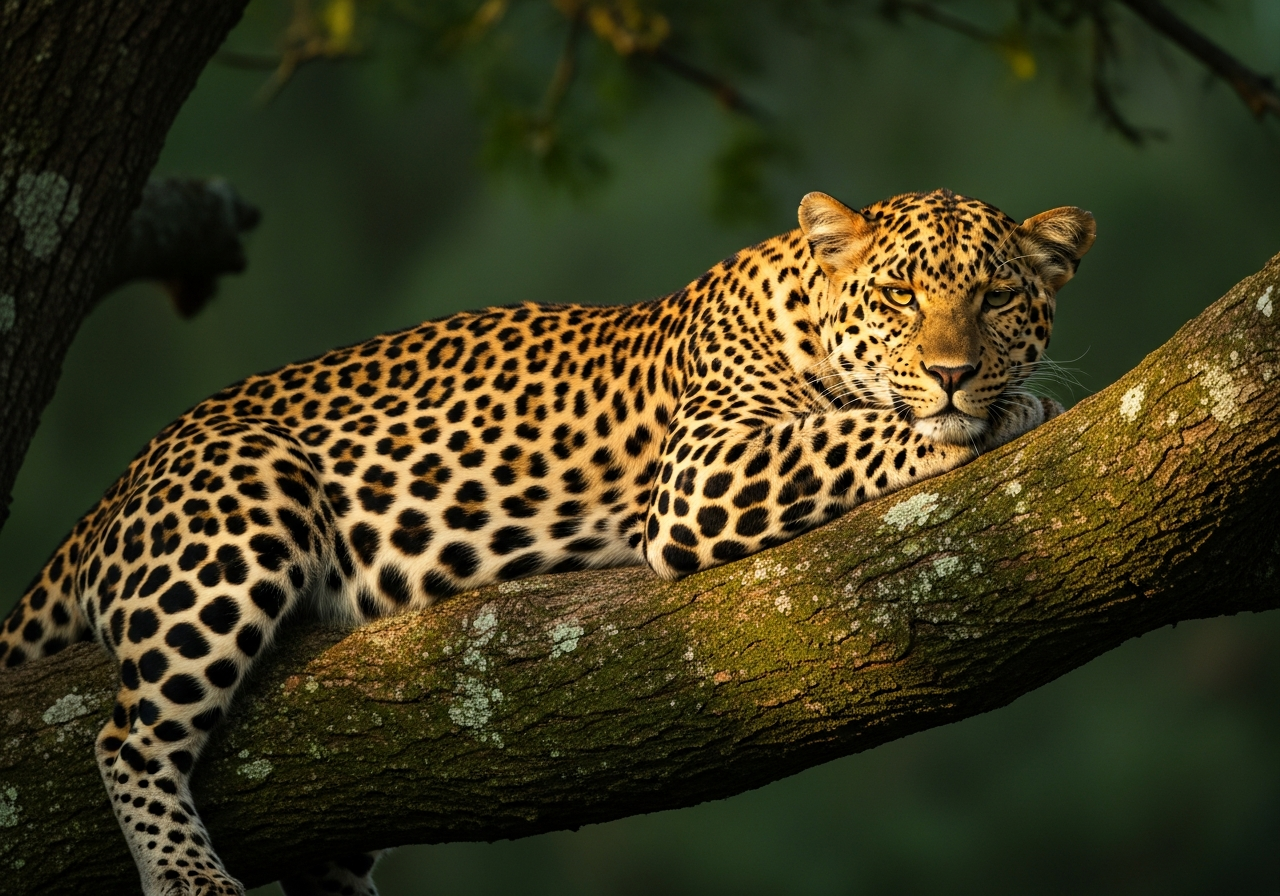
Mammal
The stealthy, tree-climbing big cat
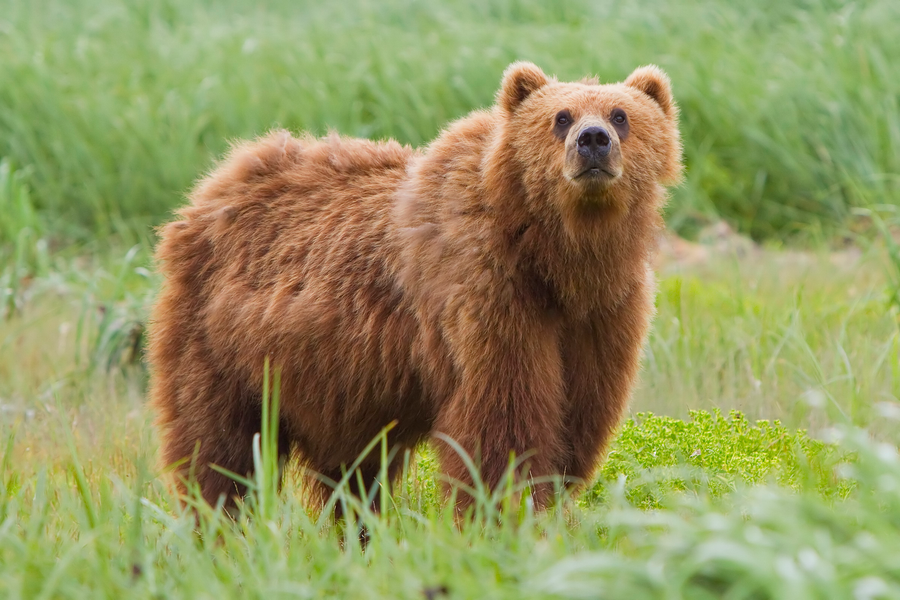
Mammal
The widespread bear of the Northern Hemisphere
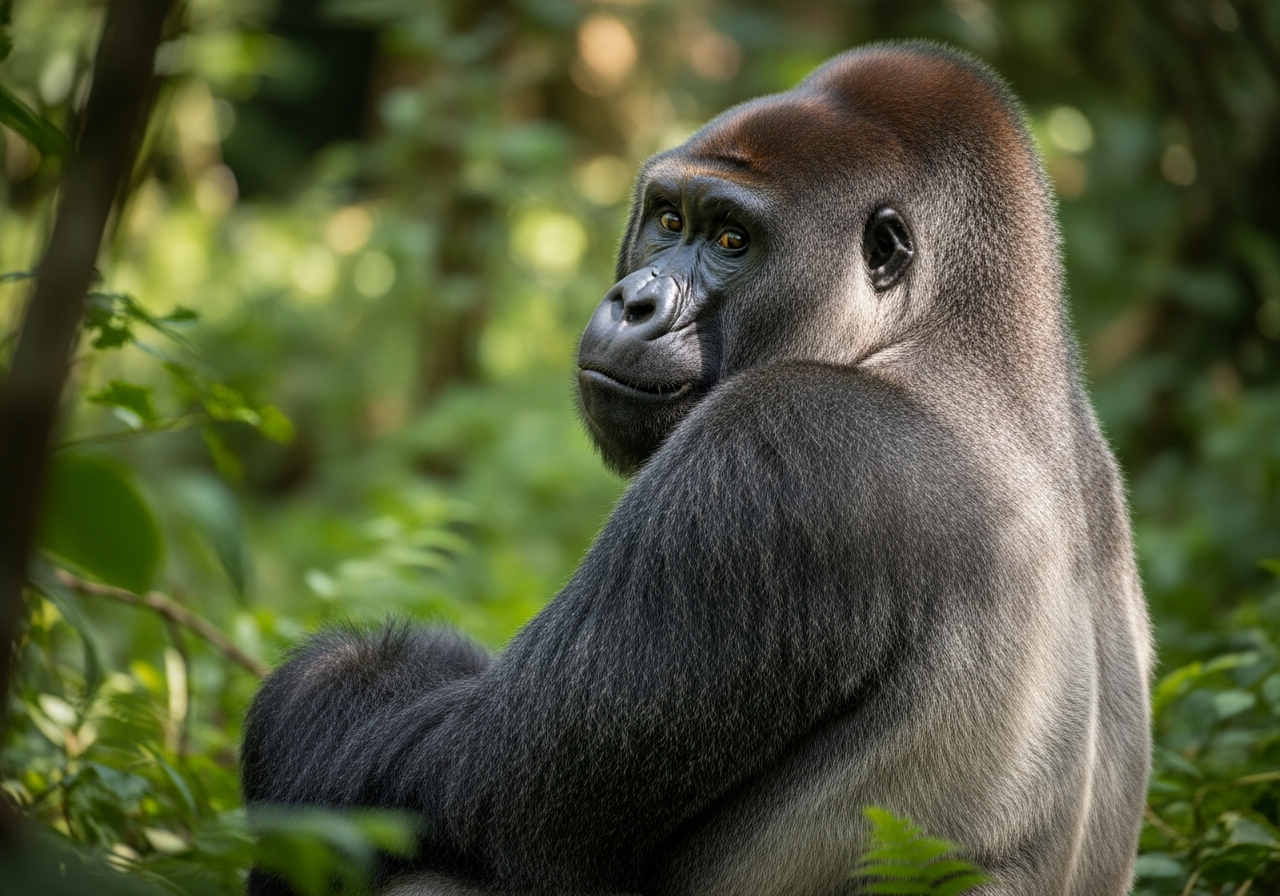
Mammal
The largest living primate
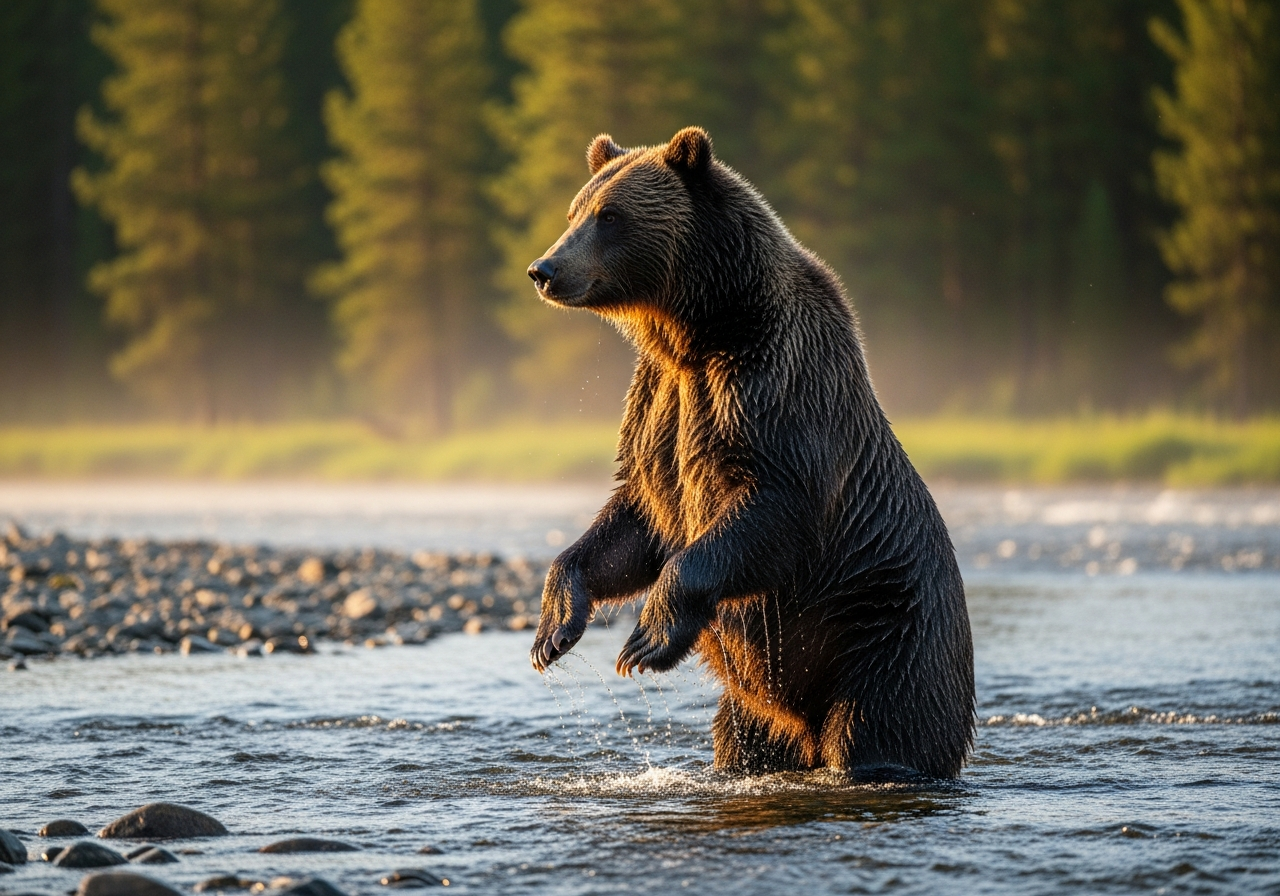
Mammal
North America's iconic brown bear
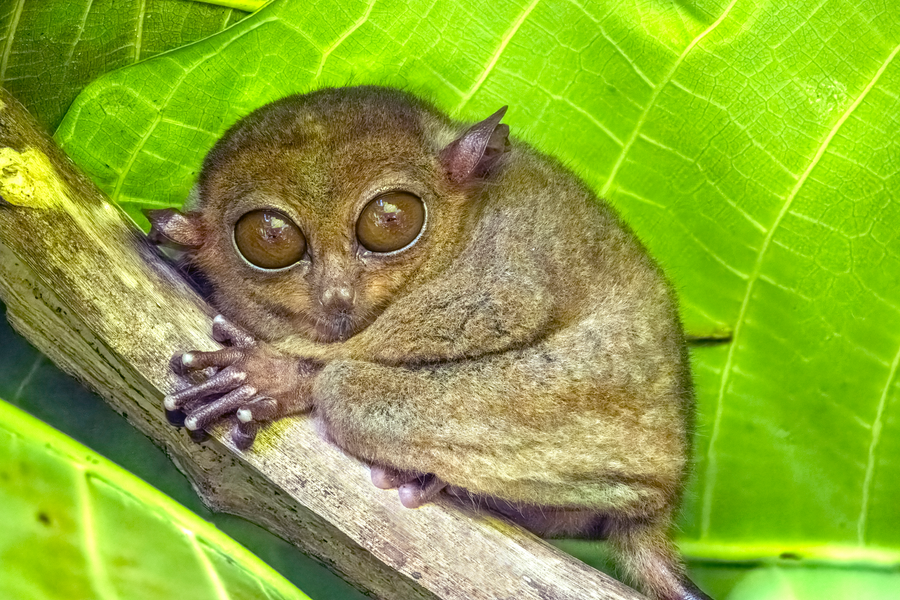
Mammal
The wide-eyed nocturnal primate
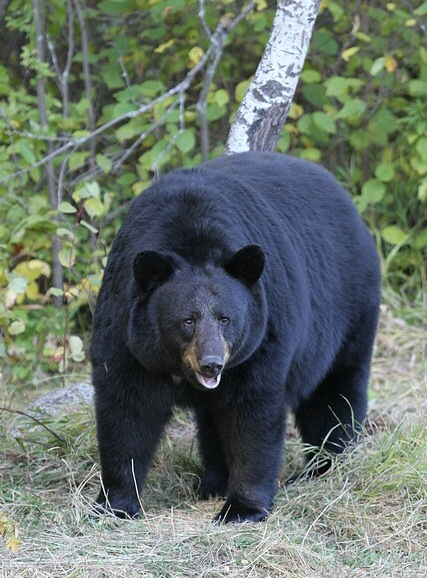
Mammal
North America's adaptable forest bear
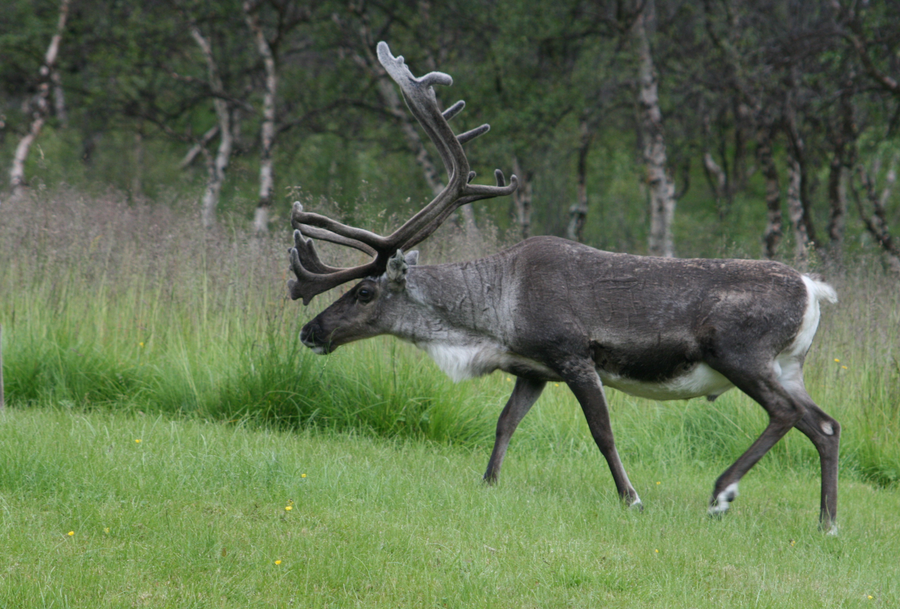
Mammal
The Arctic migrator and both-sex antlered deer
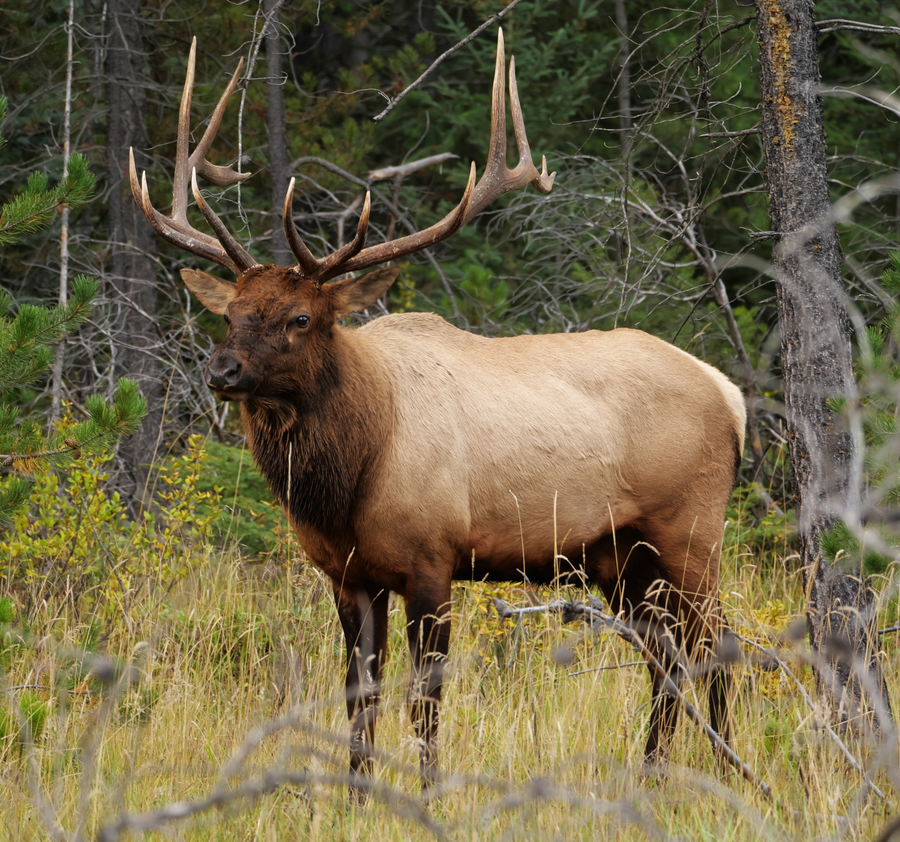
Mammal
The bugling giant of North American meadows
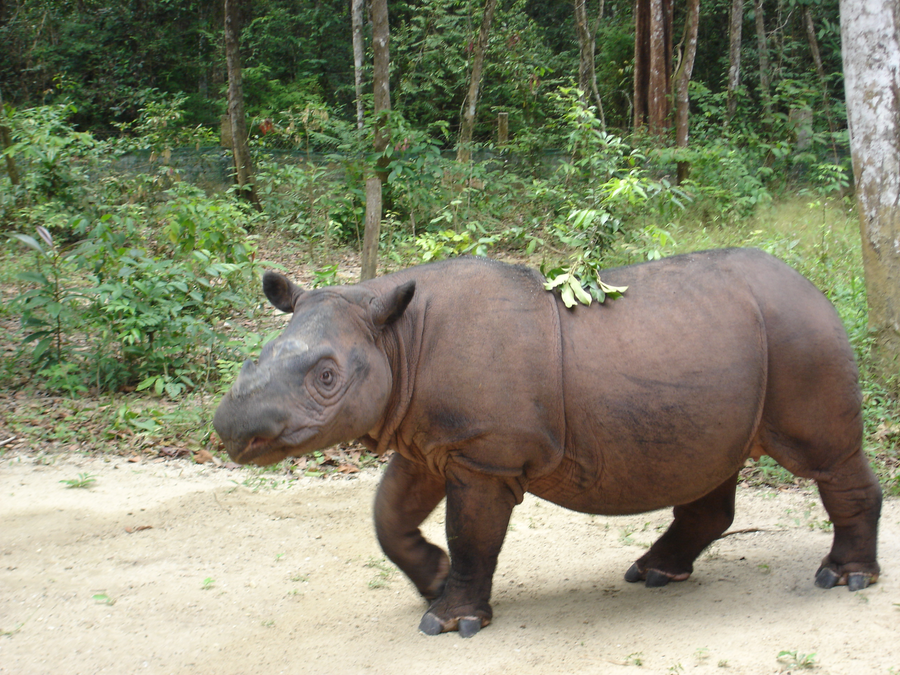
Mammal
The smallest, hairiest — and rarest — rhino
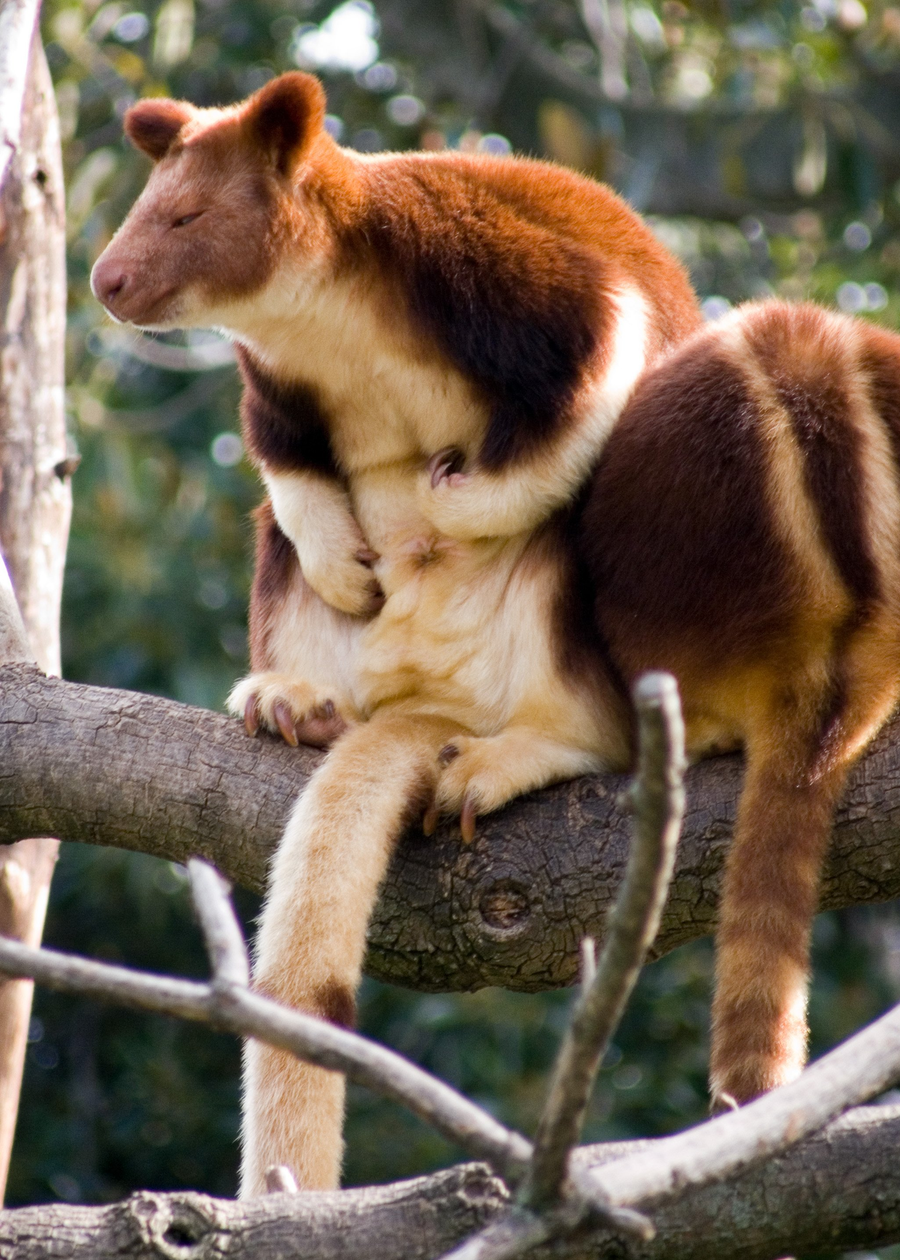
Mammal
The golden-striped kangaroo that lives in trees
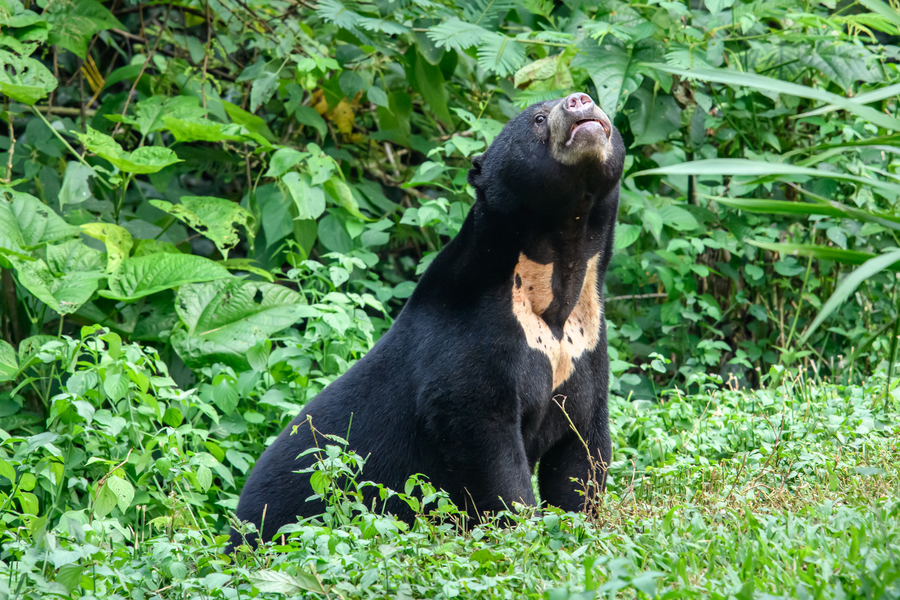
Mammal
The smallest bear of Southeast Asia's rainforests
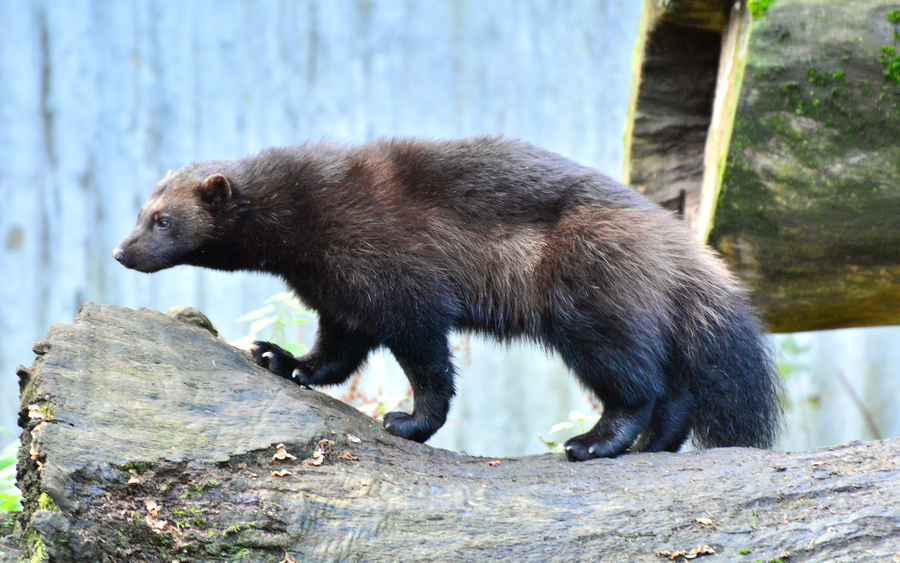
Mammal
The fierce scavenger of the boreal north
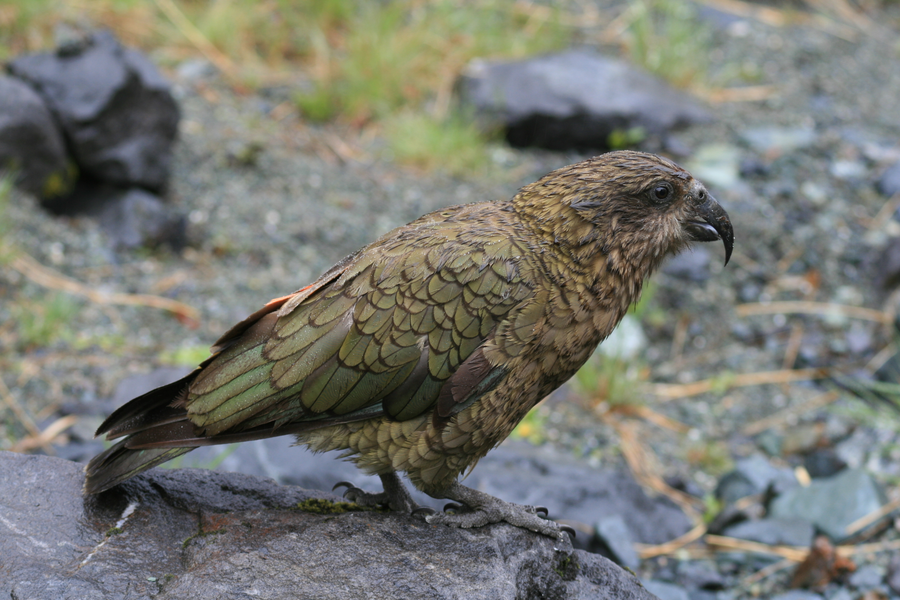
Bird
Alpine parrot renowned for curiosity

Amphibian
World's largest amphibian
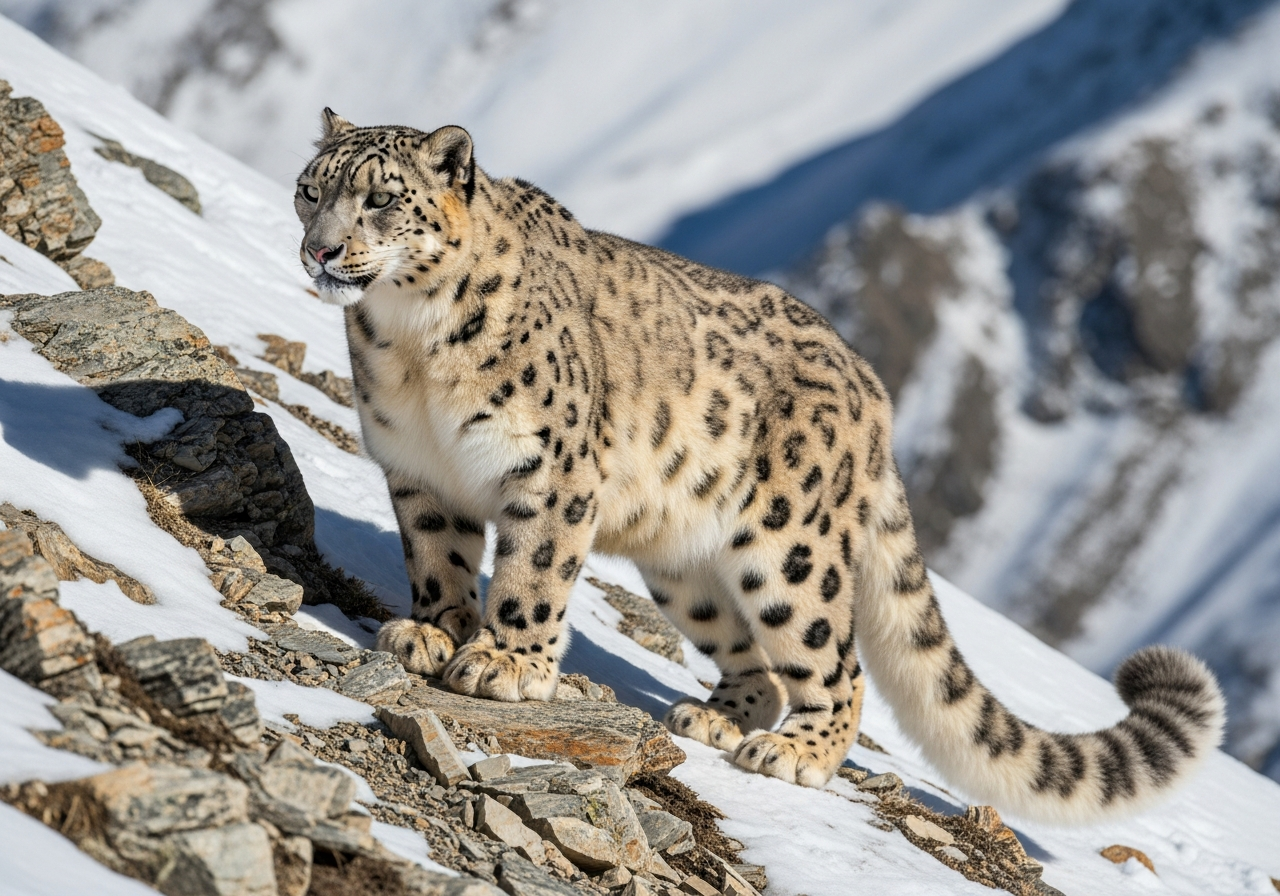
Mammal
The elusive ghost of the mountains
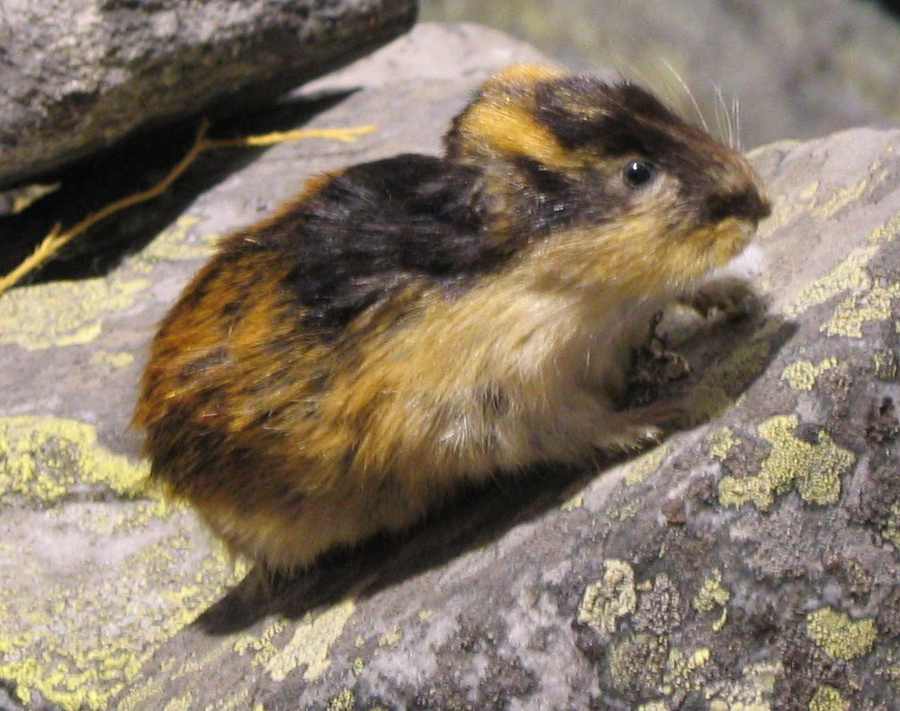
Mammal
The tundra rodent of myth
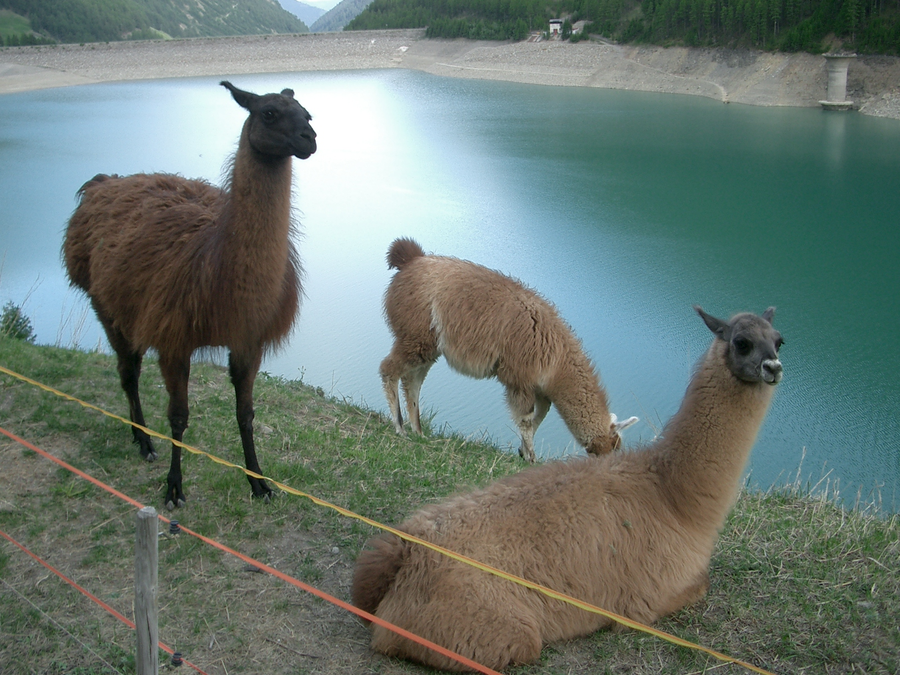
Mammal
The Andean pack animal and flock guardian
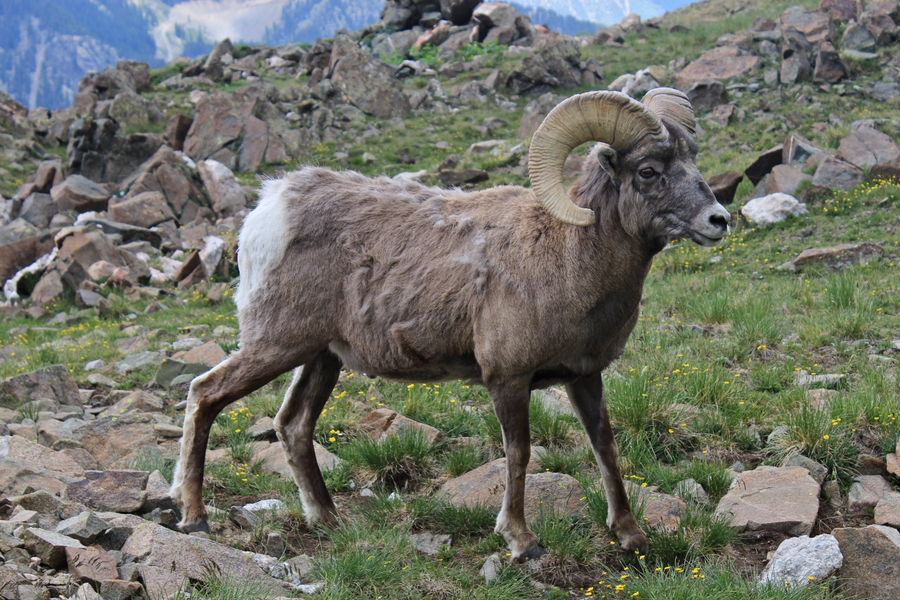
Mammal
Mountain sheep with massive curling horns
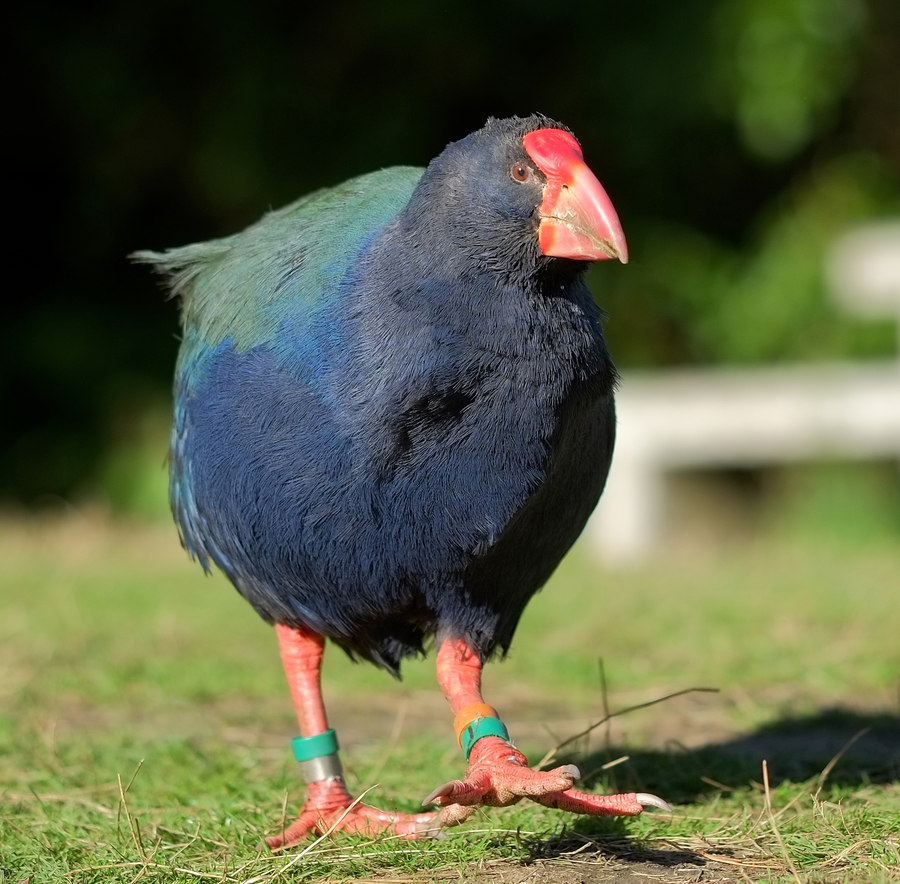
Bird
Flightless purple swamphen of New Zealand
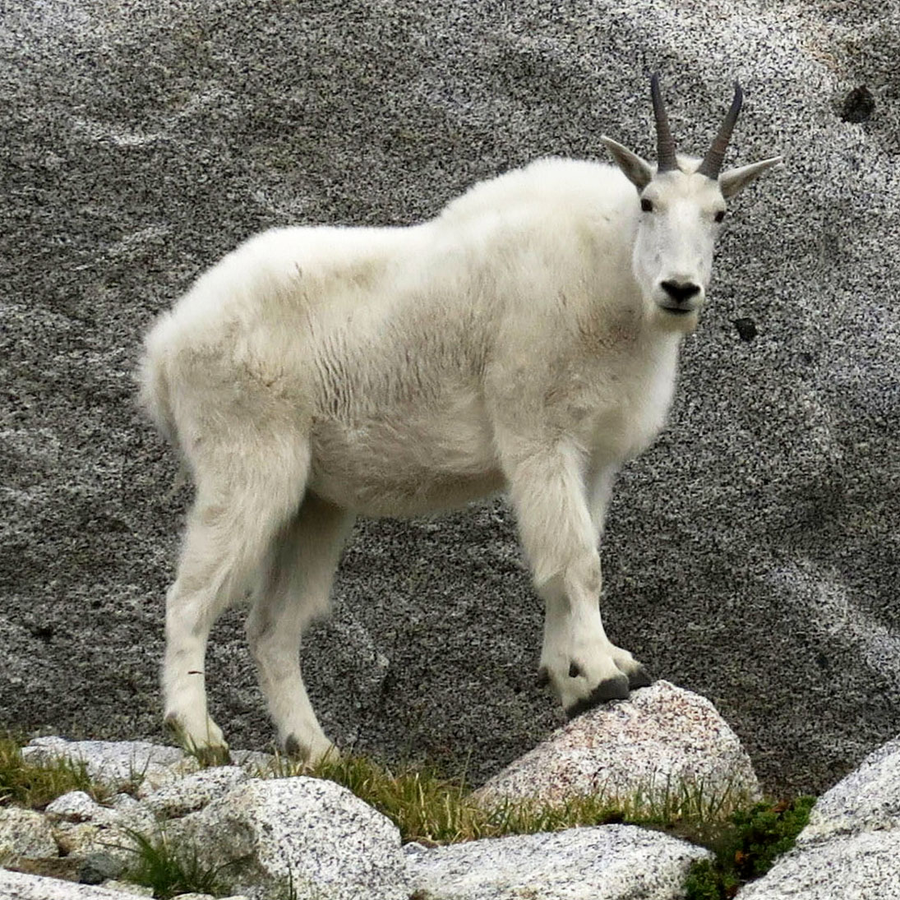
Mammal
Sure-footed climber of North American peaks
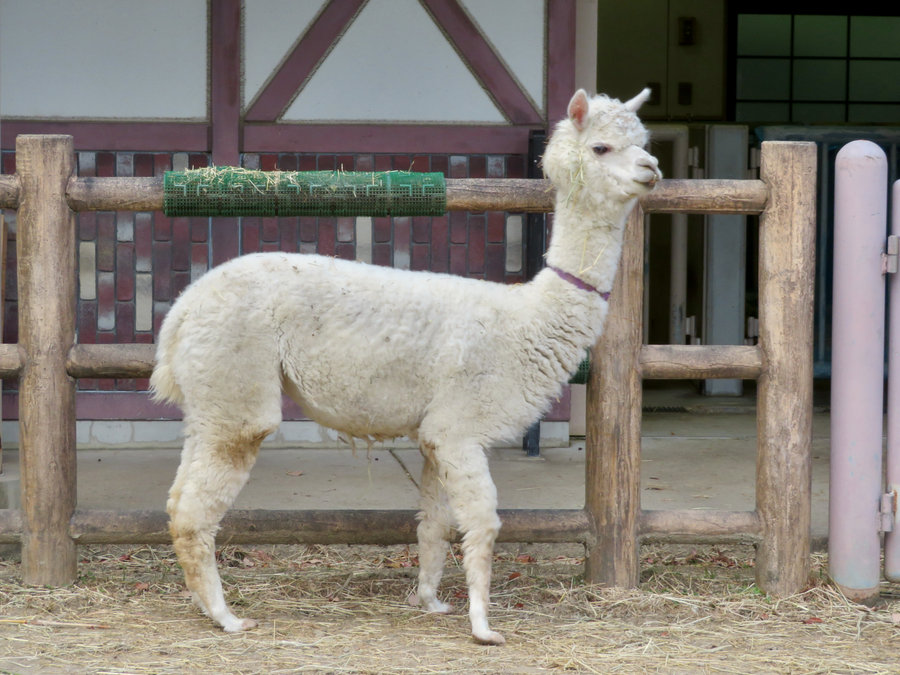
Mammal
The Andean fleece specialist

Reptile
Tall-casqued chameleon of the Arabian Peninsula
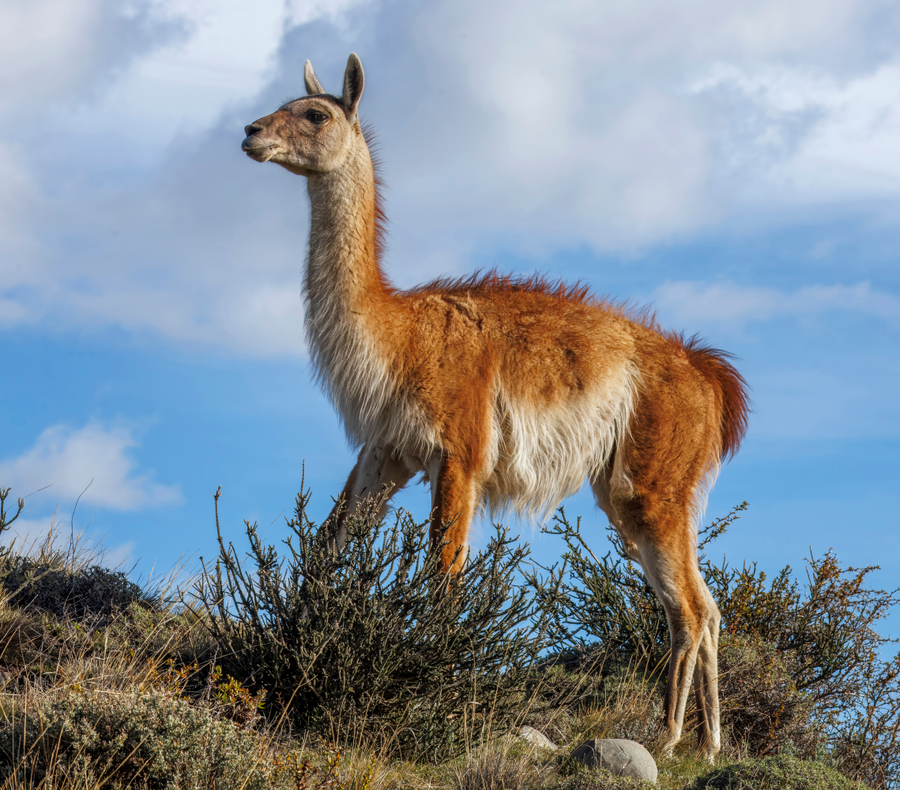
Mammal
Wild South American camelid ancestor of the llama
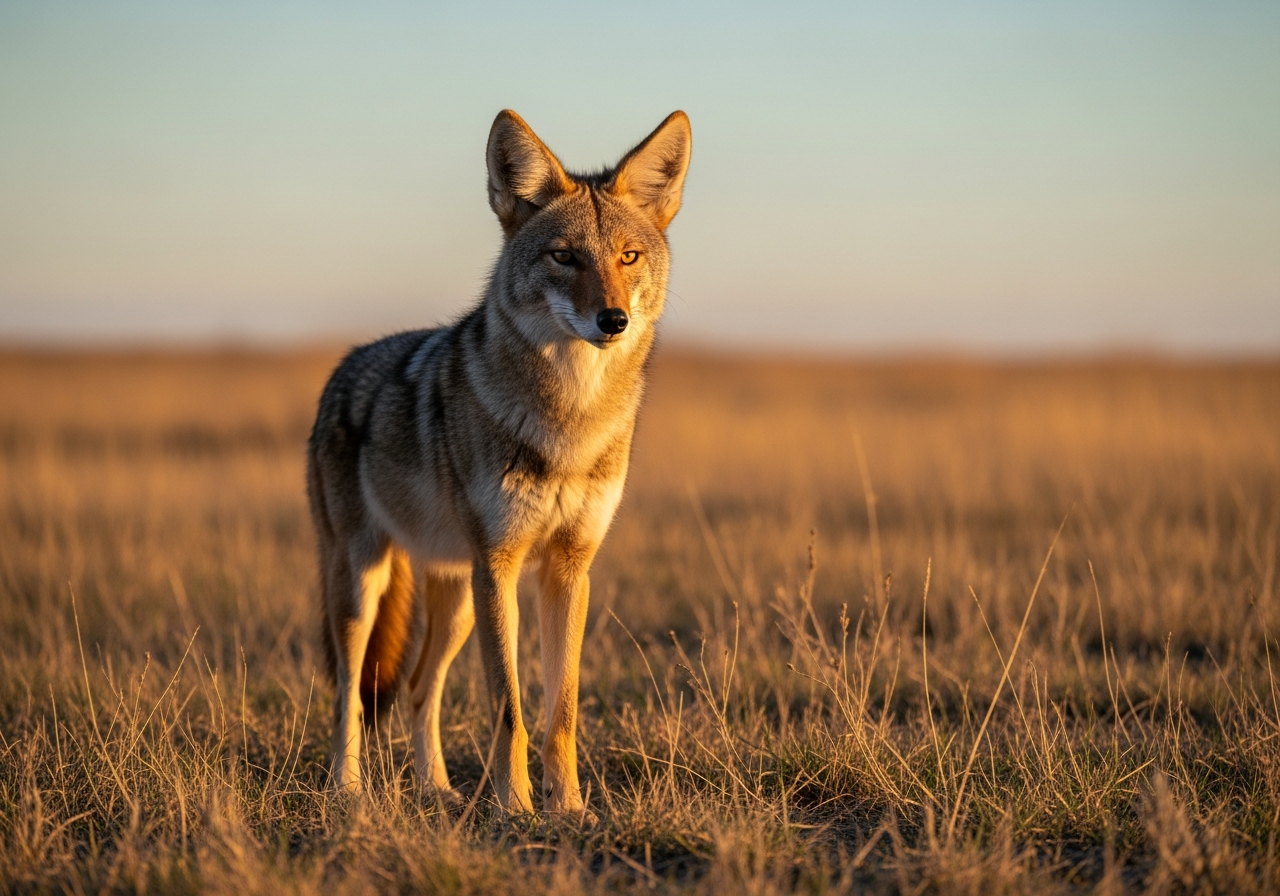
Mammal
North America's adaptable 'song dog'
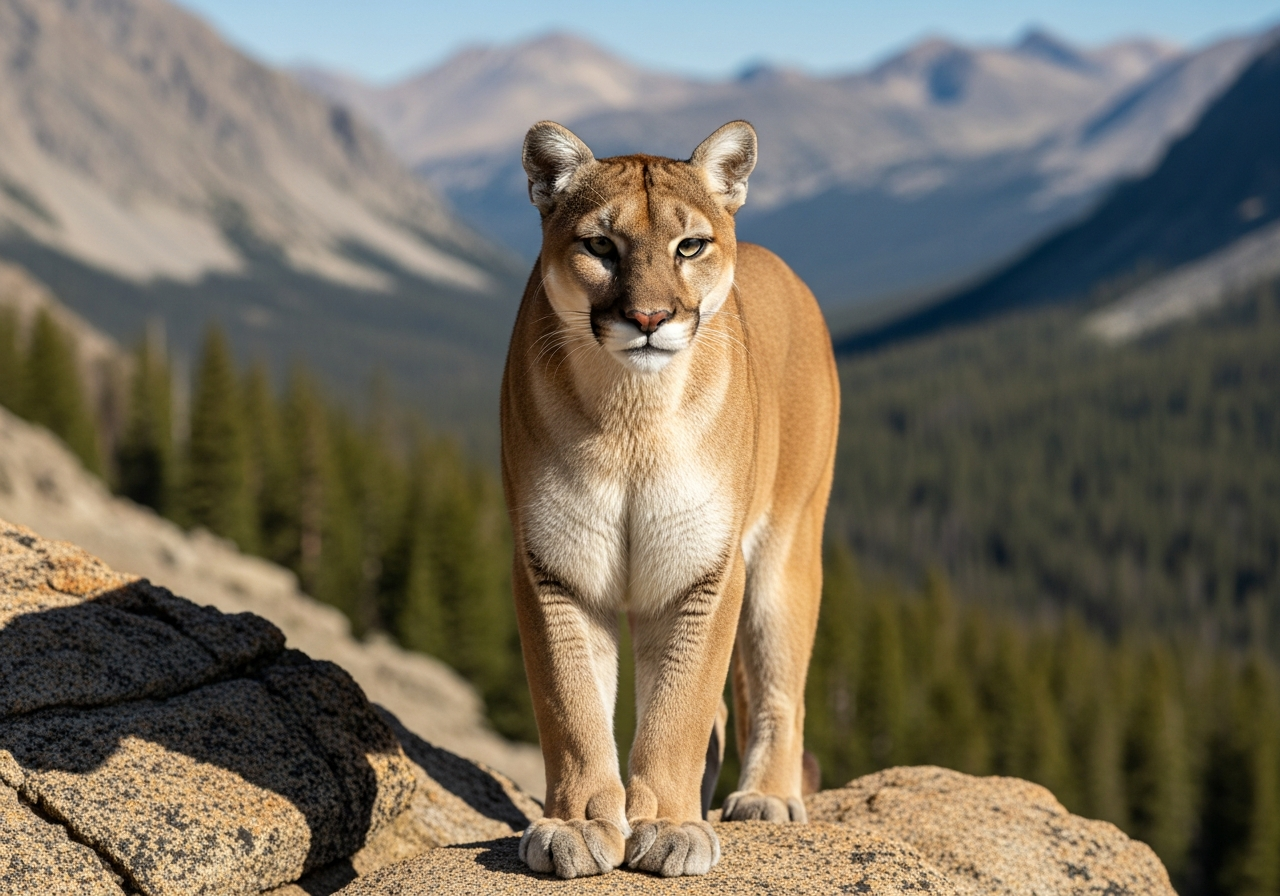
Mammal
The wide-ranging big cat with many names
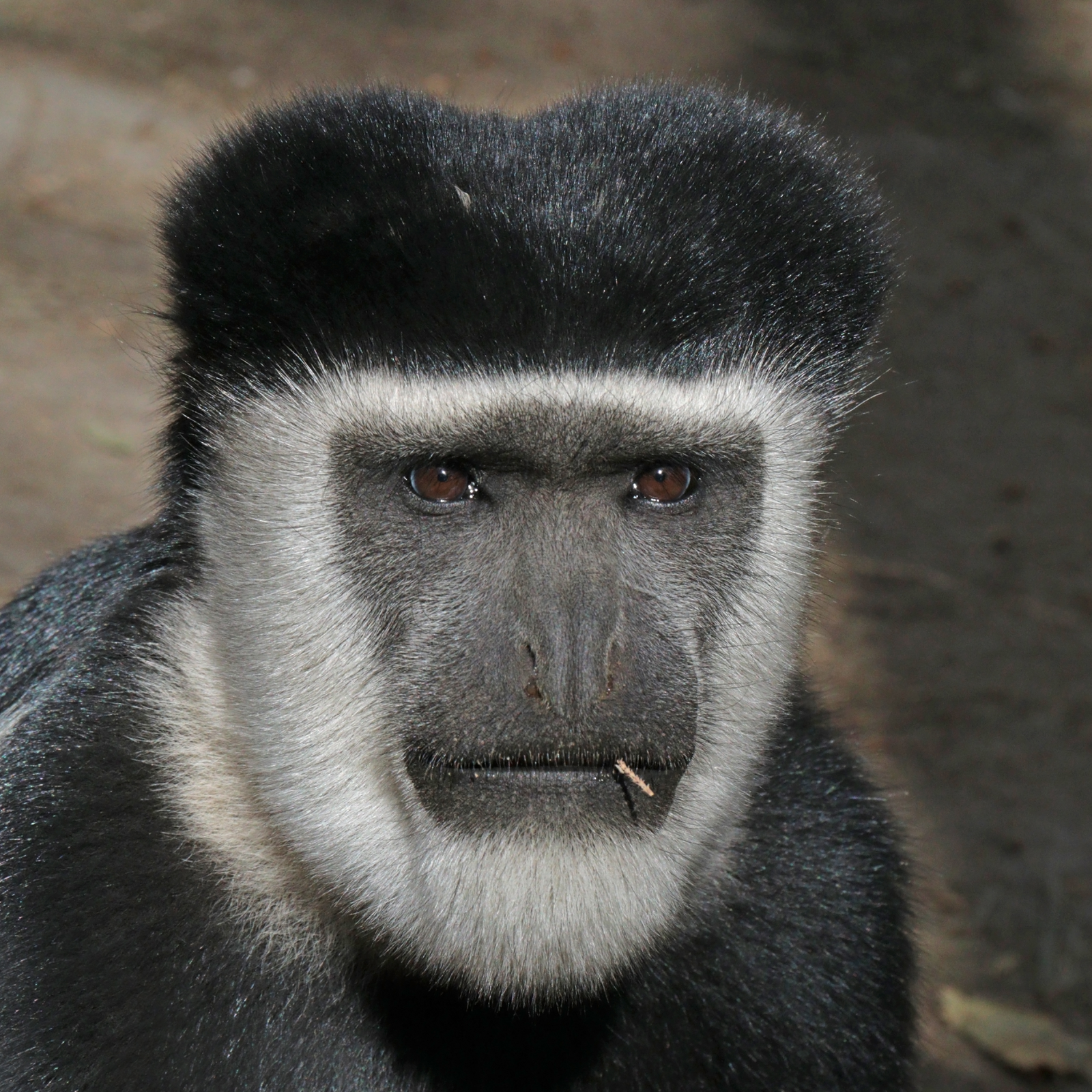
Mammal
Black-and-white leaf monkey of African canopy
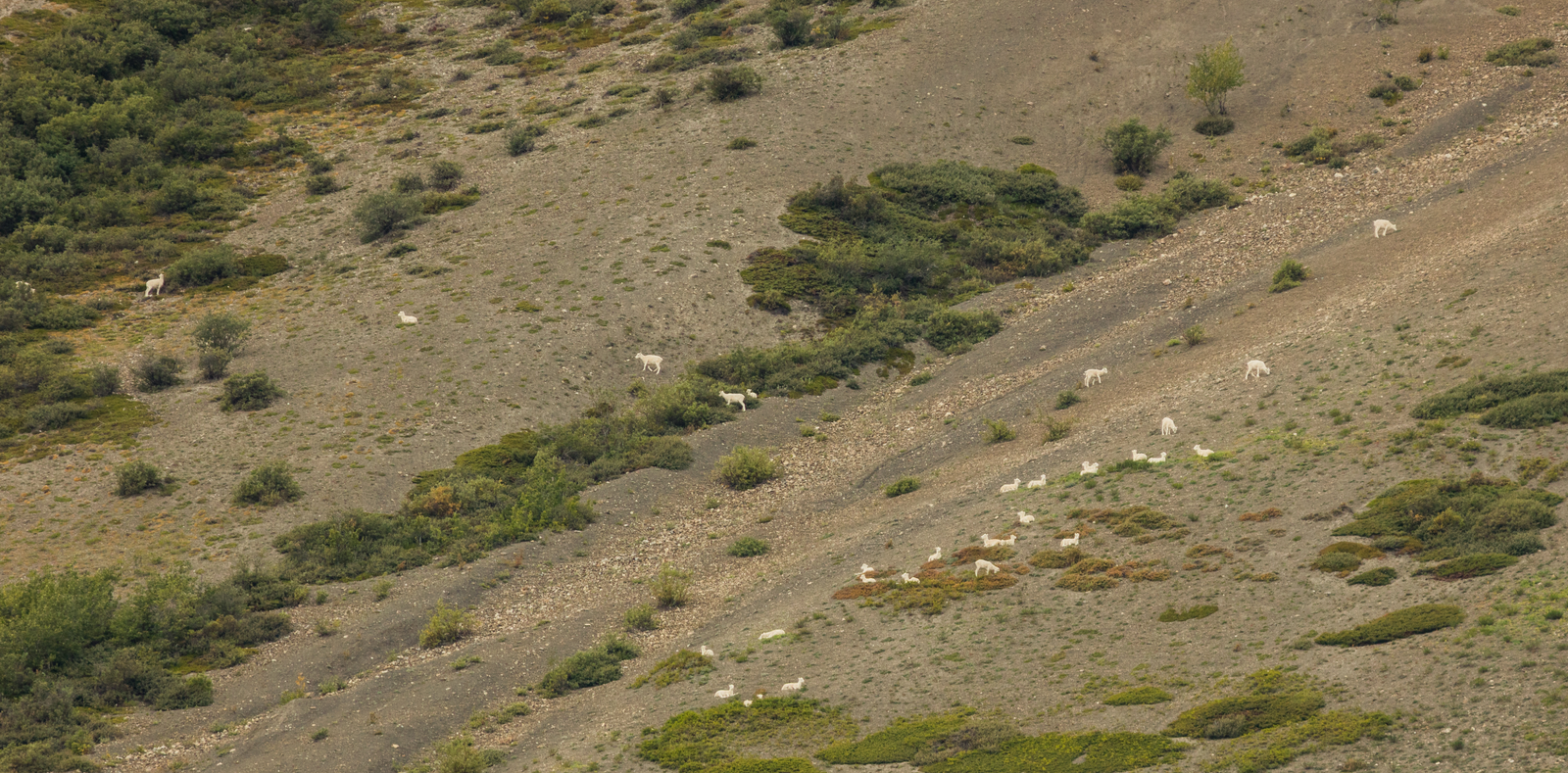
Mammal
White horned climber of northern peaks
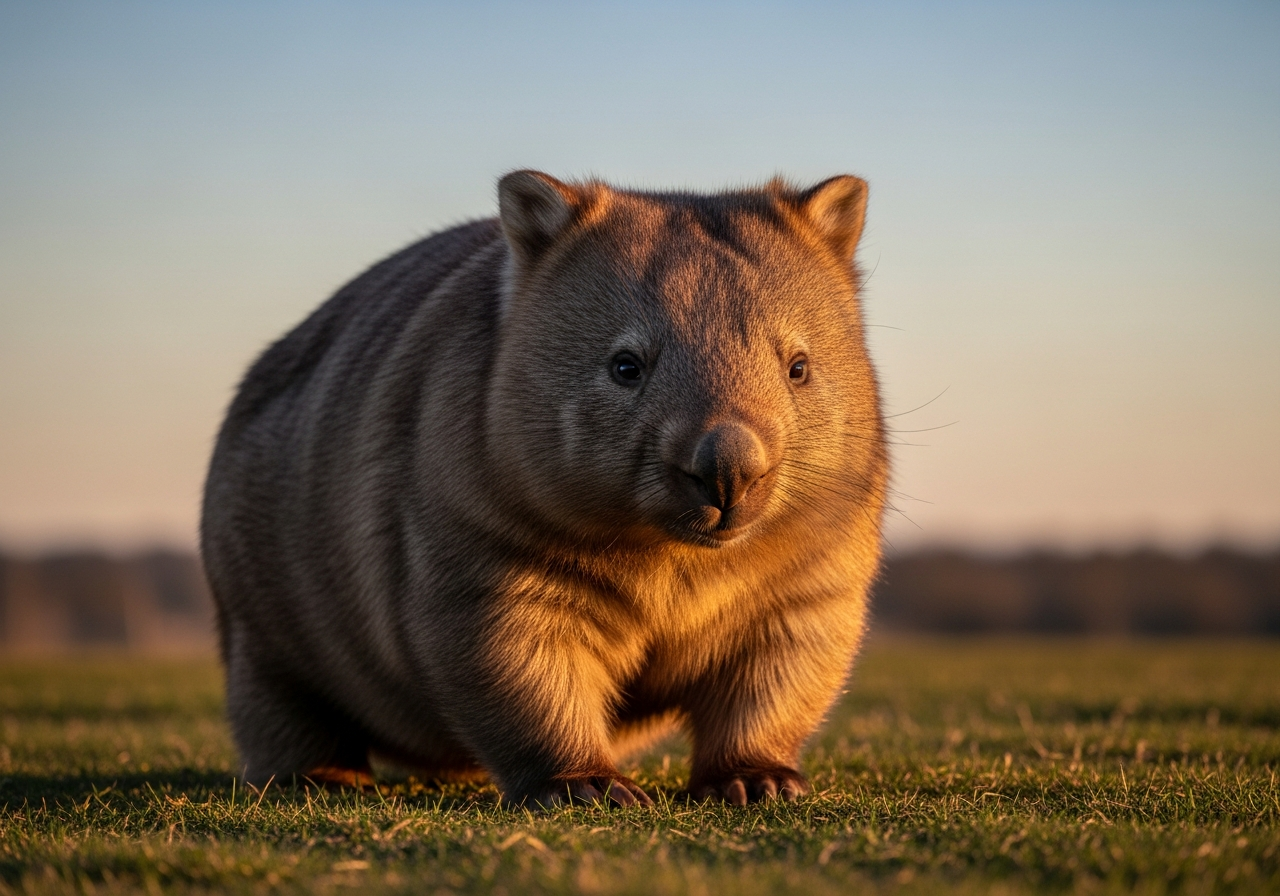
Mammal
The powerful Australian digger famous for cube-shaped droppings

Insect
The world's largest hornet
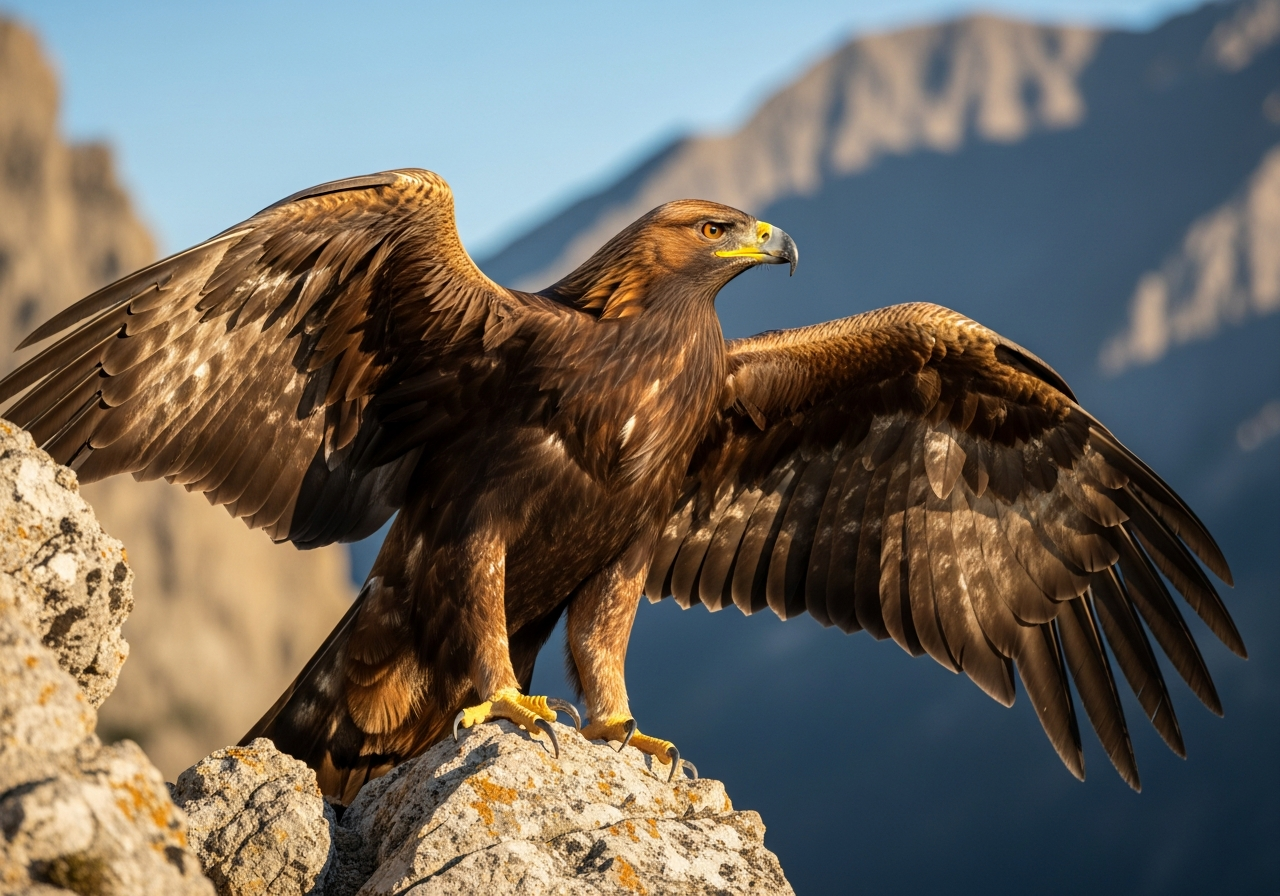
Bird
One of the largest and fastest birds of prey
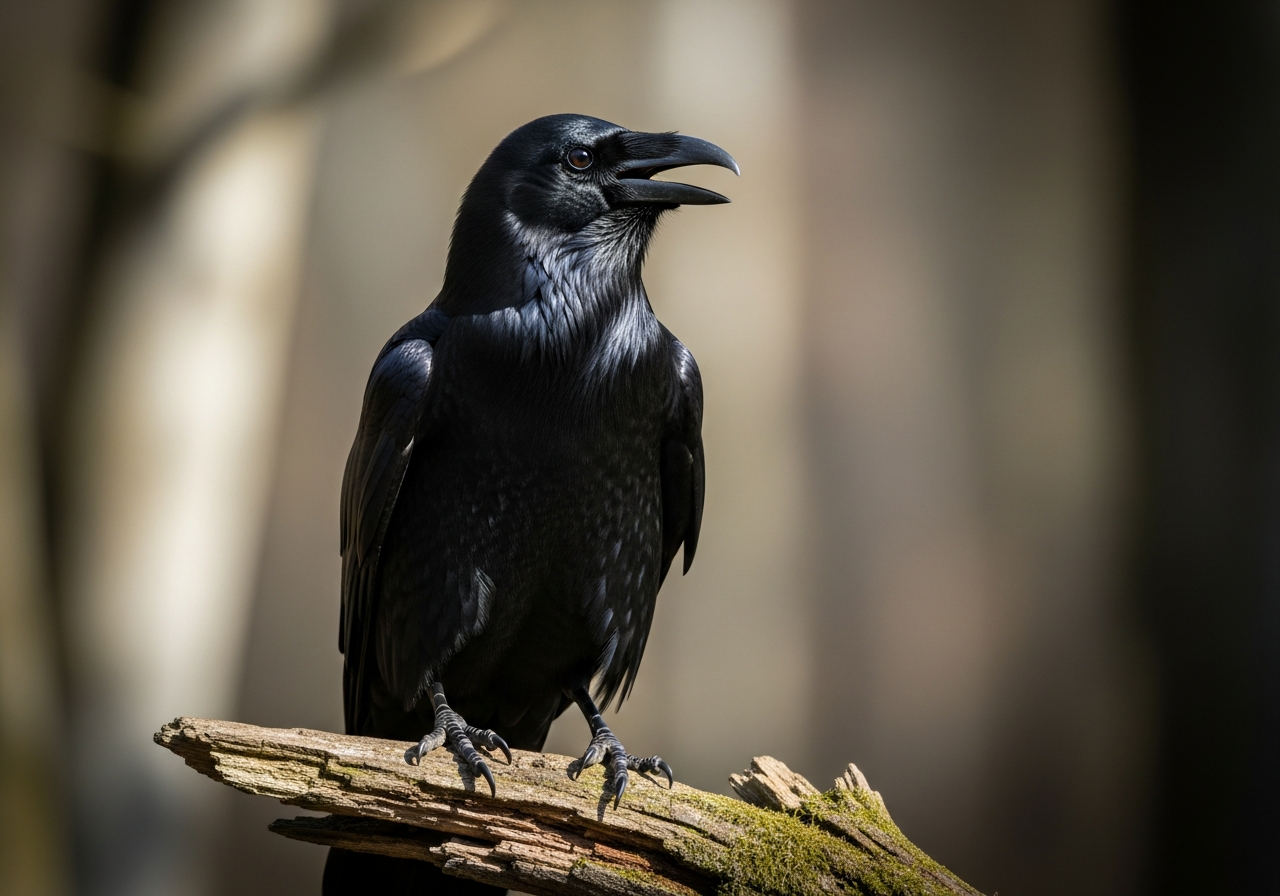
Bird
One of the world's most intelligent birds
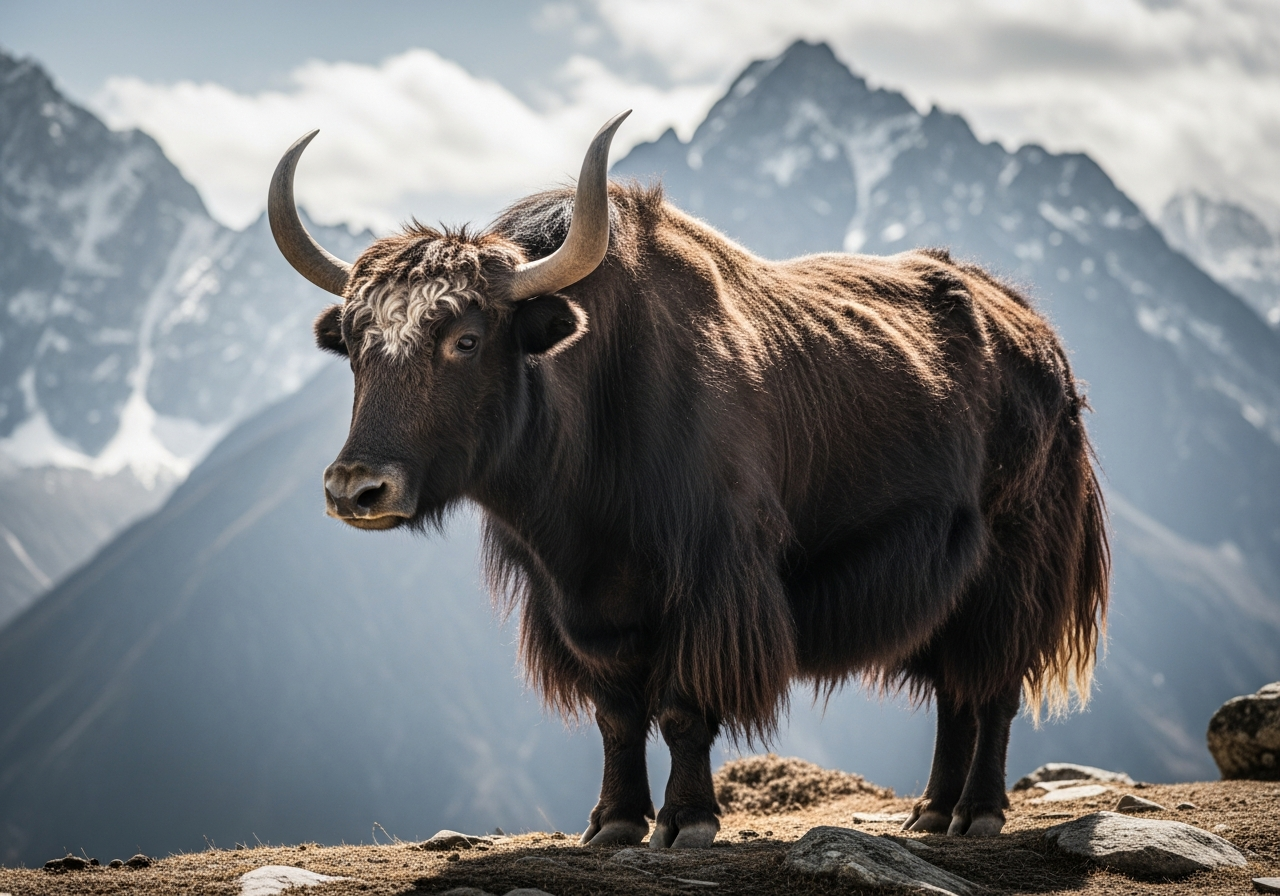
Mammal
The shaggy ox of the high Himalayas
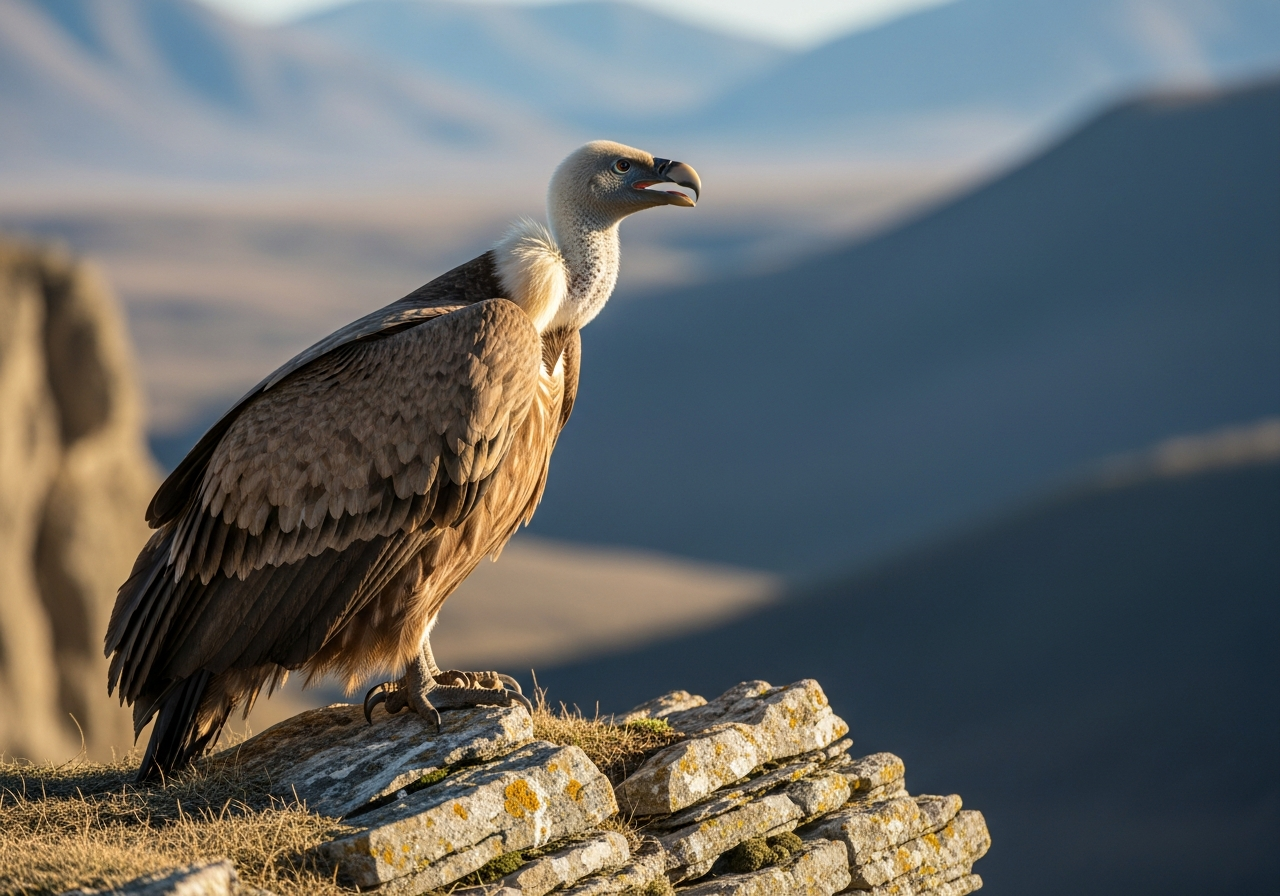
Bird
Nature's clean-up crew on broad soaring wings
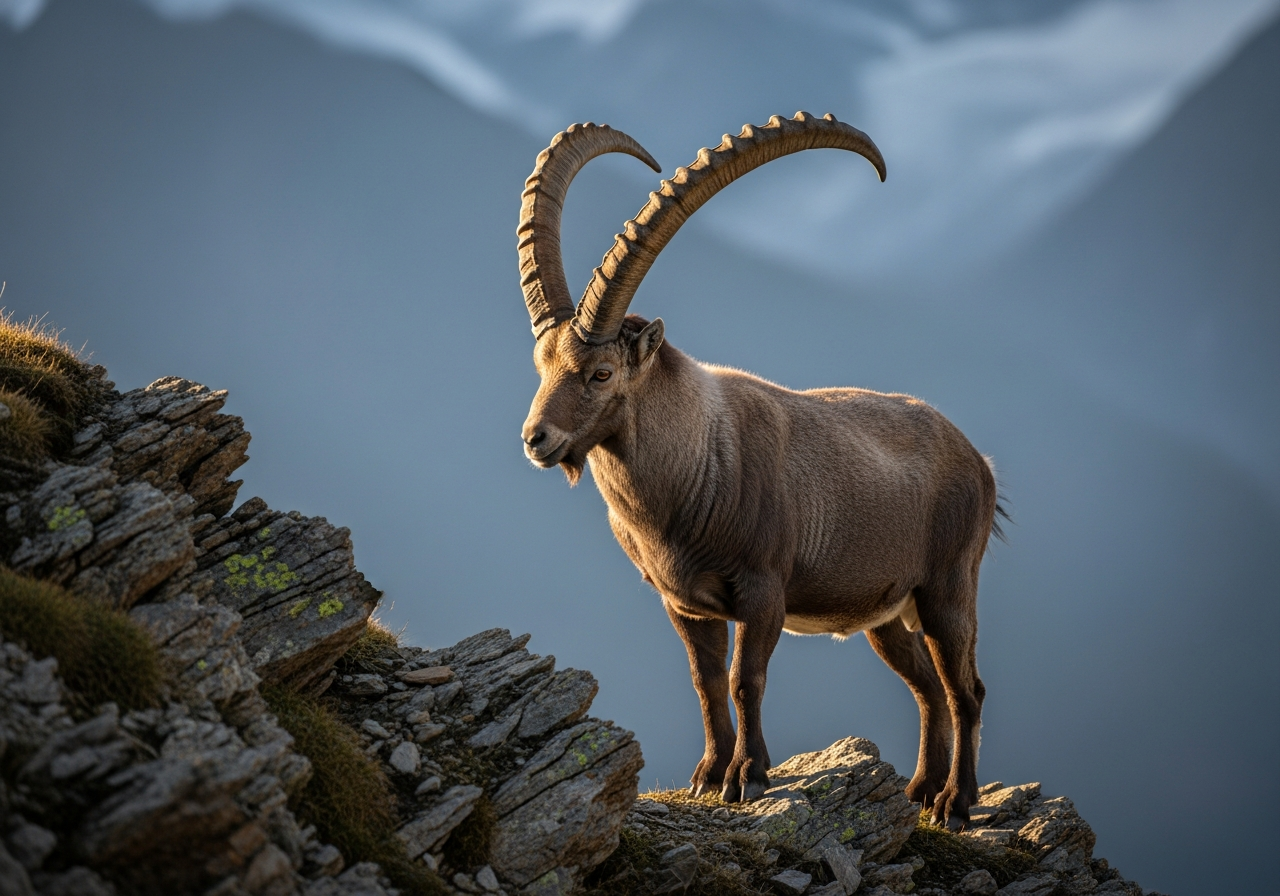
Mammal
The mountain climber with sweeping ridged horns
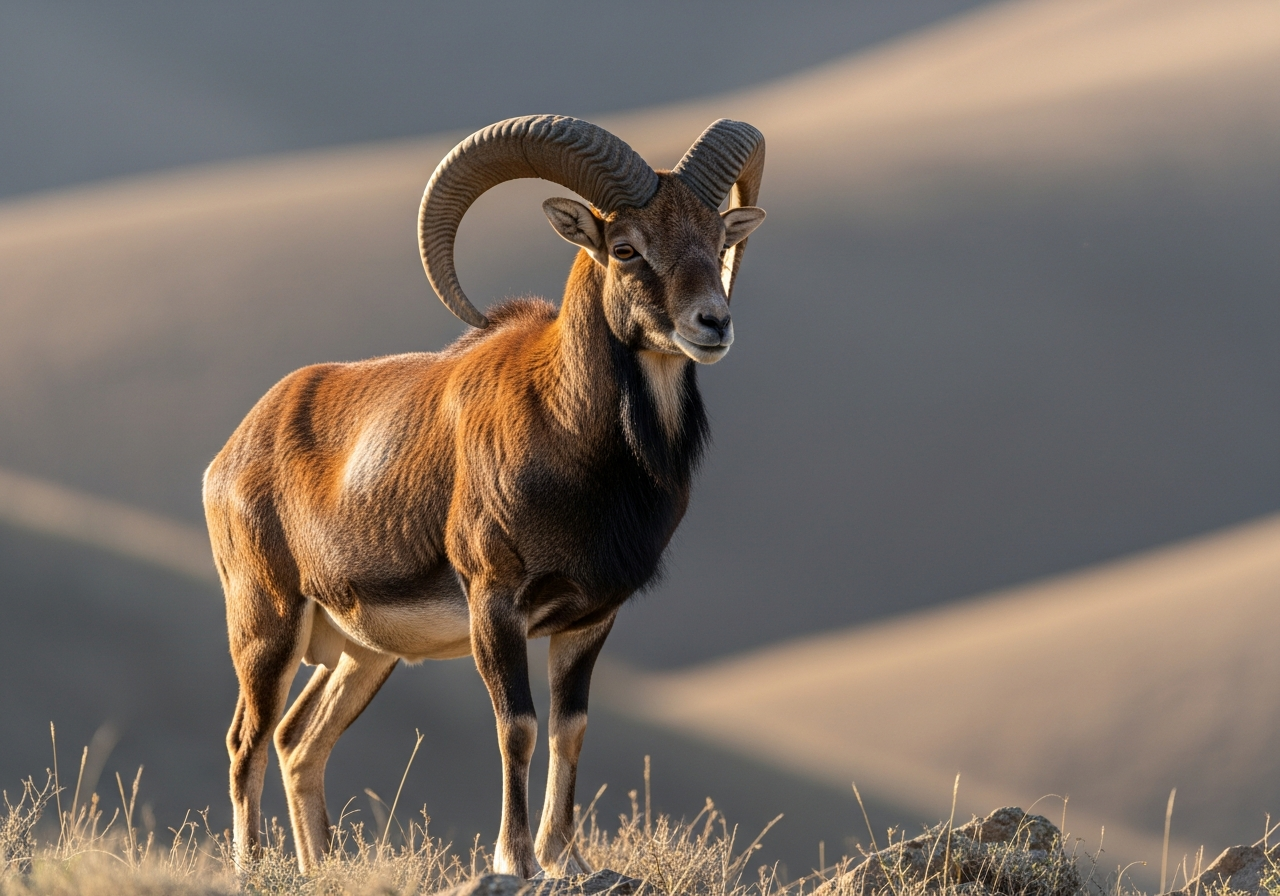
Mammal
The wild sheep of the Central Asian hills
Mountain habitats change quickly with elevation: forests give way to alpine meadows, rock, and snow. Thin air, cold nights, and steep terrain favour sure-footed climbers, thick coats, and seasonal movement up and down slopes. Endemic species often have tiny ranges.
Species lists on this page are drawn from Global Animal Guide profiles whose habitat facts match mountain keywords. Browse the ranked list for answer-first guides covering diet, range, and conservation.
Mountains is defined by climate, vegetation, and water availability that favour particular body plans and behaviours. Compare sibling biome hubs (ocean, forest, desert, and more) to see how the same animal groups specialise differently.