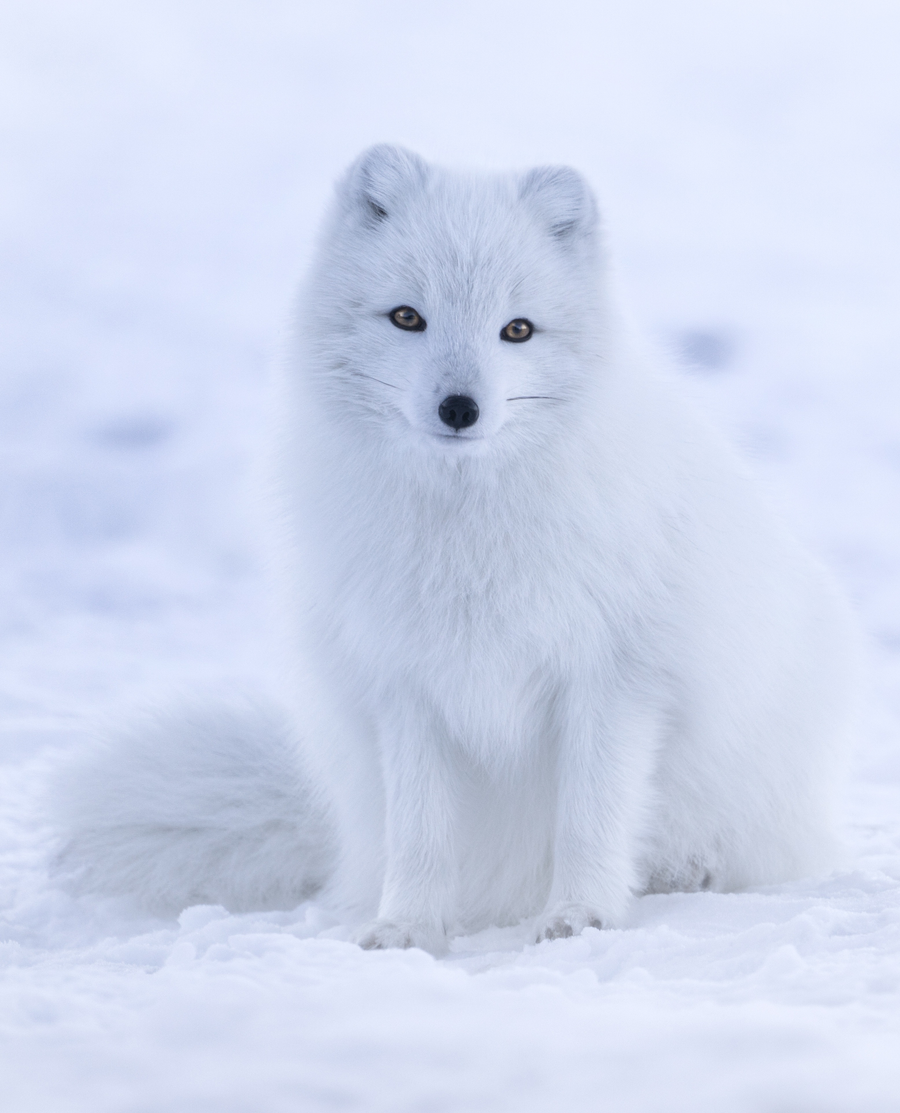
Mammal
Arctic Fox
The white fox of the frozen tundra
Trusted wildlife guides · Promotional links support animal rescue
Saturday, 18 July 2026Polar ecosystems are cold, seasonal, and tightly linked to ice and short summers. Profiles mentioning arctic, antarctic, tundra, polar, or sea ice habitats appear here.
Arctic and polar habitats include tundra, sea ice, and ice-edge seas. Thick fur or blubber, seasonal migration, and ice hunting define polar bears, seals, penguins, and arctic foxes.
Polar bear, emperor penguin, arctic fox, and walrus profiles emphasise ice dependence, diet, and climate sensitivity.
Sea-ice loss, warming oceans, industrial activity, and shipping noise are reshaping polar food webs and hunting grounds.
Continue with ocean animals for ice-edge marine species and conservation guides for climate context.
Ranked by profile popularity. An animal may also appear in other biomes if it uses multiple habitats.
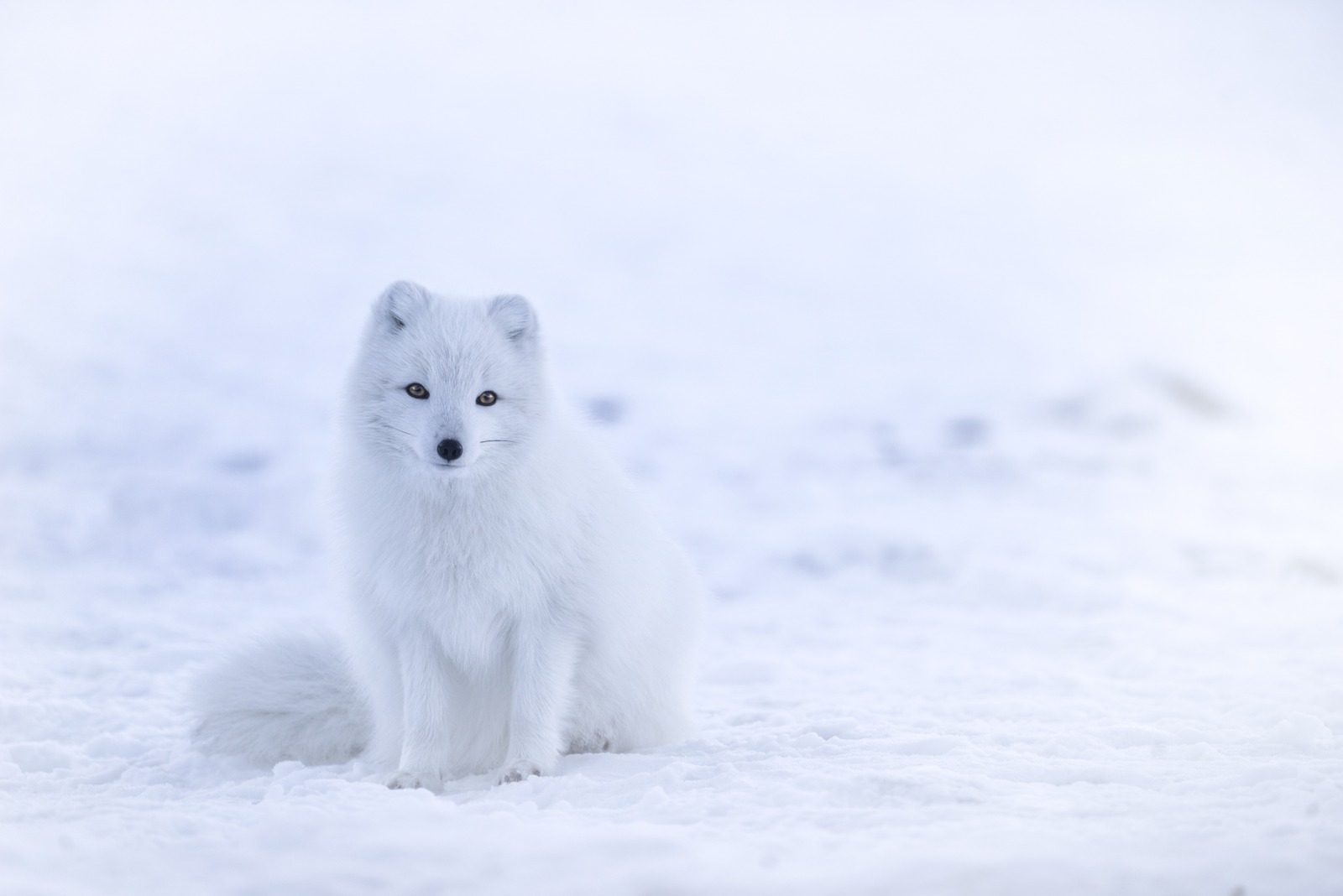
Mammal
The white fox of the frozen tundra
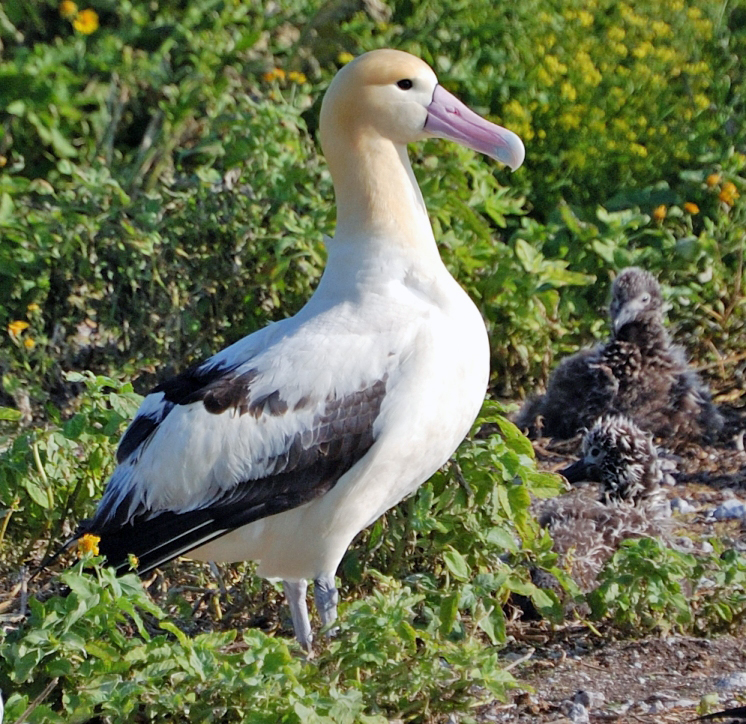
Bird
The widest wingspan on Earth
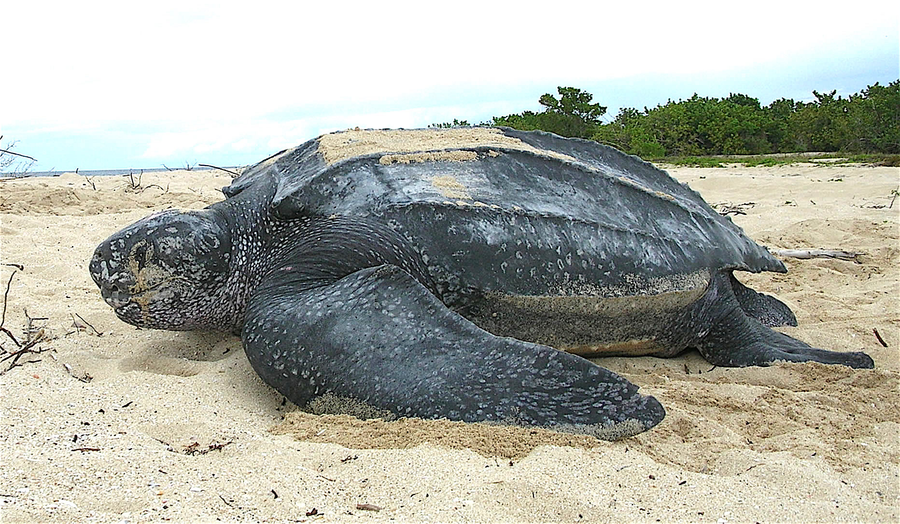
Reptile
The giant jellyfish specialist
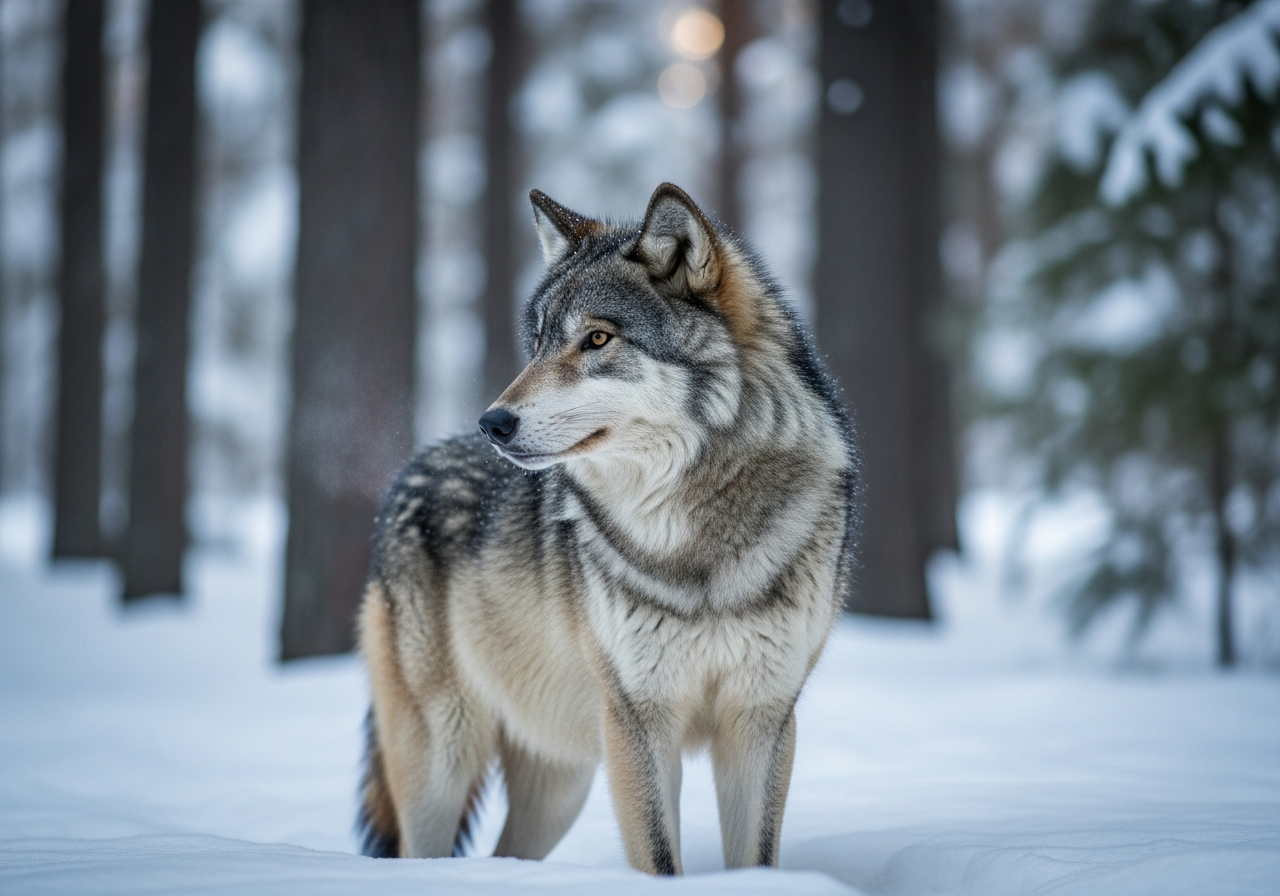
Mammal
The ancestor of the domestic dog
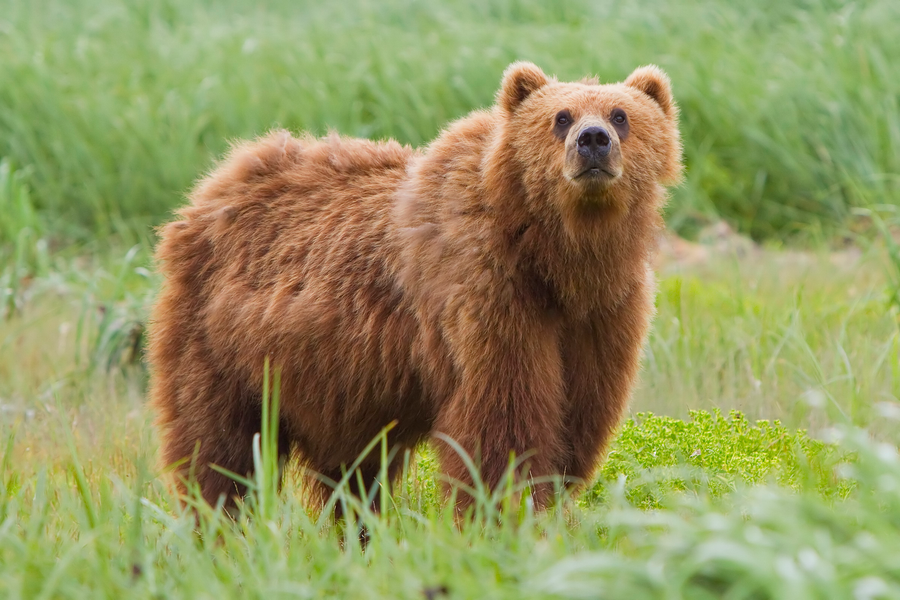
Mammal
The widespread bear of the Northern Hemisphere
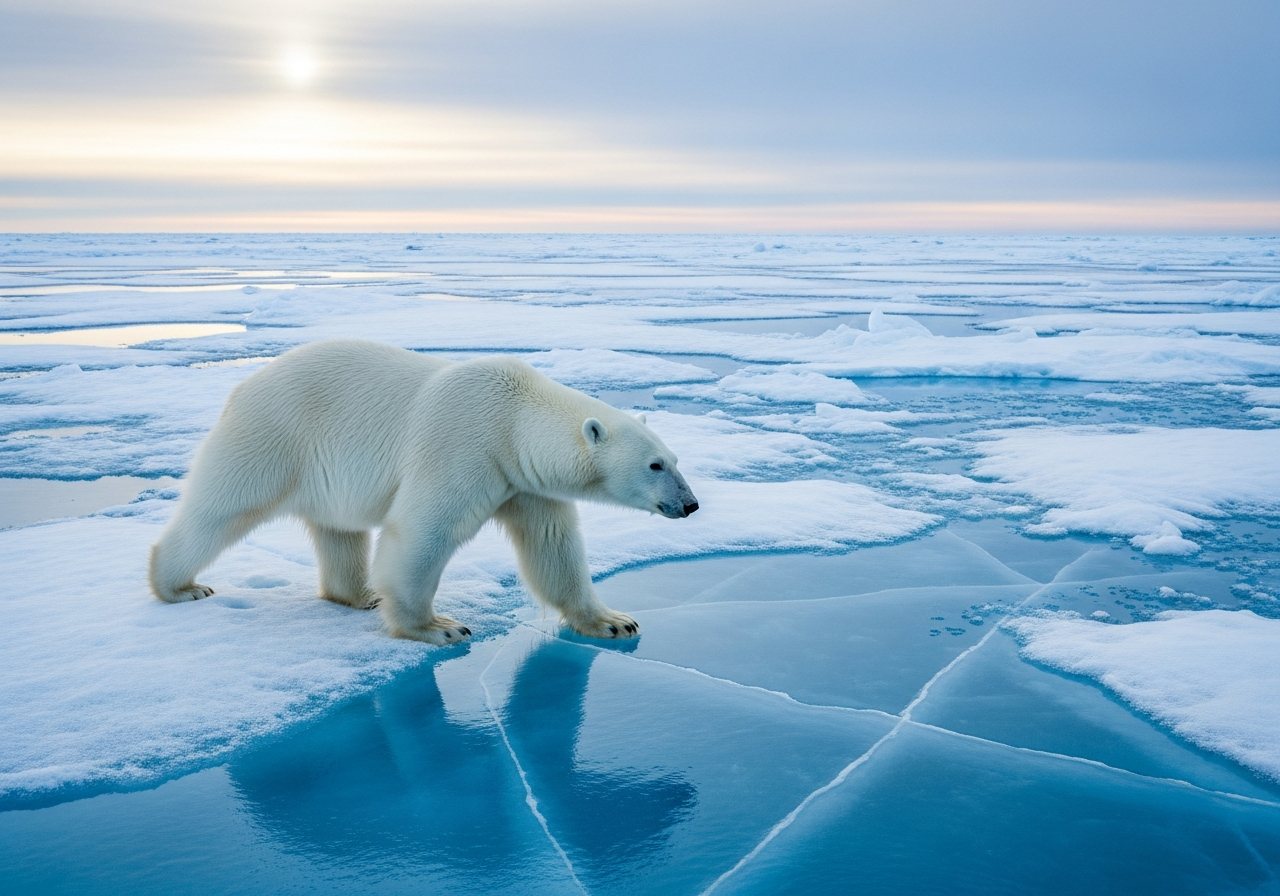
Mammal
The largest land carnivore, ruler of the Arctic
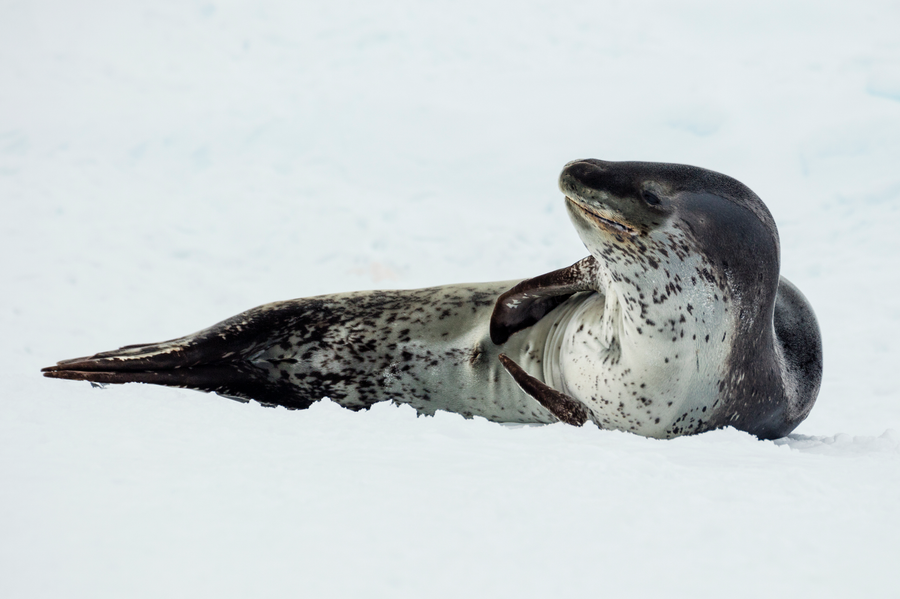
Mammal
Antarctica's apex predator
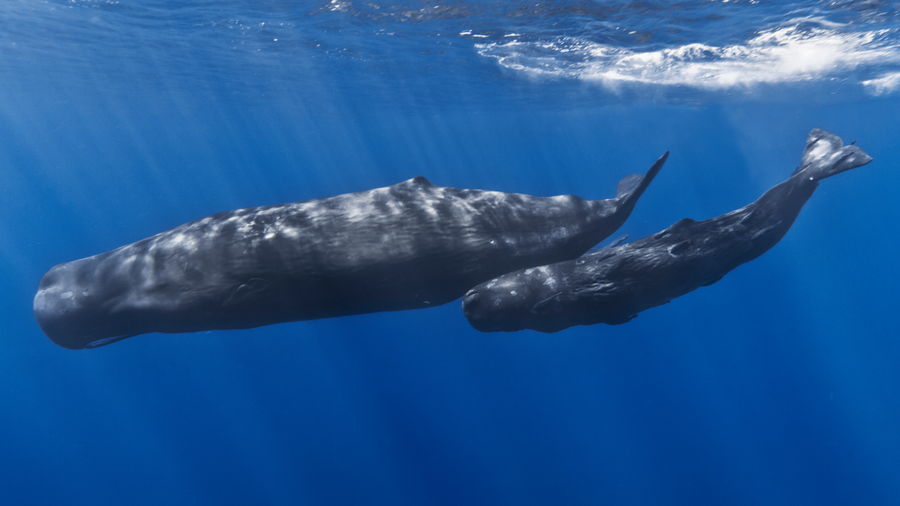
Mammal
The deep-diving giant with the largest brain
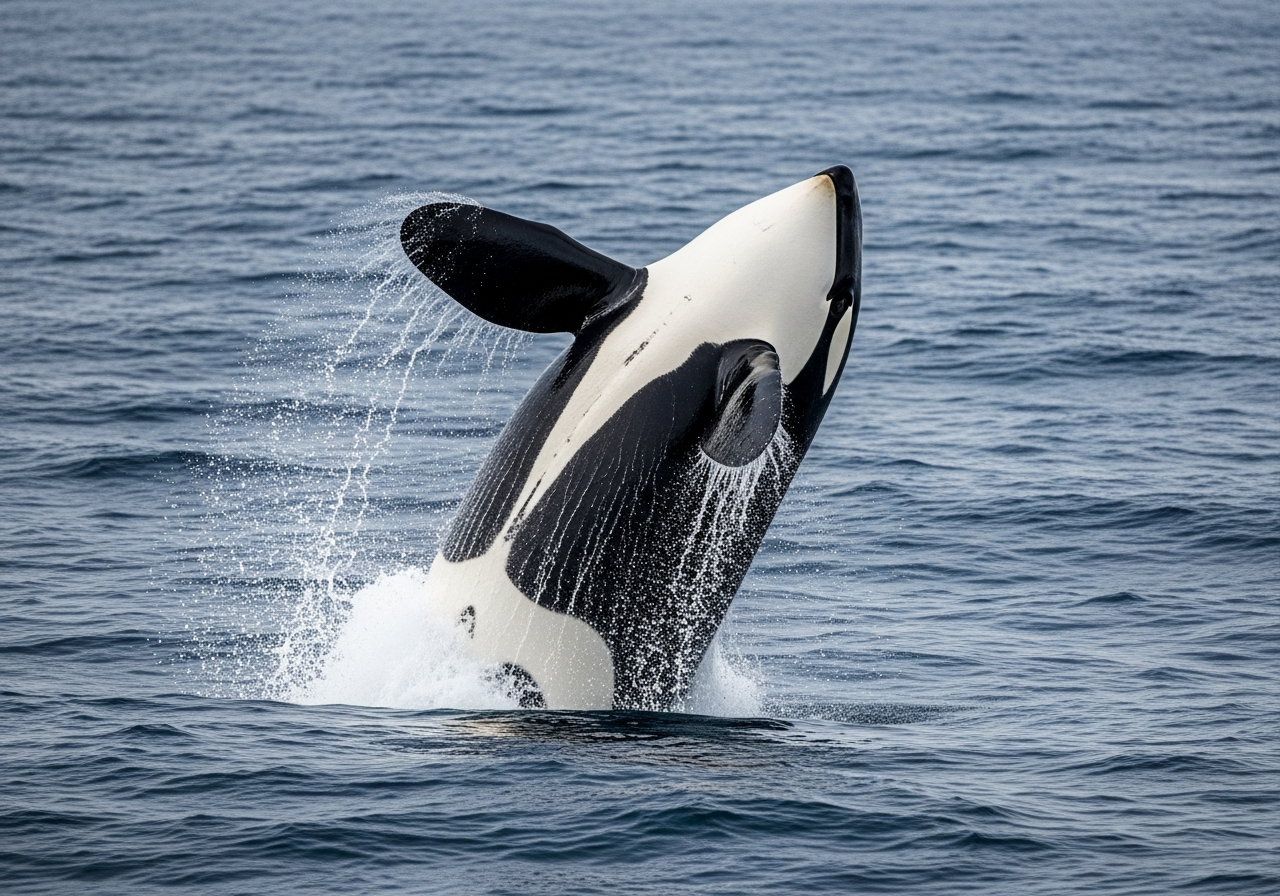
Mammal
The ocean's top predator
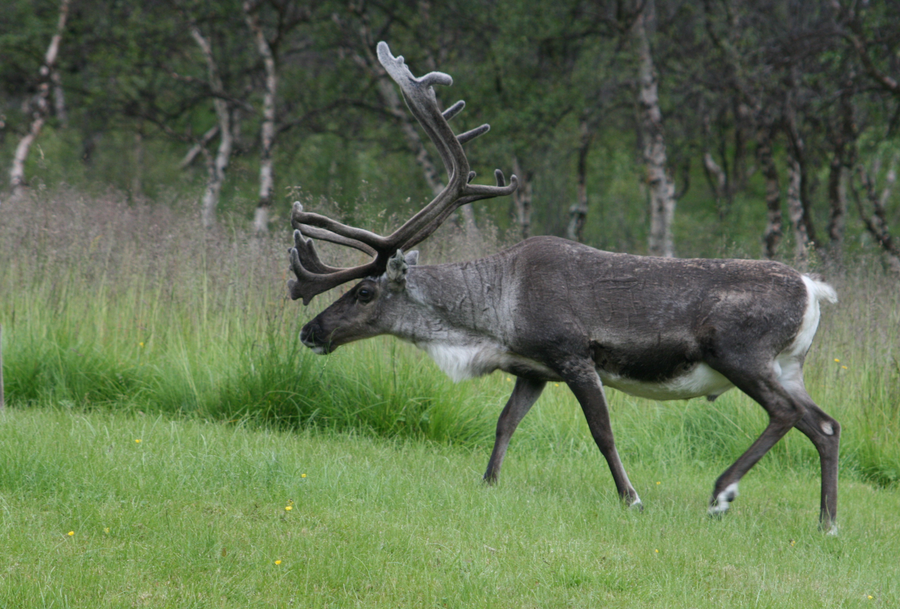
Mammal
The Arctic migrator and both-sex antlered deer
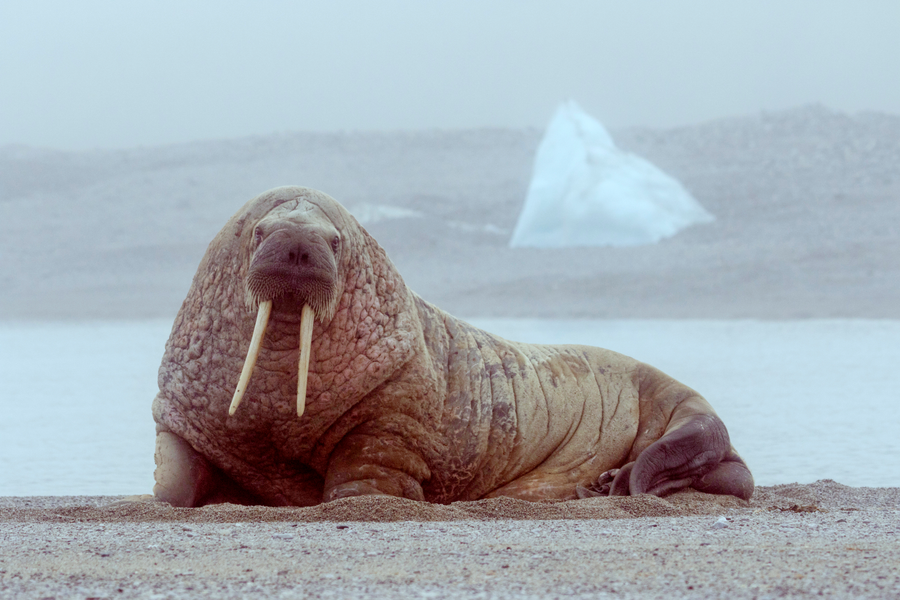
Mammal
The tusked giant of the Arctic ice
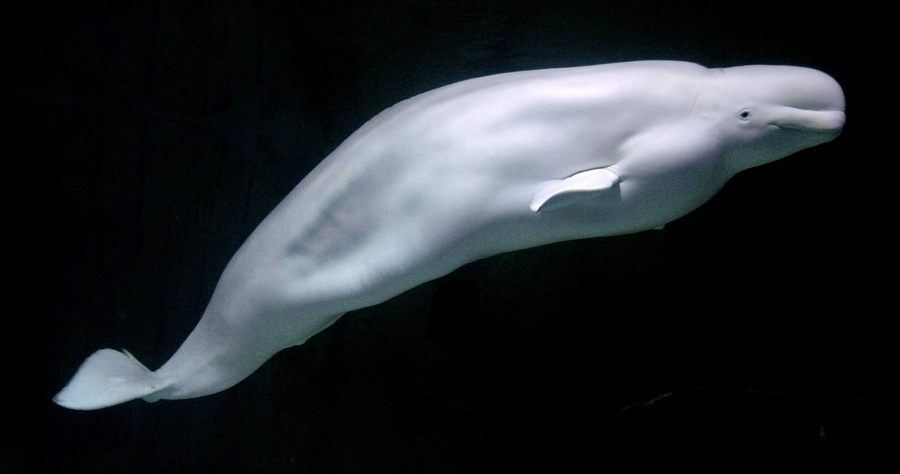
Mammal
The white whale of the Arctic
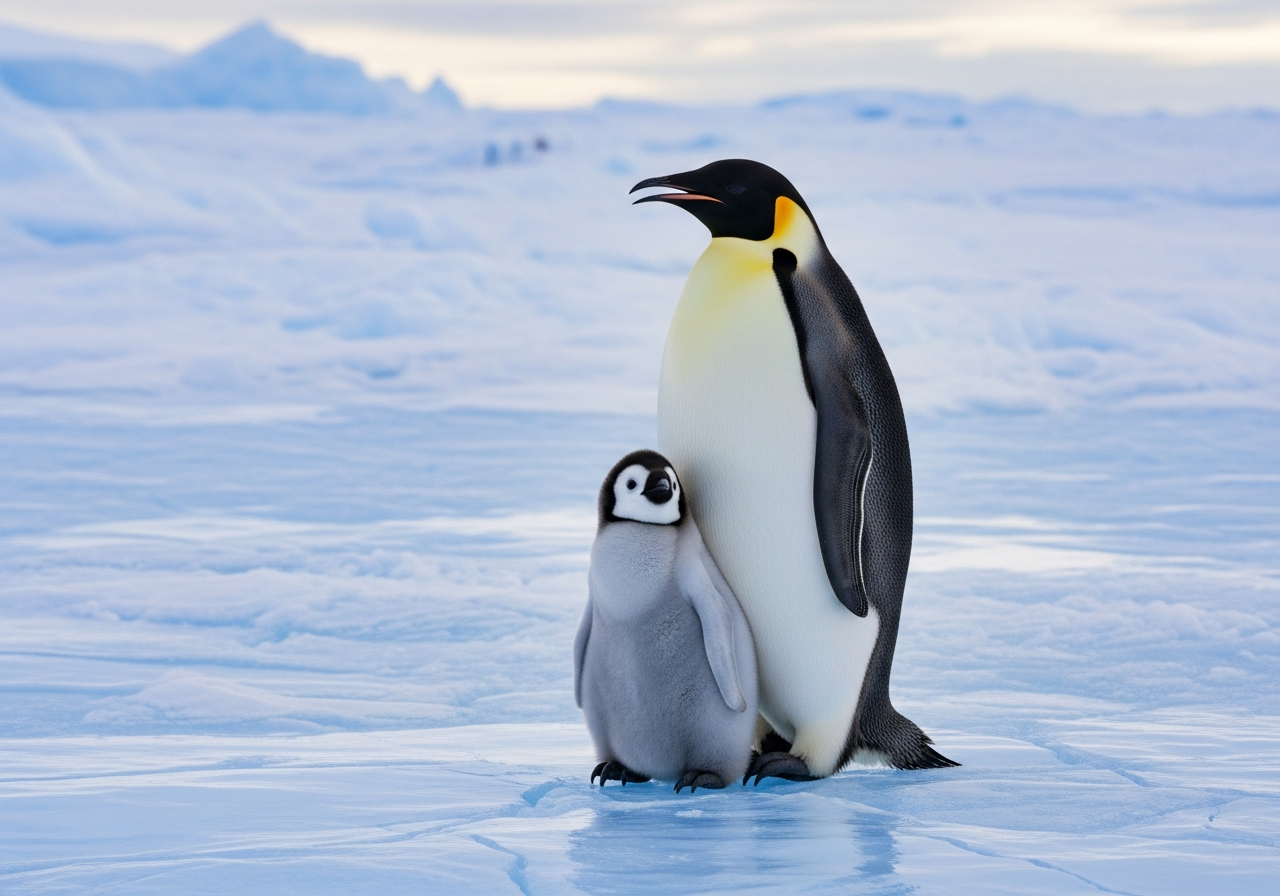
Bird
The largest penguin, built for the Antarctic winter
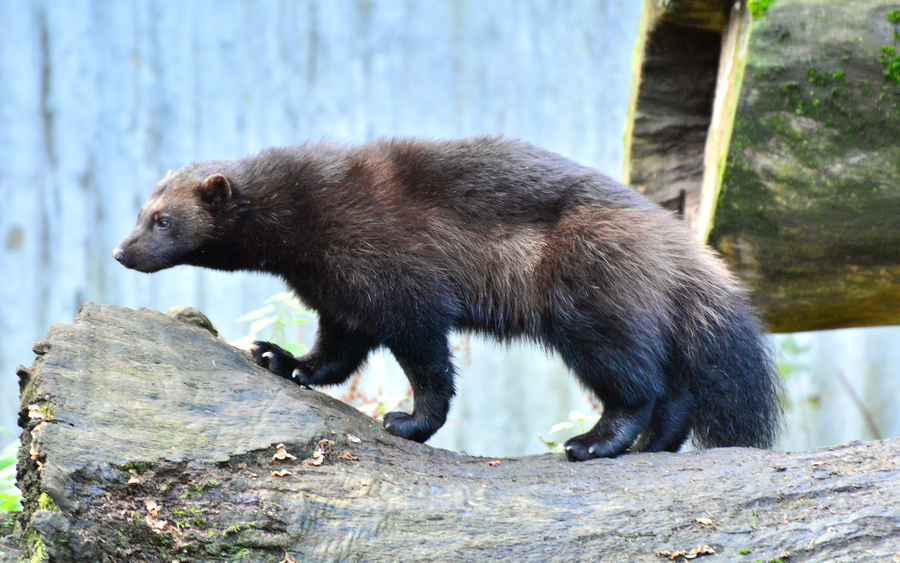
Mammal
The fierce scavenger of the boreal north
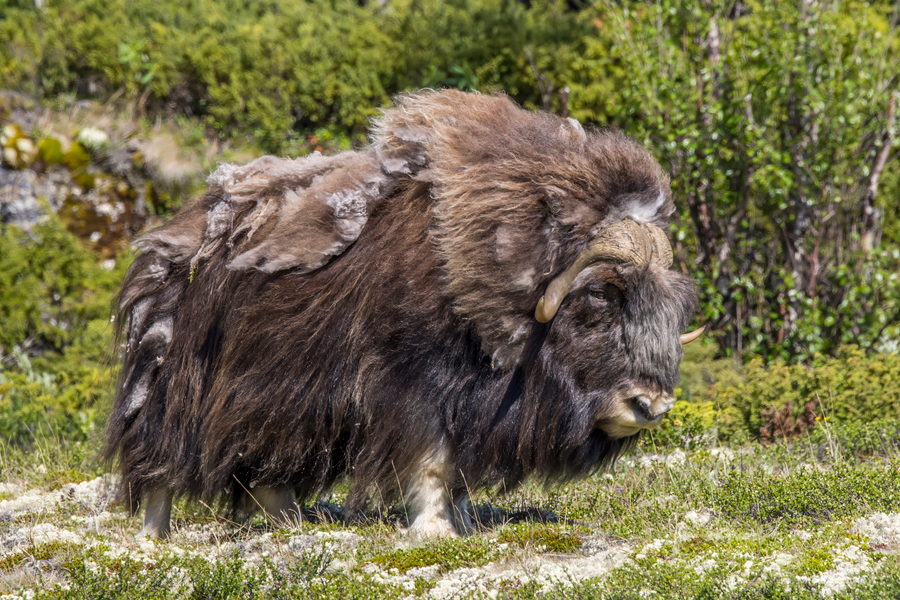
Mammal
The Ice Age survivor of the Arctic
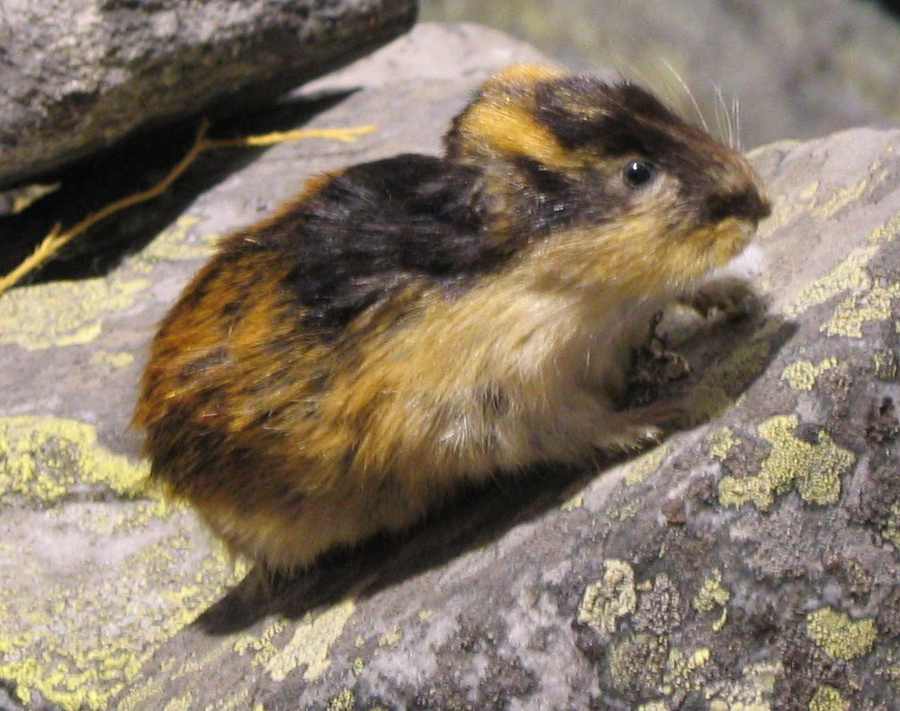
Mammal
The tundra rodent of myth
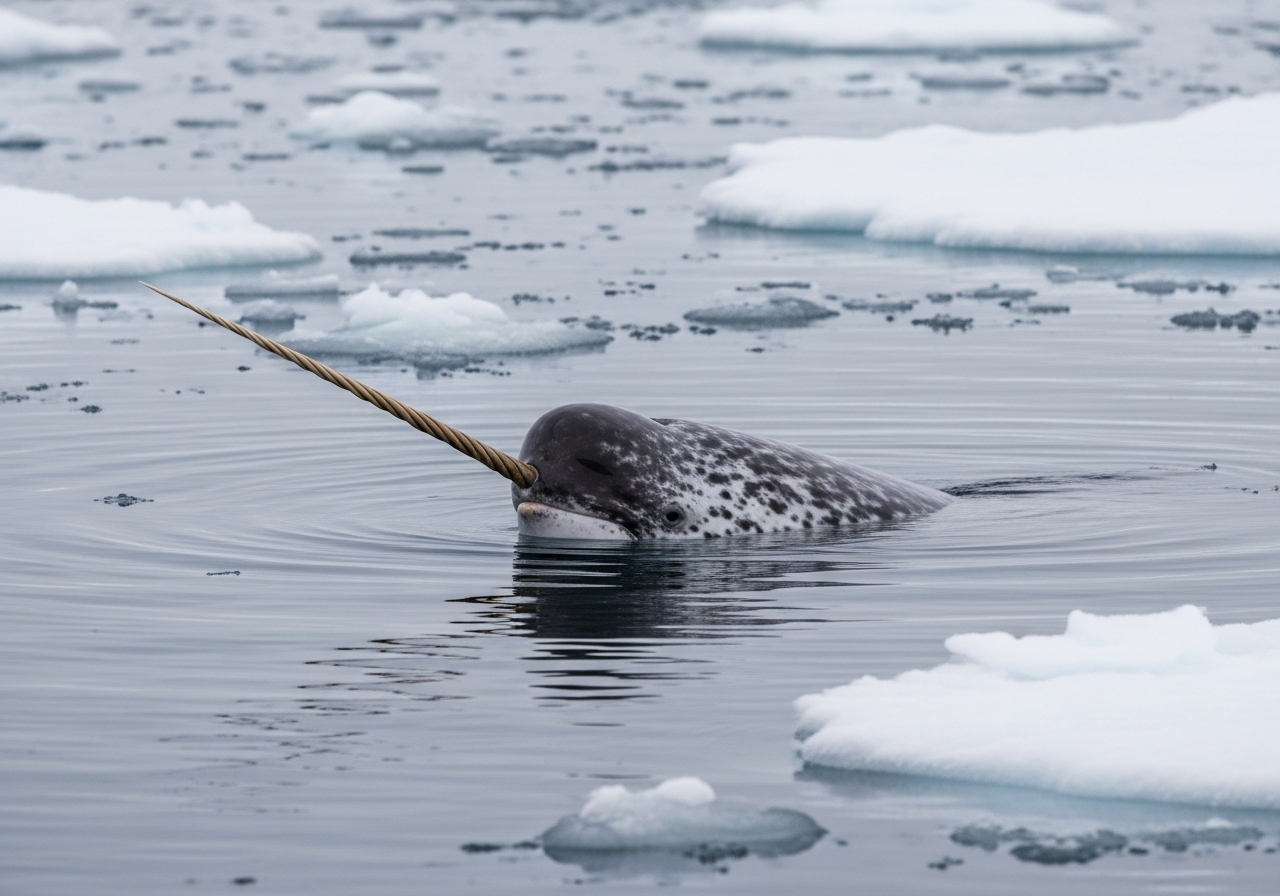
Mammal
The tusked unicorn of the sea
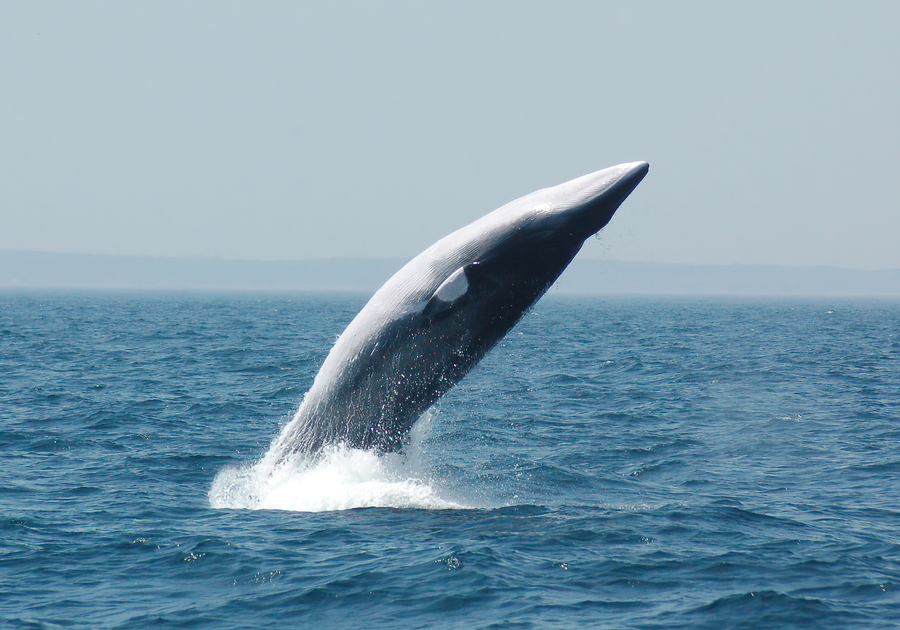
Mammal
The smallest and most abundant rorqual
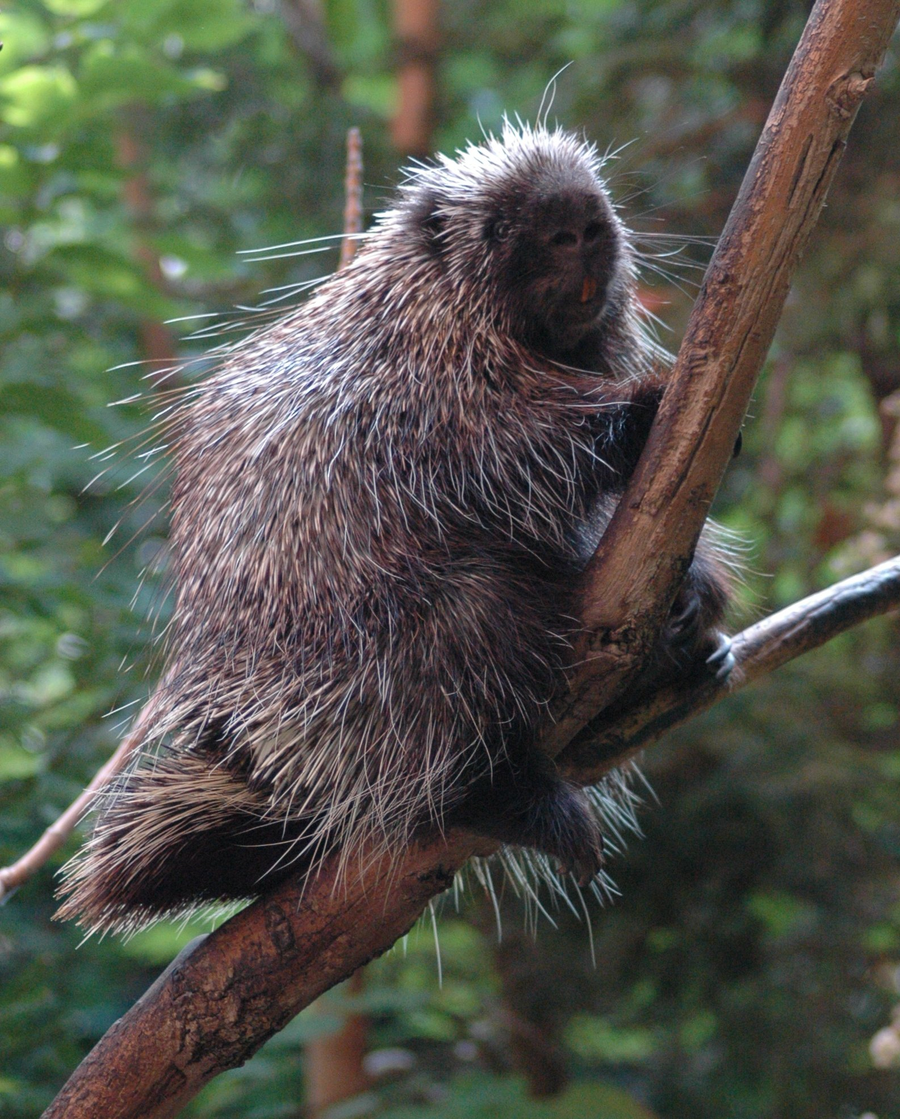
Mammal
The quilled climber of northern forests
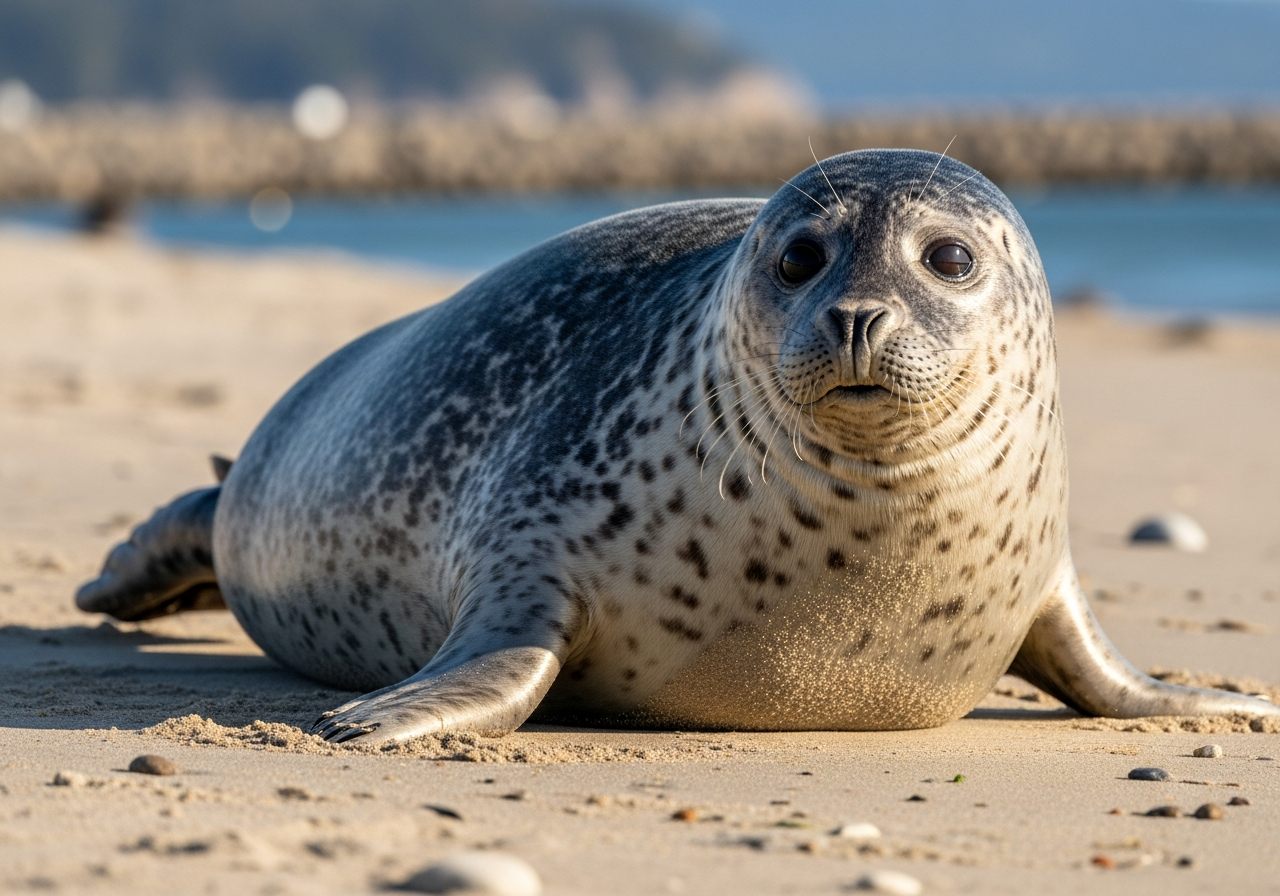
Mammal
The shy, spotted true seal of northern coasts
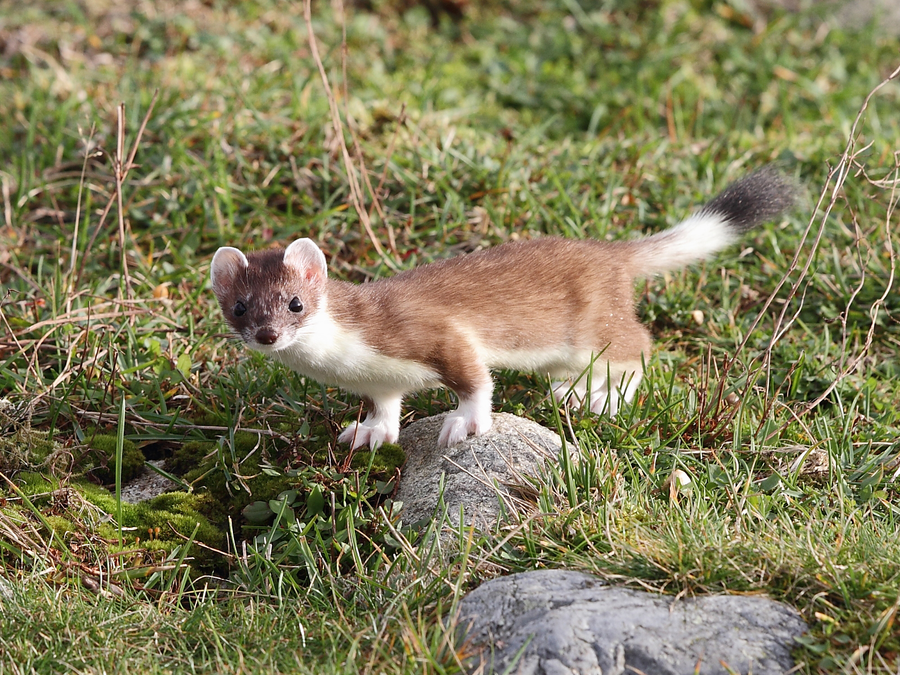
Mammal
The ermine in winter white
Bird
Snow-white grouse of Arctic willows
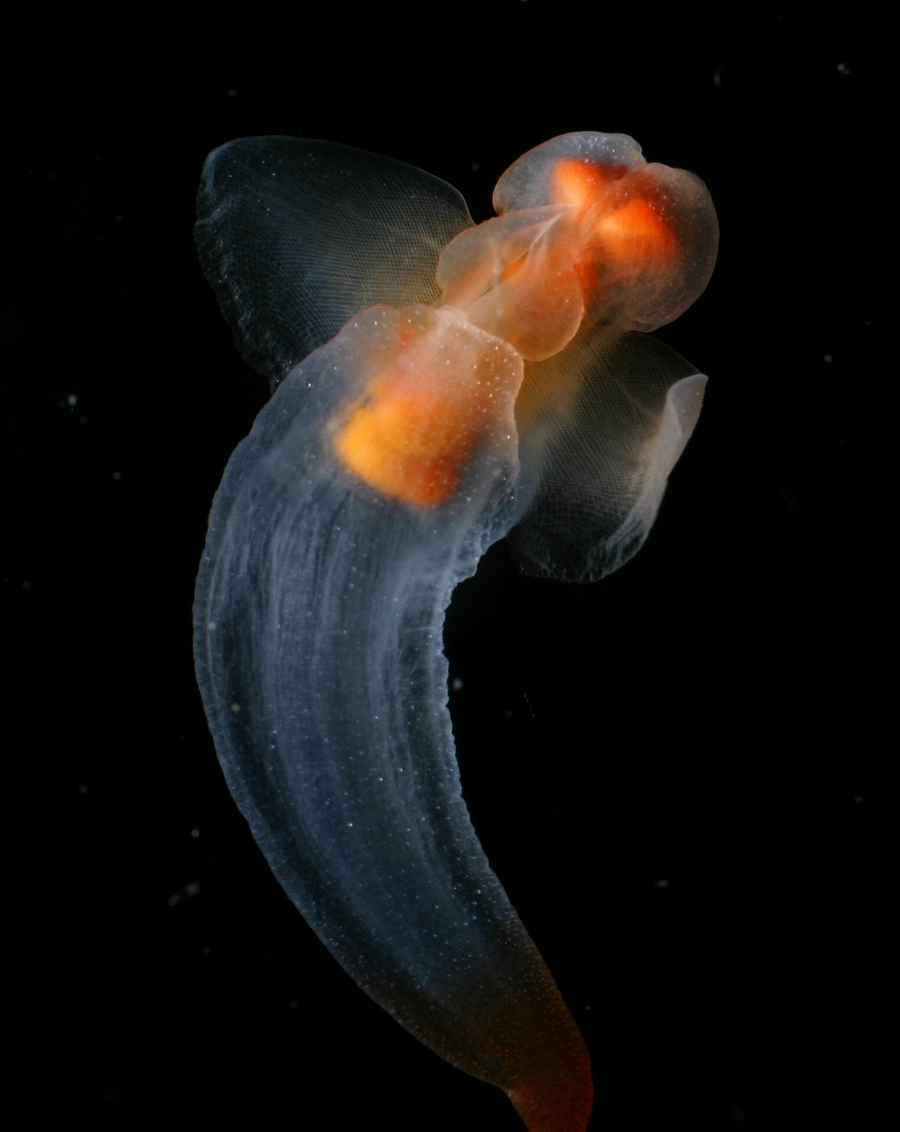
Invertebrate
Shell-less winged hunter of polar seas
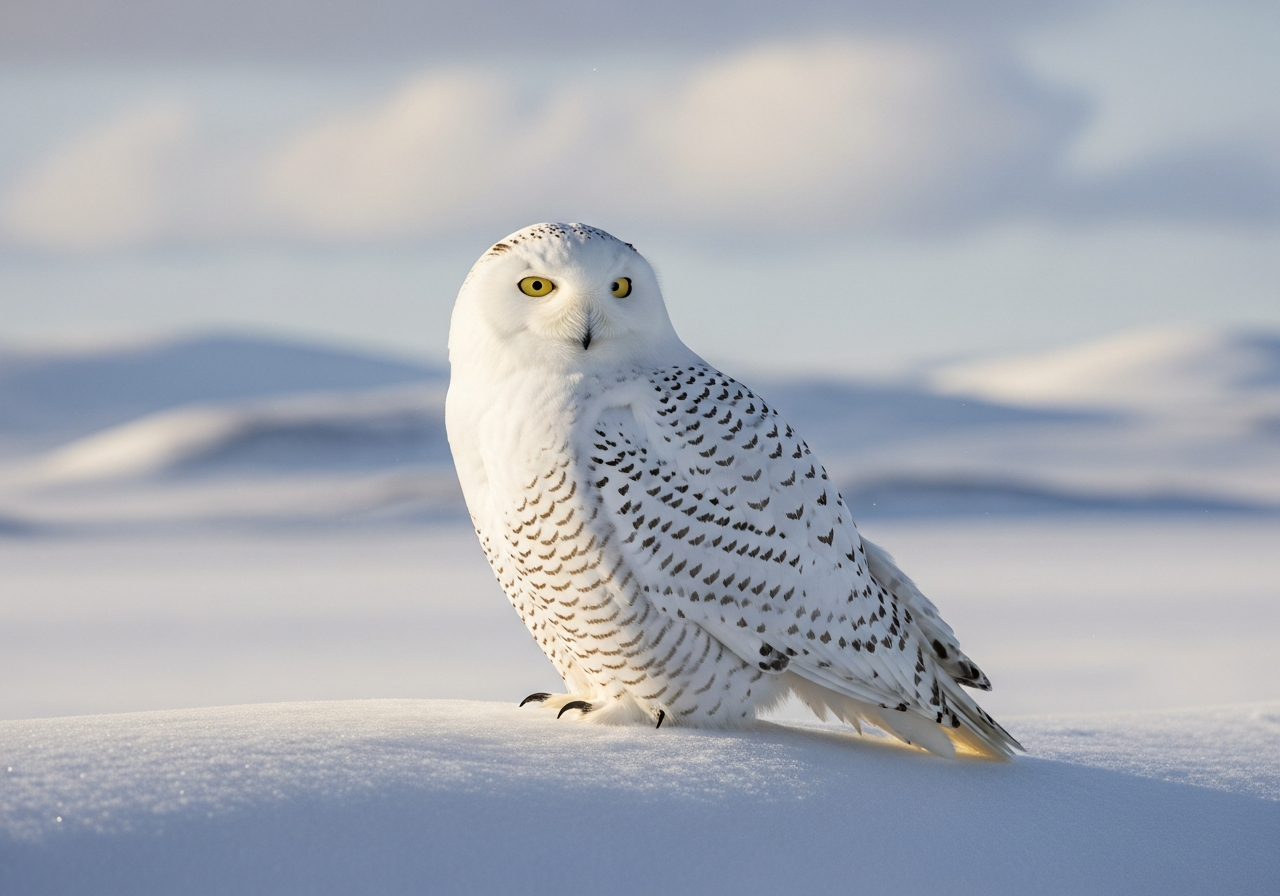
Bird
The white owl of the Arctic tundra
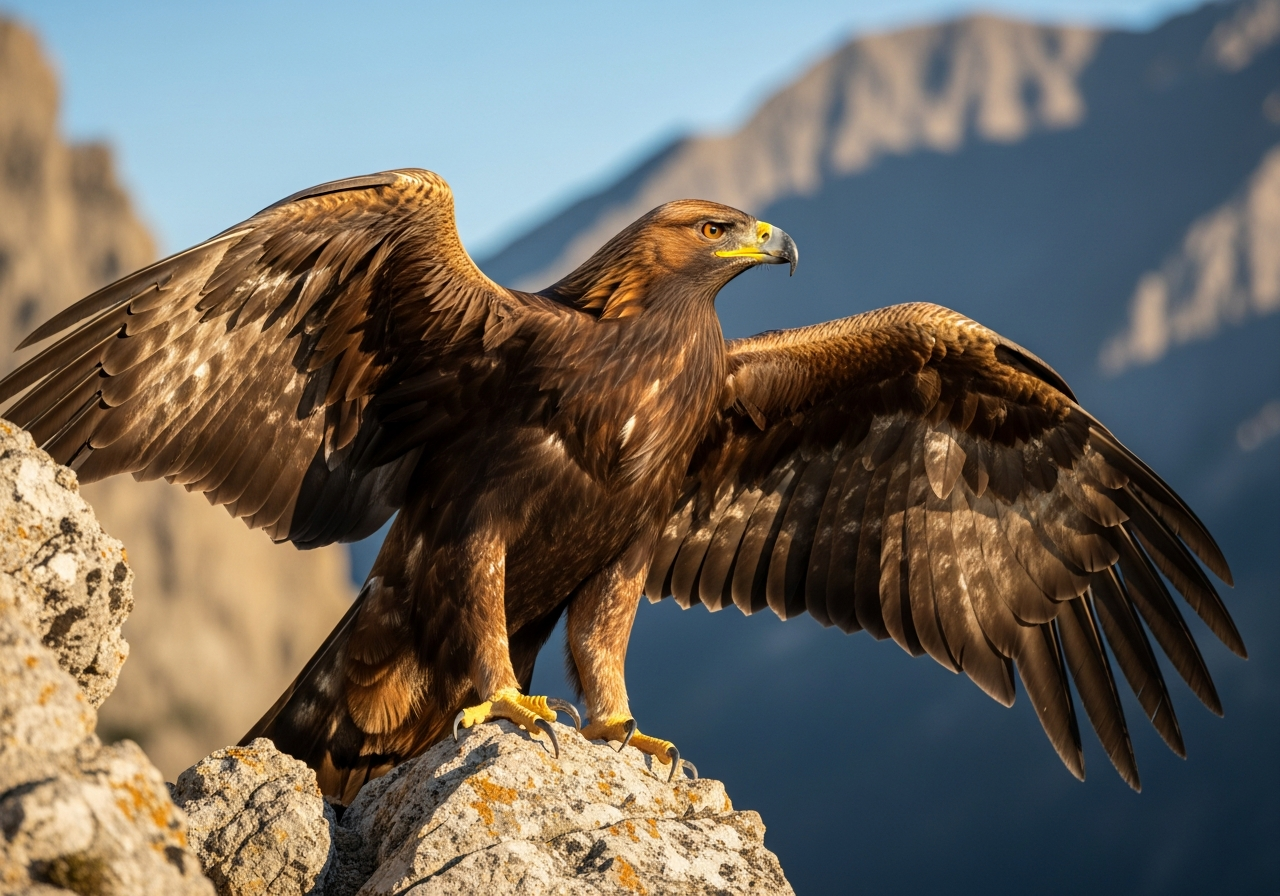
Bird
One of the largest and fastest birds of prey
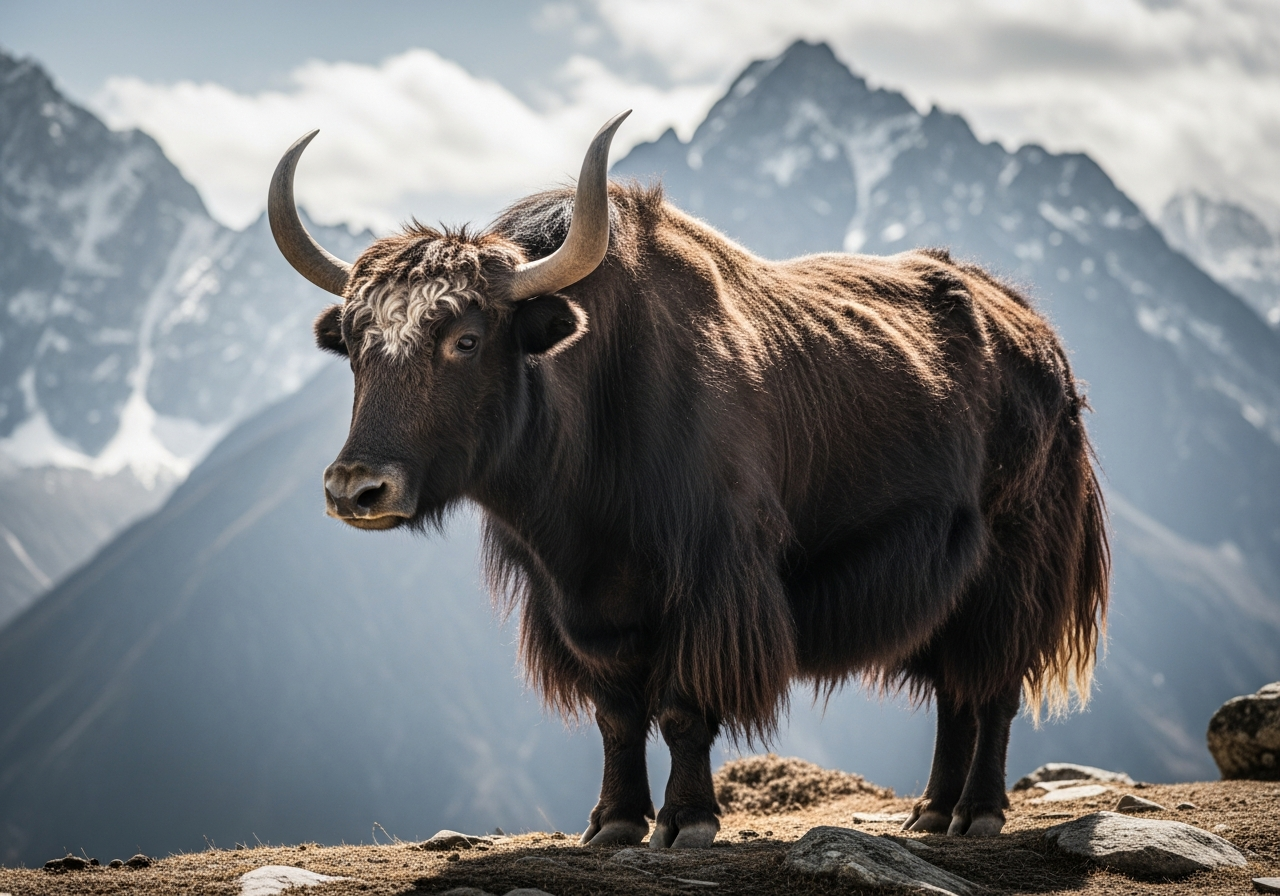
Mammal
The shaggy ox of the high Himalayas
Arctic and polar habitats include tundra, sea ice, and ice-edge seas. Long winters, short growing seasons, and extreme cold favour insulating fur or blubber, seasonal migration, and specialised hunting on ice. Climate-driven ice loss is reshaping these ecosystems rapidly.
Species lists on this page are drawn from Global Animal Guide profiles whose habitat facts match arctic & polar keywords. Browse the ranked list for answer-first guides covering diet, range, and conservation.
Arctic & polar is defined by climate, vegetation, and water availability that favour particular body plans and behaviours. Compare sibling biome hubs (ocean, forest, desert, and more) to see how the same animal groups specialise differently.